Colloidal Silver for Dogs and Cats: Is It Safe for Pets?


Is Colloidal Silver Safe for Dogs and Cats?
In my opinion, colloidal silver is not as dangerous as some platforms make it sound, especially when used at appropriate highly diluted doses.
A video I made over 5 years ago about the benefits of colloidal silver for dogs and cats was removed by YouTube because of misinformation concerns. I found that interesting, because I have seen many positive results with colloidal silver in pets.
The FDA has concerns about colloidal silver, especially in large quantities. They state that it can potentially cause toxicity, organ damage, and argyria, which is bluish skin discoloration.
But at recommended doses, colloidal silver is highly diluted in parts per million. In my experience, when used appropriately, it has a wide safety margin and does not cause clinical side effects in pets or people.
That is why I want pet parents to understand both sides: the concern, the practical use, and how to make informed decisions.
Dr. Jones’ Ultimate Omega 3 Formula for Dogs and Cats

What Is Colloidal Silver?
Colloidal silver is a liquid solution containing tiny silver particles suspended in water.
Silver has been used for bacterial infections since ancient times because of its antimicrobial properties.
The reason it is controversial is not that silver has no activity. The issue is how it is used, how much is used, and what claims are being made.
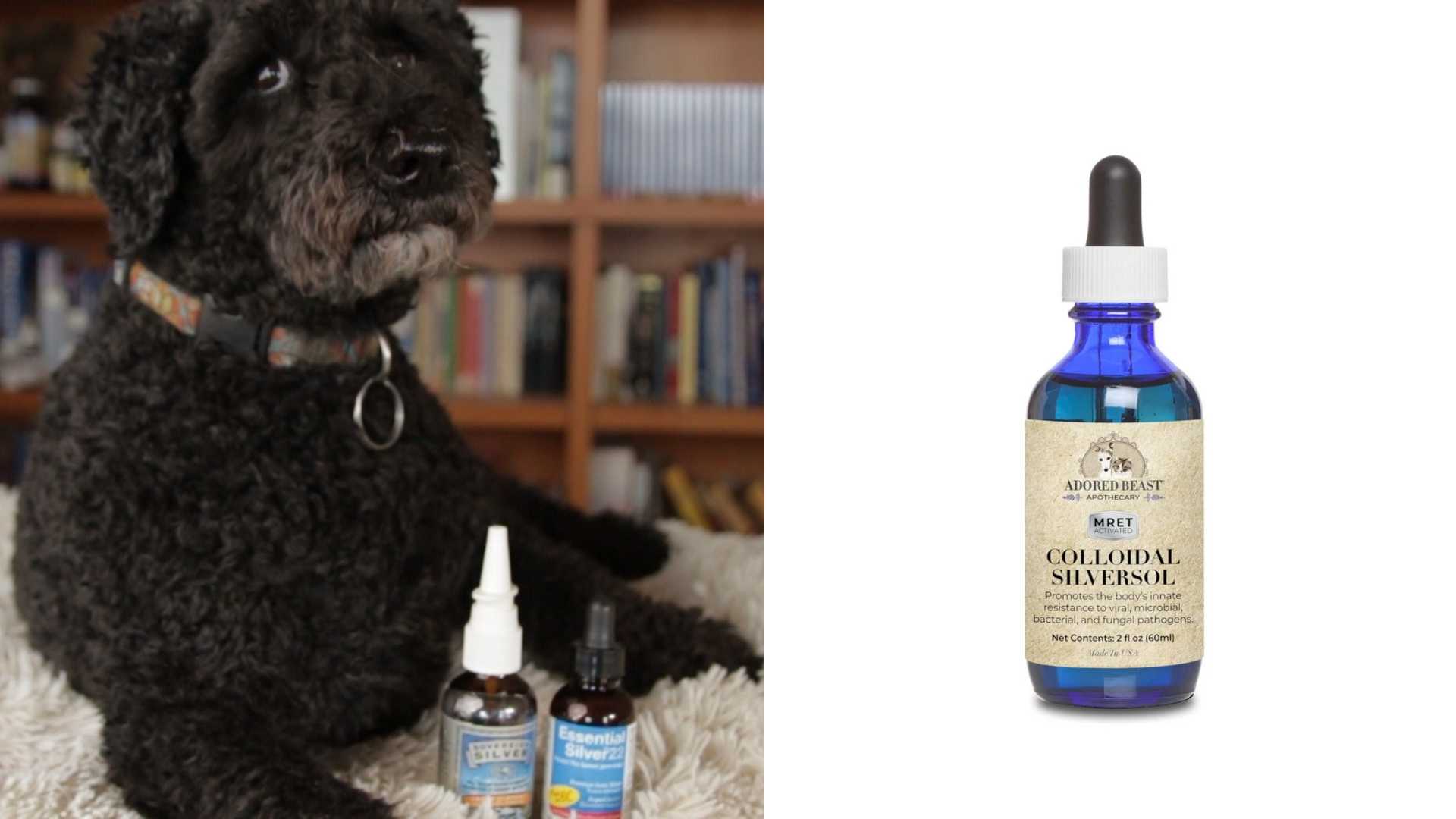
Used in large amounts, there are concerns. Used appropriately, in small diluted doses, I see it as one of the more practical natural options to consider for certain pet health problems.
Why Was My Colloidal Silver Video Removed?
A video I posted discussing colloidal silver for pets was removed by YouTube, citing misinformation concerns.
The concern appears to come from regulatory warnings, especially from the FDA, about possible toxicity if colloidal silver is used improperly or in large quantities.
Here is my view: many common over-the-counter drugs have serious risks too.

Aspirin, for example, is easy to overdose. NSAIDs, including aspirin, can be far more dangerous for pets when used incorrectly. Yet aspirin is still available over the counter.
So I find it odd that colloidal silver receives so much pushback when, at appropriate doses, it is highly diluted and has a low side effect profile.
What Are the FDA Concerns About Colloidal Silver?
The FDA states that colloidal silver can be toxic in large quantities.
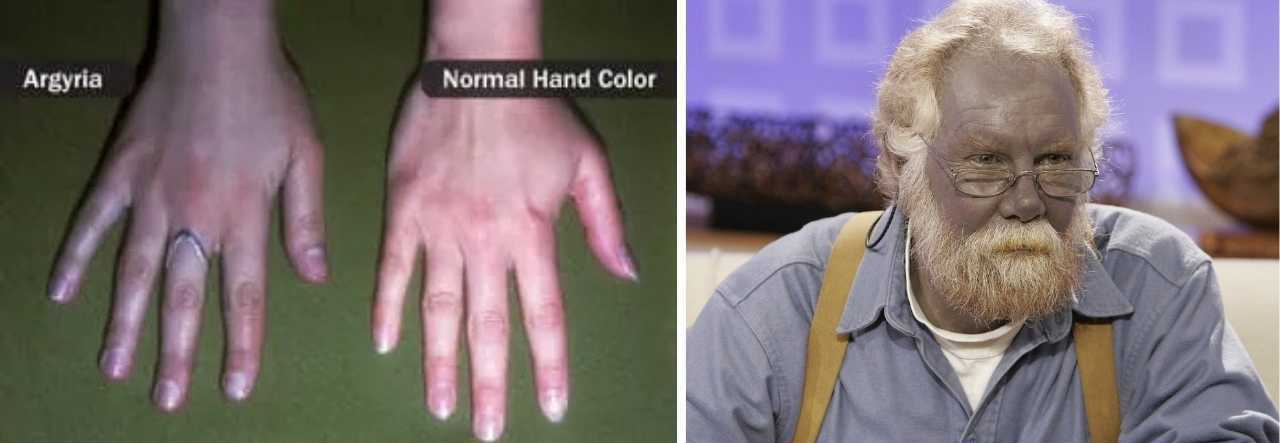
Possible concerns include:
- Organ damage
- Argyria, which is bluish skin discoloration
- Toxicity from excessive intake
Those are real concerns with misuse or large quantities.
But the way colloidal silver is typically used for pets is very different. It is highly diluted, measured in parts per million, and used in small amounts.
The dose matters. The form matters. The purpose matters.
What Does Research Say About Colloidal Silver?
The pasted source mentions a study titled:
Antibacterial Activity of Colloidal Silver against Gram-Negative and Gram-Positive Bacteria
The authors discussed the need for alternative therapies because of antimicrobial resistance. They noted that silver has been used for bacterial infections since antiquity because of its antimicrobial properties.
The study suggested that colloidal silver could be an effective treatment for infections caused by multi-drug resistant Gram-negative and Gram-positive bacteria.
That is the part I want you to pay attention to.
Antibiotic resistance is a real problem. So when we have lower-cost options with a wide safety margin that may help with bacterial issues, I think they deserve a fair look.
What Can Colloidal Silver Be Used For in Pets?
In dogs and cats, colloidal silver is commonly used for:
- Skin infections
- Wound infections
- Eye infections
- Ear infections
- Respiratory issues
- Kennel cough support
- Cat flu support
I want to be clear: if your pet has a serious infection, severe pain, trouble breathing, a deep wound, or worsening symptoms, you need veterinary care.
But for mild issues, and when used appropriately, colloidal silver is one of the natural options I would consider.
1. Colloidal Silver for Skin and Wound Infections
For skin and wound infections, colloidal silver is used topically.
This means applying it directly to the affected area.
It may be helpful for mild skin irritation, minor wounds, or bacterial skin concerns.
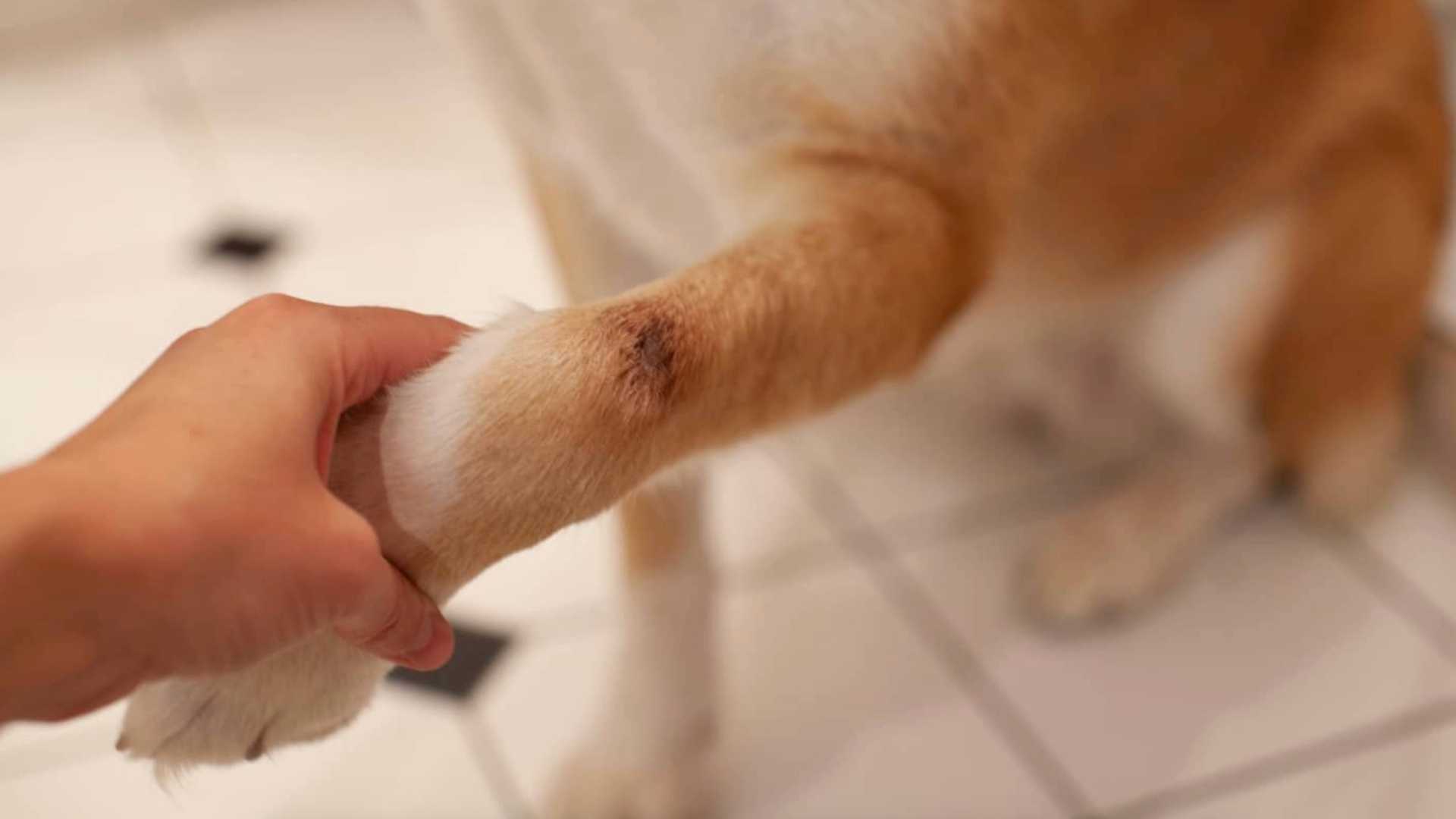
How to Use It
Apply colloidal silver topically to the affected area.
Keep the area clean and monitor for improvement.
If the wound is deep, spreading, very painful, full of pus, or not healing, get your pet checked.
2. Colloidal Silver for Eye Infections
For eye infections, the dose mentioned is:
- 1 to 2 drops
- 4 times daily
- For 5 days
This is one of the practical uses many pet parents ask about.
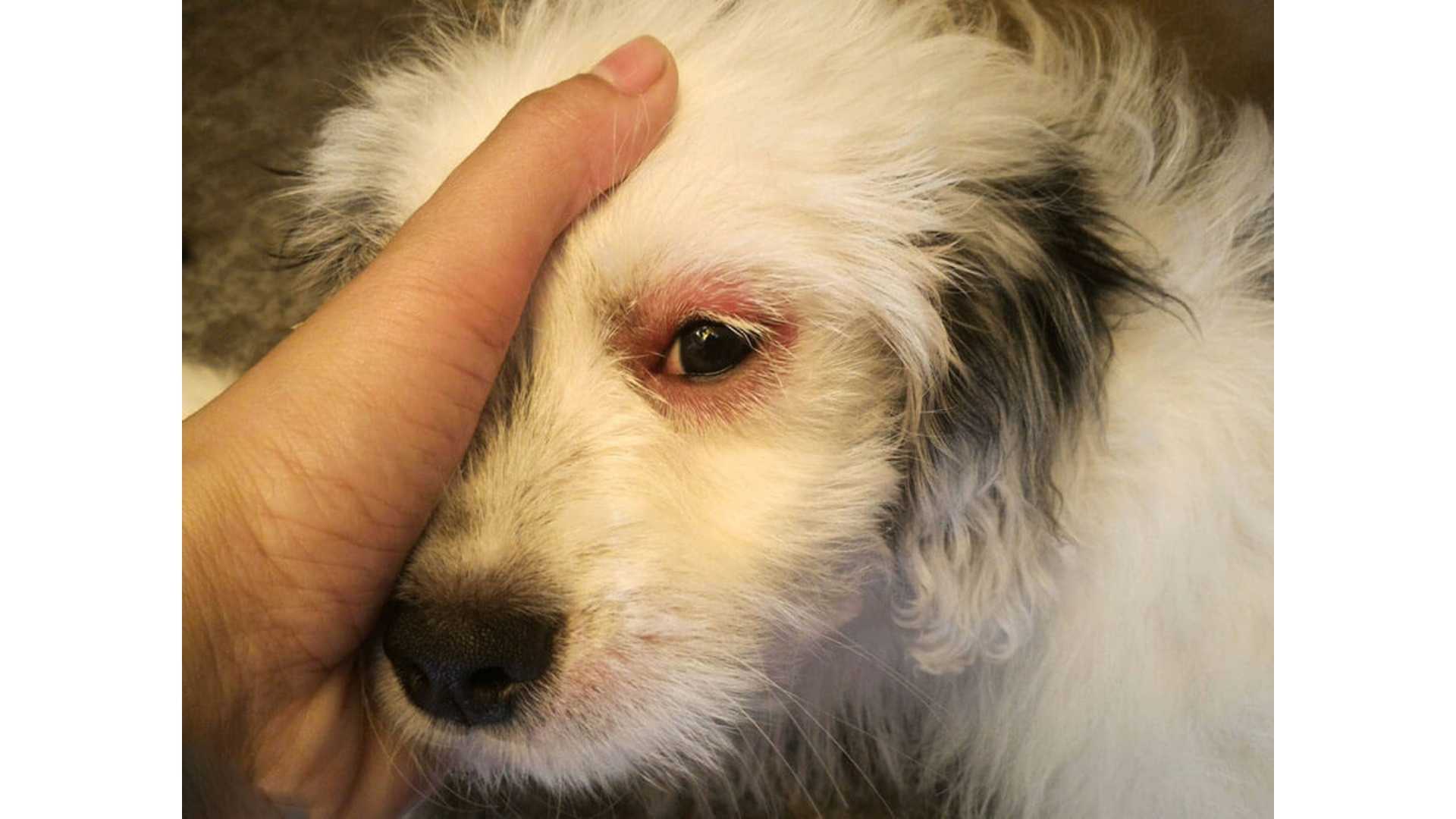
Important Eye Caution
Eyes can worsen quickly.
If your pet is squinting, pawing at the eye, has a cloudy eye, has obvious pain, or symptoms are not improving, do not keep guessing at home. Get the eye checked.
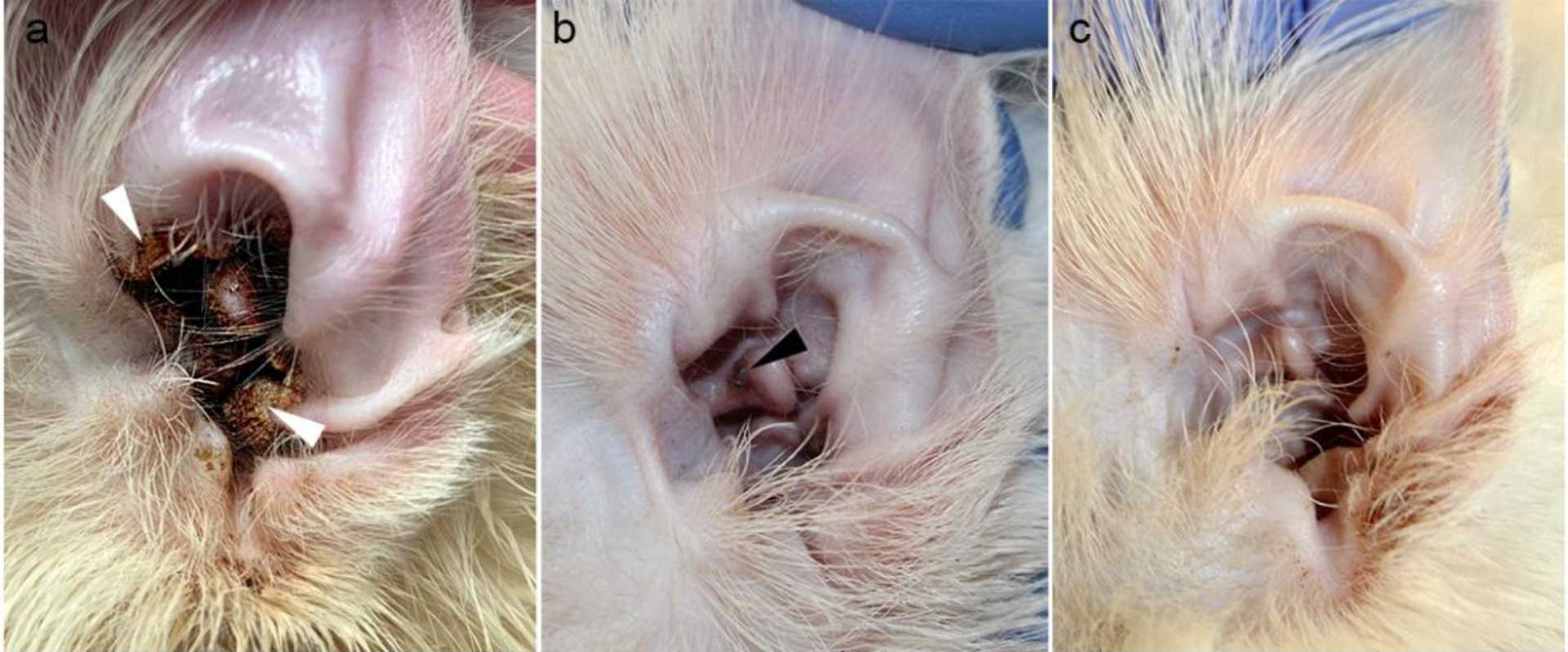
3. Colloidal Silver for Ear Infections
For ear infections, the dose mentioned is:
- 2 to 4 drops
- Twice daily
- For 5 to 7 days
This may be used as part of a natural approach for mild ear issues.
When to Be Careful
If your pet has severe ear pain, head tilt, bleeding, a bad smell, heavy discharge, or the ear is very swollen, that needs a proper exam.
Ear problems can get miserable fast. Ask any dog who has spent the night shaking his head like a wet mop.
4. Colloidal Silver for Respiratory Issues
For respiratory issues like kennel cough or cat flu, the suggested dose is:
- 2 drops per 10 lbs of body weight
- Twice daily

This is used as a support option.
If your pet is struggling to breathe, not eating, very weak, or getting worse, that is not a home-care situation.
Is Colloidal Silver Better Than Aspirin or NSAIDs?
I would not compare them as doing the same job, because they are used for different reasons.
But when we are talking about safety, I do find the comparison worth mentioning.
Overdosing aspirin is easy. NSAIDs can cause serious side effects in pets, especially when used incorrectly.
Colloidal silver, at appropriate diluted doses, has a much wider safety margin in my experience.
That is why I find the strong opposition to colloidal silver interesting, especially when other over-the-counter products with higher risks are accepted more casually.

Why Is Colloidal Silver So Controversial?
Colloidal silver faces strong opposition from regulatory bodies like the FDA and platforms like YouTube.
Part of that concern is tied to high-dose use, unsupported claims, and the potential for toxicity if misused.
But I also think there is another question worth asking: why so much pushback on a natural, low-cost option that cannot be patented and sold like a drug?
That is my opinion, but it does make you wonder.
Pros and Cons of Colloidal Silver for Pets
Pros
- Low side effect profile when used appropriately
- Highly diluted at recommended doses
- Can be used topically
- May help with bacterial concerns
- Low cost
- Practical for skin, eye, ear, and mild respiratory support
- Has research interest for antibiotic-resistant bacteria
Cons
- Controversial
- FDA has concerns with large quantities
- Misuse can be risky
- Not a substitute for emergency care
Colloidal Silver Uses and Dosing for Dogs and Cats
| Pet Concern | How It Is Used | Suggested Amount From This Article |
|---|---|---|
| Skin and wound infections | Topical application | Apply topically to affected area |
| Eye infections | Eye drops | 1 to 2 drops, 4 times daily for 5 days |
| Ear infections | Ear drops | 2 to 4 drops, twice daily for 5 to 7 days |
| Kennel cough or cat flu | Internal use | 2 drops per 10 lbs body weight, twice daily |
Omega-3 Fatty Acids as Another Natural Option
If you are not comfortable with colloidal silver, or if you are looking for another well-supported natural option, omega-3 fatty acids are worth considering.
Omega-3 fatty acids are beneficial for inflammation, and they have also been studied for antibacterial and immune-supportive properties.
One study mentioned in the pasted text reported that omega-3 fatty acids may be considered potential alternative or adjunctive therapeutic agents because of their antimicrobial and immunomodulatory properties.
That is why I think omega-3s deserve a place in many pet health plans.
Why I Like Krill Oil
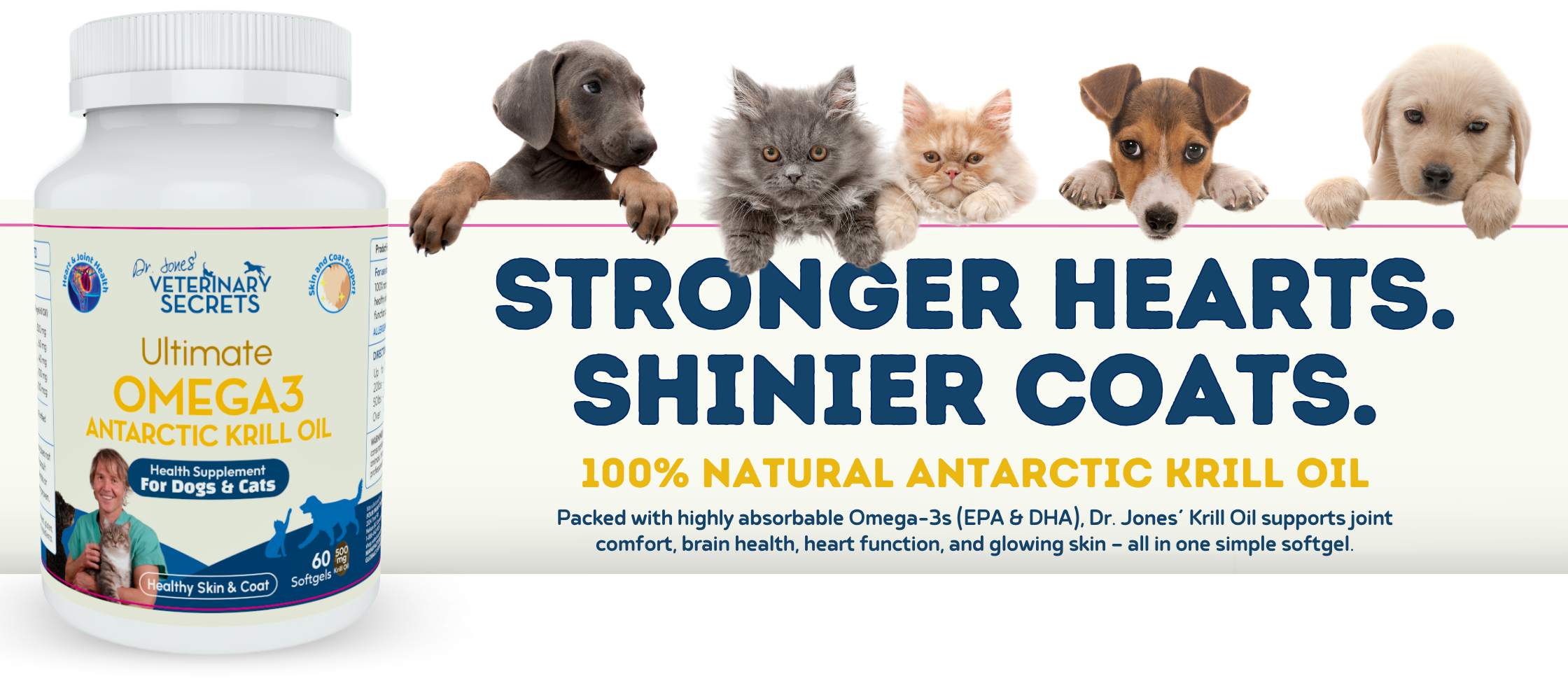
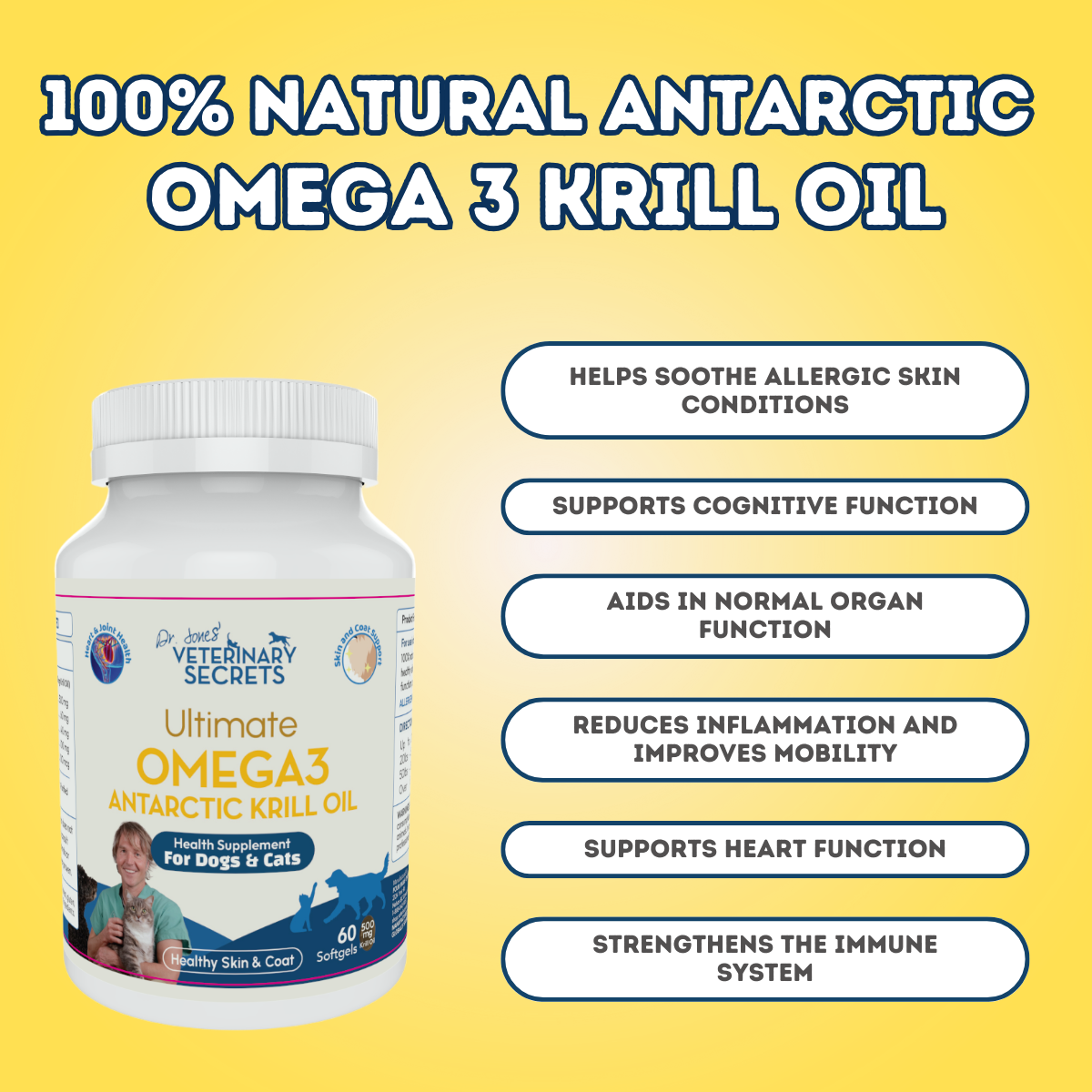
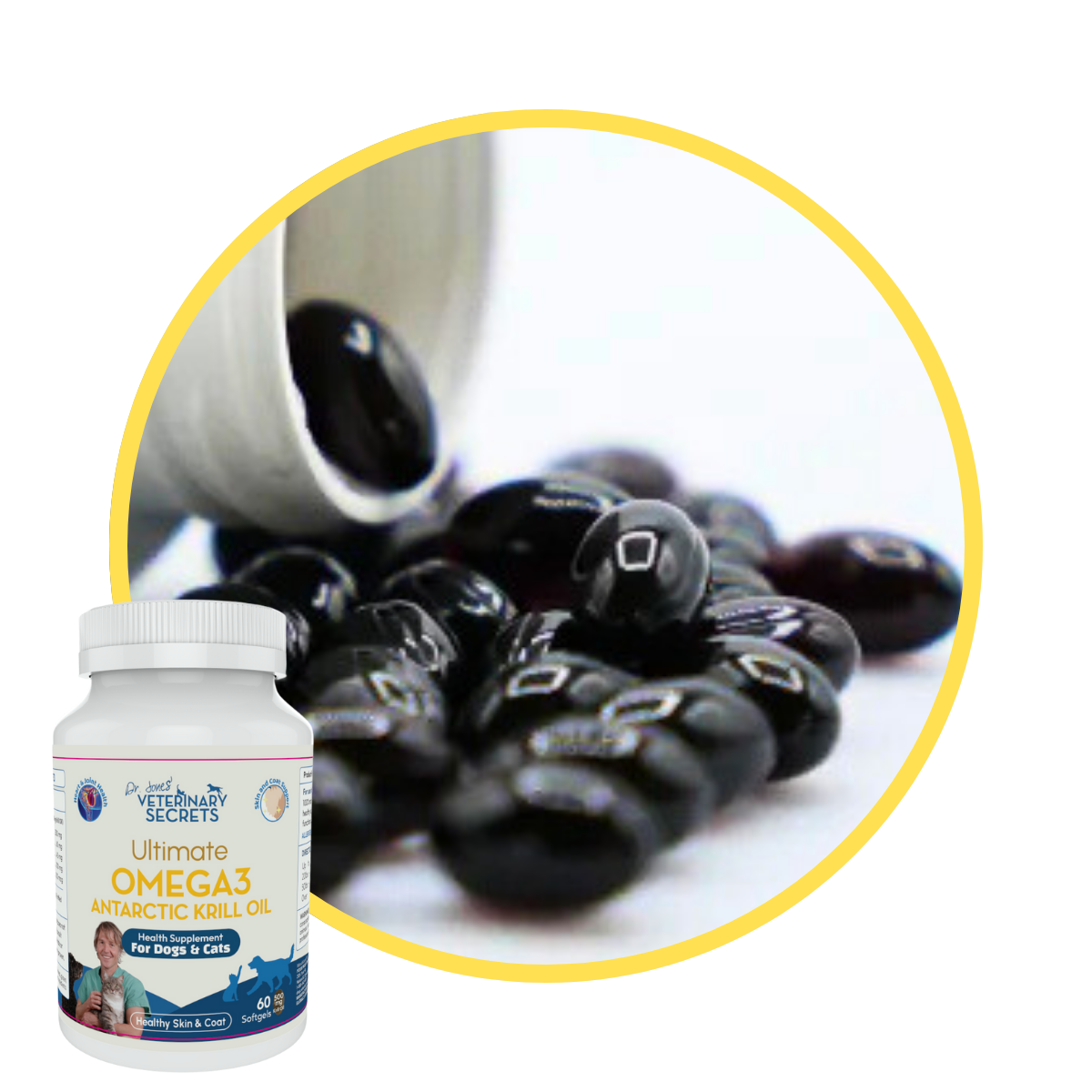
Dr. Jones’ Natural Krill Oil provides the important omega-3 fatty acids EPA and DHA.
I like krill oil because it offers:
- High levels of EPA and DHA
- Better absorption and bioavailability
- Anti-inflammatory support
- Immune support
- No toxins now found in many fish oil supplements
Omega-3 fatty acids are considered one of the most important supplements in veterinary medicine, according to the pasted text.
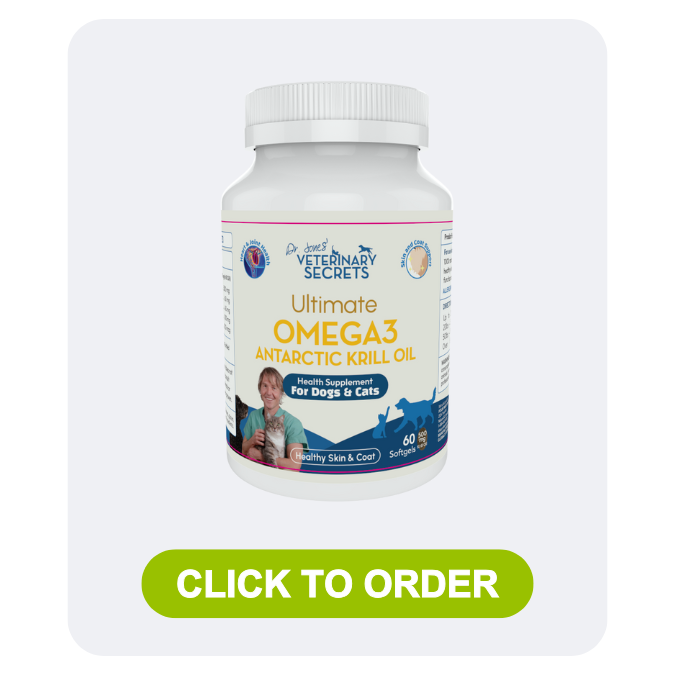
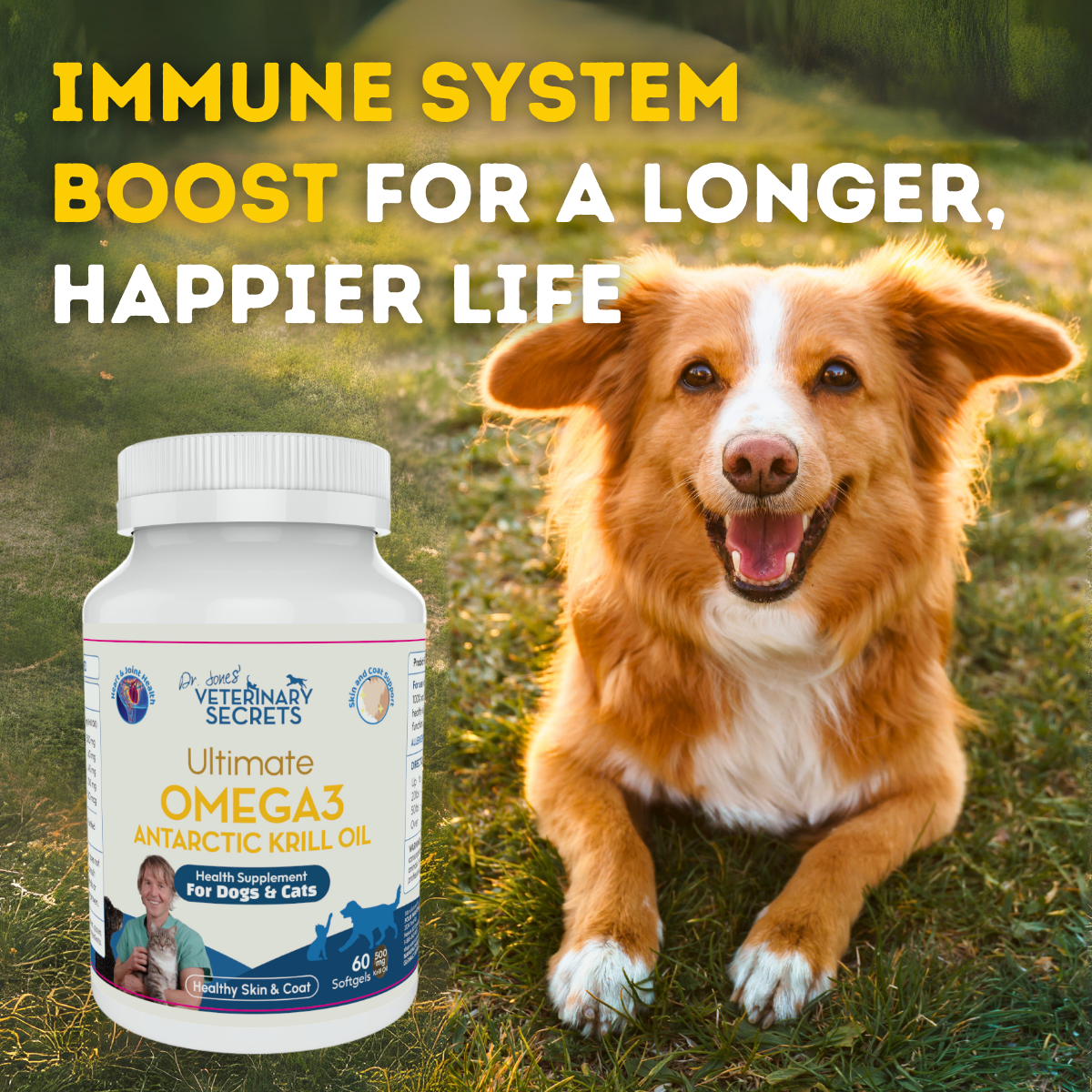
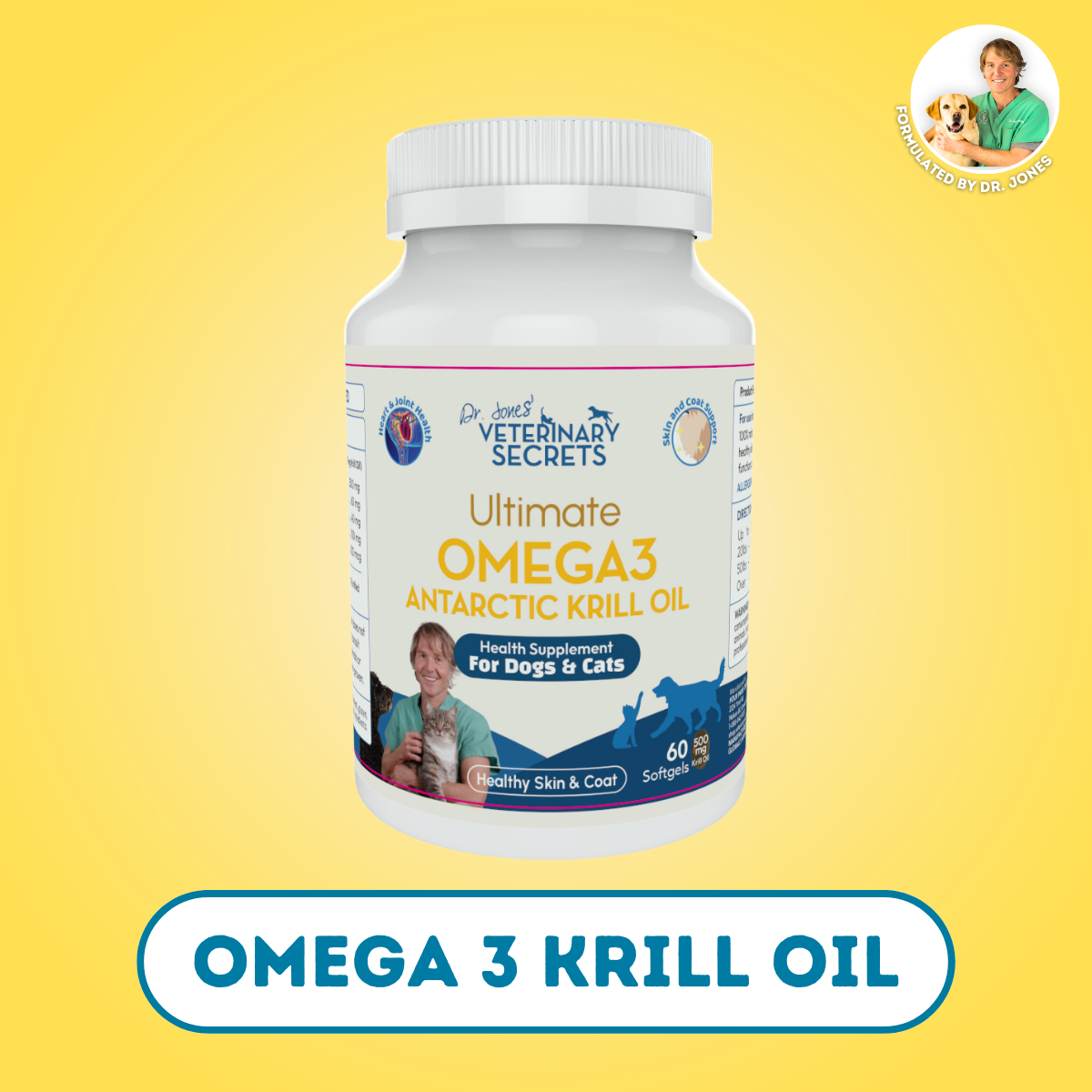
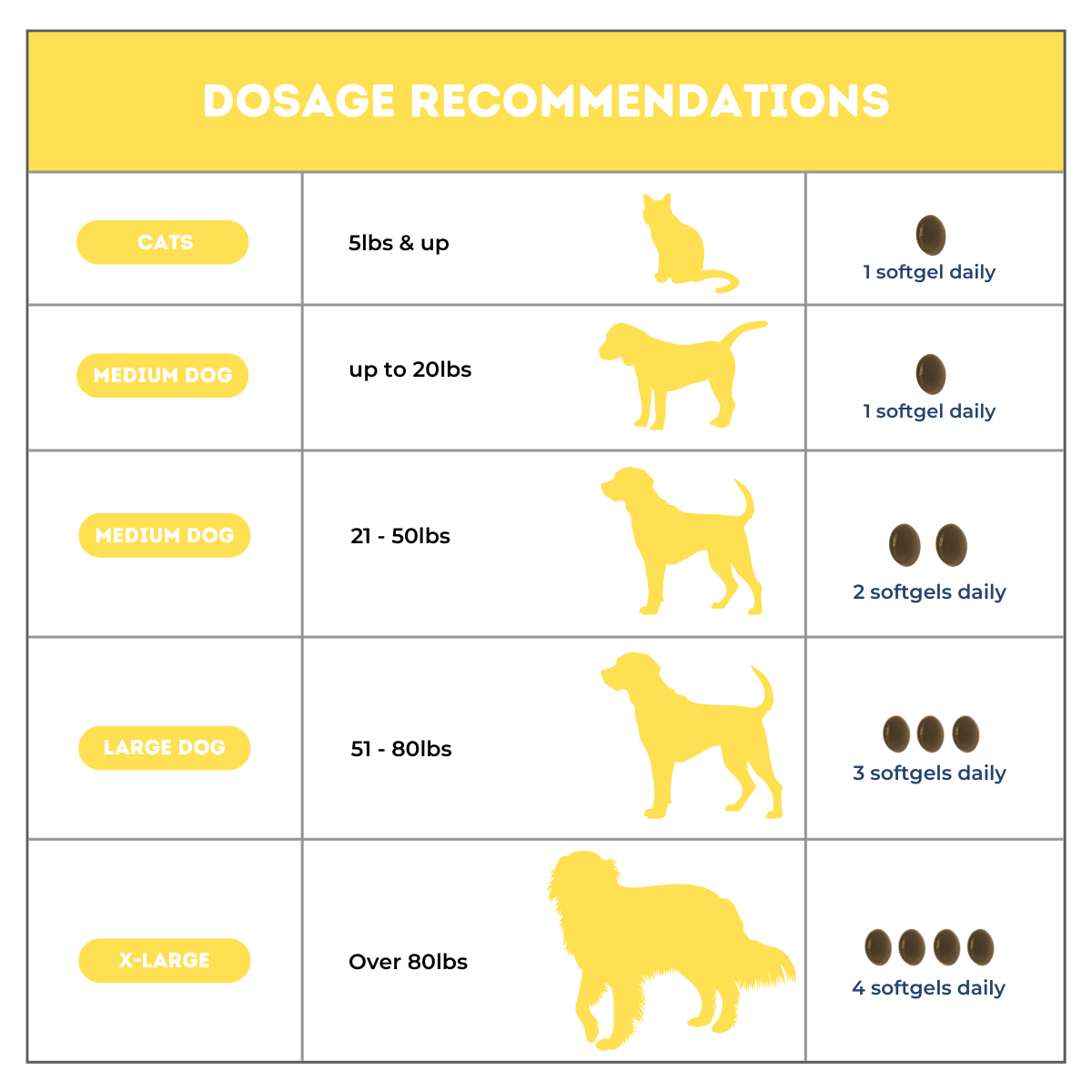
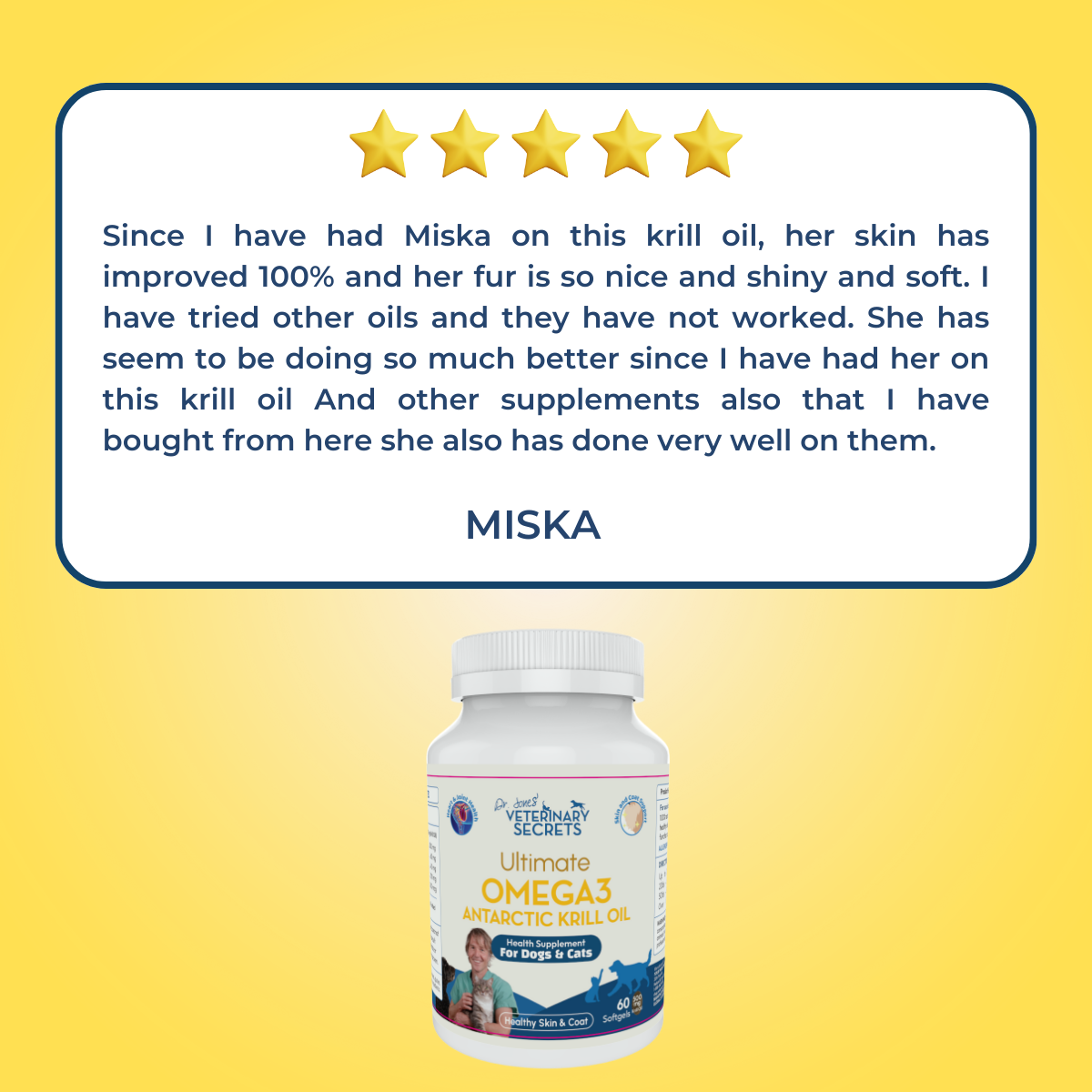
If you have not tried them, Dr. Jones’ Ultimate Omega 3 Supplement for Dogs and Cats is one to consider.
Step-by-Step: How I Would Think About Colloidal Silver
Step 1: Identify the Problem
Is this a mild skin issue, ear issue, eye issue, or respiratory concern?
Or is this serious and needing immediate care?
Step 2: Use the Right Route
Use it topically for skin and wounds.
Use drops for eyes or ears, following the suggested amounts.
Use internal drops for respiratory support at the dose listed.
Step 3: Watch for Improvement
Track:
- Redness
- Discharge
- Pain
- Itching
- Cough
- Energy
- Appetite
- Breathing
- Whether symptoms are spreading or improving
Step 4: Stop Guessing if Things Get Worse
If symptoms worsen, do not keep adding more.
Get your pet examined.
Step 5: Support Inflammation and Immunity
Consider omega-3 fatty acids as part of the bigger support plan.
Final Thoughts
So, is colloidal silver really so dangerous that a video discussing its benefits for pets should be banned?
In my opinion, no.

At appropriate diluted doses, I have seen colloidal silver help many dogs and cats. It has a low side effect profile, a wide safety margin, and practical uses for skin, wound, eye, ear, and mild respiratory issues.
Yes, large quantities can be a problem. Yes, misuse is not smart. Yes, serious infections need veterinary care.
But I want you making informed decisions, not fear-based ones.
When I look at pet health treatments, I want options that are effective, affordable, and have minimal side effects.
Colloidal silver can fit that role in some cases.
And if you want another natural option with anti-inflammatory, immune-supportive, and antibacterial potential, omega-3 fatty acids are one of the best places to start.
Click To Get A Free Copy of My E-Book!

P.S. Why all the “hate on” for colloidal silver?
Because it is natural? Because it is inexpensive? Because you cannot patent it and sell it as a drug?
Hmmm.
It does make you wonder.
From what I have seen, at appropriate diluted doses, it does not appear to be nearly as dangerous as it is made out to be.
Use common sense. Use proper doses. And get help when the problem is serious.
P.P.S. A very helpful supplement with antibacterial and immune-supportive properties, and one that is not banned, is omega-3 fatty acids.
Omega-3 fatty acids are considered one of the most important supplements in veterinary medicine.
Dr. Jones’ Natural Krill Oil provides high levels of EPA and DHA, better absorption and bioavailability, and avoids the toxins now found in many fish oil supplements.
Get your bottle here:
I would appreciate your comment on cod liver oil for dogs. Is it similar to krill oil, is it good to use. Thanks for all you do.
Cod liver oil can be a great source of omega-3s, just like krill oil, but there are a few differences. Cod liver oil also contains naturally occurring vitamins A and D, so it’s important not to overdo it, especially if your dog is already getting those vitamins elsewhere.
Krill oil is more focused on omega-3s and is often used for things like skin, coat, and inflammation support.
You may check this article for more information:
https://veterinarysecrets.com/dont-give-your-pets-fish-oil-unless-you-are-doing-these-5-things/
As always, quality and proper dosing matter, more isn’t always better (even with good stuff!). A little thoughtful support goes a long way. Thanks for the great question!
What strength would we use for a cats ear infection? I’m seeing this sold in 10ppm, 20ppm and 30ppm. And would we further dilute that before putting the drops in?
For cats, I generally stick with the lower strengths, such as 10 ppm or 20 ppm. In most mild ear cases, 2 to 4 drops twice daily for 5 to 7 days is a reasonable starting point, and I do not typically dilute it further.
That said, if the ear is very painful, has a strong odor, lots of discharge, or your cat is walking around like it had one too many catnip martinis, it is worth having your veterinarian take a look. Some ear infections need more than silver alone.
As always, less is often more with our pets.