Leaky Gut in Dogs and Cats: Signs, Causes, and the Gut-Healing Plan for Dogs and Cats

The Hidden Gut Problem Behind Chronic Diarrhea, Vomiting, Itching, and Inflammation
Does your dog or cat struggle with chronic diarrhea, vomiting, loose stool, itchy skin, arthritis, fatigue, or recurring inflammation?
The real problem may not be the symptom itself.
It may start in the gut.
A growing number of researchers and integrative practitioners now believe that leaky gut syndrome, technically called increased intestinal permeability, may be one of the hidden drivers behind many chronic inflammatory diseases in dogs and cats.
This is not something I was taught years ago, and many conventional practitioners still question whether leaky gut should be considered a formal diagnosis.
But here is the important part.
Even if the label is debated, the process itself is real.
When the intestinal barrier is damaged, things that should stay inside the gut can leak into the bloodstream. The immune system reacts. Inflammation increases. Over time, chronic disease can follow.
The Number One Gut Support Tool
You know what researchers keep coming back to as one of the most important solutions for gut issues? Probiotics.
When the gut microbiome is out of balance, digestion suffers, inflammation rises, and the immune system can overreact. A good probiotic helps restore beneficial bacteria, support healthier stools, reduce gas and bloating, and strengthen the gut barrier.
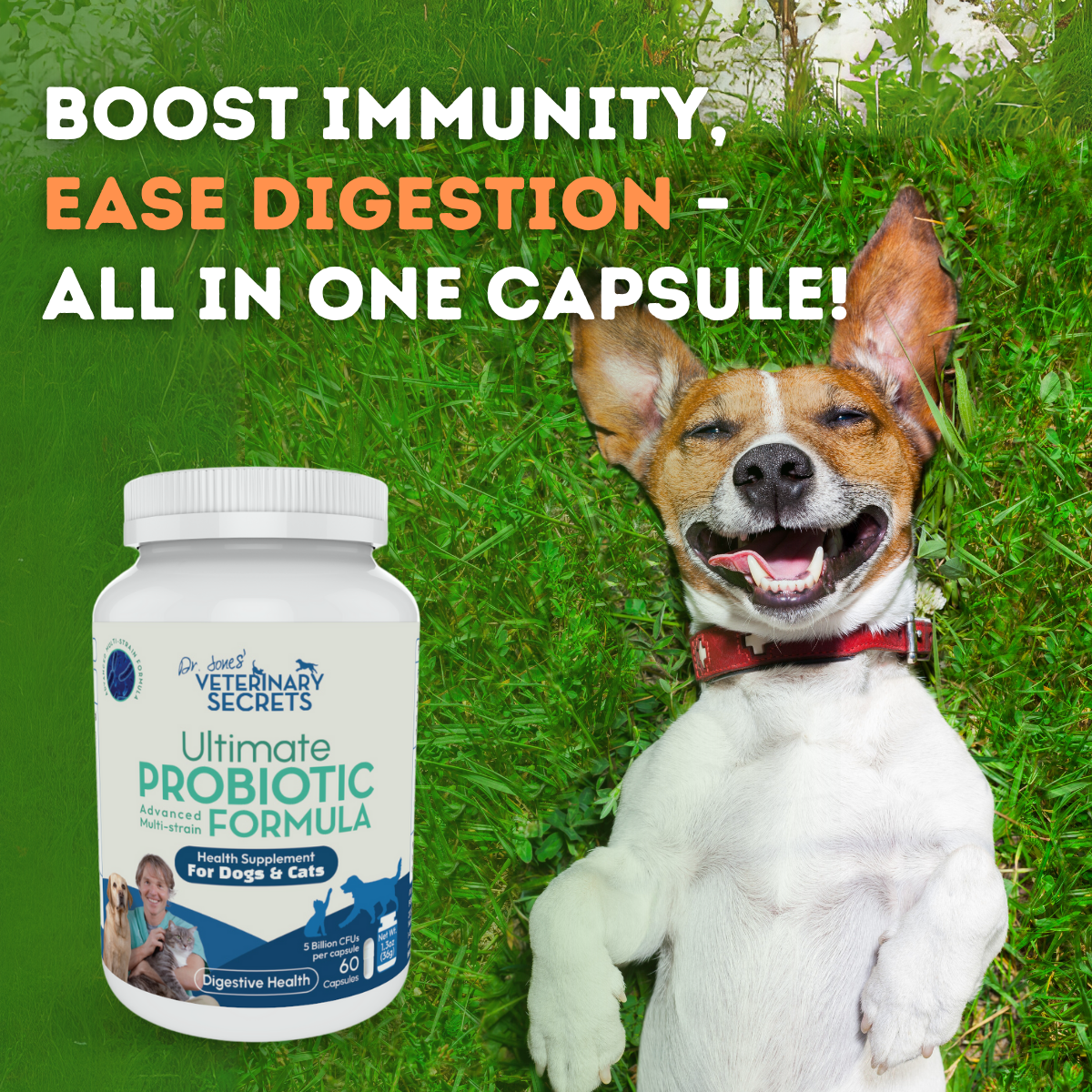
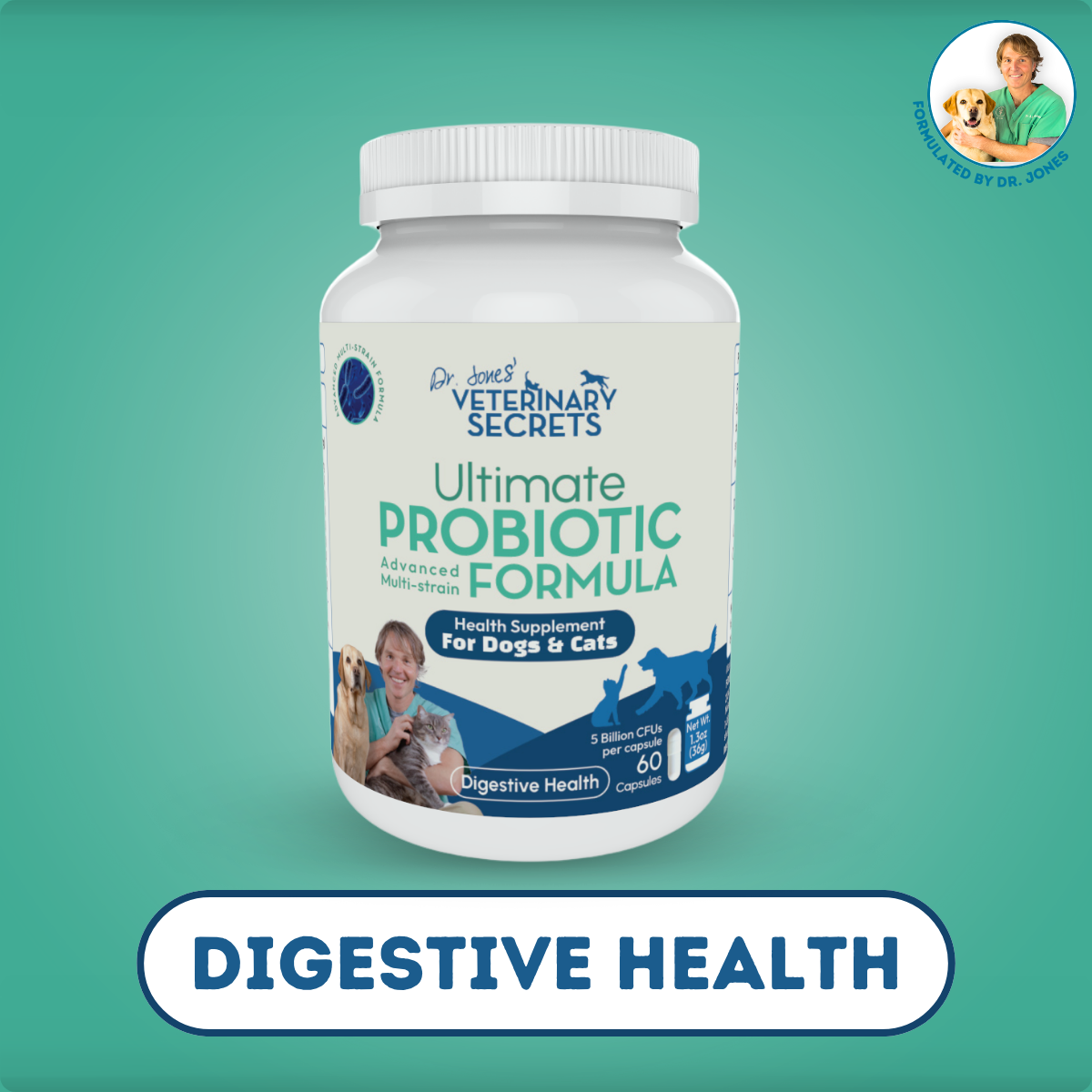
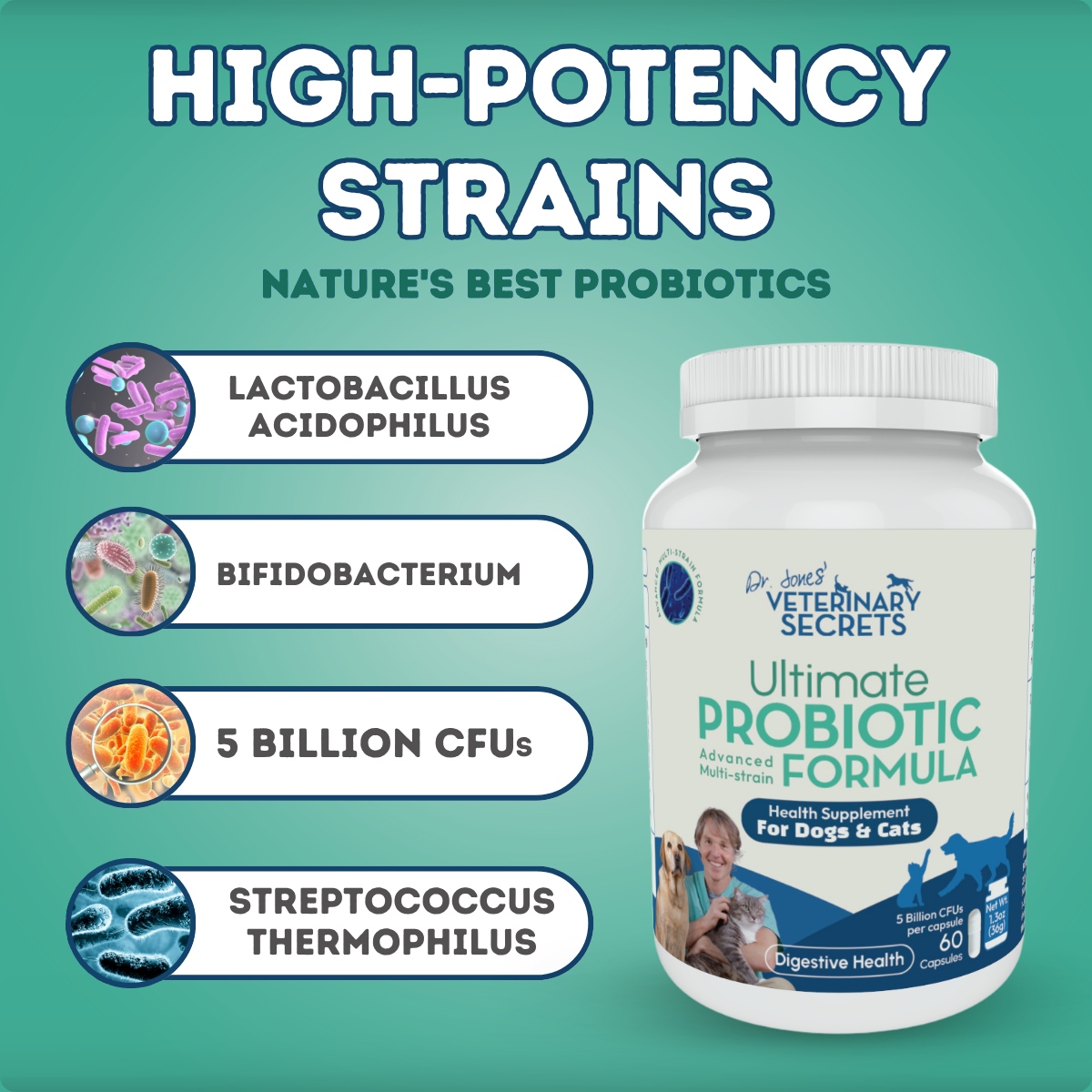
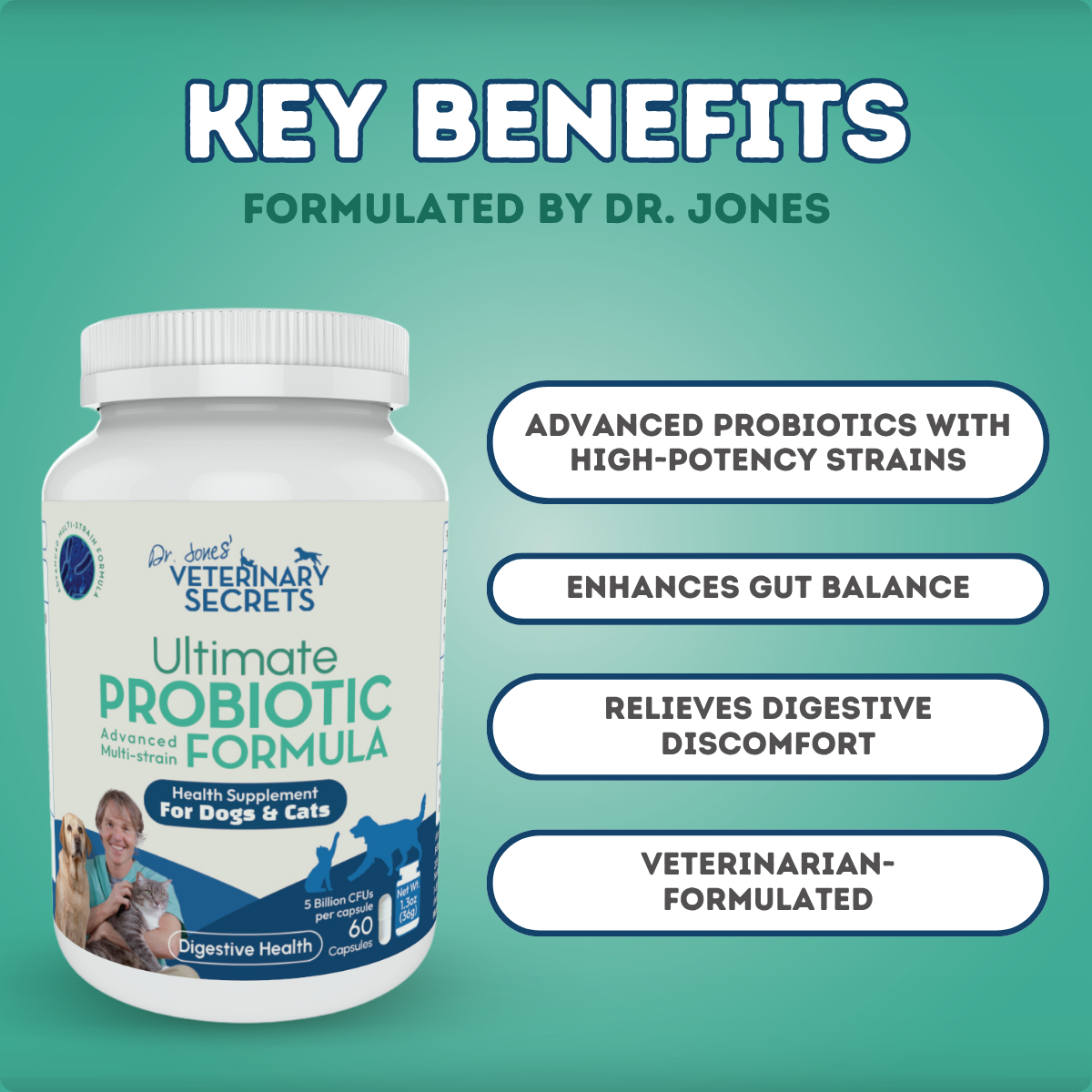
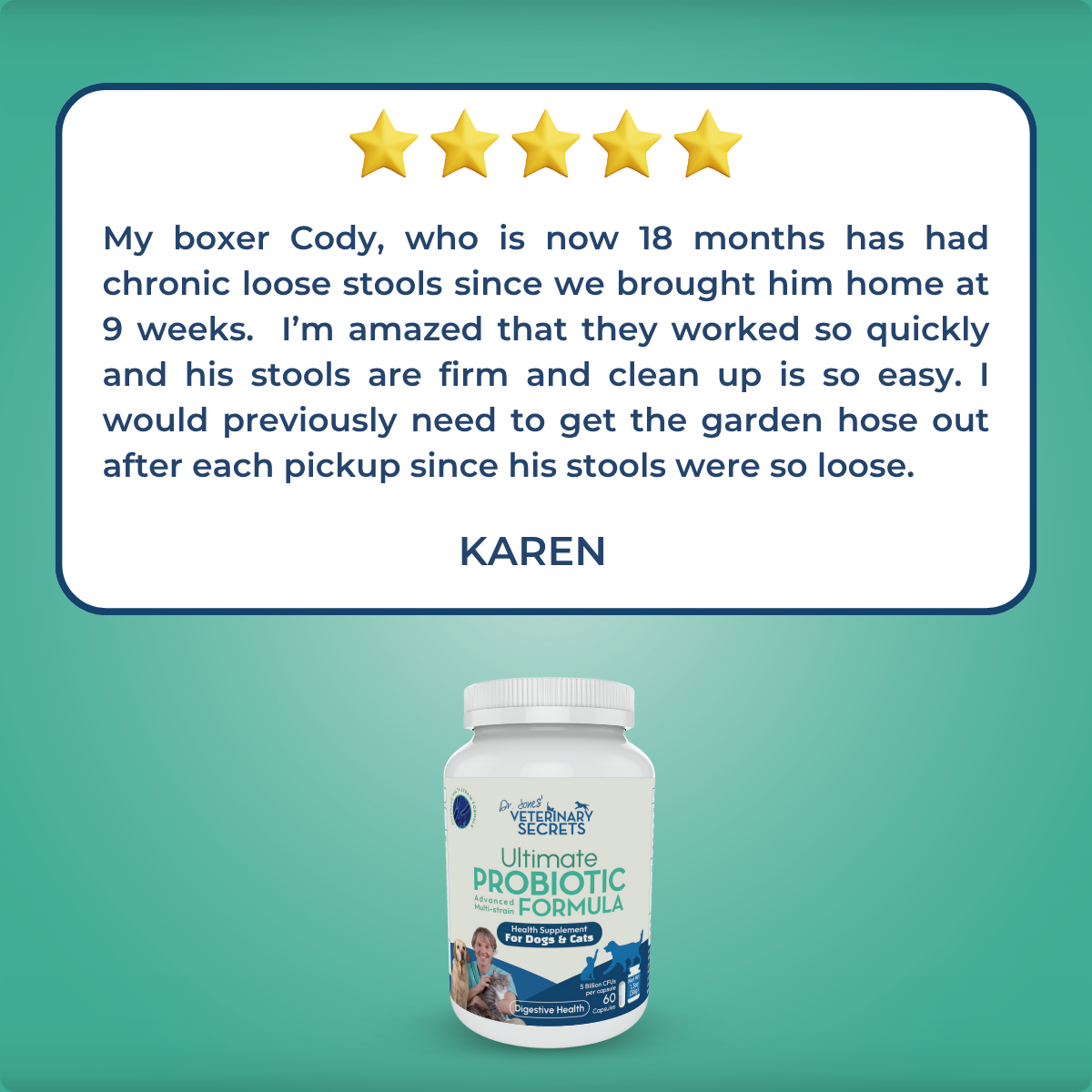
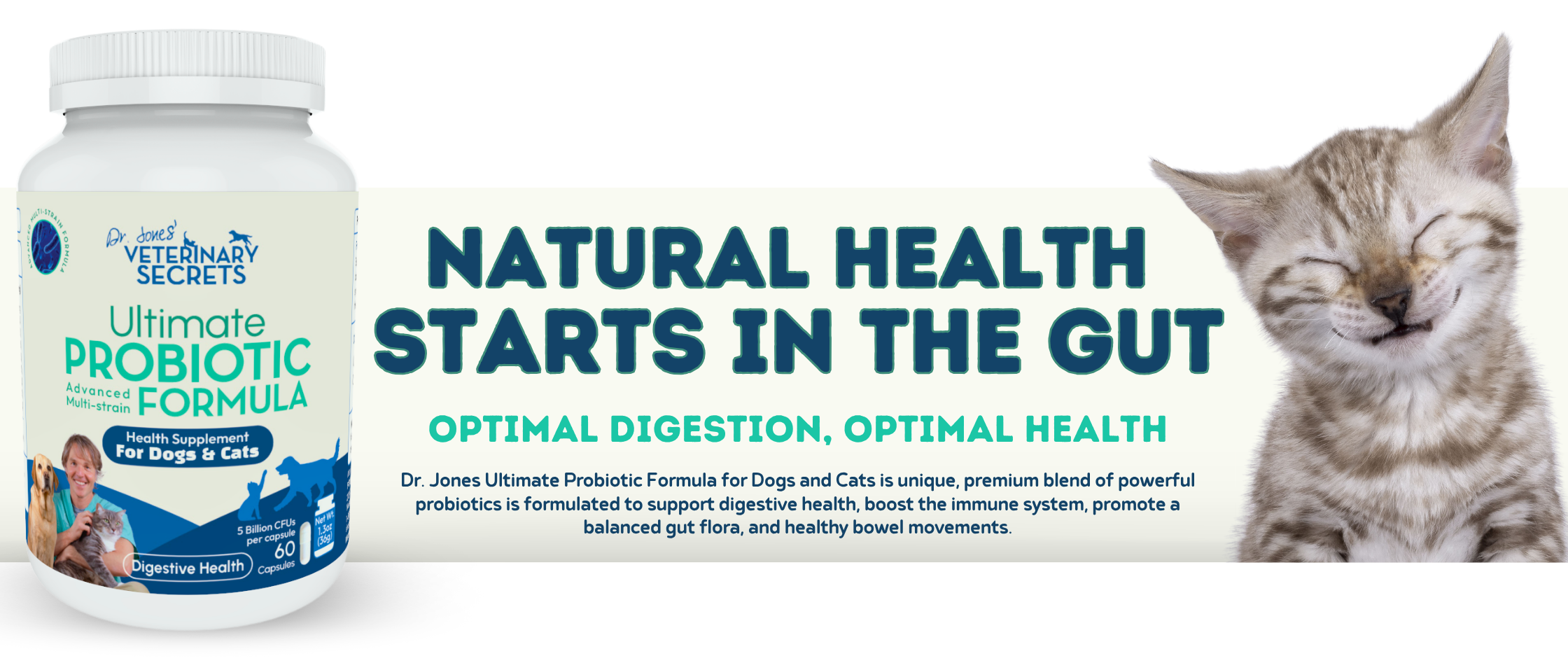
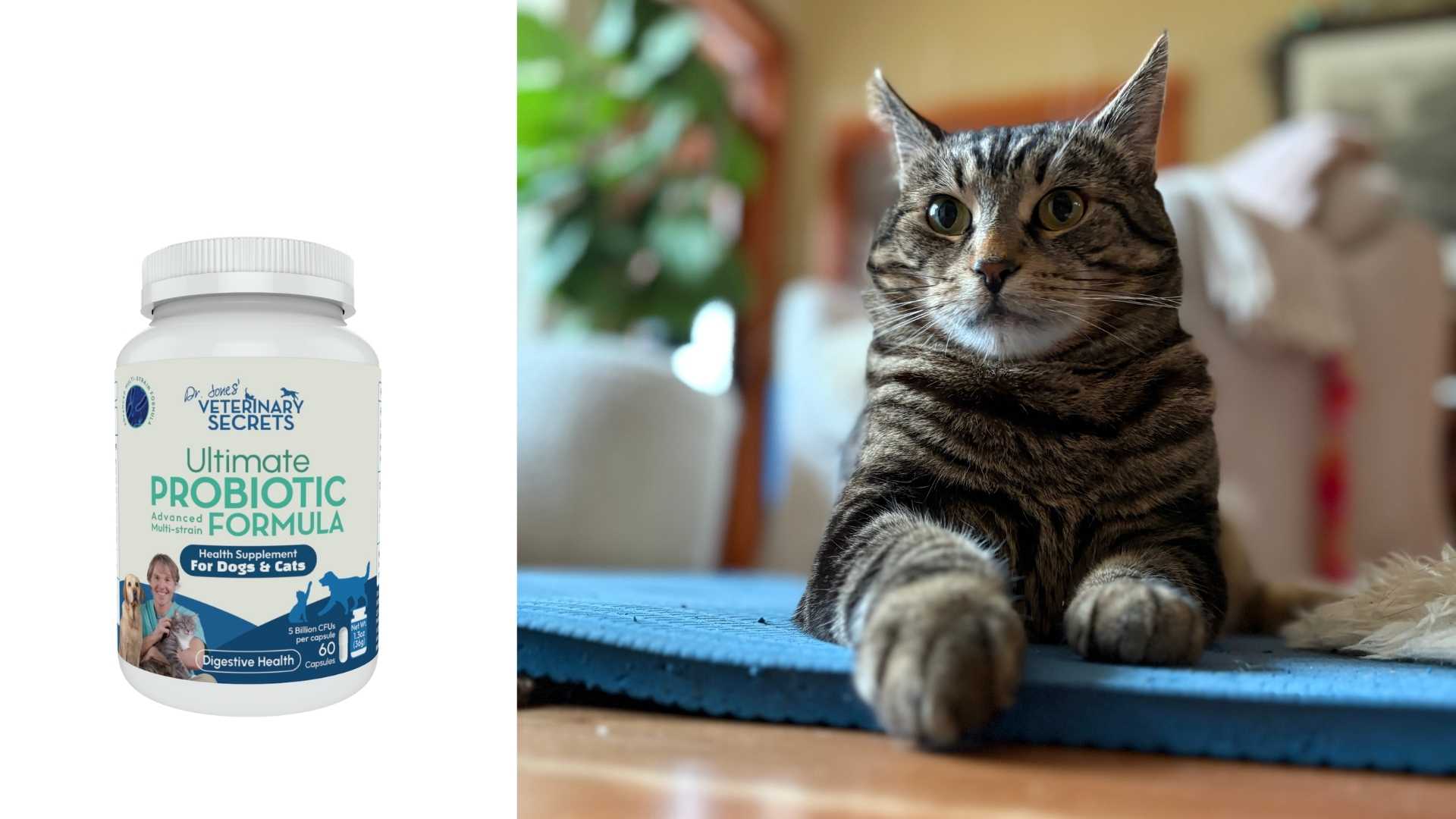
That is exactly why I formulated Dr. Jones’ Ultimate Probiotic Formula for Dogs and Cats. It contains 8 animal-specific probiotic strains and 5 billion CFUs per capsule, designed to support digestion, immune health, bowel regularity, and a healthier microbiome.
If your dog or cat struggles with chronic diarrhea, vomiting, food sensitivities, gas, bloating, or itchy skin, rebuilding the gut bacteria is one of the first places I would start.
Dr. Jones’ Ultimate Probiotic Formula
What Is Leaky Gut?
Inside your dog or cat’s intestines is a delicate lining made of tightly connected cells.
Think of this lining as a security gate.
Its job is to allow nutrients and water into the bloodstream while keeping toxins, bacteria, allergens, and undigested food particles out.
When that barrier becomes damaged, tiny gaps form between the intestinal cells. This is called increased intestinal permeability, or leaky gut.
Now substances that should remain inside the intestines can cross into the bloodstream. The immune system sees them as foreign. Then inflammation begins.
If that continues long enough, the result may be chronic illness.
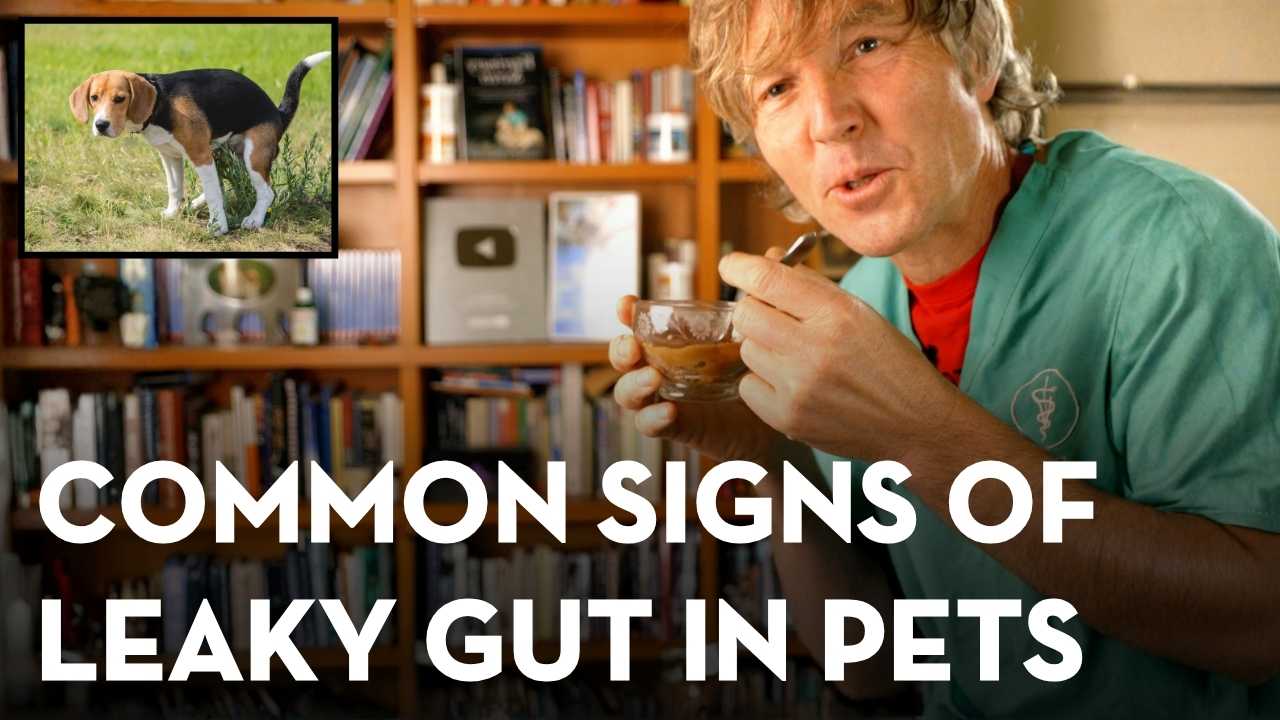
Common Signs of Leaky Gut in Pets
Some pets show obvious digestive signs.
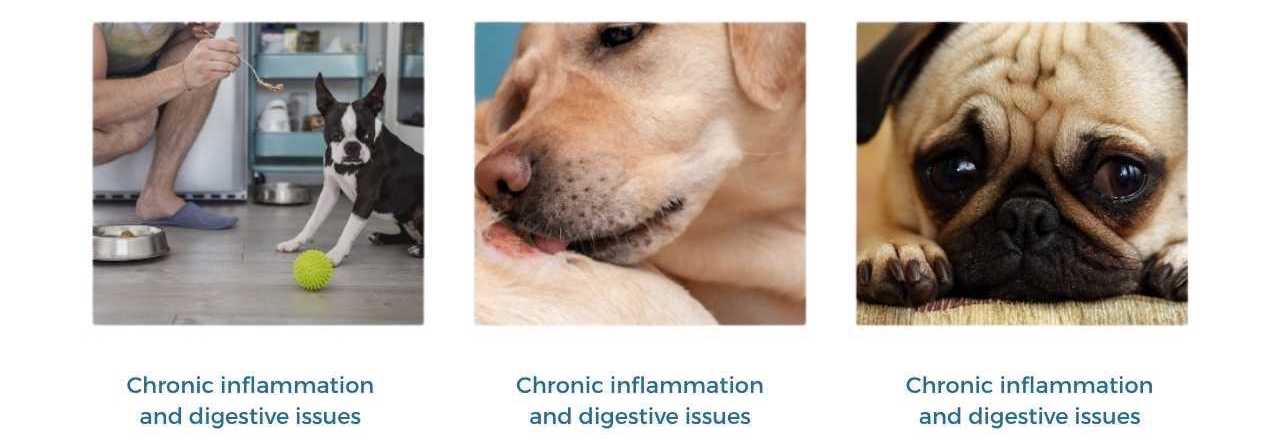
You may notice:
- Chronic diarrhea
- Soft stool
- Gas and bloating
- Vomiting
- Abdominal pain
- Food sensitivities
- Loud stomach noises
- Poor appetite
- Intermittent nausea
But here is what surprises many pet parents.
The signs may go far beyond the gut.
How Leaky Gut May Affect the Whole Body
When inflammatory proteins, toxins, and allergens continue leaking into the bloodstream, the immune system stays activated.
That chronic immune activation may contribute to disease throughout the body.
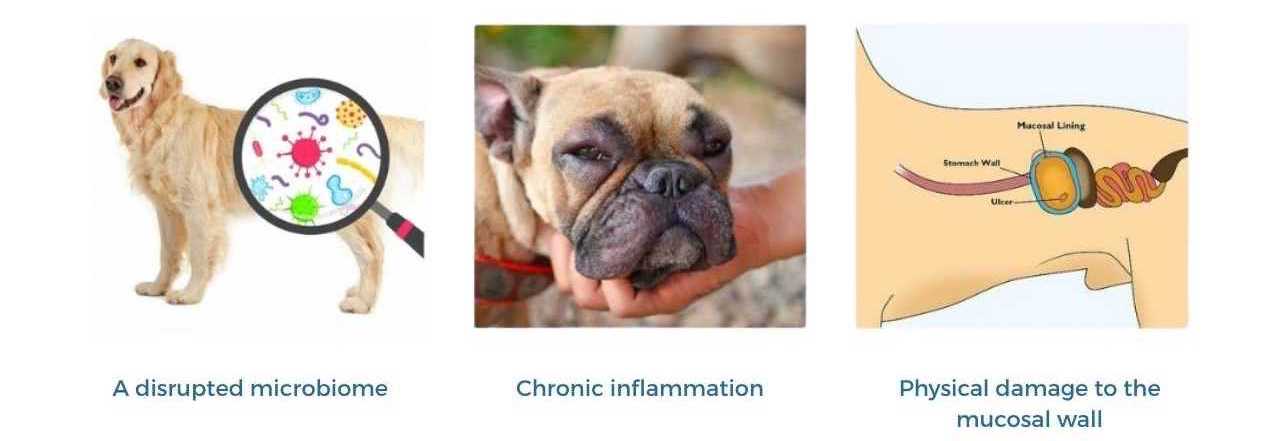
Leaky gut may be linked to:
Inflammatory Arthritis
Ongoing immune activation can worsen joint inflammation and pain.
Itchy Skin and Allergies
Many itchy dogs and cats with allergies, recurring ear infections, paw licking, and chronic skin infections may have an underlying gut issue.
Chronic Liver Inflammation
The liver filters toxins coming from the intestines. If the gut barrier is compromised, the liver may be overwhelmed.
Chronic Pancreatitis
Persistent gut inflammation may contribute to pancreatic stress and flare-ups.
Fatigue and Low Energy
Poor nutrient absorption and chronic inflammation can leave pets tired, weak, and not acting like themselves.
This is why treating only the symptom often does not fully solve the problem.
The gut lining still needs to heal.
Why Many Pets Stay Stuck in the Same Cycle
Many pets with chronic gut and inflammatory problems go through the same pattern.
- Steroids.
- Antibiotics.
- Prescription diets.
- Temporary improvement.
- Then relapse.
The problem is that the underlying intestinal barrier may still be damaged.
Until the gut is addressed, the symptoms often return.
What Causes Leaky Gut?
There are many possible contributors.
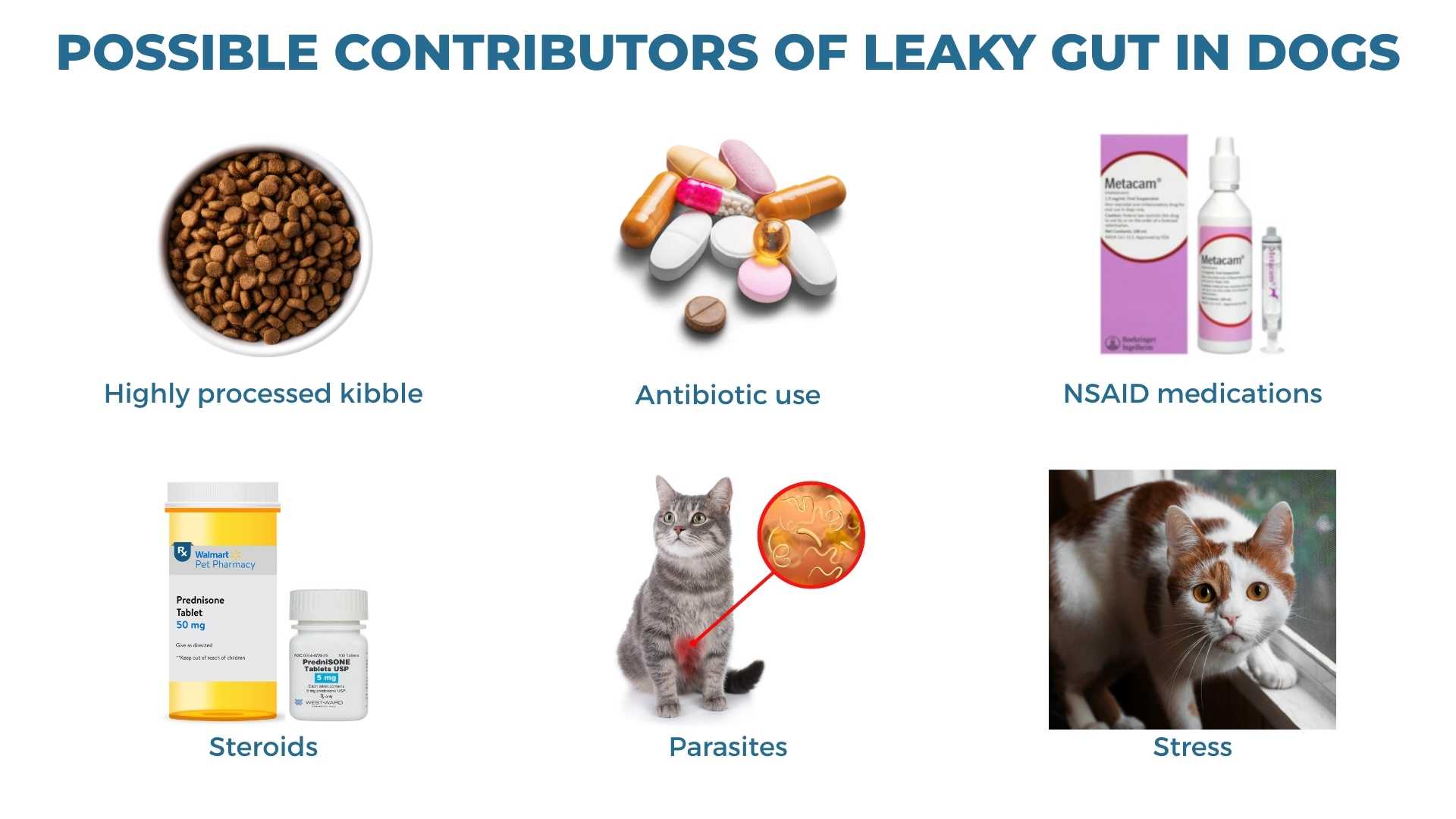
Some of the most common include:
- Highly processed kibble diets
- Chronic inflammation
- Antibiotic use
- NSAID medications
- Steroids
- Environmental toxins
- Parasites
- Stress
- Food sensitivities
- Chronic infections
One of the biggest overlooked causes is diet.
The Kibble Problem
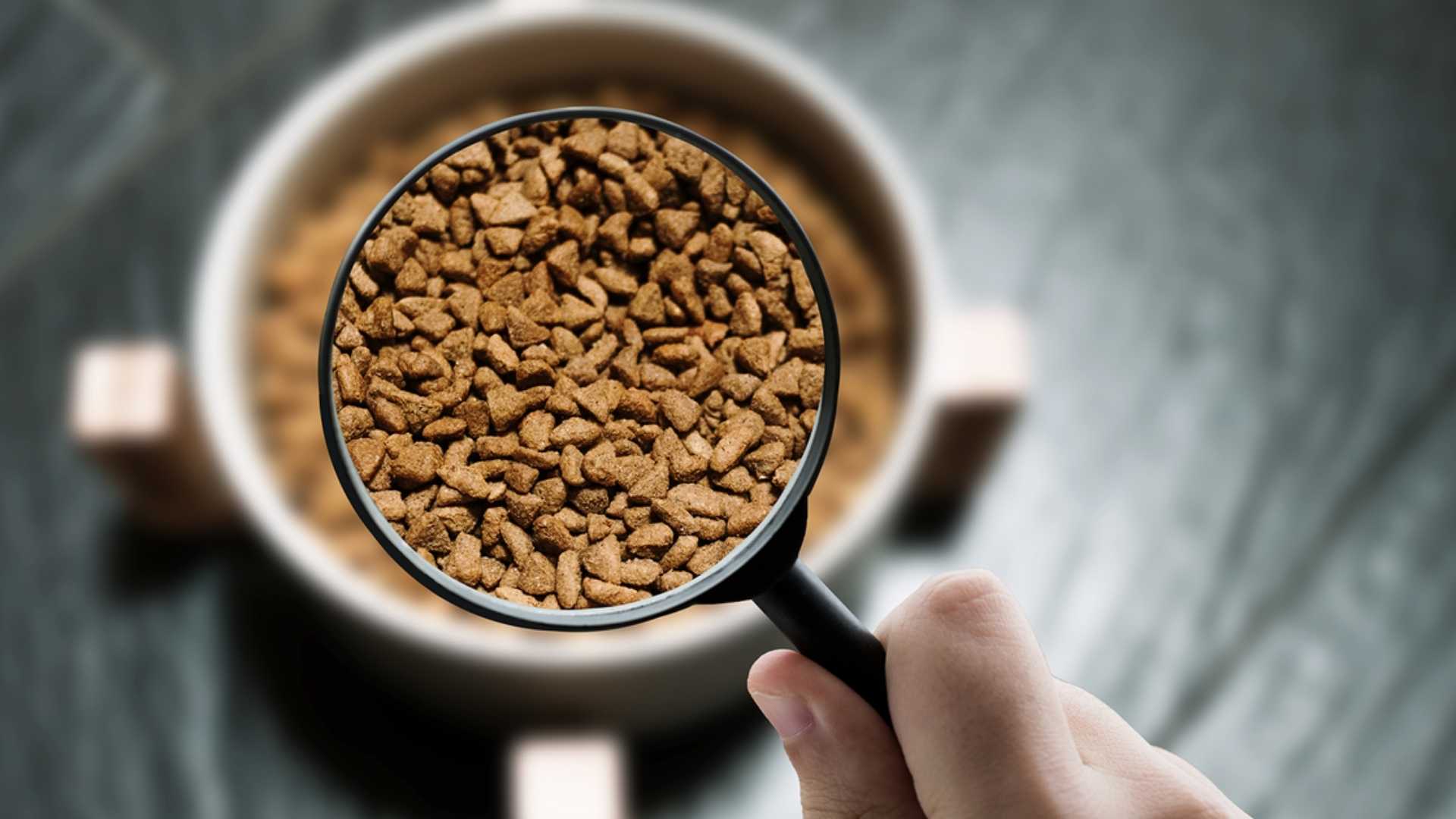
Most commercial kibble is highly processed at very high temperatures.
This can create compounds called Advanced Glycation End Products, or AGEs.
AGEs are inflammatory compounds formed when proteins and carbohydrates are heated together.
They have been linked to oxidative stress, chronic inflammation, accelerated aging, and tissue damage.
In many pets, long-term exposure to ultra-processed food may contribute to intestinal inflammation and leaky gut.
The First Step: Change the Diet
If your dog or cat has chronic gut problems, food is where I start.

Healing often begins by moving away from ultra-processed food and toward fresh, moisture-rich, minimally processed food.
That may mean:
- Fresh whole foods
- Moisture-rich diets
- Limited ingredient feeding
- Novel proteins
- Removing artificial additives
- Avoiding inflammatory fillers
Some pets may also need to avoid gluten, wheat, corn, soy, or certain proteins that trigger immune reactions.
A proper elimination diet trial should usually last at least 8 to 10 weeks.
No supplement can fully overcome a chronically inflammatory diet.
Slippery Elm for Gut Inflammation
One of my favorite natural remedies for intestinal inflammation is slippery elm.
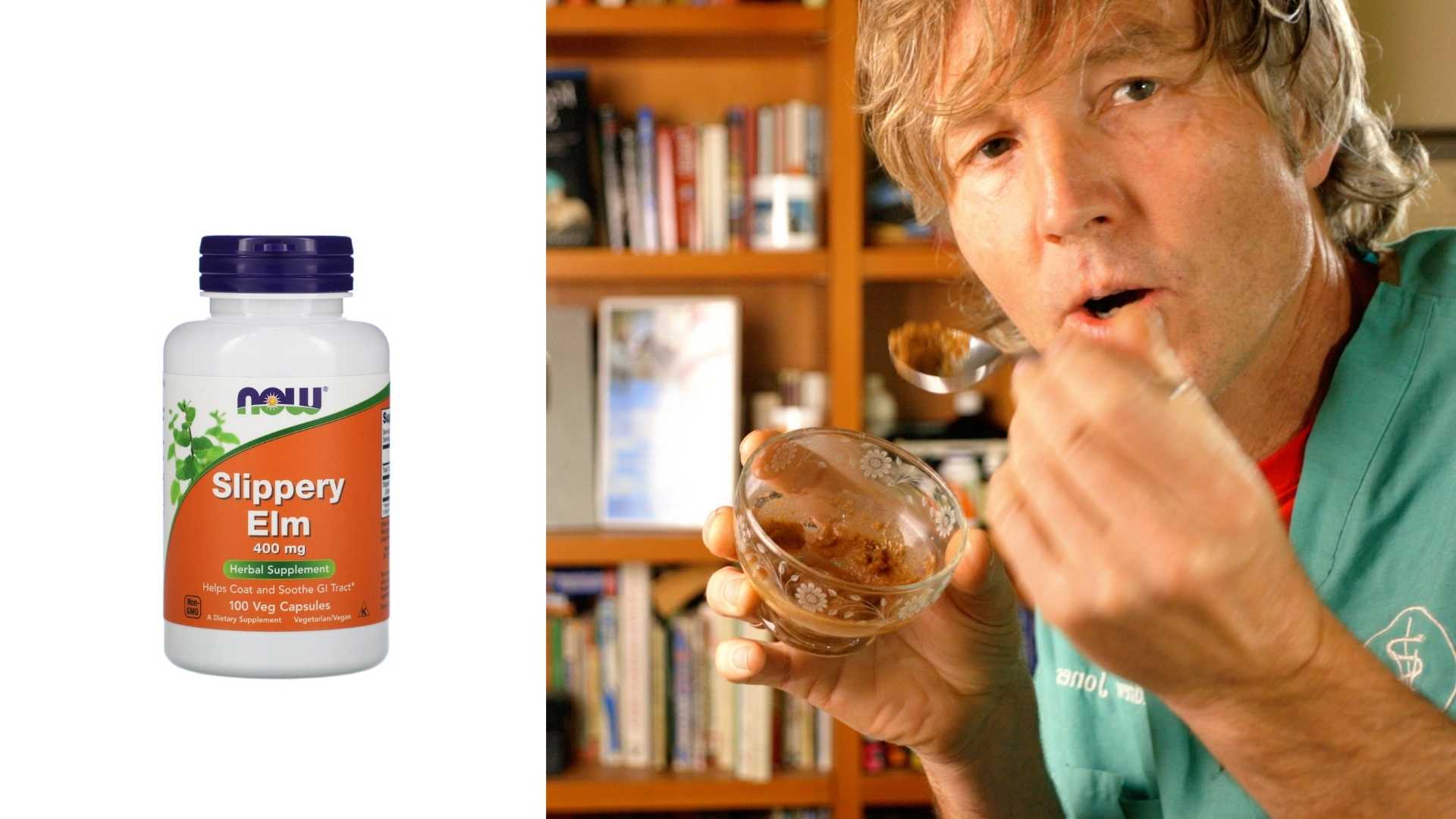
Slippery elm contains soothing mucilage compounds that coat and protect the intestinal lining.
It may help reduce diarrhea, calm inflammation, support gut barrier healing, and improve stool quality.
Most pet parents use doses that are too low.
For chronic gut disease, I would suggest a minimum starting dose of:
One 400 mg capsule per 20 lbs, twice daily
You can open the capsule and mix it into food.
Psyllium Husk for Chronic Diarrhea
Fiber therapy is one of the most overlooked tools for chronic diarrhea.
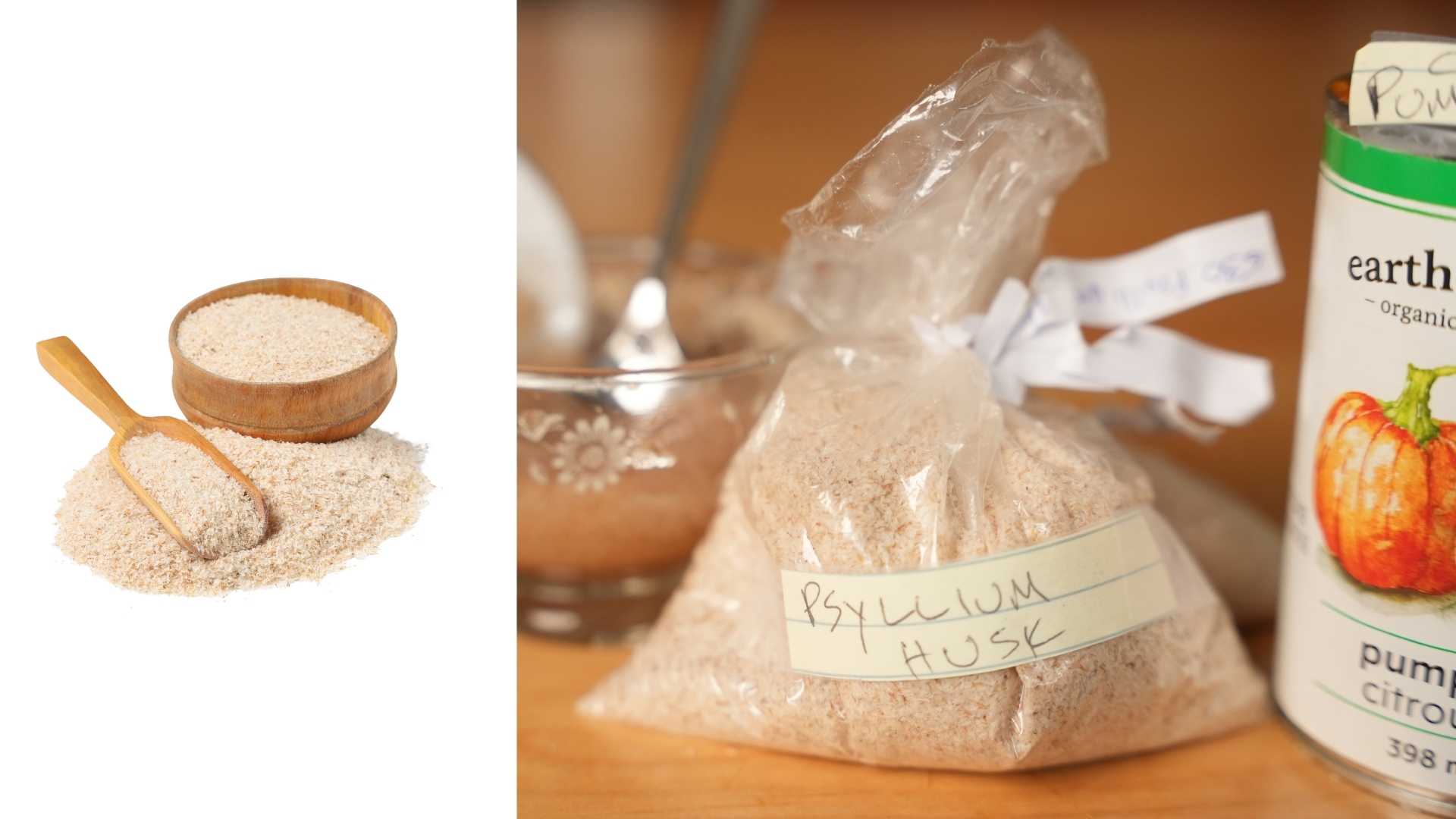
A study involving working dogs with chronic diarrhea found that adding psyllium husk dramatically improved symptoms.
Psyllium can support beneficial gut bacteria, improve stool consistency, reduce intestinal inflammation, and help restore normal bowel function.
A starting dose I suggest is:
1 teaspoon per 20 lbs daily
Then gradually increase up to:
1.5 teaspoons per 20 lbs, twice daily
Always add extra water when using psyllium.
Probiotics: One of the Most Important Gut Repair Tools
One of the most important ways to help repair a damaged gut lining is by restoring the microbiome.
That means bringing the good bacteria back.
But not all probiotics are the same.
A good pet probiotic should have animal-specific strains, a high CFU count, and ideally be protected in a capsule so more bacteria survive stomach acid and reach the intestines.
Many powders are underdosed or break down too early.
That is why I prefer a capsule-based, high CFU, multi-strain probiotic specifically designed for dogs and cats.
Our probiotic includes:
- 8 animal-specific probiotic strains
- 5 billion CFUs per capsule
- No artificial additives or fillers
- Protective capsules to improve delivery into the intestines
This helps support digestive health, healthier bowel movements, balanced gut flora, immune function, and reduction in gas, bloating, and diarrhea.
Other Natural Gut Support Options
Some pets also benefit from:
- Saccharomyces boulardii
- Digestive enzymes
- Omega-3 fatty acids
- Bone broth
- L-glutamine
- Colostrum
- Medicinal mushrooms
These can all support gut healing, but the foundation still needs to be diet and microbiome repair.
My Takeaway
Leaky gut is worth considering if your dog or cat has chronic digestive problems or chronic inflammation that keeps coming back.
This includes recurring diarrhea, vomiting, allergies, itchy skin, arthritis, fatigue, and ongoing immune issues.
Start with food.
Then add gut-soothing support.
And one of the easiest places to begin is with a high-quality probiotic.
Click To Get A Free Copy of My E-Book!

P.S. If your dog or cat has chronic digestive disease or chronic inflammation, I think leaky gut should be on your radar. Testing may be worth considering, especially when nothing else seems to fully work.
P.P.S. An easy first step is a high-quality probiotic. Dr. Jones’ Ultimate Probiotic Formula for Dogs and Cats is specifically designed to support digestive health, bowel regularity, gut flora, immune function, and reduce gas, bloating, and diarrhea. It is now on sale for 30% off.