Tula’s Elevated Liver Enzymes: What I Changed to Help Her Liver Recover

What Should You Do if Your Dog Has Elevated Liver Enzymes?
If your dog has elevated liver enzymes, the first thing I would do is look closely at diet, treats, possible toxin exposure, medications, inflammation, infection, and age-related liver changes.
That is exactly what I did with Tula.
Last year, Tula was diagnosed with liver disease after routine bloodwork before her dental cleaning. Her liver enzymes were elevated, including ALP, GGT, and ALT.
She handled anesthesia well. The dental went smoothly. But the bloodwork told us something was going on with her liver.
The big lesson for me?
Sometimes the problem may be hiding in the treat bag.
In Tula’s case, I suspected that too many liver-based treats may have contributed to excess copper, which can damage the liver.
So I changed her diet, removed the likely source of the problem, and added specific liver-supporting nutrients, including milk thistle, SAMe, dandelion, probiotics, omega-3 fatty acids, and potentially curcumin.
Six months later, her bloodwork improved. Her ALT, which had been over 10 times the normal value, came down to near normal.
That is a good day in dog health.
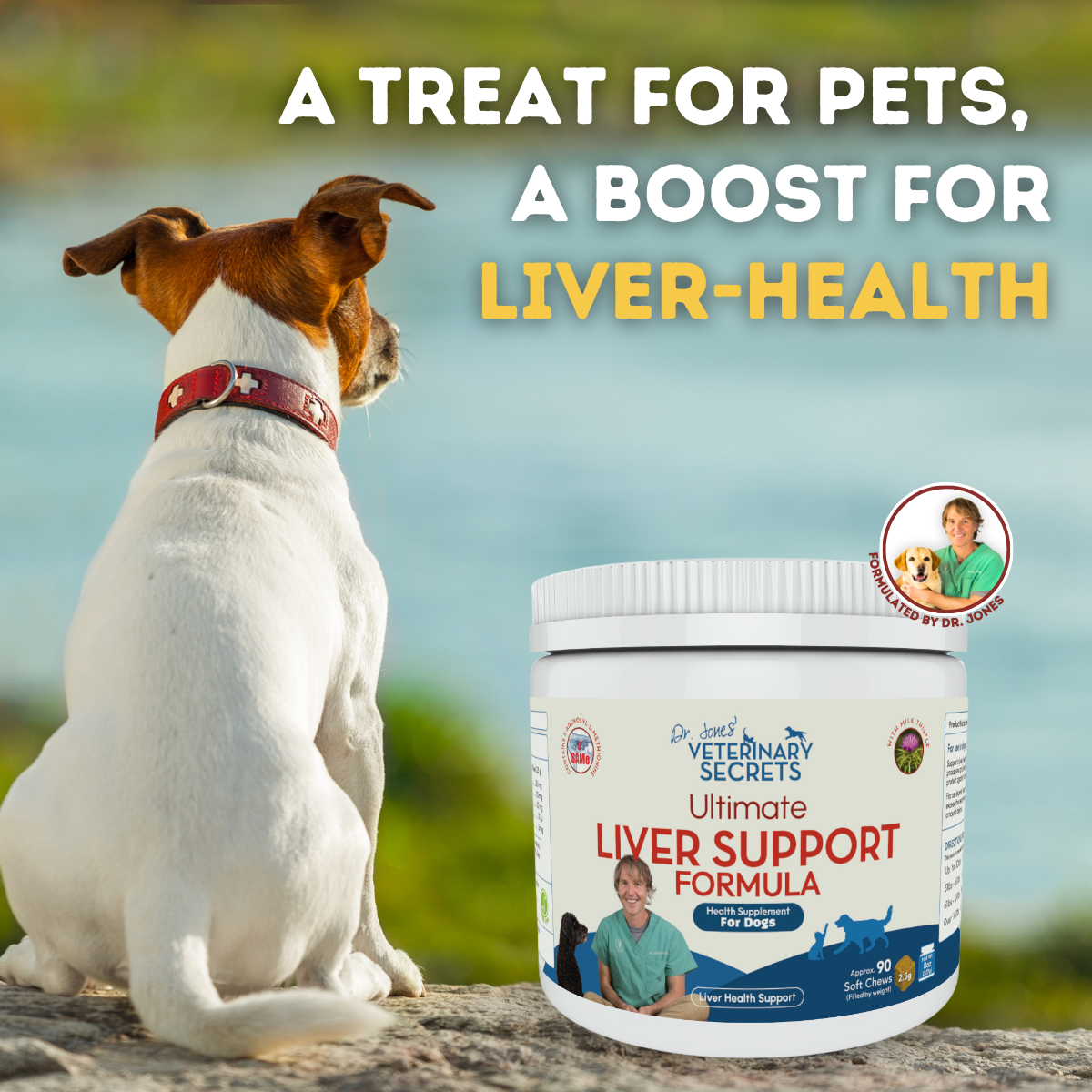
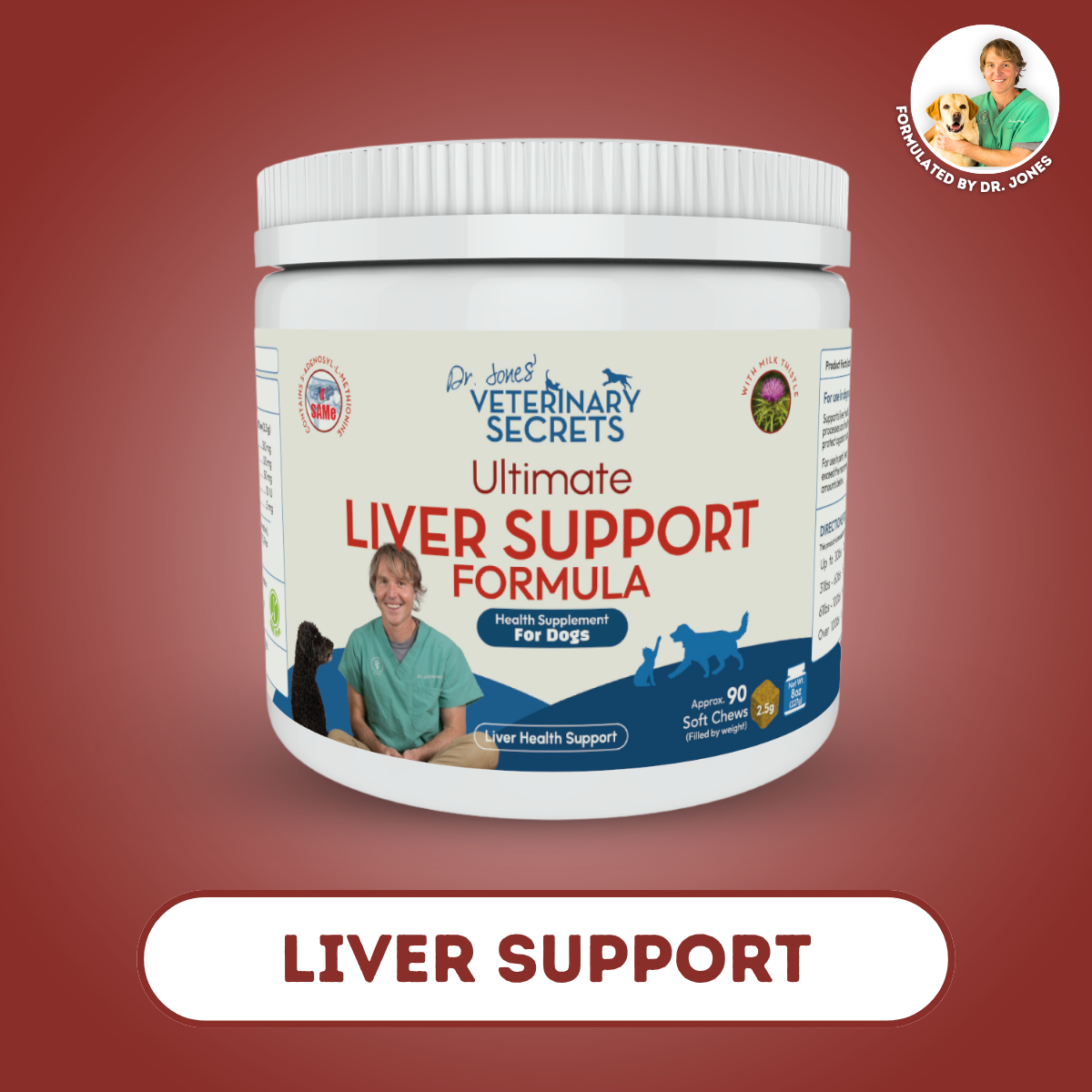
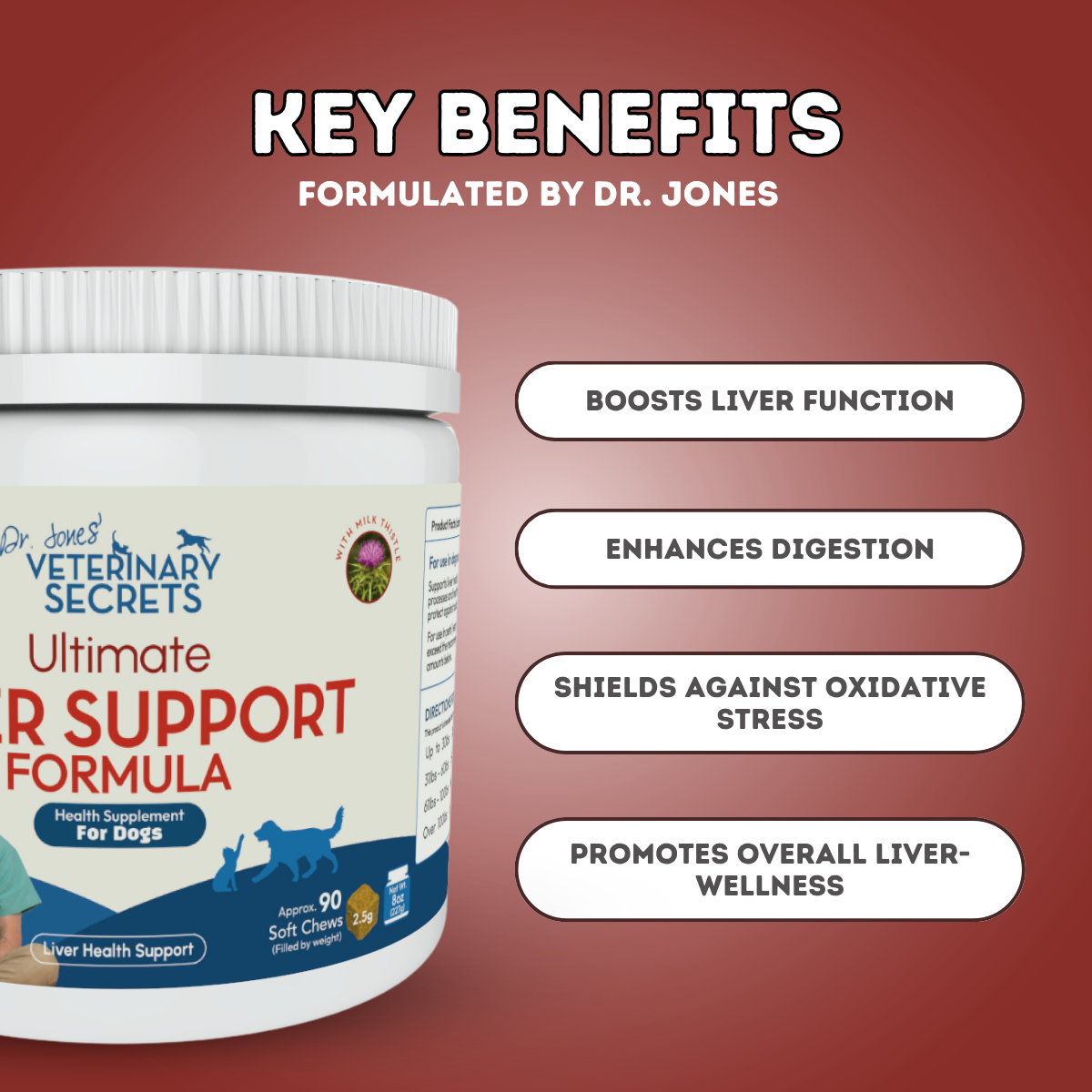
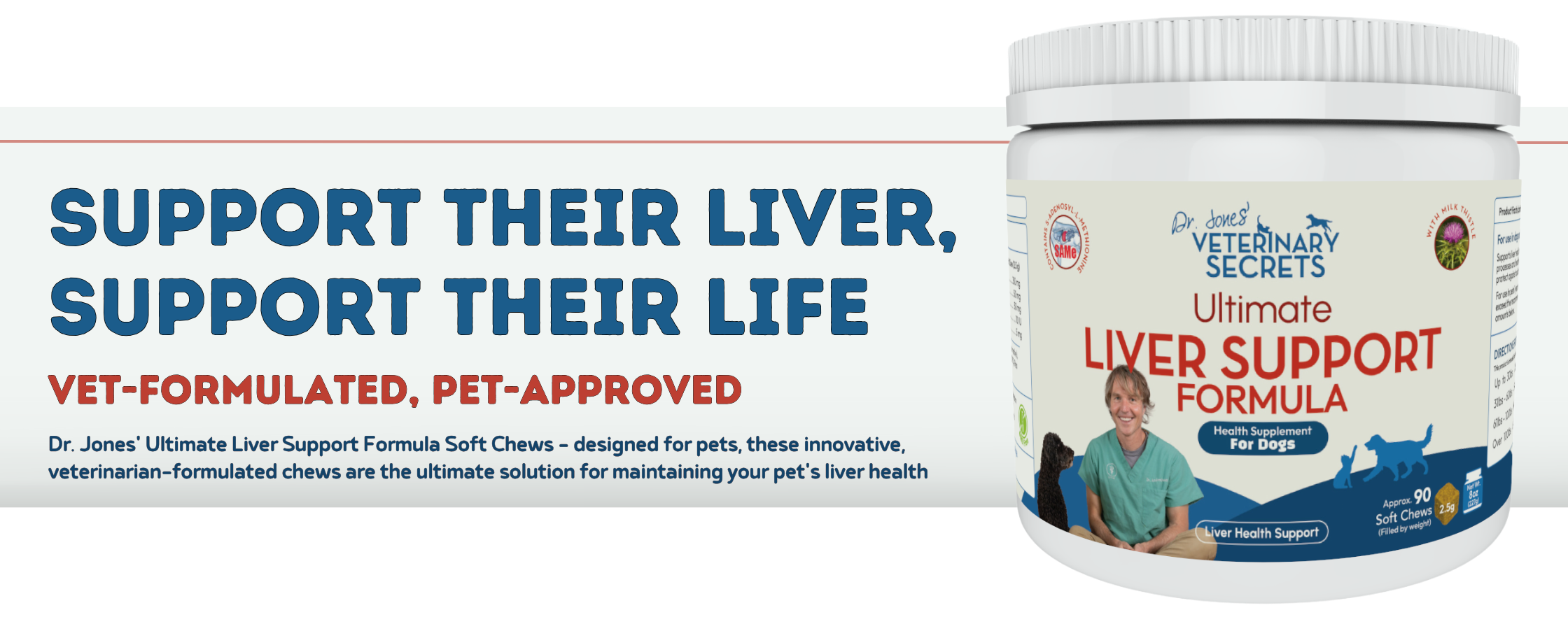
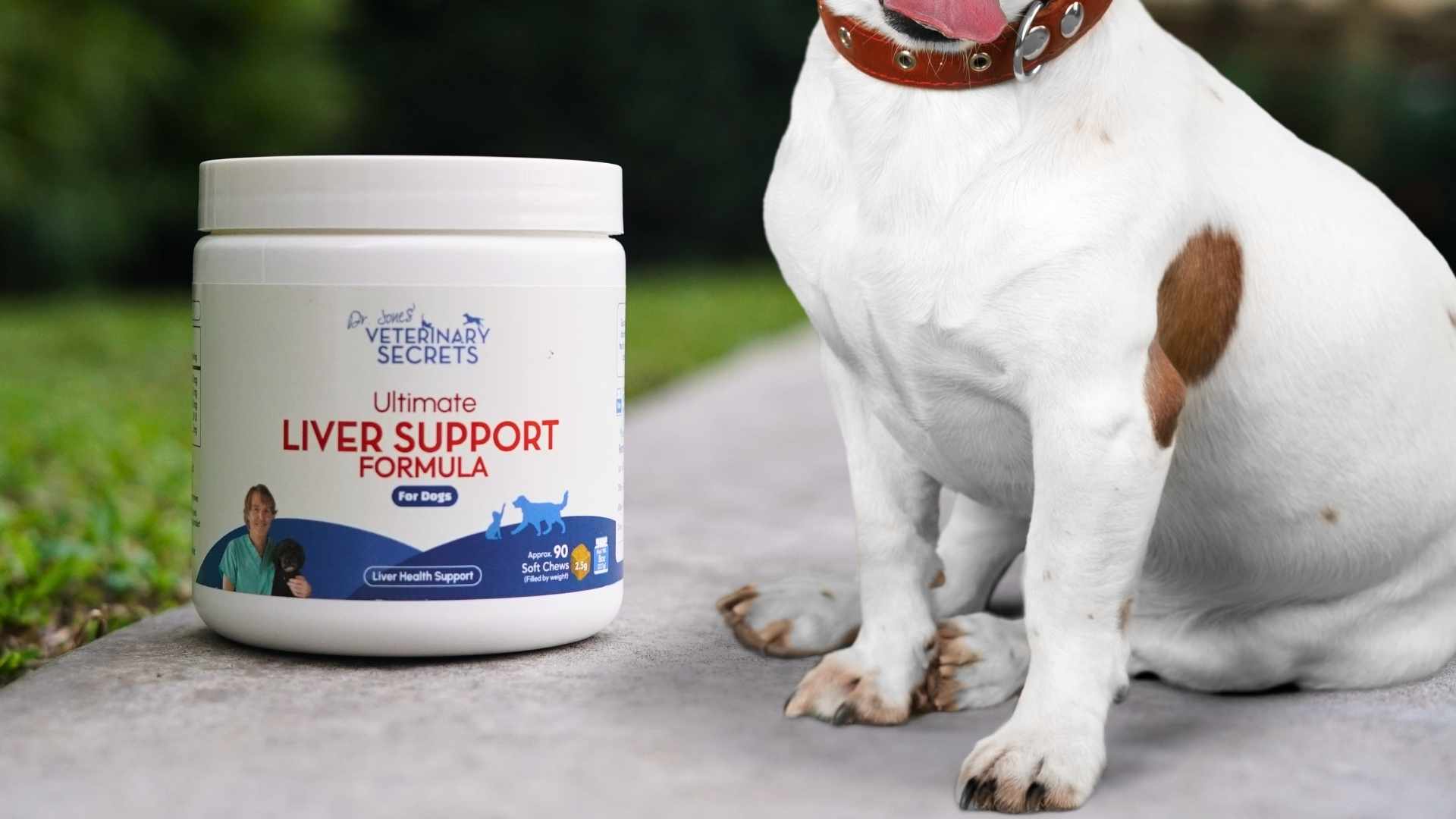
Dr. Jones’ Ultimate Liver Support Formula Soft Chews
What Happened With Tula’s Liver?
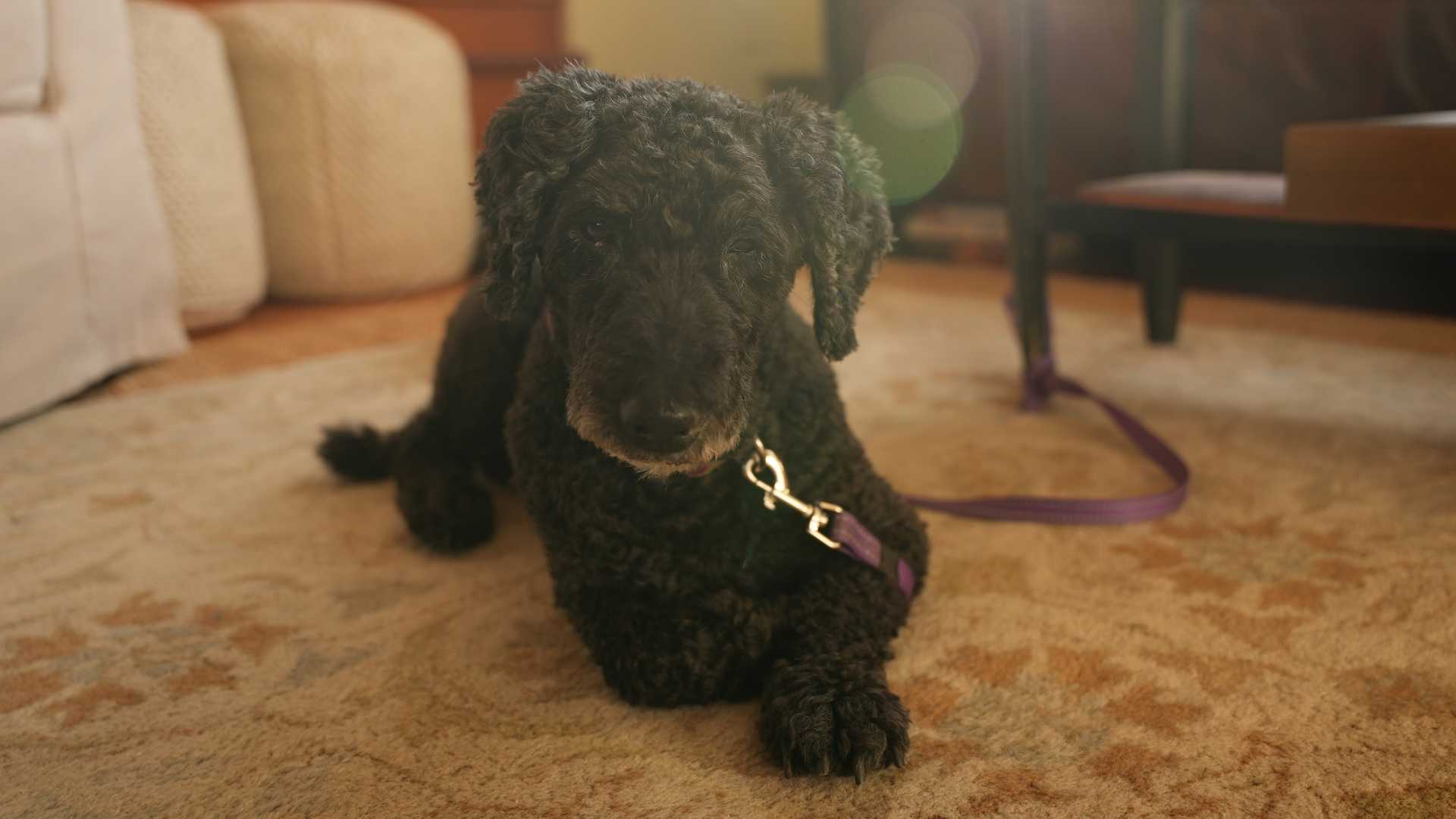
Tula went to the veterinarian for a routine dental cleaning.
Before anesthesia, she had bloodwork done.
The dental procedure went well, and she did fine with anesthesia, but the bloodwork showed elevated liver enzymes.
The enzymes mentioned were:
- ALP
- GGT
- ALT
These elevations suggested some type of liver condition.
Possible causes included:
- Infection
- Inflammation
- Nutrient imbalance
- Aging, since Tula was 13
- Liver disease such as hepatic lipidosis, also called fatty liver
- Scarring
- A possible growth
Tula was not showing obvious signs of liver disease. Her appetite was great, she had energy, she was fit, and she wanted plenty of exercise.
But bloodwork often tells us what our pets are not showing us yet.
What Do Elevated Liver Enzymes Mean in Dogs?
Elevated liver enzymes mean the liver is under stress or there may be injury, inflammation, or disease affecting liver cells or bile flow.
In Tula’s case, ALP, GGT, and ALT were elevated.
That does not give one single answer by itself. It tells us we need to look deeper.
Potential contributors can include:
- Inflammation
- Infection
- Diet
- Aging
- Nutrient imbalance
- Fatty liver changes
- Scarring
- Growths
- Toxin exposure
- Medication exposure
Tula had not been on medications, and I was not aware of toxin exposure that could harm her liver.
So I started where I think many pet parents should start.
I looked at her diet.
Could Too Much Copper Be a Problem?
Yes, too much copper may damage the liver.
Copper is concentrated in the liver. If a dog consumes too much copper over time, it can contribute to liver disease.
One of the sneaky ways this can happen is through liver-based treats.
Liver is nutritious. I am not saying liver is bad.
But liver is also high in copper, and many popular dog treats use liver as the main ingredient.
That can become a problem if the treats are given daily or in large amounts.
Tula loved liver-based treats. One of her favorite treats, Mighty Wolf, had fresh ground pork liver as the first ingredient.
A small amount of liver can be beneficial.
Too much can overwhelm the system.
Why Liver-Based Treats Can Be Risky in Excess
Liver is one of those foods that sounds healthy, because it is.
It contains many valuable nutrients.
But the dose matters.
Just three tablespoons of liver can exceed the daily copper requirement for an average adult human by 1300 percent.
For a small dog like Tula, just one teaspoon of liver could exceed her daily copper requirement.
That is the part many pet parents miss.
You may think you are giving a few healthy treats.
But if liver is the first ingredient and you are feeding them every day, the copper can add up.
And the liver, the organ we are trying to support, may be the one getting stressed.
What I Changed First for Tula
The first thing I did was remove the likely source of the problem.
That meant cutting back on liver-based treats.
If excess copper was contributing to Tula’s liver disease, then the most logical first step was to stop adding more copper.
You cannot bail water out of a boat while still drilling holes in the bottom.
Same idea here.
What Diet Is Better for a Dog With Liver Concerns?
For Tula, I focused on clean, easily digestible proteins that were lower in copper and gentler on the liver.
That meant avoiding:
- Beef
- Pork
- Red meats
- Treats with liver as the main ingredient
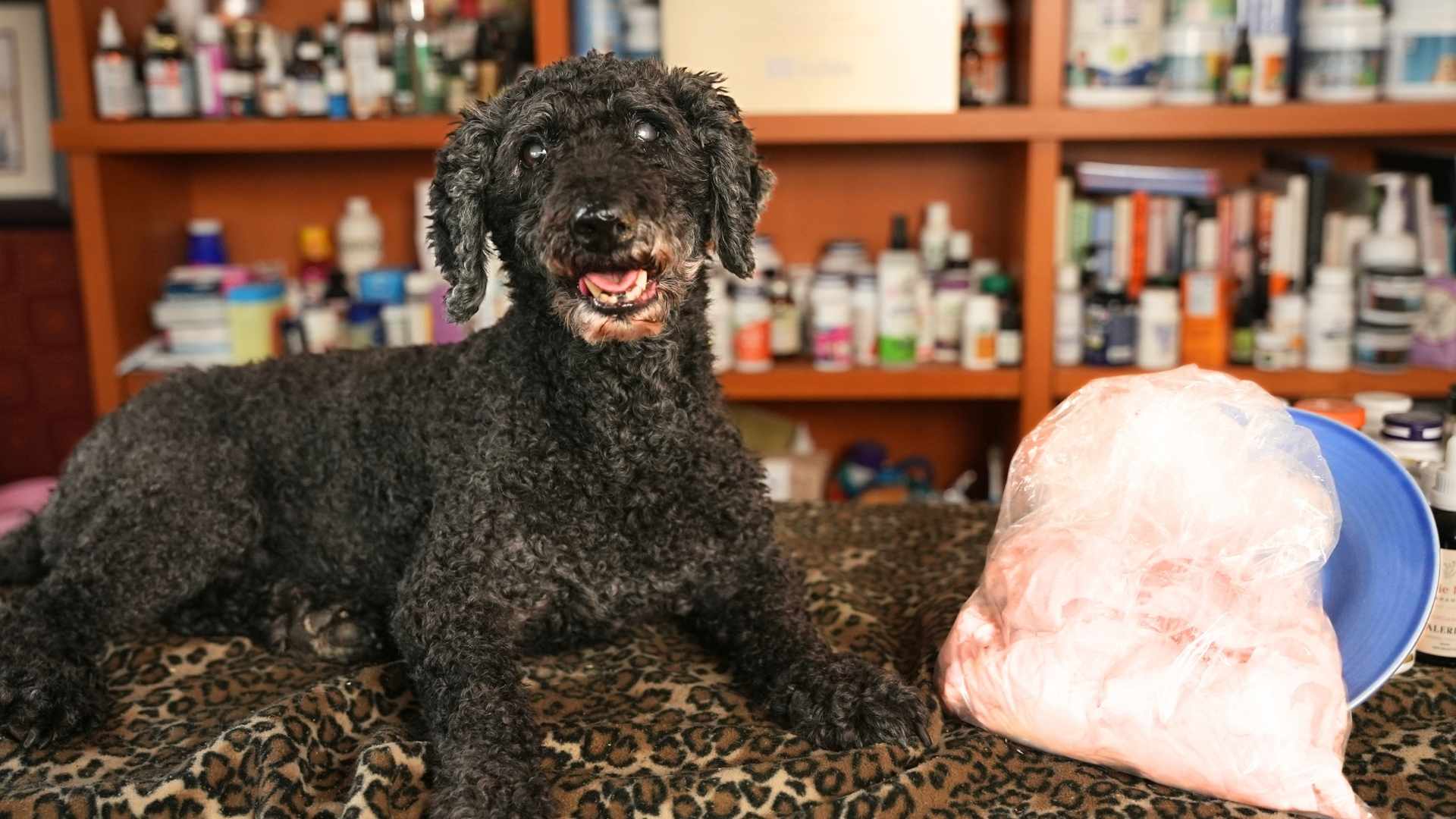
Instead, I used proteins such as:
- Chicken
- Turkey
- Fish
These were lower in copper and easier for her liver to process.
I also used freeze-dried chicken as a clean protein option. It is low in fat and rich in bioavailable nutrients that Tula’s liver could absorb without as much strain.
Why I Chose a Homemade Liver-Support Meal
When managing liver disease, I want food that is easy for the liver to process.
For Tula, I started preparing homemade meals that were nutrient-rich but easy to digest.
The goal was simple:
- Clean protein
- Easy carbohydrate
- Liver-supportive greens
- Healthy fats
- Lower copper load
- Less strain on the liver
Tula’s Simple Liver-Support Recipe
Here is the simple recipe I used for her.
| Ingredient | Why I Used It |
|---|---|
| Chicken breast | Clean, low-fat protein |
| Brown rice | Easy on digestion and contains B vitamins |
| Kale | Green vegetable rich in flavonoids, known for liver-healing properties |
| Olive oil | Healthy fat with anti-inflammatory benefits |
How I Prepared It
I cooked:
- Chicken breast
- Brown rice
- Kale
Then I added:
- 1 tablespoon of olive oil
This combination gave Tula the nutrients she needed without overwhelming her liver.
Simple food. Real ingredients. No mystery meat nugget pretending to be wellness.
What Supplements Did I Use for Tula’s Liver?
Diet alone was not enough.
I also used specific liver-supporting supplements.
The key ones were:
- Milk thistle
- SAMe
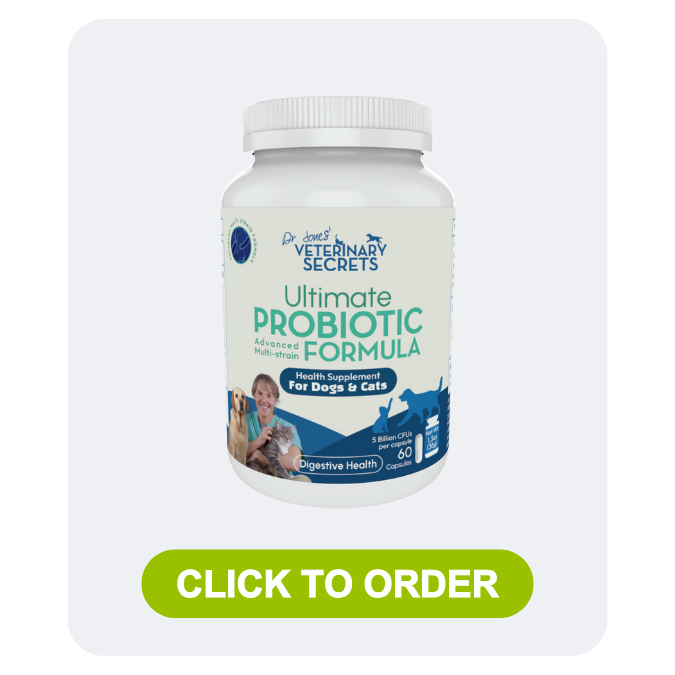
- Probiotics
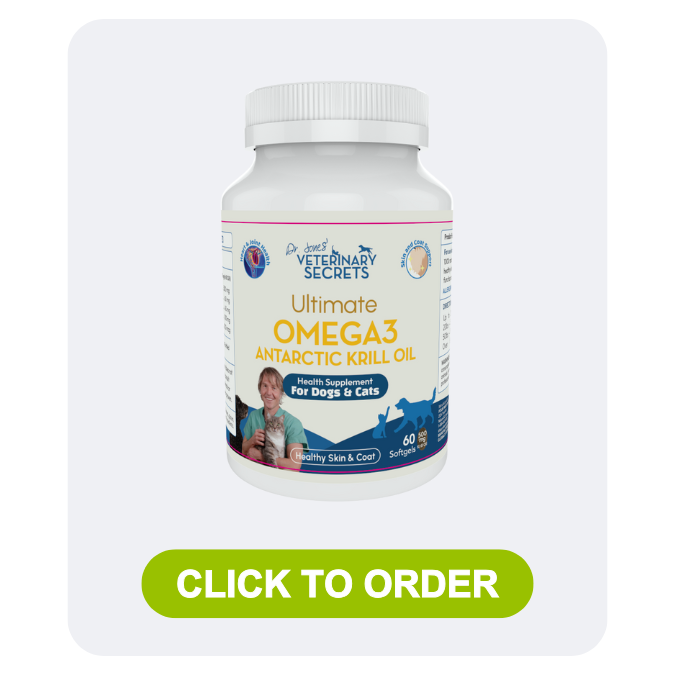
- Omega-3 fatty acids
- Curcumin, which I was watching as an option
- Dandelion
- Vitamin E
- Turmeric
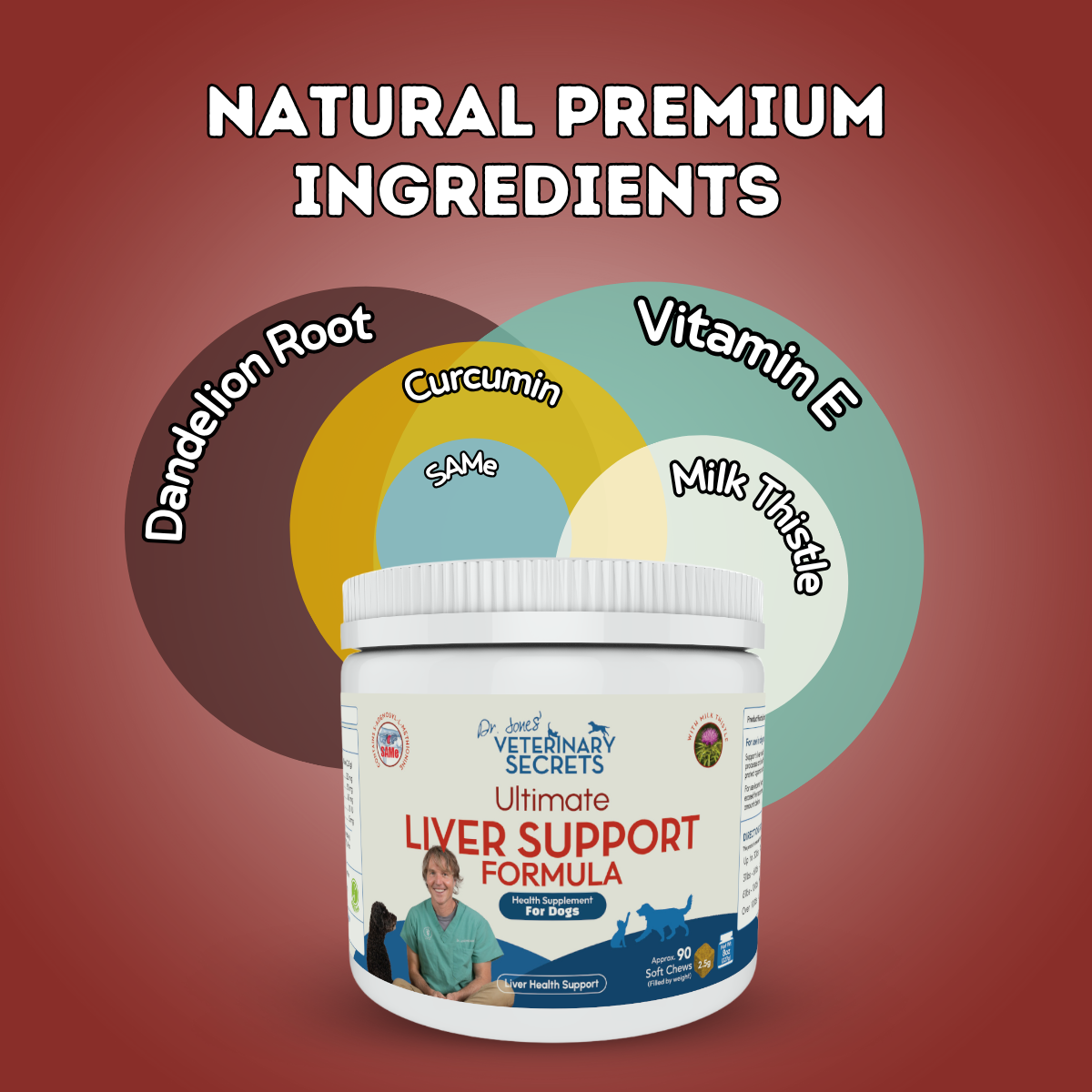
Milk thistle, SAMe, and dandelion are included in our new Liver Support supplement.
The new Liver chews also include milk thistle, SAMe, dandelion, Vitamin E, and turmeric.
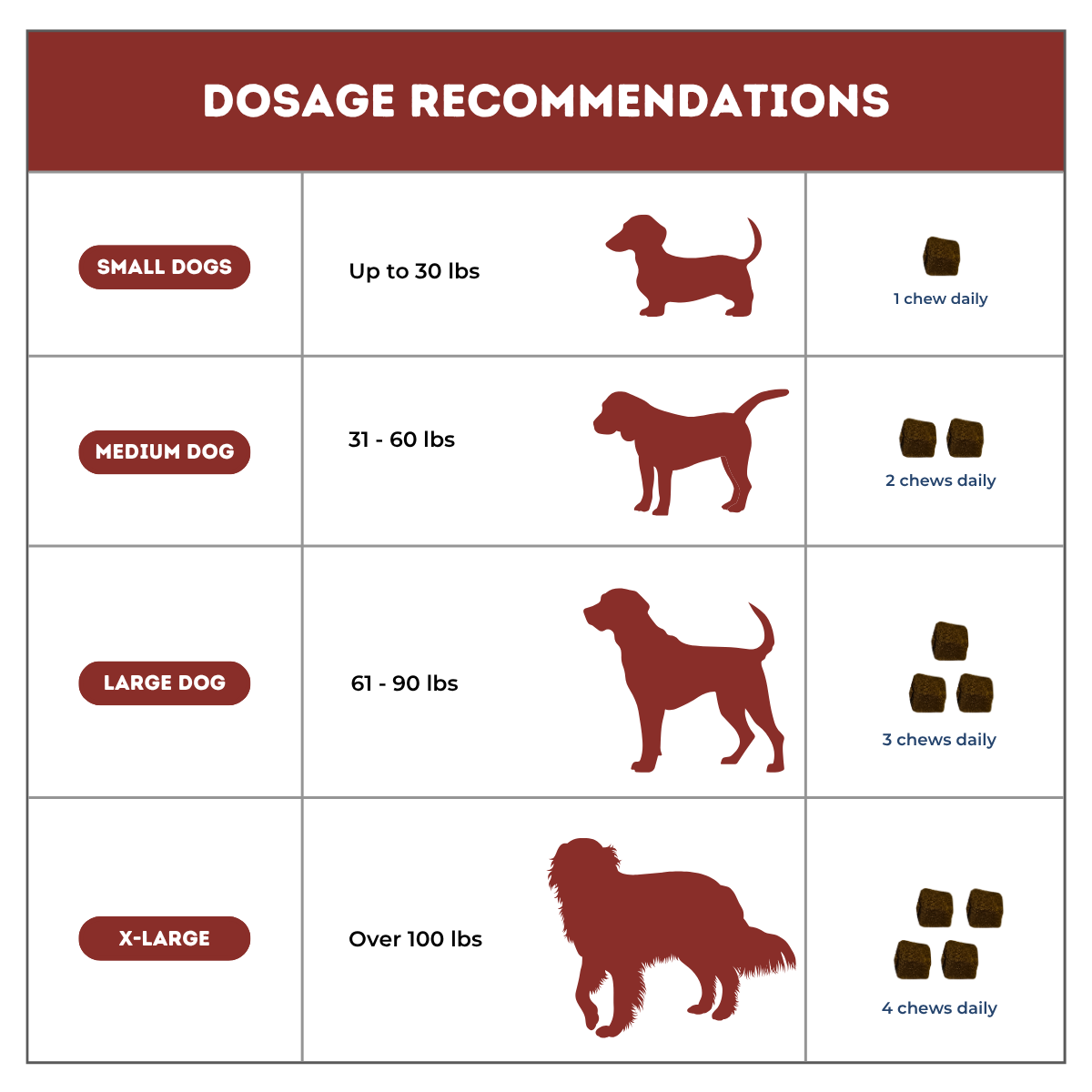
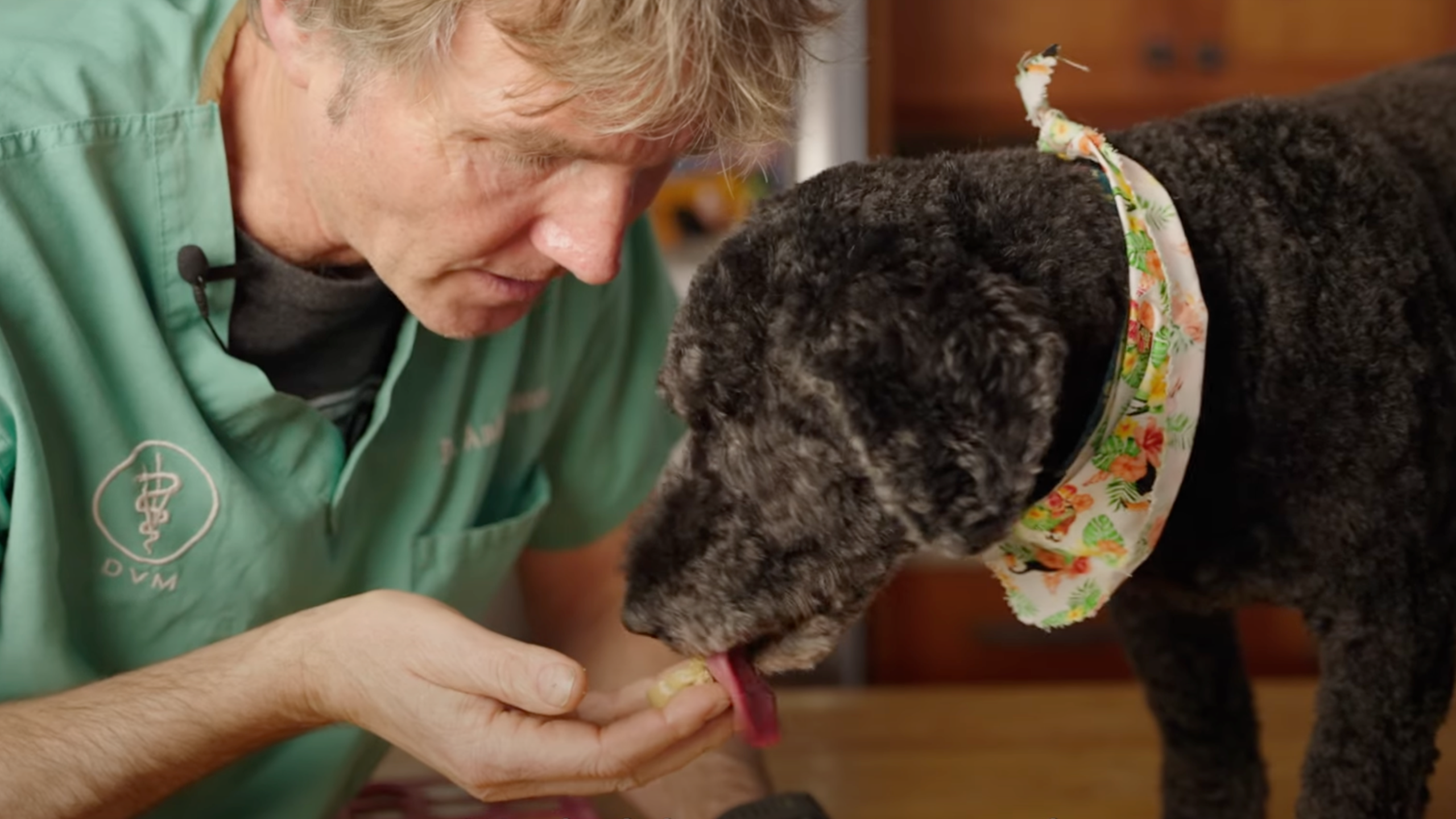
Tula was getting two chews daily, and she really liked them.
Always a small miracle when the supplement is not treated like betrayal.
Milk Thistle for Dogs With Liver Disease
Milk thistle is the most important liver-support supplement I used for Tula.
It has been shown in numerous studies to help with various types of liver disease.
Milk Thistle Dose
Tula received a therapeutic dose of:
| Supplement | Dose |
| Milk thistle | 100 mg per 10 lbs of body weight daily |
Milk thistle is one of the first nutrients I think about when a dog has liver stress or elevated liver enzymes.
SAMe for Liver Support
SAMe, also called S-adenosylmethionine, is another liver-support supplement I used for Tula.
It has been studied for benefits in liver disease.
SAMe may help by:
- Reducing liver inflammation
- Supporting liver detoxification processes
- Supporting liver function
SAMe Dose
Tula received:
| Supplement | Dose |
| SAMe | 50 mg per 10 lbs of body weight daily |
This was an important part of her liver-support plan.
Probiotics for Liver Inflammation
I also added a multi-strain probiotic to Tula’s routine.
Why?
Because gut health can affect liver inflammation.
A healthy gut can help reduce the inflammatory load on the liver.
So for dogs with liver concerns, I think probiotics are worth considering.
Curcumin for Liver Healing Support
I also kept an eye on adding curcumin, specifically 95% curcumin.
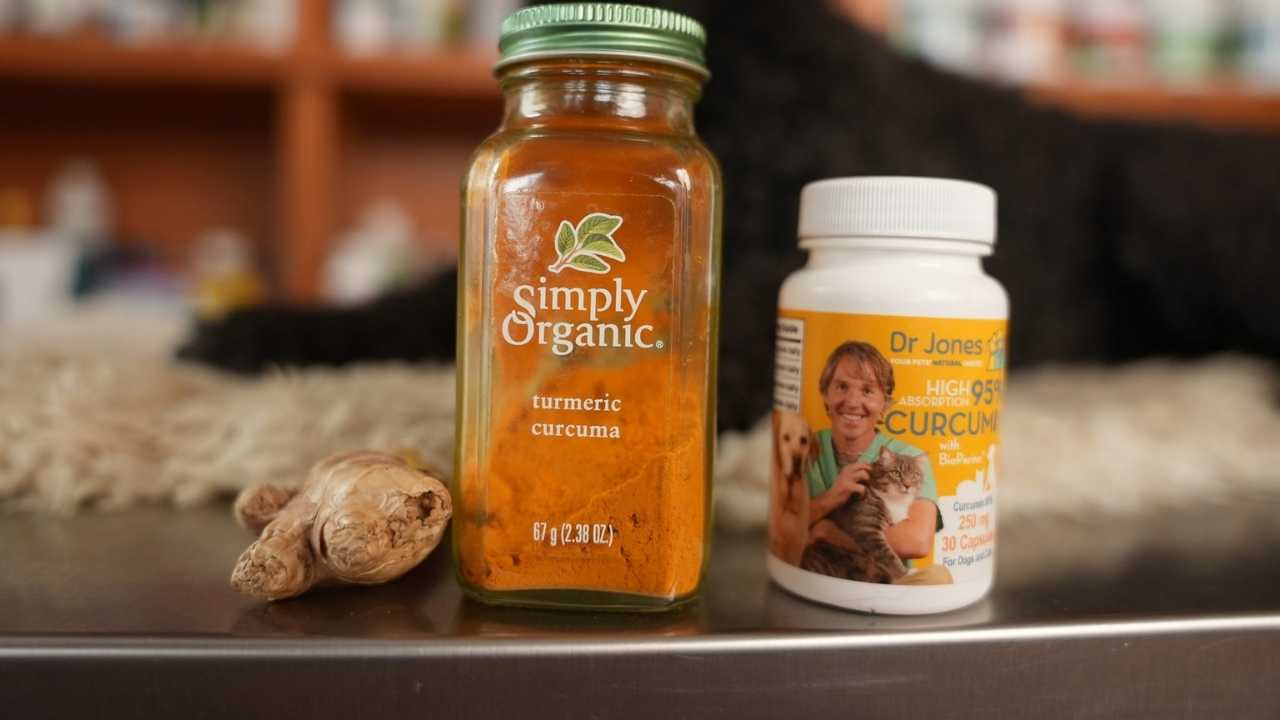
Curcumin is a strong anti-inflammatory and may support liver healing.
Inflammation is a major part of many chronic liver problems, so anti-inflammatory support makes sense.
Omega-3 Fatty Acids for Liver Disease
Tula had been on an EFA supplement for most of her life, and I continued it.
Omega-3 fatty acids are anti-inflammatory and beneficial for liver disease.
A high-quality omega-3 supplement, such as krill oil, is one of the additions I would consider for liver support.
Liver Support Dosage Table
| Support Option | Why I Used It | Dose Mentioned |
| Milk thistle | Liver support and liver healing | 100 mg per 10 lbs body weight daily |
| SAMe | Liver inflammation and detoxification support | 50 mg per 10 lbs body weight daily |
| Probiotics | Gut support and reduced liver inflammation | Multi-strain probiotic, dose not specified |
| Omega-3 fatty acids | Anti-inflammatory support for liver disease | EFA supplement, dose not specified |
| Curcumin, 95% | Anti-inflammatory liver support | Dose not specified |
| Dandelion | Liver-support nutrient in Liver Support supplement | Dose not specified |
| Vitamin E | Included in new Liver chews | Dose not specified |
| Turmeric | Included in new Liver chews | Dose not specified |
What Did Tula’s Bloodwork Show After 6 Months?
I had Tula’s bloodwork retested 6 months later.
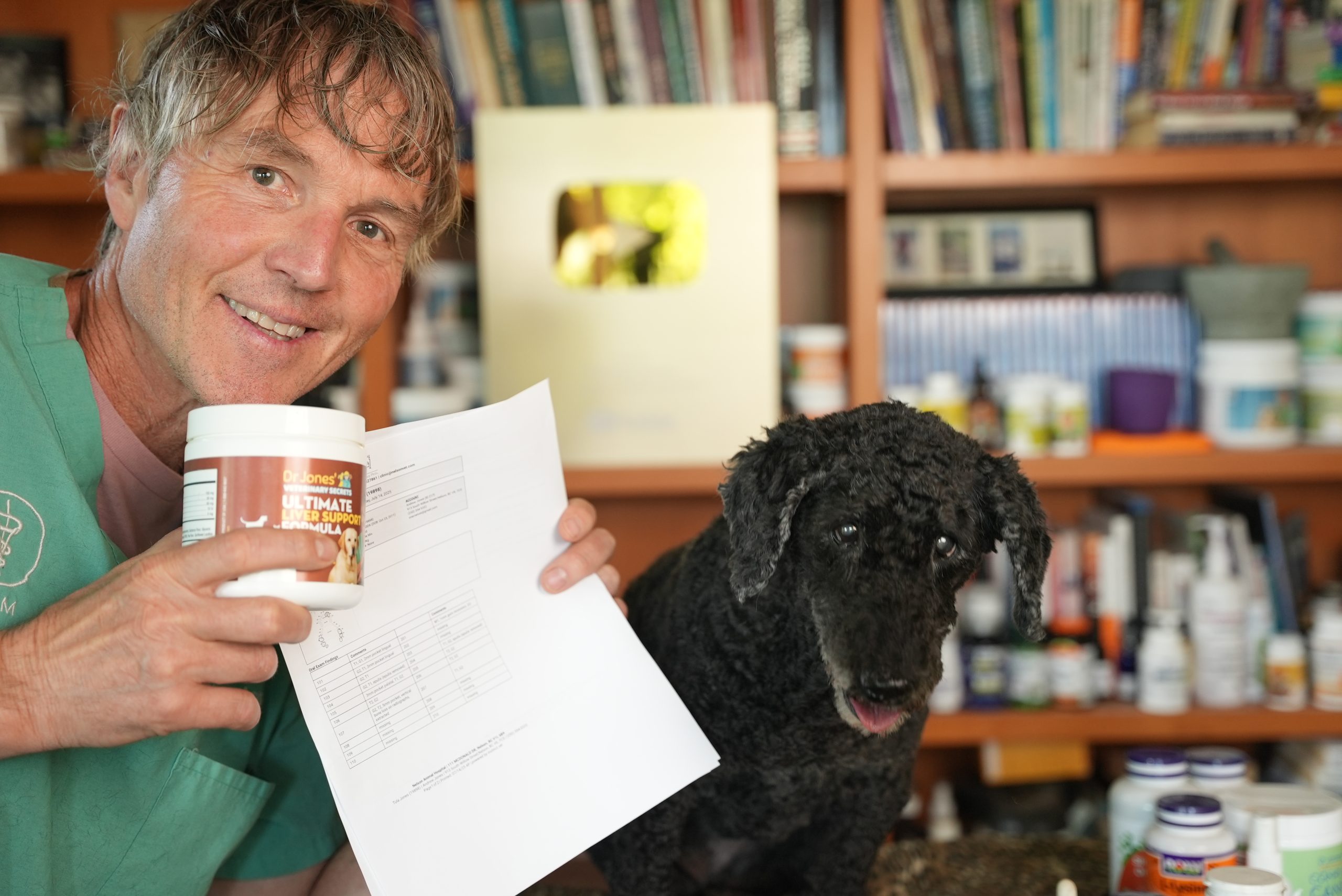
The changes helped reverse her liver disease.
Her ALT, which had been over 10 times the normal value, came down to near normal.
She continued to have:
- A great appetite
- Strong energy
- No obvious signs of liver disease
- Good fitness
- A strong desire to exercise
In fact, Tula still wanted lots of exercise and was running 5 to 6 miles several days a week.
Not bad for a 13-year-old dog with a liver scare.
What Are the Signs of Liver Disease in Dogs?
The pasted text does not list classic liver disease signs in detail, but Tula’s case shows something very important.
A dog can have elevated liver enzymes and still look normal.
Tula had:
- Great appetite
- Good energy
- No obvious signs of liver disease
- Strong exercise tolerance
That is why routine bloodwork can be so helpful, especially before anesthesia or dental procedures.
Sometimes the liver is quietly waving a flag before your dog looks sick.
What Can You Do to Help Protect Your Dog’s Liver?
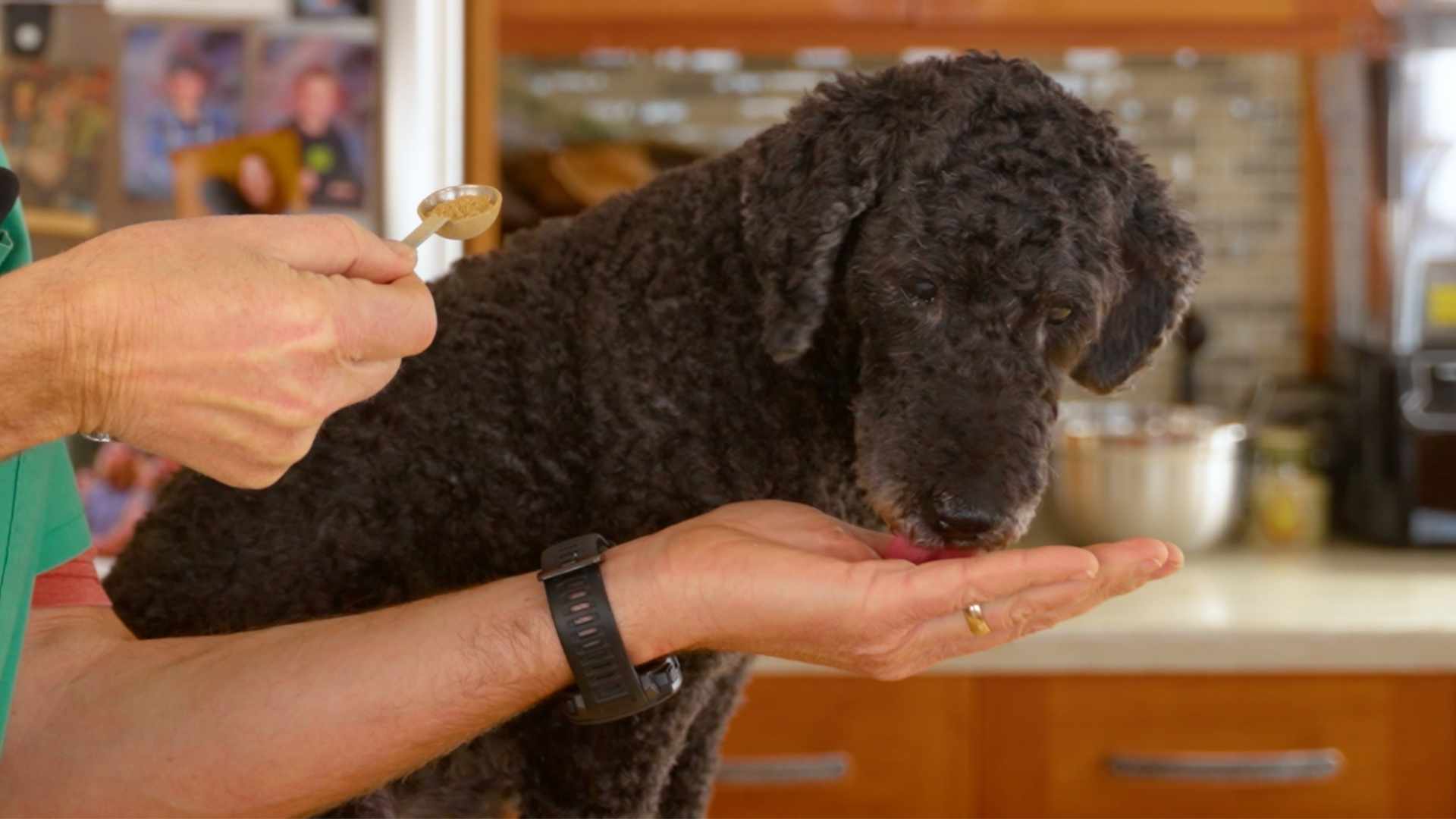
If your dog has elevated liver enzymes or you are concerned about liver health, here is what I would focus on.
1. Limit Liver-Based Treats
Too much liver can overload your dog with copper.
Avoid overfeeding treats where liver is the main ingredient.
Use liver treats in moderation.
2. Choose Lower-Copper Proteins
Consider cleaner, lower-copper proteins such as:
- Chicken
- Turkey
- Fish
Avoid excess beef, pork, red meat, and liver-heavy treats if copper is a concern.
3. Use Simple Homemade Food if Needed
A simple food plan may include:
- Chicken breast
- Brown rice
- Kale
- Olive oil
This was the type of meal I used for Tula.
4. Add Liver-Supporting Nutrients
Consider therapeutic liver support, including:
- Milk thistle
- SAMe
- Dandelion
- Probiotics
- Curcumin
- Omega-3 fatty acids
- Vitamin E
- Turmeric
5. Retest Bloodwork
Changes should be monitored.
In Tula’s case, retesting after 6 months showed a major improvement in ALT.
Step-by-Step: What I Did for Tula
Step 1: Found the Problem on Bloodwork
Tula’s routine pre-dental bloodwork showed elevated liver enzymes: ALP, GGT, and ALT.
Step 2: Looked for Likely Causes
She was not on medications, and I did not know of toxin exposure.
So I looked at her food and treats.
Step 3: Identified Liver-Based Treats as a Concern
Her favorite treats had pork liver as the first ingredient.
Because liver is high in copper, I suspected excess copper may have contributed.
Step 4: Removed the Likely Copper Source
I reduced or removed liver-heavy treats from her diet.
Step 5: Switched to Cleaner Proteins
I focused on chicken, turkey, and fish instead of beef, pork, red meat, or liver-heavy foods.
Step 6: Prepared Simple Homemade Food
I used chicken breast, brown rice, kale, and olive oil.
Step 7: Added Liver-Support Nutrients
I used milk thistle, SAMe, probiotics, omega-3 fatty acids, and considered curcumin.
Tula also received liver chews containing milk thistle, SAMe, dandelion, Vitamin E, and turmeric.
Step 8: Retested Her Bloodwork
Six months later, her ALT dropped from over 10 times normal to near normal.
That told me we were heading in the right direction.
When Should You Call Your Veterinarian?
Call your veterinarian if your dog has elevated liver enzymes or if you notice:
- Poor appetite
- Vomiting
- Low energy
- Weight loss
- Yellowing of the eyes or gums
- Abdominal swelling
- Sudden behavior changes
- Worsening bloodwork
- Any signs that your dog is not acting normal
Also, if your dog is older, like Tula, routine bloodwork can be especially helpful.
The liver can be stressed long before your dog looks sick.
Final Thoughts
Tula’s elevated liver enzymes were a wake-up call.
She looked good. She had energy. She was eating well. But her bloodwork showed liver stress.
When I looked closer, I realized that too many liver-based treats may have been contributing excess copper and stressing her liver.
So I changed the plan.
I removed the likely source, switched to cleaner lower-copper proteins, made simple homemade meals, and added liver-supporting nutrients such as milk thistle, SAMe, probiotics, omega-3 fatty acids, and liver chews with dandelion, Vitamin E, and turmeric.
Six months later, her ALT came down from over 10 times normal to near normal.
That is why I want you looking at the treat bag.
Sometimes the thing labeled “healthy” can become a problem when given too often.
Click To Get A Free Copy of My E-Book!

P.S. Tula responded very well.
She showed no obvious signs of liver disease. Her appetite was great, she had a ton of energy, she was fit, and she still wanted plenty of exercise, running 5 to 6 miles several days a week.
I think the biggest thing was removing the source of the problem, which in her case may have been excess liver treats.
Then I gave her specific liver-healing nutrients: milk thistle, SAMe, dandelion, Vitamin E, and turmeric, all found in our new Liver chews.
She was getting two chews a day.
And yes, she really liked them.
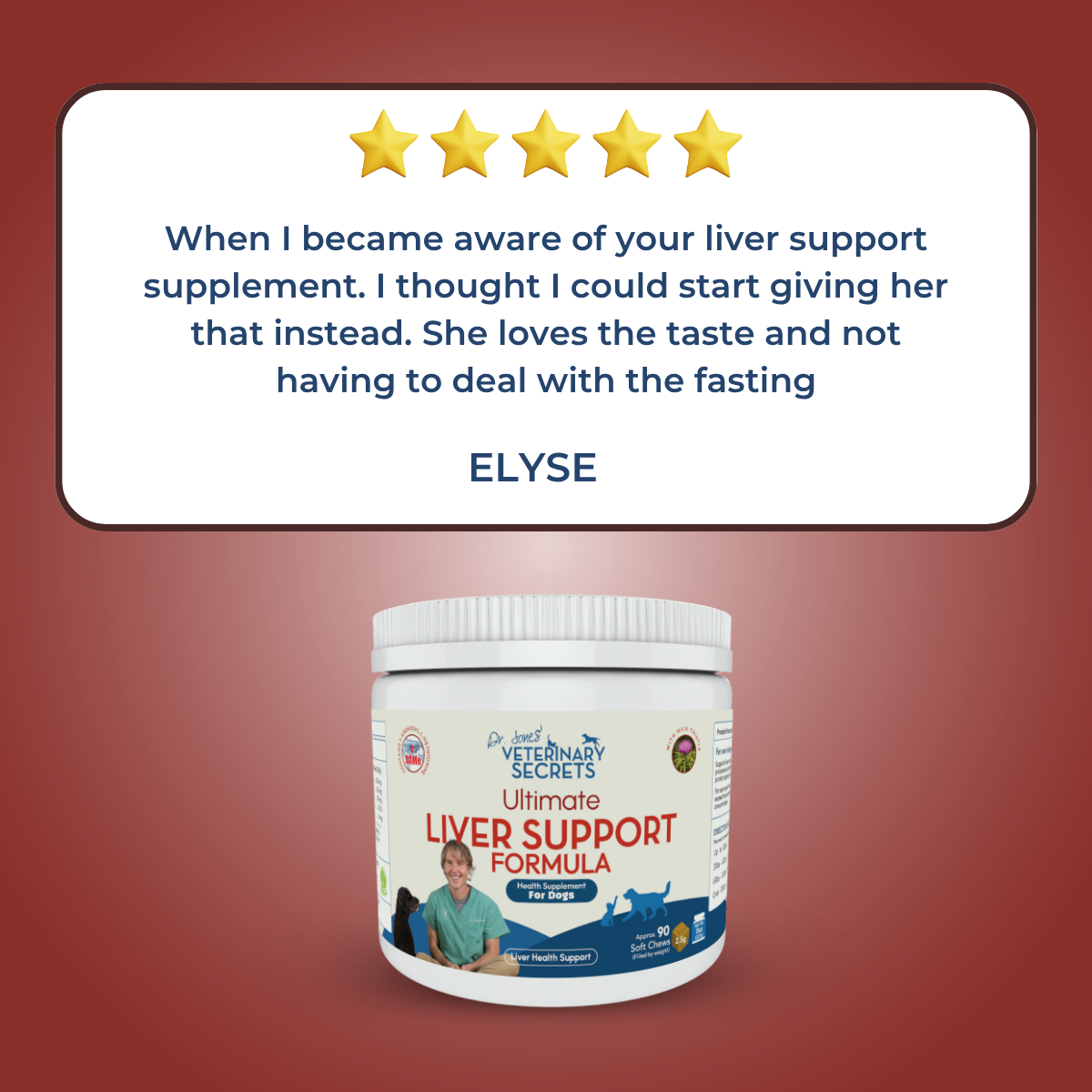
P.P.S. Here are a few of the testimonials, with Wanda calling them “the BEST PRODUCT ever!”