Bee Sting or Hives in Dogs and Cats: What to Do and Natural Remedies That May Help

What Should You Do if Your Dog or Cat Has a Bee Sting or Hives?
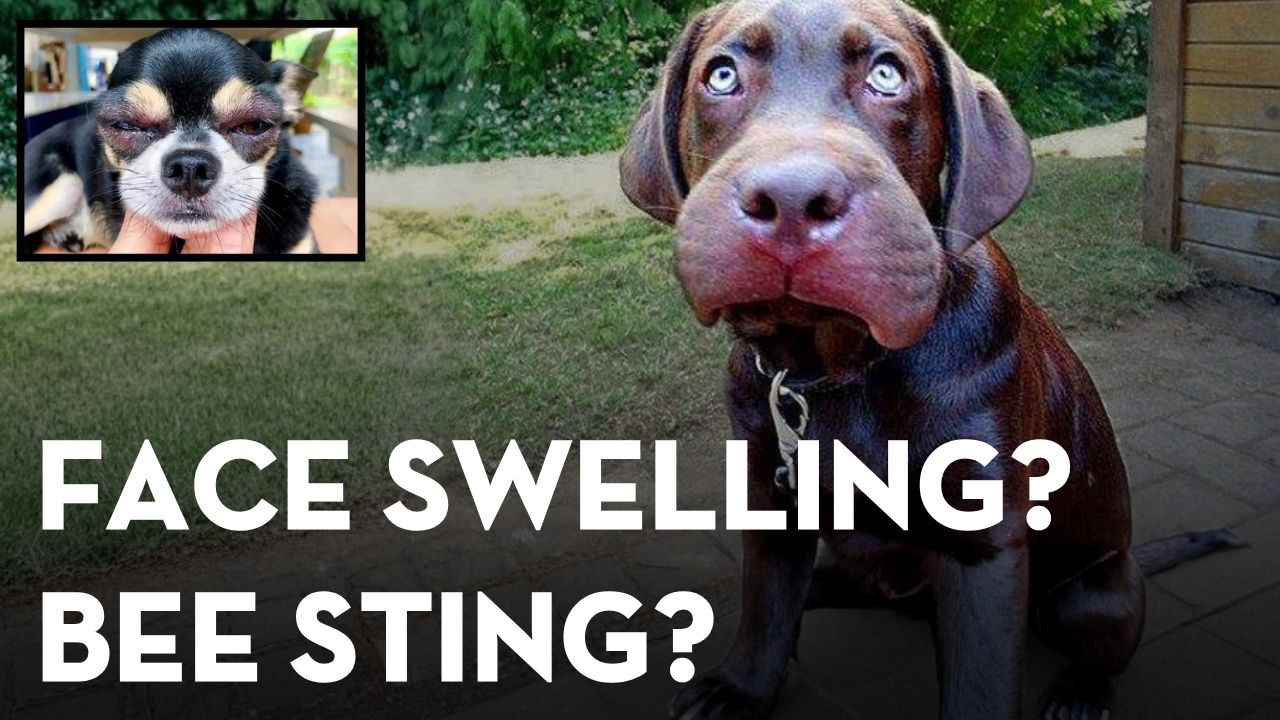
If your dog or cat is pawing at their face, rubbing their eyes, swelling around the muzzle, or suddenly has raised bumps on the skin, they may be having an allergic reaction.
The most likely cause is an insect bite or bee sting.
But if hives keep coming back, I also want you thinking about an underlying food allergy.
The first thing to do is watch your pet closely. Most dogs and cats recover just fine after a bee sting, insect bite, or hives. But if your pet has trouble breathing, pale gums, vomiting within 5 to 10 minutes, or worsening swelling around the face or neck, go to an emergency veterinarian immediately.
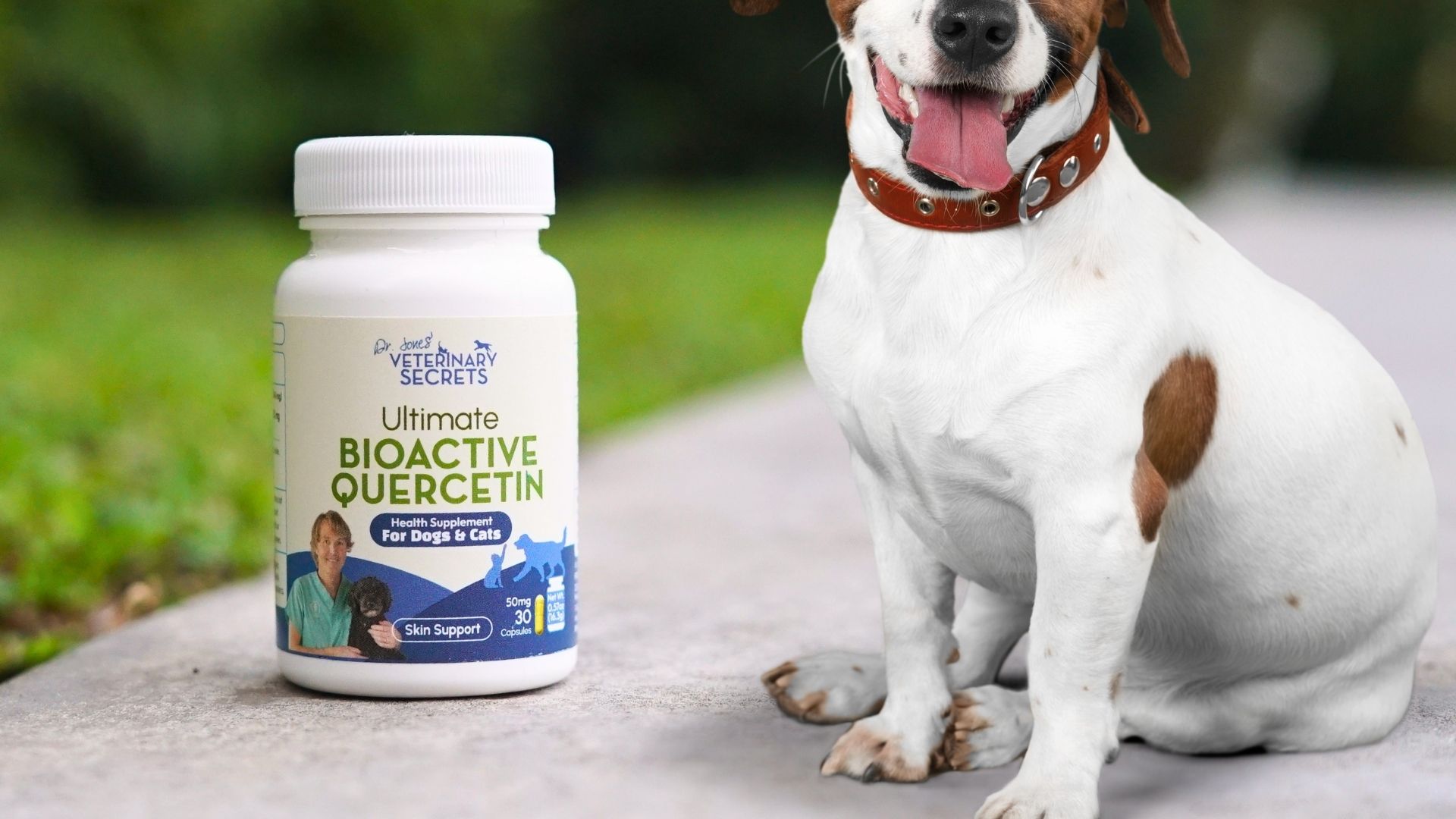
For mild cases, there are several home remedies that may help reduce swelling, itching, and inflammation. One of my favorites is quercetin, the bioflavonoid found in apple peel, because it has anti-inflammatory and antihistamine qualities.
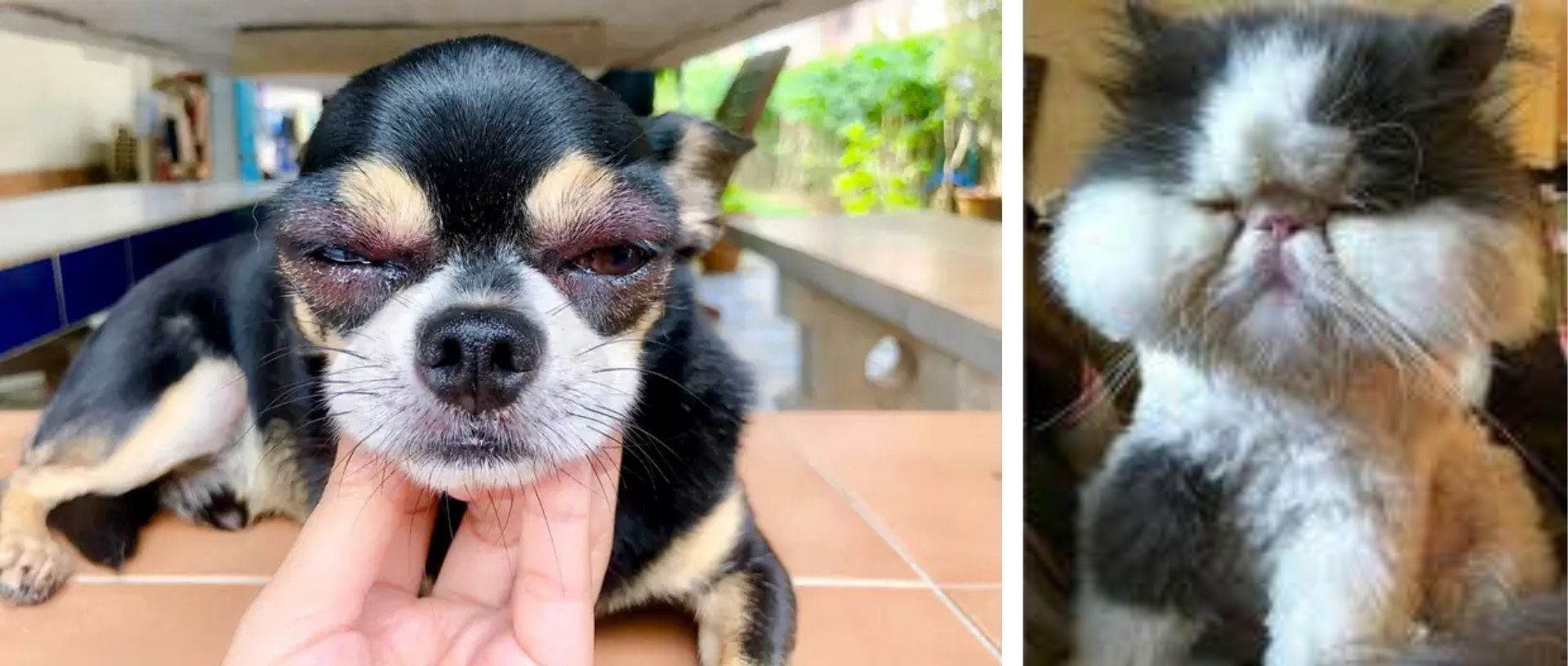
What Does a Bee Sting Look Like in Dogs and Cats?
A bee sting can happen quickly, and you may not always see the bee.
The most common places pets get stung are:
- Face
- Mouth
- Pads of the feet
Some dogs and cats try to bite bees. Brave? Yes. Wise? Not so much.
Signs of a Pet Bee Sting
Watch for:
- Drooling
- Swelling
- Excessive licking
- Pawing at one area
- Rubbing the face
- Crying out suddenly
- Limping if stung on the paw
- A sensitive or puffy sting site
If your dog was digging around in a flower bush, then suddenly cried out and started pawing at their face, a bee sting is a pretty good guess.
What Are Hives in Dogs and Cats?
Hives are raised, red welts on your pet’s skin.
They usually appear quickly and can be very itchy. Your pet’s muzzle may swell, and you may see bumps across the body.
Hives are caused by an allergic reaction to something.
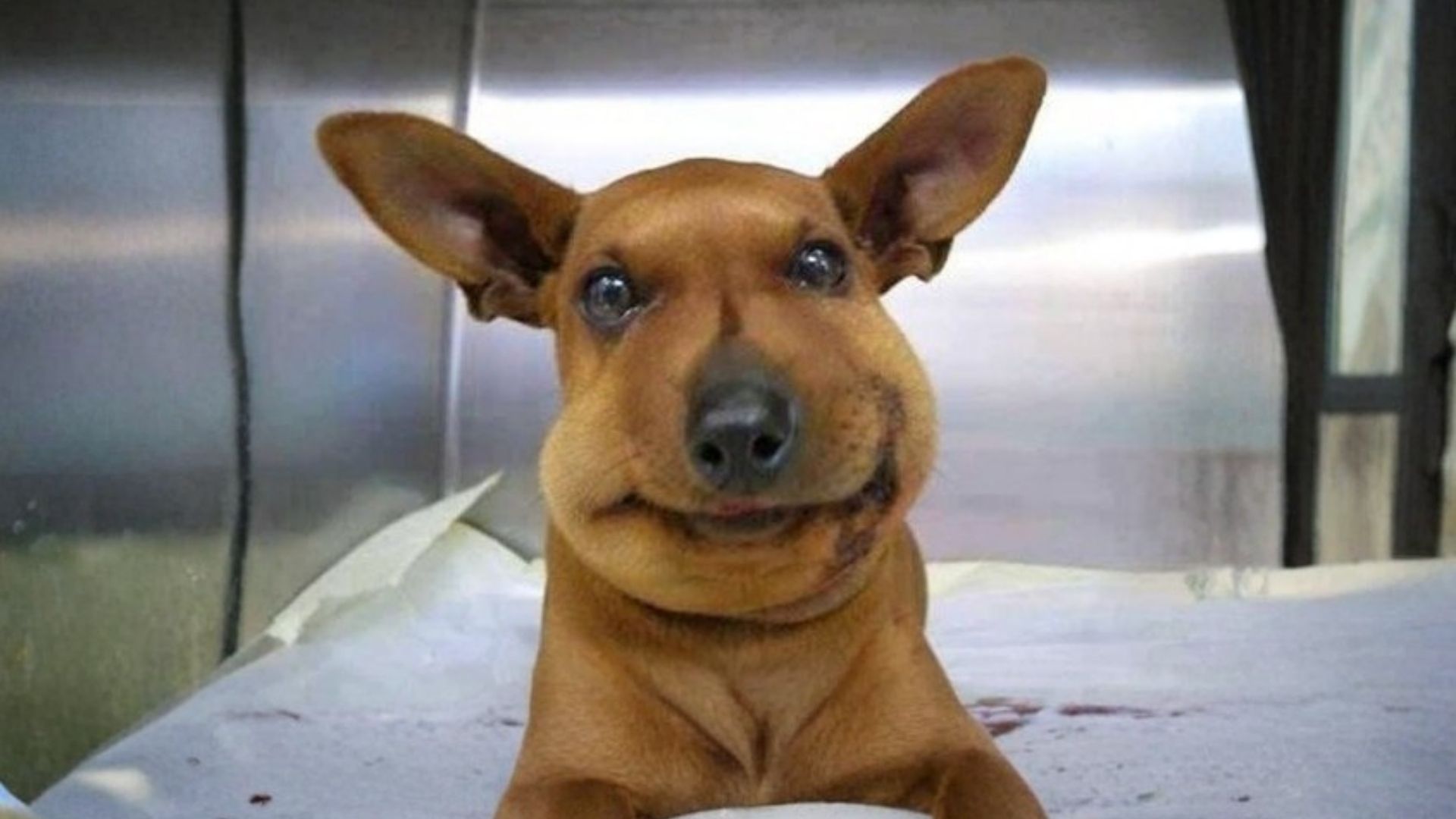
Common triggers include:
- Food
- Insect bites
- Bee stings
- Pollen
If hives happen once after an obvious insect bite, that is one thing.
If hives keep coming back, food is often the culprit, and I would consider doing a food allergy trial.
When Is a Bee Sting or Hives an Emergency?
The most important thing after a bee sting is to watch for an allergic reaction.
Dogs who have been stung before, or dogs stung by multiple bees at one time, are more likely to have an allergic reaction.
Go to an emergency veterinarian immediately if your dog or cat has:
- Trouble breathing
- Swelling around the neck or face that is getting worse
- Vomiting within 5 to 10 minutes after being stung
- Increasingly pale gums
- Collapse
- Extreme weakness
- Signs of anaphylactic shock
If your pet’s face is swelling and breathing is affected, do not wait.
That is not a “let’s see what happens after tea” situation.
What Can You Do at Home for a Mild Bee Sting or Hives?
For mild swelling, itching, and hives, there are several options that may help.
1. Antihistamines for Hives and Swelling
Over-the-counter antihistamines can be very effective for reducing skin swelling in cases of hives.
The two I use most often are Benadryl and cetirizine.
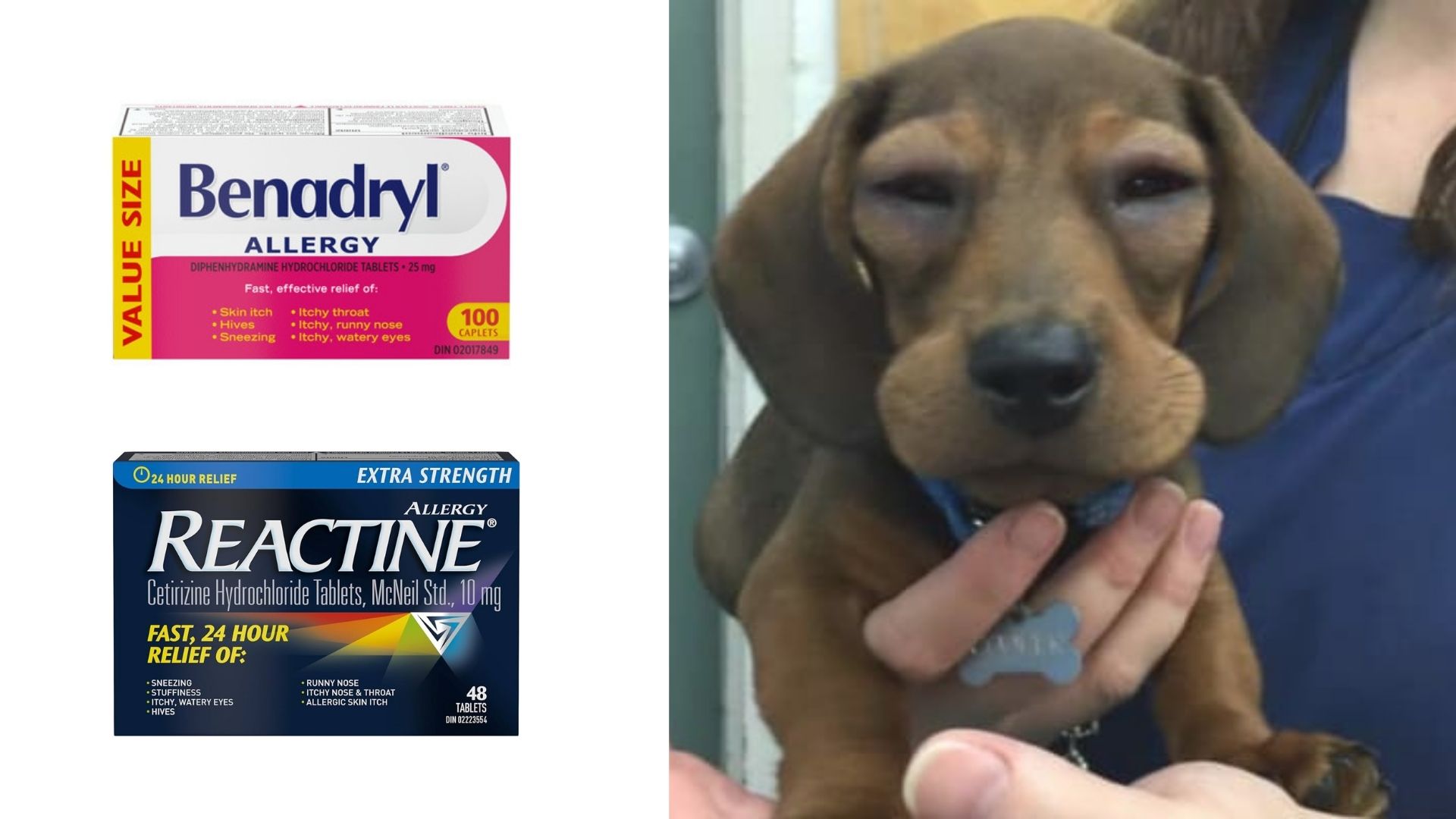
Benadryl Dose
Use:
- Benadryl, diphenhydramine
- 1 mg per lb
- Every 8 hours
Cetirizine Dose
Use:
- Cetirizine, also known as Zyrtec or Reactine
- 5 mg per 10 lbs
- Twice daily
These can be helpful for hives, swelling, and allergic reactions, but severe reactions still need emergency care.
2. Nettle as a Natural Antihistamine
Nettle is one of the best-known natural antihistamines.
It may help support dogs and cats during an allergic reaction.
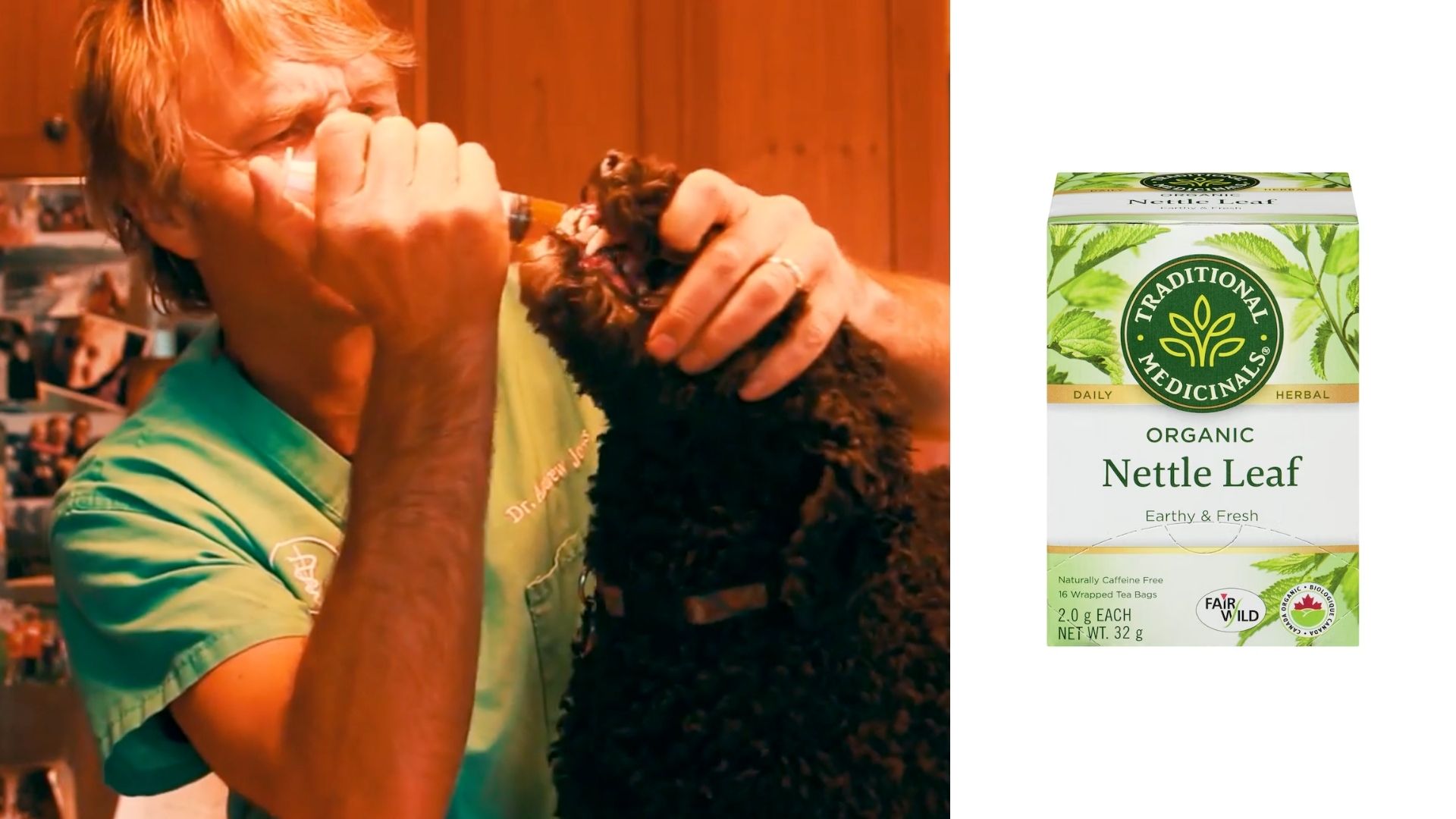
Nettle Dose
Use:
- 100 mg per 10 lbs
- Twice daily
- For an allergic reaction
Nettle is a good natural option to have on hand if your pet is prone to mild allergic reactions.
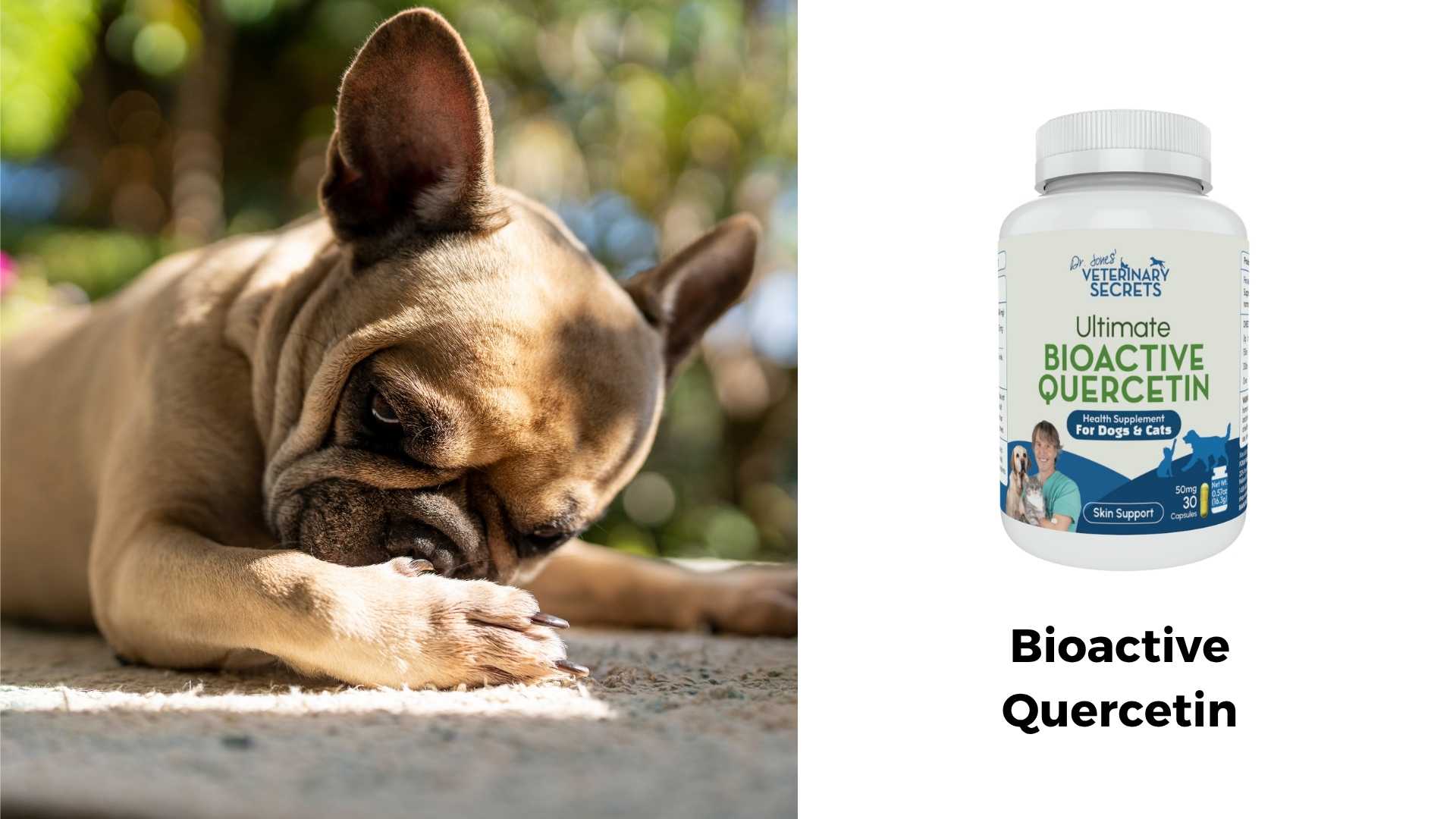
3. Quercetin for Hives and Allergic Pets
Quercetin is a bioflavonoid found in apple peel.
It has documented anti-inflammatory and antihistamine qualities, which makes it a great option for a pet with hives.
This is one of the natural anti-inflammatory and antihistamine options I like for allergic dogs and cats.
Quercetin Dose
Use:
- 50 mg per 15 lbs daily
- Can be given twice daily for hives
Why I Like Quercetin
Quercetin may help with:
- Hives
- Itching
- Skin swelling
- Allergic inflammation
- Histamine-related reactions
If your pet gets hives or has allergic skin issues, quercetin is one I would consider keeping in the natural remedy cabinet.
4. Remove the Stinger if You Can See It
For most dogs, the sting area will be sensitive and puffy.
If you can easily see the sting site and remove the stinger with tweezers, do so right away.
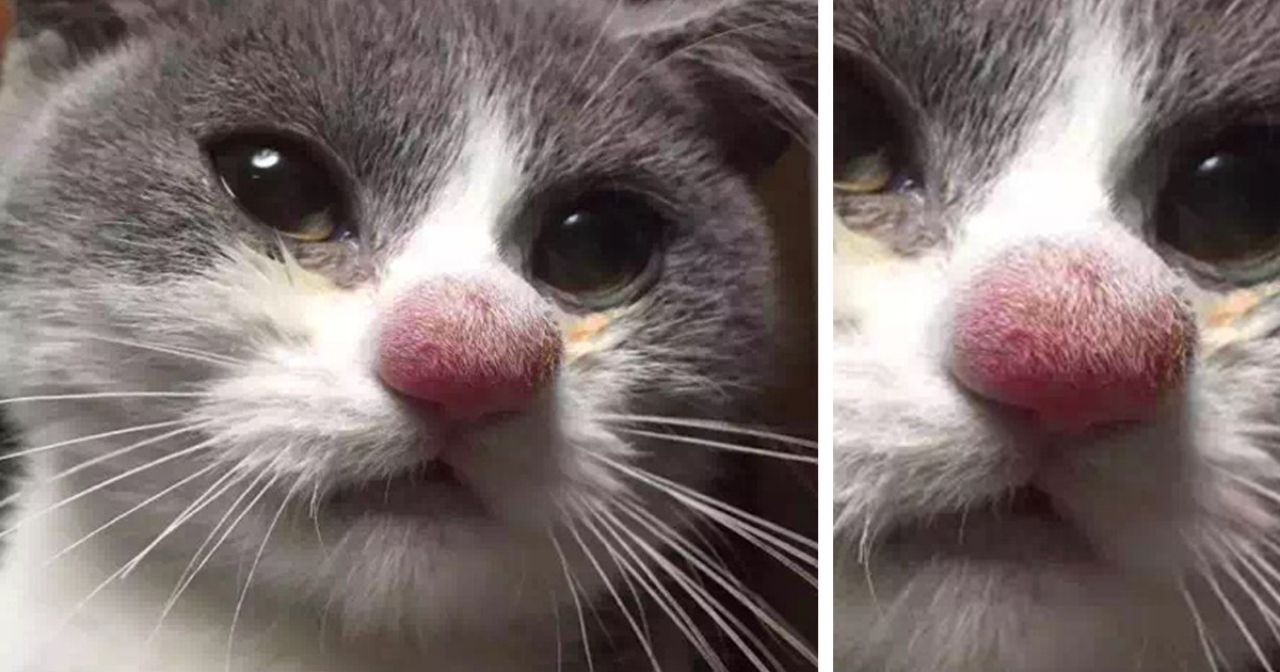
This may help:
- Ease pain
- Reduce local irritation
- Help prevent more venom from spreading
Do not dig into the skin if you cannot see it clearly. If the area is painful, swollen, or your pet is resisting, leave it and focus on reducing the reaction.
5. Use a Cold Compress
After a sting, most dogs should start to feel better within a few hours and should be back to normal within a day or two.
A cold compress can help reduce:
- Swelling
- Inflammation
- Pain
- Itching

How to Use It
Apply a cold towel or ice pack to the affected area.
Use gentle pressure and keep it short and comfortable.
If your pet hates it, do not turn it into a wrestling match. The goal is calming the swelling, not adding drama.
6. Baking Soda Compress for Bee Stings
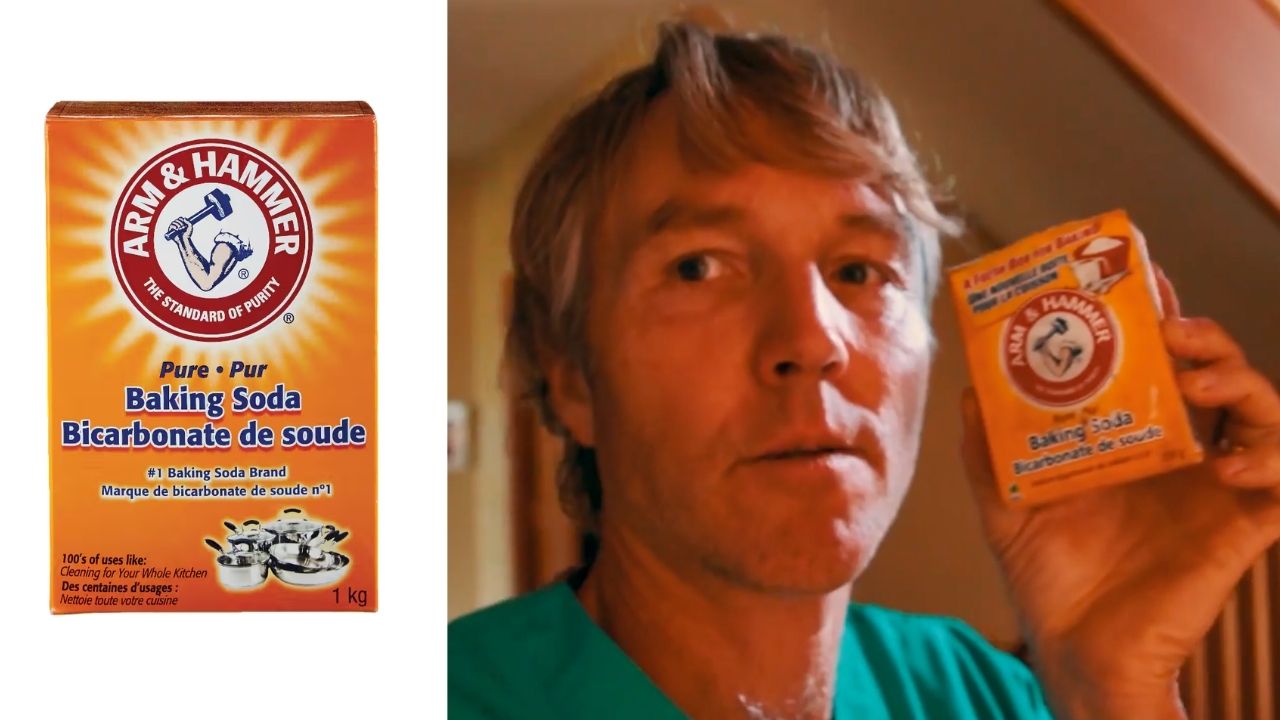
A paste made of baking soda and water may help with insect bites and bee stings.
It is believed that baking soda can help neutralize bee venom, reducing itching and swelling.
Baking Soda Paste Recipe
Mix:
- 1 teaspoon water
- Enough baking soda to make a thick paste
How to Use It
- Rub the paste over the affected area.
- Leave it on for 10 minutes.
- Rinse it off.
This can be especially helpful for a localized sting area.
7. Black Tea and Aspirin Compress for Hot Spots, Bee Stings, and Hives
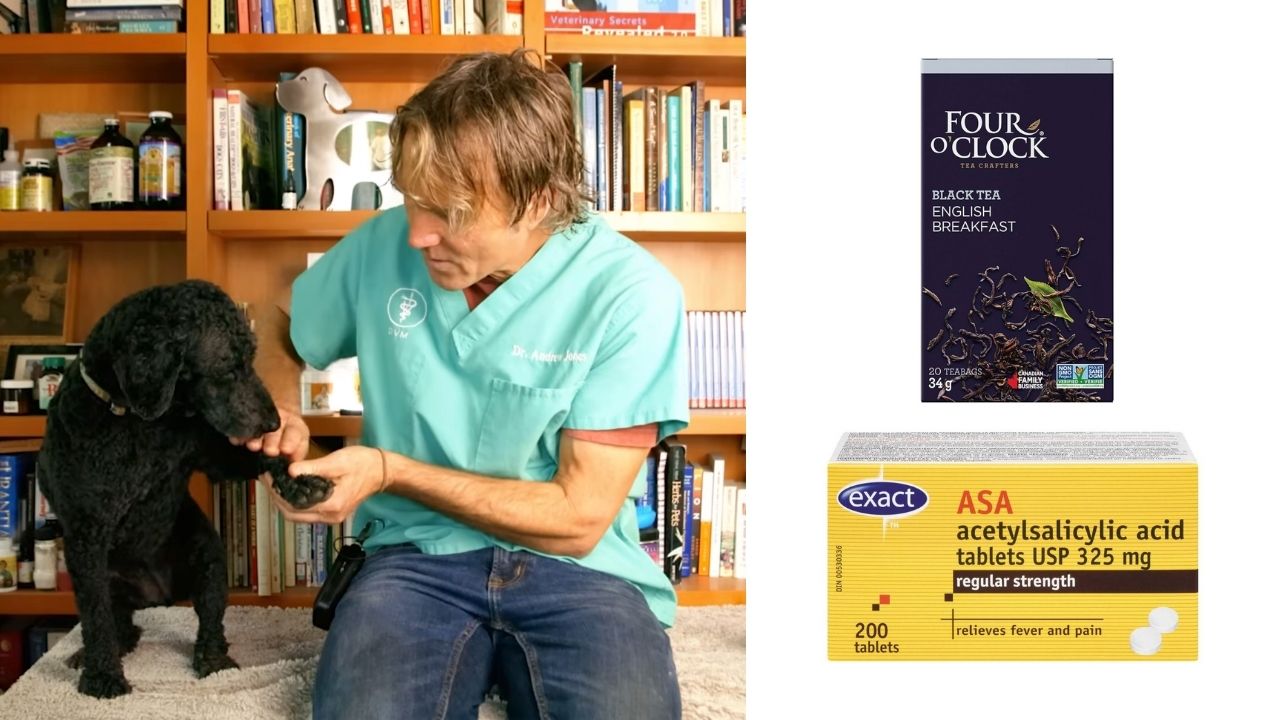
This remedy can help hot spots, and it can also help bee stings or hives.
Recipe
Mix:
| Ingredient | Amount |
| Strong black tea | 1/2 cup |
| Regular strength uncoated aspirin | 1 tablet |
Dissolve the aspirin in the tea.
Then fully soak a gauze or cloth in the mixture.
How to Use It
Apply to the affected area:
- Leave on for 10 minutes
- Repeat 2 to 3 times daily
This is used as a topical compress.
What if the Hives Keep Coming Back?
If hives are recurring, I want you to look deeper.
A one-time hive reaction after a bee sting or insect bite makes sense.
But repeated hives can point to an underlying food allergy.
I saw this in many dogs while in veterinary practice.
If your dog or cat keeps breaking out in hives, consider doing a food allergy trial to rule out food as the trigger.
Best Remedy for Hives in Dogs and Cats
For hives, I would think in layers.
Fast Relief Options
- Benadryl
- Cetirizine
- Cold compress
Natural Support Options
- Nettle
- Quercetin
- Baking soda paste
- Black tea and aspirin compress
Longer-Term Question
If hives recur, ask:
Could this be food allergy?
That is when a food trial becomes very important.
Quick Remedy Guide
| Remedy | What It May Help With | Dose or Use |
|---|---|---|
| Benadryl, diphenhydramine | Skin swelling and hives | 1 mg per lb every 8 hours |
| Cetirizine, Zyrtec or Reactine | Allergic swelling and hives | 5 mg per 10 lbs twice daily |
| Nettle | Natural antihistamine support | 100 mg per 10 lbs twice daily |
| Quercetin | Anti-inflammatory and antihistamine support | 50 mg per 15 lbs daily, twice daily for hives |
| Remove the stinger | May reduce pain and venom exposure | Use tweezers if easily visible |
| Cold compress | Swelling and inflammation | Apply cold towel or ice pack |
| Baking soda paste | Itching and swelling | Leave on 10 minutes, then rinse |
| Black tea and aspirin compress | Hot spots, bee sting, hives | Apply 10 minutes, 2 to 3 times daily |
Step-by-Step Plan for a Bee Sting or Hives
Step 1: Check Breathing and Gums
Look at your pet’s breathing and gum color first.
If breathing is difficult or gums are pale, go to emergency care.
Step 2: Look for the Sting Site
Check the face, mouth, paws, and any area your pet is licking or pawing.
Step 3: Remove the Stinger if Easy
If you can see the stinger and remove it with tweezers, do so.
Do not dig around if it is not obvious.
Step 4: Reduce Swelling
Use a cold compress or baking soda paste.
Step 5: Consider Antihistamine Support
For hives or swelling, consider Benadryl or cetirizine at the doses listed above.
For natural support, consider nettle or quercetin.
Step 6: Watch Closely
Monitor for:
- Vomiting
- Worsening swelling
- Pale gums
- Breathing changes
- Weakness
- Collapse
Step 7: Consider Food Allergy if Hives Recur
If hives keep coming back, do a food allergy trial.
When Should You Call Your Veterinarian?
Call your veterinarian if your dog or cat has:
- Worsening swelling
- Hives that do not improve
- Repeated hives
- Persistent itching
- Pawing at the face
- A sting inside the mouth
- Multiple bee stings
- Pain that does not settle
- Any concern after an insect bite
Go to emergency care if your pet has trouble breathing, vomiting soon after the sting, pale gums, collapse, or worsening face or neck swelling.

Final Thoughts
Most dogs and cats recover well after a bee sting, insect bite, or hives.
But you need to know what to watch for.
Mild swelling and itching can often be helped with antihistamines, cold compresses, baking soda paste, nettle, or quercetin.
Quercetin is one of my favorite natural options here because it has both anti-inflammatory and antihistamine qualities.
If hives keep coming back, do not just keep treating the surface problem. Look at food allergy. A proper food trial may be the missing piece.
Simple plan.
Watch breathing. Reduce swelling. Support the allergic reaction. Look deeper if it keeps happening.
Click To Get A Free Copy of My E-Book!

P.S. Most dogs and cats recover just fine after a bee sting, insect bite, or hives.
But if the hives are recurring, think food allergy.
I saw this in many dogs while in practice. The skin kept reacting, and the real trigger was in the bowl.
So yes, treat the flare. But if it keeps coming back, do the food allergy trial.
P.P.S. If you are concerned about arthritis medication side effects, natural options for autoimmune disease, or emerging ligament healing options such as peptides, you should sign up for our upcoming webinar:
Natural Pain Killers and Anti-inflammatories for Dogs and Cats
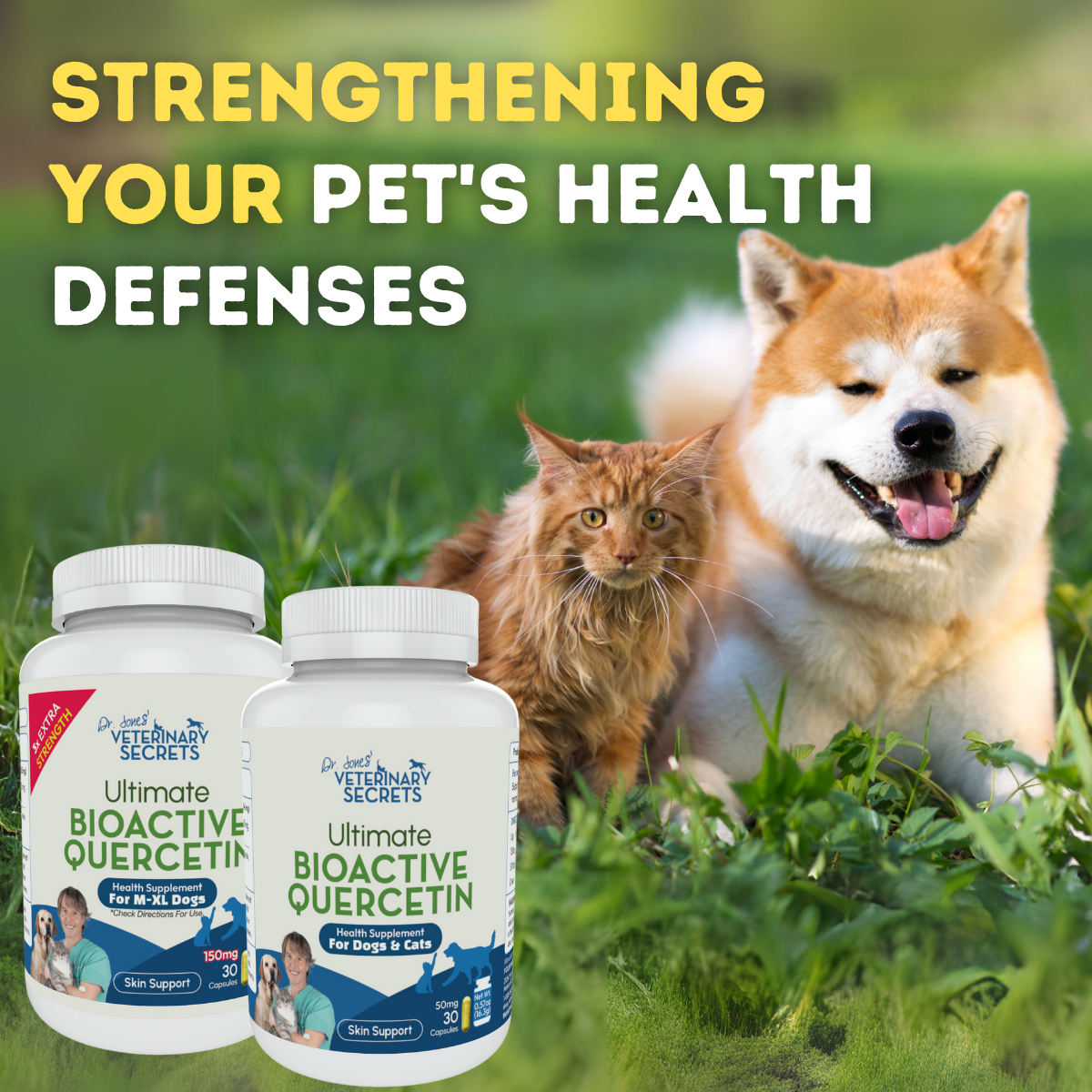
P.P.P.S. Our new supplement that can help with hives has worked for thousands of dogs and cats.
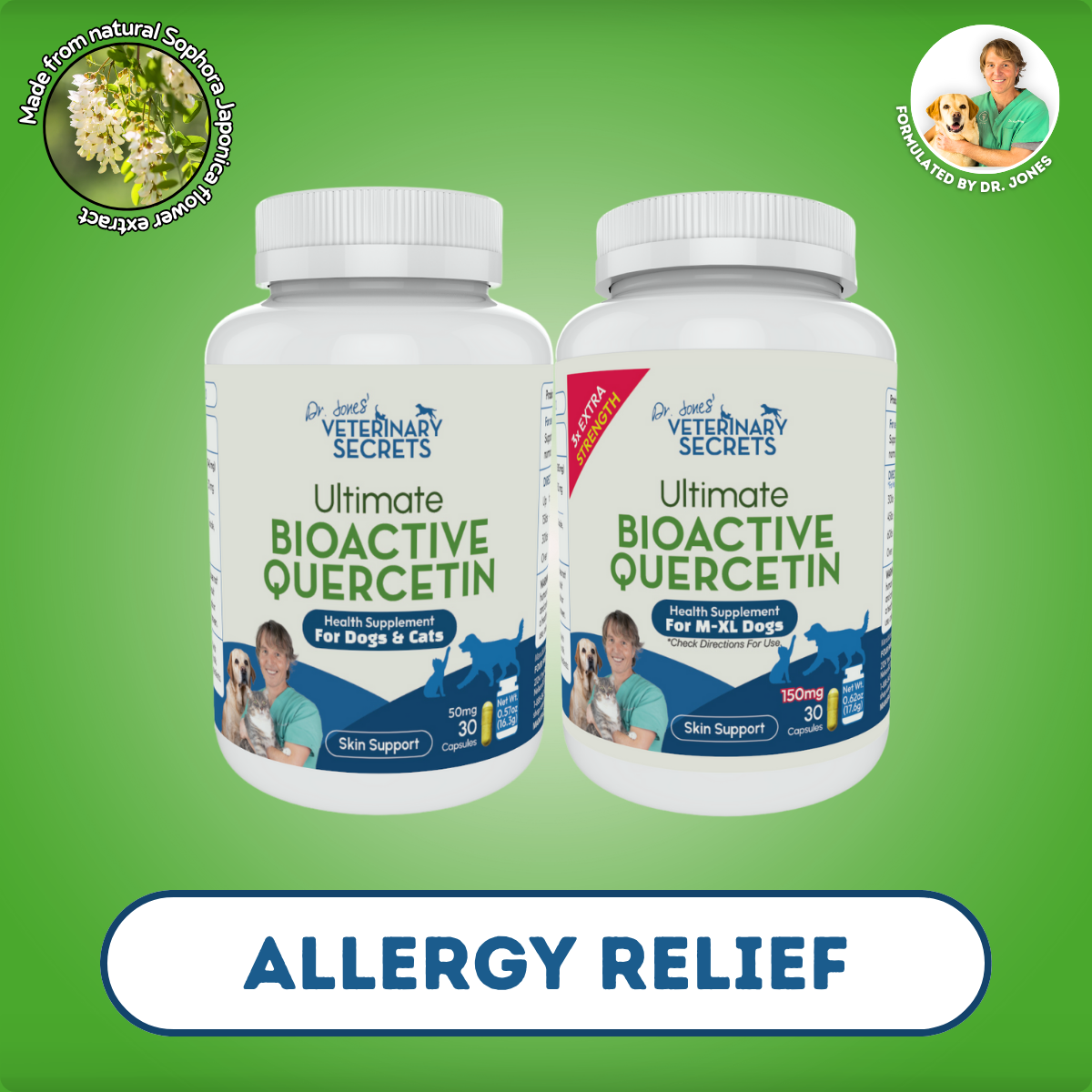
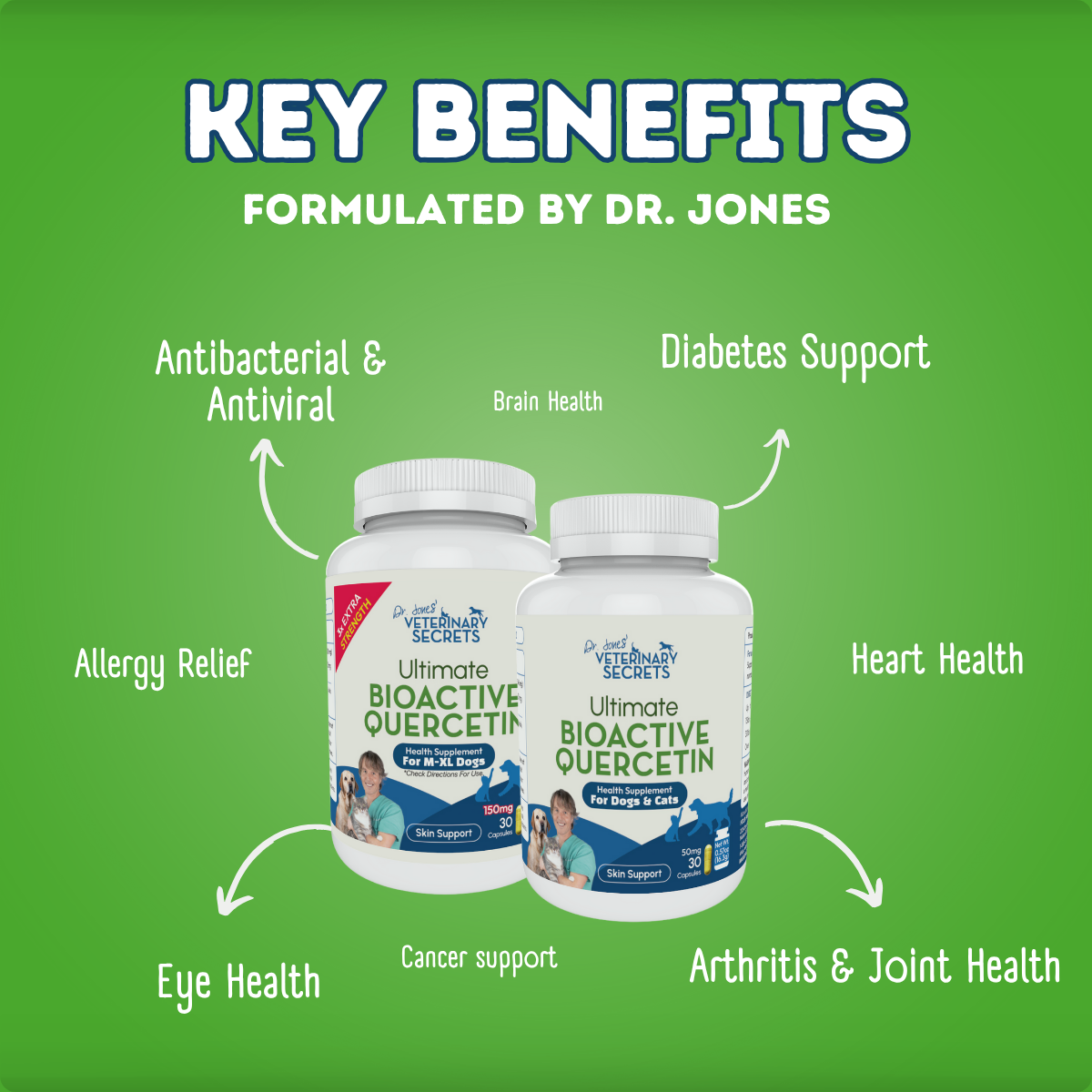
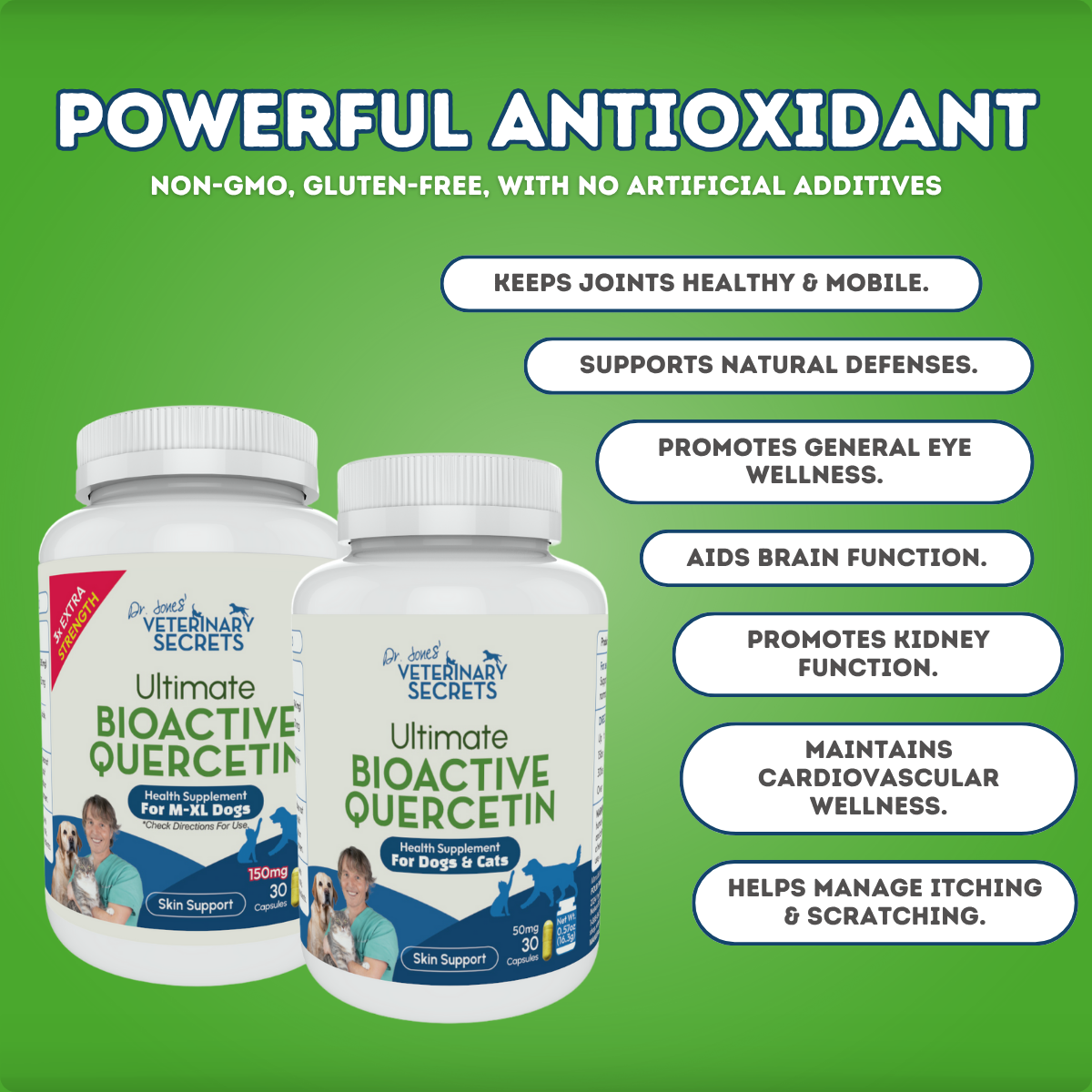
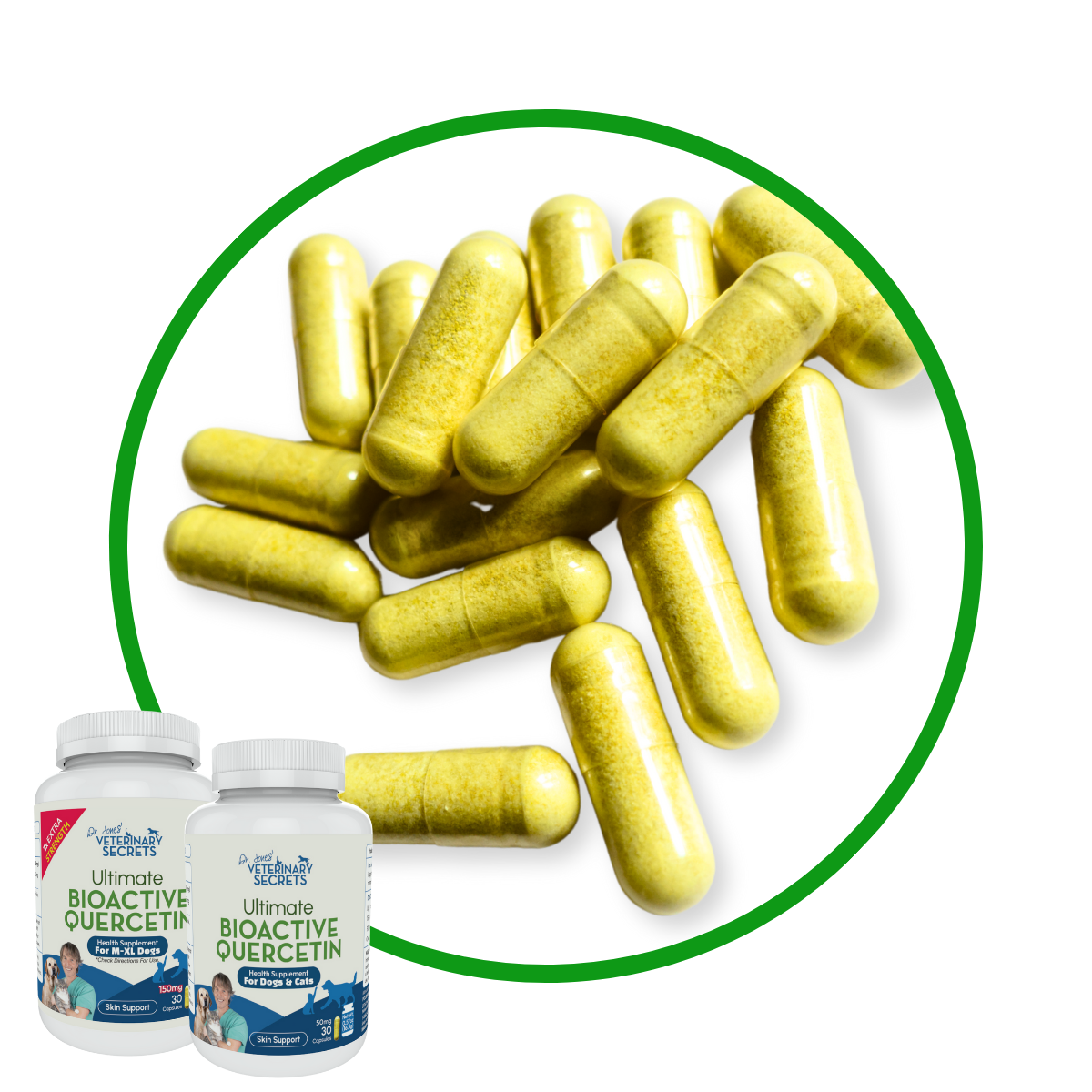
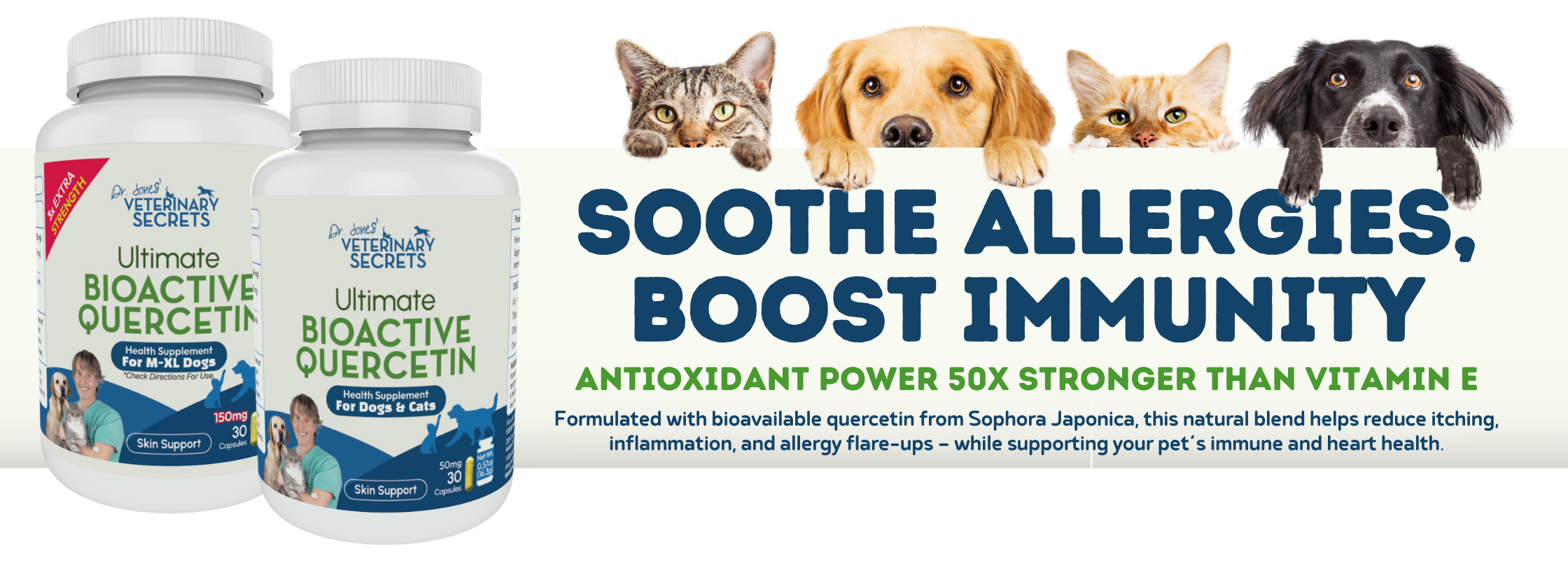
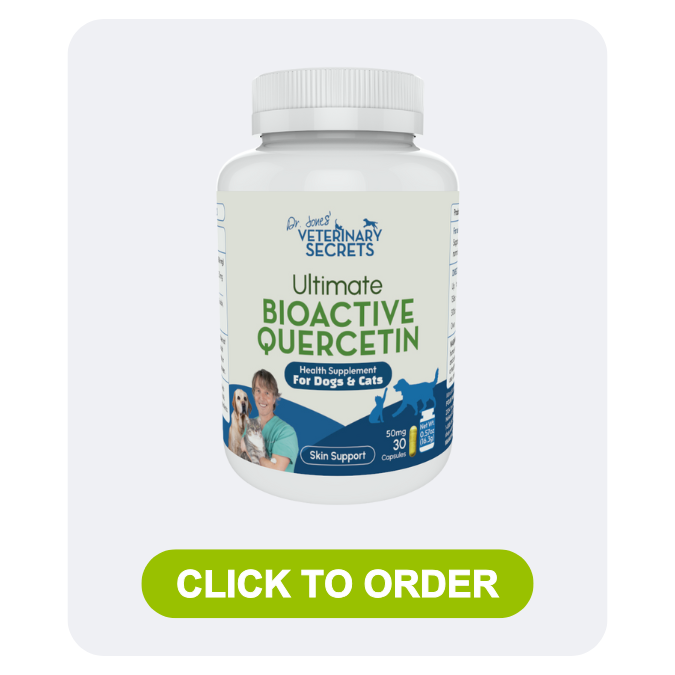
Dr. Jones’ Ultimate BioActive Quercetin is a powerful antioxidant with antihistamine, anti-inflammatory, and antiviral properties.
It contains naturally sourced Sophora Japonica flower extract in capsule form, with powder in capsules, and is generally more bioavailable than other quercetin forms.
If your pet has hives, itching, or allergic skin reactions, this is one I would consider keeping on hand.
Get your bottle here: