4 Dog Feeding Mistakes That Raise Disease Risk (And What I’d Do Instead)

What I Would Feed Instead to Help Support Long-Term Health
Cancer is now one of the leading causes of death in dogs.
Estimates are as high as 1 in 3 dogs developing cancer in their lifetime. That is a hard number to read, and for me, it is very personal. My last three dogs all died of cancer.
So yes, I think about this a lot.
What you feed your dog, and what you choose not to feed, may play a big role in lowering the risk of serious chronic disease, including cancer.
This is not about being perfect.
It is about making better choices where you can.
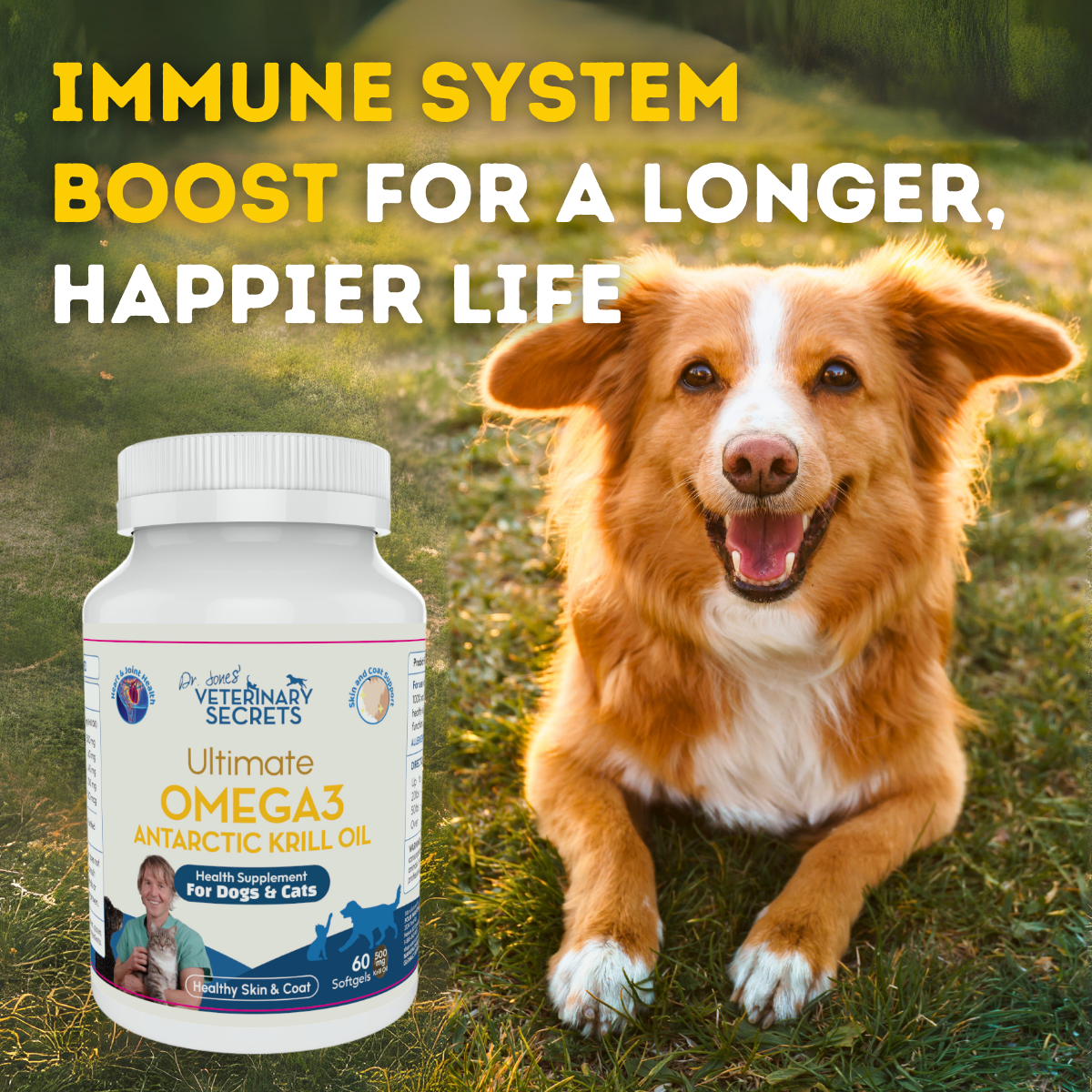
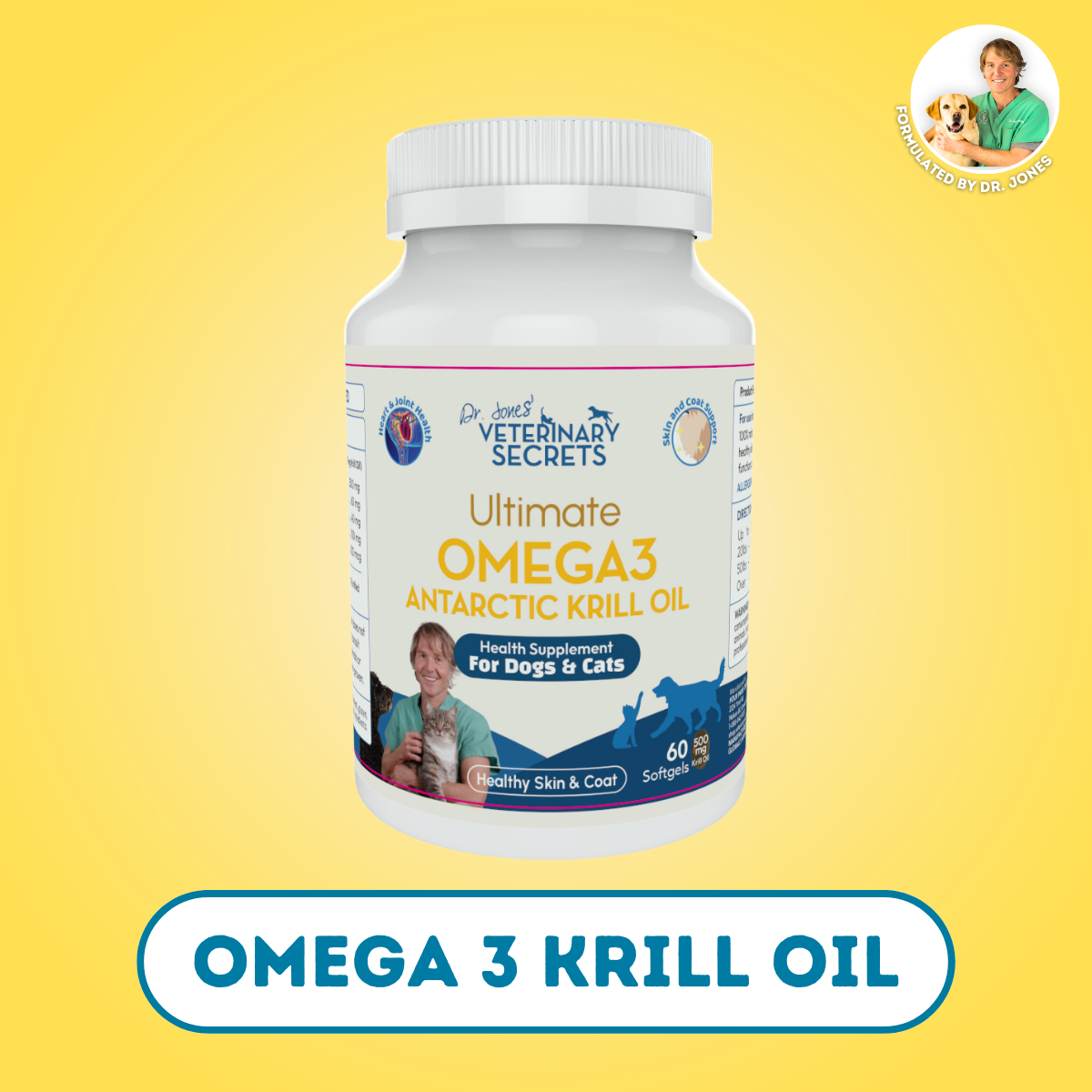
Dr. Jones’ Ultimate Omega 3 Formula

4 Feeding Mistakes That Raise Disease Risk (And What I’d Do Instead)
Some of these feeding strategies may even affect how your dog’s genes behave. That is called epigenetics. In simple terms, food can help turn certain genes on or off. Some of those genes are linked to inflammation, obesity, aging, and disease risk.
Here are the four biggest feeding mistakes I would avoid, and what I would do instead.
Mistake 1: Letting Your Dog Become Overweight
The first and most important feeding strategy is this:
Keep your dog lean.
A large Purina lifespan study showed that dogs kept at a lean body condition lived up to two years longer than dogs allowed to become overweight. They also avoided many serious diseases for longer.
That matters.
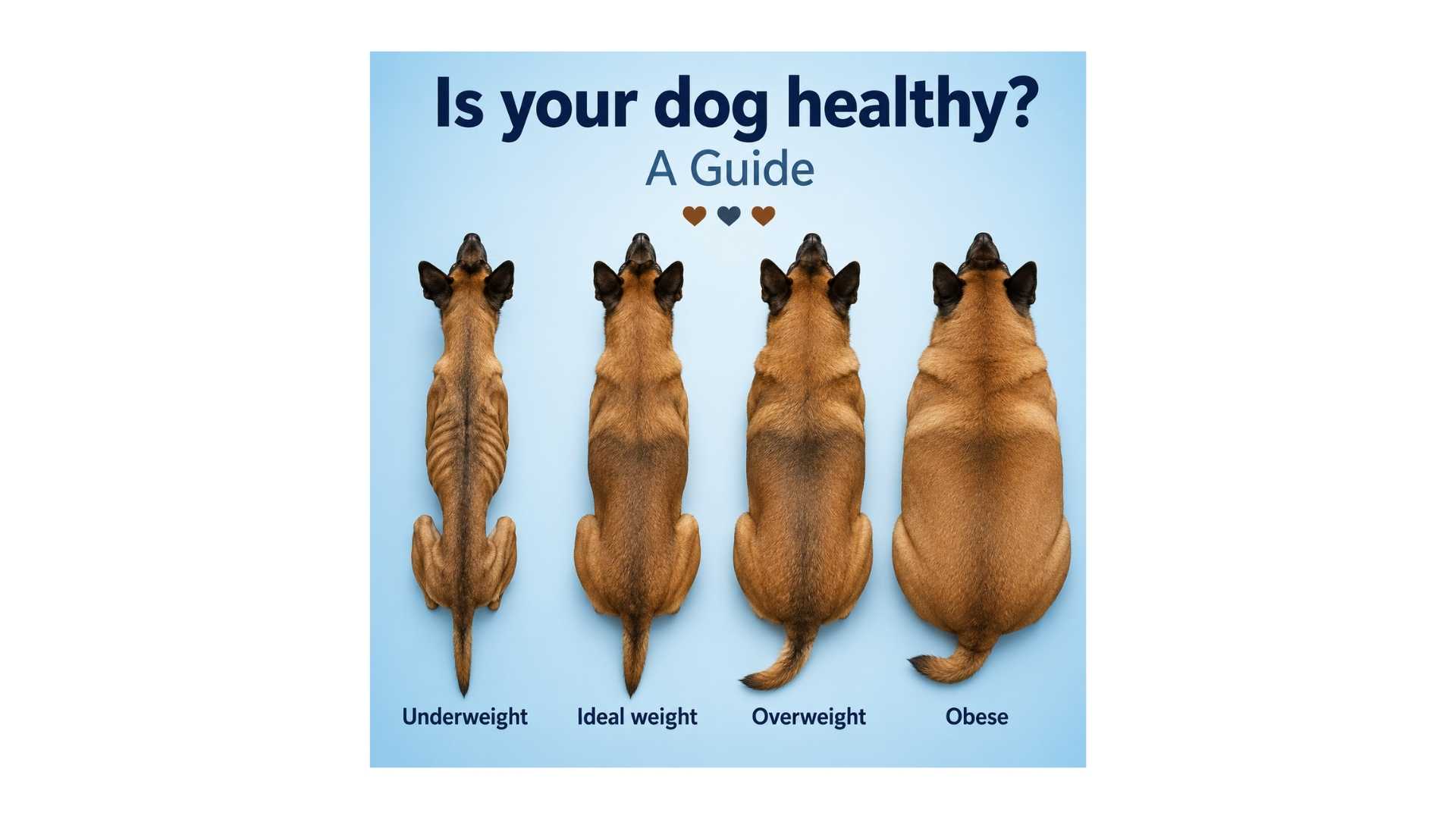
Many people see a lean dog and think, “That dog looks too thin.”
But often, that dog is actually at an ideal body condition.
You should be able to easily feel your dog’s ribs with a light covering over them. Your dog should have a visible waist when viewed from above and a tucked-up abdomen from the side.
If you cannot feel the ribs easily, your dog is likely carrying too much fat.
And excess fat is not just extra weight.
Fat tissue is inflammatory. It produces hormones and inflammatory compounds that can increase disease risk over time.
What I Would Do Instead
Feed the amount your dog needs to maintain a lean body condition.
Most pet food labels give a suggested feeding amount, but those are only estimates.
Some dogs have faster metabolisms. Some are more active. Some gain weight just looking at food. Kind of like a few of us.
So you need to watch your dog, feel their ribs, and adjust the amount.
If your dog is gaining weight, reduce the food.
If your dog is losing too much weight, increase it.
Simple, but important.
Mistake 2: Giving Too Many Treats
Treats can quietly become a big problem.
You may be feeding a good food, but then giving multiple high-carb treats every day. Those extra calories add up fast.
Many dog treats are full of refined carbohydrates. They look cute, smell good, and come in fun shapes, but many are closer to dog cookies than real food.
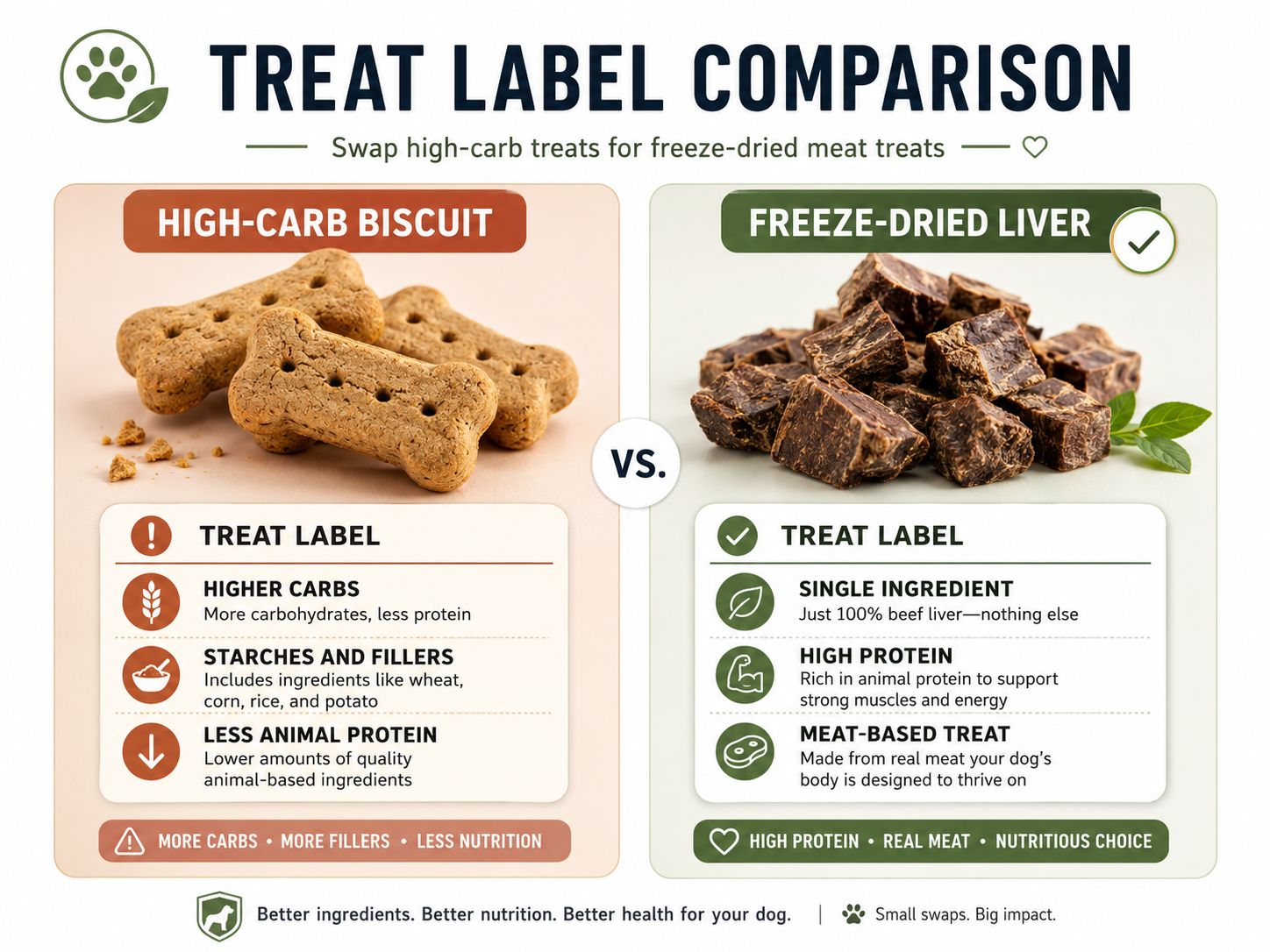
Those simple carbohydrates are quickly broken down into glucose, or sugar.
If your dog is not burning that glucose through activity, the body stores it as fat.
And if there are abnormal cells in the body, glucose is often their preferred fuel source.
What I Would Do Instead
Use animal protein treats.
My preference is freeze-dried chicken, liver, or another single-ingredient animal protein.
These are higher in protein, lower in carbohydrates, and much closer to what your dog’s body actually needs.
Keep treats to a small part of the diet.
Ideally, treats should make up less than 2 to 3 percent of your dog’s total daily calories.
That may mean only a few small treats a day.
Your dog does not need a biscuit every time they look cute.
Although yes, I know, they are very convincing.
Mistake 3: Feeding Too Many Refined Carbohydrates
The next big mistake is feeding too many refined carbohydrates.
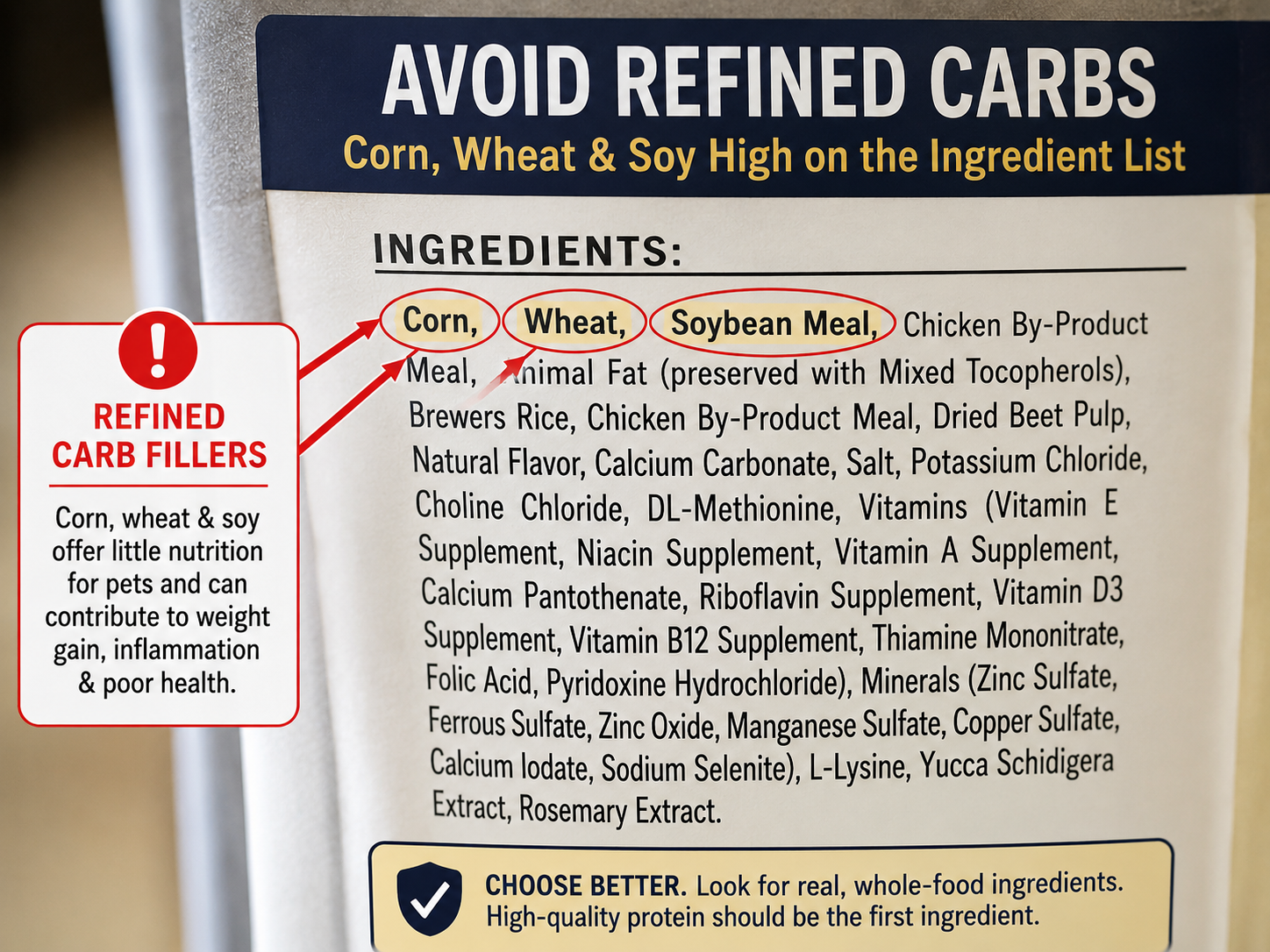
This includes foods heavy in:
- White rice
- Wheat
- Corn
- Soy
- Starchy fillers
- Highly processed kibble ingredients
These carbohydrates are rapidly broken down into glucose.
That raises blood sugar and forces the pancreas to produce insulin. If there is too much glucose and your dog does not need it for energy, the body stores it as glycogen or fat.
Over time, this can contribute to obesity, inflammation, insulin resistance, and chronic disease.
Many kibbles rely heavily on carbohydrates because they are needed to form the dry pellets. You cannot make kibble from chicken alone and expect it to sit in a bag for two years.
That is part of the problem.
What I Would Do Instead
Feed more animal protein, moderate healthy fat, and fewer refined carbs.
Look at the ingredient label.
If wheat, corn, soy, or rice are near the top of the list, I would think twice.
If you are feeding kibble because that is what you can afford, I understand. Many pet parents are in that position.
But even then, you can improve the bowl.
Add small amounts of fresh food, such as:
- Cooked chicken
- Turkey
- Eggs
- Sardines
- Lean beef
- Pumpkin
- Broccoli
- Blueberries
- Sweet potato in moderation
Sweet potato is still a carbohydrate, but it is a complex carbohydrate and generally a better option than white rice, wheat, or corn.
Mistake 4: Feeding Highly Processed Food Every Day
The fourth big mistake is relying only on highly processed kibble.
Kibble is heavily processed. It is exposed to high heat, high pressure, and often contains refined carbohydrates, preservatives, and packaging-related contaminants.
During high-heat processing, compounds called advanced glycation end products, or AGEs, can form. These are linked to inflammation and chronic disease.
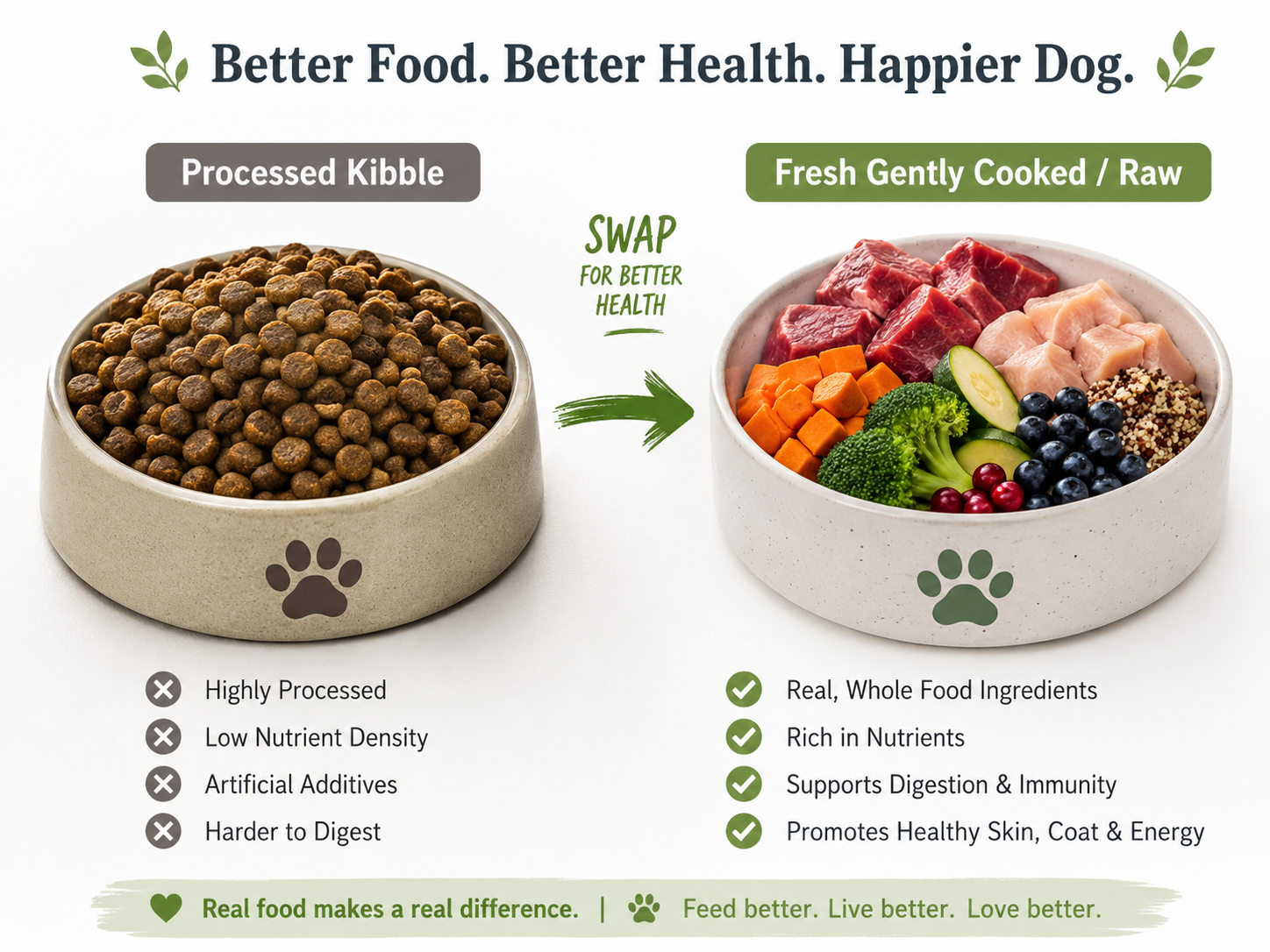
On top of that, many commercial dog foods may contain unwanted contaminants such as:
- Artificial colors
- Artificial flavors
- Artificial preservatives
- Mycotoxins
- Glyphosate residues
- BPA from can linings
- Teflon-like chemicals from bag coatings
- Heavy metals such as cadmium, arsenic, and lead
That is not exactly what I want in my dog’s bowl.
And no, I am not saying every kibble is the same or that one meal of kibble will harm your dog.
But feeding the same highly processed food every day for years may increase the toxic and inflammatory load on your dog’s body.
What I Would Do Instead
In an ideal world, I would feed far less kibble.
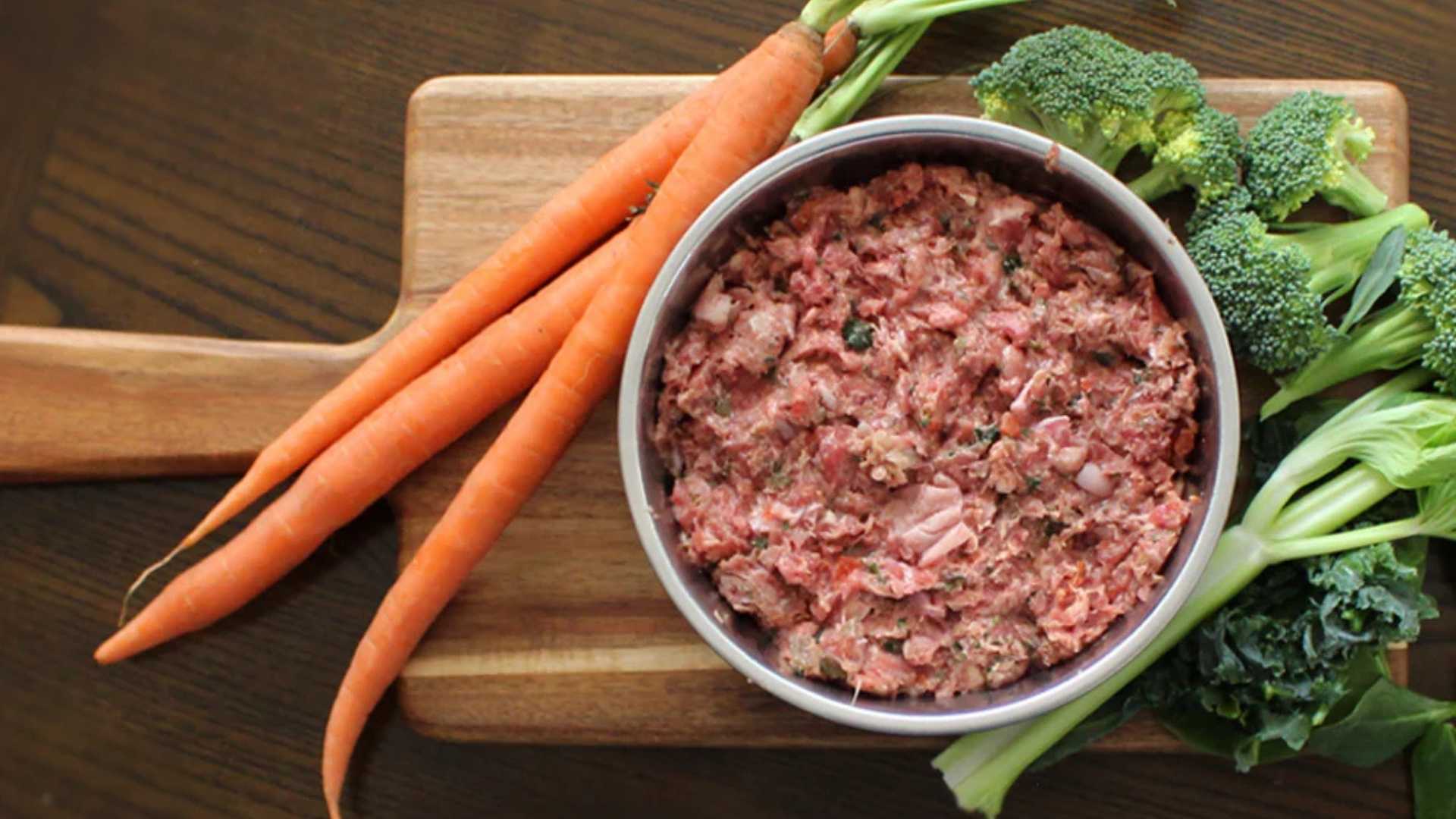
Better options include:
- Pre-packaged frozen raw diets
- Gently cooked whole food diets
- Homemade cooked diets
- Balanced fresh food meals
- Kibble mixed with real whole foods
Pre-packaged frozen raw food can be a good option for many dogs when it is properly balanced.
Gently cooked food is another excellent option. I like that it uses recognizable ingredients, such as beef, liver, sweet potato, squash, and vegetables, without the same level of high-heat processing.
Homemade food can also work well, but it needs to be balanced.
A simple homemade meal may include:
- Animal protein
- A small amount of complex carbohydrate
- Vegetables
- Healthy fat
- Calcium
- Omega-3 fatty acids
If you are making food at home, remember that most homemade diets need added calcium. Meat is high in phosphorus and low in calcium, so you need to balance that.
Add Omega-3 Fatty Acids
One supplement I would strongly consider is omega-3 fatty acids.
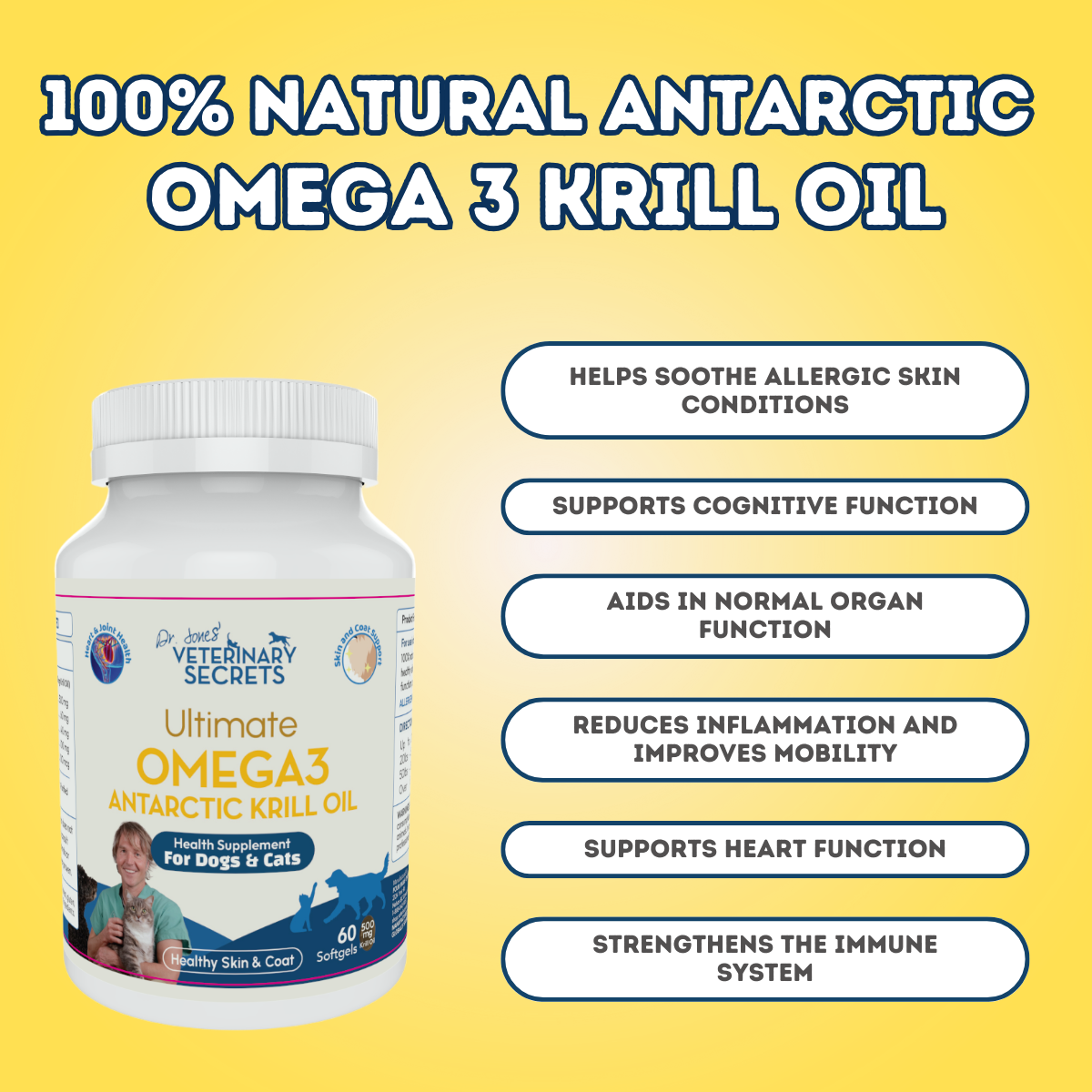
Omega-3s, especially EPA and DHA, help support healthy inflammation control. They are important for skin, joints, brain health, immune support, and overall disease prevention.
It is hard to get enough omega-3s from diet alone.
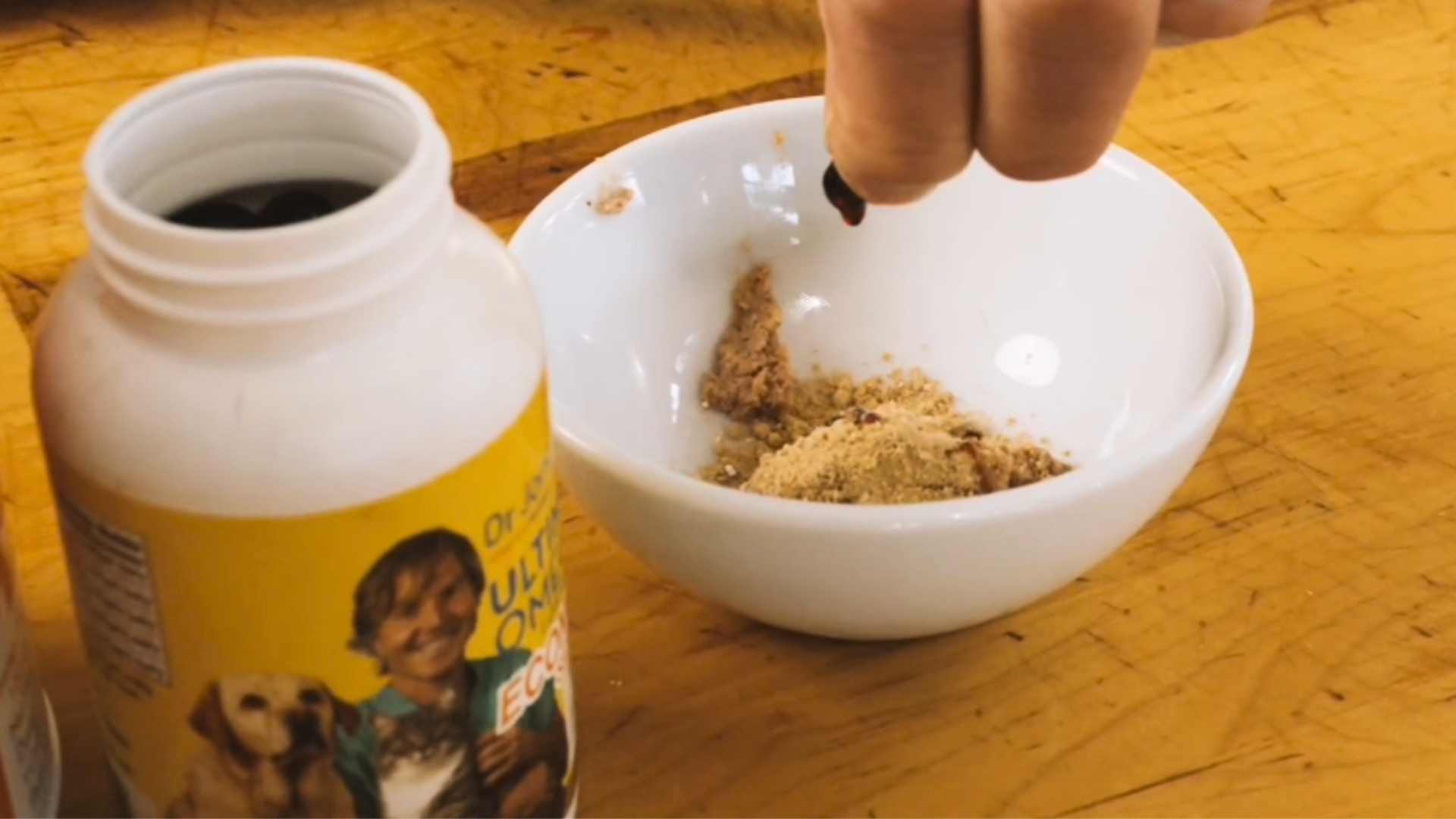
That is why I like using a good quality omega-3 supplement.
I prefer krill oil because it is low on the food chain, which means it is less likely to contain toxins compared to some fish oils. It also has good levels of EPA and DHA.
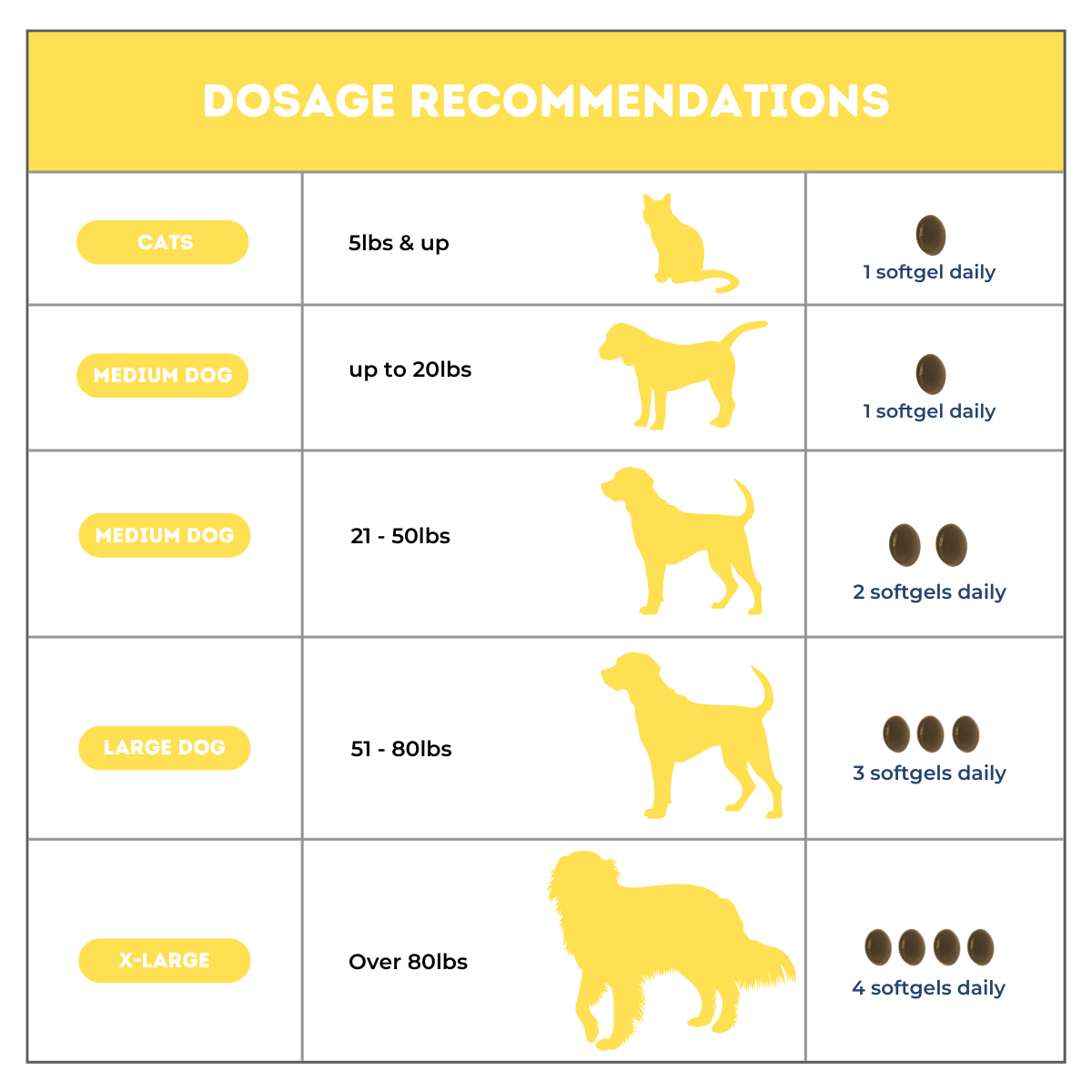
This is why I formulated Dr. Jones’ Ultimate Omega-3 Formula for Dogs and Cats using krill oil.
If your dog eats kibble, adding omega-3s is one of the easiest upgrades you can make.
Intermittent Fasting for Dogs
Another feeding strategy worth considering is intermittent fasting.
I recently spoke with Dr. Katie Kangas, an integrative veterinarian who has been discussing feeding strategies that may help lower cancer risk.
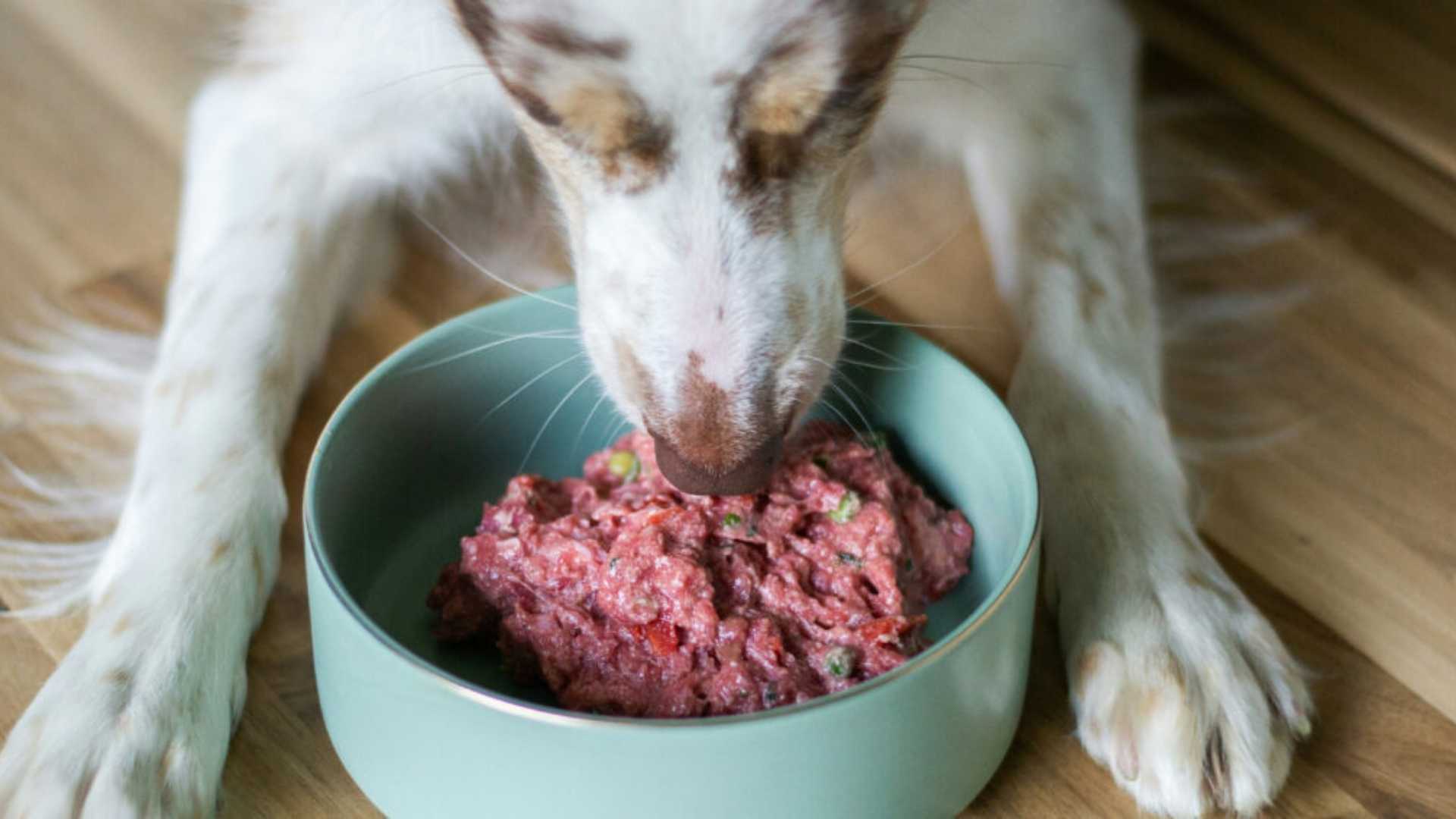
One of those strategies is feeding once a day occasionally, or creating a longer gap between meals.
The idea is that longer periods without food may allow the body to enter a process called autophagy.
Autophagy is the body’s cleanup system. It helps remove damaged cells, old cellular debris, and what some people call “zombie cells.”
These damaged cells may contribute to chronic inflammation, aging, and disease risk.
This does not mean every dog should fast every day.
But feeding once a day one day per week may be reasonable for many healthy adult dogs.
Do not fast puppies, diabetic dogs, dogs on certain medications, or dogs with serious health conditions unless you are working with your veterinarian.
What I Would Feed My Next Dog
Knowing what I know now, my next dog would eat far less kibble.
I would focus on:
- Lean body condition
- High animal protein
- Low refined carbohydrates
- Minimal processed food
- Whole food ingredients
- Fresh or gently cooked meals
- Some raw food if appropriate
- Omega-3 fatty acids
- Protein-based treats
- Occasional intermittent fasting
Would I do everything perfectly?
Probably not.
But I would do far better.
And that is the point.
Start With One Change
If you can stop feeding kibble entirely, great.
If you cannot, do not feel guilty.

Start with one change.
- Add fresh protein once a week.
- Replace high-carb treats with freeze-dried chicken.
- Add omega-3s.
- Feed a gently cooked meal a few times a week.
- Keep your dog lean.
- Read the ingredient label.
Even small changes can improve the quality of your dog’s diet.
And over time, those changes may help lower the risk of chronic inflammation, obesity, and serious disease.
Final Thoughts
Food is not everything, but it is one of the most powerful tools you have.
What you feed your dog every day can either support health or slowly work against it.

If you take one thing from this article, let it be this:
Keep your dog lean, reduce refined carbohydrates, avoid highly processed food when you can, and add real whole food.
That alone can make a big difference.
Click To Get A Free Copy of My E-Book!

P.S. If your dog is eating kibble, start by improving the bowl. Add fresh animal protein, omega-3s, and lower the high-carb treats.
P.P.S. For daily omega-3 support, consider Dr. Jones’ Ultimate Omega-3 Formula for Dogs and Cats, made with krill oil for EPA and DHA support.