Feline Hyperesthesia Syndrome: Twitchy Cat Syndrome Explained

What Is Feline Hyperesthesia Syndrome?
Feline Hyperesthesia Syndrome, also called twitchy cat syndrome, is a condition where a cat becomes extremely sensitive to touch, especially along the lower back, spine, tail base, and rear end.
The word hyperesthesia means increased or unusual sensitivity to touch.
In these cats, a simple pat near the back end can trigger skin twitching, muscle contractions, sudden irritation, pain, biting, running, or tail chasing.
To the cat, this may feel like sudden pins and needles, shooting nerve pain, or an intense painful sensation across the rear body. It is not just a cat being “fussy.” These cats can act like something is truly hurting them.
And in many cases, I think it is.
Dr. Jones’ Ultimate Omega 3 Formula for Dogs and Cats




Why Is It Called Twitchy Cat Syndrome?
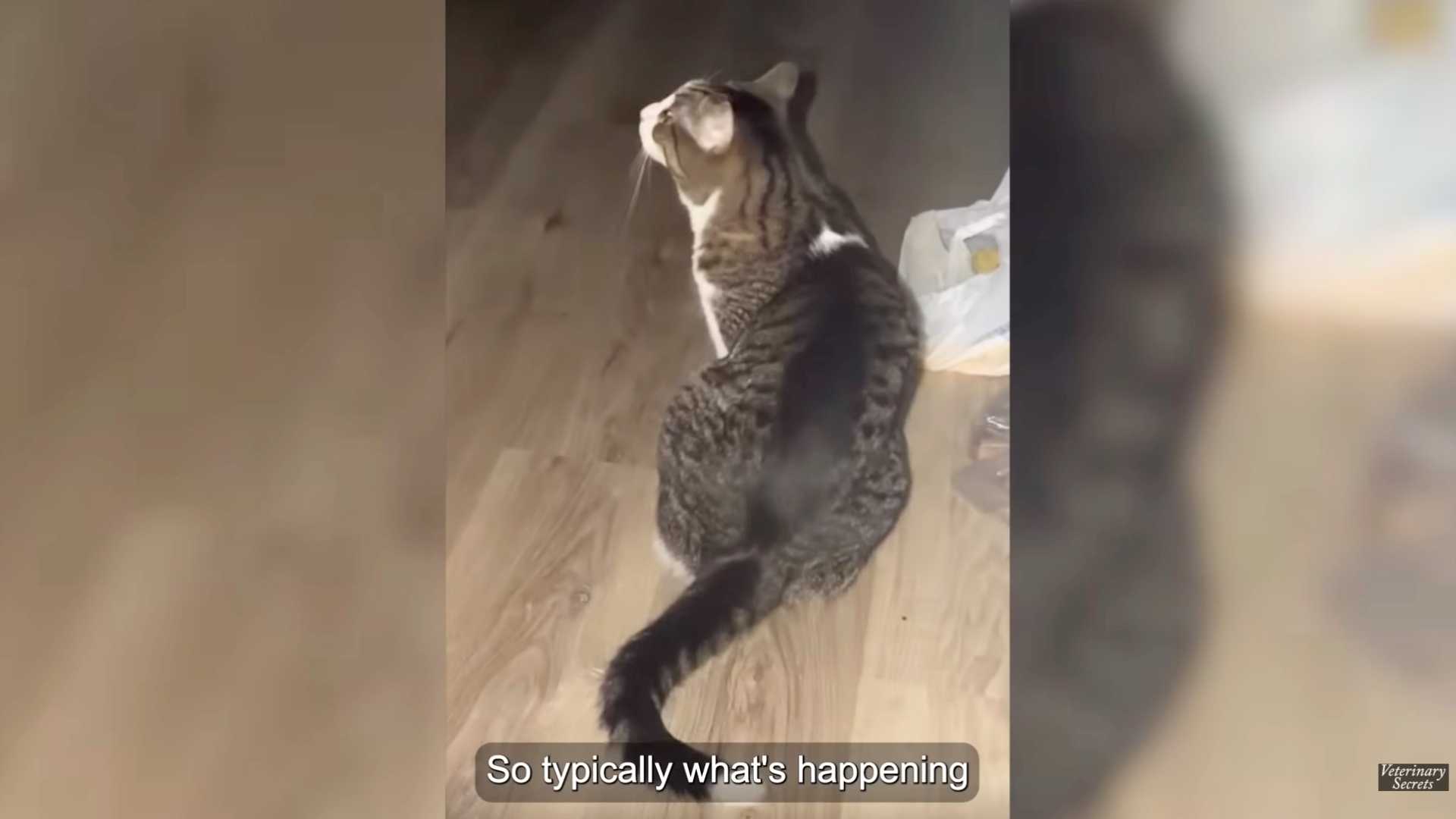
It is called twitchy cat syndrome because one of the most noticeable signs is rippling, twitching, or rolling skin over the back.
A cat may look perfectly normal, then suddenly the skin over the back starts twitching.
The cat may then:
- Turn suddenly
- Try to bite the tail base
- Run around the room
- Lick or bite the body
- Act painful or irritated
- Become tired afterward
These episodes can be dramatic, but they are often short.
Most episodes last about 20 to 30 seconds.
Short, yes. Pleasant for the cat? Not at all.
What Are the Signs of Feline Hyperesthesia Syndrome?
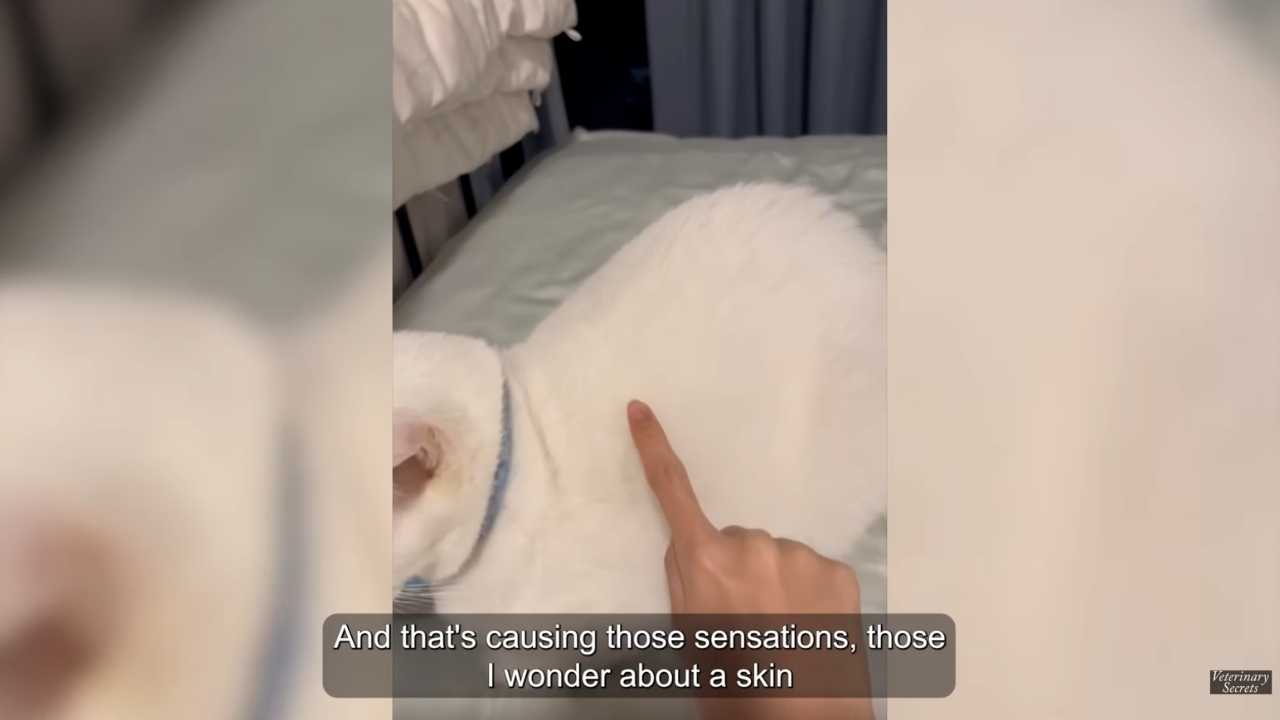
The signs can vary, but the common ones include:
- Skin twitching or rippling over the back
- Sudden sensitivity to touch
- Pain when petted near the rear end
- Turning quickly toward the back or tail
- Trying to bite the tail base
- Chasing the tail
- Sudden running or frantic behavior
- Biting or licking other areas of the body
- Acting like something invisible is bothering them
- Sudden urination during an episode
- Sluggishness or tiredness after an episode
- Irritation along the lower spine, lower back, or tail base
Some cats may have an episode after being touched.
Others may have one for no obvious reason at all.
That is one reason this condition can be so frustrating for pet parents.
What Should You Do During an Episode?
If your cat suddenly starts twitching, turning, biting, running, or acting painful, the best thing you can do is stay calm.
Do not try to grab, touch, or restrain your cat during the episode.
Let the episode pass.
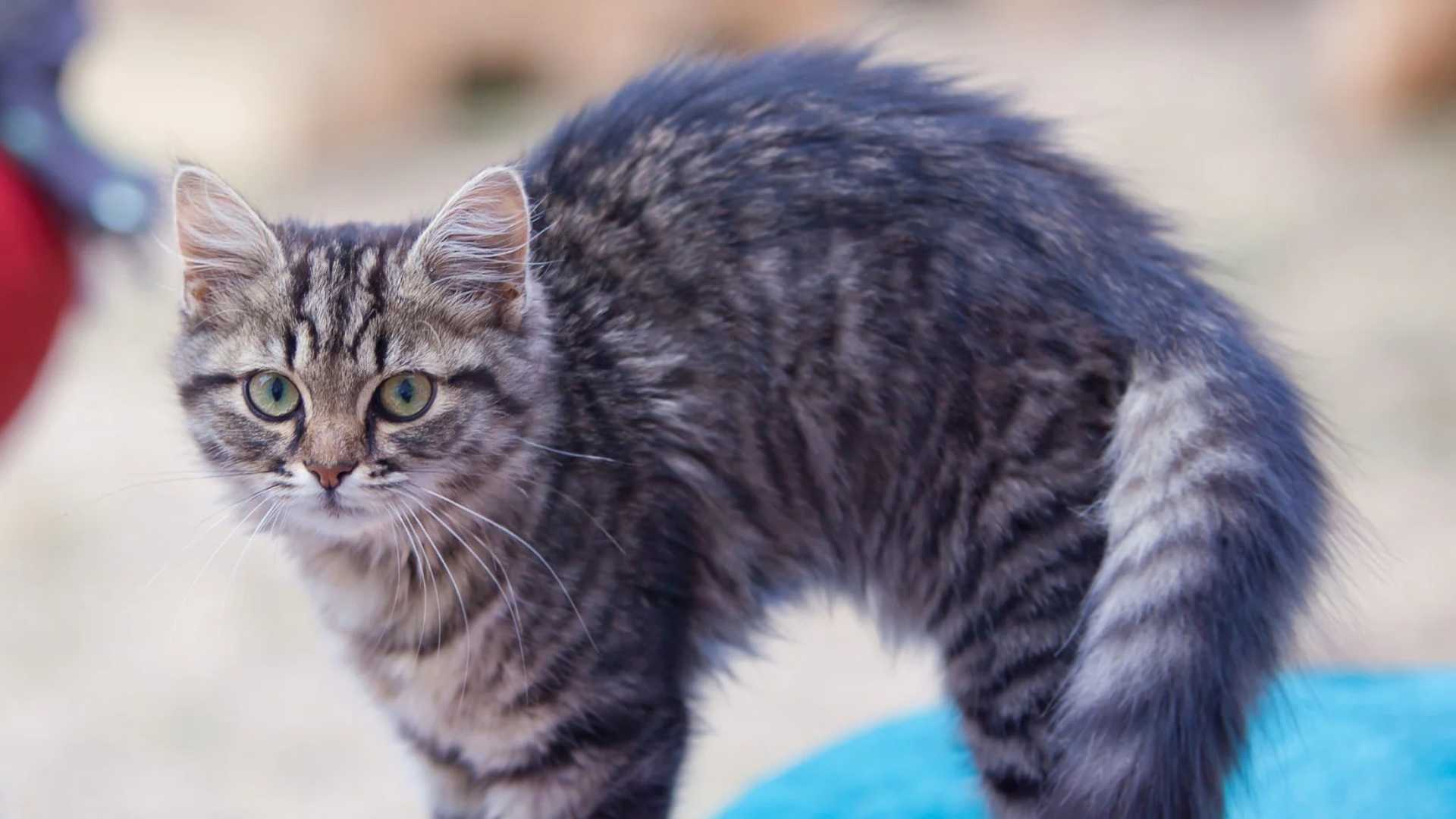
Your cat may already feel overstimulated, painful, or panicked. Touching them may make the reaction worse, and you may get bitten.
Simple rule: calm human, quiet room, hands off.
What Causes Feline Hyperesthesia Syndrome?
The exact cause is not fully understood.
Several possible causes have been suggested.
1. Neurologic Causes
This makes the most sense to me in many cats.
There may be irritation or abnormal stimulation of the nerves along the spine, lower back, or tail base.
This can create sudden pain, twitching, muscle contractions, and sensitivity.
2. Skin or Dermatologic Causes
Skin problems can also trigger similar signs.
Possible skin-related causes include:
- Fleas
- Flea allergy dermatitis
- Environmental allergies
- Skin inflammation
- Immune-mediated skin disease
- Hypersensitivity reactions
Flea allergy dermatitis often affects the tail base, where you may see red bumps or nodules.
That is why flea control is one of the first obvious things to check.
3. Pain Along the Spine
Some cats may have pain from a spinal or back problem.
One condition to rule out is intervertebral disc disease, meaning a possible disc problem along the spine.
A veterinarian may palpate along the spine to check for pain and may recommend X-rays if there is concern.
4. Seizure-Like Activity
Some veterinarians wonder if feline hyperesthesia may be a type of seizure disorder in some cats.
Seizures involve abnormal signals from the brain that trigger the nerves and muscles.
That could explain the sudden muscle contractions and strange episodes.
5. Psychological or Compulsive Behavior
Some veterinarians consider a psychogenic or obsessive-compulsive component.
In plain English, that means the brain and stress response may be involved.
But to me, this condition seems like much more than a cat simply imagining a problem. Many of these cats act like they are in real pain.
It reminds me a bit of conditions like fibromyalgia in people. Years ago, many people did not understand it. Now it is recognized as a serious illness, even if the exact cause is still not fully explained.
Which Cats Are More Likely to Get Feline Hyperesthesia?
Feline Hyperesthesia Syndrome can happen in any breed of cat.
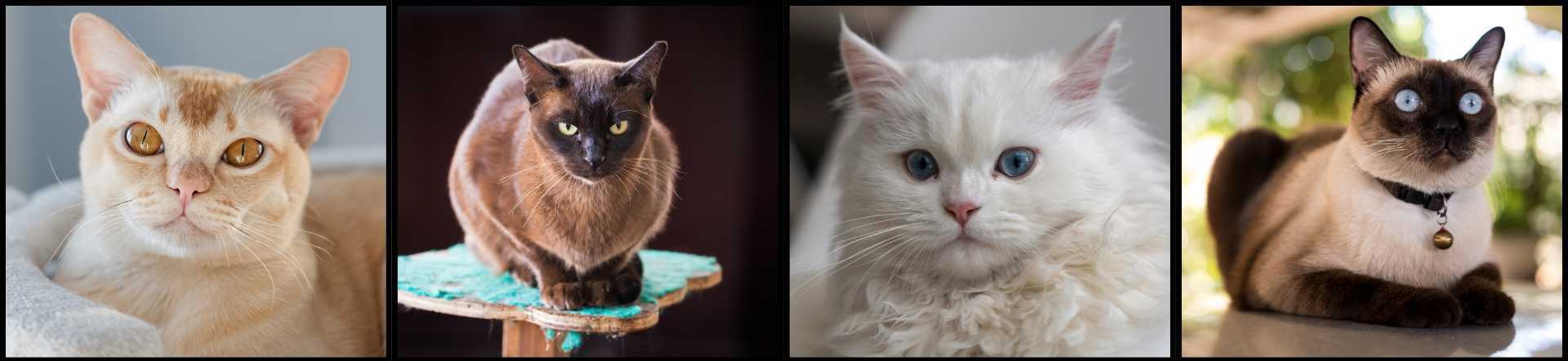
However, some purebred cats may have a higher incidence, including:
- Abyssinian
- Burmese
- Persian
- Siamese
That does not mean every cat in these breeds will get it.
It simply means I would keep it on the list if one of these cats starts showing classic twitchy cat signs.
What Should Be Ruled Out First?
Before assuming your cat has Feline Hyperesthesia Syndrome, you want to rule out other causes.
Skin Problems
Start with the obvious skin issues, especially fleas.
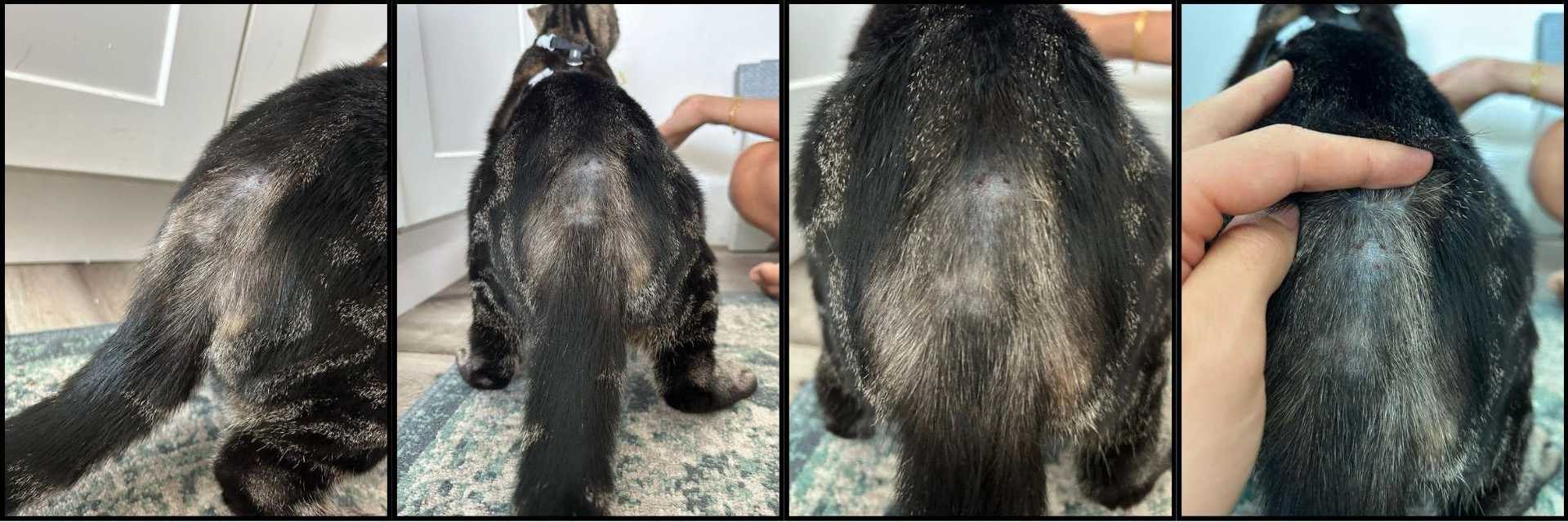
Rule out:
- Fleas
- Flea allergy dermatitis
- Environmental allergies
- Immune-mediated skin disease
- Skin inflammation
You may use a conventional flea product, such as Revolution, or consider a holistic option such as diatomaceous earth.
The key is to make sure fleas are not triggering the reaction.
Allergies
If your cat has a history of itching, environmental allergies could be involved.
Two holistic options I like for cats with environmental allergies are:
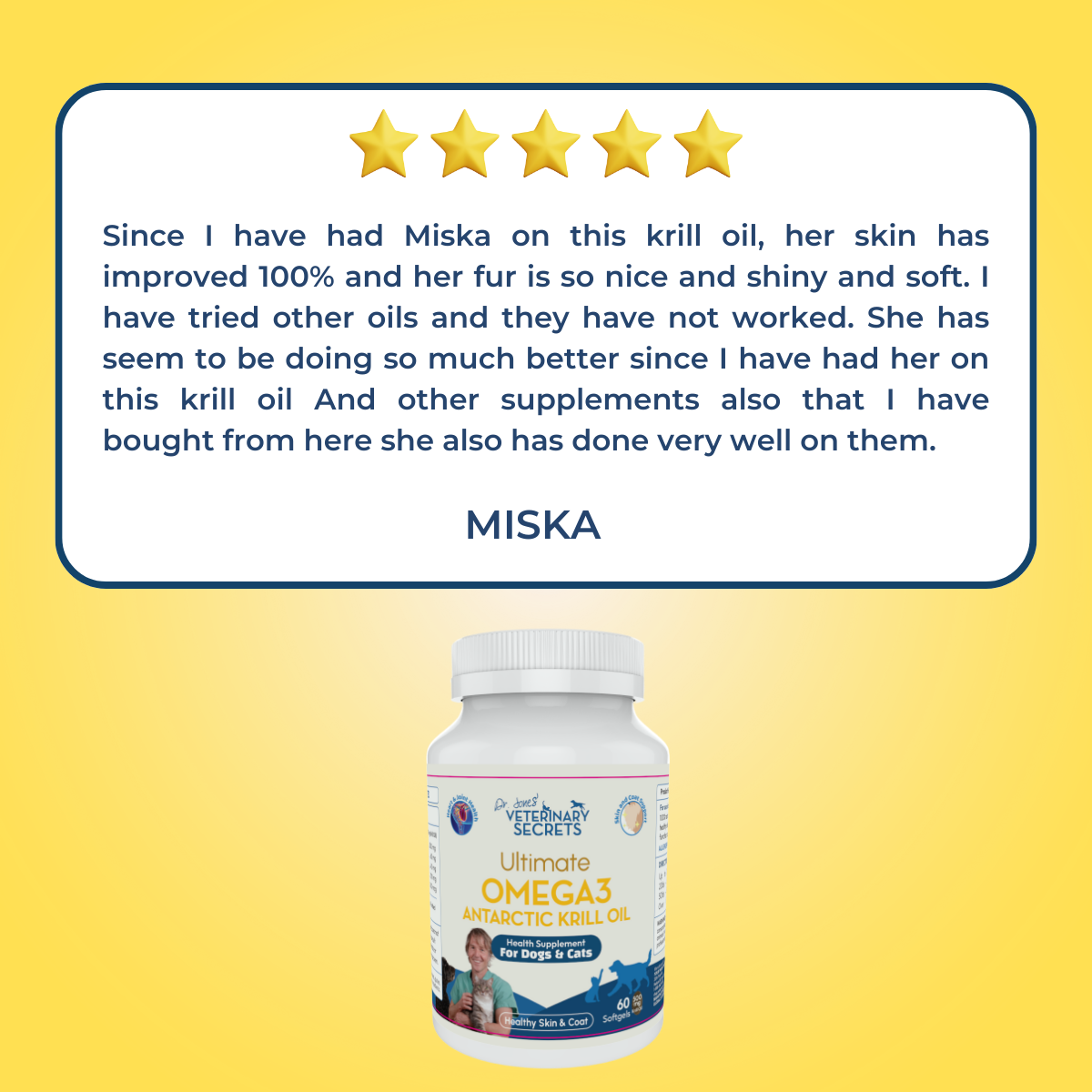
- Omega-3 supplement, preferably krill
- Quercetin
These are two supplements I have Cassian on now.
Dr. Jones’ Ultimate BioActive Quercetin for Dogs and Cats

Neurologic Problems
Your veterinarian may check your cat’s spine, reflexes, and nerve function.
This may include checking proprioception, where the paw is turned over to see how your cat responds.
If there is pain along the spine, X-rays may be needed to make sure the discs look normal.
Hyperthyroidism
In older cats, hyperthyroidism should be ruled out.
Some hyperthyroid cats seem to have an association with increased irritation or signs that look like FHS.
A basic blood and chemistry panel, including a T4, is a good idea.
How Is Feline Hyperesthesia Diagnosed?
Diagnosis starts by ruling out other causes.
There is no single simple test mentioned in the source content that confirms FHS.
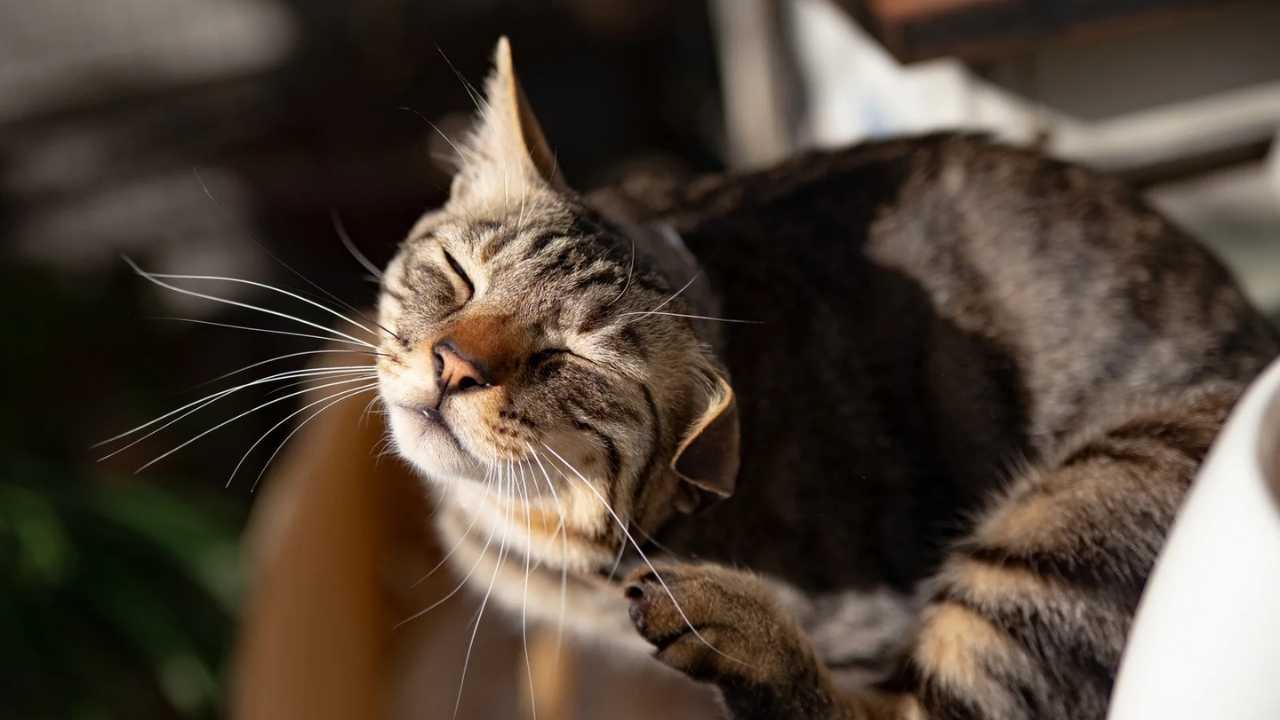
Instead, your veterinarian may look at:
- Your cat’s symptoms
- Where the pain or twitching happens
- Whether episodes are triggered by touch
- Skin exam findings
- Flea history
- Allergy history
- Spine pain
- Neurologic exam
- Bloodwork, including T4 in older cats
- Possible X-rays if spinal pain is suspected
The goal is to make sure this is not fleas, allergies, spinal pain, hyperthyroidism, or another neurologic issue.
How Can Stress Affect Feline Hyperesthesia?
Stress can have a big impact on cats.
We now know that many feline conditions, such as feline lower urinary tract disease, can have a strong anxiety component.
What is happening in your cat’s head and environment can affect their body.
That can also matter with Feline Hyperesthesia Syndrome.
Environmental Stressors to Consider
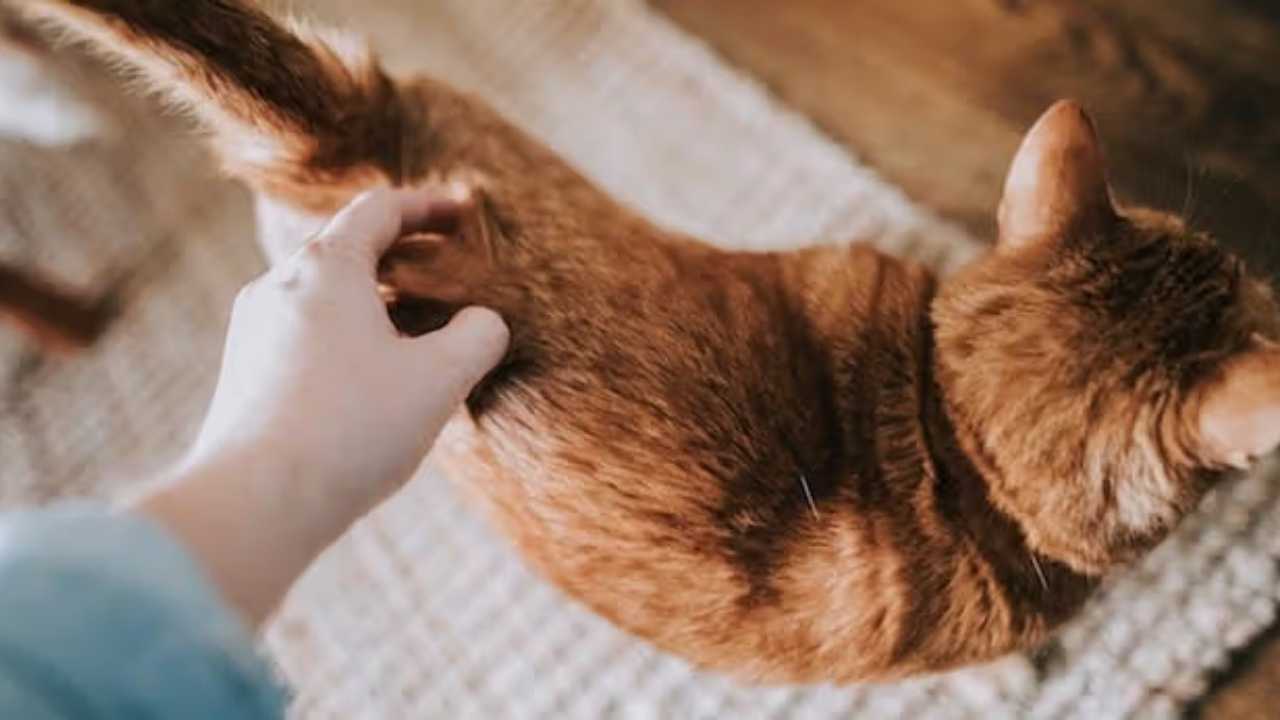
Ask yourself:
- Did something change in the home?
- Is there a new cat outside the window?
- Is your cat in a multi-cat household?
- Is one cat bullying another?
- Is there a dog stressing your cat?
- Does your cat have a safe space?
- Does your cat have a separate litter box?
- Does your cat have high perches or escape areas?
If your indoor cat suddenly starts reacting and spends a lot of time looking out a window at a new neighborhood cat, that may matter.
Think about the world from your cat’s point of view.
A tiny tiger with anxiety is still a tiny tiger.
Conventional Treatment Options
A study mentioned in the source content looked at 28 cats with Feline Hyperesthesia Syndrome.
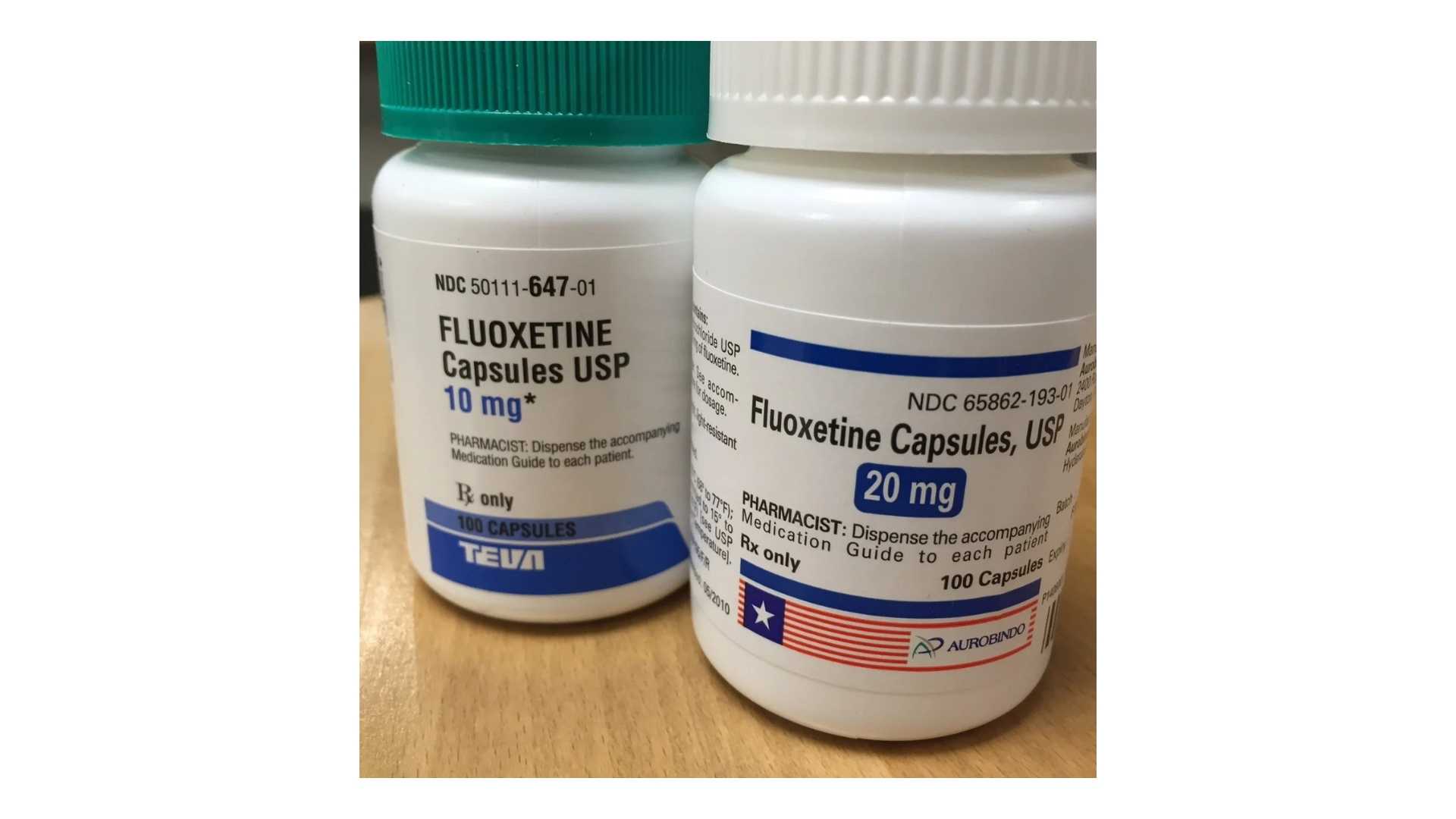
The cats were divided into three treatment groups.
| Group | Treatment |
|---|---|
| Group 1 | Prozac, also called fluoxetine |
| Group 2 | Prozac, gabapentin, plus environmental or behavioral modification |
| Group 3 | Environmental or behavioral modification only |
Prozac is an SSRI, a selective serotonin reuptake inhibitor, commonly used as an anti-anxiety or antidepressant medication.
Gabapentin is often used in animals to help manage pain, especially nerve-related pain. It is also in a class of drugs used for anticonvulsant effects, though in animals it seems especially useful for managing moderate pain.
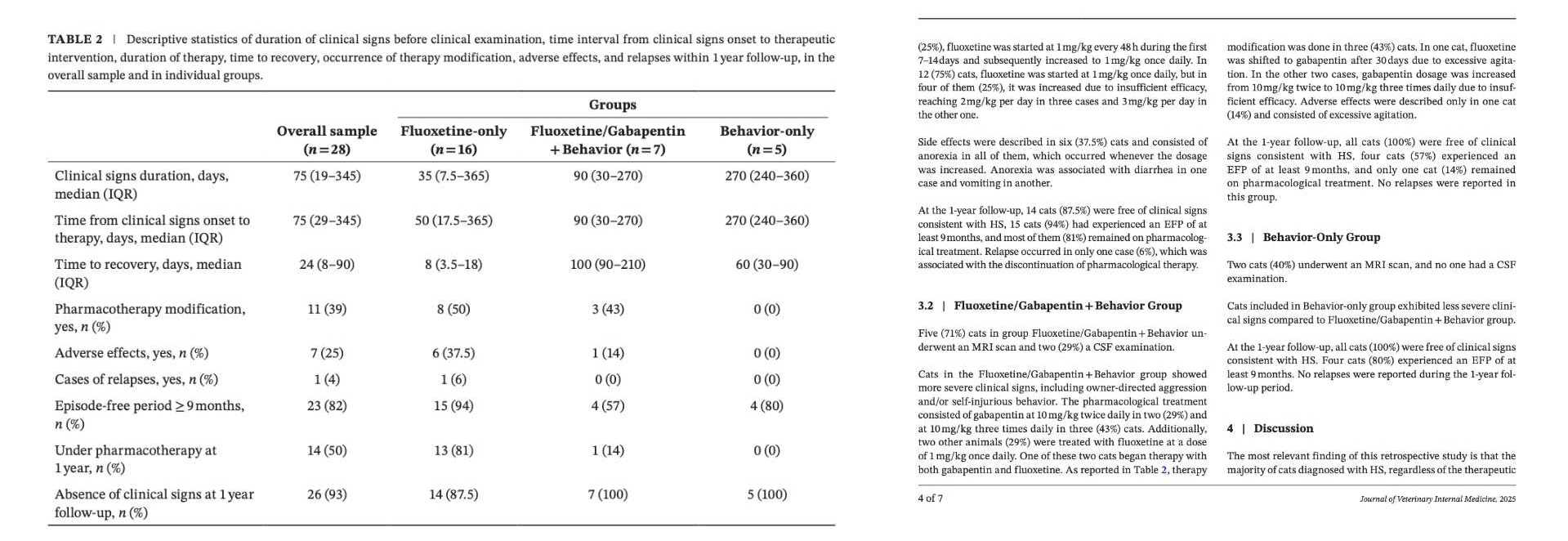
Interestingly, the cats that responded best were in the Prozac-only group.
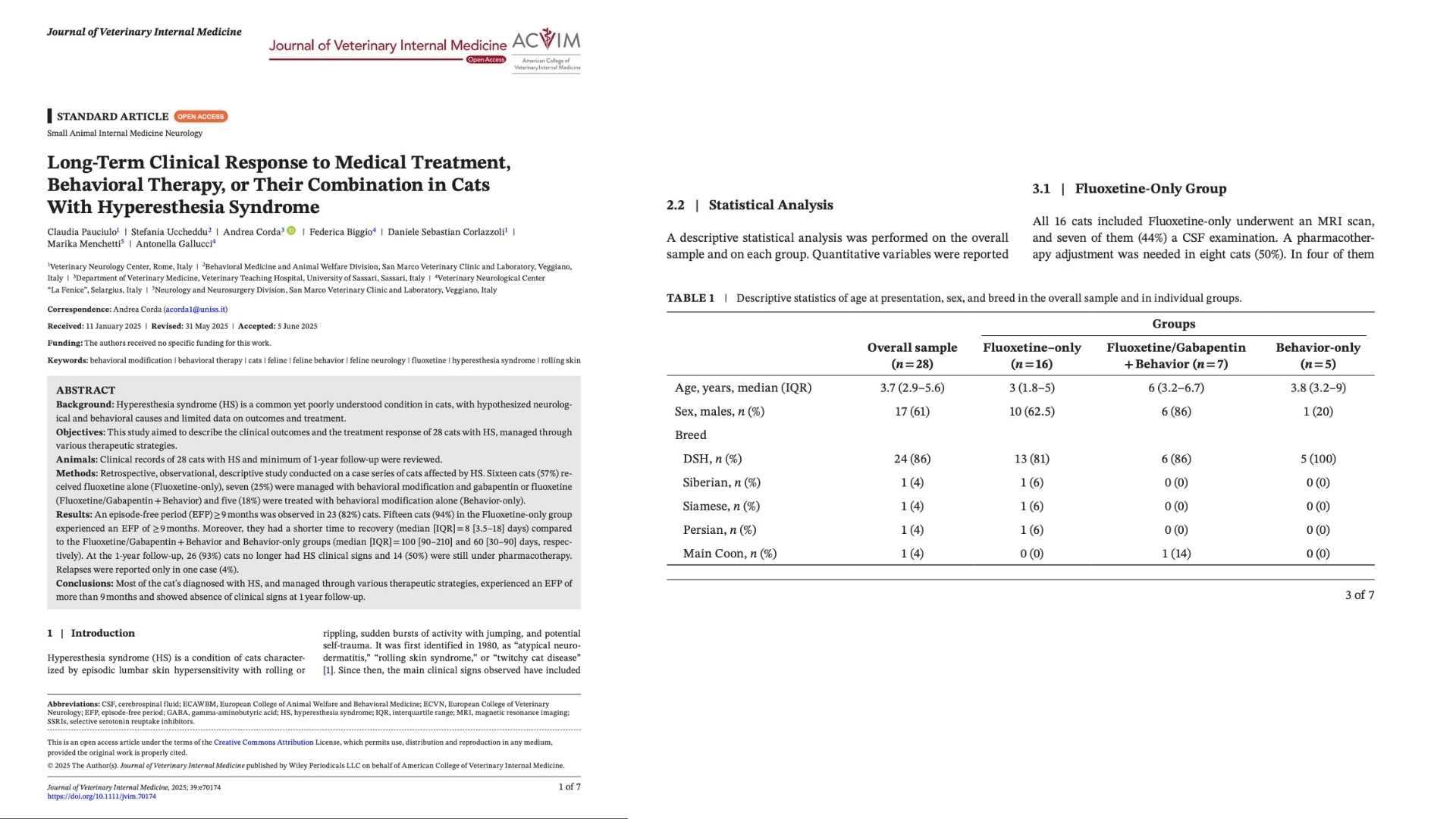
The Prozac-only group responded the fastest and had the longest time without relapse after stopping medication.
After one year, up to 93% of the cats were still controlled without clinical signs of FHS, although over 50% were still on medication.
The point here is simple: conventional treatment can help.
If your cat is truly suffering and natural options are not enough, it is better to get your cat comfortable than to leave them painful because you only want to try holistic options.
Natural Support Options for Feline Hyperesthesia
I would usually start by ruling out the obvious causes first, then consider safer holistic options.
The main natural options mentioned are:
- Omega-3 krill oil
- Quercetin
- CBD
- Cannabinoid blend
- L-theanine
- Melatonin
- Calming chews with multiple calming ingredients
- Environmental modification
1. Omega-3 Krill Oil and Quercetin
If allergies may be involved, I would consider omega-3 fatty acids and quercetin.
My preferred omega-3 source is krill.
Suggested Dose
Use:
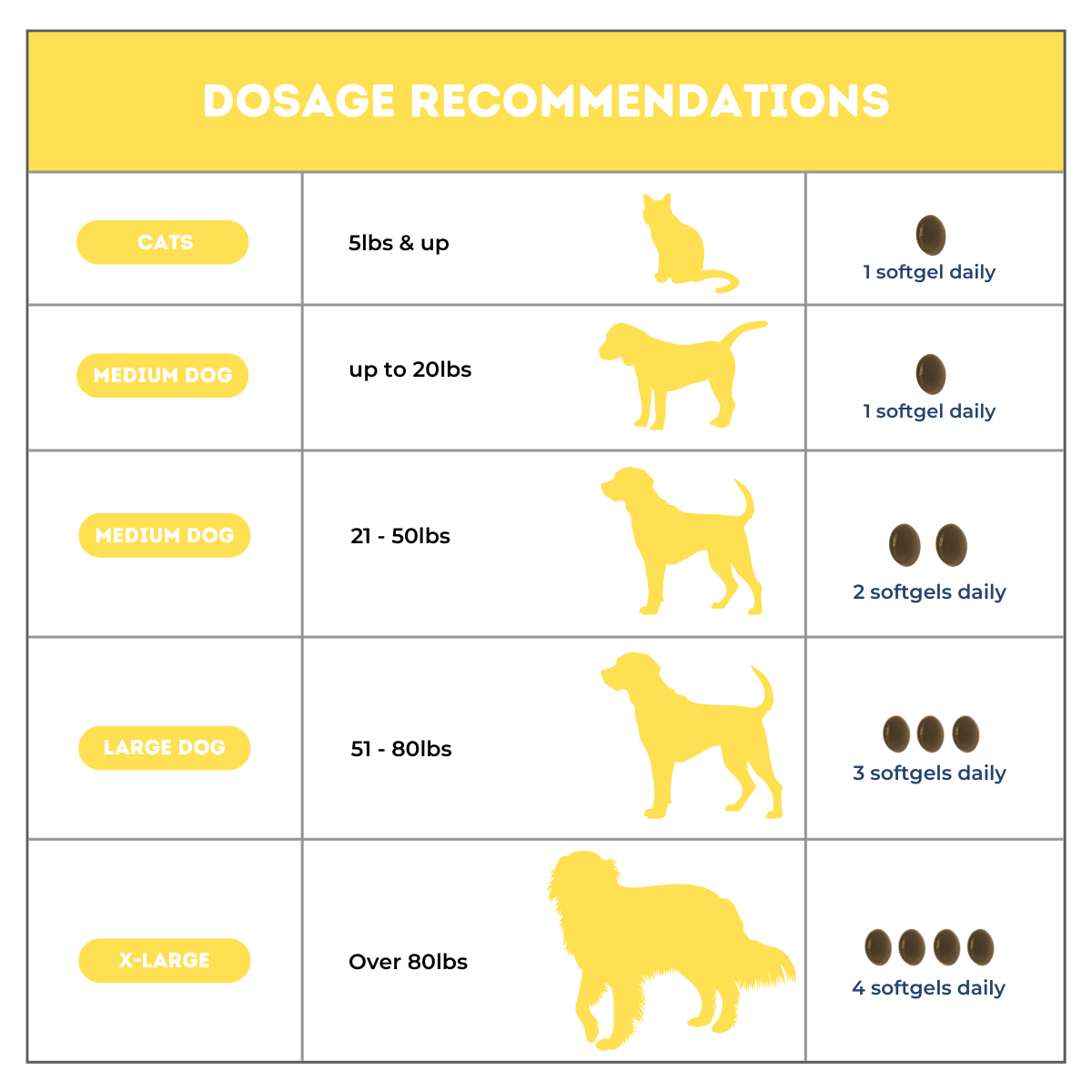
- Krill oil: 500 mg per cat daily
- Quercetin: 50 mg per cat daily
These two supplements can work well together.
Many cats with environmental allergies respond to this combination.
But if your cat has never had itching anywhere else and has no allergy history, allergies may not be the most likely cause.
2. Cannabinoids for Pain and Anxiety
If I were choosing one holistic option to start with for Feline Hyperesthesia Syndrome, I would start with cannabinoids.
This could be:
- CBD, also called cannabidiol
- A cannabinoid blend containing CBD, CBC, CBG, and CBN
Cannabinoids may offer two benefits for cats with FHS:
- Pain relief
- Anti-anxiety support
Both are important, because FHS seems to involve discomfort, nerve sensitivity, and possibly anxiety.
CBD Starting Dose
The suggested starting dose for cats is:
- 3 mg, or 1 drop, per 10 lbs of body weight daily
But for this condition, I would likely start higher.
CBD Dose I Would Consider for FHS
I would consider starting at:
- 6 mg, or 2 drops
- Twice daily
If needed, I would eventually increase up to:
- 15 mg, or 5 drops
- Twice daily
This could be CBD alone or a cannabinoid blend.
If CBD is not effective, I would consider trying the cannabinoid blend because some cats may respond better to the other cannabinoids.
3. L-Theanine for Calming Support
L-theanine is a calming amino acid found in green tea, black tea, kale, and other plants.
It is one of the safer holistic calming options for cats.
Will it help every cat with FHS? I do not know.
But it is safe enough that I would consider trying it.
L-Theanine Dose
Start with:
- 25 mg twice daily
This can be doubled.
Up to 100 mg daily is mentioned as completely fine for a cat.
4. Melatonin for Calming and Sleep Support
Melatonin is best known as a sleep hormone, but it affects many body systems.
Some cats are calmer or a little more sedated with melatonin.
It may be worth trying in cats with Feline Hyperesthesia Syndrome.
Melatonin Dose Options
Use:
- 1 to 2 mg per cat
For once-daily use:
- 2 mg once daily
- Given 1 hour before bedtime
For twice-daily use:
- 1 mg twice daily
5. Calming Chews
Dr. Jones’ calming chews are labeled for dogs, but the ingredients and amounts may also be given to cats according to the source content.
They contain:
- L-theanine
- Hydrolyzed milk protein
- Alpha-casozepine, also known as Zylkene
- Melatonin
- Chamomile
- Passion flower
Suggested Cat Amount
Use:
- 1/2 chew per cat daily
- Try for 14 days
This may be a simple option if you want a combination of calming ingredients instead of trying several separate supplements.

6. Environmental Modification
Environmental changes can make a big difference for some cats.
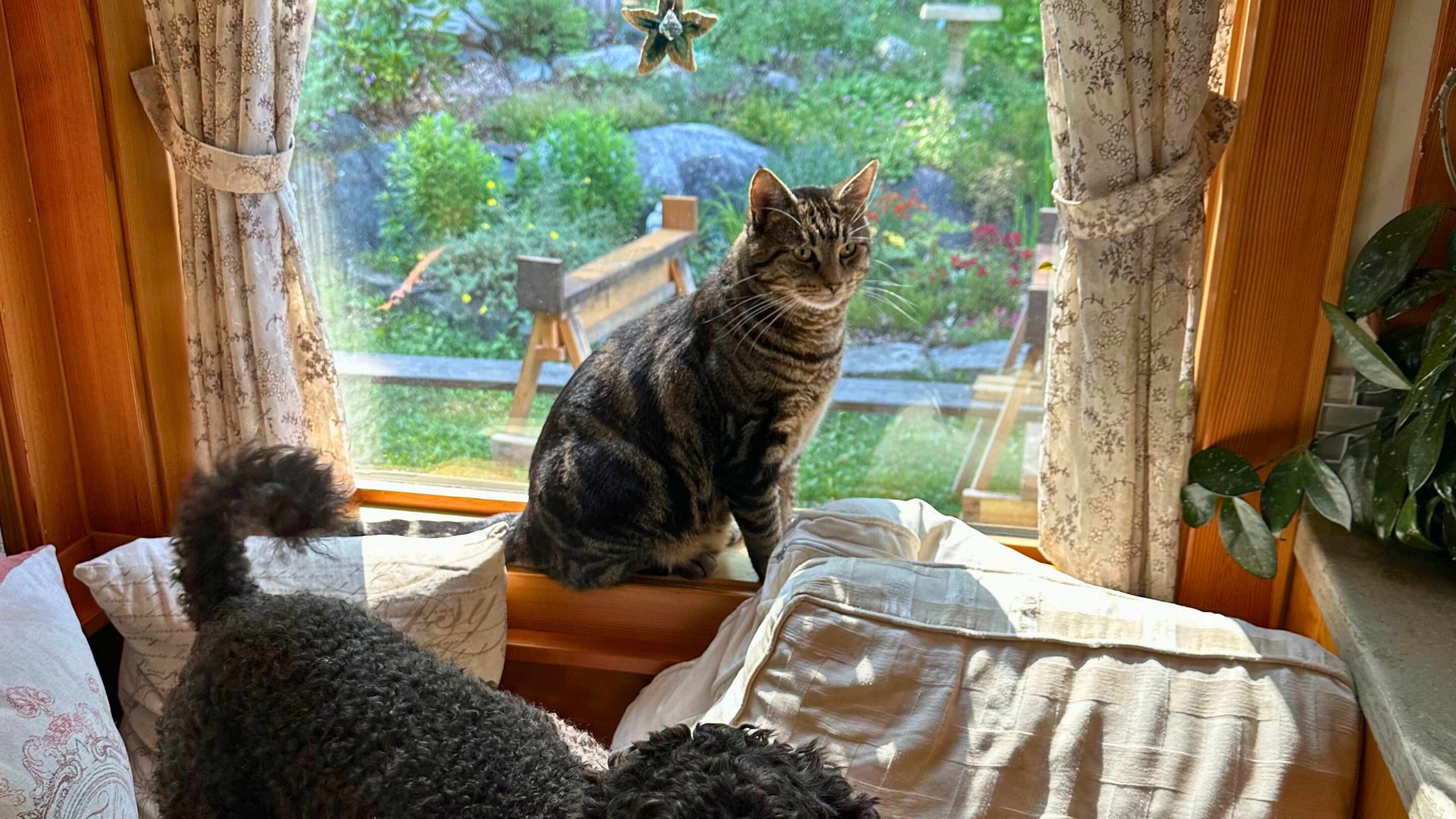
What to Try
- Give each cat a separate space
- Provide separate litter boxes
- Add high perches
- Create safe escape areas
- Reduce dog-cat conflict
- Block stressful window views if outdoor cats are triggering your cat
- Keep your home calmer during flare-ups
- Avoid touching your cat during episodes
With Cassian, when we have been around dogs such as Angus and Murdoch, he has safe spaces. He has a catio and high perches where the dogs cannot see him.
That matters.
Cats do not always need more “training.”
Sometimes they just need a safe place to escape the chaos.
Pros and Cons of Treatment Options
Pros of Holistic Options
- Often safer
- Usually fewer side effects
- Can support anxiety and pain
- May help allergy-related inflammation
- Can be tried alongside environmental changes
- Some are simple to give at home
Cons of Holistic Options
- May not be strong enough for severe cases
- FHS can be difficult to manage
- The true cause may be neurologic or medical
- Some cats may still need conventional medication
- Improvement may take trial and error
Pros of Conventional Options
- Can help cats with serious symptoms
- Prozac showed good results in the study discussed
- Gabapentin may help nerve-related pain
- May be needed if episodes are painful or frequent
Cons of Conventional Options
- Some cats may need medication long term
- Over 50% of controlled cats in the study were still on medications after one year
- Side effects are possible
- Medication does not replace looking at the environment or underlying triggers
Natural Support Dosage Table
| Support Option | Suggested Dose From This Article | Main Use |
| Krill oil | 500 mg per cat daily | Allergy and inflammation support |
| Quercetin | 50 mg per cat daily | Environmental allergy support |
| CBD | Starting dose 3 mg, or 1 drop, per 10 lbs daily | Pain and anxiety support |
| CBD higher dose option | Start at 6 mg, or 2 drops, twice daily, then increase up to 15 mg, or 5 drops, twice daily if needed | FHS episodes, pain, anxiety |
| Cannabinoid blend | Dose not separately specified | Pain and anxiety support |
| L-theanine | 25 mg twice daily, can be doubled | Calming support |
| L-theanine upper amount mentioned | Up to 100 mg daily | Calming support |
| Melatonin | 1 to 2 mg per cat | Sleep and calming support |
| Melatonin once daily | 2 mg once daily, 1 hour before bedtime | Nighttime support |
| Melatonin twice daily | 1 mg twice daily | Calming support |
| Calming chews | 1/2 chew per cat daily for 14 days | Combined calming support |
Step-by-Step Plan for a Twitchy Cat
Step 1: Stay Calm During Episodes
Do not touch or restrain your cat.
Let the episode pass.
Step 2: Write Down What Happens
Track:
- Time of day
- Episode length
- What triggered it
- Where your cat was touched
- Skin twitching
- Tail chasing
- Biting
- Urination
- Tiredness afterward
Step 3: Rule Out Skin Problems
Check for:
- Fleas
- Flea allergy dermatitis
- Red bumps near the tail base
- Itching
- Skin inflammation
- Allergies
Step 4: Rule Out Pain or Neurologic Problems
Have your cat checked for:
- Spinal pain
- Disc problems
- Reflex changes
- Neurologic abnormalities
- Possible seizure-like activity
Step 5: Check Bloodwork in Older Cats
Ask about a blood and chemistry panel, including T4, to rule out hyperthyroidism.
Step 6: Reduce Stress
Look at your cat’s environment.
Make the home safer, calmer, and easier for your cat to escape stress.
Step 7: Try Holistic Support
Consider:
- Krill oil and quercetin if allergies may be involved
- CBD or cannabinoid blend for pain and anxiety
- L-theanine for calming
- Melatonin for sleep and calming
- Calming chews for combined support
Step 8: Consider Conventional Medication if Needed
If your cat is still painful, distressed, or having frequent episodes, discuss conventional options such as Prozac or gabapentin.
Comfort matters.
When Should You Call Your Veterinarian?
Call your veterinarian if your cat has:
- Repeated twitching episodes
- Pain when touched
- Sudden aggression when petted
- Tail chasing or biting
- Urination during episodes
- Severe skin sensitivity
- Back pain
- Weakness
- Neurologic signs
- Possible seizures
- Weight loss
- Increased appetite with weight loss
- Signs of hyperthyroidism
- Symptoms that are getting worse
Feline Hyperesthesia Syndrome can be managed, but you first need to rule out other causes.
Final Thoughts
Feline Hyperesthesia Syndrome is real.
These cats are not just being dramatic. They may be experiencing sudden nerve pain, skin sensitivity, anxiety, or a combination of problems that we still do not fully understand.
The first step is to rule out the obvious causes: fleas, allergies, skin disease, spinal pain, neurologic issues, and hyperthyroidism.
Then reduce stress in the home.
After that, I would consider holistic support such as CBD, a cannabinoid blend, L-theanine, melatonin, calming chews, krill oil, and quercetin.
If those do not help, do not let your cat suffer just because you want to stay natural. Conventional medications such as Prozac or gabapentin may be needed for some cats.
The goal is not to win a “natural versus conventional” argument.
The goal is to make your cat comfortable.
That is what matters.
Click To Get A Free Copy of My E-Book!

P.S. If your cat suddenly starts twitching, biting at the tail base, or acting like the back end is on fire, stay calm and do not grab them.
Let the episode pass.
Then start thinking like a detective.
Fleas? Allergies? Back pain? Hyperthyroidism? Stress? Nerve pain?
For natural support, I would consider starting with cannabinoids, especially CBD, because they may help with both pain and anxiety.
If your cat responds, I would love to hear about it. The more feedback we get from cat parents dealing with FHS, the better we can help the next twitchy cat who is having a very bad 30 seconds.




Hi Dr Jones
It is so refreshing to hear a vet finally say this syndrome is real. I was told over and over it was just a reaction to a flea bite. But pet parents just know it is something more sinister. One thing I would like vets/researchers etc to know, my cat’s first episode lasted 35 hours. It was torture for us both.
Thank you for all you do.
Thank you for sharing this. Thirty five hours is a very long episode, and I can only imagine how difficult that was for both of you. One thing we are learning is that these cats are often dealing with something much more complex than a simple flea bite reaction. Fleas and allergies certainly need to be ruled out, but many of these cats seem to be experiencing real discomfort, nerve sensitivity, pain, or anxiety. Our cats have been trying to tell us this all along. Thanks for speaking up and for being such a strong advocate for your kitty.