7 Benefits of Melatonin for Dogs and Cats (Vet Explains)

Is This Sleep Hormone Helpful or Should We Be Cautious?
The sleep hormone melatonin has now been shown to be helpful for several important pet health conditions, including cancer support, Cushing’s disease, pain, inflammation, anxiety, and sleep problems.
But melatonin is still a hormone.
So it makes sense that some veterinarians are now suggesting more caution when using it.
So the question is this:
Should you use melatonin for your dog or cat?
In my opinion, yes, in many cases.
Most of the evidence points toward melatonin being a useful, low-risk supplement for dogs and cats when it is used properly. It has a wide safety margin, few side effects, and a growing amount of research behind it.
Calming Support With Dr. Jones’ Complete Canine Calming Chews
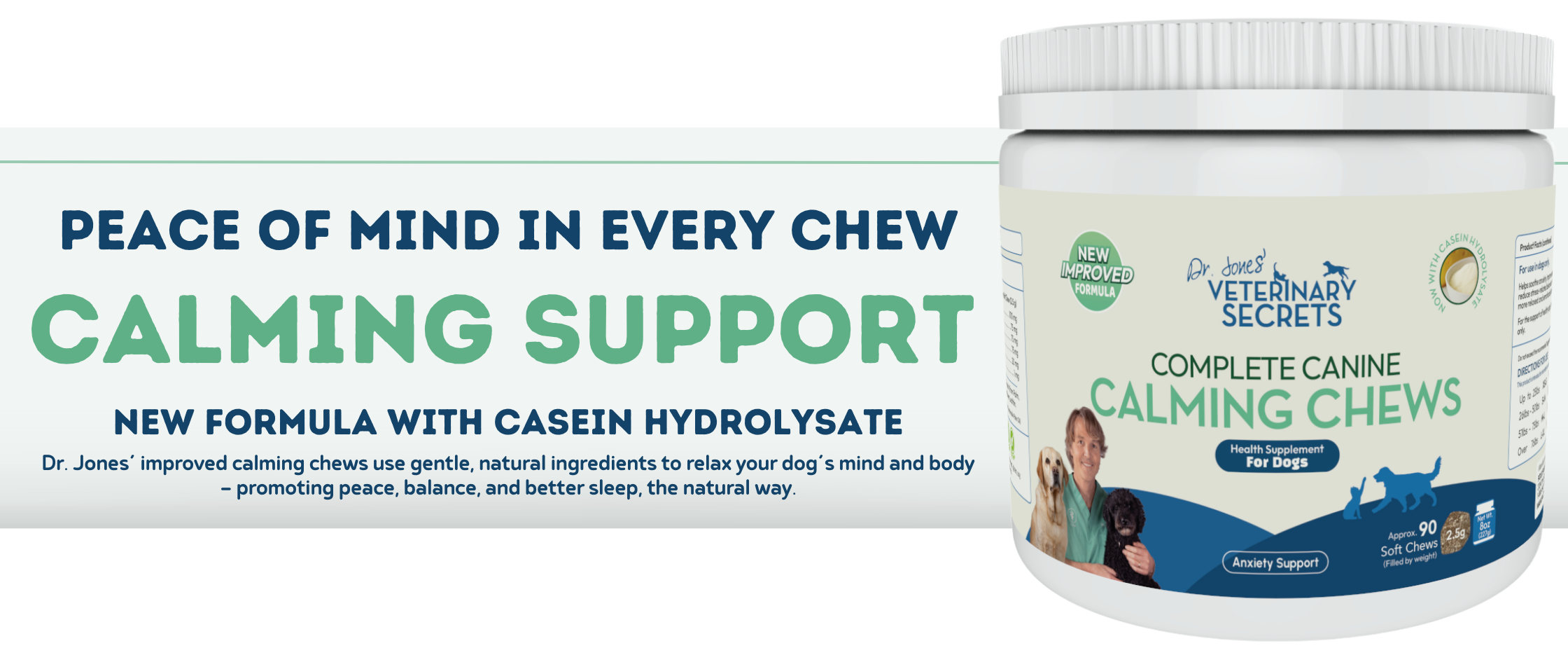
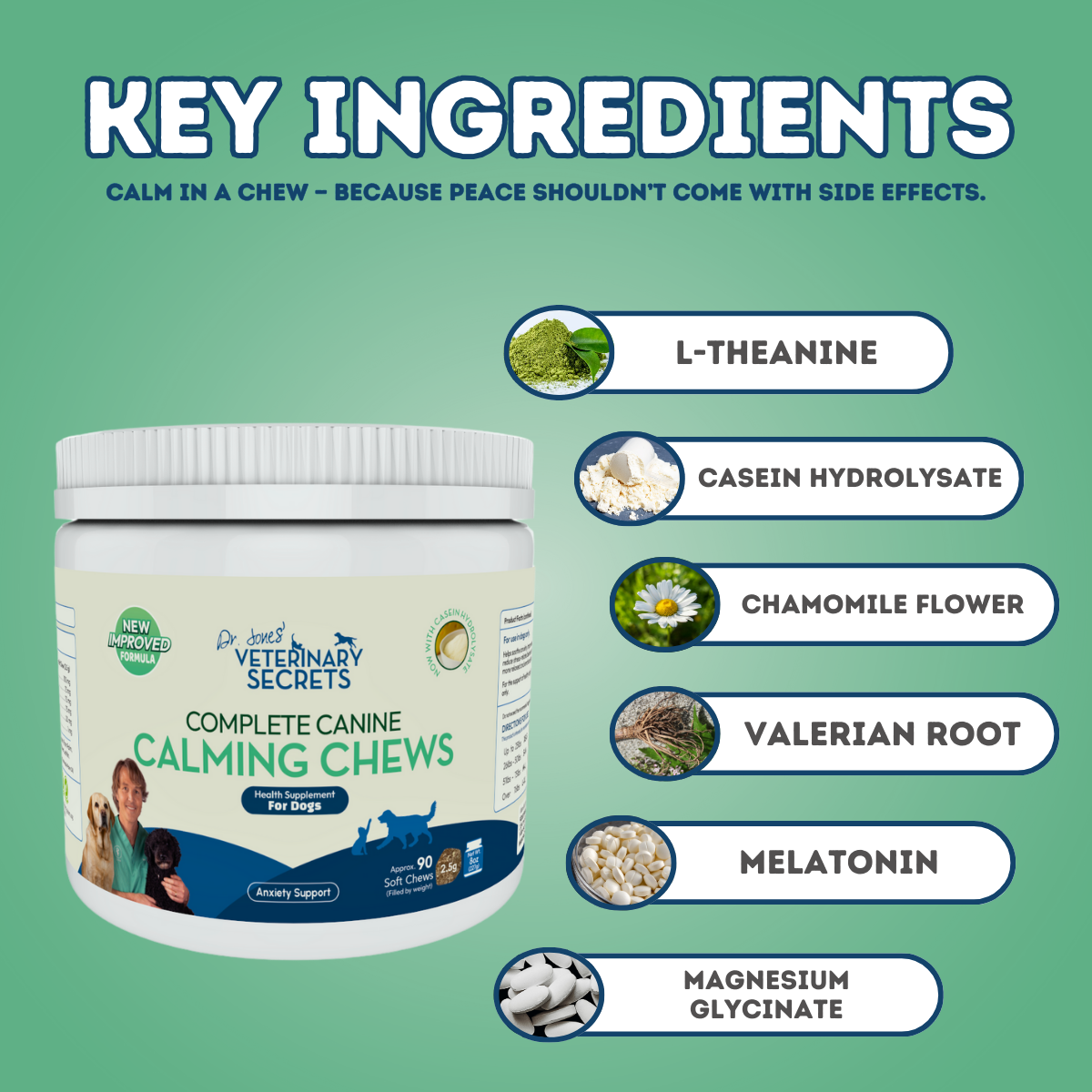
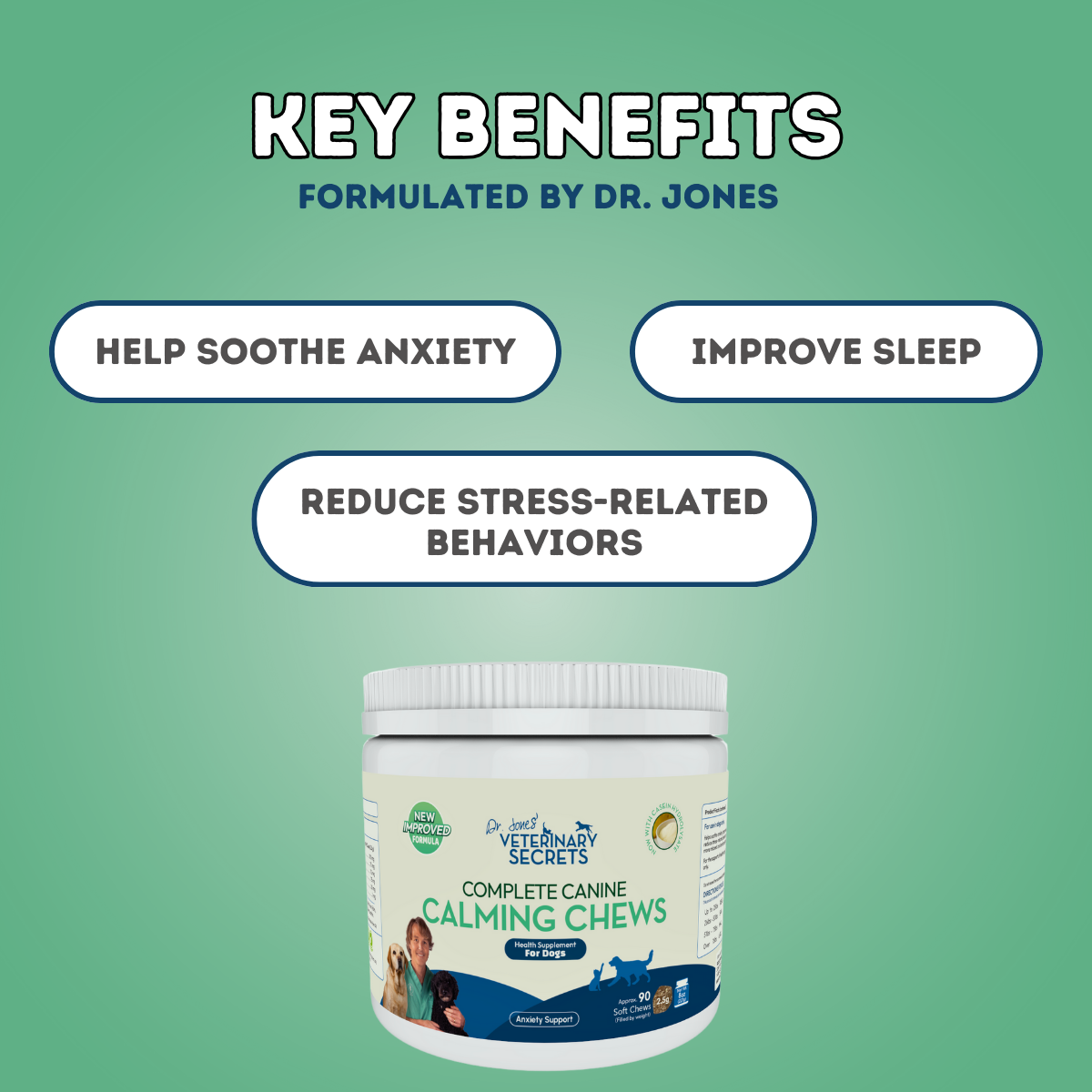
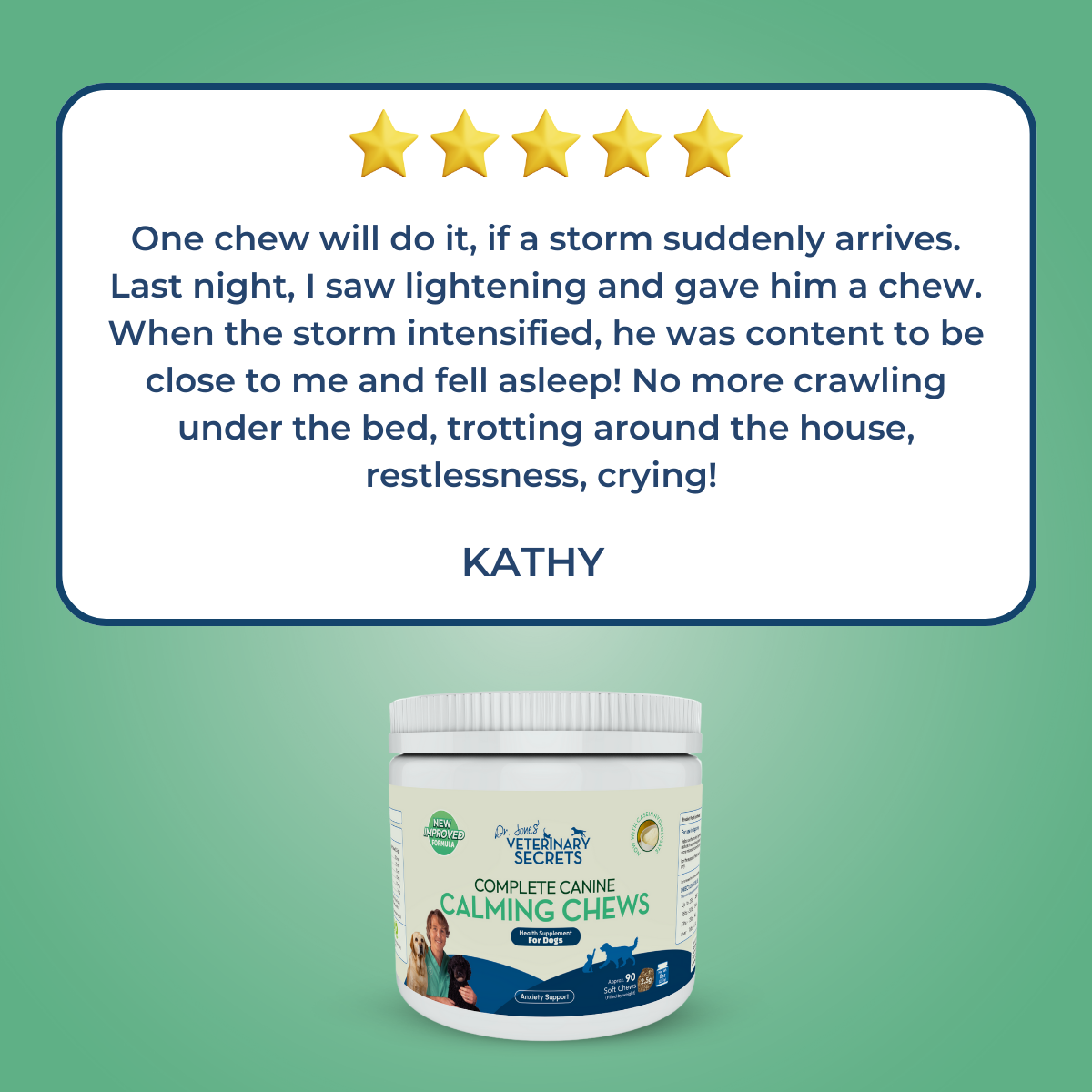
This is where Dr. Jones’ Complete Canine Calming Chews fit in nicely. If your dog struggles with separation stress, thunderstorms, fireworks, car rides, vet visits, restless nights, or stress-related barking, chewing, or scratching, these chews are designed to give calm support without heavy sedation. Each chew contains L-theanine, chamomile, passion flower, ginger root, valerian root, and melatonin, a combination meant to support relaxation, calmer behavior, better sleep, and stress resilience. L-theanine has also been studied in dogs, with one clinical study finding that L-theanine tablets helped reduce fearful behavior toward unfamiliar people, with no sedative or stimulant side effects reported. So if your dog needs gentle daily calming support, especially during stressful triggers, this is an easy option to consider: Dr. Jones’ Complete Canine Calming Chews.
Dr. Jones’ Complete Canine Calming Chews



What Is Melatonin?
Melatonin is a hormone produced by the pineal gland in the brain.
Its production is tied to light and darkness.
When it gets dark, melatonin levels rise.
When it gets light, melatonin levels fall.
That is why melatonin is often called the sleep hormone.
But it does far more than help with sleep. It also acts as an antioxidant, supports immune function, helps regulate inflammation, and may play a role in mitochondrial health.
Why I Used Melatonin in Pets
In veterinary practice, melatonin was most commonly used for hair loss conditions such as Alopecia X in dogs.
Many dogs with this type of hair loss respond because melatonin helps regulate the hair growth cycle.
But we now know melatonin may have benefits far beyond coat health.
1. Melatonin for Hair Loss
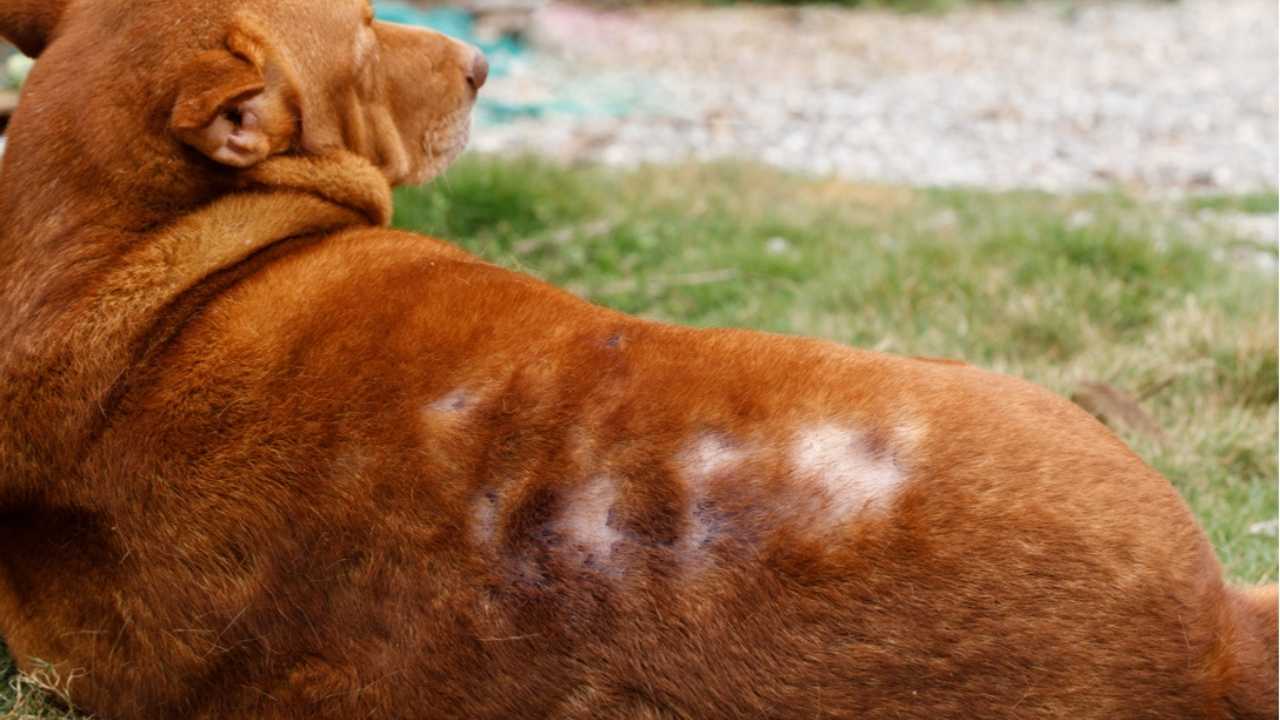
Melatonin can help regulate the normal hair growth cycle.
This makes it one of the few natural options worth considering for dogs with Alopecia X or other non-itchy hair loss conditions.
It may also be helpful for some cats with hair loss, depending on the underlying cause.
2. Melatonin for Sleep and Nighttime Restlessness
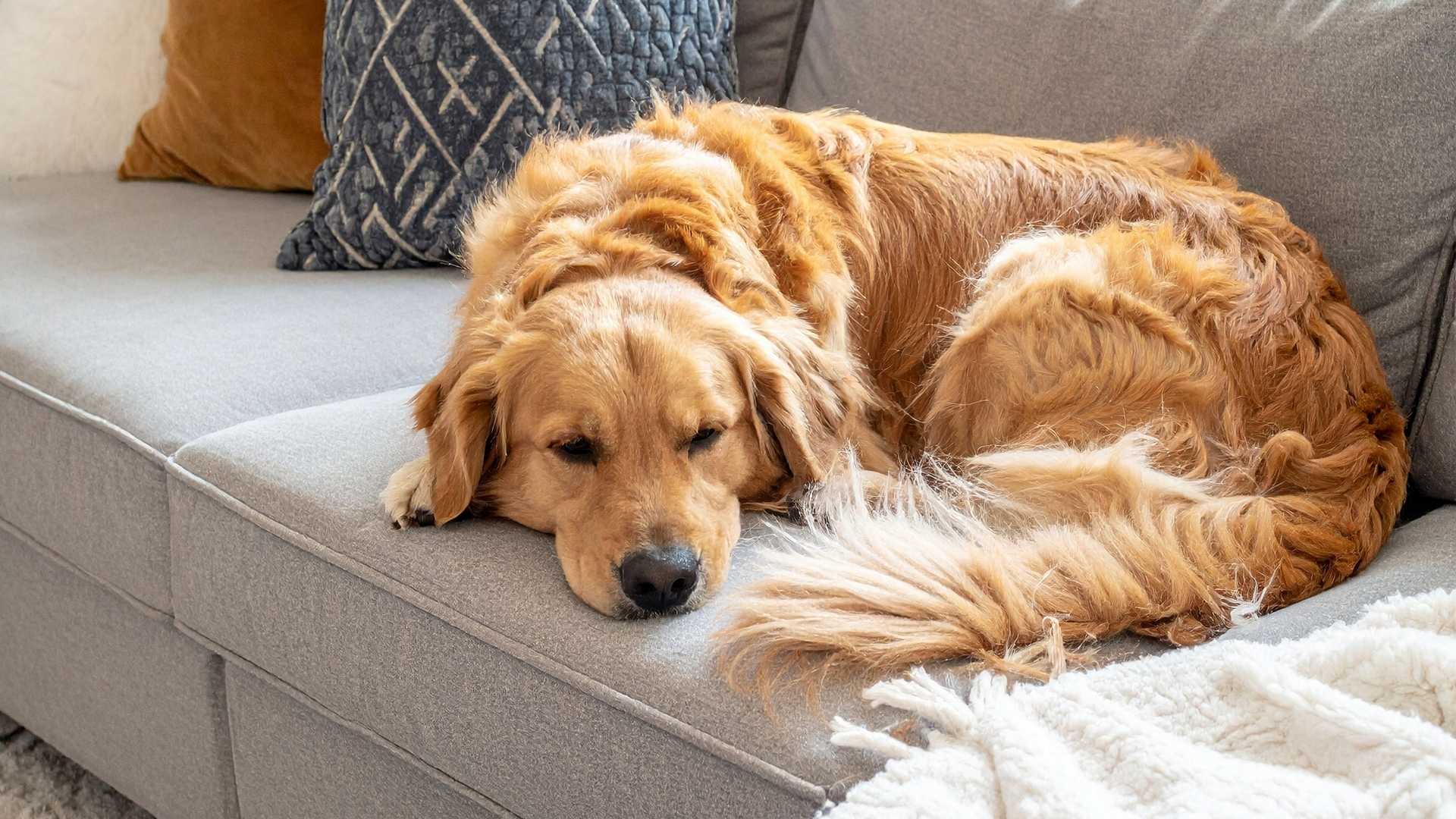
Most dogs and cats do not need help falling asleep.
They are already pretty good at that.
But older pets with cognitive dysfunction may pace, cry, yowl, or become restless at night.
In those cases, melatonin can help improve sleep quality and restore a more normal sleep-wake cycle.
3. Melatonin for Cushing’s Disease
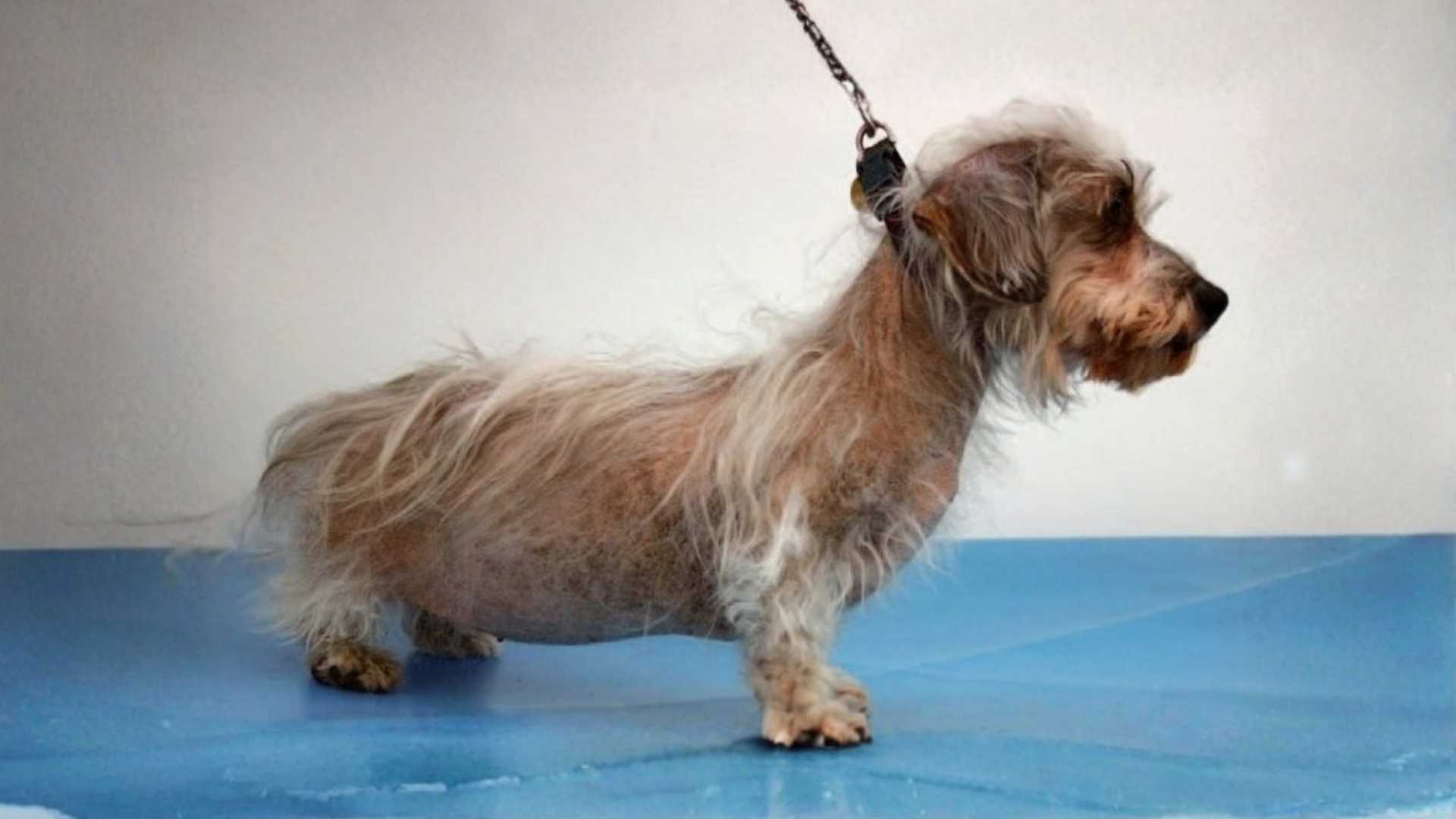
Cushing’s disease, also called hyperadrenocorticism, happens when the body produces too much cortisol.
Melatonin may help lower excess cortisol by influencing adrenal gland pathways involved in steroid hormone production.
This is especially worth considering if your dog has Cushing’s and you cannot afford conventional treatment such as trilostane, or if you are looking for a supportive option to discuss with your veterinarian.
4. Melatonin for Pain and Inflammation
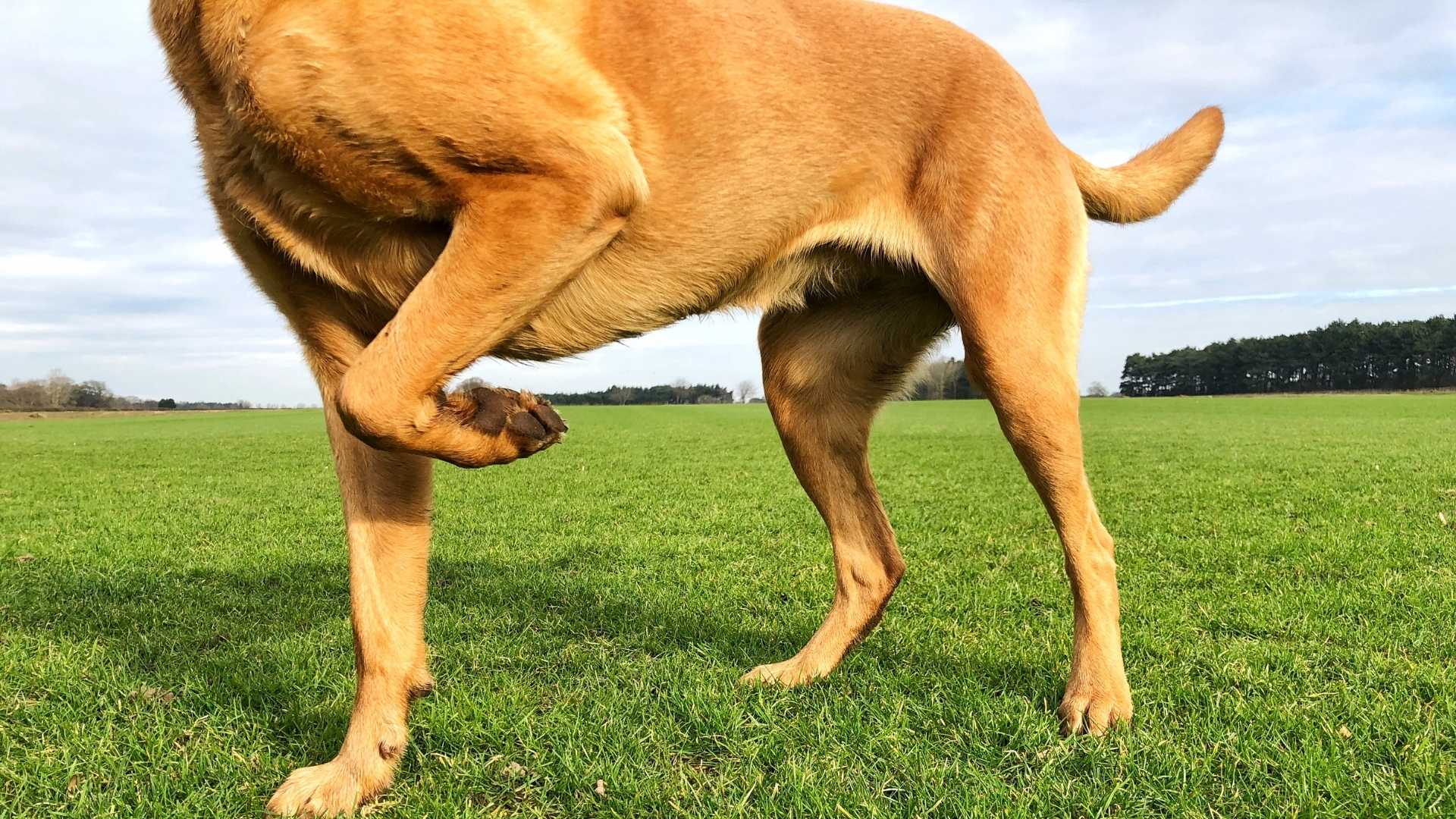
Melatonin also plays a role in pain regulation.
Pain perception and melatonin secretion both follow circadian rhythms, meaning they are tied to the body’s internal clock.
Research has shown that melatonin may reduce inflammatory compounds such as TNF-alpha, IL-6, and C-reactive protein. Those are key markers involved in inflammation and pain.
So if your pet has chronic inflammation, arthritis, immune disease, or pain, melatonin may offer additional support.
5. Melatonin for Cancer Support
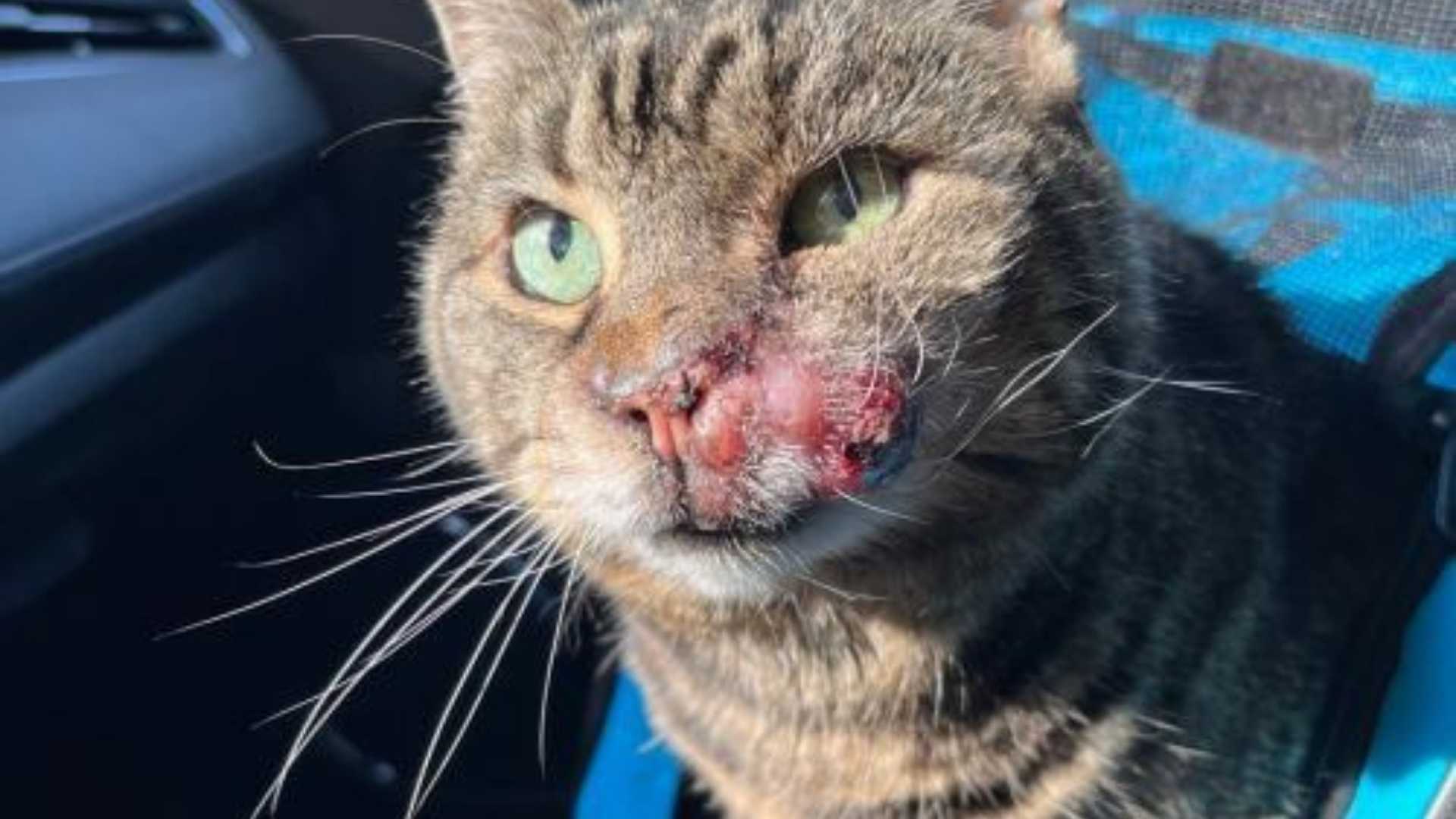
The research on melatonin and cancer goes back decades.
Studies in people with solid metastatic tumors suggest that high-dose melatonin may help slow tumor growth and improve quality of life markers.
Other clinical studies have looked at melatonin support in colon, breast, kidney, brain, and lung cancers.
Would I consider melatonin if my dog or cat were diagnosed with cancer?
Yes, I would.
Not as a cure.
But as a low-risk supportive option that may help with immune function, oxidative stress, inflammation, and quality of life.
6. Melatonin for Autoimmune Disease

Melatonin may also have benefits for autoimmune conditions because of its anti-inflammatory and immune-modulating effects.
Emerging research has looked at melatonin in conditions such as multiple sclerosis and Hashimoto’s thyroiditis in people.
For dogs with autoimmune disease, such as lupus or immune-mediated inflammation, melatonin is something I would consider as part of a broader supportive plan.
7. Melatonin for Anxiety
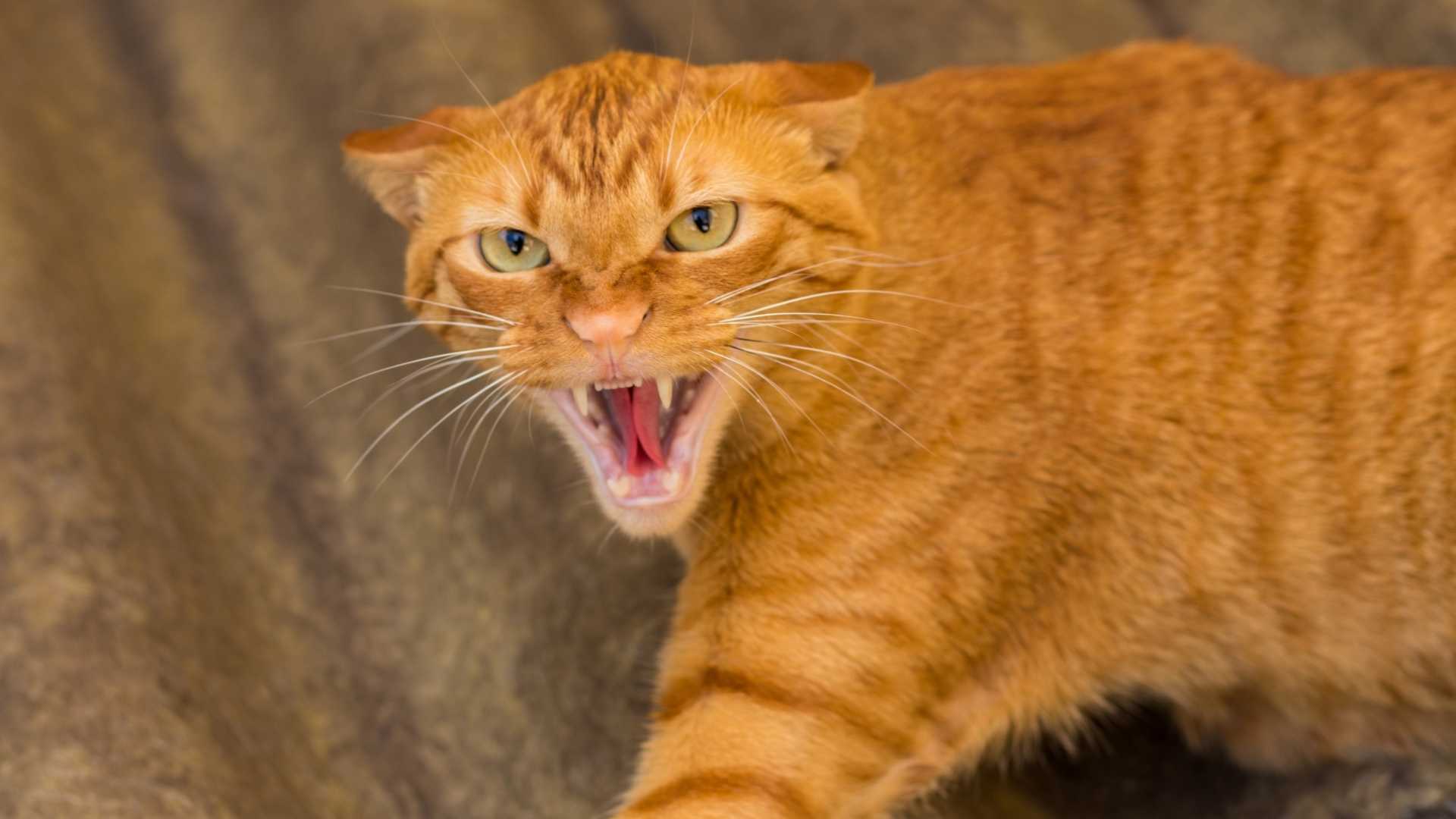
Melatonin is also known for its calming effects.
It may help with:
- Separation anxiety
- Noise phobias
- Thunderstorm fear
- Fireworks stress
- Nighttime restlessness
A study published by Linda Aronson, DVM, in the Journal of the American Veterinary Medical Association reported successful results in about 80% of canine patients treated with melatonin for anxiety-related issues.
That is worth paying attention to.
Is Melatonin Safe for Dogs and Cats?
Melatonin is generally considered safe for dogs and cats when properly dosed.
The most common side effect is mild sleepiness or grogginess the next day.
Other possible concerns include:
- Mild digestive upset
- Possible effects on fertility
- Possible interaction with corticosteroids
- Extra caution in pregnant animals
The biggest warning is this:
Avoid human melatonin products that contain xylitol.
Xylitol is toxic to dogs and should never be given.
Always check the label carefully.
Melatonin Dose for Dogs and Cats
A typical dose is:
1 mg per 10 lbs of body weight, up to a maximum of 6 mg
It is usually given about one hour before bedtime.
For anxiety or calming support, timing depends on the situation. For example, before fireworks, travel, thunderstorms, or stressful events.
Dr. Jones’ Complete Canine Calming Chews
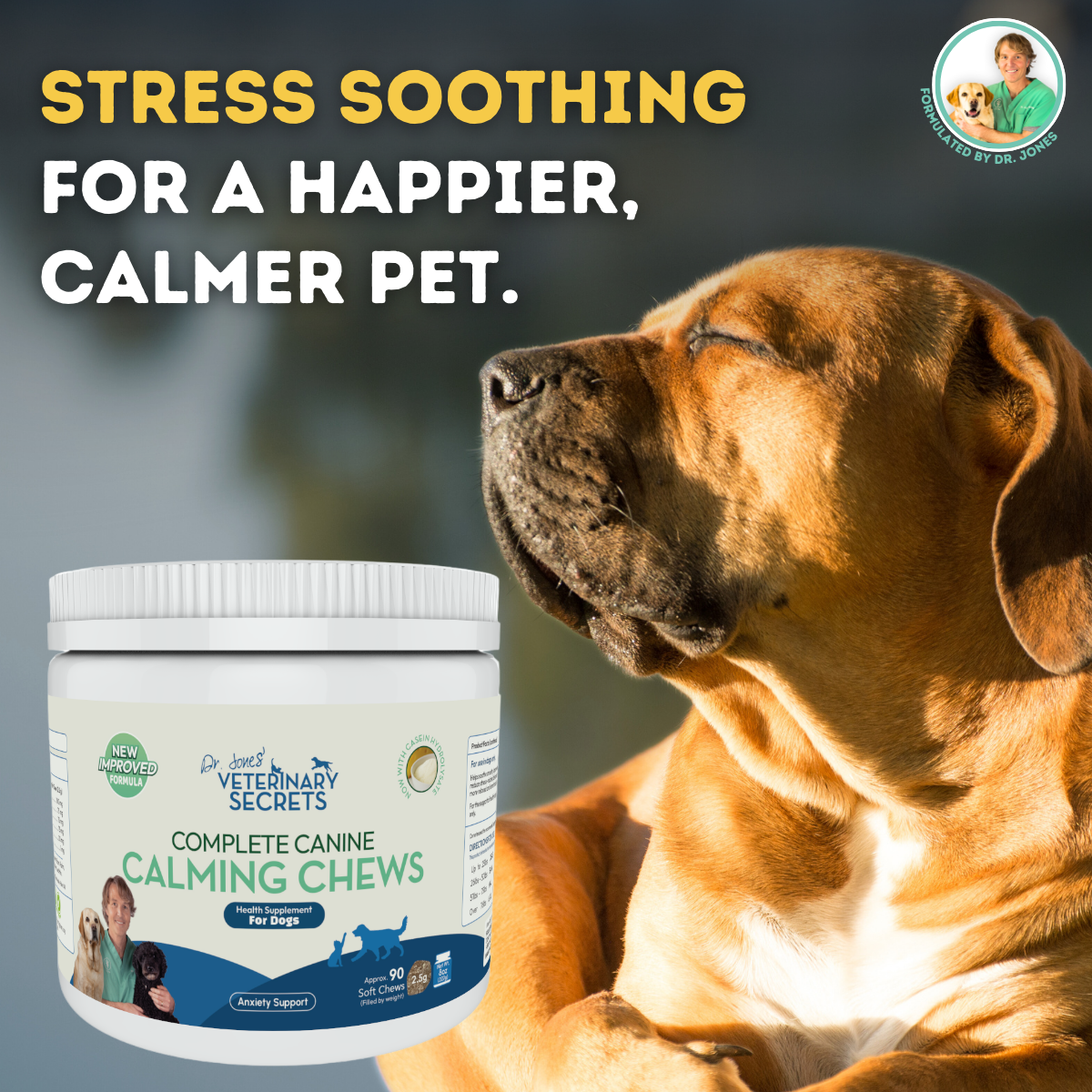
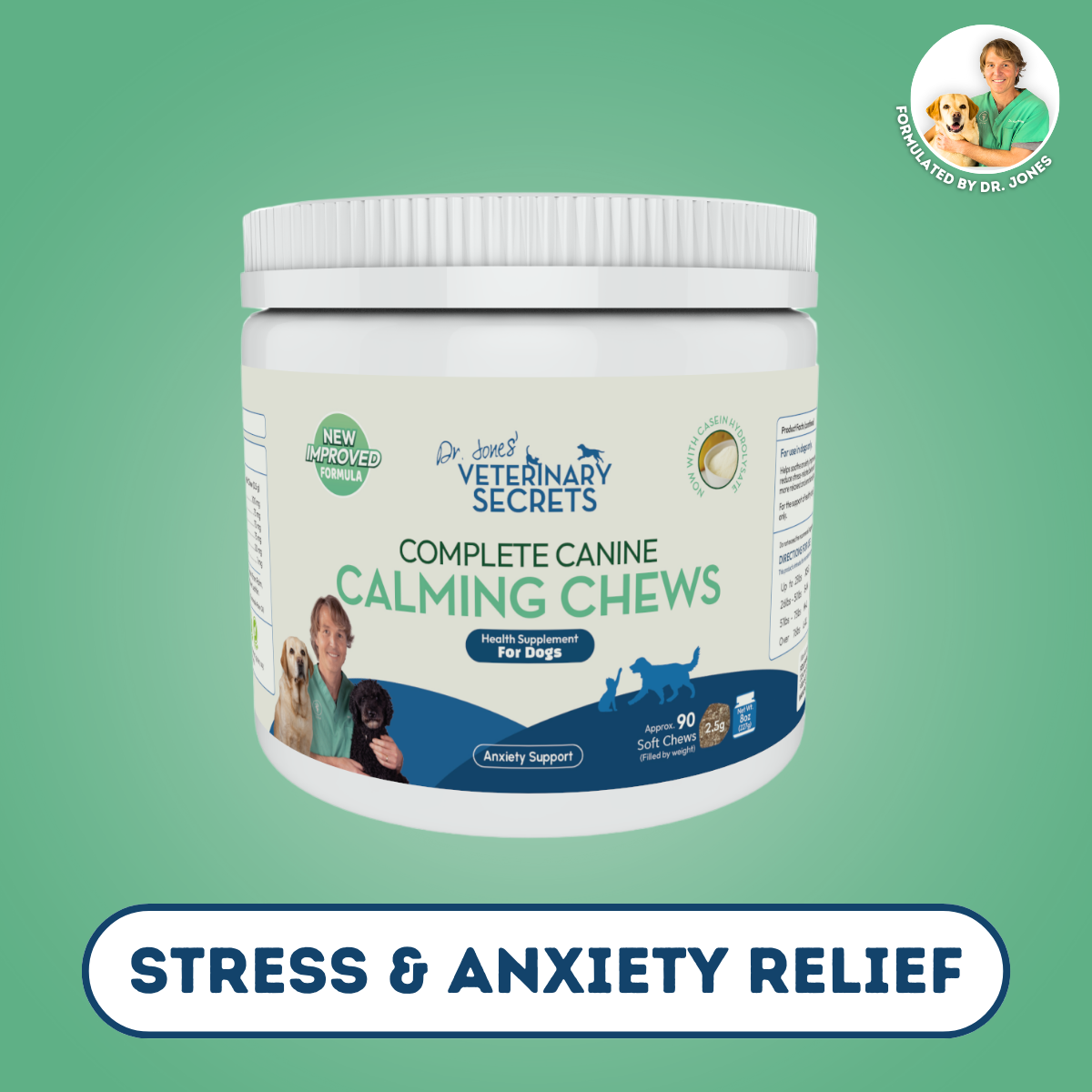
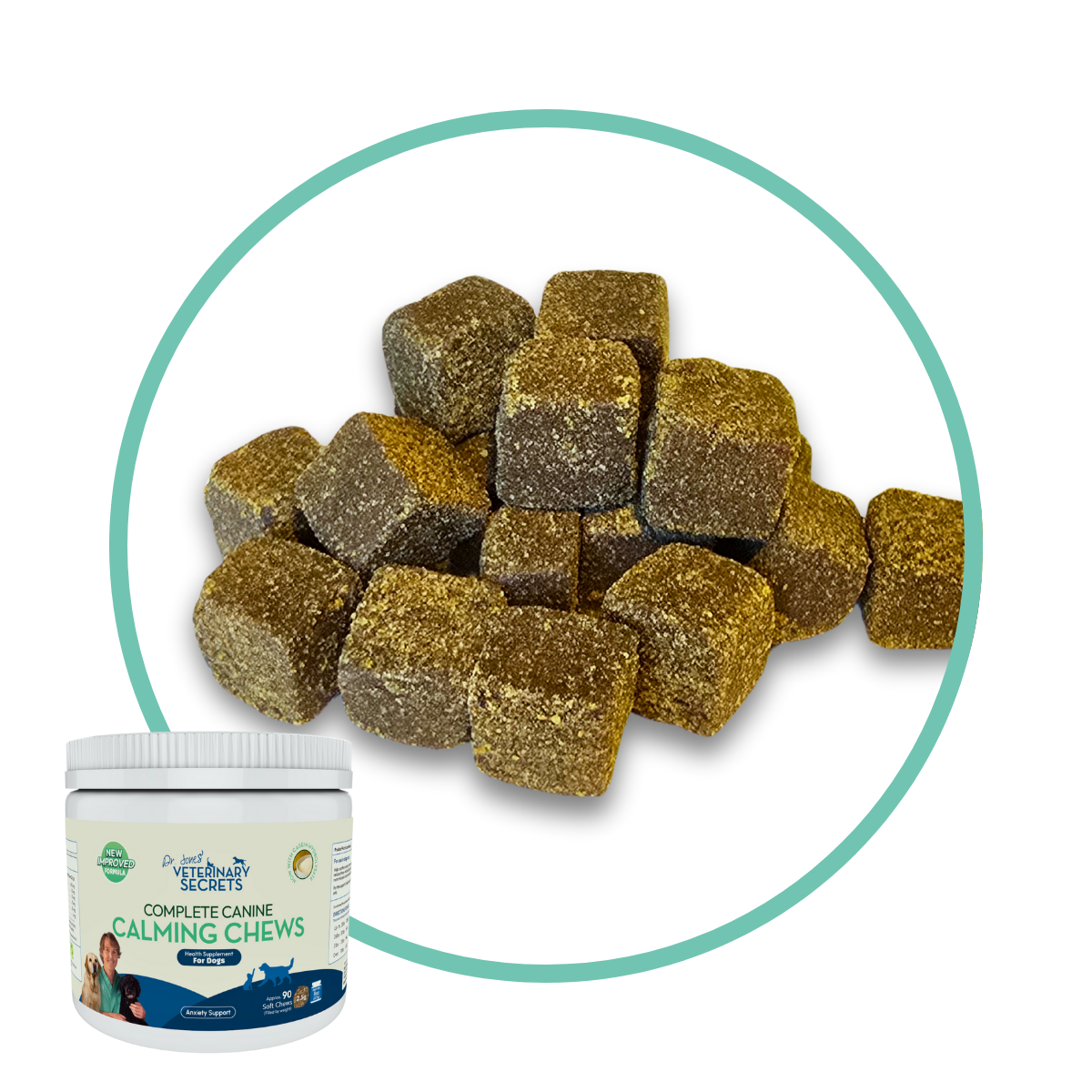
If you want a simple way to give melatonin along with other calming nutrients, that is why we created Dr. Jones’ Complete Canine Calming Chews.
These chews include melatonin, along with other studied calming ingredients such as Lactium, L-theanine, valerian, chamomile, and magnesium.
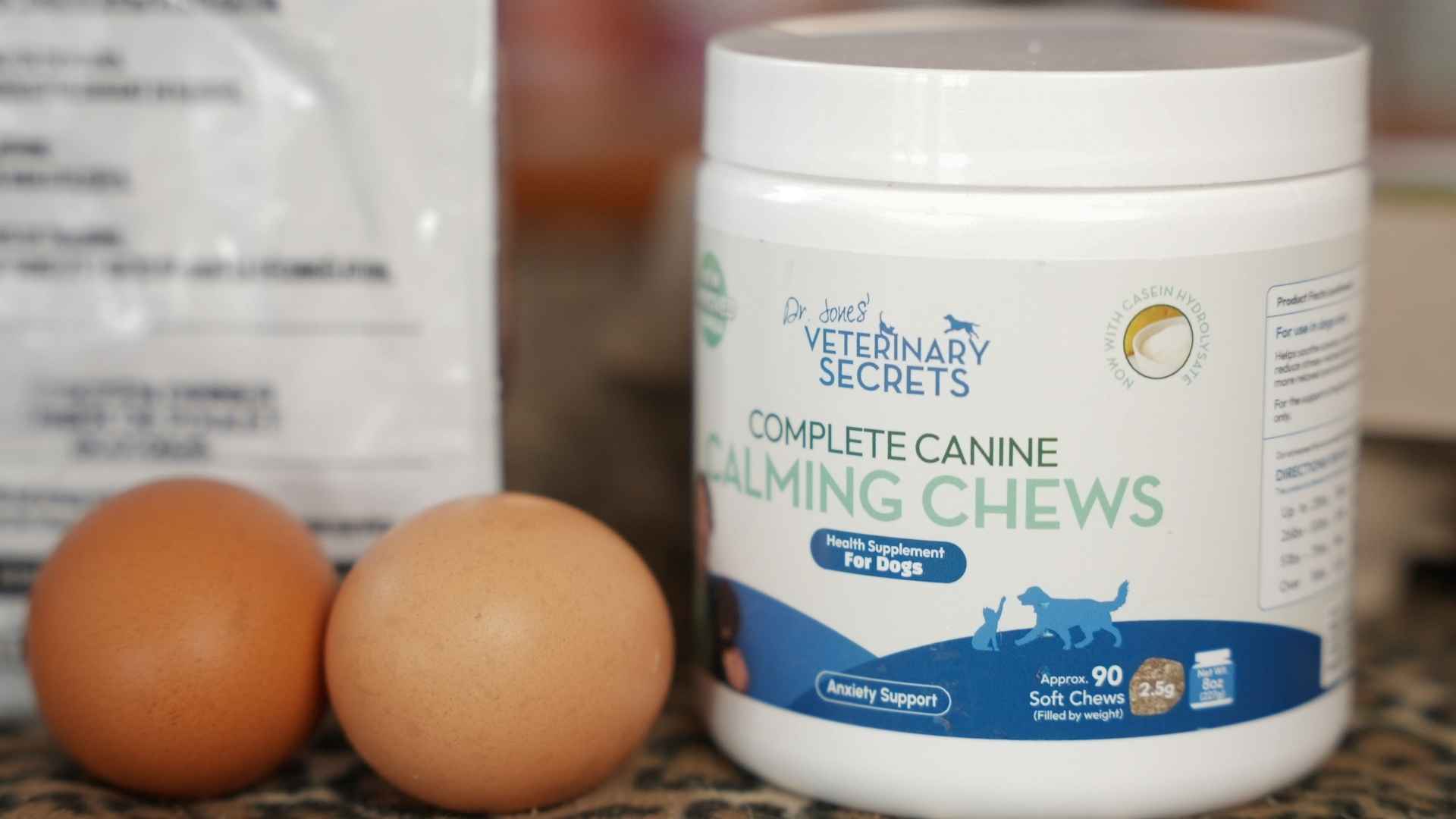
Lactium, also known as alpha-casozepine, is a milk-derived calming peptide that has been studied for stress and anxiety support in dogs. L-theanine, an amino acid found in green tea, is also widely used for calm focus and stress support. Combined with melatonin, valerian, chamomile, and magnesium, this formula is designed to help dogs feel more settled without heavily sedating them.
This can be especially useful for dogs with:
- Separation anxiety
- Fireworks fear
- Thunderstorm anxiety
- Travel stress
- Restlessness
- Mild nighttime pacing
- Stress-related cortisol concerns
An easy calming option is here:
Dr Jones’ COMPLETE Canine Calming Chews
My Takeaway
Melatonin is not just a sleep supplement.
It may help with hair loss, anxiety, Cushing’s disease, pain, inflammation, autoimmune disease, and cancer support.
Yes, it is a hormone.
Yes, it should be used thoughtfully.
But based on the research and my experience, it is one of the more useful, affordable, and generally safe natural options for dogs and cats.
Click To Get A Free Copy of My E-Book!

P.S. If your dog or cat has one of the conditions above, melatonin is worth discussing and considering. Just avoid any product with xylitol.
P.P.S. For dogs needing calming support, our Complete Canine Calming Chews make it easy to give melatonin along with other well-studied calming nutrients in one chew.
Can you give melatonin with meds like, heart meds and diuretic meds?
Yes, in many cases melatonin can be given alongside heart medications and diuretics. But because it can interact with some medications or underlying heart conditions, I’d be extra cautious and start low. A quick check with your vet or pharmacist is always smart, especially if your pup is on multiple meds. Also avoid any human melatonin products containing xylitol, that stuff is a hard NO for dogs