Starting a Raw Food Diet for Dogs and Cats

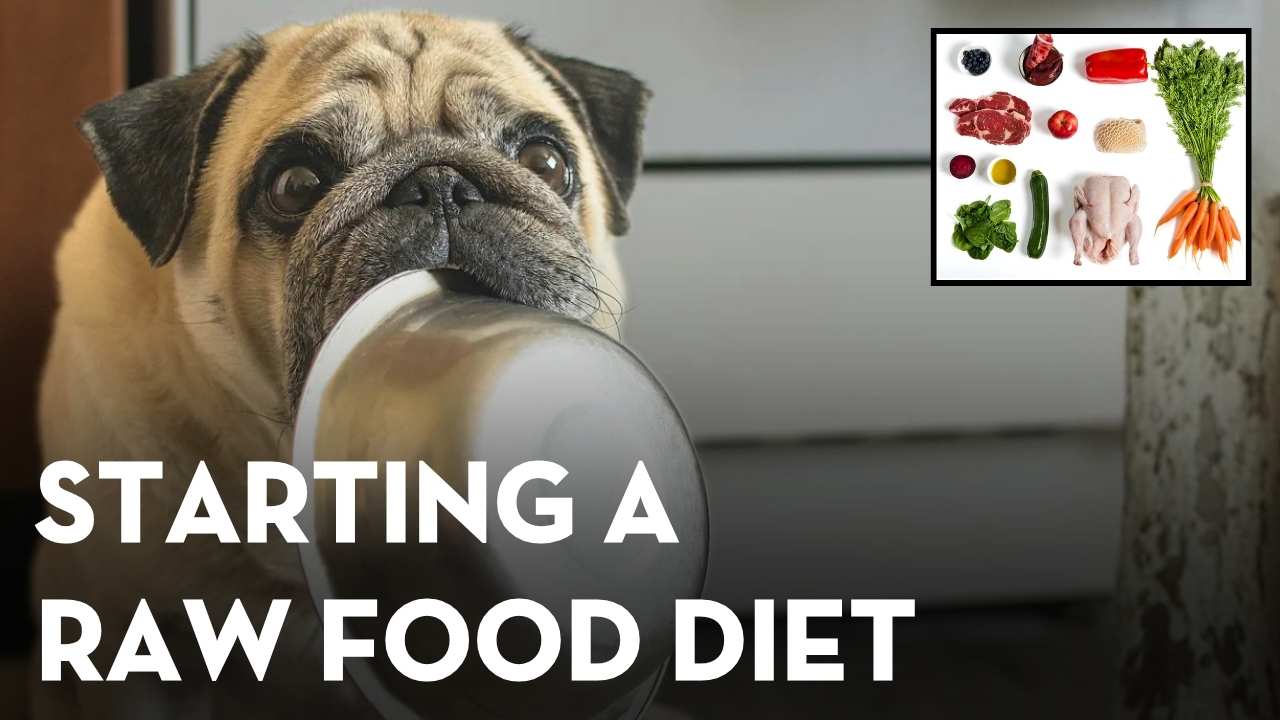
What to Feed, What to Avoid, and How to Do It Safely
The FDA says raw pet food is dangerous and should never be fed.
They point to recalls involving raw food contaminated with bacteria such as Salmonella and E. coli.
Then, on the other side, you have thousands of dog and cat parents saying raw food has made a huge difference for their pets.
Better coats. Cleaner teeth. Less itching. Smaller stools. Better energy. Fewer allergies.
So who do you believe?
And more importantly, what should you feed your dog or cat?
My answer is this:
Raw food can be a very good option, but it needs to be done correctly.
I saw many clients feeding raw diets, and in general, those animals were healthier. Better teeth, better coats, less obesity, fewer diabetic cats, and often fewer allergy problems.
But I also saw a few pets with problems.
So yes, raw feeding can be beneficial.
But it should not be random meat thrown in a bowl and called dinner.
And this is where I think a complete daily supplement becomes especially important. Research has shown that many home-prepared diets for dogs and cats can be nutritionally incomplete if they are not properly balanced, especially when it comes to minerals like calcium, phosphorus, and vitamin D. That is why I like adding targeted support when feeding raw, homemade, or fresh food.
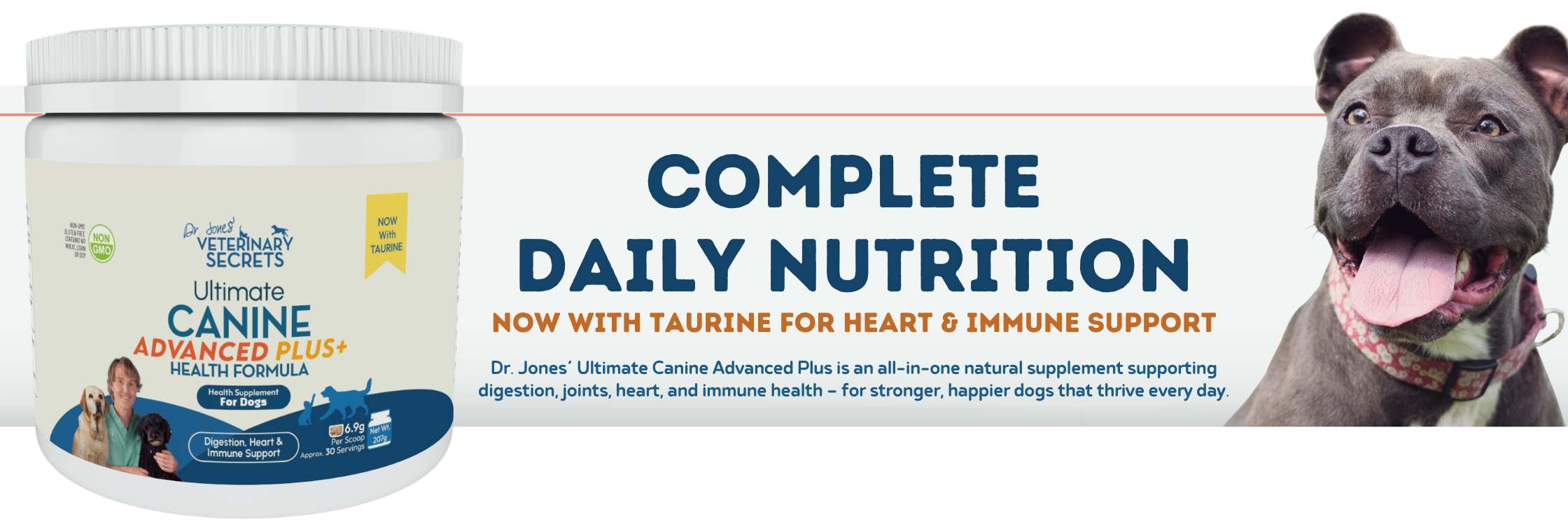
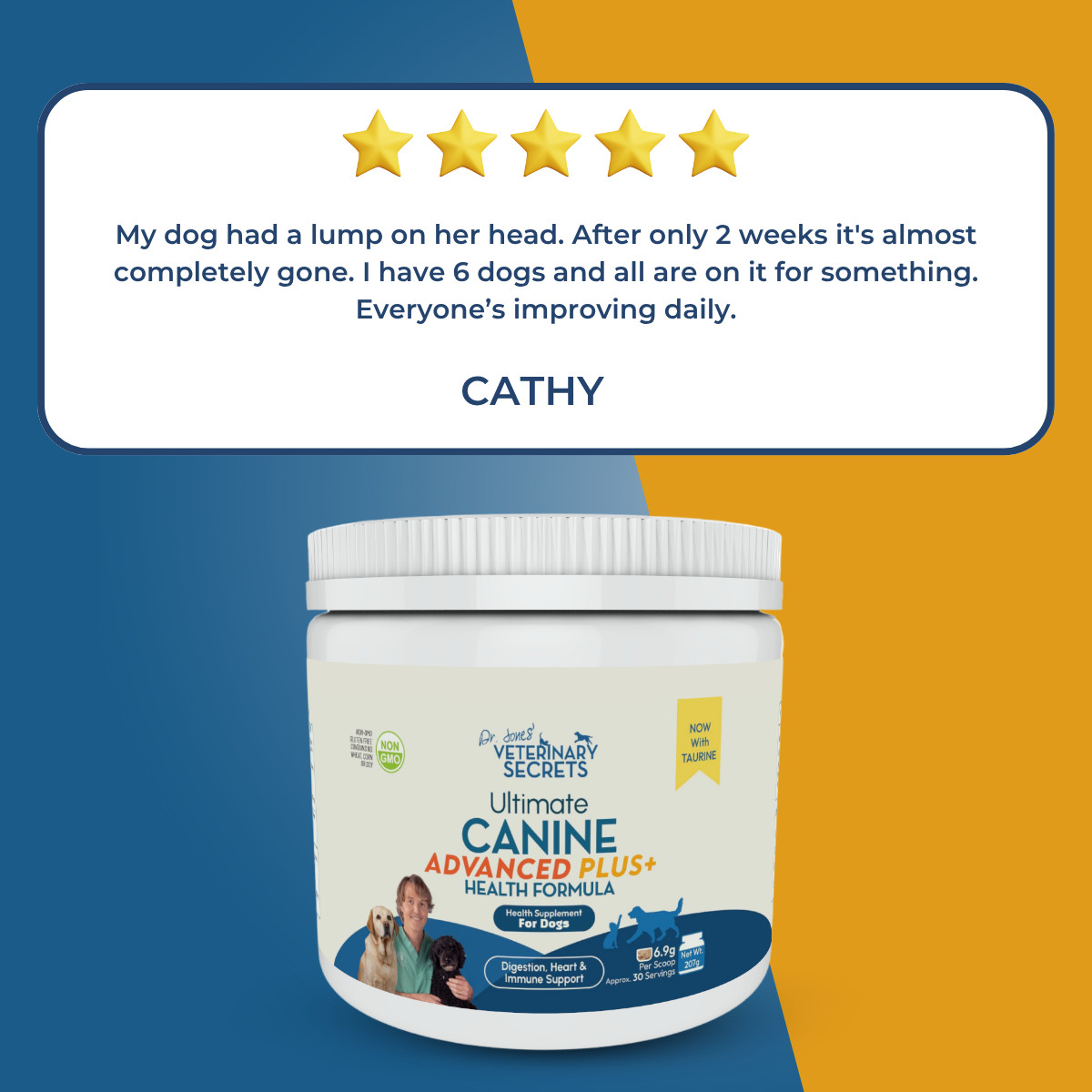
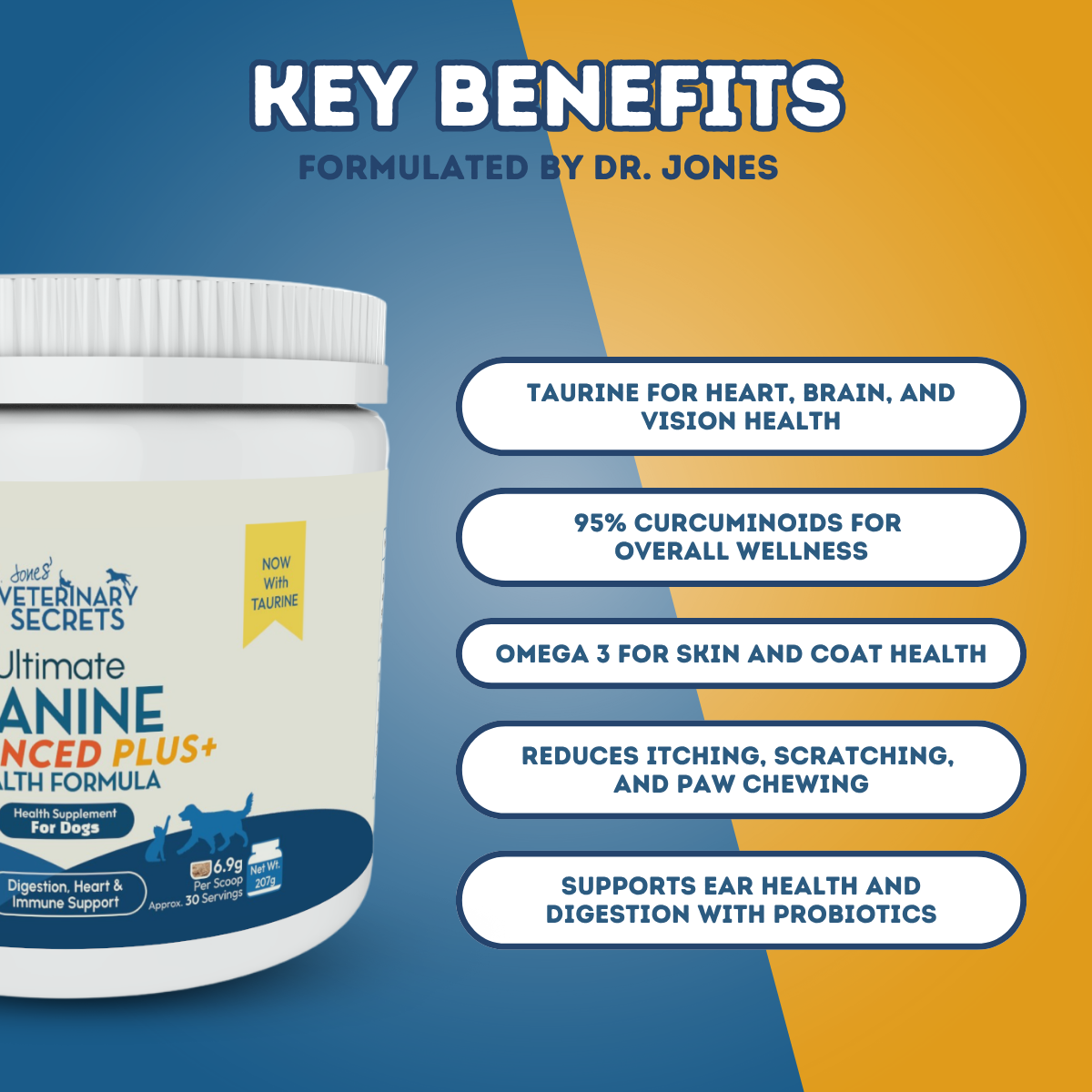
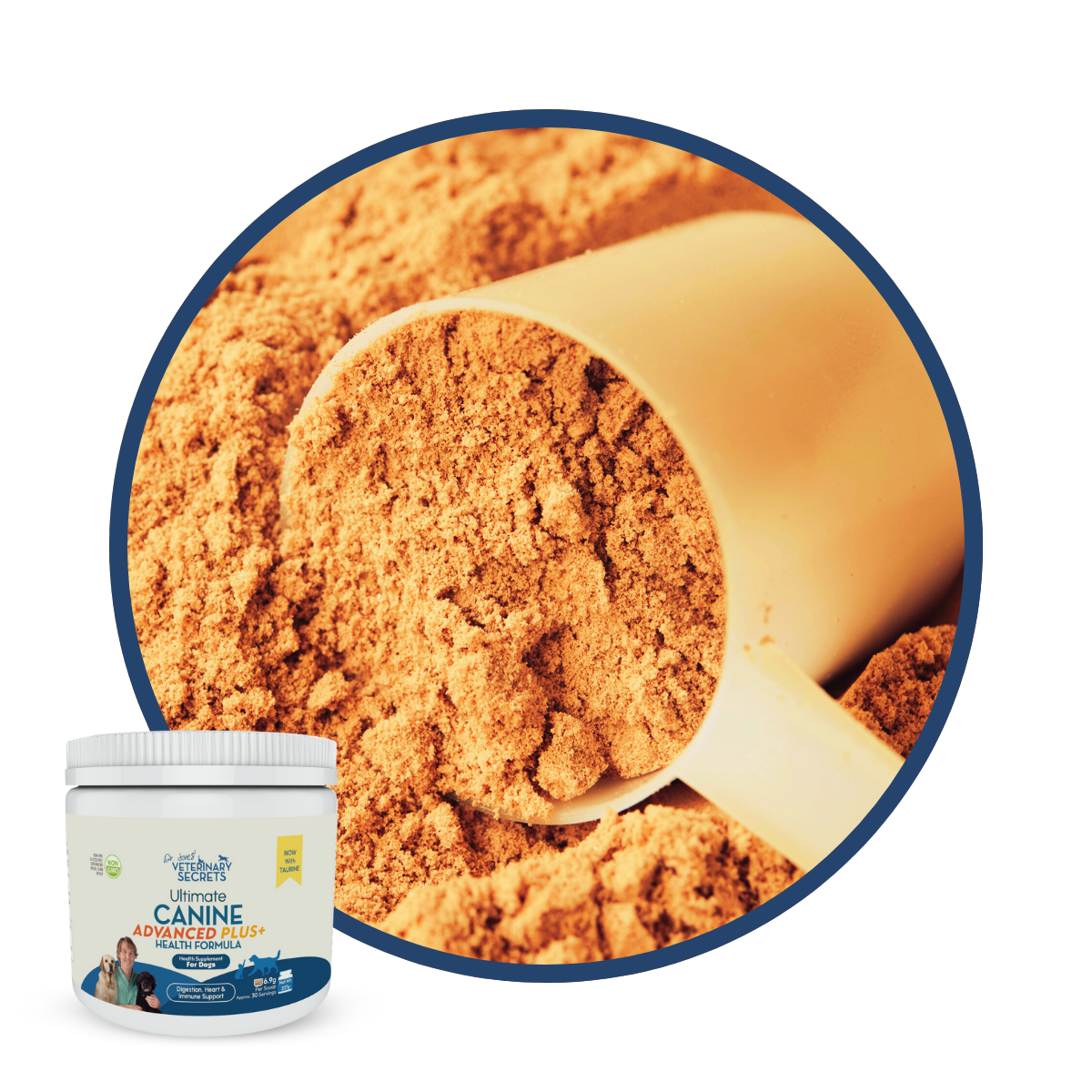
For dogs, Dr. Jones’ Ultimate Canine Advanced Plus Health Formula gives broader nose-to-tail support with vitamins, minerals, joint nutrients, omega fatty acids, probiotics, colostrum, taurine, aloe, maitake, and 95% curcuminoids. If you are feeding raw or homemade, this is a simple way to help fill nutritional gaps and give your pet extra support in one scoop.
Dr. Jones’ Ultimate Canine Advanced Plus Health Formula
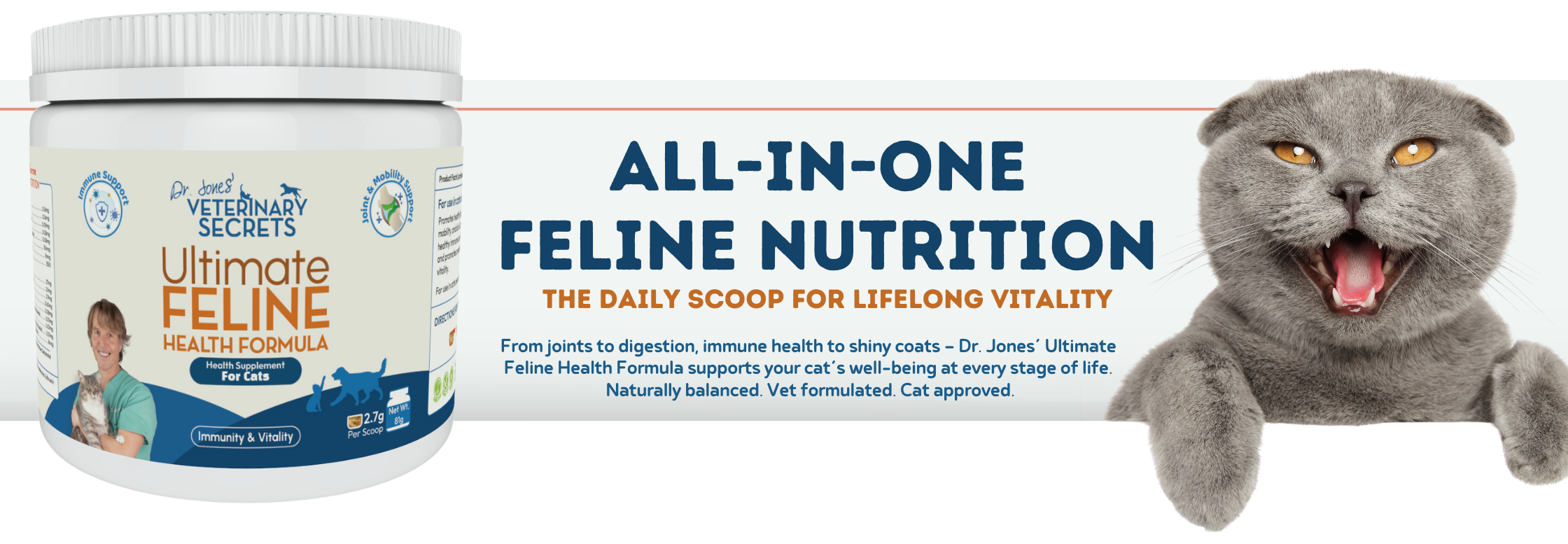
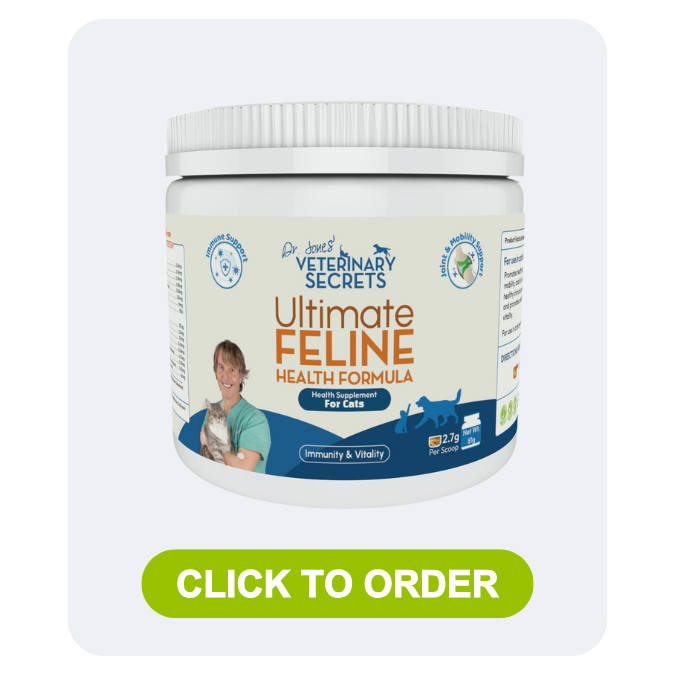
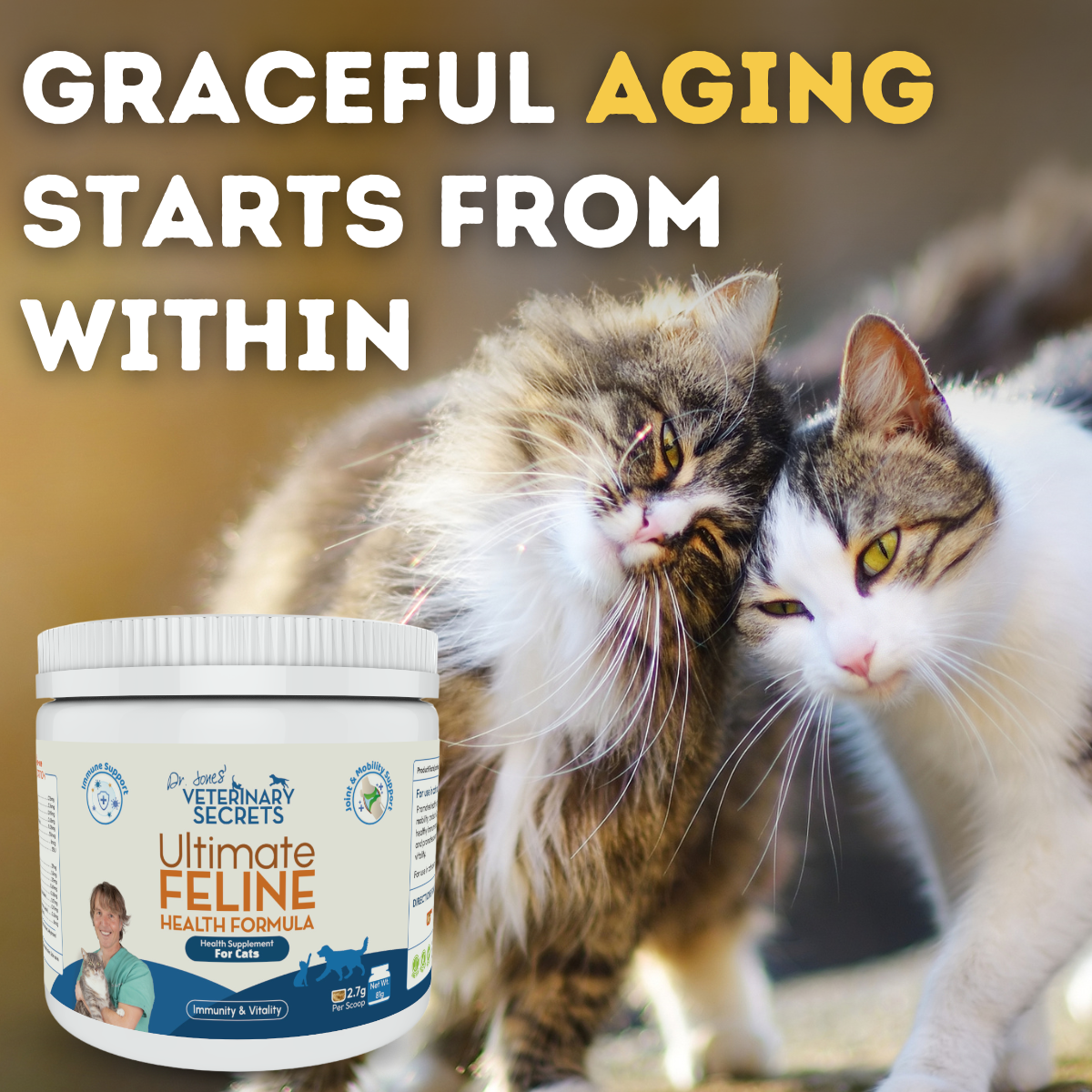
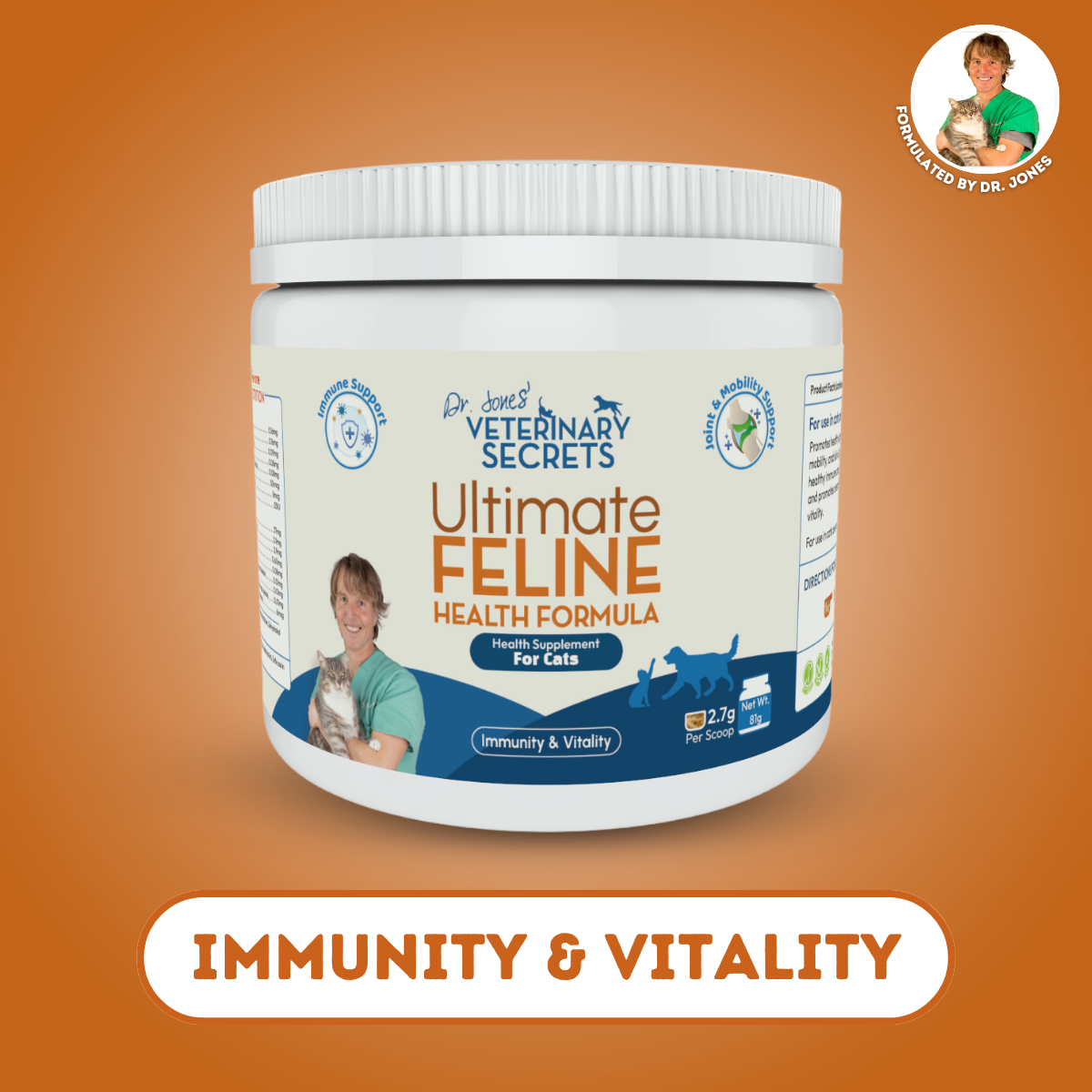
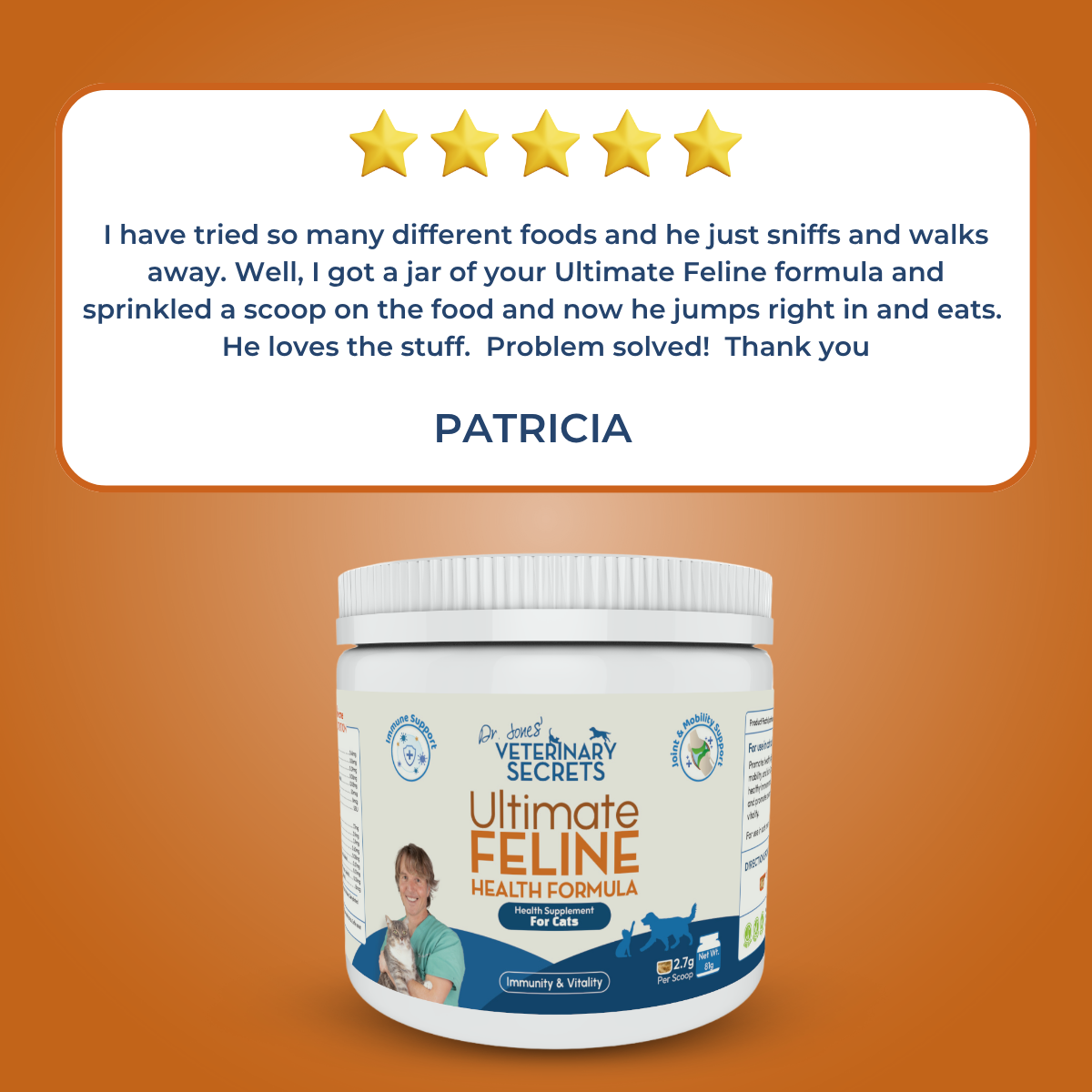
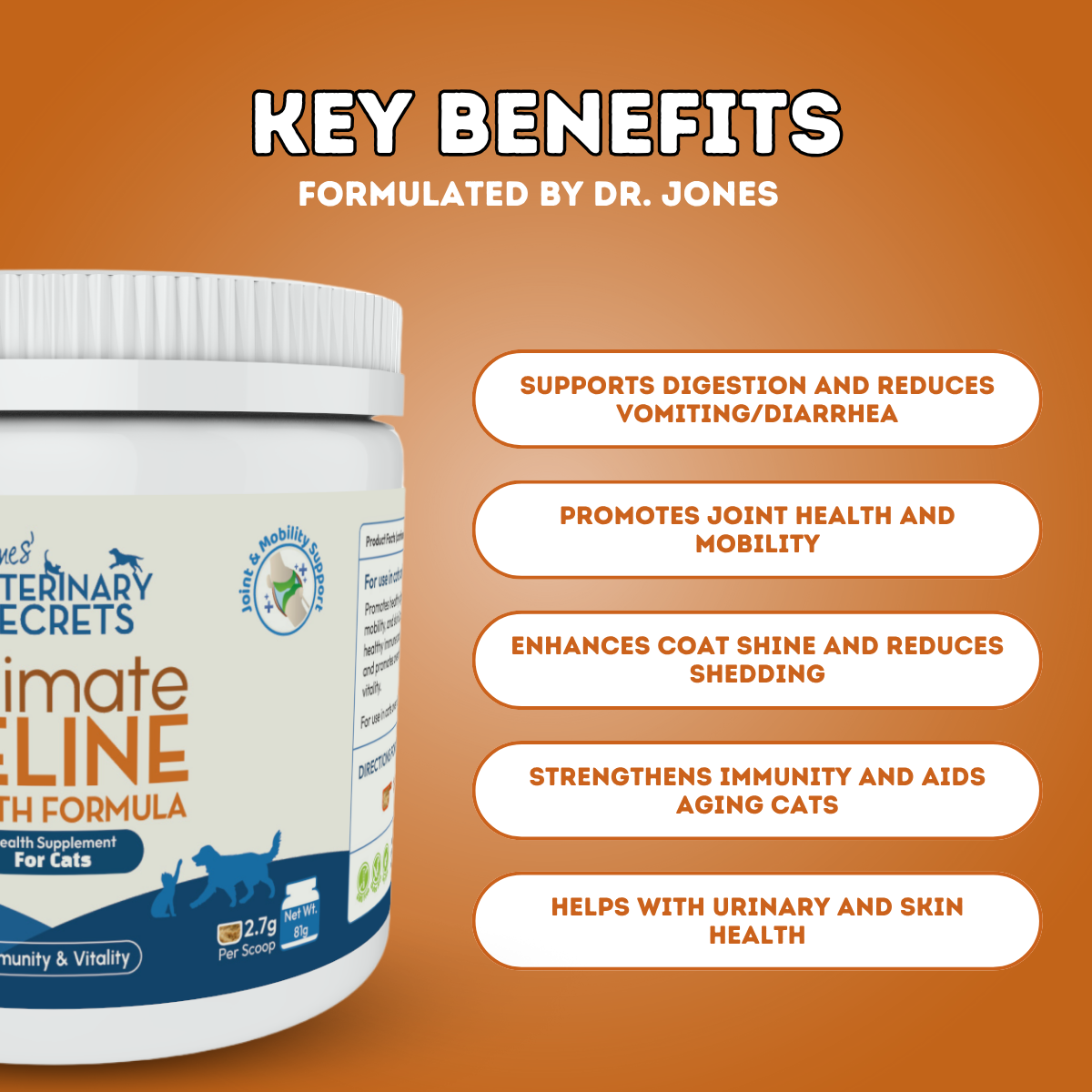
For cats, Dr. Jones’ Ultimate Feline Health Formula helps support digestion, urinary tract health, immune strength, skin and coat, mobility, and healthy aging, with ingredients such as glucosamine, chondroitin, MSM, colostrum, maitake mushroom, taurine, amino acids, prebiotics, probiotics, vitamins, and minerals.
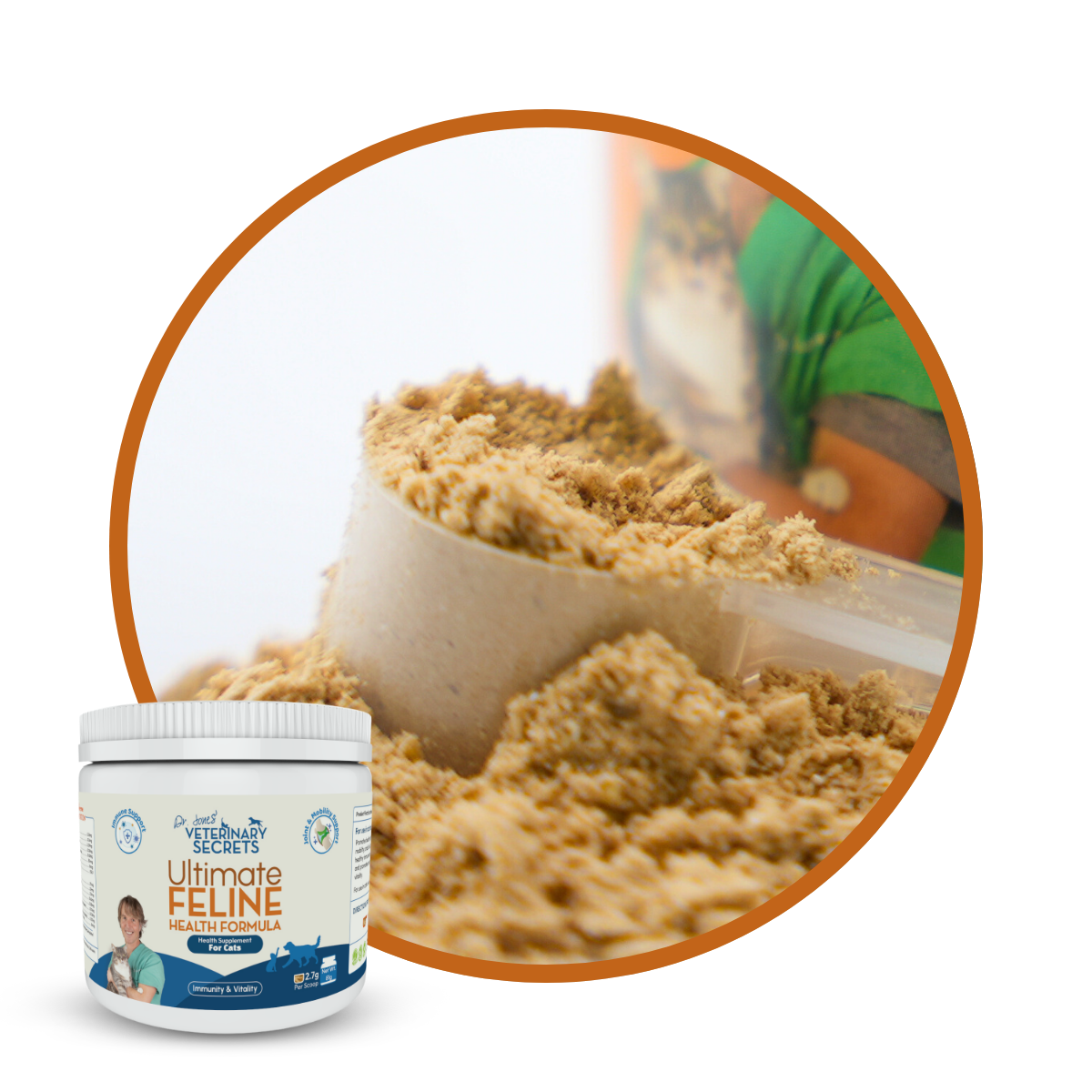
Dr. Jones’ Ultimate Feline Health Formula



Why Raw Feeding Makes Sense
For thousands of years, dogs and cats ate raw meats, bones, organs, and human food scraps.
Commercial pet food is relatively new.
Only in the last several decades did kibble become the default diet for most pets.
Dogs and cats were not designed around dry pellets.
Cats, especially, are obligate carnivores. They are designed to eat animal protein, fat, moisture, organs, and small bones.
Dogs are more flexible, but they still do very well with fresh, minimally processed food.
The Two Main Raw Feeding Models
Most raw diets are based on two main ideas.
1. The BARF Diet
BARF stands for Biologically Appropriate Raw Food or Bones and Raw Food.
This approach was popularized by Dr. Ian Billinghurst.
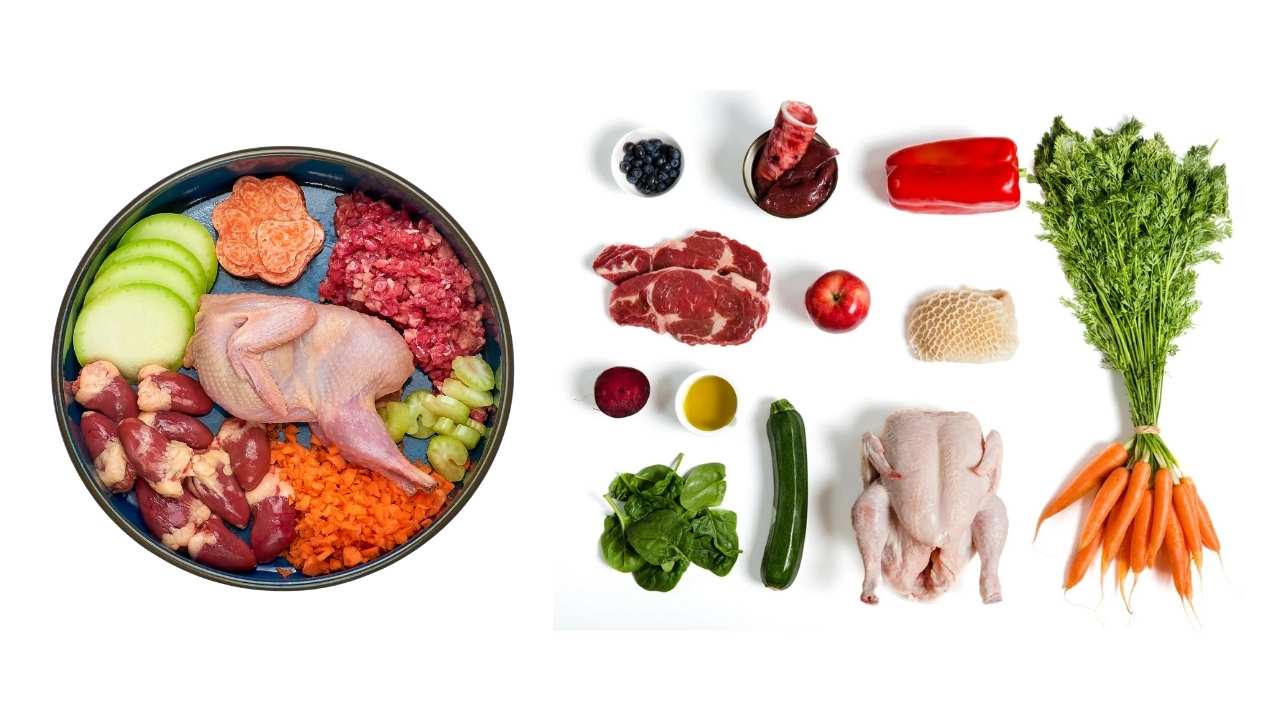
It usually includes:
- Raw meat
- Raw bones
- Organ meats
- Vegetables
- Fruits
- Supplements
The idea is to give pets a diet closer to what their ancestors ate, while still including some added nutrition for balance.
2. The Prey Model Diet
The prey model tries to copy the proportions of a whole prey animal.
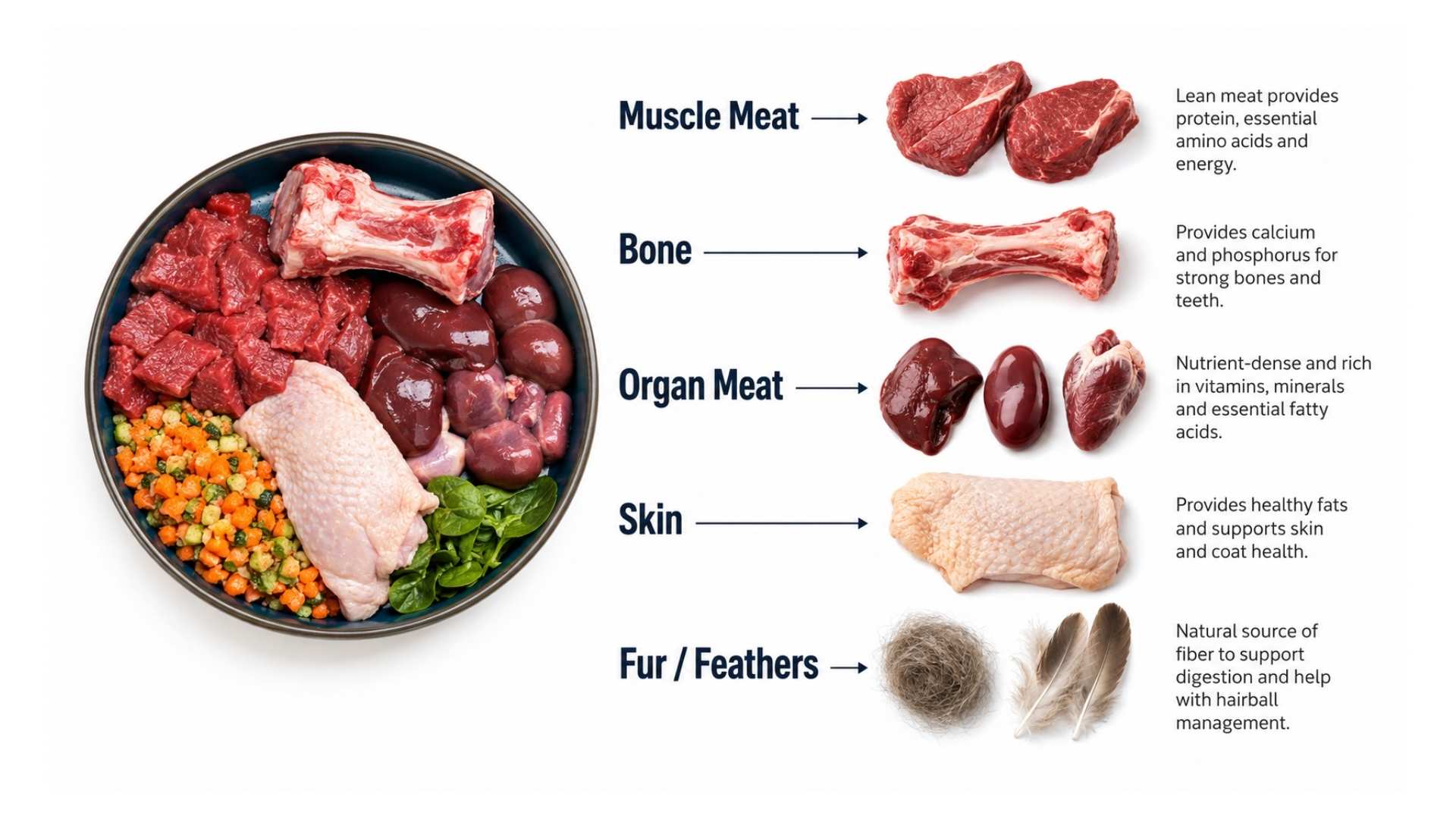
That means it may include:
- Muscle meat
- Bone
- Organ meat
- Skin
- Fur, feathers, or other natural parts, depending on the model
This approach usually does not use added supplements because the whole prey animal is intended to provide the nutrition.
For most pet parents, this can be harder to do properly.
A Simpler Raw Feeding Approach
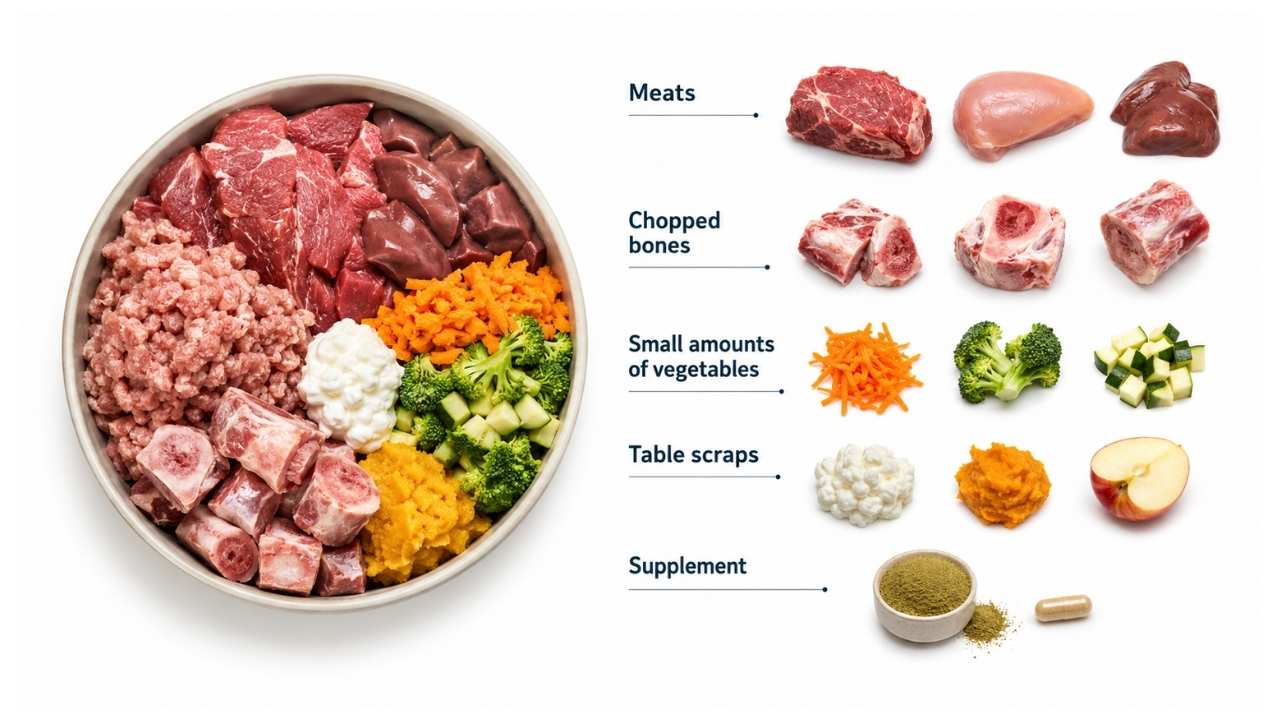
For many people, the easiest approach is a simpler raw diet made with a variety of:
- Meats
- Chopped bones
- Organ meats
- Small amounts of vegetables for dogs
- Occasional table scraps that are safe for pets
- A complete supplement for balance
Another very convenient option is commercially prepared frozen raw food.
These are already balanced, portioned, and ready to feed once thawed.
If you are new to raw feeding, that is often the safest place to start.
Possible Benefits of Raw Food
Many pet parents report noticeable improvements after switching to raw or adding raw food a few times per week.
Some common benefits include:
- Shinier coat
- Less “dog odor”
- Better muscle to fat ratio
- Cleaner teeth
- Fresher breath
- Less itching
- Better energy
- Improved urinary tract health
- Better immune resistance
- Improved mobility
- Less arthritis discomfort
- Fewer allergy symptoms
- Fewer hairballs in cats
- Smaller stool volume
Not every pet will see every benefit.
But many do improve, especially when they were previously eating low-quality kibble.
The Main Concerns With Raw Food
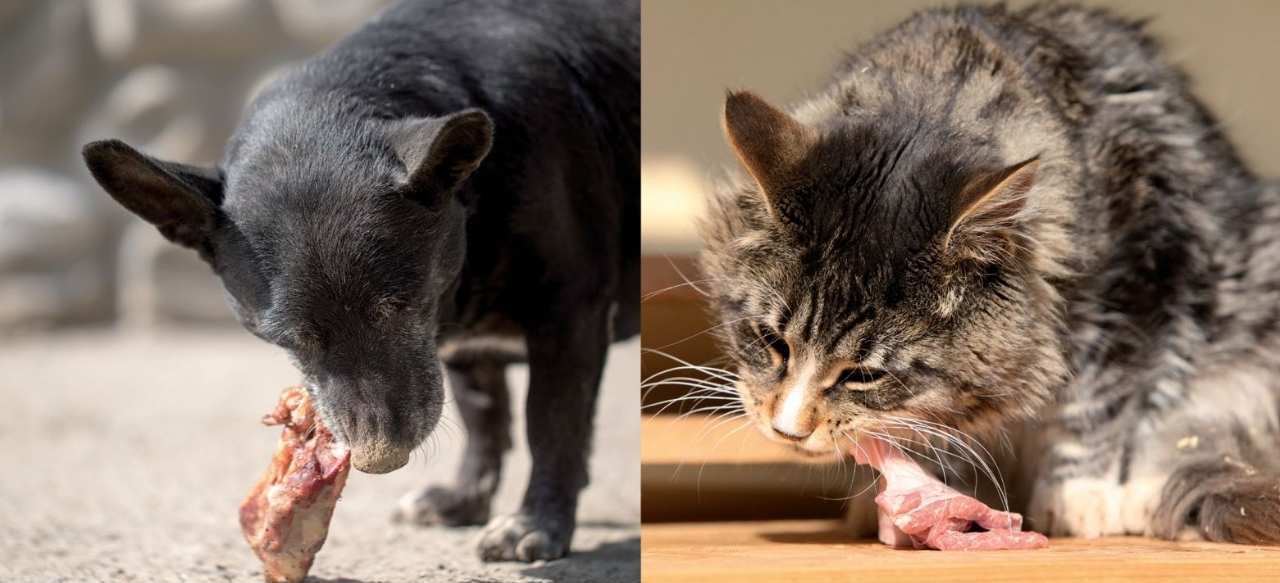
The biggest concerns are:
- Salmonella
- E. coli
- Foodborne bacteria
- Human exposure to bacteria
- Choking on bones
- Intestinal obstruction or perforation
- Feeding raw to sick or immune-compromised pets
These concerns are real, but they can be managed.
Dogs and cats have digestive tracts designed to handle raw meat. Their stomach acid is strong, and their digestive tract is short compared to people.
That said, raw food still needs to be handled properly.
Safe Handling Rules
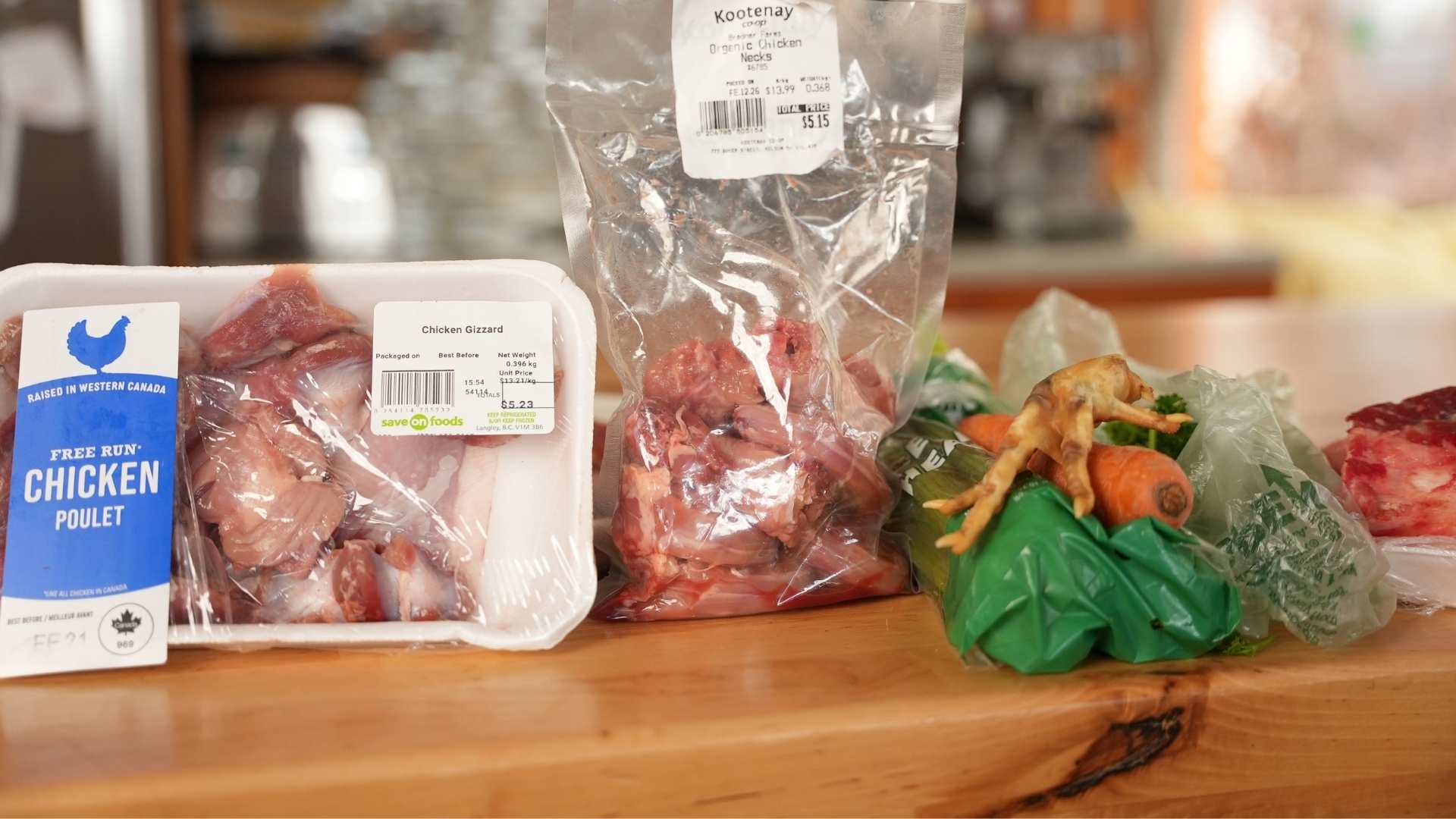
If you feed raw, use common sense.
- Buy fresh meat from a trusted source
- Keep raw food refrigerated or frozen
- Thaw in the refrigerator
- Wash your hands after handling raw food
- Clean bowls and surfaces well
- Do not leave raw food sitting out
- Do not feed spoiled meat
- Be extra cautious if anyone in the home is immune-compromised
The biggest risk is often to people, not pets, especially through poor hygiene or handling contaminated waste.
Bones: Helpful, But Use Caution
Bones are important in a raw diet because meat is high in phosphorus and low in calcium.
If you only feed meat without bone or a calcium source, your pet can become mineral deficient.
A good raw diet needs calcium.
That can come from:
- Raw meaty bones
- Ground bone
- Bone meal
- Calcium carbonate
- Finely ground eggshell
But bones can also be risky if they are too large or swallowed too quickly.
I did see choking and obstruction cases in practice, although they were rare.
To reduce risk:
- Never feed cooked bones
- Chop bones into small pieces
- For cats, bones should be chopped very small
- Do not feed cats whole chicken necks
- Supervise when feeding bones
- Consider commercial raw diets with ground bone
Cooked bones are the real danger because they can splinter.
Raw bones are softer, but they still need to be fed carefully.
Raw Feeding for Dogs
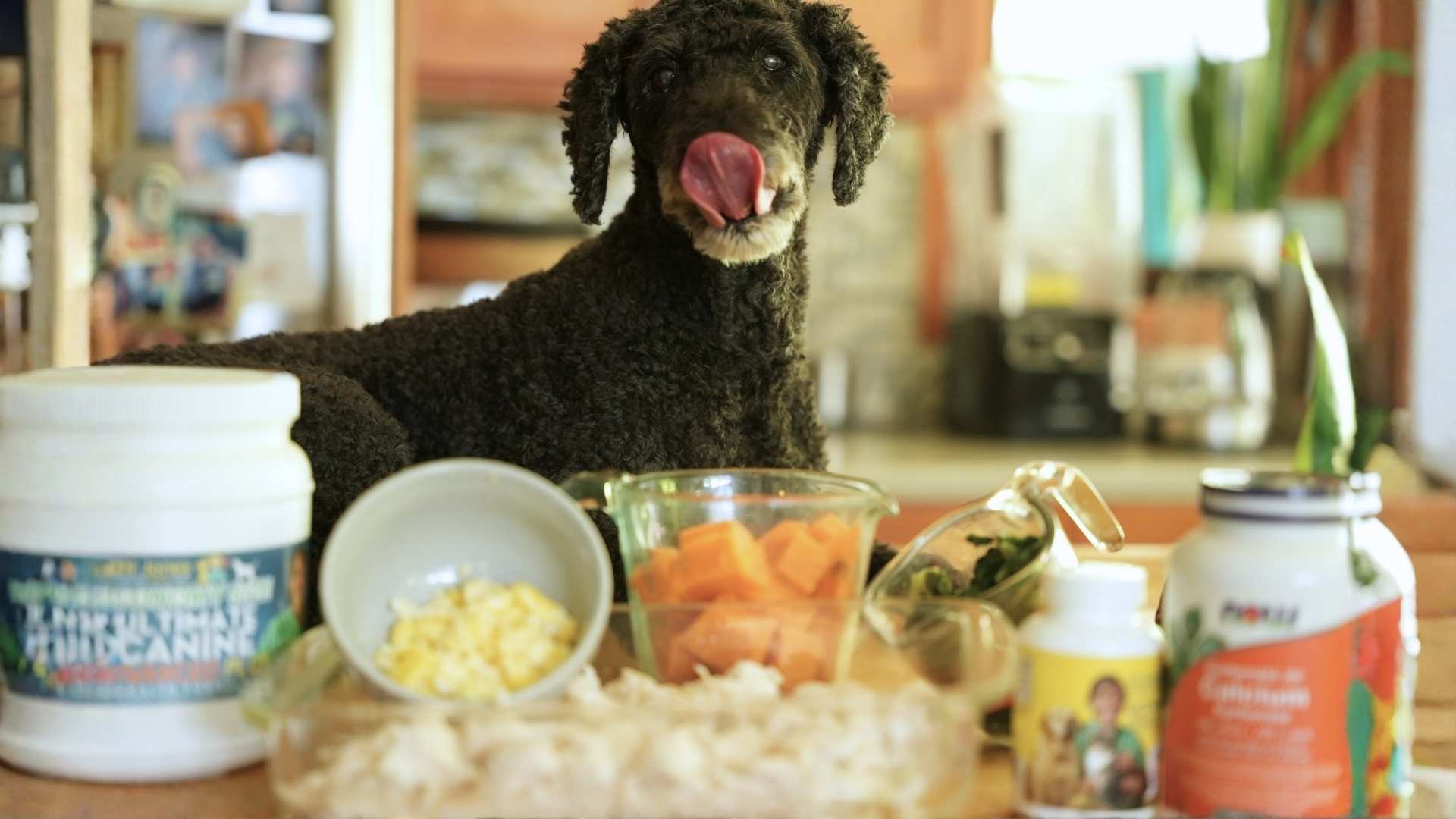
If you are preparing raw food for your dog at home, think of four main food groups:
- Meat
- Bones or calcium source
- Organ meats
- Fruits and vegetables
Chicken backs and thighs are often inexpensive and easy to start with.
A simple method:
- Buy fresh chicken backs or thighs.
- Wrap each piece individually.
- Freeze them.
- Thaw overnight in the refrigerator.
- Chop while still slightly firm.
- Feed as part of a balanced meal.
You can also rotate in turkey, beef, lamb, rabbit, venison, duck, or other meats.
Variety matters.
Raw Feeding for Cats
Cats often benefit even more clearly from raw diets because many commercial cat foods are too high in carbohydrates.
Cats need animal protein.
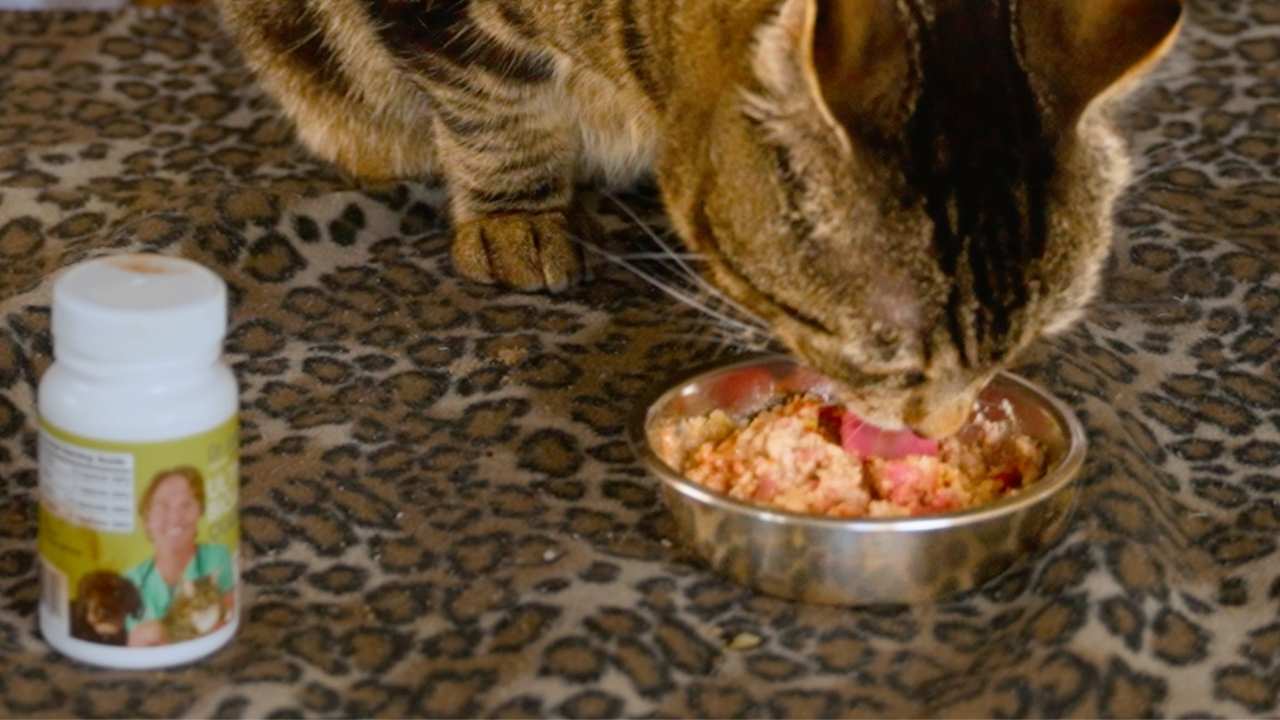
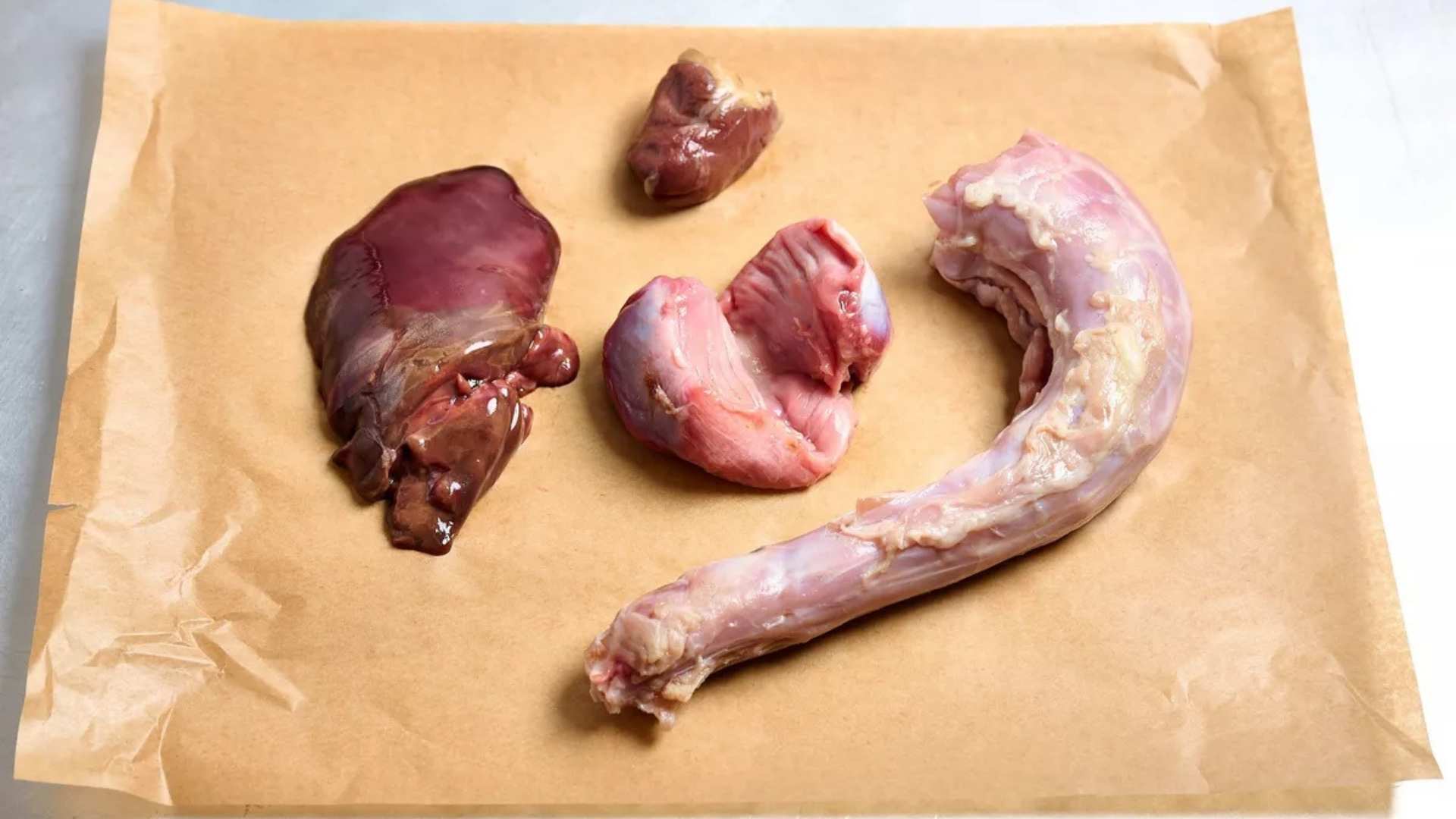
They also need taurine, an essential amino acid found in meat, especially heart.
Heat processing reduces or destroys some nutrients, including taurine, which is why commercial cat food must add it back.
For cats, focus on:
- Meat
- Very finely chopped bone or a safe calcium source
- Organ meats once a week
Vegetables and fruit are optional for cats.
They are not required.
Cats are carnivores. Feed them like carnivores.
The Calcium and Phosphorus Balance
This is one of the most important raw feeding points.
Meat is high in phosphorus and low in calcium.
Too much phosphorus and too little calcium can create serious health problems over time.
The ideal calcium to phosphorus ratio is around:
1.3 parts calcium to 1 part phosphorus
This is why raw diets include bone or a calcium source.
Chicken necks, backs, and wings naturally have a decent meat-to-bone ratio, but again, bones need to be fed safely.
If you are not feeding bone, add an appropriate calcium source.
This is not optional.
How Much Raw Food Should You Feed?
The amount depends on your pet’s size, age, activity level, and metabolism.
A general dog guideline is:
1 pound of food per 50 pounds of body weight daily
More active dogs and growing puppies may need more.
Older or less active dogs may need less.
If your dog gains weight, reduce the amount.
If your dog loses weight, increase it.
Cats usually need smaller portions based on body weight, activity, and whether they are indoor or outdoor cats.
Always adjust based on body condition.
Lower Fat and Higher Fat Meat Options
If your pet needs to lose weight, choose leaner meats such as:
- Turkey
- Rabbit
- Venison
- Buffalo
- Ostrich
If your pet needs to gain weight, higher fat meats may help, such as:
- Beef
- Lamb
- Duck
- Pork
Start slowly with richer meats.
Too much fat too quickly can trigger diarrhea or pancreatitis in some pets.
Starting Raw Slowly
If your dog or cat has eaten kibble for years, do not suddenly switch everything overnight unless you know they tolerate diet changes well.
Start small.
You can begin with:
- One raw meal per week
- A raw food topper
- Commercial frozen raw once or twice weekly
- A gradual transition over 7 to 14 days
For sensitive pets, go slower.
Raw Food Does Not Have to Be All or Nothing
You do not have to feed 100% raw to see benefits.
You can feed raw a few times per week.
You can feed canned or homemade food on other days.
You can add fresh protein to a commercial diet.
I fed Tula pre-packaged frozen raw about once a week, and she really liked it.
Cassian, our cat, gets raw once or twice a week.
That is still beneficial.
Why Supplements Matter With Raw Food
One of the biggest mistakes I see is assuming raw meat alone is complete.
It is not.
A balanced raw diet needs the right vitamins, minerals, fatty acids, calcium, trace nutrients, and organ-based nutrition.
This is where a complete dog or cat supplement can be very helpful.
It helps fill in the gaps and gives added nutrients that support the body beyond basic calories.
Daily Support for Dogs
For dogs, I like using:
Dr Jones’ Ultimate Canine Advanced Plus Health Formula
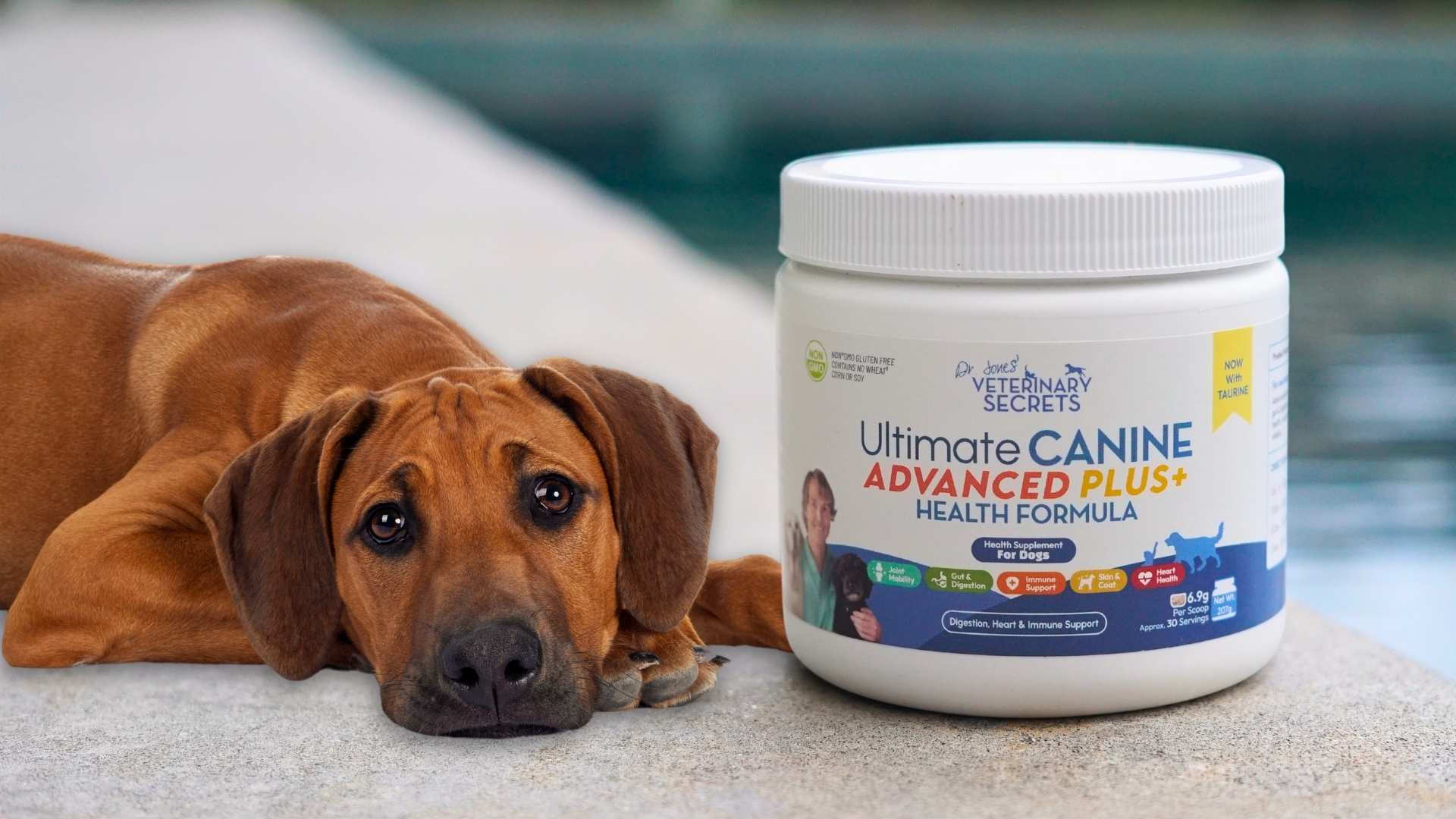
This gives broad daily support with:
- Vitamins and minerals
- Joint nutrients
- Omega fatty acids for skin and inflammation support
- Probiotics for gut health
- Colostrum for immune support
- Medicinal mushrooms for immune function
- Nutrients for joints, skin, gut, and overall health
If you are making your dog’s food at home or feeding raw, this is a simple way to add many of the key nutrients in one scoop.
No need to give six different supplements.
Daily Support for Cats
For cats, I like:
Dr Jones’ Ultimate Feline Health Formula
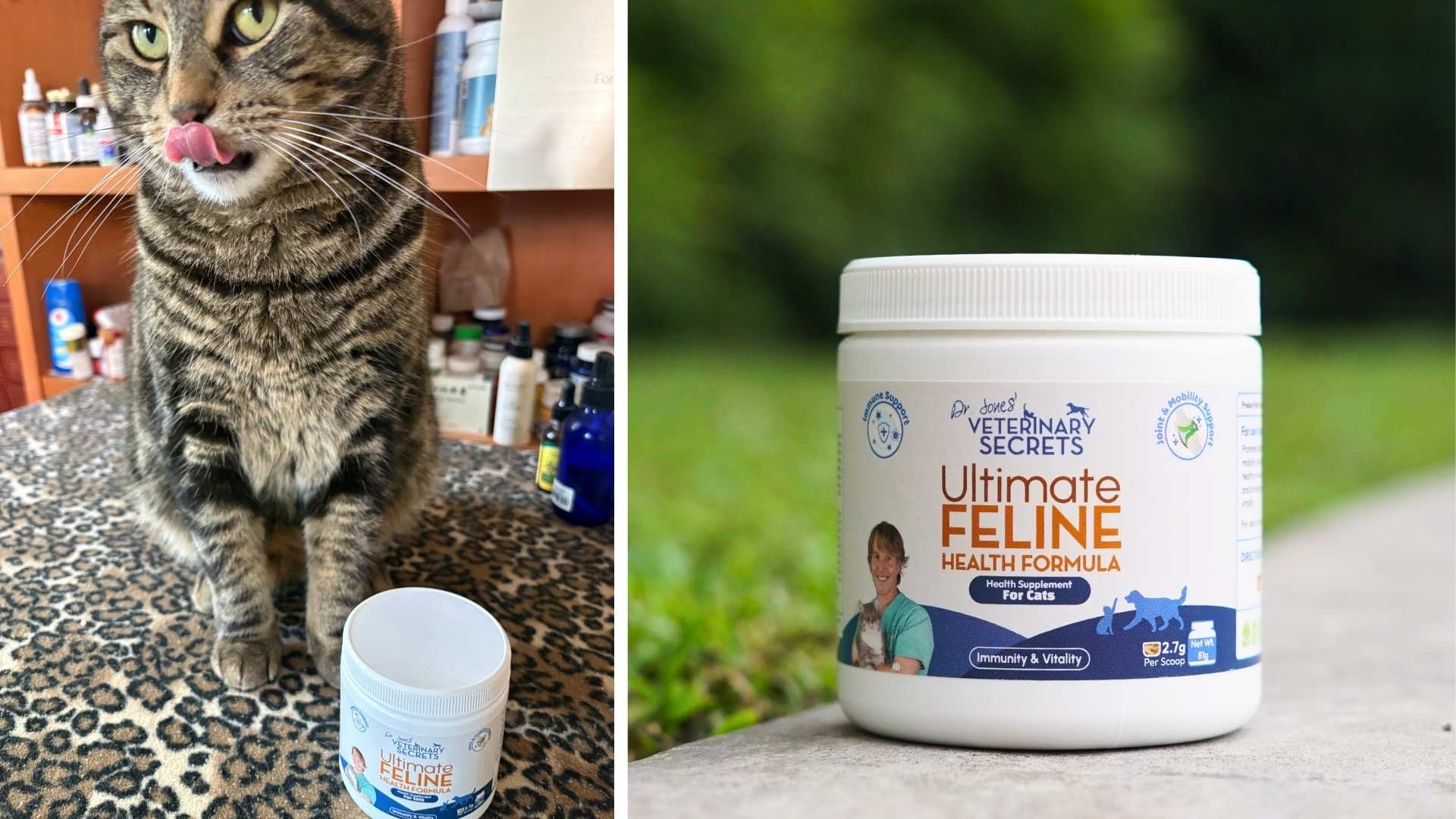
This is designed specifically for cats and helps support:
- Kidney health
- Urinary tract health
- Gut health
- Immune function
- Skin and coat
- Joint mobility
- Overall feline wellness
Cats have very specific nutritional needs, so I do not like guessing.
If you are feeding homemade or raw, having a cat-specific supplement makes a lot of sense.
My Takeaway
Raw food can be a very healthy option for dogs and cats.
But it needs to be fresh, balanced, safely handled, and appropriate for your individual pet.
Do not just feed plain meat.
Include calcium.
Include organ meats.
Use variety.
Handle it safely.
Start slowly.
And consider a complete dog or cat supplement to help fill in nutritional gaps.
Raw feeding does not have to be extreme.
Done properly, it can be one of the best ways to improve your pet’s health.
Click To Get A Free Copy of My E-Book!

P.S. Most of the raw-fed dogs and cats I saw in practice were healthier. Better teeth, fewer allergies, less obesity, fewer diabetic cats, and in general, happier animals.
P.P.S. If you are feeding raw, homemade, or mostly fresh food, I strongly suggest adding a complete supplement. For dogs, I recommend Dr Jones’ Ultimate Canine Advanced Plus Health Formula. For cats, I recommend Dr Jones’ Ultimate Feline Health Formula.


I have a 6 year old cavalier and lately she has coughing spells and I found out it was due to an enlarged heart is this true and what can I do. I make her meals (ground beef or pork with carrots or sweet potato and a little rice). Please let me know if I’m doing something wrong
Yes, unfortunately Cavaliers can be prone to heart disease, and an enlarged heart can sometimes cause coughing, especially if it is putting pressure on the airways or related to heart valve disease. It’s great that you’ve already had her checked.
As for the diet, you’re clearly putting a lot of care into her meals. The one thing I’d consider is making sure her homemade food is fully balanced. Ground beef or pork, carrots, sweet potato, and rice can be part of a healthy diet, but homemade diets often need added calcium, vitamins, minerals, and some organ meats to provide complete nutrition.
A little variety can help too. Rotating proteins and adding a proper calcium source is important. You’re asking all the right questions, and your girl is lucky to have you looking out for her.