DMSO for Dogs and Cats: Helpful or Dangerous?

What Pet Parents Need to Know About This Controversial Natural Remedy
Is DMSO helpful or dangerous?
If you search online, you will find plenty of warnings telling you never to use it on yourself, your dog, or your cat.
But the truth is more interesting than that.
DMSO, also known as dimethyl sulfoxide, has been used for decades in veterinary medicine. It is not some new internet remedy. It has unique properties, and when used correctly, it can be very helpful.
The key words are: used correctly.
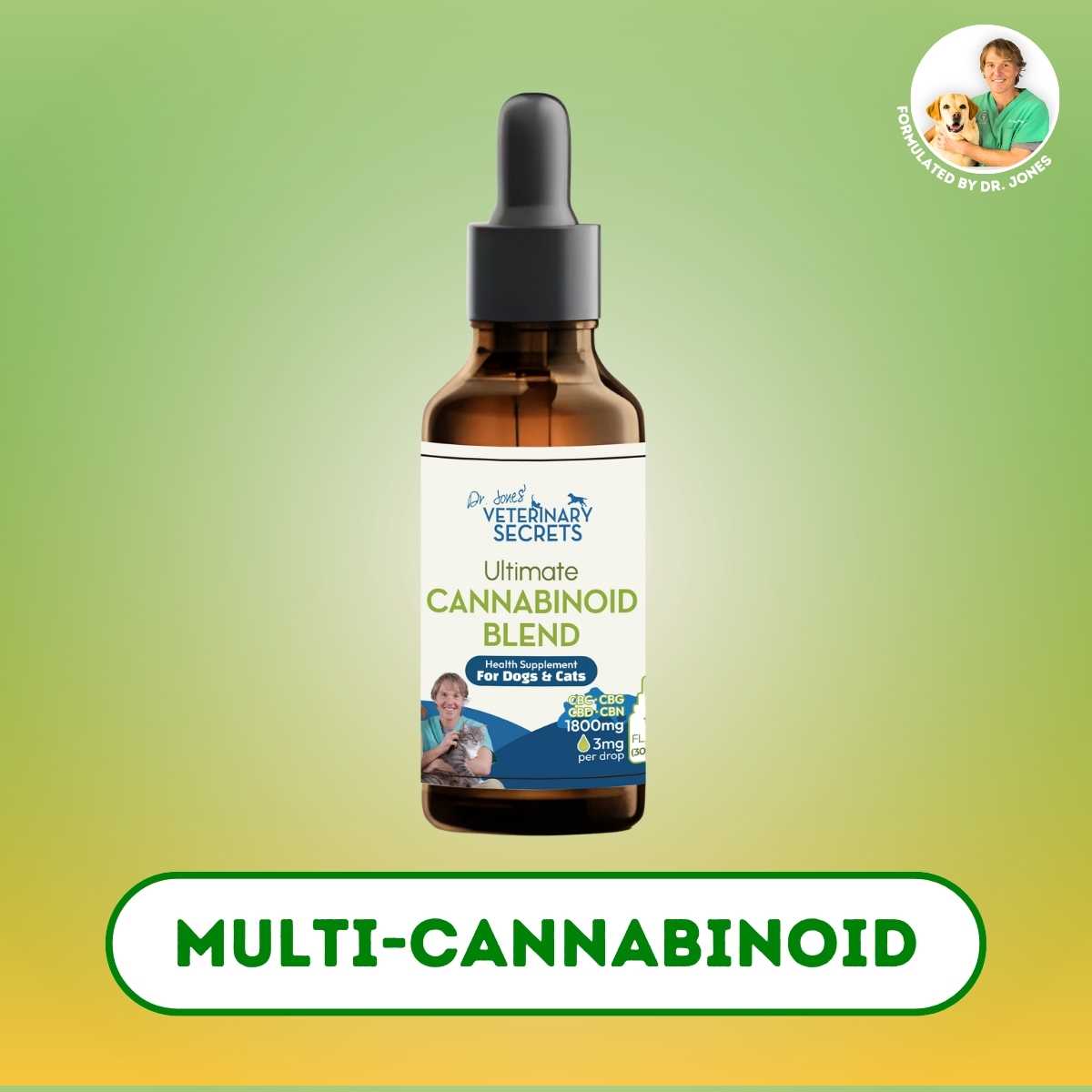
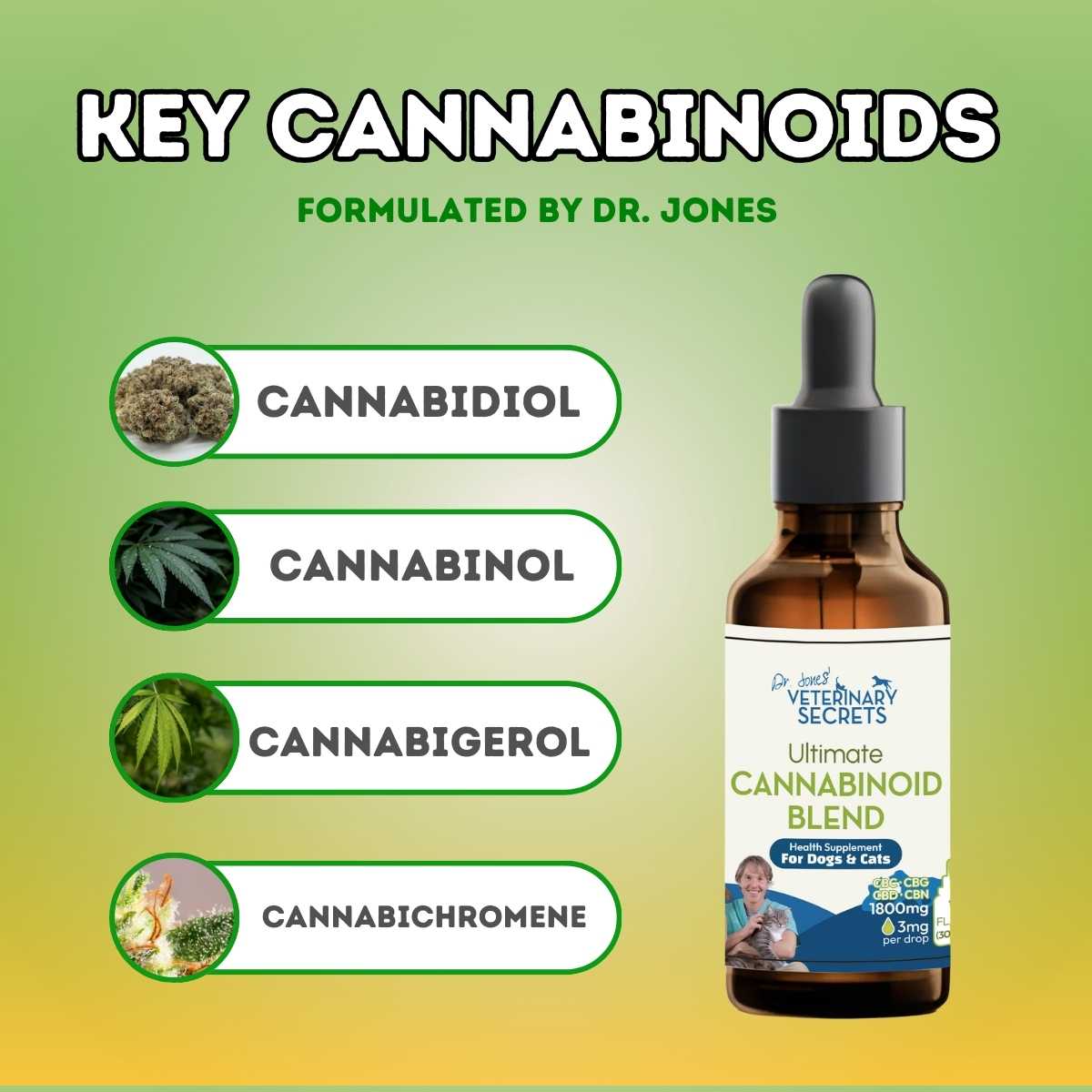
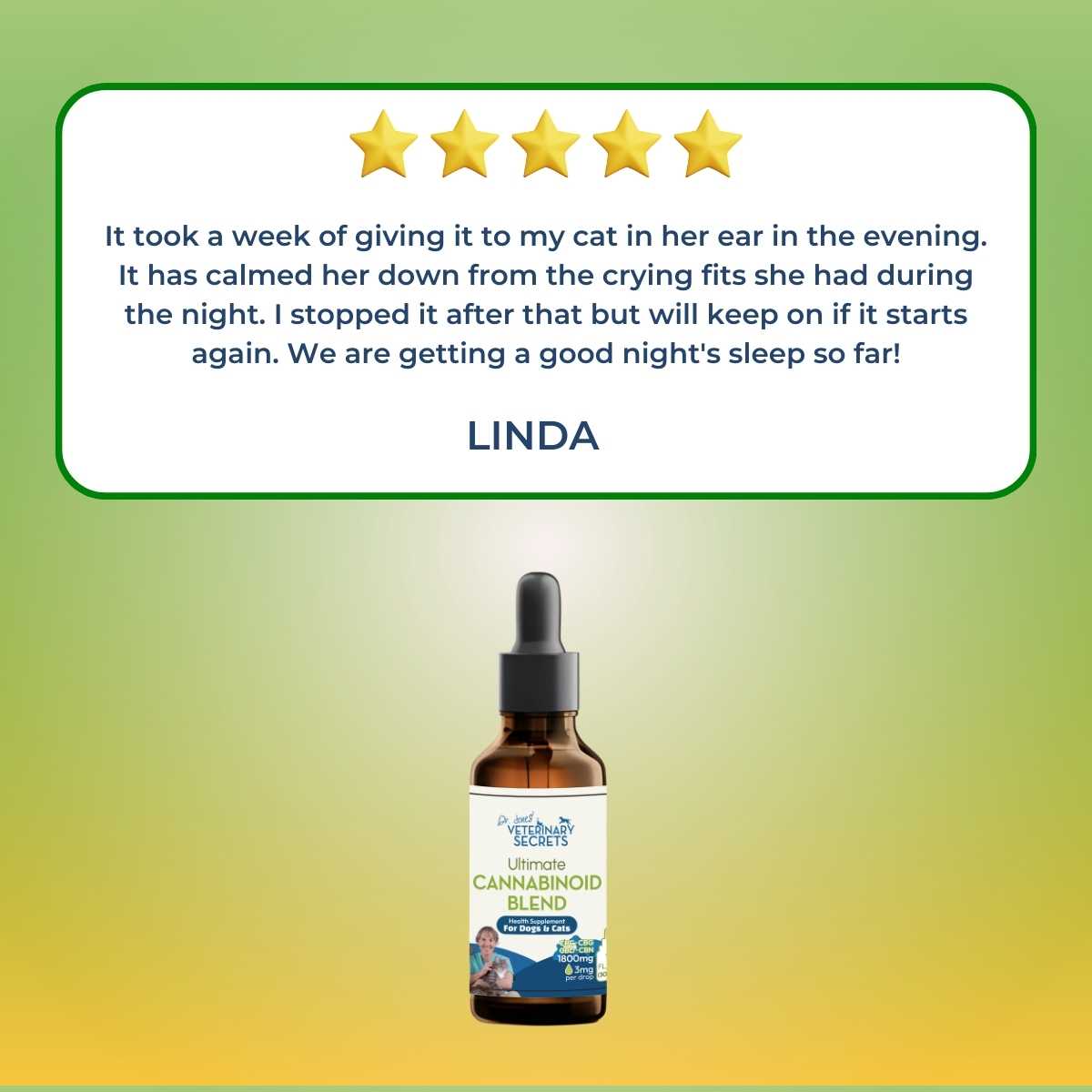
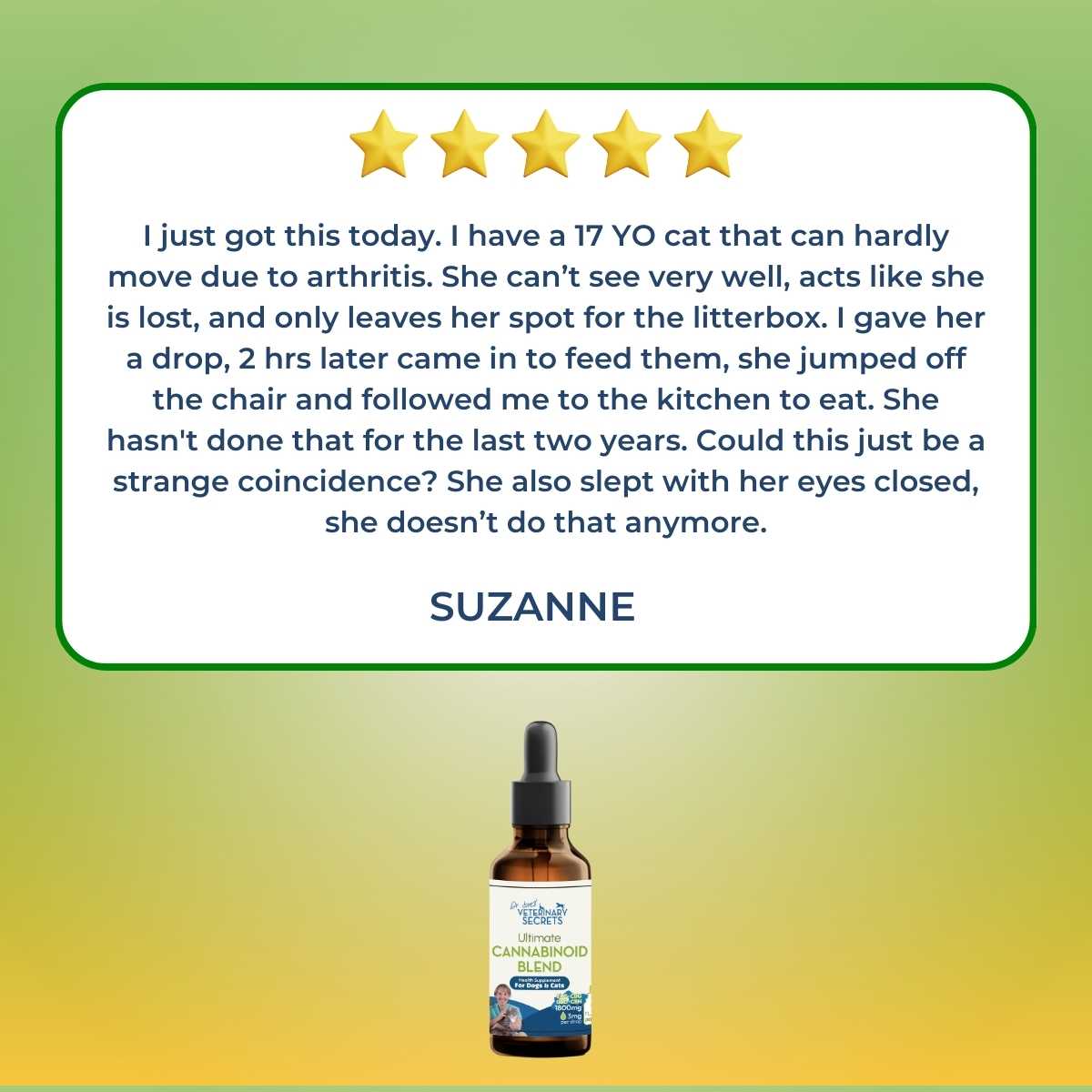
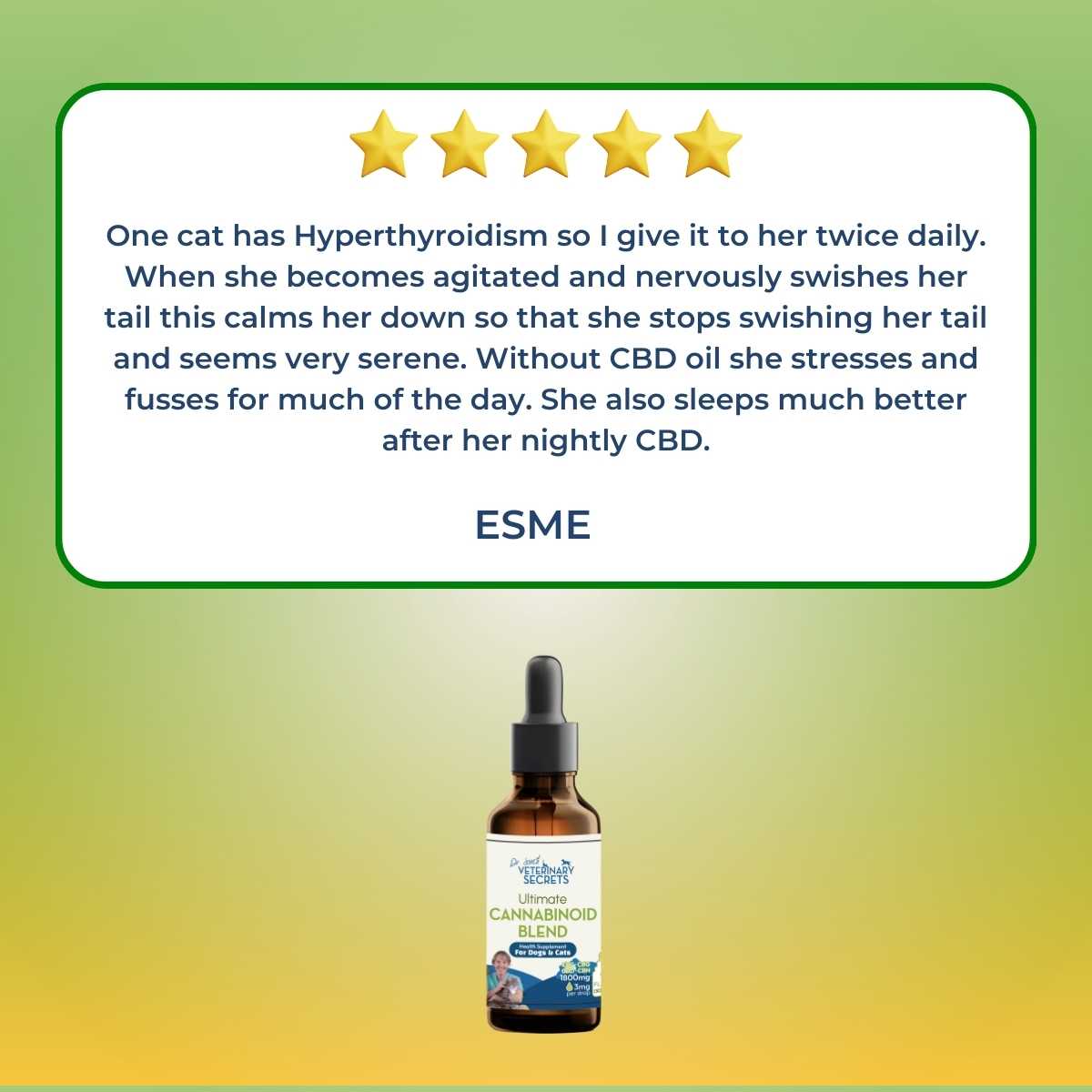
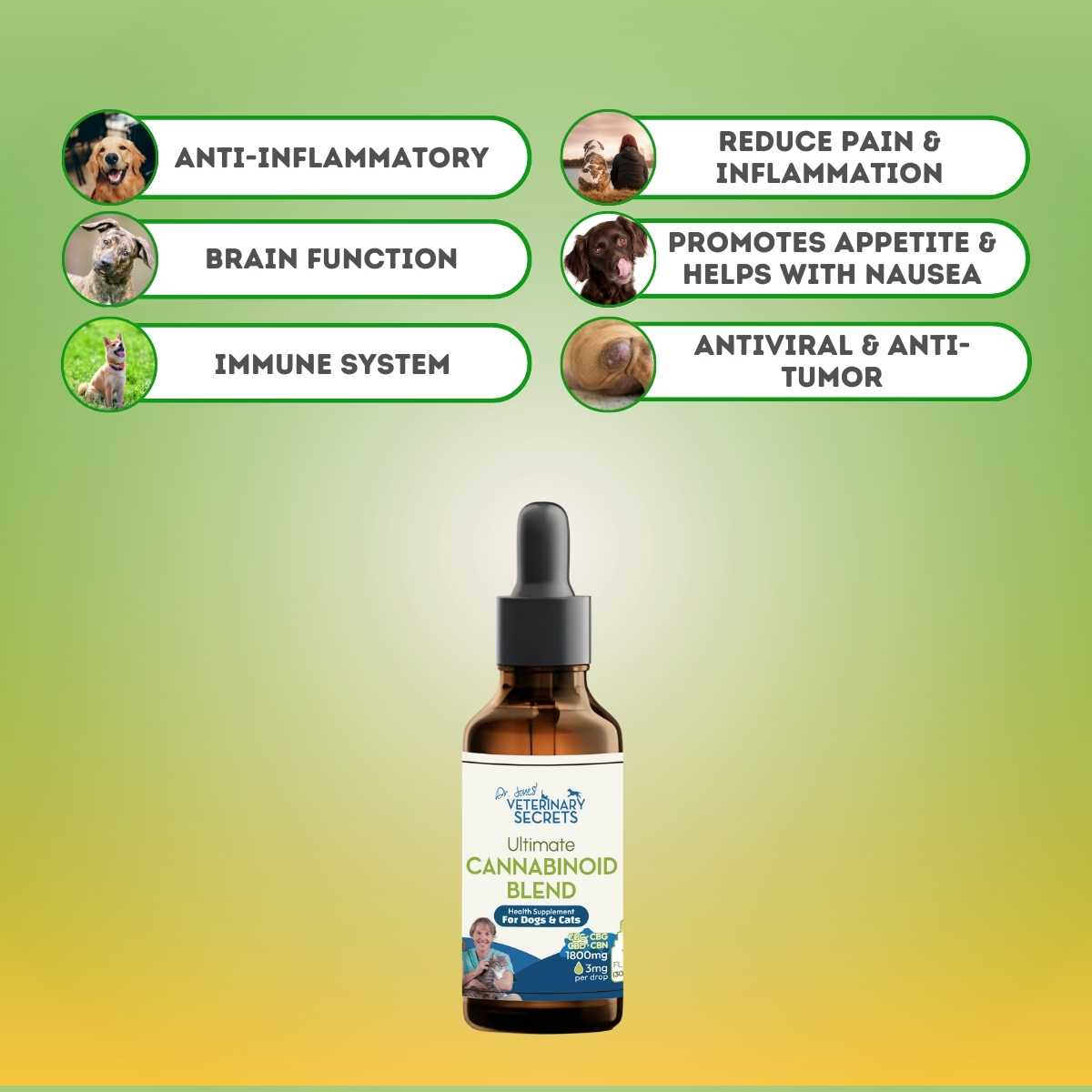
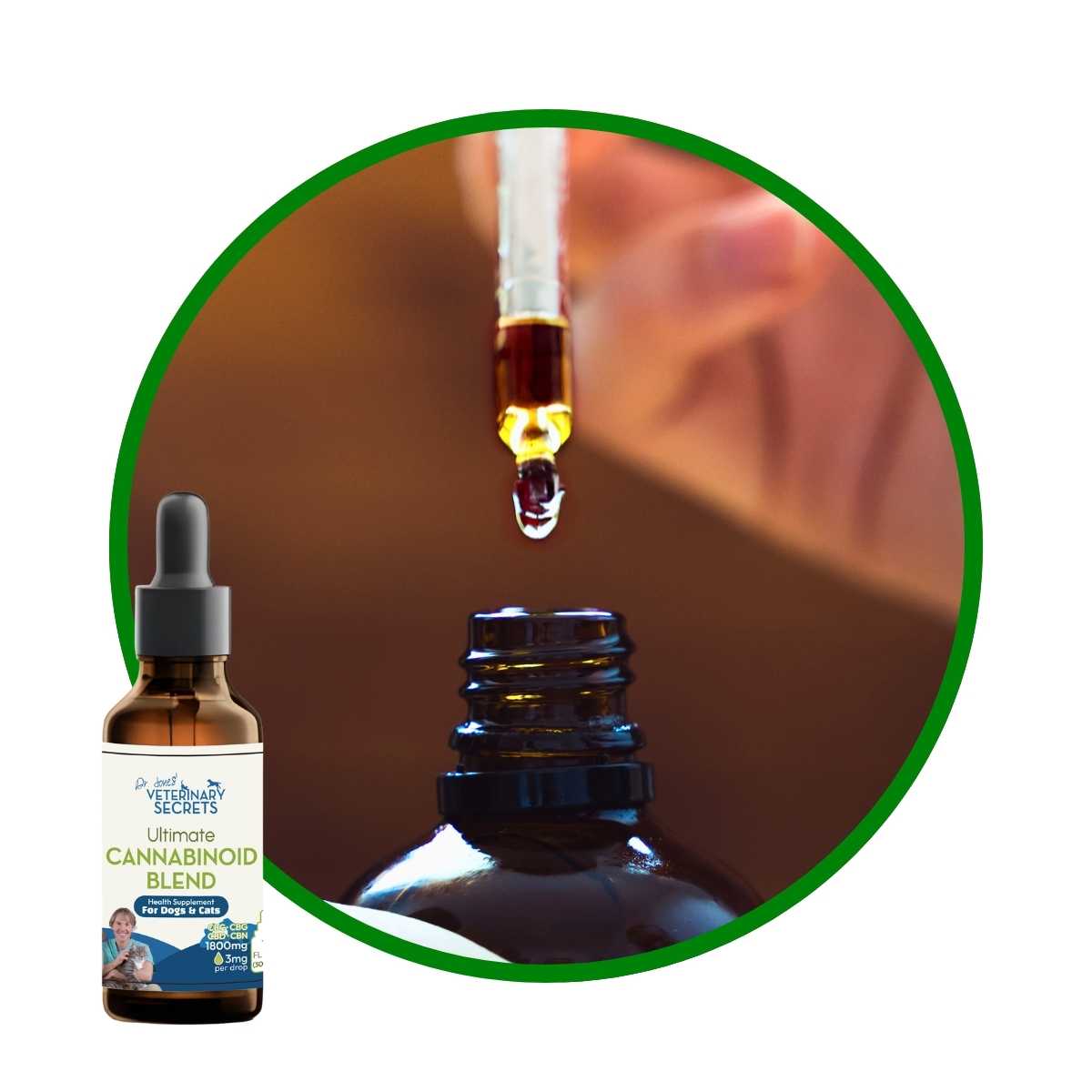
Dr. Jones’ Ultimate Cannabinoid Blend for Dogs and Cats


What Is DMSO?
DMSO stands for dimethyl sulfoxide.
It is a naturally occurring compound found in small amounts in foods like garlic and onions, but most commercial DMSO comes from the pulp and paper industry.
It is best known as a powerful solvent.
That means it can rapidly penetrate through the skin and carry other substances with it.
That unique ability is one of the reasons DMSO can be helpful, but it is also why you need to be careful.
Why DMSO Is Used in Pets
When applied topically, DMSO can penetrate through the skin without damaging the skin layers.
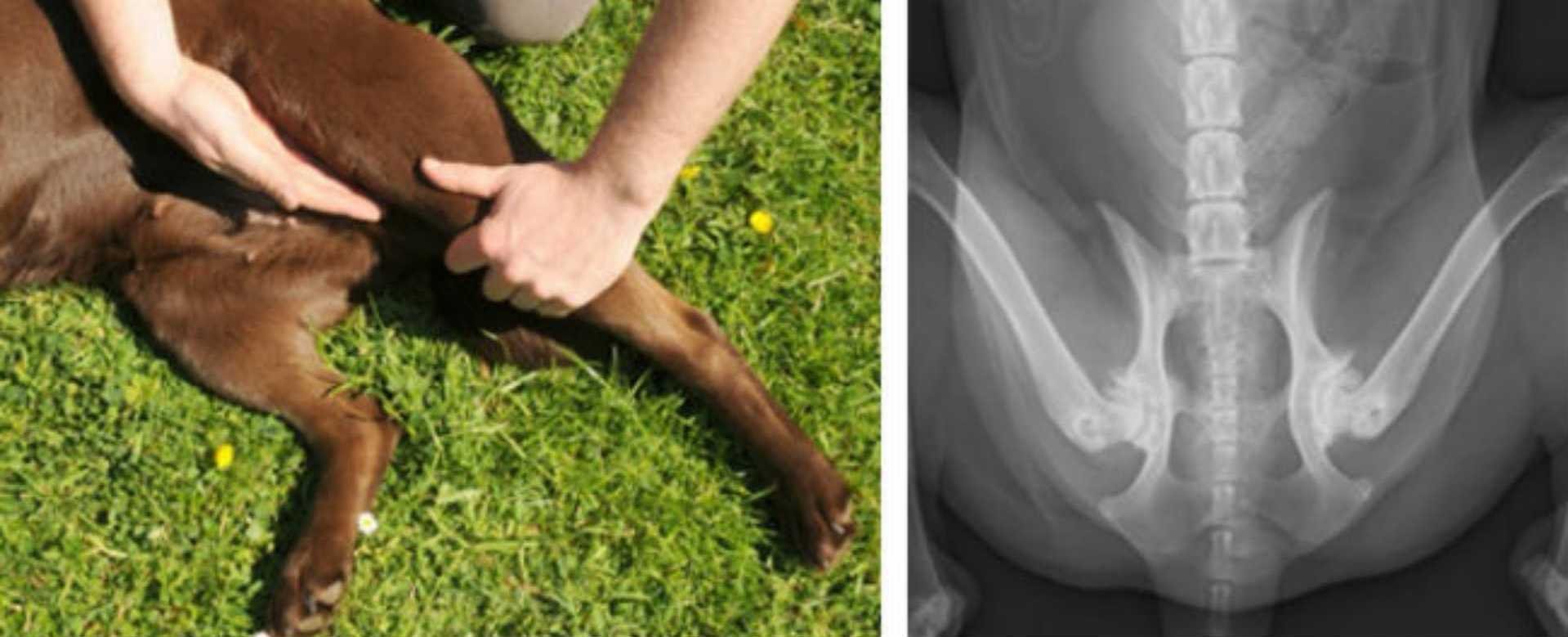
It may help with:
- Joint inflammation
- Localized pain
- Arthritis
- Soft tissue injuries
- Scar tissue
- Fascial adhesions
- Tendon and ligament problems
It can also help carry other topical ingredients deeper into the tissue.
For example, if a dog or cat has a sore wrist, shoulder, knee, or hip area, a small amount of CBD or cannabinoid oil can be applied first, followed by a few drops of DMSO. The DMSO helps carry the anti-inflammatory ingredients into the affected area.
That can make it useful for localized pain and inflammation.
DMSO for Joint Pain and Arthritis
One of the most practical uses of DMSO is topical support for sore joints.
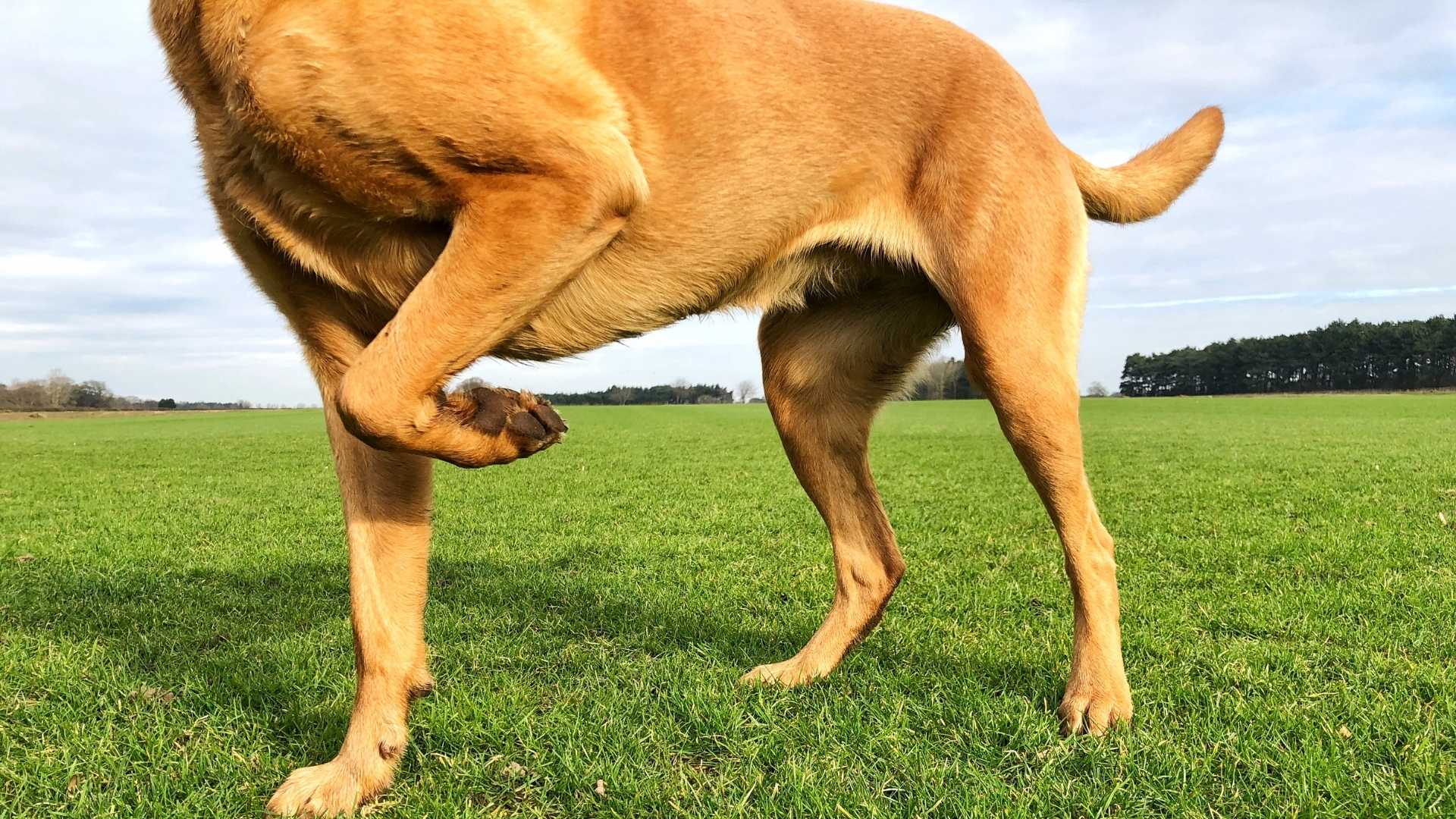
Many older dogs and cats develop stiff, painful joints as they age. Conventional pain medications can help, but they also come with risks, especially for the liver, kidneys, and stomach.
DMSO offers a topical option.
It can be applied directly over the sore joint in small amounts. It may help reduce inflammation and improve comfort.
Is it a miracle cure for arthritis?
No.
But it can be another helpful tool, especially when combined with other natural supports like CBD, omega-3 fatty acids, curcumin, or joint supplements.
DMSO and Scar Tissue
Another interesting use of DMSO is for scar tissue.
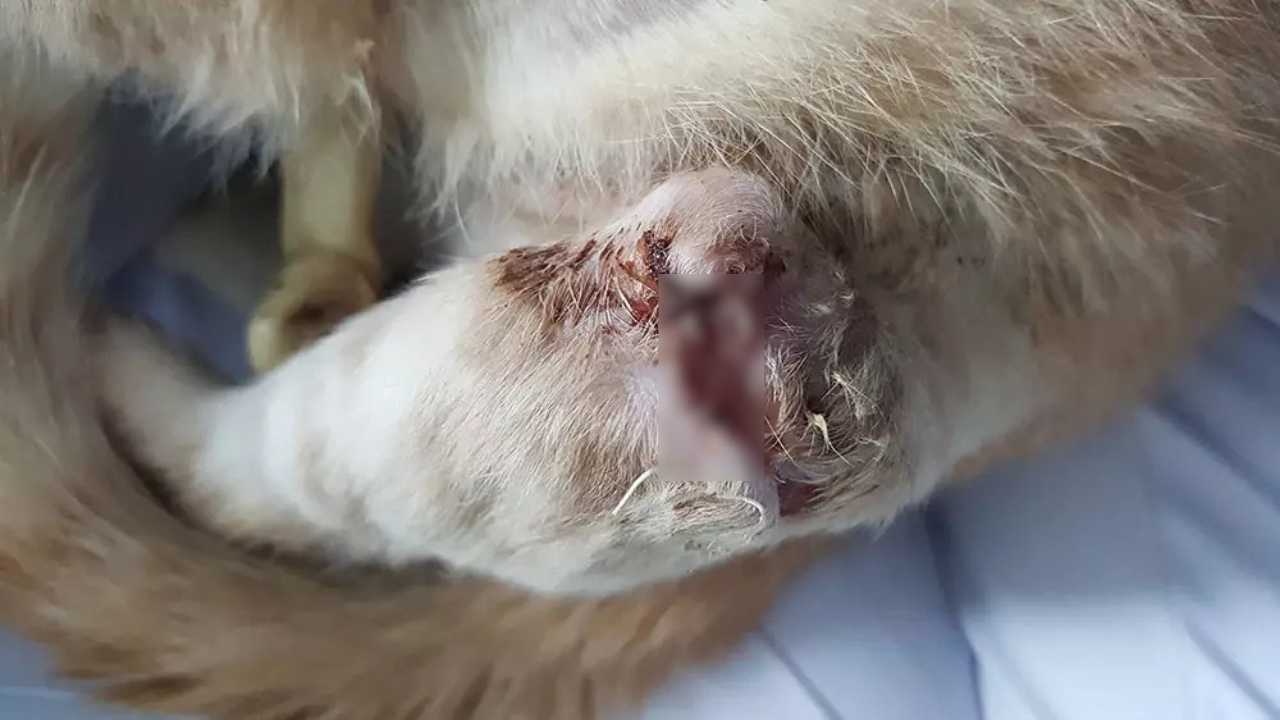
After an injury, surgery, or chronic inflammation, scar tissue can build up and restrict movement. Sometimes the real problem is not just the joint itself, but the tight fascia and adhesions around it.
DMSO may help soften and break down some of that scar tissue.
This can be useful for animals with old injuries, reduced range of motion, or chronic stiffness from tissue restriction.
DMSO and Bladder Inflammation
DMSO has also been used for bladder inflammation.
In people, it has been used for interstitial cystitis, a painful inflammatory bladder condition.
Years ago, DMSO was also explored in cats with severe urinary tract inflammation. This is not something I suggest doing at home, but it shows that DMSO has a long history of being considered for inflammatory conditions.
For pet parents, the main safe and practical use is still topical application.
Why People Say DMSO Is Dangerous
DMSO gets a bad reputation because it is a solvent.
That means if something toxic is sitting on the skin, DMSO can carry that toxin into the body.
So if your dog rolled in chemicals, oil, pesticides, or anything questionable, do not apply DMSO.
Clean the skin first.
This is common sense, but it matters.
Use Only Medical Grade DMSO
There are different grades of DMSO.
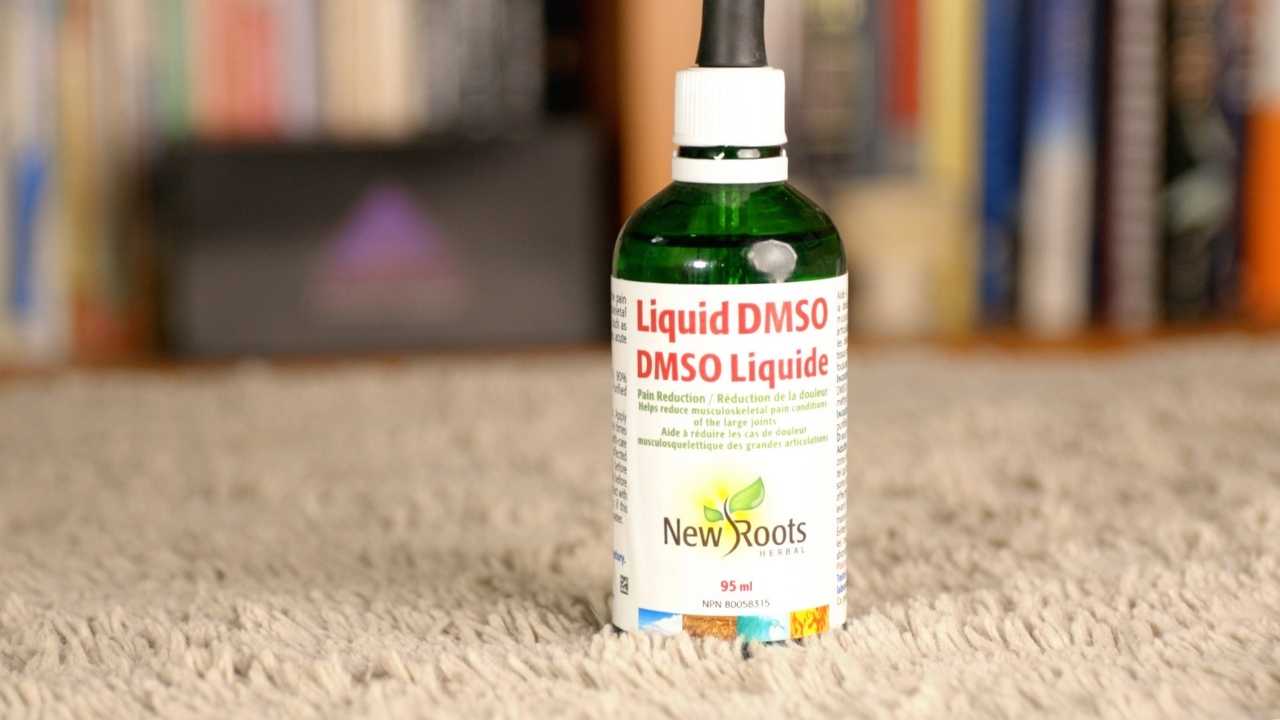
If you are going to use it on yourself or your pet, use only purified, medical-grade DMSO.
Do not use industrial-grade solvent.
Do not use random DMSO from a hardware supply source.
You want a properly purified product designed for medical or veterinary use.
Possible Side Effects
Most side effects from topical DMSO are mild and temporary.
They may include:
- Skin redness
- Tingling
- Warmth
- Mild irritation
- Garlic-like odor on the breath or skin
The bigger risks are usually linked to high doses, oral use, IV use, or using DMSO over contaminated skin.
I do not recommend oral or IV use at home.
Topical use in small amounts is the safer route.
Drug Interaction Concerns
Because DMSO can increase absorption, it may also increase the effect of other substances applied to the skin.
For example, if a topical anesthetic like lidocaine is used, DMSO can increase how much of it enters the bloodstream.
That can be helpful in controlled veterinary settings, but it can also be risky if too much medication is used.
So be cautious about combining DMSO with medications unless your veterinarian is guiding you.
What the Research Suggests
One review looking at adverse reactions to DMSO found that side effects are often mild and short-lived.
The most important point was this:
Side effects are dose-related.
In other words, high doses create more problems. Smaller topical doses are much safer.
That makes sense.
Like many treatments, the dose matters.
DMSO in Skin Conditions and Wound Support
DMSO has also been studied in dermatology.
Some research has looked at DMSO for skin conditions, wound healing, pressure ulcers, and even superficial skin cancers when used alongside other therapies.
One interesting use is for tissue injury caused by chemotherapy drugs leaking outside the vein. In those cases, topical DMSO has been used to help reduce tissue damage.
That is a big deal.
It shows DMSO is not just a “dangerous solvent.” It has real medical uses when applied properly.
DMSO and Antiviral Effects
Another surprising finding is that DMSO may have antiviral properties.
Some studies suggest it may help inhibit viral replication in certain skin-related viral conditions, such as cold sores caused by herpes virus.
That does not mean I am saying it cures viral disease in pets.
But it does show that DMSO has more biological effects than many people realize.
How I Would Use DMSO Topically
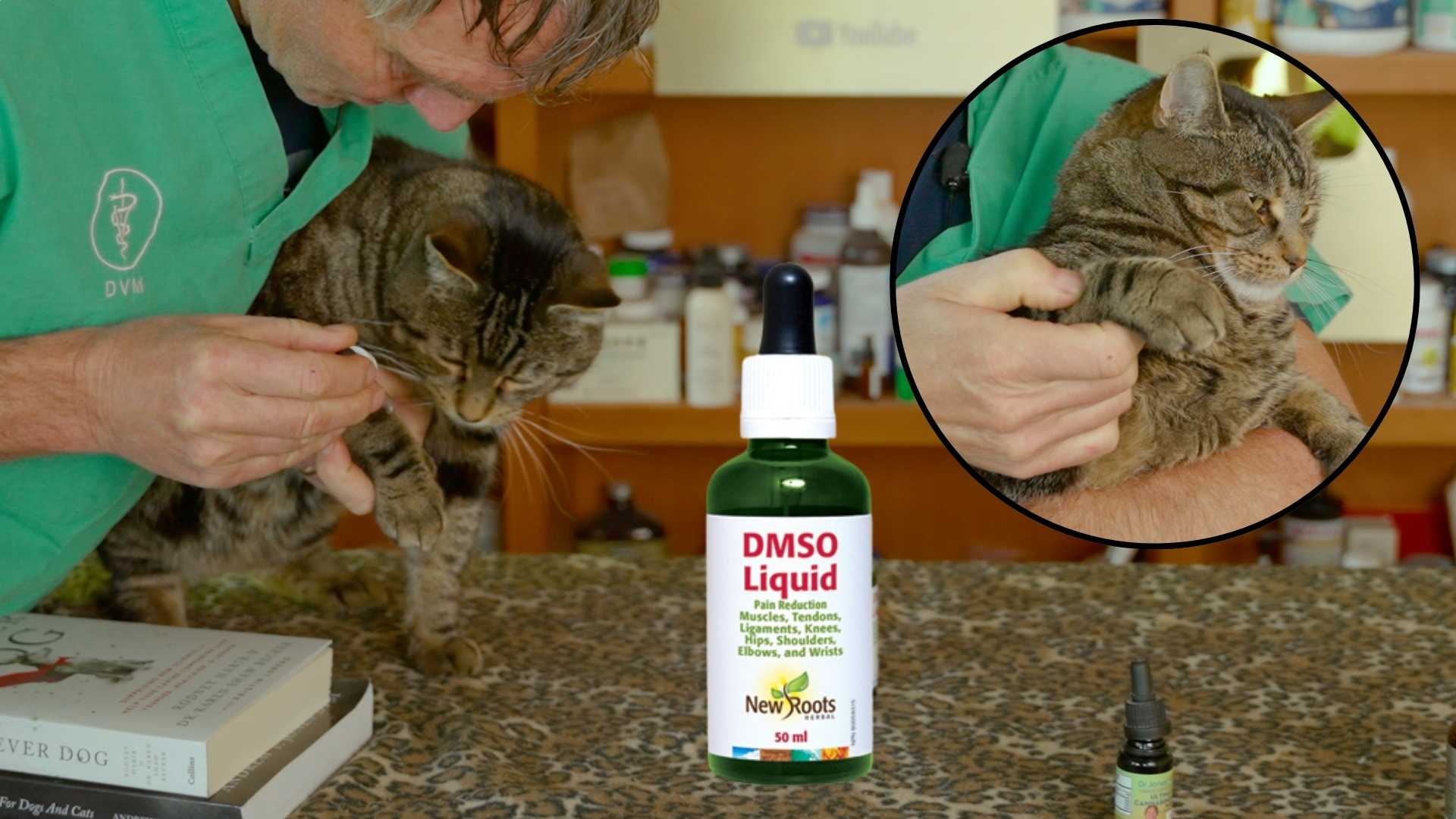
For a sore joint or localized painful area, I would use a very small amount.
A simple approach:
- Make sure the skin is clean.
- Apply 1 to 3 drops of DMSO over the affected area.
- Rub it in gently.
- Wash your hands afterward.
- Use once or twice daily as needed.
You can also apply a small amount of CBD or cannabinoid oil first, then follow with DMSO to help carry it deeper into the tissue.
Start low.
More is not better.
When Not to Use DMSO
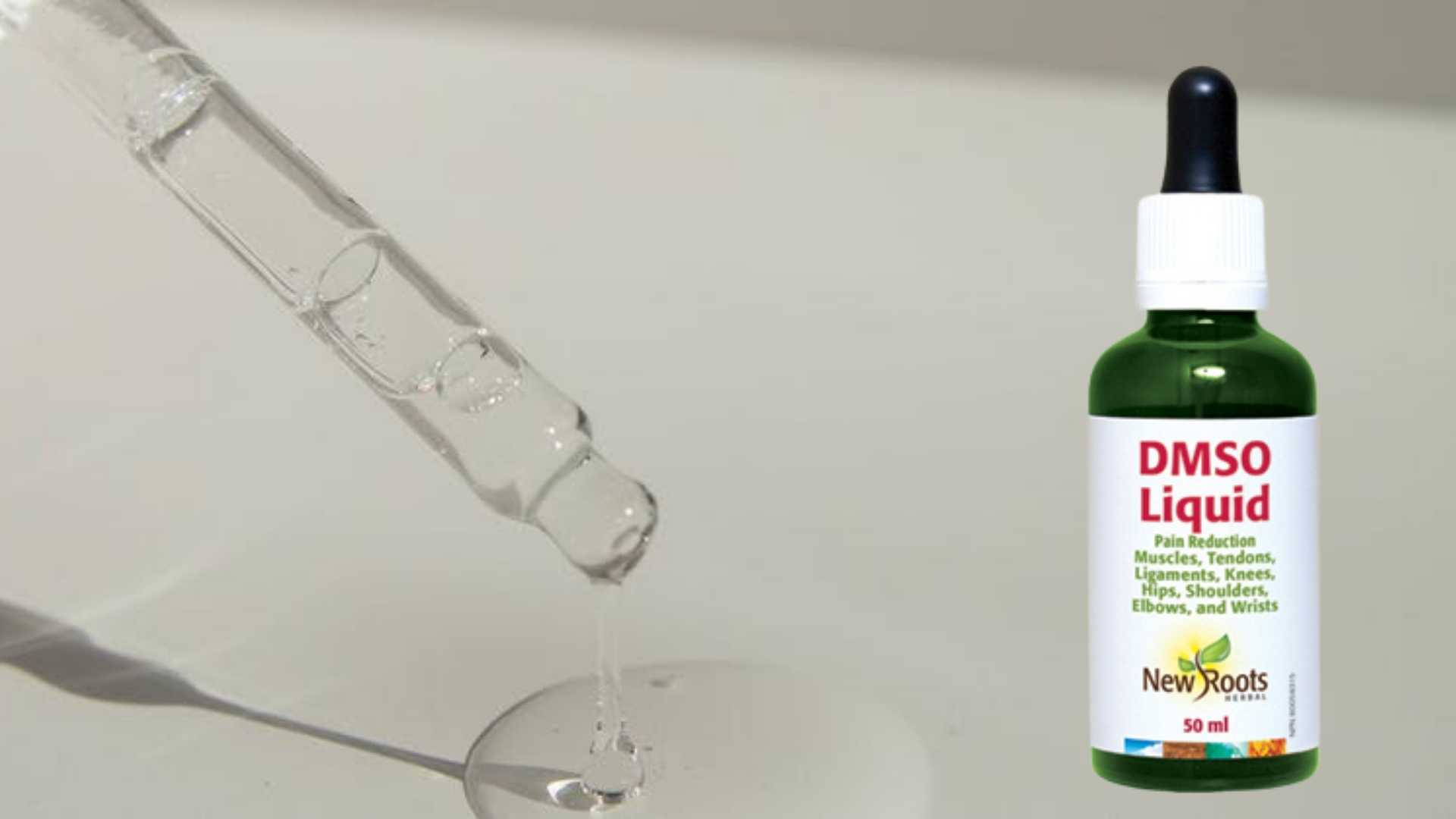
Do not use DMSO if:
- The skin is dirty or contaminated
- Your pet has been exposed to chemicals or pesticides
- There is an open infected wound without veterinary guidance
- You are using topical medications that may be unsafe if absorbed deeply
- Your pet is pregnant
- Your pet has serious kidney, liver, or heart disease without veterinary guidance
And again, do not give DMSO orally or by injection at home.
My Takeaway
Is DMSO dangerous?
It can be, if it is misused.
But when used topically, in small amounts, on clean skin, using a medical-grade product, DMSO can be very safe and very helpful.
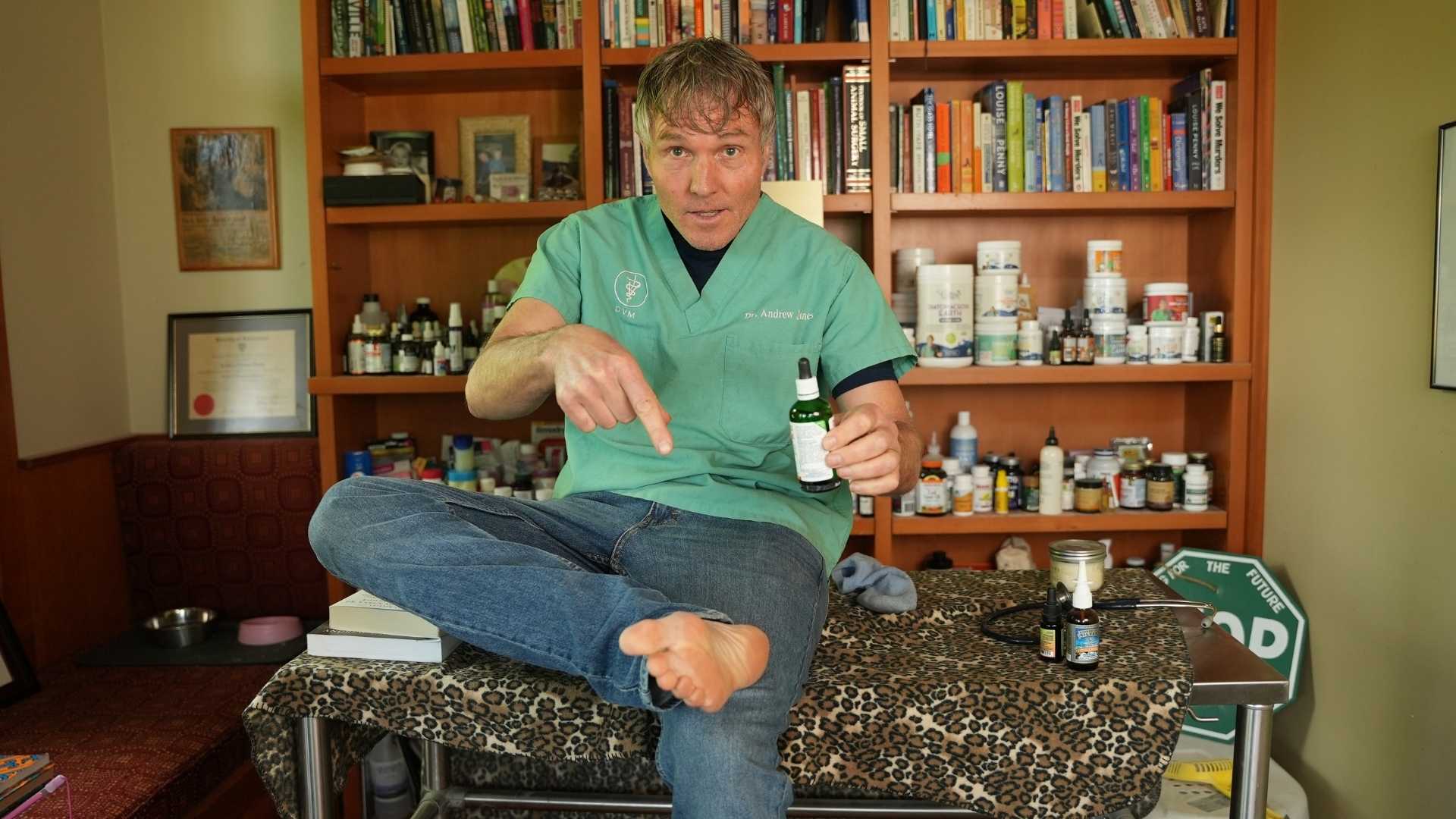
I think it belongs in the natural pet health toolkit.
It may help with pain, inflammation, arthritis, soft tissue injury, scar tissue, and localized soreness.
Like most remedies, the key is using it wisely.
Click to Get A Free Copy of My E-Book!

P.S. DMSO is not something to fear, but it is something to respect. Use small amounts, use it topically, and make sure the skin is clean.
P.P.S. If your dog or cat has a sore joint, localized arthritis, or old scar tissue limiting movement, topical DMSO may be worth considering as part of a broader natural pain support plan.

Hi there
My dog has a sebaceous cysts that has ruptured. The vets want to put him under a general to remove it but I just feel so anti cutting it out…especially under a general.
I’ve been using castor oil with a bit of tea trea but nothing has changed.
Would you suggest DMSO? What else would you put with it?
Thank you
If the cyst has ruptured, I’d be cautious about reaching for DMSO. One of the big rules with DMSO is not to use it on an open or potentially infected wound without veterinary guidance, since it can carry substances deeper into the tissue.
Tea tree oil can also be irritating for some dogs, so I’d stop that if you haven’t seen improvement.
My focus would be keeping the area clean and monitoring for signs of infection like redness, swelling, pain, discharge, or a bad odor. Unfortunately, once a sebaceous cyst ruptures, some do continue to refill or become chronically inflamed, which is why surgical removal is often recommended.
If your dog is otherwise healthy, it may be worth having a conversation with your vet about the risks and benefits of anesthesia, and whether there are any alternatives in your dog’s specific case.
can dr jones cannaboid oil affect kidney or liver values? also if i apply DMSO topically to my dogs osteoarthritic front leg joints and she licks the area, is this toxic?
Cannabinoid oil is not expected to affect kidney or liver values at normal doses. With DMSO, a little licking after a small topical application is not usually toxic, but it’s best to prevent licking until it has absorbed. Always apply it to clean skin and use only medical grade DMSO.
What % please? I have 99% and 70% . What grade would you suggest for my dog who has a tendon tear which isn’t healing well
Thanks
We’d go with medical grade DMSO rather than choosing a percentage like 99% or 70% based on the label alone. For a tendon tear that isn’t healing well, we’d also want to make sure the injury has been properly assessed, since some tendon injuries need rest and veterinary treatment alongside supportive care. Start low and use caution, as DMSO increases absorption through the skin.