What Dr. Jones Feed His Cat for Long-Term Health: High Moisture, High Protein, Low Carb

My Top Cat Health Tips for Diet, Teeth, Kidneys, Allergies, and Long-Term Wellness
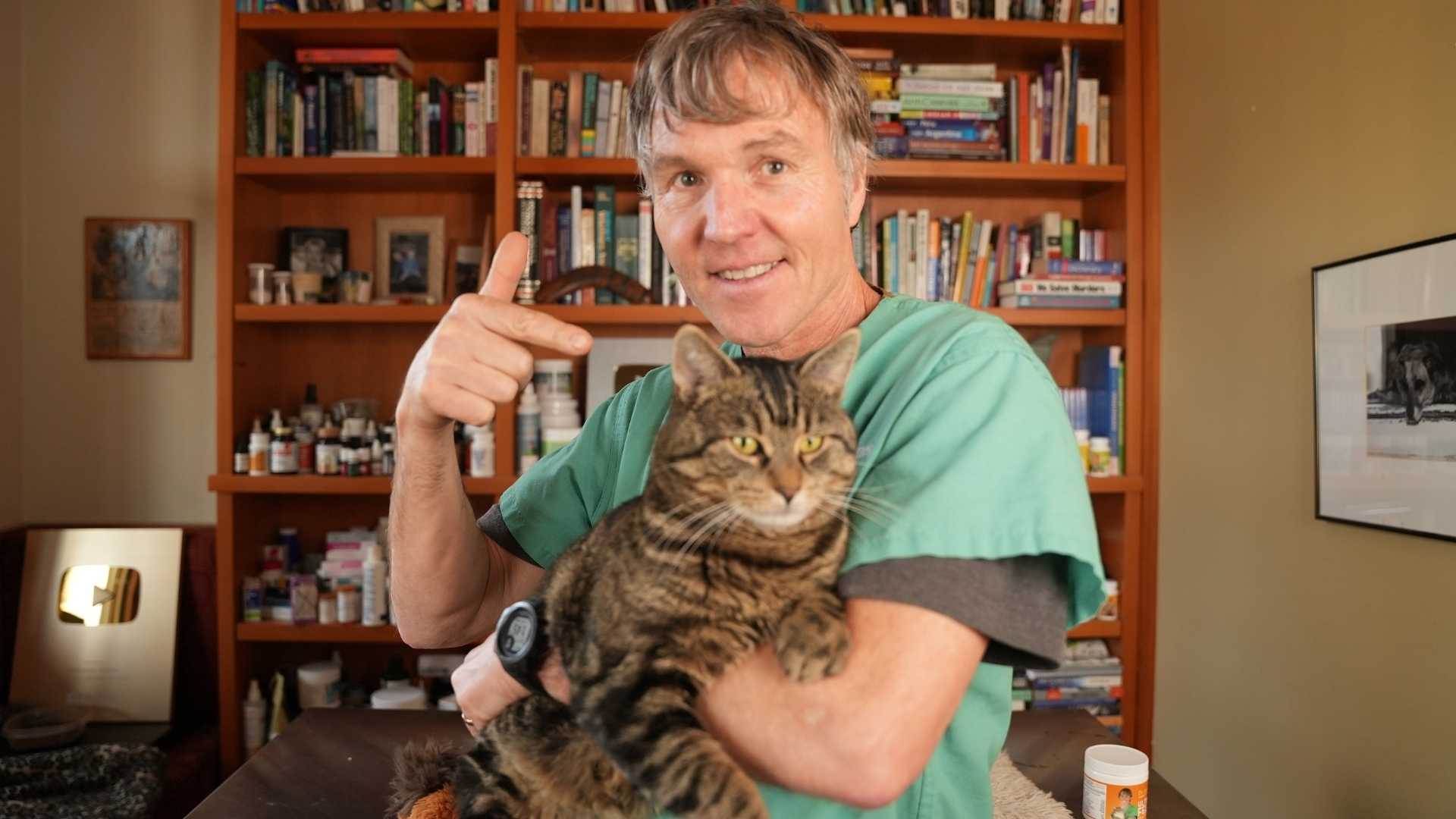
Our newest cat, Cassian, is an absolute gem.
He is affectionate, social, funny, and yes, he has already had a big impact on our family. He comes downstairs in the morning, jumps up near me while I’m having coffee, curls up, purrs, and acts like he has always been here.
So naturally, I want him to live a long, healthy life and avoid many of the common cat diseases I saw for years in practice.
Knowing what I know now, there are several things I am doing differently with Cassian compared to cats I had in the past. Food, dental care, kidney support, allergy control, weight management, and supplements all matter.
Daily Feline Support for Kidneys, Joints, Gut, and Urinary Health
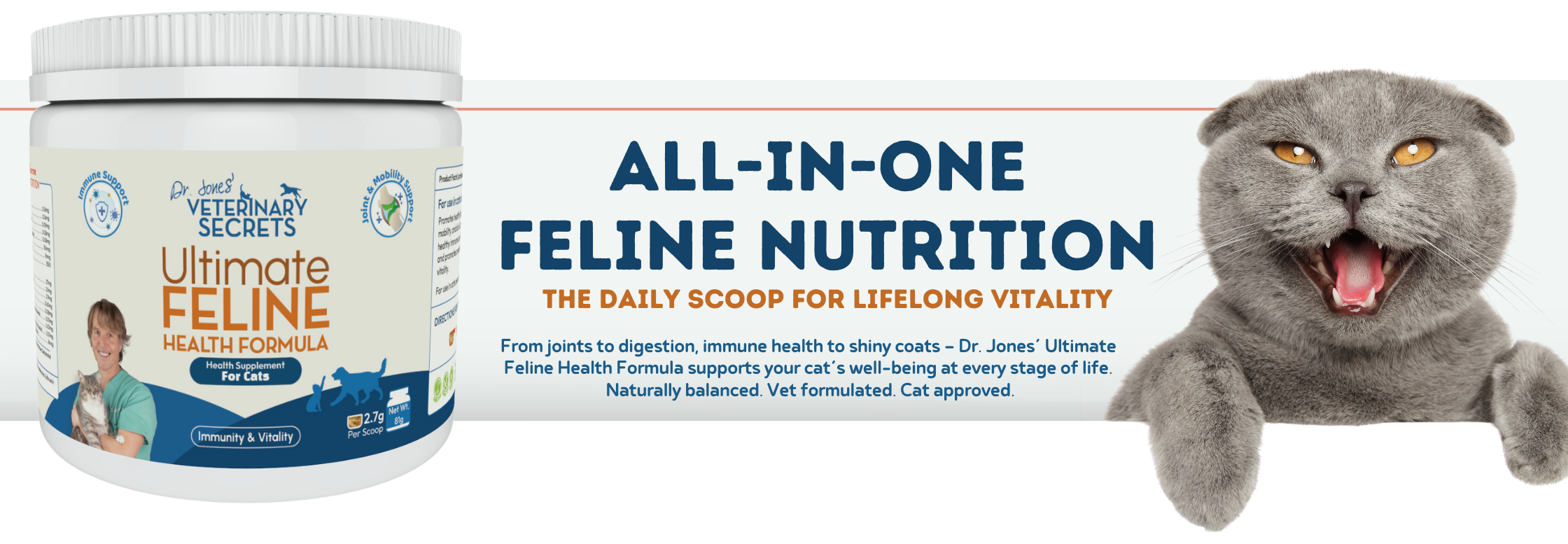
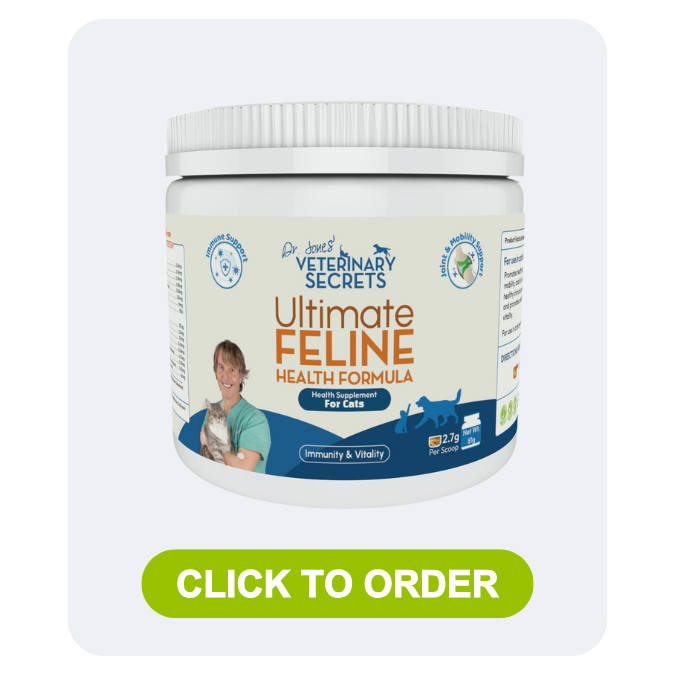
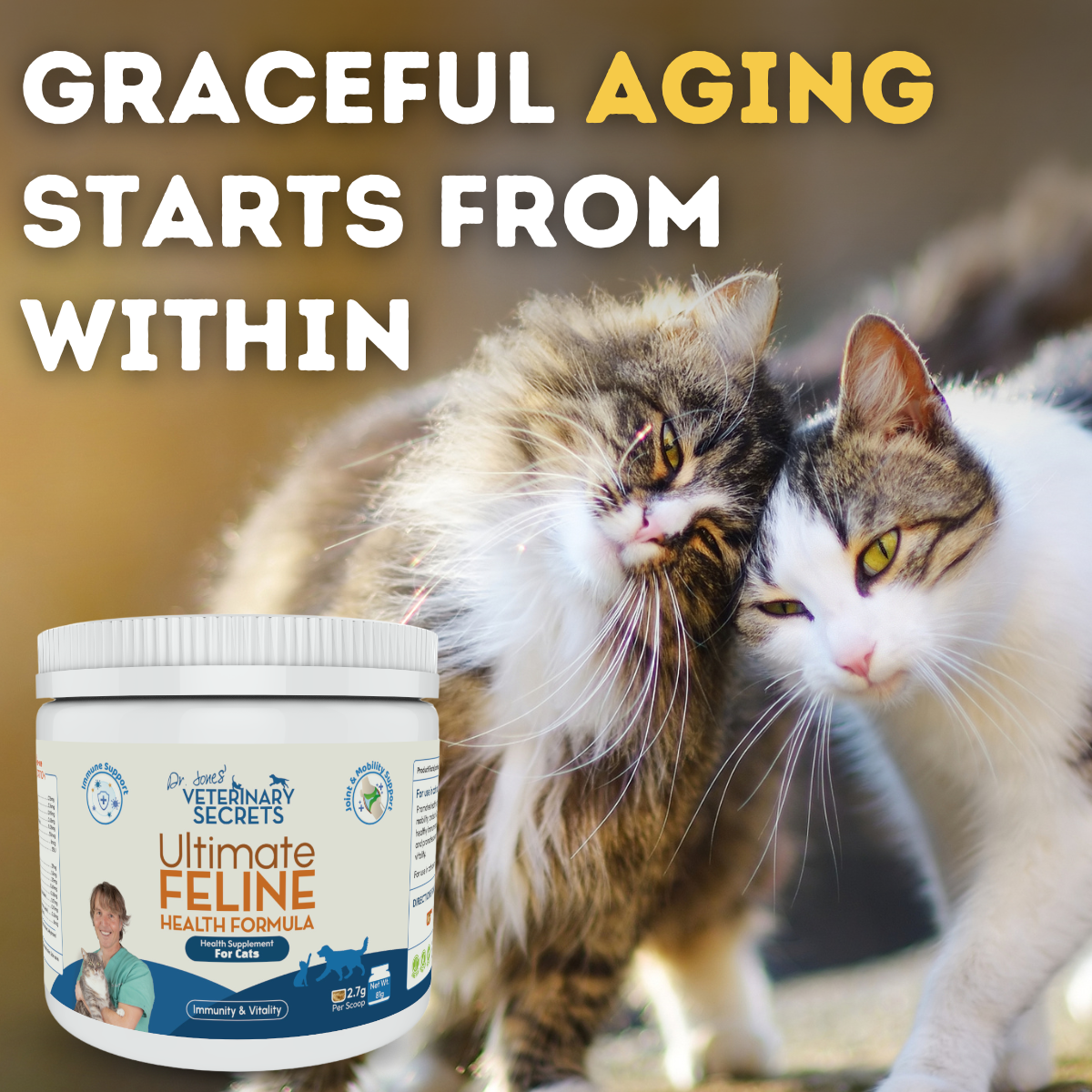
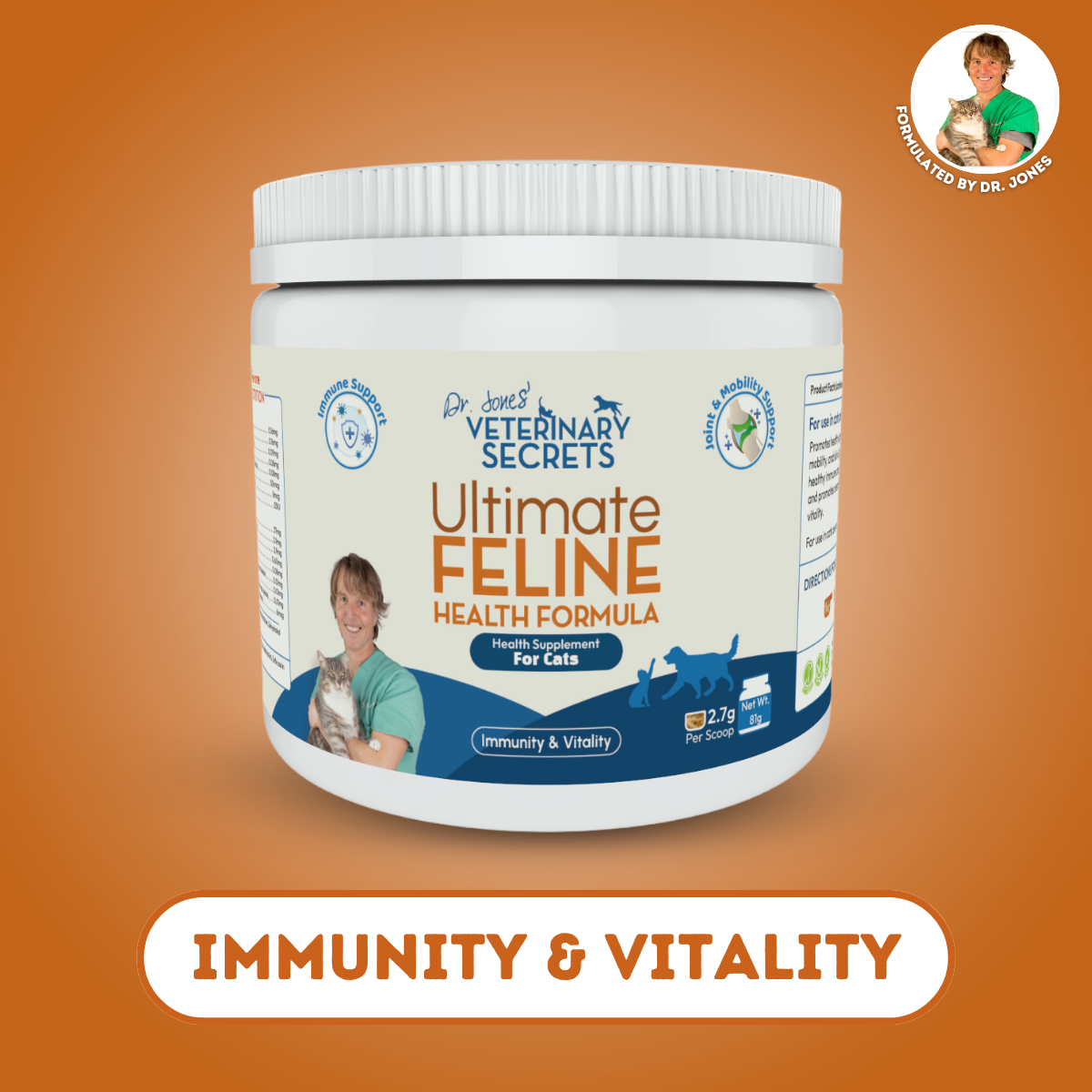
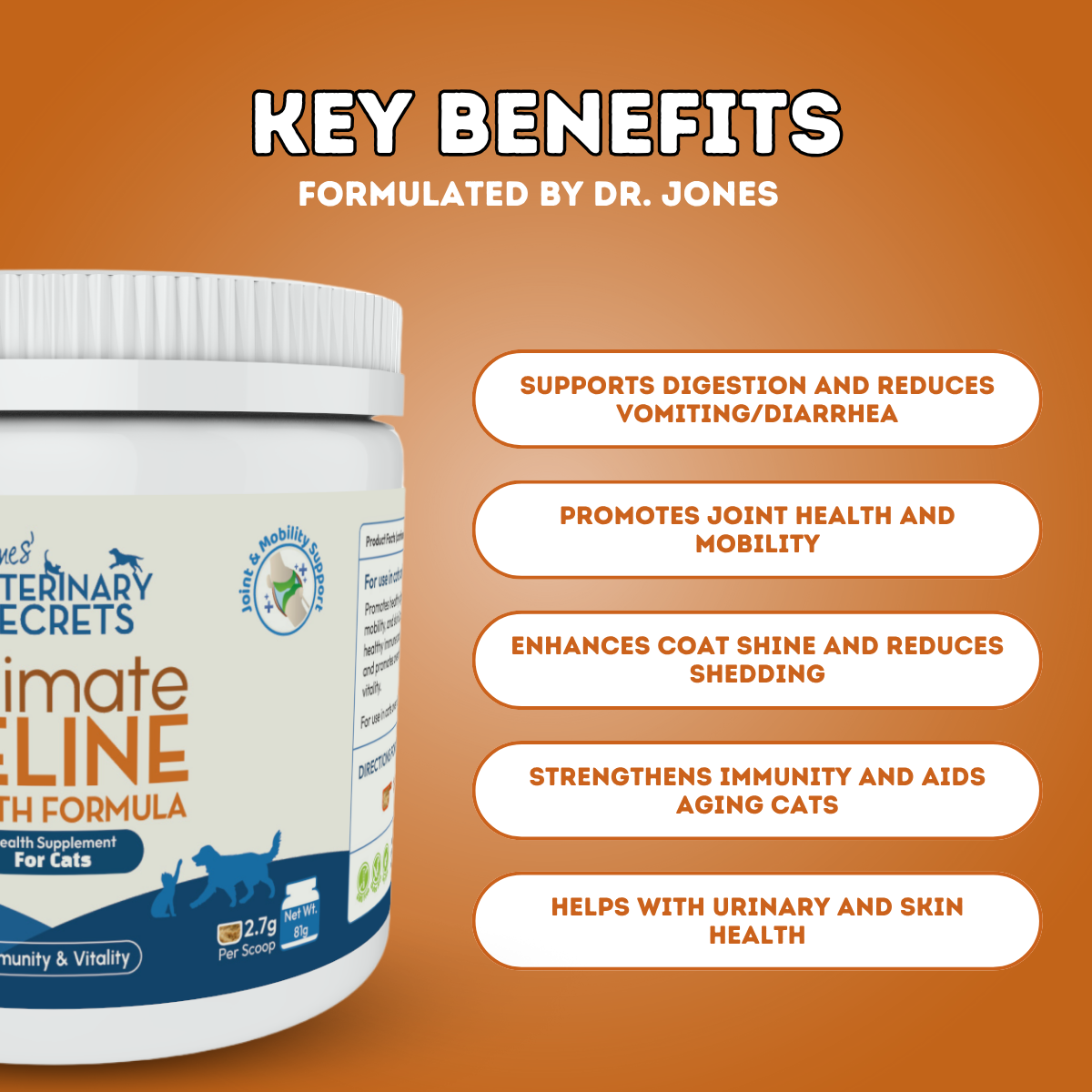
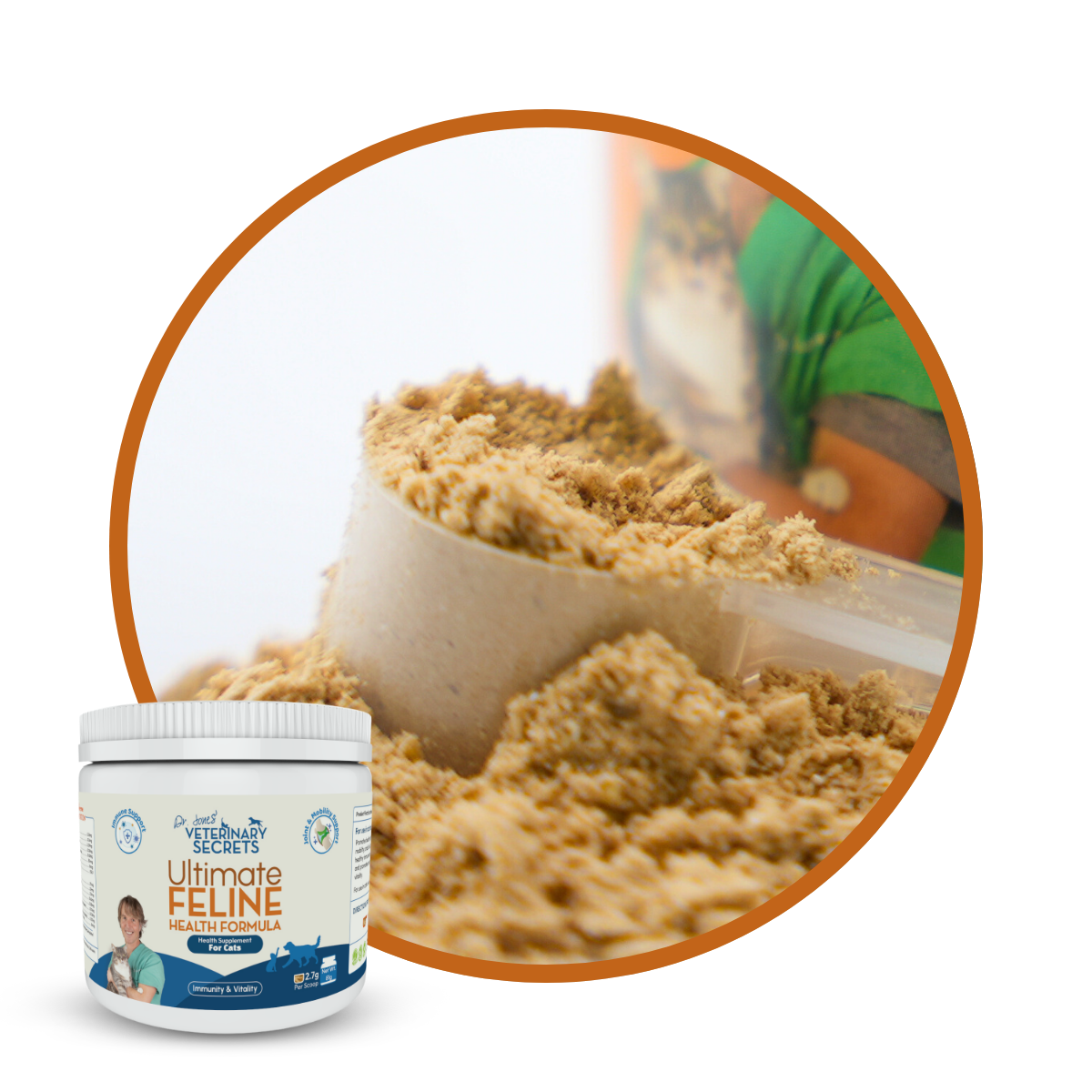
This is exactly why I have Cassian on Dr. Jones’ Ultimate Feline Health Formula. It is not just a random vitamin powder. It is a complete daily cat supplement designed to support the areas where cats most often struggle: kidneys, urinary tract, joints, gut health, immune function, skin, coat, and healthy aging. The formula includes glucosamine, chondroitin, and MSM for joint and urinary tract support, colostrum and maitake mushroom for immune support, taurine and lysine for essential feline health, prebiotics and probiotics for digestion, plus calcium carbonate with no added phosphorus to help support kidney health. Research has looked at the role of the bladder’s protective glycosaminoglycan layer in feline idiopathic cystitis, which is one reason nutrients like glucosamine and chondroitin are so commonly discussed for urinary tract support in cats. The formula page also notes it is made for digestive health, mobility, urinary tract health, immune defenses, skin and coat support, and chronic renal support. On VeterinarySecrets.com, I also discuss using this formula as part of proactive cat care, especially for kidney, joint, and urinary support. For me, this is one of the simplest ways to give your cat daily nutritional support before problems start: Dr. Jones’ Ultimate Feline Health Formula.

It Starts With Food
The foundation of cat health is food.
Cats are obligate carnivores. That means their bodies are designed to eat animal protein. They need specific amino acids, fats, vitamins, and minerals from meat to survive and thrive.
Cats also have a much higher protein requirement than dogs. They need around 29% protein compared to about 12% for dogs.
They also have very poor thirst triggers. In the wild, cats get most of their moisture from prey. That is why a dry diet can be such a problem.
Cassian rarely drinks much water because he gets most of his moisture from canned food.
Why I Avoid Kibble as the Main Diet
Dry cat food is convenient, but it is not what cats were designed to eat.
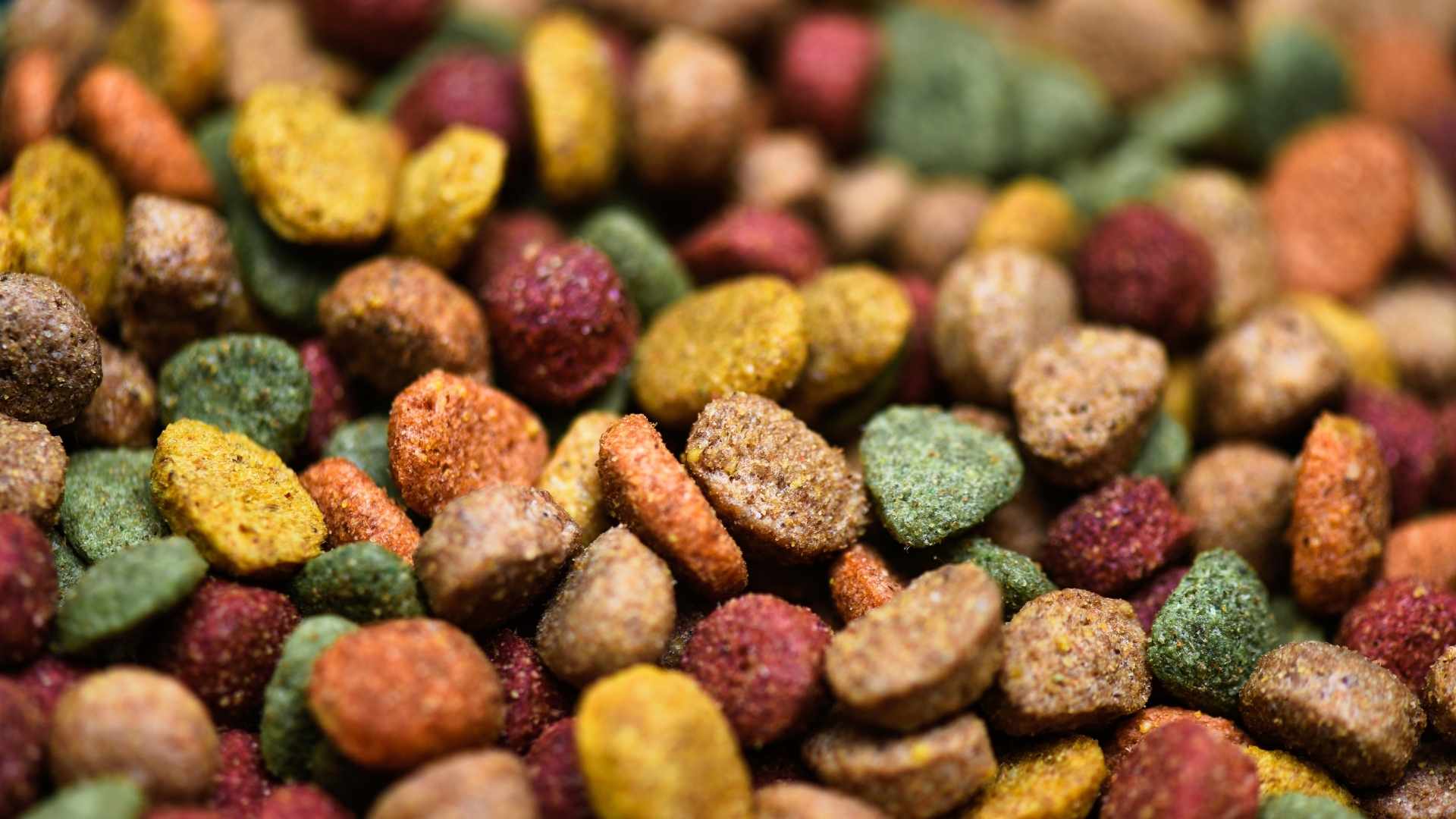
Most kibble is:
- Too high in carbohydrates
- Too low in moisture
- Often lower in real animal protein
- Harder on urinary health
- More likely to contribute to obesity and diabetes
Cats are not designed to digest a large amount of carbohydrates. They have very little salivary amylase, and they do not handle starch the way people or dogs do.
When cats eat high-carbohydrate food long term, that excess energy is often stored as fat. That is one big reason we see so many overweight cats and so much feline diabetes.
What I Feed Cassian
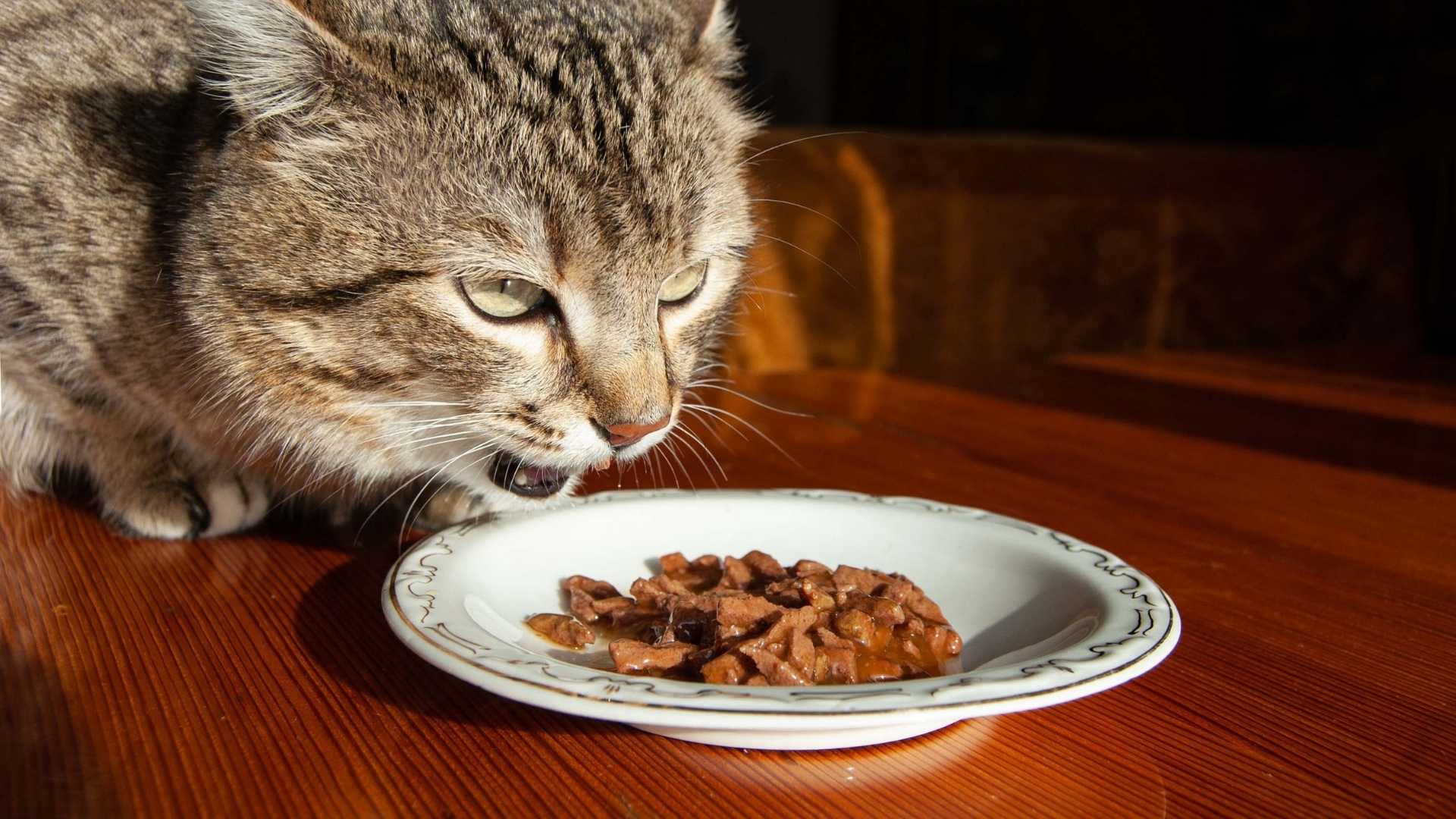
Cassian is primarily eating high-protein canned cat food.
Right now, he is on a food that is mostly animal protein, high in moisture, and low in carbohydrates. That is much closer to what his body was designed to eat.
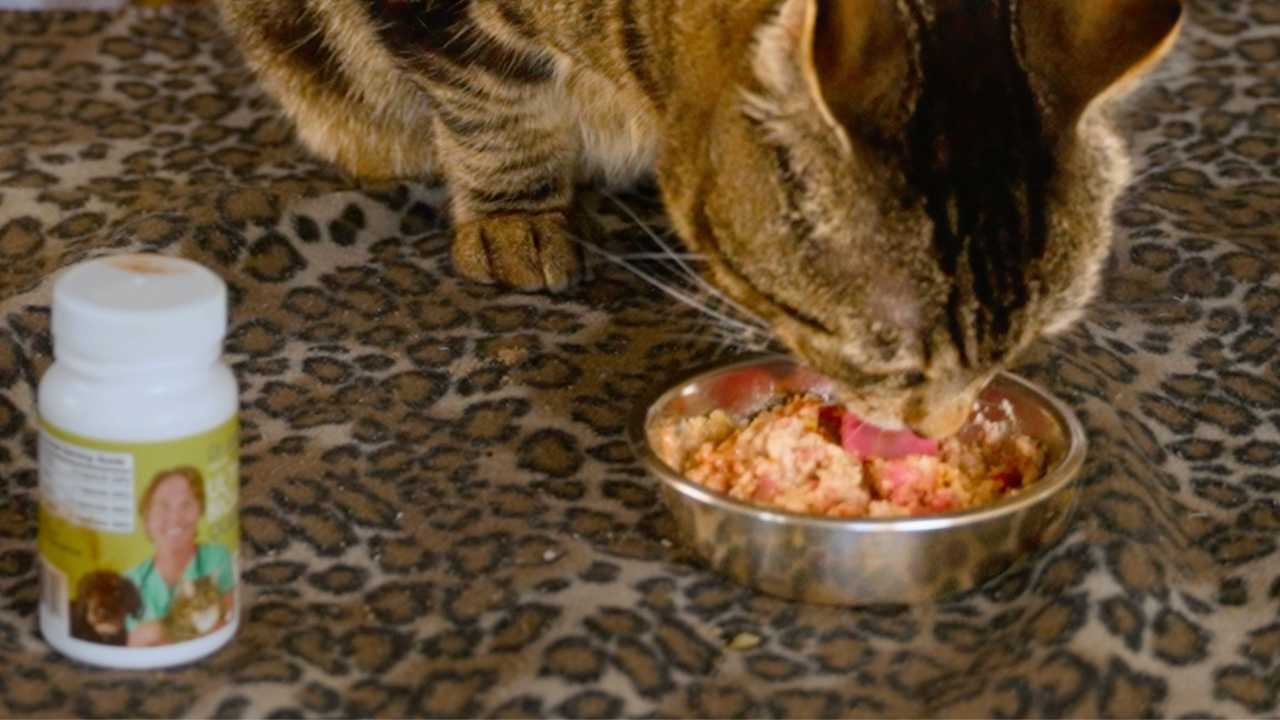
This type of diet helps support:
- Healthy weight
- Better blood sugar control
- Urinary tract health
- Kidney hydration
- Muscle maintenance
- Overall feline wellness
Now, I understand that high-quality canned food can be expensive. It is not always realistic for every cat parent to feed it 100% of the time.
But even replacing half of your cat’s kibble with canned food can make a meaningful difference.
This does not have to be all or nothing.
Simple Protein Additions
I also like adding simple animal protein treats.
One inexpensive option is chicken gizzards.
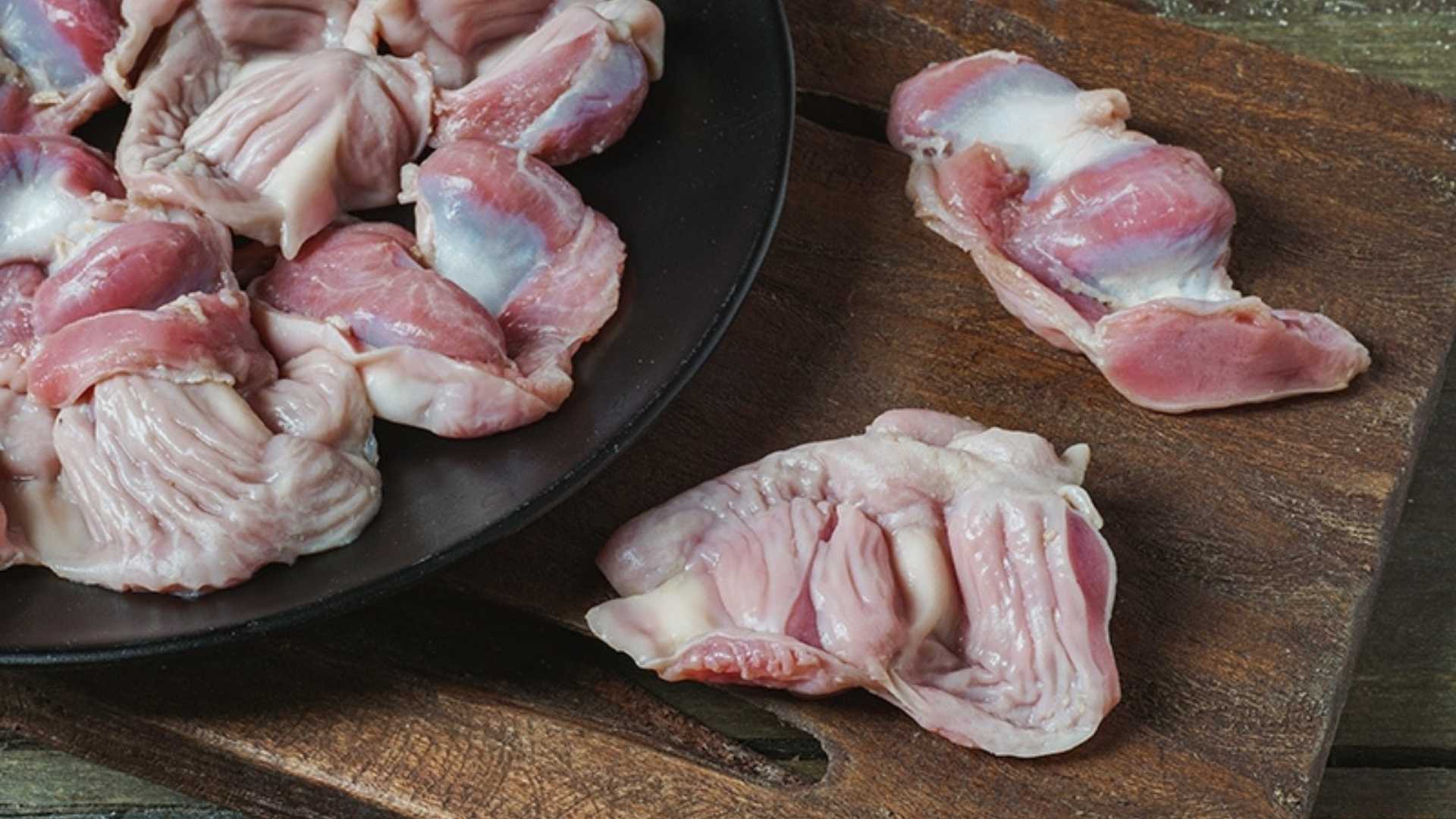
They are high in protein, affordable, and require some chewing, which can also help the teeth.
Cassian was not very interested in them raw, so I lightly cooked one, and that worked much better.
Chicken hearts are another favorite. They are rich in taurine, coenzyme Q10, and high-quality animal protein. Cassian loves them.
For treats, I prefer freeze-dried chicken or other single-ingredient animal protein treats.
A “grain-free” treat is not always a good treat. Many still contain potatoes, tapioca, peas, or other starches. Grain-free does not mean carbohydrate-free.
Dental Health Matters
Dental disease is one of the most common problems in cats.
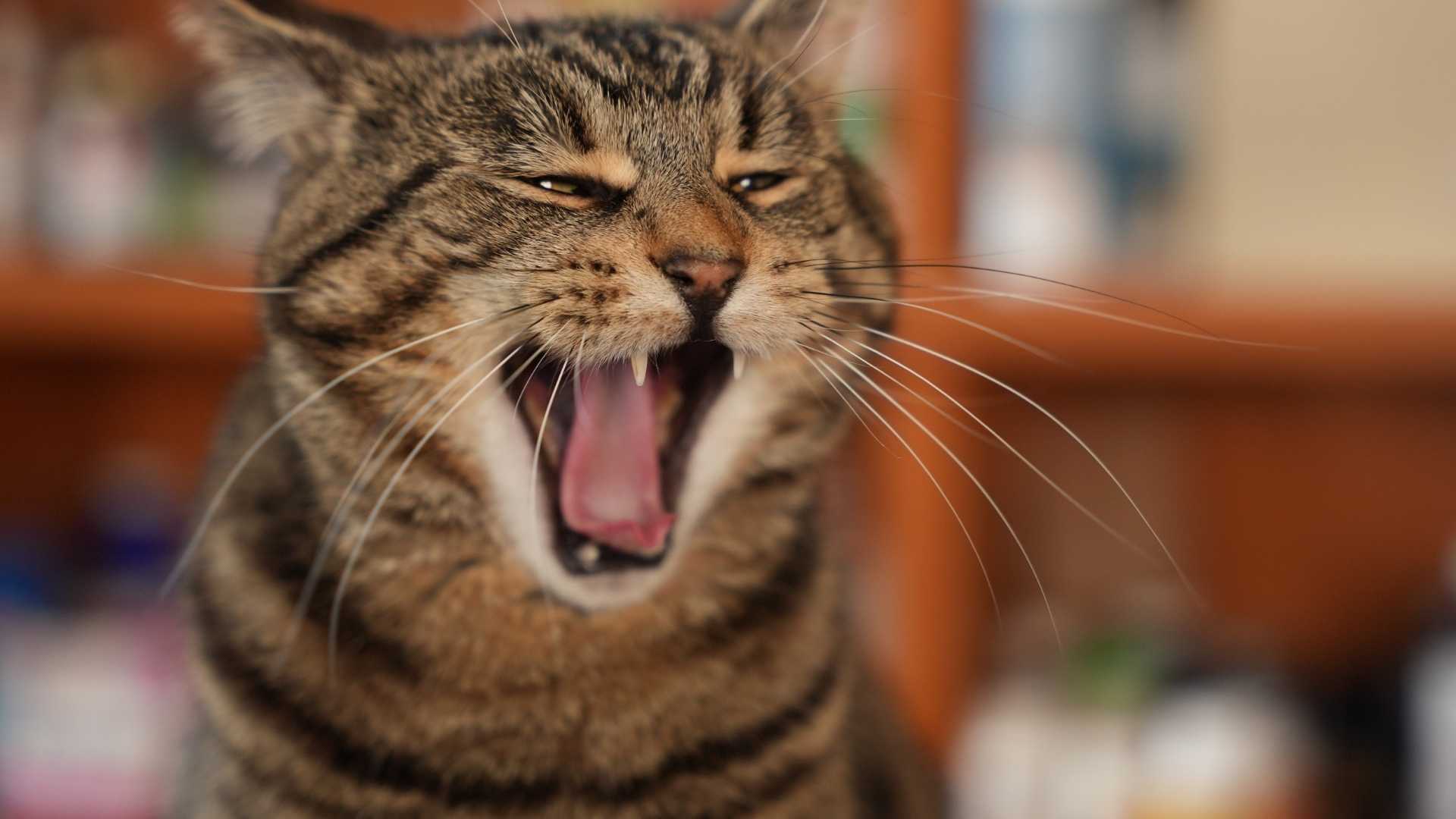
Plaque, tartar, gingivitis, and more serious conditions like feline resorptive lesions can all affect quality of life.
One myth I want to clear up: dry kibble does not properly clean your cat’s teeth.
Cats use their teeth to tear meat. Crunching kibble does not mimic that. Most cats bite the kibble once and swallow it. It does very little for plaque and tartar.
For Cassian, I am using several strategies.
Raw Meaty Chewing Options
I have been testing small raw chicken wing drumettes for Cassian.
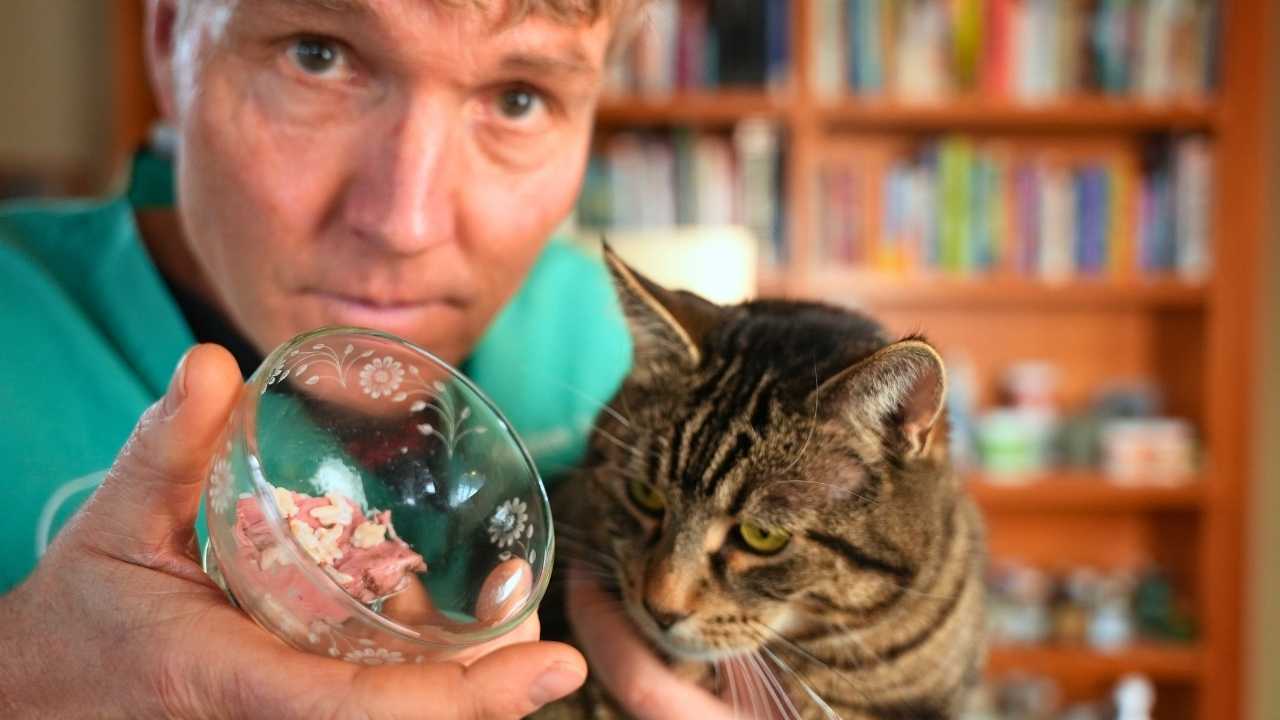
The goal is not for him to eat cooked bone. Cooked bones can splinter and should be avoided.
The goal is for him to chew and tear the raw meat off the bone, which gives his teeth a more natural cleaning action.
Not every cat will do this, and not every pet parent will be comfortable with raw feeding. That is fine. But for cats who tolerate it, it can be helpful.
My Feline Health Formula
Cassian is also on Dr. Jones’ Ultimate Feline Health Formula.
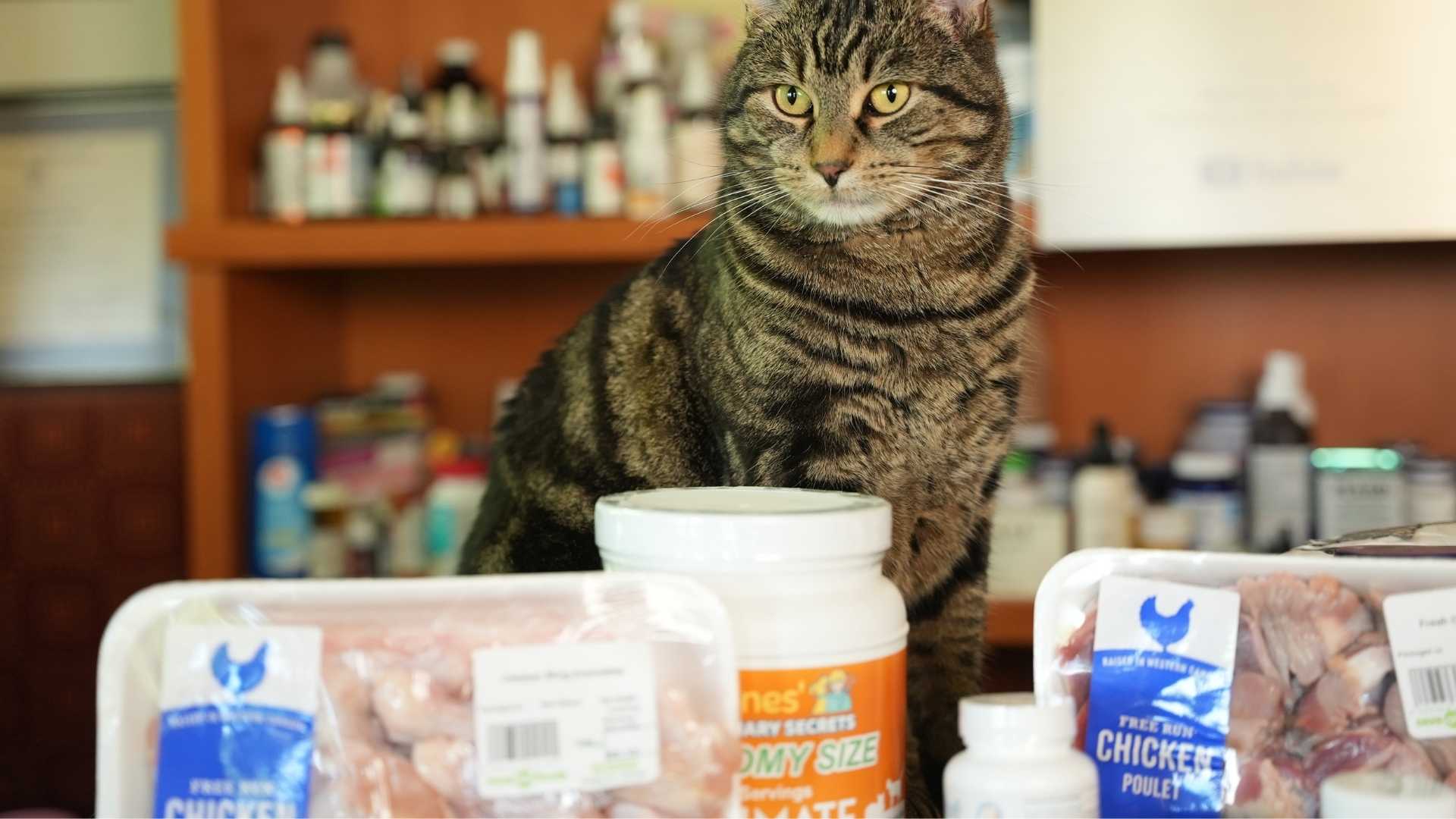
This gives him broad daily support, including:
- Vitamins and minerals
- Glucosamine, chondroitin, and MSM for joints and urinary tract support
- Probiotics and prebiotics for gut and immune health
- Colostrum for immune support
- L-lysine for viral support
- Taurine for heart and eye health
- Added calcium with no added phosphorus
That last part is especially important.
Kidney Support and Phosphorus
Chronic kidney disease is one of the most common diseases in older cats.
A major concern is phosphorus. Too much dietary phosphorus may increase kidney stress over time.
That is why I like the added calcium in Ultimate Feline. Calcium can bind some phosphorus in the diet, helping reduce the overall phosphorus load.
As Cassian gets older, around 7 or 8 years old, I may consider adding a little extra calcium carbonate, also known as finely ground eggshell, to help bind more phosphorus.
A simple amount is about 1/4 teaspoon daily, but this is something I would adjust based on the cat, diet, and kidney values.
No More Unnecessary Vaccines
Cassian came from a shelter fully vaccinated.
But he is now an indoor cat.
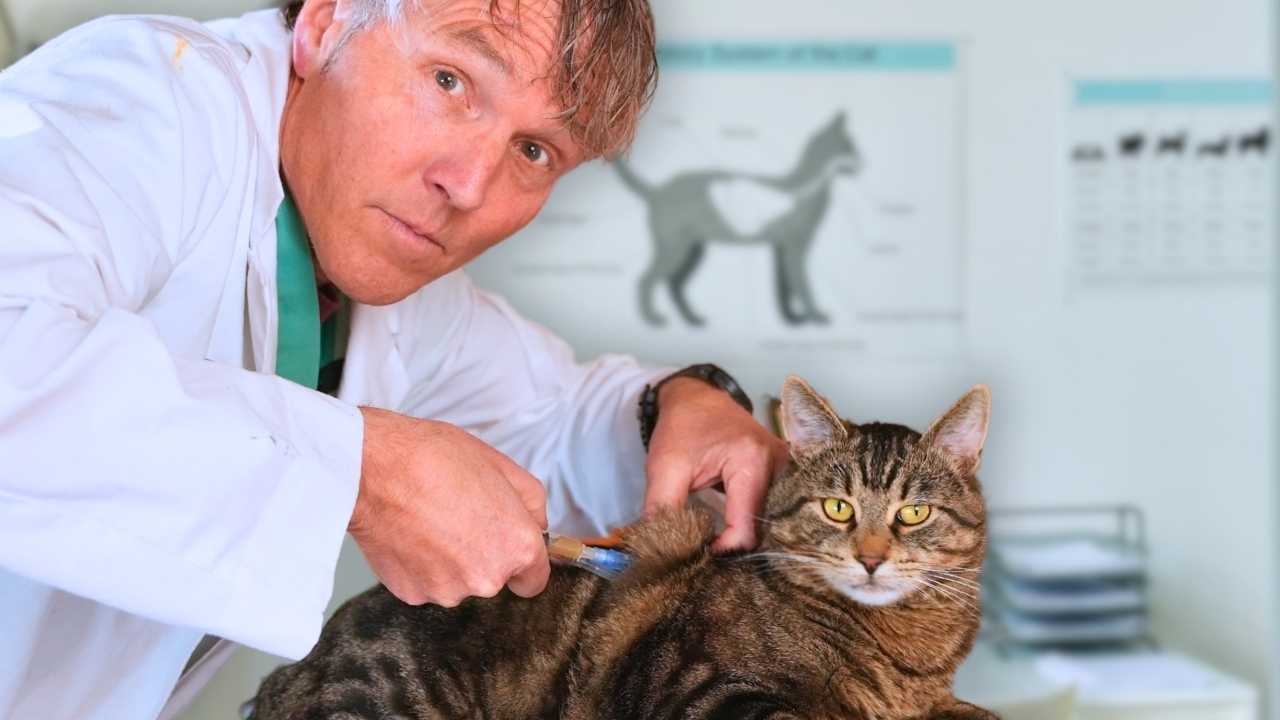
In my opinion, he does not need repeated vaccines every year.
Repeated immune stimulation may contribute to chronic inflammation in some cats, and chronic inflammation is one of the things I want to minimize as much as possible.
For indoor cats with low exposure risk, I would be very cautious about giving unnecessary vaccines.
Oral Health Support
Cassian had some mild gingivitis and a little tartar when I first started paying closer attention to his mouth.
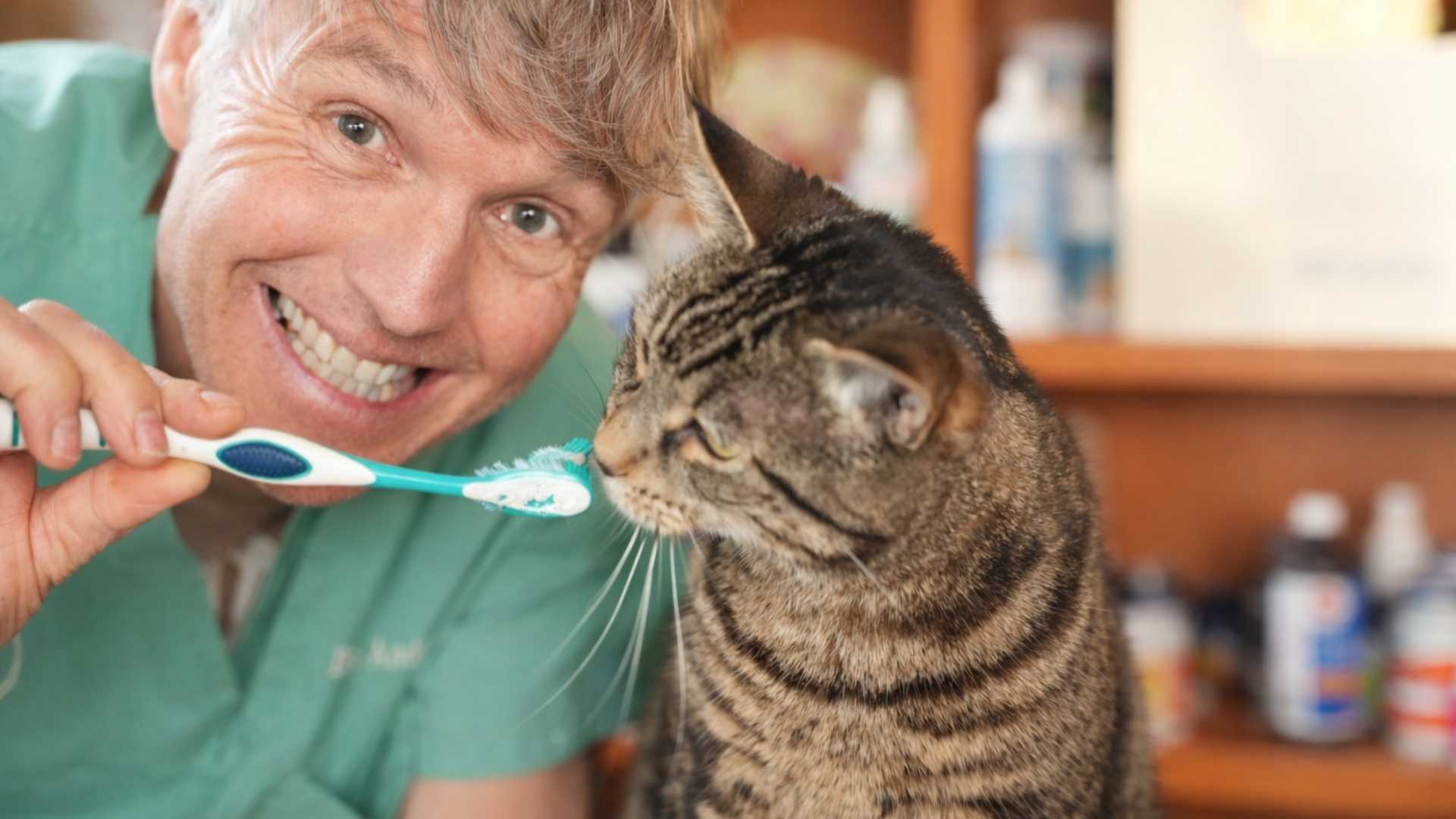
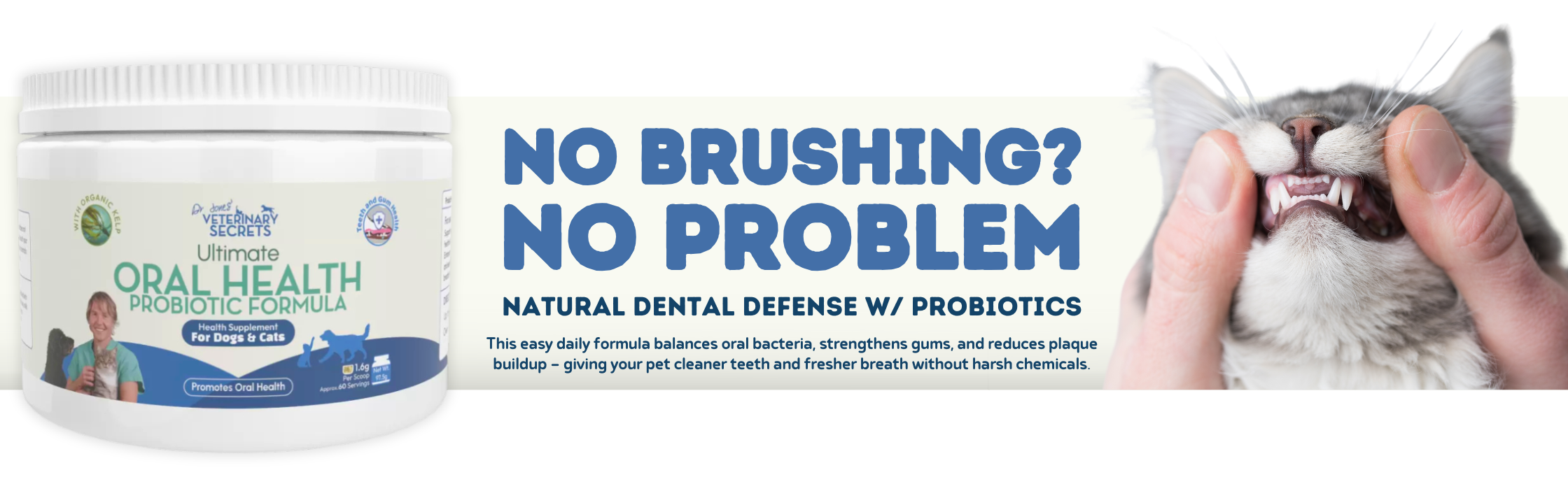
So I added in our Oral Health Probiotic Formula along with Ultimate Feline.
The oral health formula includes:
- Beneficial oral probiotics
- Organic Ascophyllum nodosum seaweed
- Coenzyme Q10
- Zinc
These ingredients are designed to help reduce plaque, support gum health, and improve the oral microbiome.
I mix a scoop into his food daily. It makes it simple.
Dr. Jones’ Ultimate Oral Health Probiotic Formula
Propolis for Gum Inflammation
I also use propolis at times.
Propolis, also called bee glue, is produced by bees and has strong antibacterial and anti-inflammatory properties.
Brazilian propolis in particular has some interesting research behind it for oral health.
When Cassian’s gums look a little inflamed, I apply a small amount to each side of his mouth.
He may question his life choices afterward, but it can be very helpful.
Weight Control for Cats
Cassian loves food.
So yes, he is slightly overweight.
My main approach is strict animal protein, lower carbohydrates, and more movement.
We play fetch at night. He chases hair ties around the house. I keep him moving as much as I can while still keeping him safe indoors.
If his weight does not improve over the next few months, I may consider adding a small amount of green tea to his food. About 1/4 cup daily may help slightly increase metabolic rate, and decaffeinated green tea can also be used.
Allergy Support
Cassian also has some allergies.
I am still not fully sure whether they are food-related, environmental, or both.
He no longer gets fish-based food, and he seems to tolerate chicken best.
But he still occasionally scratches around the base of his neck.
So I use two key supplements.
Omega-3 Fatty Acids
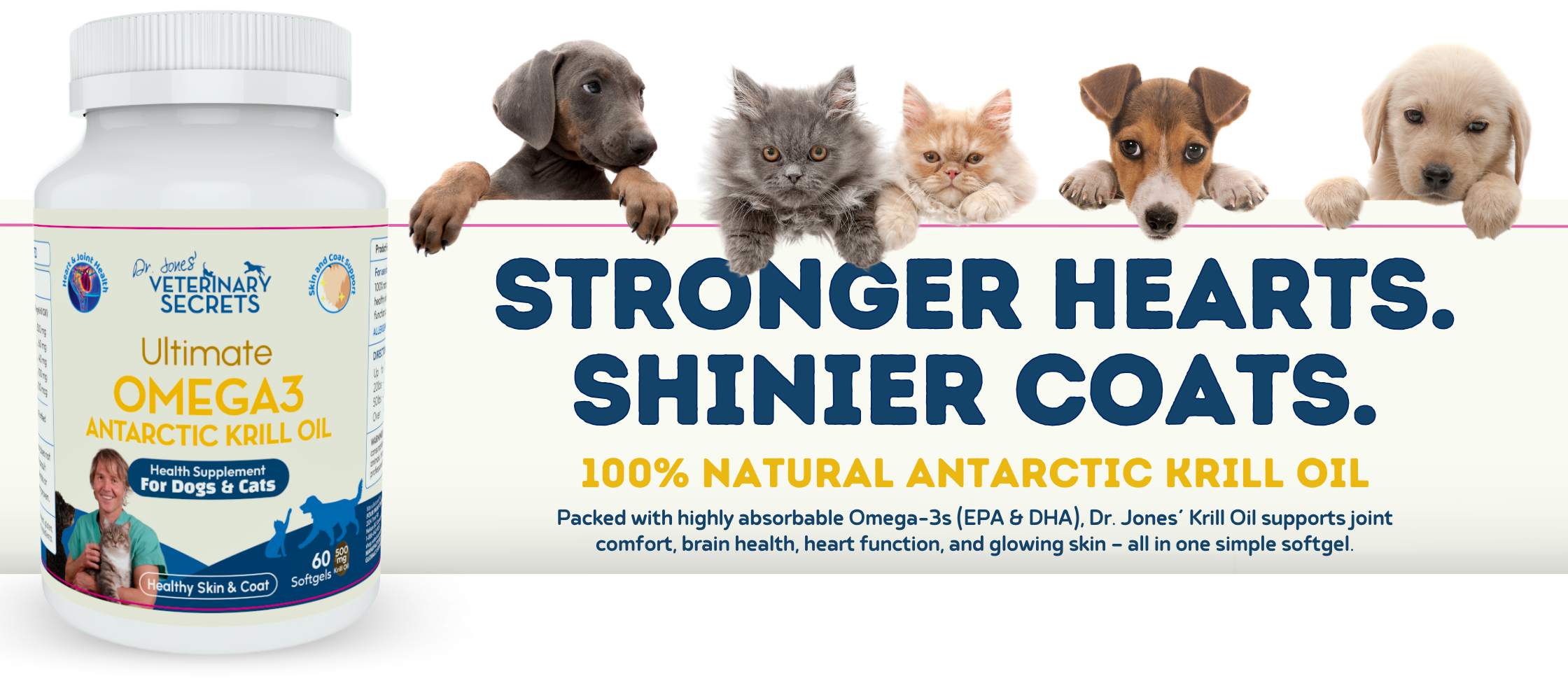
Cassian gets Dr. Jones’ Ultimate Omega-3 Formula, our krill oil supplement.
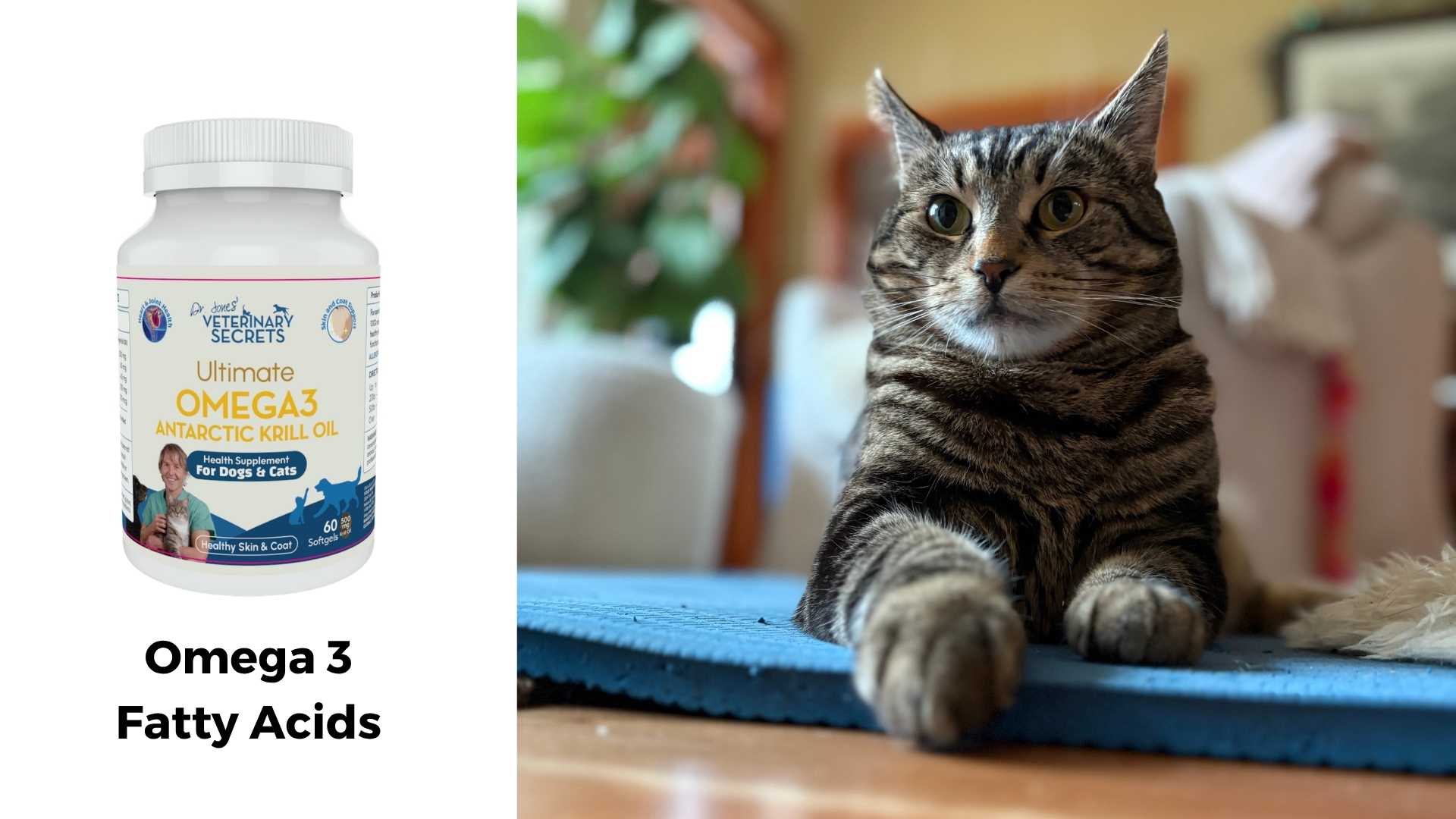
Omega-3 fatty acids, especially EPA and DHA, help reduce inflammation and support:
- Skin health
- Coat quality
- Joint health
- Kidney health
- Urinary tract health
- Immune balance
Since starting krill oil, his coat is softer, shinier, and he itches less.
Dr. Jones’ Ultimate Omega 3 Formula for Dogs and Cats
Bioactive Quercetin
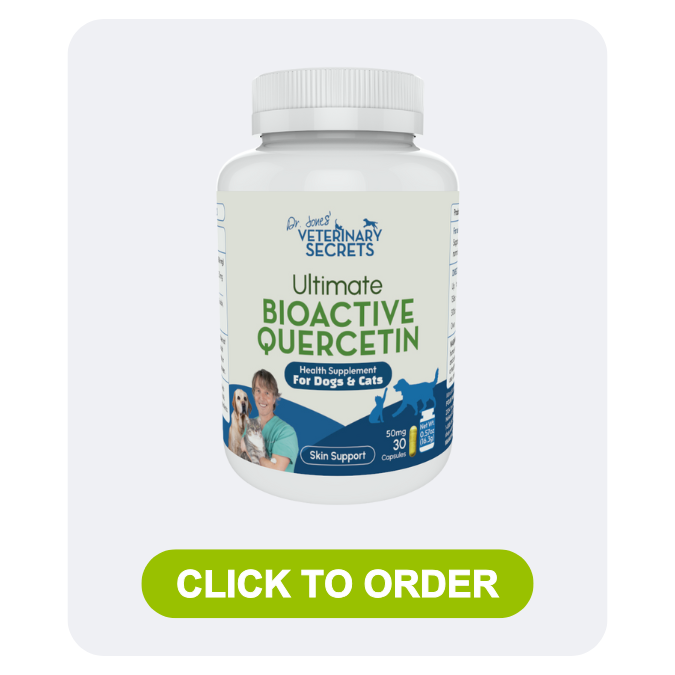
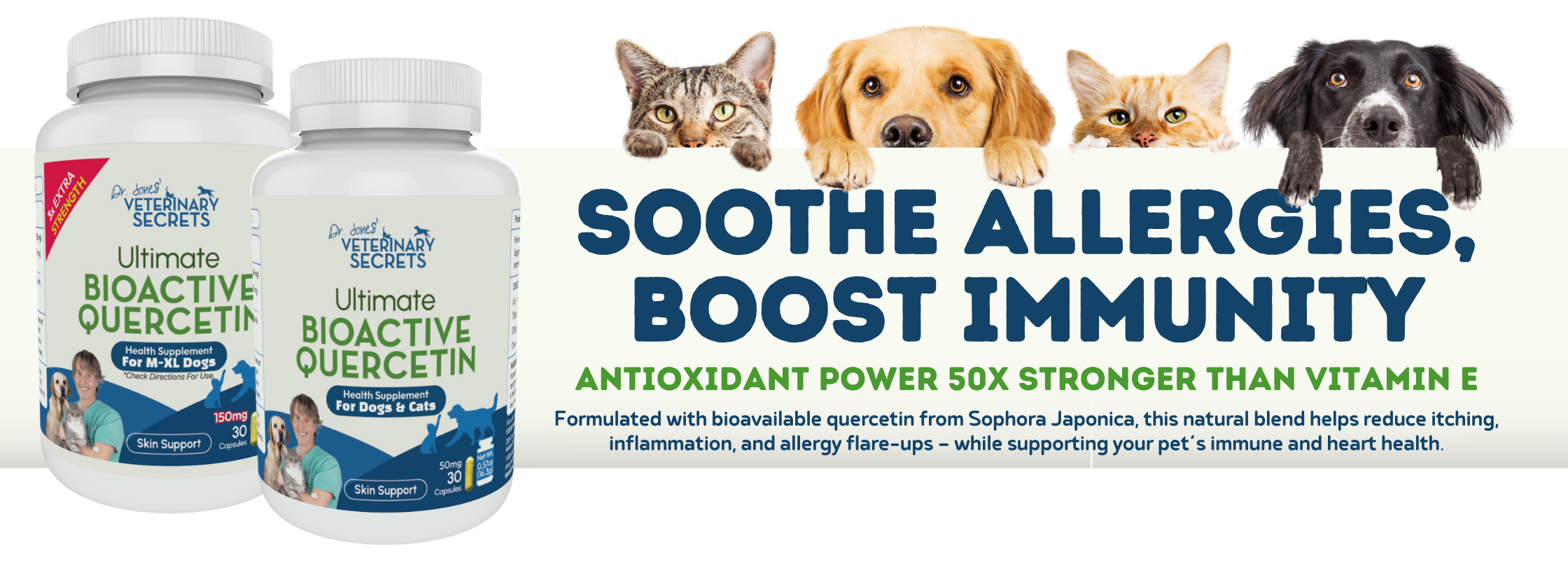
I also give Cassian Dr. Jones’ Bioactive Quercetin.
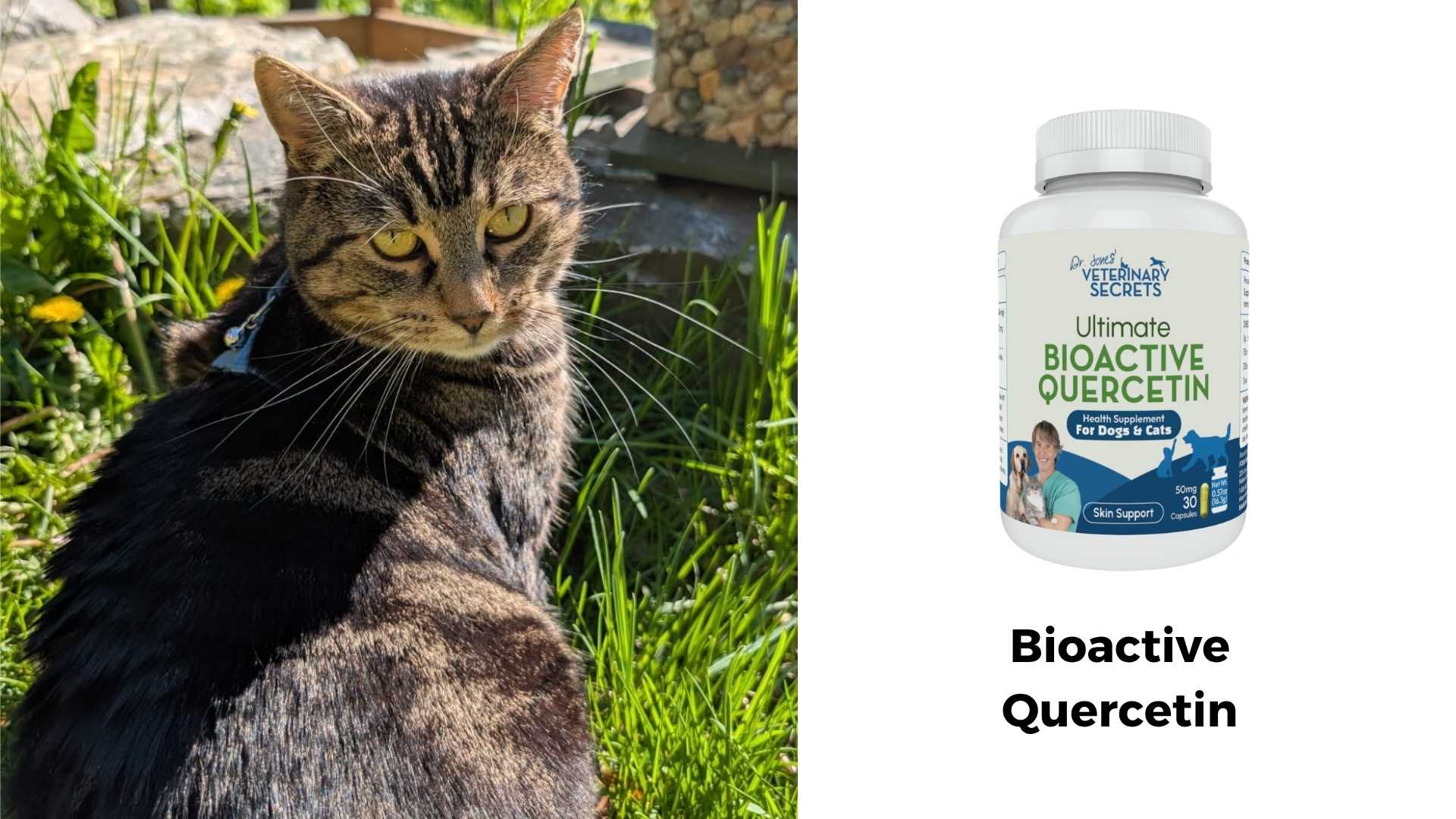
Quercetin is a natural bioflavonoid found in apple peel, red onion, and the Japanese pagoda flower. It acts like a natural antihistamine and helps reduce allergic inflammation.
For Cassian, I give about 50 mg once daily mixed into his food.
When he gets both krill oil and quercetin, his itching is well controlled.
Quercetin may also support oral health by helping reduce chronic inflammation, which is another reason I like it for him.
Dr. Jones’ Ultimate BioActive Quercetin for Dogs and Cats
My Big Takeaway
You do not have to do everything I am doing with Cassian.
But even a few changes can make a big difference.
Start with food.
- Add moisture.
- Increase animal protein.
- Reduce carbohydrates.
- Support the gut.
- Protect the kidneys.
- Pay attention to the teeth.
- Keep vaccines minimal when risk is low.
- Use targeted supplements when needed.
That is how I am trying to keep Cassian healthy and disease-free for as long as possible.
Click To Get A Free Copy of my E-Book!

P.S. If your cat is eating mostly kibble, start small. Add canned food. Add simple animal protein treats. Even 50% canned food can be a big improvement.
P.P.S. For daily support, Cassian gets Ultimate Feline, Omega-3 Krill Oil, Bioactive Quercetin, and Oral Health support. Yes, he is a well-supplemented cat, but he is doing wonderfully.
We feed our cats Lisa A. Pierson, DVM’s raw chicken cat food that we make. If we started adding your Ultimate Feline Health Formula; should we reduce the vitamins and minerals, including fish oils?
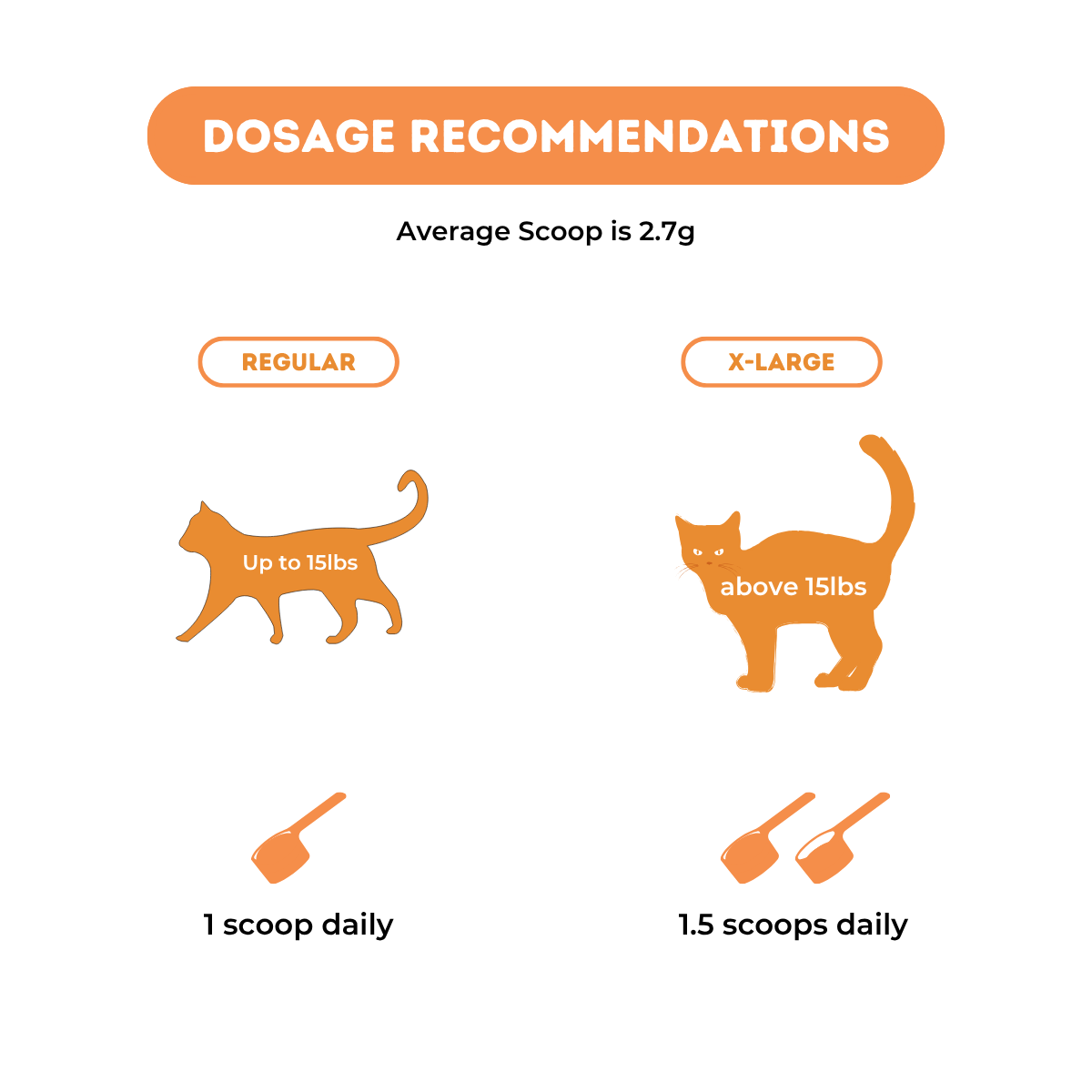
Since Ultimate Feline already contains vitamins, minerals and taurine, I wouldn’t simply stack it on top of the full supplement mix without adjusting. The fish oil is a little different because Omega 3s are not included in Ultimate Feline, so you can generally keep that in. If you’re following Lisa Pierson’s recipe exactly, I’d keep the recipe balanced and use Ultimate Feline as the added supplement rather than doubling up individual vitamins and minerals. And always check the amounts for your cat’s weight.