Can Pets Get Hantavirus? What is HANTAVIRUS, and can it affect our PETS?

What Pet Parents Need to Know About Hantavirus, Outdoor Cats, and Rodents
A relatively unusual infectious disease recently made headlines after several people became seriously ill on a cruise ship, and unfortunately, three people died.
The cause was identified as Hantavirus, a rare but serious virus most often linked to wild rodents, especially deer mice. Naturally, that raises an important question for pet parents:
Can dogs and cats get Hantavirus? And should we be worried?
The good news is this: based on what we know right now, dogs and cats can be exposed to Hantavirus, but they do not appear to become clinically ill from it, and they are not known to directly spread it to people.
Daily Immune Support for Dogs
One of the best ways to help protect your dog against disease is to keep the immune system well supported every single day. That starts with good food, movement, lower stress, and targeted daily nutrition.
In other words, it is meant to help cover the key areas your dog relies on every day: gut, joints, skin, heart, immune system, and inflammation control. If your dog is exposed to stress, environmental toxins, infections, aging changes, or daily wear and tear, this is the kind of broad nutritional support I want in place before problems start.

Daily Immune Support for Cats
Cats also need daily immune support, but their needs are different from dogs. Dr. Jones’ Ultimate Feline Health Formula is built specifically for cats, with a joint support blend of glucosamine, chondroitin, and MSM, an immune protective blend with bovine colostrum, inositol hexaphosphate, and maitake mushroom, amino acids including taurine, a multi-strain prebiotic and probiotic blend, calcium carbonate, and a full vitamin and mineral profile. That makes it a practical way to help keep your cat’s system better prepared for whatever they may be exposed to.



What Is Hantavirus?
Hantavirus is a virus carried mostly by wild rodents.
In North America, the main carrier is the deer mouse. These mice can shed the virus through their:
- Urine
- Droppings
- Saliva
People usually become infected by breathing in tiny airborne particles from contaminated rodent waste. This can happen when you sweep out an old shed, clean a chicken coop, disturb nesting material, or work in an area where infected rodents have been living.
The incubation period is usually long, often between 1 and 4 weeks before symptoms appear.
Why Hantavirus Can Be So Serious
In some people, Hantavirus causes a severe illness called Hantavirus Pulmonary Syndrome.

It can begin like the flu, with fever, fatigue, stomach upset, and body aches. Then it can rapidly progress into serious lung disease, pneumonia-like symptoms, breathing distress, and respiratory shock.
In severe cases, it can be fatal.
That is why this virus gets attention, even though it remains rare.
Why the Cruise Ship Outbreak Was Different
Normally, Hantavirus is linked to rodent exposure.

But in the recent cruise ship outbreak, researchers believe the strain involved may have spread from person to person. This appears to be connected to the Andean strain of Hantavirus, which has been reported in South America and is unusual because it can spread between people in some cases.
That is very different from the more typical North American strains, which are not known to spread from person to person.
Can Dogs and Cats Get Hantavirus?
Yes, dogs and cats can be exposed.
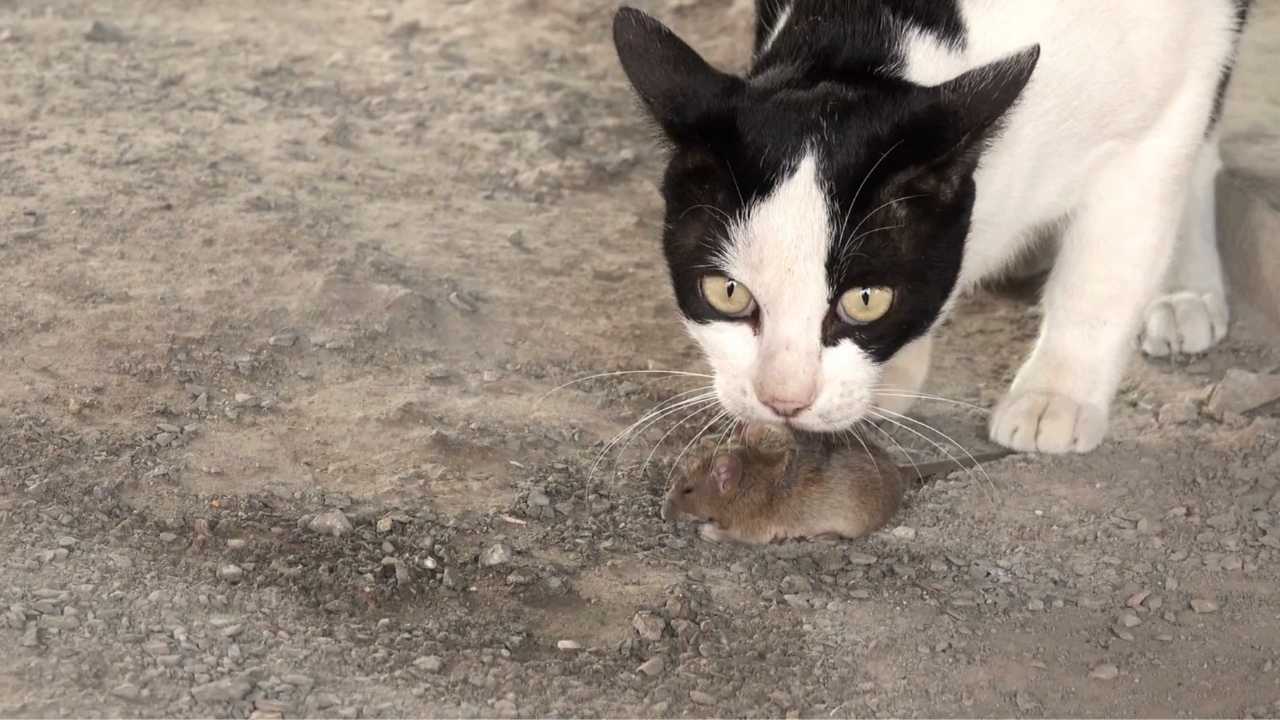
Your outdoor cat may hunt deer mice. Your dog may sniff around rodent nests or dig in places where mice have been living.
But here is the reassuring part.
Dogs and cats do not appear to get sick from Hantavirus in any meaningful way. They do not show the serious respiratory illness that people can develop. It is not considered a clinically significant disease in pets.
So, if your cat is a mouser, Hantavirus is not the main concern for your cat.
There are other things outdoor cats can pick up from rodents, such as parasites like tapeworms, but Hantavirus itself is not currently considered a major pet health risk.
Can Pets Spread Hantavirus to People?
Based on what we know, dogs and cats are not known to spread Hantavirus directly to humans.
The bigger risk is indirect.
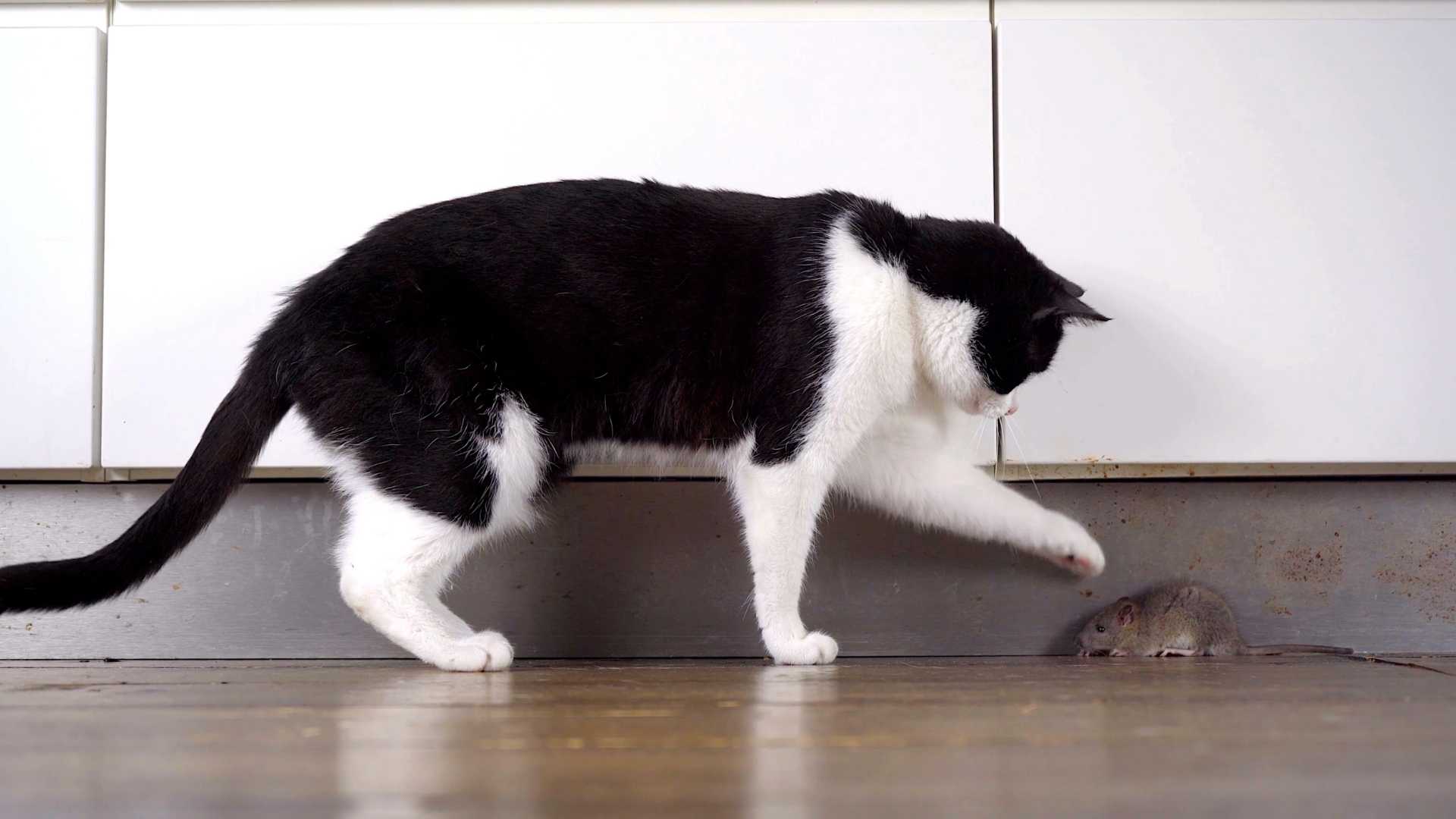
For example, if your cat catches a deer mouse and brings it into the house, you may be exposed to rodent saliva, urine, or droppings. The danger is not your cat. The danger is the contaminated rodent material.
So the real focus should be rodent control and safe cleanup.
What Pet Parents Should Actually Worry About
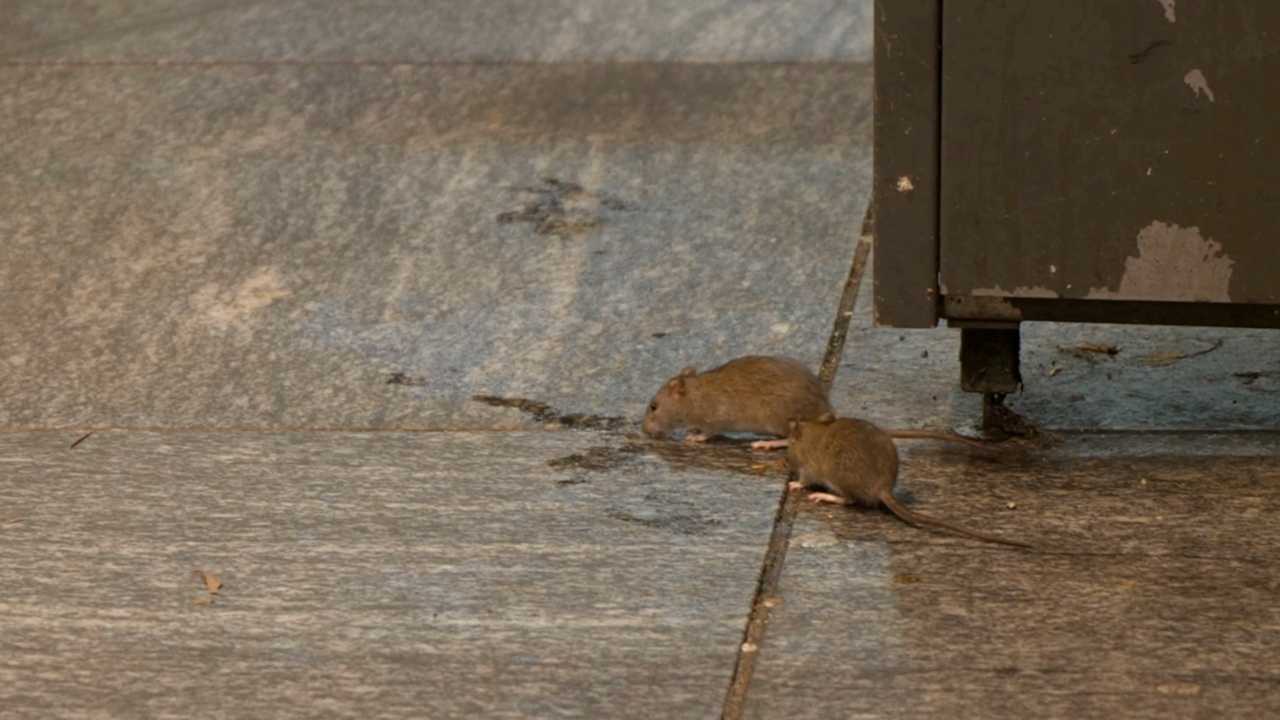
If you live in an area with deer mice, barns, sheds, chicken coops, or outdoor storage areas, be careful when cleaning.
Do not dry sweep mouse droppings.
That can aerosolize particles and increase your risk of breathing them in.
Instead, use safe cleanup practices:
- Wear a mask
- Wear gloves
- Wet contaminated areas first with disinfectant
- Avoid stirring up dust
- Dispose of contaminated material safely
This is especially important in enclosed spaces like sheds, cabins, garages, and chicken coops.
Should Outdoor Cats Be Kept Inside Because of Hantavirus?
Not specifically because of Hantavirus.
Your cat is not likely to become sick from it.
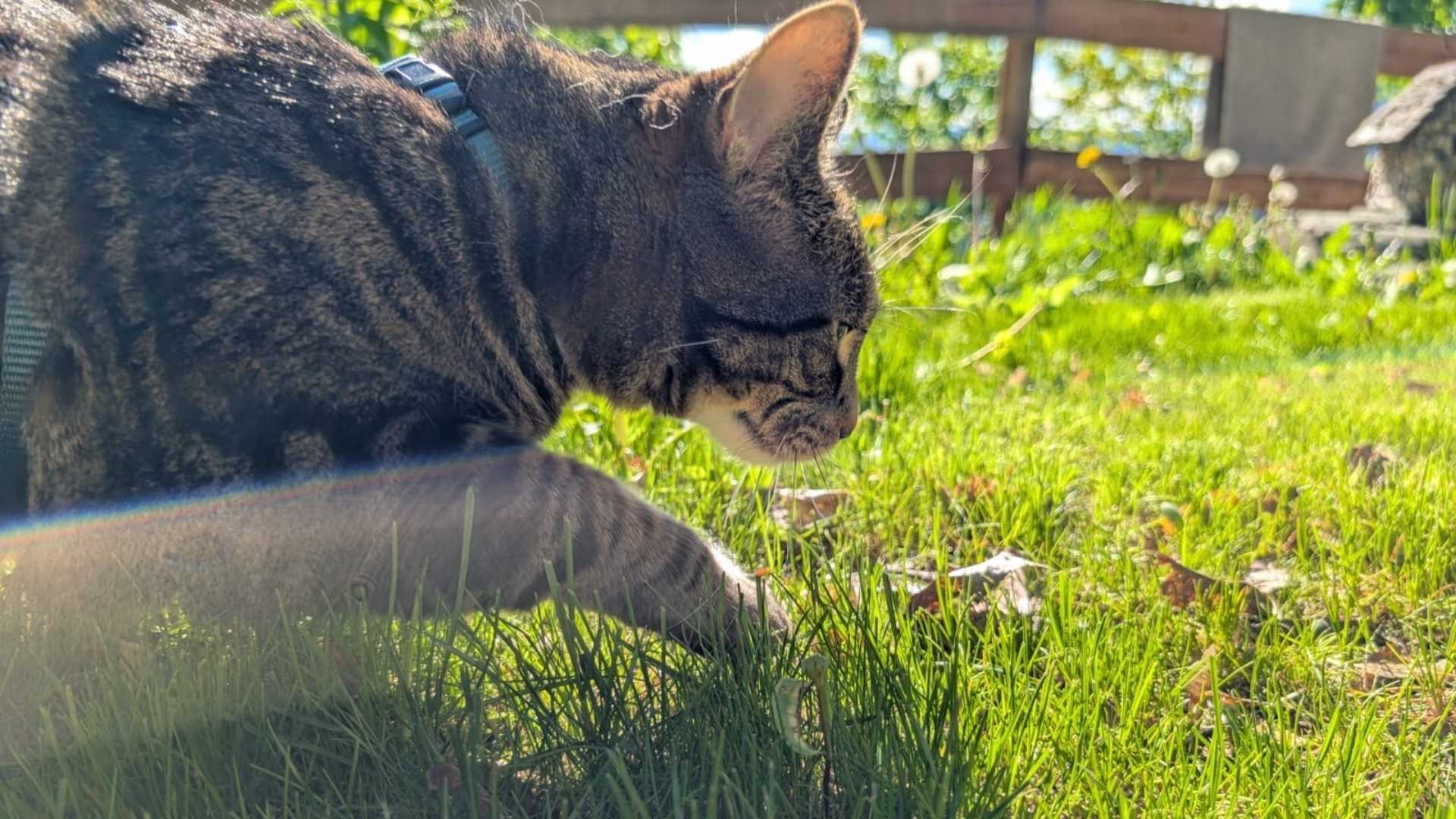
That said, outdoor cats do face other risks, including parasites, injuries, predators, cars, and other infectious diseases.
But when it comes to Hantavirus, I would not panic.
Use common sense. Reduce rodent access where possible. Store pet food properly. Keep areas clean. And if your cat brings home a mouse, handle it carefully.
My Takeaway
Hantavirus is serious for people, but it is rare.
For dogs and cats, the risk appears very low.
Your pet is unlikely to get sick from Hantavirus, and they are not known to directly transmit it to you.
The real concern is exposure to infected rodent urine, droppings, saliva, or nesting material.
So focus on prevention.
Keep rodents out. Clean safely. Store food properly. Wear a mask when cleaning dusty areas where mice may have been living.
And if anything changes with this disease and pets, I will let you know.
Click To Get A Free Copy of My E-Book!

P.S. If you have outdoor cats or dogs who spend time around barns, sheds, or chicken coops, do not panic. Just be smart about rodent exposure and cleanup.
P.P.S. Hantavirus is not a reason to fear your pet. It is a reason to respect rodents, their droppings, and the importance of safe cleaning.








Good question to address — pet owners ask this every time an outbreak hits the news. We have been maintaining Hantavirus Tracker for the 2026 MV Hondius cluster; it aggregates WHO/CDC/ECDC reporting and includes notes on cross-species transmission context. Useful background for vet clients trying to assess actual risk to their pets vs. media-driven fear.
The good news is that based on what we know so far, dogs and cats do not appear to get clinically ill from Hantavirus and are not known to directly spread it to people. The bigger concern is still exposure to infected rodent droppings, urine, or nesting material.