Can Dogs and Cats Get It, and Should Pet Parents Be Worried?
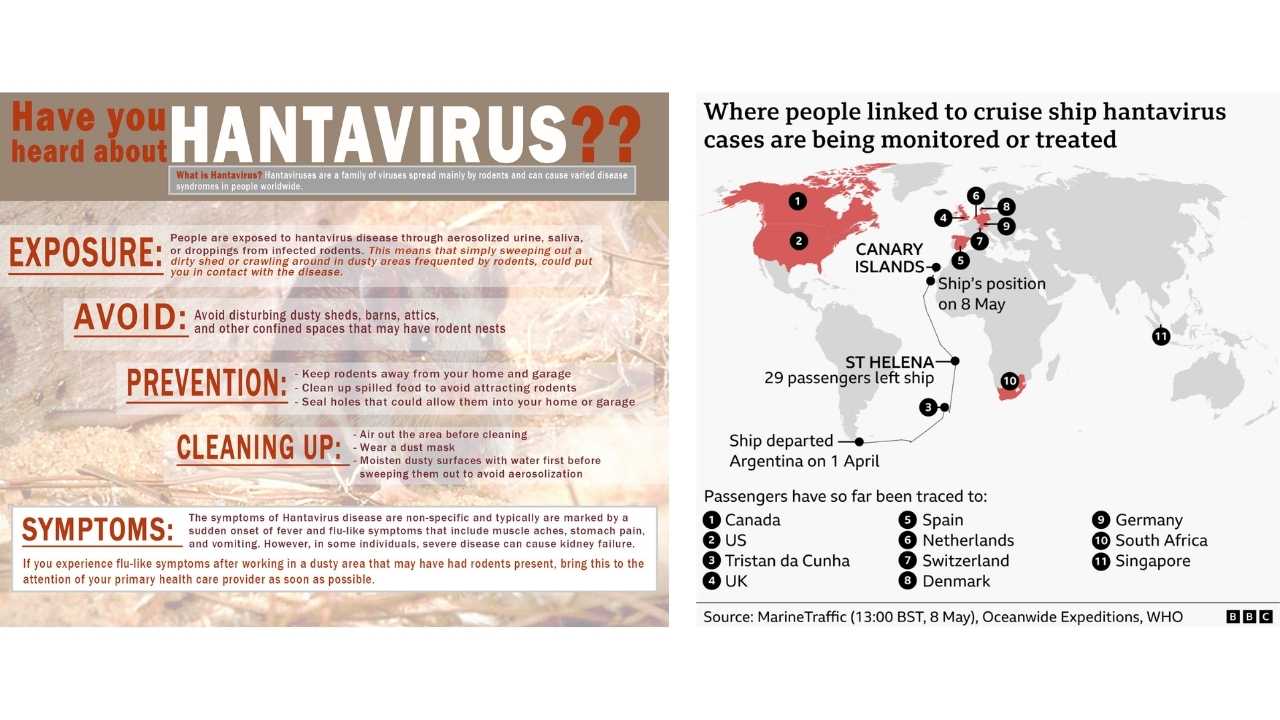
An outbreak of disease on a cruise ship recently led to several people becoming seriously ill, and unfortunately, three people dying.
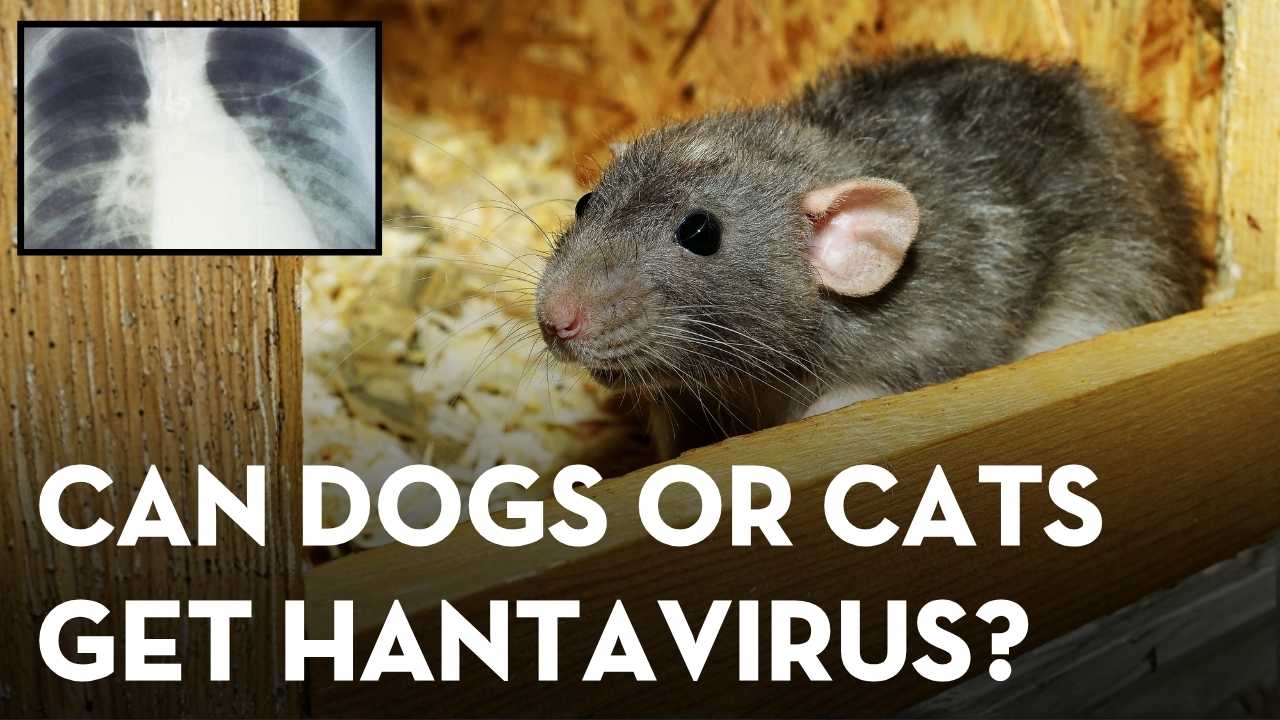
Virologists were able to determine that the illness was caused by an unusual form of Hantavirus, including a strain that appears capable of spreading from person to person. Because Hantavirus is usually linked to rodents, especially deer mice, it naturally made me wonder about the possible risks to our dogs and cats.
The good news is this:
Your dog or cat is very unlikely to become seriously ill from Hantavirus, and they do not directly spread it to people.
That said, there is still an important connection between pets and this potentially deadly disease that every pet parent should understand.
One of the best ways to help protect your dog against disease is to keep the immune system well supported every single day. That starts with good food, movement, lower stress, and targeted daily nutrition.
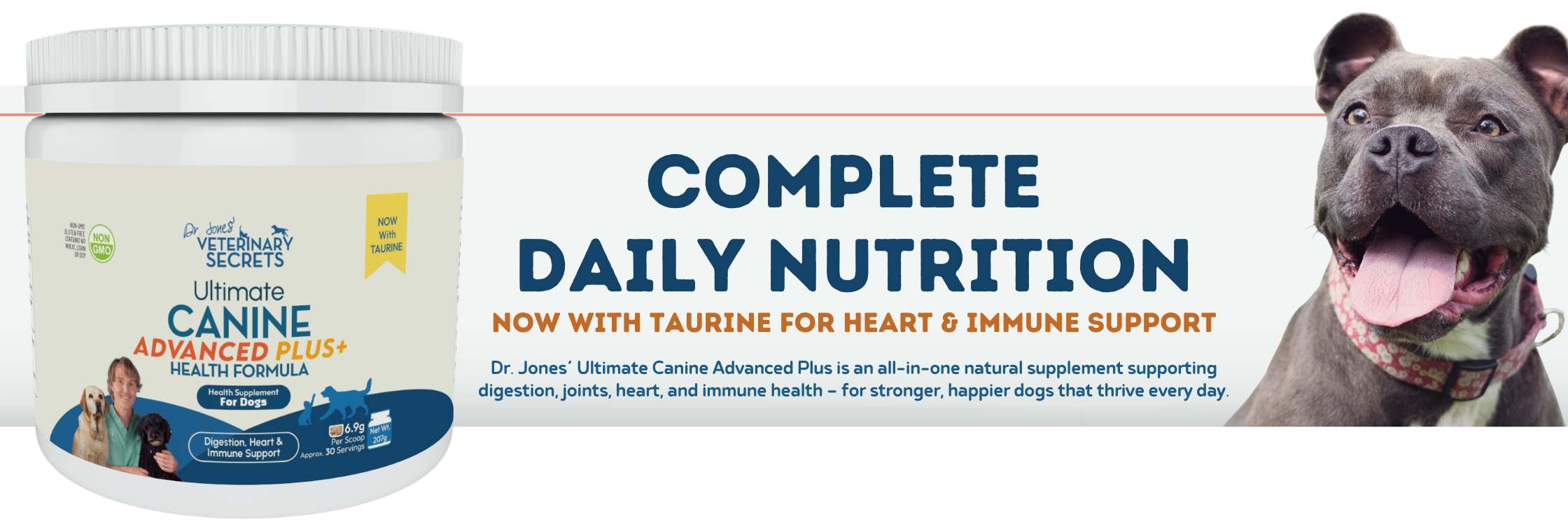
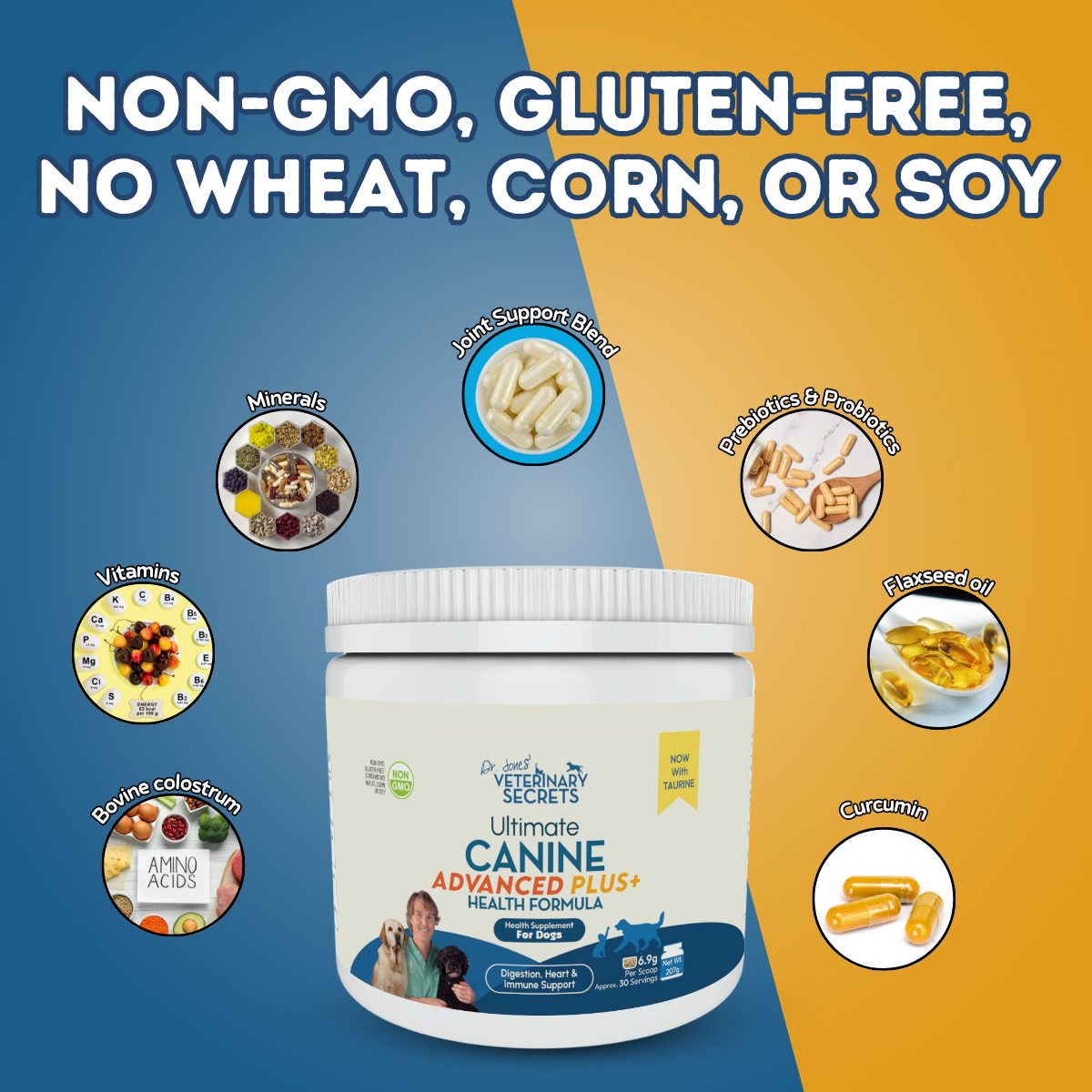
In other words, it is meant to help cover the key areas your dog relies on every day: gut, joints, skin, heart, immune system, and inflammation control. If your dog is exposed to stress, environmental toxins, infections, aging changes, or daily wear and tear, this is the kind of broad nutritional support I want in place before problems start.
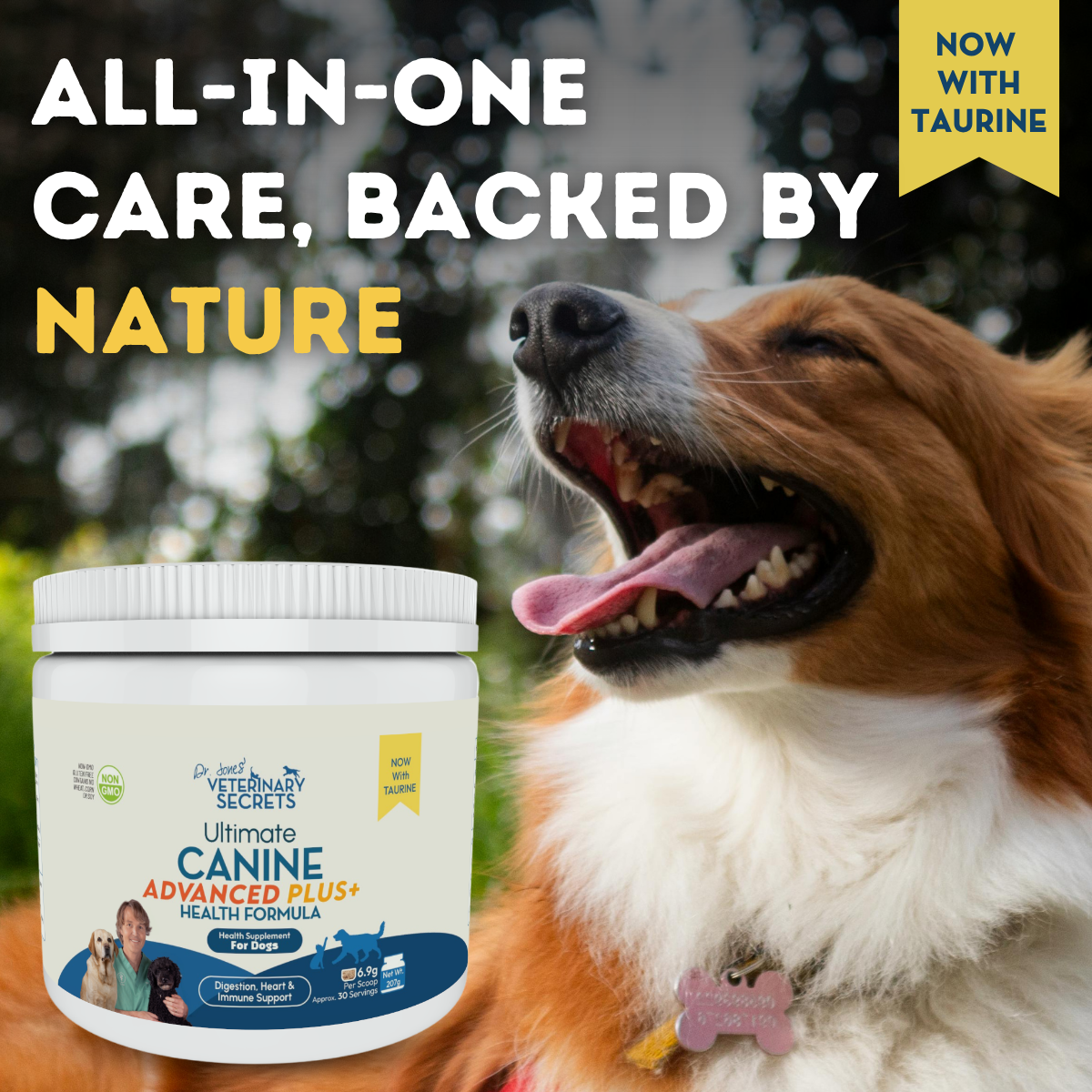
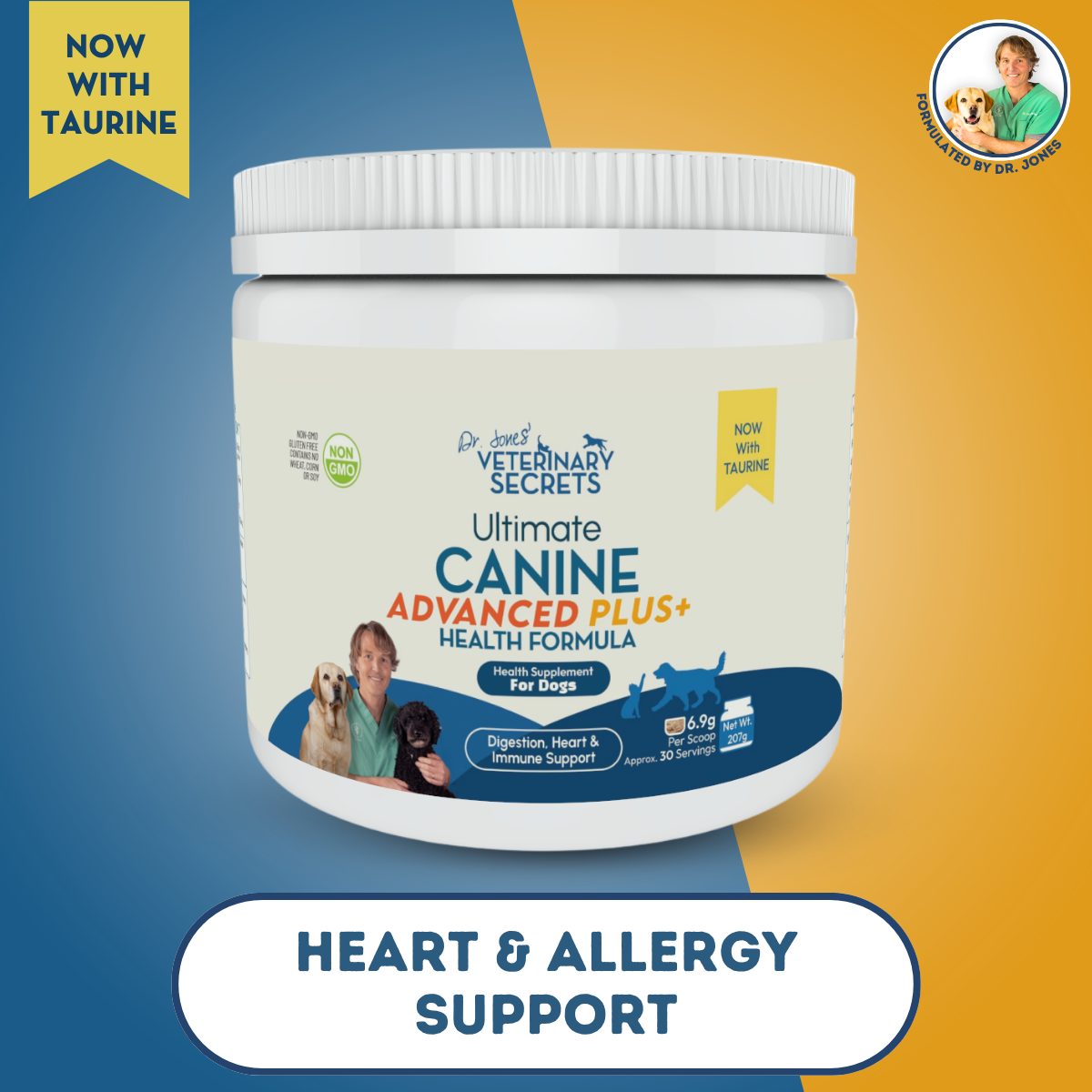
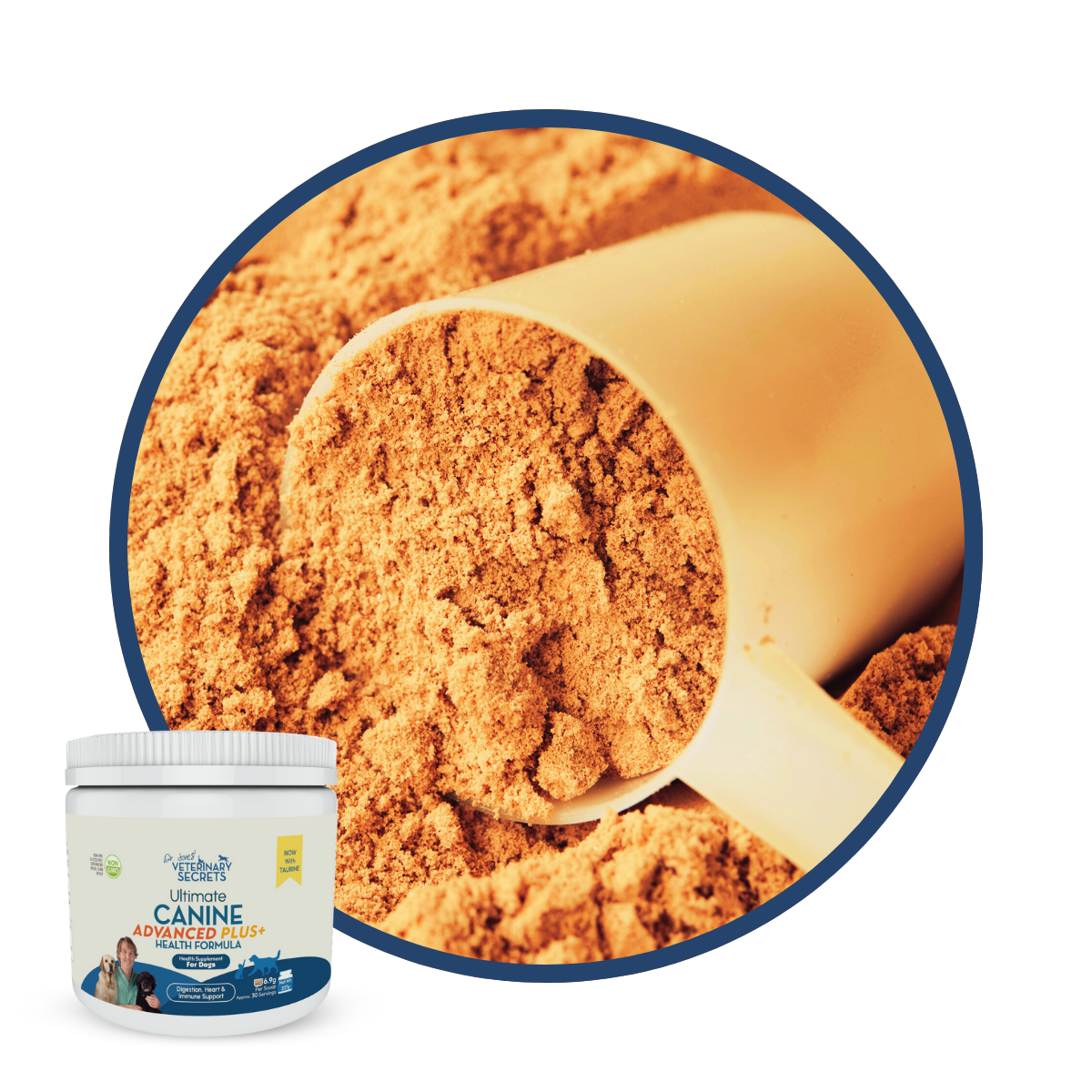
Dr. Jones’ Ultimate Canine Advanced Plus is a holistic, natural nutritional supplement designed to support the health and vitality of dogs. This formula is in powder format that you can mix with your dog’s food or a treat, and it comes in two sizes, a 30-day supply and a 90-day supply (based on dogs up to 50lbs – for larger dogs, refer to the dosing recommendations below to ensure optimal benefits).
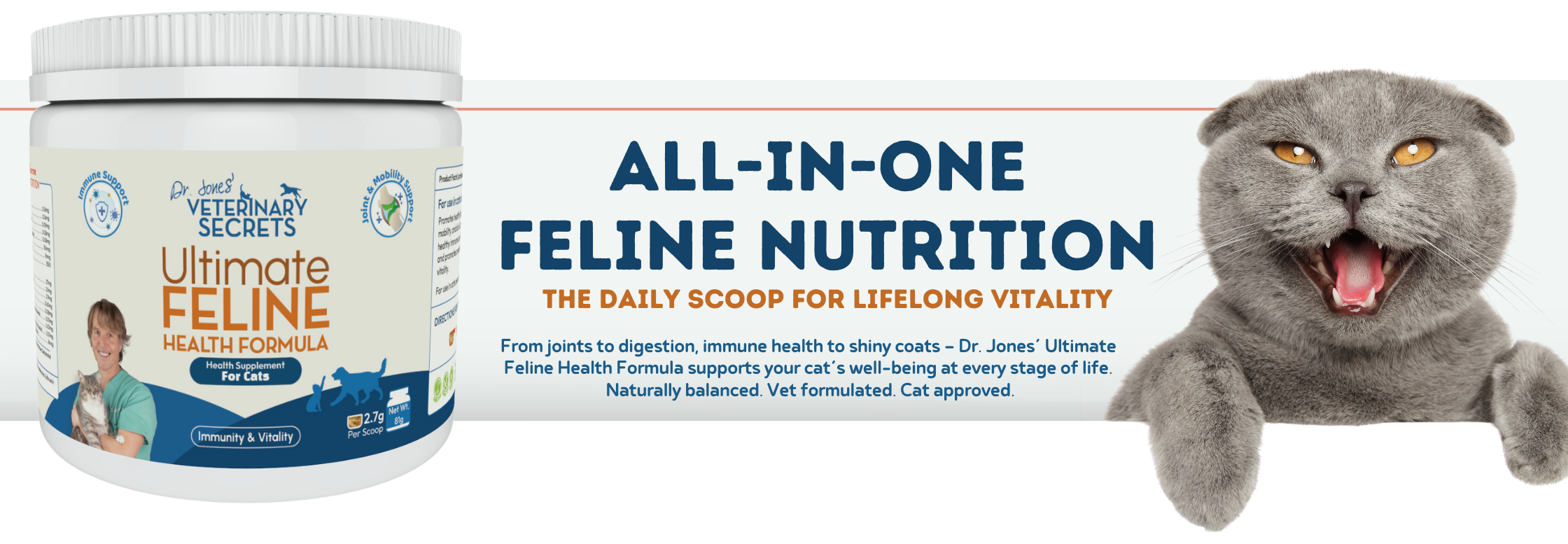
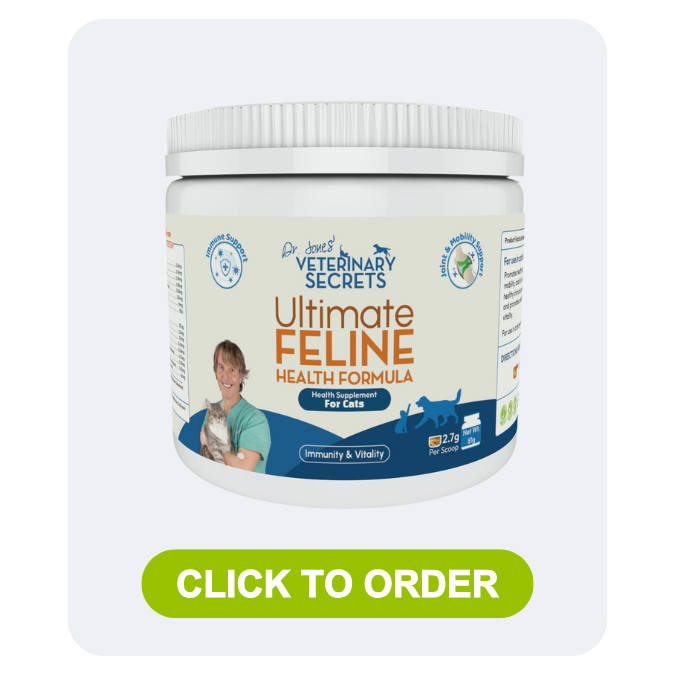
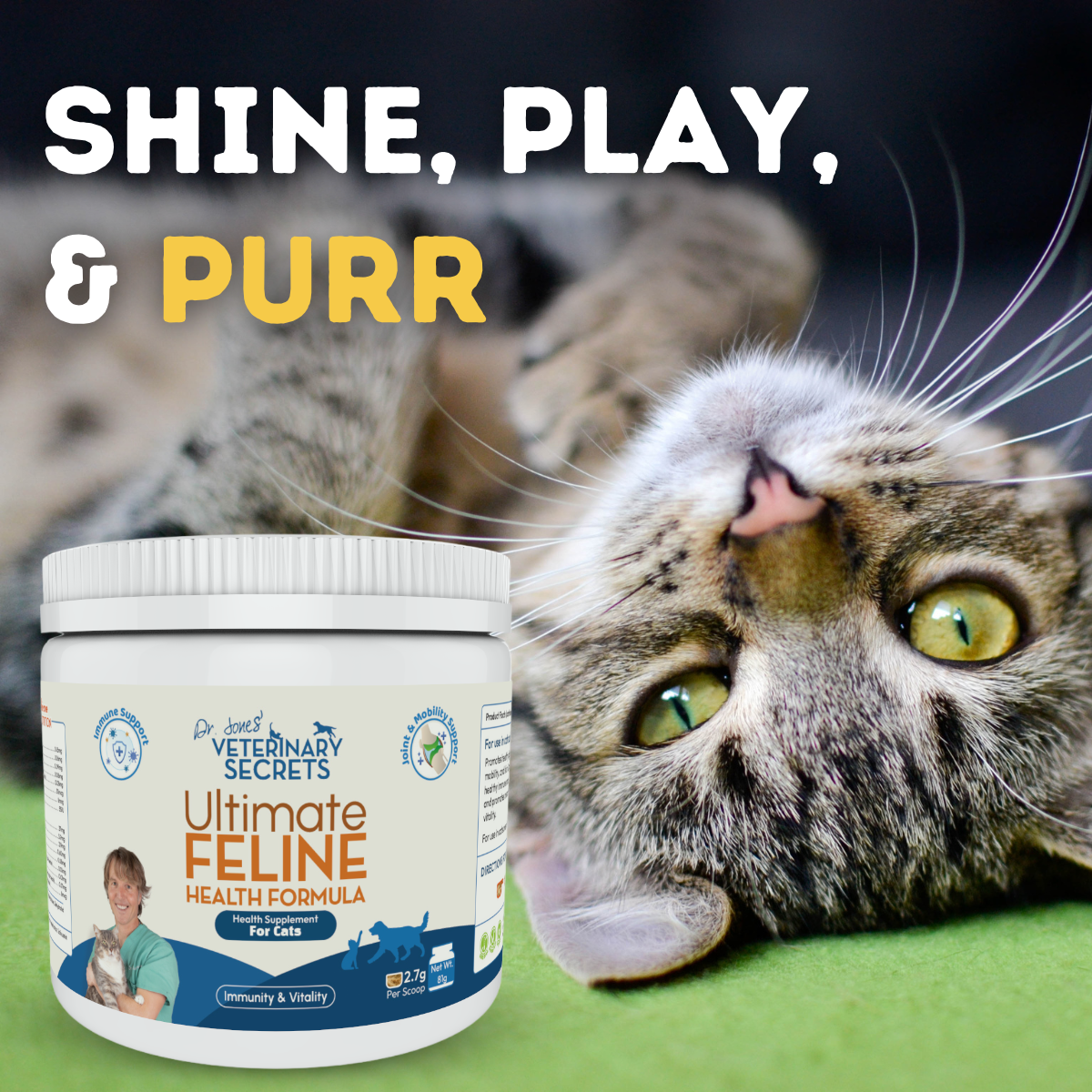
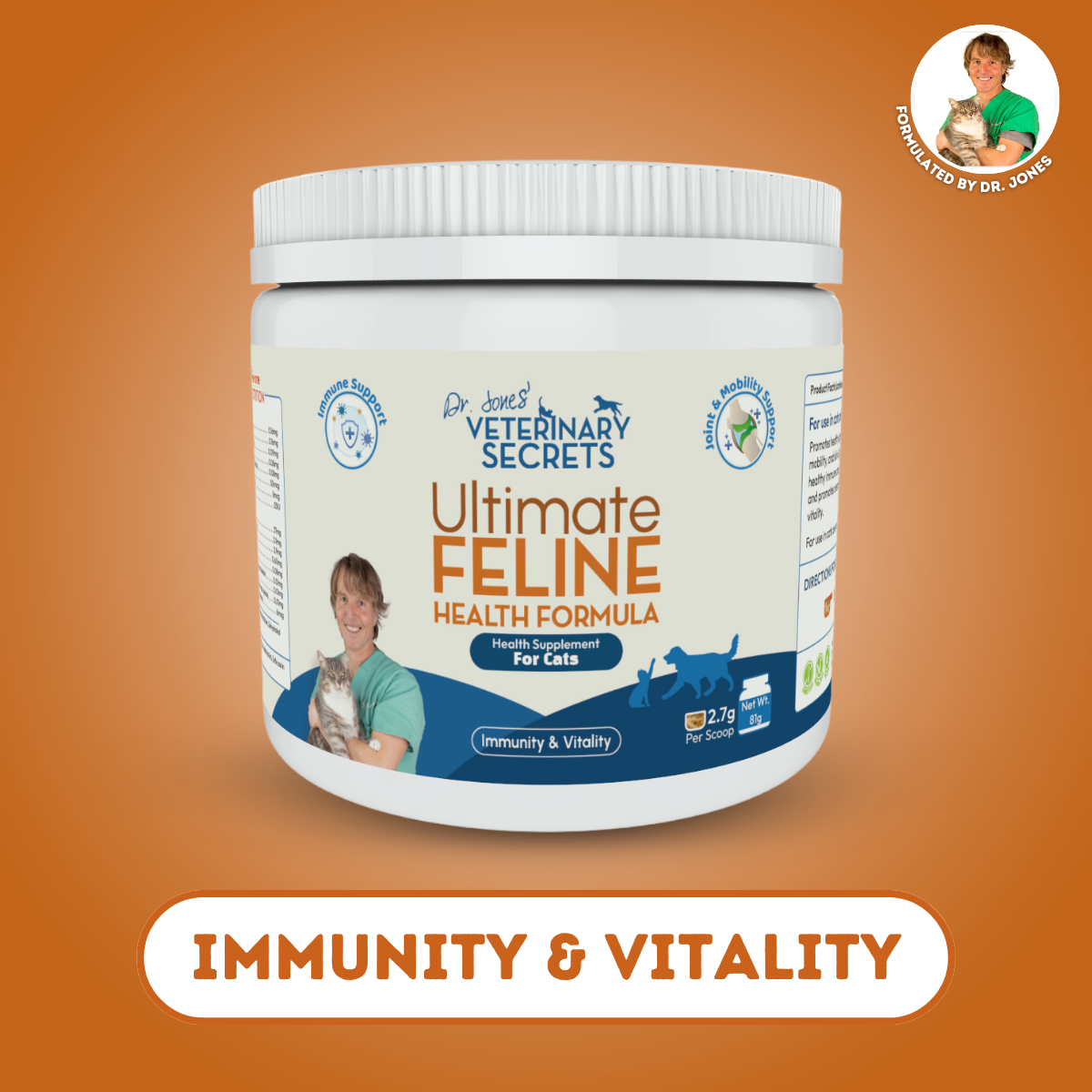
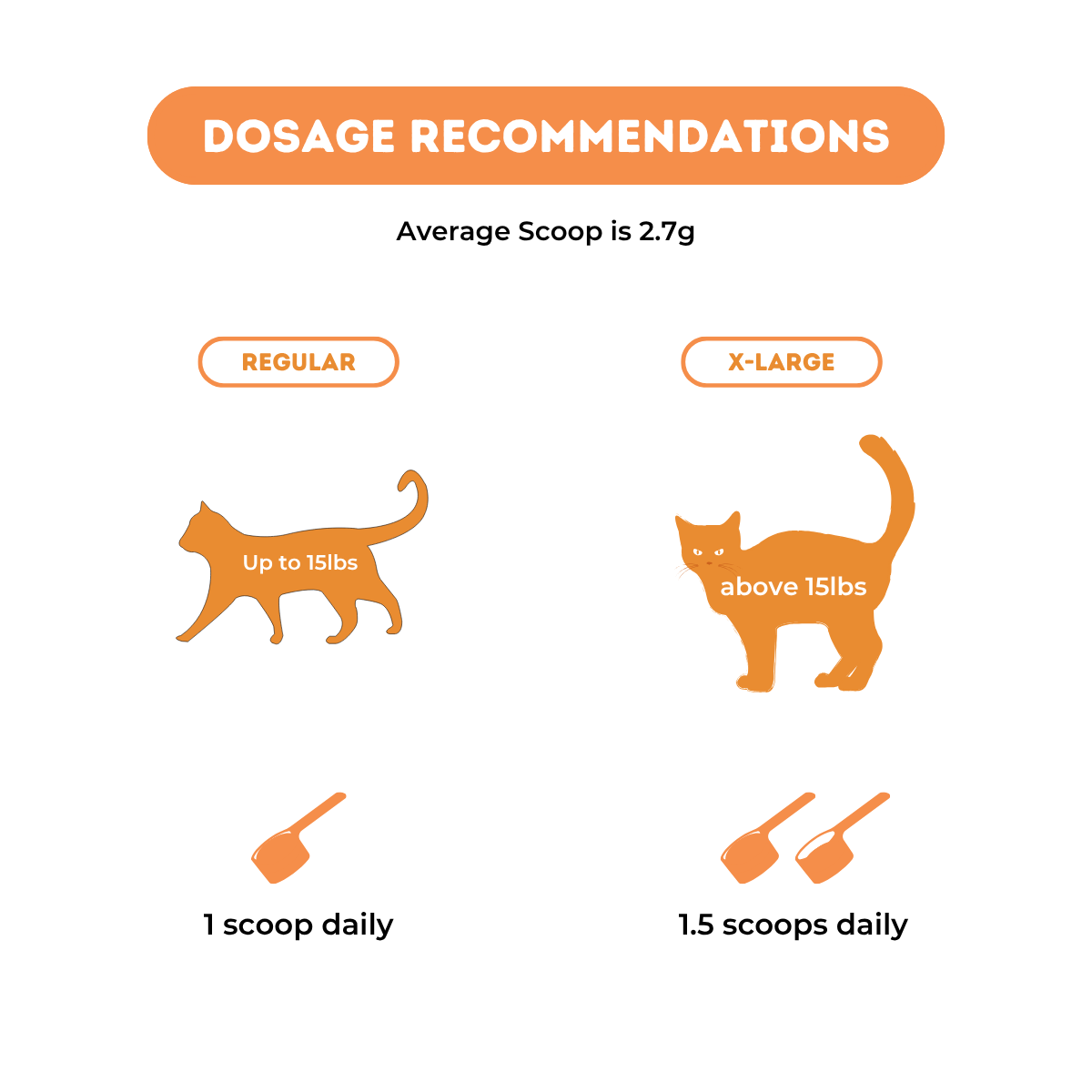
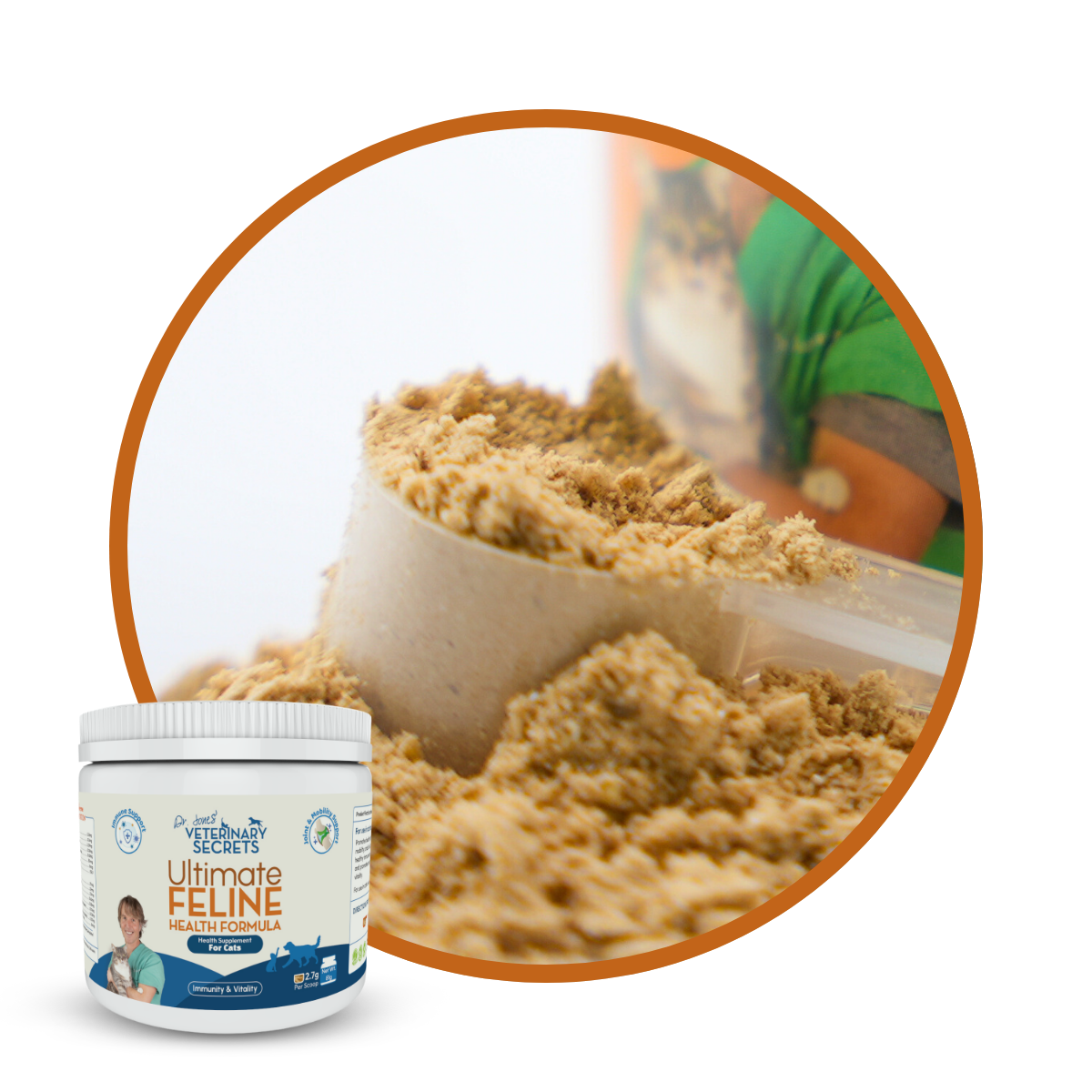
Cats also need daily immune support, but their needs are different from dogs. Dr. Jones’ Ultimate Feline Health Formulais built specifically for cats, with a joint support blend of glucosamine, chondroitin, and MSM, an immune protective blend with bovine colostrum, inositol hexaphosphate, and maitake mushroom, amino acids including taurine, a multi-strain prebiotic and probiotic blend, calcium carbonate, and a full vitamin and mineral profile. That makes it a practical way to help keep your cat’s system better prepared for whatever they may be exposed to.
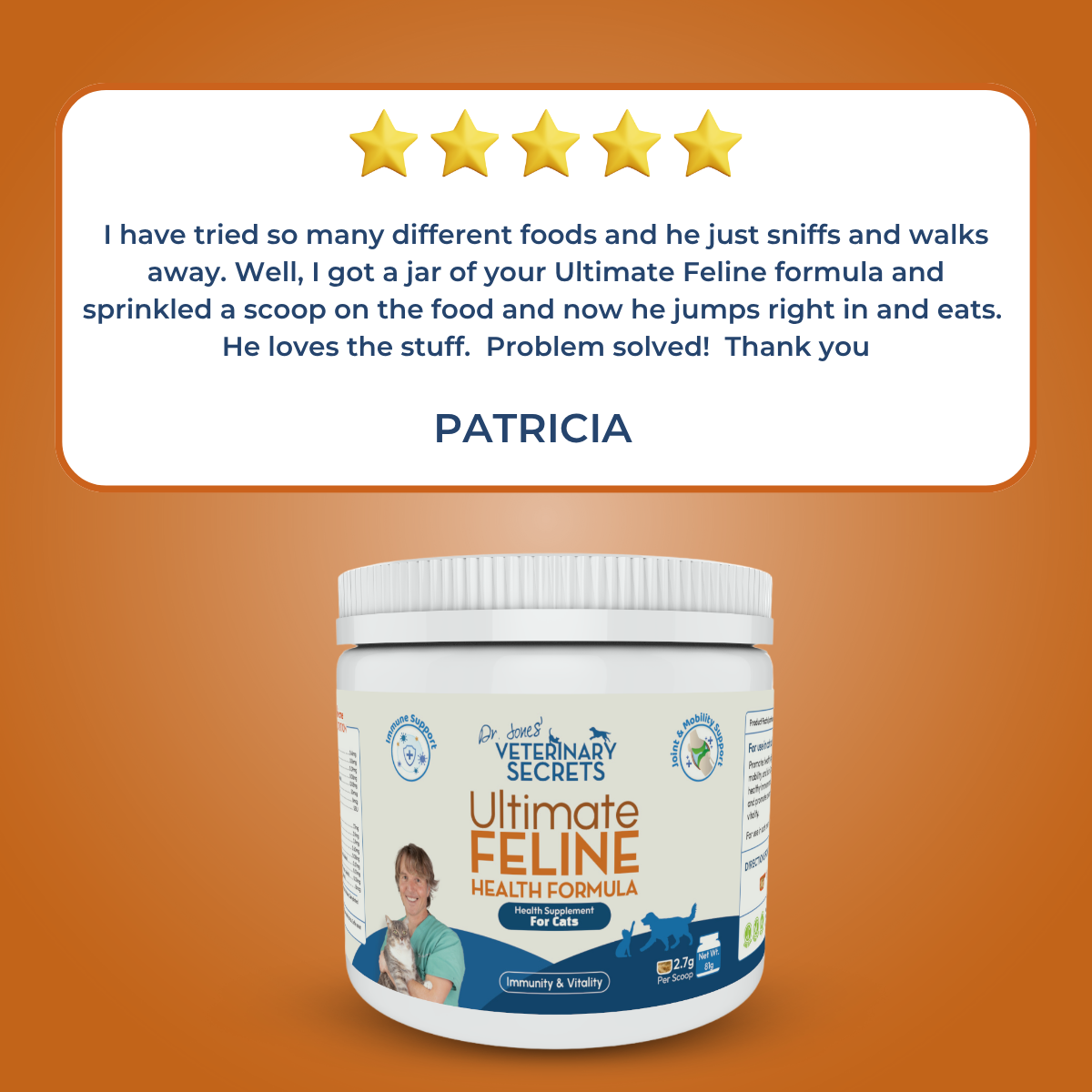
Dr. Jones’ Ultimate Feline Health Formula is a complete, all-natural supplement designed to enhance your cat’s overall health, and help ensure graceful aging for your cat. It promotes digestive health, mobility, immune strength, and a healthy skin and coat, improving quality of life and vitality for a happier, more active cat. Trust in our holistic approach to support your cat’s well-being at every stage of life. The formula is in powder format, which you can mix with your cat’s food or give with a treat
What Is Hantavirus?
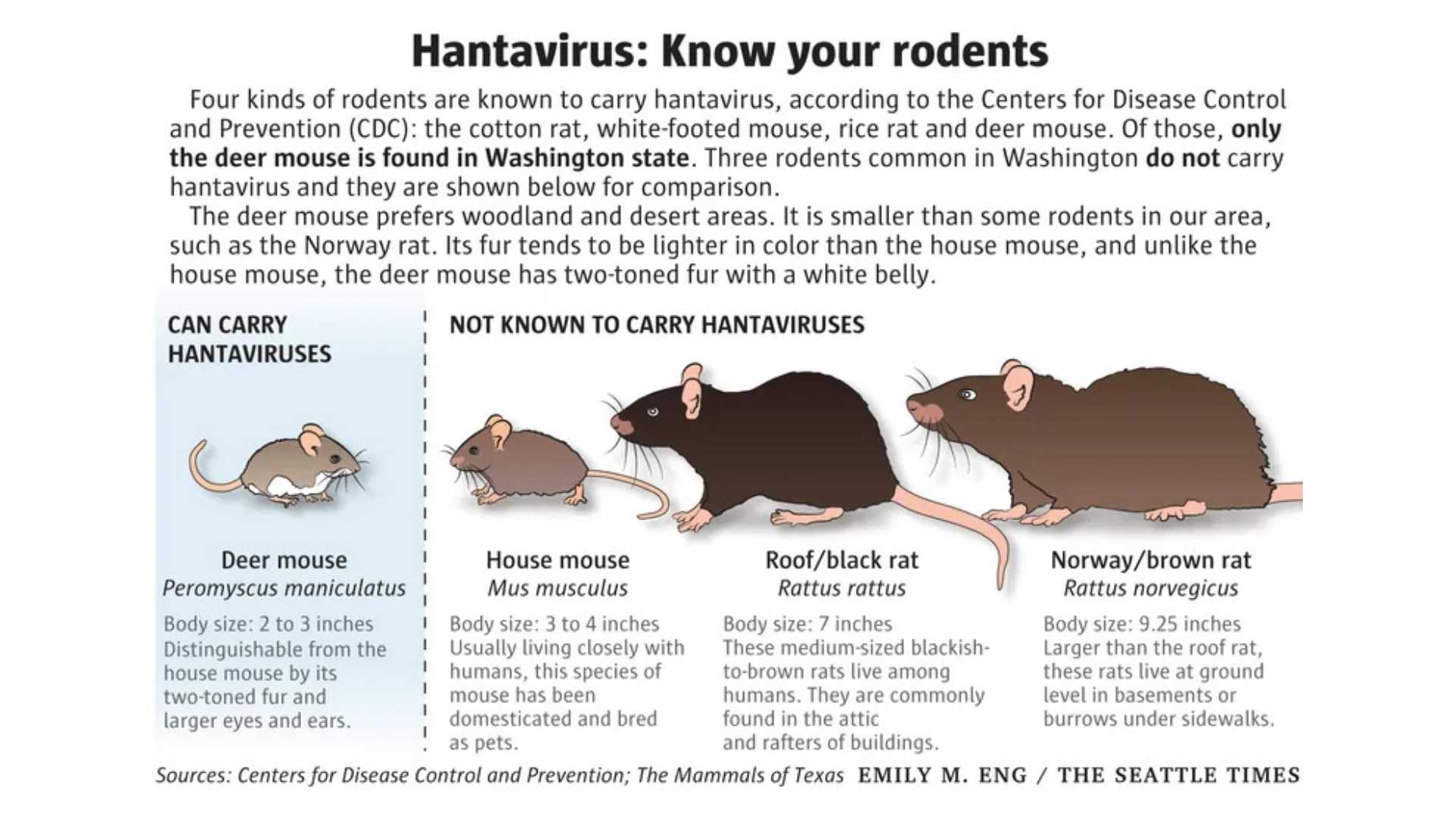
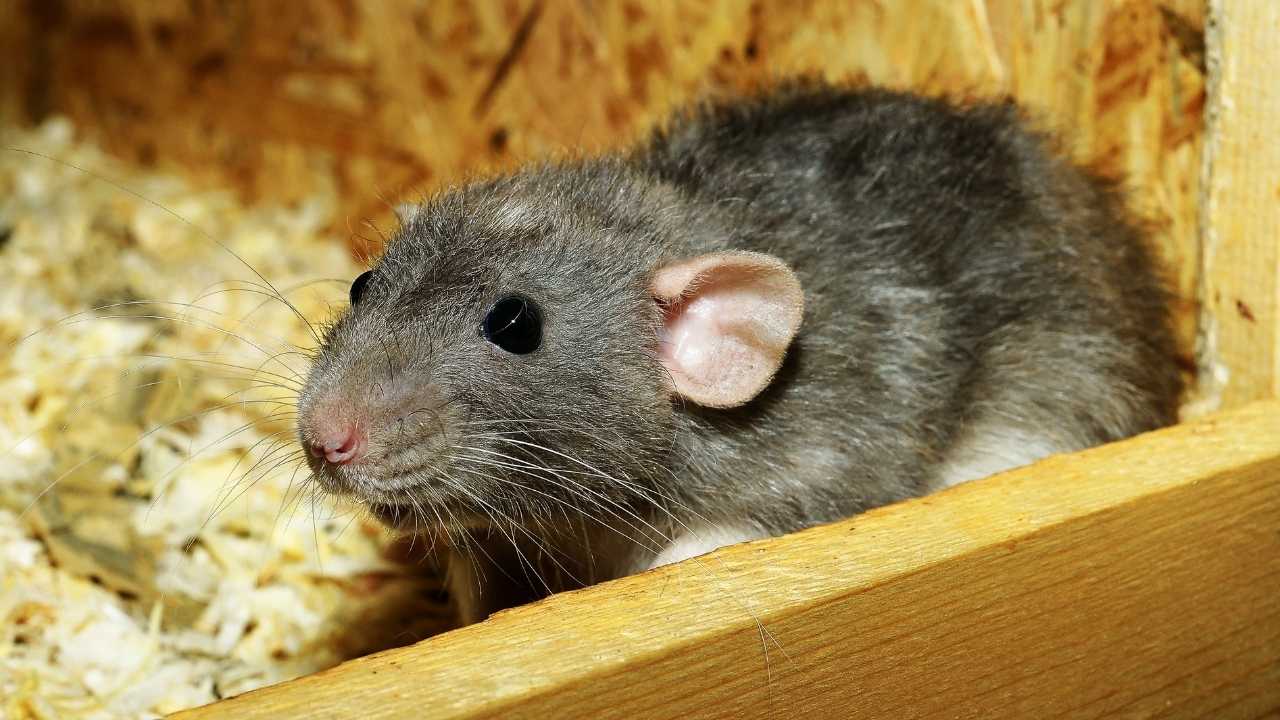
Hantavirus is a rare but serious viral disease carried primarily by wild rodents, especially deer mice in North America.
People usually become infected after exposure to contaminated:
Mouse urine
Droppings
Saliva
Nesting materials
The virus often spreads when contaminated particles become airborne during cleaning. This is why sweeping or vacuuming mouse droppings can be dangerous.
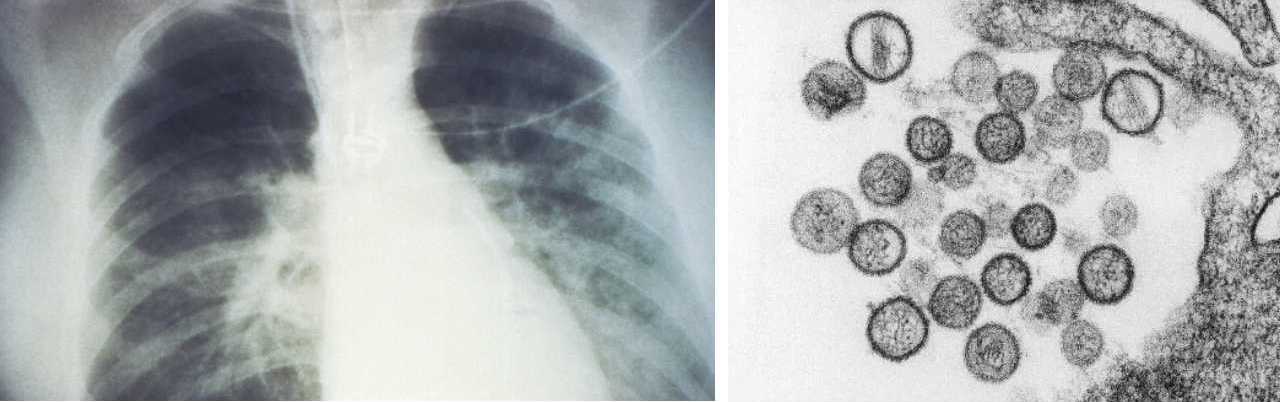
The illness caused by Hantavirus is called Hantavirus Pulmonary Syndrome, or HPS. It can start out feeling like the flu, but in some people it can progress quickly into severe lung failure and breathing problems.
In some cases, it can be fatal.
Can Dogs and Cats Catch Hantavirus?
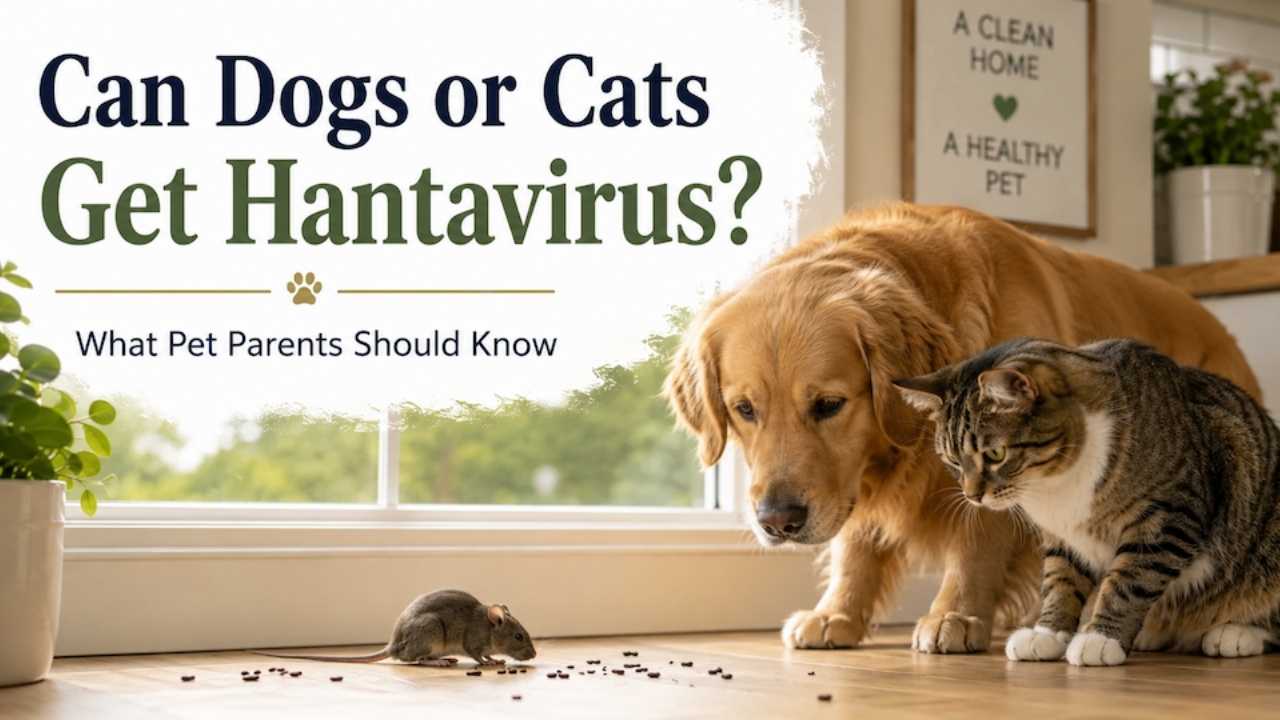
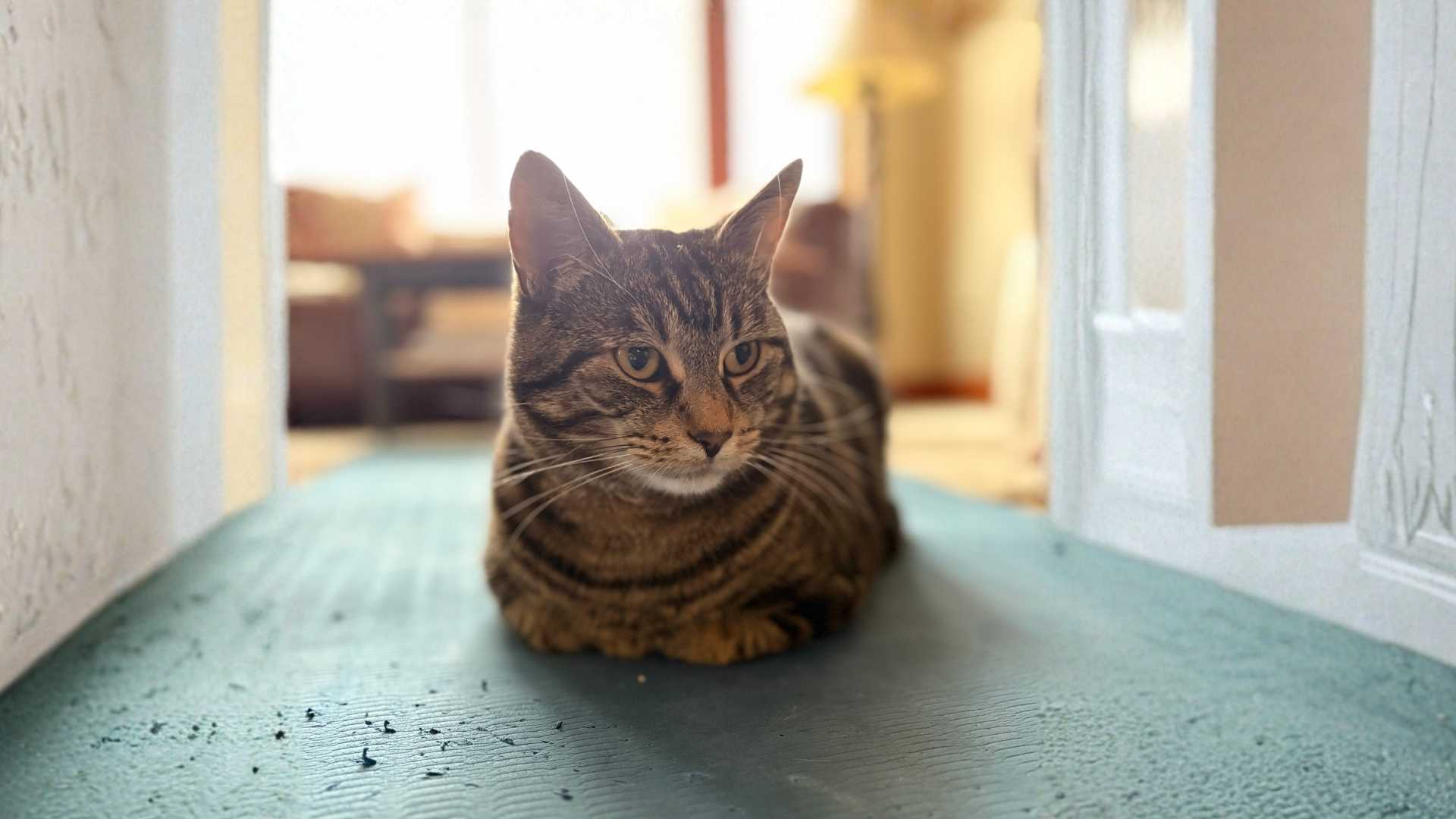
Dogs and cats can occasionally be exposed to Hantavirus if they interact with infected rodents.
But here is the reassuring part:
They rarely become ill. They usually show no symptoms. They do not directly spread the virus to humans.
So your pet is not the main concern.
The real concern is indirect exposure.
Cats and dogs are natural hunters. If your pet catches an infected deer mouse and brings it into your home, garage, barn, or yard, you may be exposed to contaminated rodent urine, saliva, or droppings.
This does not mean your pet is dangerous.
It means rodent control matters.
Symptoms of Hantavirus in People
Symptoms usually appear 1 to 4 weeks after exposure.
Early signs may include:
Fever
Muscle aches
Fatigue
Headache
Nausea
Vomiting
Diarrhea
As the disease progresses, symptoms can become much more serious.
You may see:
Coughing
Severe shortness of breath
Fluid buildup in the lungs
Respiratory failure
The concerning part is how quickly symptoms can worsen once the lungs become involved.
If you or a family member develops flu-like symptoms after possible rodent exposure, seek medical care right away.
Why Hantavirus Is Back in the News
Hantavirus has recently received more attention because of outbreaks involving the Andes strain in South America.
Unlike typical North American strains, the Andes variant has shown the ability to spread person to person in rare situations. It may also have a shorter incubation period before signs appear.
Fortunately, the more common North American strain carried by deer mice is not known to spread between people.
How to Protect Yourself and Your Pets
The best prevention is reducing rodent exposure and cleaning contaminated areas safely.
Keep Rodents Out
Seal holes, cracks, and gaps around your home, garage, shed, and outbuildings.
Rodents only need a small opening to get inside.
Store Pet Food Properly
Pet food attracts rodents.
Keep kibble, treats, bird seed, and animal feed in sealed containers.
Be Careful Around Rodent Areas
The CDC suggests keeping pets away from rodent areas, which sounds great in theory.
In real life, good luck telling a cat not to hunt mice.
Still, if you know there is an active rodent problem, limit access where you can.
Never Sweep or Vacuum Mouse Droppings
This is the big one.
Sweeping dry droppings can send virus particles into the air.
Instead, wet the area first with disinfectant, let it sit, wear gloves, and clean carefully.
My Takeaway for Pet Parents
Your dog or cat is unlikely to become sick from Hantavirus.
The real risk comes from contaminated rodent urine, droppings, saliva, and nesting material, especially during cleanup.
Good rodent prevention, safe cleaning practices, and proper pet food storage go a long way toward protecting your pets and your family.
Supporting Your Pet’s Immune System
Whenever we talk about infectious disease, I also think about prevention and immune support.
A strong immune system is better prepared to respond when exposed to illness.
That starts with good nutrition, but it can also include supportive nutrients such as:
Vitamins and minerals
Antioxidants
Essential fatty acids
Immune supportive ingredients like colostrum
That is why I include these types of nutrients in my complete supplements for dogs and cats.
Join Thousands of Pet Owners on the Path to Natural Healing! Discover powerful holistic remedies for your dog or cat with Dr. Andrew Jones’ FREE e-Book. Learn about the best foods, vaccine alternatives, and effective at-home treatments for 24 common pet health issues. Start improving your pet’s health today – download now!
P.S. Your pet is not the main Hantavirus risk. Rodents are. Focus on keeping rodents out, storing pet food properly, and cleaning droppings safely.
P.P.S. In the spirit of disease prevention, I do think daily immune support makes sense. A well-fed, well-supported pet is better prepared for whatever they may be exposed to.
2 thoughts on “Hantavirus and Pets: Can Dogs or Cats Get It, and How to Stay Safe at Home”
I’ve been following you for over a decade. Thank you for speaking out and helping pet lovers keep their pets healthy. Keep spreading this information. The world needs more people like you.
With appreciation, Nitro’s Momma
Thanks so much Nitro’s Momma. That truly means a lot to me. Give Nitro a big hug from me and keep being the amazing pet parent you are. We’re all in this together helping our dogs and cats live healthier, happier lives.


I’ve been following you for over a decade. Thank you for speaking out and helping pet lovers keep their pets healthy. Keep spreading this information. The world needs more people like you.
With appreciation, Nitro’s Momma
Thanks so much Nitro’s Momma. That truly means a lot to me. Give Nitro a big hug from me and keep being the amazing pet parent you are. We’re all in this together helping our dogs and cats live healthier, happier lives.