Dog Ate Chocolate? Symptoms Timeline and When to Go to the ER Vet

Chocolate Toxicity and Hydrogen Peroxide: What You Need to Know
Valentine’s Day is here, and that means one thing in many homes. Chocolate.
Today I want to give you an important update on dog and cat poisoning, especially chocolate toxicity, and the current recommendations for using hydrogen peroxide at home.
Chocolate poisoning cases spike around holidays like Valentine’s Day. Many dogs are not picky. If they can reach it, they will eat it.
Let’s talk about what really matters.
Dr. Jones’ Complete Digestive Care Soft Chews





Chocolate Toxicity in Dogs
It Is Not the Caffeine
Chocolate contains two compounds people often worry about: caffeine and theobromine.
The truth is, caffeine is not the main concern. The toxic dose of caffeine in dogs is about 50 mg per kilogram. That is a large amount and rarely the issue.

The real problem is theobromine.
The toxic dose of theobromine is about 40 mg per kilogram and higher.
For a 10 pound dog, that is roughly 200 mg of theobromine. That amount can be seriously toxic.
The Most Dangerous Types of Chocolate
Not all chocolate is equal.
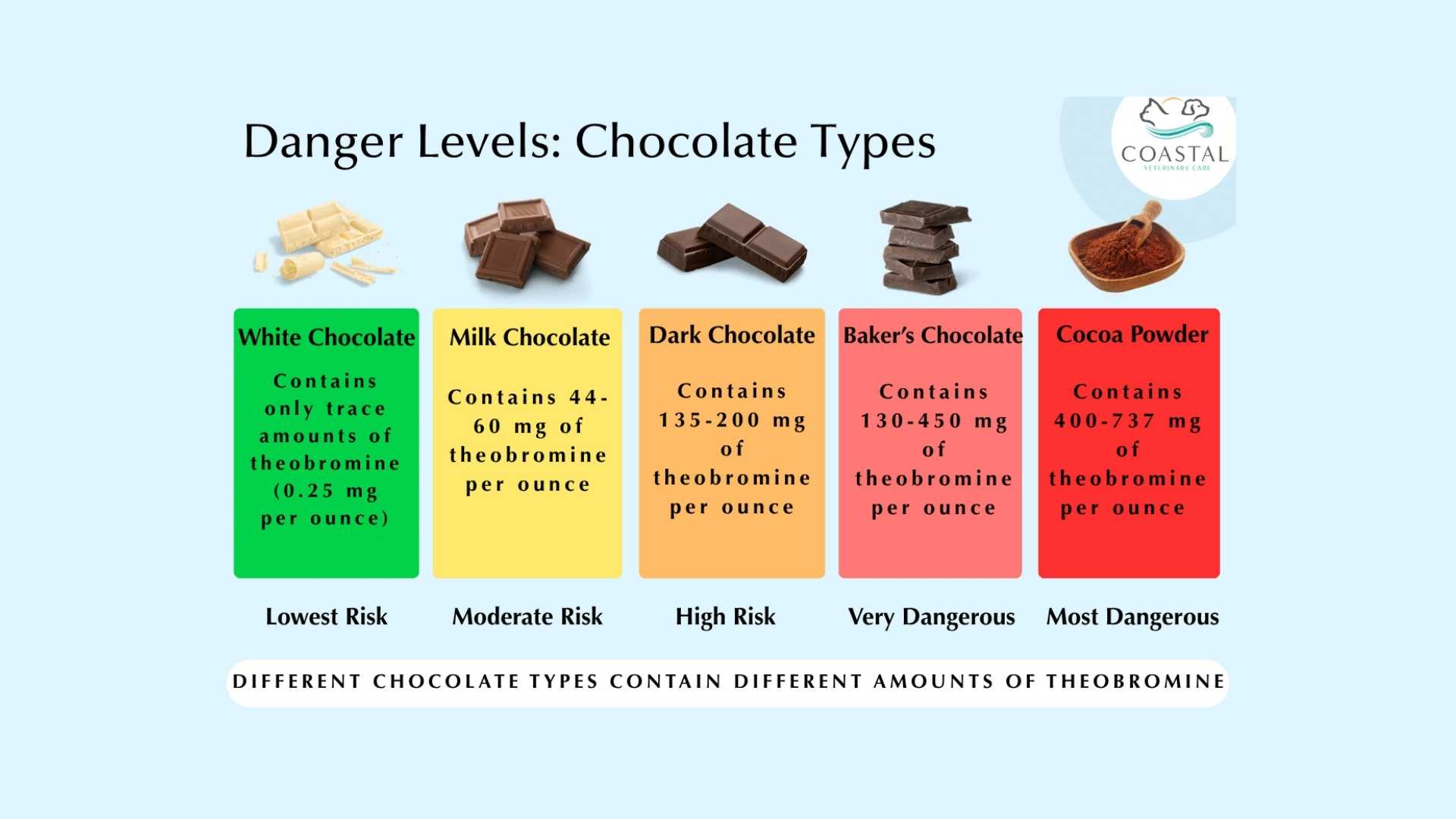
Dark Chocolate
A 100 gram 70 percent dark chocolate bar can contain up to 1,000 mg of theobromine.
Less than one quarter of that bar can be toxic to a small dog.
Unsweetened Baking Chocolate and Chocolate Chips
Very concentrated. Even a heaping tablespoon can exceed the toxic dose in a small dog.
Cocoa Powder
The most concentrated form. Less than a tablespoon can be toxic to a 10 pound dog.
Milk Chocolate
Contains much less theobromine. A small dog would need to eat nearly an entire large milk chocolate bar to reach toxic levels.
Dark chocolate and cocoa products are by far the biggest concern.
Signs of Chocolate Poisoning

Early signs include:
-
Vomiting
-
Diarrhea
As toxicity progresses, you may see:
-
Tremors
-
Excessive panting
-
Increased heart rate
-
Restlessness
Severe cases can lead to:
-
Seizures
-
Shock
-
Coma
-
Death
I have seen fatal cases in practice. This is real.
What To Do If Your Dog Eats Chocolate
If you catch it early, within about one hour, you can consider inducing vomiting at home.
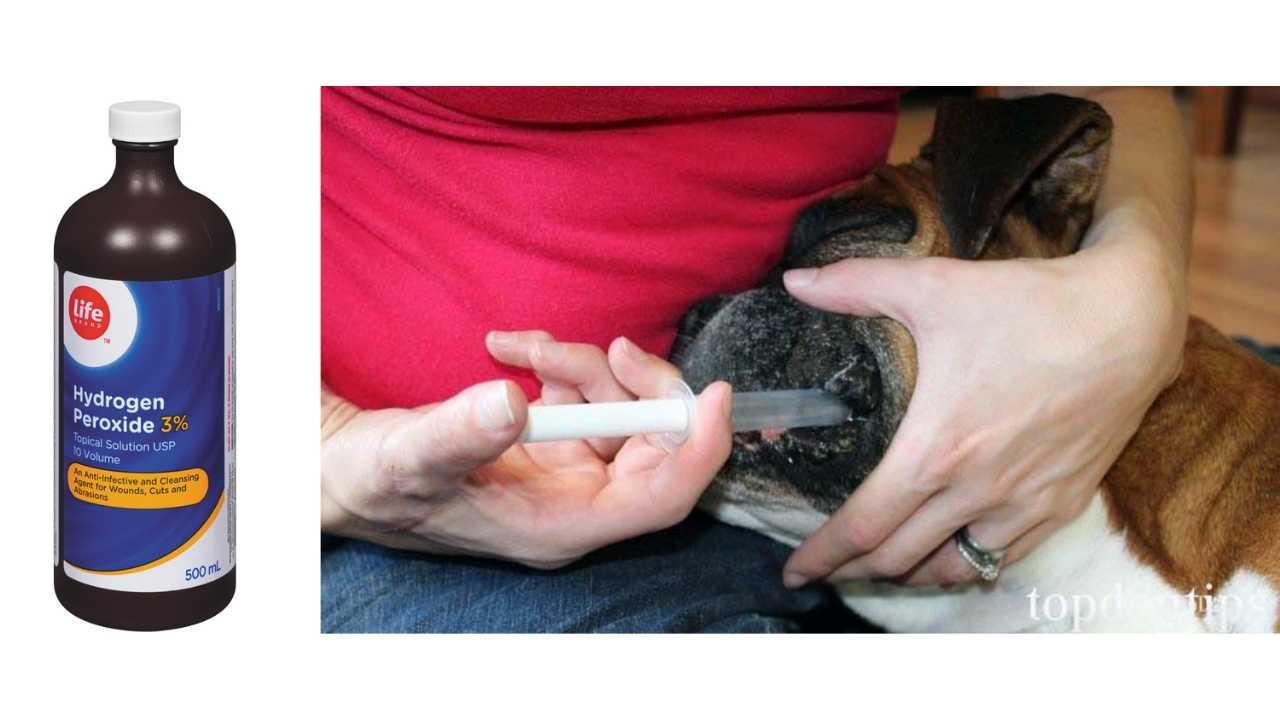
Hydrogen Peroxide for Dogs
Use only 3 percent hydrogen peroxide.
Dose:
0.5 to 1 ml per pound of body weight.
For a 10 pound dog, that equals 5 ml, or one teaspoon.
Use a syringe if possible.
Hydrogen peroxide irritates the stomach lining, which triggers vomiting.
Important Warnings
Do NOT use peroxide in cats
It can cause severe esophagitis and gastritis. It is no longer recommended for cats.
Do NOT induce vomiting if:
-
A corrosive product was swallowed, such as drain cleaner
-
Fuel or oil was swallowed
-
More than one hour has passed
-
Your dog is a brachycephalic breed and at high risk of aspiration
Never use salt, syrup of ipecac, mustard, or stick your finger down your dog’s throat.
Activated Charcoal
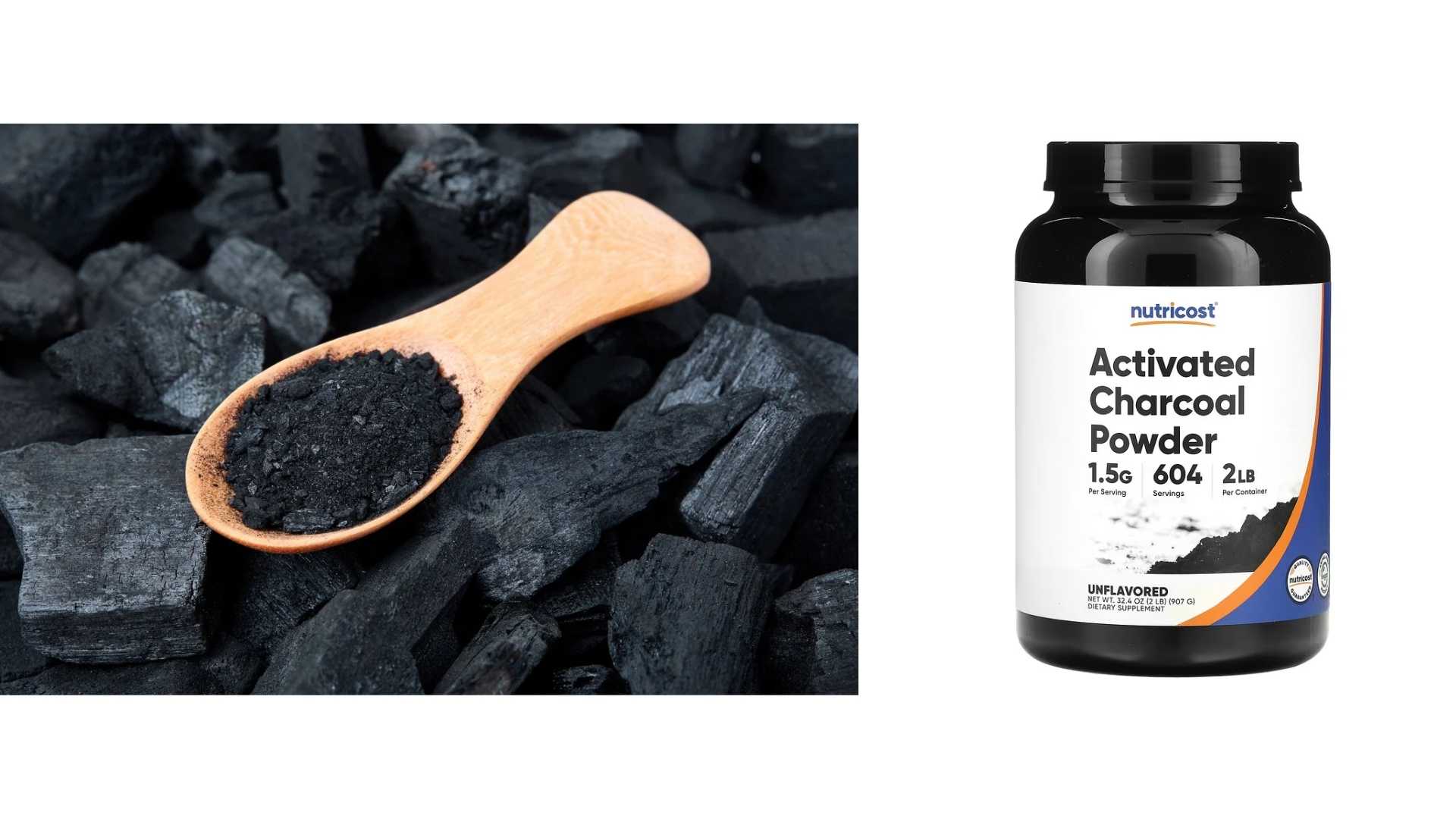
After vomiting, activated charcoal can help bind remaining toxin in the intestines.
Capsules are easier to use at home than powder. Even a few capsules can help reduce further absorption.
Having hydrogen peroxide and activated charcoal in your pet first aid kit is smart.
When in Doubt
If your dog ate a large amount of dark chocolate, or you are unsure, contact your veterinarian or an emergency clinic immediately.

You can also use an online chocolate toxicity calculator to estimate risk.
If your small dog ate two dark chocolate squares, that can already be toxic. Act quickly.
Click To Get A Free Copy of My E-Book!