How I Help My Senior Dog Fight Sarcopenia and Stay Strong
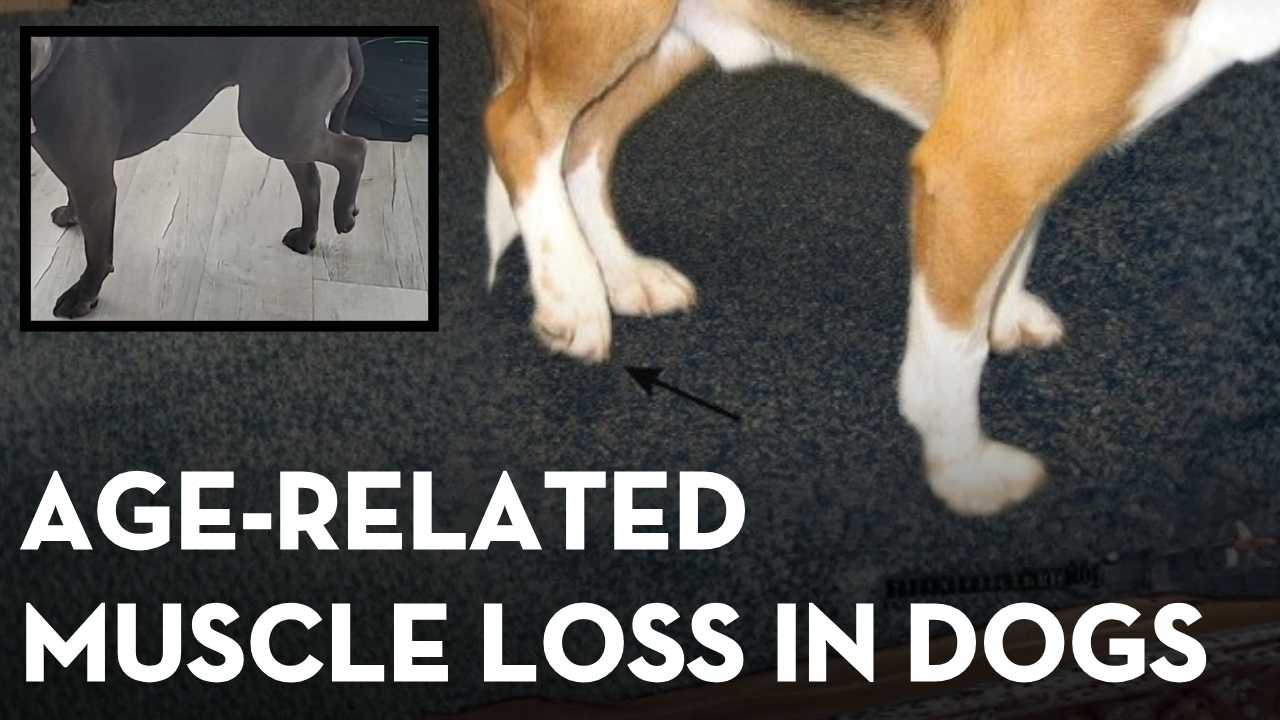
Sarcopenia in Dogs: How I Help Tula Stay Strong as She Ages
If you have an aging dog or cat with weak hind legs, trouble getting up, or slipping on smooth floors, there is a good chance they have sarcopenia. My own dog, Tula, has it.
Sarcopenia is age-related muscle loss. It is very common, and it can seriously affect your pet’s mobility, independence, and quality of life.
One of the most important ways to help is by relieving pain and inflammation so your dog feels comfortable putting weight on their rear legs again. When pain is reduced, movement improves, and movement is what helps preserve muscle.
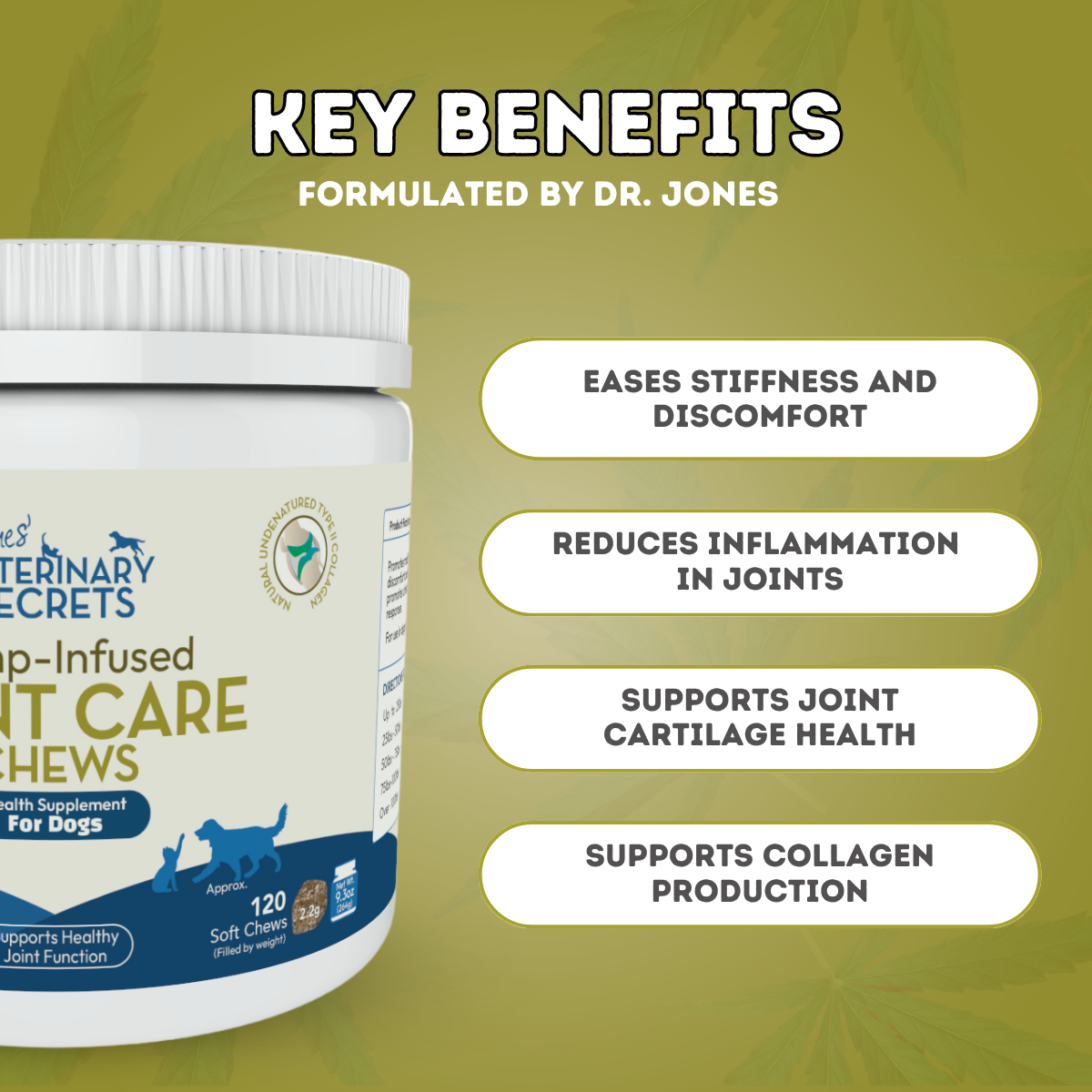
That is why I now use our new Joint Pain Relief Chews with undenatured type 2 collagen, one of the most studied nutrients for joint inflammation and comfort.



What Is Sarcopenia in Dogs?
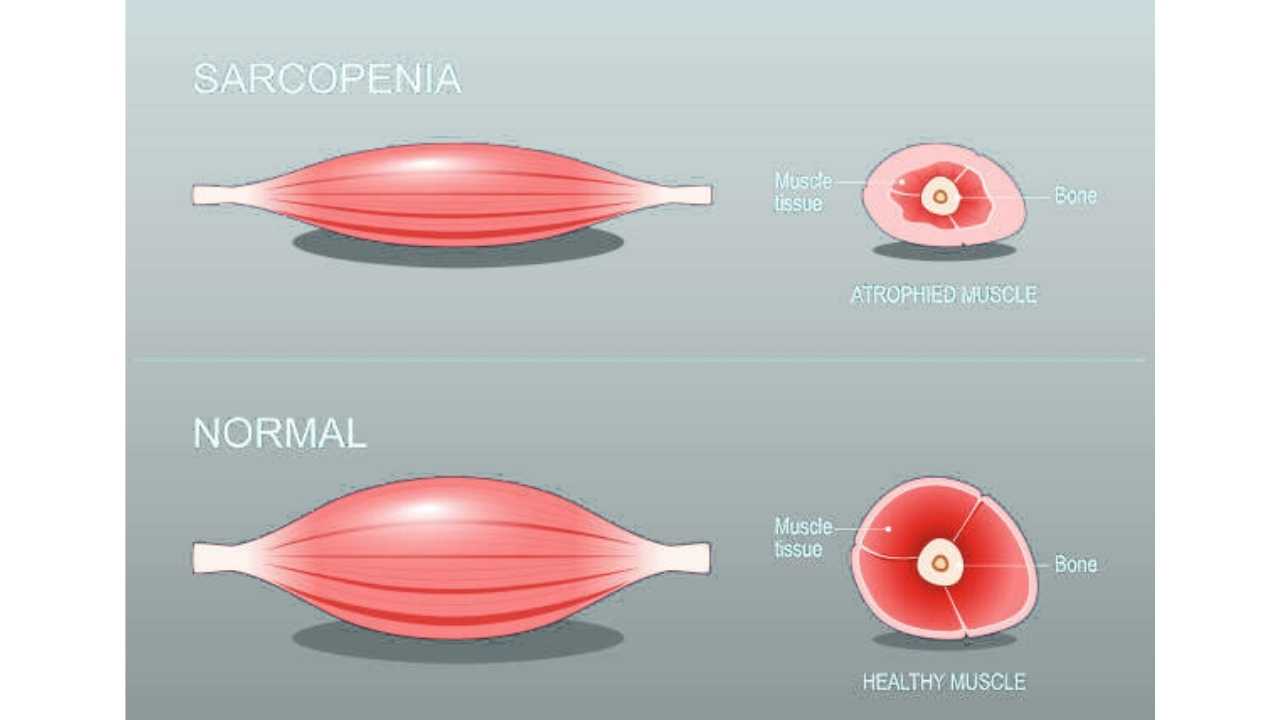
Sarcopenia is the gradual loss of muscle mass and strength that comes with aging.
It often starts earlier than people realize. In many dogs, muscle loss can begin as early as seven years of age.
This is not just about slowing down. When muscle loss sets in, you will often see:
-
Reduced strength
-
Poor balance
-
Increased risk of injury
-
More strain on joints and ligaments
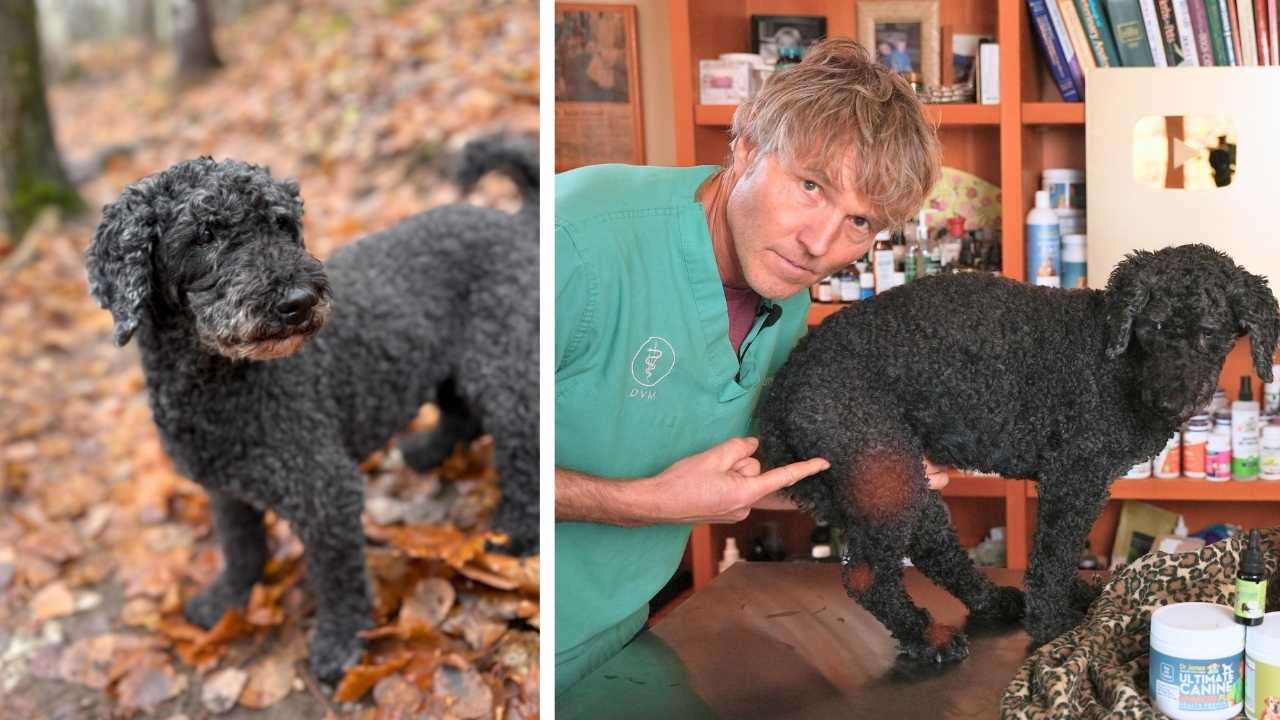
With Tula, she cannot fully support herself on her rear legs. She shifts more weight onto her front end. That makes stairs, jumping, and walking on slippery floors much more dangerous. She is far more likely to slip, fall, and hurt herself.
Why Muscle Loss Matters for Your Dog’s Health
Sarcopenia is not only a mobility problem. There are deeper effects happening inside the body.
Muscle plays a major role in:
-
Immune system function
-
Protein storage
-
Enzyme activity
-
Normal metabolic pathways
If your dog loses too much muscle, the body struggles to repair itself. This can make your dog more likely to get sick, recover slowly, and develop serious diseases, including cancer.
This is why recognizing sarcopenia early matters. Your veterinarian should be aware of it, but you should also feel confident taking action at home.
When I palpate Tula’s rear legs now, the difference is obvious. Her thigh muscles used to be much larger. Because she puts less weight on her back legs, those muscles have slowly atrophied.
One of the first signs I noticed was how she handled different surfaces. On carpet, she manages fairly well. On smooth floors, her rear legs slide outward. She simply does not have the muscle strength to stabilize herself.
Step One: Support Muscle Through Diet
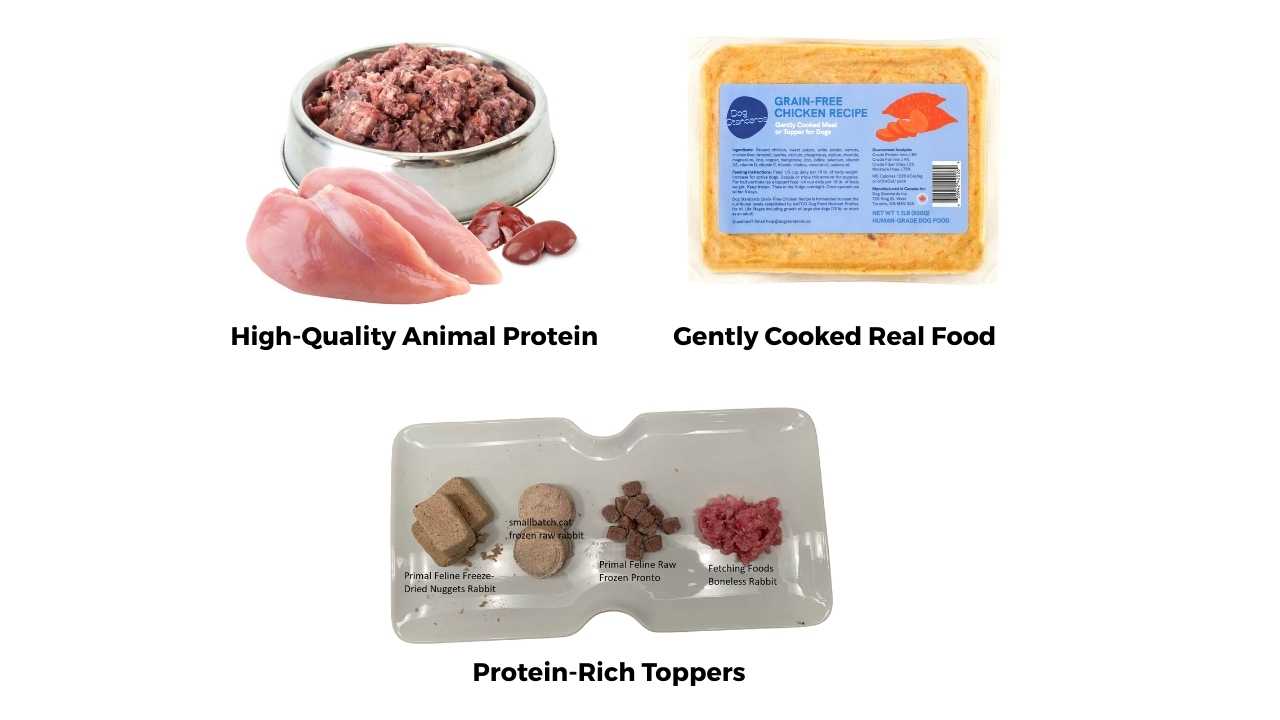
If your dog has hind leg weakness or sarcopenia, diet is the first place to start.
Focus on High-Quality Animal Protein
Your dog needs bioavailable animal protein.
If your dog eats kibble, as Tula still does for about half her diet, make sure it is a good quality formula with animal protein listed as the first ingredient.
Add Gently Cooked Real Food
The other half of Tula’s meals come from a gently cooked food made with simple ingredients. Chicken is the main protein. This type of food is easy to digest and provides usable protein for muscle maintenance.
Use Protein-Rich Toppers
I also add freeze-dried animal protein as a topper or treat.
The idea is simple. Better protein in leads to better muscle support.
Step Two: Supplements for Dogs with Sarcopenia

Supplements help manage pain and inflammation, which otherwise prevent movement.
General Joint Support
Joint formulas with glucosamine, chondroitin, MSM, essential fatty acids, curcumin, and amino acids like taurine can be helpful. These support comfort and mobility so your dog feels like moving again.
Omega-3 Fatty Acids
Omega-3s reduce inflammation and improve comfort. When dogs feel better, they move more, and movement is key to maintaining muscle.
CBD
Cannabinoids, especially CBD, can reduce pain and inflammation. Tula responds well to them, particularly after slips or minor falls.
Undenatured Type 2 Collagen
This ingredient targets the inflammatory process behind joint pain. It works differently than standard joint supplements and addresses the root of inflammation. Since starting it, Tula has shown steady improvement.
Step Three: Exercise to Strengthen Rear Legs
Movement is essential.
Your dog should move every day, even if it is gentle. Short, frequent walks are better than long, exhausting ones. Aim for at least three sessions daily.
Tula no longer runs mountain bike trails, but she still stays active. I focus on slow uphill walking. Walking uphill naturally shifts more weight to the rear legs and activates the quadriceps and hamstrings.
We move slowly. The goal is not intensity. The goal is consistent, controlled muscle use so the muscles do not continue to fade.
Simple Sarcopenia Exercises You Can Do at Home
These come from canine rehabilitation principles and can be done safely at home.
1. Sit to Stand
This is the dog version of a squat.
Ask your dog to sit, then stand, and repeat several times.
To increase difficulty, place the front legs on a low step so more weight shifts to the rear legs.
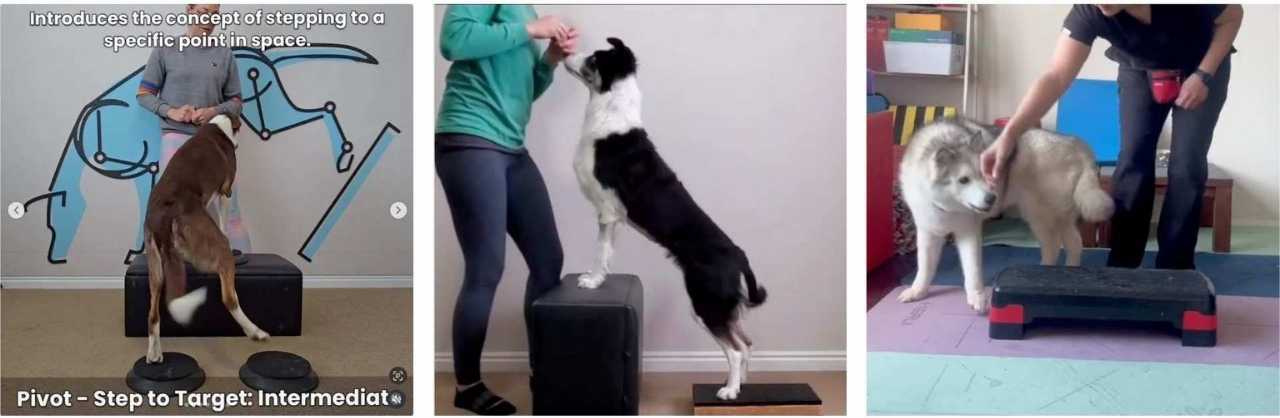
2. Pivot Exercise
Place your dog’s front legs on a stable surface with good grip. Encourage them to pivot using their rear legs while the front stays in place.
Some dogs get it quickly. Others, like Tula, improvise. That is fine. Controlled movement is what matters.
3. Side Stepping
Stand beside your dog and gently encourage sideways steps using a treat. You can also place a pole on the ground and guide them to step over it laterally.
4. Walking Backwards
Walking backward forces rear leg engagement.
Stand in front of your dog with a treat and slowly step toward them so they back up. Reward any backward steps.
Tula does a shorter version, and that is perfectly fine.
Final Thoughts on Sarcopenia in Dogs
There is a lot you can do at home to support your aging dog.
Start with better protein, manage pain and inflammation, and keep your dog moving in safe, controlled ways. Small daily efforts add up.
Click To Get A Free Copy of My E-Book!

P.S. Simple changes like higher animal protein and exercises such as sit-to-stand can make a real difference.
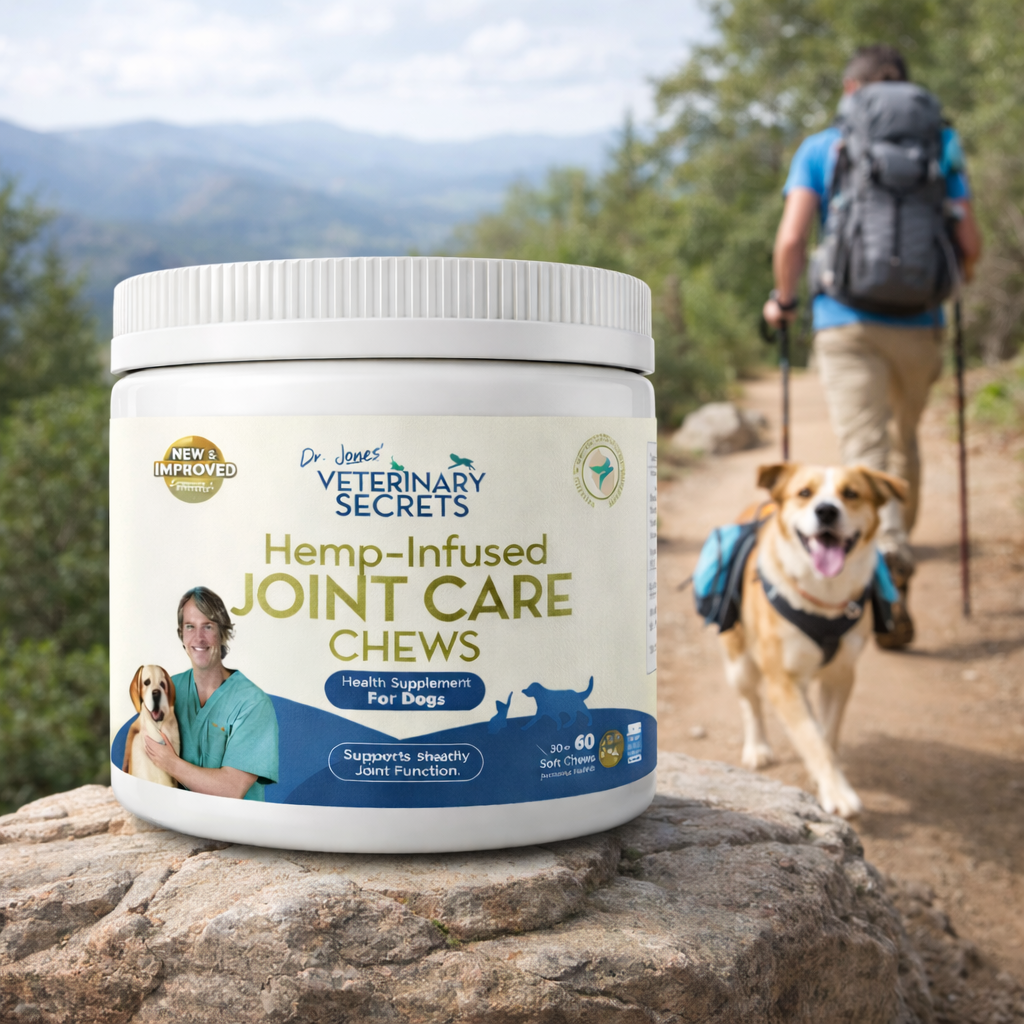
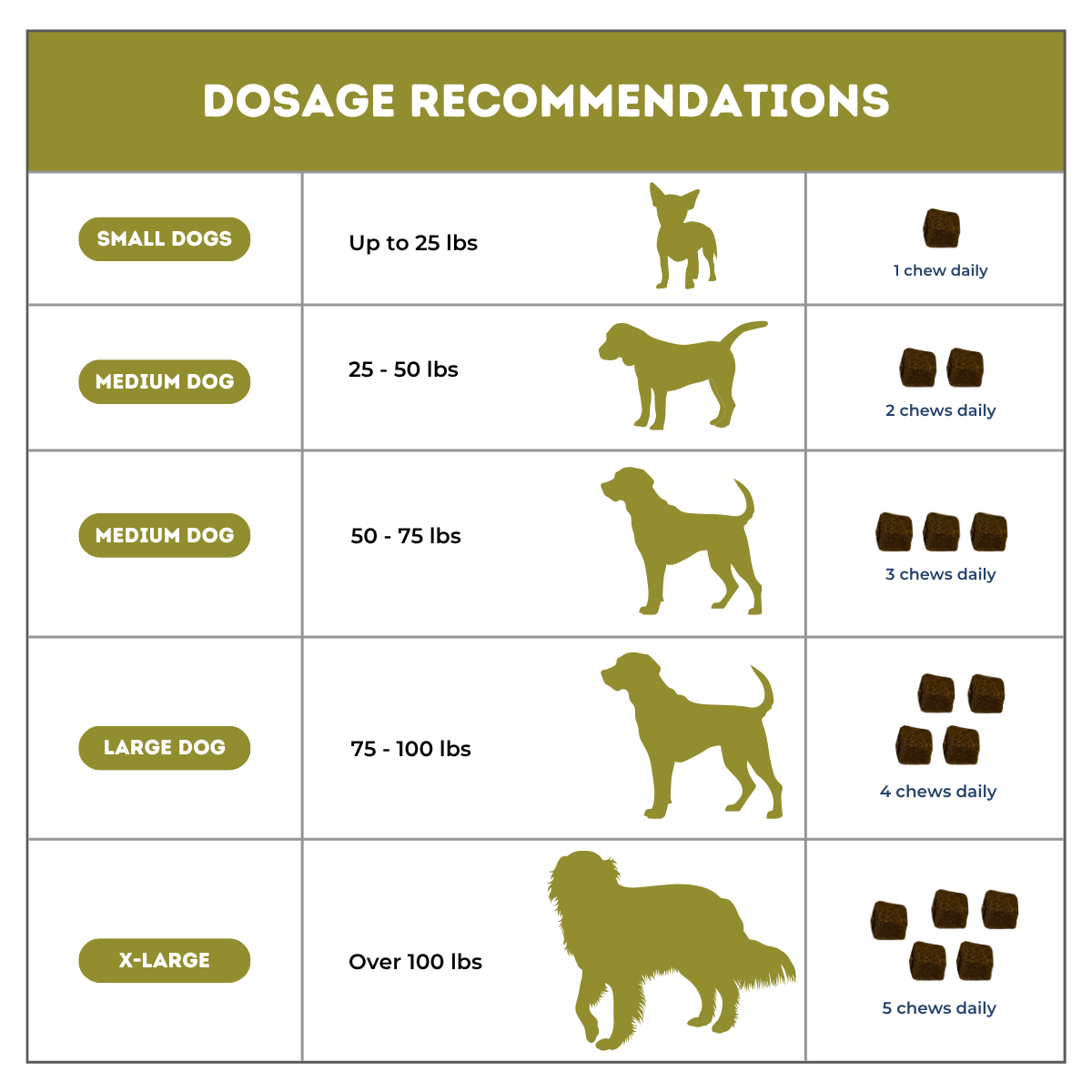
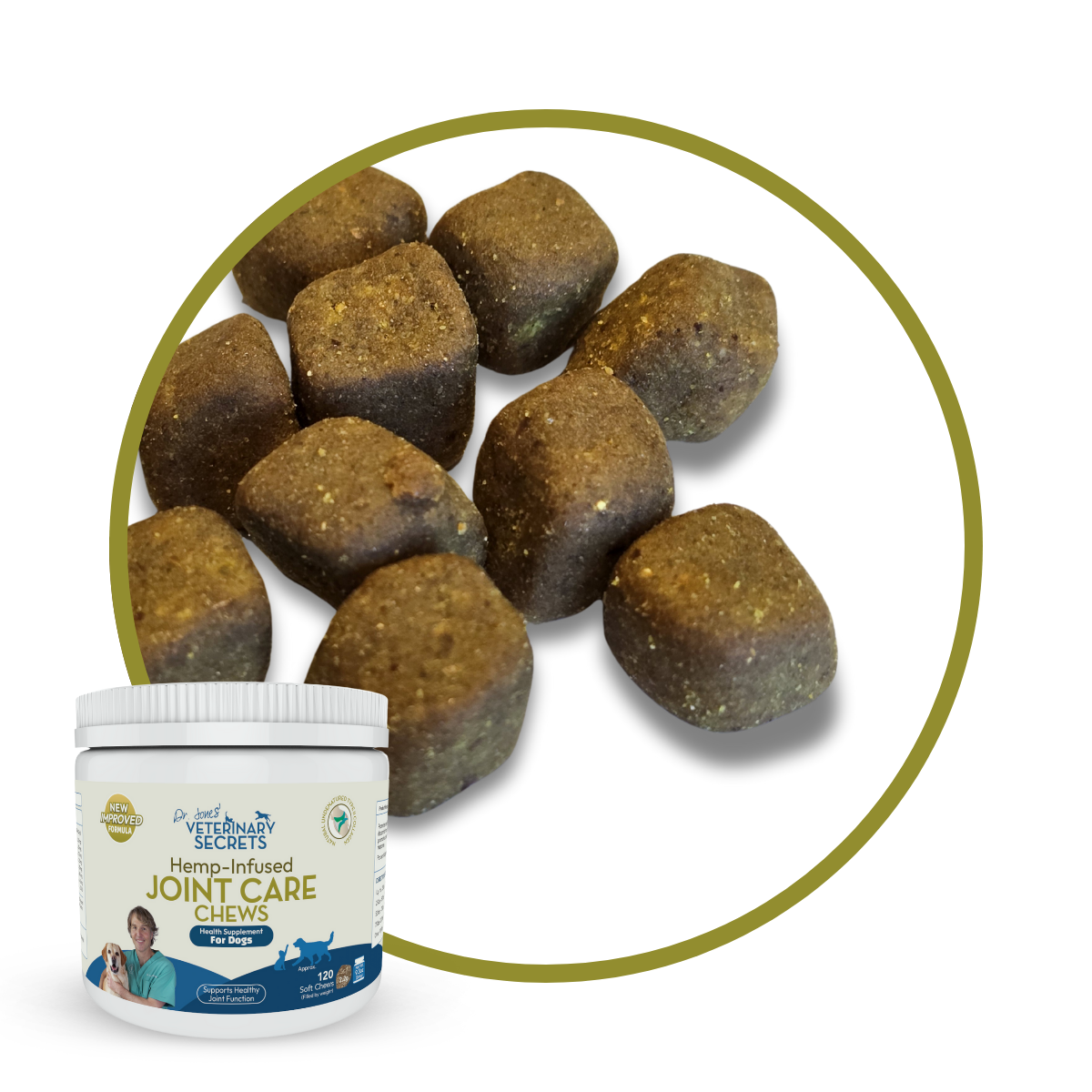
P.P.S. Our new Undenatured Type 2 Collagen Joint Care Chews provide advanced, natural support for mobility, comfort, and long-term joint health, helping dogs stay active and confident as they age.




Thank you so much!
Is your joint care chews safe to use with previcox and Gabbaphetin?My dog has a very very sensitive stomach and does not tolerate cicumin.I am unable to give her any type of supplements for her joints and arthritis they seem to all have a bad affect on her.I have given her hemp oil.and she seemed to handle that wellI haven’t tried cbd oil,I don’t think my vet would give it to me,as she’s on these 2 medications.
Hi — I hear you!
Dr. Jones’ Hemp-Infused Joint Care Chews are generally formulated to be gentle and safe, but because your dog is on Previcox and Gabapentin, and also has a sensitive stomach, it’s best to check with your veterinarian before starting any new supplement. Even natural ingredients can interact or cause upset in dogs on medications.
A few points to consider:
The chews contain curcumin, which can upset sensitive stomachs — monitor closely.
Hemp seed oil in the chews is usually well tolerated and can provide gentle anti-inflammatory support.
Starting with a small portion or using glucosamine/chondroitin alone may be safer if your dog struggles with curcumin.
I’ve been using the Chinese herbs for my senior dogs weak hind legs. I cannot believe how much it has helped. She not collapsing like she did.