Why Your Dog Eats Feces and What You Can Do To Stop It Now
How to Stop Your Dog from Eating Feces: Understanding and Managing Coprophagia
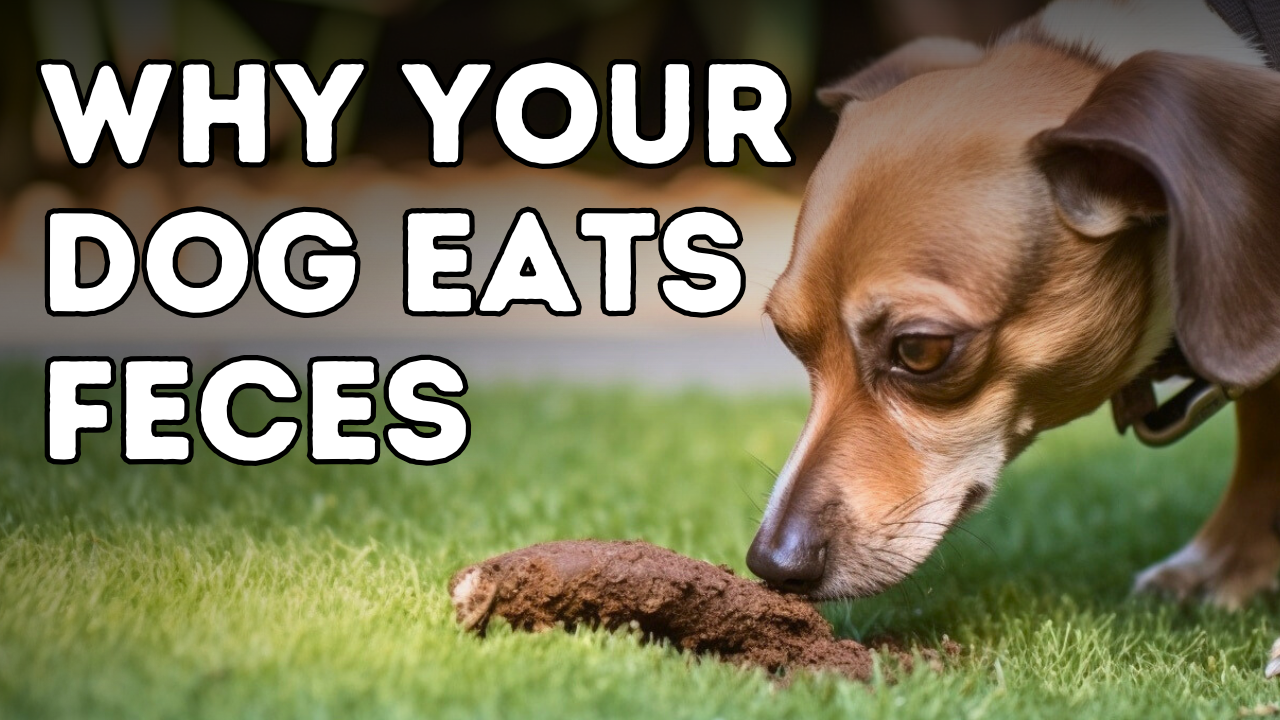
As a pet owner, it can be disturbing and frustrating to see your dog eating its own feces or the feces of another dog. The technical term for this behavior is coprophagia, and although it’s unsettling, it’s more common than you might think. In this article, I’ll explain why some dogs engage in this behavior and provide practical at-home solutions to help curb it.
Why Do Dogs Eat Feces?
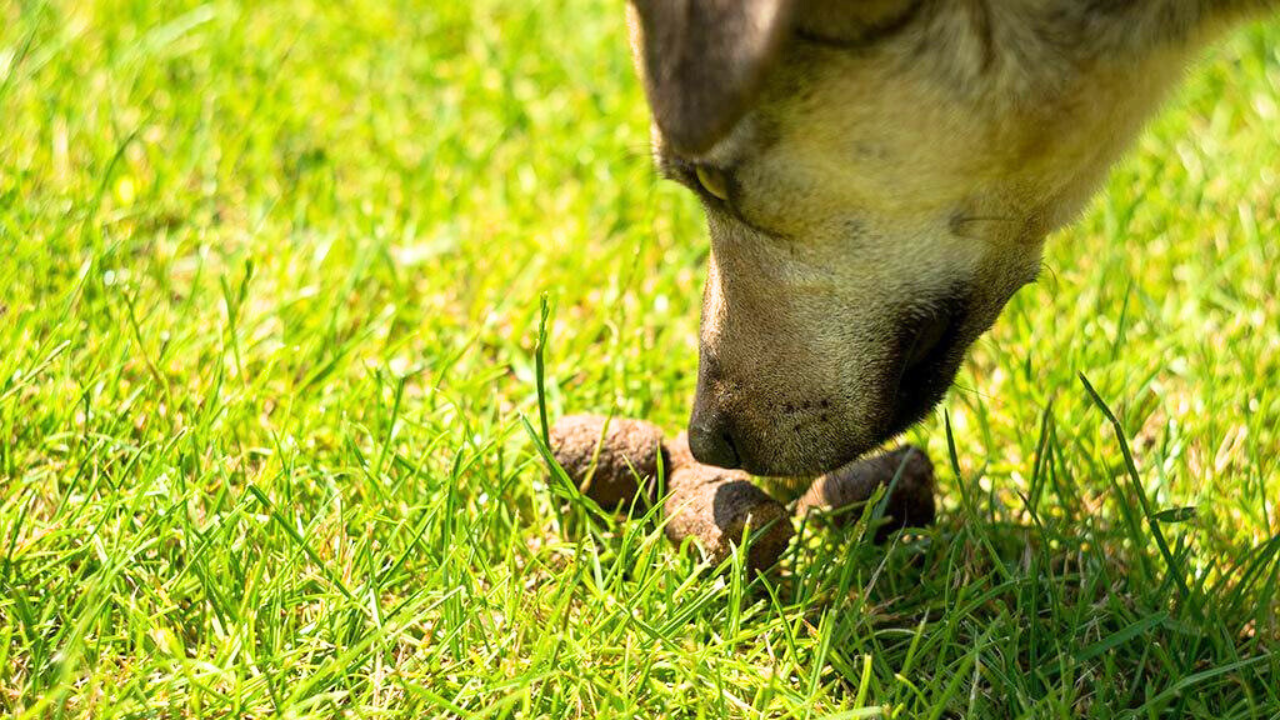
While coprophagia can be an unpleasant behavior for pet owners, it’s not unusual. This behavior can also be observed in other animals, such as rabbits, rodents, pigs, horses, and even primates. In dogs, it can become a concern, especially as our dogs have become more integrated into our lives—licking our faces and sharing our space.
Puppies, in particular, often eat feces simply because they’re curious and tend to chew or eat anything. However, the issue arises when this habit continues into adulthood, potentially leading to established behaviors. In some cases, coprophagia may be linked to a nutritional deficiency, which is why a diet change may help resolve the problem.
How to Stop Your Dog from Eating Feces: Practical Solutions
If your dog is eating feces, there are several effective strategies you can try at home. These remedies involve dietary adjustments and products that can alter the taste of the feces, making it less appealing to your dog.
1. Diet Change: A Nutritional Approach
Some dogs benefit from a diet change, especially if their current food lacks key nutrients. Start by switching to a high-quality premium dog food. If your dog is already on a premium food, try switching to a natural diet, such as Innova or California Natural. Another option is to experiment with a raw food diet.
A diet rich in fat, protein, and fiber, and low in carbohydrates, is thought to help reduce the tendency for feces-eating. This change may address any nutritional deficiencies contributing to the behavior.
2. Altering the Flavor of Feces
It may sound counterintuitive, but changing the taste of your dog’s stool can help break the feces-eating habit. While feces already taste unpleasant, adding spices to the stool can make it even more unappealing. Consider sprinkling Tabasco sauce or cayenne pepper on stool in your backyard or on your cat’s litter box.
You can also add meat tenderizer to your dog’s food. This will help with digestion and, more importantly, make your dog’s stool taste horrible. The recommended dose is 1/4 teaspoon per 10 pounds of body weight. Alternatively, you can try For-Bid, a product available from your veterinarian that makes feces taste bad.
3. Nutritional Supplements
Another way to stop coprophagia is by supplementing your dog’s diet. Some dogs eat stool because they are nutrient deficient. Adding a vitamin and mineral supplement to your dog’s diet may help curb the behavior. I recommend Dr. Jones’ Ultimate Canine Health Formula, which is a popular choice among pet owners.
4. Citronella Spray Collar
For dogs that persist in eating feces despite dietary changes, a citronella spray collar may help. Studies have shown that citronella collars can be effective in reducing the frequency of coprophagia. The collar works by spraying a burst of citronella whenever your dog engages in the undesired behavior. The effect persists even after treatment has stopped. This approach requires you to be vigilant as the pet owner, ensuring that the spray is triggered when your dog attempts to eat feces.
A Comprehensive Approach to Coprophagia
If your dog is eating feces, you can follow a combination of the strategies above to help address the issue. Start by changing your dog’s food to one higher in fat, protein, and fiber and low in carbohydrates. Consider supplementing with a high-quality dog supplement, such as Dr. Jones’ Ultimate Canine Health Formula. You can also use products to make feces less appealing, like meat tenderizer or a citronella spray collar. With time, these approaches can help eliminate the behavior.
P.S. If you found this article helpful, I encourage you to sign up for my newsletter. You’ll receive my free book and videos on how to heal your pets at home using my top natural remedies. Knowing what to feed your pet, what vaccines to give (and avoid), and how to treat chronic illnesses like allergies can keep your dog or cat healthy.
I’ll show you exactly what to do to both prevent and treat common pet diseases. My holistic tips and remedies are simple, easy to follow, and highly effective.


P.S. If you found this article helpful, I encourage you to sign up for my newsletter. You’ll receive my free book and videos on how to heal your pets at home using my top natural remedies. Knowing what to feed your pet, what vaccines to give (and avoid), and how to treat chronic illnesses like allergies can keep your dog or cat healthy.
I’ll show you exactly what to do to both prevent and treat common pet diseases. My holistic tips and remedies are simple, easy to follow, and highly effective.
Sound interesting? Download our FREE E-Book!
Enter your name and email address below and click “Sign Me Up” to get free updates and start your journey toward a healthier pet today!

Thanks for another great article.
My dog did eat her poop,and loved cat poop when she could find it. I tried changing her food and other things, nothing stopped her.
I now give her a homeopathic remedy and that works for her.
Thanks for sharing your experience! Every dog is a little different, and it’s great that you found something that worked for your girl. The important thing is making sure they’re on a balanced diet and ruling out any underlying health issues first. Happy to hear she’s kicked the poop-snacking habit!
Don’t hurt the cat because the dog has a nasty habit. Putting hot seasoning IN the litter box will end up on kitty’s pads and he’ll have to lick them off thus getting very sick. This could hurt all his membrane linings throughout his digestive system, not to mention give him HUGE aversian to his litter box…and then you will REALLY have a problem.
In the foolishness of my youth (early 20s) I had a cat who used to always chew on the end of my wooden rocking chair. (A cherishished gift from a loved one). I rubbed some tabasco sauce or hot oil into the wood. The poor cat threw up for 3 days. THankfully he recovered, but how PAINFUL that must have been. In all honesty, I thought he would “sniff it” and avoid it, or take one taste and run, but he gnawed for a little while before even noticing. Now I cherish those little teeth marks in the chair…part of it’s history.
In any event, cats move things about in the litter
EVERY time they use it and you do not want to harm your cat or make them leary of their litter box.
Great point, and thanks for sharing your experience. I agree—you never want to put anything in the litter box that could harm or discourage your cat from using it. It’s always best to keep the cat safe and instead focus on managing the dog’s access to the litter box and addressing the behavior in a safe, positive way.
I had a few clients in the past with dogs that had exactly that problem. A special combo of the Australian Bush Flower Essences mixed into their drinking water solved the whole issue. The beauty of the Australian Bush Flower Essences is that they do not have any negative side effects.
Thanks for sharing! It’s always interesting to hear what has worked for others. Every dog is different, so while some owners find flower essences helpful, I always recommend starting with a balanced diet, ruling out any medical issues, and using consistent training and management as the foundation.
I have tried everything else on your list with my 7 yo female(a puppymill bitch for 3 yrs)except the citronella collar. Since the collar responds to barking, how does that help?
Great question! A bark-activated citronella collar is designed to respond to barking, not stool-eating, so it wouldn’t be the right choice for coprophagia. For a dog with a long history like your girl’s, I’d focus on close supervision, quick cleanup, diet review, and positive reinforcement. Hang in there—old habits can take time to change.
I do not believe that dogs consuming their own or another dogs feces is normal at all (the exception may be that of a puppy. It’s abnormal in the wild for this to occur. Consuming herbivorous feces may be seen on occasion for a few reasons, but our dogs consuming their owns species feces and especially their own, in my experience is a deficiency. Using additives to deter the habit may stop the behavior but do nothing for the underlying bodily need. The use of homeopathy to balance the body and flower remedies as mentioned above, are two great options to consider, along with a quality unprocessed diet. Just my two cents worth.
Thanks for sharing your thoughts! I agree that it’s important to look for the underlying cause rather than just trying to stop the behavior. A thorough health check, a balanced, high-quality diet, and addressing any nutritional or behavioral factors are always good places to start. Every dog is a little different, so finding the root cause is key.
If you only have one dog, adding a bit of pineapple makes the food going in taste good, but tastes horrible coming out.
Doesn’t work with multiple dogs… but picking it up regularly helps
How much pineapple? Canned or fresh. I have a 6 month old Shorkie. I don’t know how much longer I can take this; especially, when she leaves it on
the sofa and I sit in it or drops pieces on my dark floor and I have no shoes on!
Cheryl mom of Bay-Bay
Ridgeland, MS
I have a Shorkie too that does the same thing with those little great places to leave it!! Ugh,!! I’m scared to do the hot sauce or hot pepper trick also I don’t want to make her sick!! I also have her 2 kids and dad… They are all fixed! And I don’t want them to pick up this bad habit that mom has. Fraser (fra-sir) is on a great food so it’s not a defiency. I know this post is older and I’m just now reading it when I found this article on Google so I’m wondering if you found anything that worked and because your the first other Shorkie mom I’ve seen and we are from Biloxi, MS!!
From another Shorkie mom,
Dana
P.S. I would love to see pictures of your Shorkie!
sun77moon81@gmail.com
Thanks for sharing! Some owners do find pineapple helpful, although the evidence is mostly anecdotal and it doesn’t work for every dog. I do agree with one thing for sure—promptly cleaning up the stool is one of the simplest and most effective ways to break the habit!
Where does one get these Australian Bush Flower essences? And how much goes in the water?
Australian Bush Flower Essences are available from many health food stores and online retailers. Follow the dosing instructions on the product label or the guidance of a qualified practitioner, as the amount can vary depending on the specific formula.
hello, we have a 3 year old blue eyed husky and 5 cats.she is jealous of the cats if one gets on our lap.when she gets a chance she will jump off the couch and chase the cat.how can we stop her of this habit.we tell her she is bad and make he rlay down, but she is back at it in 5 min.she hasnt hurt any yet but makes them meow loudley if she gets one. thank you for some advice carm
This sounds more like resource guarding or excitement than true jealousy. I’d avoid scolding her, as it usually doesn’t solve the problem. Instead, reward her for staying calm when a cat is nearby, teach a solid “leave it” command, and make sure the cats always have safe escape routes and high places to get away. Never leave them together unsupervised until she’s consistently calm. With patience and positive training, things can definitely improve.
my dogs eat cat poop so we put the box up so they can not reach it. Then some of my dogs eat dog poop. I have tried pineapple and pumpkin as it is not nice to have a dog cuddled up to your neck and burps up poopy smells. I know the culprits and so far not great results from the treatments I have tried. I will try some of the other suggestions and see what happens. Thanks for the advise 😀
Thanks for sharing! You’ve already taken one of the best steps by keeping the litter box out of reach. Sometimes breaking this habit takes a little trial and error. A balanced diet, quick cleanup, and consistent supervision can make a big difference. Hope one of the new ideas does the trick for your pups!
Also adding pumpkin to their food will also discourage this. Pumpkin makes the poop taste awful but is great for the digestion track.
Thanks for the tip! Pumpkin is a great source of fiber and can certainly help support healthy digestion. As for stopping poop-eating, though, results are mixed—it helps some dogs but not others. Every pup is a little different!
We have done all of these and more, including an e-collar. We keep the dog area meticulously clean. But if there is poop, the dog eats it! He even poops, turns around and starts eating it. We are at our wit’s end!
Here are some key points:
Why Dogs Eat Poop: This behavior can be due to curiosity in puppies, nutritional deficiencies, or a learned habit. It’s common and can often be corrected with appropriate interventions.
Solutions:
Diet Change: Switching to a high-quality, nutrient-rich dog food can help address deficiencies.
Flavor Alteration: Adding substances like Tabasco sauce or cayenne pepper to stools can make them less appealing.
Supplements: Nutritional supplements, like Dr. Jones’ Ultimate Canine Health Formula, can help with nutritional gaps.
Citronella Spray Collar: A citronella spray collar may deter the dog from engaging in this behavior by providing an unpleasant reaction when they attempt to eat feces.