9 Proven Benefits of CBD for Dogs and Cats (New Studies)

New Research, Real Benefits, and What to Be Careful With
The old pill medications are not working quite as well as they used to. That is a big reason there is growing interest in alternative forms of treatment.
One of the biggest areas of interest comes from the cannabis plant. It is all about the cannabinoids.
There are now several newer studies showing benefits that could genuinely help dogs and cats. Not for everything. Not for every pet. But in specific situations, they are worth understanding.
If you are here to learn more about natural pet health and wellness, you are in the right place.
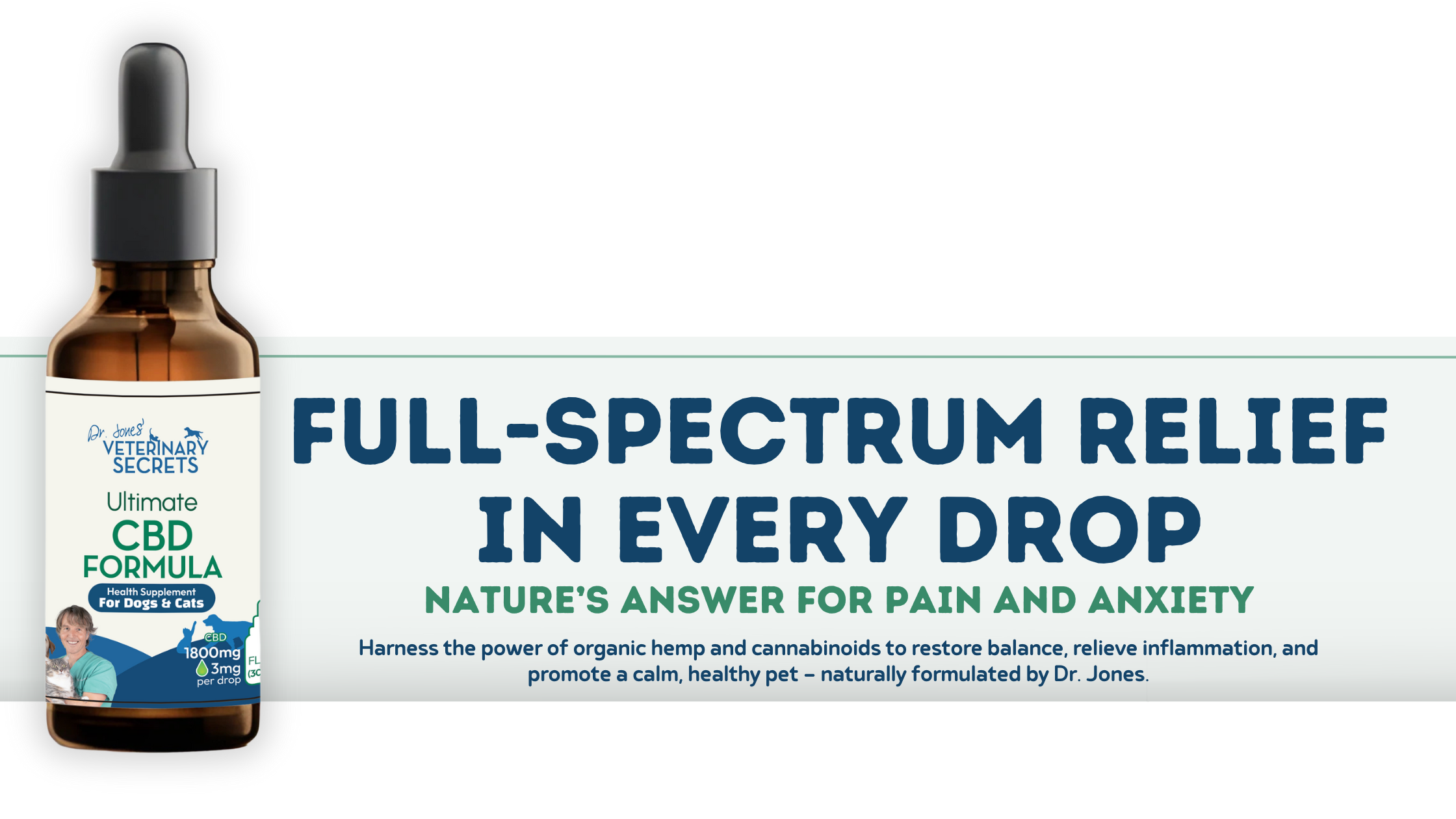
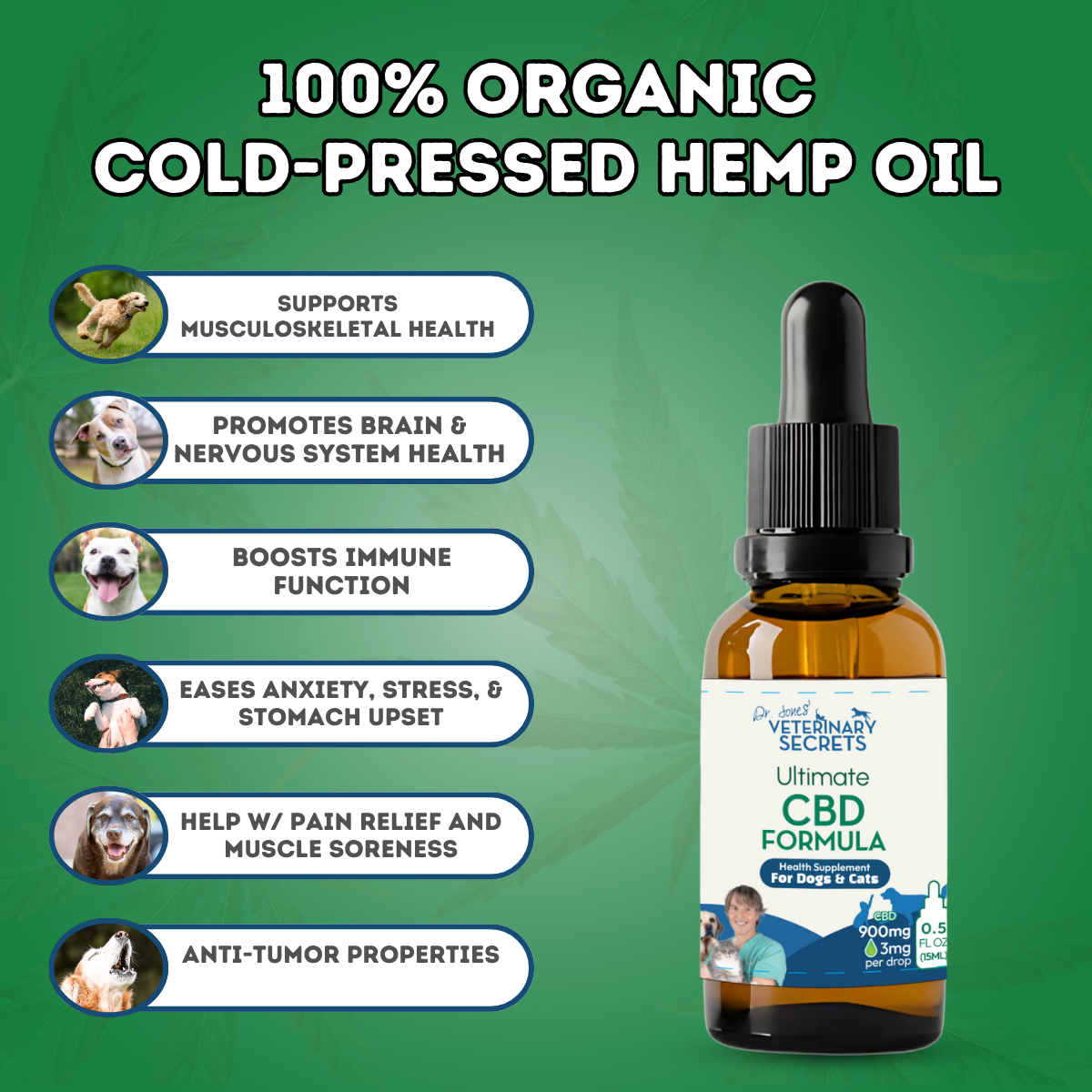
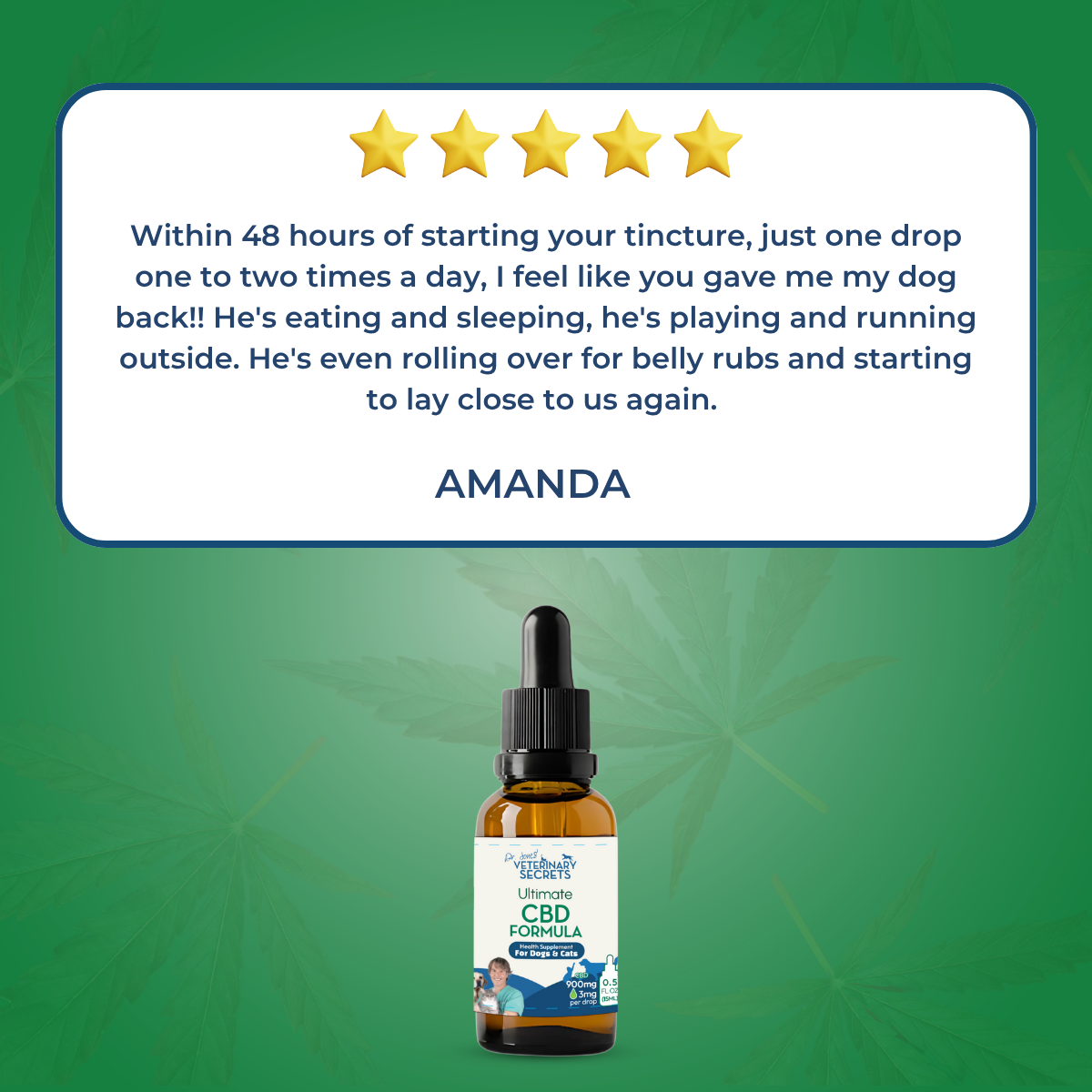
Dr. Jones’ Ultimate CBD Formula for Dogs and Cats



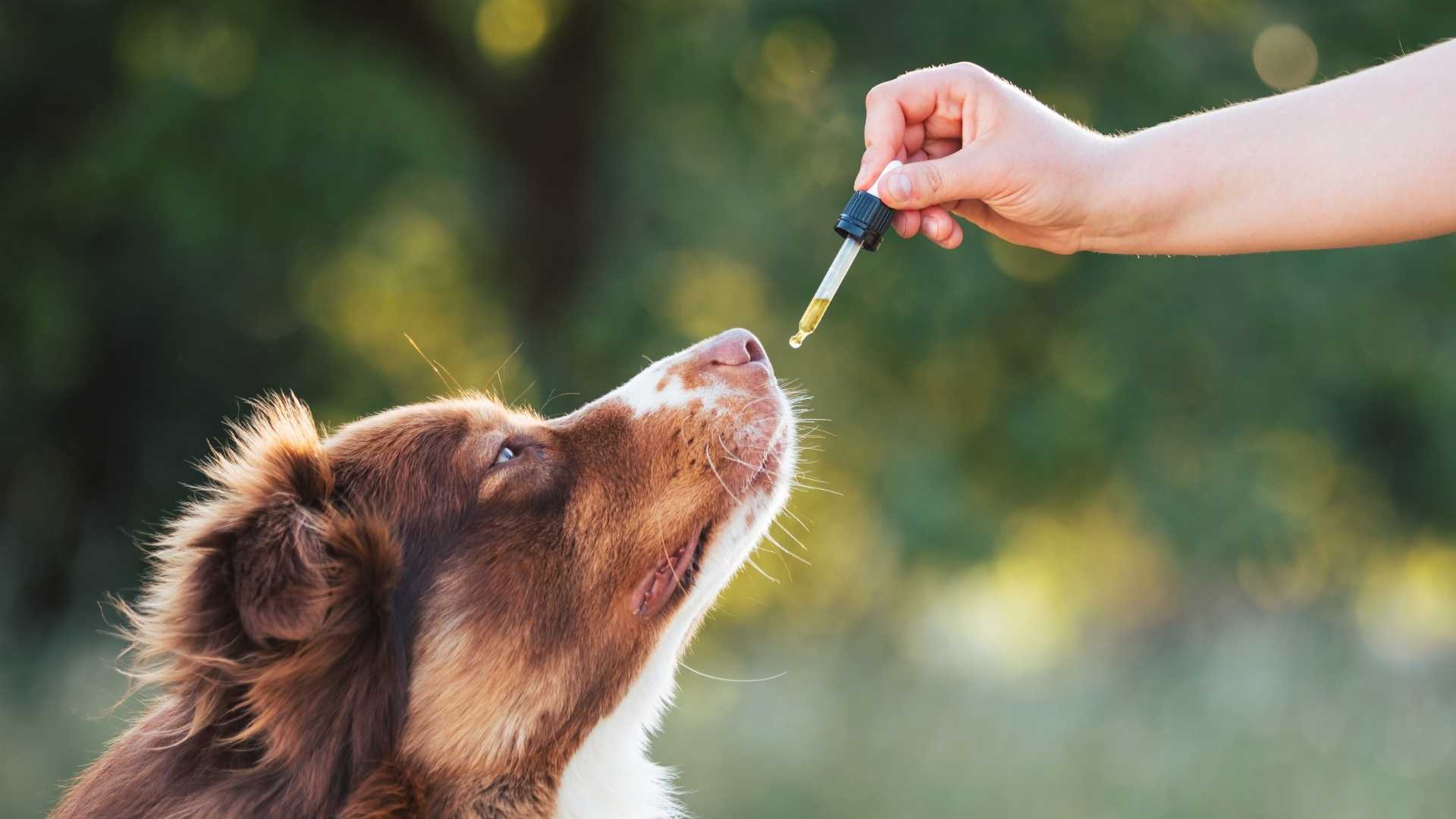
Cannabinoids for Dogs and Cats: Medicinal Cannabis 101 for Pets
The cannabis plant contains hundreds of different compounds, just like many medicinal plants. A few of these stand out for their therapeutic value.
The most talked about group is the cannabinoids.

These include:
-
CBD, the non-psychoactive component most people know
-
CBC, CBG, CBN
-
Small amounts of delta THC in some full spectrum products
There are also terpenes, flavonoids like quercetin, and essential fatty acids, all of which contribute to potential benefits.
The key point here is this.
Most of the compounds being studied for pets are non-psychoactive. This is not about getting animals high. It is about supporting the body in very specific ways.
Cannabis-based products for medicinal use in dogs and cats: a systematic review Journal of Small Animal Practice (July 2025) — https://pubmed.ncbi.nlm.nih.gov/40660612/
Why There Is So Much Interest Right Now
Many common conditions in dogs and cats do not respond well to conventional medications.
Take asthma in cats as an example. Steroids work, but they come with a long list of side effects like increased thirst, urination, and a higher risk of diabetes.
For conditions like this, it makes sense to look at plant-based options that may help reduce inflammation without those same risks.
That is where cannabinoids come in.
There is now a veterinary cannabis society that tracks and publishes research. Not hype. Actual studies.
Let me walk you through what the research is showing.
1. Anxiety and Behavior
One study looked at cats with separation anxiety. When given a moderately high dose of CBD, about 4 mg per kilo, these cats showed a clear reduction in anxiety.

That matters because anxiety in cats is directly linked to problems like inappropriate urination and lower urinary tract disease.
Another study looked at dogs with car anxiety and motion sickness. CBD helped reduce nausea and stress during travel.
These are two very practical, real world uses.
Behavior & Anxiety Relief – Corsato Alvarenga, I., et al. (2023). Assessment of cannabidiol use in pets according to a national survey in the USA. The Journal of Small Animal Practice, 64(8), 513–521. https://rsdjournal.org/rsd/article/view/46570
Curated Research Library – Veterinary Cannabis. Verified Scientific Studies Printed in Medical Journals. https://veterinarycannabissociety.org/curated-research-library/
2. Heart Disease Support
Most of the heart research is in people, but some animal studies are emerging.

Dogs with chronic heart disease often have chronic inflammation. That inflammation worsens symptoms over time.
Cannabinoids help reduce inflammation and may support blood vessel relaxation. This does not replace heart medication, but it can be a useful add-on.
In some cases, it may even allow for lower doses of other drugs.
Heart Health Support – Landa, L., Sulcova, A., & Gbelec, P. (2016). The use of cannabinoids in animals and their regulation in the framework of energy balance. Journal of Endocrinological Investigation, 29(3 Suppl), 15–26. https://rsdjournal.org/rsd/article/view/46570
3. Dental and Oral Disease
This one surprised many people.
Cats with chronic gingivostomatitis have severe, painful mouth inflammation. Research shows altered cannabinoid receptor activity in the gums of these cats.
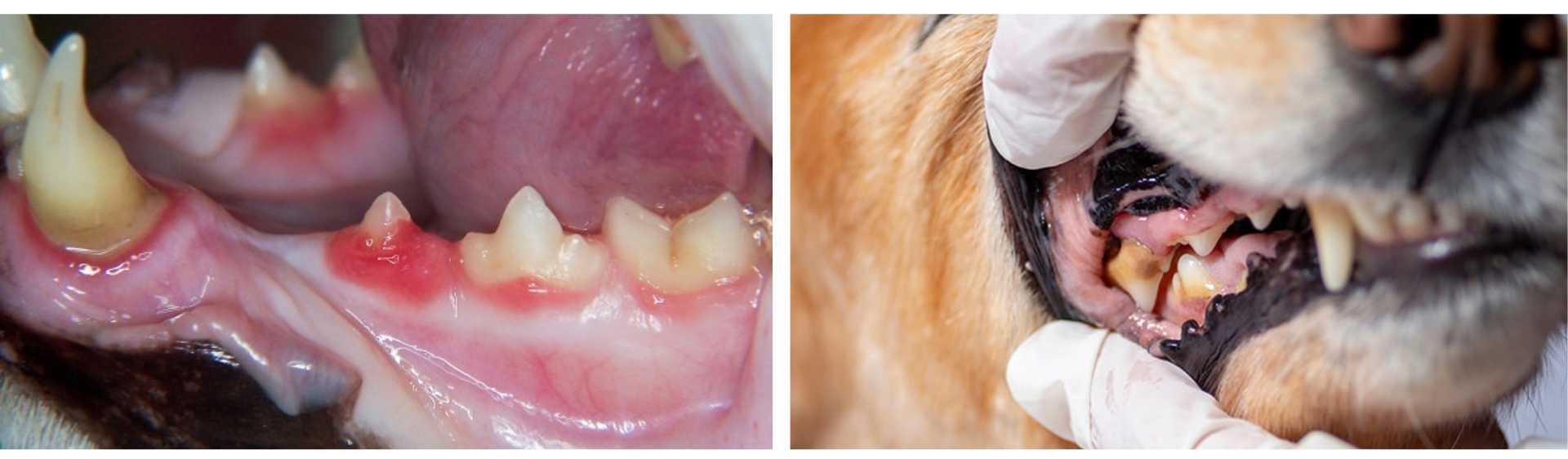
That means cannabinoids may help regulate this excessive inflammatory response.
There is also research comparing standard chlorhexidine mouthwash with cannabinoid-infused mouth rinses. The cannabinoid rinse was just as effective at reducing bacteria.
Cannabinoids are anti-inflammatory, immune-modulating, and antibacterial. That is a powerful combination for oral health.
Curated Research Library – Veterinary Cannabis. Verified Scientific Studies Printed in Medical Journals. https://veterinarycannabissociety.org/curated-research-library/
Placebo-Controlled Trial of Daily Oral Cannabidiol as Adjunctive Treatment for Cats with Chronic Gingivostomatitis PMC / NIH article (2023). https://pmc.ncbi.nlm.nih.gov/articles/PMC10487179/
4. Autoimmune Skin Disease
One case report followed a dog with discoid lupus, a painful autoimmune skin condition.
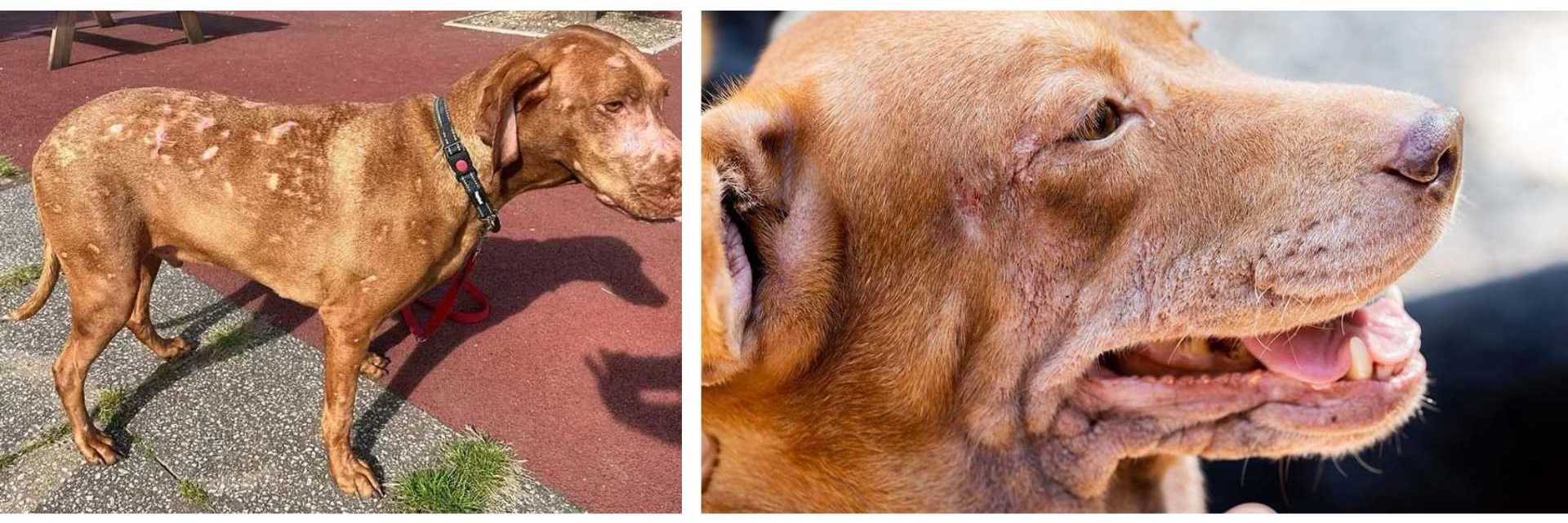
The dog had been on immune-suppressing drugs with side effects and elevated liver enzymes. The medications were stopped, and the dog was placed on a full spectrum CBD product at a moderate dose.
The lupus stayed under control.
That does not mean this works for every autoimmune case, but it does show real potential.
Autoimmune Skin Diseases – De Andrade, D. F., Gewehr, J. L. H., & De Almeida, E. A. (2022). Safety and efficacy of the therapeutic use of cannabis-based products in the treatment of dogs: An integrative review. Cannabis and Cannabinoid Research, 7(6), 736–744. https://rsdjournal.org/rsd/article/view/46570
Curated Research Library – Veterinary Cannabis. Verified Scientific Studies Printed in Medical Journals. https://veterinarycannabissociety.org/curated-research-library/
5. Mast Cell Tumors and Cancer Research
Mast cell tumors are the most common cancer in dogs.
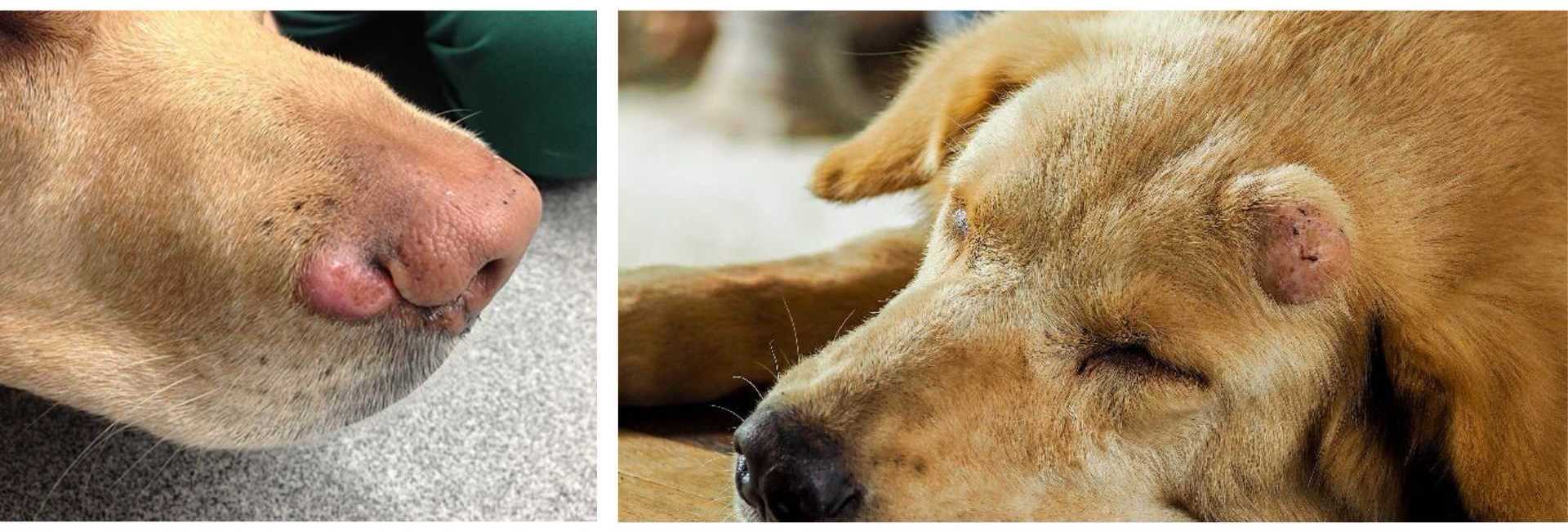
Studies show these tumors have a high number of CB1 and CB2 receptors. These are the receptors cannabinoids bind to.
This makes cannabinoids a logical option to consider, both orally and topically, alongside other care.
Cancer (Mast Cell Tumors / Oncology) – Rocha, F. C. M. (2010). Systematic review of clinical and experimental studies on the antitumor effects of cannabinoids (Doctoral thesis). Federal University of São Paulo. https://www.researchgate.net/publication/388832376_VETERINARY_CARE_BASED_ON_THE_USE_OF_MEDICAL_CANNABIS_SPP
Curated Research Library – Veterinary Cannabis. Verified Scientific Studies Printed in Medical Journals. https://veterinarycannabissociety.org/curated-research-library/
6. Neurologic Conditions
Cannabinoids are neuroprotective and anti-inflammatory in the nervous system.
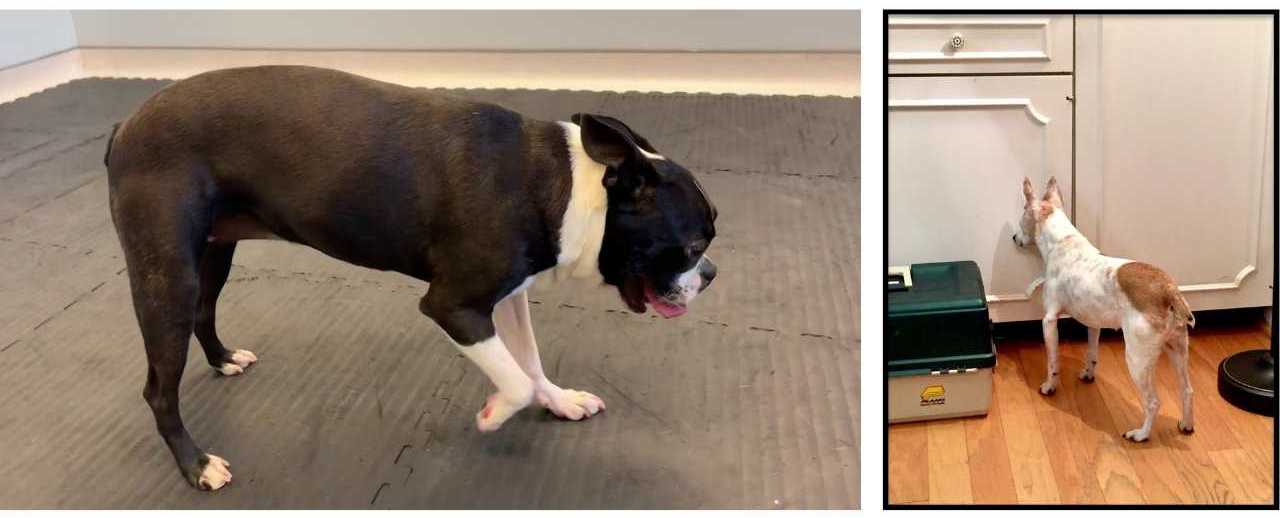
This applies to conditions like:
-
Degenerative myelopathy
-
Chronic disc disease
-
Nerve inflammation and degeneration
There are very few good options for these diseases. Supporting nerve health and reducing inflammation makes sense, especially with a compound that has a wide safety margin.
Neurologic Protection – McGrath, S., et al. (2019). Randomized blinded controlled clinical trial to assess the effect of oral cannabidiol administration in addition to conventional antiepileptic treatment on seizure frequency in dogs with intractable idiopathic epilepsy. Journal of the American Veterinary Medical Association, 254(11), 1301–1308. https://www.researchgate.net/publication/388832376_VETERINARY_CARE_BASED_ON_THE_USE_OF_MEDICAL_CANNABIS_SPP
Curated Research Library – Veterinary Cannabis. Verified Scientific Studies Printed in Medical Journals. https://veterinarycannabissociety.org/curated-research-library/
7. Eye Disease and Inflammation
One study found that orally given cannabinoids show up in tear fluid without reducing tear production.
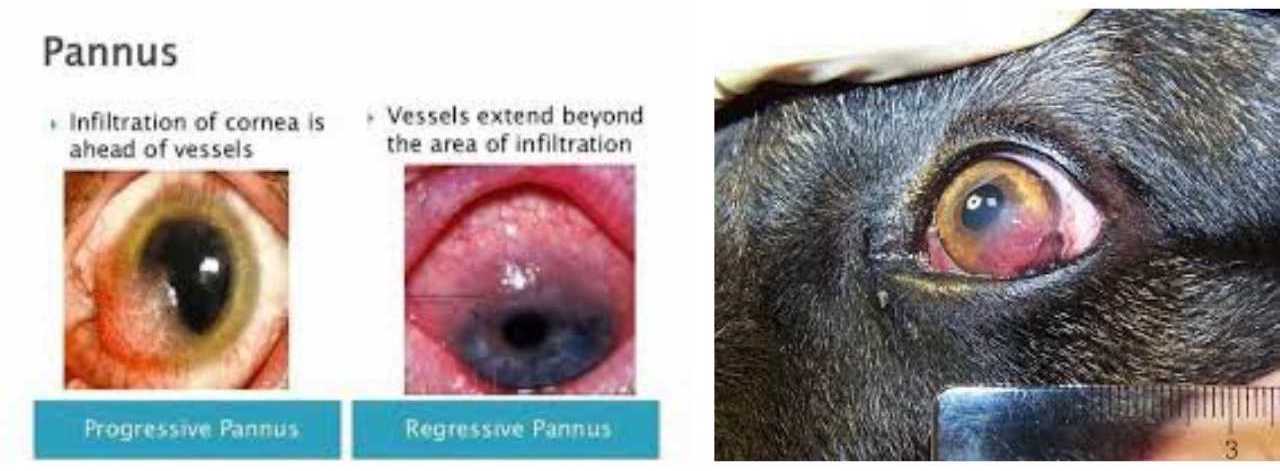
That means cannabinoids can help reduce eye inflammation from the inside out.
This may be helpful for conditions like uveitis, pannus, and corneal inflammation.
Curated Research Library – Veterinary Cannabis. Verified Scientific Studies Printed in Medical Journals. https://veterinarycannabissociety.org/curated-research-library/
Eye Inflammation (Ophthalmology) – Christensen, C., et al. (2023). Decoding the Postulated Entourage Effect of Medicinal Cannabis: What It Is and What It Isn’t. Biomedicines, 11(8), 2323. https://www.researchgate.net/publication/388832376_VETERINARY_CARE_BASED_ON_THE_USE_OF_MEDICAL_CANNABIS_SPP
Bonus: Pain and Post-Surgical Support
Pain relief is one of the most well-known uses of CBD.
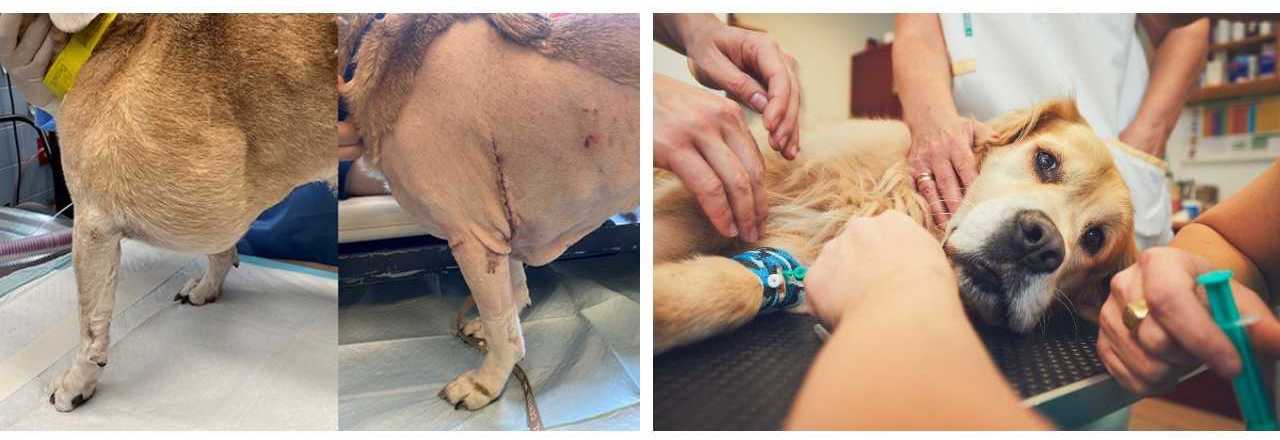
A study looked at dogs receiving both CBD and an NSAID after surgery. The combination allowed for lower doses of the NSAID while maintaining good pain control.
Lower dose means lower risk of side effects. That matters.
Curated Research Library – Veterinary Cannabis. Verified Scientific Studies Printed in Medical Journals. https://veterinarycannabissociety.org/curated-research-library/
Pain & Post-Surgery Recovery – Verrico, C. D., et al. (2020). A randomized, double-blind, placebo-controlled study of daily cannabidiol for the treatment of canine pain. Pain, 161(9), 2191–2202. https://www.researchgate.net/publication/388832376_VETERINARY_CARE_BASED_ON_THE_USE_OF_MEDICAL_CANNABIS_SPP
Bonus: Asthma and Airway Inflammation
CBD has been shown to reduce inflammatory cytokines involved in asthma, except for one marker.
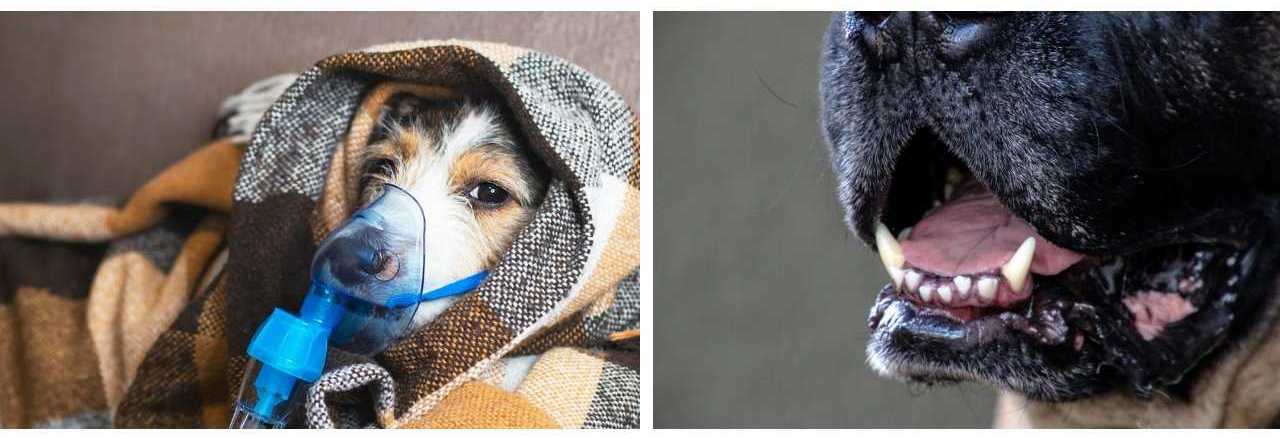
This has led researchers to suggest CBD as a potential future option for asthma, especially in cats where steroids are often the only choice.
Curated Research Library – Veterinary Cannabis. Verified Scientific Studies Printed in Medical Journals. https://veterinarycannabissociety.org/curated-research-library/
What You Need to Be Careful About
Not every study is positive.
Some research suggests possible effects on fertility, thyroid hormone levels, and bone health with long-term use. Results on digestive disease are mixed.
Cannabis hyperemesis syndrome is a real issue in people using high THC products, but this has not been reported in pets using non-psychoactive cannabinoids.
The key is moderation, proper dosing, and choosing products designed for animals.
Final Thoughts
Cannabinoids are not magic. They will not cure everything.
But the research is clear. In the right situations, they can reduce inflammation, ease pain, support the immune system, and improve quality of life for many dogs and cats.
Used thoughtfully, they are another tool that makes sense.
Click To Get A Free Copy of My E-Book!

P.S. I will link the studies mentioned here for those who want to dig deeper. Education matters.





Is this ok for human consumption?
Hi Mickie, I’m assuming you’re referring to Dr. Jones’ Ultimate CBD Formula for Dogs and Cats. This product is made specifically for pets (dogs and cats) and is intended for pet use only. Dr. Jones is very careful about what goes into his products and uses high-quality ingredients he trusts. For safety reasons, we recommend using this only for your pets. If you’re looking for CBD for yourself, please choose a product formulated for humans and speak with a healthcare professional if you have any medical conditions or take medications. Hope this helps, Mickie, and I appreciate your support for Dr. Jones!
Is this safe for arthritis pain/mobility in cats?
Hi Laura, Christine here from Dr. Jones’ team. Thanks for asking. Arthritis in cats is so common, and it can really sneak up on them. CBD is a safe, natural option for arthritis pain and mobility in cats. We’ve also heard from a lot of pet parents who’ve noticed their cats moving more comfortably and seeming less stiff after using CBD consistently. Quick questions for you, Laura: How old is your cat and what do they weigh?