Why Dog Ear Meds Stop Working and What to Try Instead

Resistant Dog Yeast May Be the Reason
You take your dog to the clinic because the ear infection keeps coming back.
The ear is red, itchy, waxy, and probably has that classic dark debris. You are given ear drops, maybe something containing an antifungal like miconazole. You use it exactly as directed.
And nothing happens.
Or worse, the ear gets more inflamed.
If that sounds familiar, there may be a reason. We are now seeing growing resistance to some of the common medications used for yeast ear infections in dogs, especially medications containing miconazole.
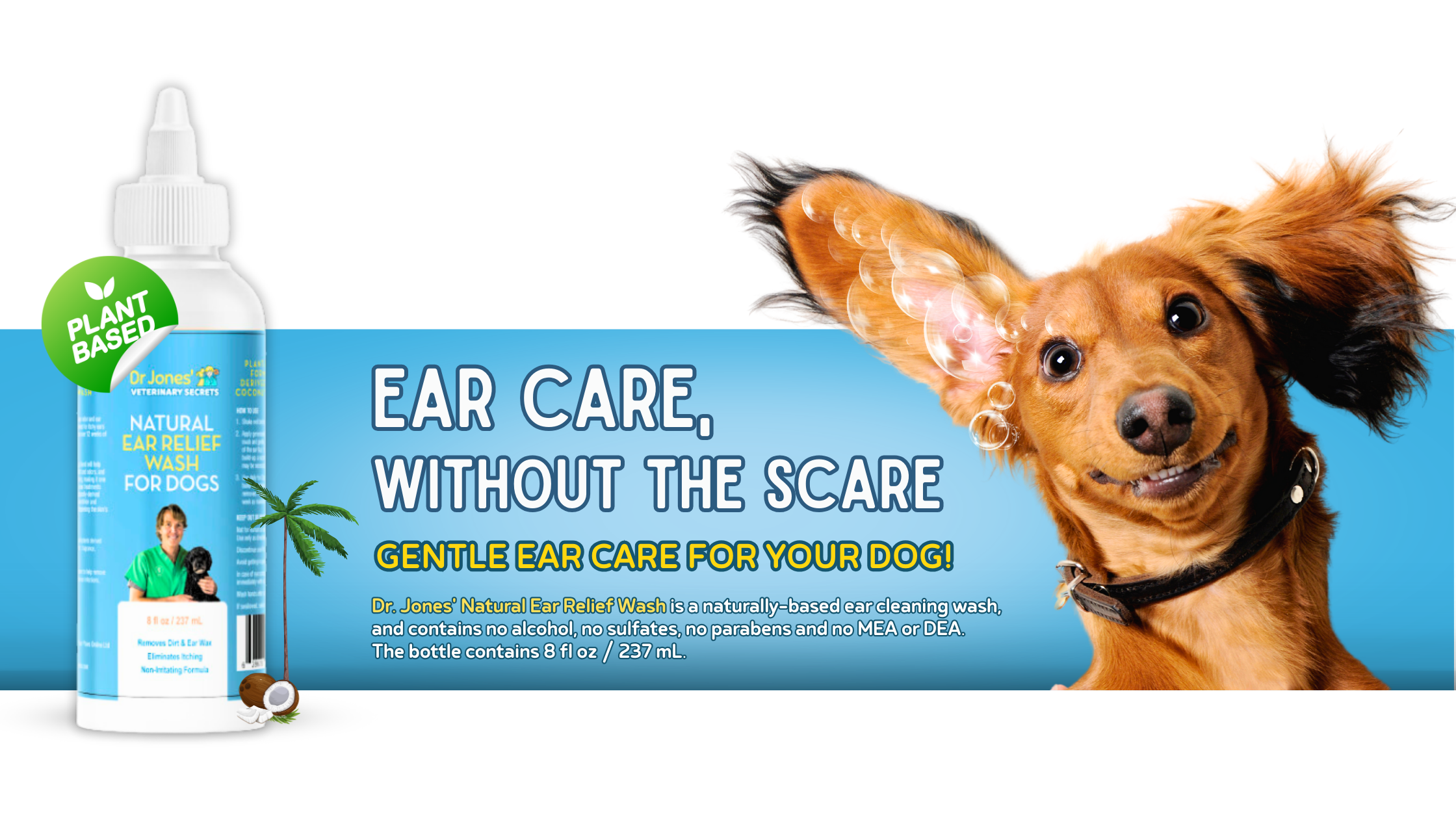
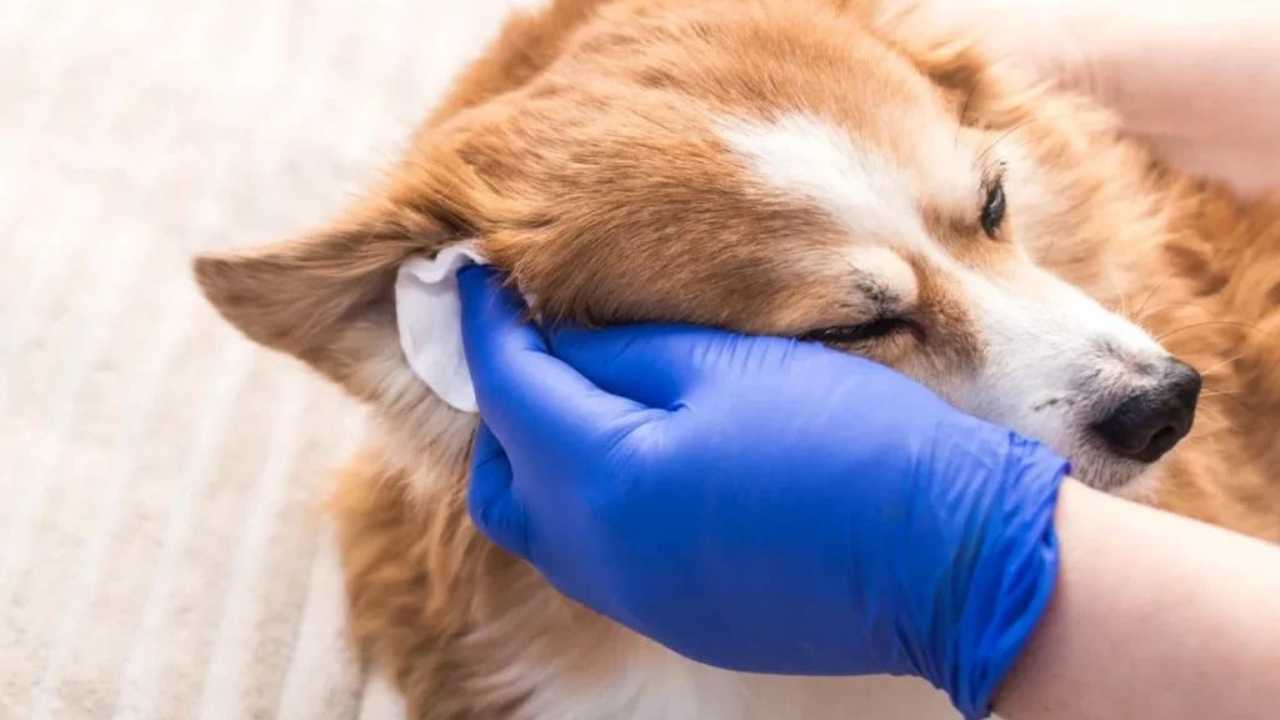
Why Some Dog Ear Medications Stop Working
Most veterinary ear medications contain a mix of ingredients. Usually, there is an antibacterial, an antifungal, and an anti-inflammatory.
The idea is to cover everything.
The problem is that when the same medication is used over and over again, organisms can adapt.
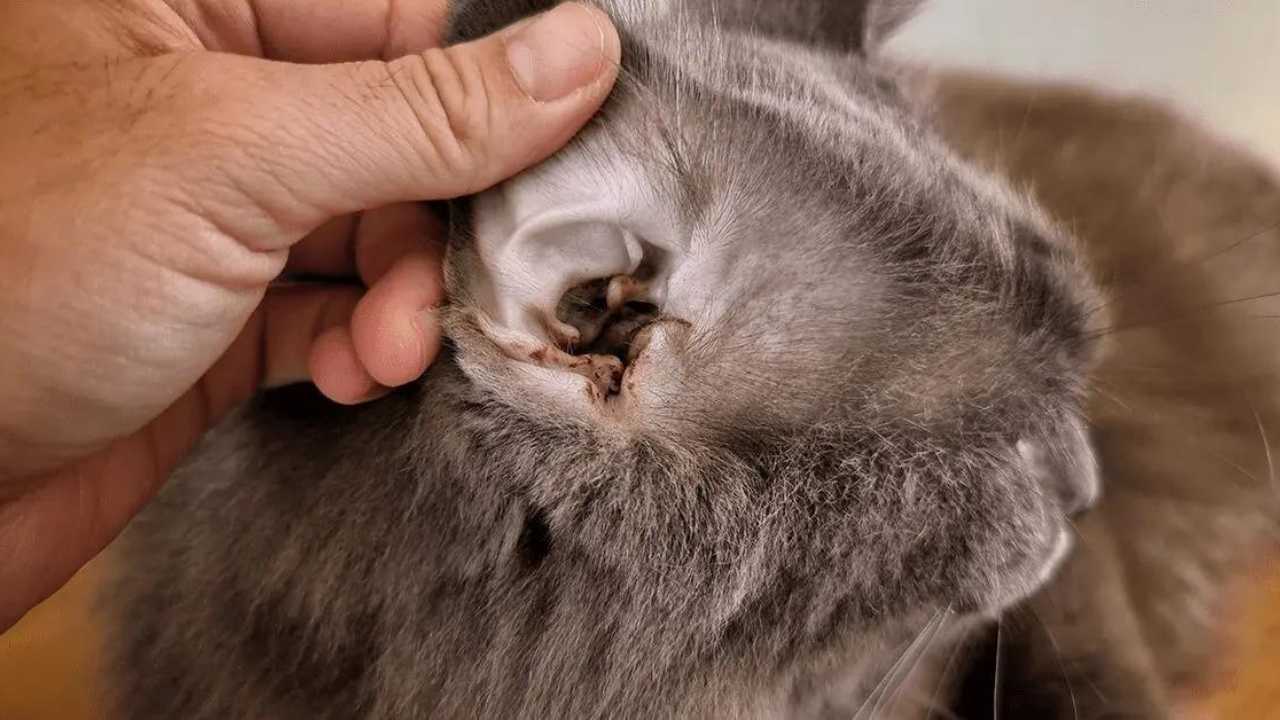
The most common yeast involved in dog ear infections is Malassezia. This yeast can change in ways that allow it to survive certain antifungal medications. That means the drops that used to work may no longer be effective.
This is exactly what recent research is showing. Some yeast strains are becoming resistant to common antifungals like miconazole.
The Bigger Problem: Allergies
The ear infection itself is often not the true root cause.
In my experience, most dogs with recurring ear infections have underlying allergies. Environmental allergies are common, but food sensitivities can also play a role.
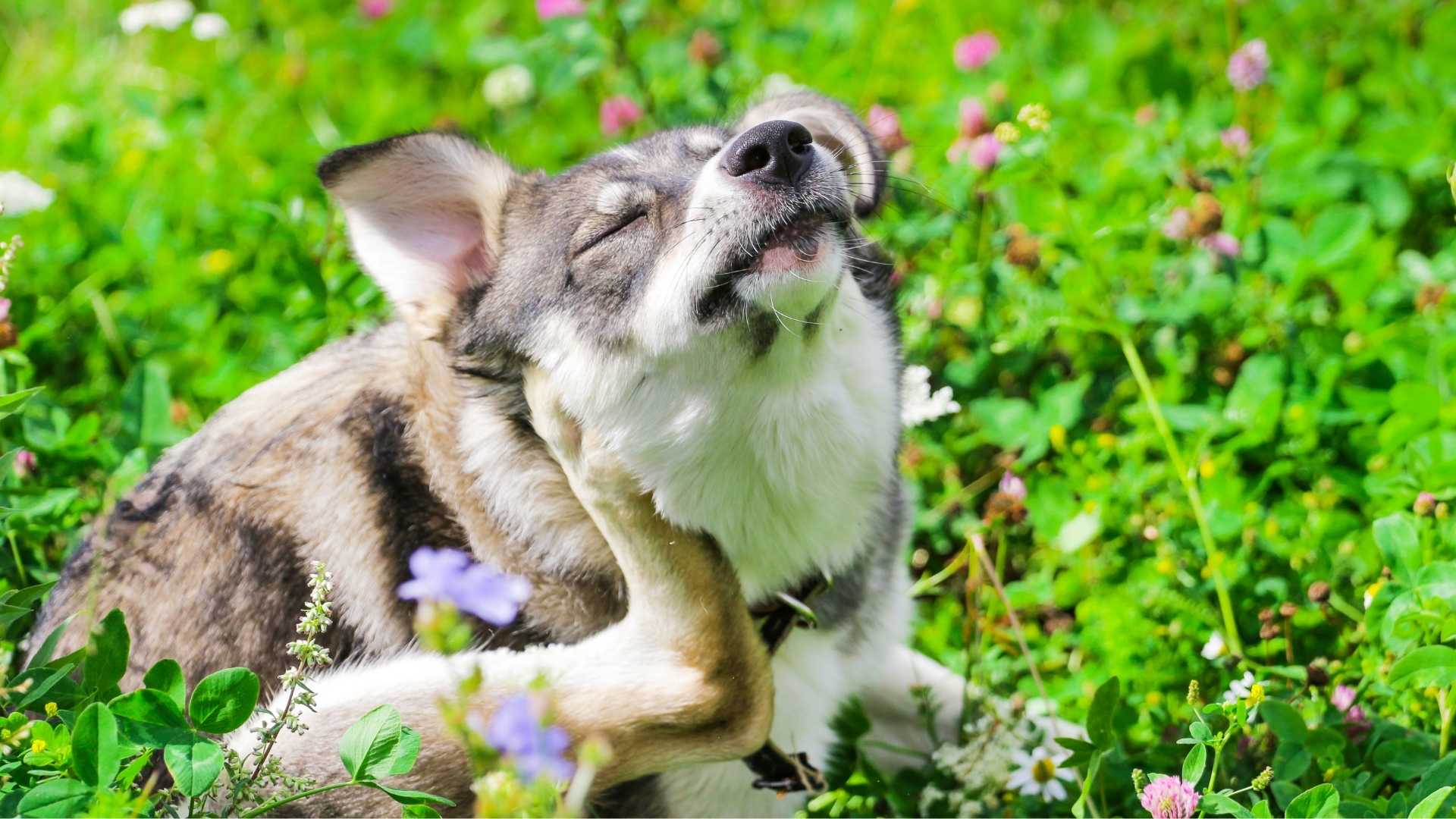
Allergies cause inflammation in the ear canal. That inflammation changes the normal environment inside the ear. Yeast overgrows. The ear becomes itchy, painful, waxy, and infected.
If we only treat the yeast and never address the allergy, the infection keeps coming back.
Start With the Allergy Support
Before reaching for stronger and stronger drugs, I want to support the body and reduce the inflammation driving the problem.
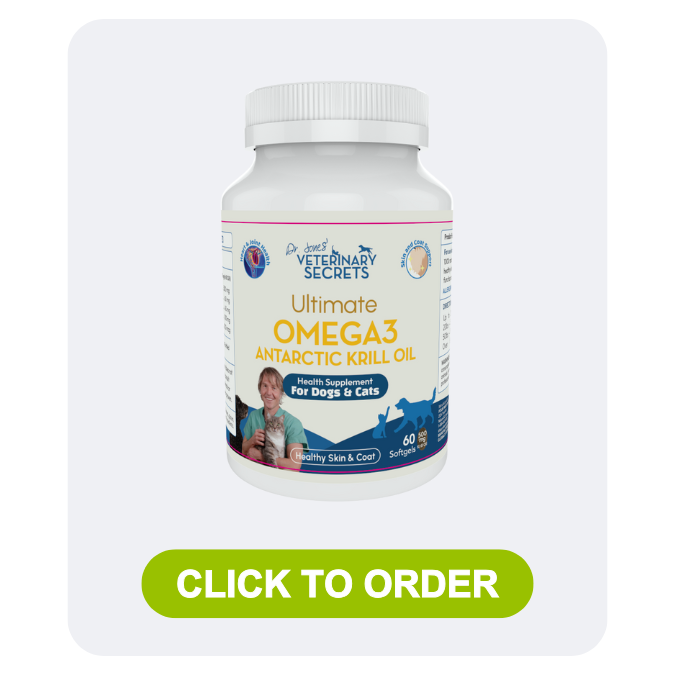
Omega 3 Fatty Acids
A good quality omega 3 supplement is one of the first things I suggest.
Omega 3s, especially EPA and DHA, help reduce inflammation and support skin and ear health.
I prefer krill oil because it is well absorbed and can be lower in some of the contaminants found in certain fish oils.
A good starting dose is about 500 mg per 25 pounds of body weight daily.

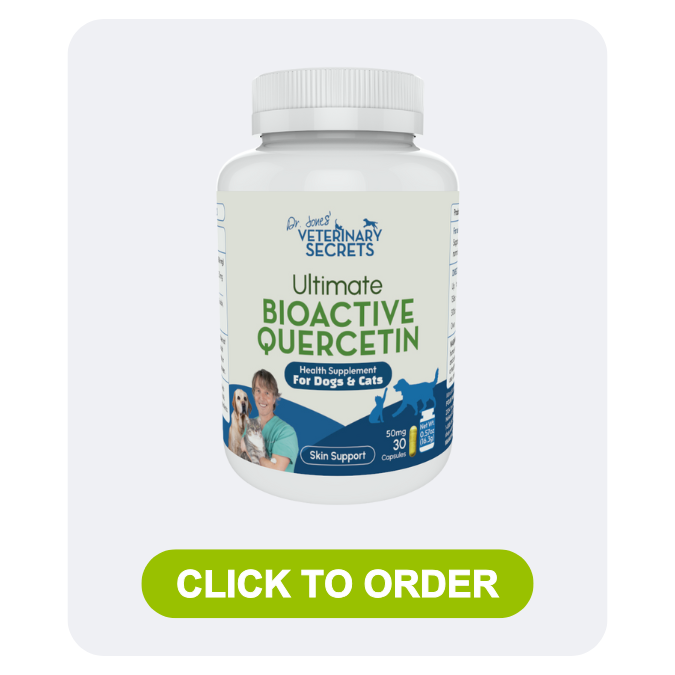
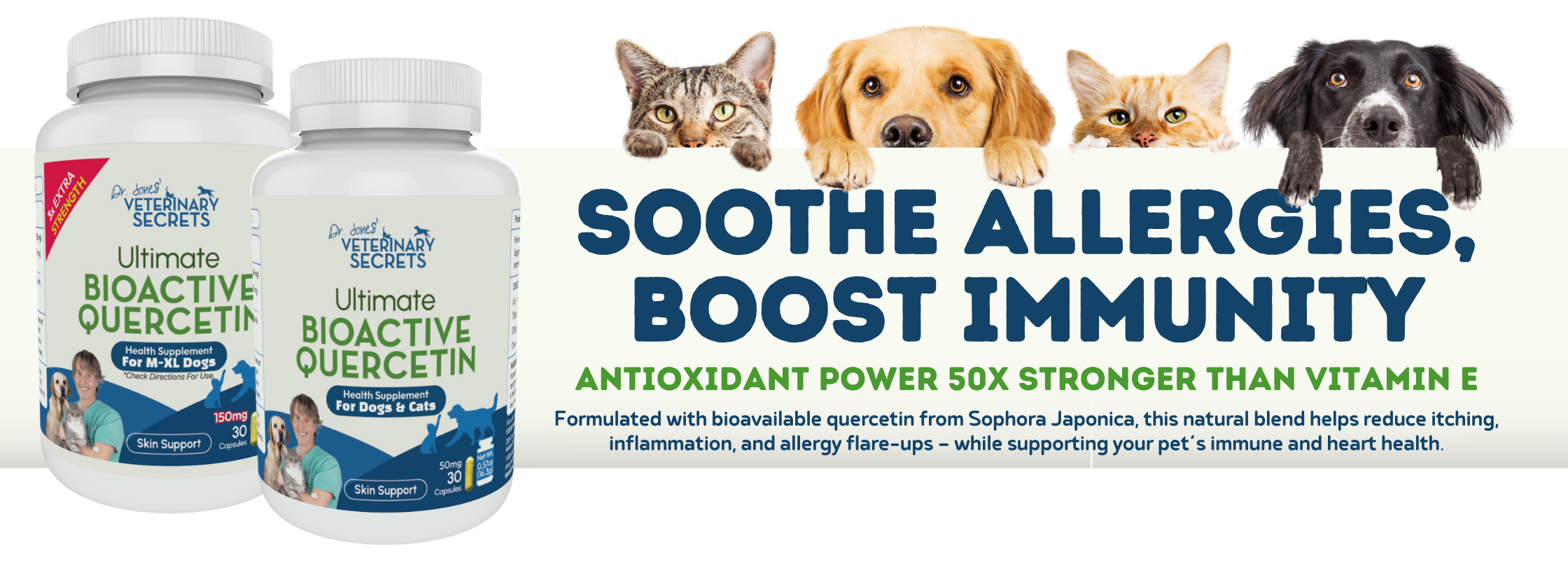
Bioactive Quercetin
Quercetin is a natural bioflavonoid found in apple peel. I often think of it as a natural antihistamine.
It helps reduce allergic inflammation and can be very helpful for dogs with itchy skin, paw licking, and recurring ear infections.
A typical dose is about 50 mg per 15 pounds of body weight daily.
If your dog has chronic allergy-related ear issues, omega 3s and quercetin are two of the best places to start.
Natural Remedy 1: Green Tea and Apple Cider Vinegar
This is one of my favorite simple ear remedies.
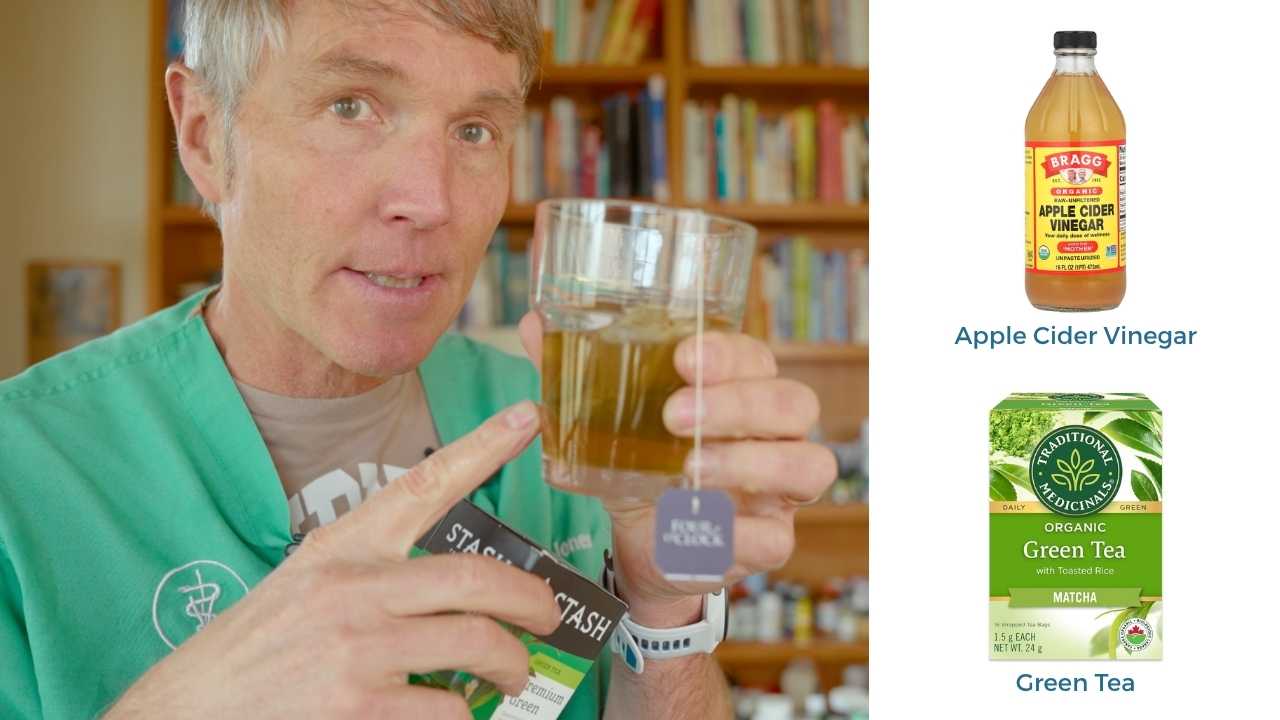
Green tea is naturally anti-inflammatory, antibacterial, and has mild antifungal activity. Apple cider vinegar contains acetic acid, which has been shown to help against yeast, including Malassezia.
How to Make It
Make 1/2 cup of strong green tea and let it steep and cool for 20 minutes.
Add 2 tablespoons of apple cider vinegar.
Mix well.
How to Use It
Draw a small amount into a syringe or dropper.
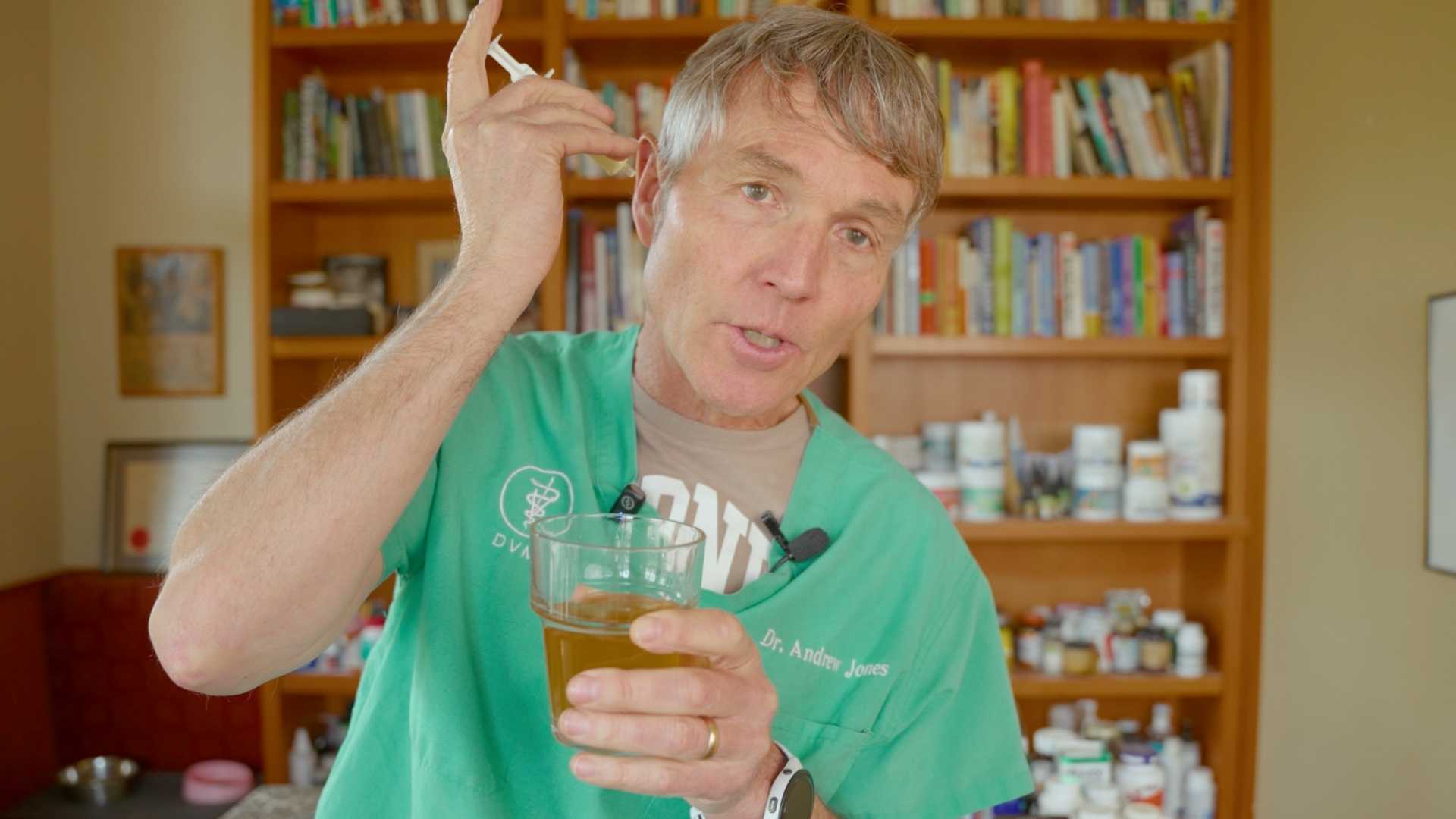
Place 5 to 6 drops into the base of the affected ear.
Massage the base of the ear gently.
Use twice daily for 5 to 7 days.
This is especially useful for yeast-type ear infections with dark waxy debris.
Natural Remedy 2: Garlic-Infused Olive Oil
Garlic has strong antifungal properties, and olive oil is soothing and gentle for the ear canal.
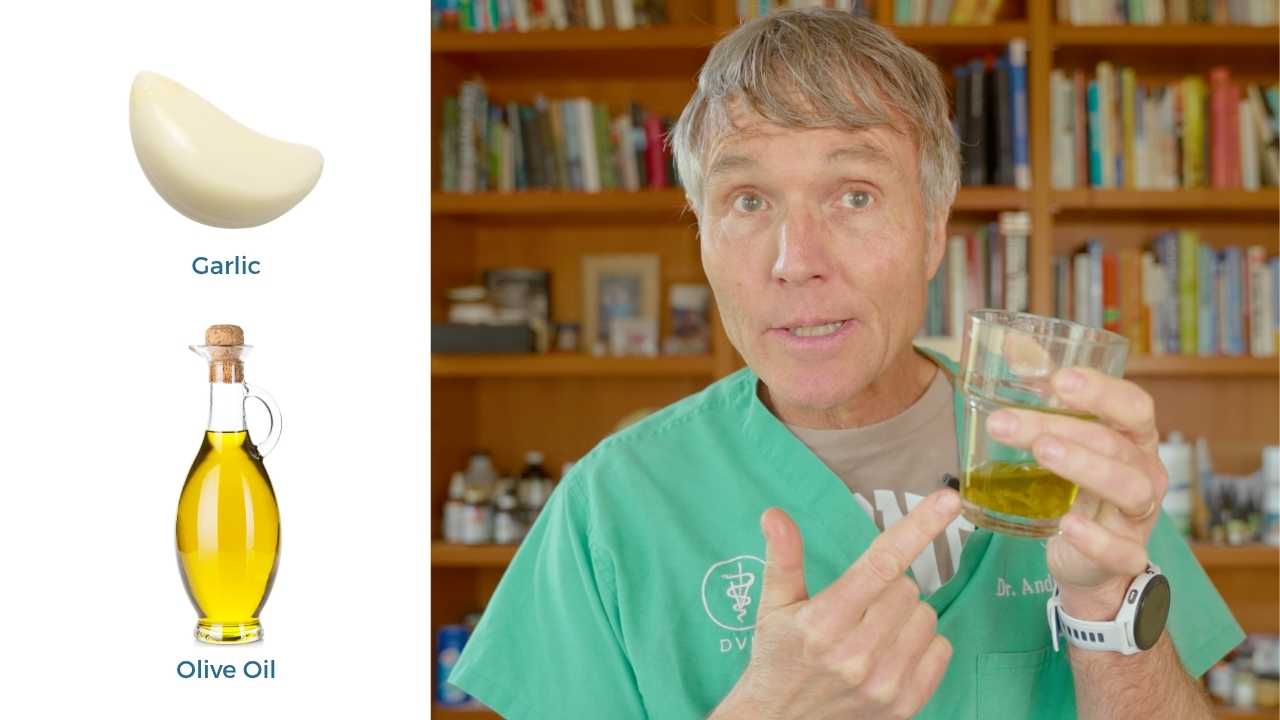
Used correctly, garlic can be a powerful natural tool for yeast ear infections.
How to Make It
Add 1 crushed garlic clove to 2 tablespoons of olive oil.
Let it sit overnight at room temperature for at least 12 hours.
Strain out the garlic before using.
How to Use It
Place 4 to 5 drops into the affected ear.
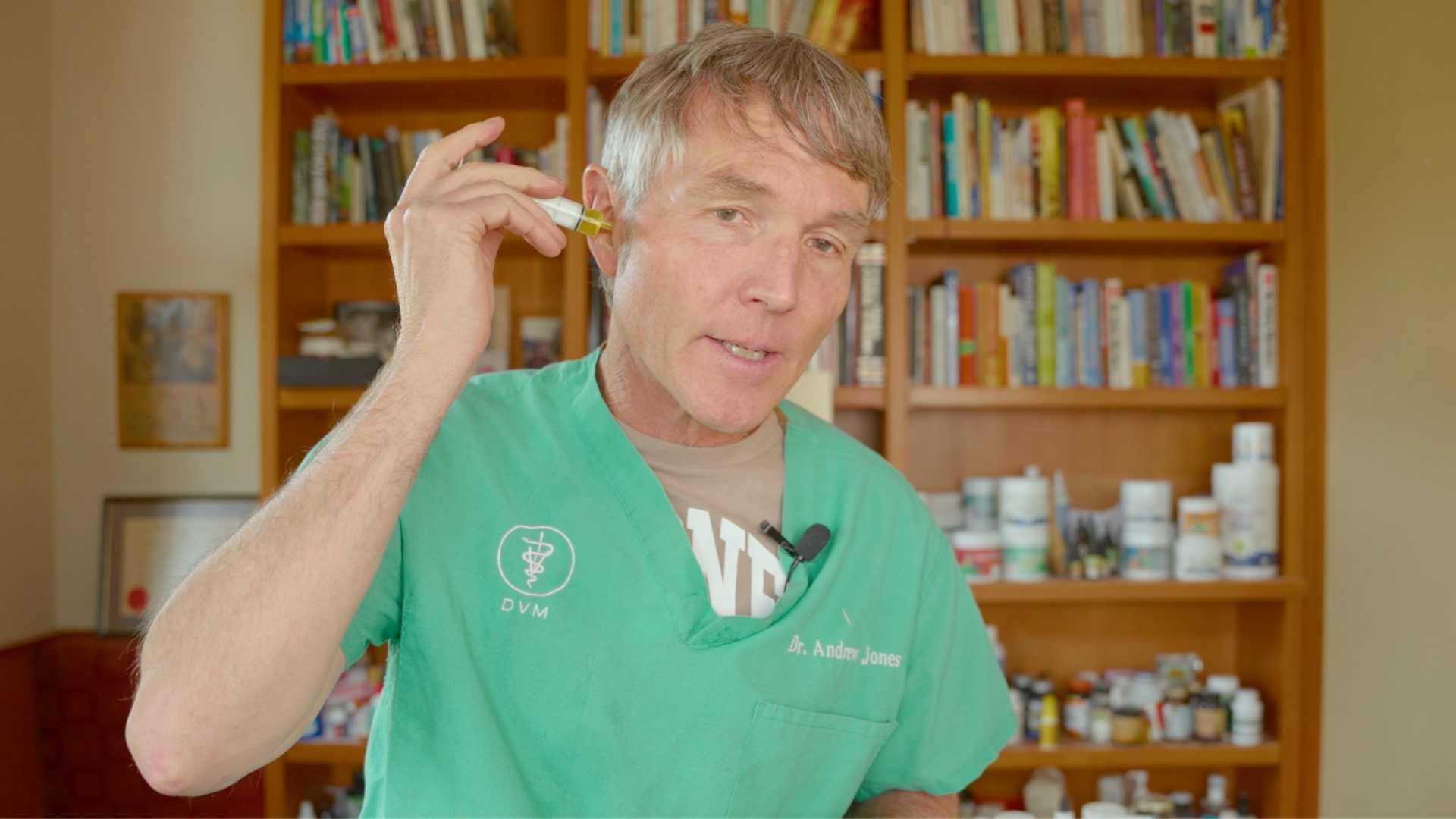
Massage gently.
Use twice daily for 5 to 7 days.
This gives you a simple homemade antifungal ear oil.
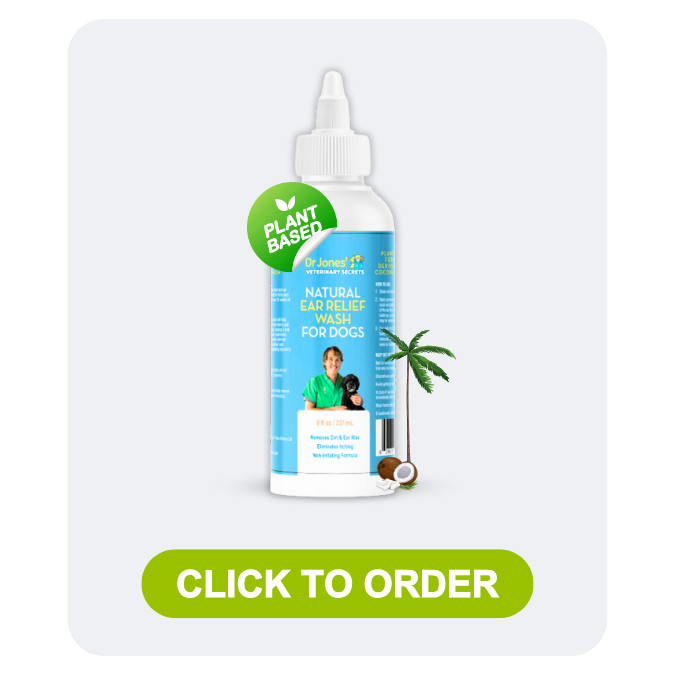
Natural Remedy 3: Hypochlorous Acid
Hypochlorous acid, also called HOCl, is a natural compound found in white blood cells. It helps the body fight bacteria and yeast.
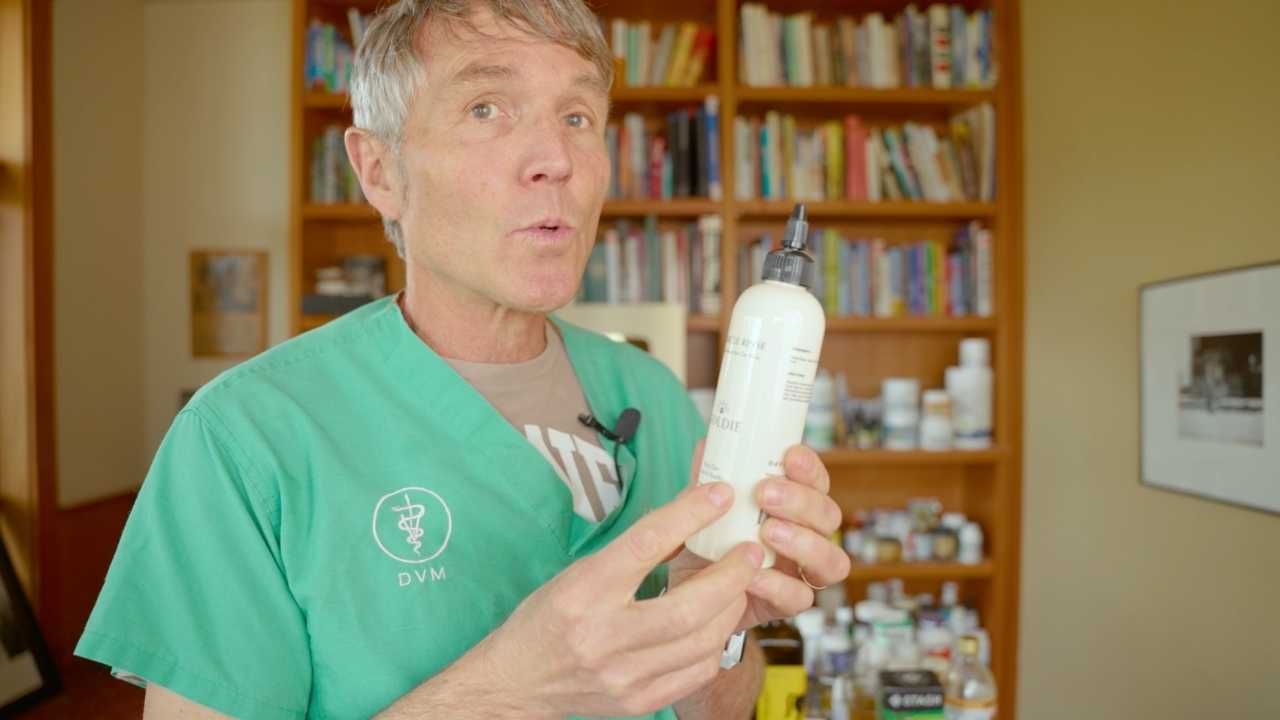
It can also be made by running an electrical current through salt water.
What I like about hypochlorous acid is that it is gentle, non-irritating, and safe for long-term use. It can help reduce yeast and bacteria without the same concern for resistance we are seeing with some conventional antifungals.
How to Use It
Use it first as an ear rinse if there is a lot of debris.
Then use 5 to 6 drops in the ear twice daily for 7 to 10 days.
Massage the ear well after applying.
When to See Your Veterinarian
If your dog’s ear is severely painful, swollen, bleeding, or has a bad odor, get it checked.
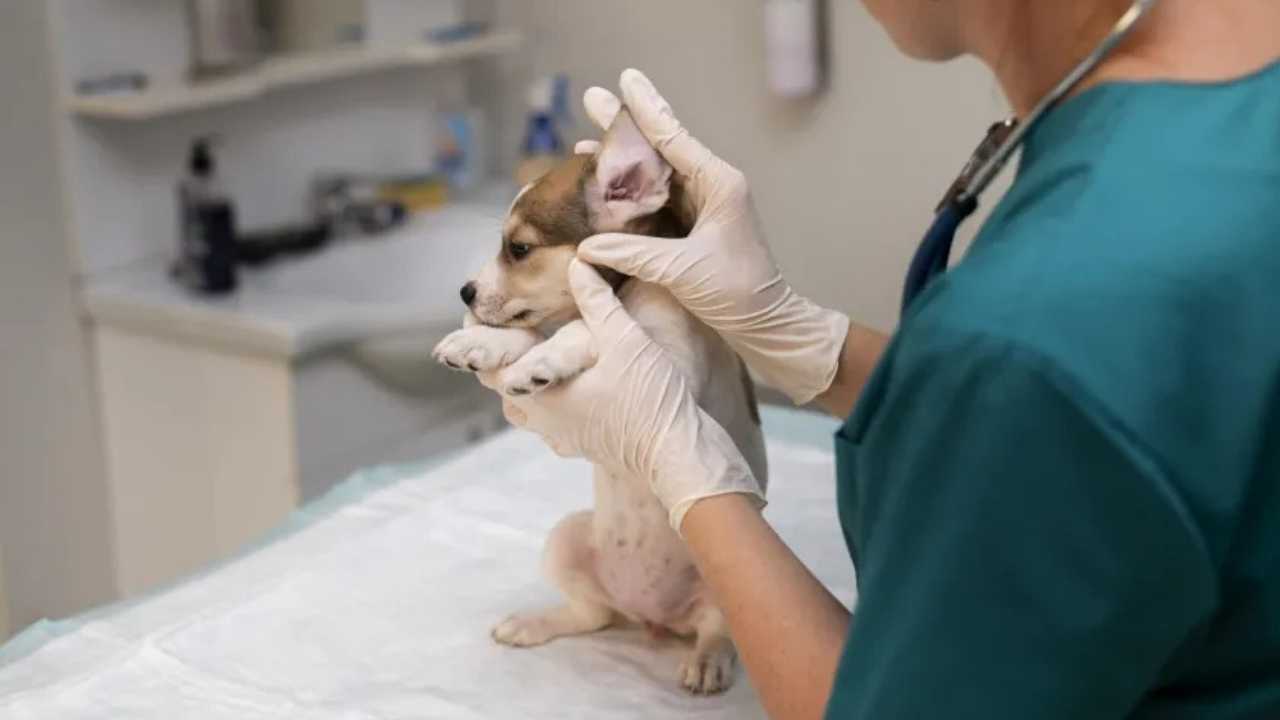
If the infection is deep, chronic, or not responding, your veterinarian may need to do cytology or culture testing to identify whether yeast, bacteria, or resistant organisms are present.
That said, if you are dealing with another routine yeast flare-up and the standard drops are not helping, it is reasonable to start thinking differently.
My Takeaway
If your dog’s ear medication is not working, it may not be your fault.
The yeast may be resistant.
Instead of simply repeating the same drug again and again, focus on the bigger picture.
Treat the underlying allergies. Support the skin and immune system. Use natural antifungal options like green tea and apple cider vinegar, garlic-infused olive oil, or hypochlorous acid.
That is how you start getting ahead of recurring ear infections.
Click To Get A Free Copy of My E-Book!

Thank you
You are amazing and a wealth of great information Thank you and My God bless you for all the animals you have helped.
Aloha Joanne Mezin?
Aloha Joanne, thank you so much for the kind words and blessings. It truly means a lot to me. Big hugs to you and your furry family.