Raaw Energy Dog Food Recall: What Pet Parents Should Do

If You Feed Raw Dog Food, What Should You Do First?
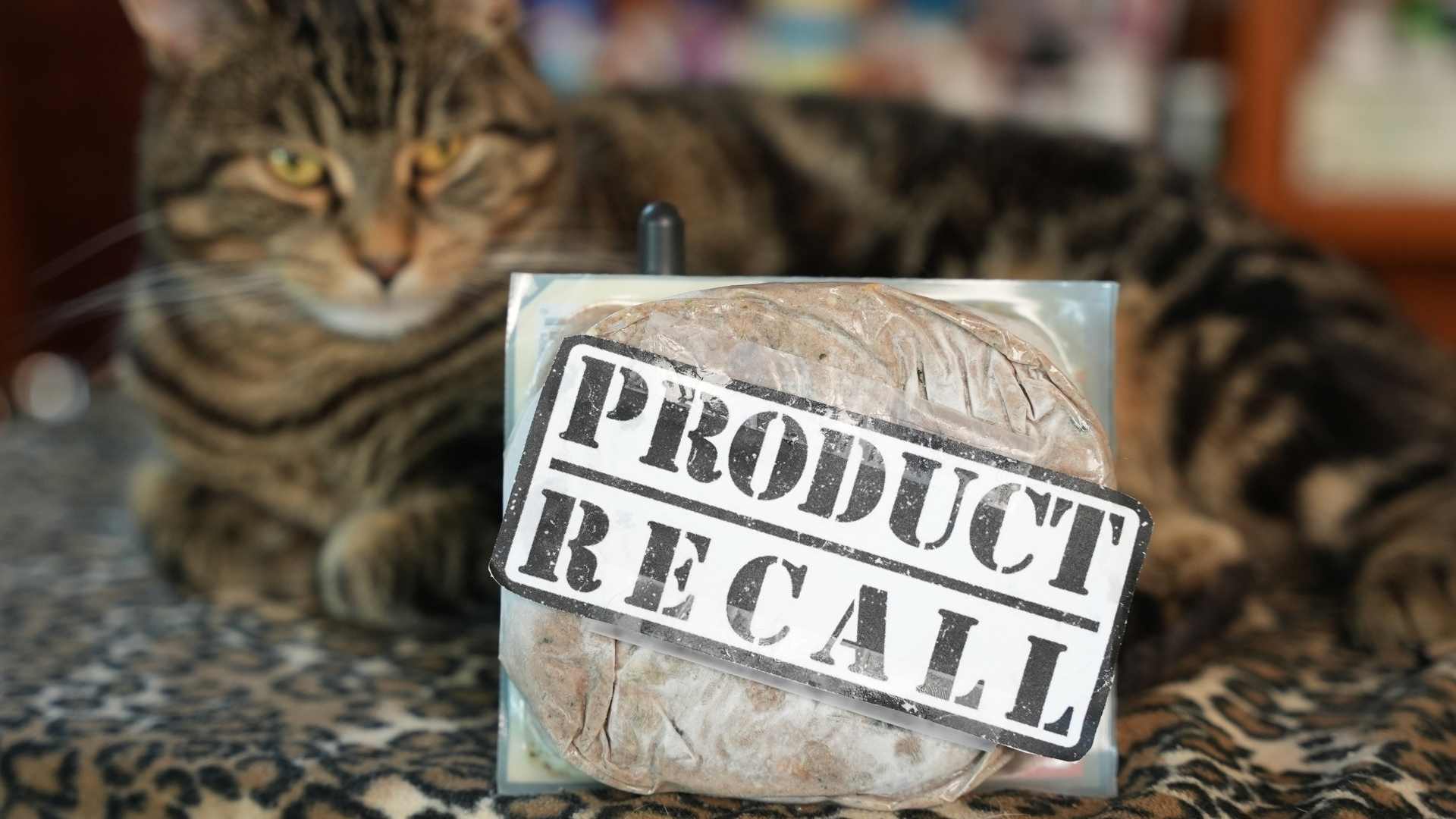
If you have fed Raaw Energy Dog Food, especially products manufactured between July 2025 and the end of December 2025, do not feed that food to your pet.
That is the first and most important step.
A raw pet food recall has been raised after testing found pathogenic bacteria in multiple samples. The concern involves Raaw Energy, a dog food company based in New Jersey. The New Jersey Department of Agriculture tested samples, and those samples tested positive for at least one pathogenic bacteria, Listeria.
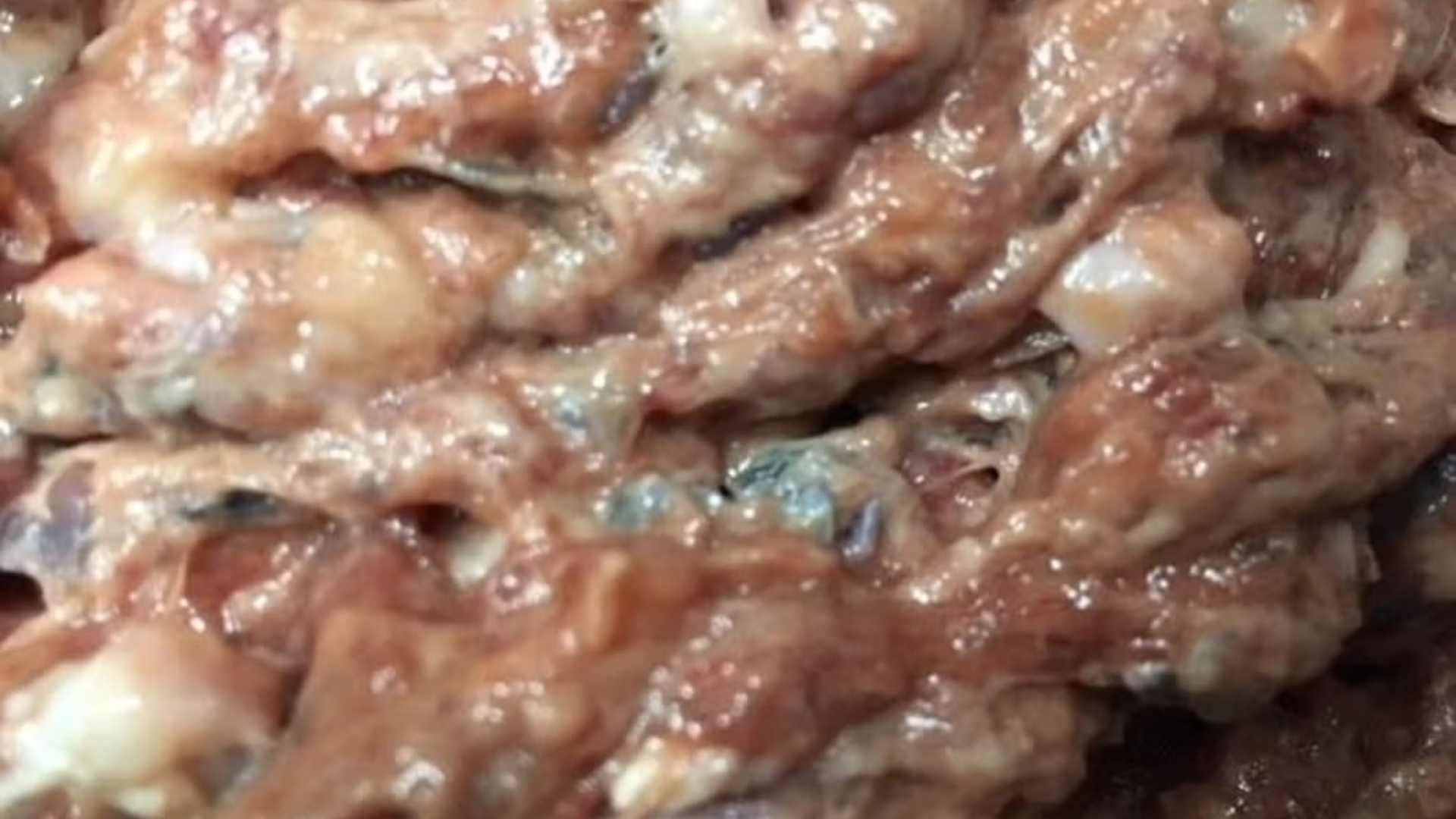
The FDA later updated that eight separate samples had been tested, and all tested positive for either Listeria, Salmonella, Campylobacter, or a combination of these bacteria.
These bacteria can make your dog sick. They can also make you sick.
So yes, this is one to take seriously.
Dr. Jones’ Complete Digestive Care Soft Chews
What Raw Dog Food Was Recalled?
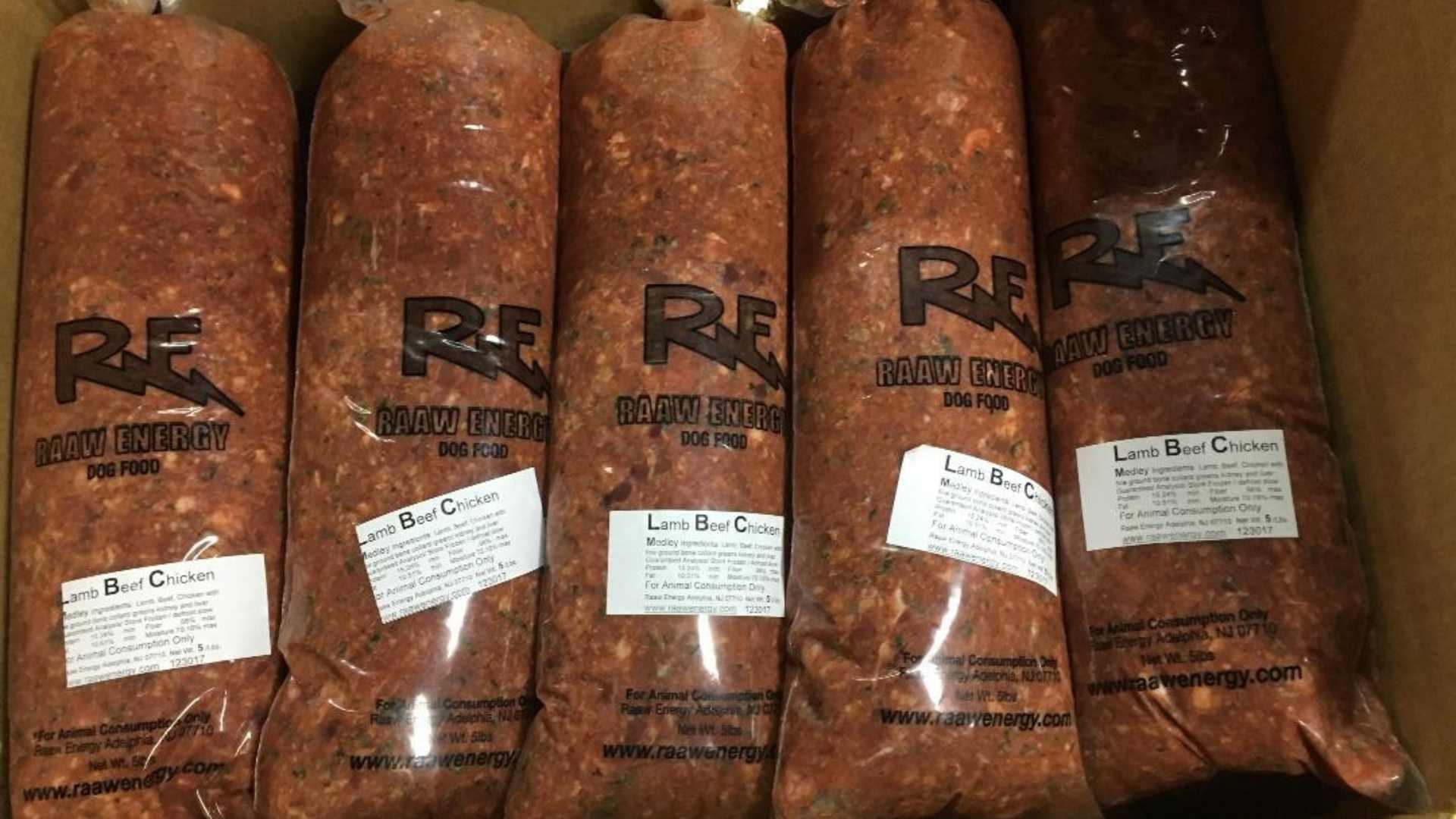
The concern is with Raaw Energy Dog Food products manufactured between:
- July 2025
- Through the end of December 2025
The company sells food online, and customers pick it up in person.
According to the information shared, the products are not identified by UPC codes, but the affected products are clearly identified in the news release mentioned in the original update.
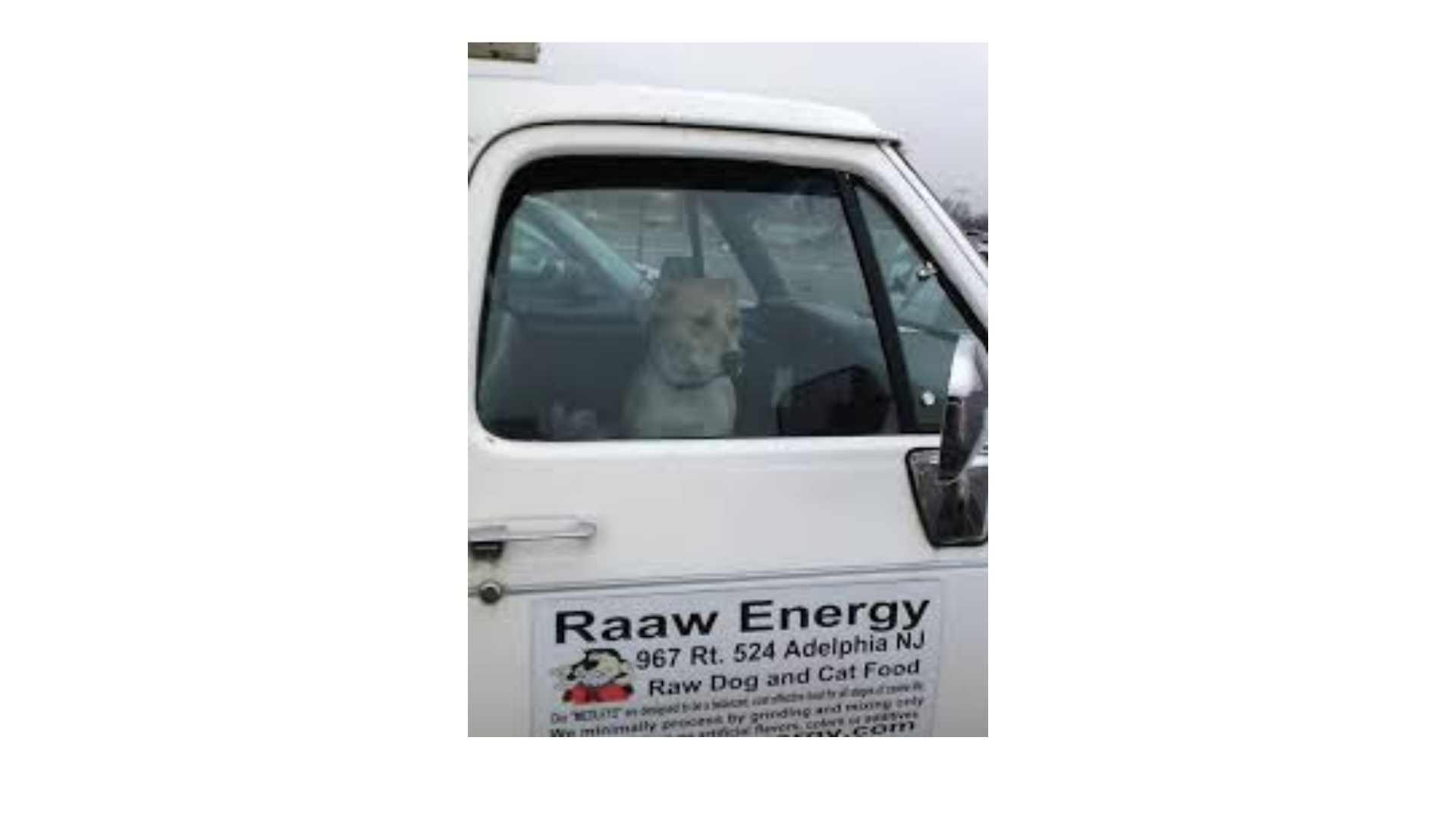
If you ordered Raaw Energy Dog Food during that time frame, the safest step is simple: do not feed it.
Why Was the Raw Food Tested?
The testing began after a consumer in Connecticut reported that their dog became ill after eating the food.
That triggered concern. The food was tested and came back positive for Listeria.
That is a pretty direct warning sign. Sick dog. Food tested. Pathogenic bacteria found.
From there, more samples were tested, and the FDA reported that all eight separate samples tested positive for Listeria, Salmonella, Campylobacter, or more than one of them.
Not exactly the quality-control badge you want on your raw food.
Which Bacteria Were Found?
The three bacteria mentioned in this recall update are:
| Bacteria | Main Concern |
|---|---|
| Listeria | More concerning for people, but can affect pets |
| Salmonella | Can cause gastrointestinal illness in pets and people |
| Campylobacter | Can cause diarrhea and gastrointestinal illness |
All three are pathogenic bacteria, meaning they can cause illness.
What Should You Do If You Have This Food at Home?
If you have any affected Raaw Energy Dog Food in your home, I would do the following.
Step 1: Stop Feeding It
Do not feed the food to your dog or cat.
Even if your pet seems fine, stop using it.
Step 2: Dispose of the Food
Throw away the affected food in a way that prevents pets, wildlife, or people from getting into it.
Do not thaw it, sniff it, test it, or think, “Maybe just one more meal.”
Nope. Into the garbage it goes.
Step 3: Clean Anything It Touched
Clean and disinfect anything the food may have contacted, including:
- Food bowls
- Counters
- Cutting boards
- Sinks
- Utensils
- Storage containers
- Refrigerator shelves
- Freezer areas
- Your hands
- Any surfaces your dog may have licked after eating
The concern is not just your pet eating it. The concern is also cross-contamination.
Step 4: Watch Your Pet
Monitor your dog or cat for signs of illness.
Look for:
- Diarrhea
- Bloody diarrhea
- Vomiting
- Not eating
- Low energy
- Fever
- Signs of stomach pain
- Acting depressed or unwell
If your pet becomes sick, call your veterinarian.
Why Are Listeria, Salmonella, and Campylobacter a Concern?
These bacteria can affect both animals and people.
Some pets may not show signs, while others can become ill.
People can also get sick from handling contaminated food, bowls, counters, or surfaces.
This is why hygiene matters so much with raw food.
What Is Listeria?
Listeria is usually more of a concern for people than pets.
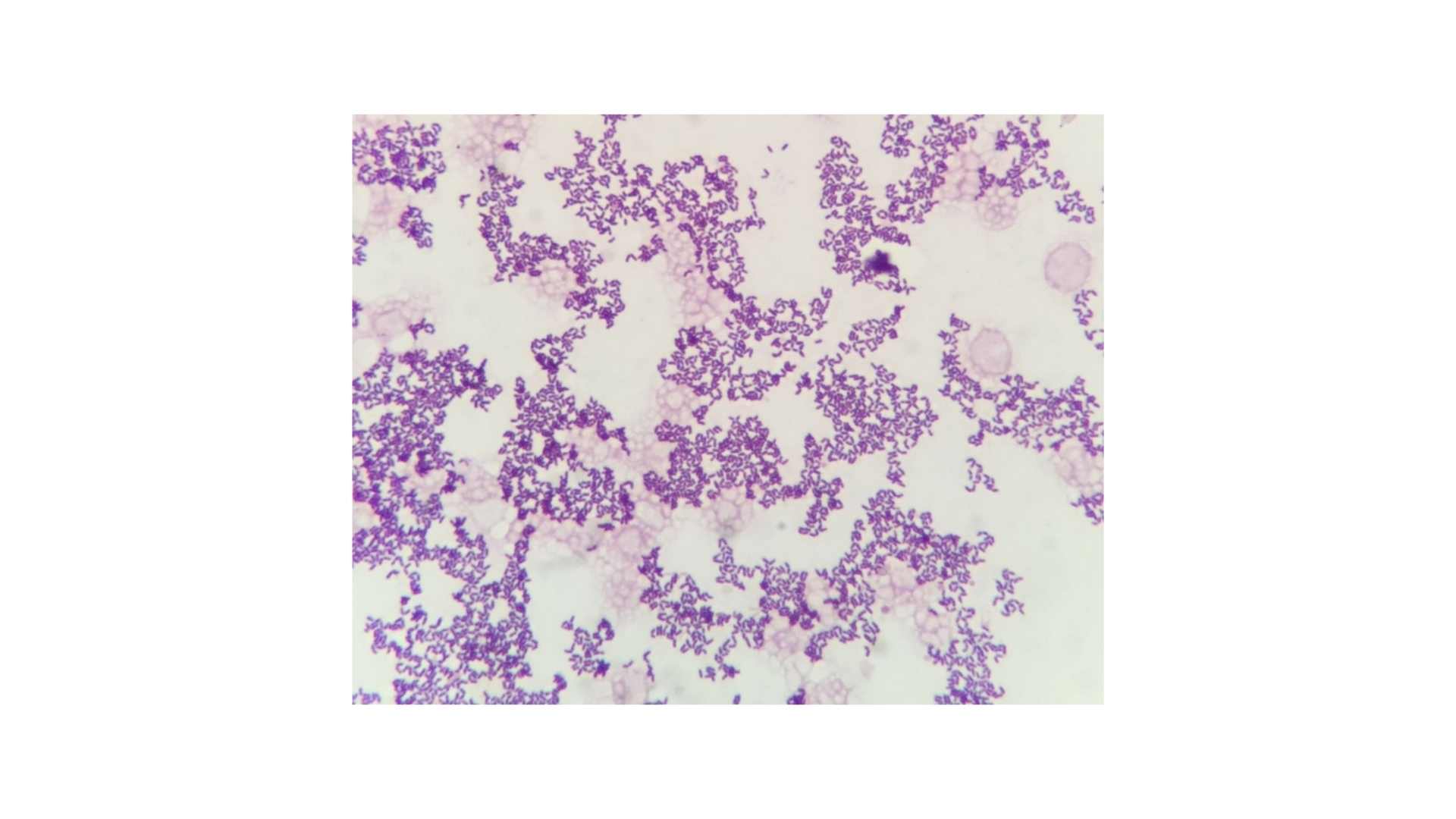
In people, Listeria can cause gastrointestinal signs, but it can also cause more serious issues, including neurologic signs such as:
- Neck pain
- Headache
- Fever
- Possible seizures
In pets, Listeria is less commonly diagnosed. It can cause gastrointestinal signs, and in more serious cases, especially in immunocompromised animals, it may affect muscles, joints, breathing, or other body systems.
I do not recall diagnosing Listeria in an animal in practice, but that does not mean we ignore it.
What Is Salmonella?
Salmonella is primarily a gastrointestinal disease.
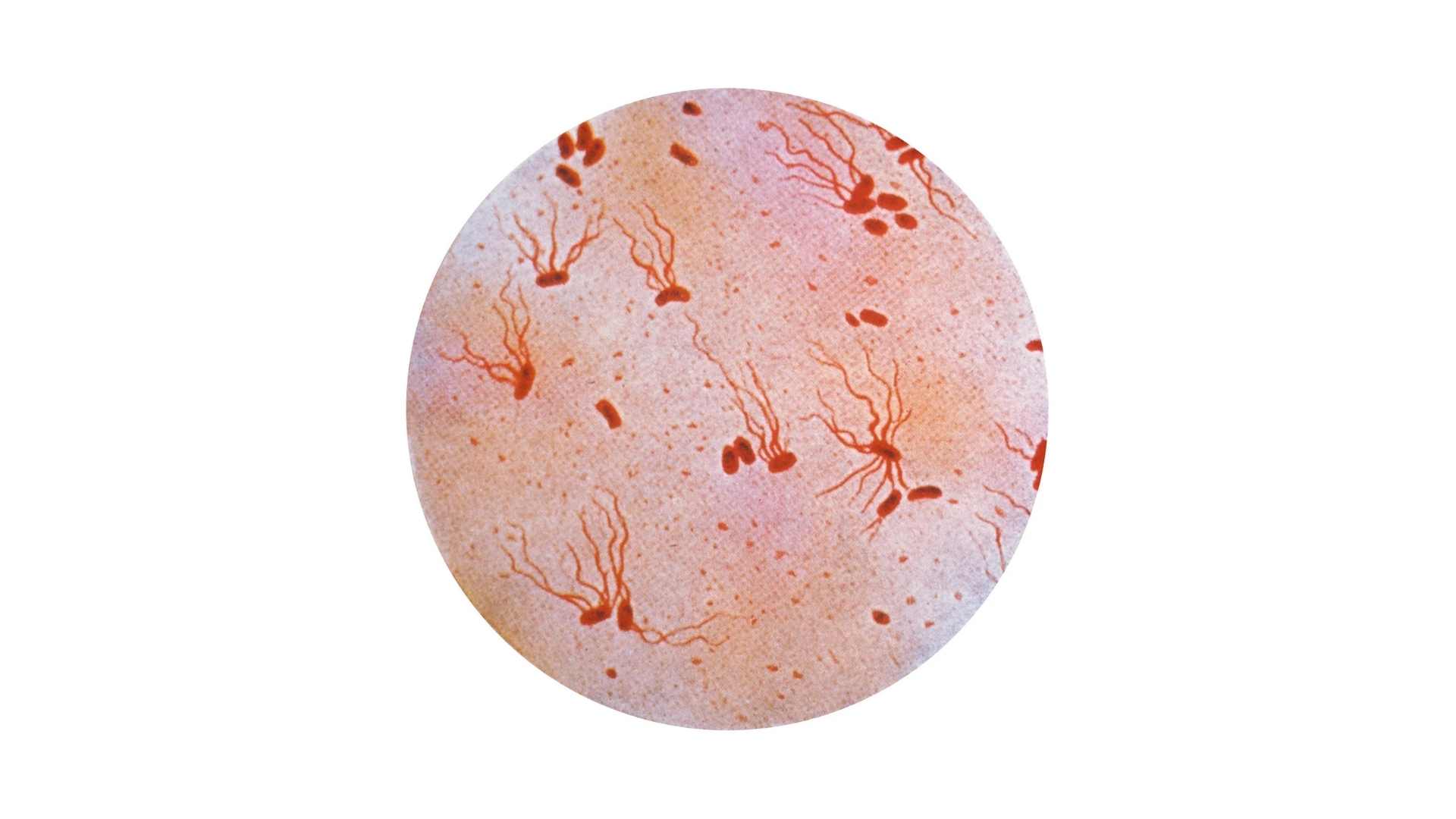
In dogs and cats, it can cause:
- Diarrhea
- Bloody diarrhea
- Colitis
- Depression
- Poor appetite
- Vomiting
- General illness
I did see animals in practice with Salmonella. The cases I remember were not from raw pet food. They were more often from cats hunting and eating sick birds.
That said, contaminated food can still be a source.
Some animals may recover with their normal immune system dealing with the bacteria. Others can become quite sick.
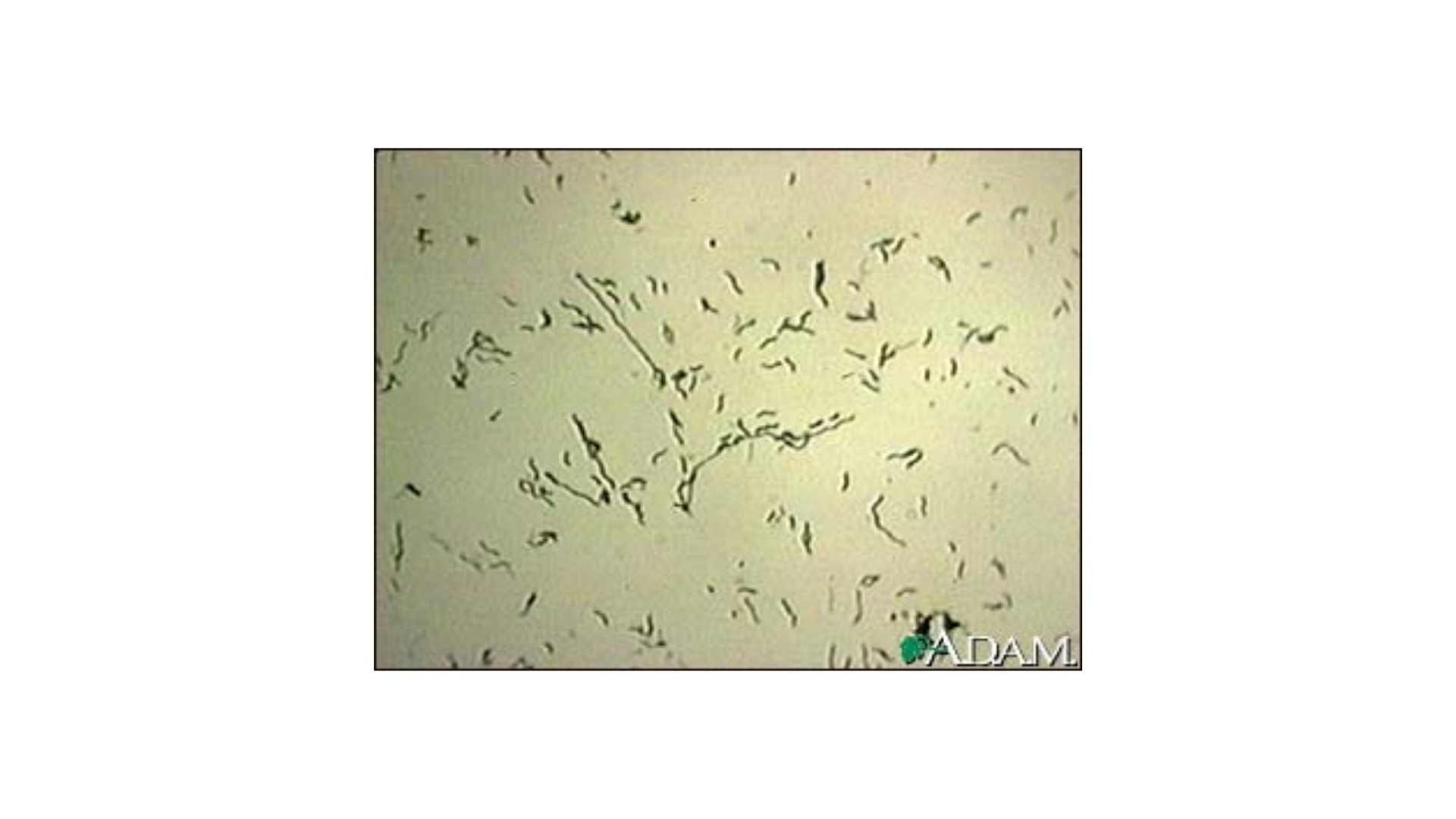
What Is Campylobacter?
Campylobacter is another bacteria that primarily causes gastrointestinal signs.
And I can speak from personal experience here.
When I was a veterinary student, I worked in a parasitology lab checking hundreds, if not thousands, of fecal samples. Mostly cow poop. Somewhere along the way, Campylobacter found me.
It was not enjoyable.
The main signs were:
- Diarrhea
- Some bloody diarrhea
- Not eating much
- Several days of feeling pretty miserable
- Too much time in the bathroom
I recovered. Here I am many years later. But I can say confidently, you do not want it.
Pets can get Campylobacter too, although it is not one of the most common intestinal diseases.
Does This Mean All Raw Dog Food Is Unsafe?
No.
This recall points to a quality-control problem with one specific company and specific products.
It does not mean all raw pet food is bad.
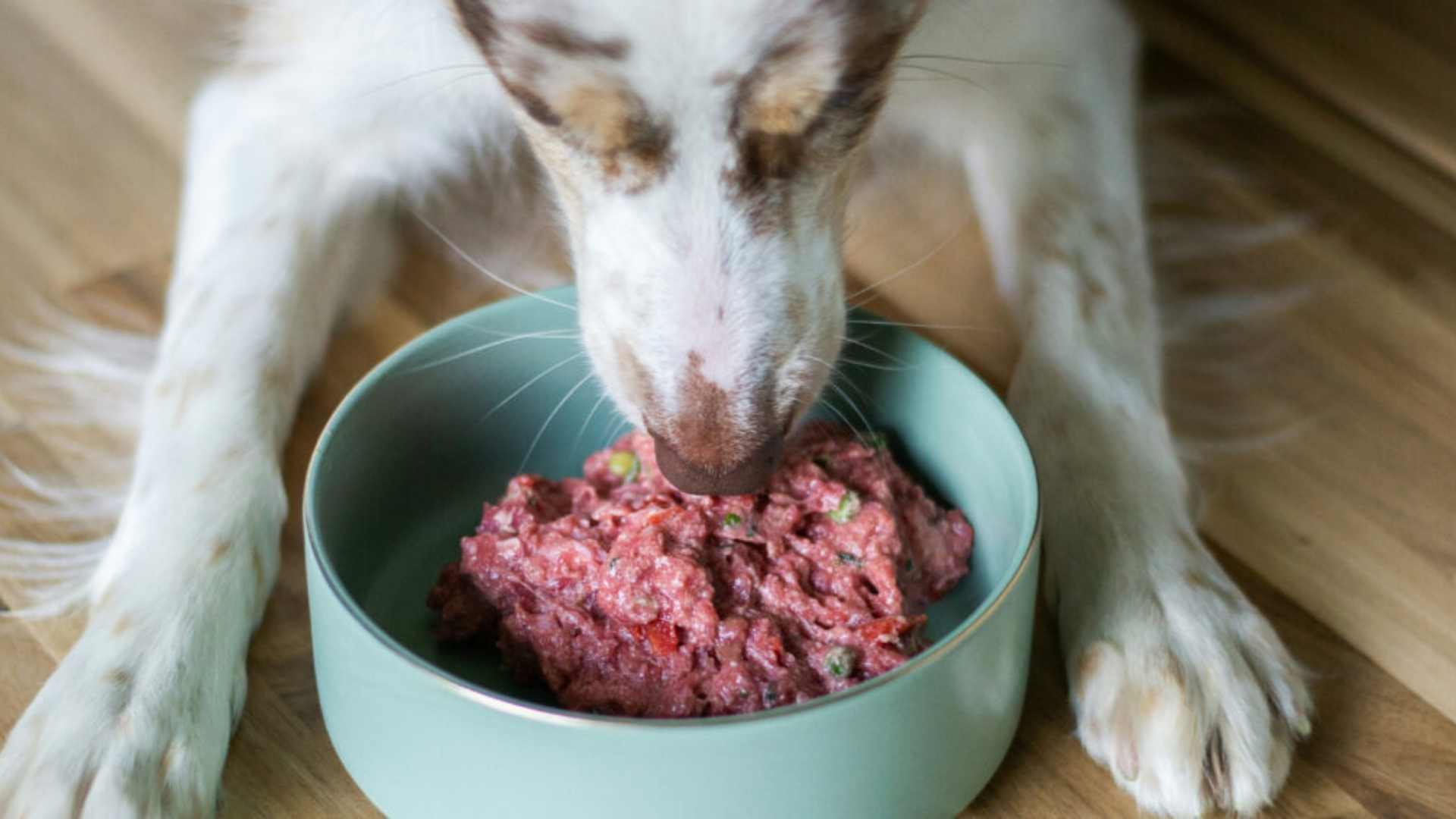
If a company has multiple samples testing positive for Listeria, Salmonella, and Campylobacter, that is a serious concern. But I would not use that to paint all raw food with the same brush.
Quality matters.
Handling matters.
Hygiene matters.
If you are feeding raw food, you want to use a company with strong quality control, safe sourcing, proper testing, and clear handling instructions.
Can Dogs and Cats Handle Raw Food Differently Than People?
Dogs and cats are built differently than we are.
They have a very acidic stomach, with a pH around 1. That is extremely acidic and can kill many things that go into the stomach.
They also have a shorter intestinal tract, so food moves through more quickly.
That means bacteria may have less time to multiply in the gut compared with people.
This does not make dogs and cats invincible. It just helps explain why many pets can tolerate raw food without getting sick.
Still, contaminated food is contaminated food. Common sense wins here.
How I Feed Raw Food More Safely
Cassian and Tula have both had raw pet food, typically about once a week.
I have had no concerns with the food I use, but I also follow basic safety steps.
Here is what I do.
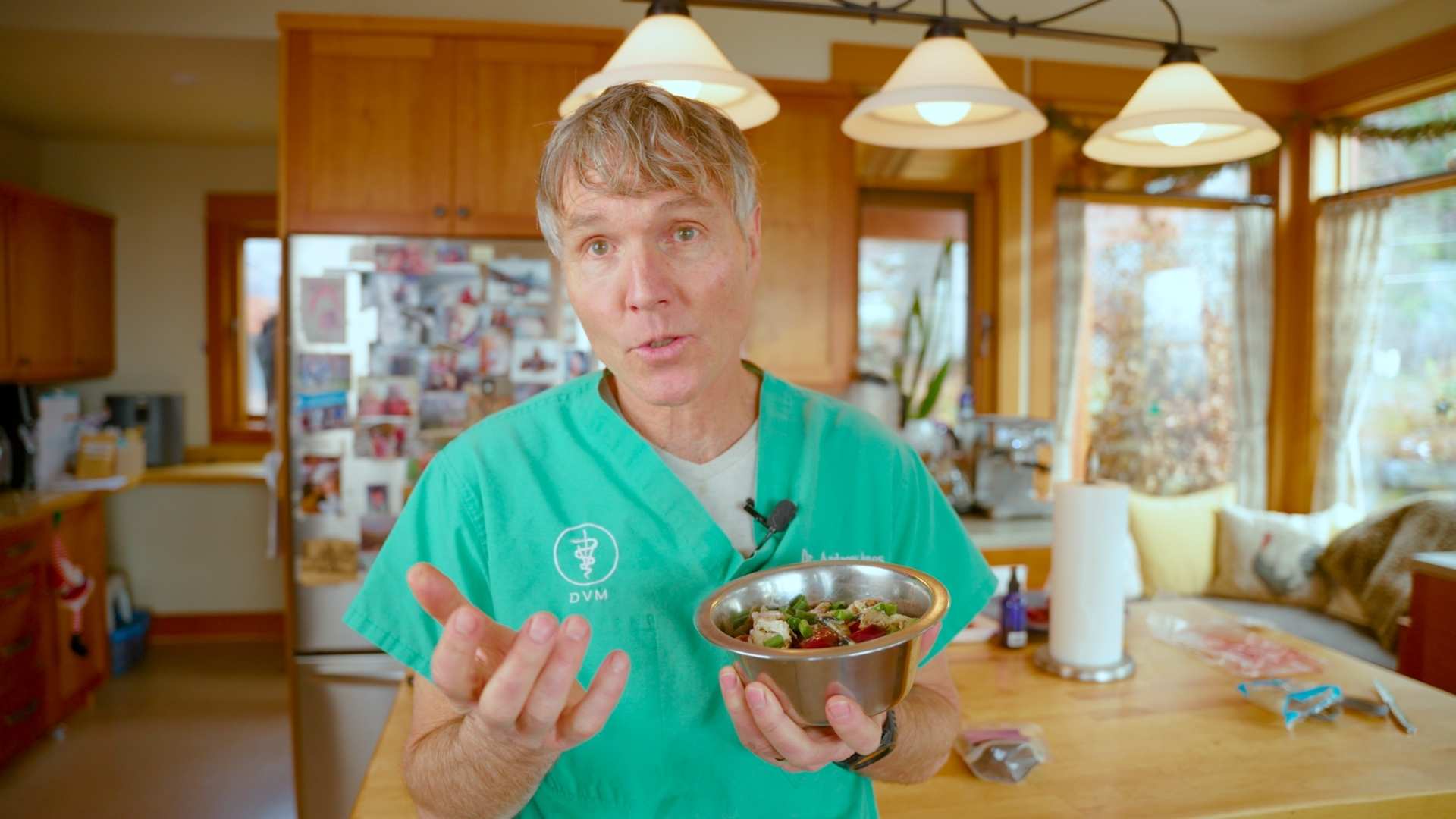
Safe Raw Feeding Steps
| Step | What I Do |
| Thaw safely | Take food out of the freezer and thaw it in the fridge |
| Feed quickly | Use thawed food within 2 days |
| Cook leftovers if needed | If food is still around after 2 days, cook it |
| Clean bowls | Wash pet bowls after feeding |
| Clean surfaces | Wash counters and any surfaces the food touched |
| Wash hands | Wash hands thoroughly after handling raw food |
| Avoid cross-contamination | Keep raw pet food away from human food areas |
These steps are not complicated. They just need to be done consistently.
Raw feeding is not the place to be casual with a dirty bowl sitting on the floor for three days.
Who Should Be Extra Careful With Raw Dog Food?
Some pets and people may be at higher risk from bacteria.
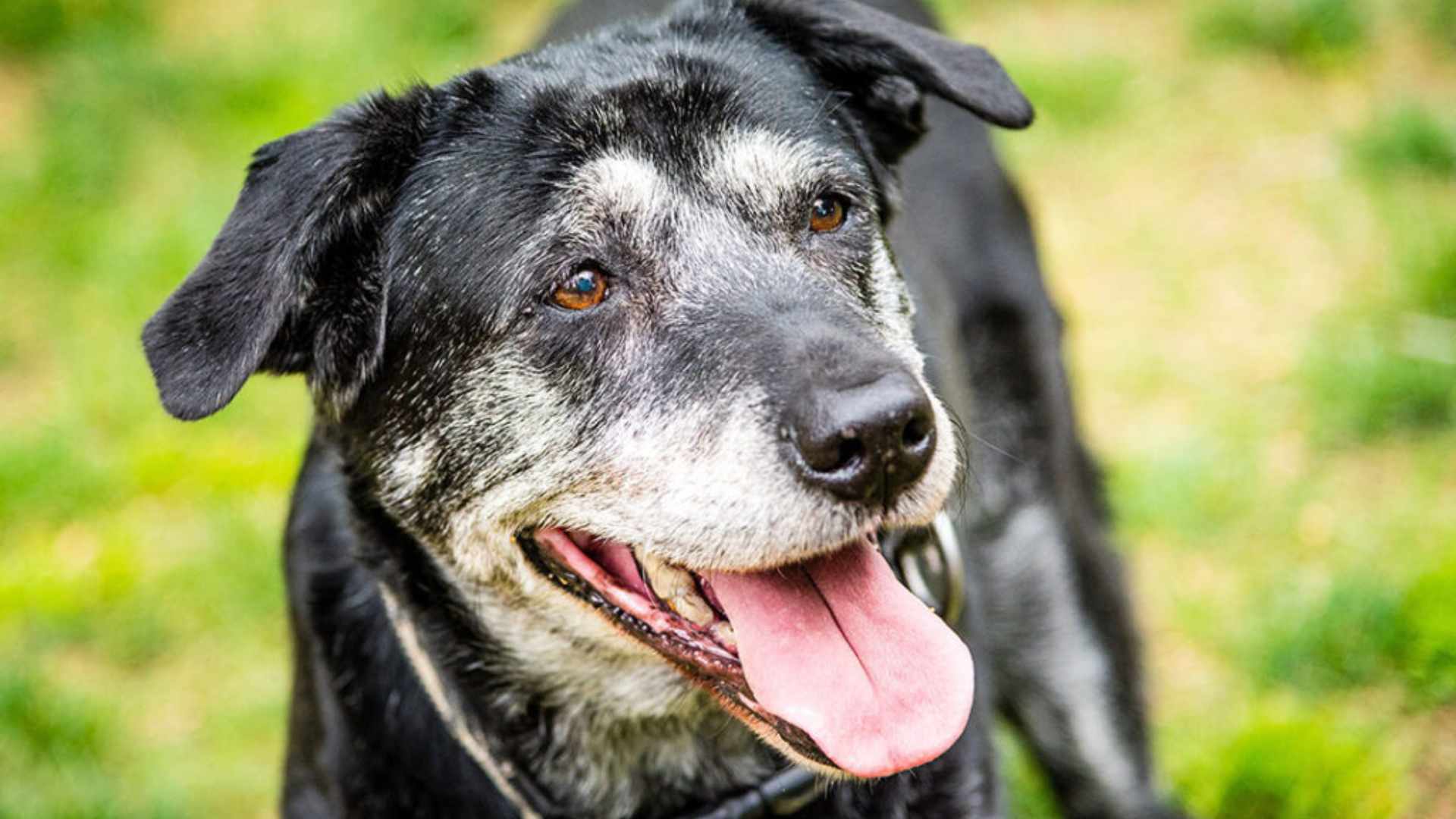
Be More Cautious If Your Pet Is:
- Very young
- Very old
- Immunocompromised
- Already sick
- Dealing with chronic disease
- Prone to severe diarrhea
- Recovering from illness or surgery
Raw food can be handled safely, but you need to respect the risk.
Pros and Cons of Feeding Raw Dog Food

Pros
- Whole, unprocessed food
- Often more nutrient-dense than heavily processed food
- Can include organ meats such as liver
- May be very appealing to dogs and cats
- Can be part of a healthier feeding plan when done properly
Cons
- Requires careful handling
- Requires proper storage
- Can cross-contaminate bowls, counters, and hands (constant hand-washing is recommended)
- Quality varies by company
Best For / Not For
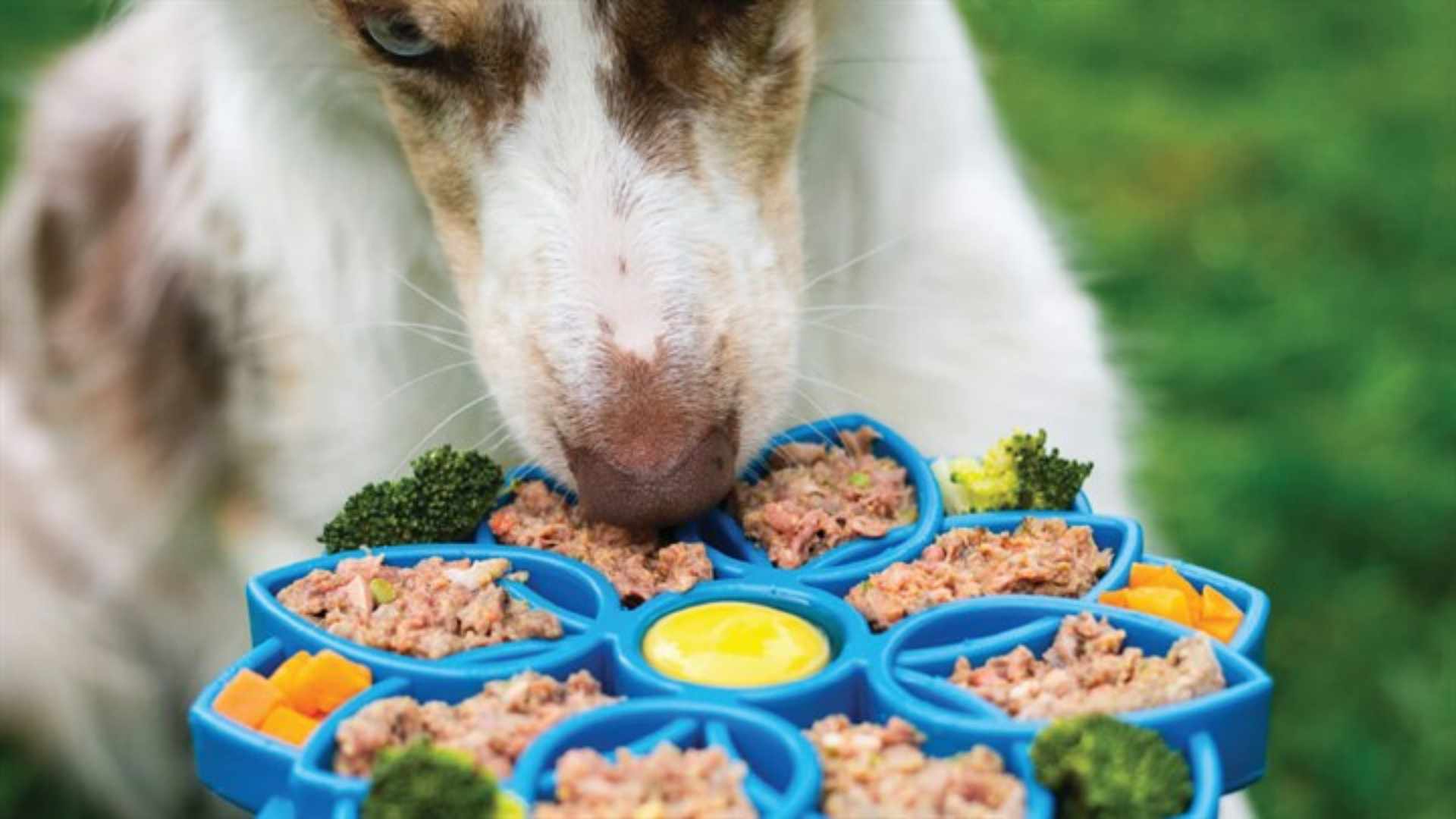
Best For
Raw feeding may be best for pet parents who:
- Use a quality company
- Follow safe handling steps
- Store and thaw food properly
- Clean bowls and surfaces after feeding
- Understand the risks
- Feed within a safe time frame
Not For
Raw feeding may not be ideal if:
- You cannot safely store or handle raw food
- You are not able to clean thoroughly
- You are feeding recalled or questionable products
What Signs Should You Watch For After Feeding Recalled Raw Food?
Call your veterinarian if your dog or cat develops:
- Diarrhea
- Bloody diarrhea
- Vomiting
- Not eating
- Low energy
- Fever
- Stomach pain
- Weakness
- Severe depression
- Signs of dehydration
Also contact your doctor if you develop gastrointestinal signs after handling recalled food, especially if you have fever, severe diarrhea, neurologic signs, or you are immunocompromised.
What Is the Main Lesson From This Recall?
The main lesson is not “never feed raw food.”
The main lesson is: choose a quality company and handle raw food properly.
A good raw food company should take quality control seriously. They should be working to keep meat uncontaminated and safe.
At home, your job is to prevent bacteria from multiplying or spreading.
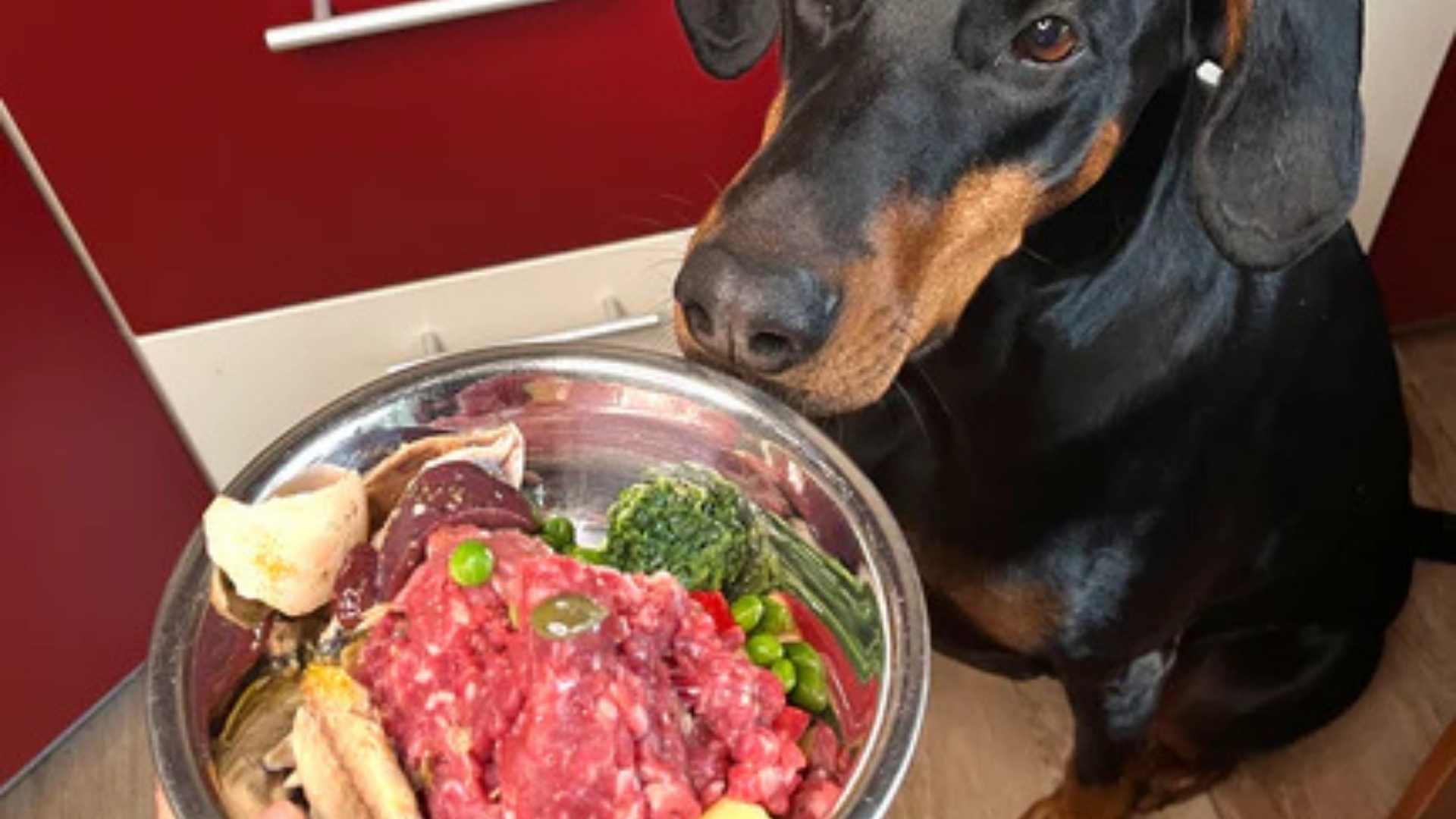
That means:
- Keep raw food frozen until needed
- Thaw in the fridge
- Feed within 2 days
- Cook leftovers if needed
- Wash bowls
- Wash counters
- Wash hands
- Avoid cross-contamination
Simple stuff. Important stuff.
Final Thoughts
This Raaw Energy Dog Food recall is serious.
If you bought affected food made between July 2025 and the end of December 2025, do not feed it. Dispose of it safely and clean anything it may have touched.
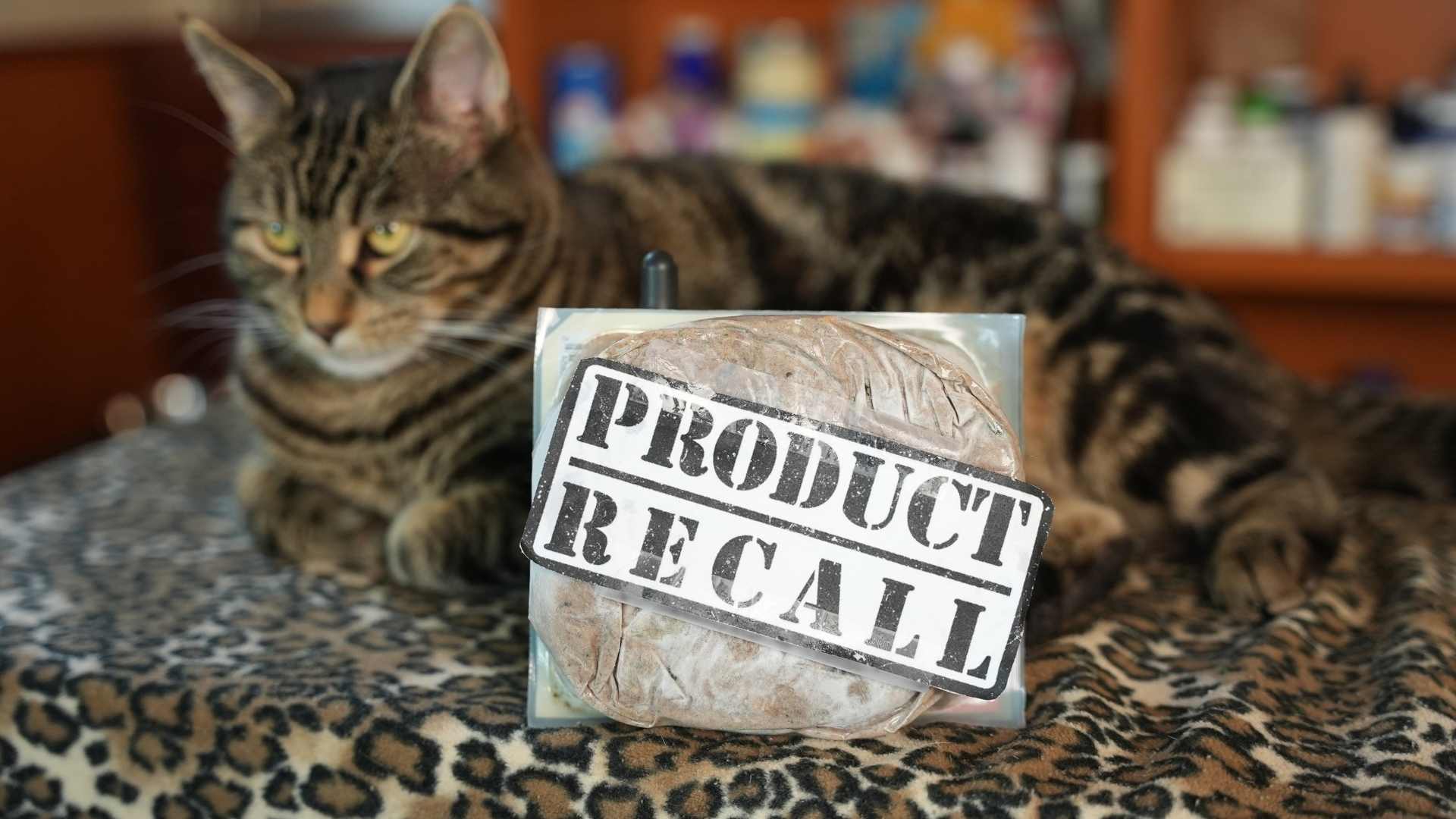
Listeria, Salmonella, and Campylobacter are not bacteria I want in my pet’s bowl. Or on my counter. Or in me, thank you very much.
But I also do not think this means all raw food is bad.
I still believe that raw food, when sourced from a quality company and handled correctly, can be a healthy option for many dogs and cats.
The key is common sense.
Buy from a company with good quality control. Thaw safely. Feed quickly. Clean thoroughly. Wash your hands.
That is how you reduce the risk and still give your pet the benefits of whole, less processed food.
Click To Get A Free Copy of My E-Book!
P.S. If you are feeding raw, do not panic. Just be smart.
If you have Raaw Energy food from the recalled time frame, stop feeding it and dispose of it. Then clean the bowls, counters, fridge shelves, freezer areas, and anything else that may have touched it.
If you are feeding raw from another company, check the company’s quality control, thaw in the fridge, feed within 2 days, wash bowls, and wash your hands.
Raw food can be a healthy option. But it is not magic. It still needs clean handling.
And please, from someone who has personally had Campylobacter, you do not want a “learning experience” that involves that much bathroom time.