Do Home Remedies for Pets Really Work?


Do Home Remedies Even Work?
Ah yes, despite what big drug companies and corporate interests often suggest, home remedies are said to be ineffective.
After all, you cannot patent or profit much from potatoes, cabbage, or coconut oil, so according to them, these remedies could not possibly work.
That idea simply is not true.
Over the years, I have seen simple kitchen ingredients help dogs and cats recover from pain, inflammation, wounds, and even allergies. These remedies are inexpensive, accessible, and backed by real research. In many cases, they work remarkably well.
Today I want to share three lesser-known kitchen remedies that I have personally used and continue to recommend: potato, cabbage, and beeswax with coconut oil.
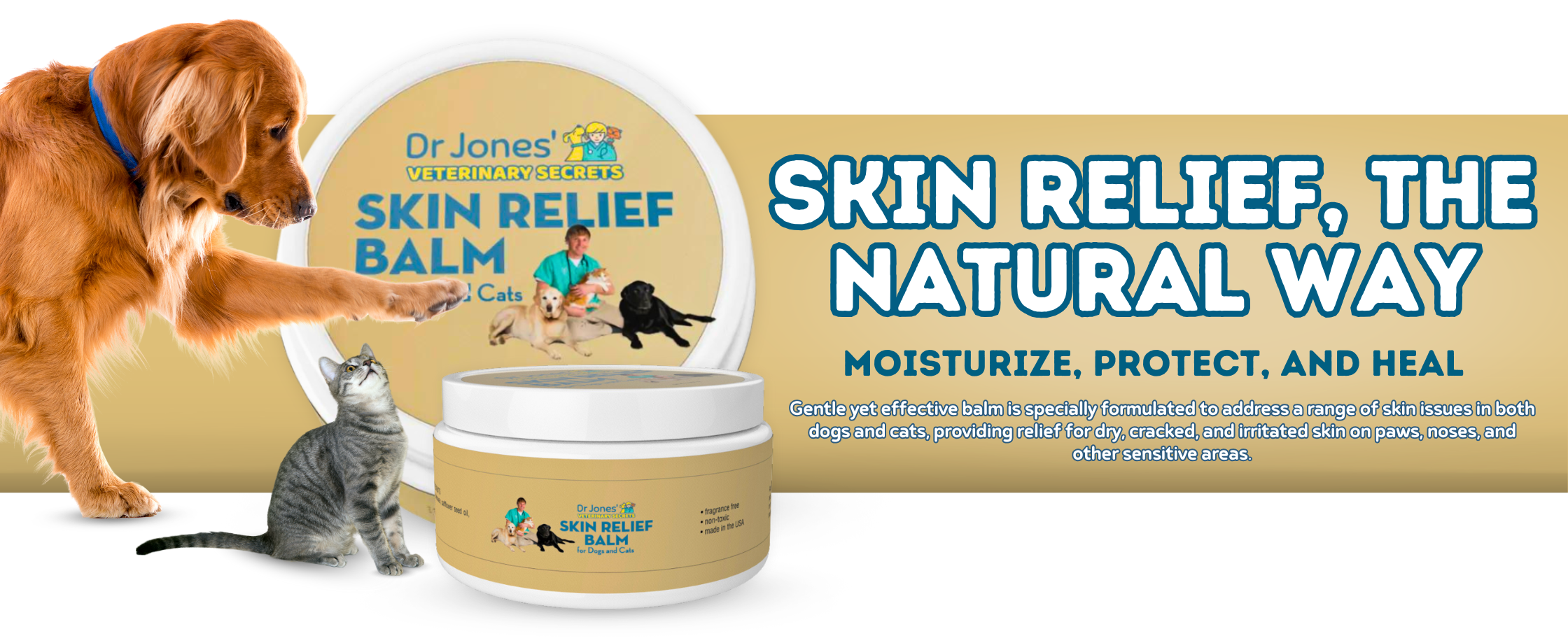
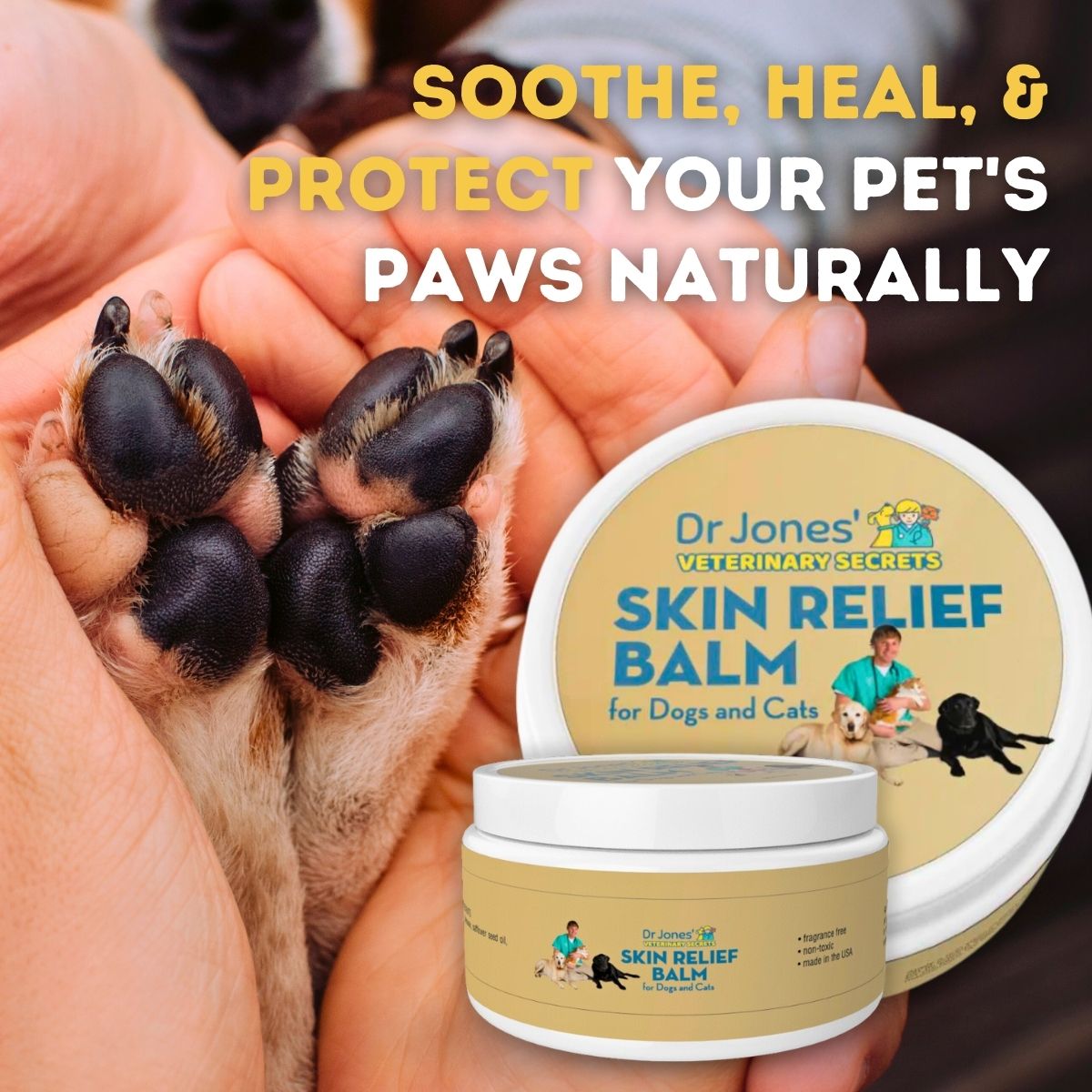
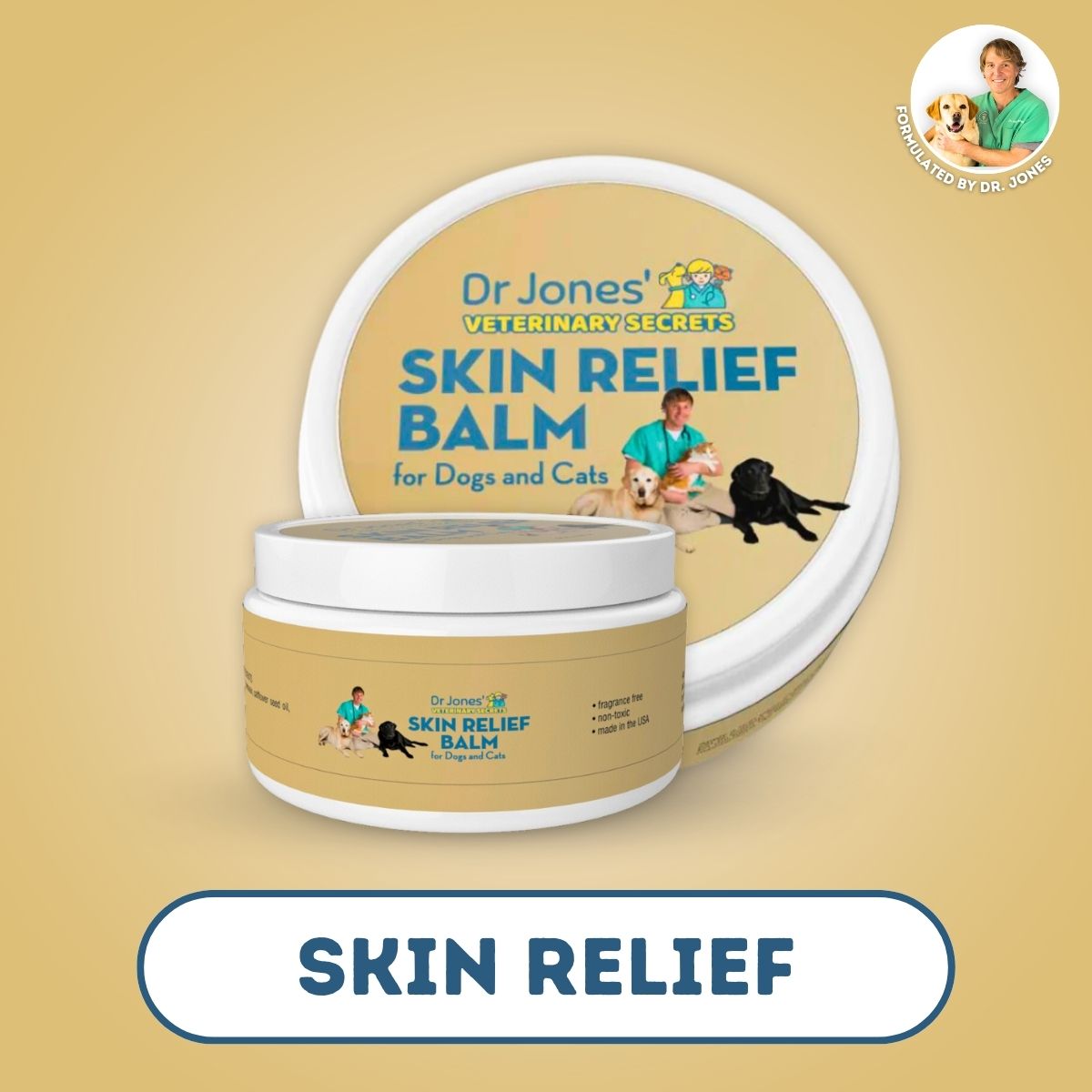
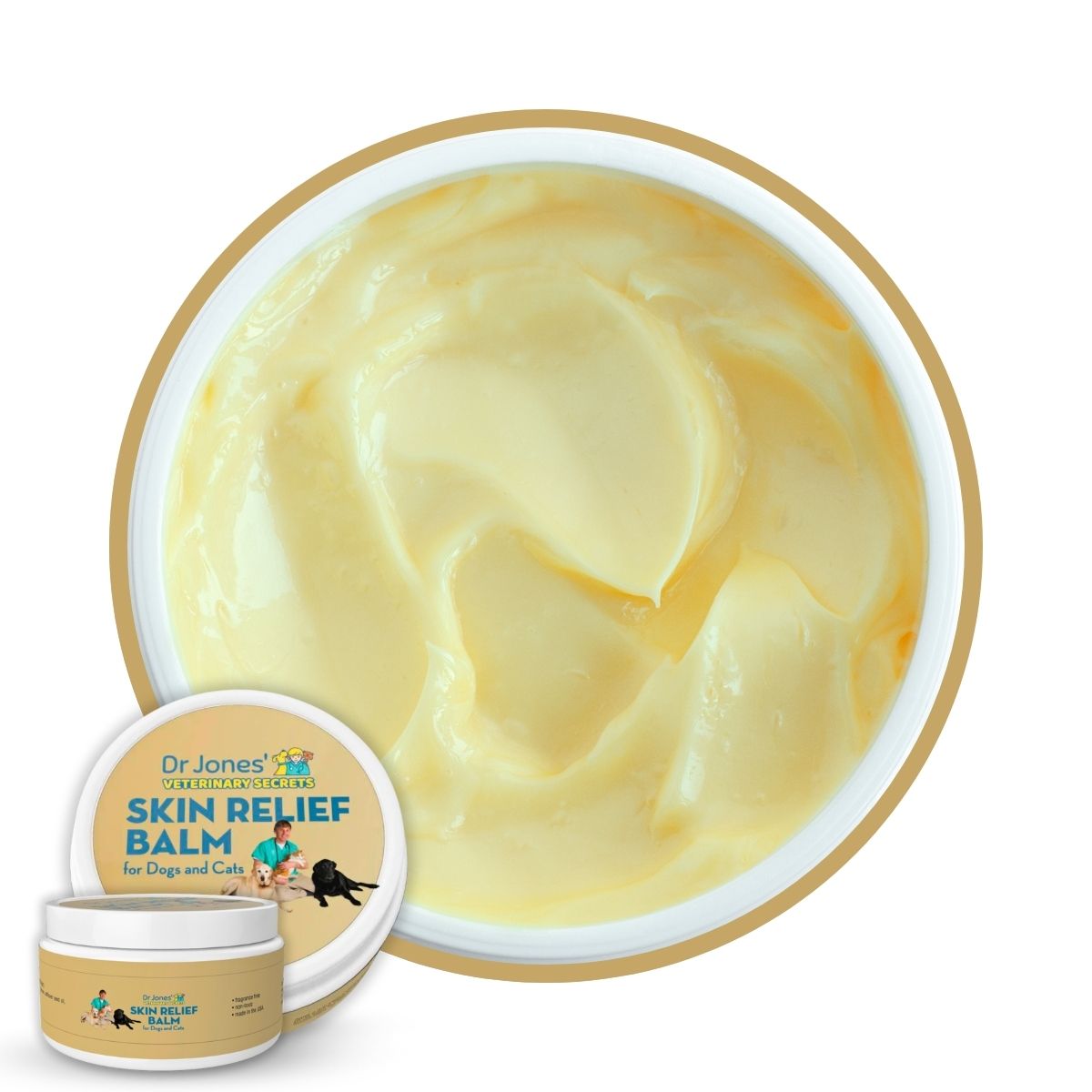
Dr. Jones’ Skin Relief Balm for Dogs and Cats




Three Kitchen Remedies for Pain, Inflammation, and Allergies in Pets
These are not exotic supplements. They are items many of you already have at home.
They are simple. They are affordable. And they work.
1. Potato: The Humble Healer
Potatoes are often overlooked as a healing food, but they are rich in vitamins, polyphenols, flavonoids, zinc, and other compounds that support tissue repair and reduce inflammation.

Research has shown that a 4 to 6 percent potato peel extract gel applied to wounds can speed healing by increasing collagen production and improving wound closure.
This is especially useful for pets with slow-healing wounds or chronic skin issues.
How I Use It
-
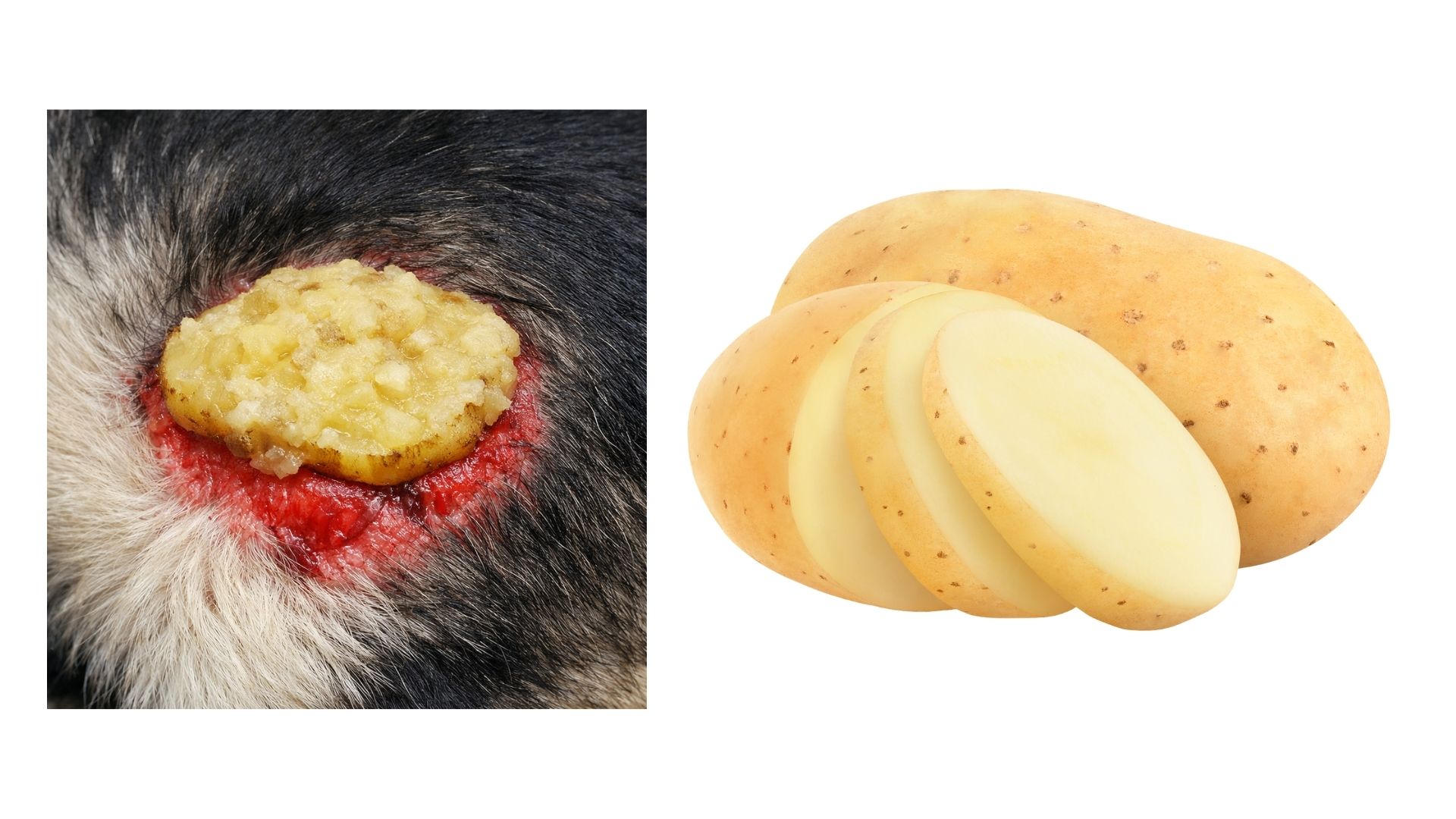
Take a raw potato and slice a thin slab
-
Crush it with a rolling pin to break the pulp and peel
-
Apply the moist potato directly to the wound for 1 to 2 minutes
-
For acute wounds, apply four times daily
-
After a few days, reduce to twice daily
I have used this on Tula for a chronic wound on her nostril. It costs pennies, is gentle on the skin, and helps healing move along faster.
2. Cabbage: Nature’s Anti-Inflammatory
Cabbage has a long history as a natural remedy for inflammation. It has been used for generations to help swelling, pain, and tissue irritation.
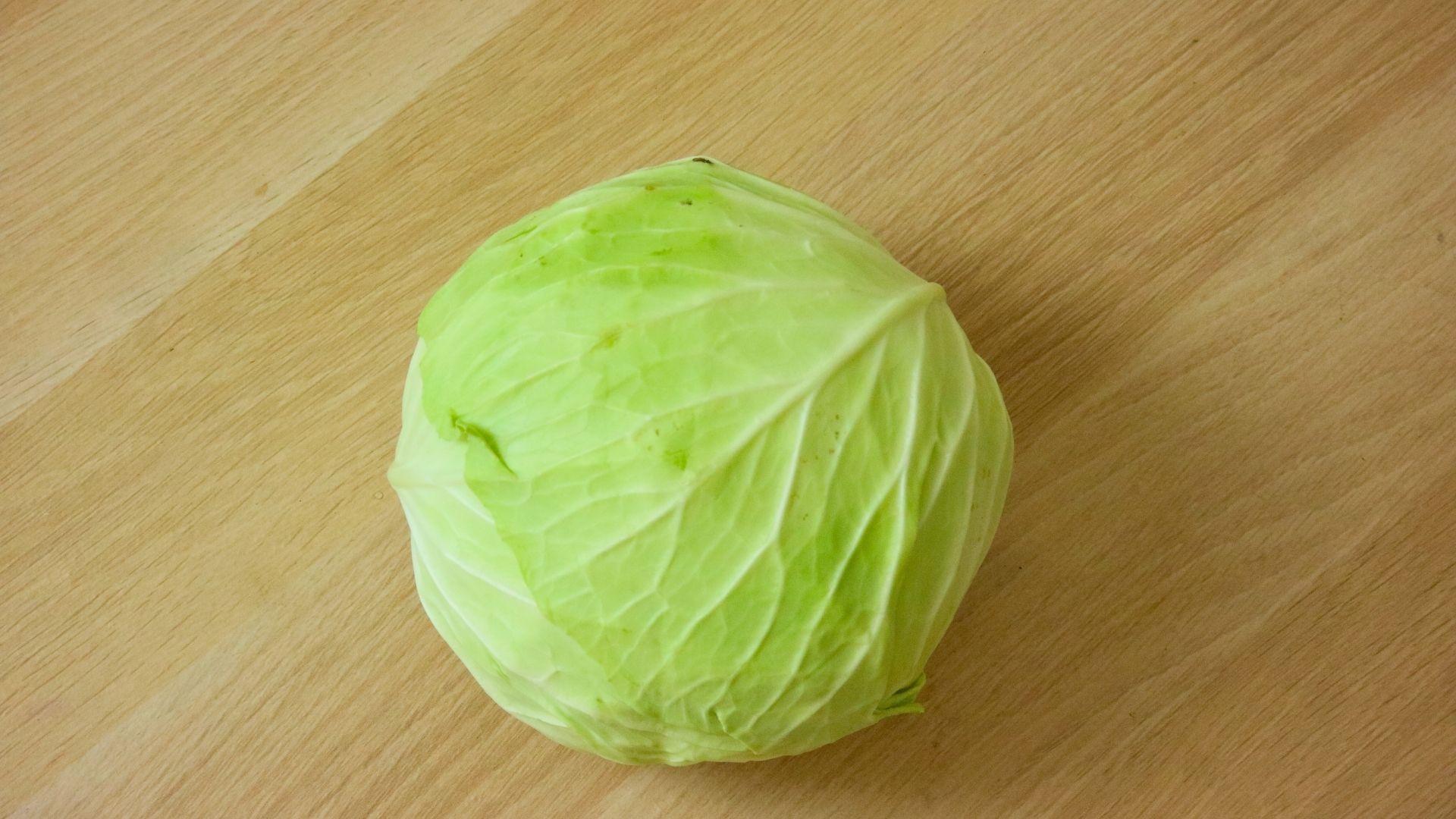
Cabbage contains sulfur compounds, polyphenols, and enzymes that help reduce inflammation and support healing. One study even found that cabbage extract showed anti-inflammatory effects comparable to NSAIDs like ibuprofen.
The difference is that cabbage does this without toxic side effects.
How I Use It
-
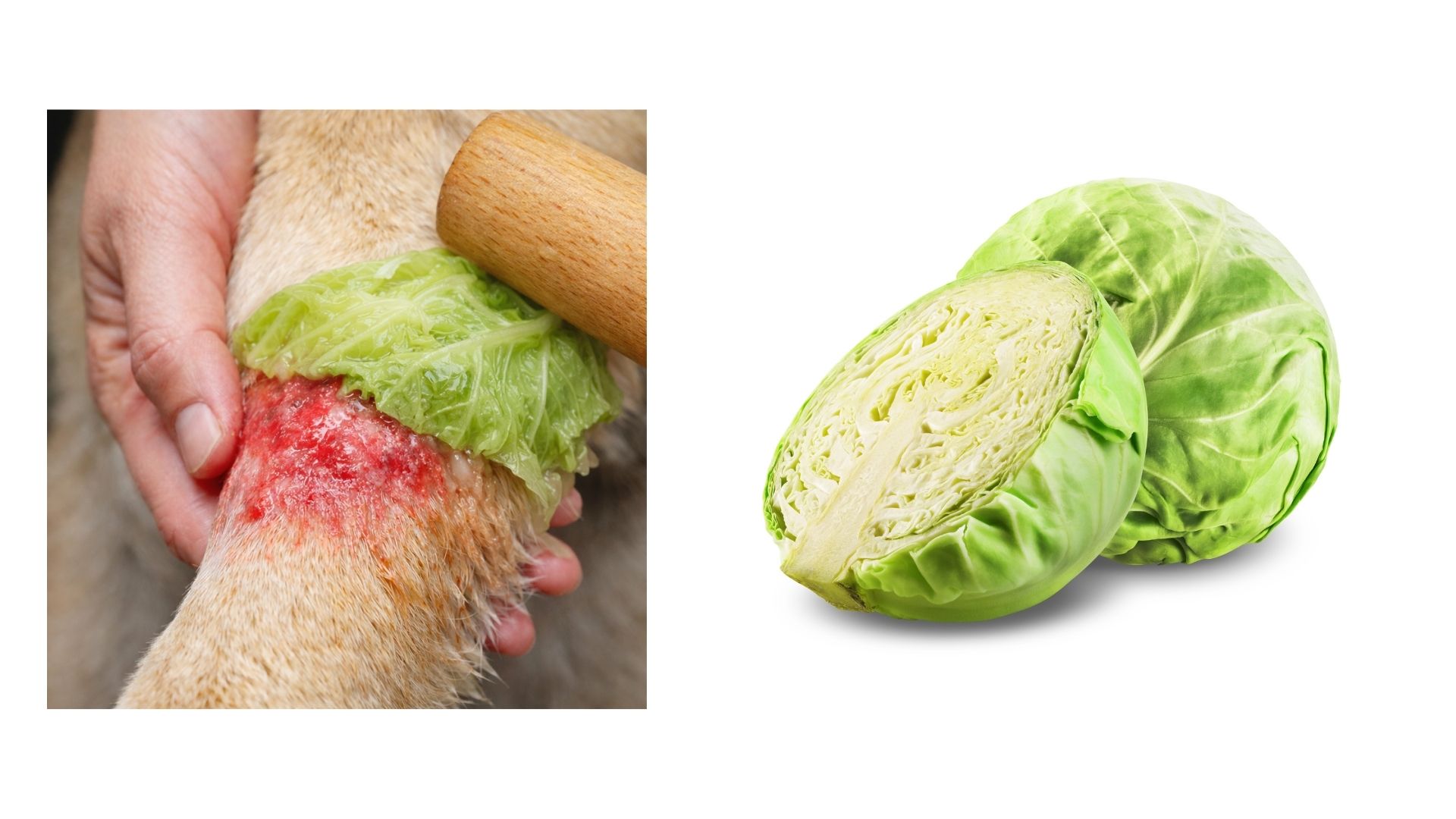
Take a cabbage leaf
-
Crush it with a rolling pin to release the juices
-
Apply the leaf directly to the affected area for 1 to 2 minutes
-
Use four times daily for acute inflammation
-
Reduce to twice daily for ongoing support
This works especially well for sore joints, swelling, and irritated skin. I use it regularly with Tula when she needs topical relief.
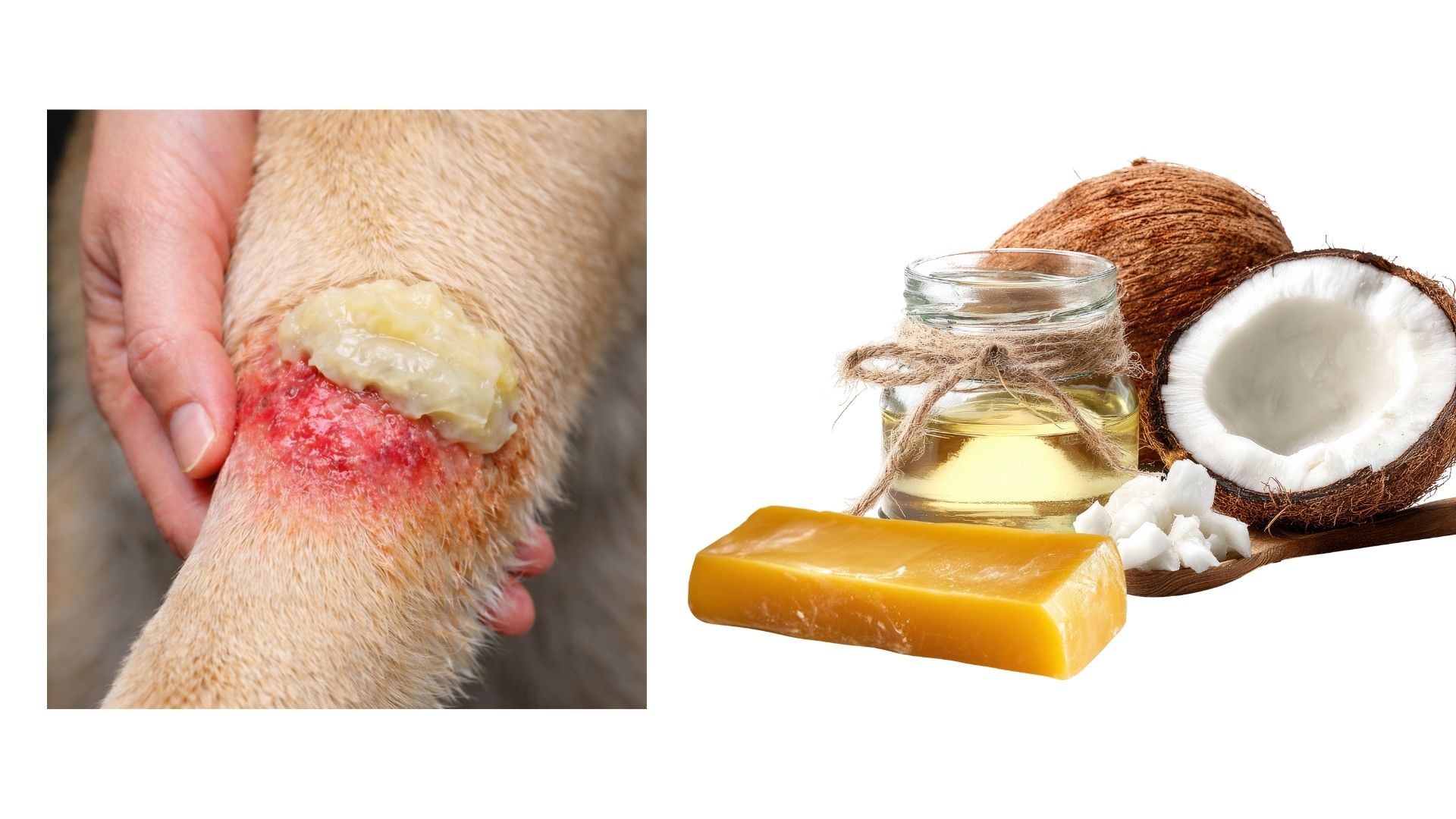
3. Beeswax and Coconut Oil: A Healing Blend
Coconut oil is well known for its antibacterial, anti-inflammatory, and skin-healing properties. Studies show it supports wound healing by improving collagen formation and increasing antioxidant activity in the skin.
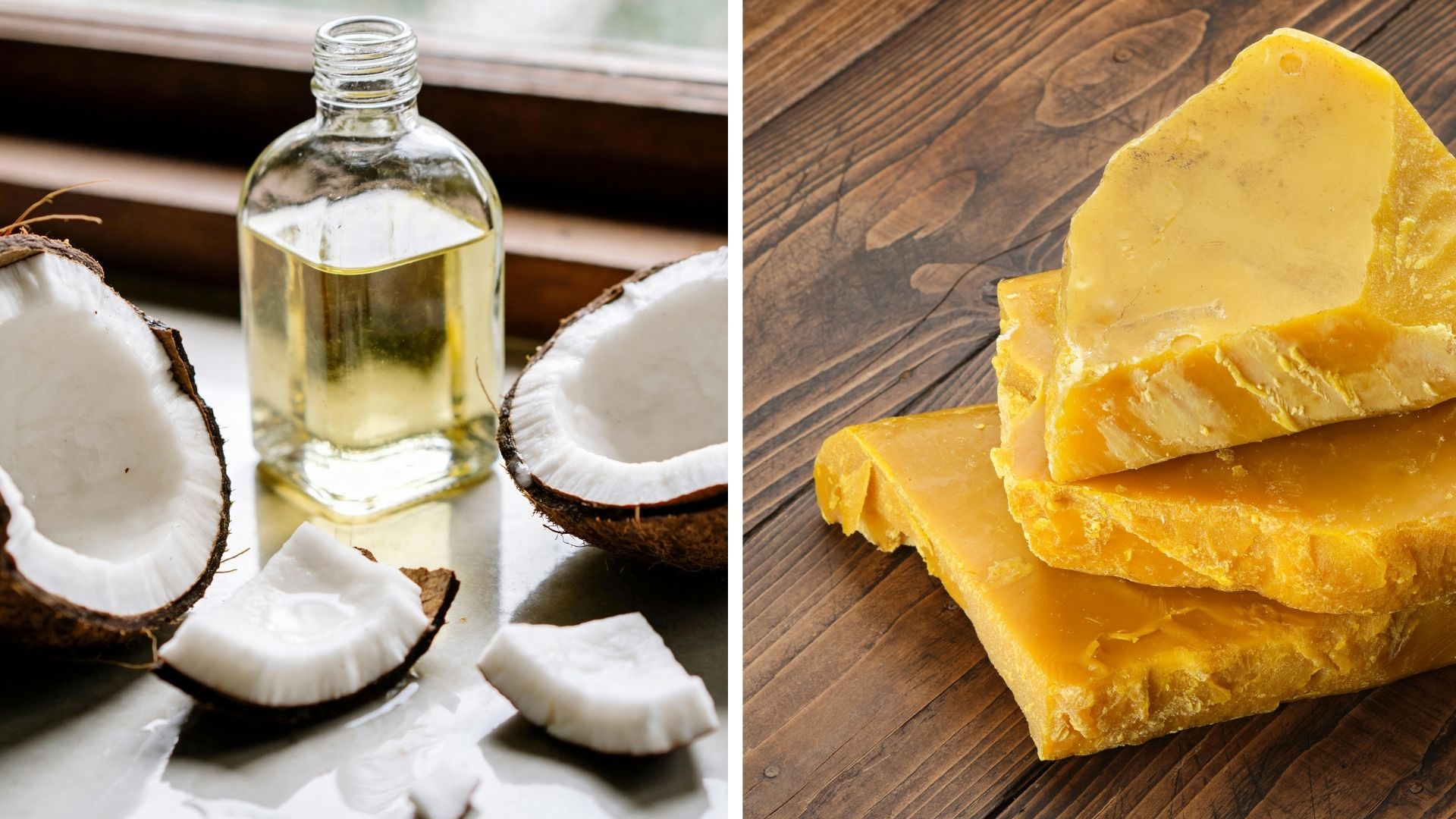
Beeswax adds protection and additional antimicrobial support. Together, they form a soothing, safe barrier that promotes healing and keeps the area moisturized.
Best of all, it is safe if your pet licks it.
How to Make and Use It
-
Melt 2 tablespoons of coconut oil with 1 teaspoon of beeswax in a small pot
-
Heat gently for about 5 minutes until fully melted
-
Pour into a small jar and refrigerate for 20 minutes
-
Apply topically to wounds or irritated skin
-
Use twice daily for 7 to 10 days or as needed
I have used this blend on Tula’s nostril and other sensitive skin areas with excellent results. It smells pleasant, protects the skin, and supports faster healing.
Why Simple Remedies Still Matter
These kitchen remedies are not outdated ideas. They are supported by research, easy to use, and gentle on the body.

Potato helps wounds heal.
Cabbage reduces pain and inflammation.
Beeswax and coconut oil protect and repair the skin.
Sometimes the most effective solutions are already sitting in your kitchen.
Click To Get A Free Copy of my E-Book!

P.S. Potato, cabbage, and beeswax with coconut oil are simple, low-cost tools that can help heal wounds, ease inflammation, and support skin health in dogs and cats. They are practical options every pet parent should know about.


Hello Dr. Jones. Am relieved to have found your website discussing diarrhea in cats. I have 3 cats but only the 4 yr old Siberian now & then has diarrhea and today is his day. The last time this happened I left the South Paws vet $2500 poor without any conclusion as to why the diarrhea. Flavio’s an indoor cat, neutered, controlled diet. I can only guess that maybe the “solid GoldNutrient Treats” upset his bowels. I gave him canned pumpkin 2x today but I stupidly fed him his usual. Anyway, Am thrilled to meet you, and read/listen to your remedies which are natural & holistic. I used to ride & a nearby horse community we often had guest speakers attend our meetings. Will never forget this practicing Vet, a woman who also embraced your point of view about veterinary medicine. She felt that we over vaccinate, medicate instead of working holistically with natural medicine & similar options at hand. I thank God for coming across doctors like you. Respectfully, Alison Jetmar
Hi Alison,
So glad you found us! Flavio sounds like a picky little guy, and diarrhea can be such a frustrating puzzle—especially when vets can’t pinpoint a cause. Canned pumpkin is a great gentle helper, and keeping an eye on treats or new foods is smart—sometimes it’s the little things that tip the balance.
I love that you’ve embraced a natural, holistic approach. Sometimes the simplest remedies and close observation can make a huge difference, without breaking the bank. Flavio’s lucky to have you watching so closely!
Keep trusting your instincts and listening to his signals—it goes a long way.