Best Medicinal Mushrooms for Dogs and Cats: Which One to Use and Why

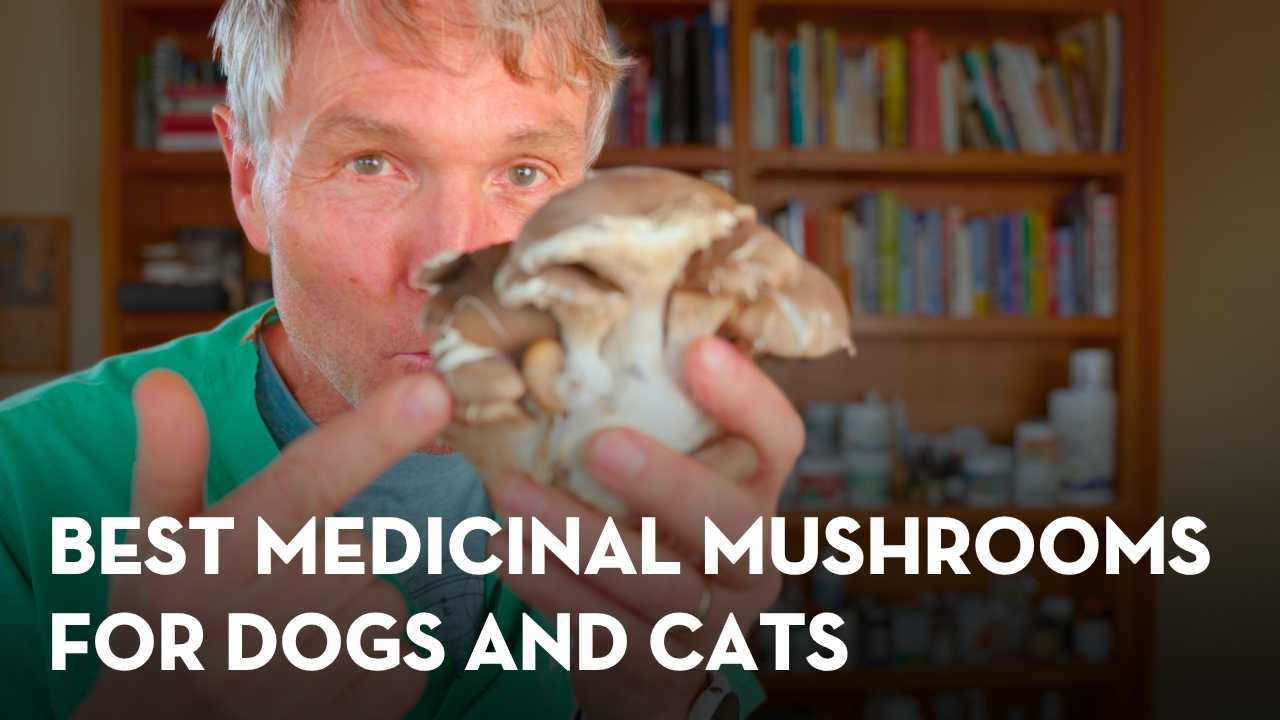
Should You Be Giving Mushrooms to Your Pet?
Should you be giving mushrooms to your dog or cat?
I get this question all the time. There has been a lot of talk lately about medicinal mushrooms. People are wondering if this is real or just another trend.
The short answer is yes.
Mushrooms can help. But it is important to understand which ones to use, what they are helpful for, and what you should realistically expect.
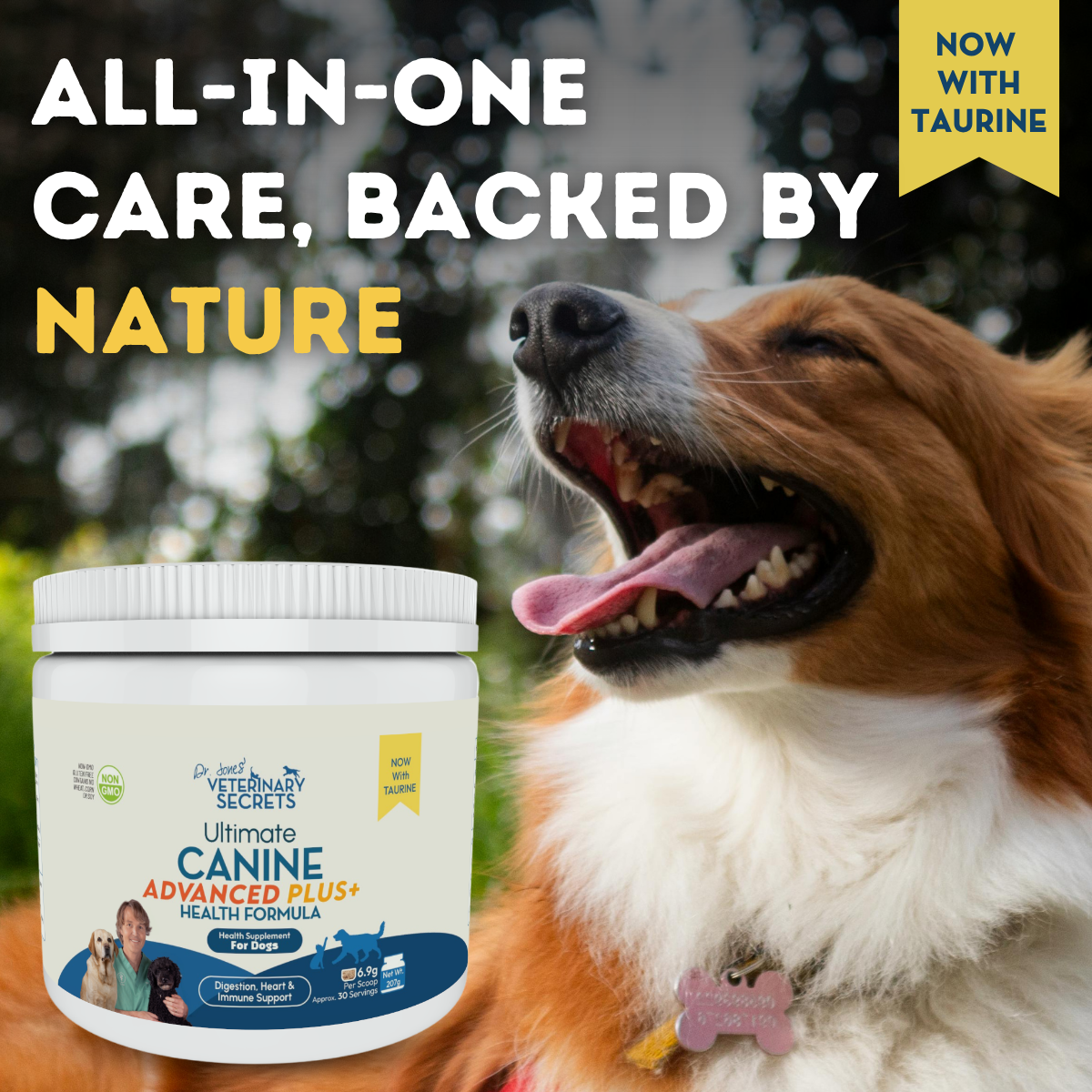
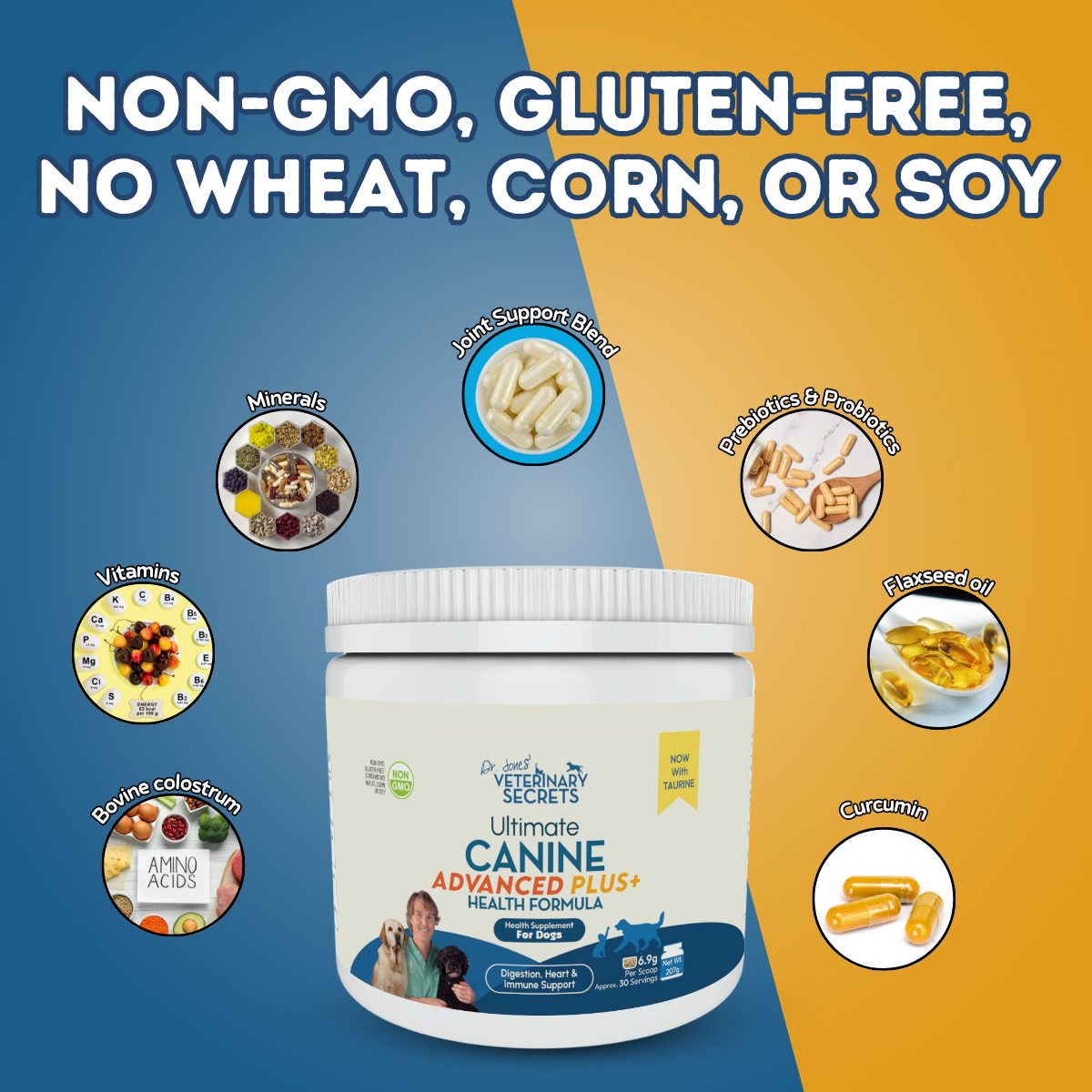
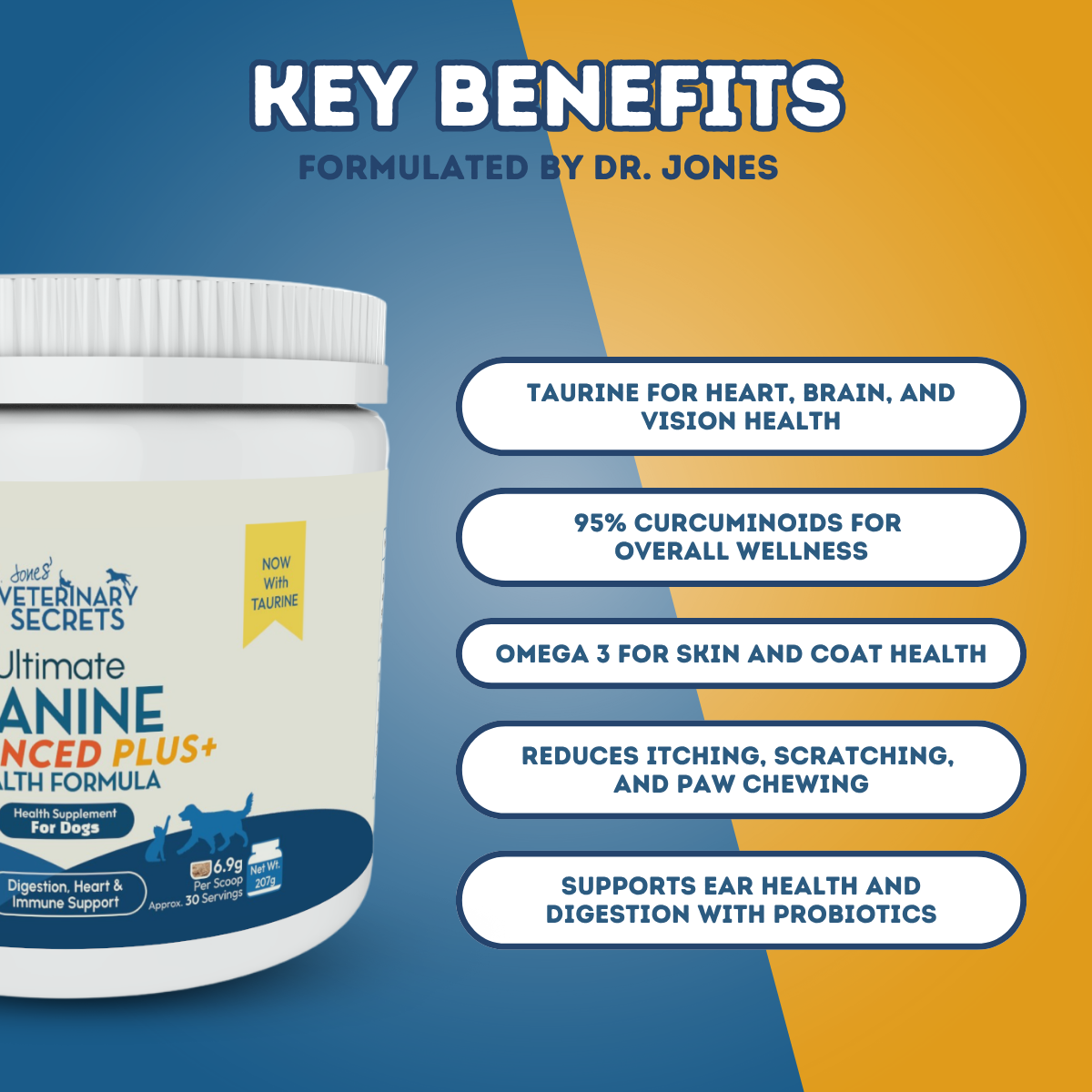
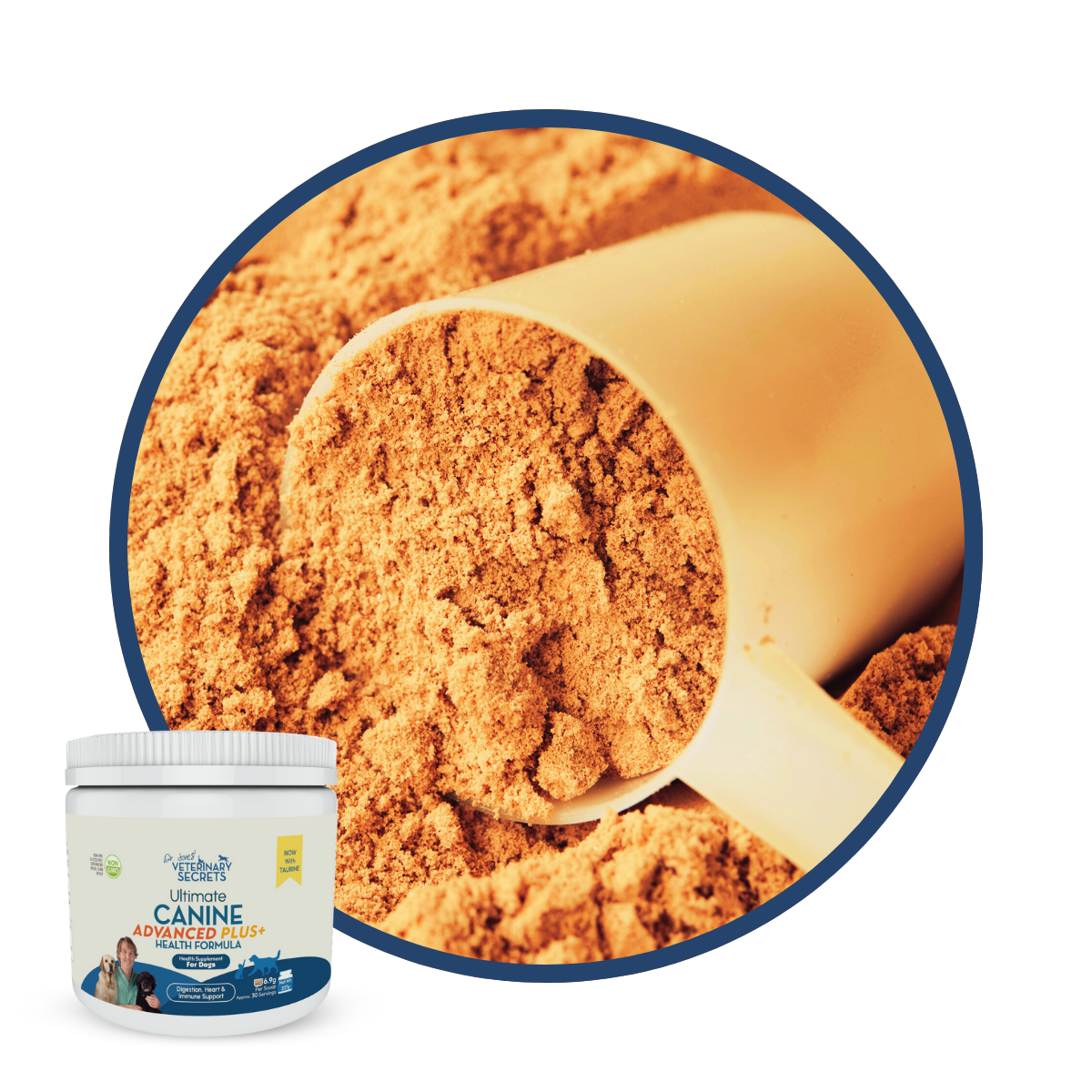
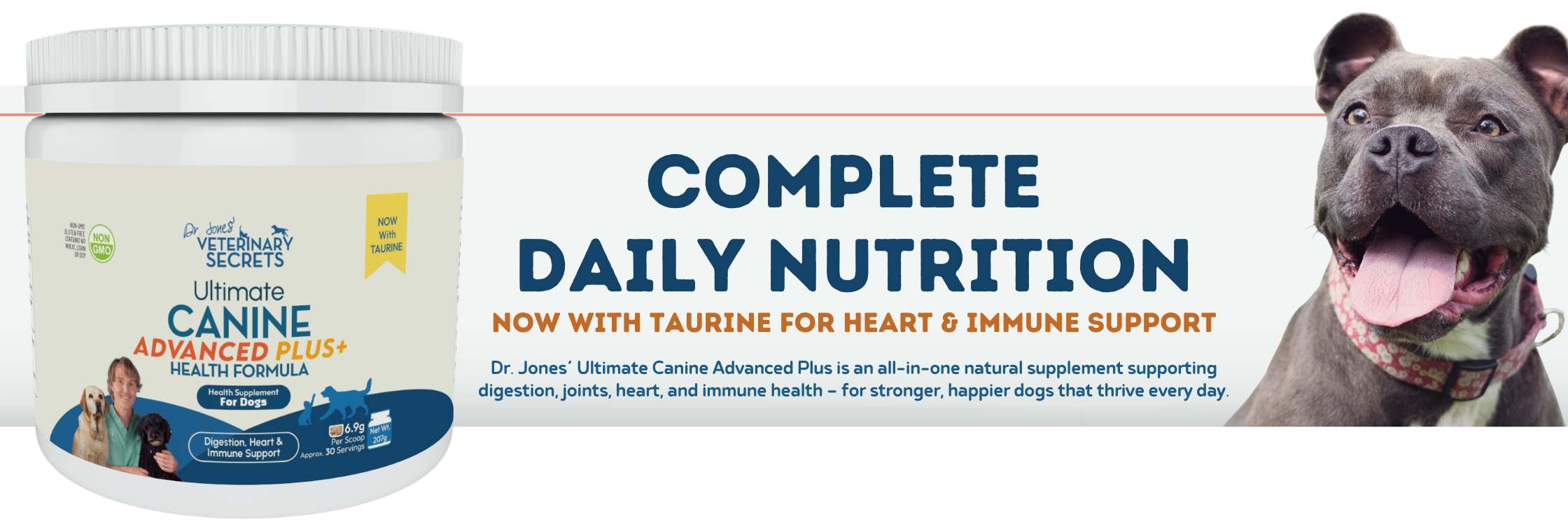
Dr. Jones’ Ultimate Canine Advanced Plus Health Formula


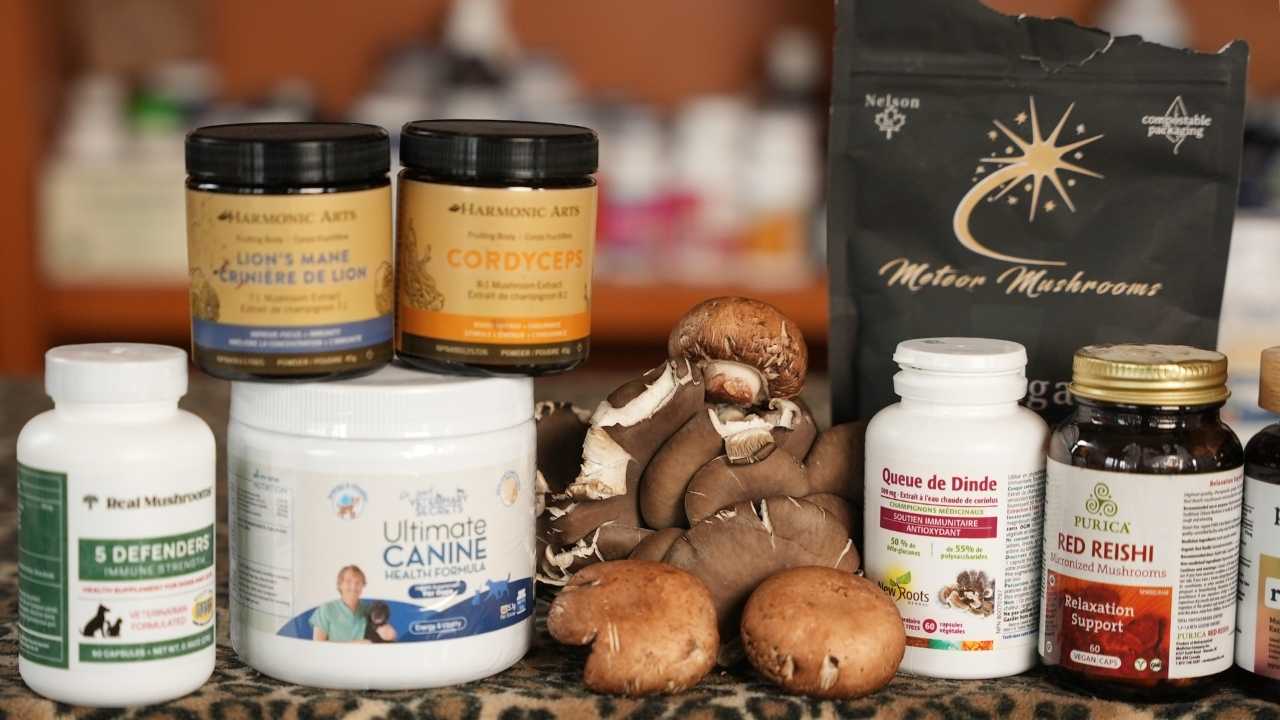
Why Mushrooms Matter

I recently learned more from Dr. Rob Silver, who has spent years studying medicinal mushrooms for pets.
What stood out to me is this. Mushrooms are not new. They have been used for thousands of years, and there are real studies showing they may benefit dogs and cats in meaningful ways.
Mushrooms are a type of fungi. And interestingly, fungi are more closely related to us than plants. Some modern medications even come from fungi. So this is not a new idea. In many ways, we are just rediscovering something very old.
The Big Issue Most People Miss
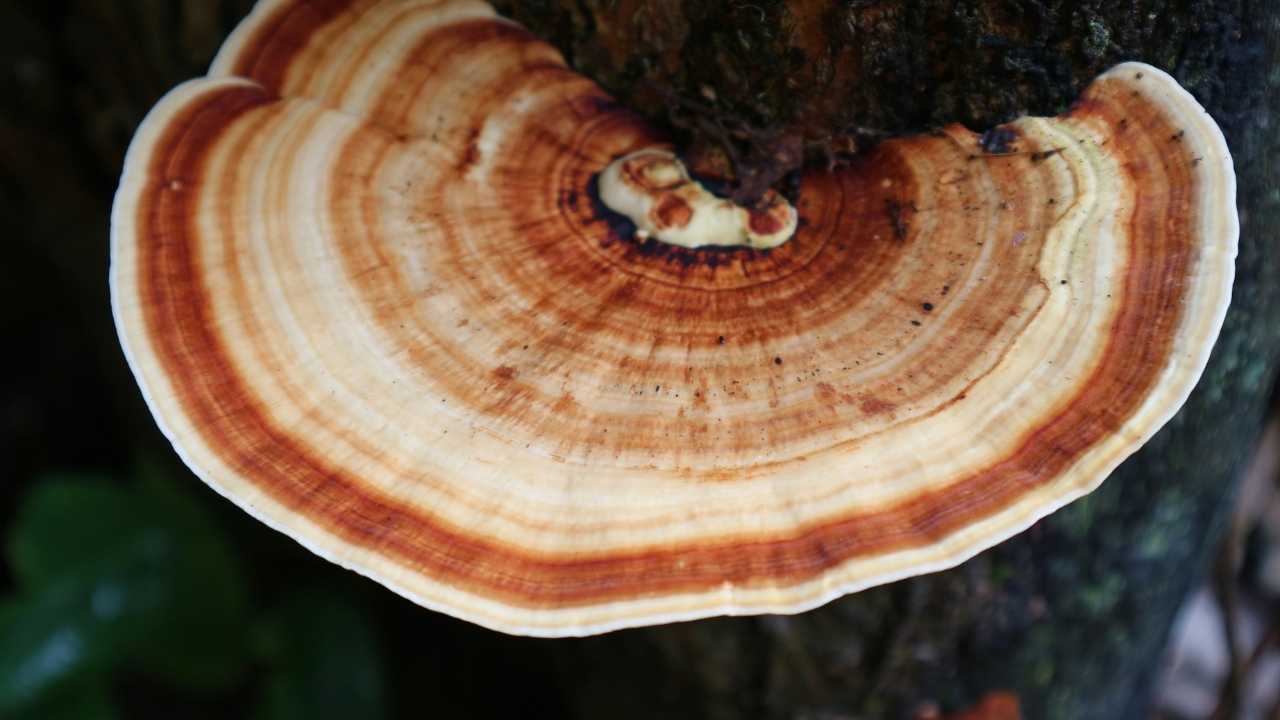
Not all mushroom products are the same.
This is where many people get it wrong.
Some lower quality products are made mostly from mycelium grown on grain. These often contain a lot of starch and very little of the active compounds you actually want.
What I look for is the fruiting body of the mushroom. That is where the key therapeutic compounds are found.
Quality matters. A poor quality product is unlikely to do much.
What Makes Mushrooms Medicinal
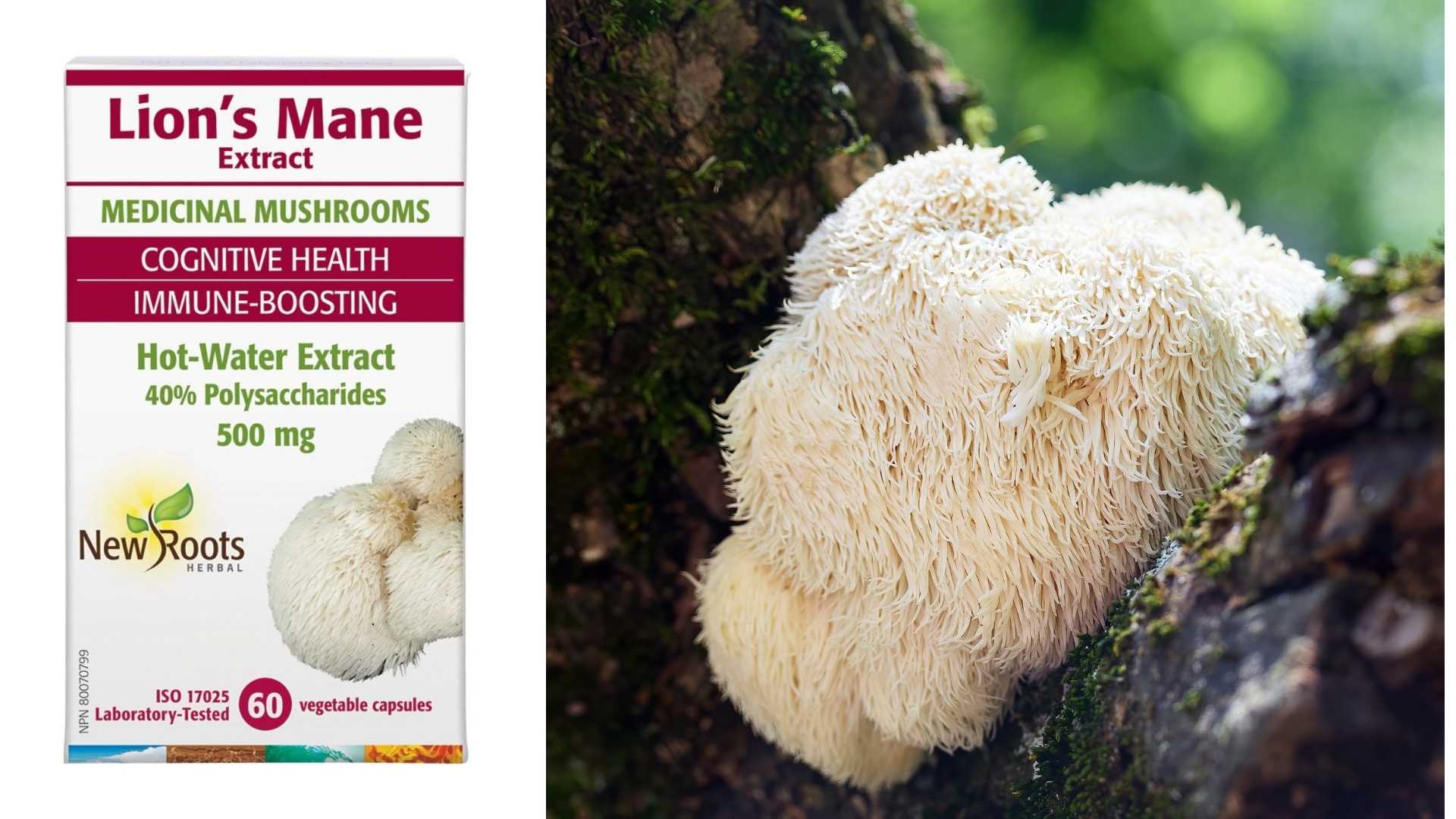
There are a few key compounds that make mushrooms so useful:
- Beta glucans support and activate the immune system
- Terpenes can have targeted therapeutic effects
- Ergothioneine is a powerful antioxidant linked to aging, brain health, and liver support
These are the compounds doing the real work.
The Easiest Way to Start
You do not need to start with expensive supplements.
Button or Crimini Mushrooms
These common cooking mushrooms still have real benefits.

They contain beta glucans and ergothioneine and have been linked to:
- Immune support
- Liver support
- Antibacterial and antiviral effects
- Blood sugar balance
For a medium dog, even a small amount such as a quarter of a mushroom daily can help.
If you want a simple starting point, this is it.
The Most Useful Medicinal Mushrooms
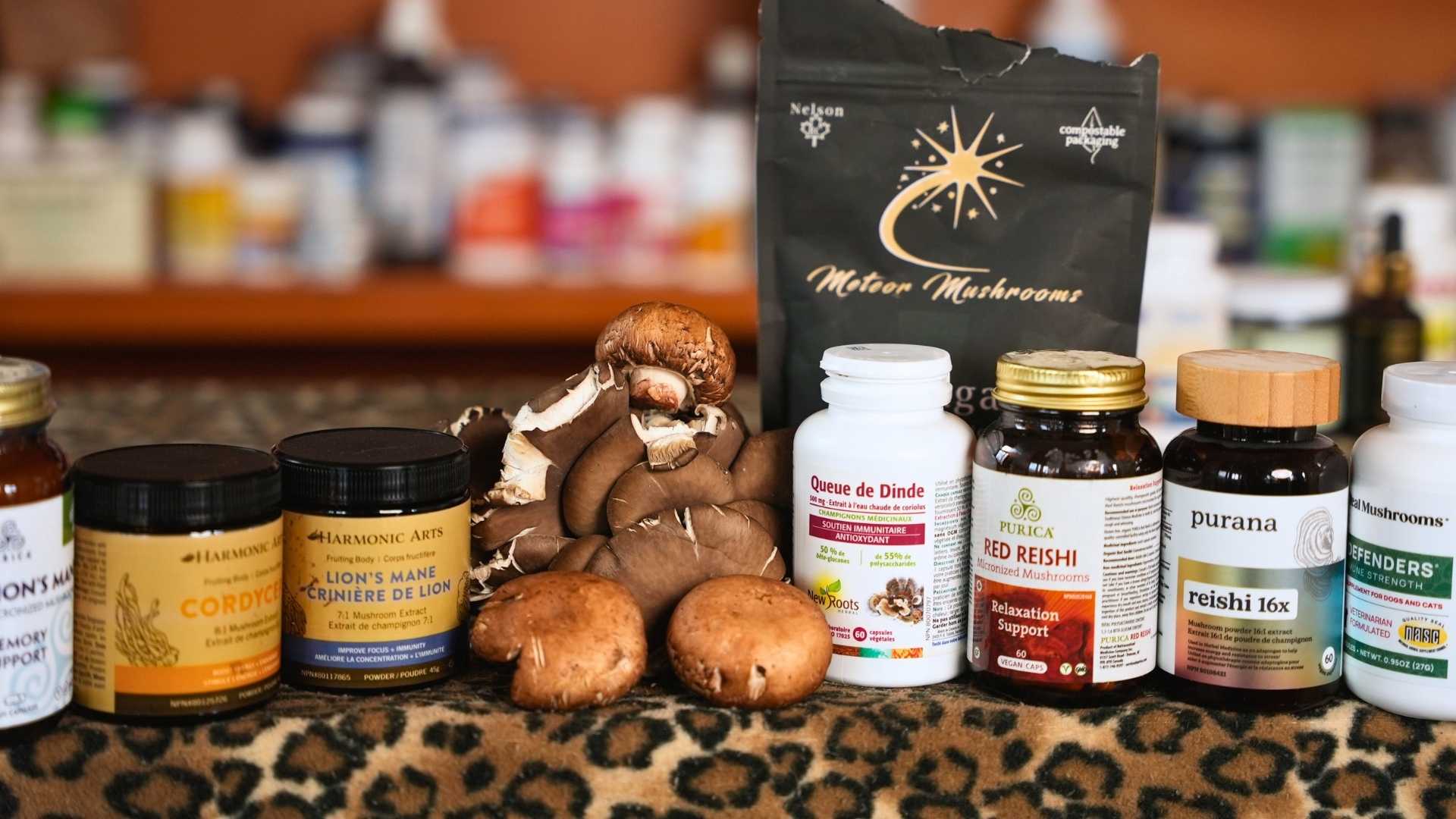
Oyster Mushrooms
Great for antioxidant support. High in ergothioneine and helpful for aging pets.
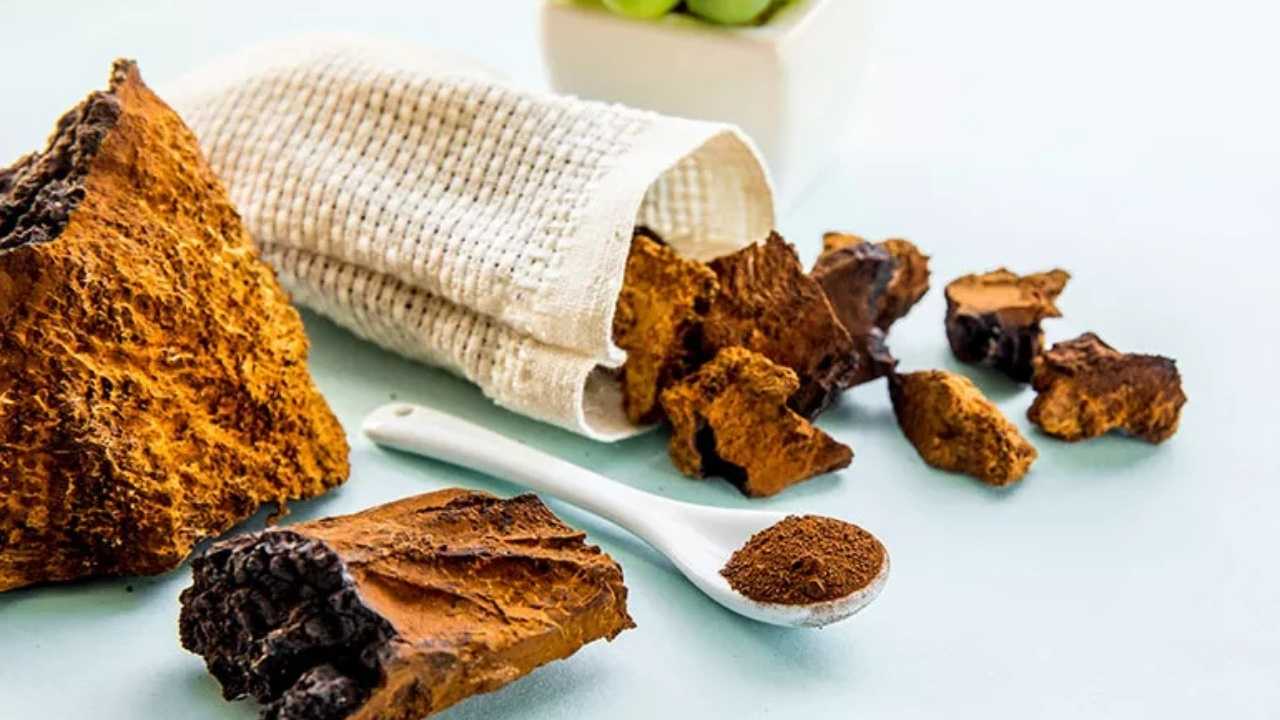
Chaga
Often used for allergies, urinary tract support, and immune balance.
Lion’s Mane
Best for brain and nerve health. Often considered for memory, cognitive decline, and seizures.
Maitake
Strong immune support. Also studied in dogs with lymphoma.
Reishi
A broad support mushroom. Often used for longevity, allergies, chronic disease, and immune balance.
Cordyceps
Especially helpful for kidney disease, breathing issues, and energy support.
Turkey Tail
If I am dealing with cancer, this is always on my list. It is strongly linked to immune support in cancer care.
How I Think About Dosing
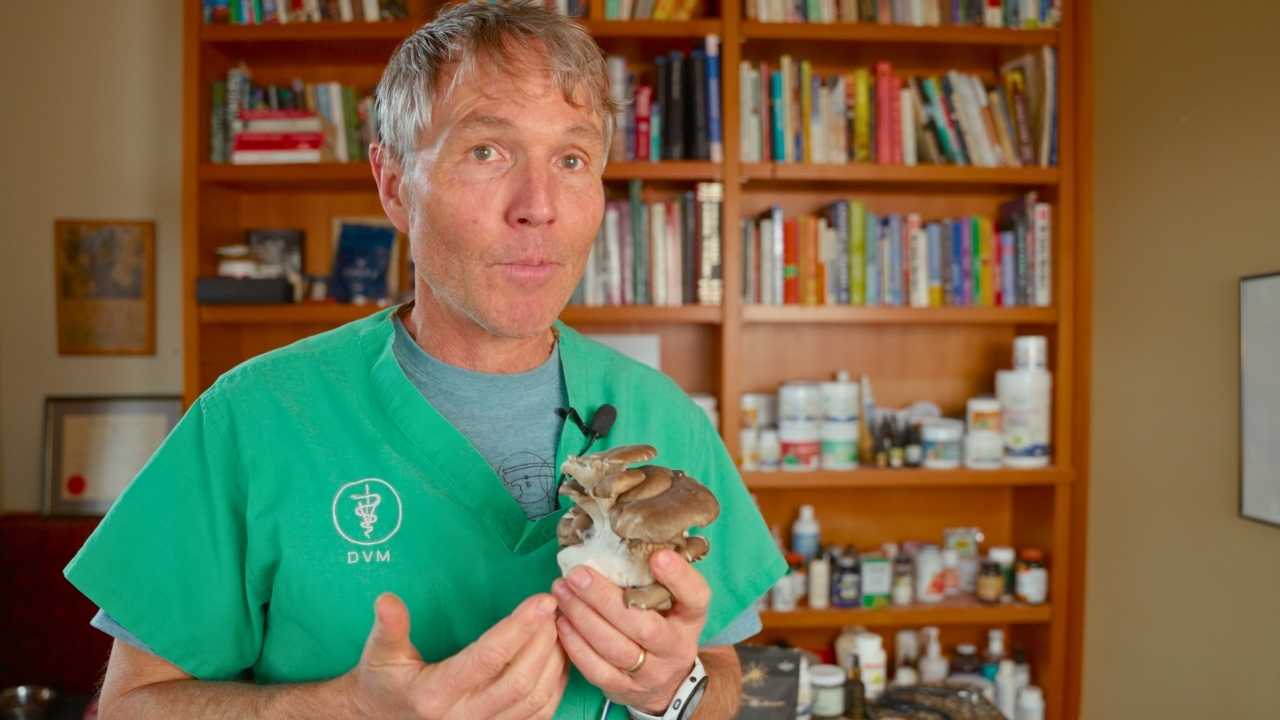
Mushrooms are not like drugs. Think of them as daily support.
They work best when used consistently over time.
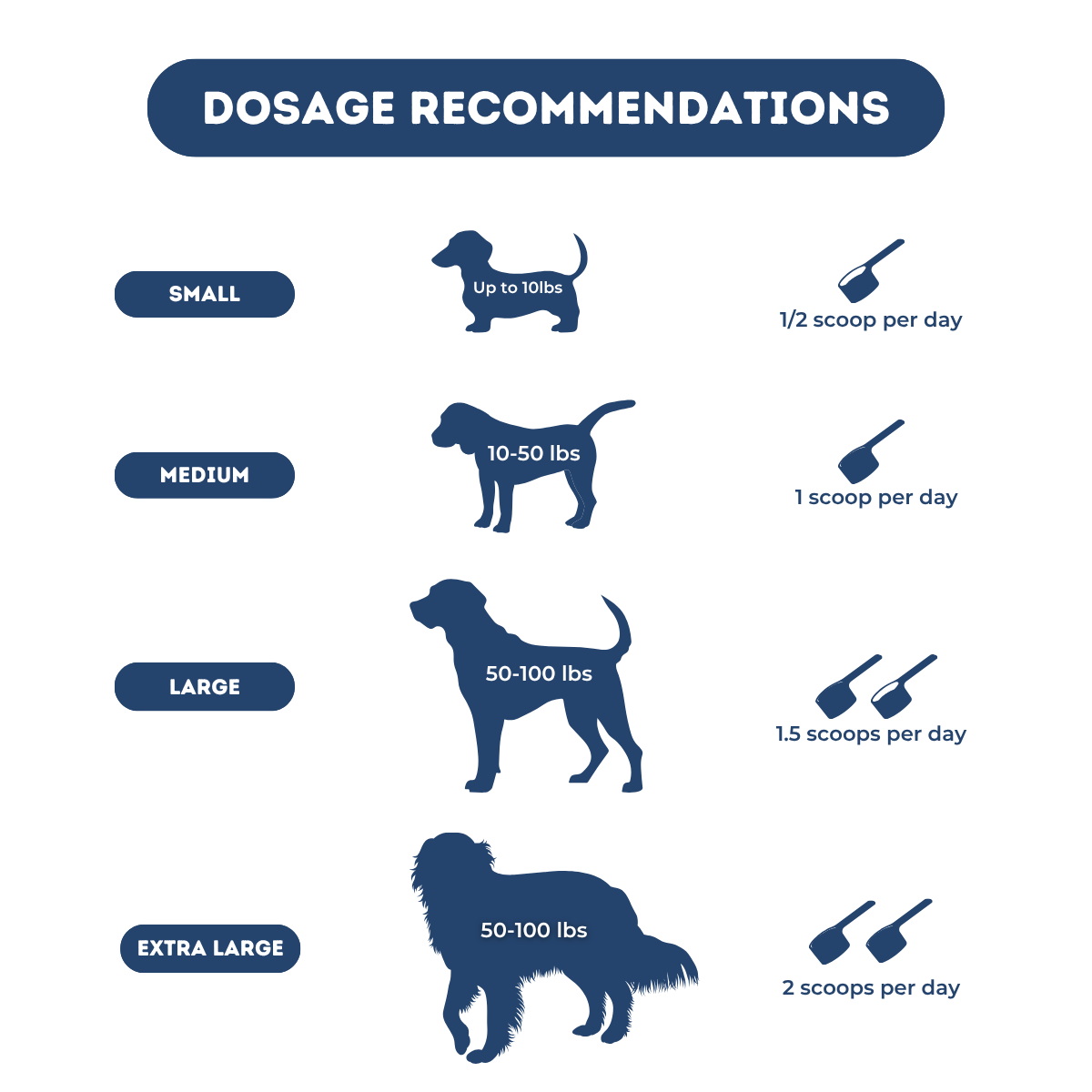
General guideline for powders
- Wellness: 1/8 teaspoon per 10 lbs daily
- Moderate issues: 1/4 teaspoon per 10 lbs daily
- More serious conditions: 1/2 teaspoon per 10 lbs daily
For specific products like turkey tail capsules, around 100 mg per 10 lbs daily is a common starting point.
My Bottom Line
Mushrooms for dogs and cats are real.
They are not magic. They are not a cure-all. But the right mushroom, used properly, can make a real difference.
They are one more natural tool to support your pet’s health.
A Simple Way to Start Daily Support
If you want an easy option, I include medicinal mushrooms like maitake in my daily pet supplements.
They are designed to support immune health along with joints, digestion, and overall wellness.
Dr Jones’ Ultimate Canine ADVANCED Health Formula
Dr Jones’ ULTIMATE Feline Health Formula
Click To Get A Free Copy of My E-Book!

P.S. If you want to keep it simple, start with common mushrooms like crimini or oyster mushrooms.
P.P.S. If you are dealing with something more specific like allergies, kidney disease, cognitive decline, or cancer, then it makes sense to look at targeted medicinal mushrooms like chaga, lion’s mane, reishi, cordyceps, maitake, and turkey tail.