Vet Visits Down, Costs Up: What Pet Parents Should Know

Why So Many Pet Owners Are Skipping Vet Visits — And What You Can Do About It
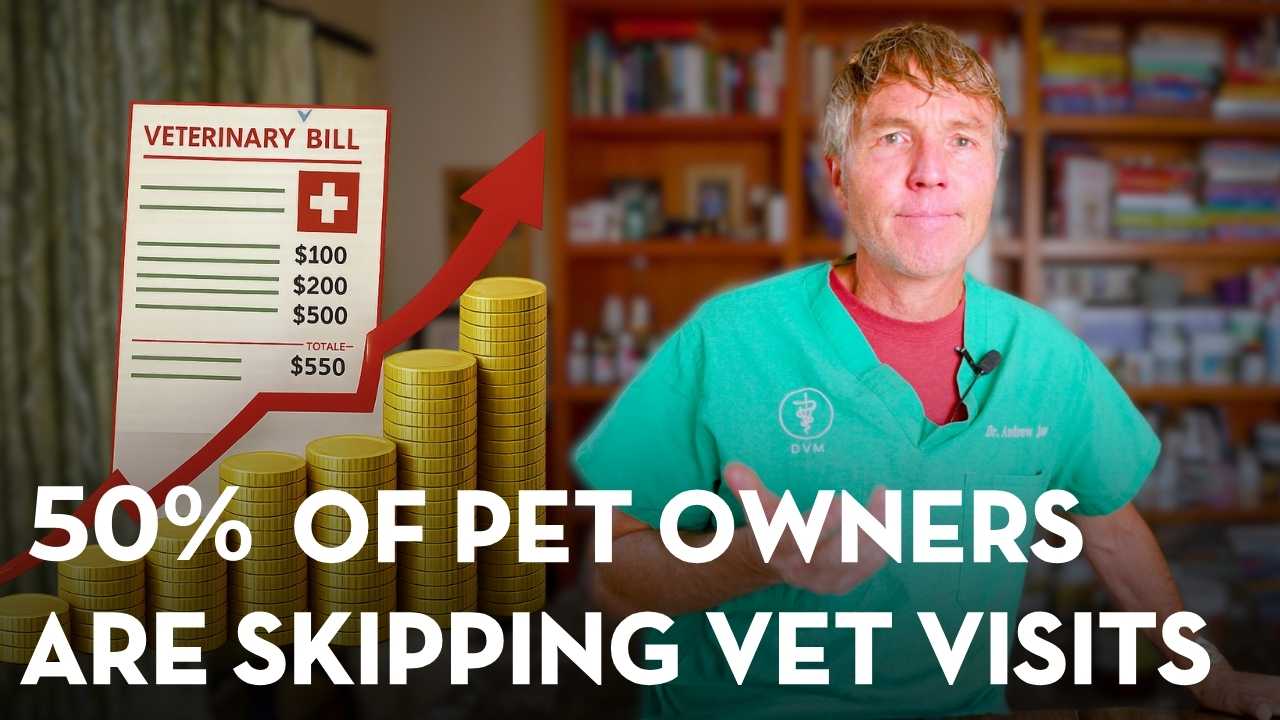
New 2025 research from both Canada and the U.S. shows that about half of all pet owners are now delaying or skipping veterinary visits. That includes preventive care, diagnostics, and even recommended treatments.
If that surprises you, it shouldn’t.
I hear this every day from pet parents. And it’s not because people don’t care. It’s because pet care has become financially overwhelming for many families.
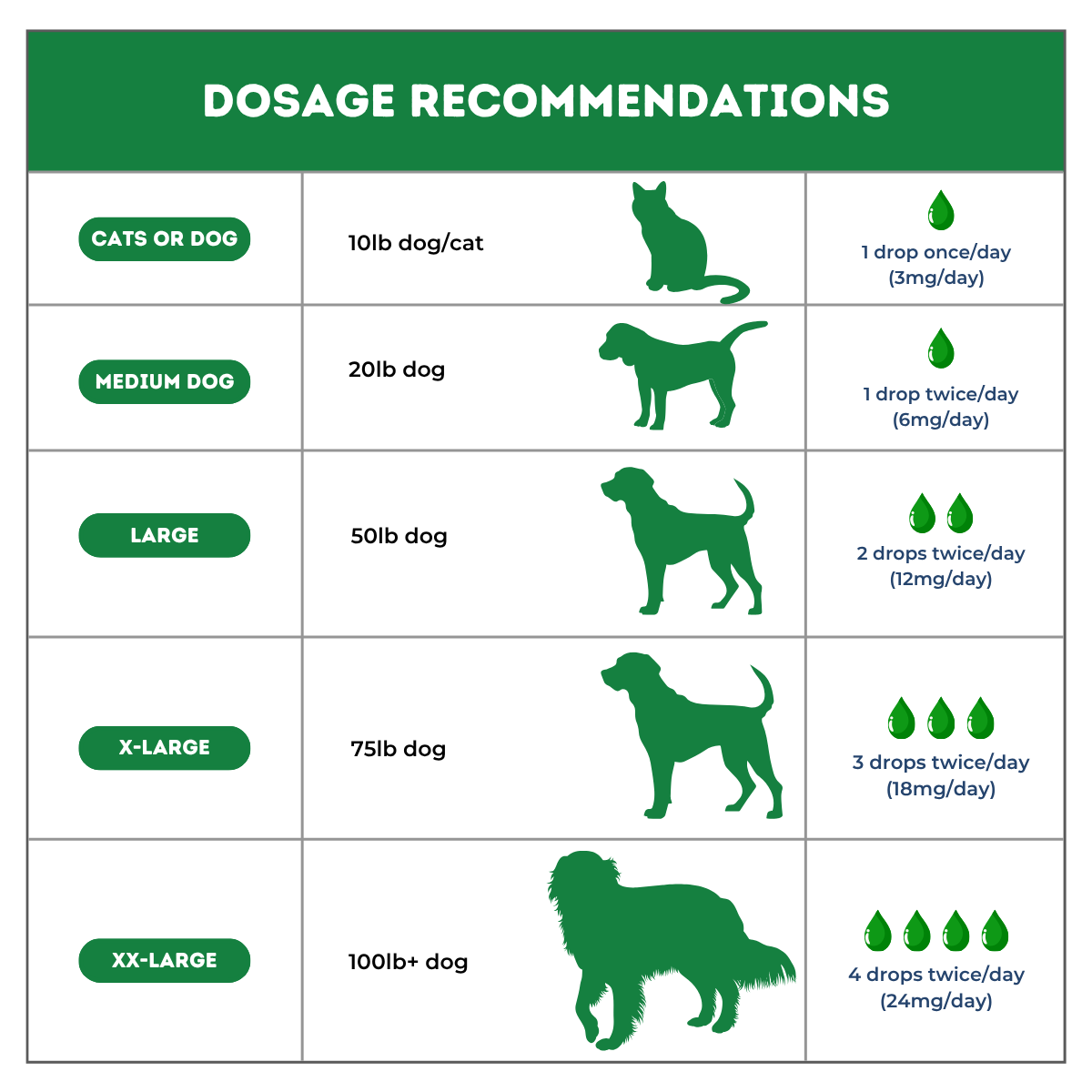
Dr. Jones’ Ultimate CBD Formula for Dogs



What the Research Is Really Showing
Here’s what the data makes clear:
-
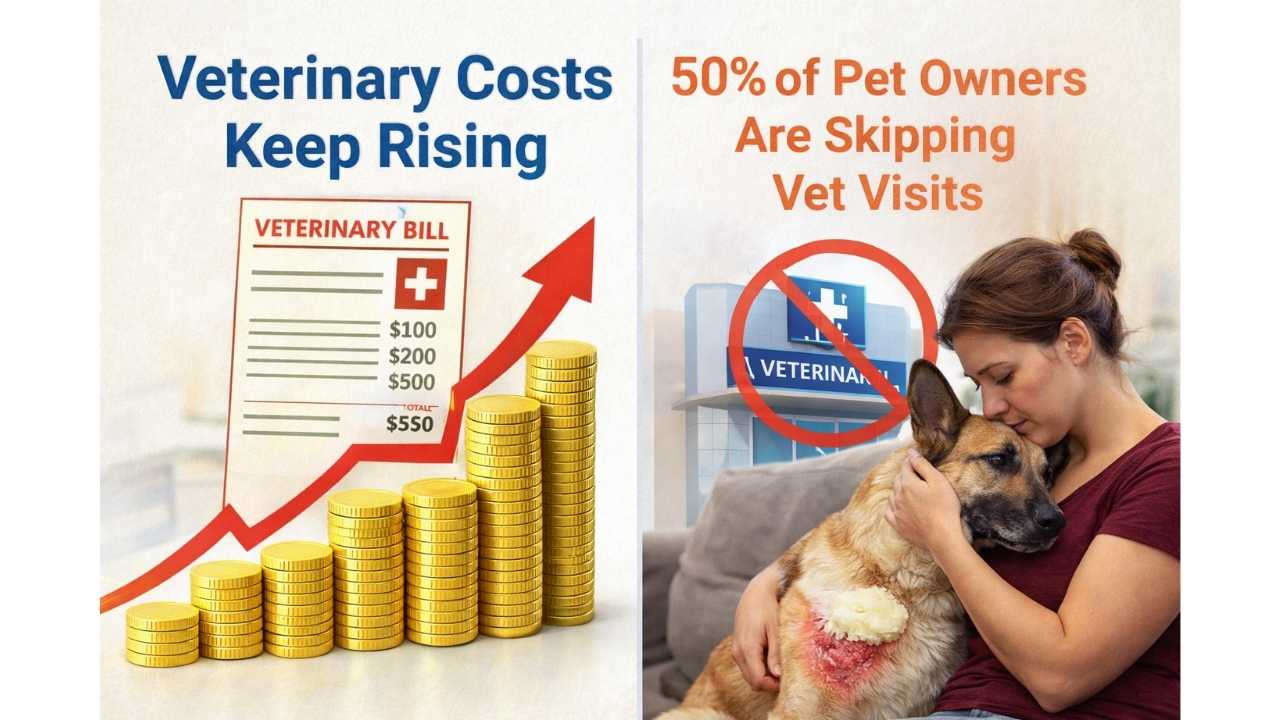
About 50% of pet owners have postponed or declined veterinary care
-
Cost is the number one reason, driven by inflation and rising veterinary fees
-
This affects all income levels, not just low-income households
-
Younger pet parents are hit hardest, but no group is immune
-
Distance matters too. The farther people live from clinics, the more likely they are to skip care
What concerns me most is the emotional toll. Many pet parents report guilt, anxiety, and heartbreak when finances prevent them from getting care they believe their pet needs.
If that’s you, hear this clearly.
This is not a personal failure. This is a system problem.
Why Veterinary Costs Keep Rising
There are several reasons behind the rising costs:
-
Staffing shortages and higher labor expenses
-
Rising prices for medical supplies and diagnostics
-
More advanced and expensive technology
-
Increased corporate ownership of clinics
I personally see much of this driven by corporate veterinary clinics, large increases in published fee guides, and the growing influence of profit over accessibility. The values in veterinary medicine have shifted, and not always in a direction that helps the most animals.
The Good News: You’re Not Powerless
There are practical things you can do right now to protect your pet’s health and reduce long-term vet costs.
1. Make Prevention the Foundation
Healthier pets need fewer emergency visits.

Focus on:
-
Feeding a species-appropriate diet with less or no kibble, especially for cats
-
Reducing chronic inflammation with tools like Omega 3 fatty acids
-
Maintaining a healthy weight through higher protein diets, movement, and even decaf green tea
-
Supporting joints, skin, digestion, and immune health early
This is where prevention really pays off.
2. Exercise Is Medicine
Movement matters more than most people realize.

Regular exercise:
-
Improves metabolism
-
Slows arthritis progression
-
Supports mental health
-
Helps prevent obesity-related disease
This is especially important for aging pets, indoor cats, and overweight dogs.
3. Be More Involved in Your Pet’s Day-to-Day Care
Early detection starts at home.

Pay attention to what’s normal for your pet:
-
Appetite
-
Energy level
-
Drinking and urination
-
Stool quality
You don’t need medical training. You need awareness.
4. Learn Basic Home Veterinary Skills
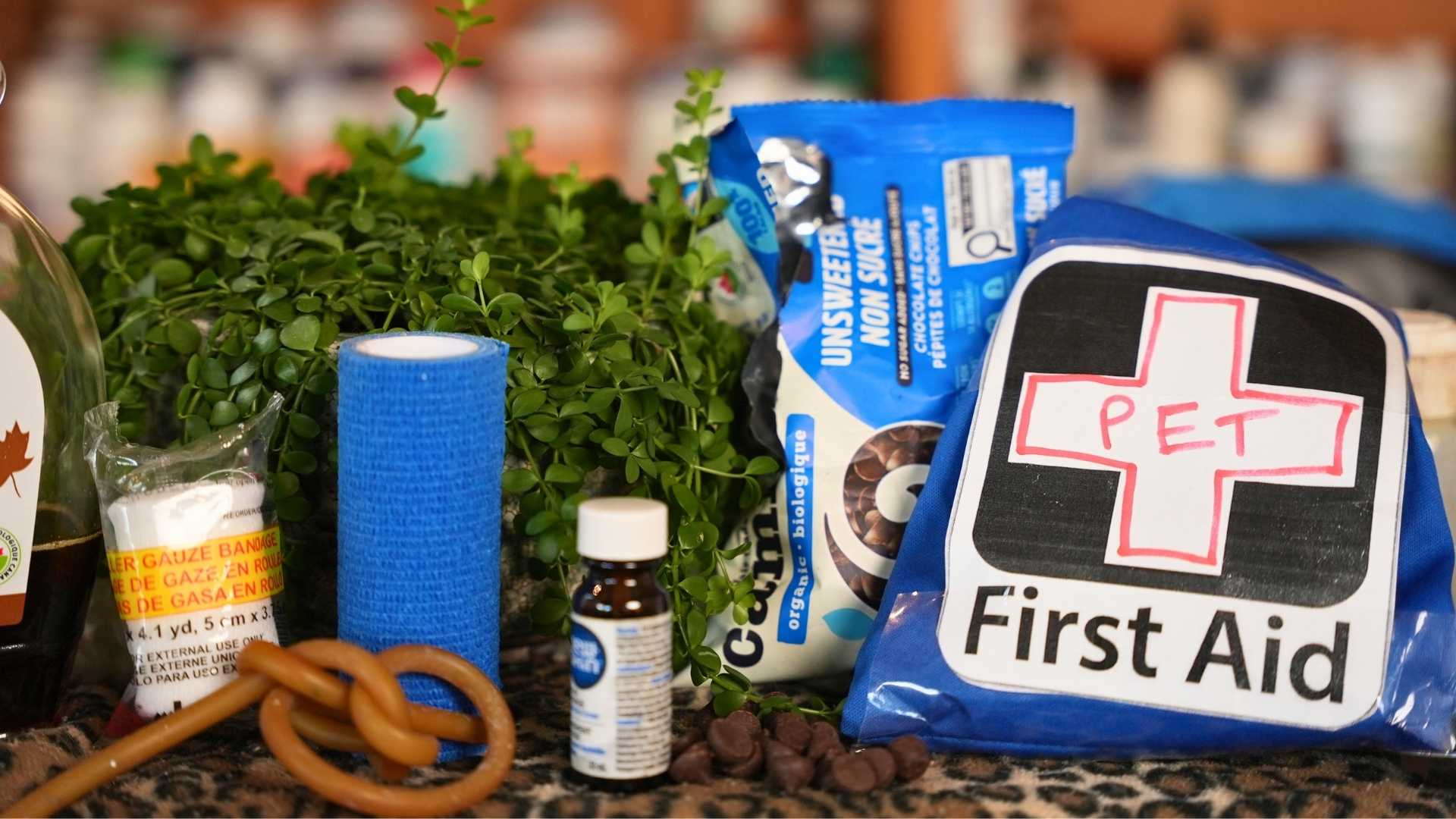
Every pet parent should be comfortable with simple skills like:
-
Checking gums, ears, and eyes
-
Monitoring hydration
-
Recognizing early pain or infection
-
Knowing when something can wait and when it cannot
These skills alone can prevent unnecessary visits and catch real problems sooner.
5. Use Simple, Evidence-Based Home Remedies When Appropriate
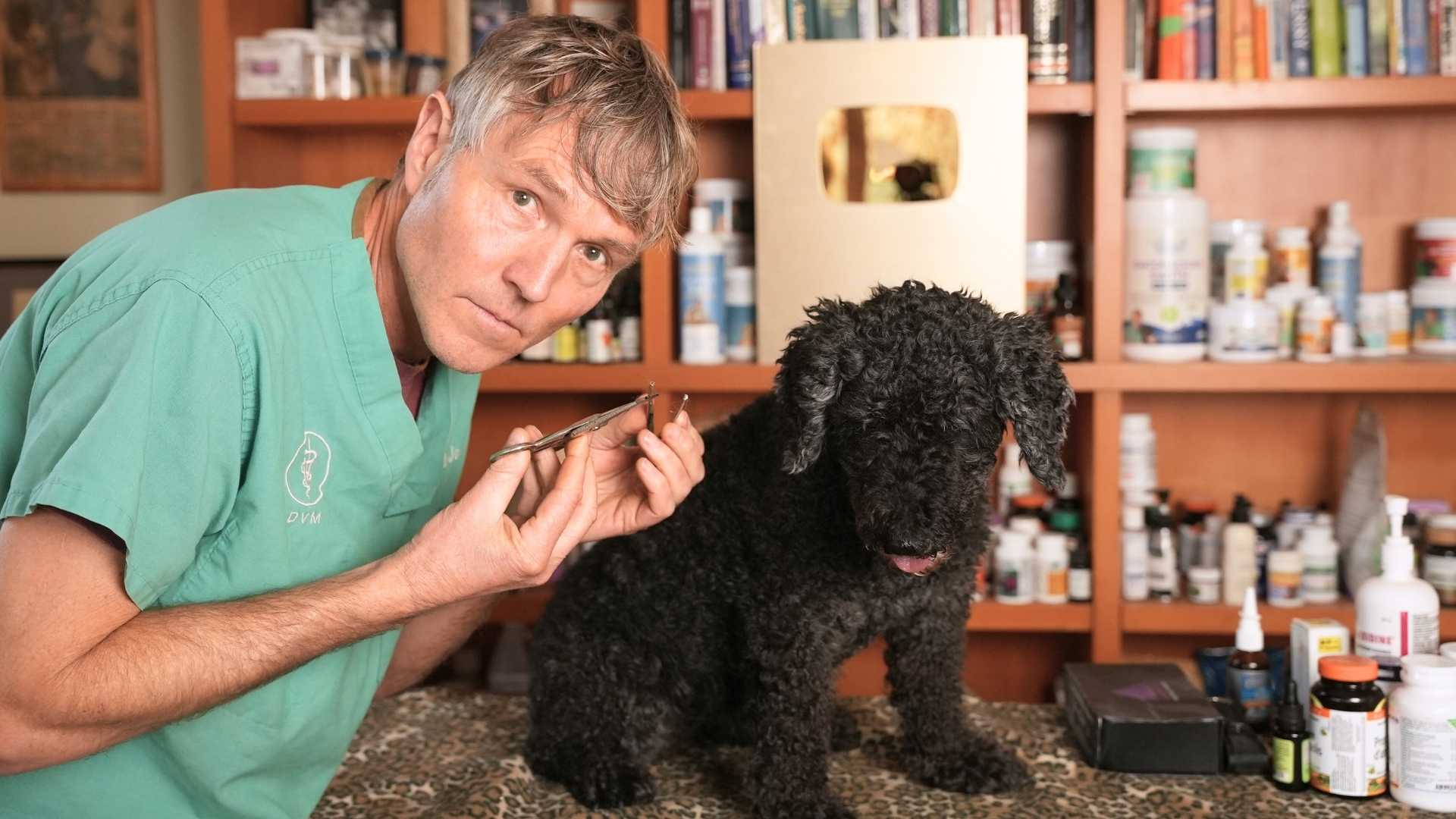
For small issues, home care can be helpful:
-
Slippery elm or Pepcid for digestive upset
-
Topical hypochlorous acid, low-dose OTC cortisone, or quercetin for skin irritation
-
CBD, valerian, L-theanine, or acupressure for mild anxiety
-
Green tea and apple cider vinegar or OTC Canesten for ear maintenance
These are not replacements for emergency care, but they can reduce unnecessary visits and manage minor problems early.
6. Insurance, Telemedicine, and Community Options
Pet insurance can help, especially when started early.

Telemedicine and community clinics are also growing and can be useful for:
-
Advice
-
Triage
-
Follow-ups
Even with these options, education and prevention still matter most.
The 2026 Reality — And a Smarter Path Forward
Veterinary care is getting more expensive, and that trend is unlikely to reverse. But pet parents are not helpless.

The future of pet health looks like this:
-
Prevention instead of reaction
-
Education instead of fear
-
Empowered owners working alongside veterinary care, not avoiding it
That’s why I focus on sharing practical, realistic ways to keep pets healthier at home using simple tools, clear information, and common sense.
Click To Get A Free Copy of My E-Book!

P.S. Your pet doesn’t need perfection. They need an informed, proactive pet parent. Start with what you can control: diet, exercise, observation, education, and thoughtful home care. Those steps alone can save you thousands and give your pet a longer, healthier life.




Thank you
You’re welcome!
Thank you for this useful information. I have a 12 year old female Jack Russell with a tumor/mass in her stomach. Any advice other than exploratory surgery?
You are very welcome.
I am sorry you are dealing with that. Dr. Jones cannot give specific treatment advice but he did put together options to consider before surgery including supportive care diet changes and quality of life support. Have a look at these articles:
5 Natural Ways to Combat Pet Cancer – covers things like medicinal mushrooms, artemisinin, safflower oil, colostrum and more natural cancer-supportive strategies. https://veterinarysecrets.com/5-natural-ways-to-combat-pet-cancer/
How I Treat Pet Lymphoma with Natural Home Remedies – detailed natural support options including diet, cannabinoids, mushrooms, melatonin, Panacur (fenbendazole) and more. https://veterinarysecrets.com/pet-lymphoma-natural-home-remedies/
Research-Proven Holistic Cancer Remedies for Dogs and Cats – explores alternative cancer treatments with evidence behind them, including fenbendazole, artemisinin, dandelion root and cannabinoids. https://veterinarysecrets.com/alternative-cancer-treatments-dogs-cats/
These articles won’t replace a diagnosis or care plan from your vet but they do show you supportive, natural options Dr. Jones often talks about for pets facing tumors or cancer.
I need to ask you a questions about my shih Tzu I took her to the vet the other day but I don’t agree with what they told me
You may contact our Customer Service so that we can assist you.
https://veterinarysecrets.com/contact/