Signs of Leaky Gut in Dogs and Cats, and How Can You Help?


Could Leaky Gut Be Causing Your Dog’s or Cat’s Health Problems?
If your dog or cat struggles with chronic diarrhea, vomiting, itchy skin, arthritis, fatigue, or recurring inflammation, the underlying problem may start in the gut.
One possible contributor is increased intestinal permeability, commonly called Leaky Gut Syndrome.
This happens when the intestinal barrier becomes compromised, allowing substances that would normally remain inside the digestive tract to interact more directly with the immune system.
The result may be increased inflammation, digestive problems, and potentially wider health effects.
Now, here’s something interesting.
Leaky gut wasn’t something I was taught about in veterinary school. Even today, many veterinarians question whether it should be considered a separate medical diagnosis.
But the underlying process of increased intestinal permeability is real, and research continues to investigate its relationship with chronic inflammatory disease.
If I suspected a dog or cat had an unhealthy intestinal barrier, I would focus on several things:
-
Improving the diet
-
Supporting digestion with digestive enzymes
-
Restoring beneficial gut bacteria with probiotics
-
Reducing intestinal inflammation
-
Supporting the intestinal lining
-
Investigating underlying causes of chronic digestive problems
And for many pets, I would start by looking at what they’re eating every day.
Because you can give all the supplements you want, but if your pet’s diet continues to irritate their gut, you’re making things much harder.
Let’s look at what leaky gut is, the warning signs, and the natural remedies I would consider.
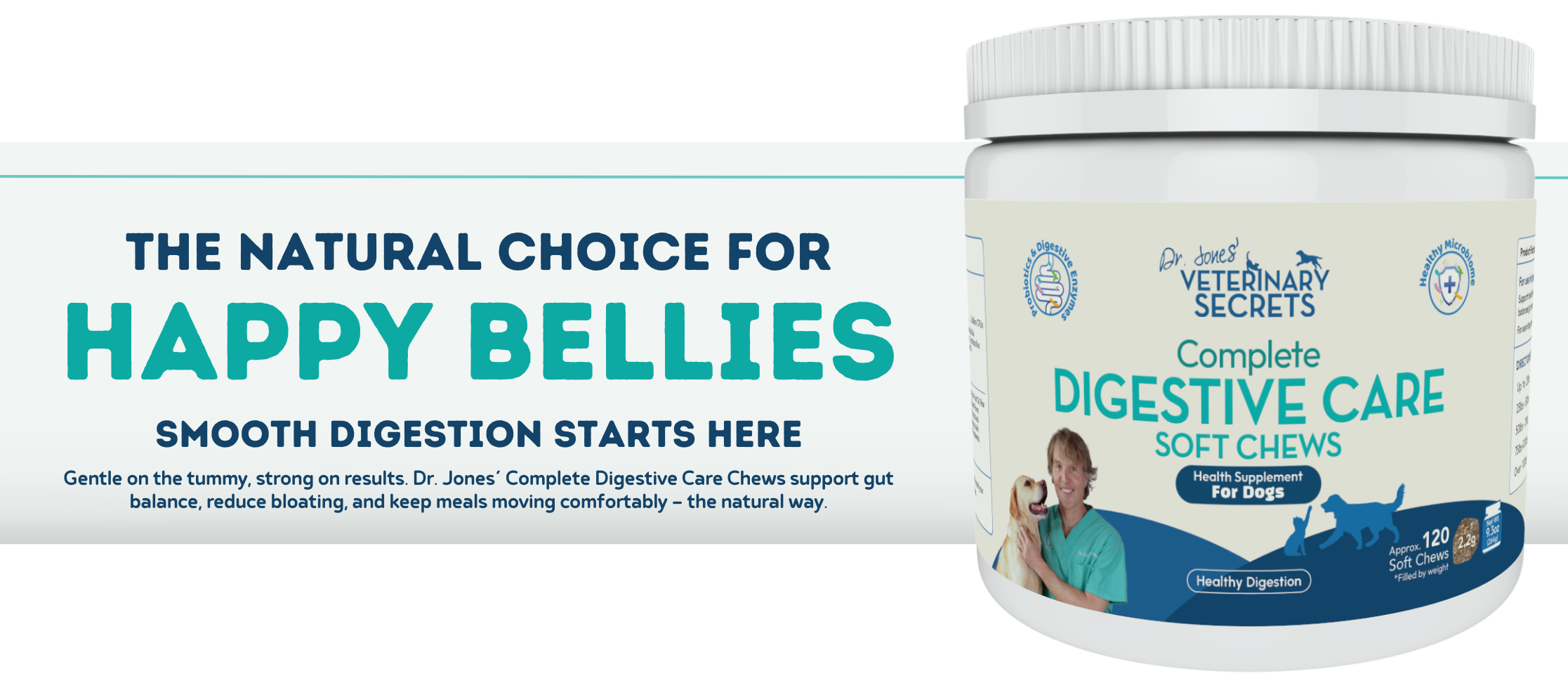
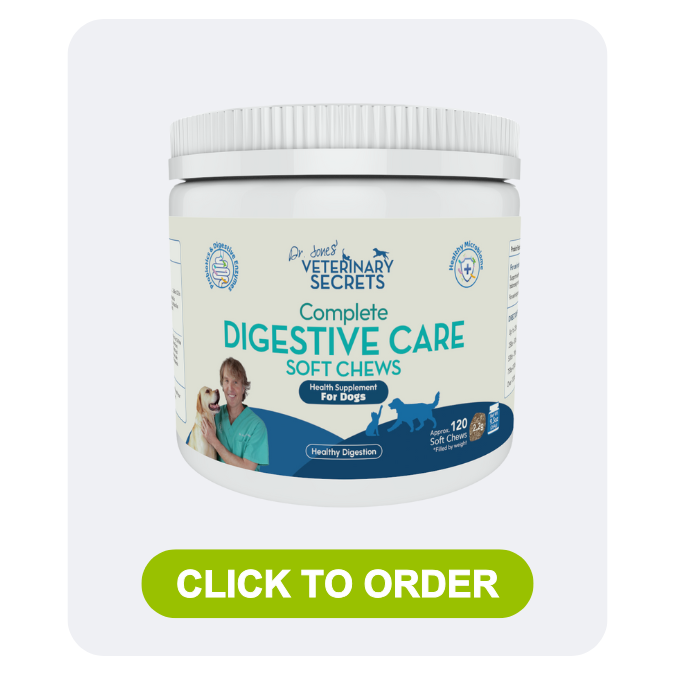
Dr. Jones’ Complete Digestive Care Soft Chews
What Is Leaky Gut Syndrome in Dogs and Cats?
Leaky gut refers to increased intestinal permeability, a condition in which the protective barrier lining the intestines becomes less effective.
Inside your dog or cat’s intestines is a delicate layer of tightly connected cells.
Think of these cells as a security gate.
Their job is to allow beneficial substances through while keeping potentially harmful materials where they belong.
What Does a Healthy Intestinal Barrier Do?
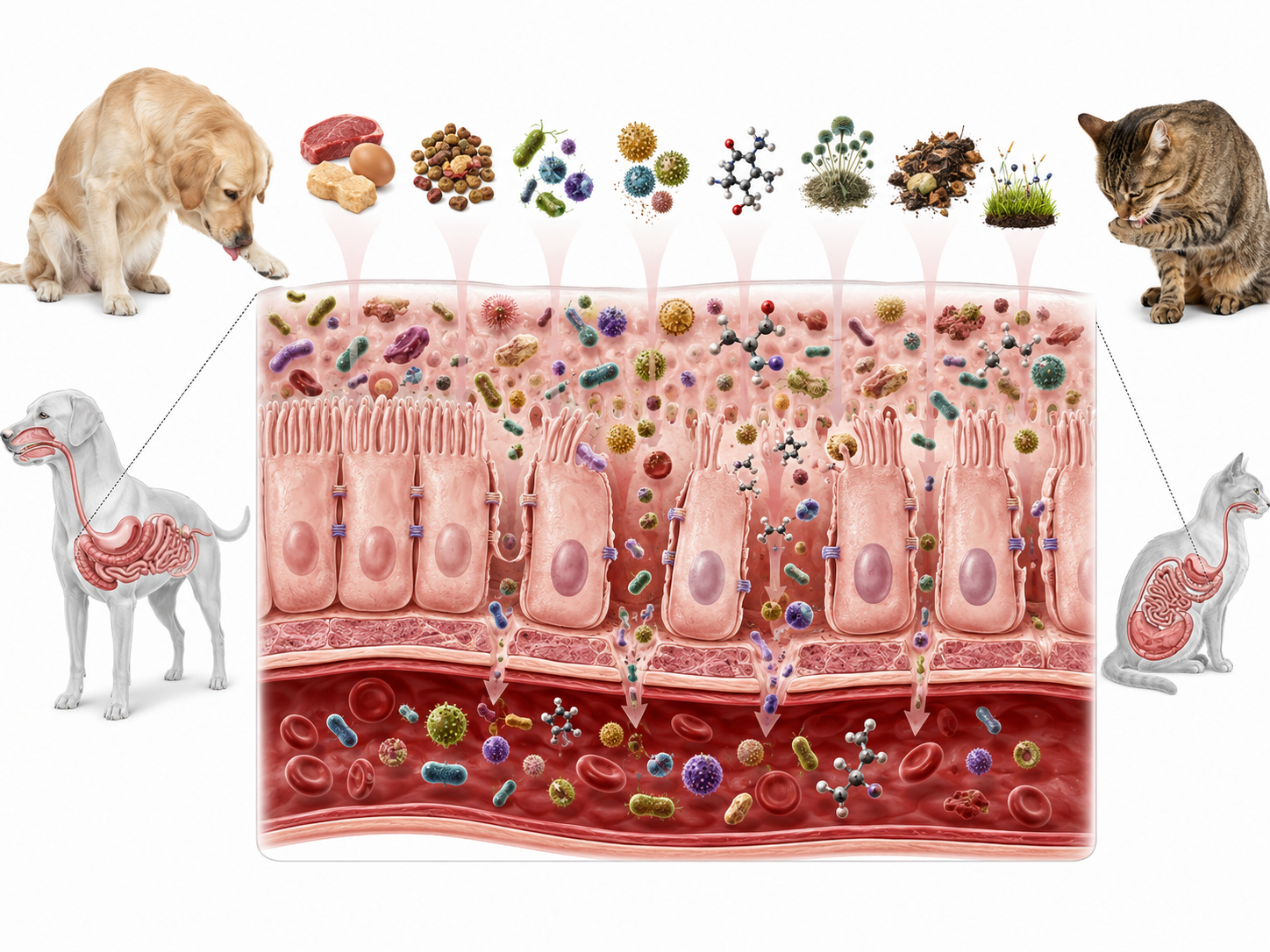
A healthy intestinal lining helps:
-
Allow nutrients into the bloodstream
-
Absorb water
-
Keep bacteria within the digestive tract
-
Limit the movement of toxins
-
Prevent unwanted exposure to allergens
-
Control the passage of undigested food particles
When the intestinal barrier is functioning normally, it helps maintain the balance between digestion and immune activity.
But when this barrier becomes damaged or unusually permeable, that balance may change.
What Happens When the Gut Becomes Leaky?
When the connections between intestinal cells become compromised, substances that would normally remain inside the digestive tract may pass through more easily.
These can include bacterial components, allergens, and partially digested food materials.
The immune system may respond to this exposure.
That can lead to increased inflammatory activity.
And when inflammation becomes persistent, it may contribute to problems that extend beyond digestion.
This is why researchers are interested in the connection between intestinal permeability and chronic inflammatory diseases.
Is Leaky Gut a Recognized Veterinary Diagnosis?
This is where things get complicated.
Many conventional veterinarians remain skeptical of Leaky Gut Syndrome as a standalone diagnosis.
One commonly expressed position is that it cannot currently be reliably proven or disproven as a distinct medical condition.
Part of the challenge is that there is no universally accepted gold-standard veterinary test used to diagnose the syndrome.
But increased intestinal permeability itself is a physiological process that researchers can investigate.
That’s an important distinction.
We may disagree about the diagnosis or how to test for it, but the integrity of the intestinal barrier is still relevant to digestive and immune health.
For me, this raises an important question.
If your dog or cat has chronic inflammation and repeated digestive problems, shouldn’t we at least consider whether their intestinal lining is functioning properly?
I think we should.
What Are the Signs of Leaky Gut in Dogs and Cats?
Many pets with suspected intestinal barrier problems have obvious digestive symptoms.
But some of the signs may involve the skin, joints, liver, pancreas, or overall energy levels.

Common Digestive Symptoms
Signs to watch for include:
-
Chronic diarrhea
-
Soft stools
-
Excessive gas
-
Bloating
-
Vomiting
-
Abdominal pain
-
Food sensitivities
-
Loud stomach noises
-
Poor appetite
-
Intermittent nausea
These symptoms are not specific to leaky gut.
But if your pet experiences them repeatedly, I would certainly want to investigate their digestive health.
Signs That May Extend Beyond the Digestive Tract
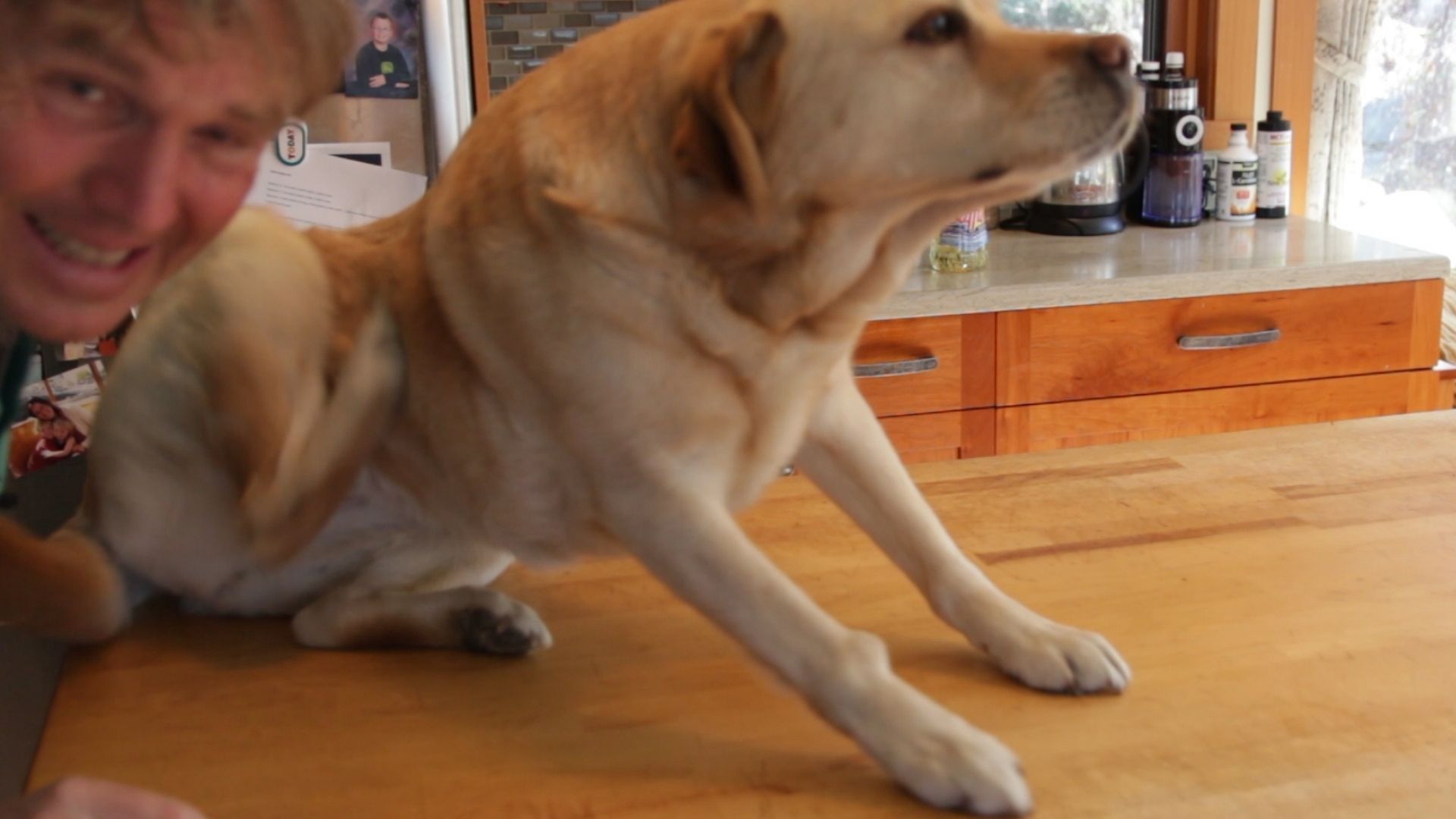
Other concerns discussed in connection with intestinal permeability include:
-
Chronic itchy skin
-
Recurrent ear infections
-
Excessive paw chewing
-
Repeated skin infections
-
Arthritis and joint pain
-
Chronic liver inflammation
-
Recurrent pancreatic inflammation
-
Fatigue and lethargy
-
Ongoing inflammatory problems
The important point is that digestive health may influence more than bowel movements.
An unhealthy gut can potentially affect how the immune system responds throughout the body.
Can Leaky Gut Contribute to Chronic Disease?
Researchers and veterinarians interested in intestinal health are investigating connections between increased intestinal permeability and several chronic conditions.
These are potential relationships rather than proof that leaky gut directly causes each disease.
1. Inflammatory Arthritis
Chronic immune activation may contribute to joint inflammation and discomfort.

If inflammatory substances are repeatedly stimulating the immune system, that may influence inflammation elsewhere in the body.
This is one reason intestinal health is being investigated in relation to arthritis.
2. Allergies and Inflammatory Skin Disease
Some dogs with chronic itching, paw chewing, ear infections, and recurring skin problems may also have digestive or intestinal barrier issues.
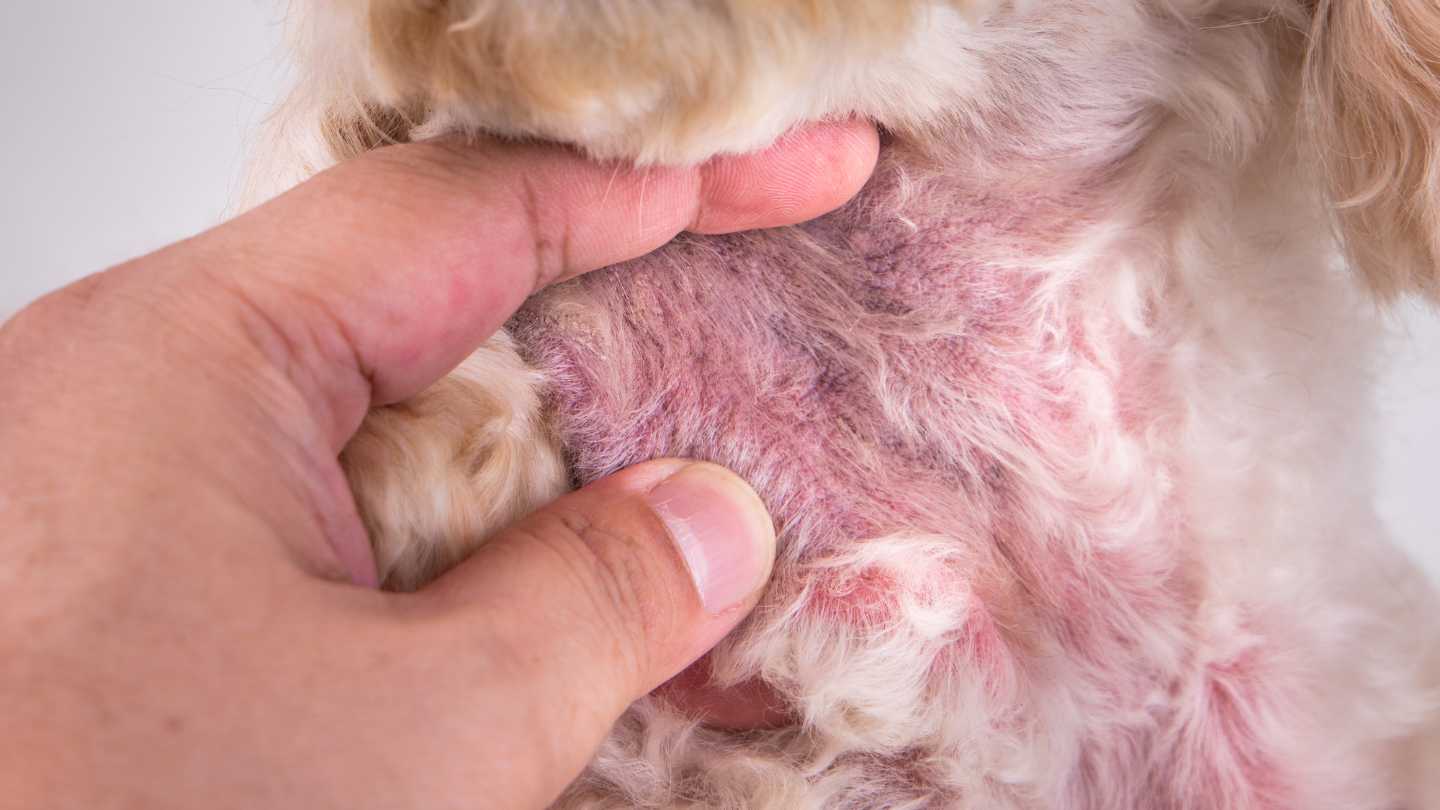
If your dog continually develops skin problems despite treatment, I think it’s reasonable to consider their diet and gut health.
Sometimes the problem may be more complicated than what we see on the skin.
3. Chronic Hepatitis
The liver plays an important role in processing substances coming from the digestive tract.

Increased intestinal permeability may expose the liver to additional inflammatory substances.
Researchers suspect that this may contribute to chronic liver inflammation in some circumstances.
4. Chronic Pancreatitis
Persistent gastrointestinal inflammation may also influence pancreatic health.
5. Chronic Fatigue
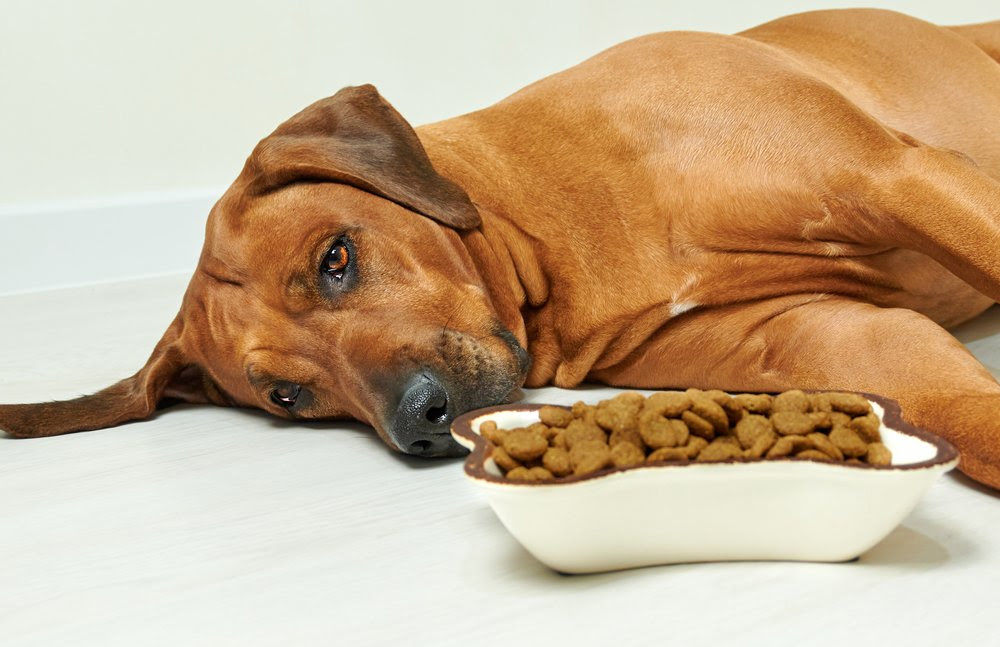
Some pets with chronic digestive disorders become noticeably tired or lethargic.
They may seem less active, have poor appetites, or simply stop acting like themselves.

Ongoing inflammation and impaired nutrient absorption may contribute to these changes.
| Health Concern | Possible Connection With Gut Health |
|---|---|
| Chronic arthritis | Persistent immune activation may influence joint inflammation |
| Itchy skin and allergies | Gut inflammation may contribute to wider immune responses |
| Chronic hepatitis | Intestinal inflammatory substances may affect the liver |
| Chronic pancreatitis | Ongoing intestinal inflammation may contribute to pancreatic stress |
| Fatigue | Chronic inflammation and poor nutrient absorption may affect energy |
| Recurrent digestive upset | A compromised intestinal lining may contribute to ongoing symptoms |
Again, these conditions can have many causes.
But when digestive symptoms and chronic inflammation occur together, the intestinal barrier deserves attention.
Why Don’t More Veterinarians Test for Leaky Gut?
Traditional veterinary medicine often focuses on identifying diseases through established diagnostic tests and structural abnormalities.
Leaky gut is more complicated because it involves how well the intestinal barrier functions.
And while researchers can study intestinal permeability, there is no universally accepted diagnostic standard for Leaky Gut Syndrome in pets.
This can leave some animals with chronic problems going through repeated rounds of treatment.
For example:
-
Steroids
-
Antibiotics
-
Prescription diets
-
Temporary improvement
-
Another flare-up
Sometimes those treatments are necessary.
But if the underlying digestive problem remains unresolved, symptoms may keep returning.
This is why I think we should look more closely at the gut when dealing with chronic inflammatory conditions.
Can You Test Your Dog or Cat for Leaky Gut?
There are companies offering testing intended to evaluate markers associated with intestinal permeability and gut inflammation.
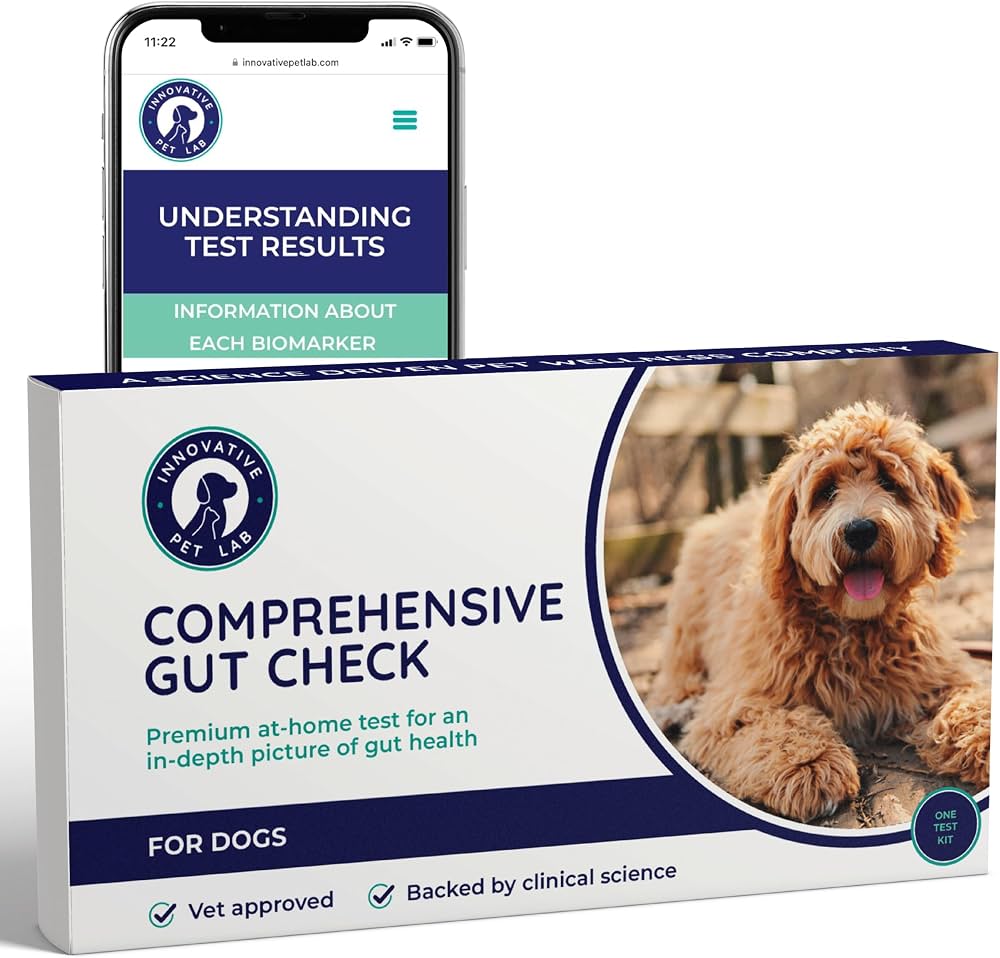
One example is Innovative Pet Lab, which offers an at-home Complete Gut Health Check.
The testing discussed includes two markers:
-
Zonulin
-
Antigliadin IgA
What Is Zonulin?
Zonulin is a protein involved in regulating the connections between intestinal cells.
These connections help control how substances move through the intestinal barrier.
Elevated zonulin levels have been proposed as a possible indicator of increased intestinal permeability.
The idea is that higher levels may suggest the intestinal barrier is becoming less tightly regulated.
What Is Antigliadin IgA?
Antigliadin IgA is an immune marker associated with reactions to gluten proteins.
Elevated levels may suggest an immune response involving gluten and potentially ongoing intestinal inflammation.
This could be relevant when investigating suspected food sensitivities.
Are These Tests Definitive?
No.
These markers are not considered definitive diagnostic tests for Leaky Gut Syndrome in mainstream veterinary medicine.
But I think they may provide additional information worth discussing when a pet has persistent digestive problems or chronic inflammation.
One option mentioned is:
Innovative Pet Lab Complete Gut Health Check
Get 15% OFF with discount code: DrJones15
What Causes Leaky Gut in Dogs and Cats?
Several factors may contribute to intestinal inflammation or damage to the gut barrier.
These include:
-
Highly processed kibble diets
-
Chronic inflammation
-
Antibiotic use
-
Nonsteroidal anti-inflammatory drugs (NSAIDs)
-
Steroid medications
-
Environmental toxins
-
Parasites
-
Stress
-
Food sensitivities
-
Chronic infections
Some of these factors may affect the gut microbiome.
Others may contribute directly or indirectly to inflammation and changes in the intestinal lining.
But one of the biggest factors I would investigate is diet.
Can Ultra-Processed Kibble Contribute to Leaky Gut?
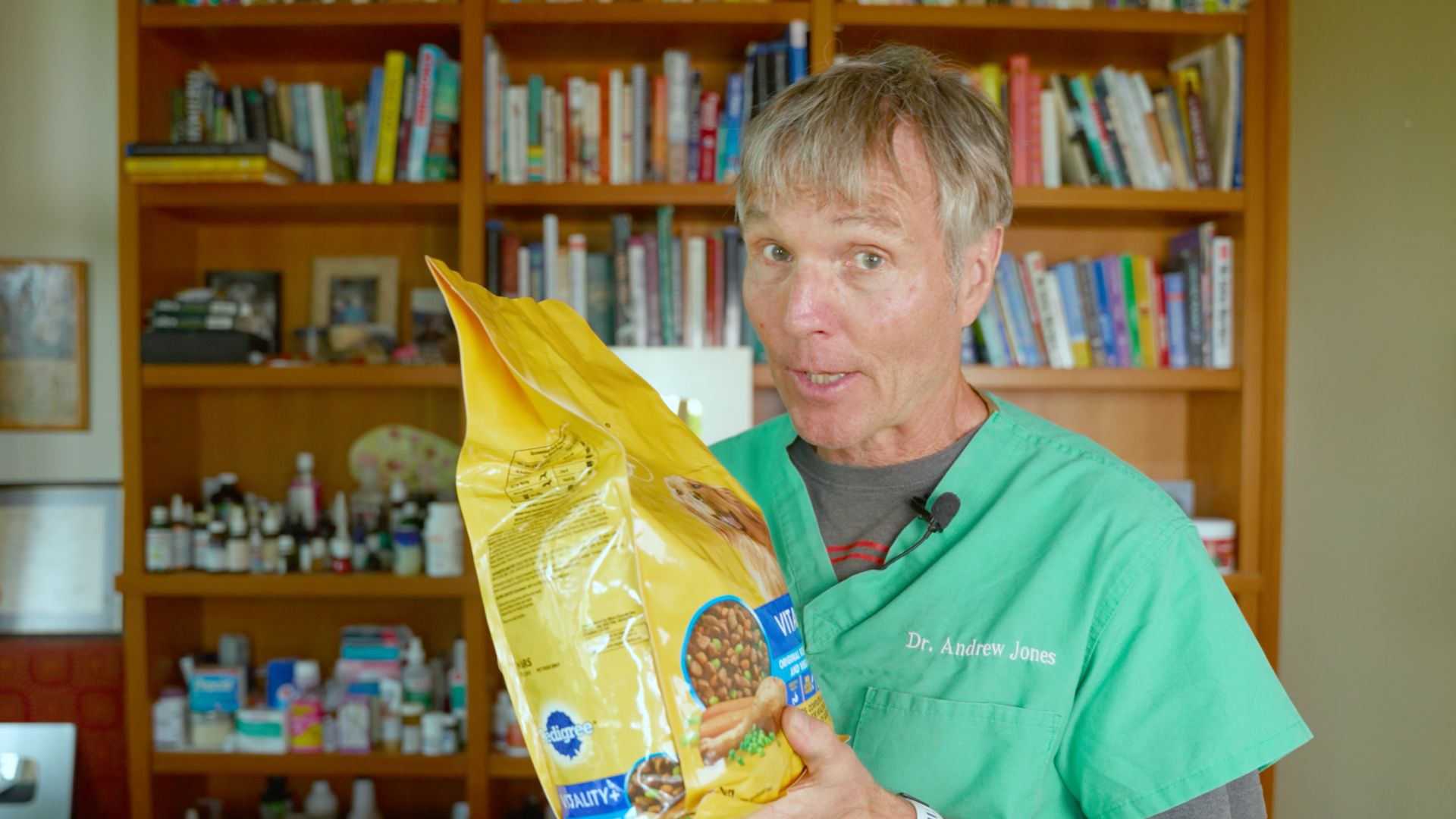
I have growing concerns about the effects of highly processed pet food on long-term intestinal health.
Most commercial kibble is processed using high temperatures.
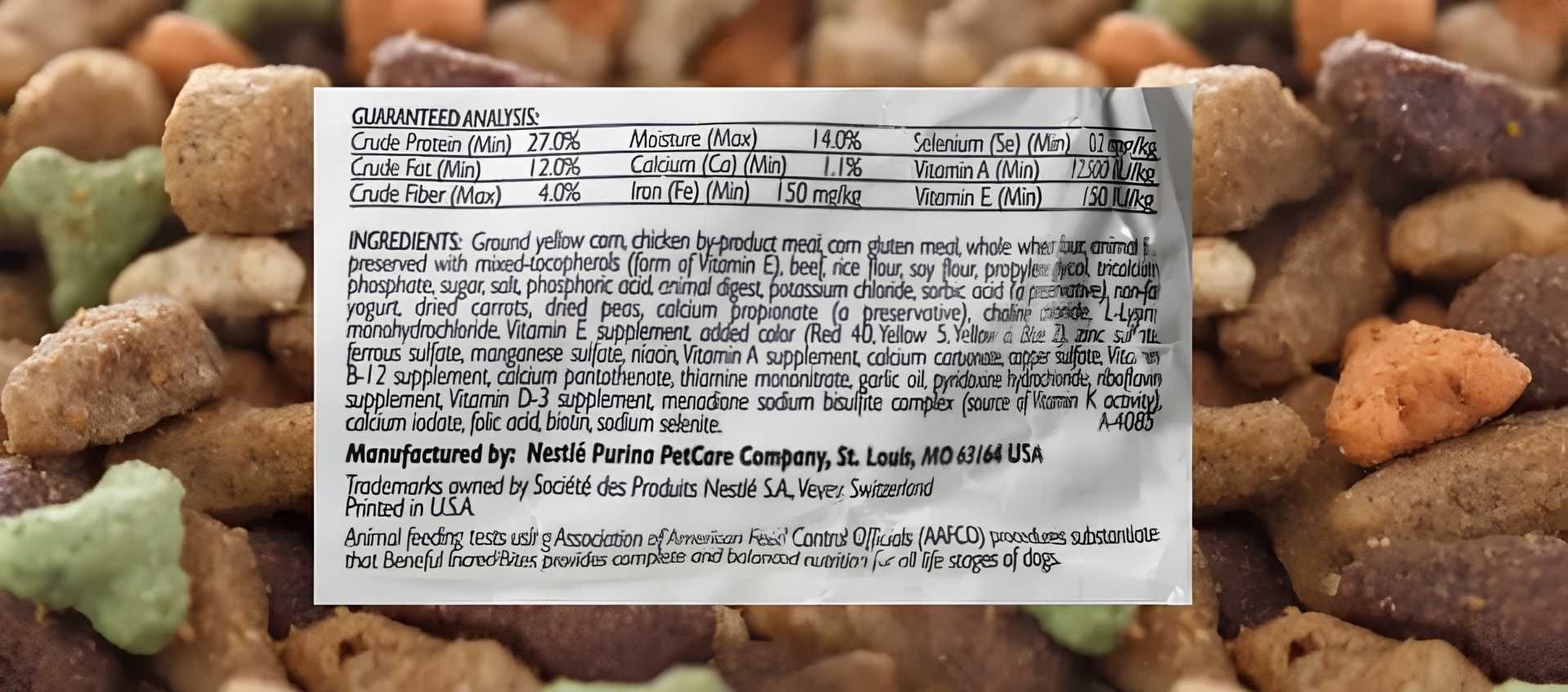
During heating, proteins and carbohydrates can react and form compounds called Advanced Glycation End Products, or AGEs.
These compounds have been studied for their potential relationship with inflammation and oxidative stress.
What Are Advanced Glycation End Products?
AGEs are compounds formed during certain chemical reactions involving sugars and proteins, particularly when foods are heated.
Research in humans and animals has linked AGEs with:
-
Oxidative stress
-
Chronic inflammation
-
Accelerated aging
-
Tissue damage
Some veterinarians and researchers suspect that long-term exposure to these compounds may contribute to intestinal inflammation.
That doesn’t mean every dog or cat eating kibble has leaky gut.
But I do think it gives us another reason to examine the effects of highly processed diets.
And if your pet has chronic digestive problems, I would strongly consider whether their current food is helping or making things worse.
What Is the Best Diet for a Dog or Cat With Suspected Leaky Gut?
One of the most important changes I would consider is moving away from highly processed food toward fresh, minimally processed meals.
For many pets, improving the diet is the foundation of digestive support.
The goal is to reduce potential dietary irritants while providing appropriate nutrition.
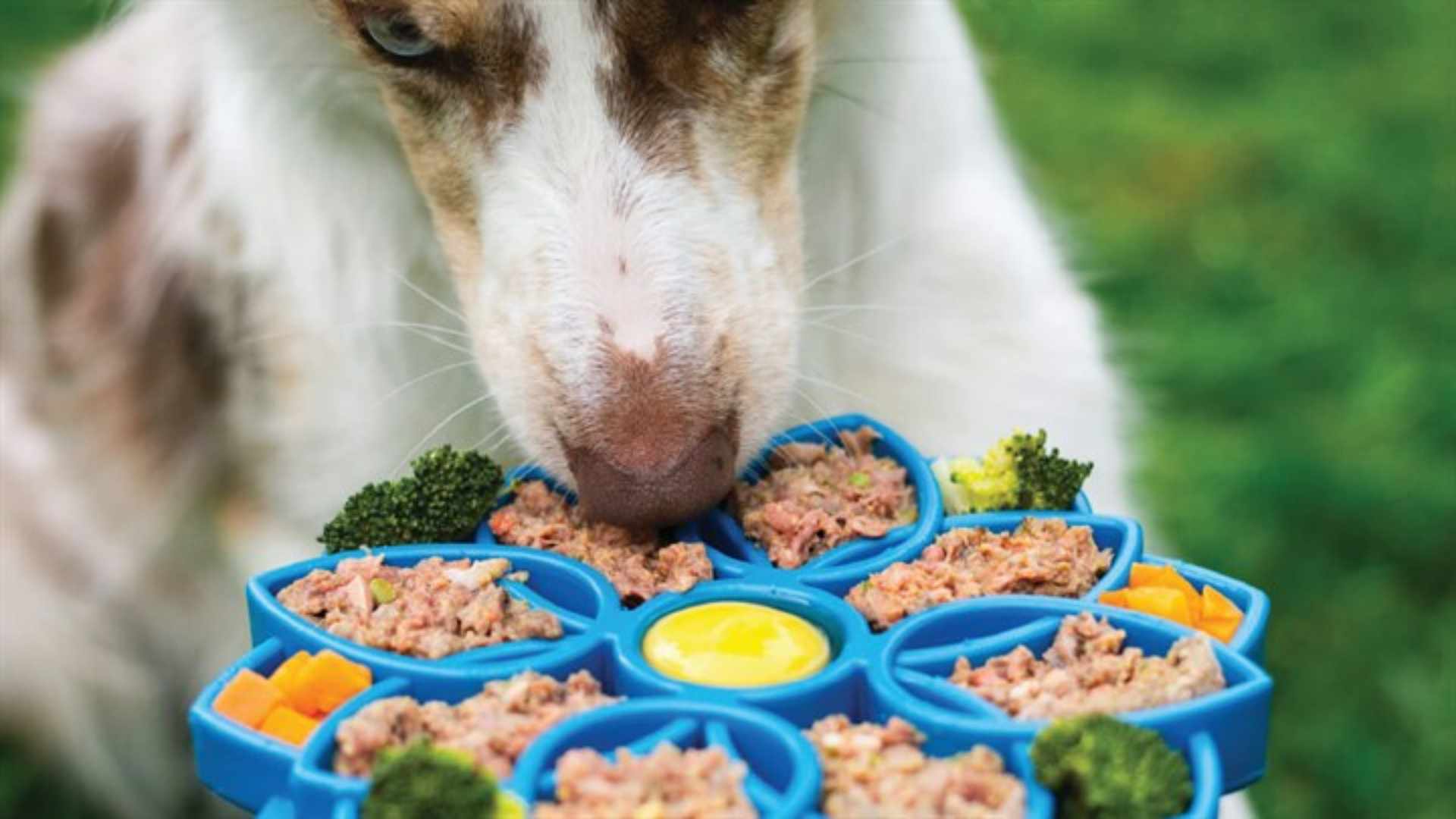
What Foods Would I Consider?
Dietary approaches discussed include:
-
Fresh whole foods
-
Moisture-rich meals
-
Limited-ingredient diets
-
Novel proteins
-
Avoiding artificial additives
-
Reducing potentially irritating fillers
In some pets, identifying and removing specific trigger ingredients may also be helpful.
Which Ingredients Might Need to Be Removed?
Depending on the pet’s individual sensitivities, an elimination diet may involve removing:
-
Gluten
-
Wheat
-
Corn
-
Soy
-
Certain proteins associated with adverse food reactions
Not every pet needs all these ingredients removed.
The purpose is to identify which foods may be contributing to symptoms.
How Long Should an Elimination Diet Last?
A proper elimination diet trial should generally last at least:
8 to 10 weeks
This gives you time to evaluate how your dog or cat responds to the dietary change.
I wouldn’t expect a long-standing digestive problem to resolve simply because you changed the food yesterday.
Give the process an appropriate amount of time.
And remember, the goal is to identify what works for your individual pet.
What Natural Remedies May Help Support a Leaky Gut?
Alongside diet, there are several natural therapies I would consider for pets with ongoing digestive inflammation.
My main areas of interest include:
-
Slippery elm
-
Psyllium husk
-
High-quality animal-specific probiotics
-
Digestive enzymes
-
Additional nutritional support
Let’s look at them individually.
1. Slippery Elm for Dogs and Cats
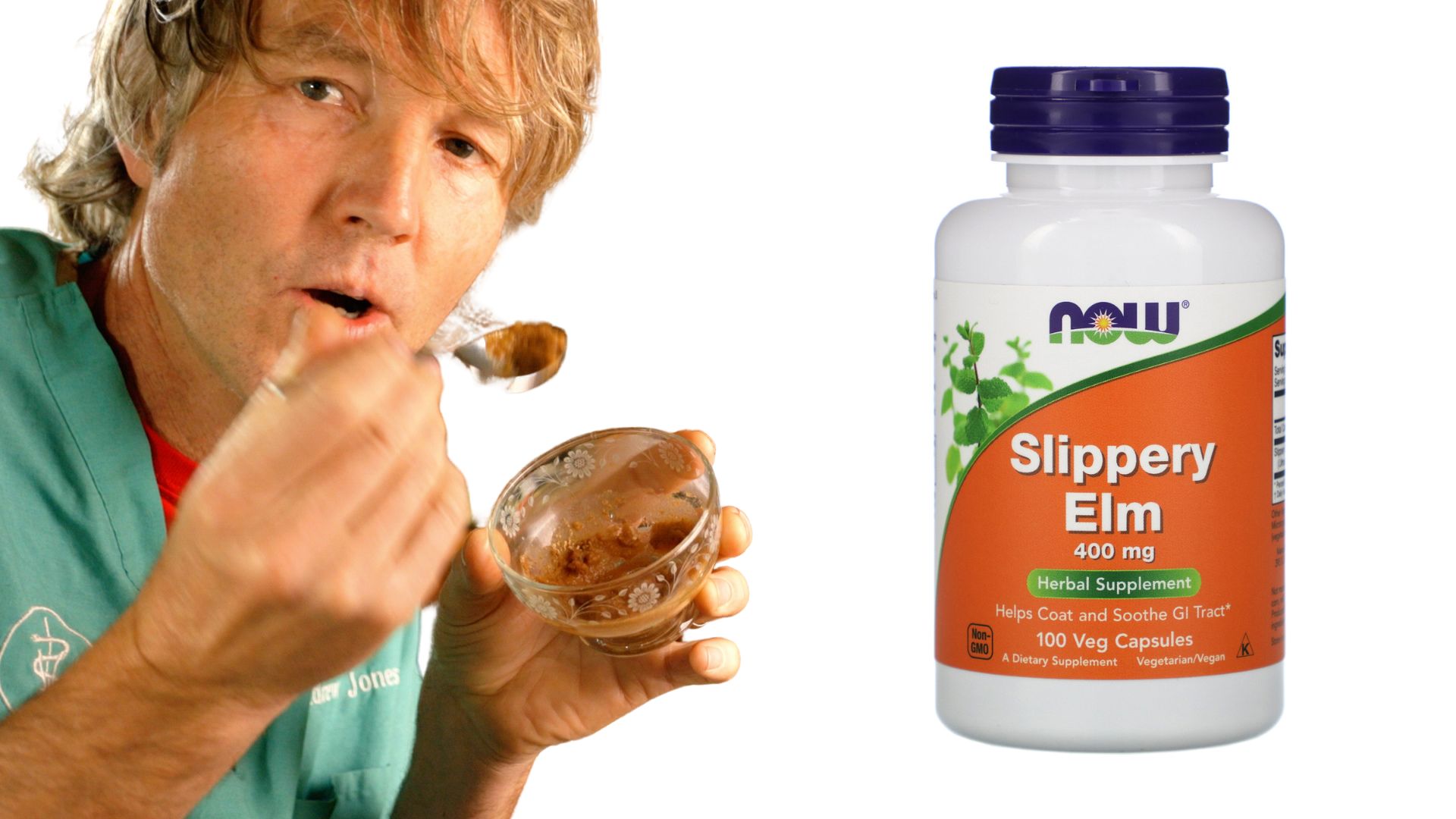
Slippery elm is one of my favorite natural remedies for intestinal irritation.
It contains compounds called mucilage, which form a soothing, protective substance when mixed with moisture.
This makes slippery elm particularly interesting for pets with inflamed or irritated digestive tracts.
What Are the Benefits of Slippery Elm?
Slippery elm may help:
-
Reduce diarrhea
-
Calm intestinal irritation
-
Support the intestinal lining
-
Improve stool quality
-
Provide soothing digestive support
I have found it to be one of the more useful herbs to consider for chronic gastrointestinal concerns.
Slippery Elm Dosage for Dogs and Cats
The starting dose I discuss is:
400 mg per 20 pounds of body weight, twice daily
This is equivalent to approximately one 400 mg capsule per 20 pounds.
In severe chronic gastrointestinal disease, higher amounts may sometimes be considered.
I would start with the suggested dose and discuss individual needs with your veterinarian.
2. Psyllium Husk for Chronic Diarrhea in Dogs
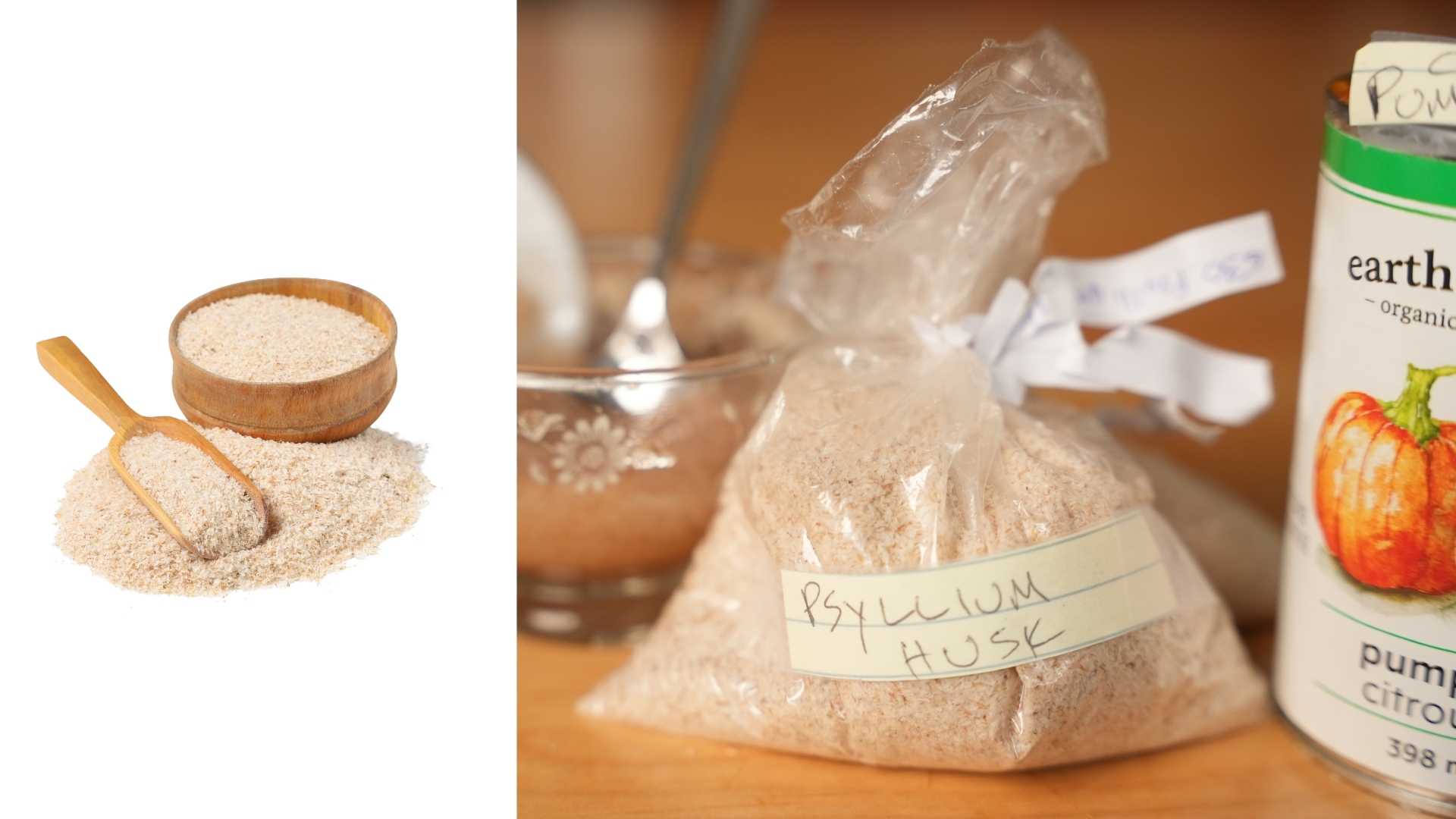
Another remedy I find particularly interesting is psyllium husk.
Psyllium is a source of dietary fiber that may help support normal bowel function.
A study involving working dogs with chronic diarrhea found that adding psyllium improved digestive symptoms.
Some dogs in that study received amounts equivalent to up to four tablespoons daily, with resolution of chronic diarrhea reported.
That’s an impressive observation.
And it’s one reason I think fiber therapy deserves more attention.
How Does Psyllium Help the Gut?
Psyllium may help:
-
Improve stool consistency
-
Support beneficial gut bacteria
-
Reduce intestinal inflammation
-
Restore more normal bowel function
Sometimes the digestive tract needs the right environment to recover.
And fiber can be part of creating that environment.
Psyllium Husk Dosage for Dogs
My suggested starting dose is:
1 teaspoon per 20 pounds of body weight daily
The higher amount discussed is:
1.5 teaspoons per 20 pounds of body weight, twice daily
I would begin with the lower amount rather than immediately using the higher dose.
Slippery Elm and Psyllium Dosage Table
| Remedy | Starting Dose | Frequency | Higher Amount Discussed |
|---|---|---|---|
| Slippery elm | 400 mg per 20 lbs | Twice daily | Higher doses may be considered in severe chronic GI disease |
| Psyllium husk | 1 teaspoon per 20 lbs | Once daily | Up to 1.5 teaspoons per 20 lbs twice daily |
These are the amounts I discuss for digestive support, not universal doses for every pet.
Persistent digestive disease should be evaluated by your veterinarian before starting or increasing supplements.
3. Probiotics for Leaky Gut in Dogs and Cats
If we’re trying to improve intestinal health, probiotics are one of the first supplements I would consider.
Your dog or cat’s digestive tract contains a complex population of microorganisms.
This is called the gut microbiome.
Beneficial bacteria play an important role in digestive function and the balance of the intestinal environment.
When that balance becomes disrupted, digestive problems may follow.
A high-quality probiotic may help support a healthier microbiome.
But not all probiotic products are the same.
Why Are Animal-Specific Probiotics Important?
I prefer probiotics formulated specifically for dogs and cats.
Different probiotic strains may behave differently within the digestive systems of different animals.
Not every strain will survive equally well or provide the same effects.
This is why I look for products developed with companion animals in mind.
How Many CFUs Should a Pet Probiotic Have?
CFU stands for colony-forming units.
It refers to the number of viable microorganisms in a probiotic product.
For digestive support, I generally prefer:
At least 1 billion CFUs per dose
For pets with chronic digestive problems, I may be interested in products containing substantially more.
A high CFU count alone doesn’t guarantee a good product, but it is one of the factors I consider.
Why Do I Prefer Capsule-Based Probiotics?
The stomach is an acidic environment.
Some probiotic organisms may be damaged before reaching the intestines.
This is why the method of delivery matters.
I often prefer capsule-based formulations over loose powders because an appropriate capsule formulation may help protect the organisms during digestion.
The objective is simple.
We want beneficial bacteria reaching the part of the digestive tract where they can be useful.
Not disappearing before they get there.
4. Can Gut Microbiome Testing Help Dogs and Cats?
For some pets with chronic digestive problems, analyzing the gut microbiome may provide additional information.
One company working in this area is AnimalBiome.
AnimalBiome uses genetic testing to analyze the microorganisms in the digestive tracts of dogs and cats.
The goal is to identify imbalances in the microbiome that may be associated with digestive or skin problems.
What Is Microbiome Replacement?
When testing identifies an imbalance, one possible approach involves restoring beneficial microorganisms.
AnimalBiome offers microbiome-support products, including capsule-based preparations derived from fecal microbiota.
These are sometimes described as fecal transplants in capsules.
The objective is to help reintroduce beneficial microorganisms and support a healthier gut microbiome.
I find this area particularly interesting for pets with persistent digestive problems.
It’s another reminder that the bacteria living in the gut may be more important than we once realized.
5. Digestive Enzymes for Dogs and Cats
Digestive enzymes are another important part of my approach.
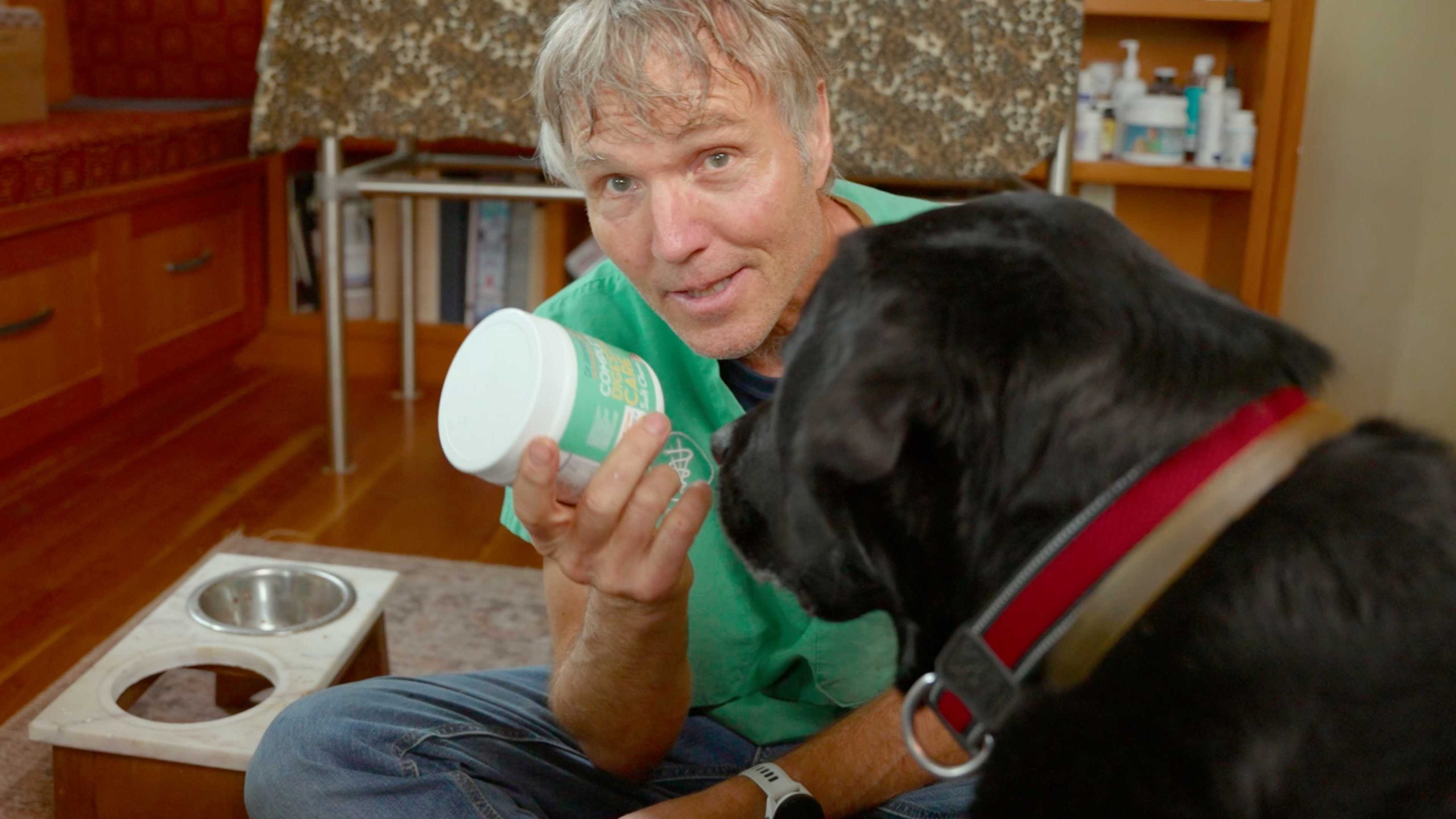
Their role is to help break down food during digestion.
If your dog or cat is dealing with ongoing digestive difficulties, supporting the digestive process may be useful.
This is why I like combining digestive enzymes with quality probiotics.
The two approaches address different aspects of digestive health.
-
Digestive enzymes help with breaking down food.
-
Probiotics help support beneficial gut microorganisms.
For me, that makes them a useful combination to consider.
6. Other Natural Supplements That May Support Gut Health
There are several additional supplements that may be helpful as part of a broader digestive support plan.
These include:
-
Saccharomyces boulardii
-
Omega-3 fatty acids
-
Bone broth
-
L-glutamine
-
Colostrum
-
Medicinal mushrooms
Each has been considered for different aspects of intestinal or immune support.
I wouldn’t necessarily use all of them at once.
Instead, I would focus on the pet’s symptoms, diet, and specific digestive concerns.
And remember:
No supplement can fully overcome a diet that continues to contribute to intestinal inflammation.
That’s why food remains the foundation.
Dr. Jones’ COMPLETE Digestive Care Soft Chews
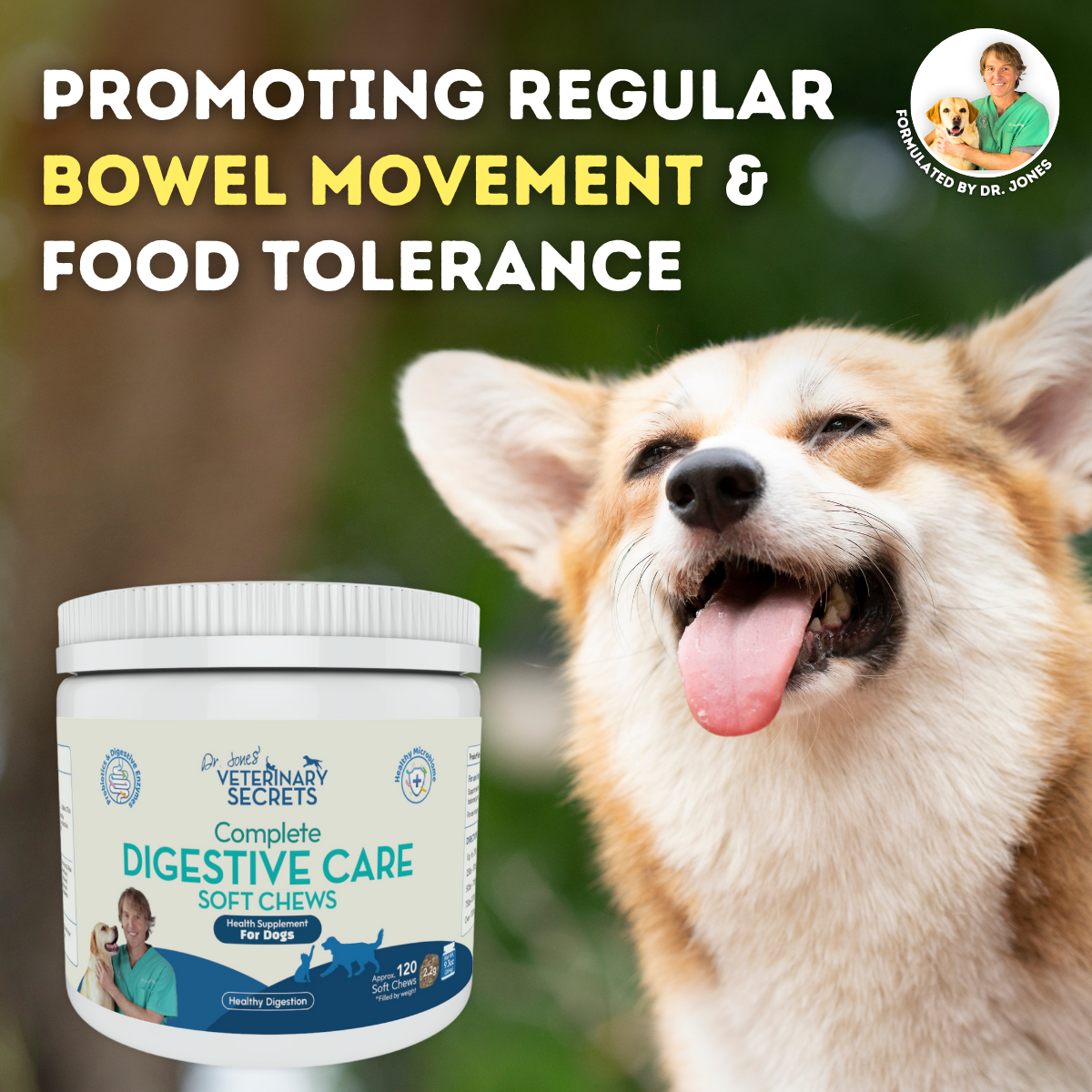
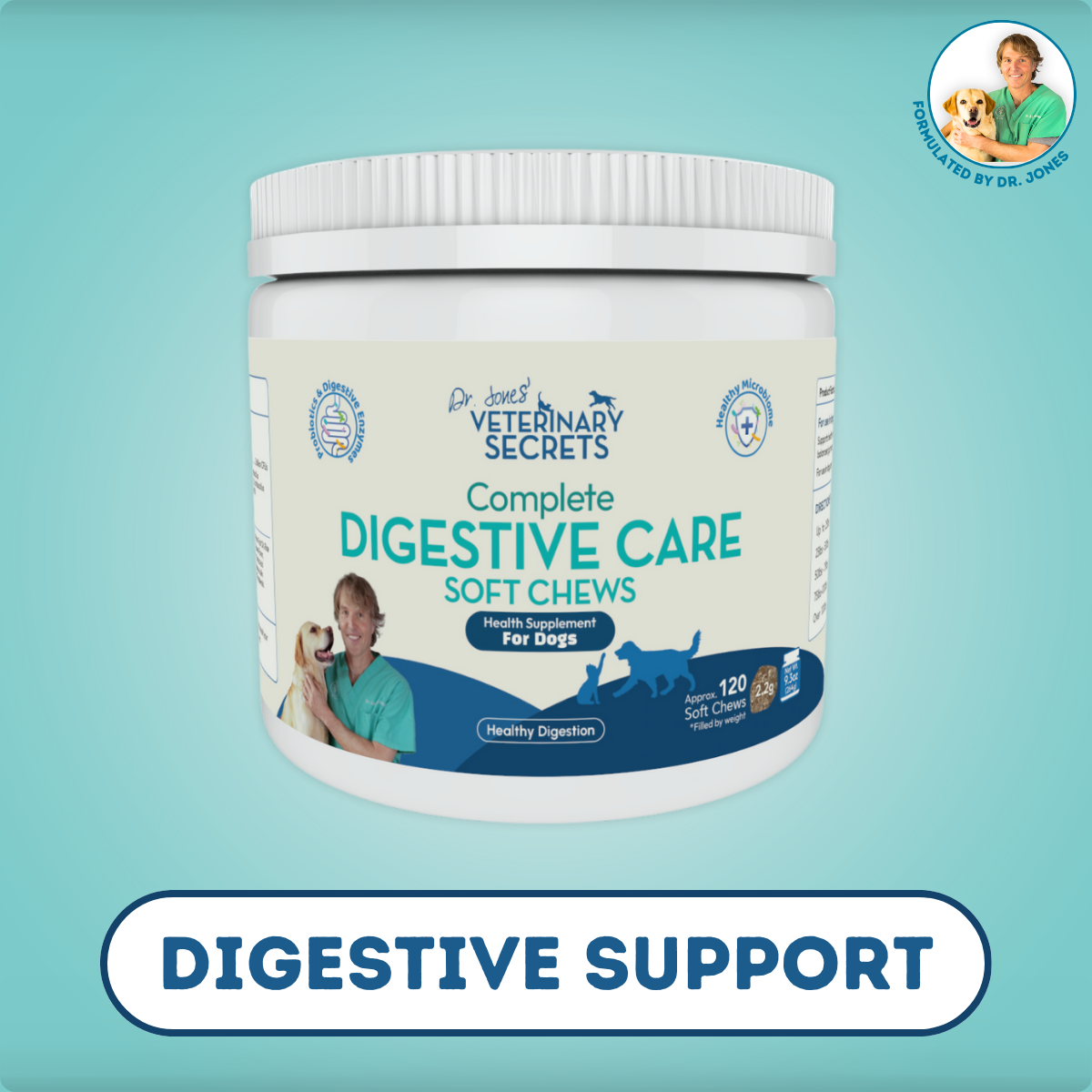
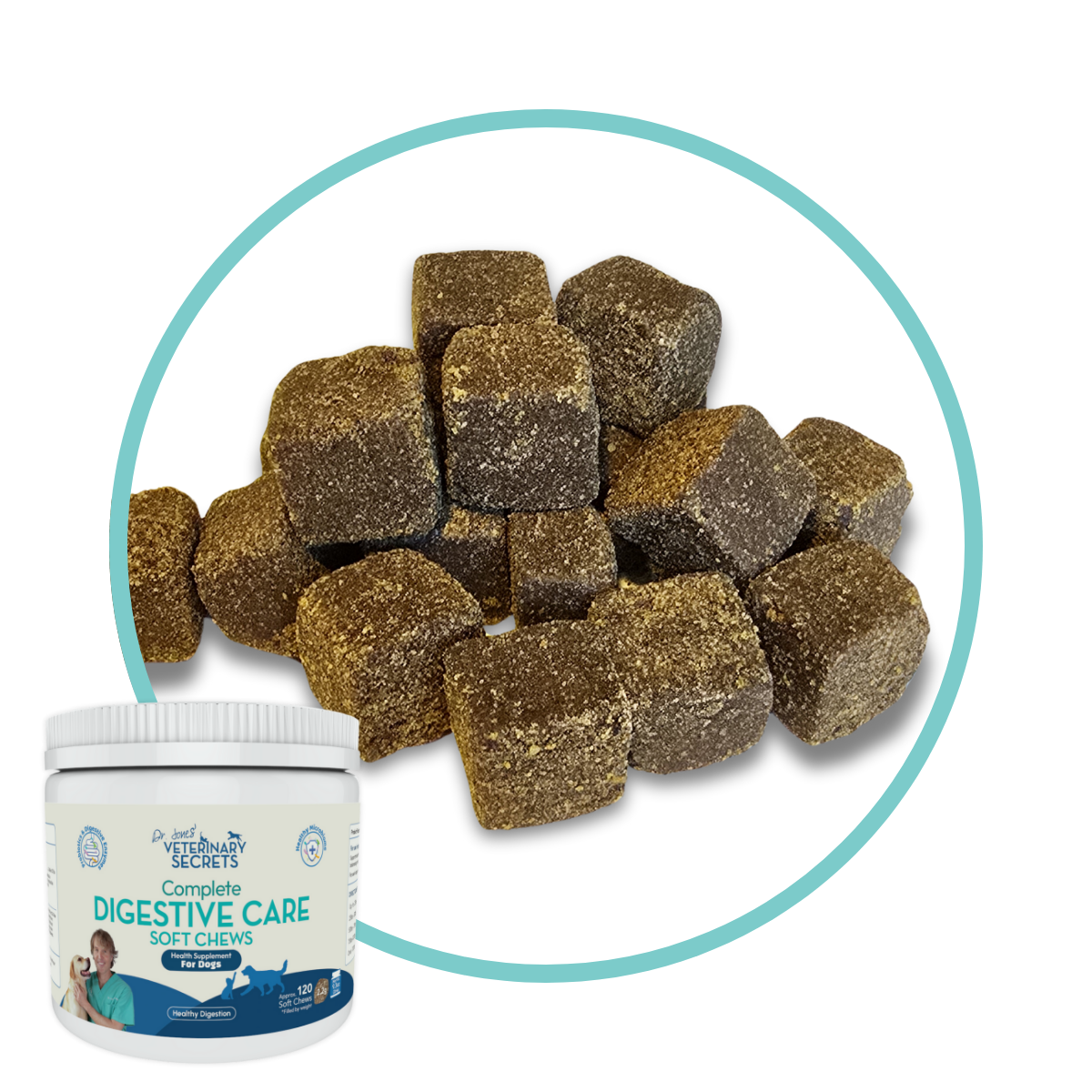
For pet parents looking for a convenient way to support digestion and the microbiome, I would consider Dr. Jones’ COMPLETE Digestive Care Soft Chews.
The formula combines digestive enzymes with high-quality, multi-strain probiotics.
It is designed to support:
-
Digestive health
-
Healthy bowel movements
-
Balanced gut flora
-
Immune system function
-
Reduced gas
-
Reduced bloating
-
Relief from occasional diarrhea
What Makes the Formula Different?
The features I like include:
-
Digestive enzymes formulated for pets
-
Animal-specific probiotic strains
-
Multiple beneficial probiotic strains
-
A stated probiotic content of 2 billion CFUs per capsule
-
No artificial additives or fillers
The combination of digestive enzymes and probiotics is what makes this particularly interesting for ongoing gut support.
It’s an easy place to begin when you want to improve digestive health without immediately combining a long list of individual supplements.
Final Thoughts: Could Your Pet’s Health Problems Start in the Gut?
If your dog or cat has chronic digestive problems, itchy skin, recurrent inflammation, or ongoing fatigue, I think intestinal health deserves serious attention.
Increased intestinal permeability is a real process, even though Leaky Gut Syndrome remains a debated veterinary diagnosis.
And the possibility that intestinal barrier dysfunction may contribute to wider inflammatory problems is worth investigating.
For me, the biggest takeaways are straightforward.
Start with the diet.
Consider replacing highly processed foods with fresh, minimally processed options appropriate for your pet.
If food sensitivities are suspected, consider an elimination diet lasting at least 8 to 10 weeks.
Support digestion.
Digestive enzymes may help with food breakdown, while quality probiotics can support a healthier gut microbiome.
Consider soothing intestinal support.
Slippery elm and psyllium husk are two remedies I find particularly interesting for chronic digestive irritation and diarrhea.
And if the problems continue, discuss additional testing and treatment options with your veterinarian.
The gut does much more than digest food.
It interacts with the immune system, influences inflammation, and plays an important role in your pet’s overall health.
That’s why I believe digestive health should be one of the first areas we examine when a dog or cat develops chronic, recurring health problems.
Sometimes the best place to begin helping the rest of the body is by looking after the gut.
Click To Get A Free Copy of My E-book!

P.S. I believe intestinal permeability deserves more attention in veterinary medicine. If your dog or cat struggles with chronic digestive disease or recurring inflammation, I would consider investigating their gut health rather than treating the symptoms alone.
P.P.S. One of the easiest ways to begin is with a good-quality digestive supplement containing both enzymes and probiotics. My Dr. Jones’ COMPLETE Digestive Care Soft Chews combine animal-specific digestive enzymes and multi-strain probiotics to support digestion, healthy bowel movements, gut flora, and immune function.
P.P.P.S. Remember, a supplement is only part of the solution. If your dog or cat is eating a diet that continually contributes to intestinal irritation, I would start by improving the food. A healthier gut begins with what goes into the bowl every day.


What Is the Best Natural Approach for Leaky Gut?
I wouldn’t rely on one supplement alone.
Instead, I would focus on improving the overall digestive environment.
| Approach | Main Purpose | When I Would Consider It |
|---|---|---|
| Fresh, minimally processed food | Reduce potential dietary irritation | Chronic digestive symptoms |
| Elimination diet | Identify possible food triggers | Suspected food sensitivities |
| Slippery elm | Soothe the intestinal lining | Diarrhea and intestinal irritation |
| Psyllium husk | Support stool quality and bowel function | Chronic diarrhea |
| Animal-specific probiotics | Support beneficial gut bacteria | Microbiome imbalance or ongoing digestive problems |
| Digestive enzymes | Support food breakdown | General digestive support |
| Microbiome testing | Investigate bacterial imbalances | Persistent digestive issues |
| Additional supplements | Support gut and inflammatory health | Individualized supportive care |
The best approach depends on your pet.
A dog with chronic diarrhea may benefit from a different combination of treatments than a cat with food sensitivities and repeated vomiting.