Safe Weight Loss for Dogs and Cats: What Really Works

Pet Obesity, Weight Loss, and How to Help Your Dog or Cat Live Longer
A major study showed something that really stuck with me. Dogs kept at a lean, healthy weight lived up to 15 percent longer. That is more than two extra years with your best friend.
That alone should get every pet parent’s attention.
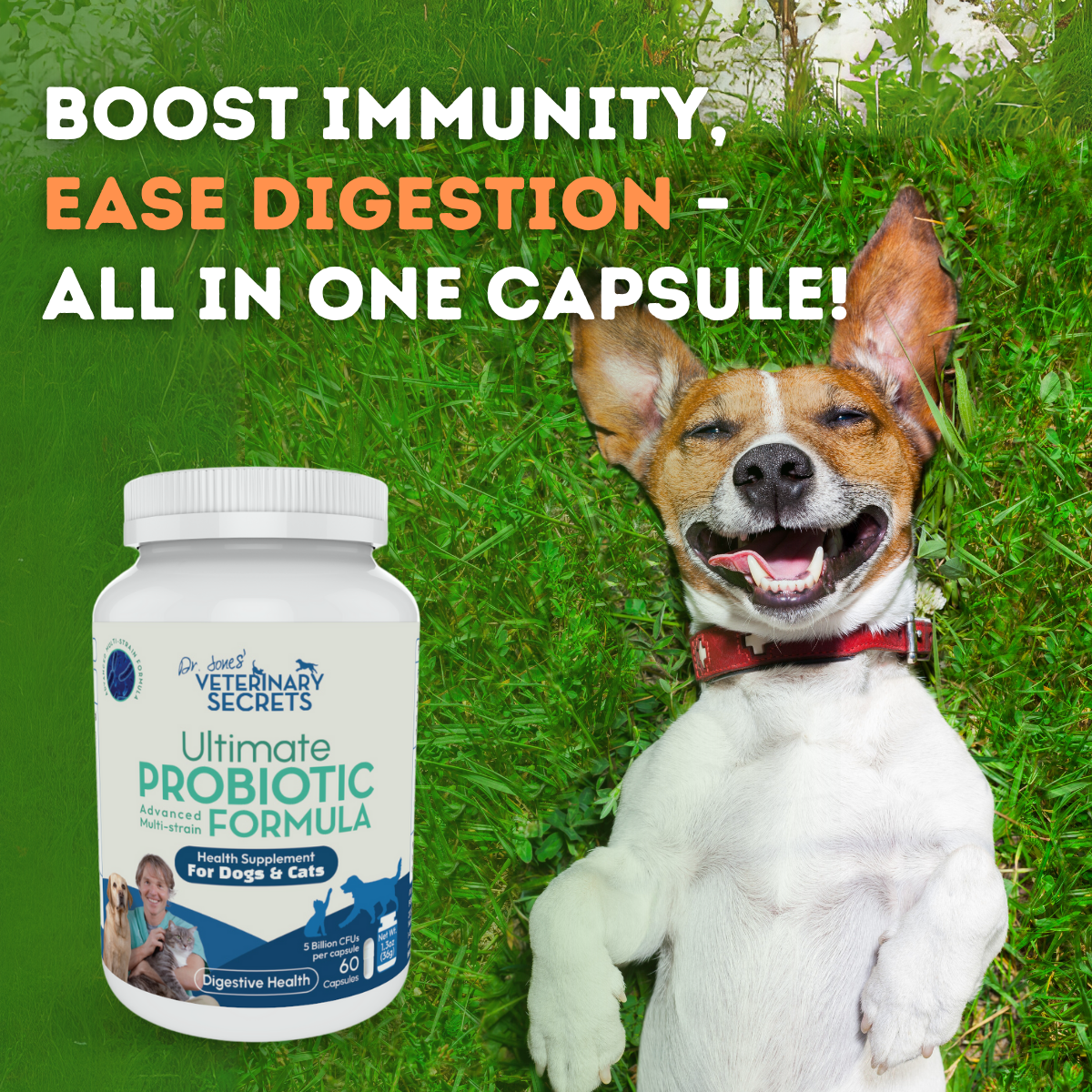
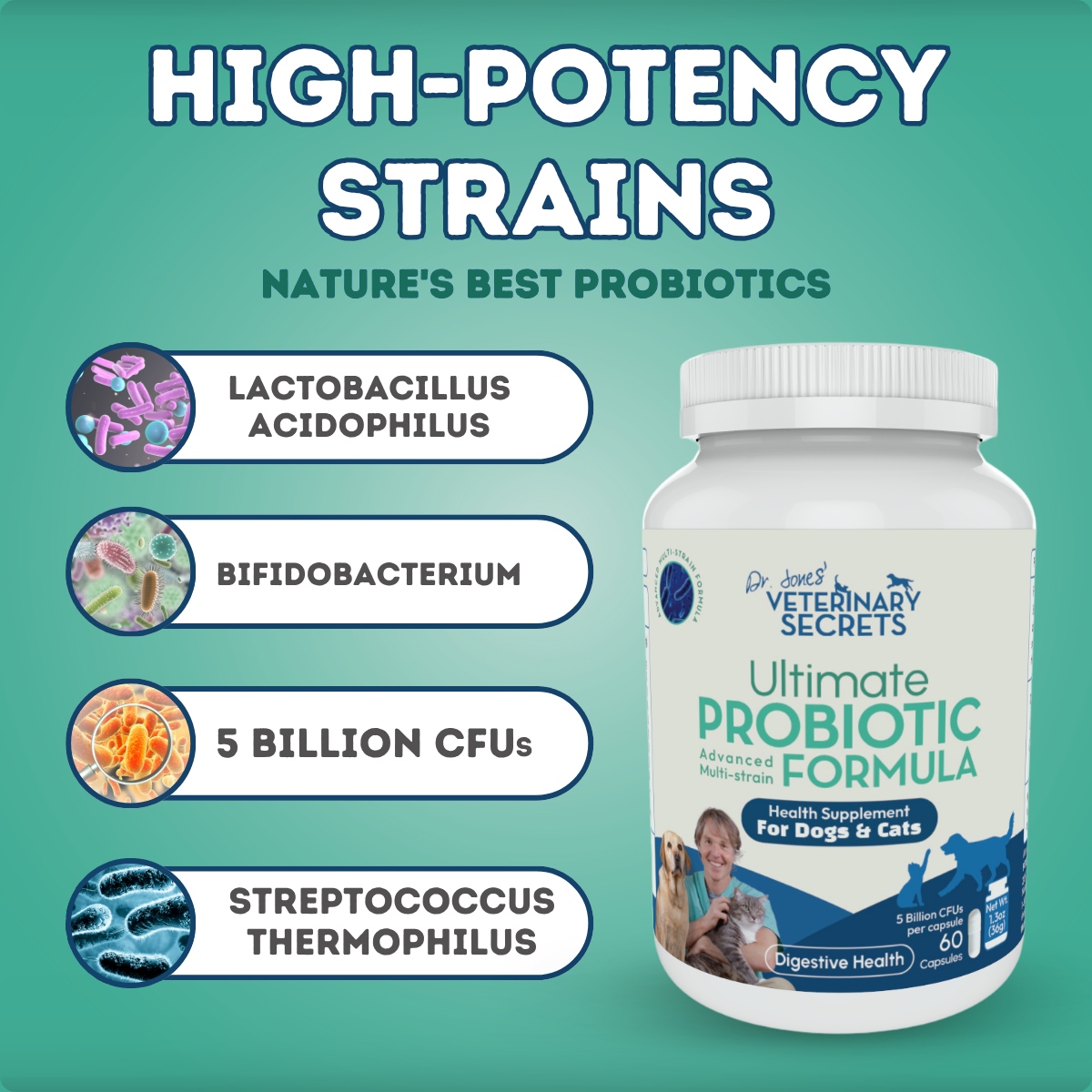
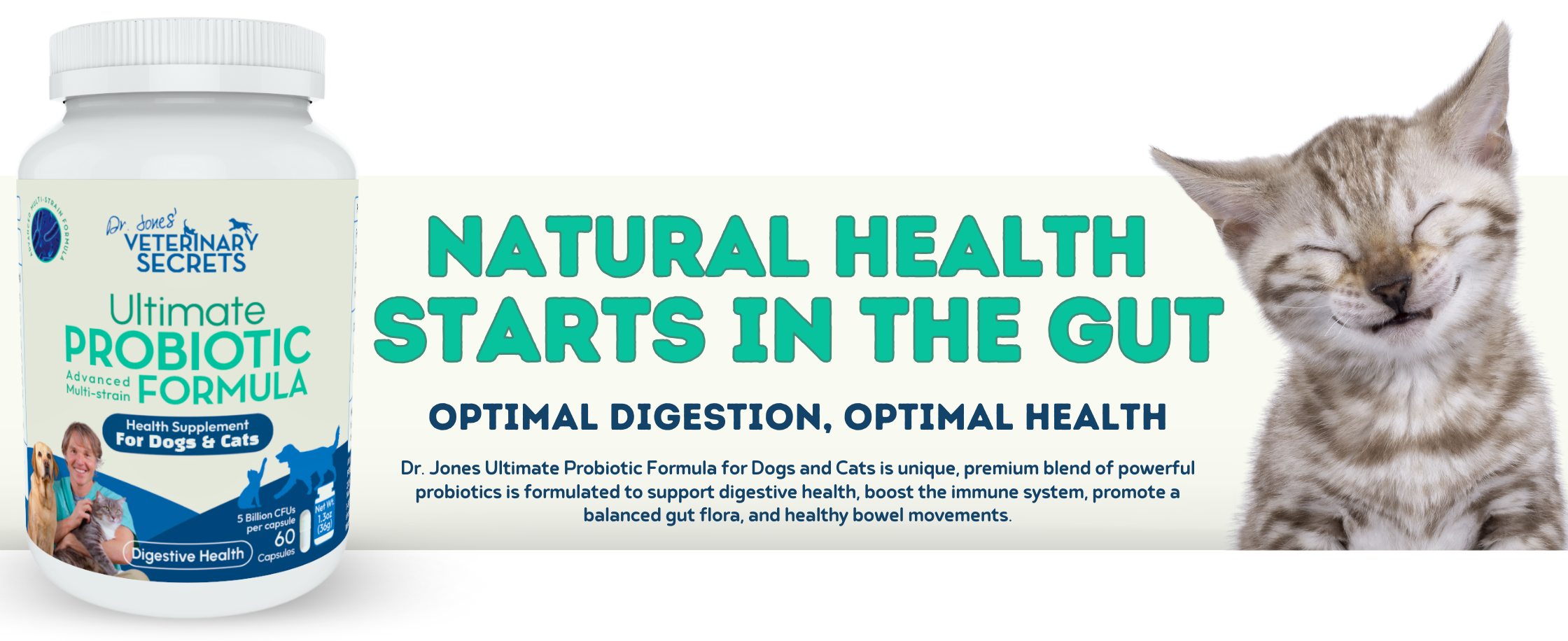
One natural way to support healthy weight? Probiotics. Certain strains may help support metabolism, energy balance, and weight control in both dogs and cats.
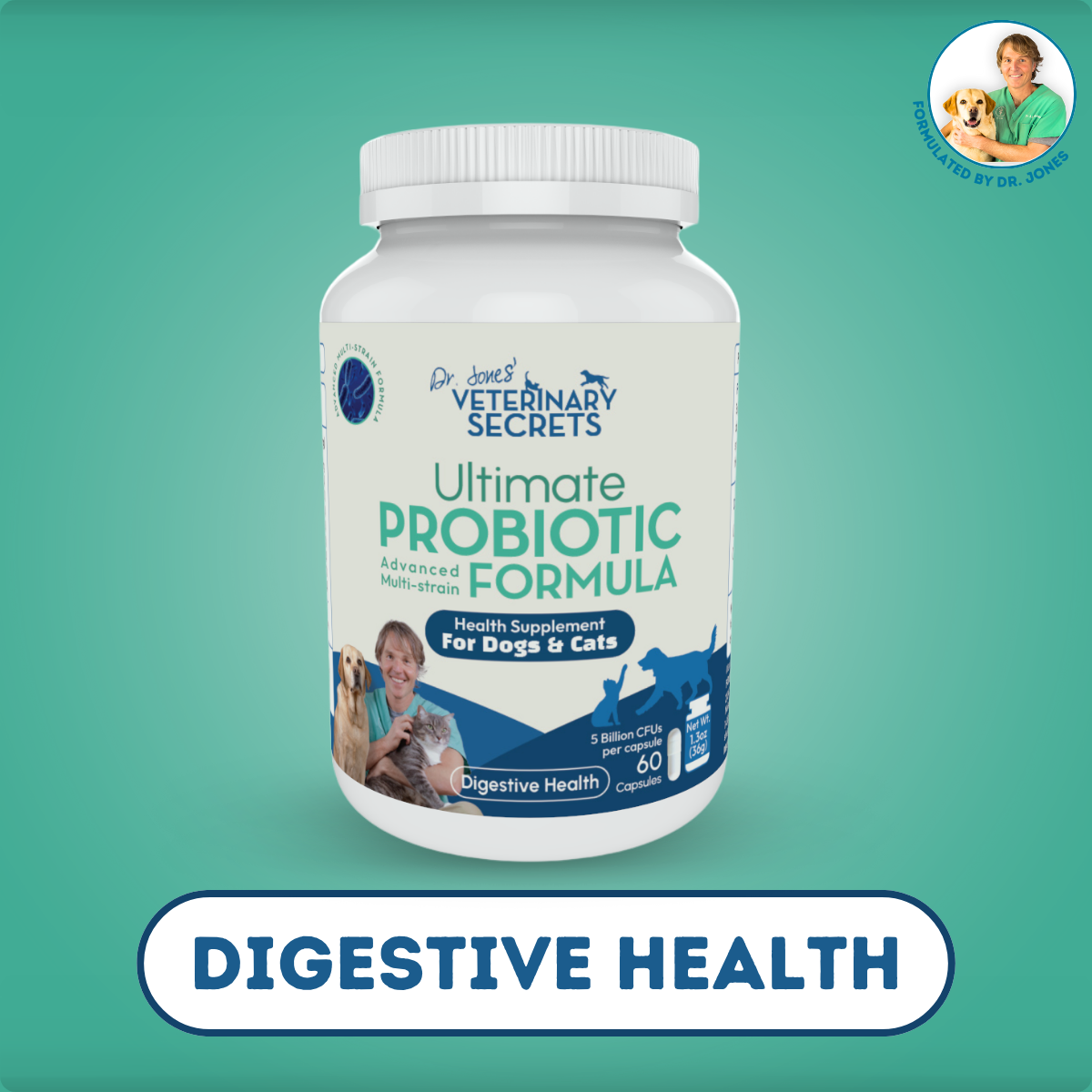
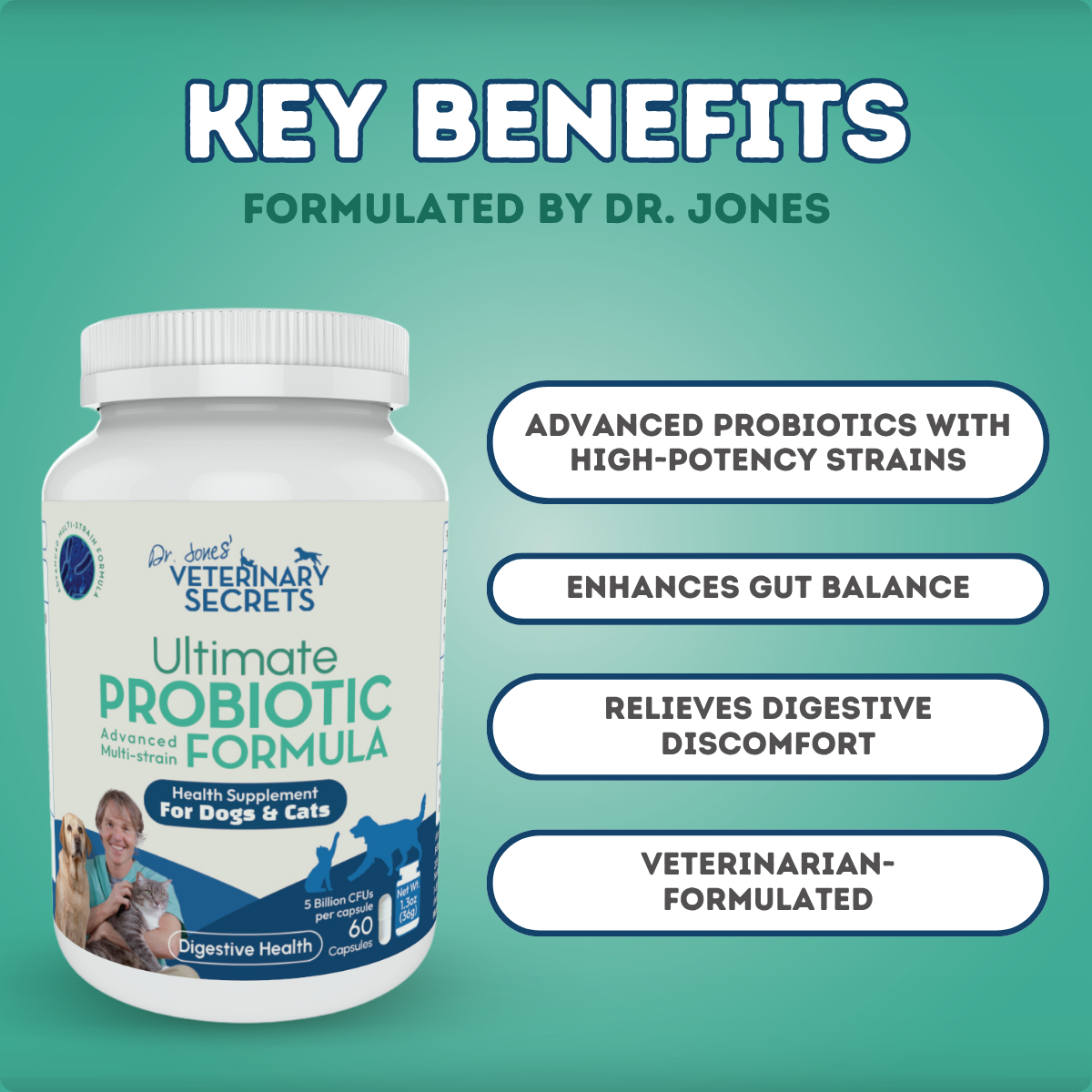
I currently use a high CFU, multi strain probiotic that has been getting excellent feedback.
Dr. Jones’ Ultimate Probiotic Formula for Dogs and Cats
Pet Obesity Is a Serious Health Problem
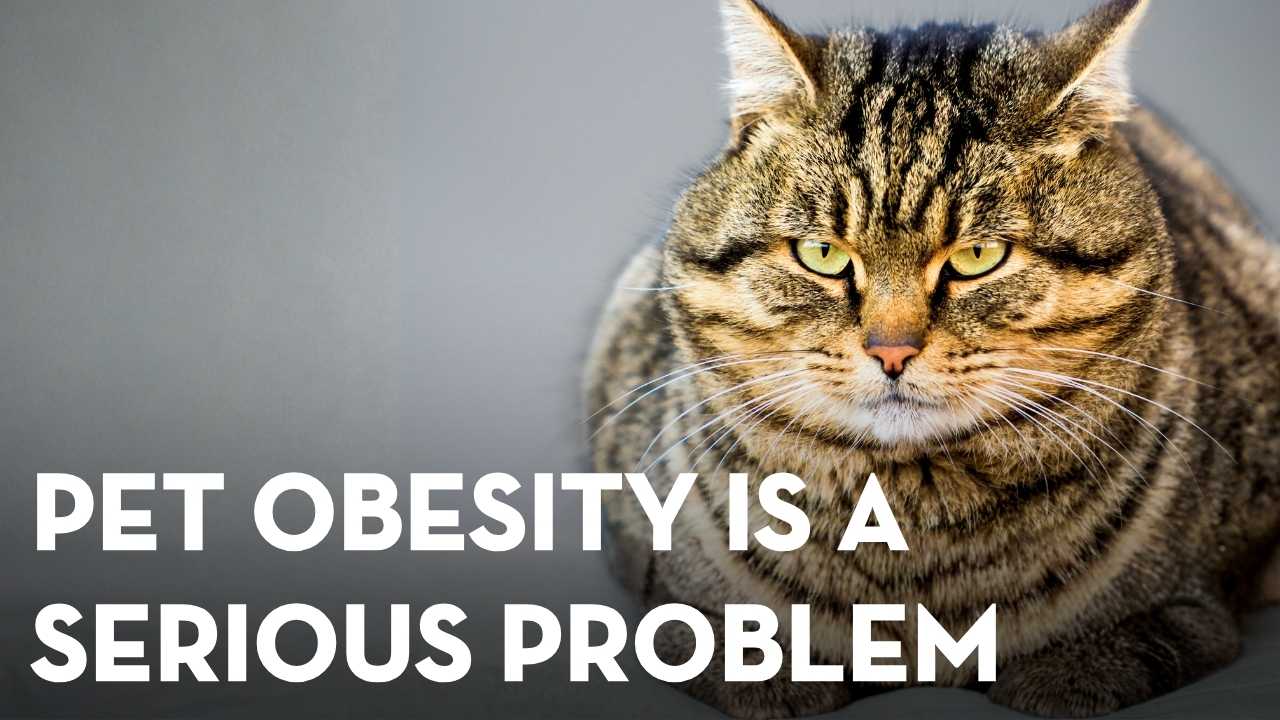
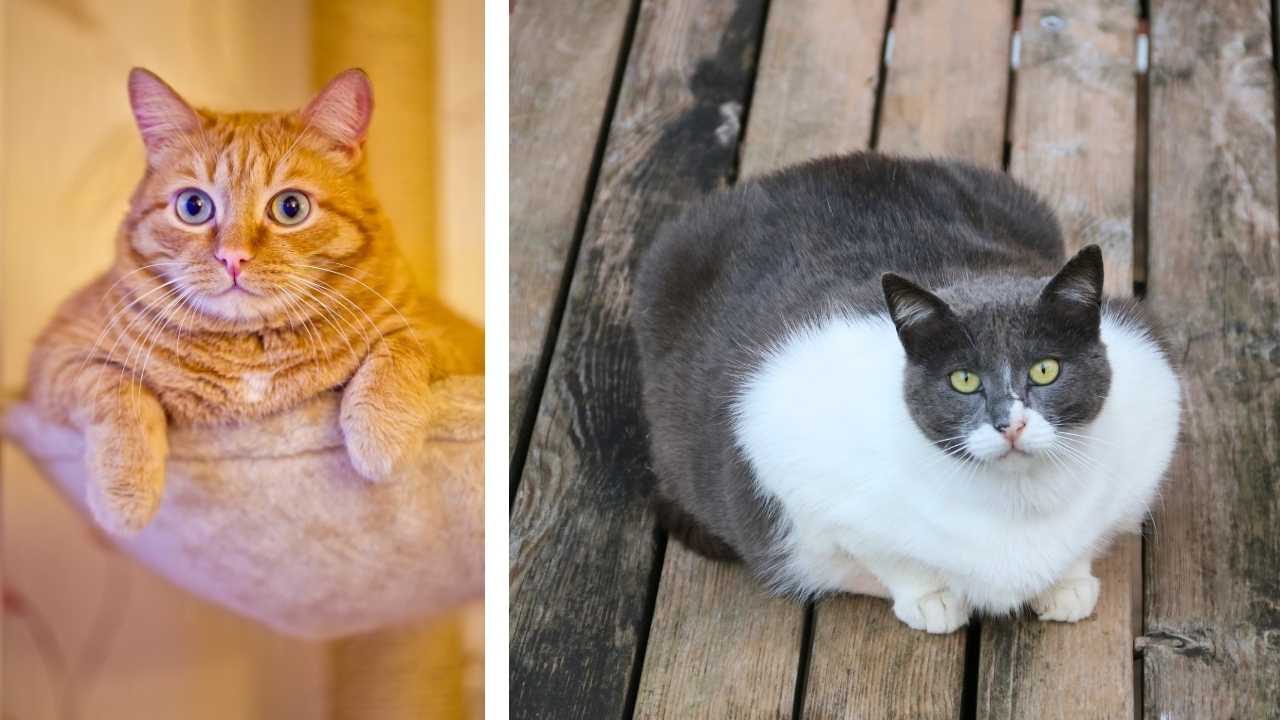
Pet obesity is now a full-blown crisis.
More than 50 percent of dogs and cats are overweight or obese. That equals roughly 88 million pets carrying excess weight.
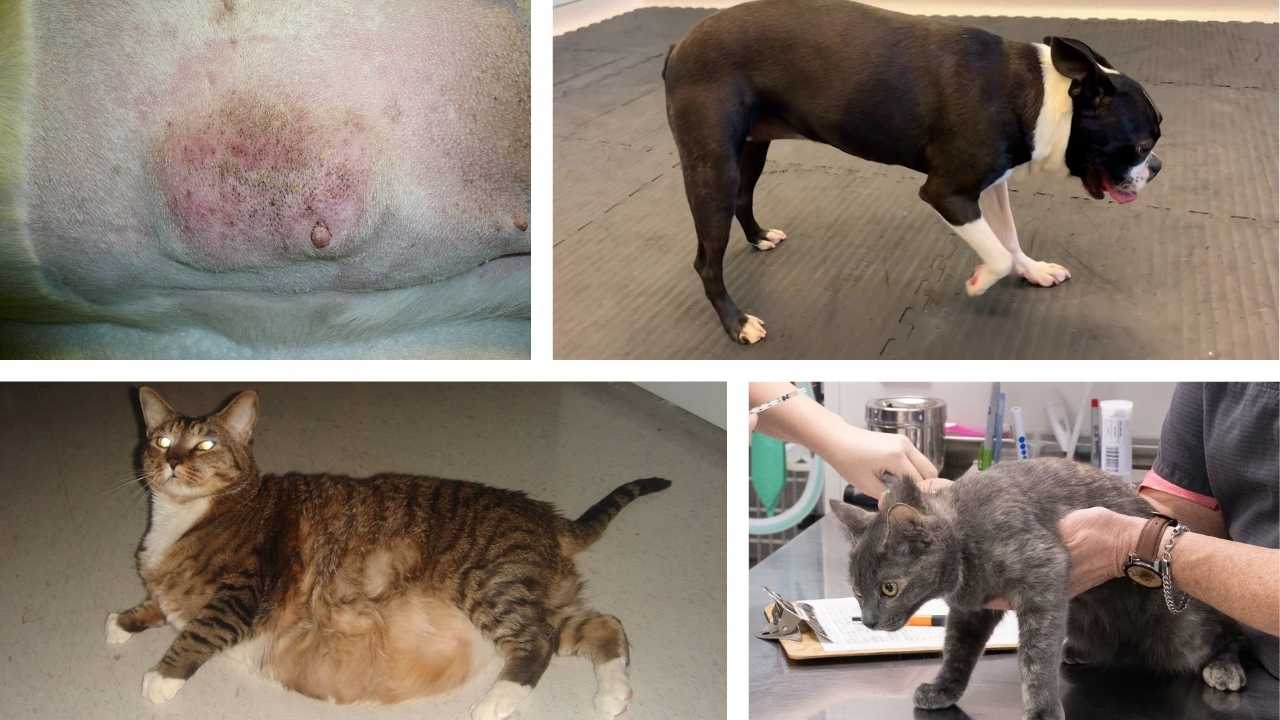
This is not about appearance. Extra weight shortens lifespan and raises the risk of serious disease, including:
-
Cancer, especially abdominal cancers
-
Diabetes
-
Liver disease
-
Arthritis and joint pain
-
Heart disease
-
Skin disorders
-
FLUTD in cats
-
Suppressed immune function
-
High blood pressure
What Safe Weight Loss Looks Like
Healthy weight loss is slow and steady.
A safe target is 1 to 2 percent of body weight per week. In real life, that means about 15 percent weight loss over 3 to 4 months.
Faster is not better.
Rapid weight loss increases the risk of:
-
Rapid rebound weight gain
-
Liver disease
-
Hepatic lipidosis in cats
Step 1: Cut the Carbs
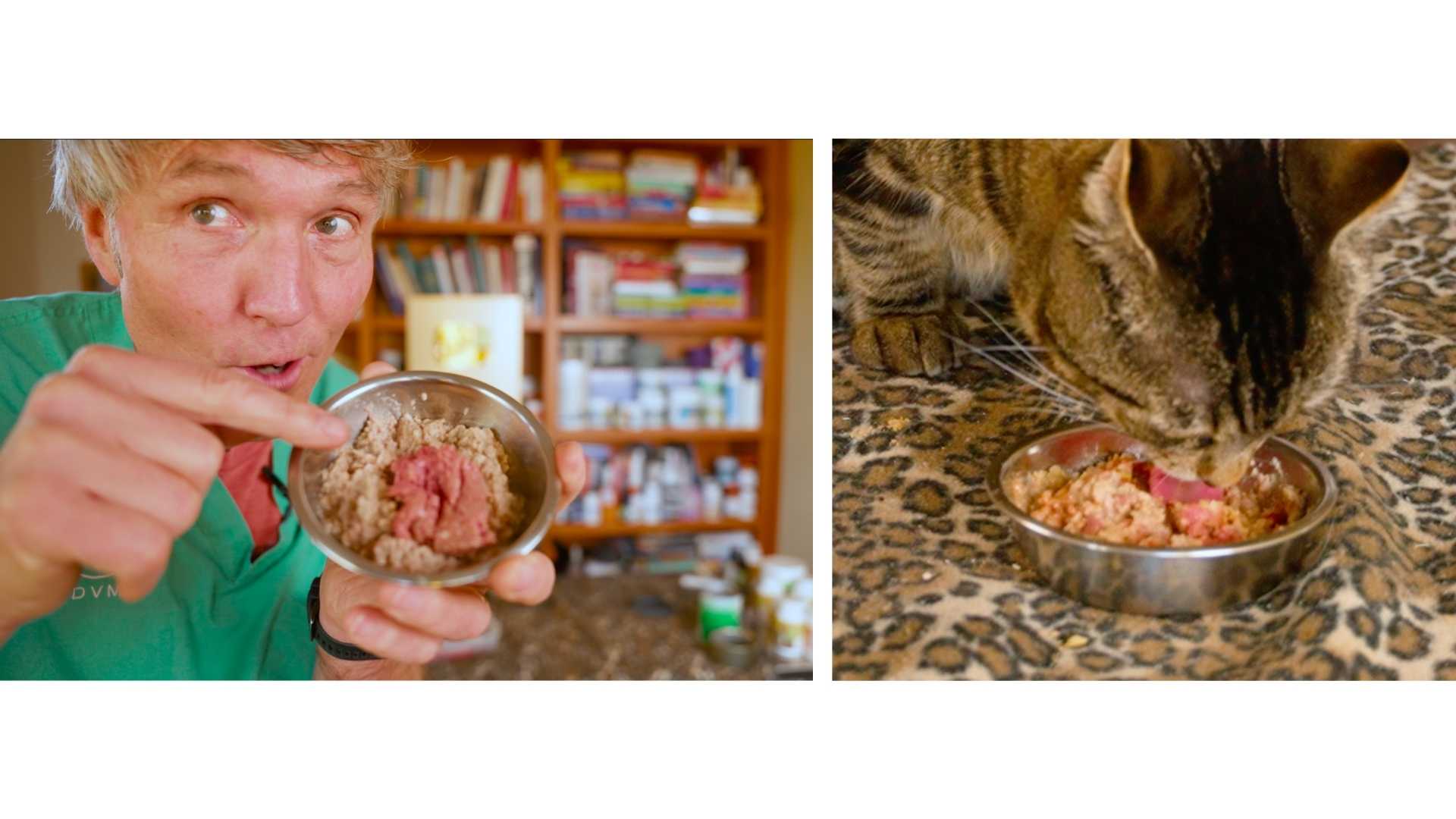
The best results come from high protein, low carbohydrate diets.
Better options include:
-
Raw food
-
Homemade meals
-
Quality canned food
Kibble should be reduced as much as possible since it is typically high in carbohydrates.
Step 2: Move More and Measure Everything
No high-carb treats.
Daily movement matters. Aim for at least 30 minutes of exercise twice a day when possible.
Portion control is critical. Measuring food accurately makes a big difference.
Step 3: Supplements That May Support Weight Loss
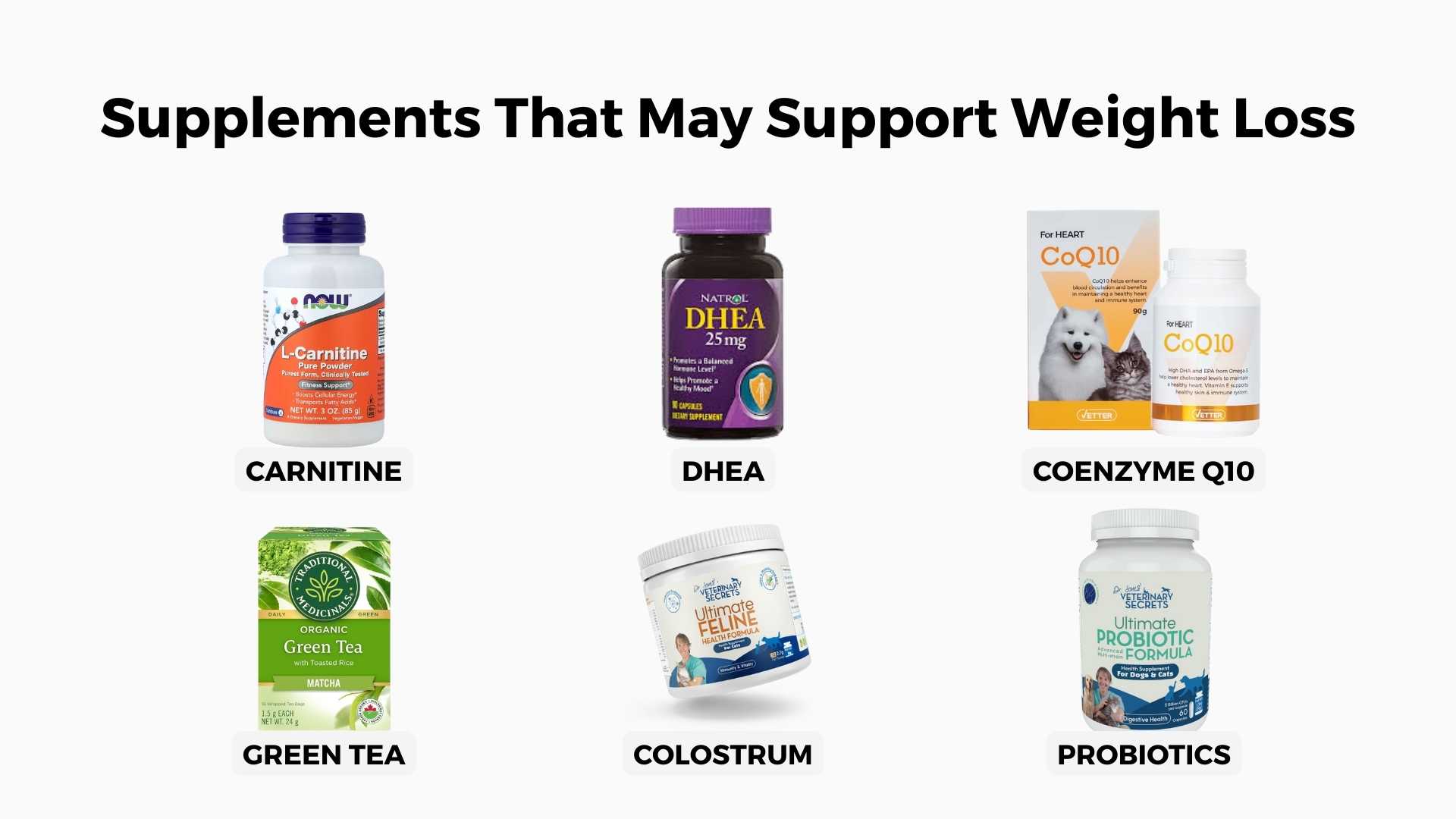
Certain supplements can help support metabolism and fat loss when diet and exercise are already in place.
-
Carnitine
Supports fat metabolism in cats.
250 mg daily -
DHEA
Shown to improve weight loss and lower cholesterol in dogs -
Coenzyme Q10
Supports energy production and heart health
10 to 20 mg per 10 lbs daily -
Green Tea
Helps support metabolism
1/4 cup per 20 lbs daily -
Colostrum
Supports muscle mass which boosts metabolism
100 mg per 10 lbs daily -
Probiotics
Certain strains such as Lactobacillus gasseri SBT2055 have been linked to improved weight regulation
About 1 billion CFUs daily
These are supports, not shortcuts. Diet still comes first.
Small Changes Add Up
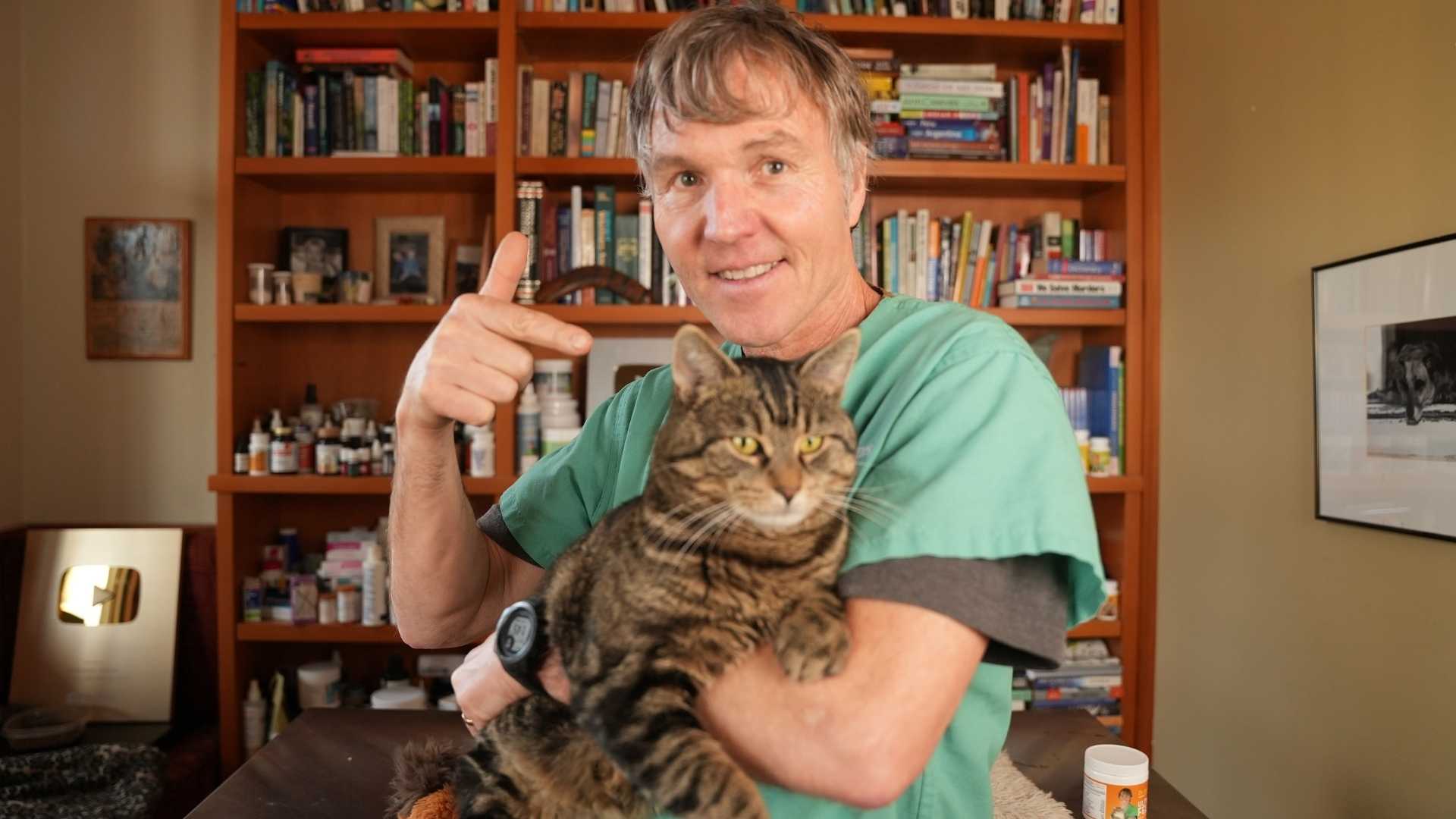
By making steady, realistic changes, you can help your dog or cat live longer, move better, and feel better every day.
Click To Get A Free Copy of My E-Book!

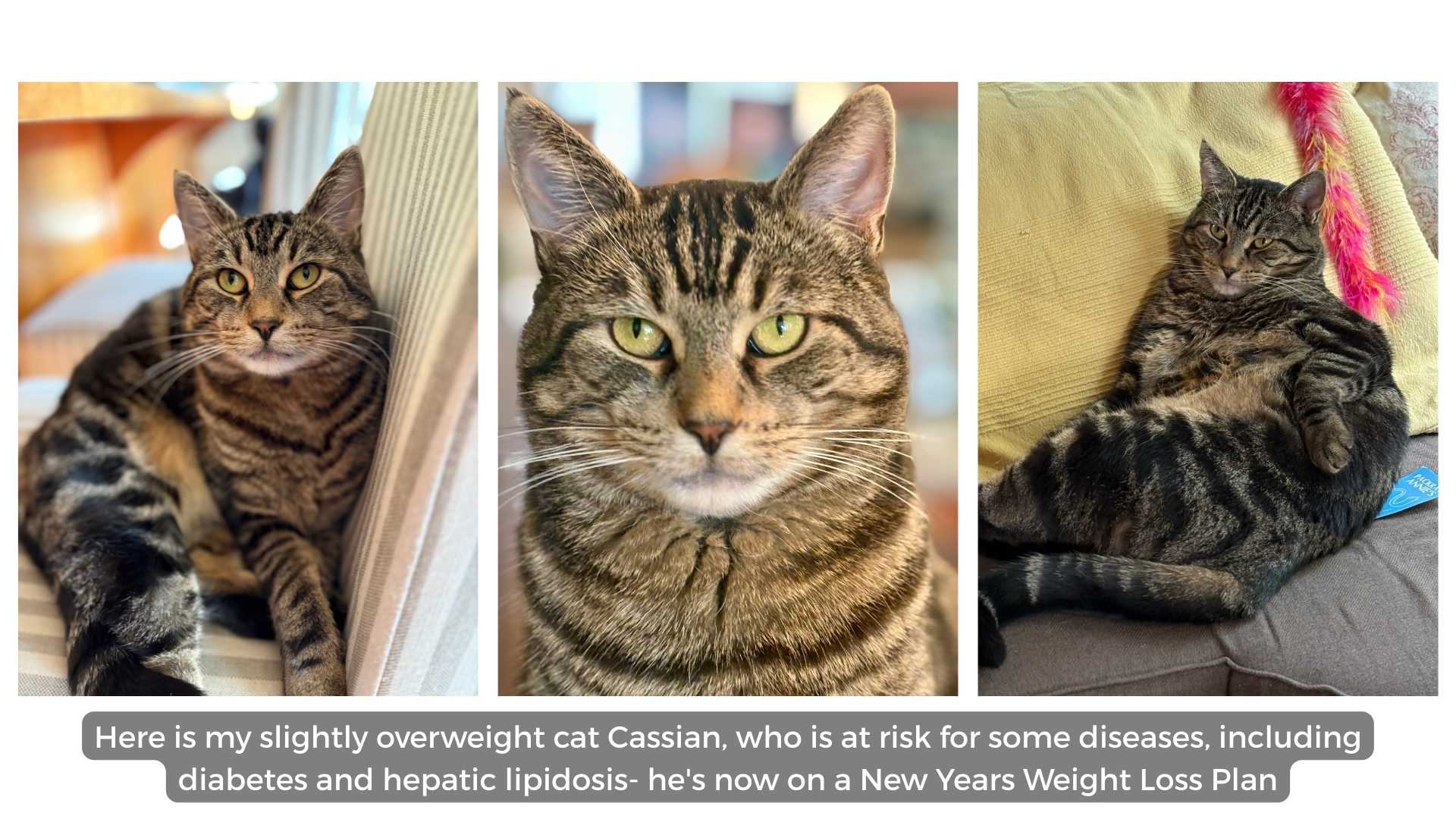
P.S. This is easy to talk about and much harder to do, especially with food driven pets. My own cat Cassian loves food, so cutting portions is a challenge.
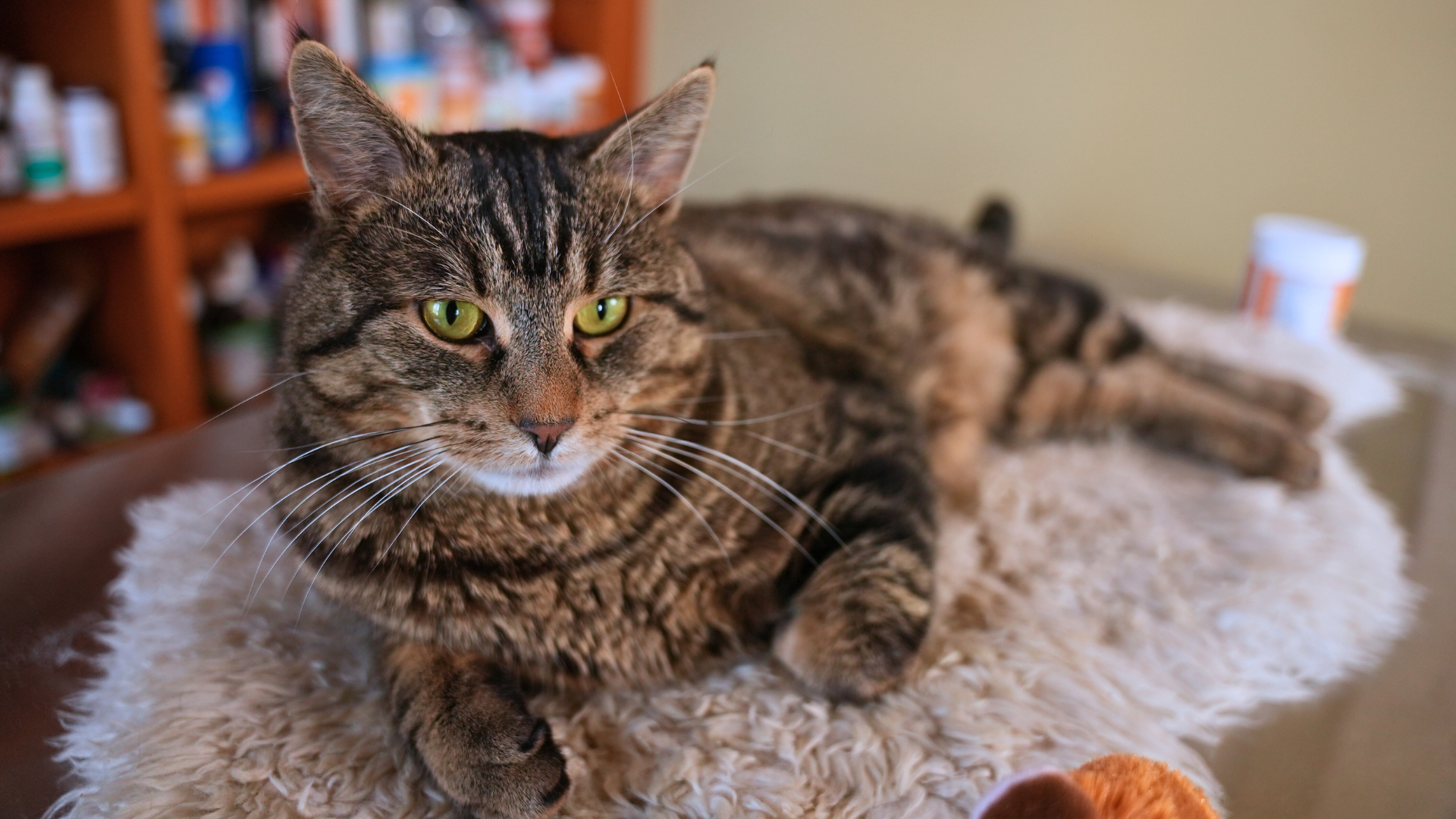
I now use measured meals only and stick to high protein treats.
P.P.S. I am adding our probiotic to Cassian’s routine to see if it helps support metabolism. It includes well studied strains linked to healthy body weight.