Tularemia: What Pet Owners Should Know About “Rabbit Fever”

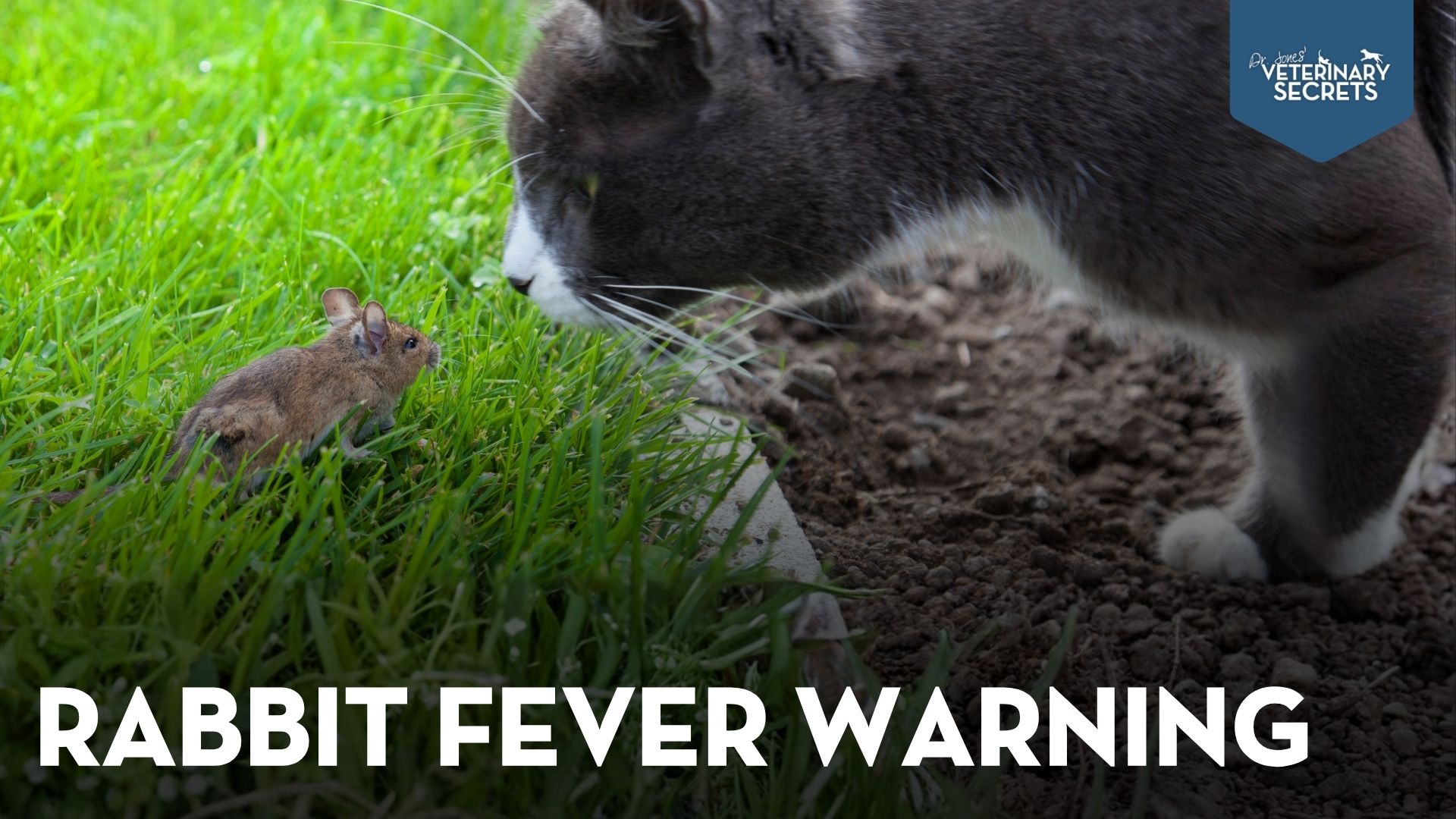
Can Dogs and Cats Get Tularemia?
Yes, dogs and cats can get tularemia, but it is uncommon.
Tularemia, also called rabbit fever, is a bacterial disease caused by Francisella tularensis. It can affect people and many animals, including wildlife, cats, and less commonly dogs.
Cats are the bigger concern because they can become infected after hunting or eating infected rabbits or rodents.
Dogs appear to be relatively resistant, and clinical disease in dogs is uncommon.
So should you panic?
No.
Should you be aware of it, especially if you live in an area with ticks, deer flies, rabbits, hares, or rodents?
Yes.
Especially now that New York health officials confirmed a 4th case of tularemia on Long Island this week.
Dr. Jones’ Diatomaceous Earth Powder for Pets




What Is Tularemia?
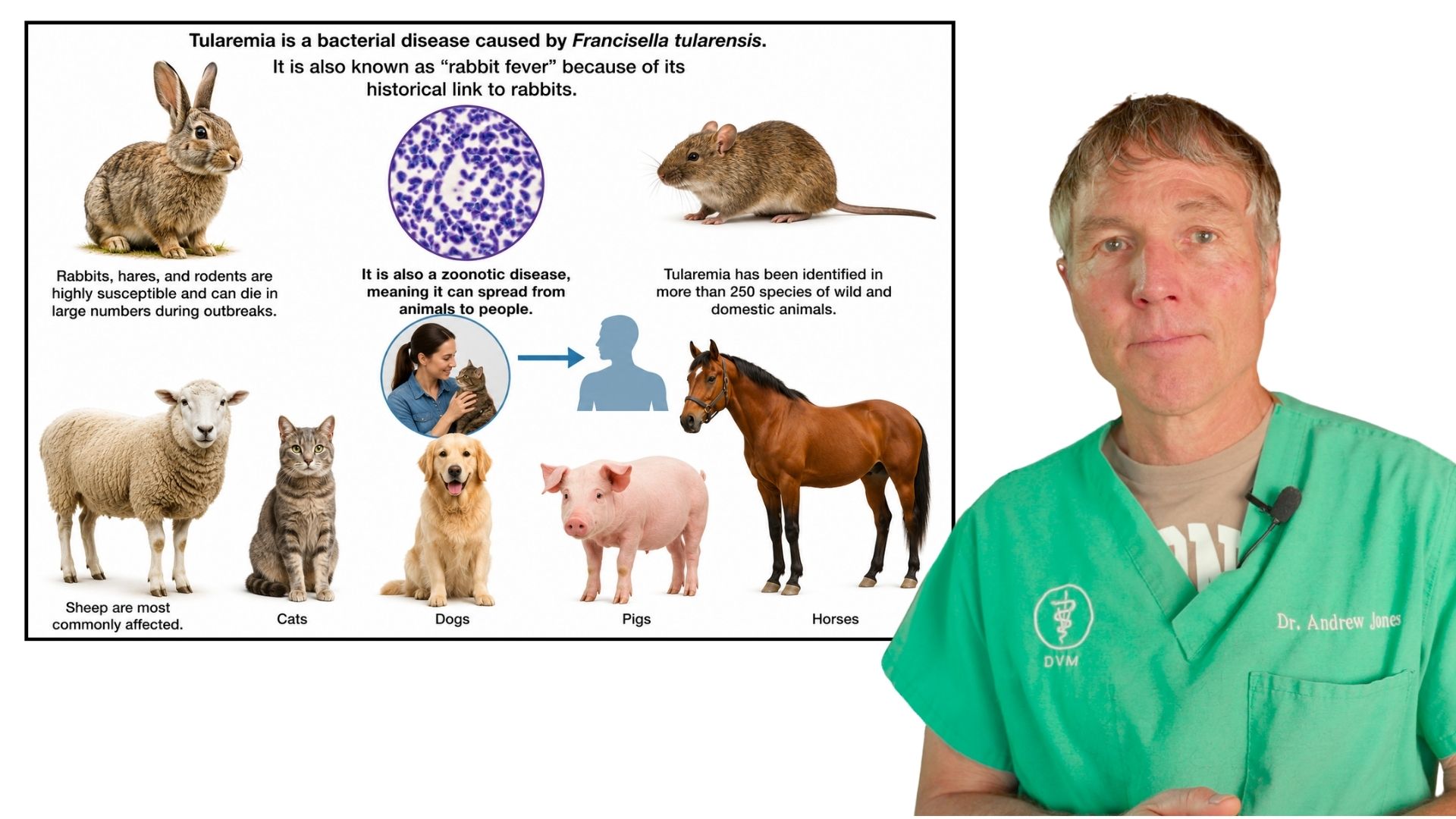
Tularemia is a bacterial disease caused by Francisella tularensis.
It is also known as “rabbit fever” because of its historical link to rabbits.
Rabbits, hares, and rodents are highly susceptible and can die in large numbers during outbreaks.
Tularemia has been identified in more than 250 species of wild and domestic animals.
In domestic animals, sheep are most commonly affected, but infection has also been reported in:
- Cats
- Dogs
- Pigs
- Horses
It is also a zoonotic disease, meaning it can spread from animals to people.
Why Is Tularemia in the News?
New York health officials confirmed a 4th case of tularemia, commonly called rabbit fever, on Long Island this week.
This is a lesser-known infectious disease that can be transmitted through ticks and deer flies.
Fortunately, tularemia is still very uncommon.
There are many more common tick and insect-borne diseases that pet parents are more likely to encounter.
But with tick season, wildlife exposure, and cats who hunt, tularemia is worth knowing about.
How Infectious Is Tularemia?
Tularemia is highly infectious.
A very small amount of bacteria can cause illness.
The bacteria can also survive for weeks or even months in cool, moist environments.
That is part of what makes it concerning.
It does not take much exposure.
And in the right environment, the bacteria can stick around.
Is Tularemia Contagious?
Tularemia is not contagious in the usual sense.
There is no evidence that it spreads directly from person to person.
But it is highly infectious.
That means even a small amount of bacteria can make someone sick.
So while you do not need to worry about catching it from casual person-to-person contact, you do need to be careful around infected wildlife, ticks, deer flies, contaminated water, and potentially infected pets.
How Do Pets and People Get Tularemia?
Tularemia can be transmitted in several ways.
Common routes include:
- Bites from infected ticks
- Bites from infected deer flies
- Contact with an infected wild animal
- Eating infected prey
- Drinking contaminated water
- Inhaling contaminated particles
In the United States, many human cases are associated with infected ticks, including:
- Dog ticks
- Wood ticks
- Lone star ticks
Hunters can also become exposed while handling or cleaning an infected rabbit.
That is where the name rabbit fever comes from.
Not exactly the cute bunny story we were hoping for.
Which Pets Are Most at Risk?
Cats are the bigger concern.

Cats can become infected after hunting or eating infected rabbits or rodents.
Some cats may show only a few signs, while others can become severely ill very quickly.
Dogs can get tularemia, but they appear to be relatively resistant, and clinical disease is uncommon.
Higher-Risk Pets
Tularemia risk may be higher in pets that:
- Hunt rabbits or rodents
- Eat wildlife
- Roam outdoors
- Have heavy tick exposure
- Drink from questionable outdoor water sources
- Live in areas with rabbits, hares, rodents, ticks, or deer flies
- Come into contact with sick or dead wild animals
Are Cats More at Risk Than Dogs?
Yes, based on the pasted content, cats are of particular concern.
Cats hunt.
Cats eat prey.
Cats may catch or eat infected rabbits or rodents.
That increases their risk.
Dogs are relatively resistant, and clinical disease in dogs is uncommon.
That does not mean dogs cannot get it.
It means cats are the pet I would be watching more closely, especially outdoor cats that hunt.
What Are the Signs of Tularemia in Cats and Dogs?
Symptoms can vary depending on how the animal was exposed and how severe the infection is.
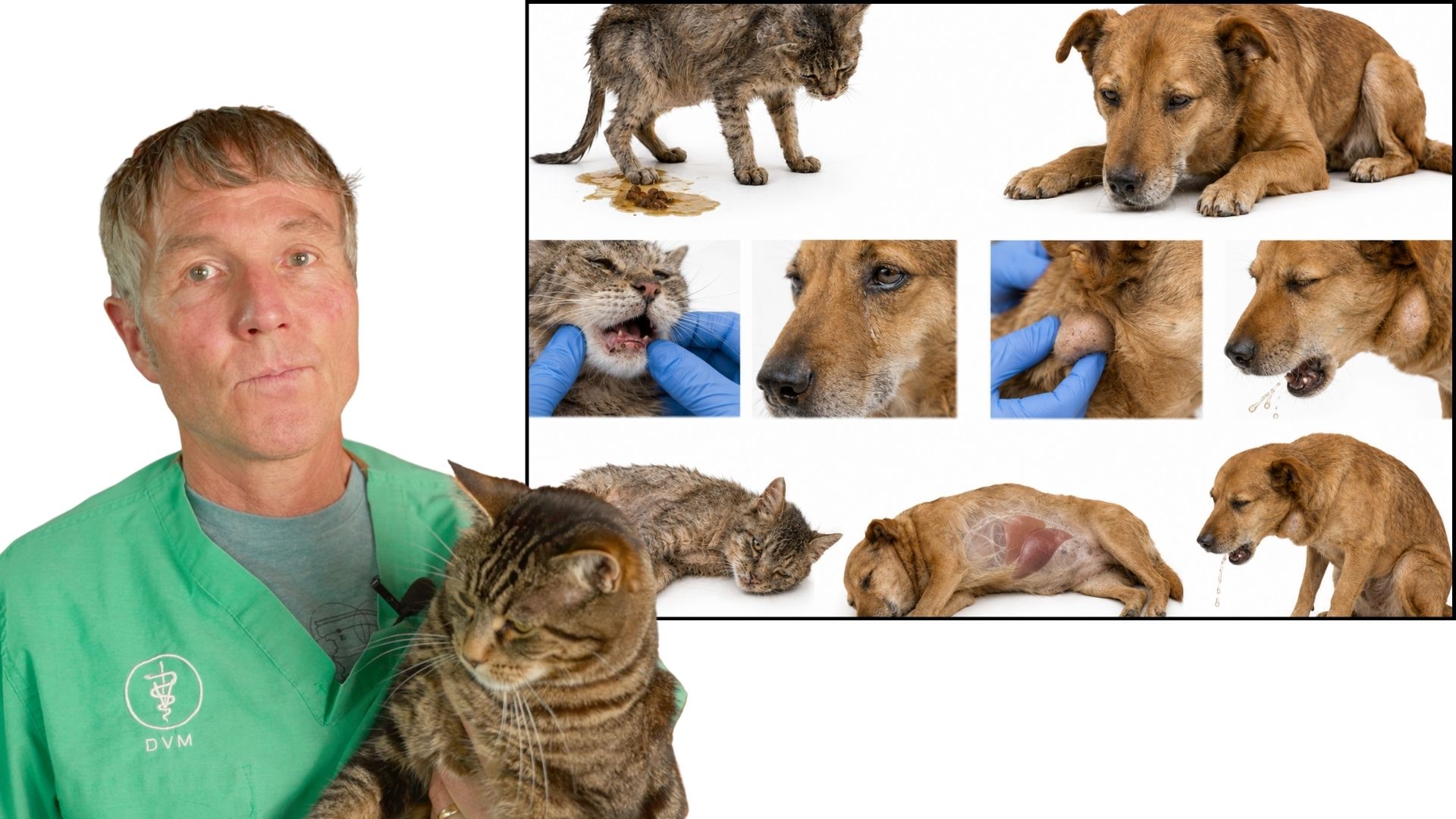
Possible signs include:
- Fever
- Lethargy or weakness
- Enlarged lymph nodes
- Loss of appetite
- Vomiting
- Diarrhea
- Coughing
- Nasal discharge
- Sores or ulcers in the mouth
More serious infections can cause:
- Pneumonia
- Enlarged liver
- Enlarged spleen
Cats can become particularly sick.
Some may have few obvious symptoms, while others can develop severe illness very quickly.
When Should You Suspect Tularemia?
Think about tularemia if your pet becomes suddenly ill after:
- Tick exposure
- Deer fly exposure
- Catching a rabbit
- Eating a rabbit
- Catching rodents
- Eating rodents
- Contact with a sick or dead wild animal
- Drinking contaminated water
If your cat or dog suddenly becomes ill after any of those exposures, contact your veterinarian.
This is especially true for cats.
Because once again, cats are far more likely to turn “I found something outside” into a medical situation.
How Is Tularemia Diagnosed?
Veterinarians can test for tularemia using specialized testing.
Tests mentioned include:
- Specialized blood tests
- PCR testing
- Bacterial culture
Tell your veterinarian if your pet recently:
- Caught wildlife
- Ate wildlife
- Had significant tick exposure
- Was around rabbits, rodents, or dead animals
This matters because tularemia can infect people too.
Veterinary staff may need to take extra precautions when handling a suspected case.
How Is Tularemia Treated?
Antibiotics can be effective, especially when treatment starts early.

Antibiotics mentioned include:
- Doxycycline
- Zithromax
- Baytril
Early treatment matters.
If your pet is suddenly ill after wildlife or tick exposure, do not wait and hope it disappears.
This is one of those cases where “let’s watch it for a week” is not my favorite plan.
Is There a Tularemia Vaccine for Pets?
No vaccine is generally available for people or pets in the United States.
That means prevention matters.
The goal is to reduce exposure to ticks, biting insects, infected wildlife, and contaminated environments.
Why Tick Season Matters
Tularemia cases are most common during warmer months, typically May through September, when ticks and other biting insects are most active.
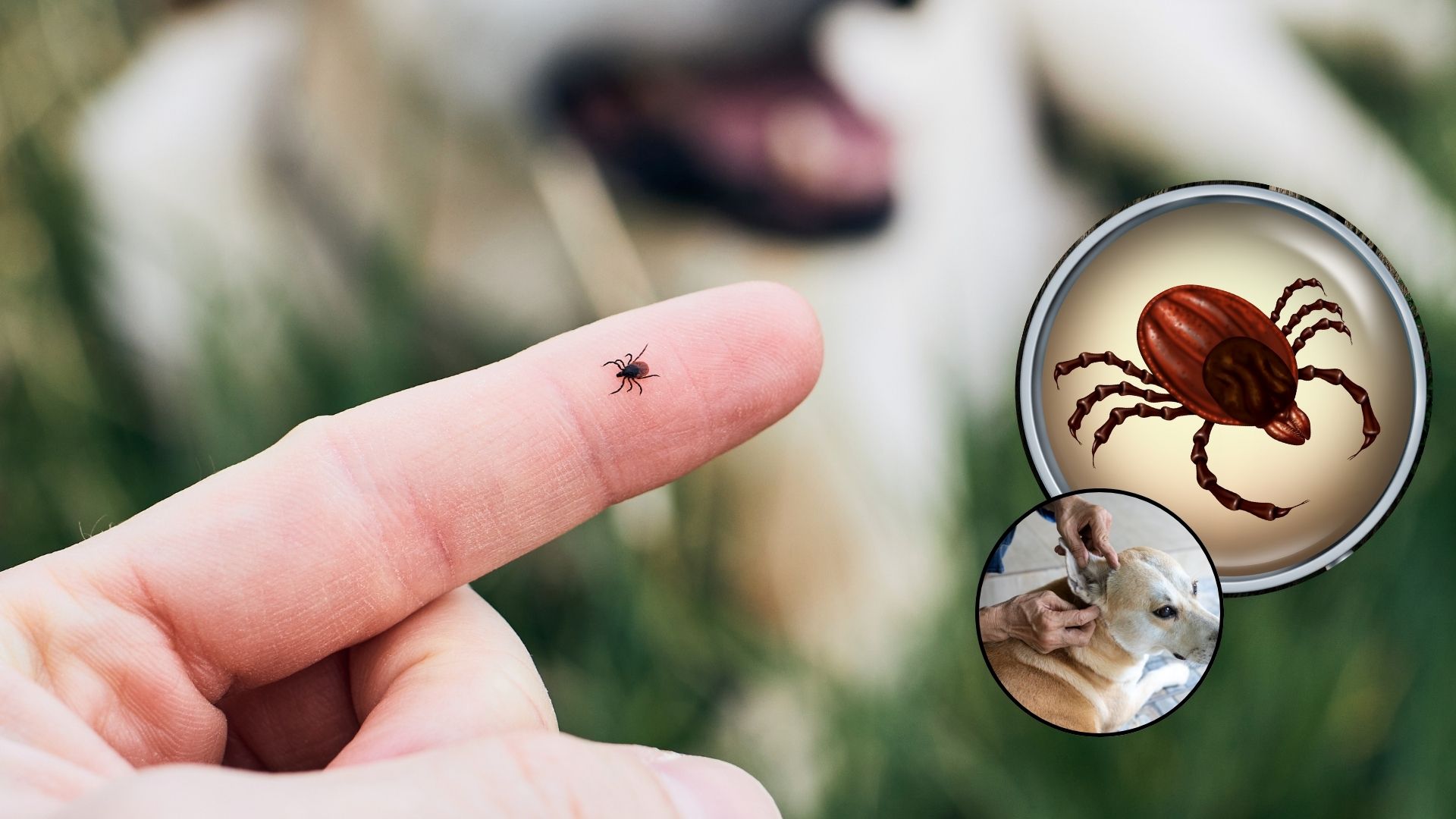
Ticks are not just annoying.
They can transmit a host of diseases.
Tularemia is uncommon, but there are many tick-borne diseases that are more common.
So prevention is still worth doing.
Every day.
Yes, every day.
Ticks did not read your calendar.
How Can You Reduce Your Pet’s Risk?
There are simple things you can do to reduce your pet’s risk.
Practical Prevention Steps
- Check your pets for ticks regularly
- Remove attached ticks promptly
- Use an appropriate tick preventative for your dog or cat
- Keep cats indoors when possible
- Do not allow pets to hunt rabbits or rodents
- Do not allow pets to eat dead wildlife
- Wear gloves if you must handle a sick or dead wild animal
- Avoid mowing directly over dead animals
- Protect yourself outdoors with appropriate clothing and insect repellents
Why Should You Avoid Mowing Over Dead Animals?
The pasted content mentions avoiding mowing directly over dead animals because it could potentially aerosolize bacteria.
In simple terms:
You do not want bacteria from a dead infected animal being stirred up into the air.
So if you find a dead rabbit, rodent, or wild animal, do not mow over it.
Wear gloves if it must be handled.
And keep pets away from it.
Daily Tick Checks Matter
Start with daily tick checks.

Most diseases need tick attachment for 24 to 48 hours.
That means finding and removing ticks early can make a real difference.
Check:
- Ears
- Neck
- Under the collar
- Armpits
- Belly
- Groin
- Between toes
- Around the tail
- Any skin folds
If your dog or cat goes outside, this should be part of the routine.
It is not glamorous.
Neither is tick-borne disease.
Choose your inconvenience.
Step-by-Step: What to Do if You Are Concerned About Tularemia

Step 1: Think About Exposure
Ask:
- Did my pet have tick exposure?
- Did my cat hunt or eat a rabbit or rodent?
- Did my dog or cat contact a dead animal?
- Did my pet drink from contaminated outdoor water?
- Are we in an area where tularemia has been reported?
Step 2: Watch for Signs
Look for:
- Fever
- Lethargy
- Weakness
- Enlarged lymph nodes
- Loss of appetite
- Vomiting
- Diarrhea
- Coughing
- Nasal discharge
- Mouth ulcers
Step 3: Call Your Veterinarian
If your pet becomes suddenly ill after tick or wildlife exposure, call your veterinarian.
Tell them about the exposure.
Do not leave that part out.
It can change how they handle the case and what tests they consider.
Step 4: Prevent Further Exposure
Keep pets away from:
- Rabbits
- Rodents
- Dead wildlife
- Questionable water sources
- Heavy tick areas when possible
Keep cats indoors when possible.
Step 5: Do Daily Tick Checks
Remove ticks promptly.
Most tick-borne diseases require attachment for 24 to 48 hours, so early removal matters.
Step 6: Consider Pest Prevention
Use an appropriate tick preventative for your dog or cat.
If you prefer holistic options, diatomaceous earth was mentioned as a simple topical preventive option.
Final Thoughts
Tularemia, or rabbit fever, is uncommon.
Dogs appear to be relatively resistant, and clinical disease in dogs is uncommon.

Cats are more of a concern, especially outdoor cats that hunt rabbits or rodents.
The disease is caused by Francisella tularensis, a highly infectious bacterium that can affect people, wildlife, cats, and less commonly dogs.
It can spread through ticks, deer flies, infected wildlife, contaminated water, and inhaled contaminated particles.
There is no tularemia vaccine generally available for people or pets in the United States, so prevention matters.
Keep cats indoors when possible.
Do not let pets eat wildlife.
Avoid dead animals.
Wear gloves if you must handle a sick or dead wild animal.
Check for ticks daily.
Use appropriate tick protection.
And if your pet becomes suddenly ill after tick or wildlife exposure, call your veterinarian and tell them exactly what happened.
This is not common.
But it is worth knowing.
Click To Get A Free Copy of My E-Book!

P.S. Yes, tularemia is very uncommon.
But it is good to be aware of it, especially if you work with animals.
In vet school, we learned about zoonotic diseases such as rabies and anthrax. While in practice, I did not think much about some of them.
But times are changing.
P.P.S. There are a host of tick-borne diseases, so doing what you can to prevent ticks is ideal.
Start with daily tick checks, because most diseases need tick attachment for 24 to 48 hours.
Then consider appropriate tick prevention and, if you want a holistic and cost-effective topical option, Dr. Jones’ Diatomaceous Earth for Dogs and Cats was mentioned as one to consider.