Natural Pain Relief for Dogs and Cats: 5 Remedies That May Help

What Are the Best Natural Remedies for Pain and Inflammation in Pets?
If your dog or cat has pain or inflammation, there are several natural options I would consider: CBD, curcumin with boswellia, Traumeel, DMSO, and topical comfrey.
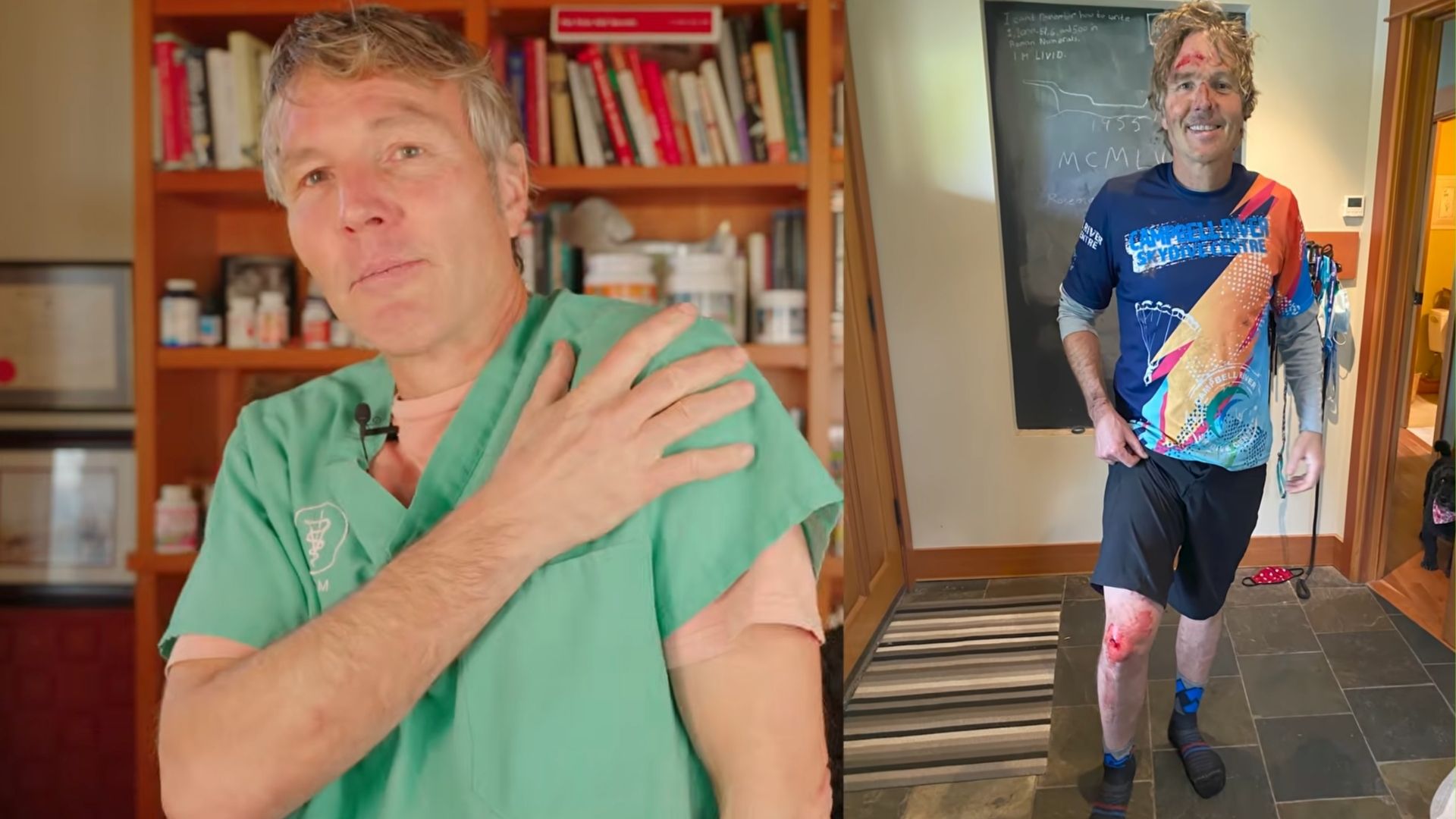
These are the same types of remedies I used after a bike crash where I injured my head, shoulder, and knee. About 10 days later, I was still dealing with a sore knee wound, bruising, soft tissue inflammation, and pain.
The interesting part? Several of the natural remedies that helped me are also options I have used or considered for dogs and cats.
This does not mean every painful pet should be treated at home. If your pet has severe pain, a fracture, trouble walking, swelling, bleeding, or is suddenly very weak, get veterinary care.
But for mild pain, soft tissue soreness, inflammation, and supportive care, these are five natural options worth knowing.
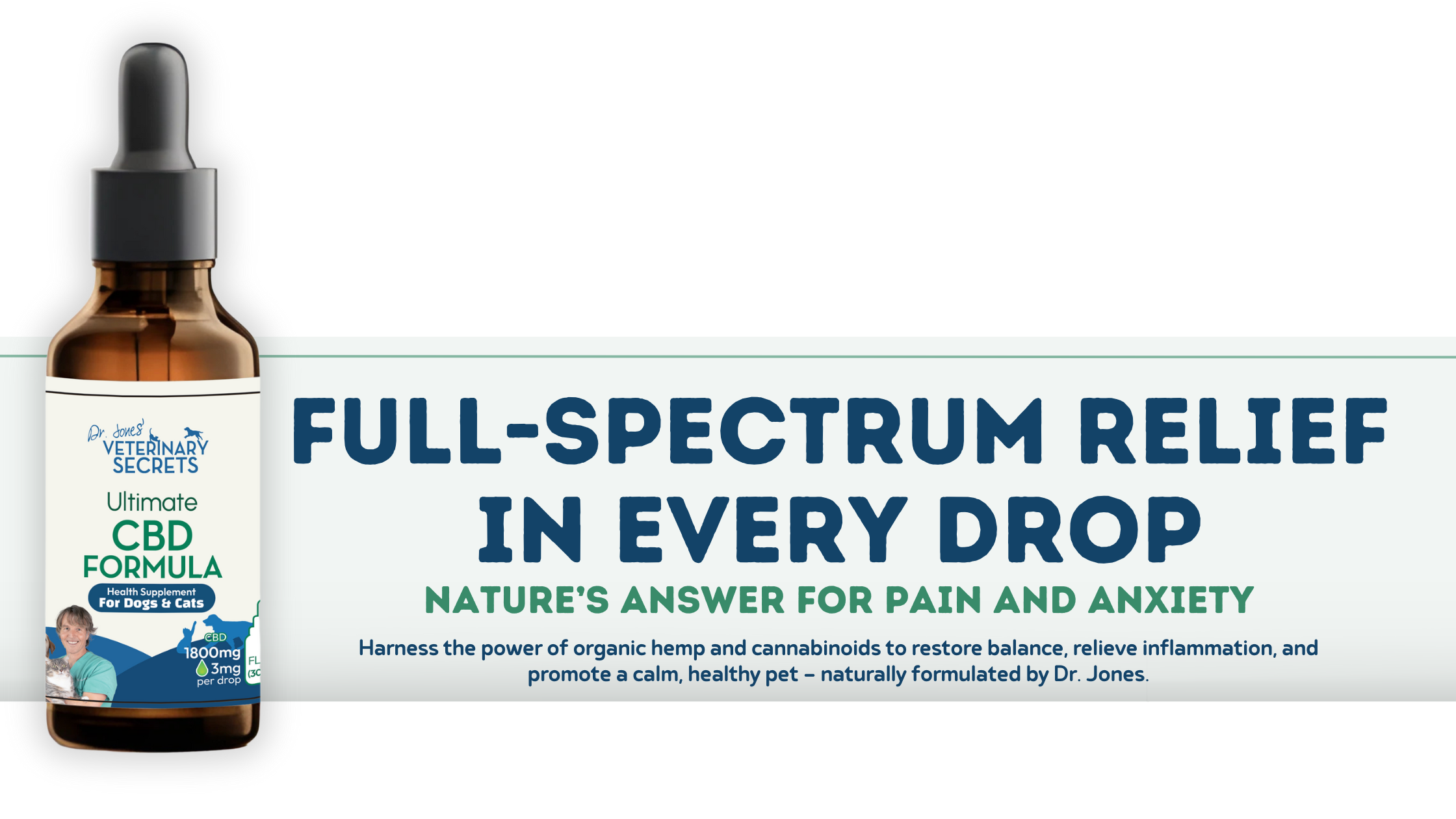
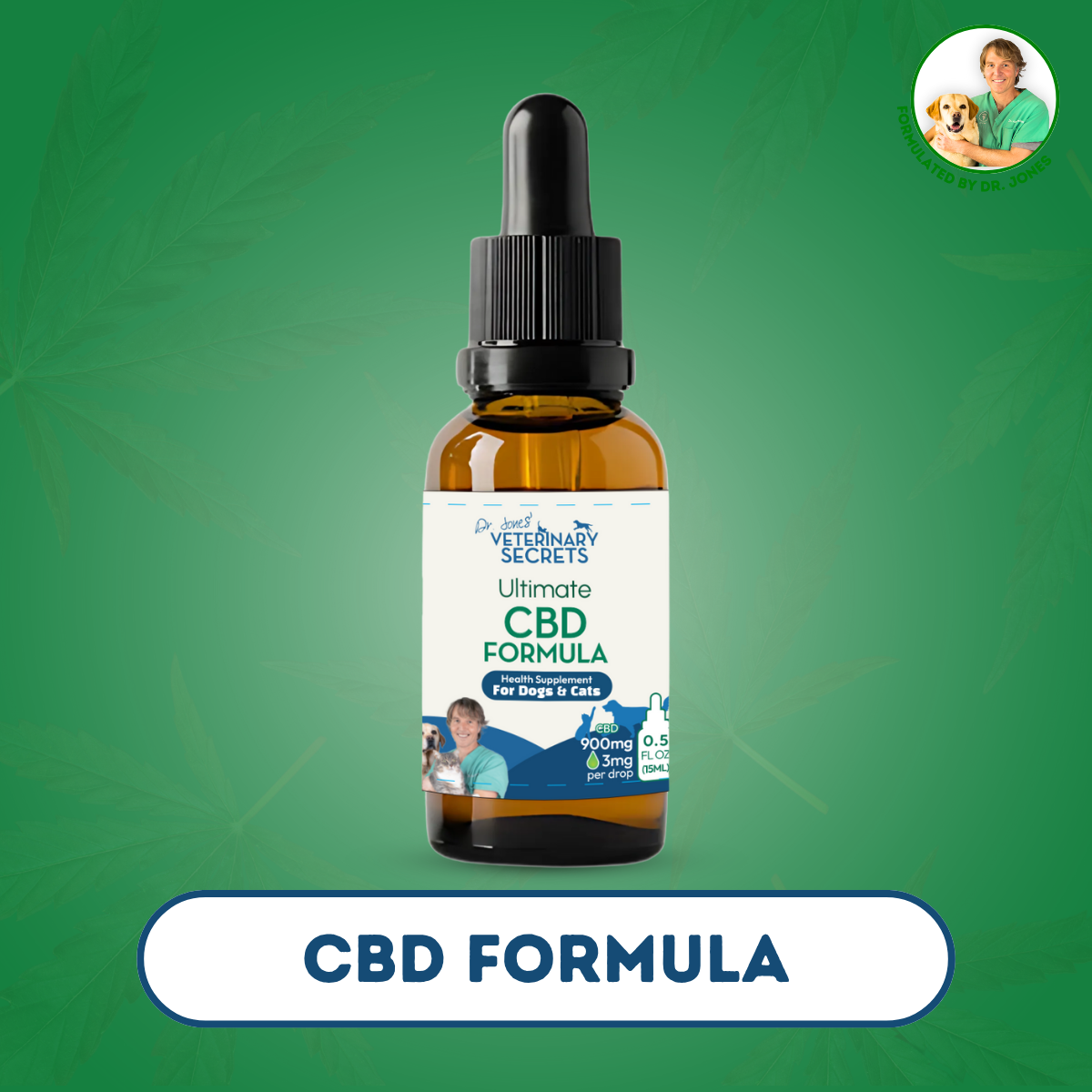
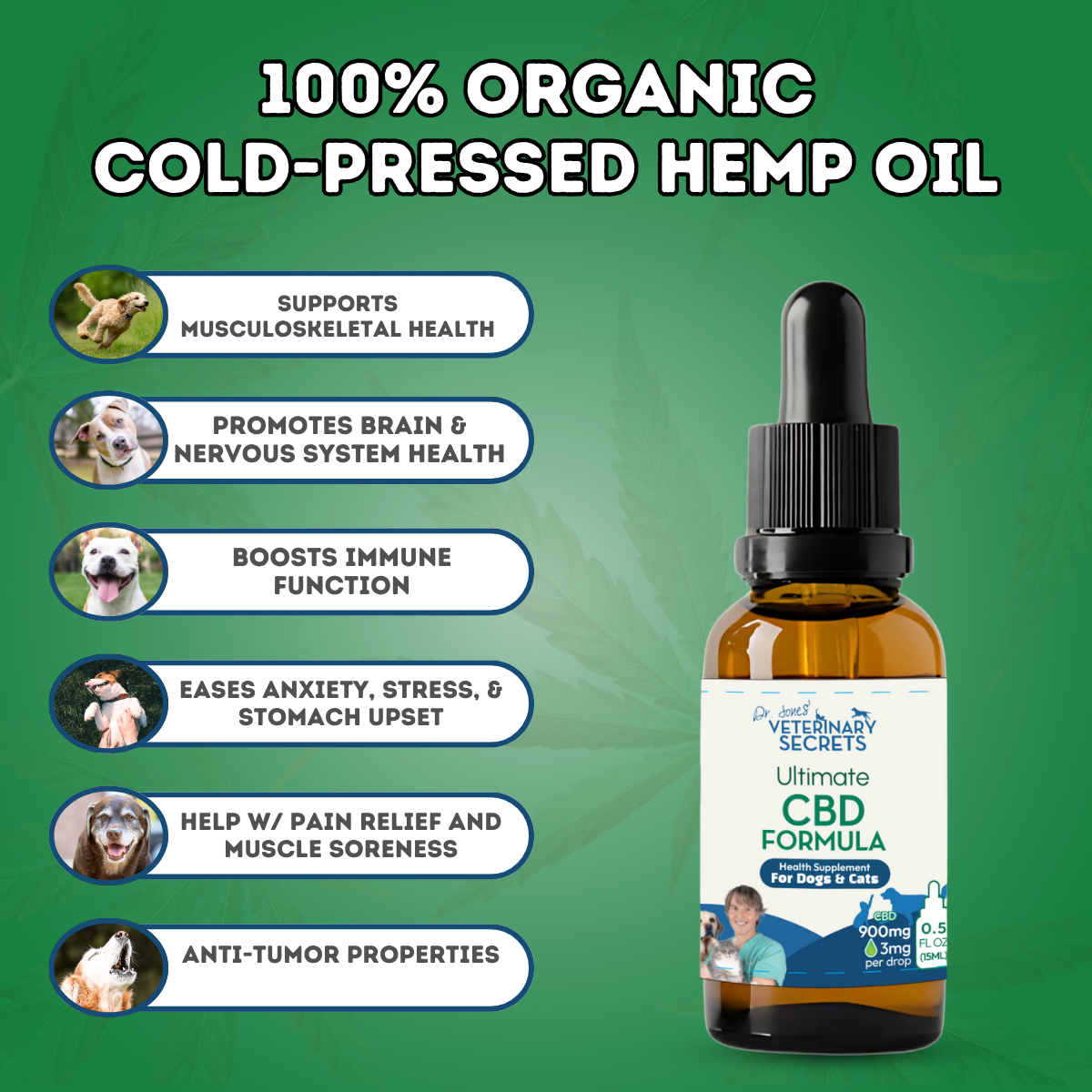
Dr. Jones’ Ultimate CBD Formula for Dogs and Cats

Natural Pain and Inflammation Remedies
1. CBD for Pain and Inflammation
CBD, also called cannabidiol, is one of the natural pain and inflammation options I have found most helpful.
Of all the natural anti-inflammatories and painkillers, CBD has been one of the most beneficial for me and for many dog and cat parents.
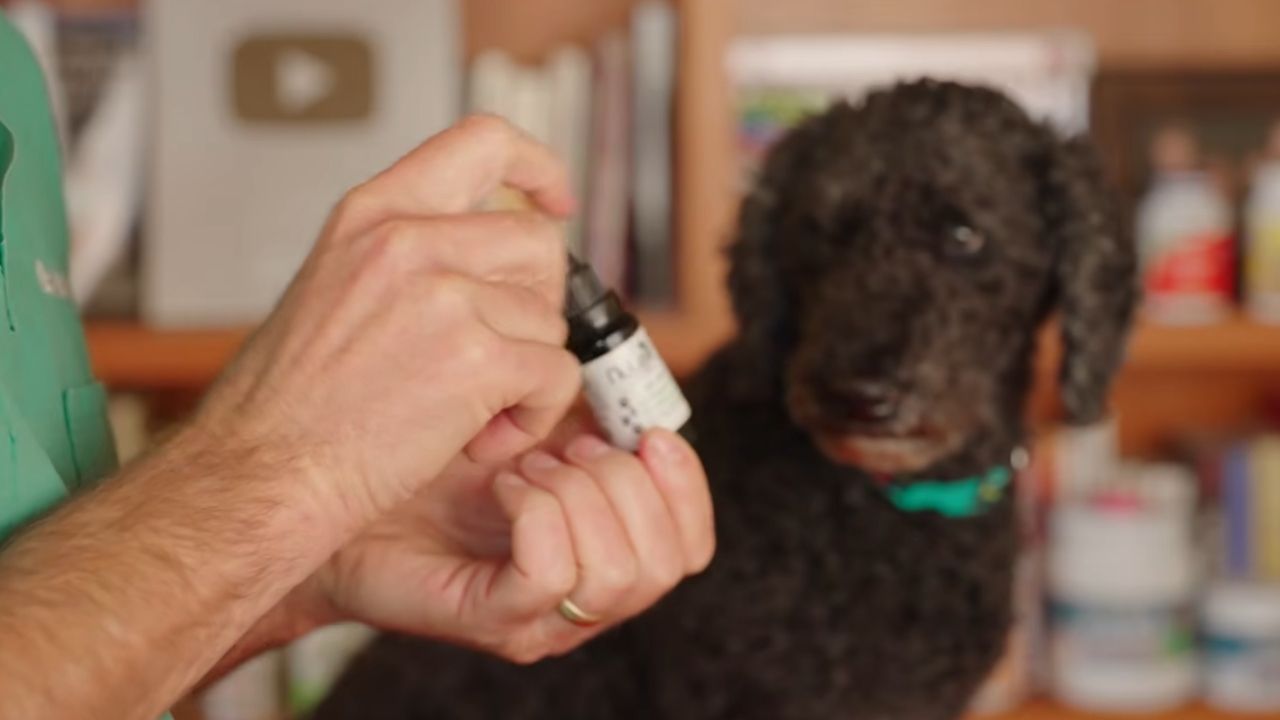
It can be used orally, and it can also be used topically.
Oral CBD Dose for Dogs and Cats
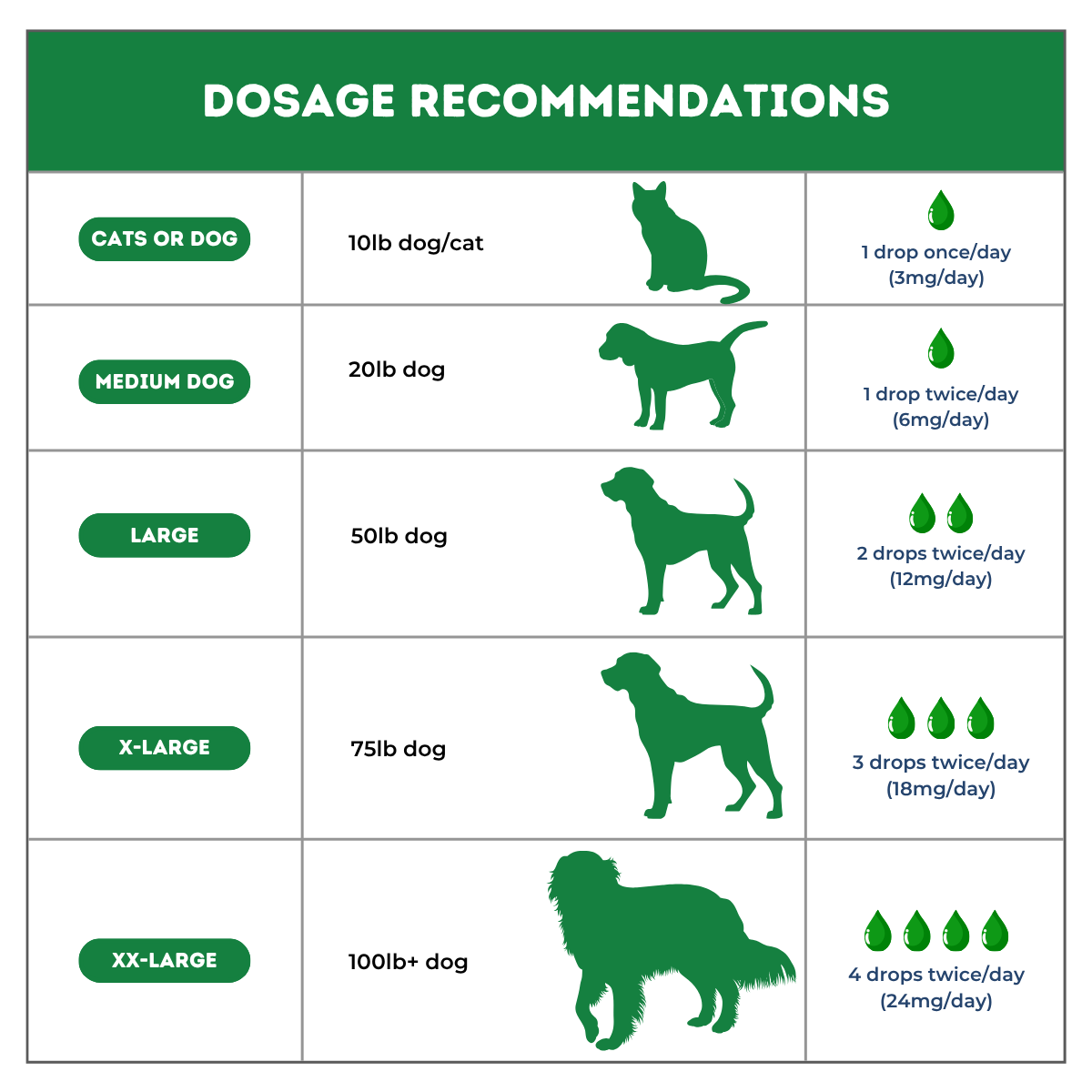
A standard dog and cat dose is:
| Pet Weight | CBD Dose |
| 10 lbs | 3 mg once to twice daily |
| 20 lbs | 6 mg once to twice daily |
For example, Tula is about 20 lbs, so she would receive 6 mg.
Topical CBD
I also used topical CBD on my knee.
I applied it:
- 3 to 4 times daily
- Directly to the sore area
- For pain relief and soft tissue inflammation
The topical CBD provided some great pain relief and helped decrease soft tissue inflammation.
Best For
CBD may be helpful for:
- Mild to moderate pain
- Soft tissue inflammation
- Soreness
- Joint discomfort
- Localized pain when used topically
Not For
Do not rely on CBD ALONE if your pet has:
- Severe pain
- A suspected fracture
- Trouble standing
- Sudden collapse
- A deep wound
- Major swelling
- Serious injury after trauma
Those pets need veterinary care.
2. Curcumin and Boswellia for Natural Pain Relief
The second natural option is a combination of two herbs: 95% curcumin and boswellia.
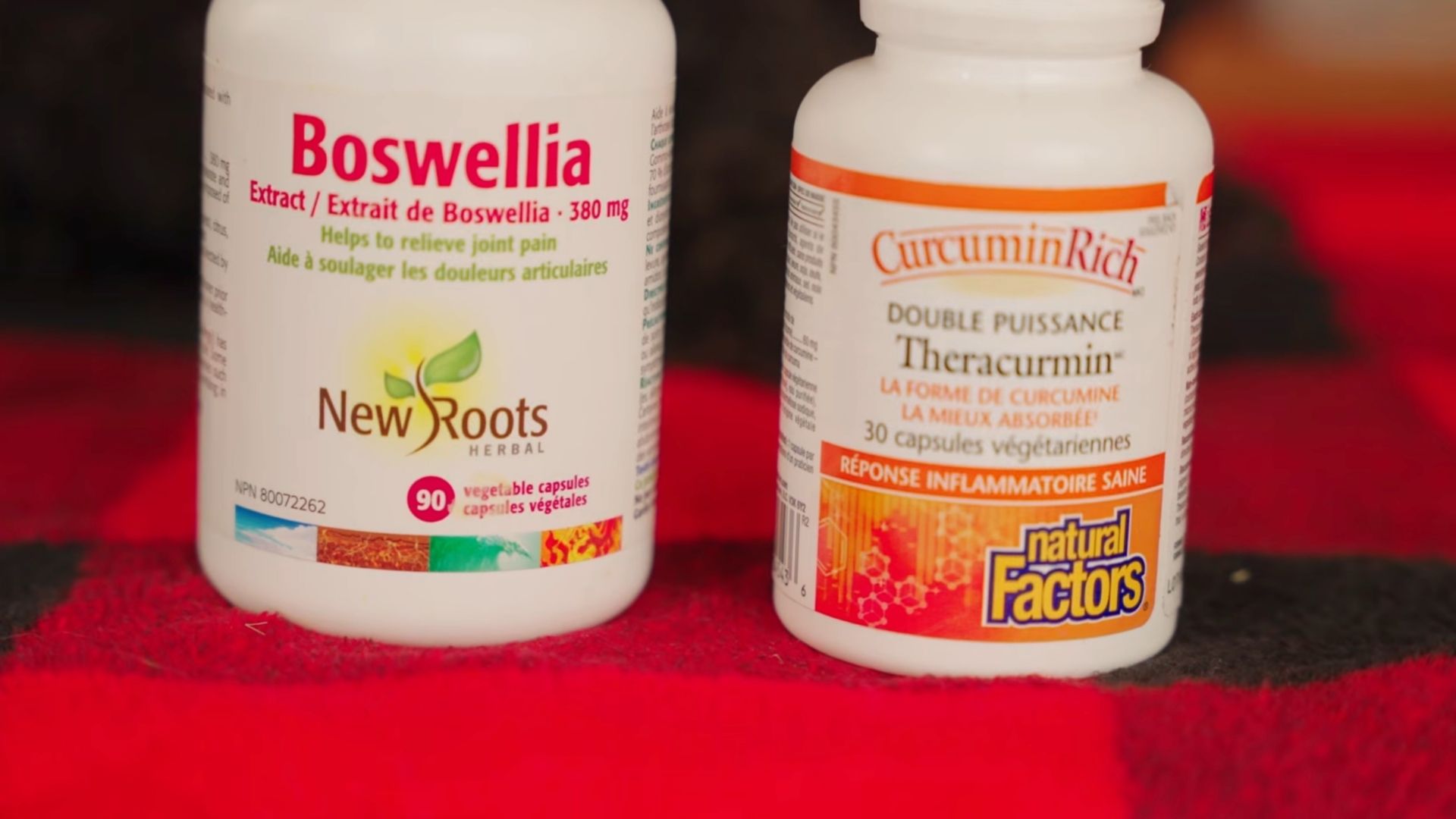
These have been documented to be almost as effective as many traditional non-steroidal anti-inflammatory drugs.
I used both together twice daily after my bike crash, and they worked really well.
They can provide natural pain relief and help reduce inflammation.
Curcumin Dose
Use:
- 100 mg per 10 lbs of body weight daily
Boswellia Dose
Use:
- 50 mg per 10 lbs of body weight daily
Dosage Table
| Pet Weight | Curcumin Daily Dose | Boswellia Daily Dose |
| 10 lbs | 100 mg | 50 mg |
| 20 lbs | 200 mg | 100 mg |
| 50 lbs | 500 mg | 250 mg |
Best For
Curcumin and boswellia may be helpful for:
- Inflammation
- Pain support
- Joint discomfort
- Soft tissue soreness
- Longer-term inflammatory issues
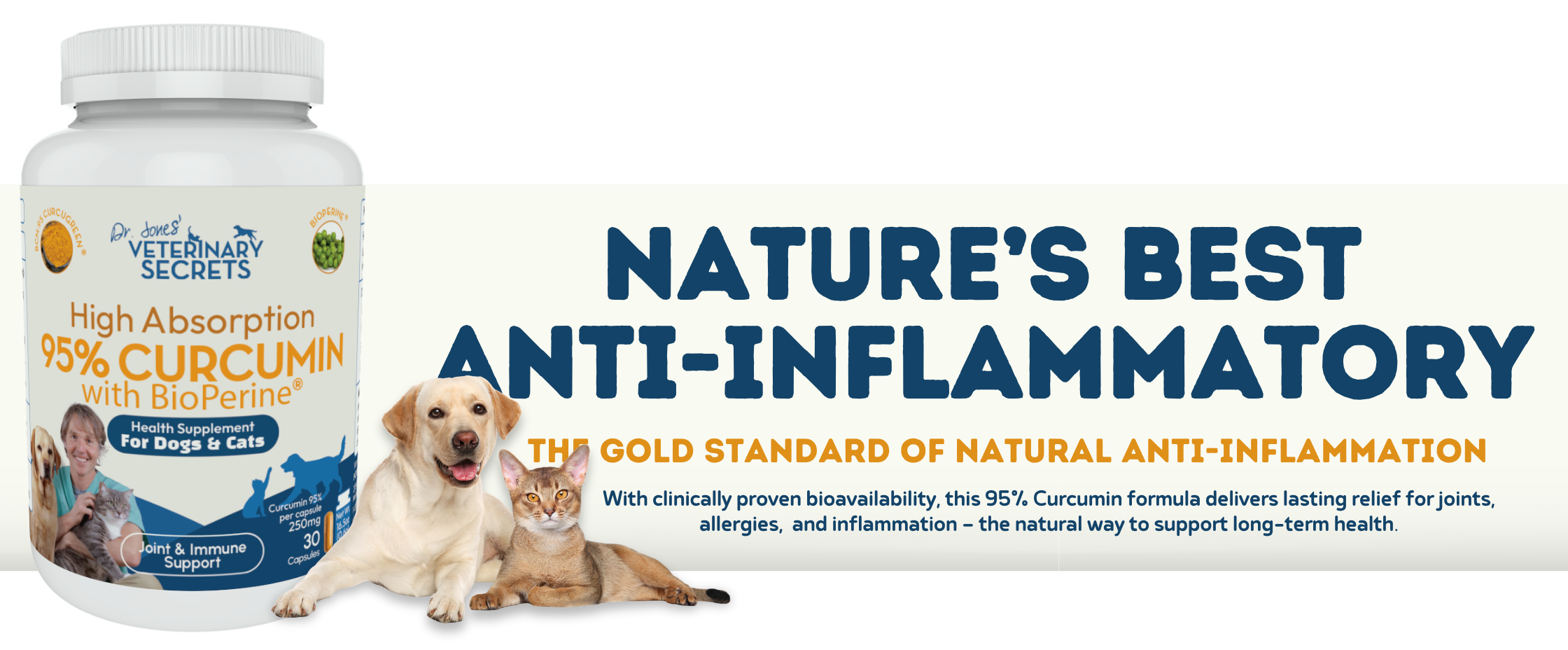
Dr. Jones’ Ultimate High Absorption 95% Curcumin for Dogs and Cats
Why I Like the Combination
Curcumin and boswellia work well together because both target inflammation.
If I am looking at a natural oral anti-inflammatory plan, this is one combination I would strongly consider.
Simple herbs. Good results. Not fancy, but useful.
3. Traumeel for Topical Pain Relief
Traumeel is a homeopathic combination cream.
Whether or not you fully understand homeopathy, I found this cream very helpful.
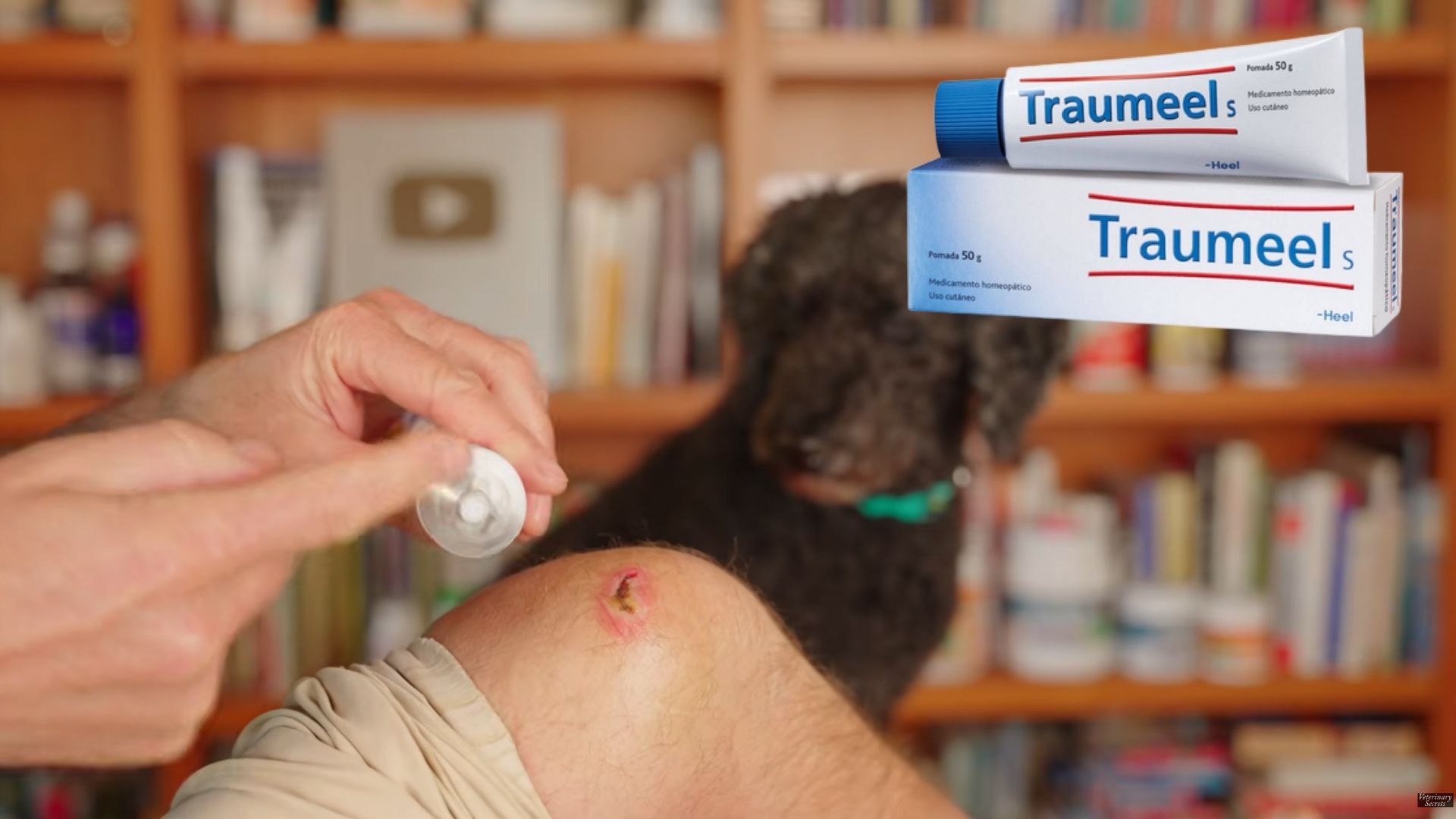
It is very safe. It has very little downside in terms of negative side effects, and it is okay if your dog or cat licks a small amount.
When I applied it to my knee, I noticed that about 10 minutes later, the knee felt far less painful.
How to Use Traumeel
Apply:
- A thin layer
- 2 to 3 times daily
- Directly to the sore or inflamed area
Best For
Traumeel may be helpful for:
- Localized pain
- Bruising
- Mild soft tissue injury
- Sore joints
- Muscle soreness
- Minor inflammation
Not For
Do not apply it to deep wounds, infected skin, or severe trauma without veterinary guidance.
4. DMSO for Topical Inflammation
DMSO is a liquid sulfur compound.
It smells a little like garlic. Not a perfume. More like “what is that?” But it can be very useful.
The big advantage of DMSO is that it rapidly penetrates the skin and reaches the affected area.
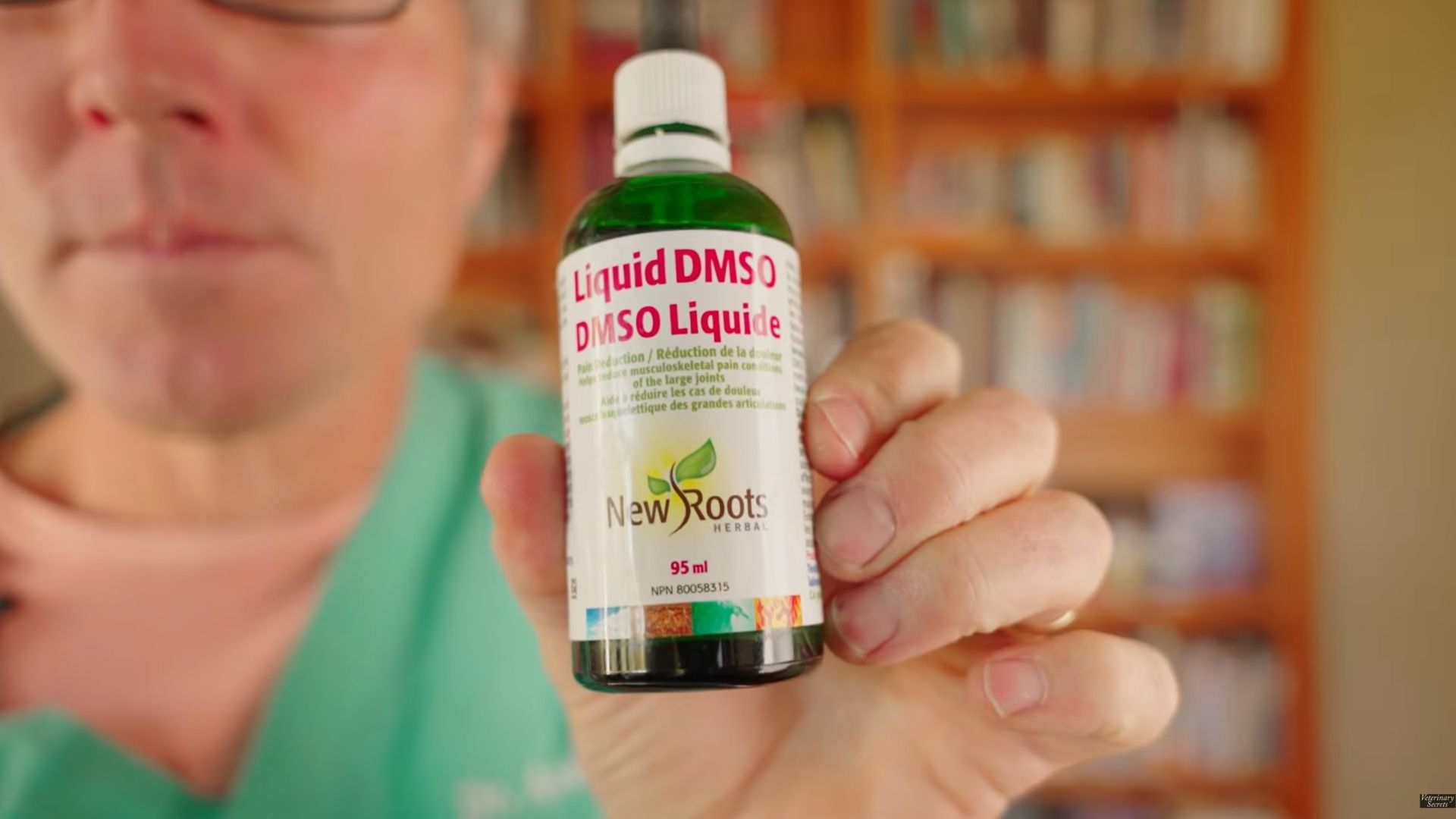
As a single agent, it can provide natural anti-inflammatory support.
It can also help bring other topical medications deeper into damaged tissue or joints.
How DMSO Can Be Used
DMSO can be used topically after applying something like:
- CBD
- Traumeel
- Lidocaine
Then DMSO helps carry it deeper into the affected area.
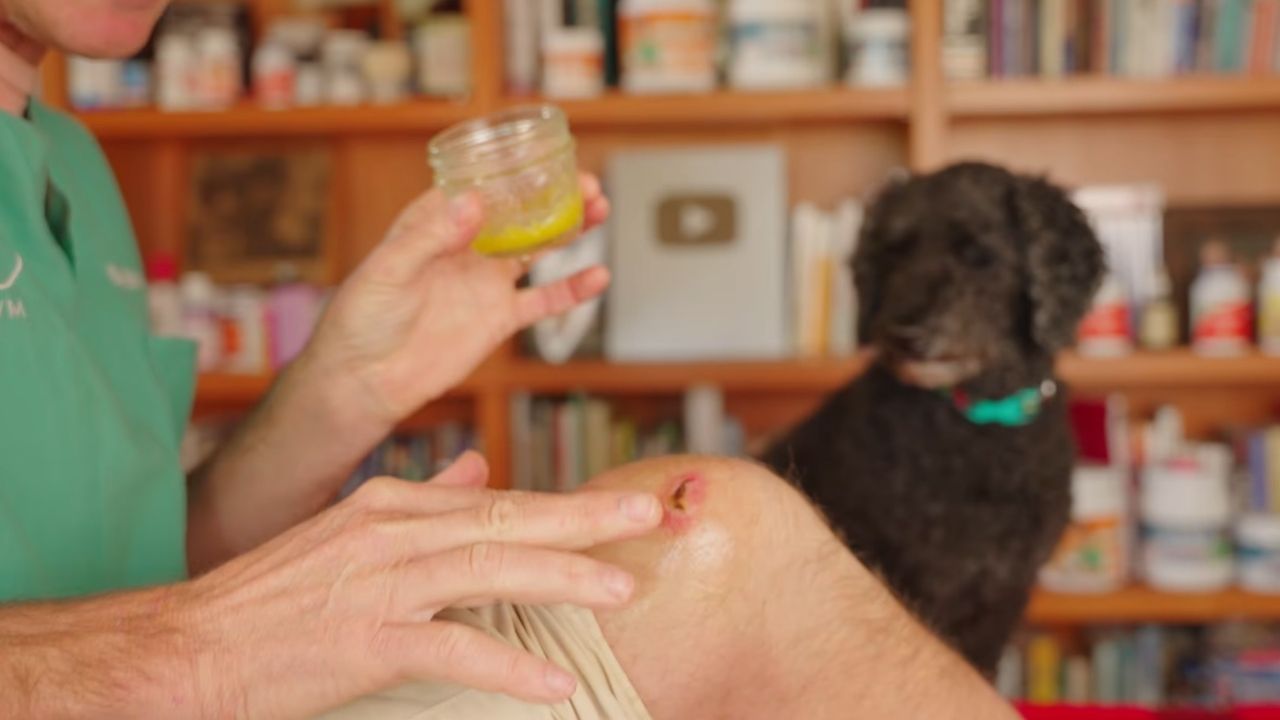
After applying CBD and Traumeel to my knee, I used multiple drops of DMSO topically.
DMSO in Veterinary Practice
DMSO is safe to use on dogs and cats.
We used it in veterinary practice, especially after procedures such as knee surgery.
For example, I would apply something topical such as lidocaine, then add topical DMSO to help bring more of that lidocaine into the joint. That can provide strong local pain relief.
Best For
DMSO may be helpful for:
- Local inflammation
- Soft tissue injury
- Joint discomfort
- Bruising
- Helping carry topical support into tissues
Not For
Use caution around eyes, mouth, open wounds, or dirty skin.
Because DMSO can carry substances through the skin, the area should be clean before using it.
5. Comfrey for Bruising and Soft Tissue Injury
Comfrey is a plant known as a wonderful topical anti-inflammatory.
If you are dealing with soft tissue injury, bruising, and damaged skin, comfrey is one I would think about.
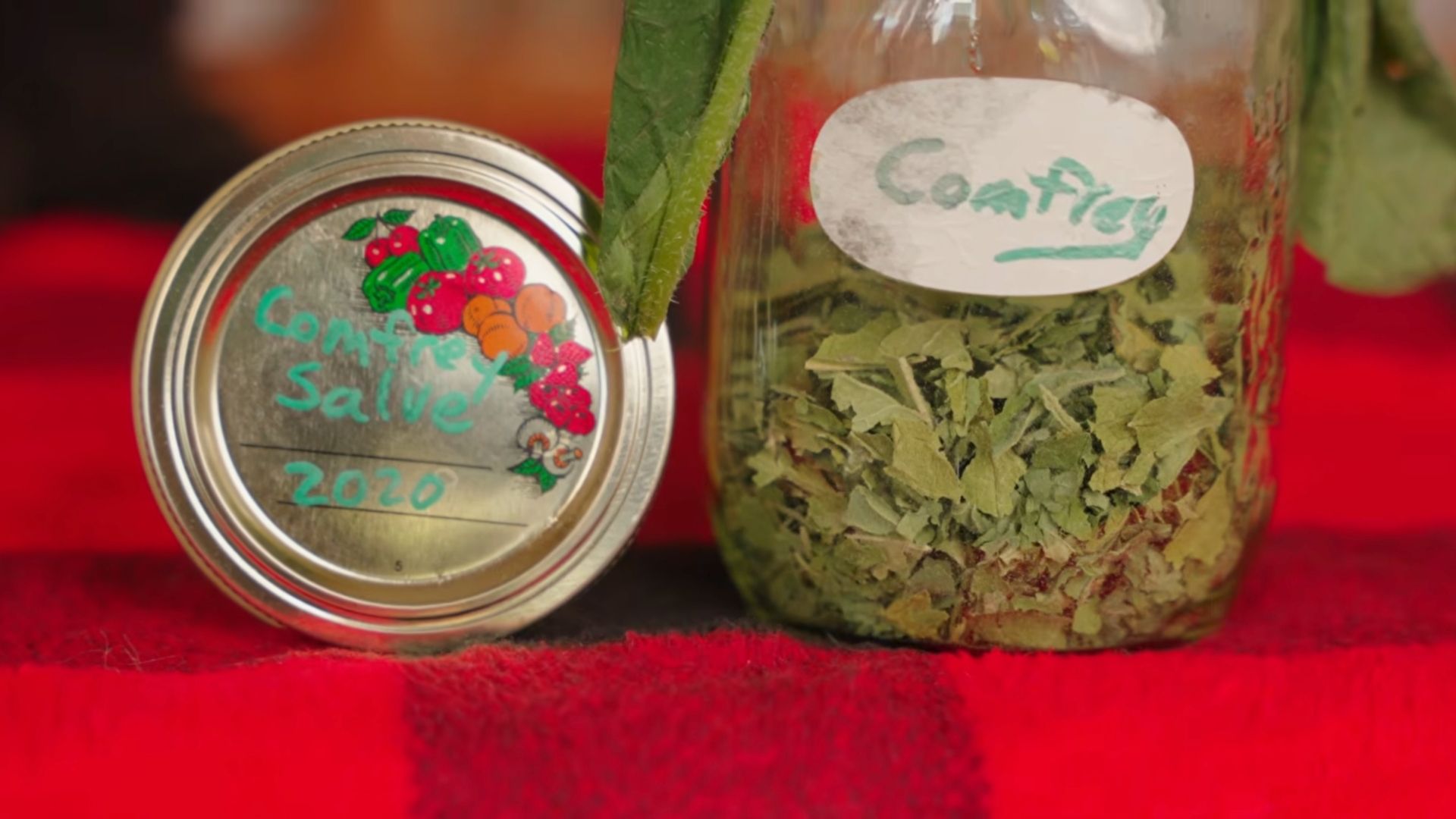
It is not meant to be taken orally, and it is not necessarily safe to ingest.
But topically, comfrey can be a great natural anti-inflammatory.
How Comfrey Salve Is Made
The process mentioned is:
- Use dried comfrey leaf.
- Let it sit in olive oil for 2 to 4 weeks.
- Strain or distill the infused oil.
- Add beeswax to turn it into a salve.
How to Use Comfrey Salve
Apply:
- A small dab to your fingertip
- Rub it topically over the affected area
- Use only on the skin
Best For
Comfrey may be helpful for:
- Bruising
- Soft tissue injury
- Local inflammation
- Sore areas
- Skin-level support after injury
Not For
Do not give comfrey orally.
Do not allow your pet to ingest it.
Do not apply it where your dog or cat will heavily lick it.
Quick Guide: Natural Pain and Inflammation Remedies
| Remedy | Best Use | Form | Dose or Use Mentioned |
|---|---|---|---|
| CBD | Pain and inflammation | Oral or topical | 3 mg per 10 lbs once to twice daily |
| 95% Curcumin with Boswellia | Anti-inflammatory and pain support | Oral | Curcumin 100 mg per 10 lbs daily, Boswellia 50 mg per 10 lbs daily |
| Traumeel | Topical pain relief | Cream | Thin layer 2 to 3 times daily |
| DMSO | Topical anti-inflammatory and carrier | Liquid topical | Multiple drops topically |
| Comfrey | Soft tissue injury and bruising | Topical salve | Apply a small amount topically |
Which Natural Remedy Is Best?
It depends on what you are treating.
| Problem | Remedy I Would Consider |
| General pain | CBD |
| Inflammation | Curcumin and boswellia |
| Local soreness | Traumeel |
| Joint or tissue inflammation | DMSO |
| Bruising and soft tissue injury | Comfrey salve |
If I were choosing one oral option, I would look at CBD or curcumin with boswellia.
If I were choosing one topical option, I would look at Traumeel, topical CBD, DMSO, or comfrey depending on the injury.
For my own knee, I used a combination.
That is often the practical answer. One remedy may help, but combinations can sometimes work better when used carefully.
Step-by-Step: How I Would Use These Remedies
Step 1: Decide If This Is a Home Care Situation
If your pet has mild soreness or inflammation, natural support may be reasonable.
If your pet is in severe pain or cannot walk, call your veterinarian.
Step 2: Choose Oral Support
For overall pain and inflammation, consider:
- CBD: 3 mg per 10 lbs once to twice daily
- Curcumin: 100 mg per 10 lbs daily
- Boswellia: 50 mg per 10 lbs daily
Step 3: Add Topical Support
For localized pain, consider:
- Topical CBD 3 to 4 times daily
- Traumeel 2 to 3 times daily
- DMSO over a clean area
- Comfrey salve for bruising and soft tissue injury
Step 4: Watch Your Pet
Track:
- Pain level
- Limping
- Swelling
- Bruising
- Mobility
- Appetite
- Energy
- Whether the pet is licking the area
Step 5: Reassess
If your pet is not improving, or pain is getting worse, get veterinary help.
When Should You Call Your Veterinarian?
Call your veterinarian if your dog or cat has:
- Severe pain
- Sudden lameness
- Inability to walk
- A suspected fracture
- A deep wound
- Heavy bleeding
- Major swelling
- Pain after a fall or accident
- Worsening symptoms
- Loss of appetite
- Lethargy
- Crying, hiding, or shaking from pain
Natural remedies can be helpful, but they are not a substitute for urgent care when something serious is happening.
Final Thoughts
After my bike crash, I used these natural pain and inflammation remedies myself: CBD, curcumin with boswellia, Traumeel, DMSO, and topical comfrey.
They worked pretty well for me, and they are also options I would consider for dogs and cats when used properly.
For oral support, CBD and curcumin with boswellia are two of my top choices.
For topical support, Traumeel, topical CBD, DMSO, and comfrey all have a place.
The key is matching the remedy to the problem.
Mild soreness? Natural support may help.
Severe pain, a serious wound, or a pet that cannot walk? That is not the time to play kitchen pharmacist.
Use common sense. Start safely. Watch closely.
Click To Get A Free Copy of My E-Book!

P.S. If I had to keep this very simple, I would start with CBD for pain, curcumin and boswellia for inflammation, and Traumeel or comfrey for topical support.
DMSO is the odd-smelling one, yes. But it can be very useful when you want to get topical support deeper into the tissue.
And if you are wondering whether these things can actually help, I can tell you this: after smashing myself up in a bike crash, these were the natural remedies I reached for.
My knee was not impressed with my cycling skills, but it was fairly happy with the remedies.

Learning so much for both my pets & my self- Love It!
I have an eleven year old Shetland Sheep dog who has dysplasia in his front leg joints. Our vet prescribed Deramaxx, but I was hoping for natural pain relief on this video. I am taking MSM for relief of arthritis pain and inflammation and find it very helpful. Is this nutrient safe for my dog?
Yes it is, and a combination of supplements! Look up MSM at any pet store and it will give you strength and dosages.
I have been giving my old Lab Dasuquin with a very noticeable difference in her pep!
It’s pricey. You may want to compare it’s ingredients to a human MSM supplement; it would be cheaper. Good luck.