Mushrooms for Dogs Cats: What They Really Do (Benefits, Best Types, and Quality Tips)

What They Really Do and How I Use Them
Should you be giving mushrooms to your dog or cat?
There has been a whole lot of talk lately about medicinal mushrooms. And I get the question all the time. Is this a real thing? Can mushrooms actually help pets?
The short answer is yes.
They can help. But it is important to know which mushroom to use, what condition it may help, when to give it, and just as important, when not to expect too much from it.
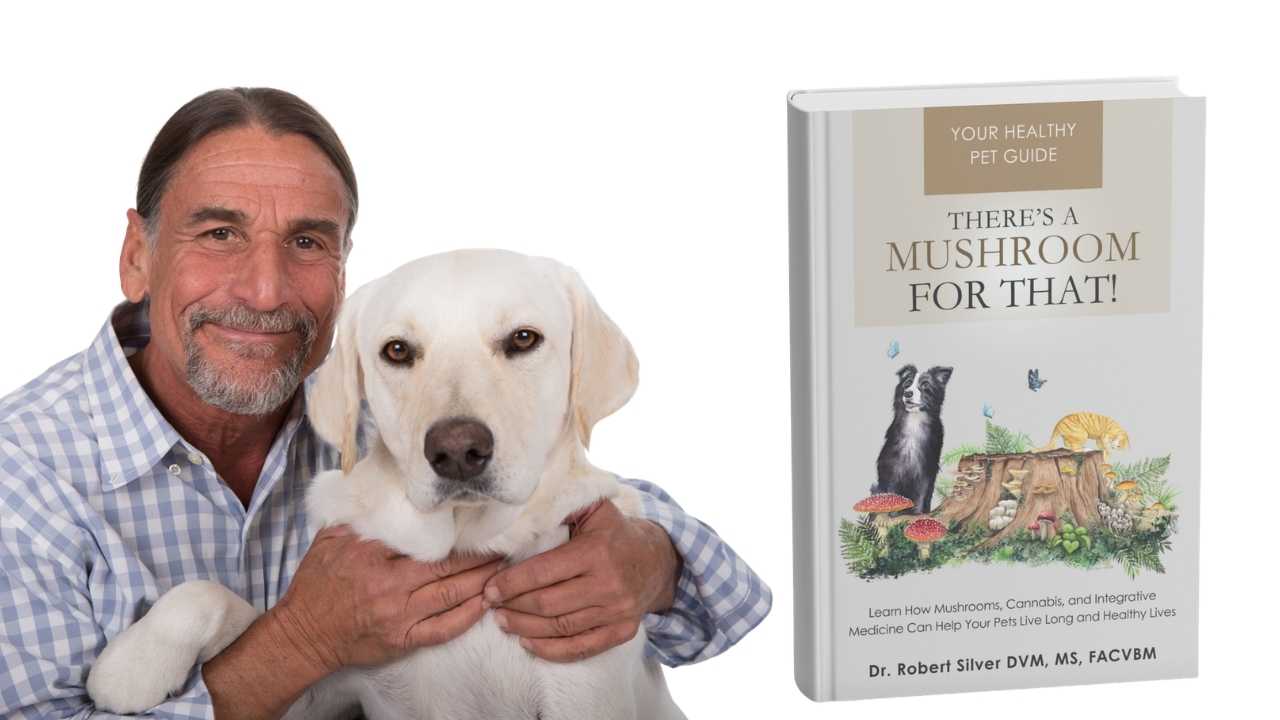
I recently had the chance to learn more from Dr. Rob Silver, who has spent years studying medicinal mushrooms for pets. What stood out to me most is this. Mushrooms are not some weird internet trend. They have a long history of use, and there are real studies showing they may benefit dogs and cats in meaningful ways.
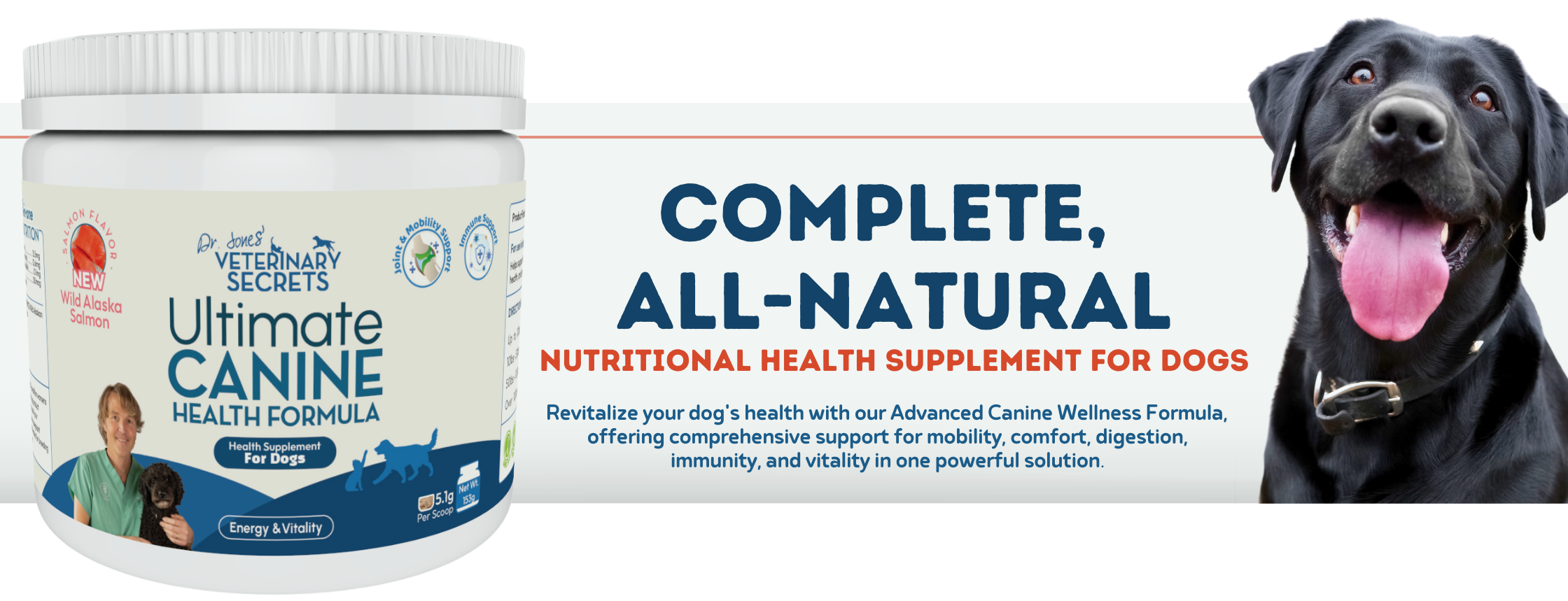
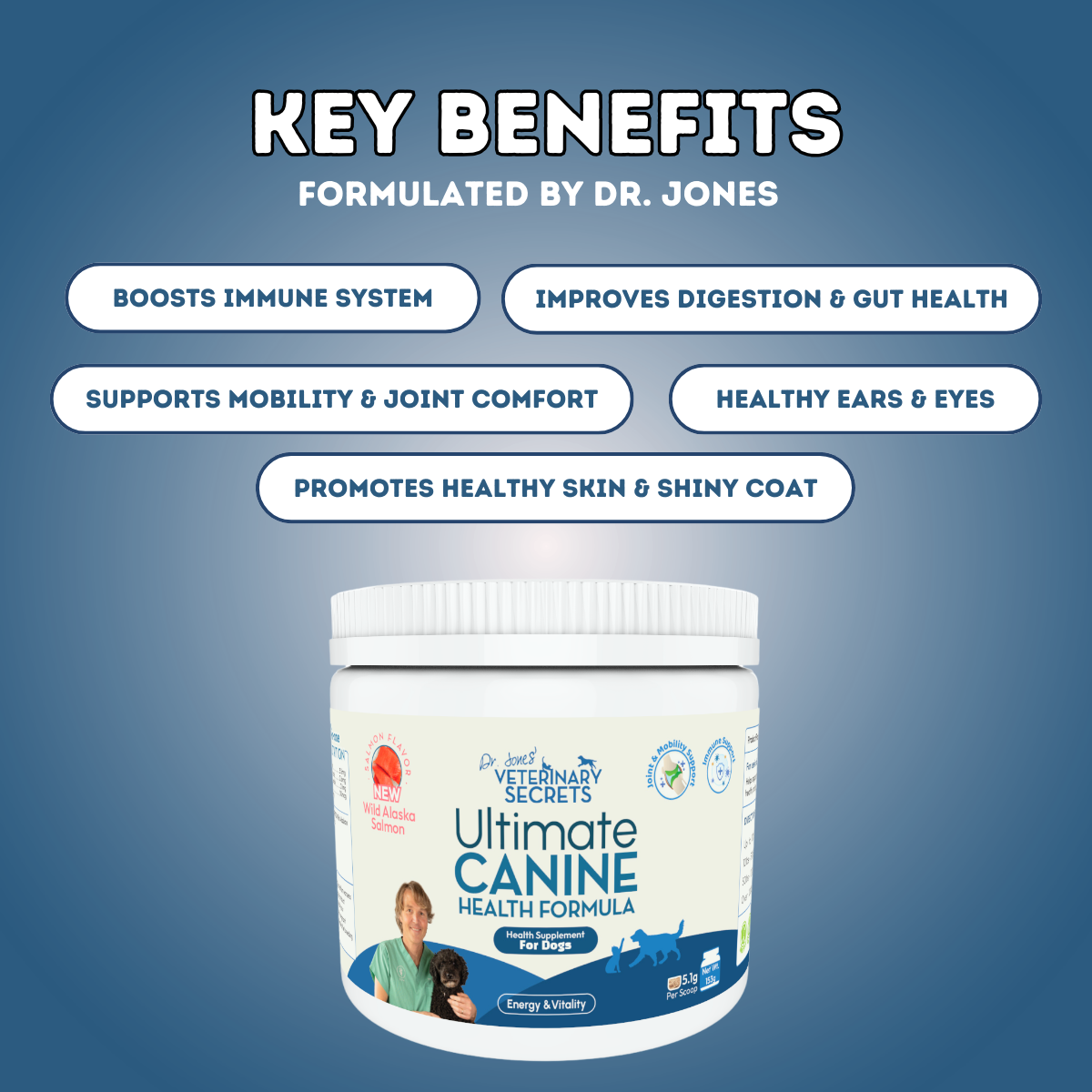
You know what else contains mushroom? My very own,
Dr. Jones’ Ultimate Canine Health Formula (Original Formula)

Why Mushrooms Matter
A mushroom is a type of fungi. And interestingly, fungi are actually more closely related to us than plants are. Mushrooms have been used medicinally for thousands of years, and even some conventional drugs have roots in fungi. So when people talk about medicinal mushrooms, this is not a brand new idea. In many ways, we are simply rediscovering something very old.
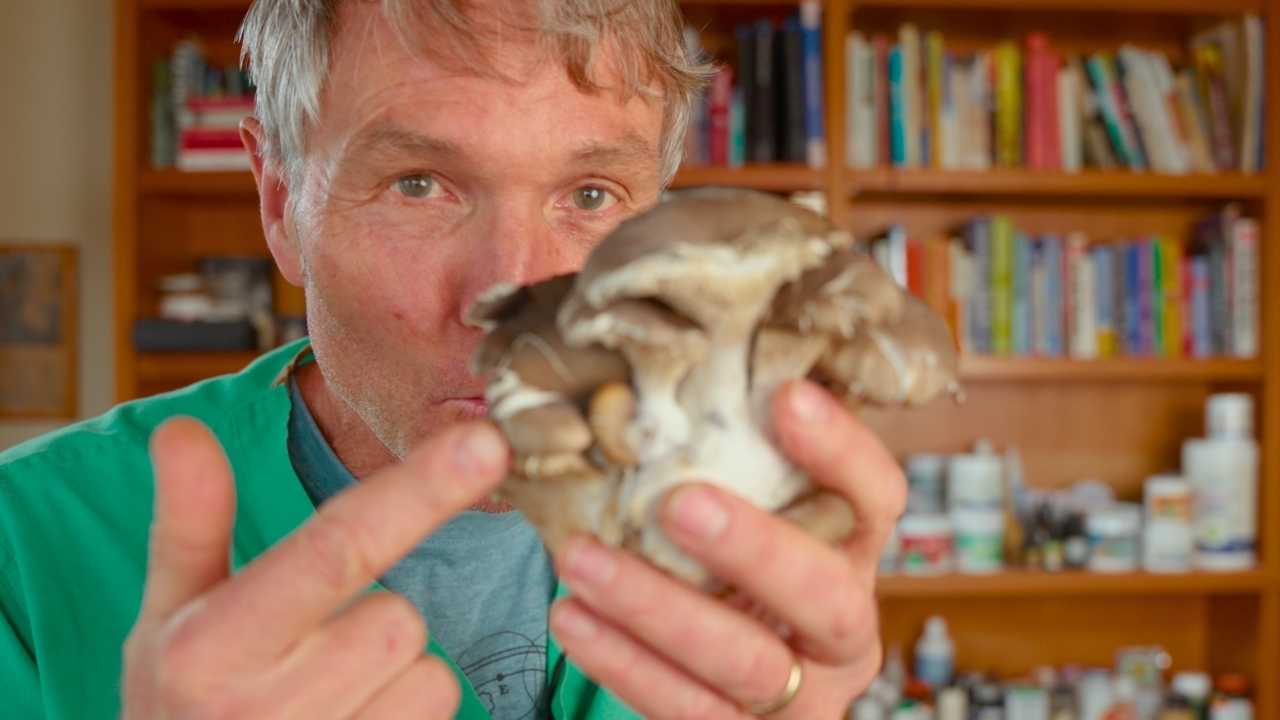
What really changed the conversation in veterinary medicine was the growing research in pets. One of the more important studies looked at turkey tail extract in dogs with hemangiosarcoma, a very serious cancer. That study got a lot of people paying attention. Since then, there has been much more interest in what mushrooms may be able to do for our dogs and cats.
The Big Issue Most People Miss
Not all mushroom products are equal.
This is the part that matters a lot.
Some lower quality products are mostly mycelium grown on grain. They may look like a mushroom supplement, but they often contain a lot of starch and not nearly enough of the active medicinal compounds you are actually trying to get. What I want is the fruiting body, because that is where many of the important therapeutic compounds are found.
So yes, quality matters. A cheap mushroom product that is mostly filler is probably not going to do much.
What Makes Mushrooms Medicinal
There are a few compounds that make medicinal mushrooms so interesting.
One is beta glucans. These help support and activate the immune system.
Another is terpenes, which are some of the aromatic compounds that can have specific therapeutic effects.
And then there is ergothioneine, a very potent antioxidant found in mushrooms. This one especially caught my attention because of its possible role in aging, cognitive support, and liver health.
The Most Affordable Way to Start
You do not need to start with an expensive supplement.
Button mushroom or Crimini mushroom
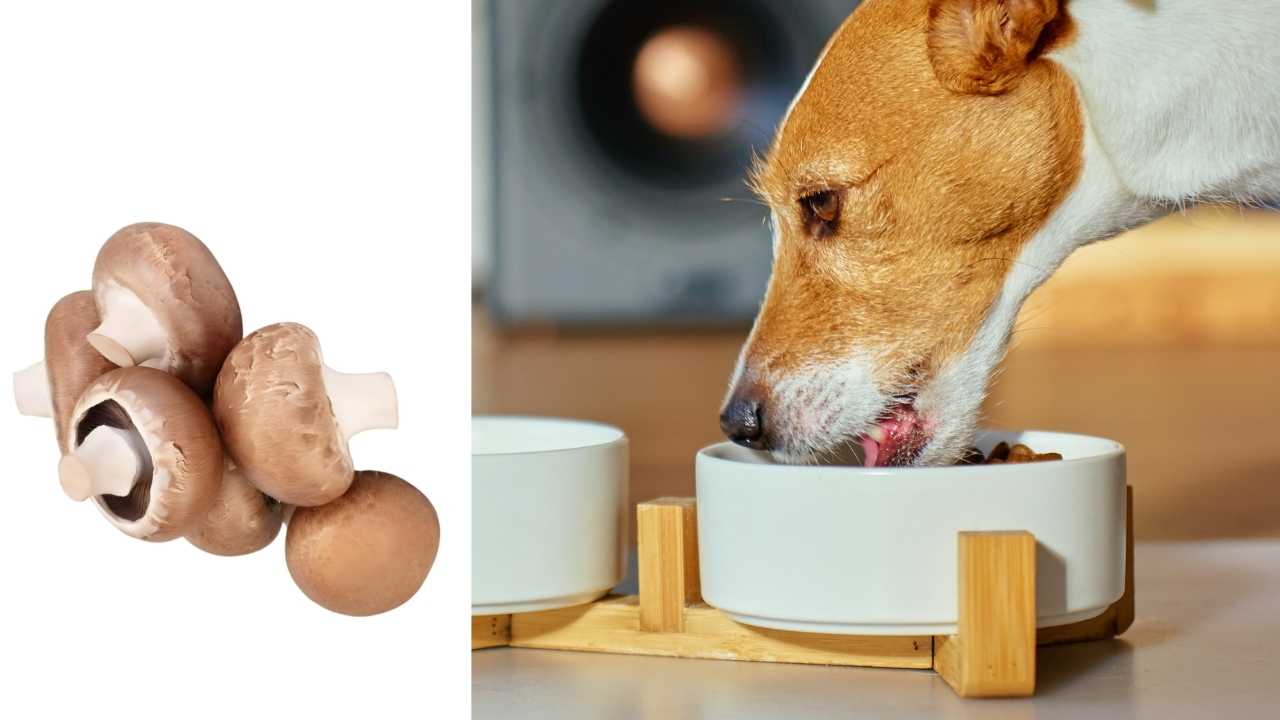
One of the easiest and least expensive ways to begin is with the plain old button mushroom or crimini mushroom. These common cooking mushrooms still offer real health value. They contain beta glucans and ergothioneine, and they have been associated with anti-cancer, liver-supportive, immune-supportive, antibacterial, antiviral, and even blood sugar balancing effects.
If you want to start simply, start here.
For a medium dog, even a small amount such as a quarter of a mushroom daily can be enough to add some benefit. It is a very easy first step.
Oyster Mushrooms for Antioxidant Support
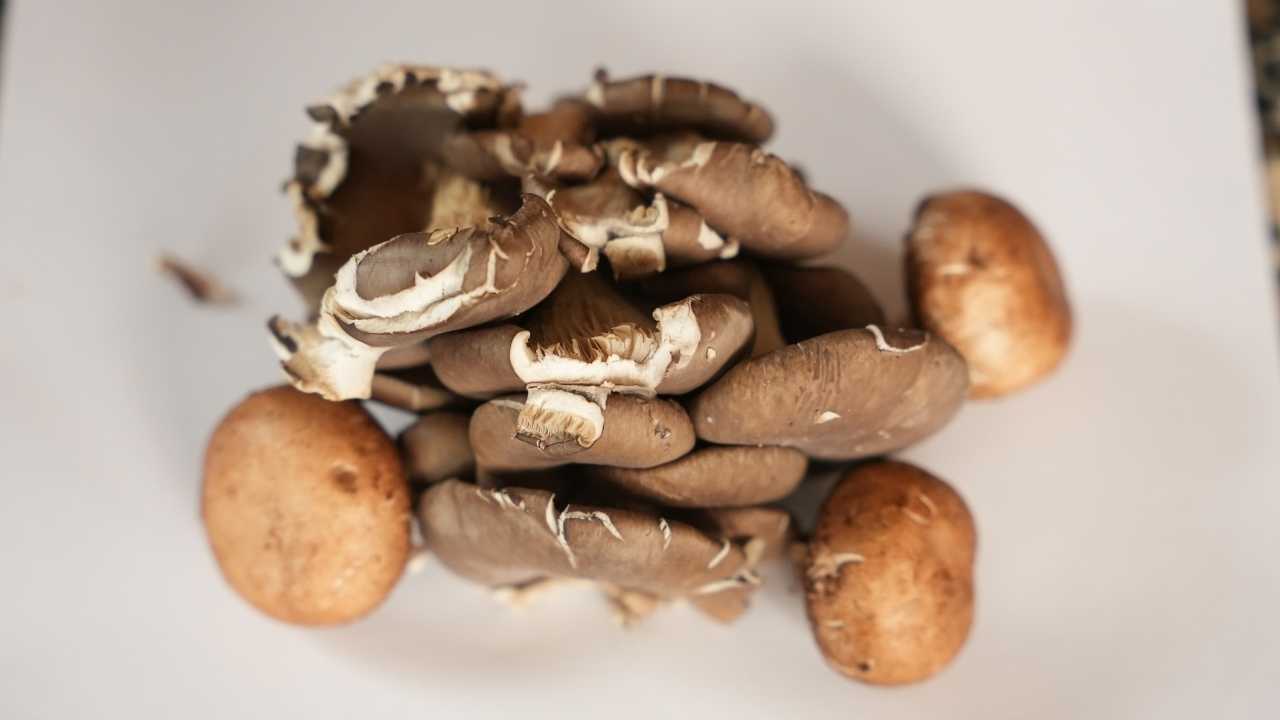
Another inexpensive mushroom I really like is the oyster mushroom.
It is especially high in ergothioneine, that important antioxidant I mentioned earlier. There is also research suggesting benefits for immune support. So if you have an older dog or cat, or you are just looking for an affordable way to add more antioxidant support, oyster mushrooms are well worth considering.
Chaga for Allergies, the Urinary Tract, and Immune Support
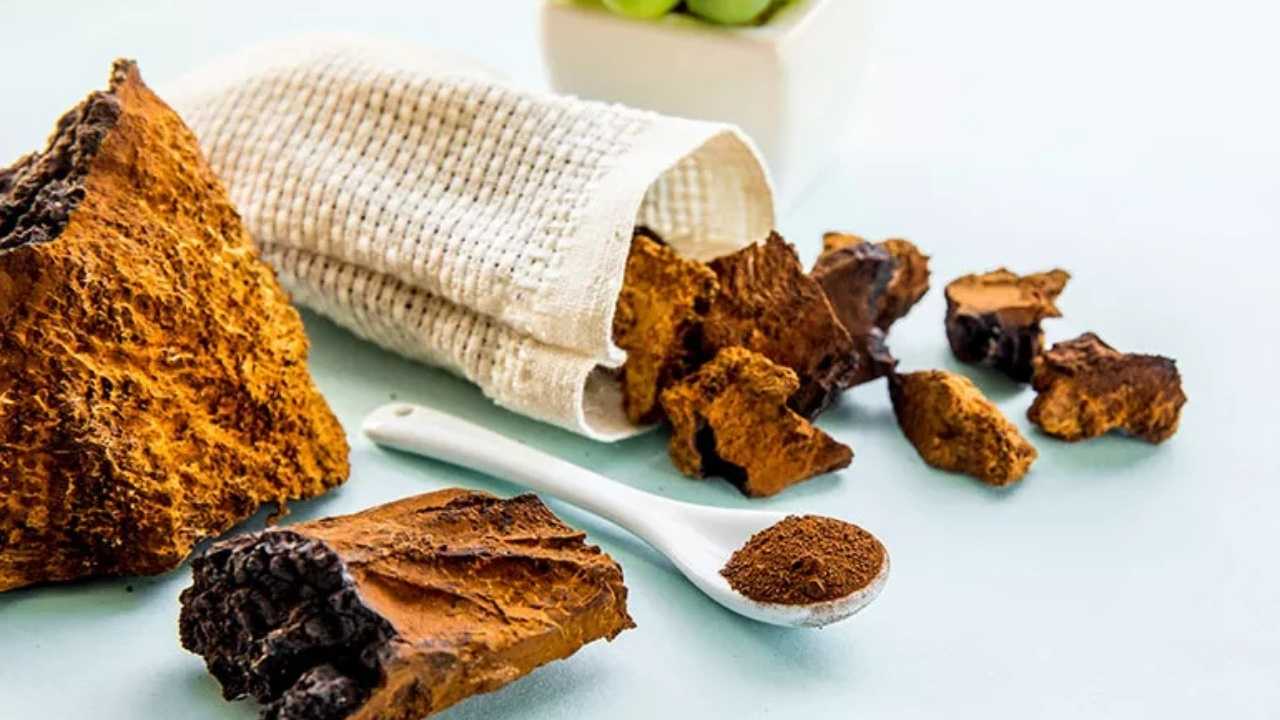
Chaga is one of the more talked about medicinal mushrooms, and for good reason.
It is especially valued for its antioxidant properties and has been discussed for cancer support, urinary tract disease, asthma, allergic rhinitis, and allergies in general. If I am thinking about a pet with chronic itching or allergy-related inflammation, chaga is one of the mushrooms I would have on my list.
Lion’s Mane for the Brain and Nerves
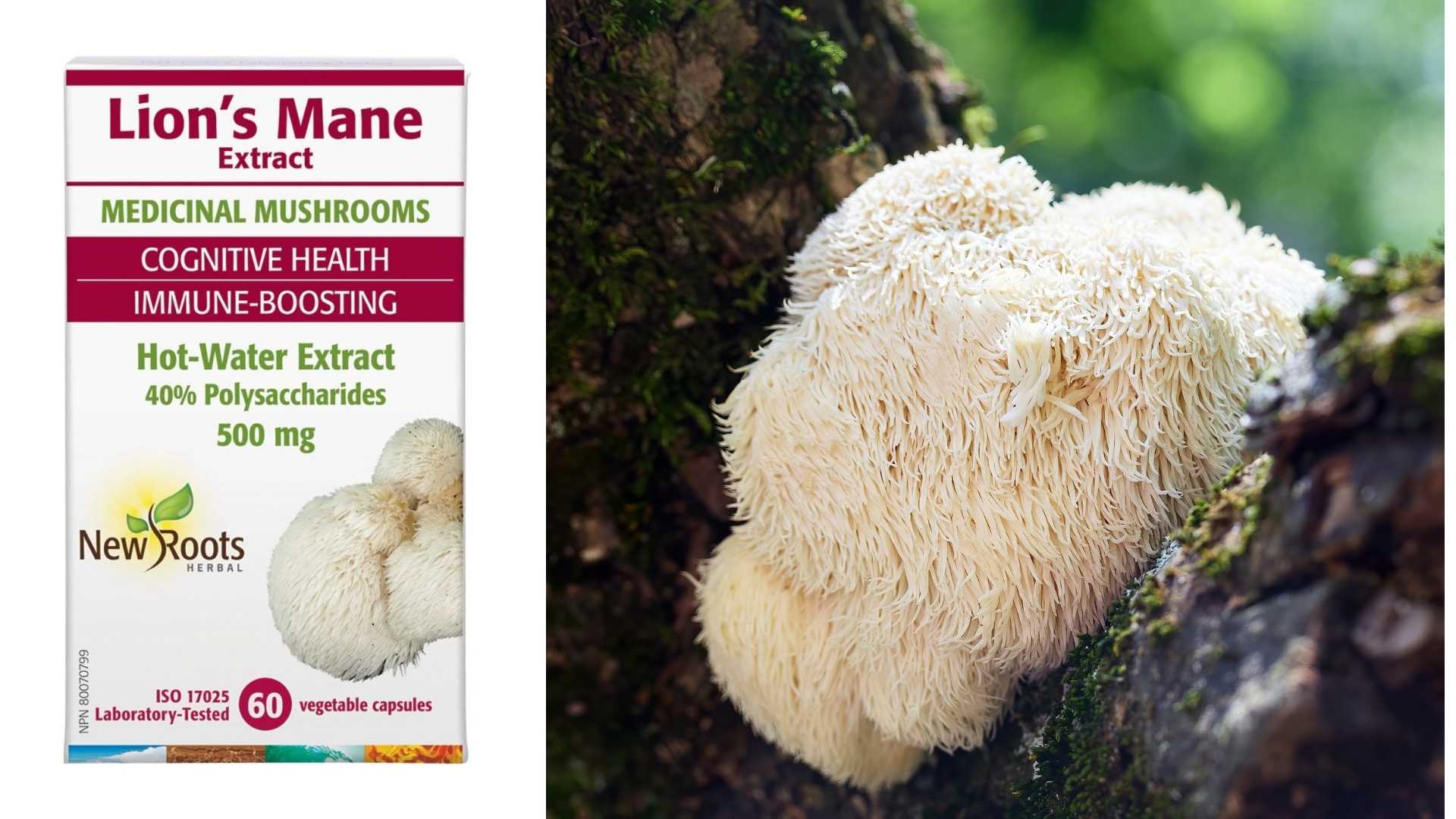
Lion’s mane is the mushroom I think about most when I am considering the brain and nervous system.
It contains compounds that may stimulate nerve growth factor. Because of that, it is often discussed for memory, cognitive dysfunction, seizures, and even degenerative nerve conditions. It is not a miracle cure, but it is one of the more promising mushrooms when brain support is the goal.
Maitake for Immune Support and Cancer
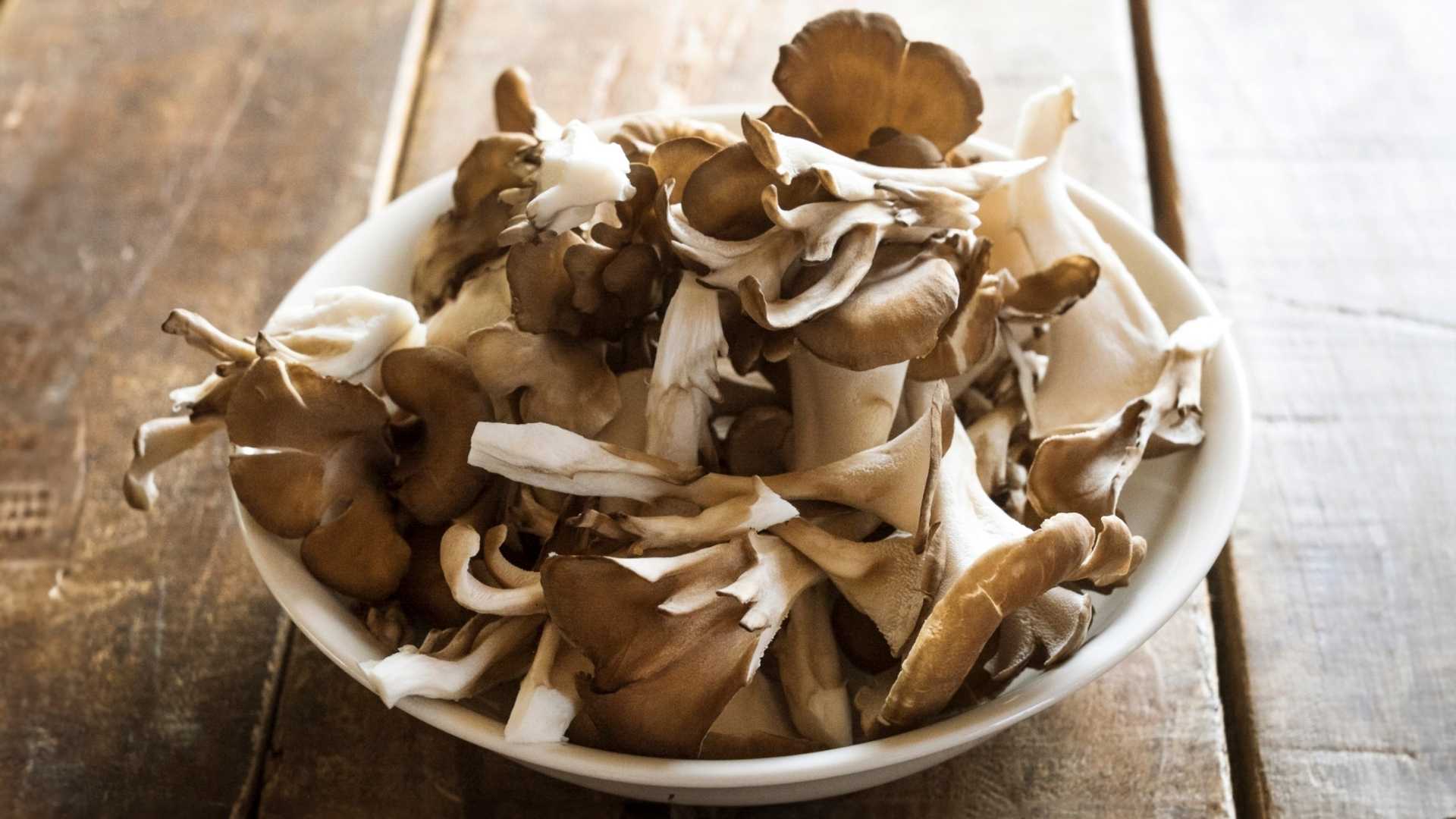
Maitake is another important medicinal mushroom, especially because of its beta glucan content.
It has been studied in dogs with lymphoma, and that alone makes it worth paying attention to. When I think of maitake, I think immune support first, and cancer support second.
Reishi for Longevity, Allergies, and Chronic Disease
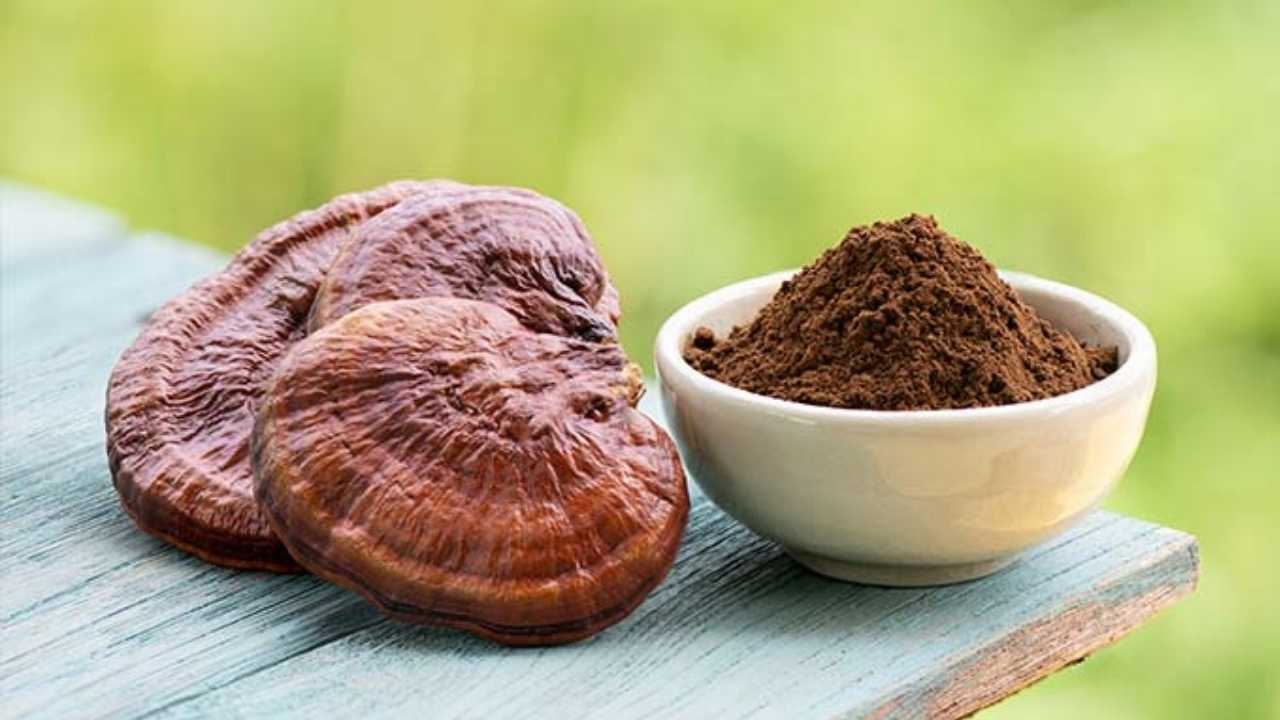
Reishi is often called the mushroom of immortality.
That name tells you a lot.
It has been used for a very long time and is one of the broadest medicinal mushrooms out there. It is discussed for longevity, aging, allergies, cancer, chronic infections, autoimmune disease, seizures, and even support for the microbiome. If I had to name one mushroom that keeps coming up again and again across many conditions, it would be reishi.
Cordyceps for Kidney Disease, Breathing, and Energy
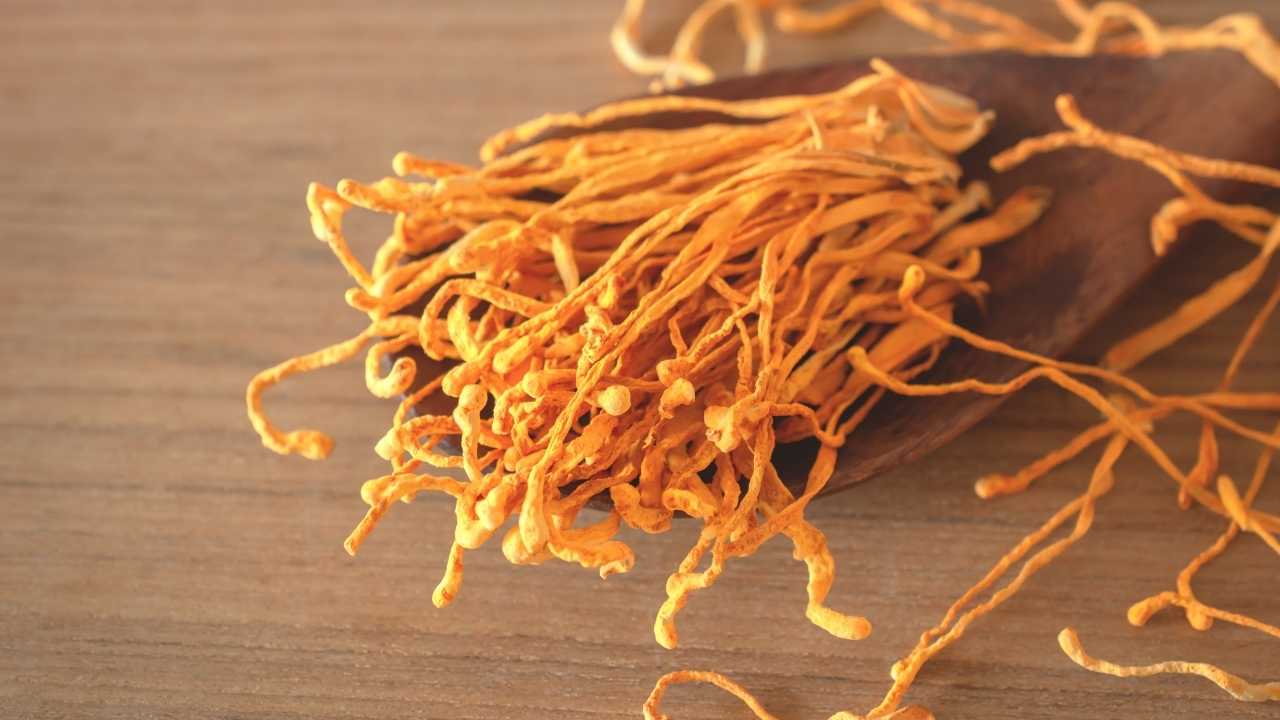
Cordyceps is especially interesting for kidney disease.
There have been veterinary studies suggesting it may improve renal function, which is a very big deal because we do not have many natural options that can do that. It is also discussed for cough, chronic bronchitis, asthma, inflammation, and even pain. So if I had a pet with chronic kidney disease or chronic respiratory issues, cordyceps would definitely be worth considering.
Turkey Tail for Cancer Support
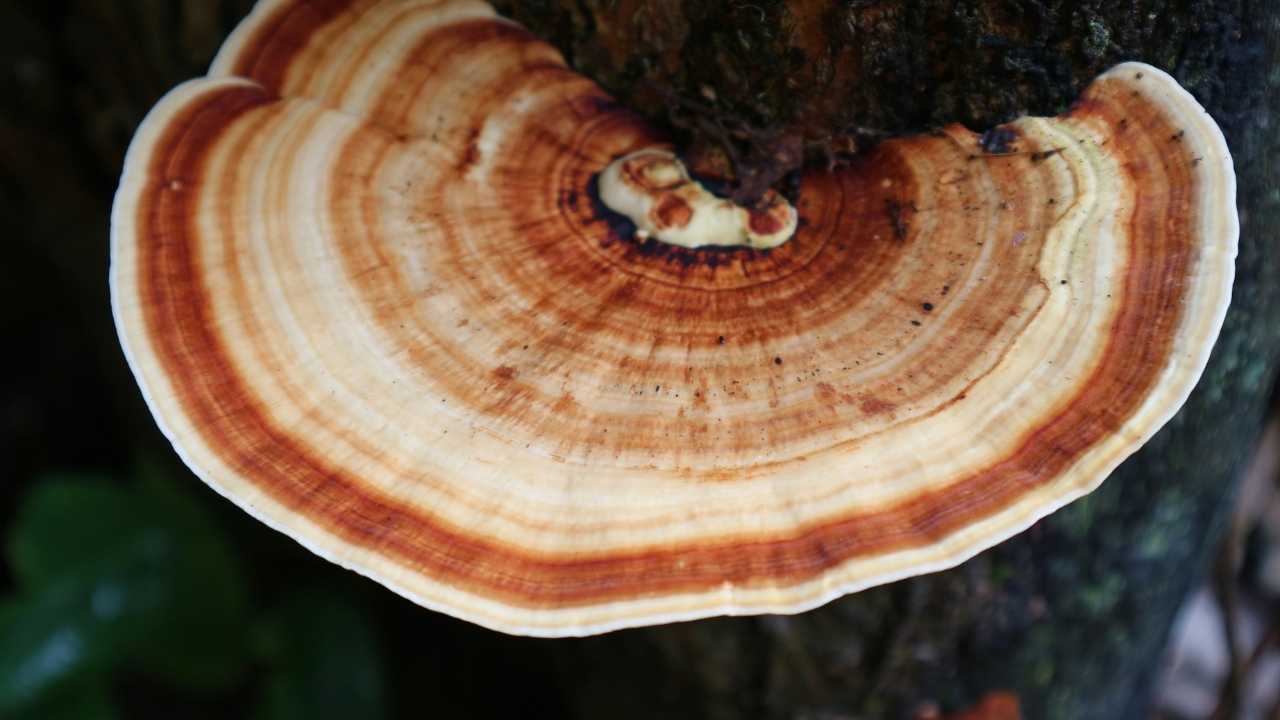
If I had a dog or cat with cancer, turkey tail would always be on my list.
Turkey tail has especially high levels of beta glucans, and that seems to be one of the big reasons it may help support the immune system in targeting cancer cells. It is the mushroom most closely linked in my mind with cancer support because of the veterinary and human studies around it. If a pet had hemangiosarcoma or another serious cancer, I would strongly consider adding turkey tail.
How I Think About Dosing
One point Dr. Silver made that I really liked is this. Do not think of mushrooms like a conventional drug. Think of them more like a supplement.
That means they are often used daily, over time, as part of a wellness plan.
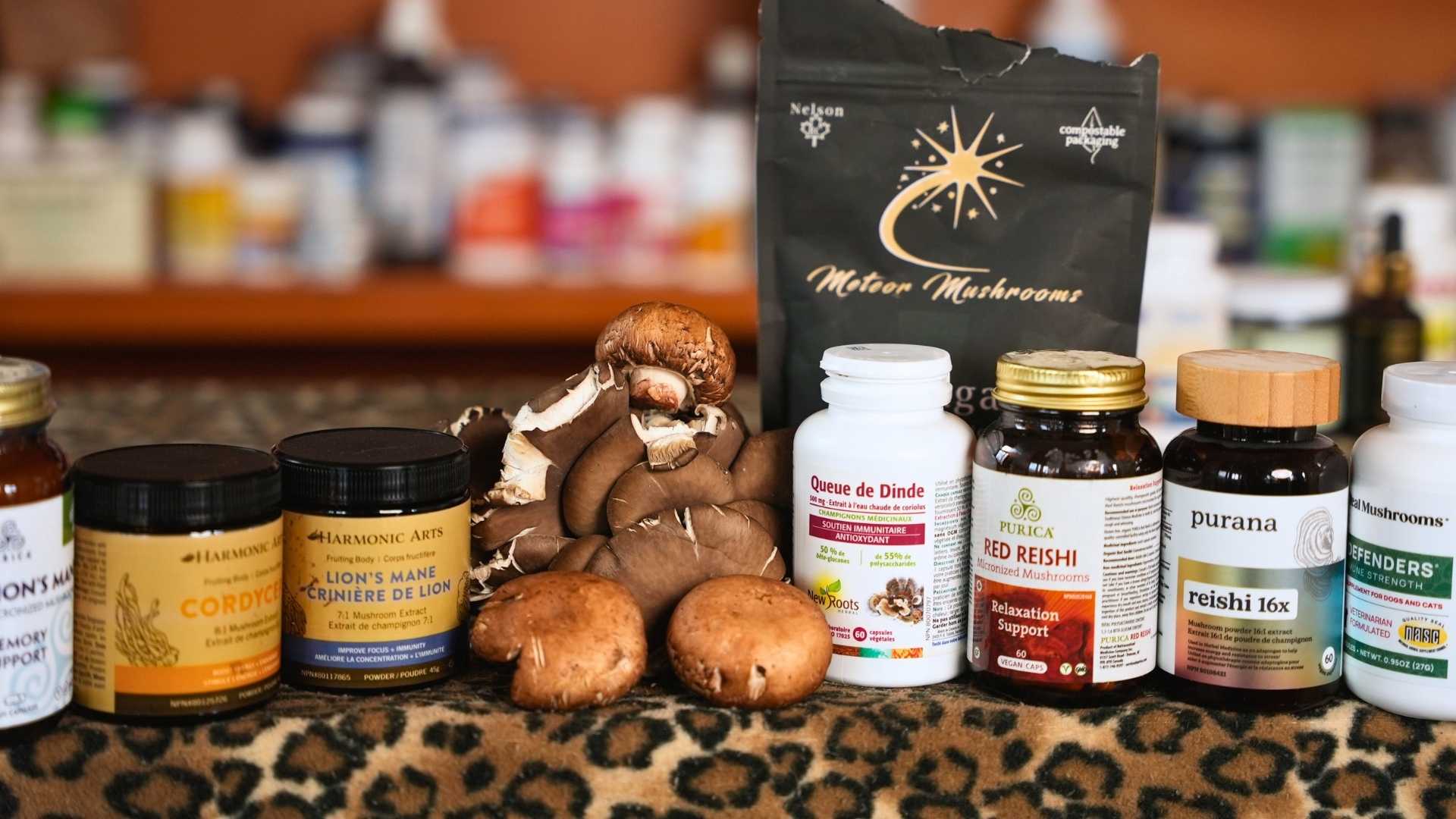
For powders, he discussed approximate amounts rather than obsessing over exact precision. For general wellness, you might use a very small amount daily. For something more chronic, more may be needed. For something more serious, such as cancer, you may use a higher amount. With turkey tail capsules, for example, a useful starting point for a serious condition may be around 100 mg per 10 pounds of body weight daily, and sometimes even more.
My Bottom Line
Mushrooms for dogs and cats are real.
They are not magic, and they are not all the same. But the right mushroom, in the right form, at the right time, can absolutely be helpful.
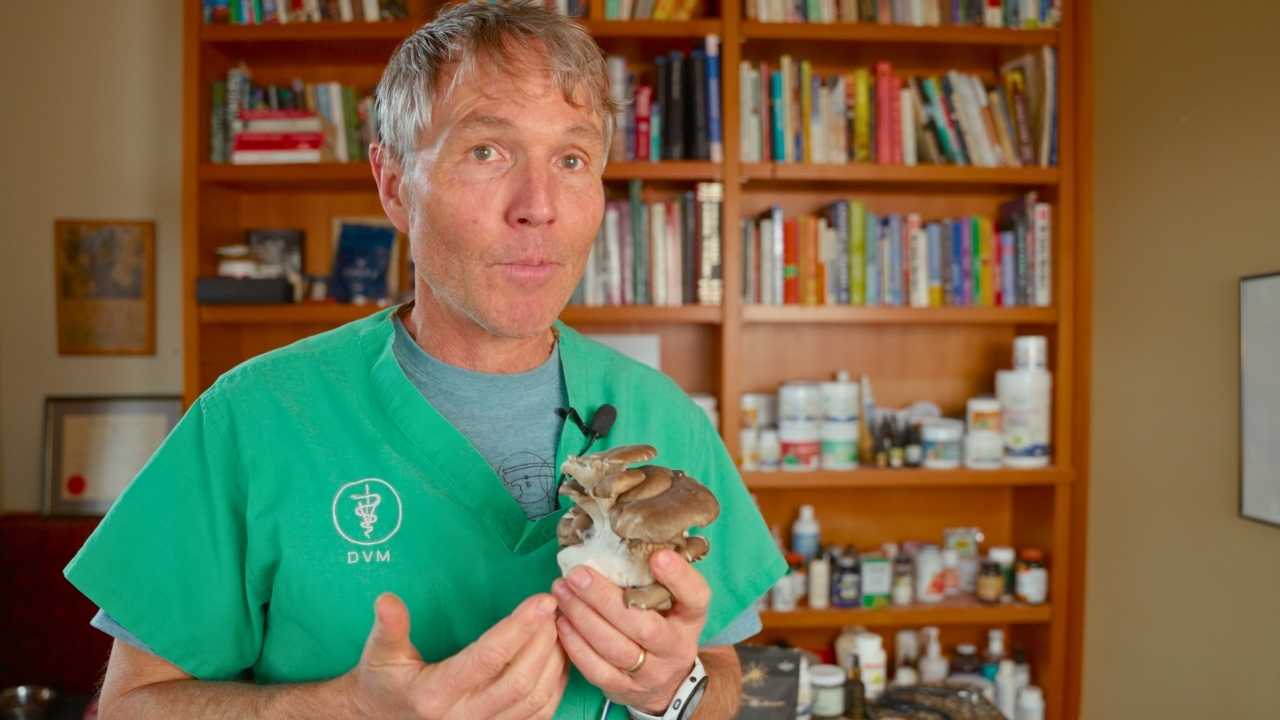
If you want to start in the simplest, least expensive way possible, begin with common mushrooms like crimini or oyster mushrooms. If you are dealing with something more specific, like allergies, kidney disease, cognitive decline, or cancer, then it makes sense to look at the more classic medicinal mushrooms such as chaga, lion’s mane, reishi, cordyceps, maitake, and turkey tail.
For me, the biggest takeaway is this. Mushrooms belong in the conversation. They are one more natural tool that can support our pets in a safe and meaningful way.
Click To Get A Free Copy of My E-Book!

P.S. If you are just getting started, do not overcomplicate it. Even adding a small amount of a common mushroom to your dog or cat’s diet can be a smart first step.
P.P.S. If your pet has cancer, turkey tail is the first medicinal mushroom I would think about. If your pet has allergies, I would be looking closely at chaga and reishi. If your pet is aging cognitively, lion’s mane is the one that stands out most to me.


I just purchased Dr. Mercola Bark & Whiskers Organic Fermented Mushroom Blend. Keep it, or toss it? What are your thoughts?
Nice pick, mushrooms can be a helpful add on when they are high quality. That blend uses fermented mushrooms which may improve absorption, so that is a plus. I would keep it, but use it as a supplement, not a cure all. Start low, watch your pet for any tummy upset, and make sure it fits what your dog or cat actually needs. For immune support it can be useful, but it will not replace good diet and basic care. Keep it simple, keep it smart.
Ckd in 15 pound senior dog – need dosage suggestion of cordyceps powder please????
Good question.
For a 15 pound senior dog with CKD I would start very low with cordyceps, just a small pinch of a good quality fruiting body powder once daily mixed into food. Watch how they do for a few days, appetite, energy, tummy. If all good you can slowly increase a little.
Keep it simple, consistent, and think support not cure.
I spent some time with AI asking what type of Cordyceps mushrooms best for CKD.
it noted positive research for C. senensis but actually potentially very harmful for C. militaris especially with already compromised kidneys.
Noted that many supplements that claim to be C. senensis is actually a diluted, much less expensive version of it. A lab-cultured CS-4 mycelium with mostly filler.
I’m left bewildered and wonder if you recommend a particular brand. Do not want to use the C. militaris as I can’t risk hurting my 12 yr old stage 4 kitty.
Thank you!!
We totally understand your caution, especially with a 12 year old stage 4 kitty. Cordyceps is interesting for kidney support, but research in cats is still limited. We’d focus on a quality product with clearly listed ingredients and independent testing, and check with your vet before adding anything new.