Integrative Pet Cancer Therapies: IV Vitamin C, Mistletoe, and Ozone (What to Know)

IV Vitamin C, Mistletoe, and Ozone Therapy for Pets
I’ve been fortunate to connect with many holistic and integrative veterinarians over the years.
Lately, I’ve been learning about several lesser-known alternative cancer therapies for dogs and cats. Some of them I had heard about before, but honestly, I did not give them much credibility at first.
But when I hear experienced integrative veterinarians discussing these therapies, and then I start digging into the research and seeing some of the results, it changes my perspective.
These are not miracle cures.
But they are therapies I think pet parents should know about, especially when dealing with difficult cancers or when conventional options are limited.
CBD for Dogs and Cats With Cancer
One of the most promising adjunct therapies for pets with cancer is CBD.
CBD, short for cannabidiol, is a non-psychoactive compound found in the cannabis plant. Unlike THC, CBD does not cause a “high,” but it does interact with your dog or cat’s endocannabinoid system, which plays a major role in regulating pain, inflammation, immune response, appetite, and even cell growth.
What makes CBD especially interesting for cancer support is that research has shown it may help in several important ways:
- Decreasing inflammation
- Helping control chronic pain
- Improving appetite and comfort
- Reducing anxiety and stress
- Supporting immune balance
There is also growing research showing cannabinoids may have direct anti-cancer effects. Studies have shown CBD may help slow tumor cell growth, encourage cancer cell death (apoptosis), and reduce the ability of some cancer cells to spread. One review published in the British Journal of Pharmacology found cannabinoids demonstrated anti-tumor activity in multiple cancer models, while additional veterinary and human studies continue exploring CBD as a supportive therapy alongside conventional cancer treatment.
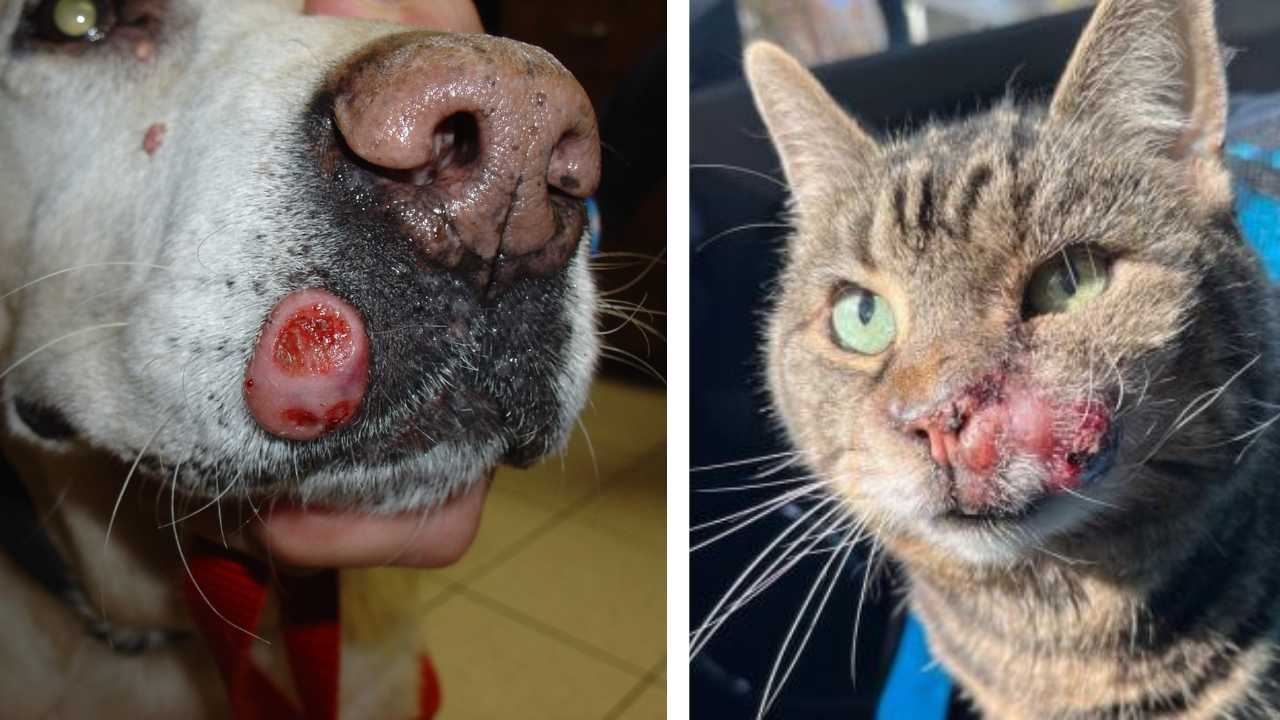
In pets, I most commonly see CBD helping with quality of life. Dogs and cats with cancer are often more comfortable, eating better, sleeping better, and moving more easily when CBD is added as part of an integrative plan.
That’s why I’m such a big believer in using a high-quality CBD product.
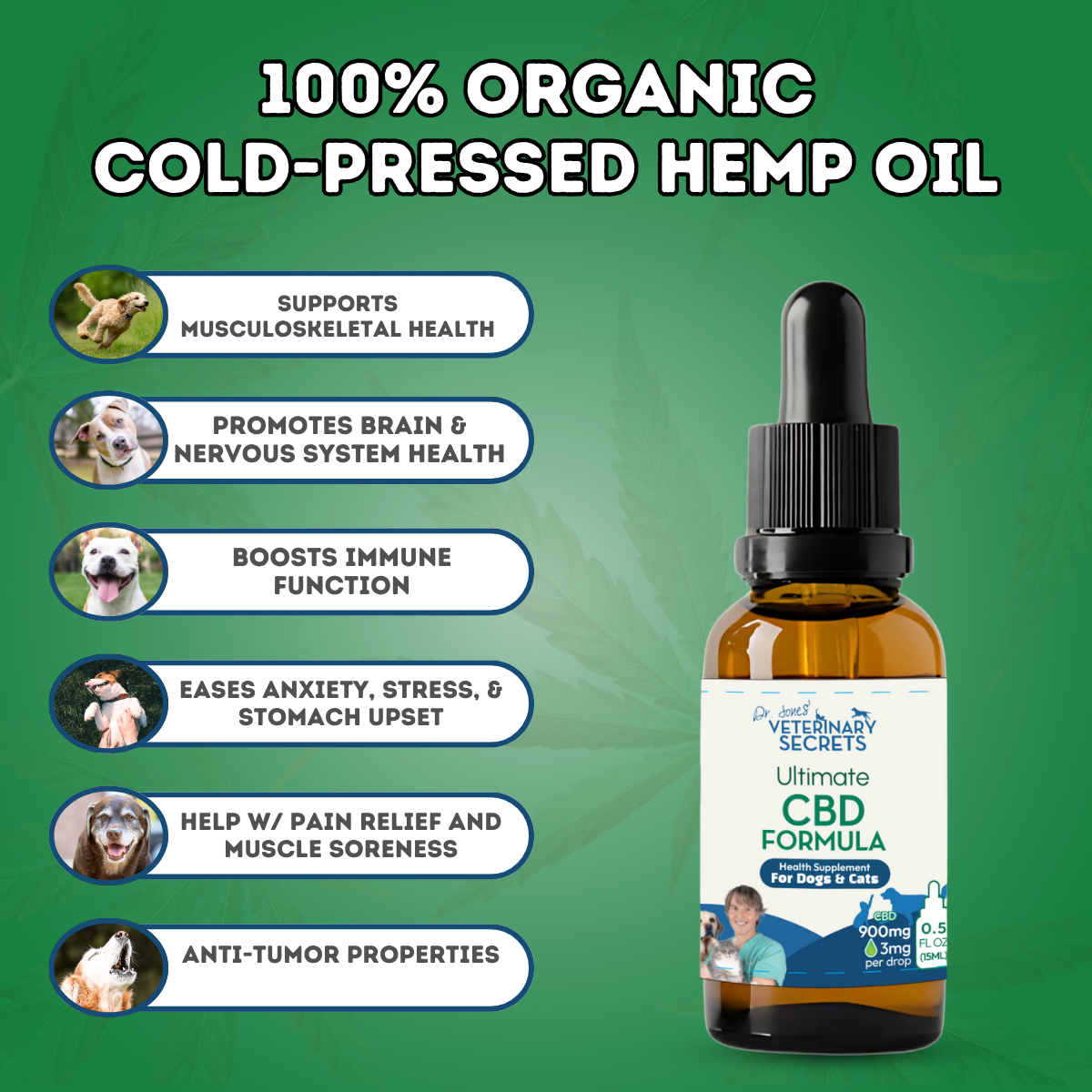
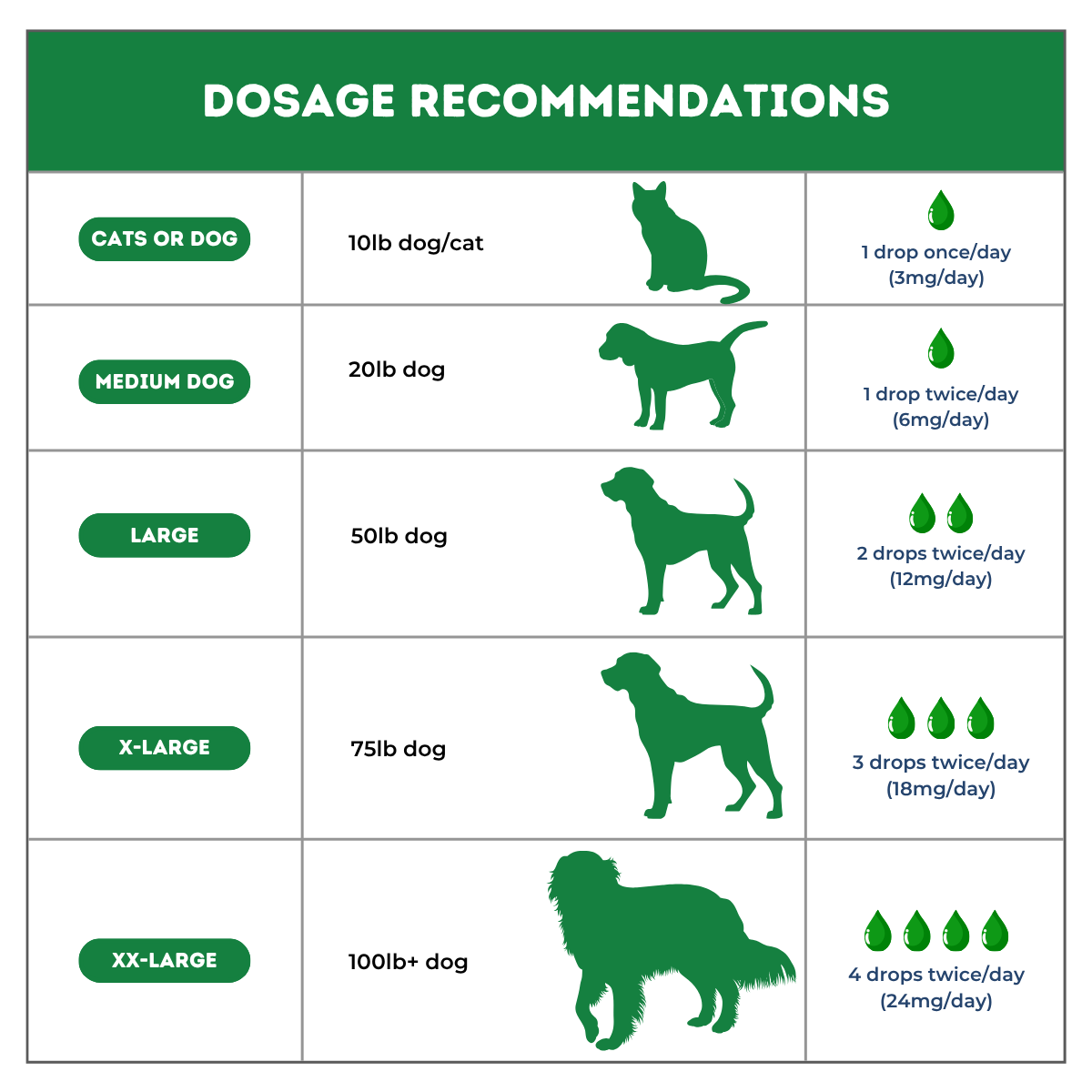
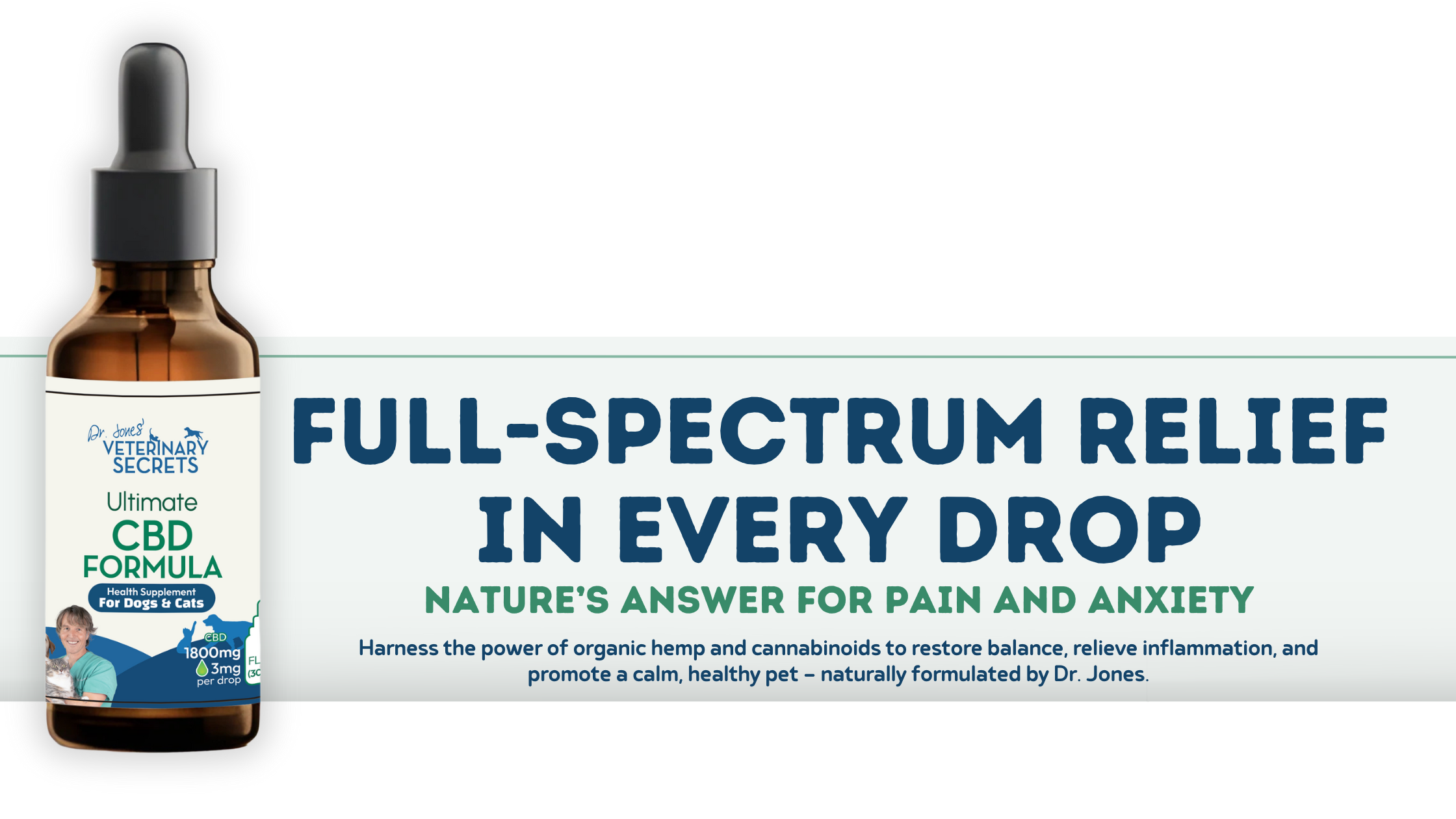
Our Dr. Jones’ ULTIMATE CBD Formula for Dogs and Cats contains full-spectrum CBD in 100% organic cold-pressed hemp oil, specifically formulated for pets. It is highly concentrated, easy to dose, and designed to support pain relief, inflammation, mobility, stress, and overall quality of life in dogs and cats dealing with chronic disease, including cancer.


1. IV Vitamin C for Cancer in Dogs and Cats
Most people think of vitamin C as something you take when you are getting sick.
But the type being studied for cancer is very different.
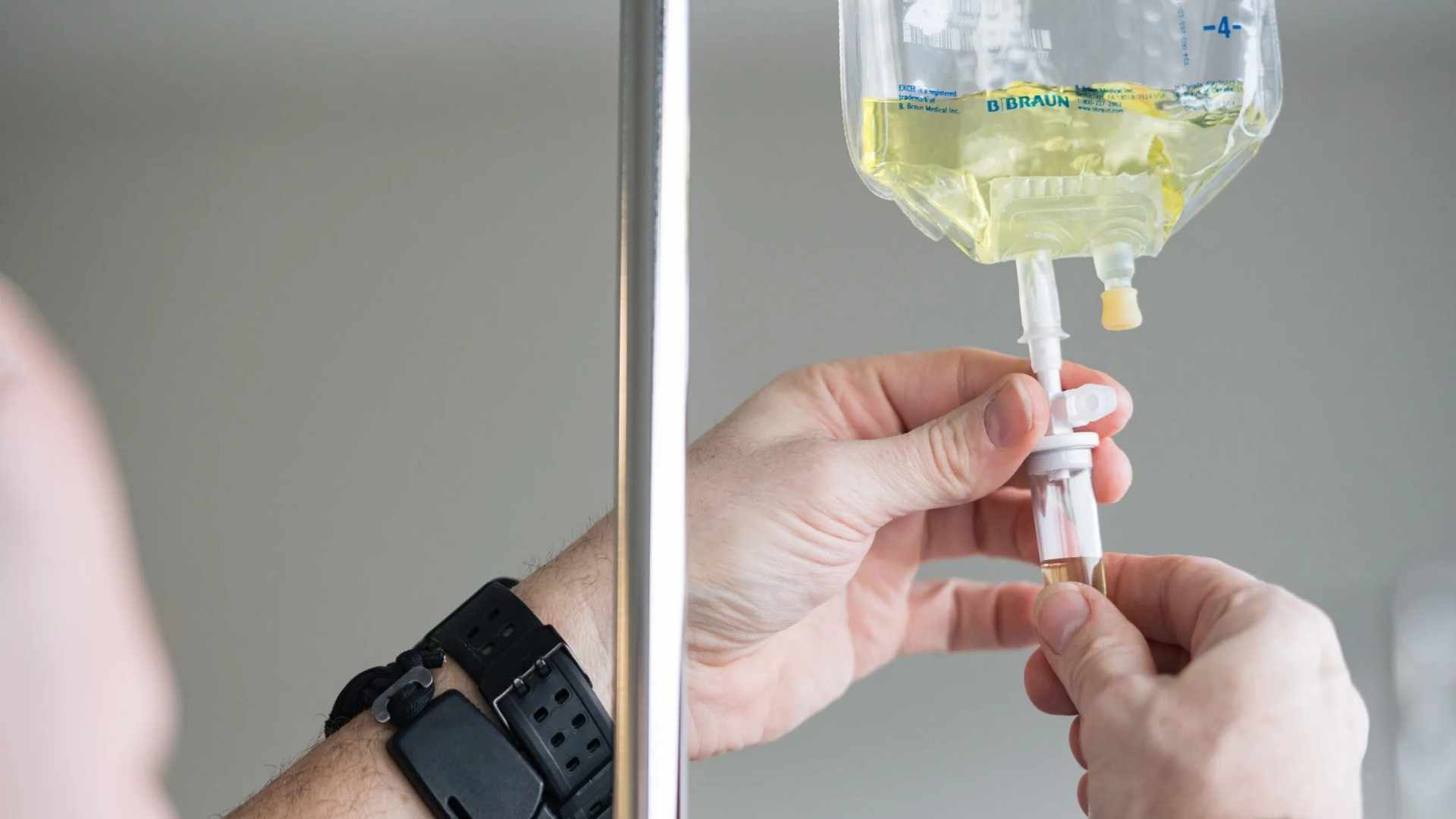
This is high-dose intravenous vitamin C, also known as IV ascorbic acid.
Instead of small oral doses, veterinarians and physicians are using concentrated injectable vitamin C given directly into the bloodstream.
Why Is IV Vitamin C Being Studied?
Researchers have been looking at IV vitamin C for more than 40 years.
There is ongoing interest because studies have shown that high concentrations of vitamin C may be:
- Cytotoxic to cancer cells
- Supportive to healthy tissues
- Helpful alongside conventional cancer care
Current human studies are exploring its use for:
- Lung cancer
- Brain cancer
- Pancreatic cancer
In laboratory studies, these high doses appear capable of damaging cancer cells while leaving healthy cells largely unaffected.
What About Dogs and Cats?
There has already been veterinary research looking at IV vitamin C in dogs.
One study evaluated high-dose IV vitamin C in healthy dogs and also looked at its effects on canine osteosarcoma, a very aggressive bone cancer.
The researchers found:
- High-dose IV vitamin C was safe
- Serious side effects were not seen
- Cancer cells appeared sensitive to the treatment in laboratory testing
Another study looked at dogs with cancers such as:
- Lymphoma
- Bladder cancer
- Skin cancer
Even at doses up to 500 mg/kg, the treatment was well tolerated.
When Might IV Vitamin C Be Considered?
I would especially think about it for:
- Lymphoma
- Advanced mast cell tumors
- Brain cancers
- Osteosarcoma
- Cancers not responding well to conventional treatment
This is not a home treatment.
It should only be done with an experienced integrative veterinarian who understands proper IV protocols and dosing.
But seeing the safety data and the growing research, it is definitely something I believe deserves serious attention.
2. Mistletoe Therapy for Pets
Yes, mistletoe.
The same plant people associate with the holidays.
Mistletoe extract is actually one of the most widely used integrative cancer therapies in parts of Europe.
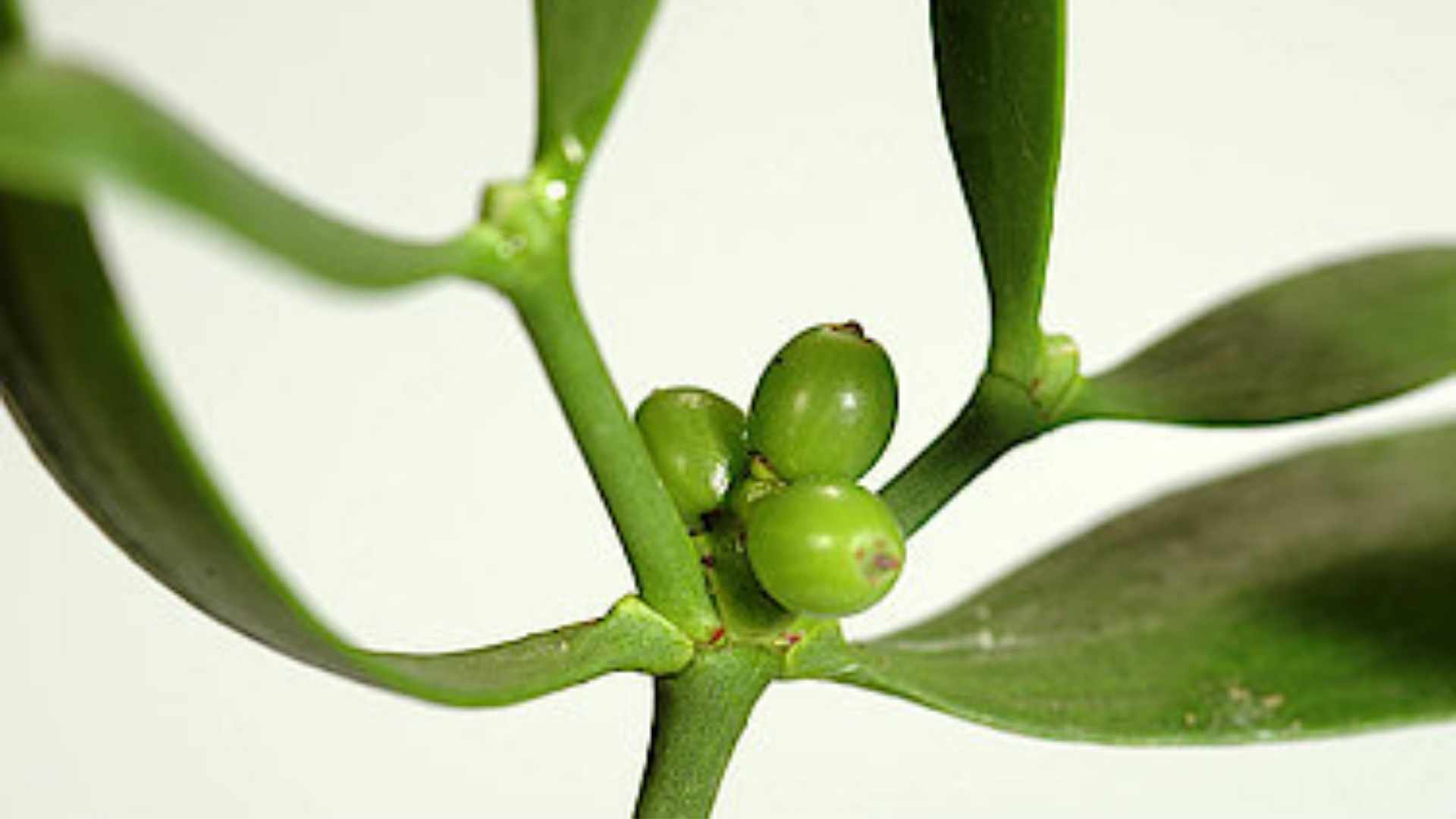
How Mistletoe Works
The raw plant itself can be toxic if eaten.
But medicinal extracts are different.
The therapeutic compounds are isolated and concentrated into injectable preparations used in integrative medicine.
These extracts contain compounds such as:
- Lectins
- Polysaccharides
- Viscotoxins
Research suggests these compounds may:
- Stimulate immune function
- Slow tumor growth
- Trigger cancer cell death
- Improve quality of life
Some studies even suggest mistletoe may help regulate genes involved in cancer progression.
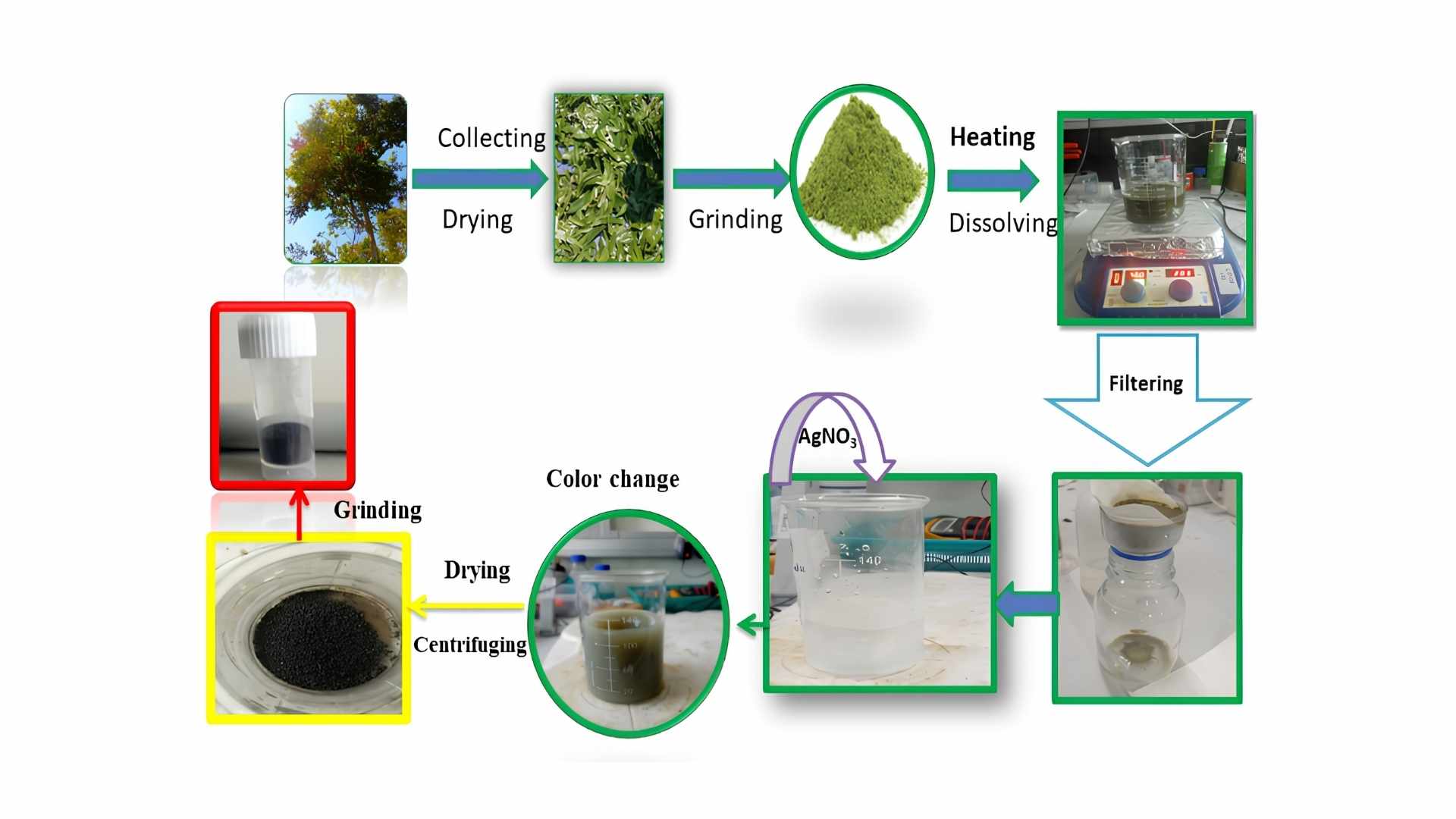
Different Types of Mistletoe
One interesting thing is that mistletoe changes depending on the tree it grows on.
For example:
- Apple tree mistletoe
- Pine tree mistletoe
- Oak tree mistletoe
- Spruce tree mistletoe
Each may contain slightly different medicinal compounds.
One commonly used extract is called Helixor, which comes from mistletoe grown on spruce trees.
How Is It Given?
Mistletoe therapy is typically given as a small injection under the skin several times weekly.
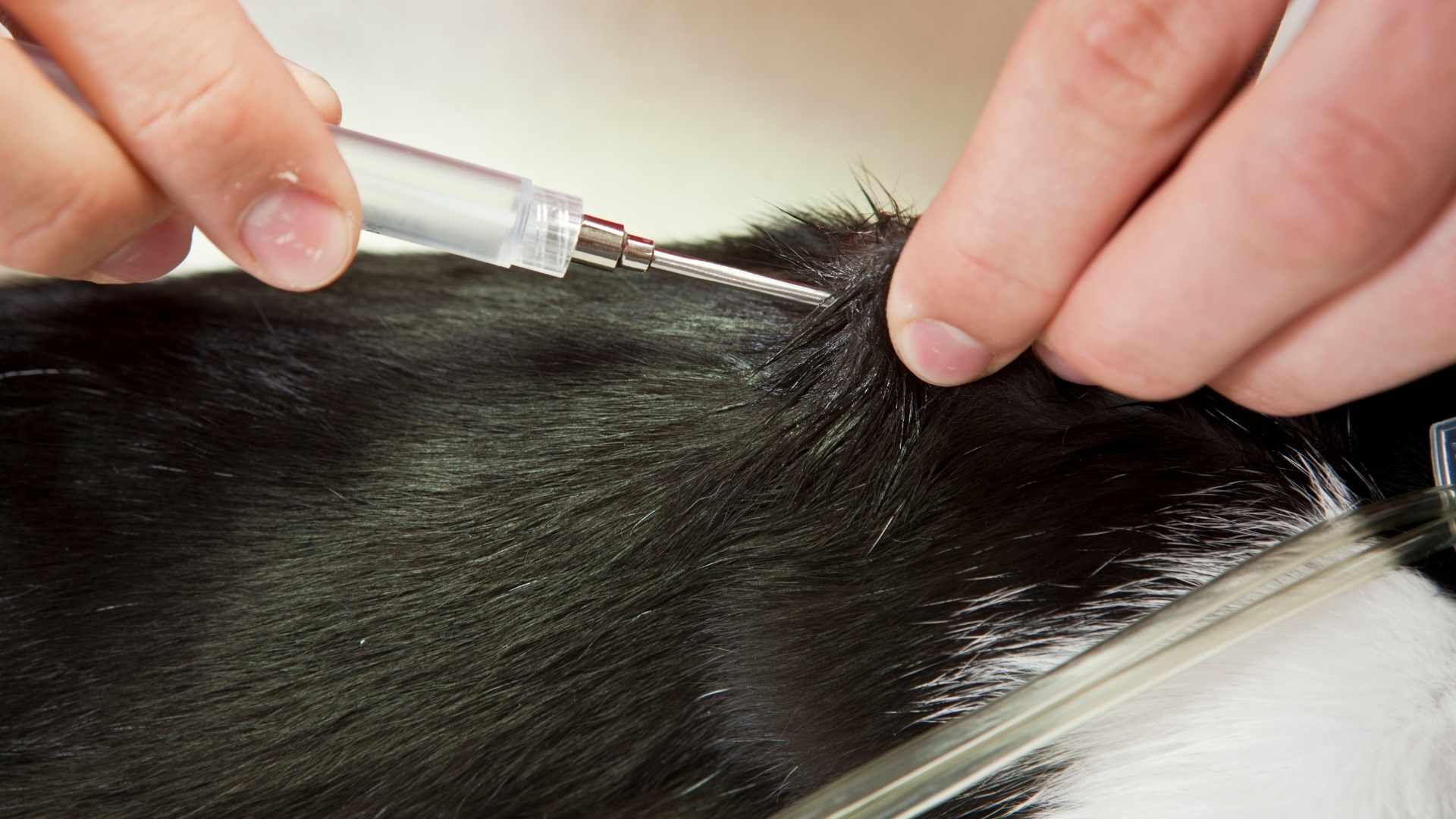
This is something done under veterinary guidance.
I would especially think about mistletoe for:
- Lymphoma
- Leukemia
- Chronic cancers needing immune support
Again, not a cure.
But potentially a very useful supportive therapy.
3. Ozone Therapy for Cancer in Pets
Ozone therapy was another treatment I honestly knew very little about.
Ozone is a special form of oxygen made up of three oxygen atoms instead of two.
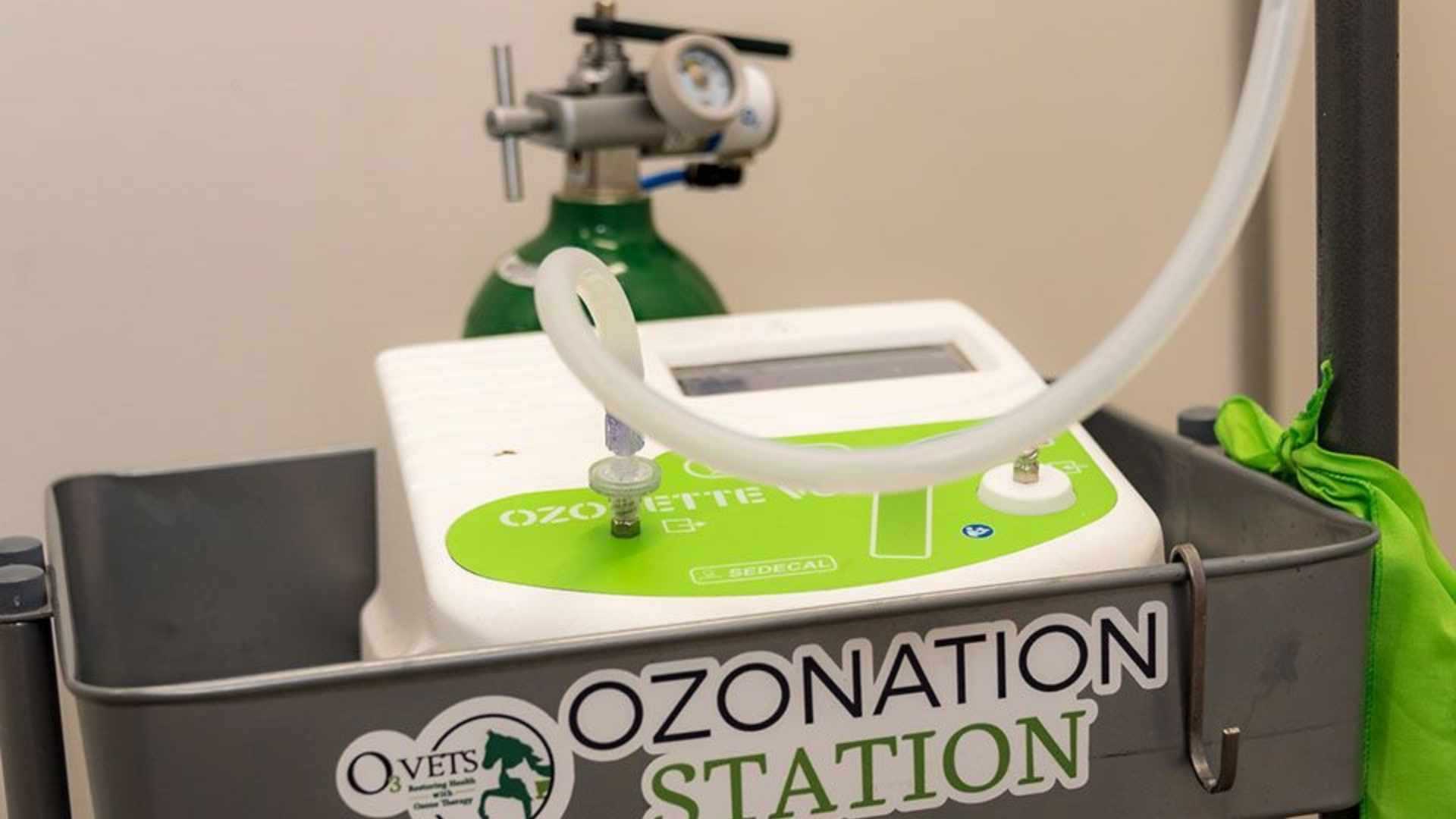
Medical ozone is created by passing medical-grade oxygen through an electrical current, forming this highly active oxygen molecule.
Why Ozone Therapy Is Being Used
Ozone therapy is believed to:
- Support tissue oxygenation
- Improve circulation
- Reduce inflammation
- Support mitochondrial energy production
- Stimulate antioxidant enzymes
- Enhance immune response
Integrative practitioners have used it for:
- Pain management
- Wound healing
- Infections
- Inflammatory disease
- Cancer support
Ozone Therapy and Cancer
One veterinary study looked at dogs with mammary cancer receiving chemotherapy.
Some dogs also received ozone therapy.
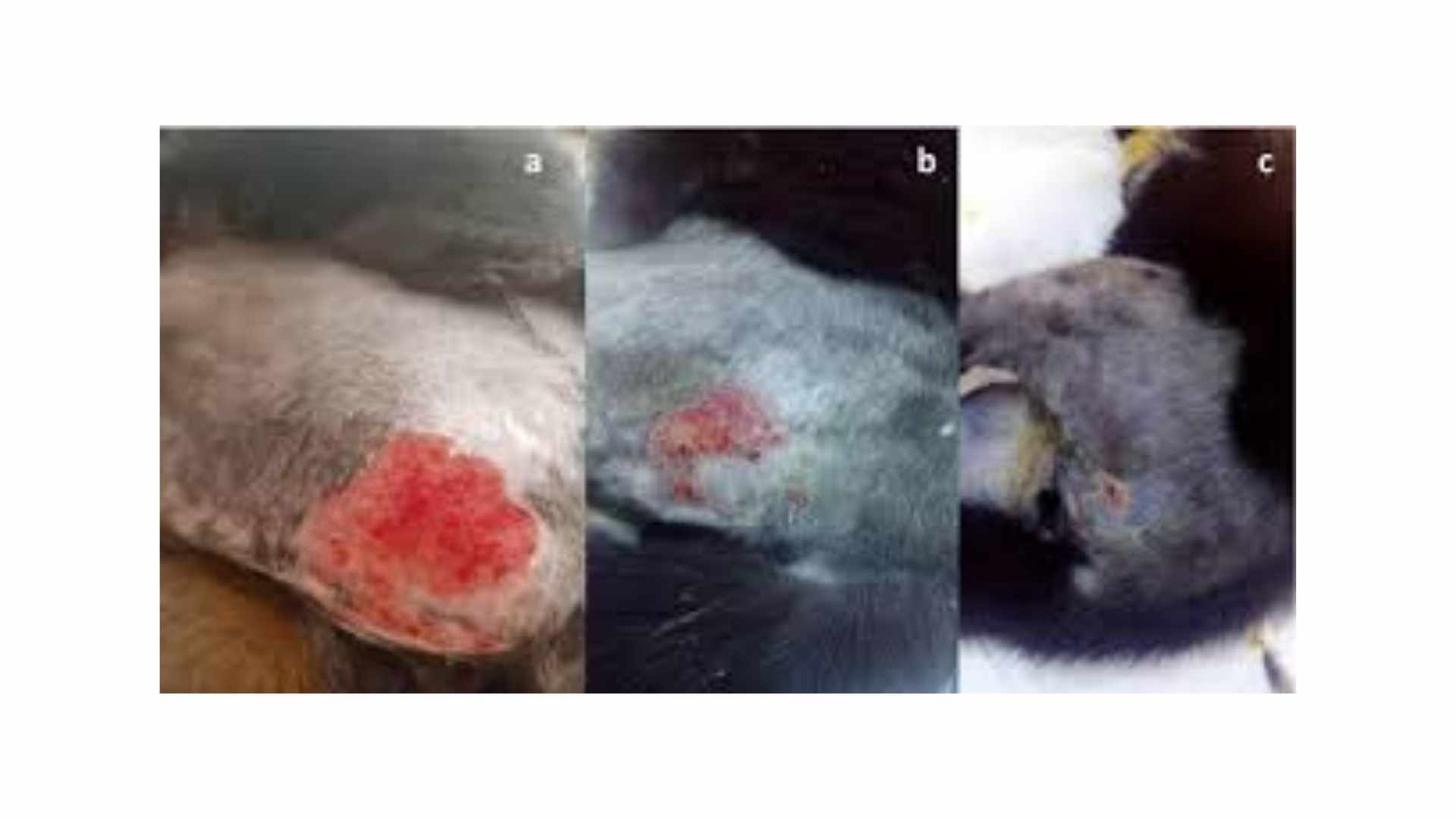
The ozone-treated dogs showed:
- Improved survival
- Better quality of life
- Higher red blood cell counts
- Higher platelet counts
- Fewer chemotherapy side effects
Researchers concluded ozone therapy appeared promising as a complementary treatment for canine mammary cancer.
How Ozone Is Used
Ozone therapy is not something done at home.
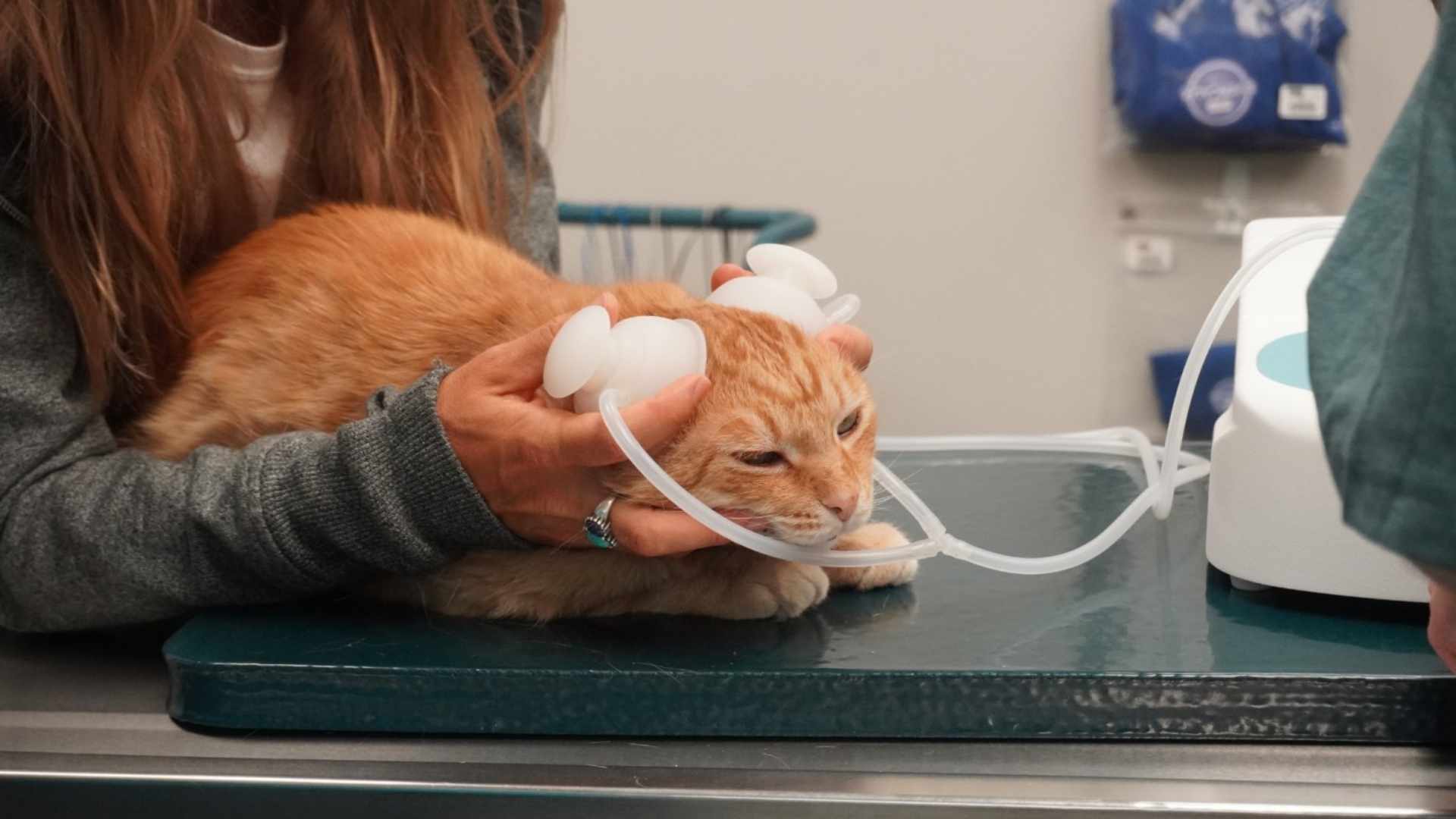
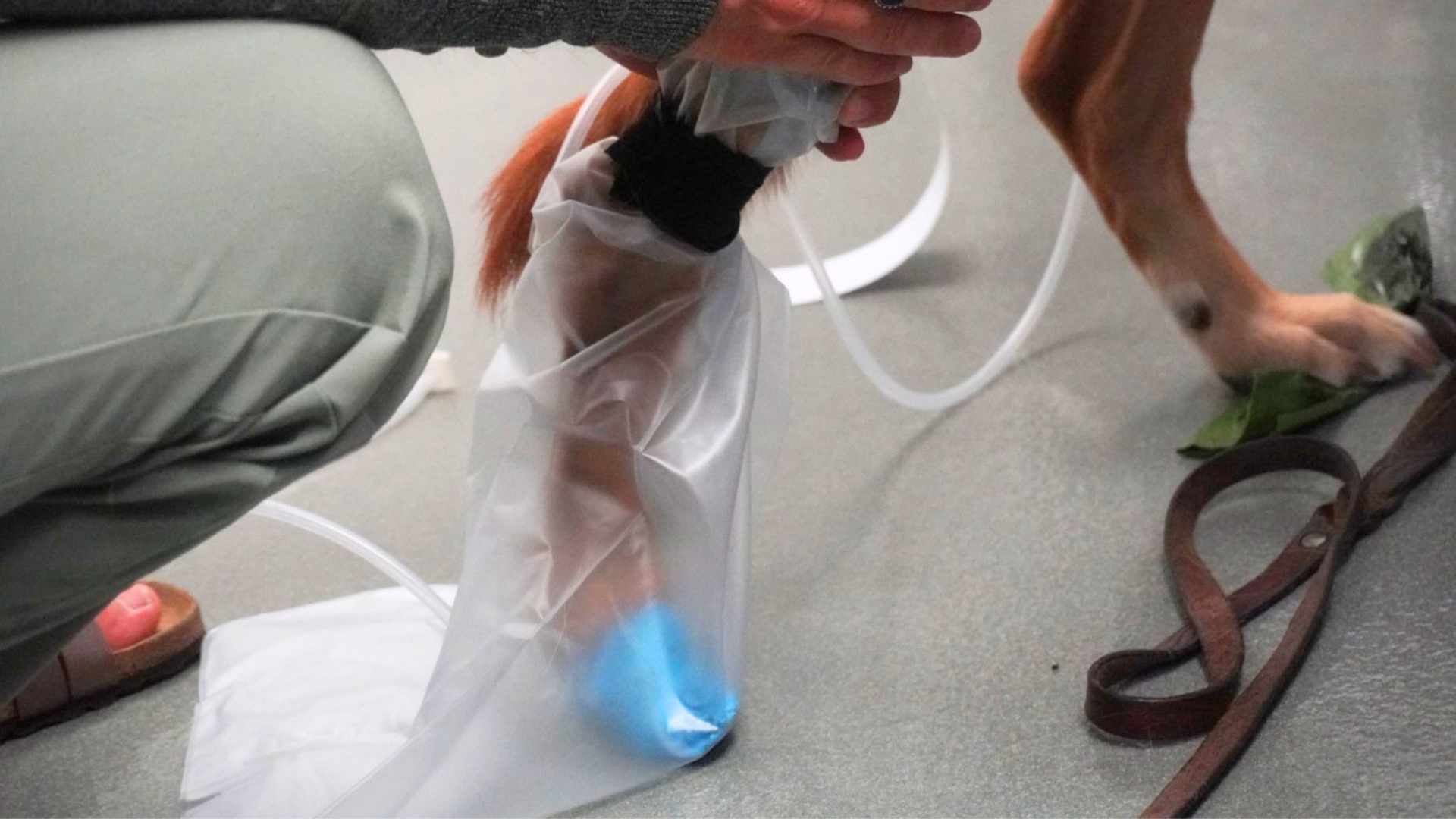
Integrative veterinarians may:
- Apply ozone locally around tumors
- Use special ozone bags around affected limbs
- Administer ozone through controlled medical protocols
The goal is often to improve tissue healing, oxygenation, and immune support around cancerous tissue.
My Thoughts on These Integrative Cancer Therapies
None of these therapies should be viewed as magic cures.
But they are promising.
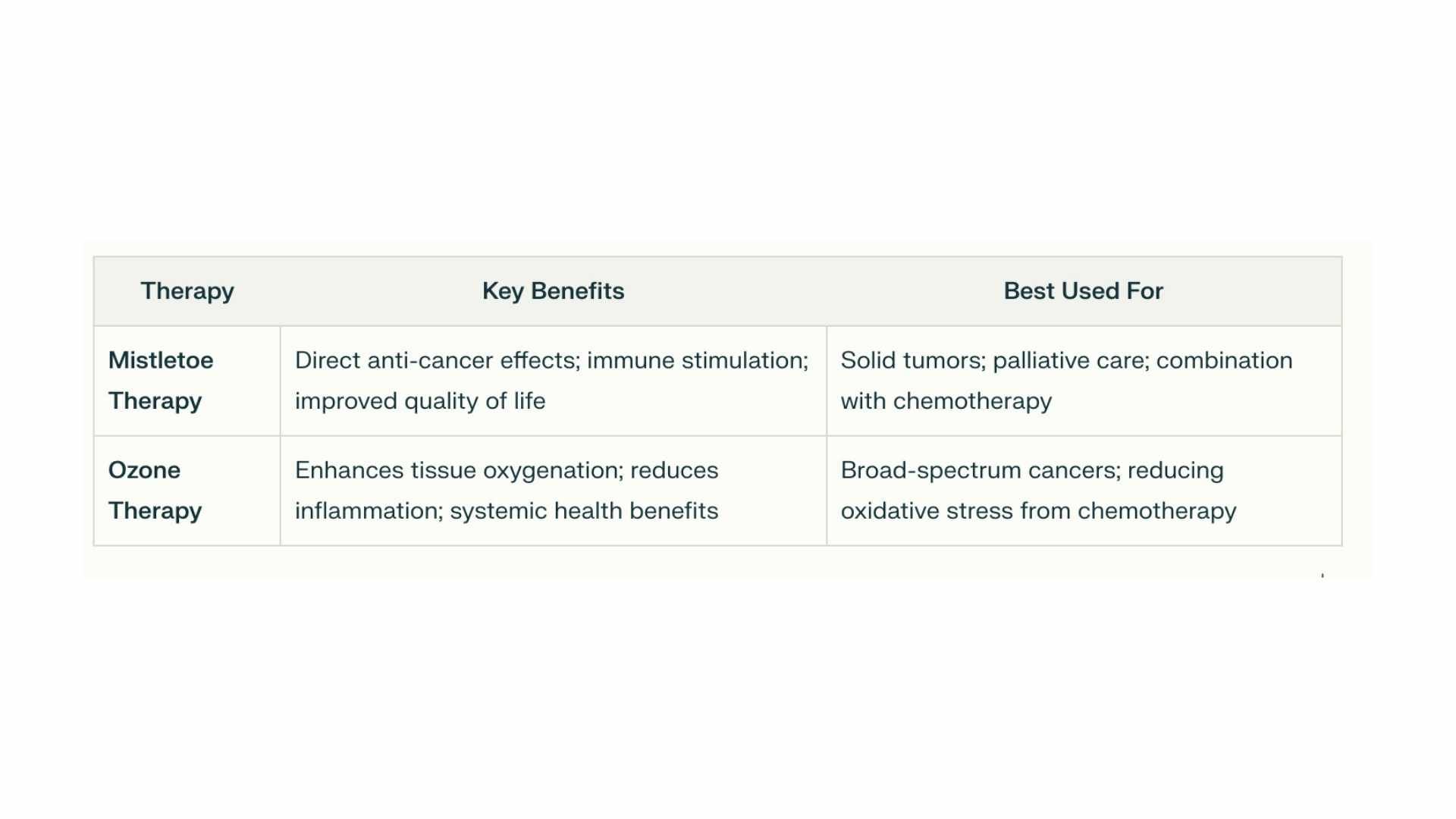
And importantly, many appear to have:
- Reasonable safety profiles
- Supportive research
- Potential benefits alongside conventional treatment
If your dog or cat has cancer, I strongly encourage you to work with an experienced integrative veterinarian who is open to combining conventional and holistic approaches.
There are more options available than many people realize.
Click To Get A Free Copy of My E-Book!

P.S. If your dog or cat is dealing with cancer, do not be afraid to ask questions about integrative care. Therapies like IV vitamin C, mistletoe, and ozone are becoming much more widely discussed for a reason.
P.P.S. The biggest takeaway for me is this: many of these therapies are not replacing conventional medicine. They are being used alongside it to improve comfort, quality of life, and possibly outcomes.