How to Remove a Tick From a Dog Safely: What Every Pet Parent Should Know

How Do You Safely Remove a Tick From a Dog?
To safely remove a tick from your dog, use tweezers or forceps, grab the tick right at the base where it attaches to the skin, and pull straight up slowly and firmly. Do not use your fingers. After removing the tick, place it in a plastic bag in case your veterinarian wants to examine or test it, then clean the area with an antiseptic spray such as propolis.
Ticks are not my favorite little critters.
In fact, just looking at them makes me a bit itchy.
But this year, we are seeing more ticks, more tick-borne diseases, and more problems for dogs. Daily tick checks are one of the simplest ways to protect your dog before disease has a chance to spread.
Most tick-borne diseases take about 24 to 48 hours after attachment before they can spread. That means if you check your dog every day and remove ticks early, you may prevent a much bigger problem.




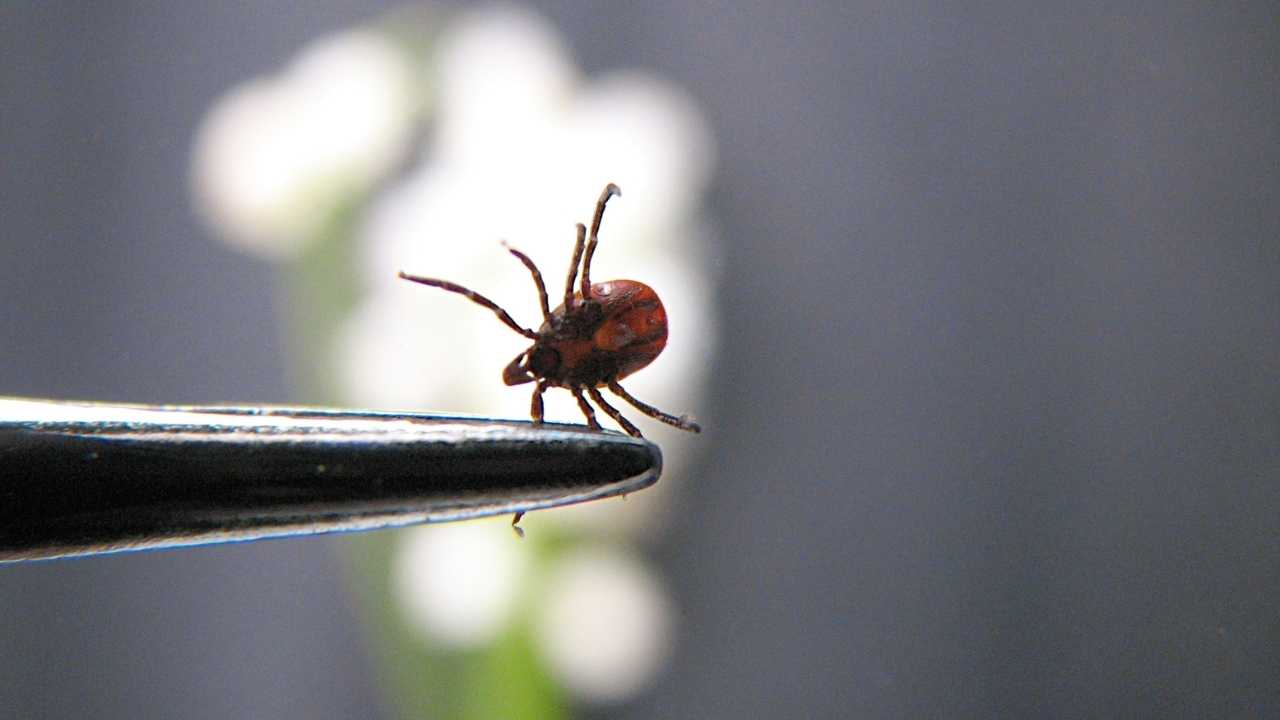
Why Are Ticks Becoming a Bigger Problem?
Ticks are becoming more common in many areas.
Pet parents are telling me they are seeing more ticks than ever before.
There are a few reasons this may be happening:
- Warmer climates
- Ticks expanding into new regions
- Ticks adapting to different environments
- Increased tick populations
- More tick-borne disease exposure
With more ticks comes more risk.
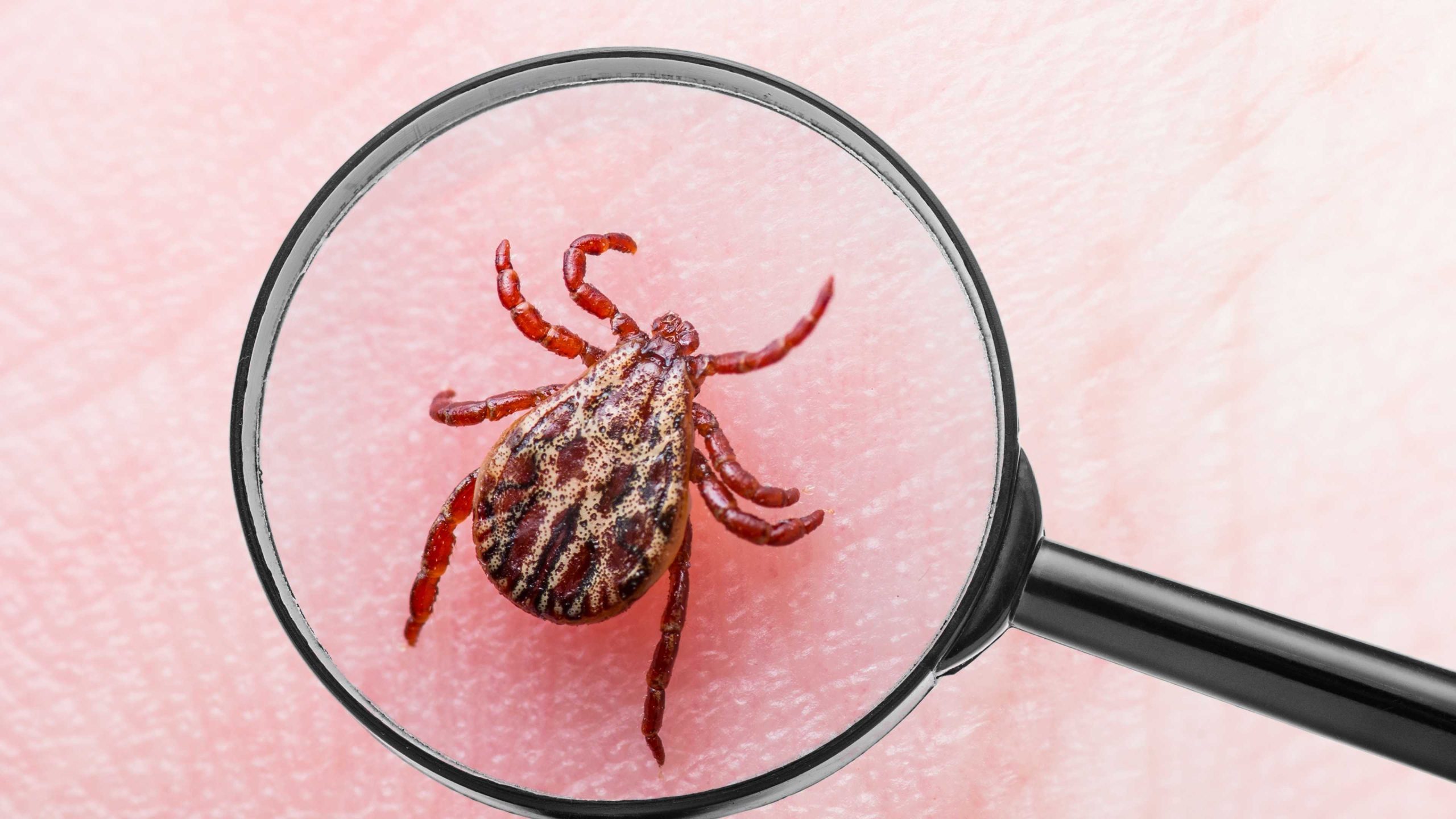
Common tick-borne diseases mentioned include:
- Lyme disease
- Ehrlichia
- Babesia
- Anaplasma
There is also a common tick where I live called the Rocky Mountain wood tick, which can cause tick paralysis.
With tick paralysis, the big treatment is removing the tick.
The problem?
Sometimes the tick is hiding where nobody thinks to look.
Why Daily Tick Checks Matter
Daily tick checks are one of the best habits you can build for your dog.
If a tick is found and removed early, you may stop it before it transmits disease.
Most ticks need time to attach and feed before they can spread disease, often about 24 to 48 hours.
So the goal is simple:
Check your dog every day.
Find the tick early.
Remove it properly.
Then clean the area.
That is much easier than treating a tick-borne disease later.
Where Should You Check Your Dog for Ticks?
Ticks love warm, hidden cracks and crevices.
They are not usually sitting politely on top of the coat with a tiny sign saying, “Here I am.”
You need to feel for them.
Run your hands over your dog’s entire body, but pay special attention to the hiding spots.
Step-by-Step: How to Check Your Dog for Ticks
Step 1: Start at the Head
Begin with your dog’s head.
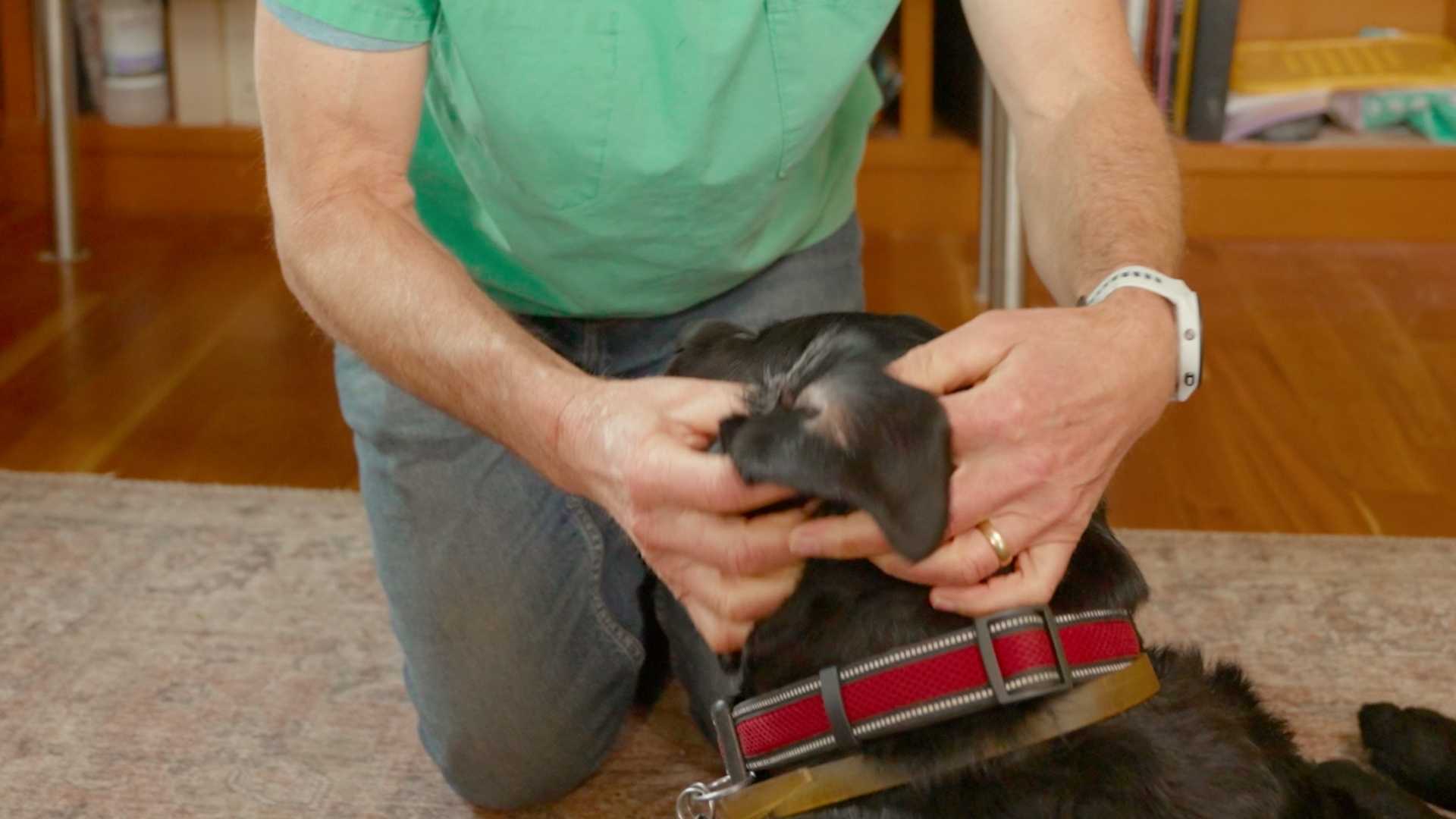
Check:
- Around the ears
- Behind the ears
- Base of the ears
- Face
- Under the jaw
In practice, I often found ticks hiding behind the ears and at the base of the ear.
That is one of the first places I would check.
Step 2: Check the Neck and Shoulders
Run your hands along the neck and shoulders.
You are feeling for any small lumps or bumps.
Ticks can feel like a small raised bump attached to the skin.
Step 3: Check the Armpits
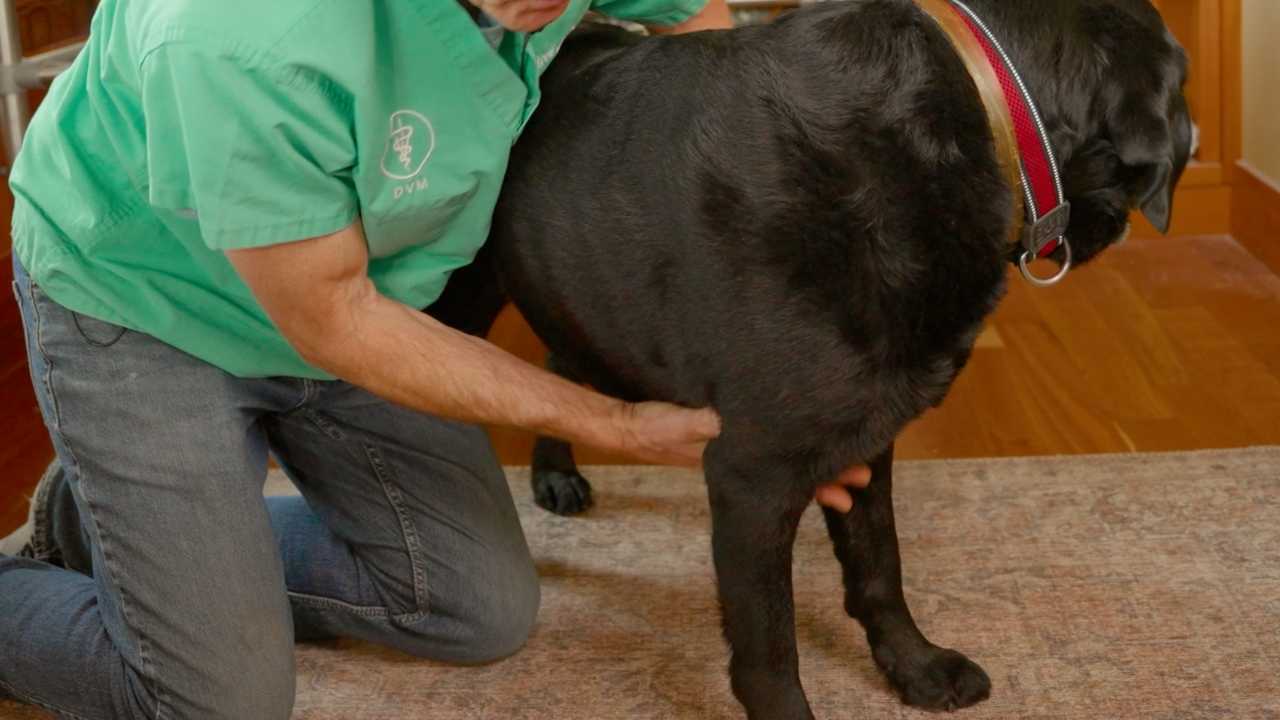
Lift the front legs and feel inside both armpits.
Ticks like these warm protected areas.
Step 4: Check the Belly and Groin
Run your hands along the belly and into the groin area.
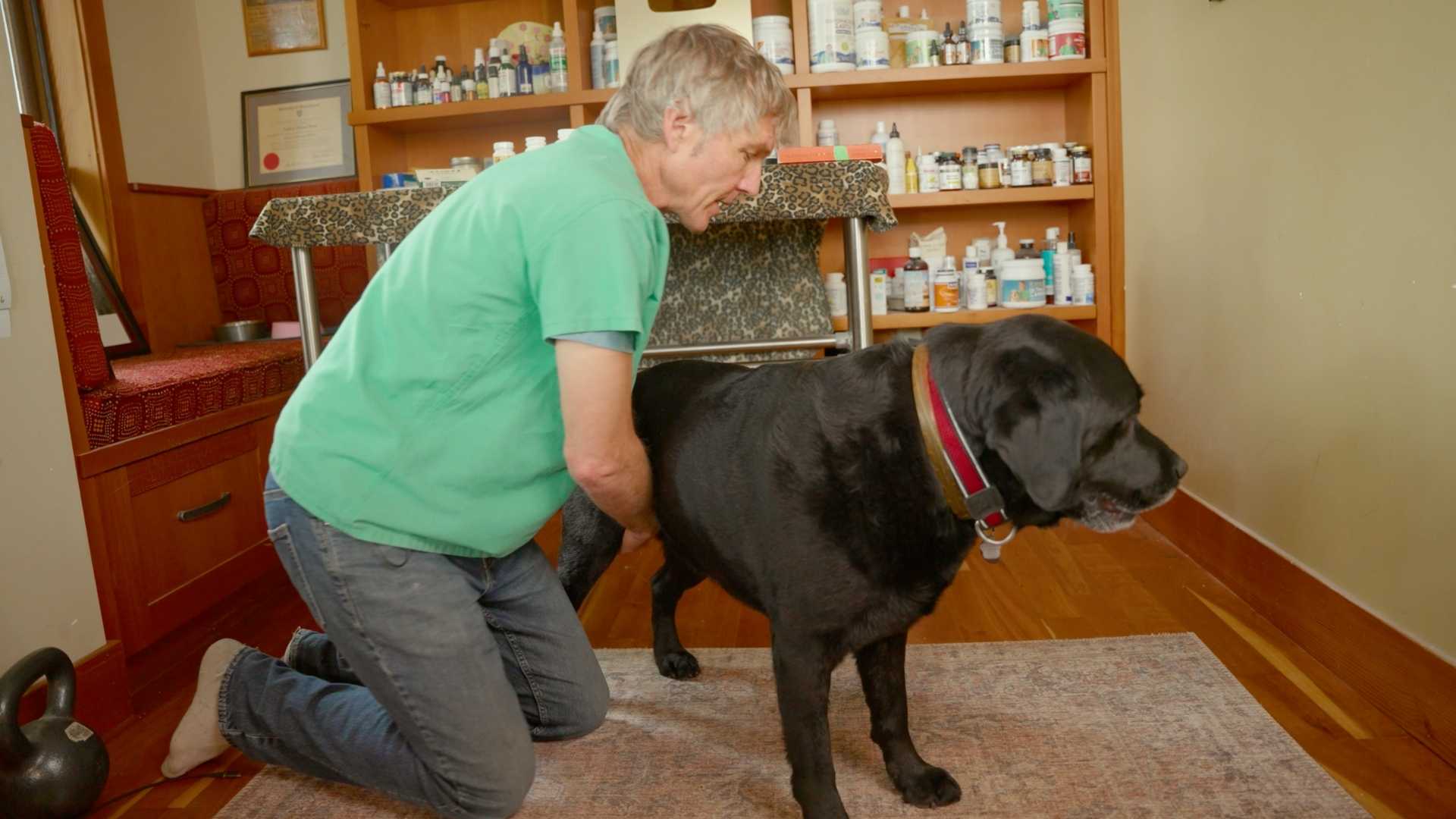
This is another favorite tick hiding spot.
Yes, your dog may look at you like you are being rude.
Do it anyway.
Step 5: Check the Paws
Run your hands down each leg.
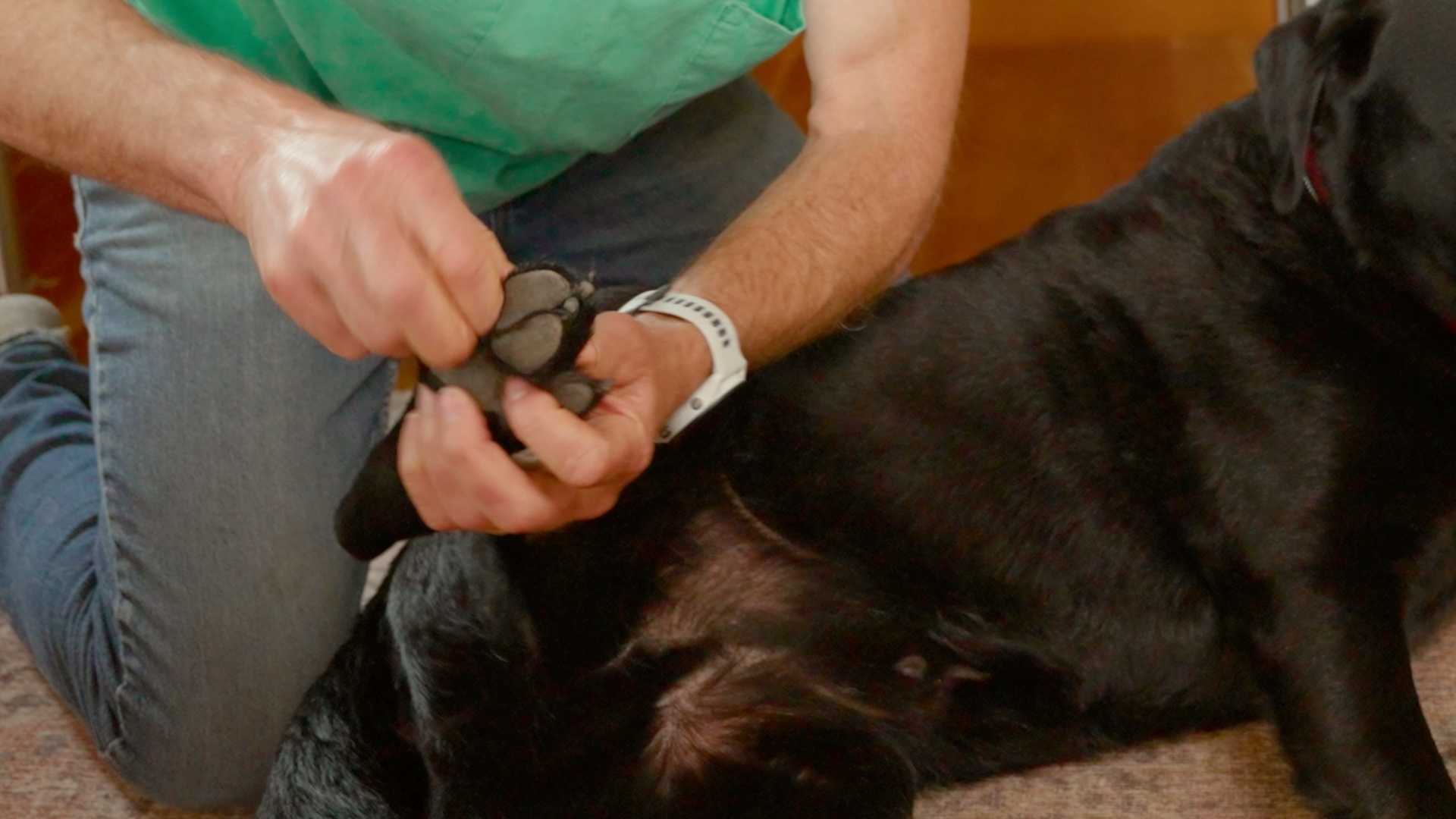
Then check:
- Between the toes
- Around the paw pads
- Between each digit
Paws are easy to miss, and ticks can tuck themselves right between the toes.
Step 6: Check the Tail Base
Lift the tail and check around the bum and tail base.
Ticks can hide there too.
The big point: do not just glance at your dog.
Use your hands.
Feel the skin.
Go slowly.
What Does a Tick Feel Like on a Dog?
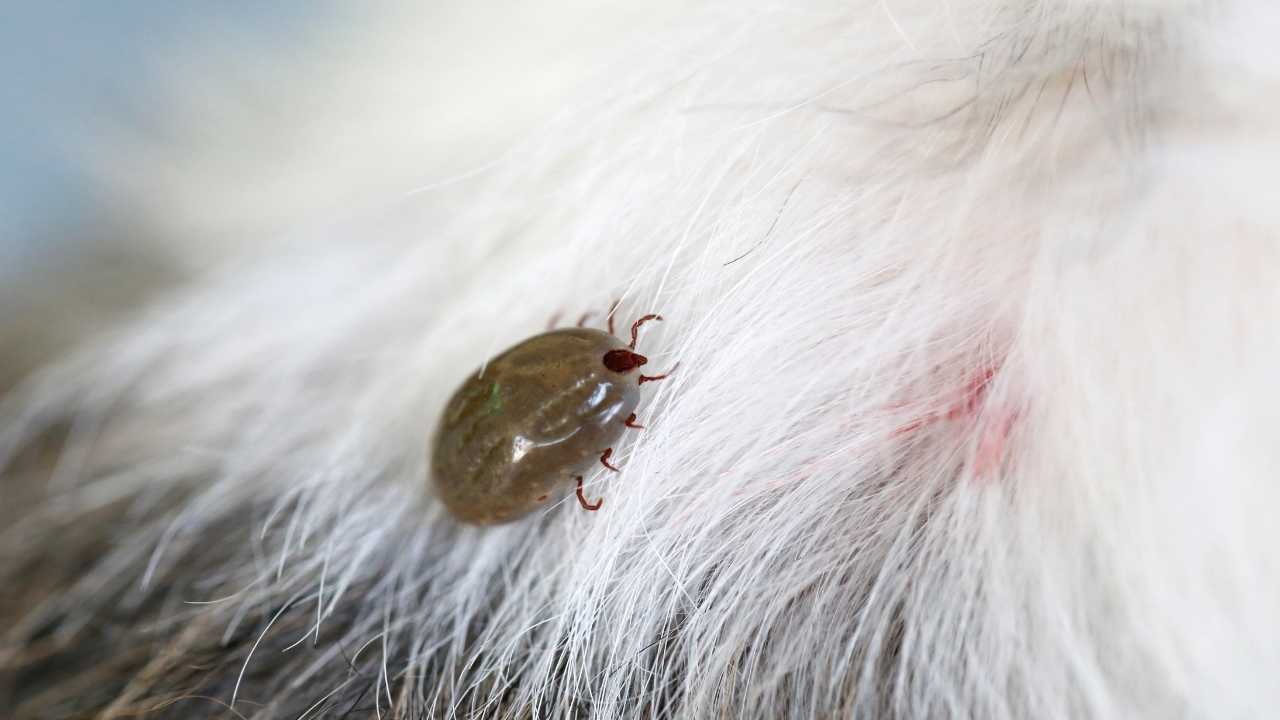
A tick may feel like:
- A small bump
- A firm raised spot
- A little skin tag
- A small pea-like lump attached to the skin
If you feel something unusual, part the fur and look closely.
Ticks can be tiny, especially before they are engorged.
Tick Check Areas on Dogs
| Area to Check | Why Ticks Hide There |
|---|---|
| Behind the ears | Warm, protected, often missed |
| Base of the ears | Common hiding spot, especially with tick paralysis |
| Head and face | Easy attachment area |
| Under the jaw | Protected skin folds |
| Neck | Common attachment site |
| Armpits | Warm crevice, ticks like to hide here |
| Belly | Easier skin access |
| Groin | Warm, protected area |
| Between the toes | Often overlooked |
| Paws and digits | Ticks can hide in small spaces |
| Tail base and bum area | Another hidden crevice |
How to Remove a Tick From a Dog Safely
If you find a tick, do not panic.
You need:
- Tweezers or forceps
- A plastic bag
- Antiseptic spray, such as propolis
- Gauze
Do not remove the tick with your bare fingers.
You can potentially expose yourself to tick-borne diseases.
Step-by-Step Tick Removal
Step 1: Use Tweezers or Forceps
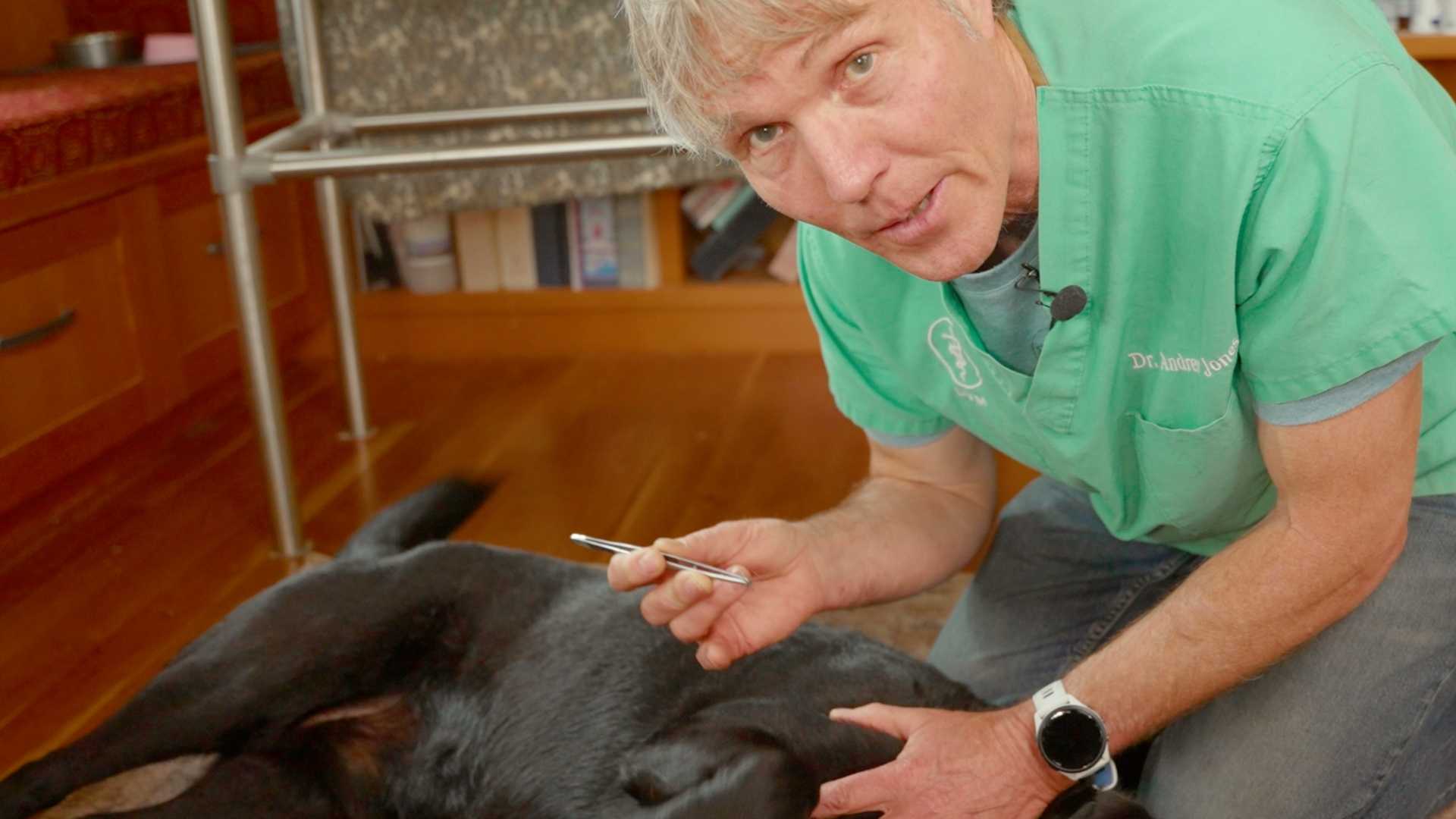
Use a small pair of tweezers or forceps.
This helps you grab the tick safely without using your fingers.
Step 2: Grab the Tick at the Base
Grab the tick right where it is attached to the skin.
You want to be at the level of the skin.
You may almost be pinching a tiny bit of skin.
That is okay.
The goal is to remove the whole tick, including the mouthparts.
Step 3: Pull Straight Up
Pull straight up slowly and firmly.
Do not yank wildly.
Do not twist.
Pull straight out.
You may feel the skin lift a little as you pull.
That is normal.
You may even take away a tiny bit of skin.
The key is to remove the full tick and avoid leaving the mouthparts attached.
Step 4: Place the Tick in a Plastic Bag
Once removed, place the tick in a plastic bag.

Do not handle it with your fingers.
Your veterinarian may want to examine it or test it for Lyme disease.
Step 5: Clean the Area
After removing the tick, clean the area.
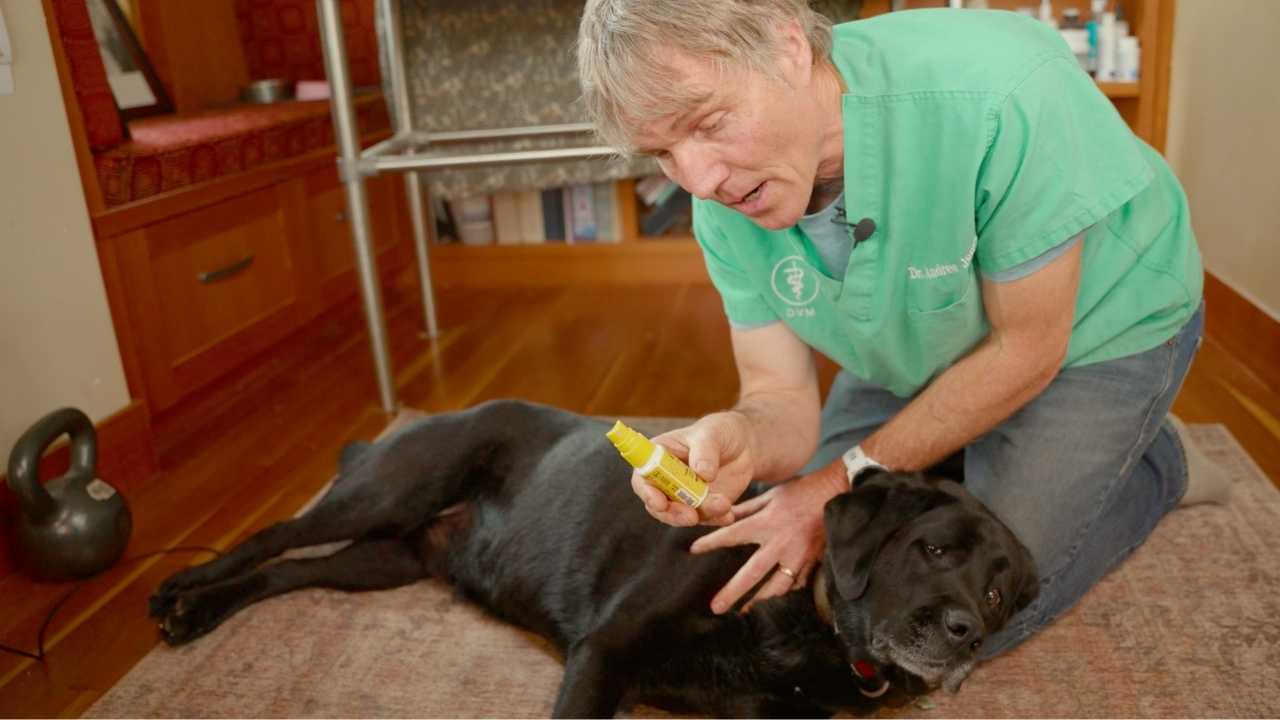
I like using propolis spray as an antiseptic.
Spray the area, then wipe it gently with gauze.
Good dog.
Tick gone.
Everyone can stop itching now.
What Should You Avoid When Removing a Tick?
Avoid:
- Removing the tick with your bare fingers
- Squeezing the tick body too much
- Pulling too fast
- Leaving the mouthparts attached
- Ignoring the bite site afterward
- Throwing the tick away before you know if your vet may want to test it
The goal is clean, simple, careful removal.
What If You Cannot Find the Tick?
Sometimes a dog may show signs of tick-related illness, but the tick is hard to find.
This is especially true with tick paralysis.
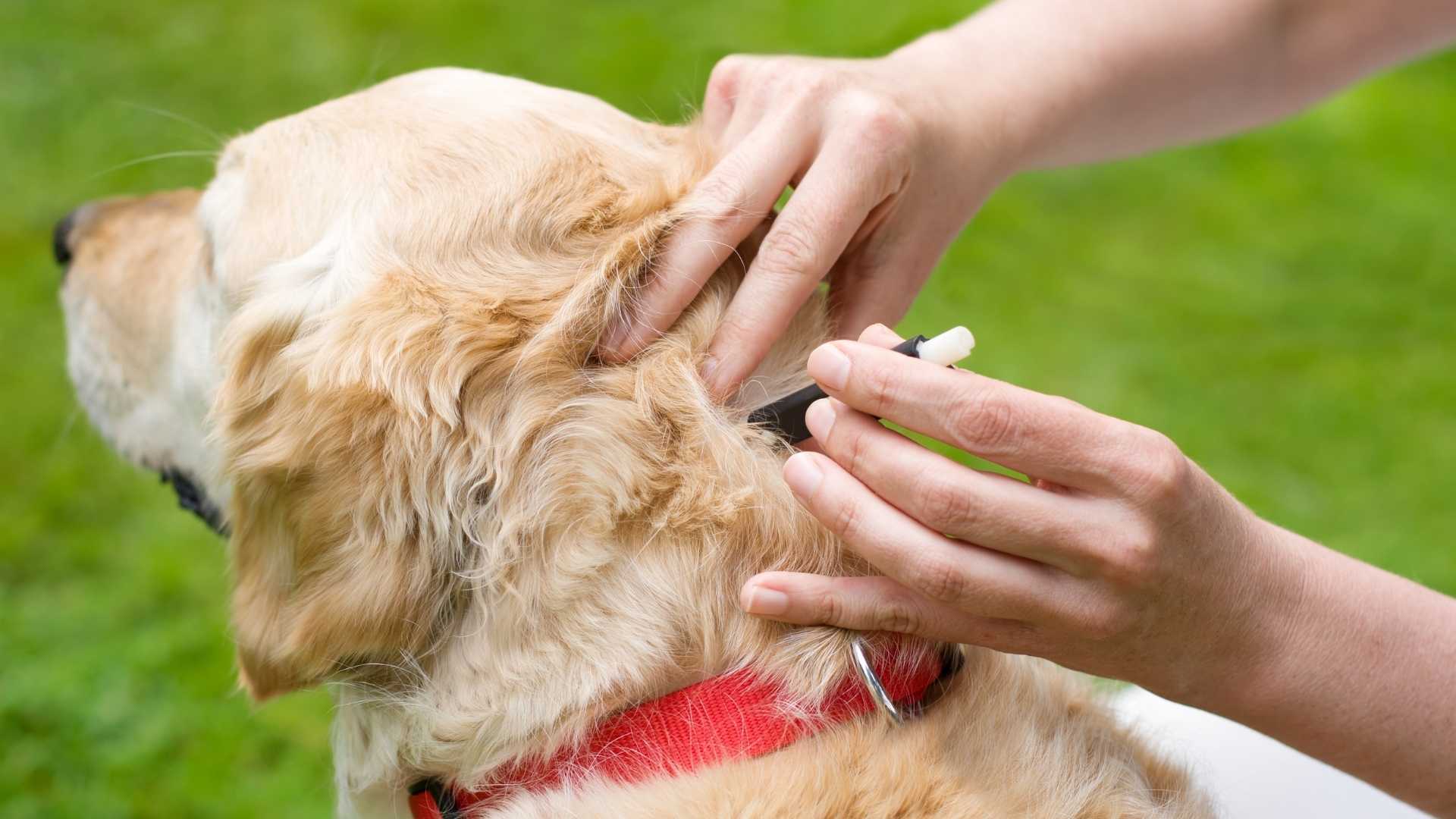
In practice, I would see people search the entire dog, sometimes even shaving the dog, and still miss the tick.
Then I would find it behind the ears or at the base of the ear.
So if you suspect a tick, focus again on:
- Behind the ears
- Base of the ears
- Neck
- Armpits
- Groin
- Between toes
- Tail base
Ticks are professional hiders.
They do not play fair.
Tick-Borne Diseases to Know
Ticks can carry and spread several diseases.
The ones mentioned include:
- Lyme disease
- Ehrlichia
- Babesia
- Anaplasma
These diseases can make dogs very sick.
That is why prevention and early removal matter.
Daily checks are not exciting, but they work.
Best Tick Prevention Habit: Daily Checks
The best first habit is checking your dog daily.
Especially after:
- Walks in long grass
- Hiking
- Camping
- Time in wooded areas
- Time in brush
- Outdoor play
- Visiting areas where ticks are common
A daily check takes only a few minutes.
And it can prevent a serious disease.
Pros and Cons of Daily Tick Checks
Pros
- Helps prevent tick-borne disease
- Helps find ticks before they spread disease
- Helps you know your dog’s body better
- Can catch lumps, bumps, wounds, or skin changes too
Cons
- Must be done regularly
- Thick-coated dogs take more time
- Ticks can be very small
- Some ticks hide in difficult spots
- Your dog may not enjoy the groin check
- You still need proper removal if you find one
When Should You Call Your Veterinarian?
Call your veterinarian if:
- Your dog becomes lethargic after a tick bite
- Your dog is weak or collapsing
- Your dog has trouble walking
- Your dog develops signs of paralysis
- The tick bite becomes swollen, painful, or infected
- Your dog has a fever
- Your dog stops eating
- Your dog seems “off” after a tick bite
- You live in an area with Lyme disease and your vet may want to test the tick
If your dog suddenly seems weak, wobbly, or paralyzed, do not wait.
That can be urgent.

Final Thoughts
Ticks are increasing, and tick-borne diseases are becoming a bigger concern for dogs.
But one of the best things you can do is simple:
Check your dog every day.
Focus on the ears, armpits, groin, paws, and tail base.
If you find a tick, use tweezers or forceps, grab it at the base, pull straight up slowly, place it in a plastic bag, and clean the area with an antiseptic spray like propolis.
Do not use your fingers.
Do not ignore ticks.
And do not assume one quick glance is enough.
Ticks love hiding in the places nobody wants to inspect.
So yes, check the ears.
Check the paws.
Check the groin.
Your dog may question your manners, but they will be better off for it.
Click To Get A Free Copy of My E-Book!

P.S. The best tick remedy is finding the tick before it has time to cause trouble.
Make tick checks part of your daily routine, especially after your dog has been outside.
Behind the ears, under the armpits, between the toes, groin, and tail base.
That is where these little bloodsucking freeloaders like to hide.
And if you find one, tweezers, straight pull, plastic bag, propolis spray.
Simple.
Not fun.
But very worth doing.