Fenbendazole for Pet Cancer: The Schedule People Discuss and the Safety Cautions


The Joe Tippens Cancer Protocol: What Pet Parents Should Know About Fenbendazole, CBD, and Curcumin
Cancer prevention is often on my mind because cancer is on the rise, now affecting roughly 1 in 3 pets.
Sadly, I can personally relate. I have had three of my own dogs and cats die from cancer.
Prevention and treatment can be difficult, frustrating, and emotionally exhausting. But there are some newer options being discussed that may help support pets dealing with cancer.
One of the protocols getting a lot of attention lately is the Joe Tippens Cancer Protocol.
One part of that protocol that especially interests me is CBD, along with some of the other cannabinoids such as CBC, CBG, and CBN.
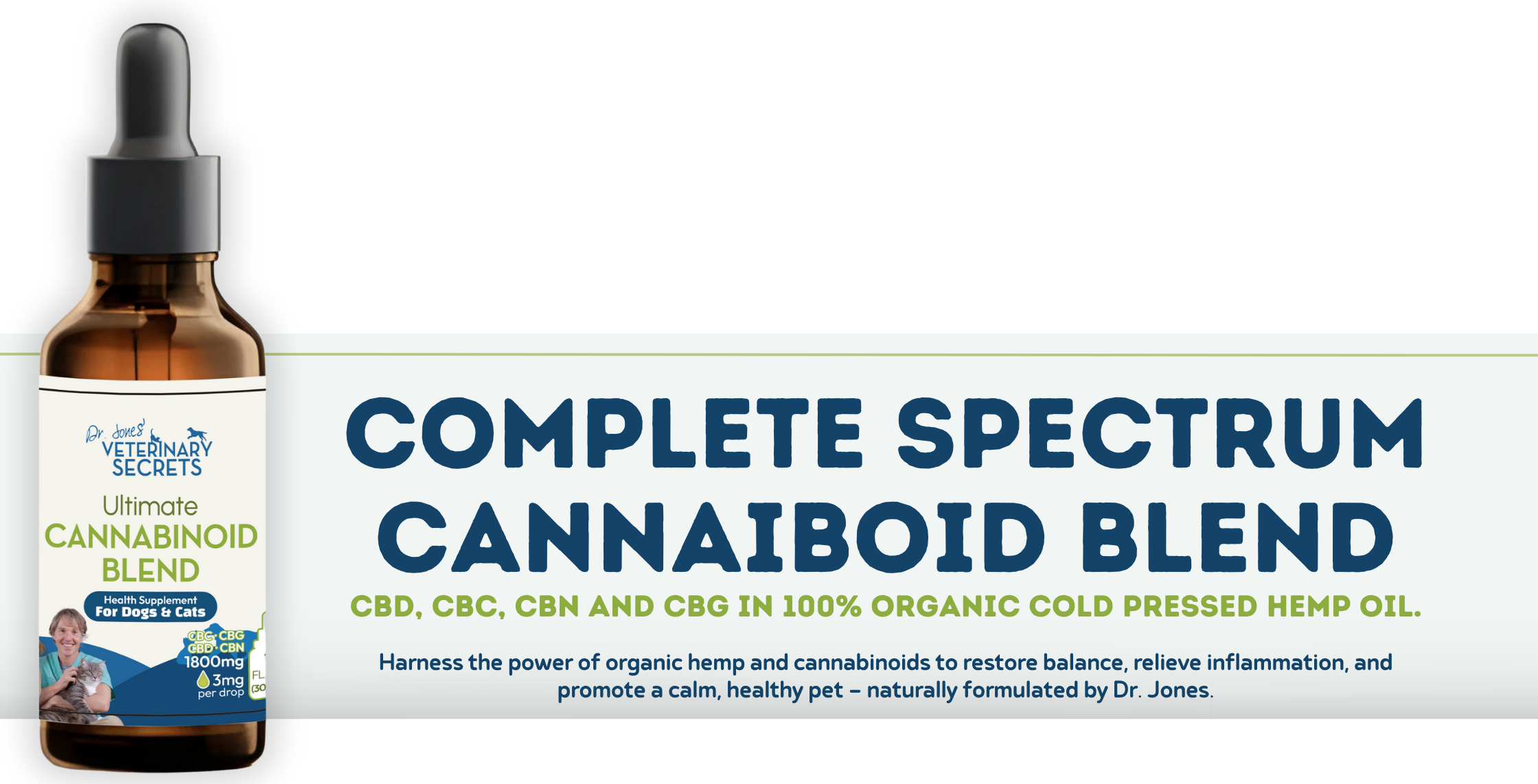
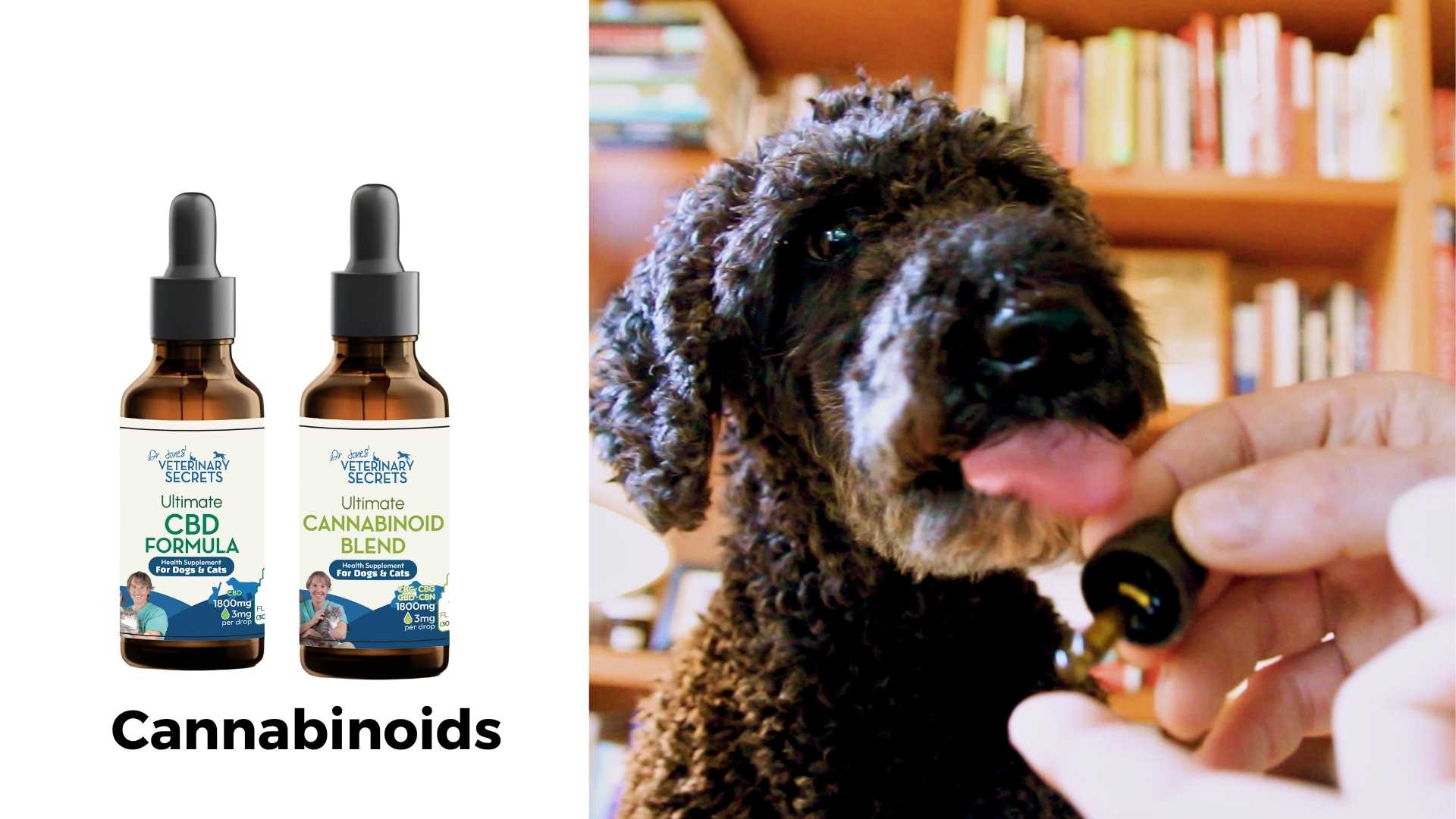
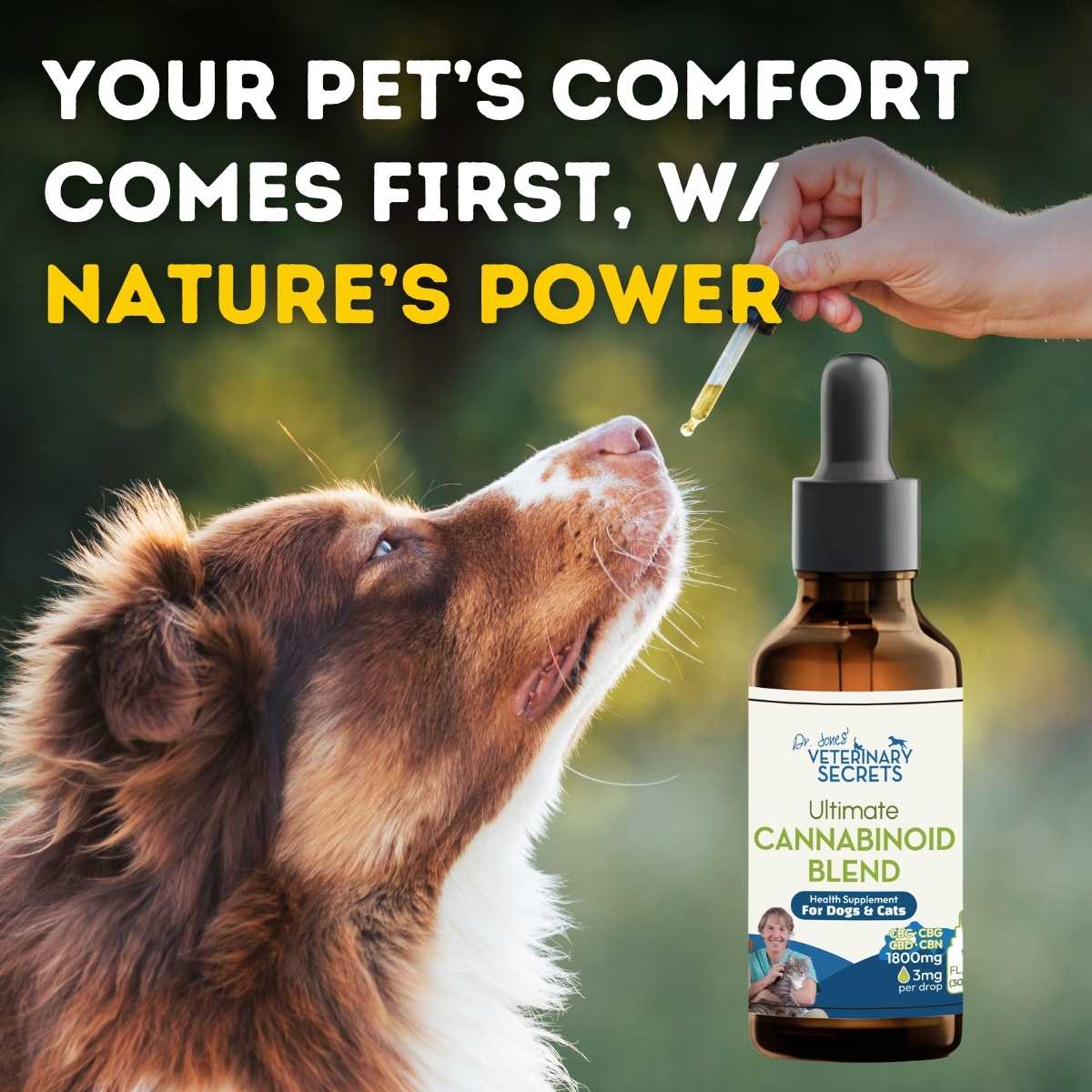
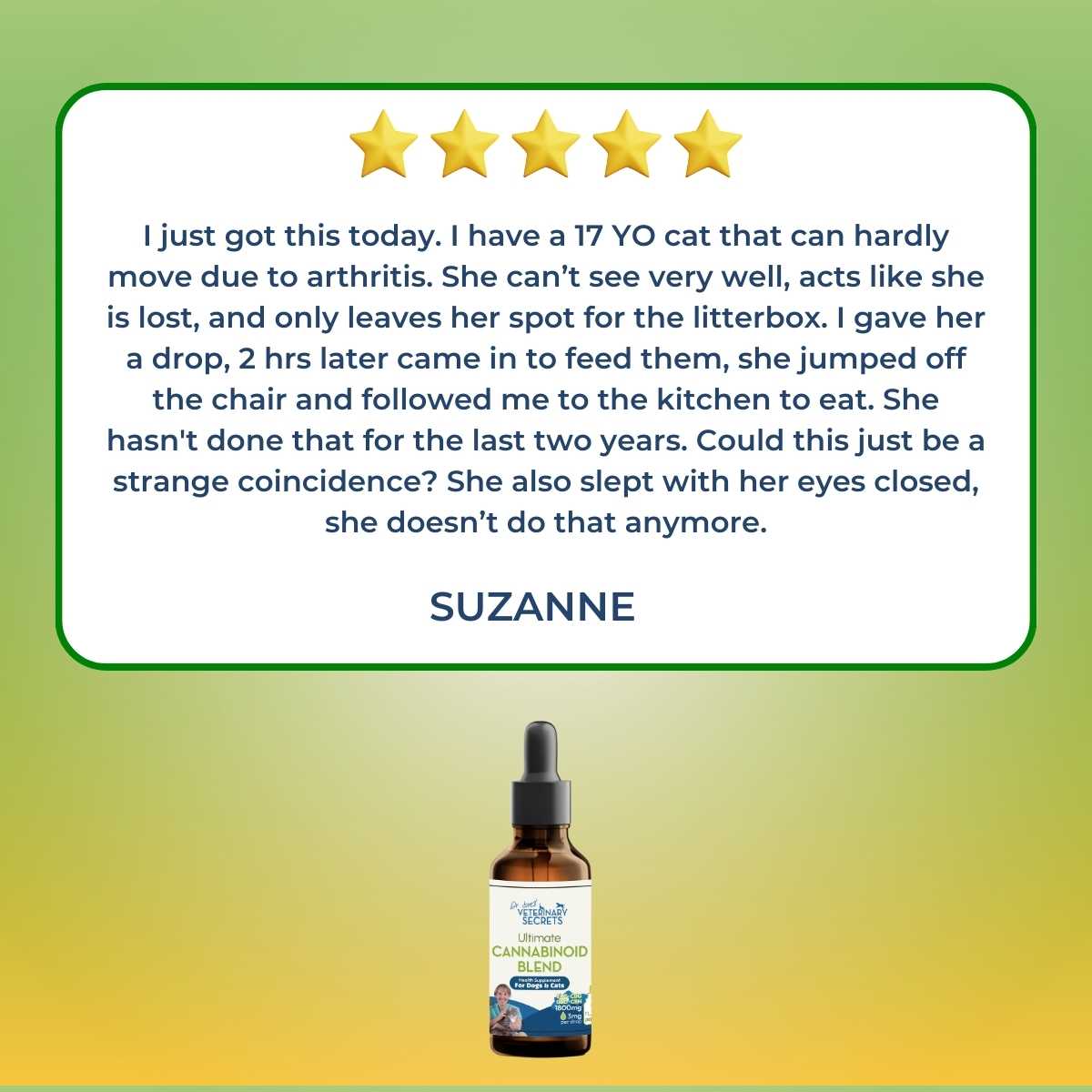
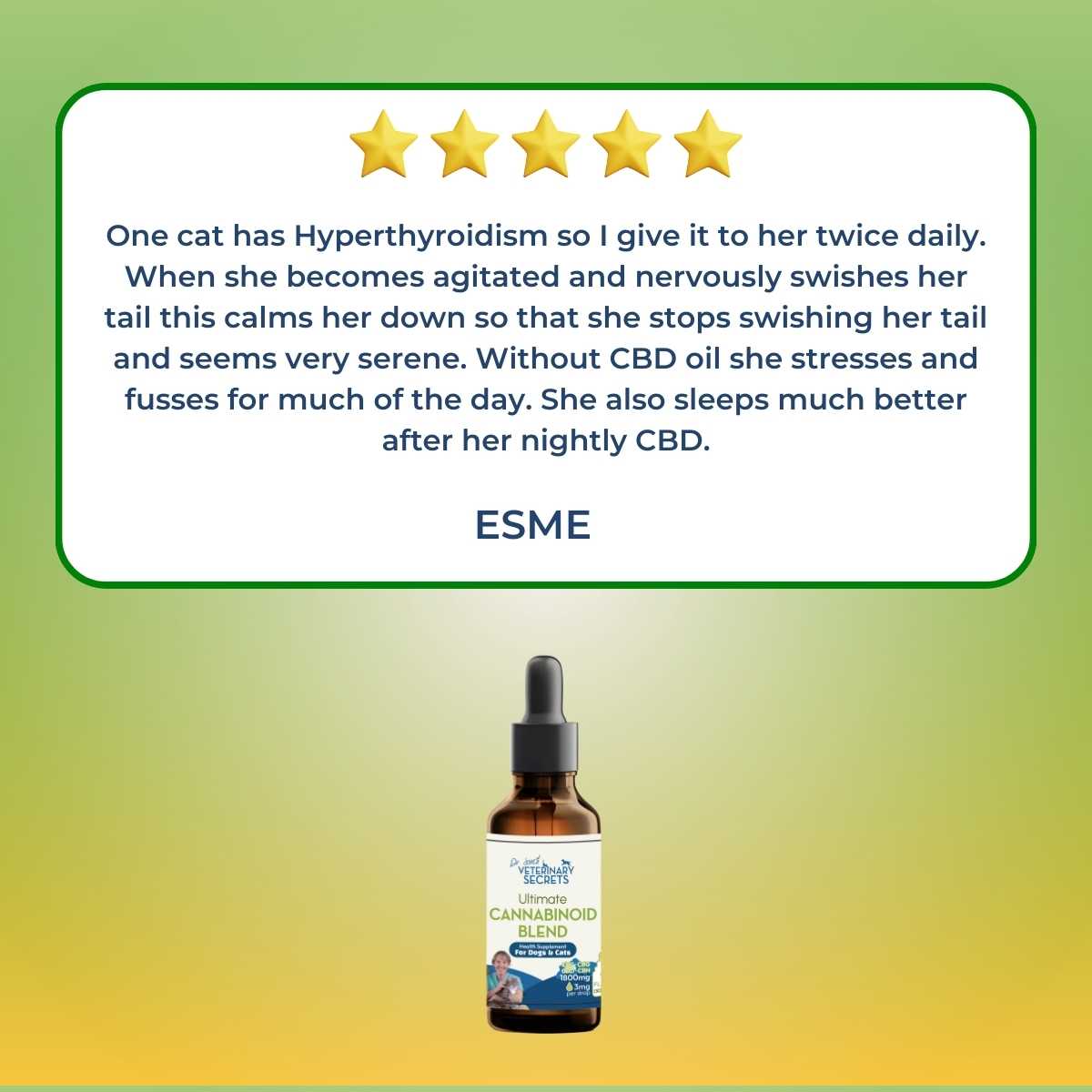
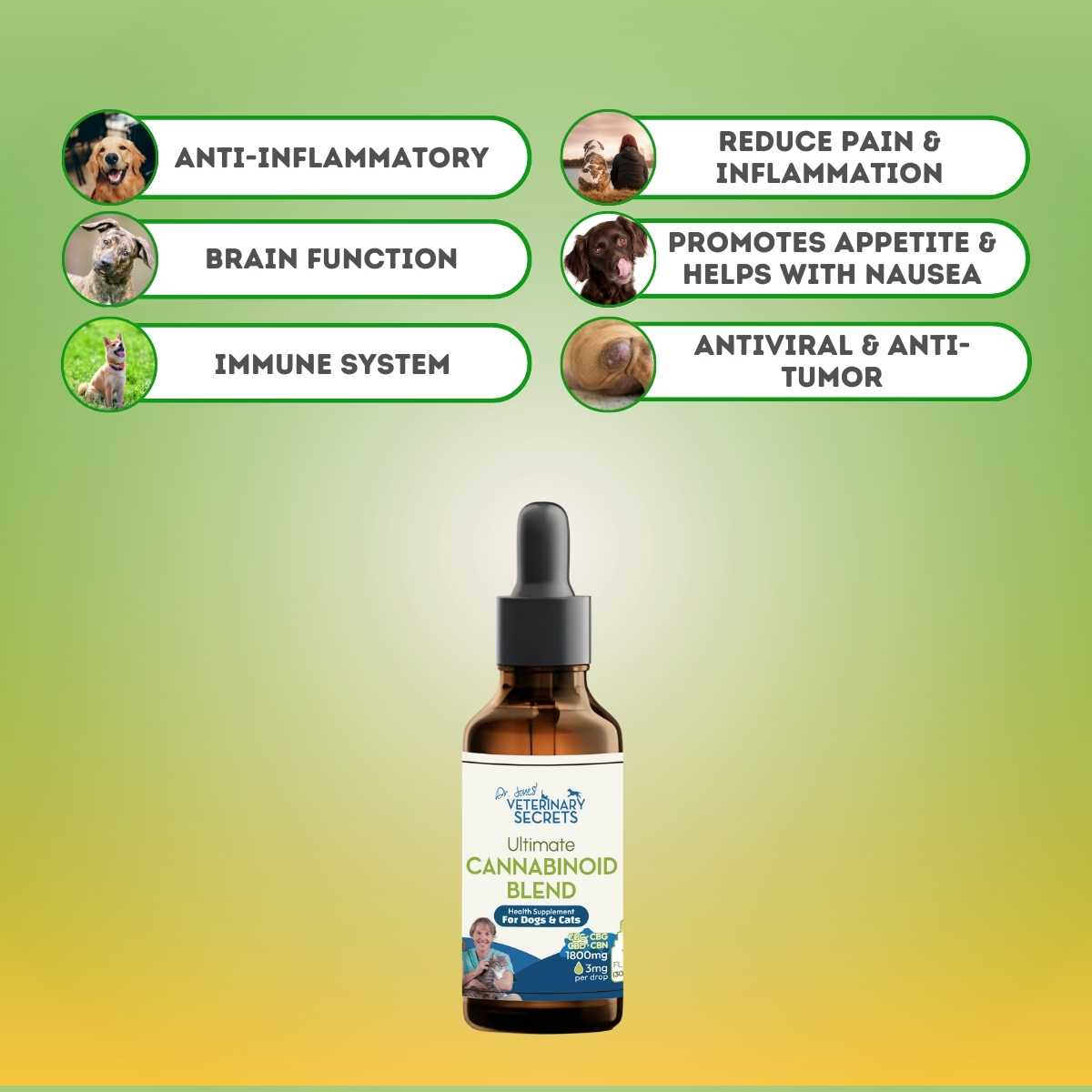
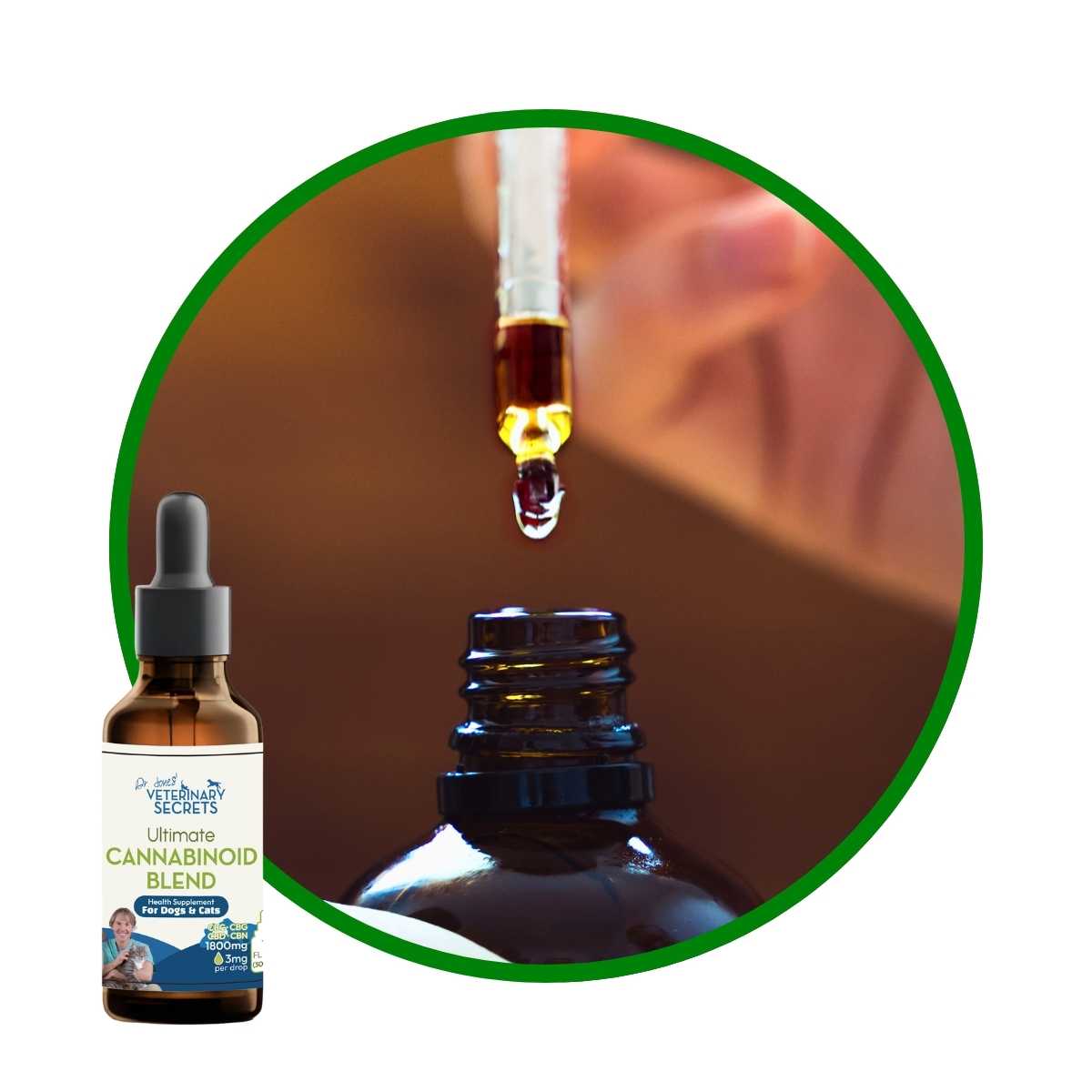
We now have a unique Cannabinoid Blend that many dog and cat parents are using to help support pets dealing with inflammation, pain, immune disease, and cancer support.
You can find it here:
Dr. Jones’ ULTIMATE Cannabinoid Blend for Dogs and Cats

What Is the Joe Tippens Cancer Protocol?
If you or someone close to you has dealt with cancer, chances are you have heard of the Joe Tippens Protocol.
Joe Tippens developed the protocol after hearing about a scientist at Merck Animal Health who had been researching cancer in mice. During that research, scientists discovered that fenbendazole, a common veterinary dewormer, appeared to eliminate multiple forms of cancer in laboratory mice.
The scientist herself was later diagnosed with Stage 4 brain cancer and reportedly used fenbendazole after being given only months to live.
Joe Tippens was also diagnosed with advanced small cell lung cancer that had spread extensively throughout his body. After hearing about the scientist’s experience, he began taking fenbendazole himself, but he also added curcumin and CBD oil to the protocol.
That combination became known as the Joe Tippens Cancer Protocol.
Now, to be clear:
I am not saying this is a cure for cancer.
And I always suggest speaking with your veterinarian before starting any treatment plan for your dog or cat.
But I do think it is important to discuss emerging therapies and promising research openly.
Fenbendazole: A Dewormer Being Studied for Cancer
Fenbendazole, often sold under names like Panacur, is commonly used in veterinary medicine to treat parasites such as:
- Roundworms
- Hookworms
- Whipworms
- Some tapeworms
But researchers have also been looking at its potential anti-cancer effects.
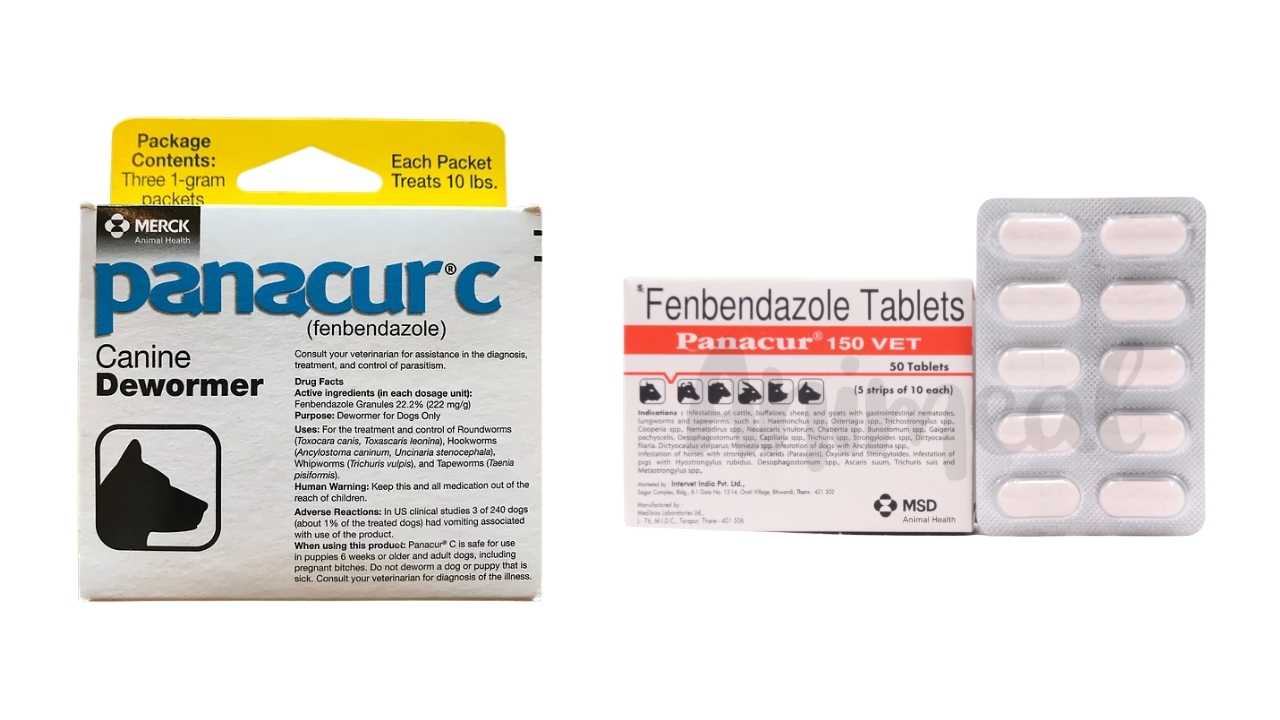
Fenbendazole belongs to a class of drugs called benzimidazoles. Other drugs in this class have already shown promising anti-cancer activity in research settings.
Some studies suggest fenbendazole may:
- Disrupt cancer cell growth
- Affect glucose metabolism in tumor cells
- Stabilize tumor suppressor proteins like p53
Researchers are now exploring whether older veterinary drugs may be repurposed for human and animal cancers.
Suggested Fenbendazole Dose for Pets
There are currently no officially established cancer dosing protocols for pets.
However, a suggested low-dose approach sometimes discussed is:
50 mg/kg for 3 days on, 4 days off
For example:
- A 50 lb dog weighs roughly 22 kg
- That dog would receive approximately 1000 mg daily during treatment days
This should only be done under veterinary guidance.
Curcumin: One of My Favorite Natural Anti-Inflammatories
Curcumin is the active ingredient in turmeric and has been used medicinally for thousands of years.
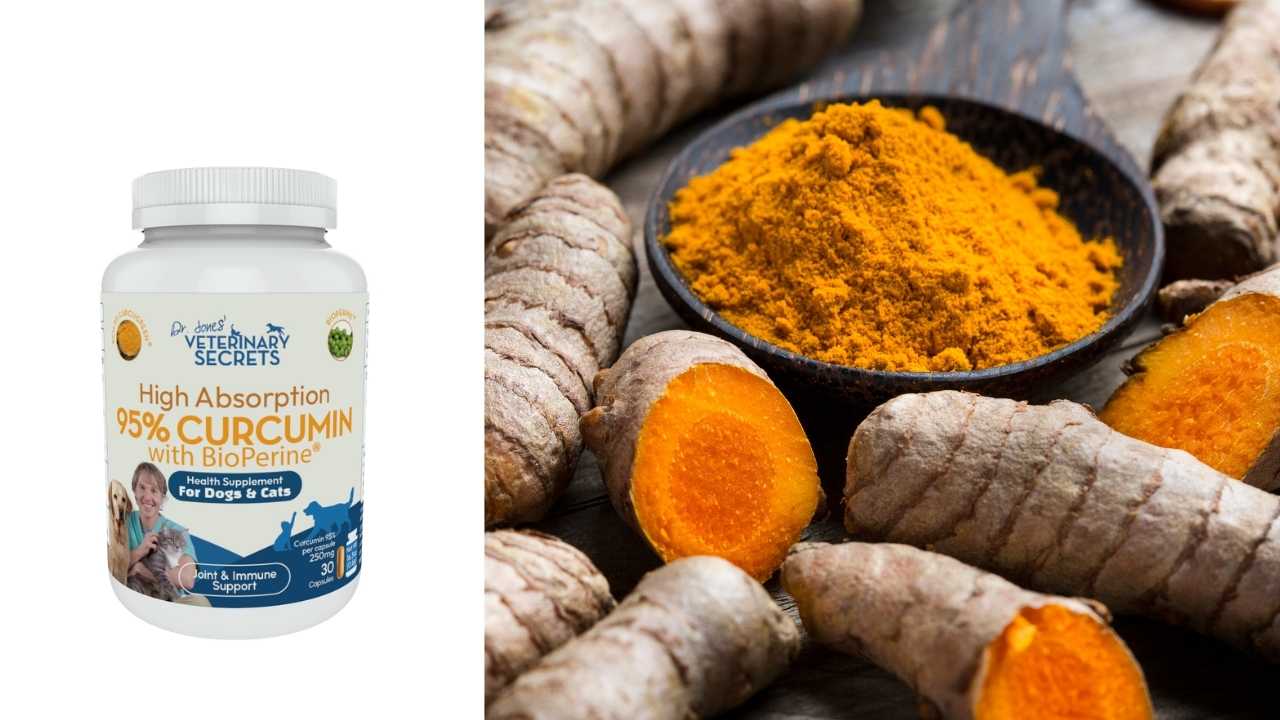
It is especially interesting because of its:
- Antioxidant properties
- Anti-inflammatory effects
- Potential anti-cancer activity
Studies have shown curcumin may help inhibit certain cancer pathways, especially within the gastrointestinal tract.
One important thing:
Regular turmeric is poorly absorbed.
That is why I strongly prefer highly bioavailable forms.
For pets, I often suggest:
- 50 to 100 mg per 10 lbs daily
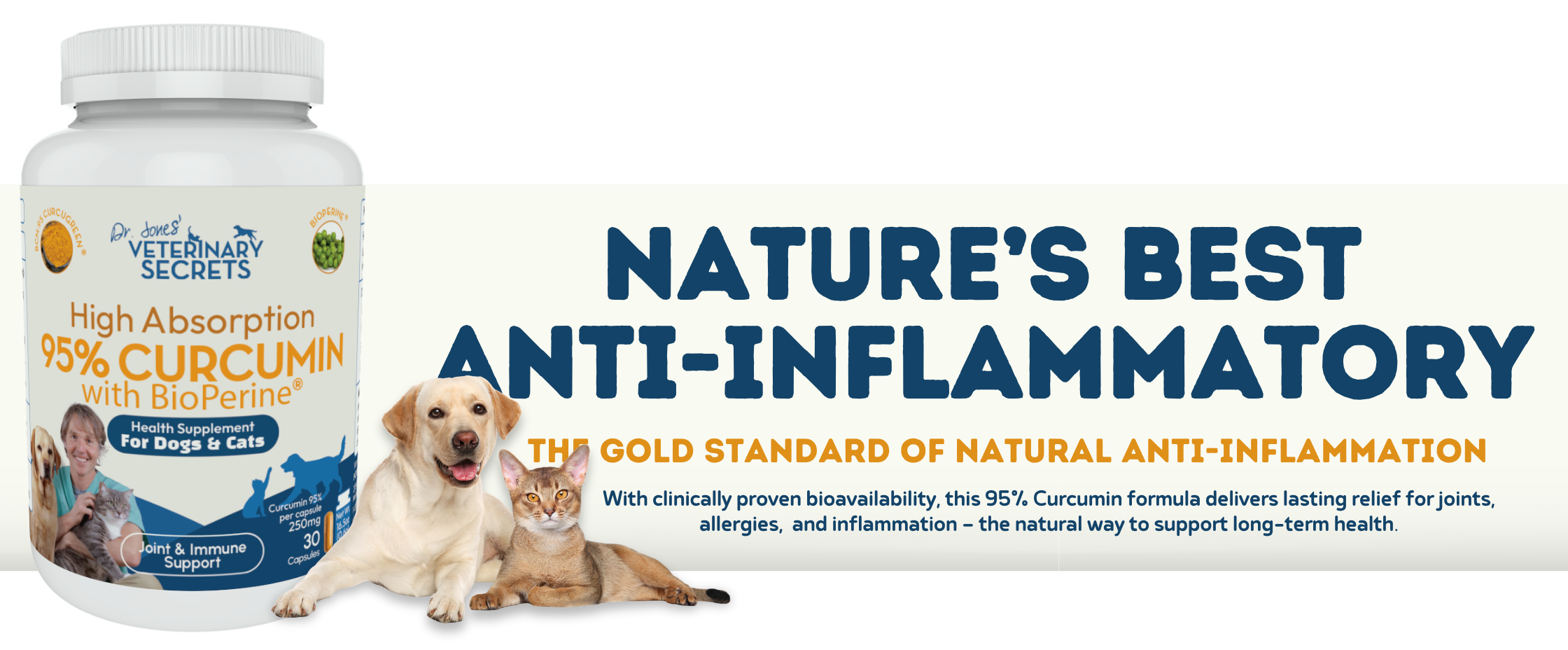
Our preferred option is:
Dr. Jones’ High Absorption 95% Curcumin for Dogs and Cats
CBD and Cannabinoids for Cancer Support in Pets
This is the part of the protocol I find especially promising.
CBD, or cannabidiol, is one of more than 100 cannabinoids found in the hemp plant. It works through the endocannabinoid system, which plays a major role in:
- Pain control
- Immune regulation
- Inflammation
- Appetite
- Cell signaling
Research has shown cannabinoids may have direct anti-tumor effects in some cancers.
Some studies suggest cannabinoids may:
- Slow tumor growth
- Reduce inflammation
- Improve comfort and appetite
- Support immune balance
- Help reduce chronic pain
In my experience, many pets with cancer appear more comfortable and maintain a better quality of life when cannabinoids are added to an integrative care plan.
My Suggested CBD Dose for Pets
A common starting dose I suggest is:
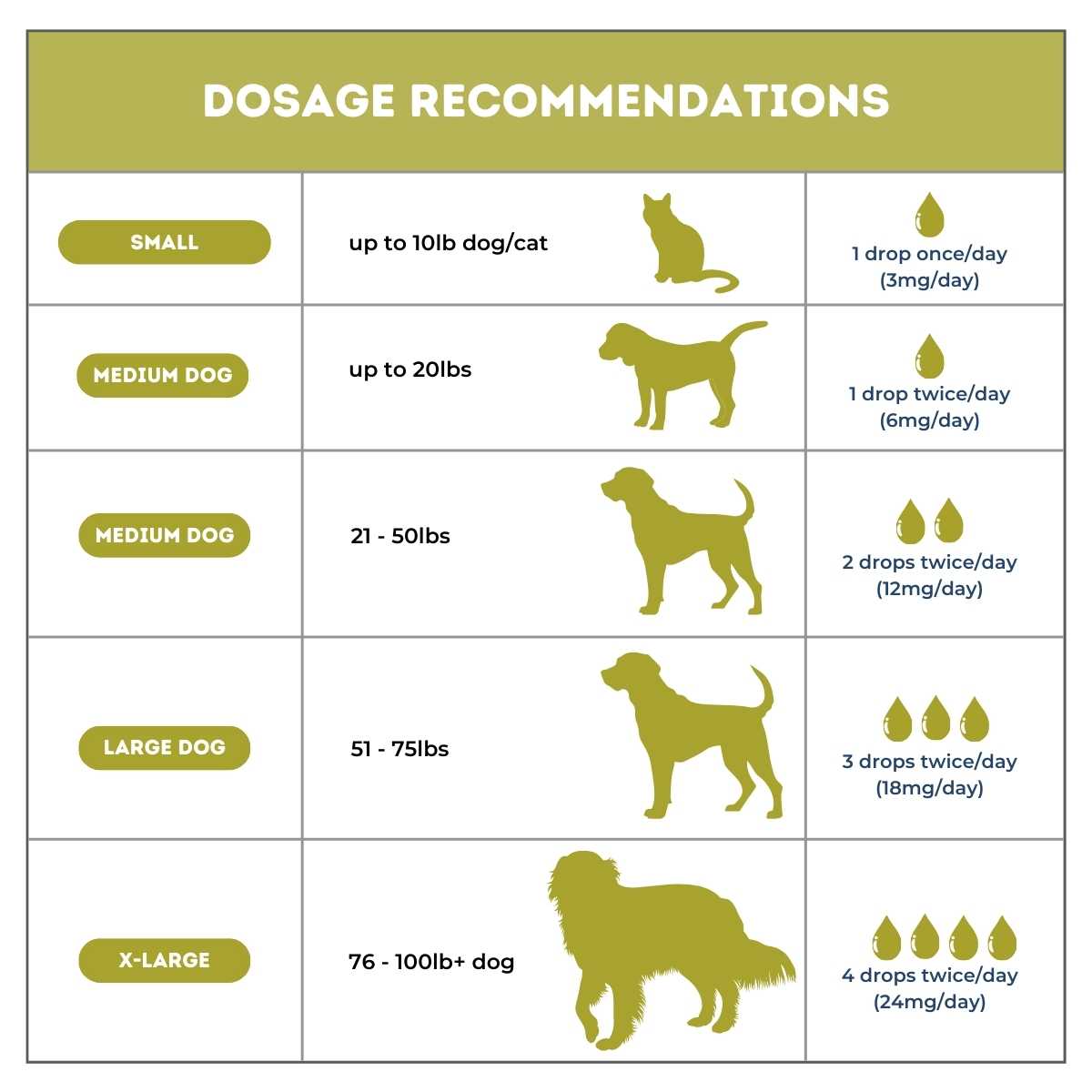
3 mg per 10 lbs twice daily
For a 50 lb dog, that would be approximately:
- 5 drops twice daily of our Ultimate CBD Formula
Why I Like a Full Cannabinoid Blend
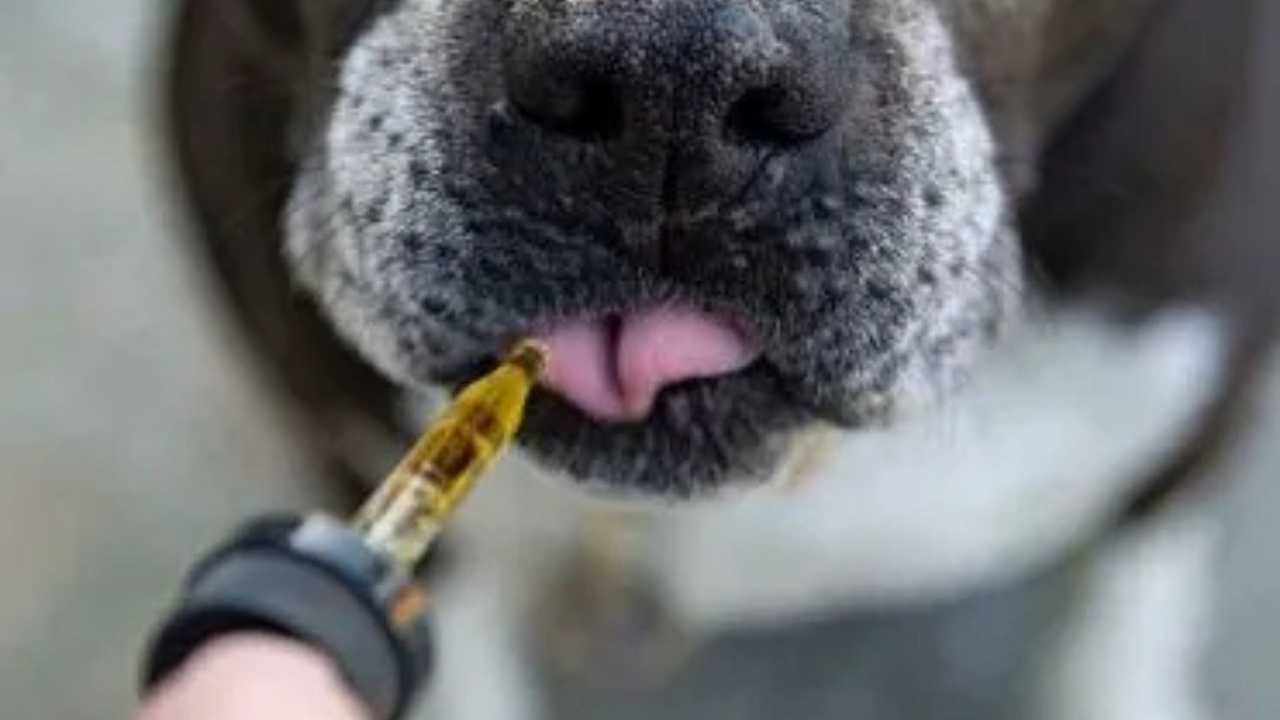
CBD is important, but some of the newer research suggests there may be additional benefits when cannabinoids are combined together.
That includes:
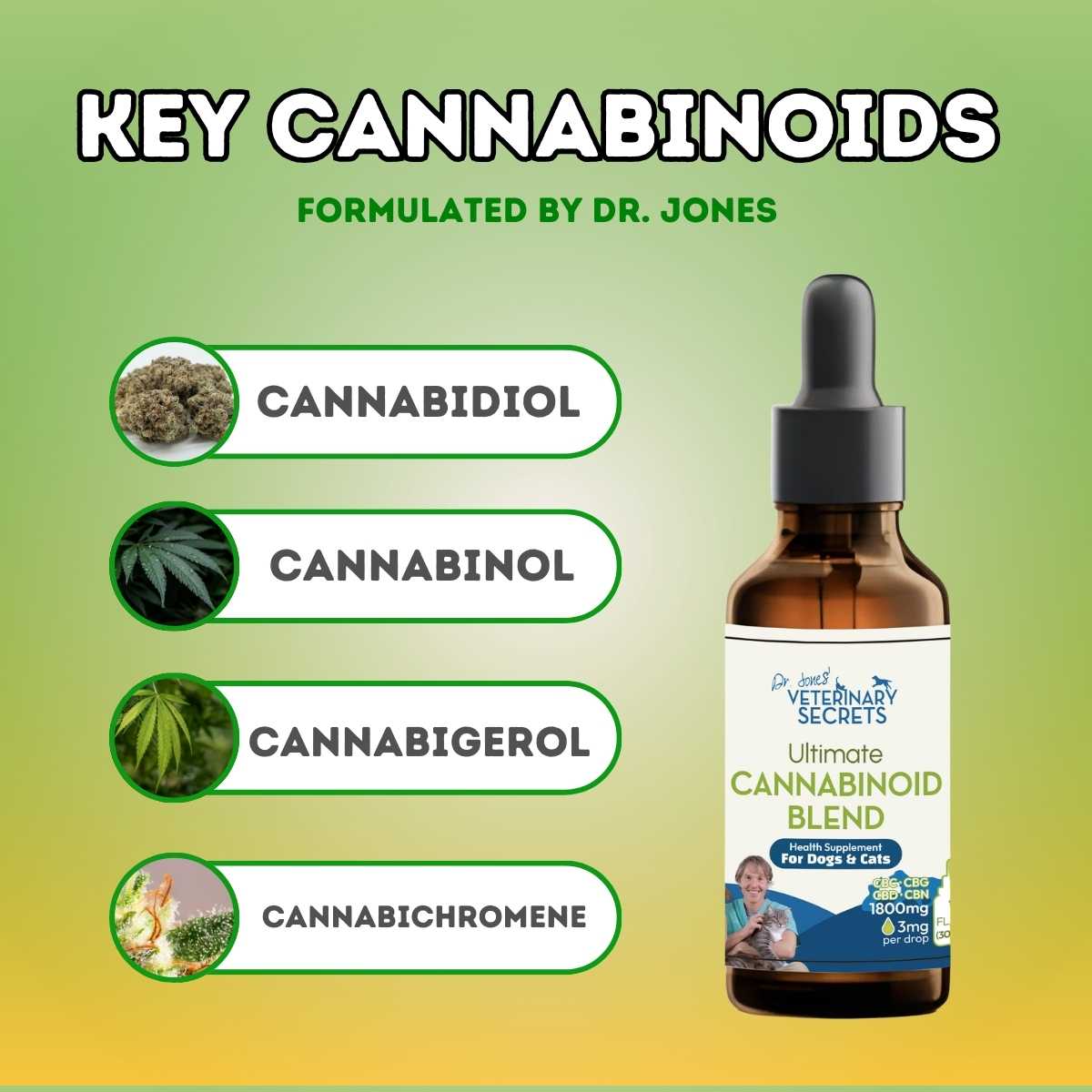
- CBD
- CBC
- CBG
- CBN
This is often referred to as the “entourage effect,” where cannabinoids work together synergistically.
That is why we created:
Dr. Jones’ ULTIMATE Cannabinoid Blend for Dogs and Cats
It contains a complete blend of key cannabinoids in 100% organic cold-pressed hemp oil.
My Thoughts on Cancer Prevention
If one of my dogs or cats were diagnosed with cancer again, I would absolutely consider integrative options like this protocol alongside conventional care.
But prevention is still my biggest focus.
Here are the things I prioritize most:
1. Feeding Real Food
I strongly prefer fresh, moisture-rich foods over kibble.
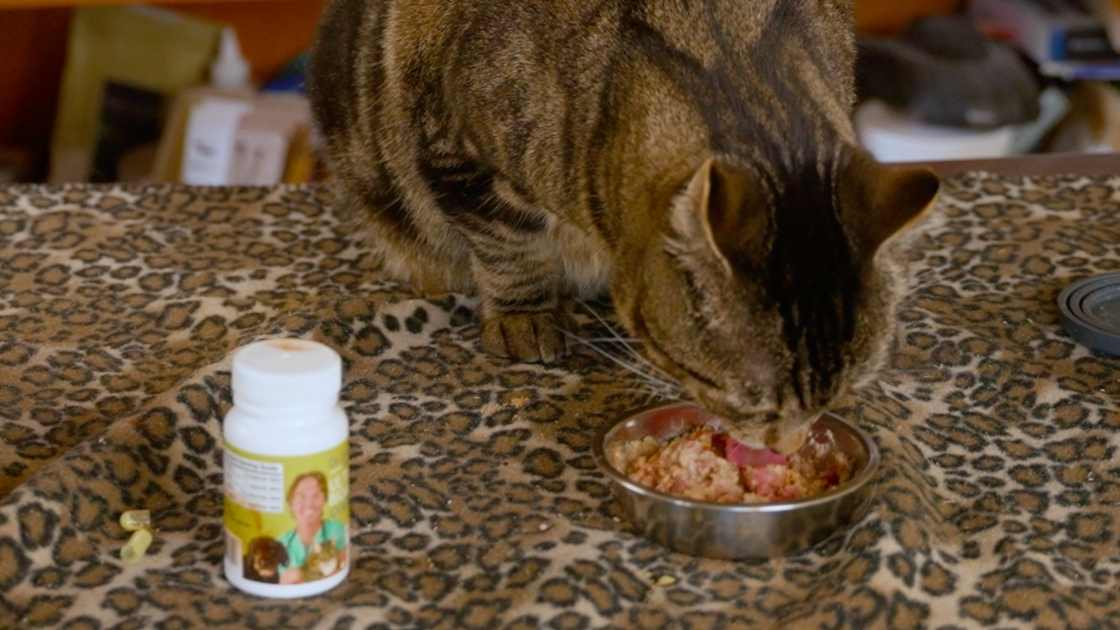
Cassian, my cat, eats:
- Primarily canned animal protein
- Cooked turkey and chicken
- Very low carbohydrate foods

Tula did wonderfully on a gently cooked fresh food diet that included:
- Animal protein
- Sweet potato
- Broccoli
- Fish oil
- Coconut oil
I really wish I had started her on it earlier.
2. Adding Antioxidant-Rich Foods
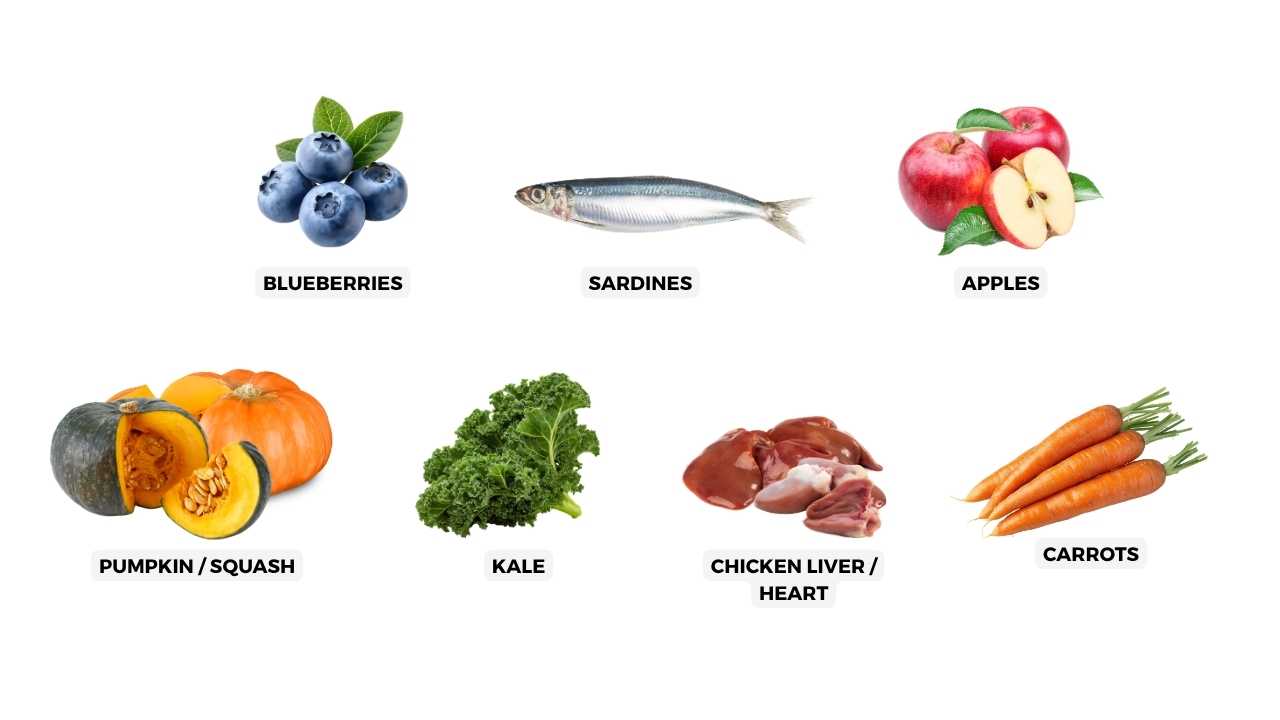
I love adding nutrient-dense whole foods such as:
- Pumpkin
- Squash
- Blueberries
- Kale
- Sardines
- Liver
- Heart
- Apples
- Carrots
Cassian absolutely loves chicken hearts.
Tula did too.
3. Daily Preventive Supplements
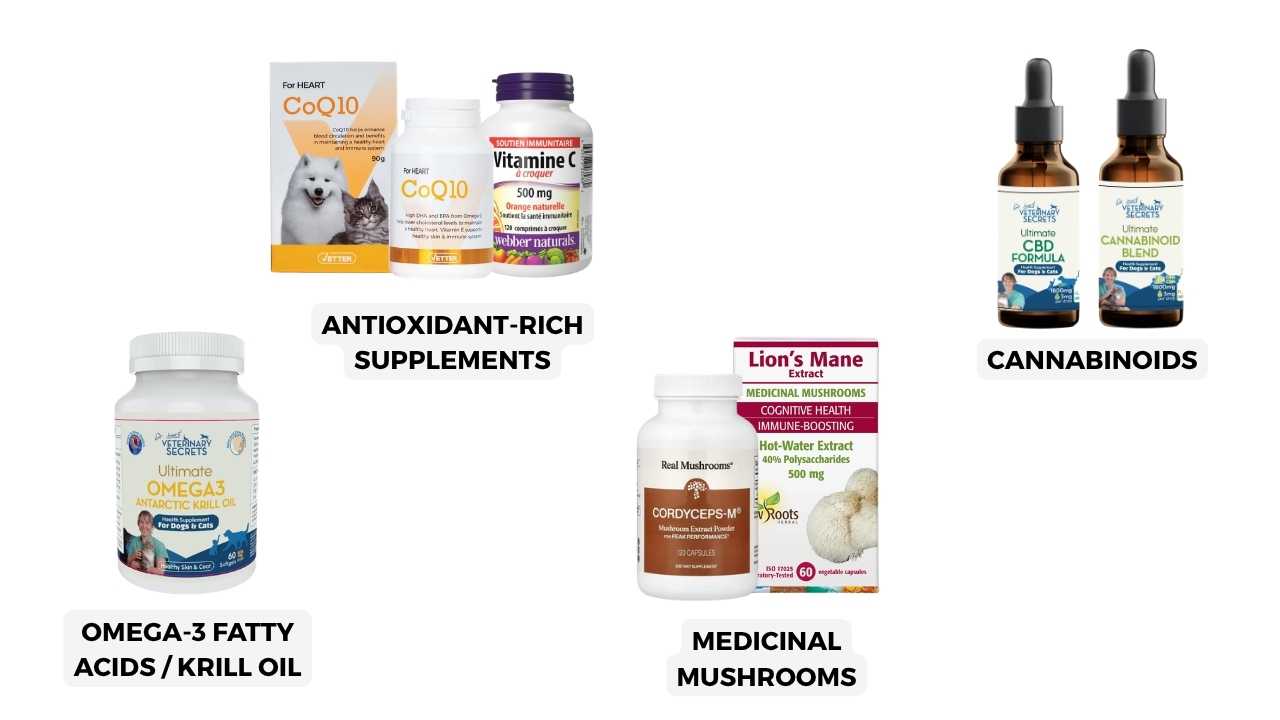
I personally use:
- Omega-3 fatty acids
- Krill oil
- Antioxidant-rich supplements
- Medicinal mushrooms
- Cannabinoids
I think these are some of the easiest ways to support long-term health and immune function.
Final Thoughts on the Joe Tippens Protocol
The Joe Tippens Protocol is not proven as a cure for cancer.
But the growing interest around:
- Fenbendazole
- Curcumin
- CBD
- Cannabinoids
is something worth paying attention to.
Especially when we are dealing with diseases where conventional options are sometimes limited.
At the very least, I think it opens the door to better conversations about integrative cancer support for our pets.
Click To Get A Free Copy of My E-Book!

P.S. Prevention is still my biggest priority. Fresh food, lower toxins, antioxidant-rich nutrition, omega-3s, medicinal mushrooms, and cannabinoids are all things I personally focus on with my own pets.
P.P.S. We are also hosting an upcoming livestream with holistic veterinarian Dr. Katie Kangas where we will discuss integrative cancer prevention, cannabinoids, ozone therapy, nutrition, and holistic support for pets.
P.P.P.S. If I had a pet dealing with cancer today, I would absolutely be using our Ultimate Cannabinoid Blend. It contains CBD, CBC, CBG, and CBN to help support pain relief, inflammation, immune health, and overall quality of life.
How can I order the fenbendazole and the cannabanoids?
Fenbendazole is typically obtained through your veterinarian or a veterinary pharmacy since it is the same medication used in dewormers like Panacur. I always recommend doing that with your vet so the dose and plan are appropriate for your pet.
For the cannabinoids, those are from hemp based products and are available as supplements. You can find my Ultimate Cannabinoid Blend through my website, which is the one I formulated with CBD plus CBC, CBG, and CBN together.
https://shop.veterinarysecrets.com/ultimate-cannabinoid-blend.html
Dr. Andrew, thanks for sharing this! We’re about to give this a try. Our 5 y/o dog started rapidly developing tumors all over her body. She’s had skin issues for a very long time and we’ve been trying everything under the sun but nothing has helped well enough to keep her from biting and scratching to the point where she has bleeding, open wounds everywhere so she has also been on Apoquel for 2 years now. It’s not a cure but it limits the iching and biting but the problem now is the fact that it surpresses the immune system and it may be why the lumps have spread so extremely fast. I’m worried that this will also stand in the way of her healing process and her fighting this, but if we take her off Apoquel completely it gets so out of control and she’s miserable and in pain. Her irritation worsened again recently and before the cancer discovery so we had her on half a tablet twice a day but decreased it back to half a tablet once a day now, where the skin situation is somewhat bearable. Any thoughts on this? Quitting Apoquel or not? Any alternative that doesn’t surpress the immune system? Or any advice whatsoever? I would be forever grateful. ??
That’s such a tough situation. Apoquel can definitely help the itching, but with rapidly growing lumps many vets do become cautious because of its immune effects. I’d really suggest having at least one lump tested if you haven’t already, since not all “tumors” are the same.
I would not stop Apoquel suddenly if she’s miserable, but I would talk with your vet about lowering to the smallest effective dose while adding supportive options like omega 3s, probiotics, quercetin, fresh food, and CBD. Hoping your sweet pup starts turning a corner soon
Thank you! Yes, we already had an FNA biops done and it’s Lymphoma. We already changed her diet with healthy freshly cooked food and extra omega 3 and probiotics before receiving the results, hoping it would help with the skin issues and immune system in general. I was hoping there may be a safe alternative to Apoquel that doesn’t come with the immune effects. Or something to add that will help restore that more effectively. But thank you so much for taking the time to answer and share your thoughts.
You’re very welcome, and good for you for getting the FNA done early and making those diet changes right away. Fresh food, omega 3s, and probiotics can make a big difference for skin health and overall immune support.
As for Apoquel alternatives, there are a few gentler options worth discussing with your vet depending on what’s driving the itch. Things like quercetin, medicinal mushrooms, colostrum, and even CBD can sometimes help calm inflammation without the same immune suppressing effects. I’m also a big fan of addressing the gut since so much of the immune system lives there.
And honestly, your pup is lucky to have you in her corner. You’re already doing a lot of the right things.
Can I use the terra de sommieres very lightly on my healthy cat’s fur for fleas?
You may check this article for natural flea prevention:
https://veterinarysecrets.com/natural-flea-tick-prevention/
In the directions on the Cannabinoid Blend product page it mentions giving it orally “and even transdermally through the skin in the inside of the ear (great for cats!”
Does it matter how one drop would be given to my 12 pound cat? Can a drop be added to a small amount of food?
I plan to start using this for my cat when it arrives on Monday, in addition to Fenben. Thanks!
Yes, you can add the drop to a small amount of food. For cats, oral dosing is perfectly fine and often the easiest option. Just follow the labeled dose for your 12 lb cat, and if using it alongside fenbendazole, we recommend checking with your veterinarian.
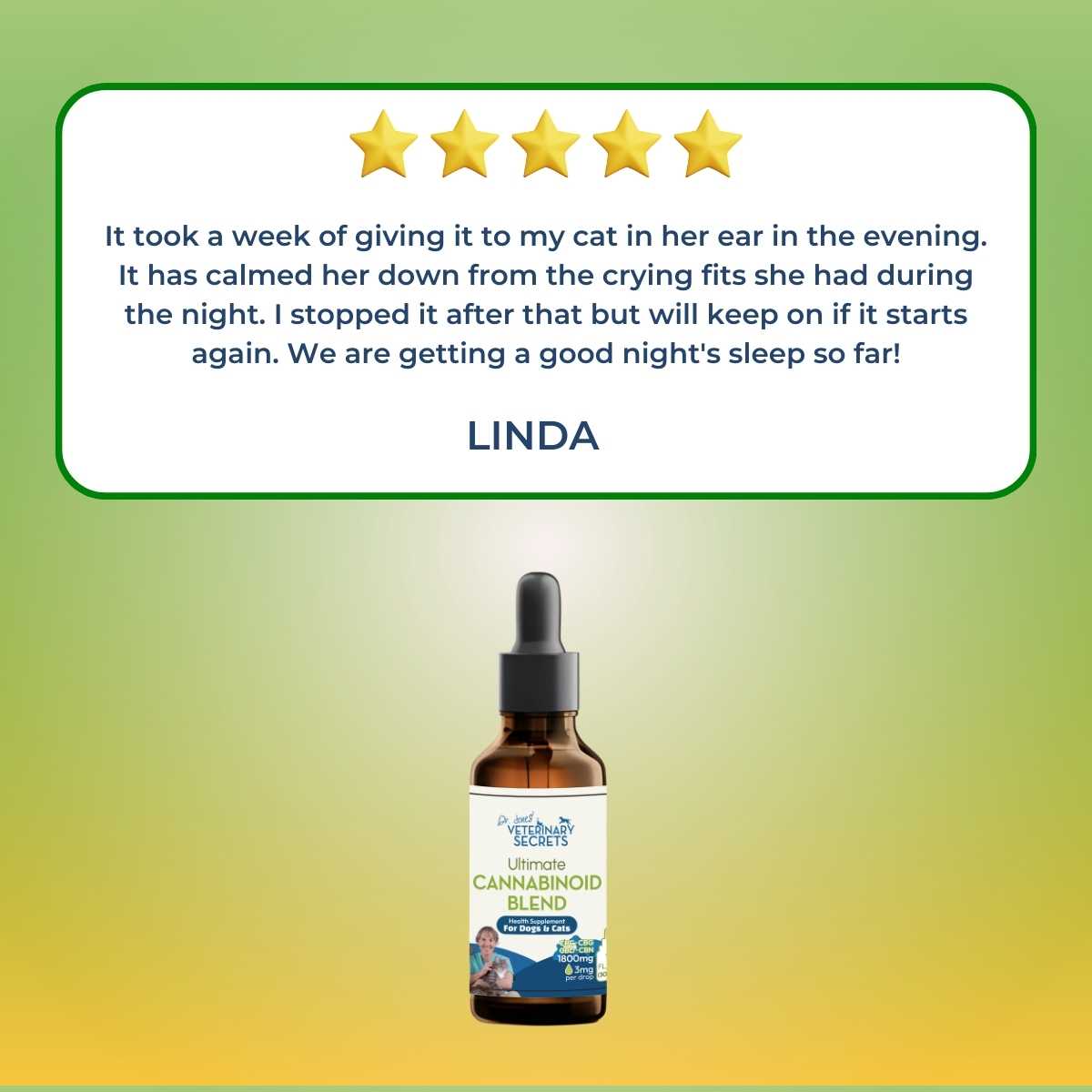
Hi, I’m giving my 10 pound cat 1 drop of Dr. Jones’ CBD Blend transdermally, in his ear, at bedtime. He was recently diagnosed with salivary gland cancer after a biopsy was done.
He had an ulcer on his lip that was removed at the time of the biopsy but the ulcer is starting to grow back.
Would a drop of the CBD Blend be helpful if it was dropped on the ulcer? I do not want it to burn his inflamed tissue.
Thanks.
I’m sorry your little guy is dealing with this.
I would not put the CBD Blend directly on the ulcer. Inflamed or ulcerated tissue can be very sensitive, and the blend is intended for systemic use rather than application to an open mouth lesion.
For a 10-lb cat, I’d also discuss the current transdermal dose with your veterinarian, especially given the salivary gland cancer and any other medications he may be taking.
The priority now is getting that recurring ulcer rechecked by your vet or veterinary oncologist—especially since it’s growing back.