New Cat Vaccine Guidelines: Does Your Indoor Cat Really Need FeLV, Rabies, and Boosters?

Does Your Cat Really Need More Vaccines?
Not every cat needs more vaccines, and I do not think every indoor cat should automatically be getting FeLV, rabies, and repeat boosters year after year.
Vaccines can prevent serious disease.
That is true.
But they are only one part of your cat’s long-term health.
The bigger question is not, “What vaccines can we give?”
The better question is:
What vaccines does this specific cat actually need based on risk?
A 100% indoor cat like Cassian is not the same as an outdoor cat who hunts, fights, and may be exposed to other cats or wildlife.
That difference matters.
And with the newer feline vaccine guidelines, more veterinarians are recommending more vaccines. One of the big changes is that the feline leukemia virus vaccine, also called FeLV, is now being recommended as a core vaccine.
That is where I have concerns.
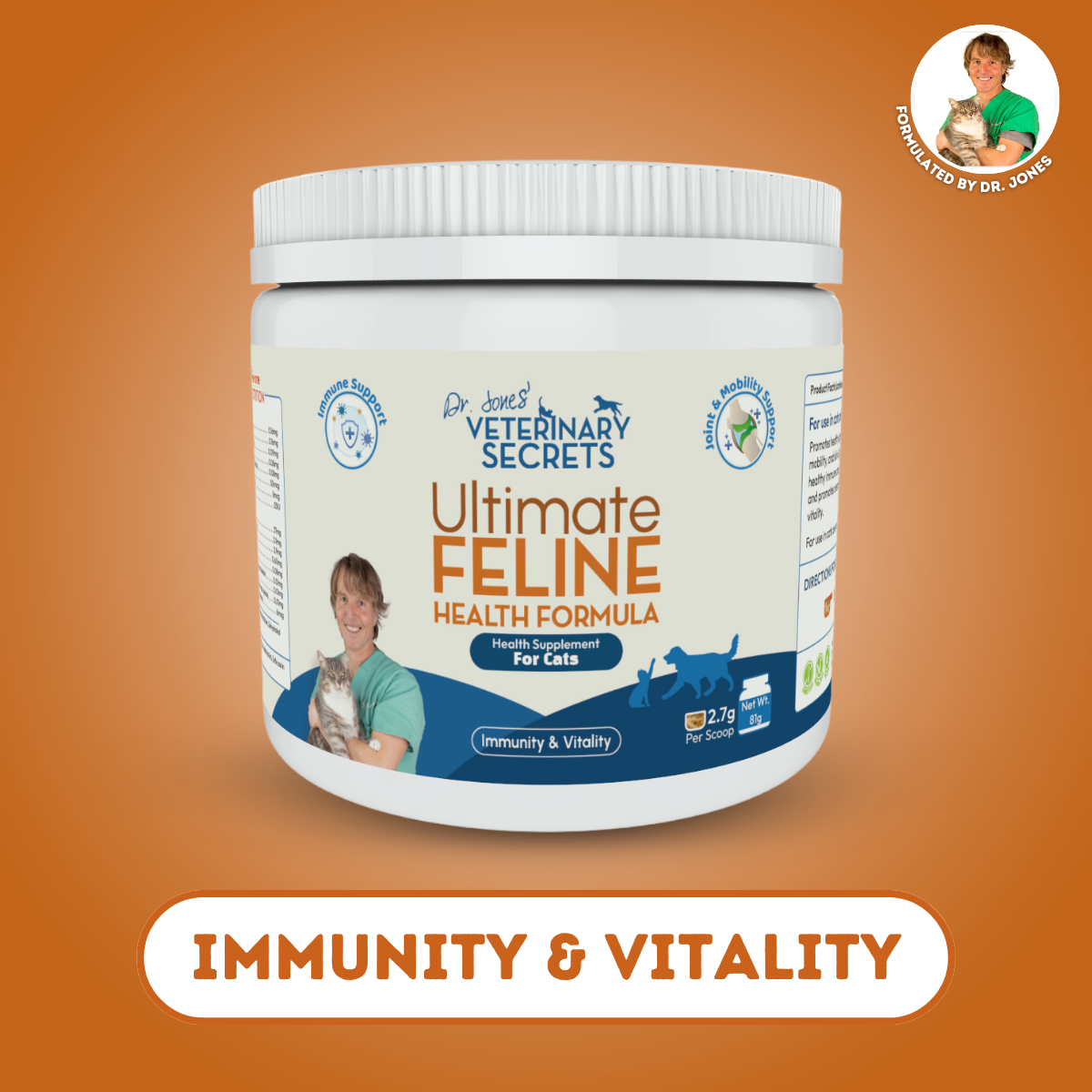
Dr. Jones’ Ultimate Feline Health Formula



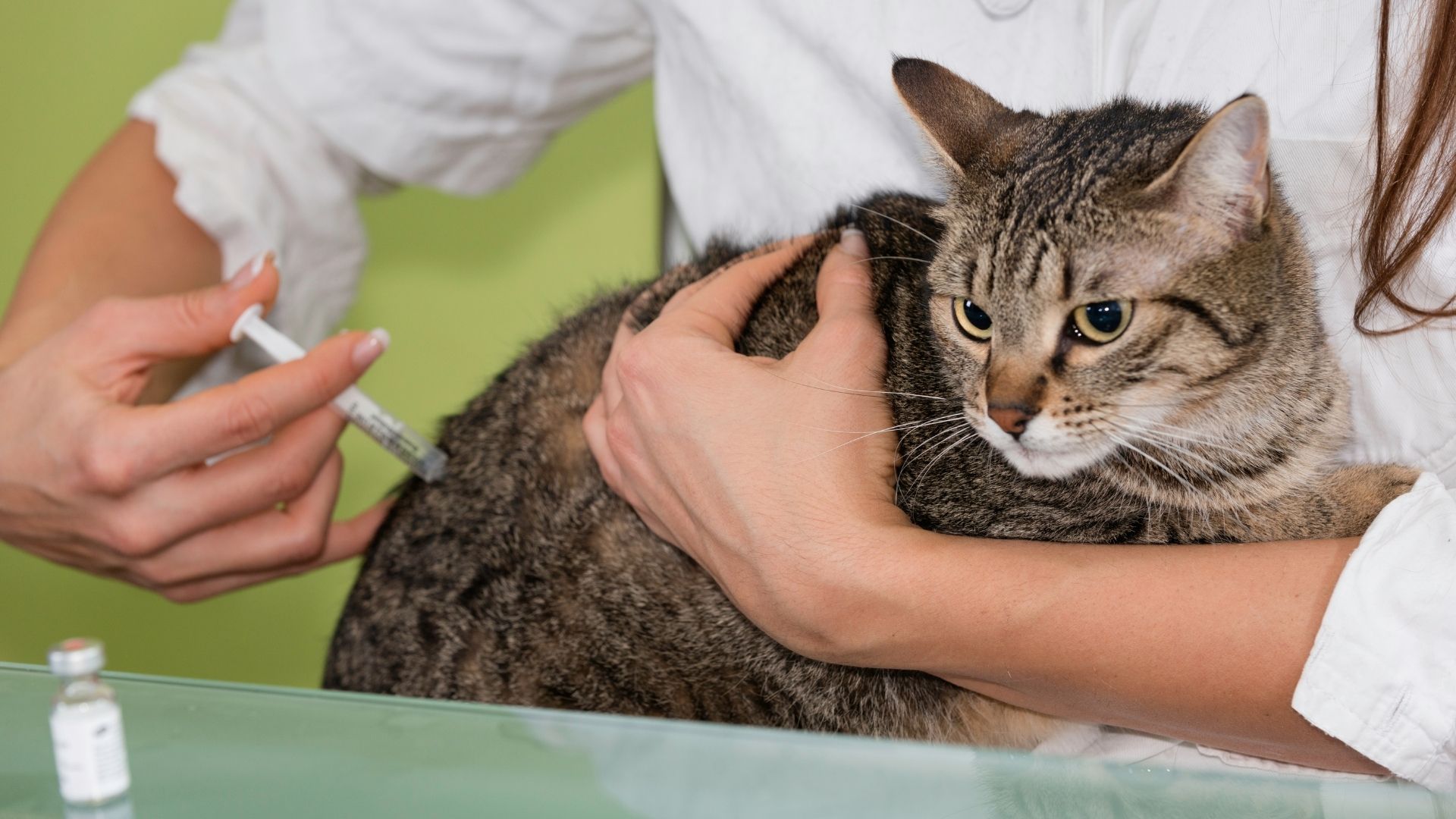
What Are the New Cat Vaccine Guidelines?
The newer vaccine guidelines recommend the FVRCP vaccine for cats.
FVRCP covers:
-
Two respiratory viruses
-
Panleukopenia, also called feline distemper
The suggested kitten schedule is typically:
-
8 weeks
-
12 weeks
-
16 weeks
-
Booster 6 months later
The newer recommendations also add feline leukemia virus vaccine, or FeLV, as a core vaccine.
That means:
-
Two FeLV doses as kittens
-
Then annual FeLV boosters
Rabies is also commonly recommended, with a schedule similar to dogs:
-
Rabies vaccine around 12 weeks
-
Booster 1 year later
-
Then repeat depending on local laws
In some areas, rabies is required yearly.
In other areas, it may be every 3 years.
So yes, there are more vaccine recommendations now.
But more is not always better.
My Main Concern With FeLV as a Core Vaccine
My concern is that FeLV is now being treated like a vaccine that every cat should receive.
I do not agree with that.
For many cats, especially indoor cats, the risk of getting feline leukemia virus is very low.
Cassian is a perfect example.
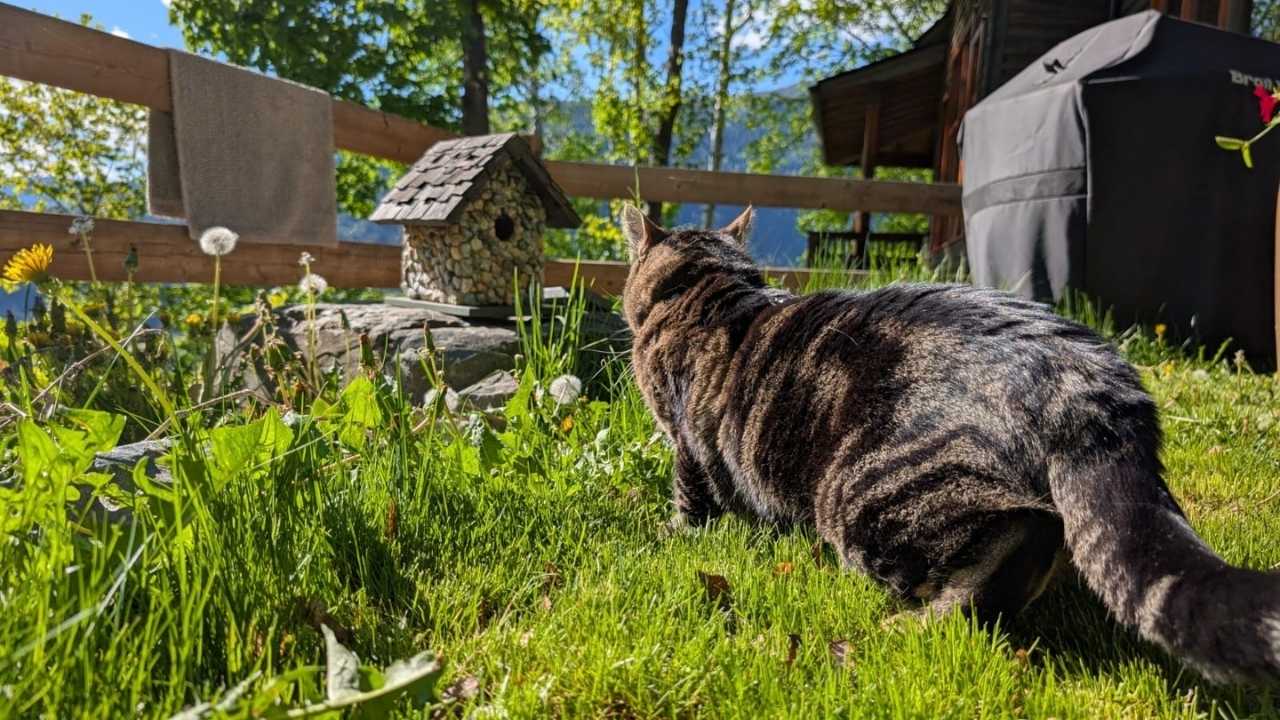
He is a 100% indoor cat, except for occasional leash walks.
He is not around infected cats.
He is not living in a multi-cat household with an FeLV-positive cat.
He is not roaming through a large stray cat population.
So his risk is essentially zero.
There is no reason I would give him the FeLV vaccine.
What Is Feline Leukemia Virus?
Feline leukemia virus, or FeLV, is a viral disease in cats.
But it is not highly contagious in the way many people think.
Your cat is not likely to get FeLV from simply walking near another cat outside.
Casual exposure is generally not enough.
For a cat to get FeLV, there usually needs to be more repeated exposure.
That often means:
-
Living in the same home with an FeLV-positive cat
-
Being in close contact with an infected cat
-
Spending time in a large outdoor stray cat population
-
Repeated exposure in a smaller space
So yes, FeLV can be serious.
But the exposure risk is not the same for every cat.
Is FeLV Highly Contagious?
No, FeLV is not considered highly contagious in casual-contact situations.
There is a difference between infectious and contagious.
Infectious vs Contagious
| Term | What It Means |
|---|---|
| Infectious | How much virus or bacteria is needed to cause disease |
| Contagious | How easily disease spreads from one animal to another |
FeLV is not something your indoor cat is likely to catch from a passing outdoor cat.
The risk goes up when there is repeated close exposure.
That is why I do not see why this vaccine should be given automatically to most cats.
Which Cats Are Most at Risk for FeLV?
The cats I would think about more carefully are the ones with real exposure risk.
Higher-Risk Cats
A cat may be at higher risk if they:
-
Live with an FeLV-positive cat
-
Spend substantial time outdoors
-
Roam in areas with many stray cats
-
Have repeated close contact with unknown cats
-
Fight with other cats
-
Live in a crowded cat environment
For those cats, a discussion about FeLV vaccination makes more sense.
But that is very different from giving it to every indoor cat.
Which Cats Are Low Risk?
Many cats are very low risk.
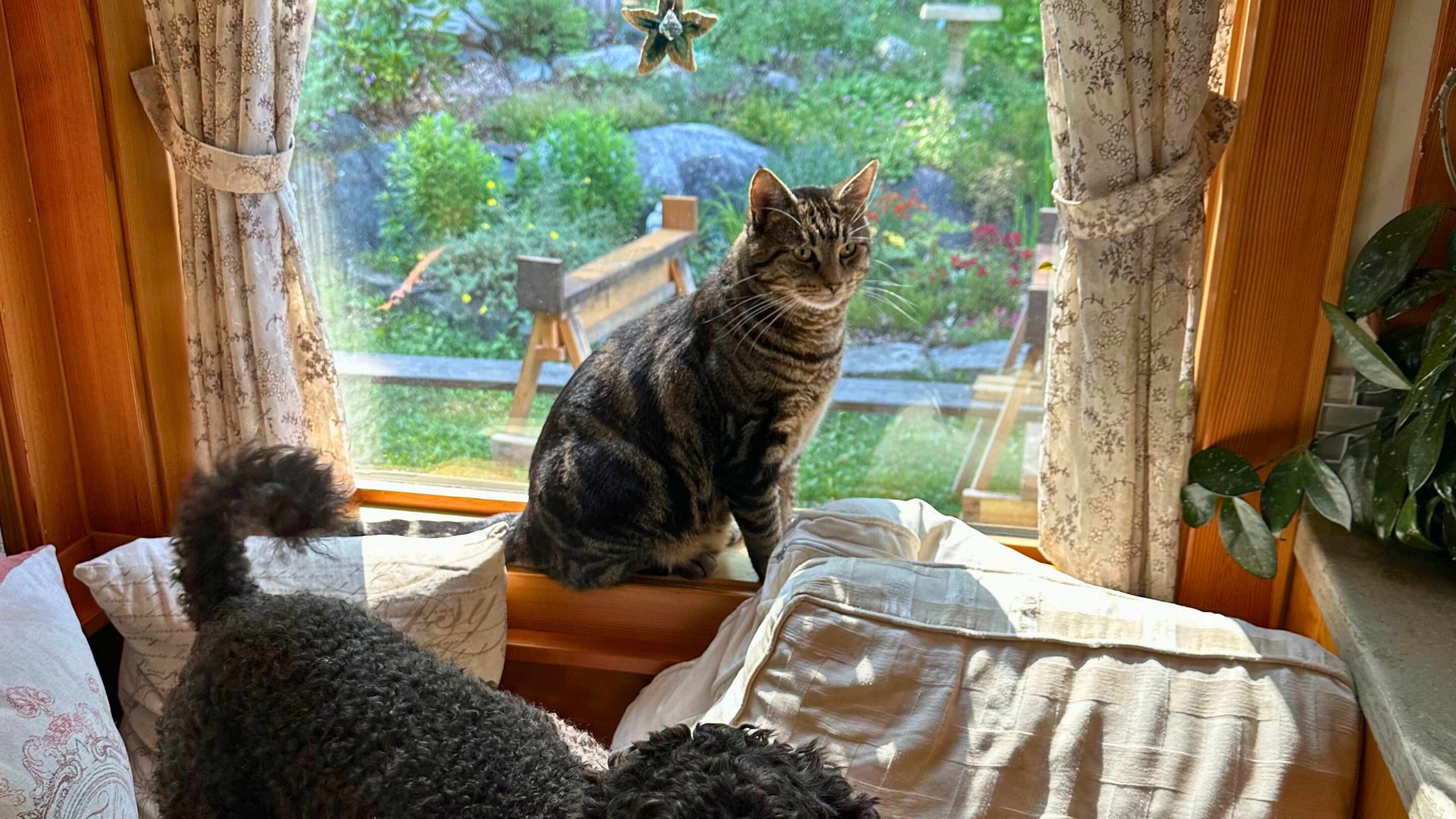
Lower-Risk Cats
A cat is likely lower risk if they:
-
Live indoors
-
Do not interact with unknown cats
-
Are not exposed to stray cat populations
-
Only go outside on a leash
-
Do not fight with other cats
-
Are elderly and only occasionally outdoors
-
Live alone or with FeLV-negative cats
That is Cassian.
He is not getting the FeLV vaccine.
What Are the Risks of the FeLV Vaccine?
There have been changes to vaccine technology, and the newer FeLV vaccines are said to cause fewer immune reactions and fewer secondary side effects.
The vaccine companies also claim they may be more protective.
That may be true.
But I still have concerns.
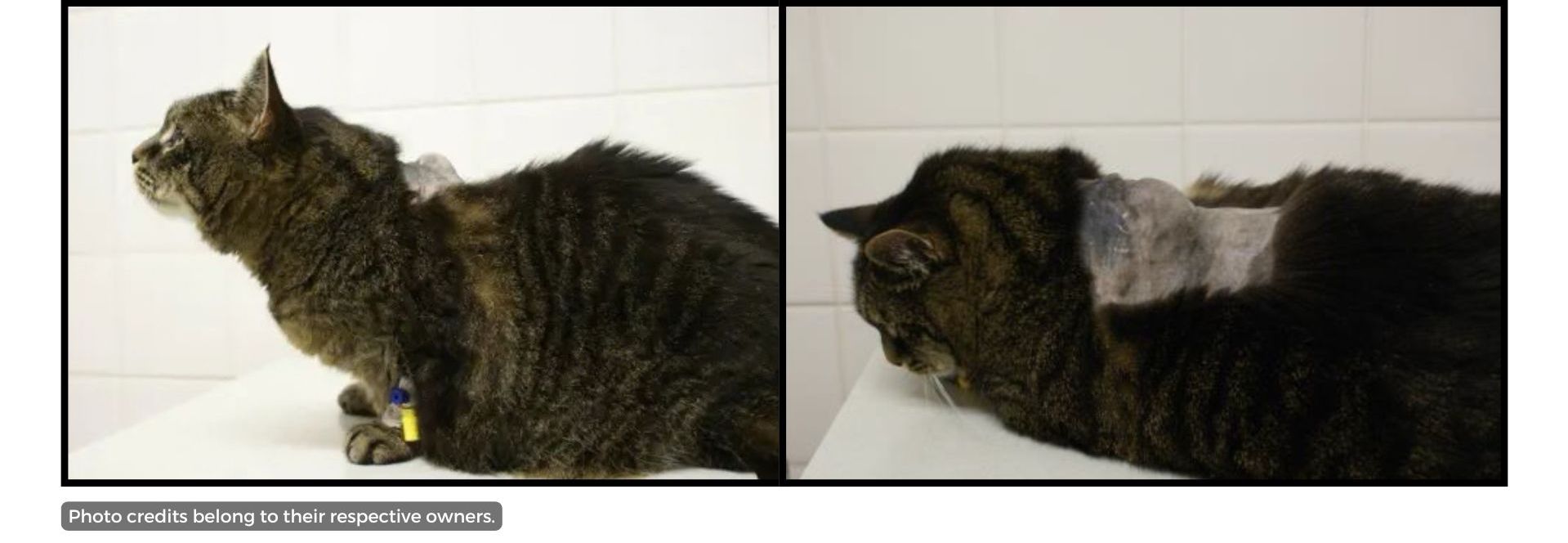
One of the biggest concerns in cats is vaccine-associated sarcoma, or VAS.
This is a type of cancer that can form in response to vaccination.
It can be very difficult to treat.
In the source material, I describe it as virtually impossible to treat.
That is not something I want for Cassian.
And it is not something I want for your cat.
Why Repeated Immune Stimulation Concerns Me
Another concern is repeated immune stimulation.
When you vaccinate year after year, you are asking the immune system to keep responding.
In some cases, the immune system may respond inappropriately.
That may affect different parts of the body.
Possible concerns mentioned include:
-
IBD, affecting the intestinal tract
-
Pancreatitis, affecting the pancreas
-
Hepatitis or liver disease
-
CKD, affecting the kidneys
CKD is already far too common in cats.
So no, I do not want to repeatedly stimulate the immune system without a very good reason.
My Vaccine Approach for a Kitten Like Cassian
For a kitten like Cassian, I would do the core FVRCP vaccine.
My own preference would be:
-
FVRCP at 8 weeks
-
FVRCP at 12 weeks
-
Then likely stop
Cassian was adopted from an SPCA.
He had his core vaccines, including rabies and FeLV.
He got the FeLV vaccine because that was part of the protocol.
But now?
He is 100% indoor, with occasional leash walks.
He is getting no further vaccines.
What About Outdoor Cats?
If your cat spends substantial time outdoors, the vaccine discussion changes.
I would still consider the core kitten vaccines.
For rabies, I would look at:
-
Whether rabies exists in your area
-
Your cat’s exposure to wildlife
-
Whether your cat hunts
-
Whether your cat is truly at risk
An outdoor hunter in a rabies area is very different from an indoor cat sleeping on the couch and occasionally yelling at birds through a window.
Same species.
Very different lifestyle.
Does an Indoor Cat Need the Rabies Vaccine?
For an indoor cat like Cassian, I do not think rabies vaccination is needed from a health-risk standpoint.
But local law may say otherwise.
That is one of the frustrating parts.
Some areas legally require rabies vaccination.
If we are talking purely about risk, a fully indoor cat has very low exposure.
My Rabies Vaccine Approach for Cats
If rabies vaccination is needed because of true exposure risk, my preference would be:
-
Wait until 6 months of age
-
Give the first rabies vaccine
-
Booster at 1 year
-
Then repeat only as needed based on risk
Many areas require boosters every 3 years.
But current research mentioned in the source, especially work connected with the Rabies Challenge Fund, suggests protection may last at least 5 years, if not longer.
I would think in terms of:
6 months, 1 year booster, then every 5 years
That is my current advise.
Which Cats Might Need Rabies Protection?
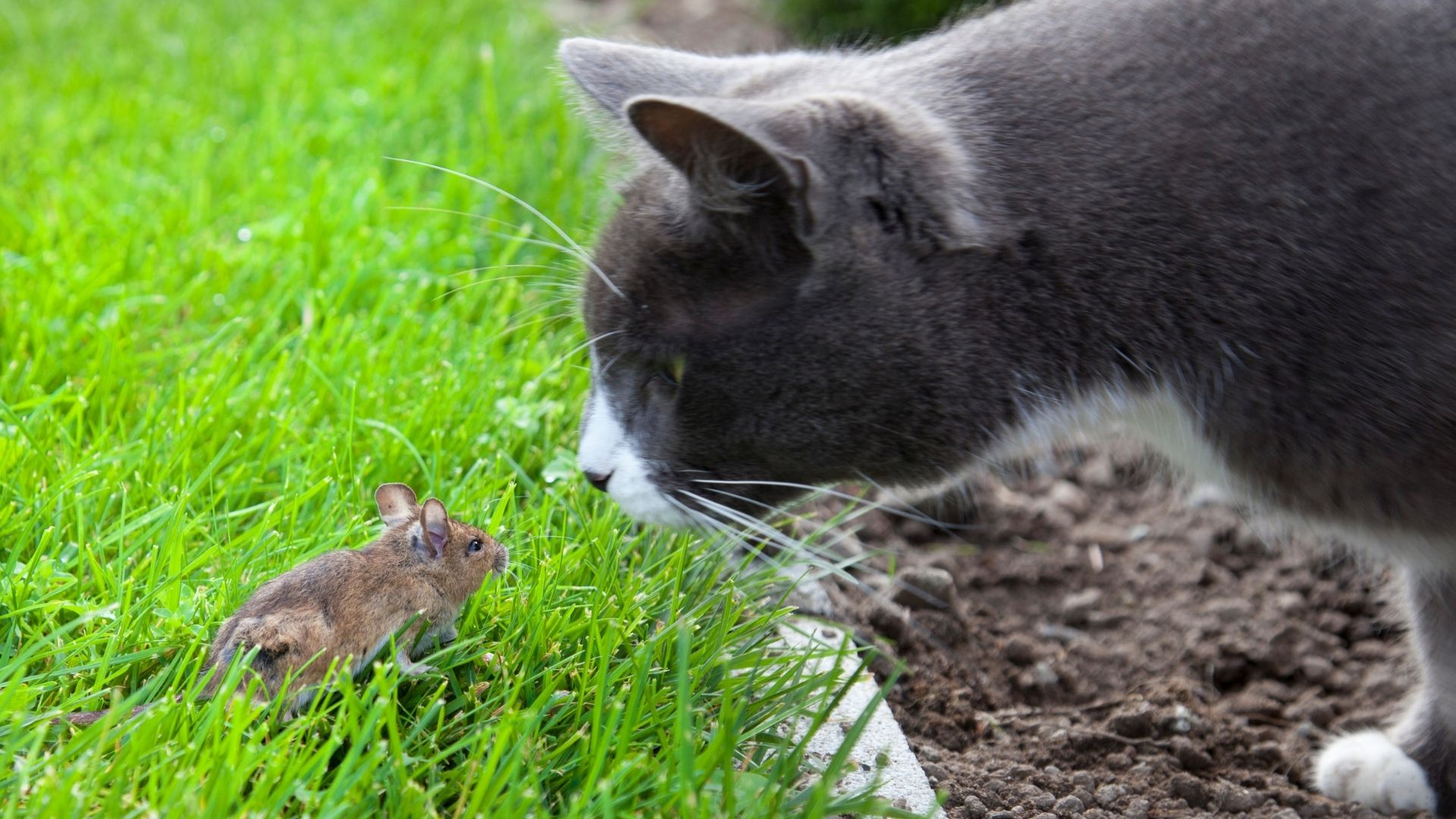
A cat may need rabies protection if they:
-
Hunt outdoors
-
Have exposure to wildlife
-
Live in an area where rabies exists
-
May come into contact with bats or other rabies carriers
A cat who is elderly, occasionally outdoors, and not hunting may be very different.
A cat who is strictly indoors is different again.
Vaccines Are Only One Part of Cat Health
Yes, vaccines can prevent serious disease.
But infectious disease is only one part of health.
There are many other factors that affect your cat’s long-term wellness.
For most cats, I would put a much bigger focus on preventive care.
That means:
-
Better food
-
Avoiding dry, carb-loaded kibble
-
Environmental enrichment
-
Appropriate supplements
-
Supporting overall health
-
Reducing unnecessary conventional medication when possible
-
Avoiding unnecessary monthly flea, tick, and heartworm products when they are not truly needed
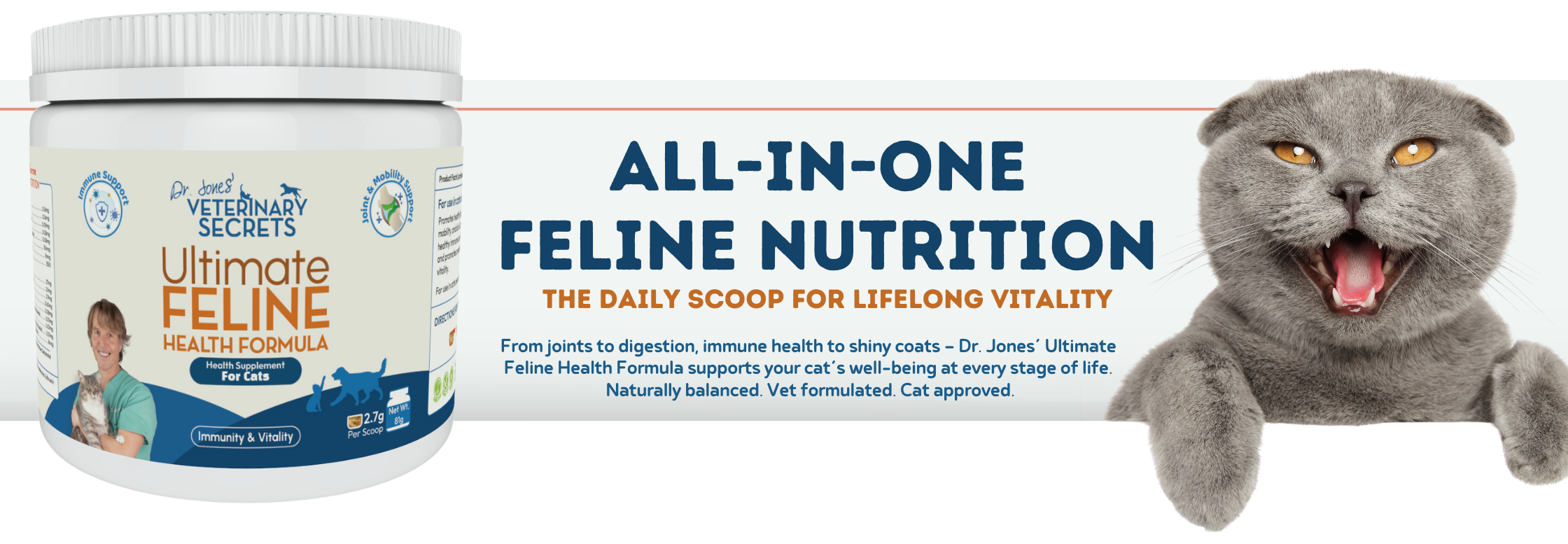
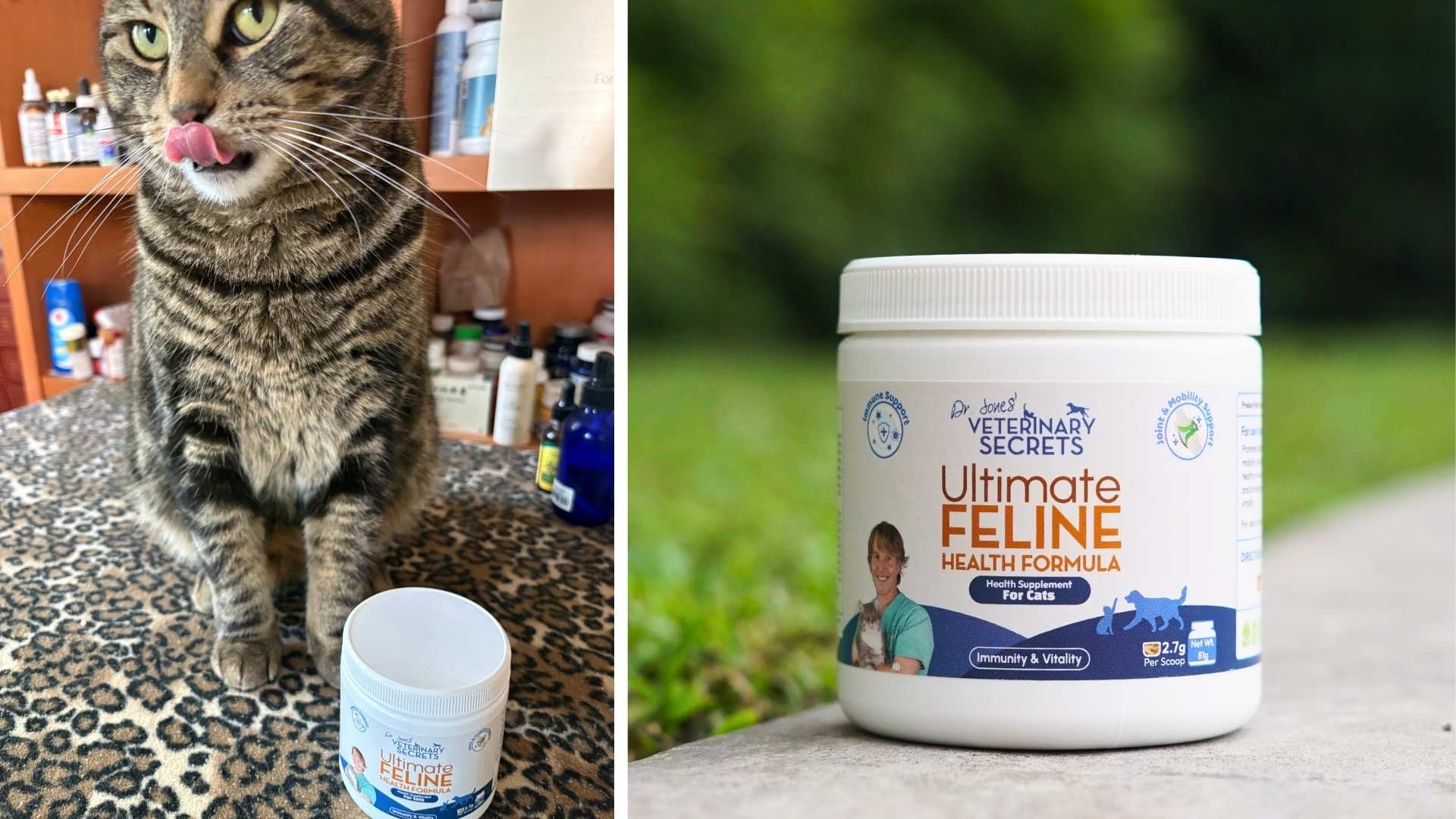
Dr. Jones’ Ultimate Feline Health Formula
The Bigger Cat Health Picture
Your cat’s long-term health is not only about vaccines.
It is about daily choices.
What I Would Focus On
| Health Area | Why It Matters |
|---|---|
| Food | Diet affects long-term health |
| Avoiding dry, carb-loaded kibble | Better nutrition supports overall wellness |
| Environmental enrichment | Indoor cats need stimulation and activity |
| Thoughtful supplements | May support overall health |
| Limited medication use | Avoid unnecessary chemical exposure |
| Risk-based vaccines | Vaccinate based on actual exposure |
| Less immune stimulation | Avoid repeated vaccines without a clear reason |
Vaccines are one small part of the toolbox.
Not the whole toolbox.
Final Thoughts
So, does your cat really need the FeLV vaccine?
For most indoor cats, no.
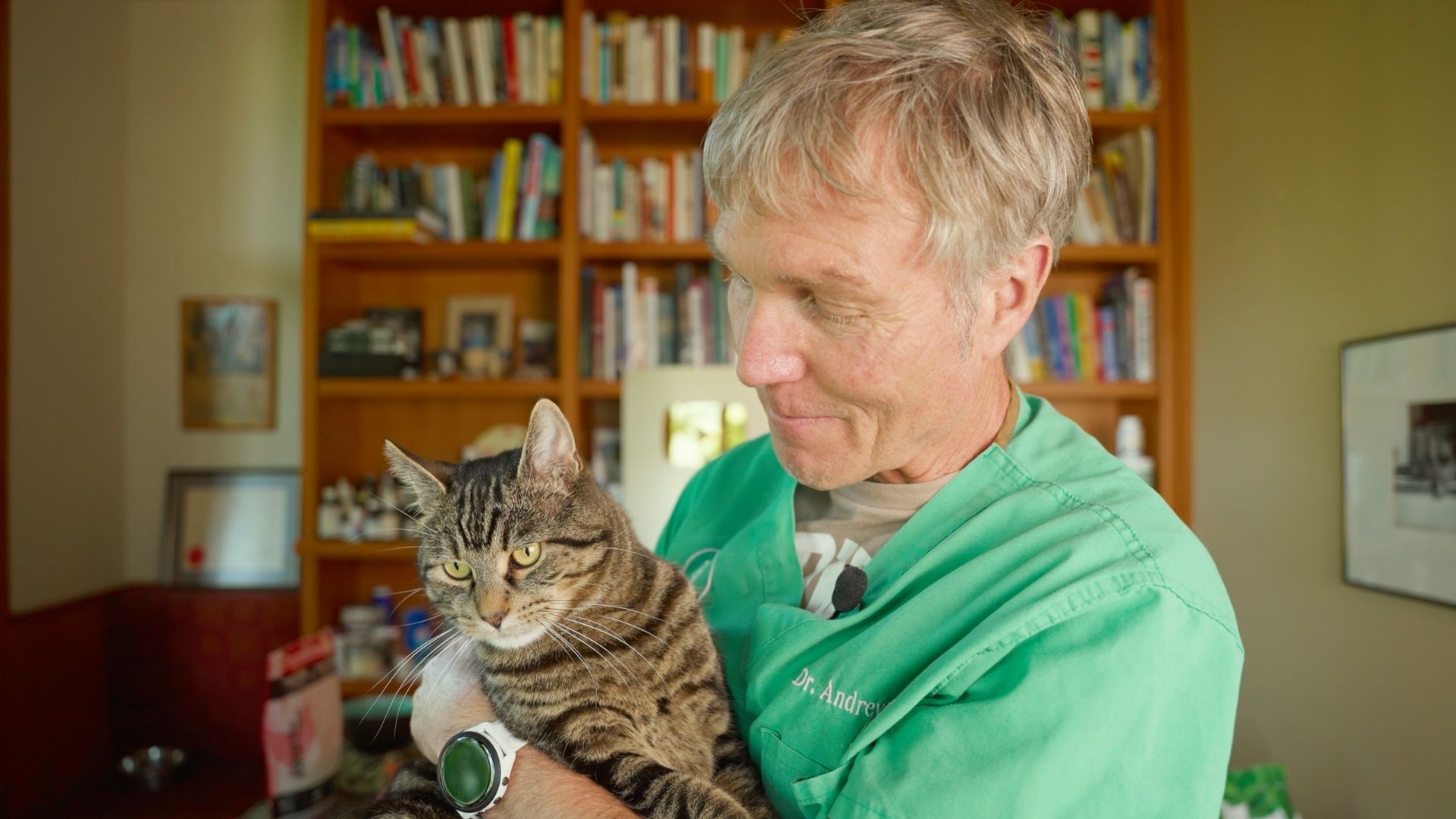
I do not think FeLV should automatically be given to cats like Cassian.
Feline leukemia virus usually requires repeated close exposure, and most indoor cats are not at meaningful risk.
The FeLV vaccine may make sense for some cats.
But I would reserve it for cats with real exposure risk, such as cats living with FeLV-positive cats or outdoor cats exposed to large stray cat populations.
For rabies, I would still think carefully about exposure risk and timing.
If needed, I would prefer the first rabies vaccine at 6 months, a booster at 1 year, then as infrequently as possible.
For Cassian?
He is getting no further vaccines.
He is indoor, occasionally leash-walked, not exposed to FeLV, and not hunting wildlife.
Instead, I would rather focus on the bigger health picture:
Better food.
Less dry, carb-loaded kibble.
Environmental enrichment.
Useful supplements.
Less unnecessary medication.
And fewer vaccines, less often, when risk is low.
That is how I think we keep cats healthier long term.
Click To Get A Free Copy of My E-Book!

P.S. For a cat like Cassian, who is indoor and only occasionally outside on a leash, I would not give the FeLV vaccine.
The exposure risk is just too low.
P.P.S. If your cat is outdoors, hunting, fighting, or exposed to a large stray cat population, that is a different conversation.
Risk matters.
Lifestyle matters.
P.P.P.S. Vaccines can be important, but they are only one small part of health.
For many cats, better food, enrichment, fewer unnecessary medications, and less immune stimulation may do far more for long-term wellness.
Cat Vaccine Decision Table
| Cat Situation | Dr. Jones’ Approach |
|---|---|
| Indoor kitten | FVRCP kitten vaccines, limited boosters |
| 100% indoor adult cat | No further vaccines in many cases |
| Indoor cat with leash walks only | Very low risk, likely no FeLV |
| Cat living with FeLV-positive cat | FeLV vaccine discussion makes more sense |
| Outdoor cat in stray cat population | Higher FeLV risk |
| Outdoor hunting cat in rabies area | Rabies protection likely needed |
| Elderly occasional outdoor cat | Risk may still be low |
| Sick cat | Do not vaccinate while sick |
Dr. Jones’ Feline Vaccine Approach: FVRCP, FeLV, and Rabies
| Vaccine | What It Covers | My View |
|---|---|---|
| FVRCP | Respiratory viruses and panleukopenia/feline distemper | Reasonable as kitten core protection |
| FeLV | Feline leukemia virus | Not for most indoor cats, consider only with real exposure risk |
| Rabies | Rabies virus | Risk-based and as infrequent as possible |