Feline Infectious Peritonitis: A New Feline Coronavirus Strain in Cyprus

Is There Really Nothing You Can Do?
For years, when a cat was diagnosed with FIP, I used to say the same thing many pet parents have heard.
“I’m sorry. There’s nothing we can do.”
It turns out that was only partially true.
While FIP is a serious and often devastating disease, there are alternative options that may help support the immune system, improve quality of life, and possibly even help prevent problems before they start.
Some of these include antioxidants, colostrum, medicinal mushrooms, probiotics, and other immune-supportive nutrients. These are the very things I now focus on when I think about protecting cats from severe infectious disease.
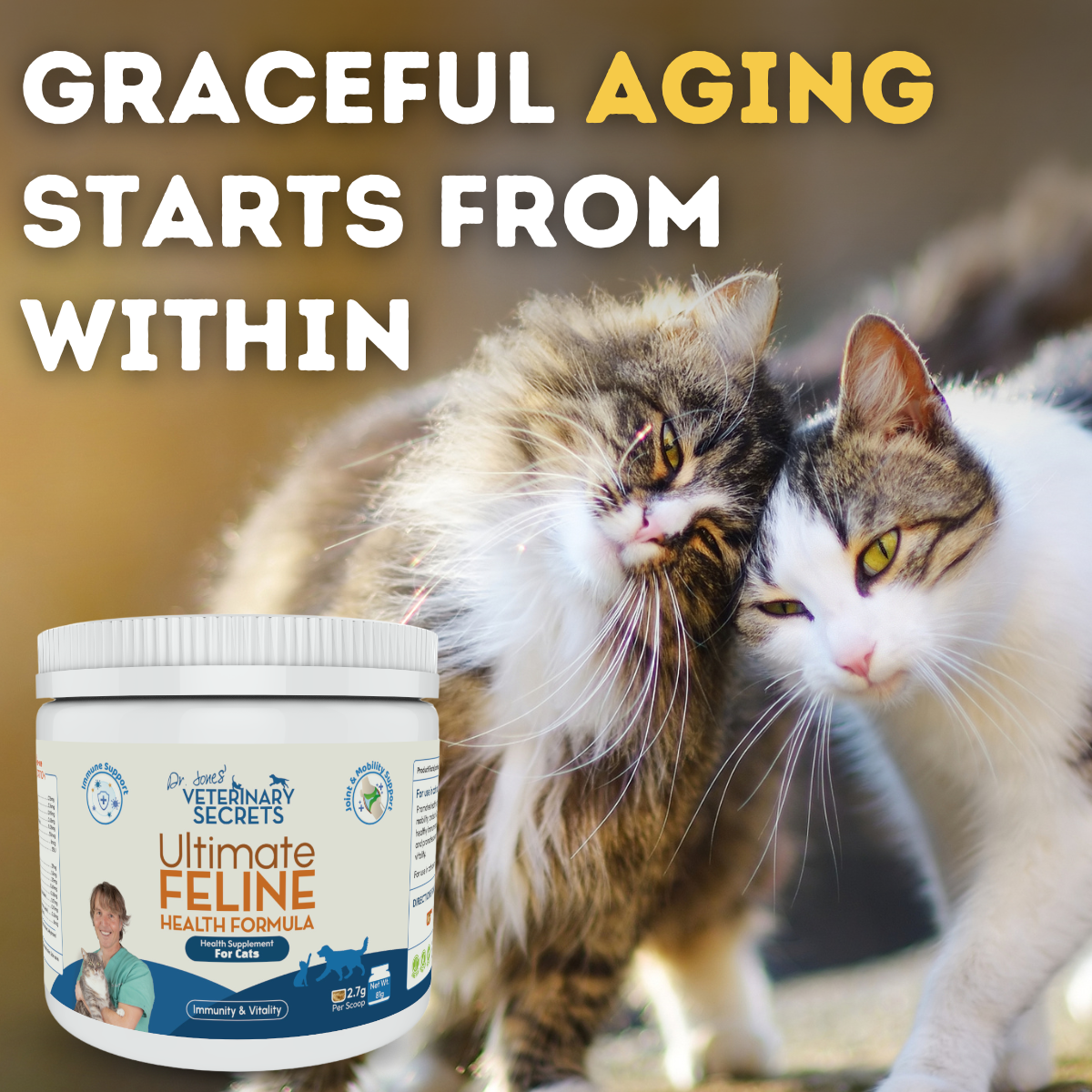
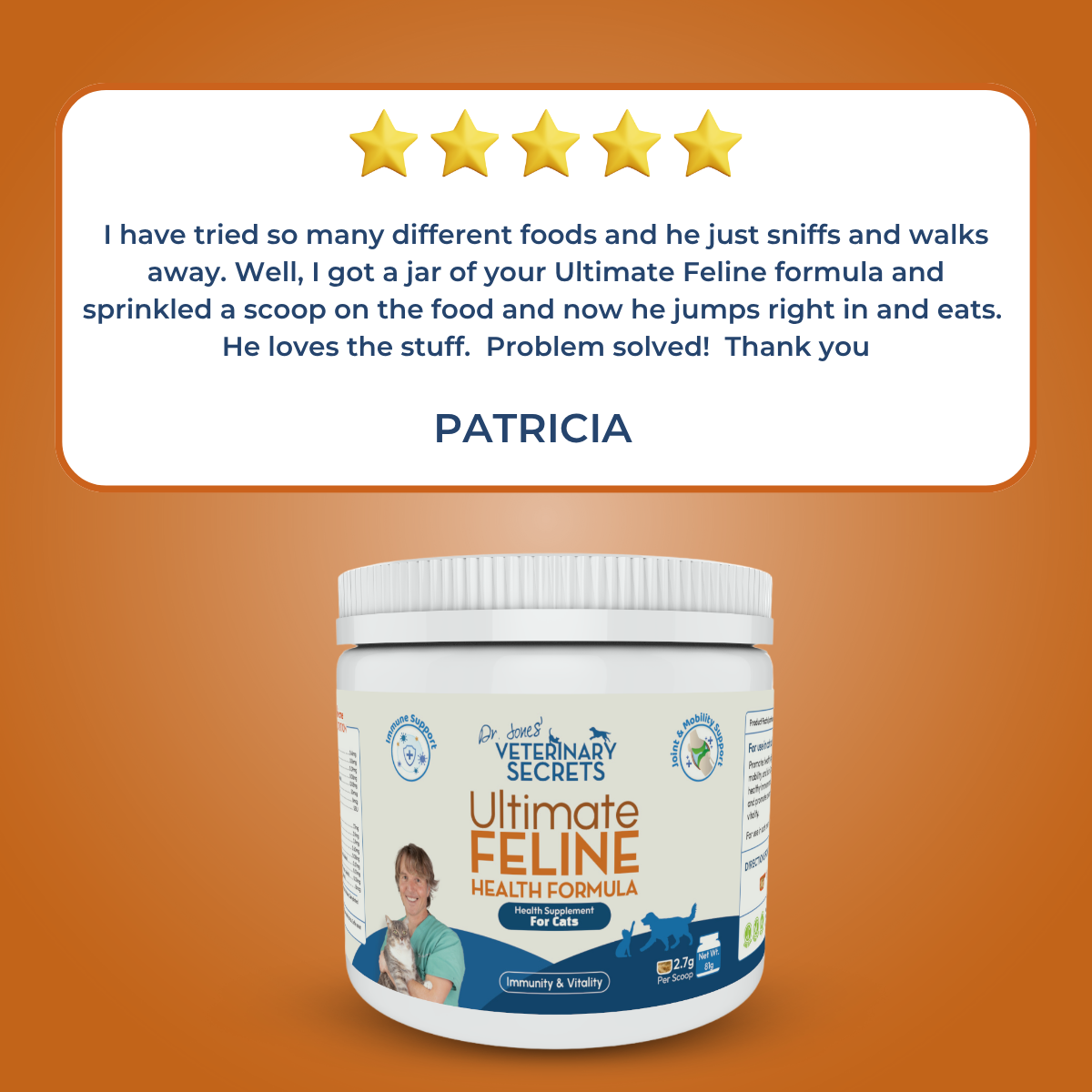
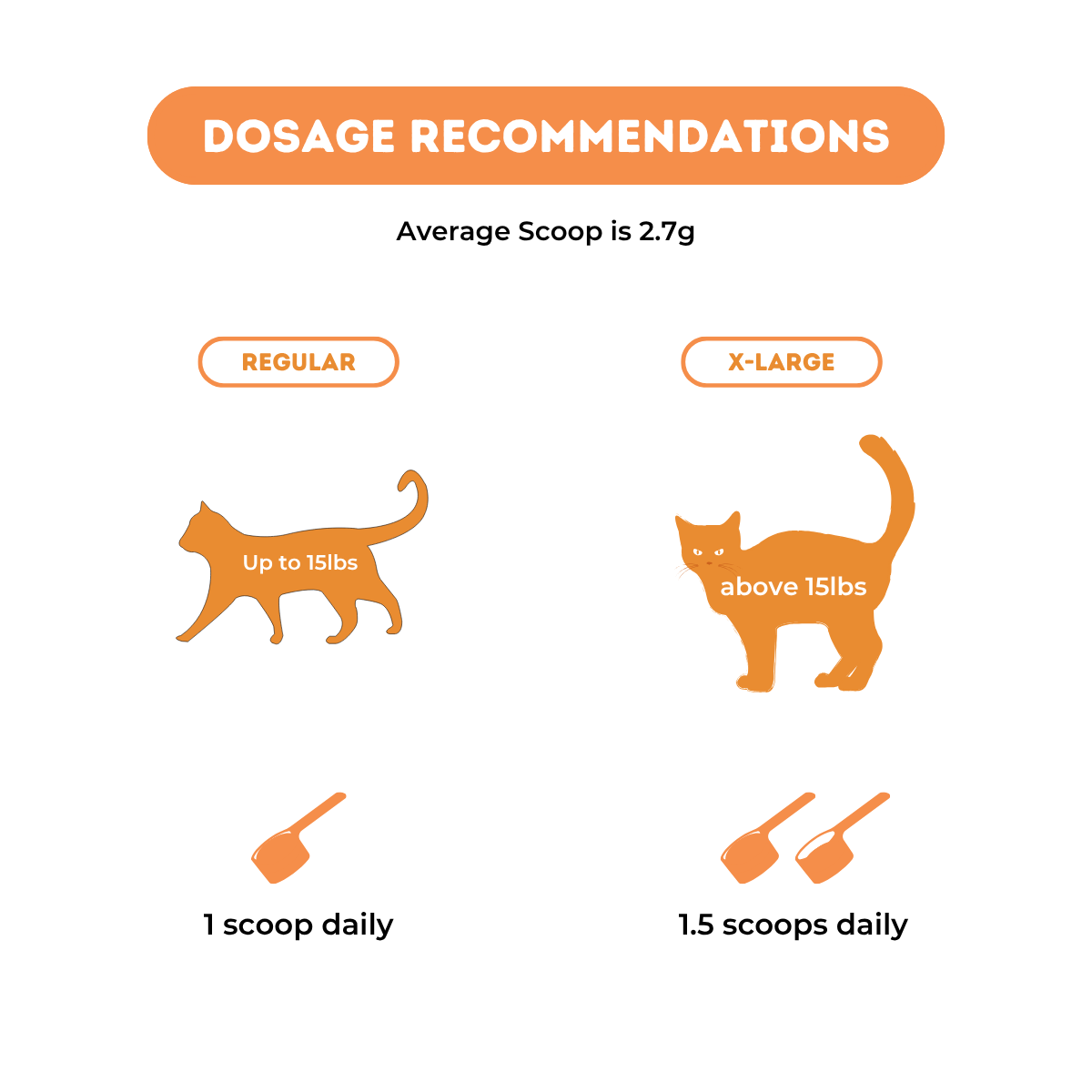
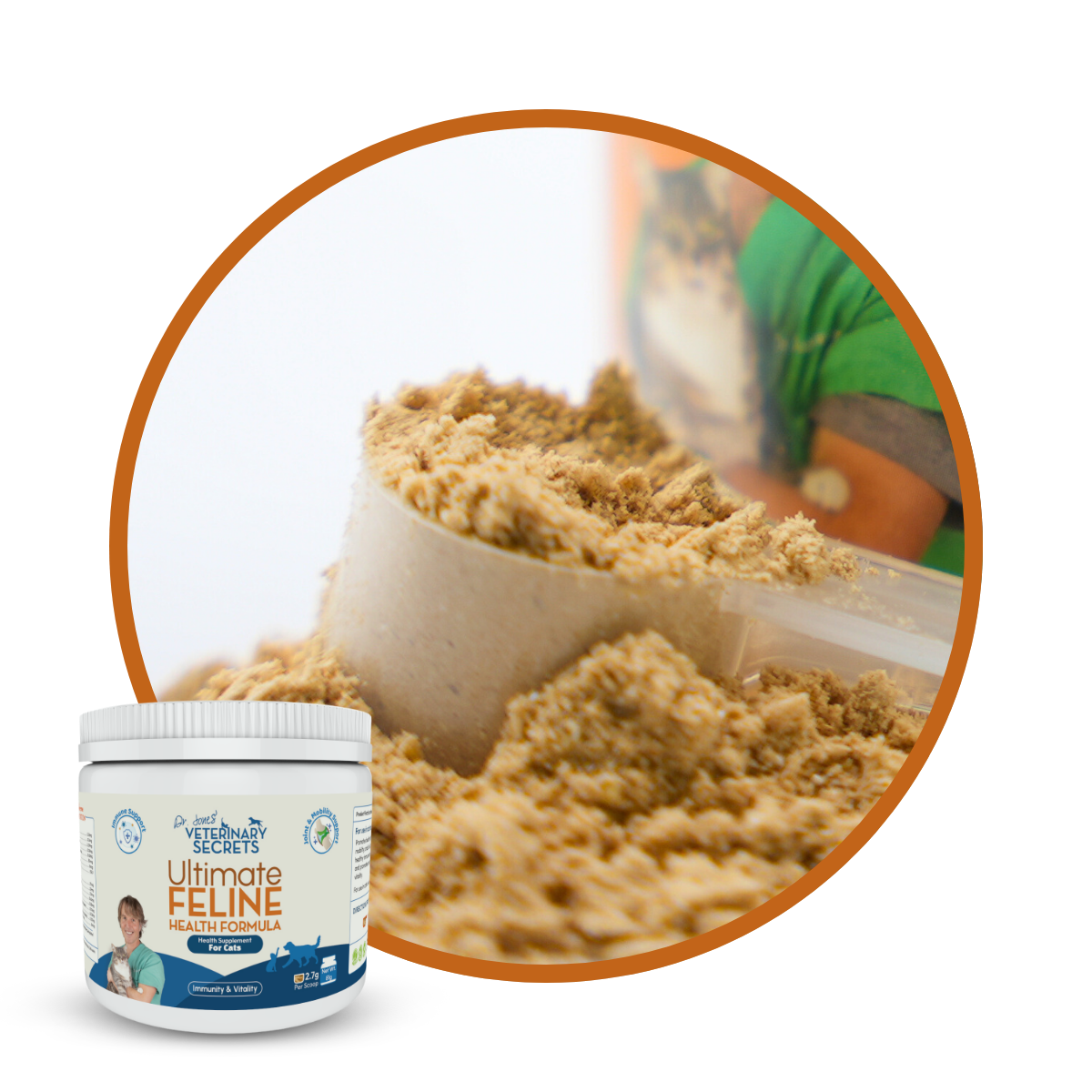
Dr. Jones’ Ultimate Feline Health Formula



What Is FIP and Why Is It So Serious?
Feline infectious peritonitis is caused by a mutation of a common feline coronavirus. Most cats are exposed to coronavirus at some point in their lives and never become sick.
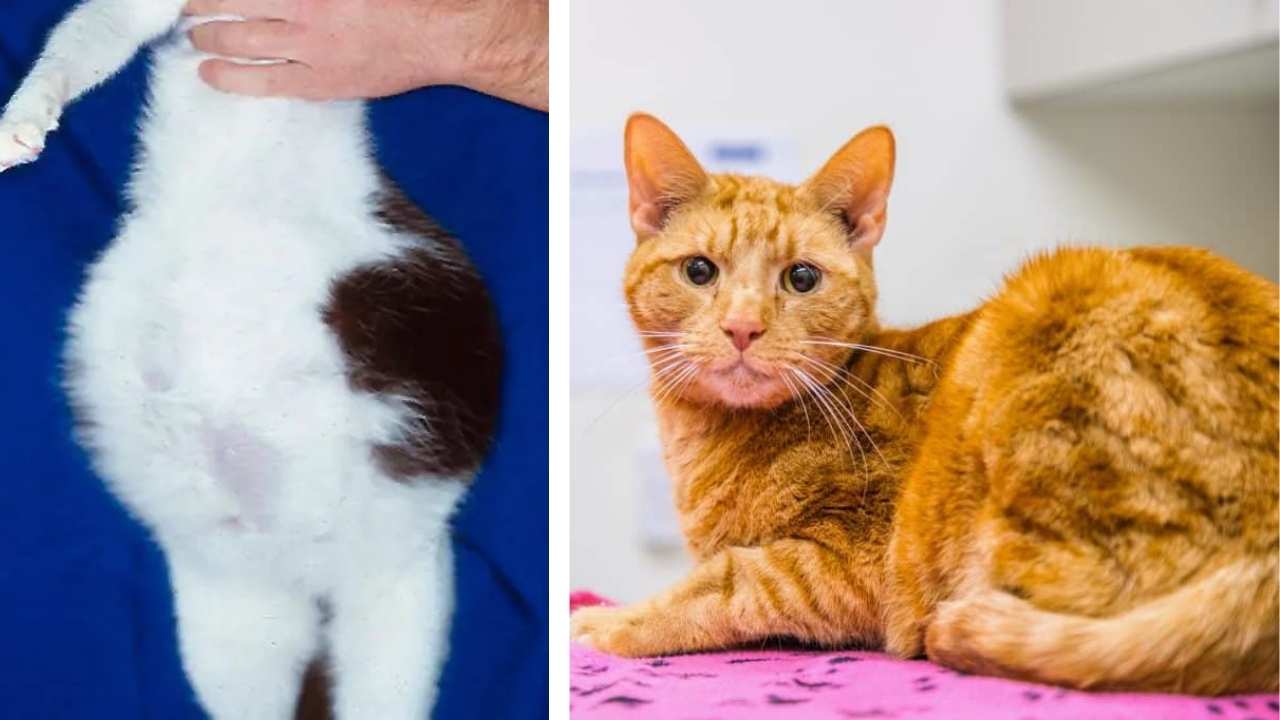
In FIP, that otherwise mild gut virus mutates. It leaves the intestinal tract and triggers a powerful immune response that begins attacking the cat’s own organs. This is why FIP can cause fever, lethargy, fluid buildup in the abdomen, and rapid decline.
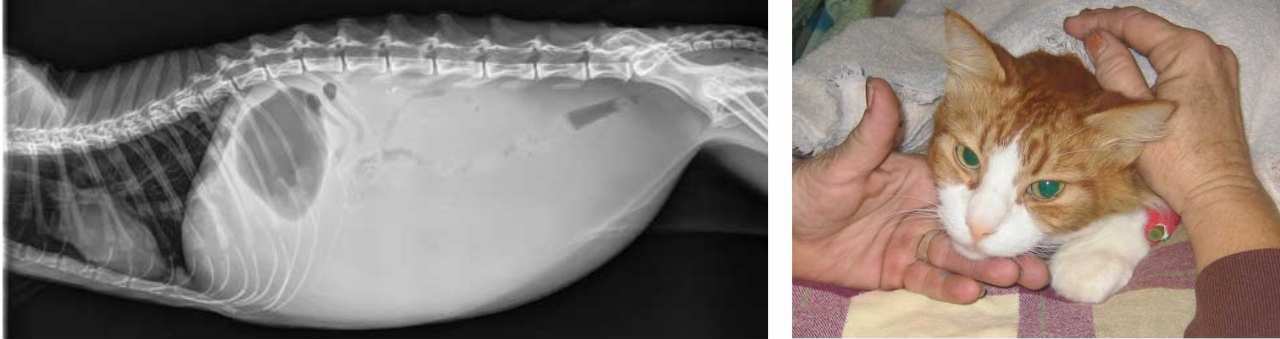
Importantly, FIP itself is usually not contagious. Most cats exposed to coronavirus never develop FIP.
A New Feline Coronavirus Strain in Cyprus
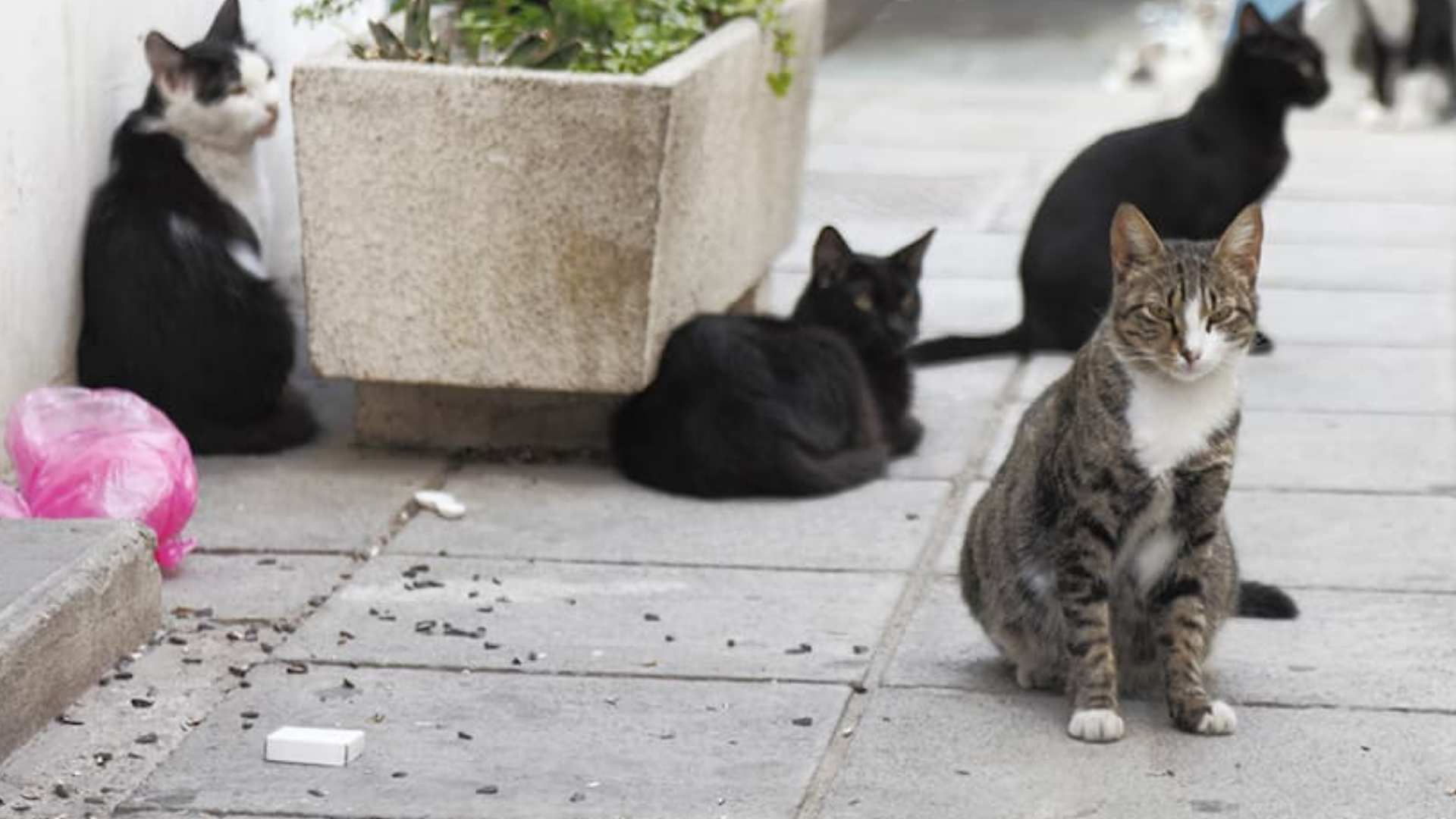
Earlier this year, thousands of cats began dying on the Mediterranean island of Cyprus, often called the “island of cats.” The symptoms looked like FIP, but the number of cases raised serious concerns.
Researchers now believe a newly identified feline coronavirus strain may be involved. This strain appears to have borrowed genetic material from a highly virulent canine coronavirus called pantropic canine coronavirus.
Veterinarians in Cyprus reported a surge in FIP cases, with estimates of deaths ranging widely. While the situation is alarming, there is currently no evidence that this strain has spread beyond Cyprus.
This coronavirus is not related to COVID-19 and does not affect humans.

My Perspective on FIP
FIP has always been uncommon. During my years in practice, I rarely saw it.
The disease arises from a mutation inside the cat, not from direct transmission in most cases. Even though coronavirus exposure is common, FIP remains rare.
At this time, there is no evidence that the Cyprus strain has spread elsewhere. That said, this situation highlights why immune resilience in cats matters so much.
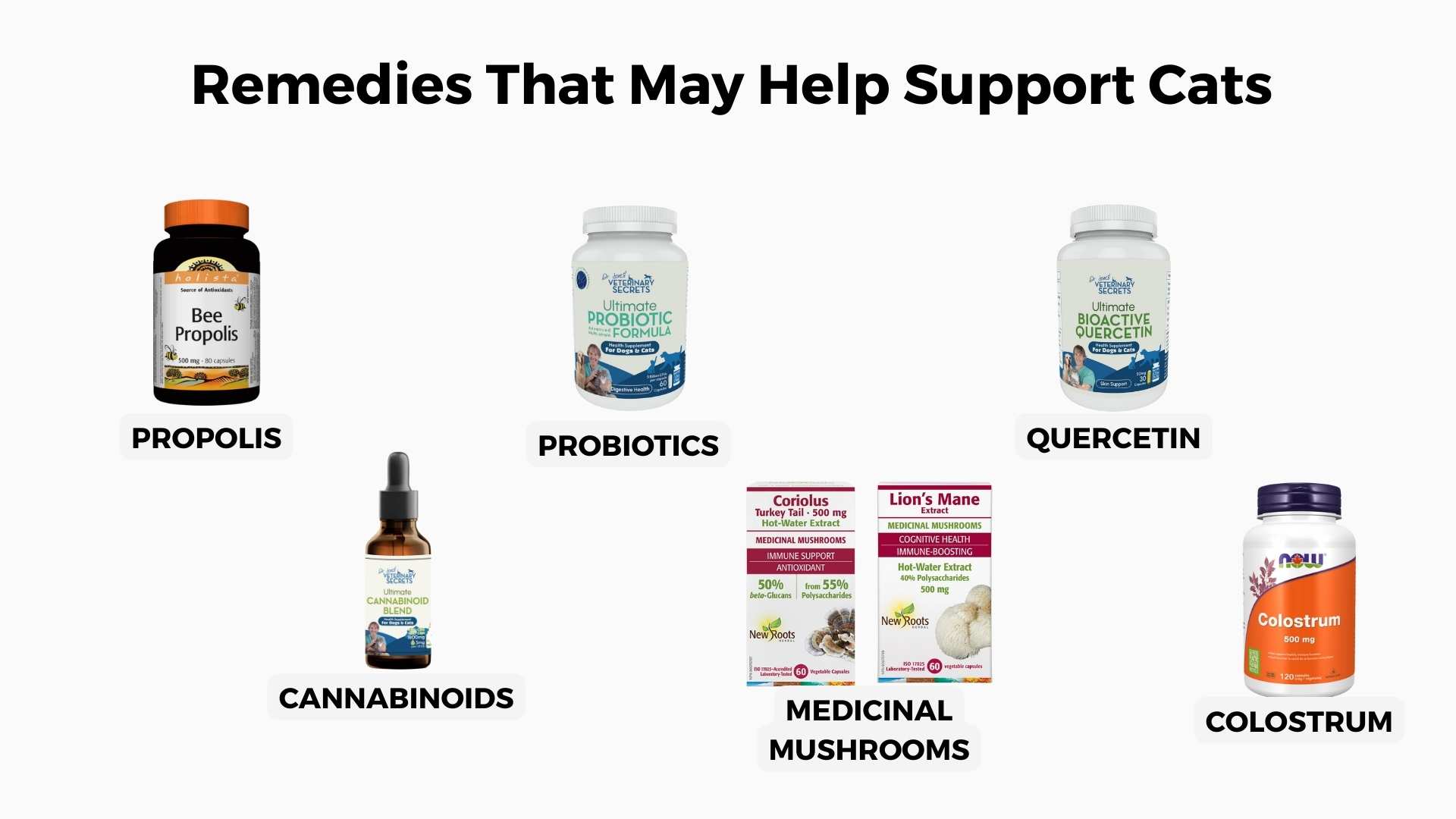
Alternative Remedies That May Help Support Cats
While none of these options should be viewed as guaranteed cures, they may help support immune balance and overall resilience in cats facing serious viral threats.
Propolis
Also known as bee glue, propolis has documented antiviral properties and has shown benefits against viruses such as herpes. It may be worth considering for immune support in cats at risk.
Suggested dose: 100 mg per 10 pounds daily.
Probiotics
Probiotics support gut health and immune function. This is especially important since coronavirus begins in the intestinal tract.
One study involving cats with FIV noted that probiotic supplementation helped restore intestinal balance and immune stability.
Suggested dose: 1 billion CFUs per 10 pounds daily of a mixed probiotic.
Quercetin
Quercetin is a flavonoid found in apple peel and other plant foods. Research from Boston University School of Medicine links antioxidant-rich diets containing quercetin with lower cancer risk.
Quercetin has shown antiproliferative effects on abnormal cells and may offer immune-modulating support.
Suggested dose: 50 mg per 10 pounds daily.
Colostrum
Colostrum is the first milk produced by mothers and is rich in immune-supportive compounds. Bovine colostrum has been studied for its potential anti-cancer and immune benefits.
It is safe, well tolerated, and worth considering for cats facing immune challenges.
Suggested dose: 100 mg per 10 pounds daily.
Cannabinoids
CBD and other cannabinoids may help regulate immune responses and support cellular balance. One review article noted that the endocannabinoid system plays a role in cell survival and protection against abnormal cell growth.
This may be relevant for cats with immune-mediated or viral diseases.
Suggested dose: 3 mg per 10 pounds once to twice daily.
Medicinal Mushrooms
Turkey Tail mushroom has been used in Japan for decades as part of conventional cancer care. It has extensive research supporting immune modulation and safety.
It may also be helpful in supporting the body during viral challenges.
Suggested dose: 100 mg per 10 pounds twice daily.
Why Immune Support Matters More Than Ever
I was taught that FIP could never be treated. What I was never taught was how much immune support, nutrition, and targeted supplementation could matter.
Seeing a disease like this become more aggressive in certain environments is concerning. Fortunately, there is currently no evidence of wider spread beyond Cyprus.
Still, this reinforces the importance of supporting your cat’s immune system long before problems appear.
A Practical Takeaway for Cat Parents
You cannot control every virus. But you can support resilience.
Providing cats with additional antioxidants, colostrum, medicinal mushrooms, and probiotics may offer meaningful protection and support, especially during times of immune stress.
That is why I believe in comprehensive feline formulas that include these nutrients together.
Click To Get A Free Copy of My E-Book!

P.S. I once believed FIP could never be helped. Learning about alternative immune-supportive options changed that perspective.
P.P.S. This disease is frightening, but knowledge and preparation matter. If new information emerges about spread or prevention, I will share it.
Supporting your cat with immune-focused nutrition is one of the most practical steps you can take, including the nutrients found in Dr. Jones’ Ultimate Feline Health Formula.