Dog and Cat Pancreas Problems: Loose Poop, Chronic Pancreatitis, EPI, and Digestive Enzyme Support

Why Does My Dog or Cat Keep Having Loose Poop?
If your dog or cat keeps having repeated bouts of loose poop, intestinal upset, gas, or just seems “off,” one possible cause to consider is ongoing pancreas inflammation.
Your pet could be dealing with chronic pancreatitis.
This can be hard to diagnose, and many dogs and cats may suffer with it quietly for a long time.
The pancreas does a whole bunch of important things in your pet’s body. When it becomes inflamed or starts malfunctioning, digestion can suffer. Food may not be broken down properly. Nutrients may not be absorbed well. Your pet may lose weight, have greasy stool, have excess gas, or keep having repeated digestive flare-ups.
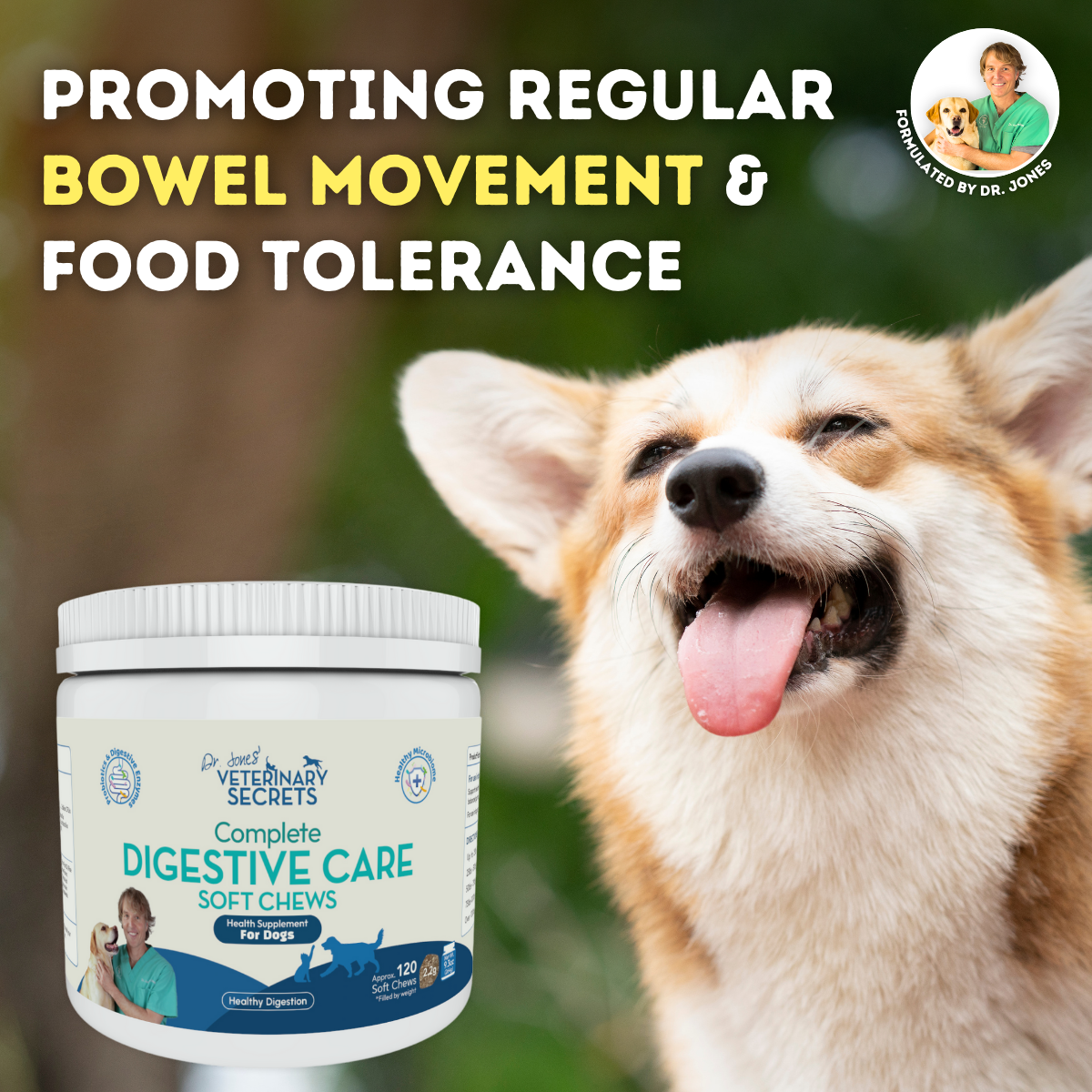
Many dogs respond well to digestive enzyme supplementation, especially when pancreas function is involved.
And when you add probiotics, you are also helping support the gut microbiome, which can be a big part of improving digestion.
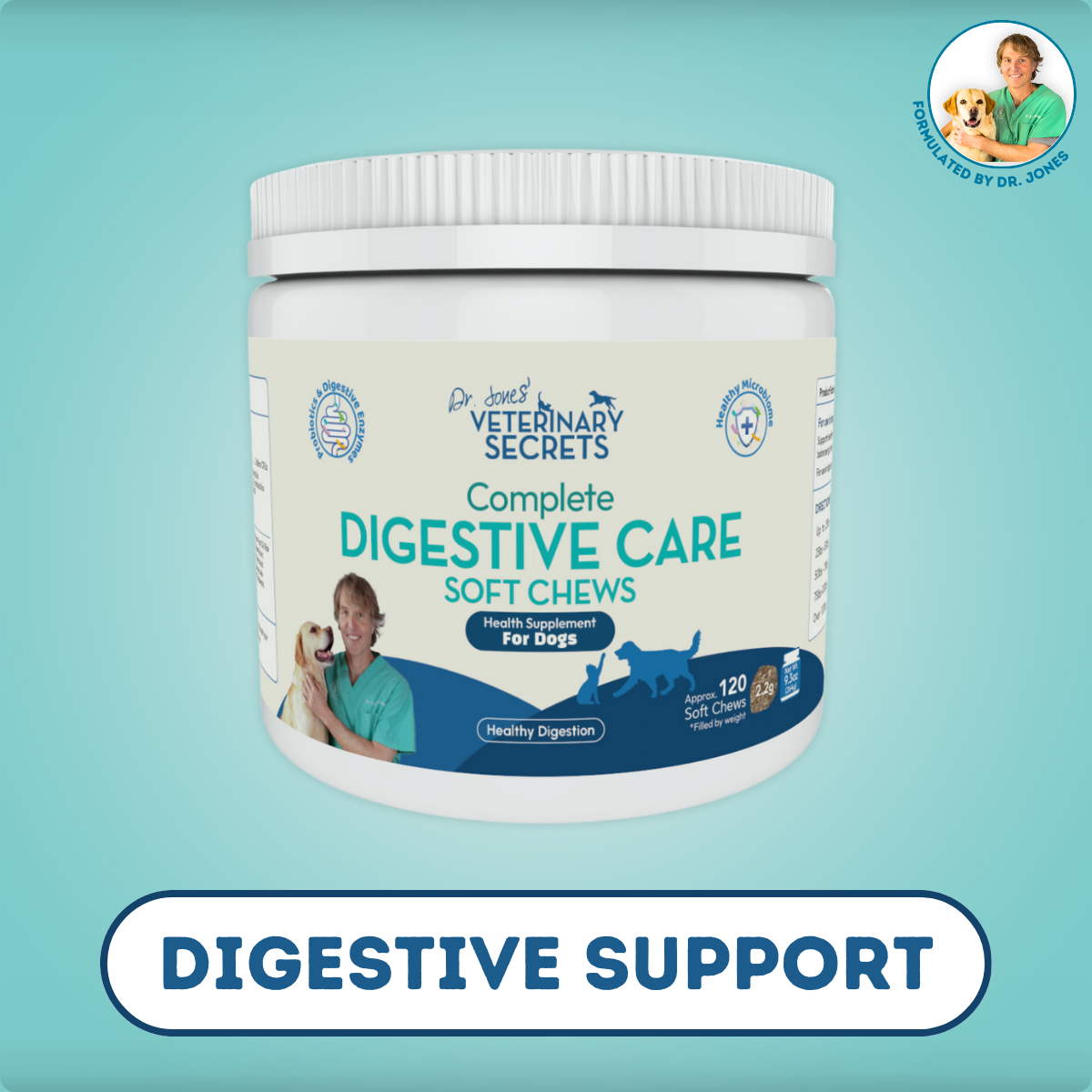
Dr. Jones’ Complete Digestive Care Soft Chews


What Does the Pancreas Do in Dogs and Cats?
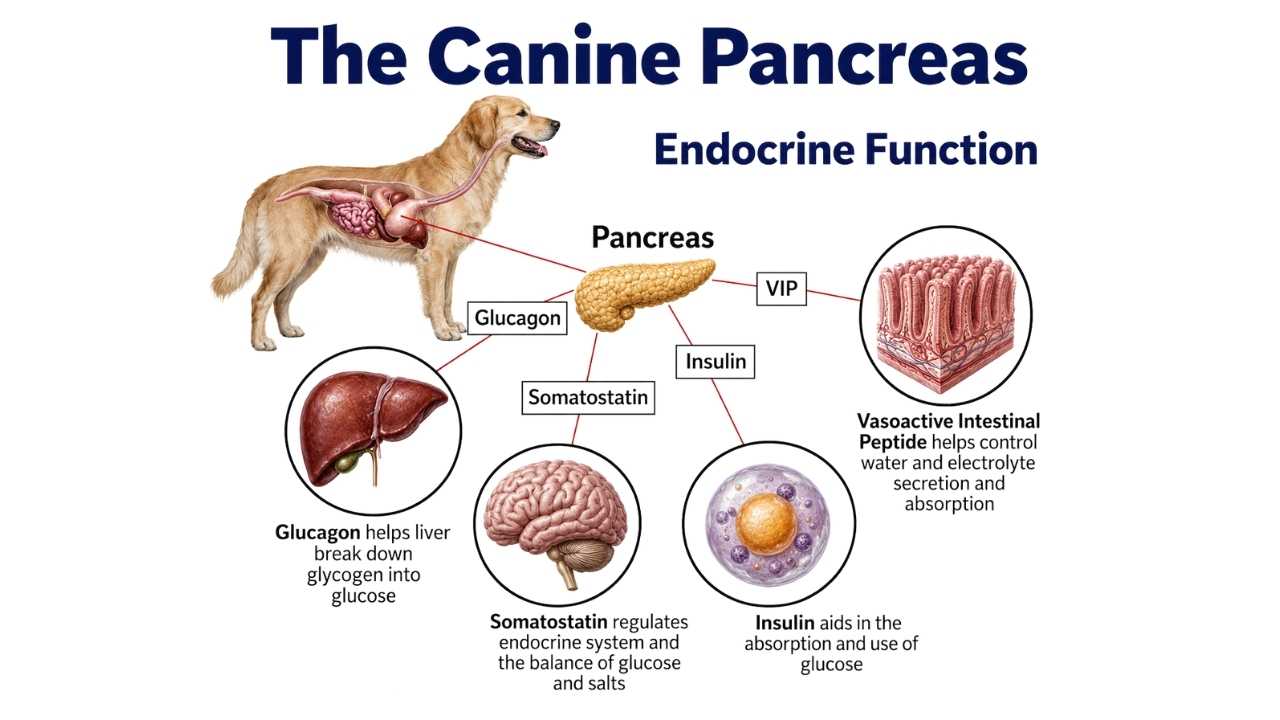
The pancreas has two vital jobs.
1. It Produces Insulin
Insulin is the hormone that moves sugar from the bloodstream into cells.
When enough insulin-producing cells are damaged, dogs can develop Type I diabetes.
Cats more commonly develop diet-related diabetes, or Type 2 diabetes. In cats, excessive carbohydrates can lead to the cells no longer responding properly to insulin.
2. It Produces Digestive Enzymes
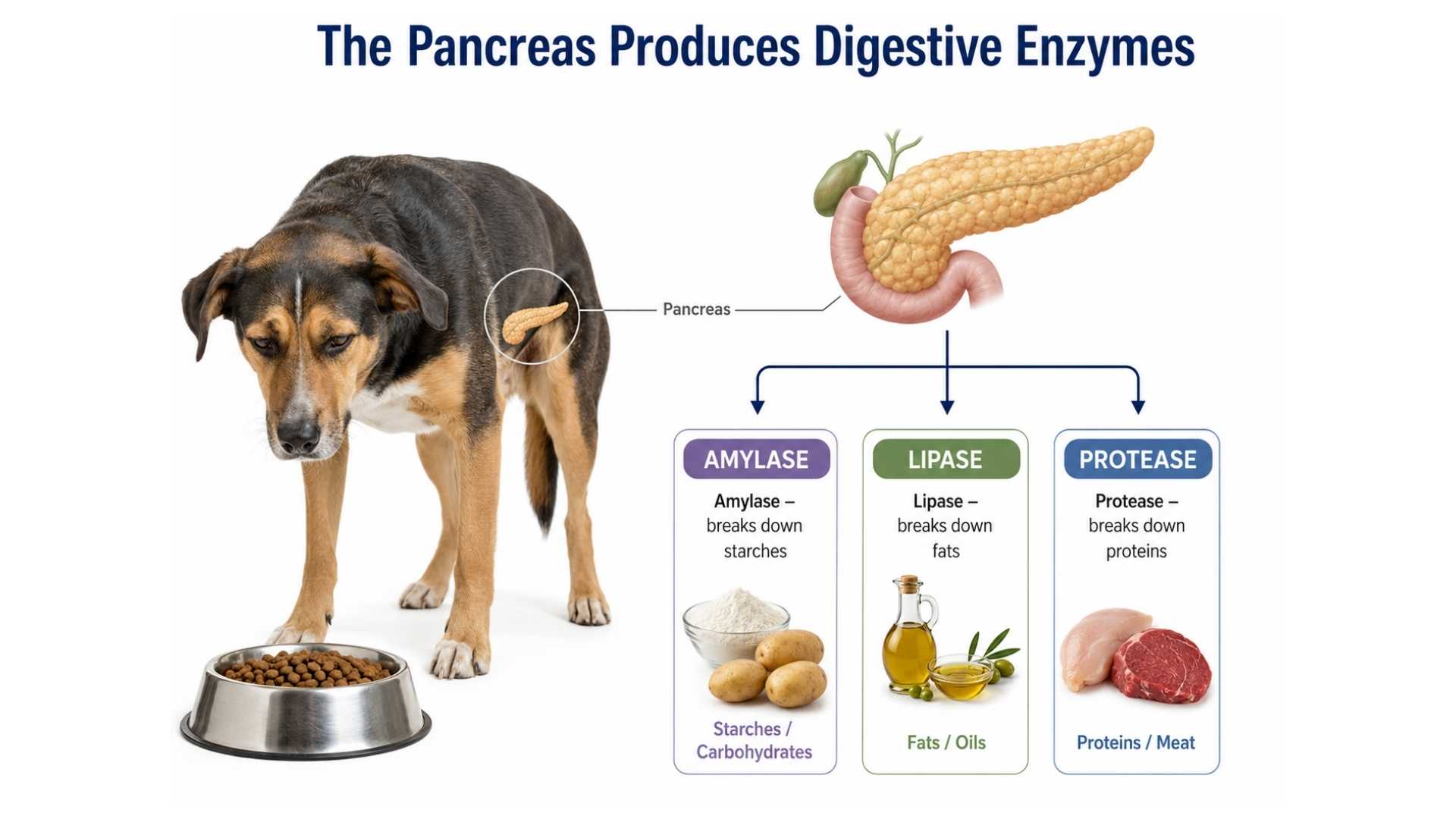
The pancreas also produces digestive enzymes that help break down food.
These include:
- Lipase to break down fat
- Proteases to break down protein
- Amylase to break down starch
If these digestive enzymes are not being produced properly, your pet may not be able to digest and absorb food well.
That can lead to loose poop, weight loss, excess gas, and nutrient problems.
In other words, the pancreas is not optional.
It is doing some very unglamorous but very necessary work.
Common Pancreas Disorders in Dogs and Cats
There are three big pancreas-related conditions I want you to understand:
- Pancreatitis
- Diabetes
- EPI, or exocrine pancreatic insufficiency
What Is Pancreatitis?
Pancreatitis means inflammation of the pancreas.
It is common in pets and can affect dogs and cats.
There is no specific age, sex, or breed that is completely safe from it.
Pancreatitis may be:
- Acute, meaning sudden
- Chronic, meaning ongoing or repeated
When the pancreas becomes damaged, digestive enzymes may not be produced properly.
This can lead to malabsorption.
Malabsorption means food is not properly converted into usable energy by the digestive system.
That is one reason pets with pancreas problems may keep having digestive upset.
What Can Trigger Chronic Pancreatitis?
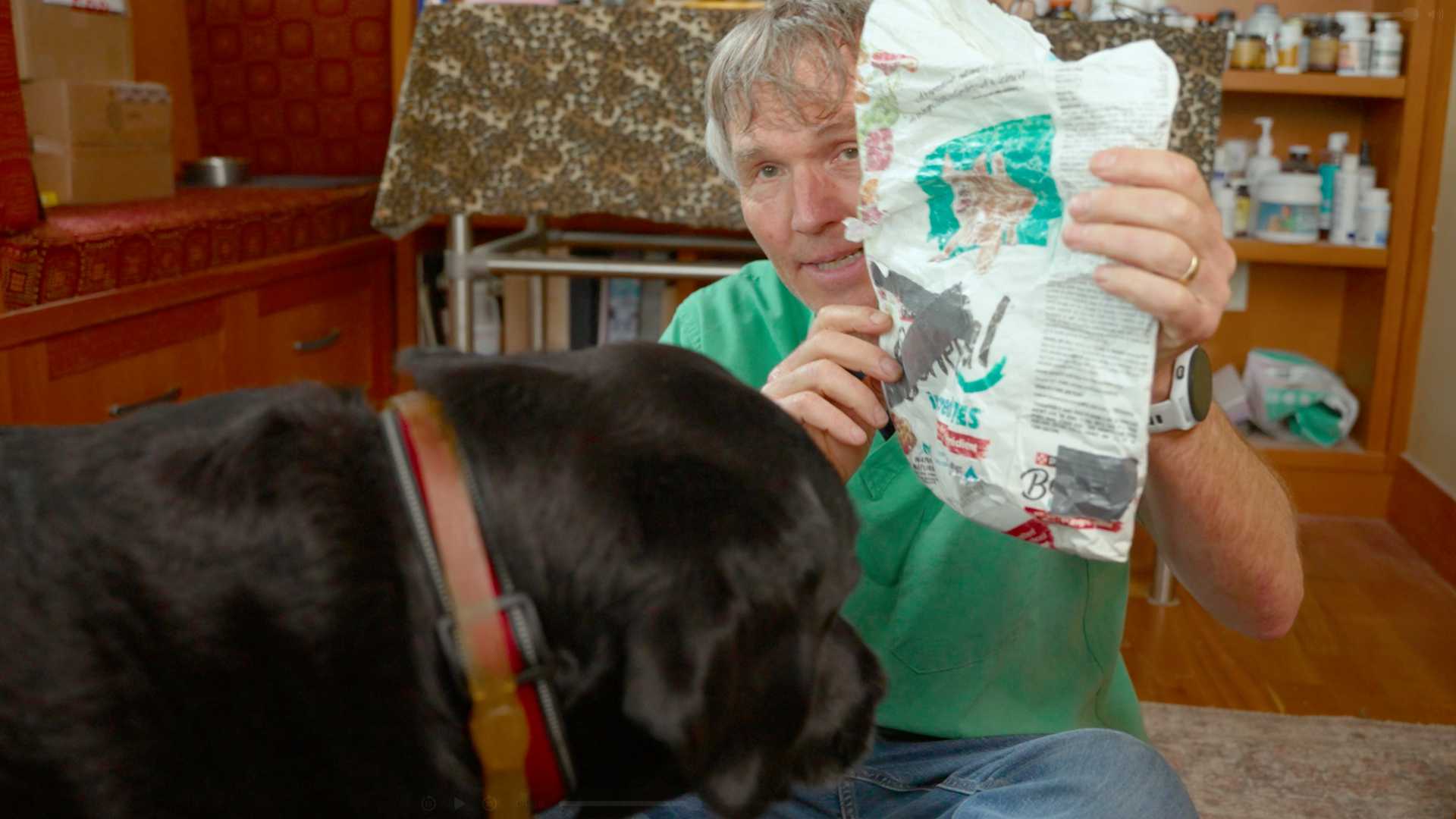
Chronic pancreatitis is often related to food.
But other triggers mentioned include:
- Vaccines
- Stress
- Age
- Environmental toxins
- Ongoing inflammation
This is why I do not look at repeated loose stool as “just a tummy thing.”
If it keeps happening, I want you thinking deeper.
The pancreas may be involved.
What Is EPI in Dogs?
EPI stands for exocrine pancreatic insufficiency.
EPI happens when most of the cells that produce digestive enzymes are not functioning normally.
Without adequate digestive enzymes, your dog cannot properly break down and absorb food.
That means the food goes in, but the nutrients are not being used properly.
The result?
A dog may keep eating and still lose weight.
That is a big red flag.
Symptoms of EPI in Dogs
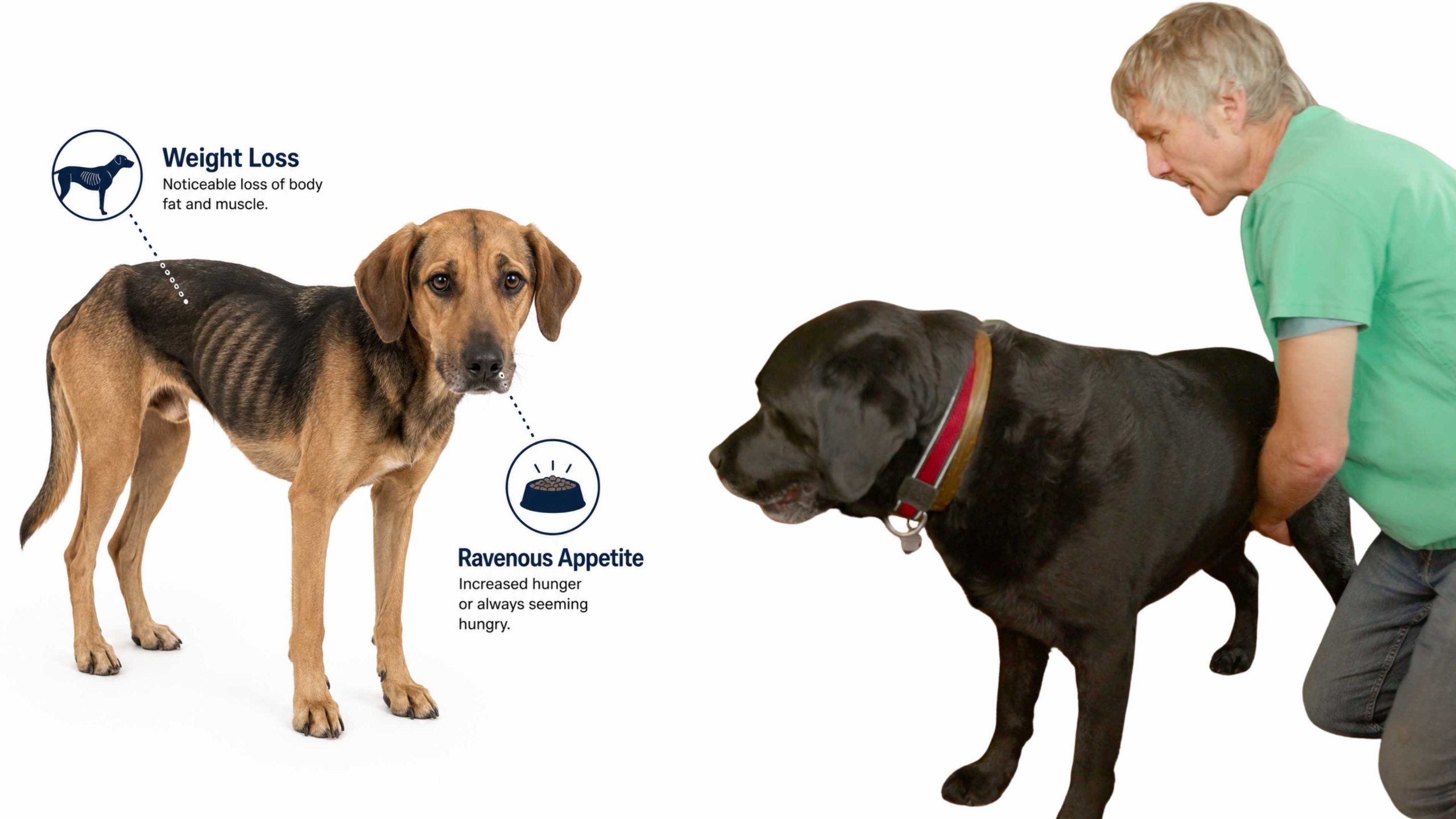
Dogs with EPI often show digestive and nutrient-related signs.
Common EPI Signs
Your dog may have:
- Weight loss
- Ravenous appetite
- Eating feces, also called coprophagia
- Eating unusual things, also called pica
- Soft stool
- Diarrhea
- Pale stool
- Greasy stool
- Especially smelly stool
- Excess gas
- Flaky skin
- Rough coat
The greasy, pale, especially smelly stool happens because undigested food remains in the intestinal tract.
That is not normal digestion.
That is your dog’s body waving a little white flag from the gut.
How Is EPI Treated?
Treatment of EPI involves supplementing with specific digestive enzymes.
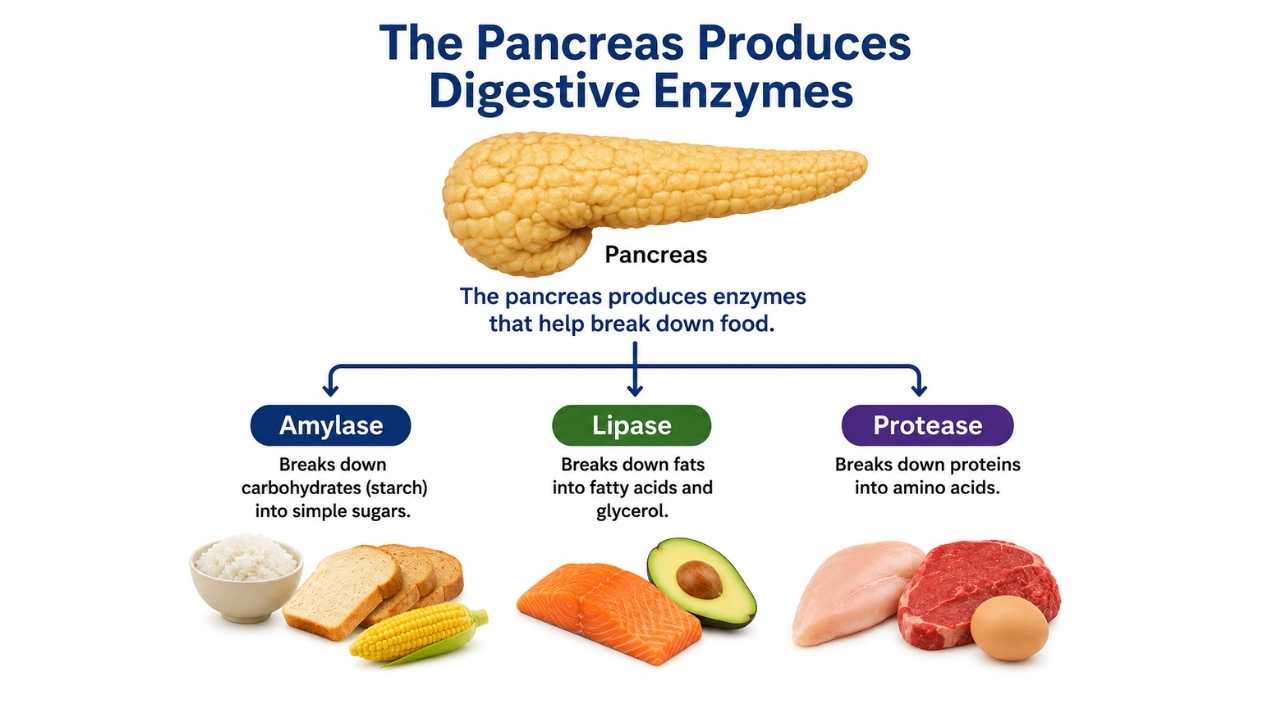
The key enzymes are:
- Amylase
- Lipase
- Protease
Veterinary-specific enzyme products are often used, such as Viokase.
Probiotics are typically advised as well.
This makes sense because you are supporting both sides of digestion:
- Enzymes help break down the food.
- Probiotics help support the gut environment.
What Is Pancreatic Maldigestion?
Pancreatic maldigestion means food is not being digested properly, often because the body does not have enough digestive enzyme support.
There is an alternative school of thought that many more dogs, and people, may benefit from digestive enzyme supplementation.
The idea is simple.
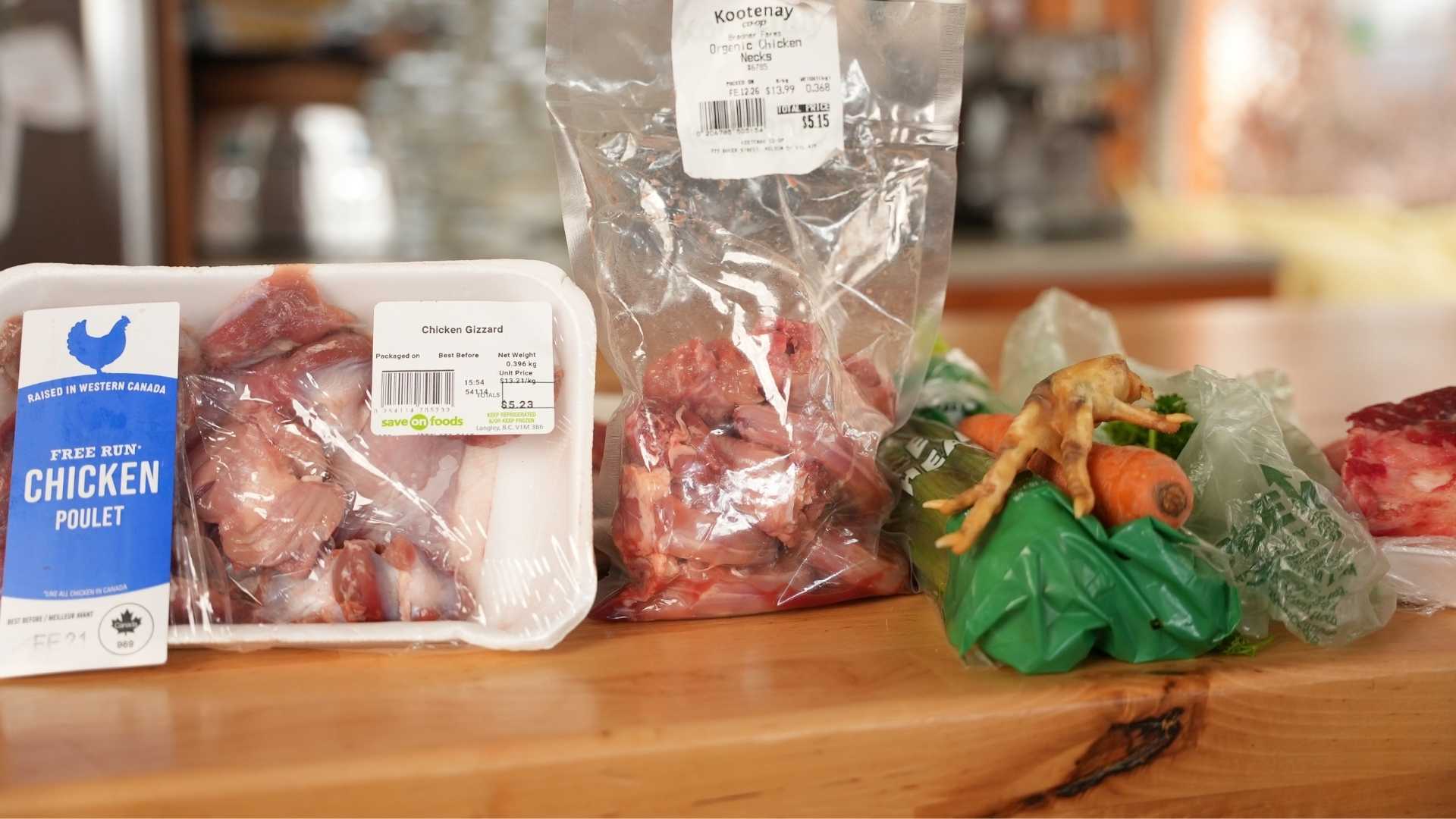
If a dog were eating like its ancestors, that diet would be loaded with beneficial enzymes.
But today, most commercial dry or canned dog foods lack enzymes.
That means some pets may be struggling with gastrointestinal problems because their diet is lacking these enzyme-rich components.
Should Healthy Pets on Processed Food Use Digestive Enzymes?
Jean Hofve DVM made the case for routine digestive enzyme supplementation for pets in a 2013 paper on digestive enzymes.
She wrote:
“Digestive enzymes can be used for pancreatic and GI issues, but are also beneficial for healthy patients eating heat-processed pet foods.”
That is a very practical point.
Digestive enzymes are not only for pets with diagnosed EPI.
They may also help pets eating heat-processed food, especially if they are having repeated digestive issues.
Chronic Pancreatitis and Digestive Enzymes
Most alternative veterinarians are now suggesting digestive enzymes for animals with repeated bouts of intestinal distress.
This may be linked to chronic pancreatitis.
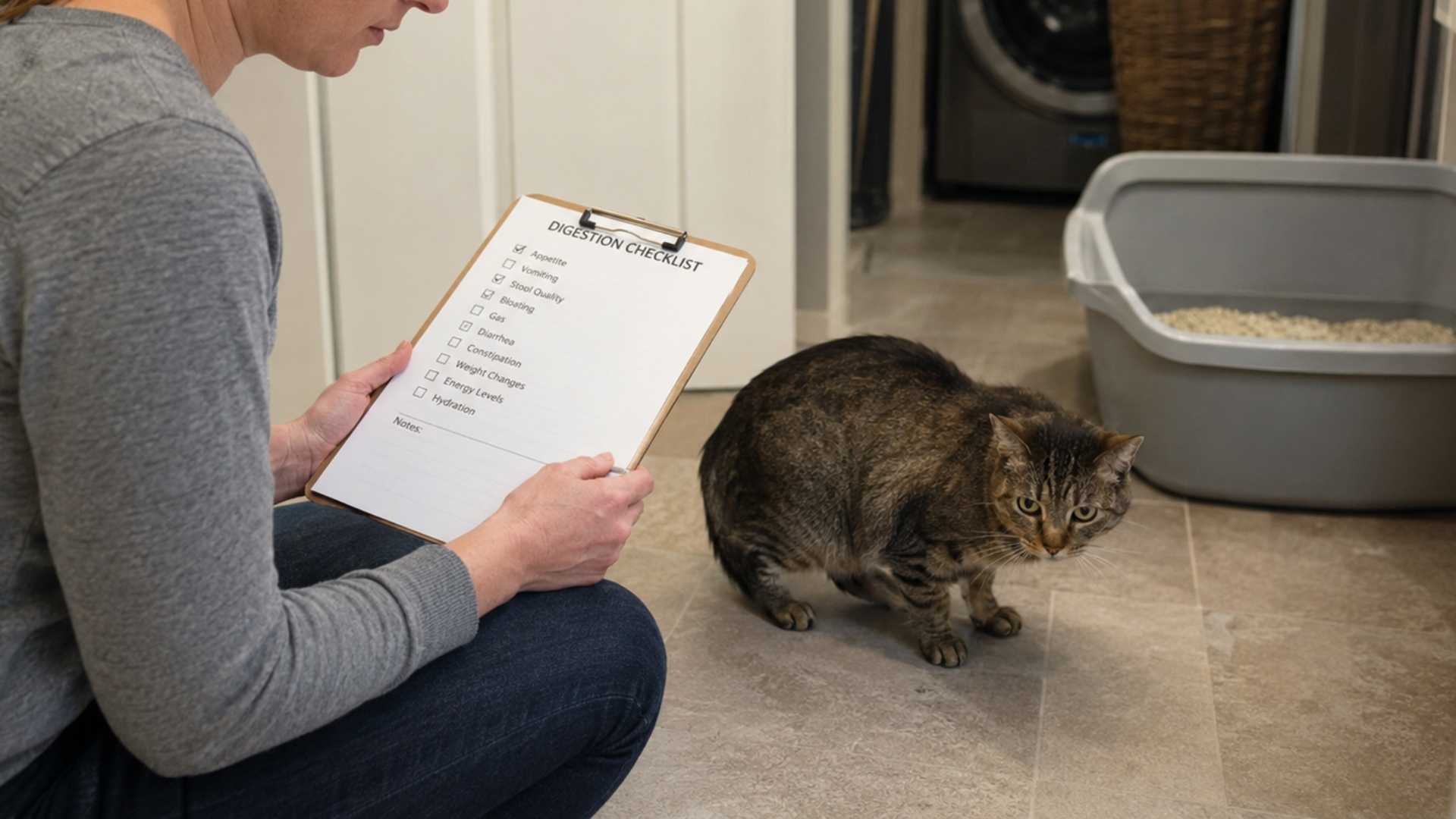
If your dog or cat keeps having loose poop, digestive upset, gas, or just seems repeatedly under the weather, chronic pancreatic inflammation should be on the list of possibilities.
This is hard to diagnose.
That is part of the problem.
But if the signs keep coming back, I would not ignore the pancreas.
Diabetes and Digestive Enzymes
Some practitioners are also using digestive enzymes for diabetes.
The reasoning is that a lack of digestive enzymes can make it more difficult for your pet’s body to digest and absorb carbohydrates in starchy foods.
When digestion becomes more effective and consistent, it may help manage blood sugar levels.
This is especially relevant when you think about the pancreas and insulin.
The same organ is involved in both digestion and blood sugar regulation.
When the pancreas is inflamed or not functioning well, you can see how multiple systems may be affected.
Pancreas Disorder Guide
| Condition | What Is Happening | Signs or Concerns | Support Mentioned |
|---|---|---|---|
| Pancreatitis | The pancreas is inflamed | Repeated intestinal upset, loose poop, ongoing GI problems | Digestive enzymes, probiotics, managing inflammation |
| Chronic pancreatitis | Ongoing pancreas inflammation | Pet often seems under the weather, repeated digestive upset | Digestive enzymes, probiotics, holistic inflammation support |
| EPI | Digestive enzyme-producing cells are not working properly | Weight loss, ravenous appetite, greasy stool, gas, rough coat | Amylase, lipase, protease, probiotics |
| Diabetes in dogs | Insulin-producing cells are damaged | Type I diabetes | Blood sugar management, enzyme support in some cases |
| Diabetes in cats | Diet-related insulin resistance | Type 2 diabetes linked to excessive carbohydrates | Carbohydrate control, digestive support in some cases |
| Pancreatic maldigestion | Food is not broken down and absorbed well | GI upset, poor digestion | Digestive enzymes |
Why Food Matters So Much
Food is often connected to pancreas issues.
Processed diets can be low in beneficial enzymes.
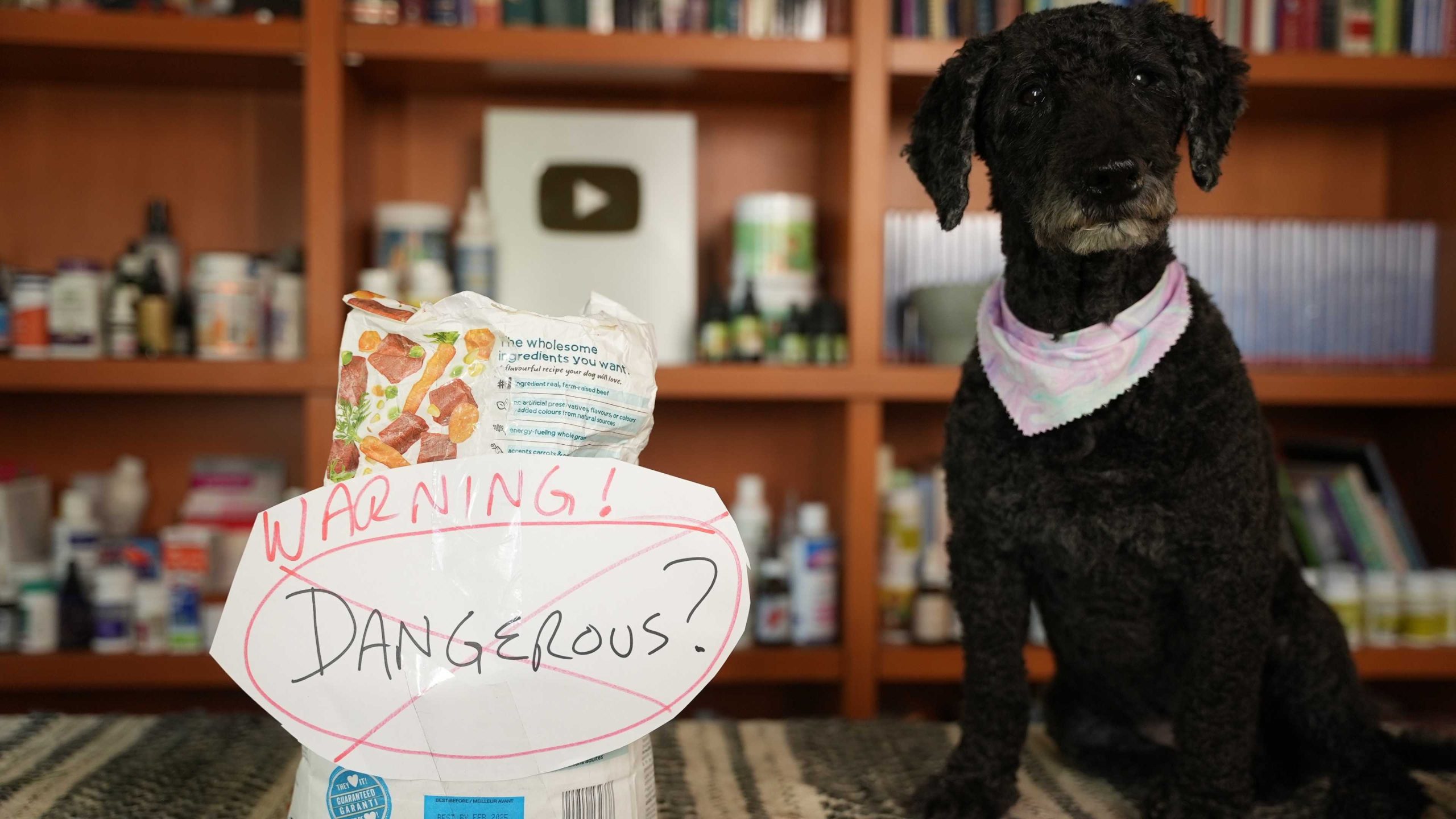
Commercial dry or canned foods are heat-processed, and many of those natural enzyme components may be lacking.
If your pet is already struggling with digestion, that can matter.
For pets with pancreas problems, I want to think about:
- Food quality
- Carbohydrate load
- Digestive enzyme support
- Probiotics
- Inflammation
- Gut health
- Underlying triggers
You cannot separate the pancreas from digestion.
And you cannot separate digestion from what goes in the bowl.
What May Help Repeated Loose Poop and Pancreas Problems?
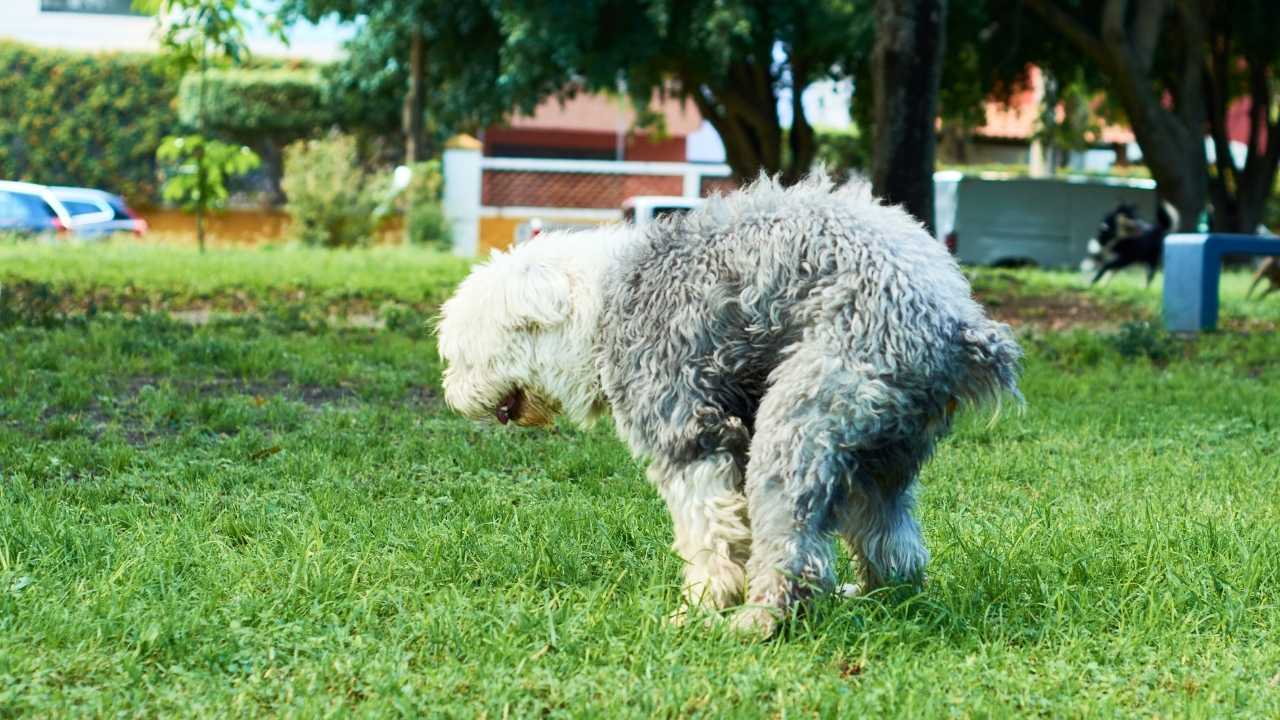
There are two key supports mentioned:
- Digestive enzymes
- Probiotics
Digestive Enzymes for Dogs and Cats
Digestive enzymes may help break down:
- Fat
- Protein
- Starch
This is especially relevant for pets with EPI, pancreatic maldigestion, chronic pancreatitis, or repeated intestinal distress.
The main digestive enzymes discussed are:
- Amylase
- Lipase
- Protease
These support digestion by helping your pet break down food more effectively.
Probiotics for Gut and Pancreas Support
Probiotics are beneficial bacteria that support the gut.
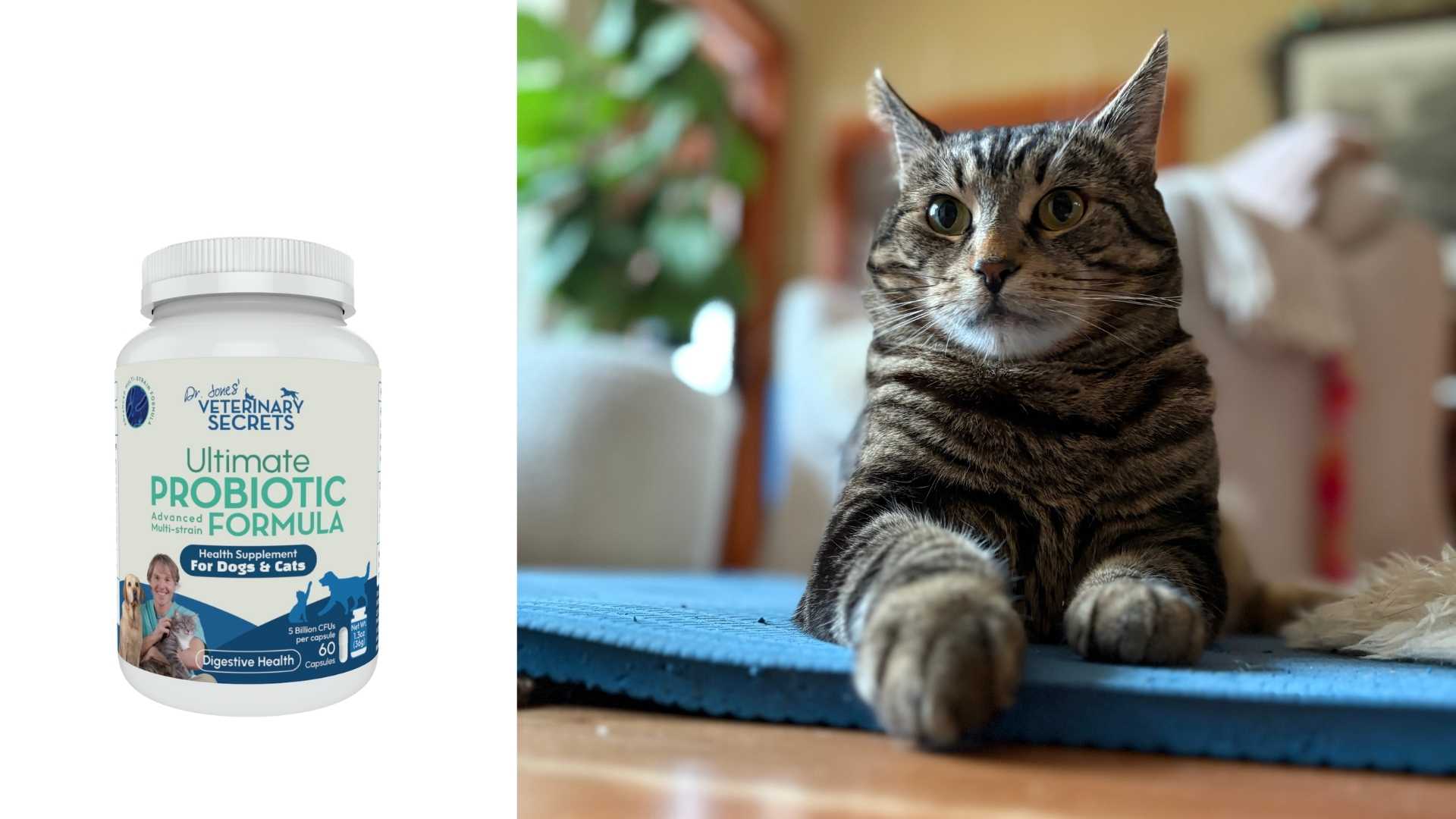
They are typically advised along with enzyme therapy for EPI.
They may also help pets with repeated digestive upset because the gut microbiome plays a big role in digestion, stool quality, and overall gut health.
The digestive supplement mentioned contains:
- A proprietary digestive enzyme blend
- 2 billion CFUs of beneficial probiotics
That combination makes sense.
Enzymes help break down food.
Probiotics help support the gut environment.
Both can be helpful when the pancreas is inflamed or not functioning well.
Digestive Support Table
| Support | What It Does | Why It May Help |
| Amylase | Breaks down starch | Helps digest carbohydrate portions of food |
| Lipase | Breaks down fat | Supports fat digestion, especially when stool is greasy |
| Protease | Breaks down protein | Helps protein digestion and nutrient absorption |
| Probiotics | Supports beneficial gut bacteria | Helps gut balance and digestion |
| Digestive enzyme supplement with probiotics | Combines enzyme and microbiome support | May help pets with repeated GI upset or pancreas-related digestion problems |
What About Dr. Jones’ Digestive Care Soft Chews?
The product mentioned is:
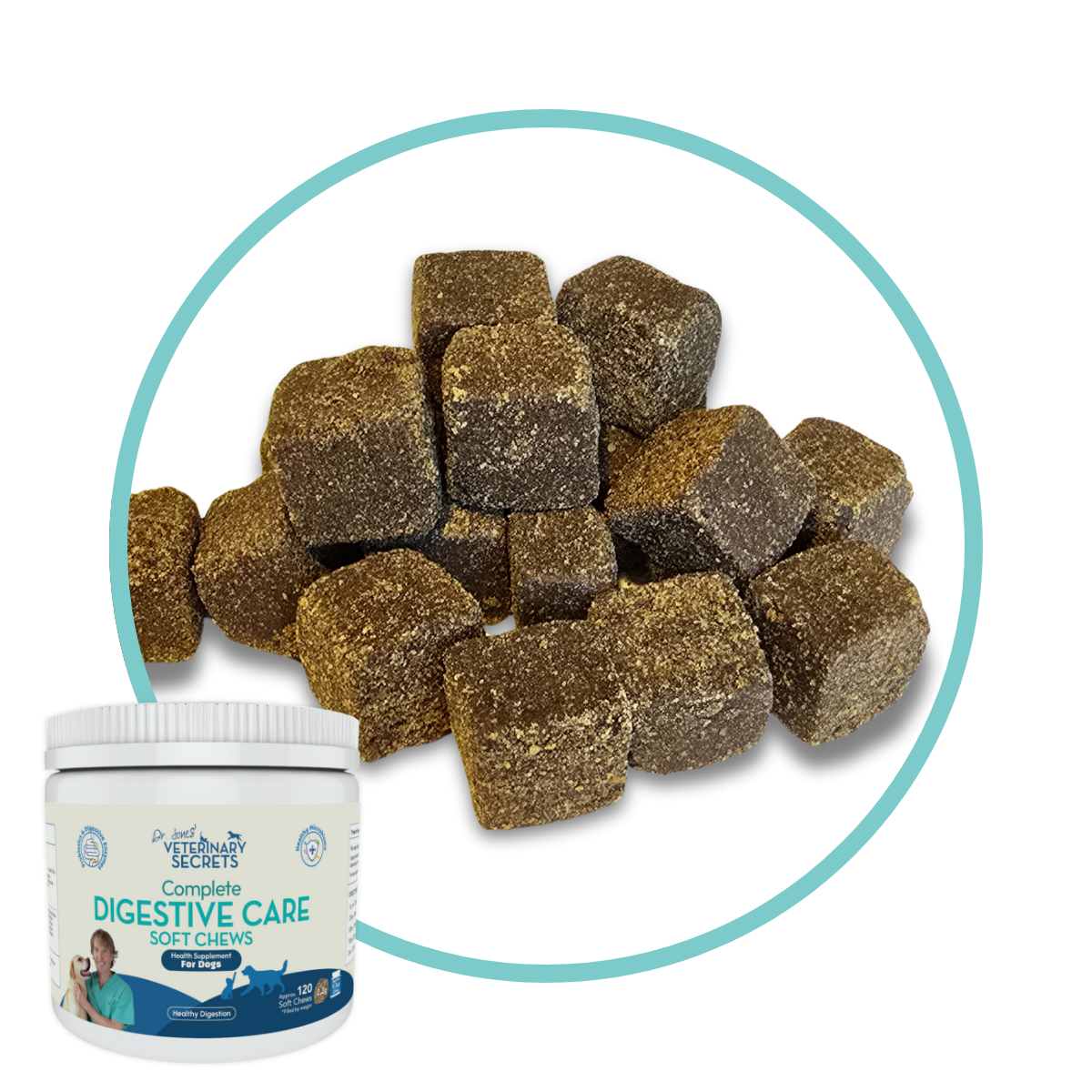
Dr. Jones’ COMPLETE Digestive Care Soft Chews
These soft chews include:
- A proprietary Digestive Enzyme Blend
- 2 Billion CFUs of beneficial probiotics
They are designed to help support digestion, especially when the pancreas may be inflamed or not functioning properly.
They may be useful for dogs with repeated bouts of intestinal distress, possible chronic pancreatitis, pancreatic maldigestion, or dogs that may benefit from enzyme and probiotic support.
And yes, they are described as yummy.
Which matters.
Because a supplement your dog refuses to eat is just an expensive decoration.
Best For
Digestive enzymes and probiotics may be worth considering for pets with:
- Repeated loose poop
- Chronic intestinal upset
- Excess gas
- Greasy stool
- Especially smelly stool
- Pale stool
- Poor digestion
- Suspected chronic pancreatitis
- EPI
- Pancreatic maldigestion
- Pets eating heat-processed foods
- Dogs that seem often under the weather
- Digestive issues linked to inflammation
Pros and Cons of Digestive Enzyme Support
Pros
- Supports food breakdown
- May help EPI
- May help pancreatic maldigestion
- May support chronic pancreatitis cases
- Can help digestion of fat, protein, and starch
- May help pets eating heat-processed foods
- Often paired with probiotics
- Can support more consistent digestion
Cons
- Does not fix every cause of loose stool
- Chronic pancreatitis can be hard to diagnose
- EPI may need specific enzyme therapy
- Serious symptoms still need veterinary care
- Food triggers and inflammation still need to be addressed
- Underlying causes may include stress, age, toxins, vaccines, or diet
Step-by-Step: What to Do if Your Pet Has Repeated Loose Poop
Step 1: Notice the Pattern
Ask yourself:
- Is this happening repeatedly?
- Is the stool greasy?
- Is the stool pale?
- Is it especially smelly?
- Is there excess gas?
- Is my dog losing weight?
- Is my dog always hungry?
- Is my pet often under the weather?
Repeated digestive upset is different from one bad poop after eating something questionable.
Step 2: Think About the Pancreas
If loose stool keeps coming back, consider chronic pancreatitis, EPI, or pancreatic maldigestion.
The pancreas may not be producing enough digestive support.
Step 3: Look for EPI Signs
EPI signs include:
- Weight loss
- Ravenous appetite
- Eating feces
- Eating unusual things
- Greasy stool
- Smelly stool
- Excess gas
- Rough coat
- Flaky skin
If you see these signs, EPI should be considered.
Step 4: Support Digestion
Consider digestive enzymes that include:
- Amylase
- Lipase
- Protease
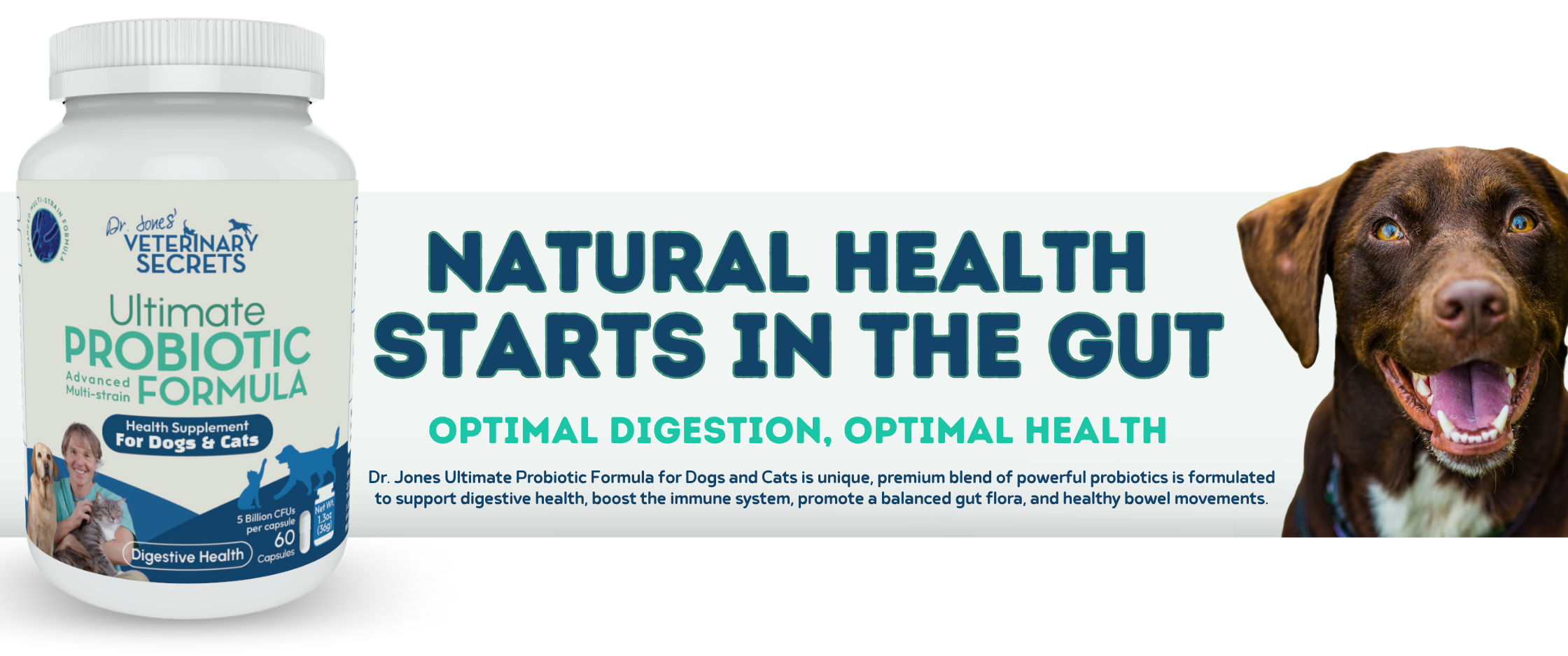
Step 5: Add Probiotics
Probiotics are often advised for EPI and can help support the gut microbiome.
Step 6: Address Inflammation
Chronic pancreatitis is ongoing inflammation.
Holistic management should focus on lowering inflammation and supporting the gut and pancreas.
Step 7: Reassess
Watch for changes in:
- Stool quality
- Gas
- Appetite
- Weight
- Coat quality
- Energy
- Overall comfort
The pancreas can be hard to assess from the outside. If the signs keep coming back, it is important to not ignore them.
Final Thoughts
The pancreas is a small organ with a big job.
It helps control blood sugar through insulin, and it helps digest food by producing enzymes such as lipase, protease, and amylase.
When the pancreas is inflamed or not working well, your dog or cat may have repeated digestive problems.
Loose poop.
Gas.
Greasy stool.
Weight loss.
Ravenous appetite.
Poor coat.
A pet that just seems under the weather again and again.
That could be chronic pancreatitis, pancreatic maldigestion, EPI, or another pancreas-related problem.
Many dogs respond well to digestive enzymes.
Probiotics are commonly advised too.
And if your pet is eating heat-processed food, enzyme support may be worth considering, even before things become severe.
Do not ignore repeated loose poop.
Your pet’s gut may be telling you the pancreas needs help.
Click To Get A Free Copy of My E-Book!

P.S. The pancreas does a lot more than most pet parents realize.
When it becomes inflamed, it can cause ongoing gut problems that are hard to diagnose.
Many dogs and cats may be dealing with chronic pancreatitis and simply look like they are “under the weather” again.
If that sounds like your pet, consider the pancreas.
P.P.S. It is much better to support the underlying problem instead of just chasing loose poop forever.
Holistically managing inflammation with probiotics and digestive enzymes can make a real difference.
Dr. Jones’ COMPLETE Digestive Care Soft Chews include a proprietary Digestive Enzyme Blend and 2 Billion CFUs of beneficial probiotics.
They are a simple, yummy option to help support an inflamed or malfunctioning pancreas.
Try them here: