Cushing’s Disease in Dogs: How to Lower Cortisol Naturally

Effective Natural Options That Can Actually Help
Cushing’s disease in dogs is far more common than most people realize. The frustrating part is that there have not been many holistic options that truly worked. What I want to share with you here are natural remedies that do have research behind them and have shown real results in dogs with Cushing’s disease.
These are not guesses. These are approaches that target the problem and can genuinely help improve quality of life.
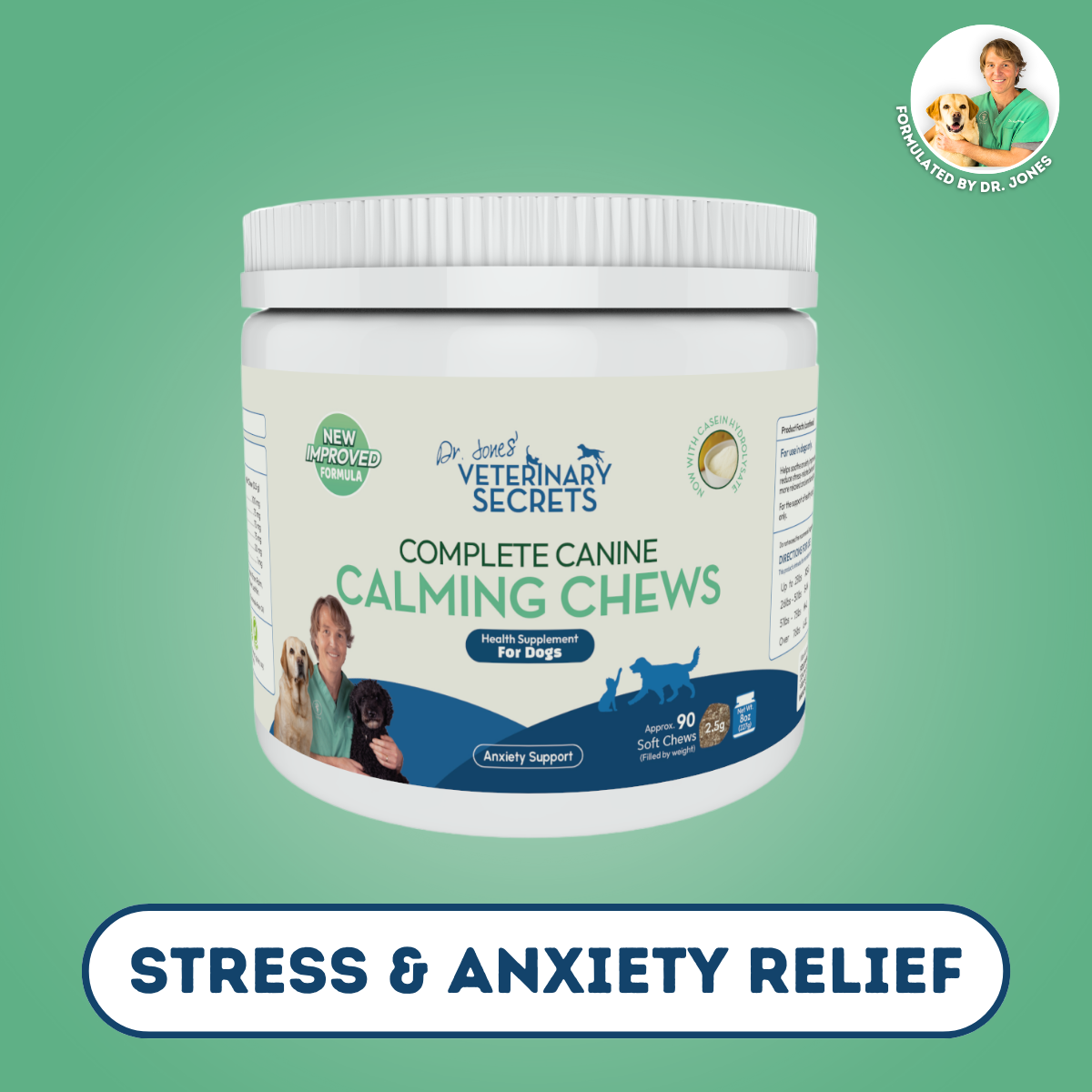
Dr. Jones’ Complete Canine Calming Chews for Dogs and Cats




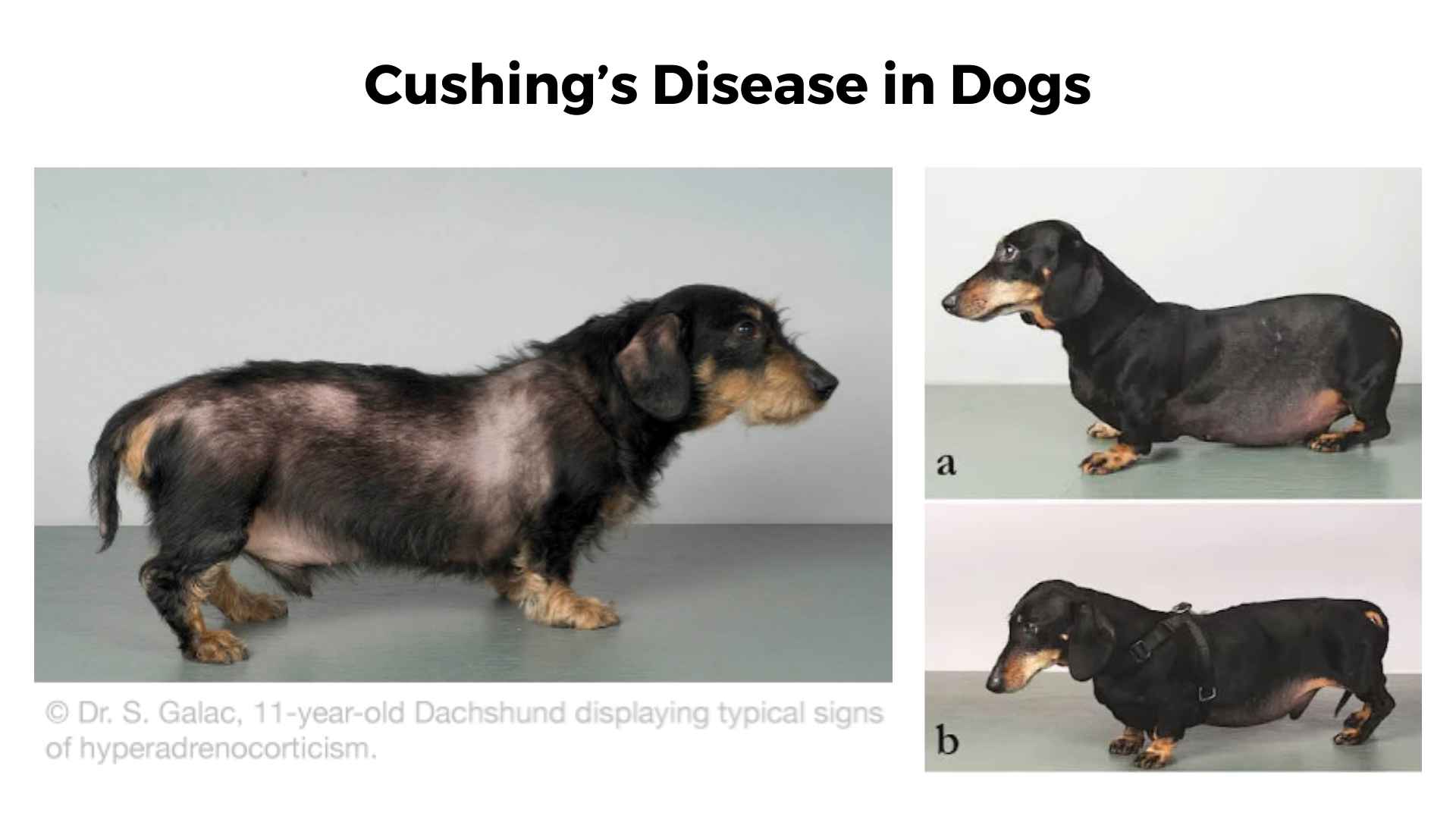
What Is Cushing’s Disease?
Cushing’s disease, also called hyperadrenocorticism, occurs when your dog produces too much cortisol.
In most cases, the cause is a small tumor in the pituitary gland, which sits at the base of the brain. This tumor causes excess production of a hormone that overstimulates the adrenal glands, which sit near the kidneys. The result is an abnormally high level of cortisol circulating throughout the body.
Cortisol is the stress hormone. When it stays elevated, it creates many of the classic signs of Cushing’s disease.
Common Signs of Cushing’s Disease
Dogs with Cushing’s disease often drink more, urinate more, and eat more. At the same time, they lose muscle mass and develop a rounded or pot-bellied appearance. Hair loss is common.
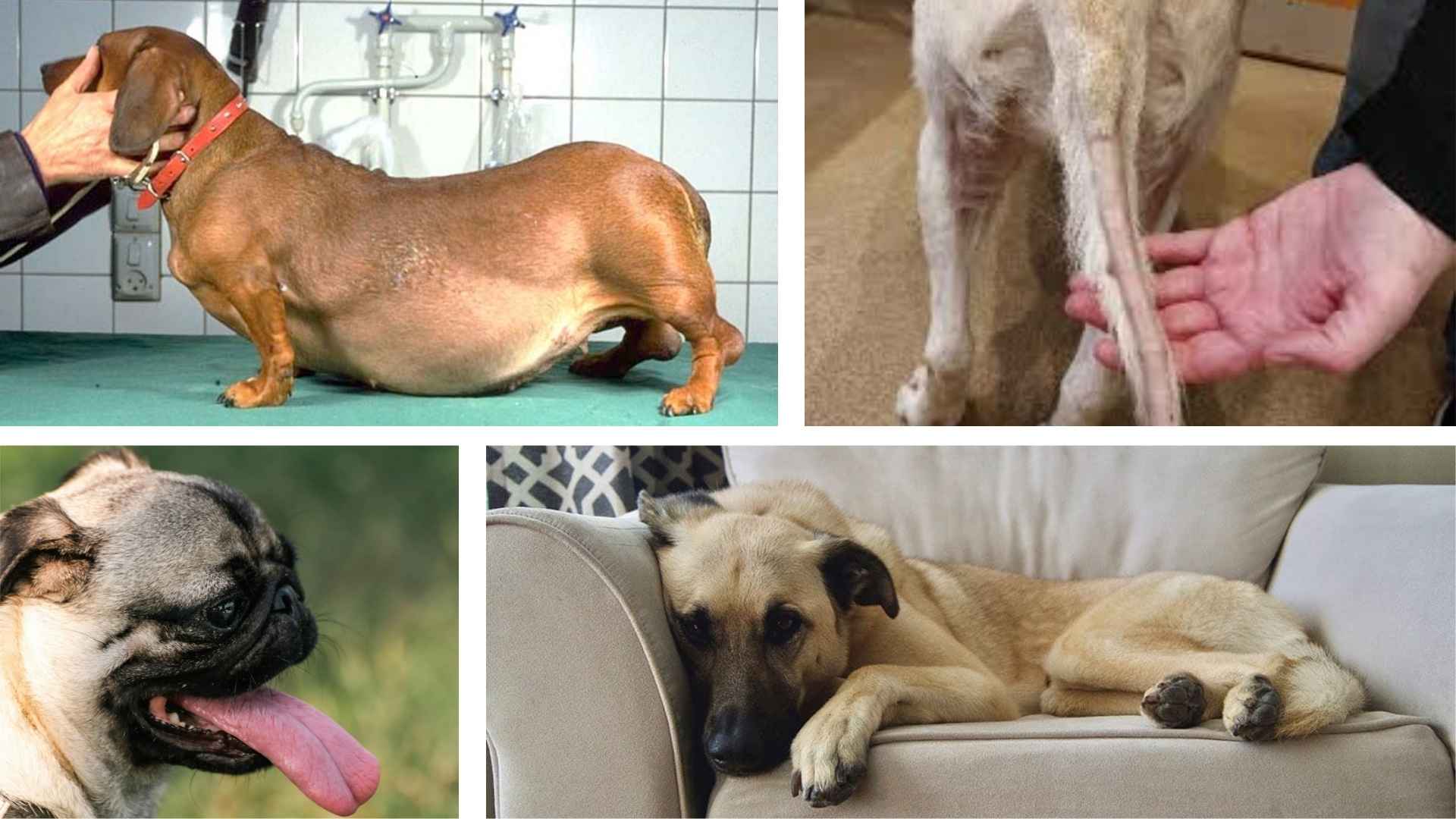
These dogs often pant excessively, pace, and appear anxious or restless. Imagine being stuck in a constant fight or flight state. That is what excessive cortisol does to the body.
If left untreated, Cushing’s disease can lead to high blood pressure, muscle wasting, increased risk of injury, diabetes, stroke, and a shortened lifespan.
Conventional Treatment and Its Limits
Diagnosis usually requires multiple tests, which can be expensive. Most dogs are then prescribed trilostane, a drug that suppresses cortisol production by targeting the adrenal glands.
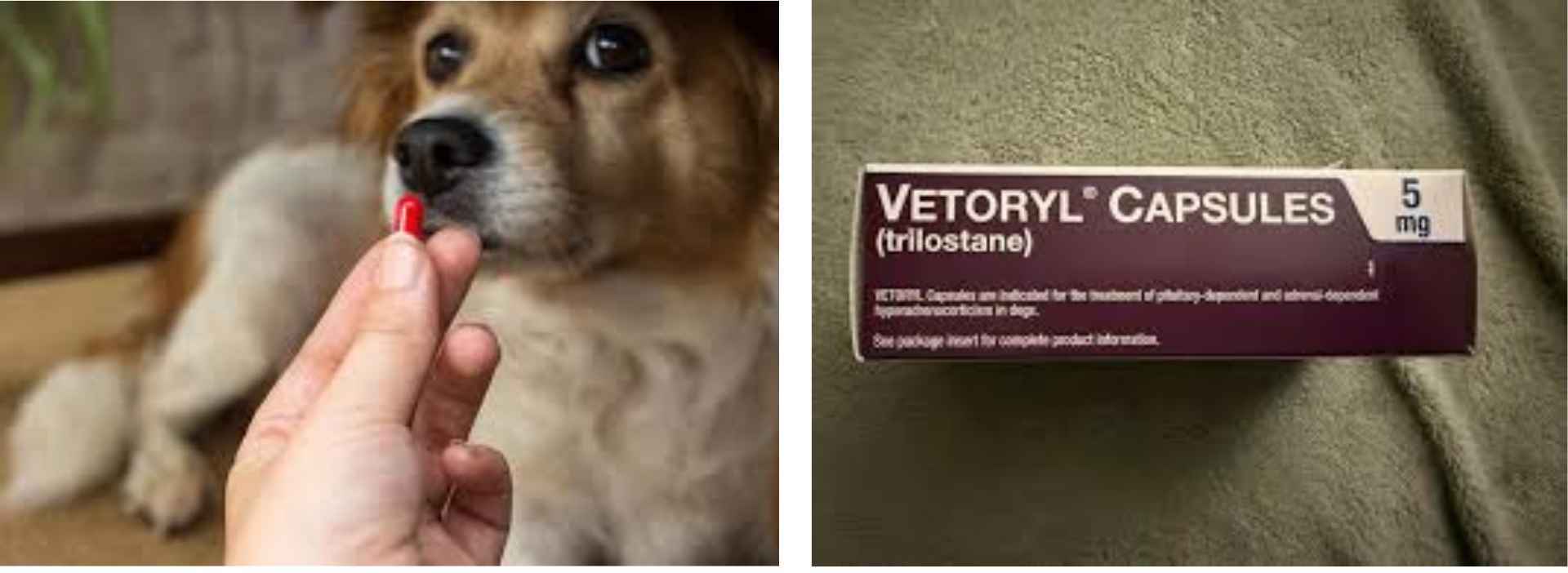
While this medication can reduce symptoms, it can also cause side effects. Some dogs experience vomiting, diarrhea, lethargy, or just do not feel well. Cost is another concern, especially since treatment is lifelong.
This is why many people ask me about natural options.
Why Treating Cushing’s Disease Matters
Cushing’s disease is not just about managing symptoms. Elevated cortisol damages the body over time. Muscle loss accelerates aging, weakens joints, and increases injury risk. High blood pressure raises the risk of stroke. Untreated disease shortens life expectancy.
Doing nothing is not a good option.
A Promising Natural Approach
Melatonin and Ground Flaxseed
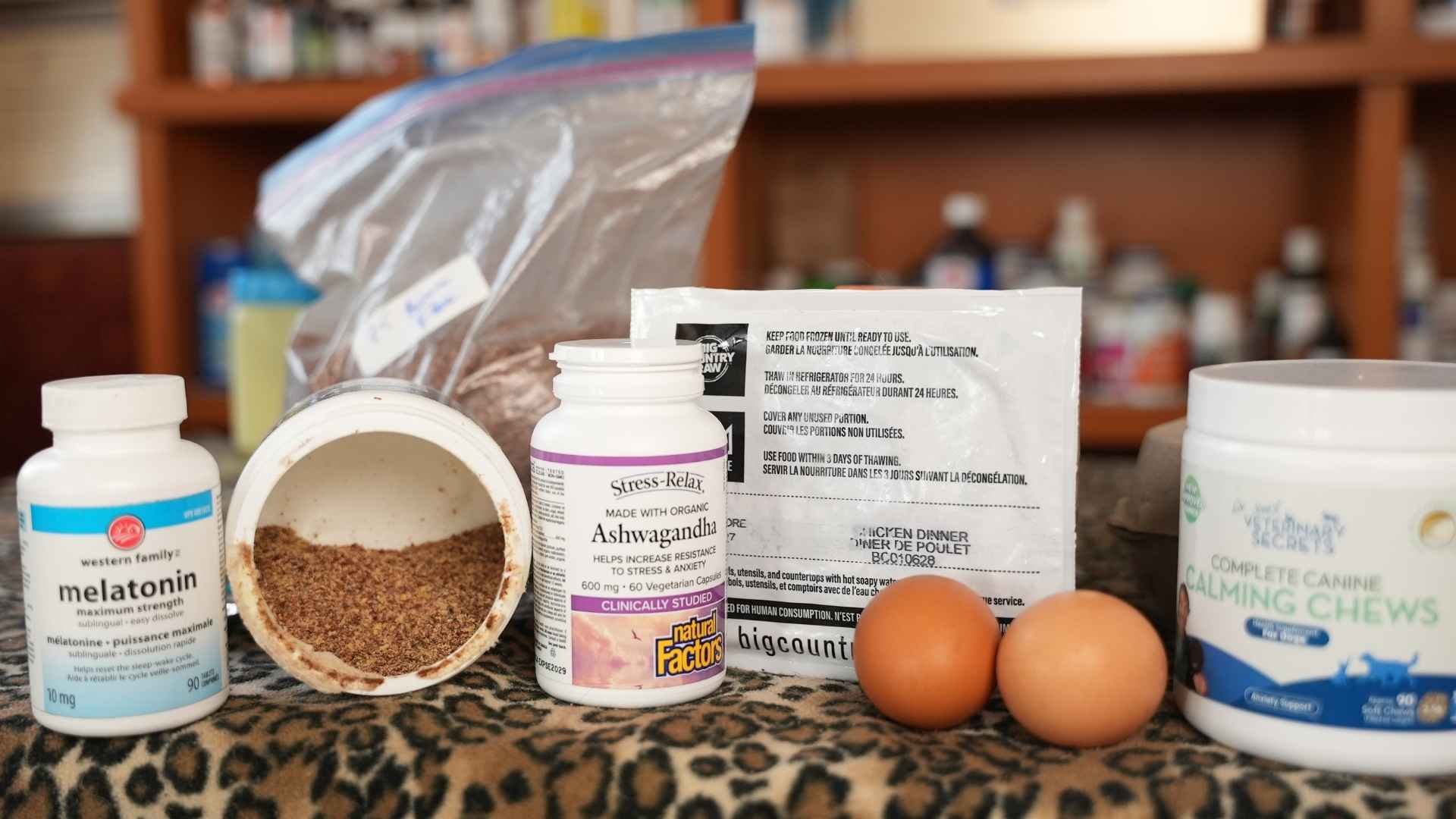
One of the most promising natural combinations involves melatonin and ground flaxseed.
Melatonin is a hormone involved in sleep, but it also affects enzymes in the adrenal glands that are responsible for cortisol production.
Flaxseed contains lignans, compounds found in very few plants. These lignans also target an enzyme involved in cortisol synthesis. When enzyme activity decreases, cortisol levels can drop.

Ground flaxseed is inexpensive, easy to use, and offers additional benefits including fiber, digestive support, and plant-based omega fatty acids.
A typical dose is about one teaspoon per twenty pounds of body weight daily, divided between meals. Melatonin is commonly given at three milligrams twice daily for dogs under thirty pounds and six milligrams twice daily for larger dogs.
This combination should be tried consistently for at least thirty days before assessing results.
Ashwagandha for Cortisol Support
Ashwagandha is an adaptogenic herb known for helping the body manage stress. Studies show it can reduce cortisol levels in stressed dogs.
Research suggests a dose of about fifteen milligrams per kilogram of body weight daily. For a twenty-pound dog, this works out to roughly one hundred fifty milligrams per day. This dose has been shown to be safe with no significant side effects.
Ashwagandha can be added if melatonin and flaxseed provide only partial improvement.
Diet Changes That Matter
Dogs with Cushing’s disease often benefit from a diet that is high in protein, moderate in fat, and low in carbohydrates.
Research in people with Cushing’s disease shows better cortisol control, less weight gain, and improved metabolic markers on this type of diet.
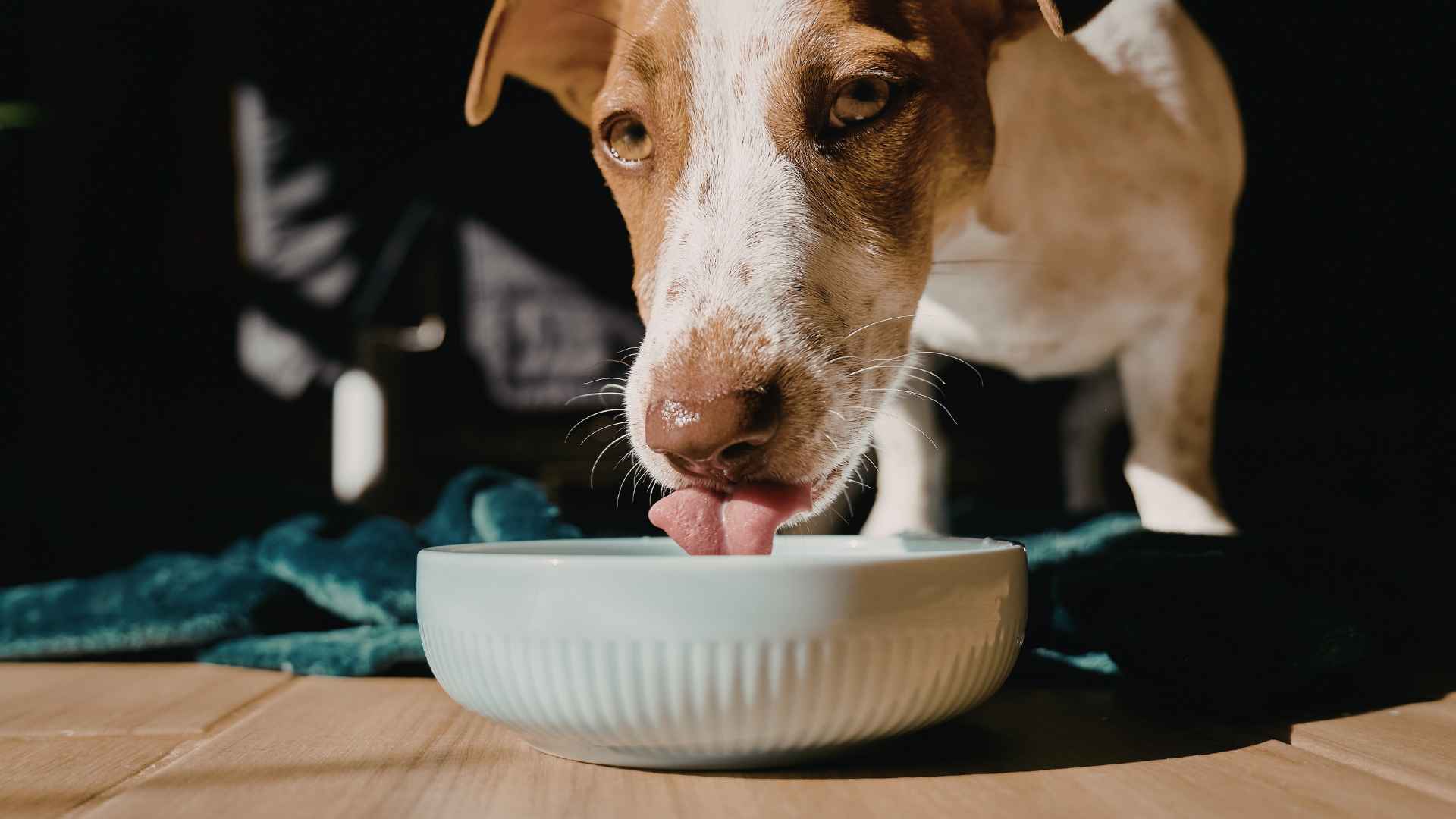
A whole food or raw-based diet with minimal carbohydrates can help manage weight, reduce inflammation, and lower the risk of secondary conditions like diabetes.
Adding eggs is a simple way to increase protein and provide natural vitamin D. One egg daily for a medium-sized dog is safe and effective without risking vitamin D toxicity.
A Simple Support Option
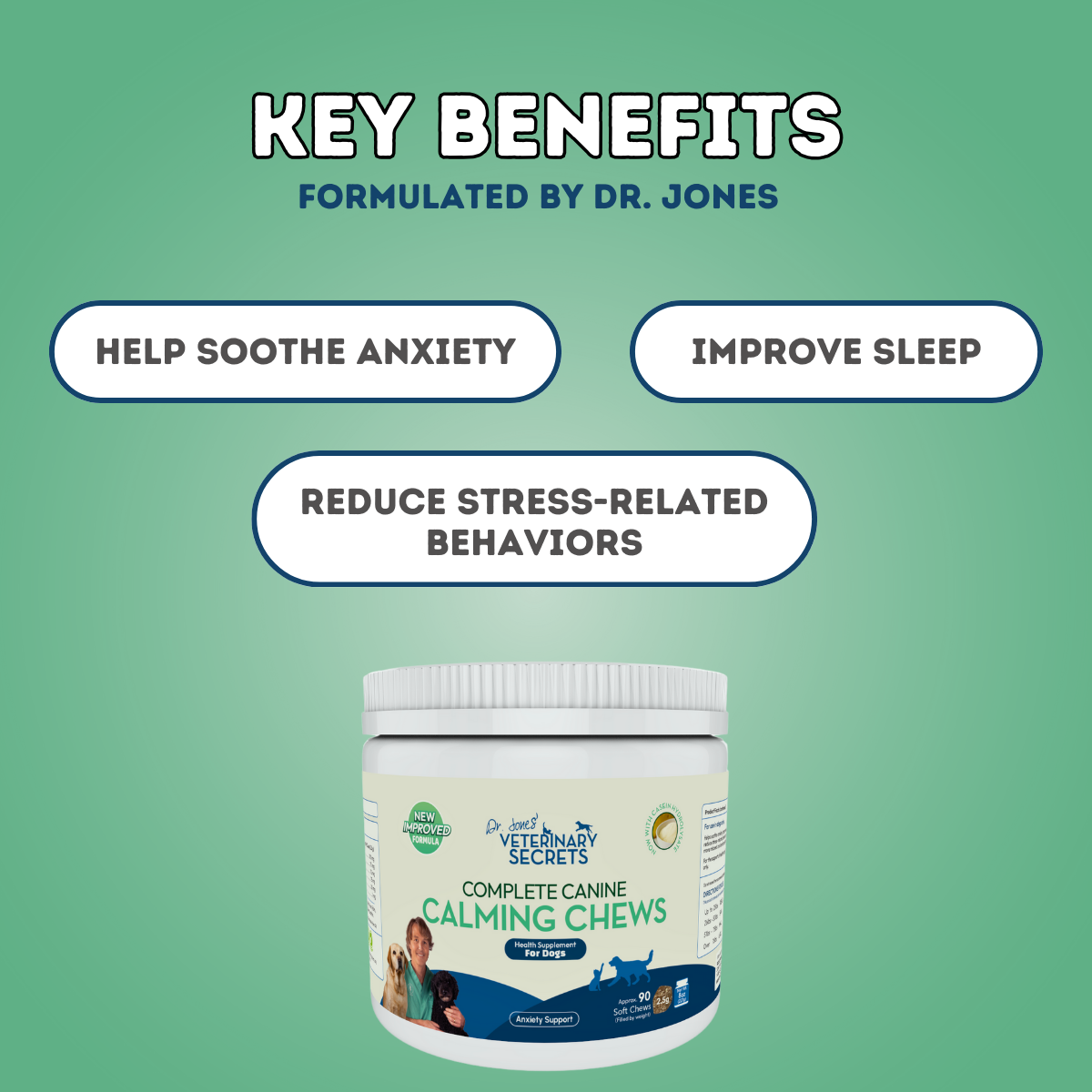
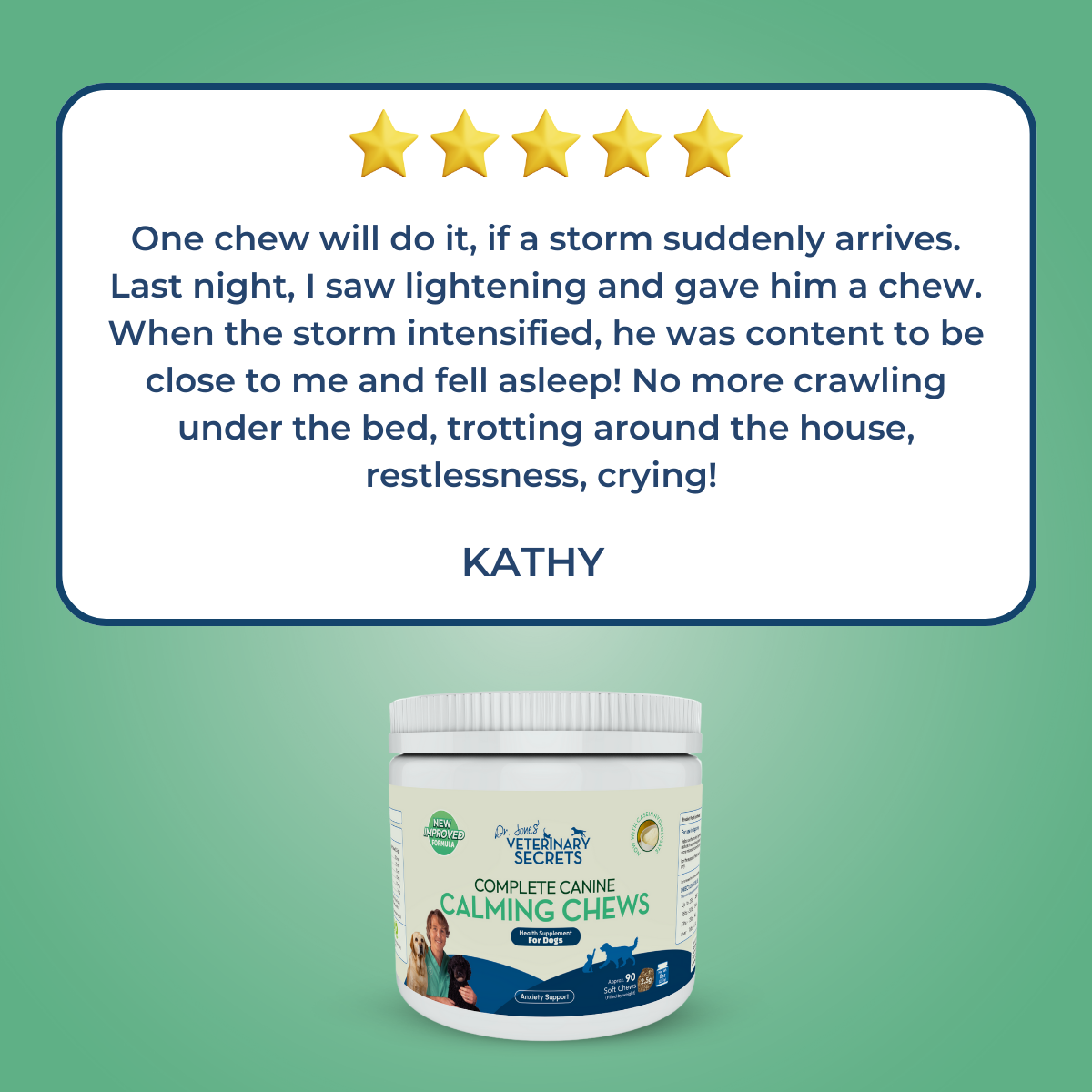
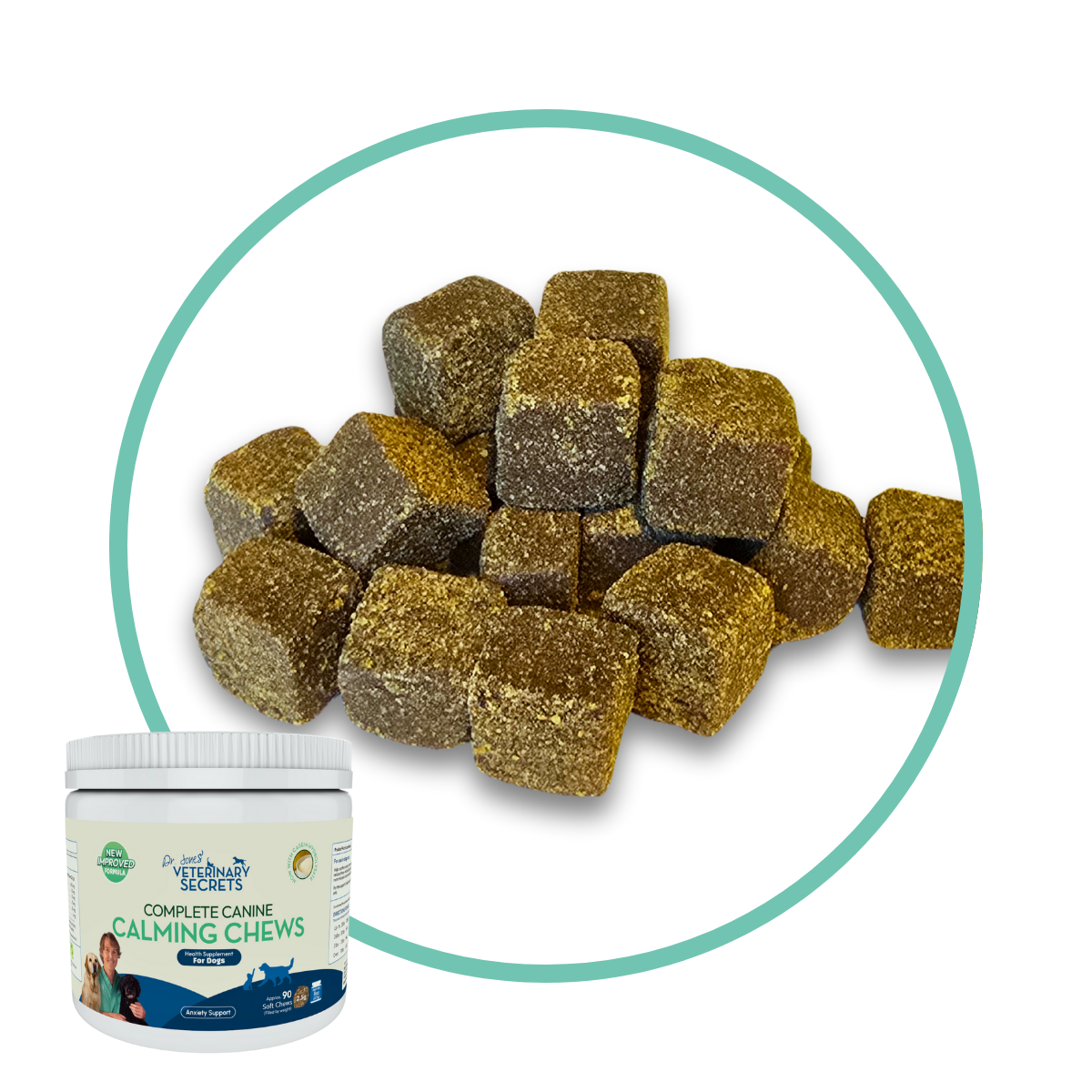
If all of this feels overwhelming, a well-formulated calming chew can be a reasonable starting point.
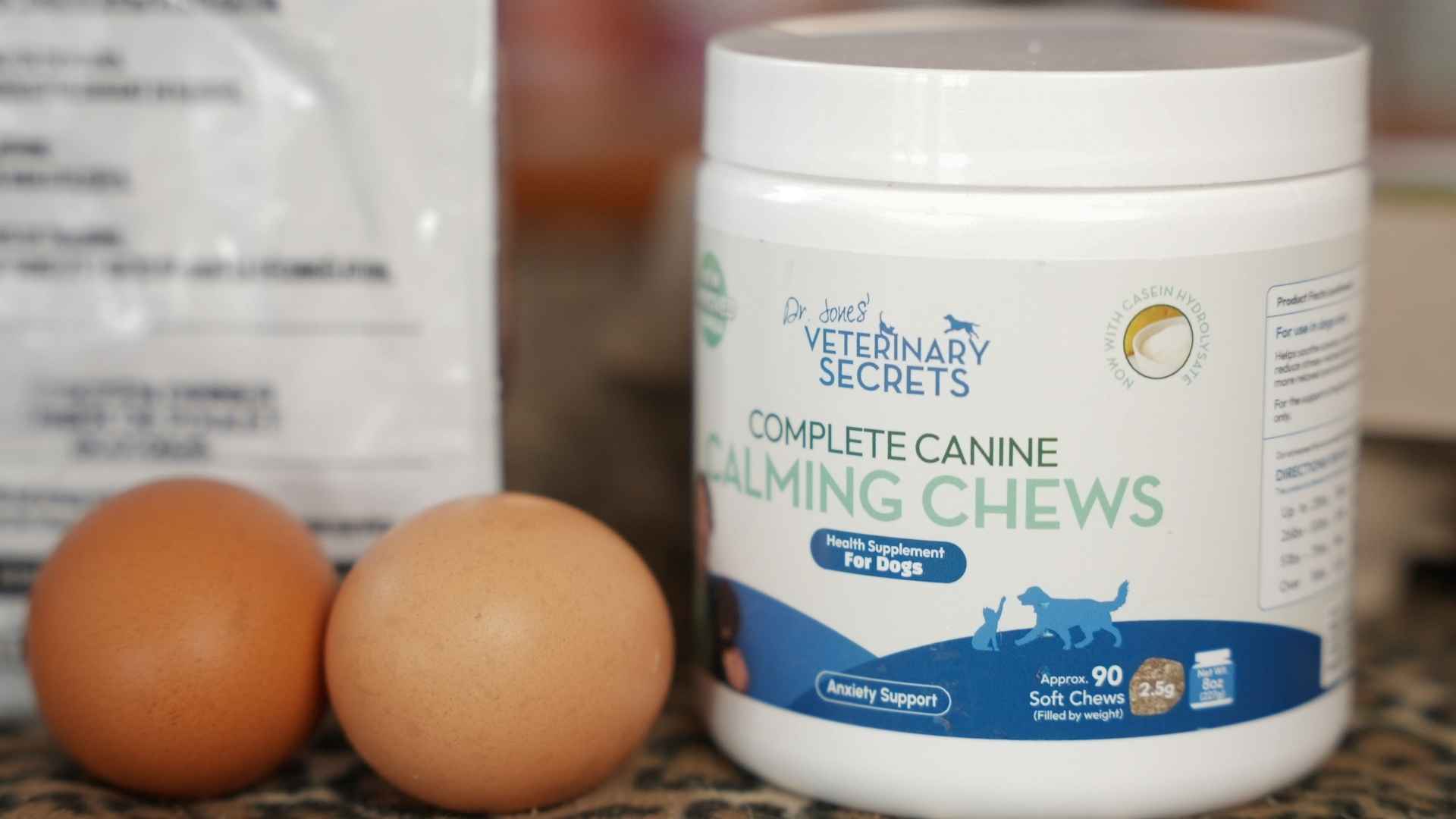
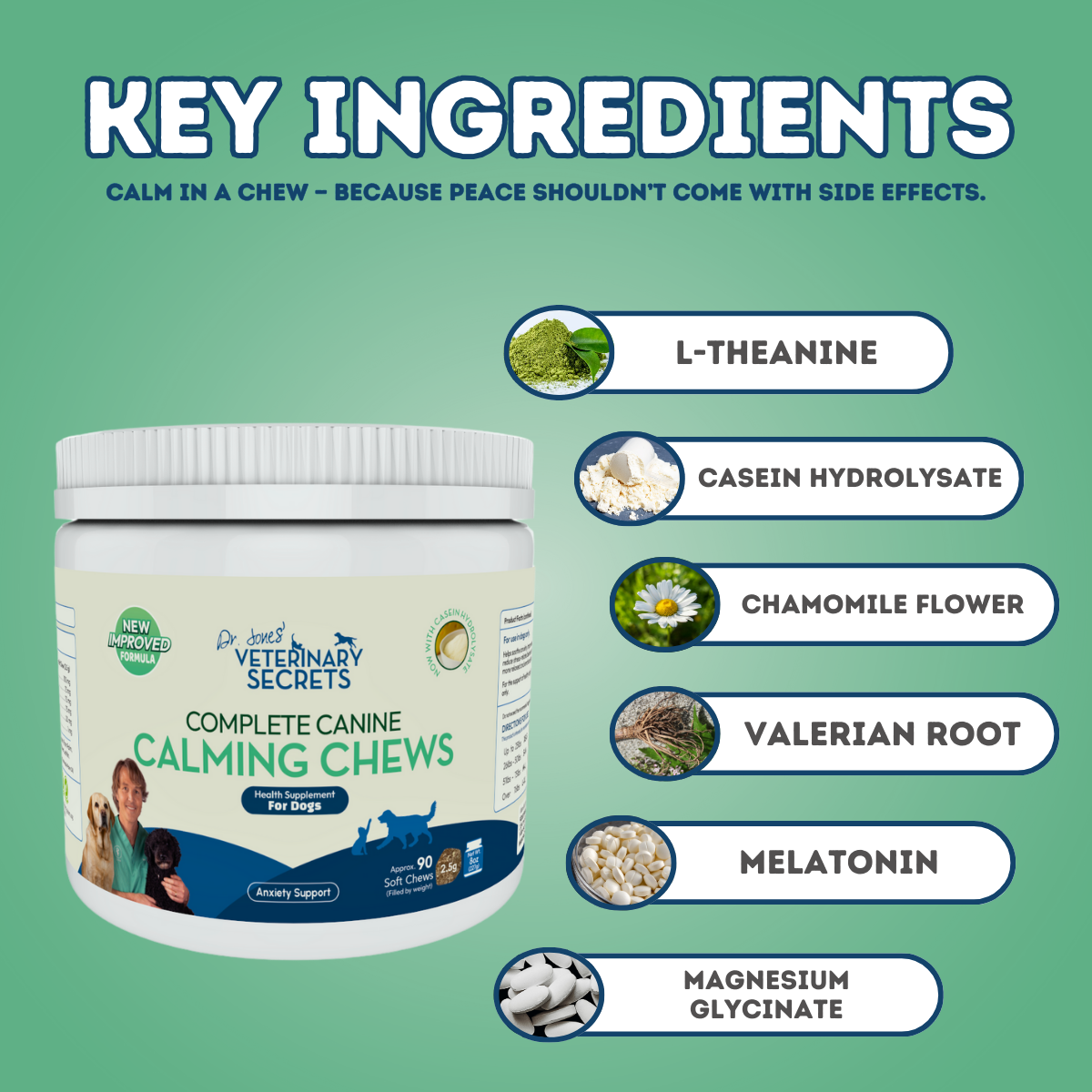
A quality calming supplement that includes melatonin along with ingredients like L-theanine, alpha-casozepine, valerian root, and passionflower can help lower cortisol while also reducing anxiety and restlessness.
This approach supports both the adrenal glands and your dog’s overall comfort.
Final Thoughts on Natural Cushing’s Support
If your dog has Cushing’s disease, start with diet changes, eggs, and the melatonin and flaxseed combination. Give it time. If needed, consider adding ashwagandha or a calming supplement.
Lowering cortisol helps slow aging, preserve muscle, reduce anxiety, and improve quality of life.
Click To Get A Free Copy of My E-Book!



Hi,
I am sharing your wisdom on the Dogs with Cushings facebook page.
My little dog, Dandillion is taking supplements and has no side effects. Will add ashwaghanda now to melatonin and lignans.
That’s wonderful to hear Dandillion is doing well on the supplements. Melatonin and lignans are a great foundation for many dogs with Cushings. Ashwagandha can be a nice addition to help gently support cortisol balance. Dr. Jones usually suggests starting low and slow and keeping an eye on energy and appetite. Sounds like you are doing a great job for your little one.
How many milligrams in a teaspoon? My dog has Cushings. I don’t know how much supplements to give.
Hi Linda,
Thanks for reaching out. For the Dr. Jones’ Complete Canine Calming Chews, dosing is based on your dog’s weight, not teaspoons or milligrams.
Could you please confirm your dog’s weight so we can guide you properly?
In the meantime, here are the general dosage recommendations:
Up to 25 lbs: 1 chew daily
25–50 lbs: 2 chews daily
50–75 lbs: 3 chews daily
Over 76 lbs: 4 chews daily
Once we know your dog’s weight (especially with Cushing’s), we can help you more specifically.