Healing with Herbs: Nettle
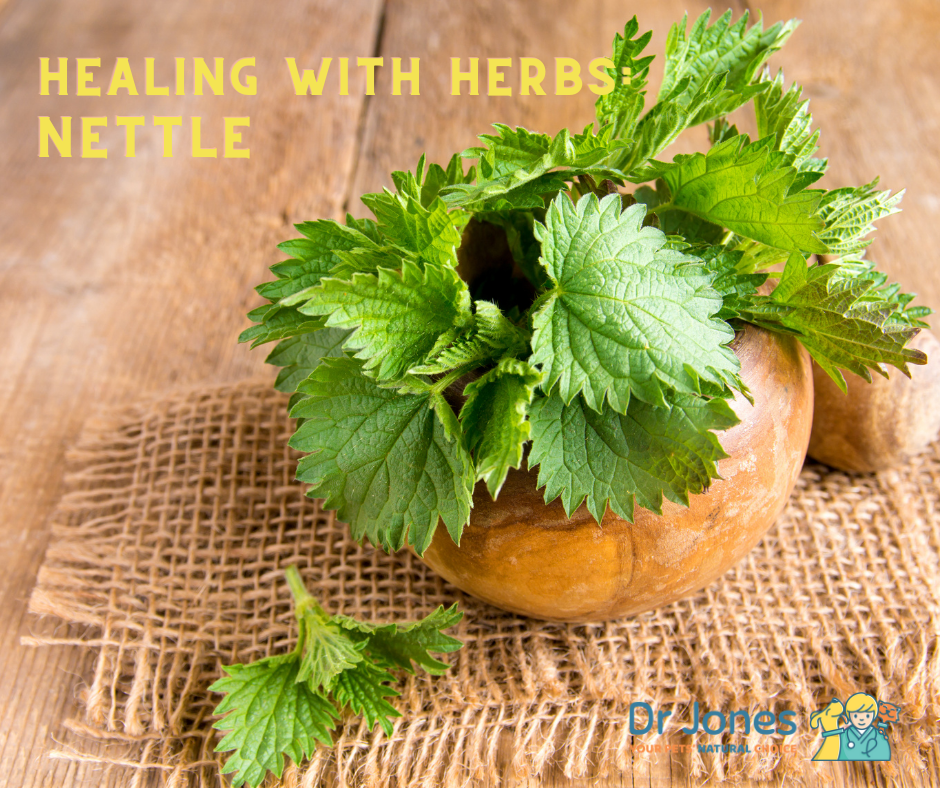
A perennial herb known for it’s itchy rash when exposed to skin, Nettle is actually an excellent natural option for a variety of ailments and has been used for thousands of years. Today is part 3 of my 4-part healing with herbs series.

History of Nettle
Native to Europe, Asia, Northern Africa and North America, nettle has been used as far back as the Bronze age (3000 BCE -1200 BCE). Many Indigenous peoples have utilized stinging nettles in ceremony, medicine, food, and clothing. The leaves, stems and sometimes the roots are used.
Uses and Forms of Nettle
Uses of Nettle are varied and almost endless, they have through history been used for:
- Reducing Inflammation
- Diuretic and Laxative
- Respiratory issues
- Wounds and Infections
- Throat and Mouth Infections
- Hormone Support and Urinary Issues
- Gout
- Allergies
- Eczema
It can be administered in a variety of forms, such as:
- Tonics
- Teas
- Tinctures
- Dried Herb
- Poultice

General Health Benefits
It has a gentle, stimulating effect on the lymphatic system, enhancing the excretion of wastes through the kidneys.
Nettle’s iron content makes it a wonderful blood builder, and the presence of vitamin C aids in the iron absorption. As an herb rich in iron it is an excellent herb for anemia and fatigue.
As a diuretic, stinging nettle increases the secretion and flow of urine. This makes it invaluable in cases of fluid retention and bladder infections. It is also anti-lithic and nephridic, breaking down stones in the kidneys and gravel in the bladder.
The leaves of the fresh nettle plant are stimulating, thus making it a powerful rubefacient. Arthritis, bursitis, rheumatism, gout, and tendonitis have all been treated successfully with urtification (to stimulate blood flow).
Breathing Disorders
In the respiratory system nettles help clear catarrhal congestion. The seeds are an excellent lung astringent, particularly useful for bronchitis, tuberculosis, and consumption. They are recommended as a remedy for goiter and to reduce body weight.
Bleeding
As a styptic (an arrestor of local bleeding), stinging nettle is an effective remedy for nose bleeds. It can be applied locally or sniffed. The astringency of stinging nettle proves its usefulness in hemorrhoids, diarrhea, and bleeding in the urinary organs. It also treats mouth and throat infections. Nettle leaf is useful to correct symptoms of gastrointestinal excess, such as gas, nausea, and mucus colitis. It is also used as an anodyne to relieve the pain of burns and scalds.
Arthritis
Stinging nettle acts similarly to dandelion leaf, promoting the elimination of uric acid from joints with an alkalizing diuretic activity. In an open multi-clinical trial of 219 patients with arthritis, nettle leaf was compared with non-steroidal anti-inflammatory drug (NSAID) therapy, demonstrating a similar reduction in pain and immobility, with excellent tolerability.
Allergies
A study conducted by the National College of Naturopathic Medicine in Portland, Oregon found positive evidence of freeze-dried nettle leaf for treating hay fever, asthma, seasonal allergies, and hives.
Heart Disease
In an open 14-day clinical study, 32 patients diagnosed with myocardial or chronic venous insufficiency were treated with 15 ml of nettle herb juice three times daily.
Dosages of Nettle
A typical animal dose is 25mg per 10lbs twice daily.
For human dosages, the majority of patients who make use of nettle based herbal remedies generally use two to three 300mg nettle leaf capsules or the herbal tablets as and when required.
Dosage of 2-4 ml herbal nettle tincture can also be taken if preferred, this can be used three times daily as a preventive medication during the allergy season – hay fever for example can be prevented as well as treated using this remedy.
Note of Caution
However, it should be noted that it is called ‘stinging nettle’ for a reason – the leaves and stem have hollow, needle like hairs that inject a mix of acetylcholine, formic acid, histamine, and serotonin, that when exposed to skin cause rashes and itchiness. Use gloves if foraging, and be sure to cook before consuming (the leaves are very nutritious, with iron, calcium, Vitamin A). The older flowering plants should not be used – they contain crystals that irritate the kidneys and bladder. Ensure that you use the herb from a reputable supplier.

Do you give it straight to a diabetic cat and do they like it
Yes, you can give it to pets with diabetes.
I’ve read that stinging nettle can be used to naturally decrease milk production in queens. Is this the case and would you have a recommendation for dosage?
Yes, stinging nettle is often used as a natural remedy to help decrease milk production
For dosage, a common recommendation is around 1 teaspoon of dried stinging nettle leaf per day for an average-sized cat, but this can vary based on the individual animal’s weight and health status.
I have a very allergic cat. His allergy test came back inconclusive so we have no idea whether it’s food or environment related. He is a raw fed cat so there is nothing in his food that could be causing this constant scratching and licking. Would Nettle or Licorice Root be a good natural alternative to pharmaceuticals? If so, how much and in what form, and where can I purchase these?
Thank you.
Yes, especially Licorice Root and check our Licorice Root extract:
https://shop.veterinarysecrets.com/supplements/licorice-root-extract.html
Here are other allergy supplements that we offer:
https://shop.veterinarysecrets.com/supplements/allergies.html
My dog is experiencing non-regenerative anemia of chronic disease, kidney disease. He is currently taking B12 & Probiotics. Would nettle leaf help in this scenario? Is there anything else you would recommend? Milk thistle? Dandelion? Burdock root?
Yes, nettle leaf can help—its high iron and vitamin C content make it a gentle “blood builder,” supporting non-regenerative anemia. It also aids lymphatic and kidney health, which may benefit chronic disease cases like yours. Dr. Jones also recommends pairing nettle with red clover and burdock root, giving a teaspoon of the herb mixture per 10 lbs of body weight once daily
Other supportive herbs that may help in chronic kidney and anemia contexts include:
Dandelion leaf: gentle diuretic and kidney support.
Milk thistle: antioxidant and liver-supportive.
Burdock root: detoxifying and blood support, alongside nettle
What ratio is recommended for nettle with red clover and burdock root mixture? 1:1:1?
Should I add in each leaf one at a time, over a period of time?
Using nettles paired with red clover and burdock root, giving a teaspoon of the herb mixture per 10 lbs of body weight once daily. If you’re building your own mix, starting with equal parts (1:1:1) is reasonable, but you could also adjust based on which herb you want to emphasize (e.g. more burdock if detox support is emphasized).
You don’t necessarily need to add each leaf one at a time; you can blend all three herbs together and dose that blend, using the combined herb mixture at the recommended dose.
My kitty has Chronic lymphocytes Cholangiohepatitis with IBD and has just been diagnosed with stage 1 CKD. We have her liver under control but wondering if a nettle tea infusion “hidden” in her food might help with urinary tract inflammation, lowering urine PH7 and excess protein in urine (hopefully from dehydration from recent illness).
I’m really sorry your kitty is going through this, and I truly appreciate how thoughtfully you’re approaching her care.
I’d like to route you to some relevant blog articles from Dr. Jones regarding your concerns:
Signs Your Cat May Have a Urinary Tract Infection & How to Treat It
This article explains common causes of urinary inflammation, bladder irritation, and how hydration and diet play a role in urinary health.
https://veterinarysecrets.com/urinary-tract-problems-in-cats/
How to Treat Your Cat’s UTI Naturally: 5 Effective Remedies
Focused on natural supportive measures for bladder inflammation and discomfort, including stress, hydration, and supplements that may help support the bladder lining.
https://veterinarysecrets.com/cat-with-repeated-urinary-tract-infections-top-5-natural-treatments-2/
Dr. Jones’ Top 7 Tips to a Healthy and Long?Lived Senior Cat
This article includes guidance on hydration and diet — key factors in supporting cats with CKD, as more water and proper nutrition help both urinary and kidney health.
https://veterinarysecrets.com/dr-jones-top-7-tips-to-a-healthy-and-long-lived-senior-cat/
Ive been making a strong tea(1 cup nettle, 1 cup marshmallow root and 2 cups water)with stinging nettle and marshmallow root for my 17 year old dog chi mix with kidney and liver desease. Ive been adding a tablespoon of it to her drinking water, which is about a cup.
What measurement (dosage) do you recommend and should I provide unmedicated water as well?
You’re doing a fantastic job supporting her naturally. For a small dog like a 17 year old chi mix, 1 tablespoon of the tea once or twice a day is usually enough to get the benefits without upsetting her stomach. Definitely keep fresh, plain water available at all times so she can stay hydrated. Nettle and marshmallow root are gentle but mild is best for seniors with kidney and liver concerns.