Anesthesia Risks in Dogs and Cats: 8 Questions to Ask

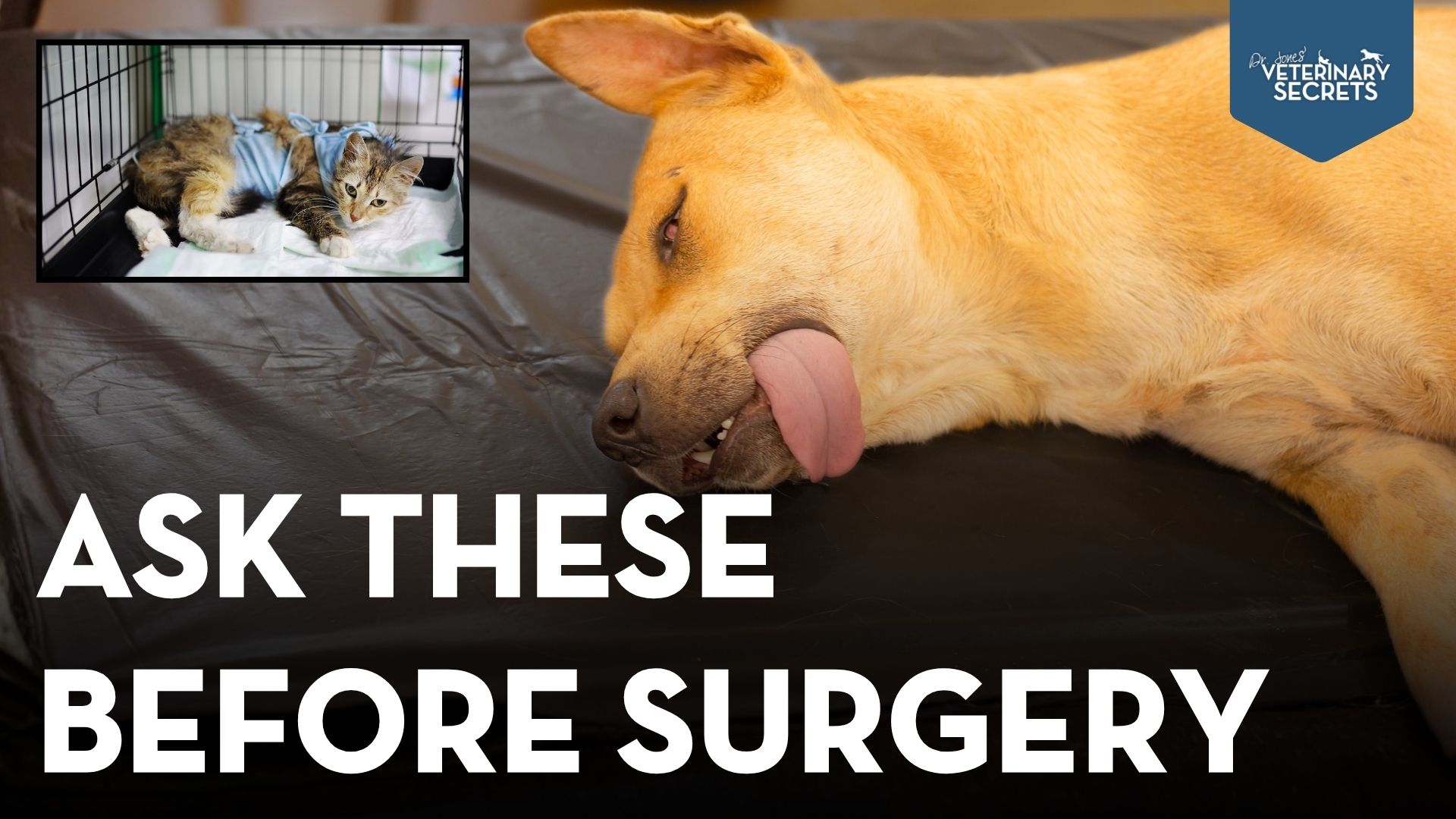
Could Your Dog or Cat Be at Risk During Anesthesia?
Yes, any dog or cat can have anesthesia risks, even if they are young and healthy.
That does not mean you should panic.
It means you should ask good questions.
Veterinary anesthesia has changed a great deal over the last 10 years. How many clinics used anesthesia years ago is not always how anesthesia should be used today. Some veterinarians are current with newer practices. Some are busy. Some may not be aware of everything that has changed.
And yes, even veterinarians make mistakes.
I made some of these myself.
So if your dog or cat is going in for surgery, a dental cleaning, a spay, a neuter, a lump removal, or any procedure requiring anesthesia, you should be informed.
Your job is not to be difficult.
Your job is to be involved.
And sometimes, one calm question can make a big difference.
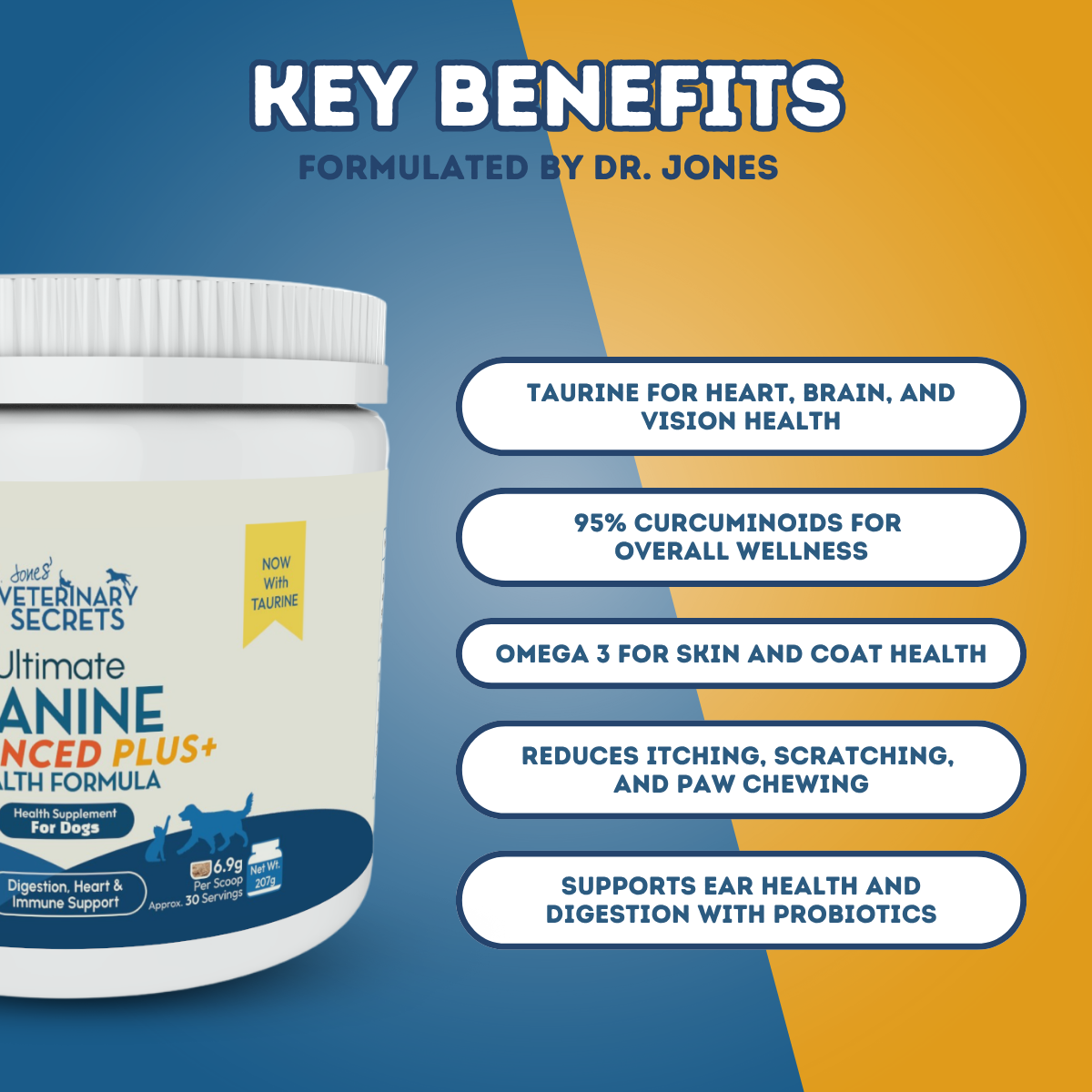
Dr. Jones’ Ultimate Canine Advanced Plus Health Formula

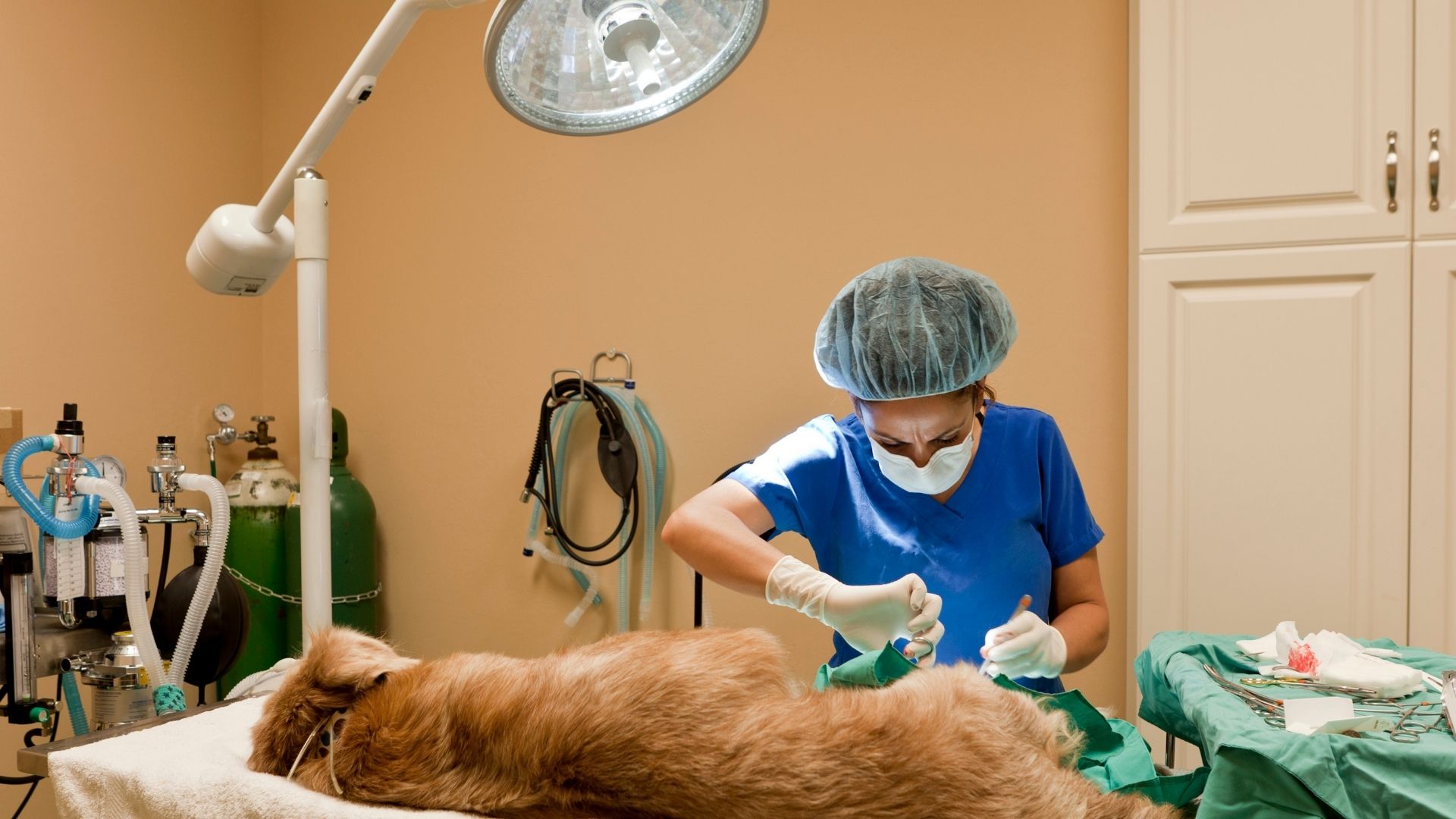
Why Should Pet Parents Ask About Anesthesia?
Most pet parents are nervous about anesthesia.
Fair enough.
It can be scary to leave your dog or cat for a procedure and hope everything goes smoothly.
The good news is that many anesthesia risks can be reduced with planning, monitoring, proper equipment, clean surgical habits, and temperature control.
The big areas to ask about include:
- Pre-anesthetic testing
- Patient monitoring
- Equipment checks
- Anesthesia records
- Checklists
- Body temperature support
- Operating room cleanliness
- Surgical hand preparation
You do not need to know how to run the anesthesia machine.
But you should know enough to ask, “How do you monitor my pet, and how do you keep them warm?”
That is a fair question.
A very fair question.
Quick Summary: The 8 Surgical Anesthesia Mistakes
| Mistake | What Pet Parents Should Ask |
|---|---|
| Treating young patients as low-risk | Will my pet have a preoperative exam and basic blood work? |
| Not keeping equipment healthy | Is the anesthesia machine checked for leaks and maintained? |
| Not changing CO2 absorbents regularly | How often are CO2 absorbents checked or changed? |
| Not keeping proper anesthesia records | Will my pet have a written anesthesia monitoring record? |
| Not using an anesthesia checklist | Does the team use a preoperative anesthesia checklist? |
| Not taking hypothermia seriously | How will you keep my pet warm before, during, and after anesthesia? |
| Letting the OR become a storage or high-traffic room | How do you reduce contamination in the surgical room? |
| Scrubbing with harsh brushes | Do you use alcohol-based surgical hand disinfectant? |
Mistake 1: Treating Young Anesthesia Patients as Low-Risk
A young pet is not automatically a no-risk pet.
Increased age may carry a slightly higher anesthetic risk, but assuming a young, healthy dog or cat is practically free of risk is dangerous.
The real issue is whether the patient has any other health problems, also called comorbidities.
That is why all healthy patients should still receive a proper preoperative workup.
What Should Be Done Before Anesthesia?
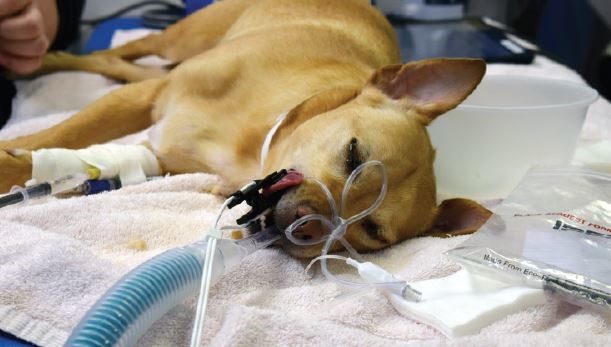
For healthy patients, the pasted source mentions:
- Physical exam
- Minimum database
- Hematocrit
- Total solids
- Blood glucose concentration
Geriatric pets need a more in-depth approach, with special attention to:
- Cardiovascular function
- Respiratory function
- Vital organ function
Why Recovery Monitoring Matters
Most anesthesia-related deaths occur during recovery.
That means monitoring does not stop when surgery stops.
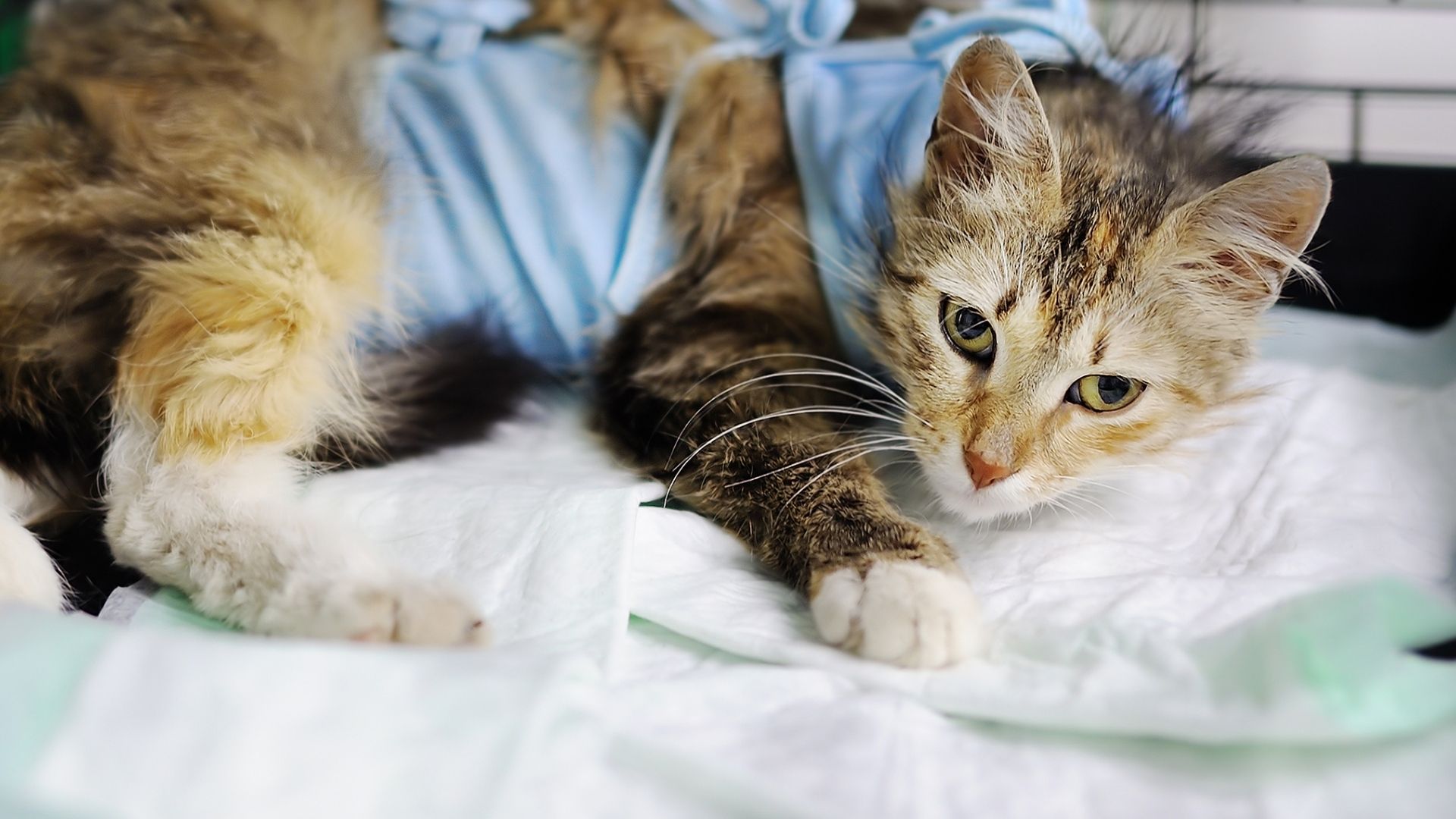
Your dog or cat should be monitored during the entire anesthetic period, including recovery.
This is a key point.
Many pet parents focus on “Will my pet wake up?”
But the better question is:
“How will my pet be monitored after anesthesia while recovering?”
Mistake 2: Not Keeping Equipment Healthy
Anesthesia equipment matters.
A lot.
Vaporizers need to be calibrated every 3 to 5 years.
The team should also use a preoperative checklist so faulty equipment is less likely to be missed.
Equipment Questions to Ask
Ask your veterinarian or clinic:
- Is the anesthesia machine checked daily?
- Are vaporizers calibrated every 3 to 5 years?
- Are breathing systems kept clean?
- Do you check the machine for leaks before using it?
- Do you use a preoperative equipment checklist?
If there is an undetected leak, the team may not know how much anesthetic or oxygen is going into the patient versus leaking into the environment.
That is not a detail.
That is a very big detail.
Mistake 3: Not Changing CO2 Absorbents Regularly
CO2 absorbents are used in anesthesia systems to help remove carbon dioxide.
When CO2 reacts with the absorbent, an irreversible chemical reaction happens, and the absorbent changes into calcium carbonate.
The tricky part is that the purple color can fade over time, and that can fool people.
So color alone is not enough.
How Should CO2 Absorbents Be Checked?
The source says:
- If the granules are soft and squishy, they are still okay.
- If the granules are hard, they are expended.
A clinic should have a plan to change absorbents regularly.
That plan could include:
- Smartphone reminder
- Paper calendar
- Preoperative checklist
- Clinic protocol
Whatever works.
The point is that it should not be left to memory.
Memory is not a medical protocol.
Mistake 4: Not Keeping Proper Anesthesia Records
Anesthesia monitoring records are legal documents.
They also protect the patient.
A proper anesthesia record should include:
- Drugs given
- Doses recorded in milligrams or micrograms
- Monitoring values
- Events during anesthesia
- Adverse events
- Recovery notes
The pasted content specifically says drugs should be recorded in milligrams or micrograms, not milliliters.
That matters because milliliters only tells you volume.
It does not clearly document the actual drug dose.
What Pet Parents Can Ask
Before your pet’s surgery, ask:
“Will there be a written anesthesia monitoring record during the procedure and recovery?”
This is not rude.
This is reasonable.
A trained technician may maintain and oversee the anesthesia records.
That is a good thing.
Mistake 5: Not Using an Anesthesia Checklist
Checklists save lives.
They were first used by the aviation industry because pilots were crashing due to missed details.
Medicine borrowed the idea because it works.
A checklist helps the team focus on the medicine and avoid missing small but critical steps.
What Should an Anesthesia Checklist Include?
The pasted source mentions checklist items such as:
- Preoperative drugs
- Induction drugs
- Applying eye lube
- Monitoring leads
- Inflating the cuff
- Starting fluids
- Sponge counts
- Other routine steps
An anesthesia checklist may not sound exciting.
Good.
Exciting is not what we want during anesthesia.
We want boring, organized, and safe.
Mistake 6: Not Taking Hypothermia Seriously
This is a big one.
Hypothermia, or low body temperature, is the most common complication during general anesthesia and recovery.
Anesthesia shuts down normal processes that control:
- Shivering
- Metabolism
- Thermoregulation
Hypothermia can:
- Increase stress for the patient
- Reduce patient welfare after surgery
- Prolong recovery
- Decrease immune response
The pasted source even asks whether you have seen a dog break out with pyoderma or an ear infection after surgery, and suggests hypothermia could be a culprit.
Which Pets Are More Affected by Hypothermia?
Patients start losing heat as soon as they are premedicated.
Some pets are more affected, including:
- Smaller patients
- Older patients
- Certain breeds such as dachshunds
That means warming should not begin only after the pet is already cold.
Temperature support should start early.
How Do Pets Lose Heat During Anesthesia?
Patients lose heat in four ways:
| Heat Loss Type | What It Means |
| Radiation | Heat leaves the body into the surrounding environment |
| Convection | Moving air carries heat away |
| Evaporation | Wet skin, fluids, or surgical prep can cool the body |
| Conduction | Heat is lost through contact with cold surfaces |
Because heat loss happens in several ways, one warming method may not be enough.
How Should Hypothermia Be Prevented?
The pasted source recommends a multimodal approach.
That means using several strategies together.
Helpful Warming Strategies Mentioned
- Limit anesthesia time when possible
- Warm lavage fluids
- Use circulating-warm-water blankets
- Use heated tables
- Consider fluid line warmers
- Place fluid line warmers close to the patient
- Use rescue blankets for prevention
- Dry wet patients after surgery
- Use a blow dryer if the patient is wet
- Take the patient outside after surgery if it is hot outside and they can walk
- Use bubble wrap as a cheap option
A circulating-warm-water blanket alone is not enough to raise body temperature.
This is why asking about warming is so important.
Fluid Warmers
Fluid line warmers can be controversial, but Dr. Claude believes they work.
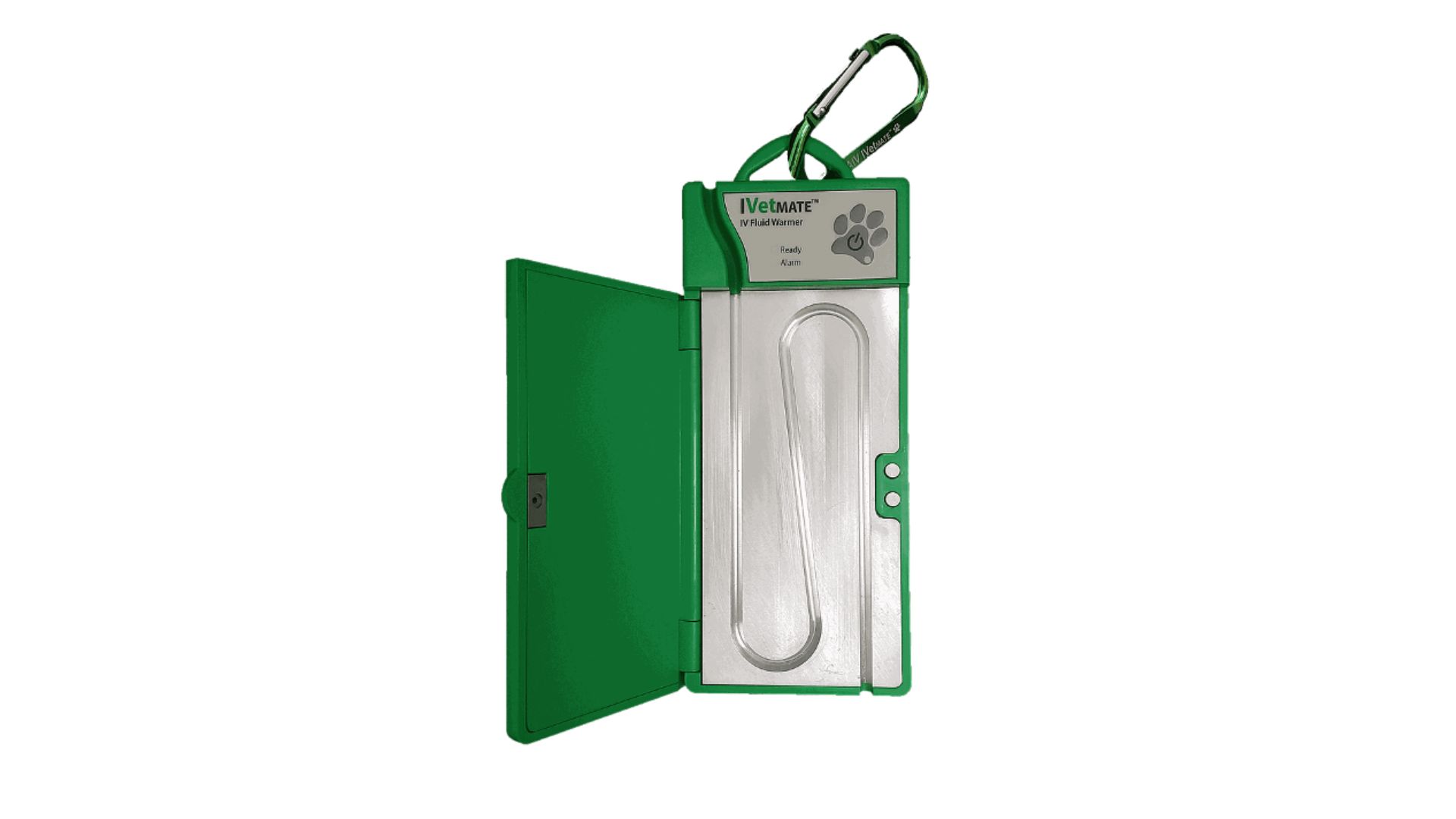
The key detail:
If they are used, they should be placed as close to the patient as possible.
Otherwise, they may not help.
Rescue Blankets
Rescue blankets are metallic disposable blankets that reflect the patient’s body heat back onto them.
They are better used for prevention.
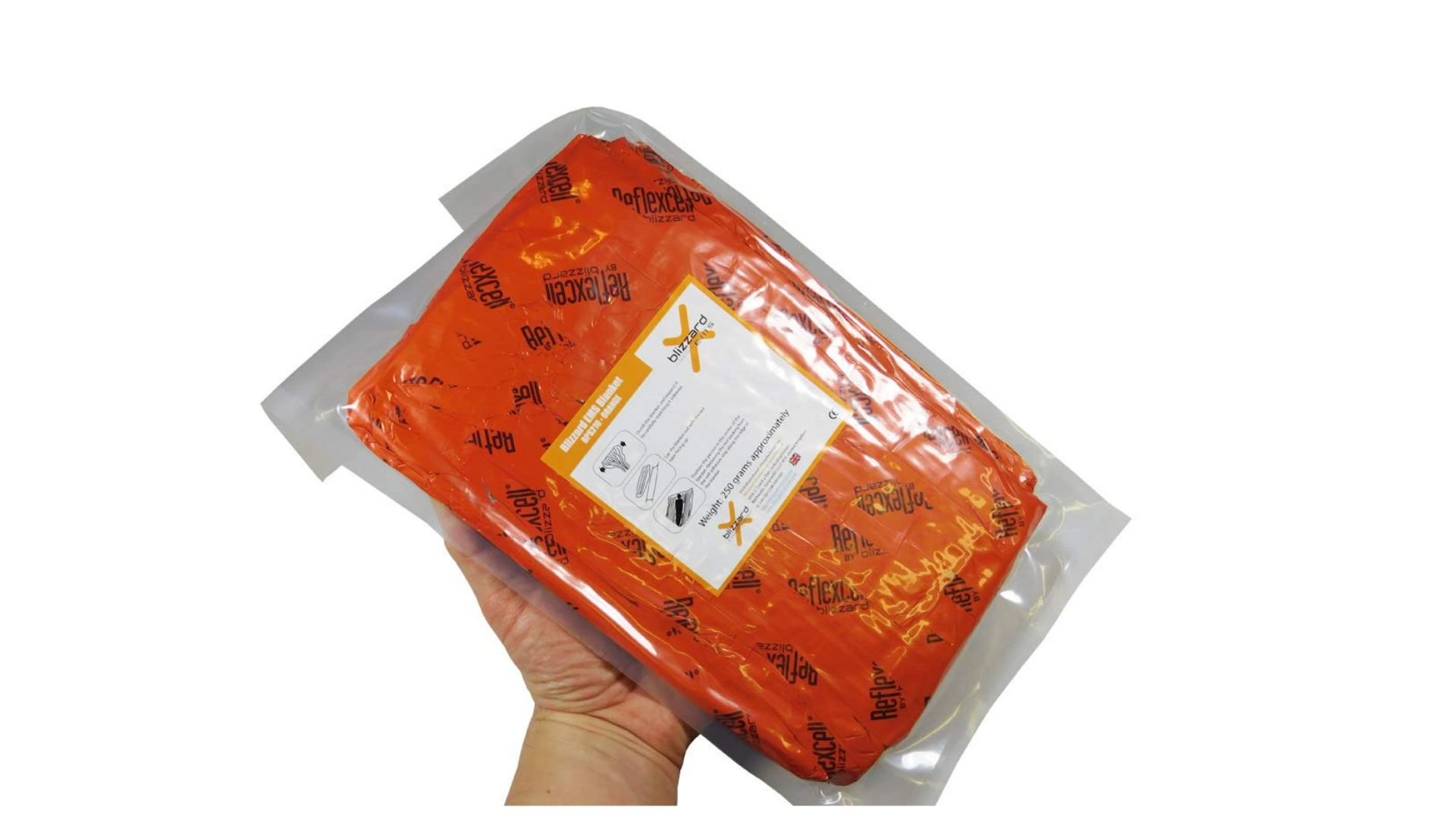
They do not work well if the pet is already hypothermic.
They also should not be used with cautery.
Bair Hugger Caution
If a Bair Hugger is used, do not turn it on until after the patient is draped.
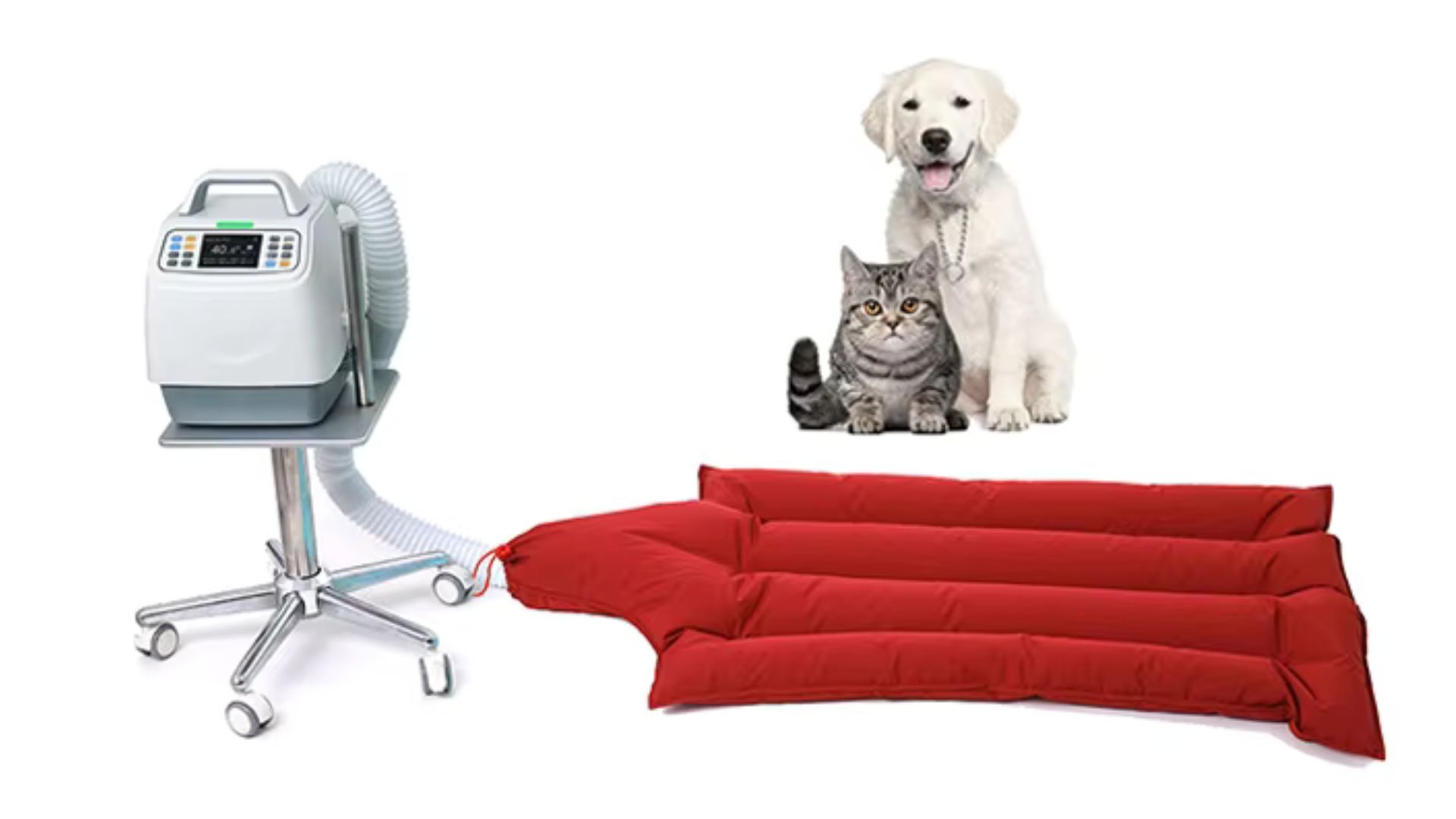
Why?
To avoid blowing contaminants into the surgical field.
Heating Pad Warning
Electric heating pads are not a good idea.
They can cause burns.
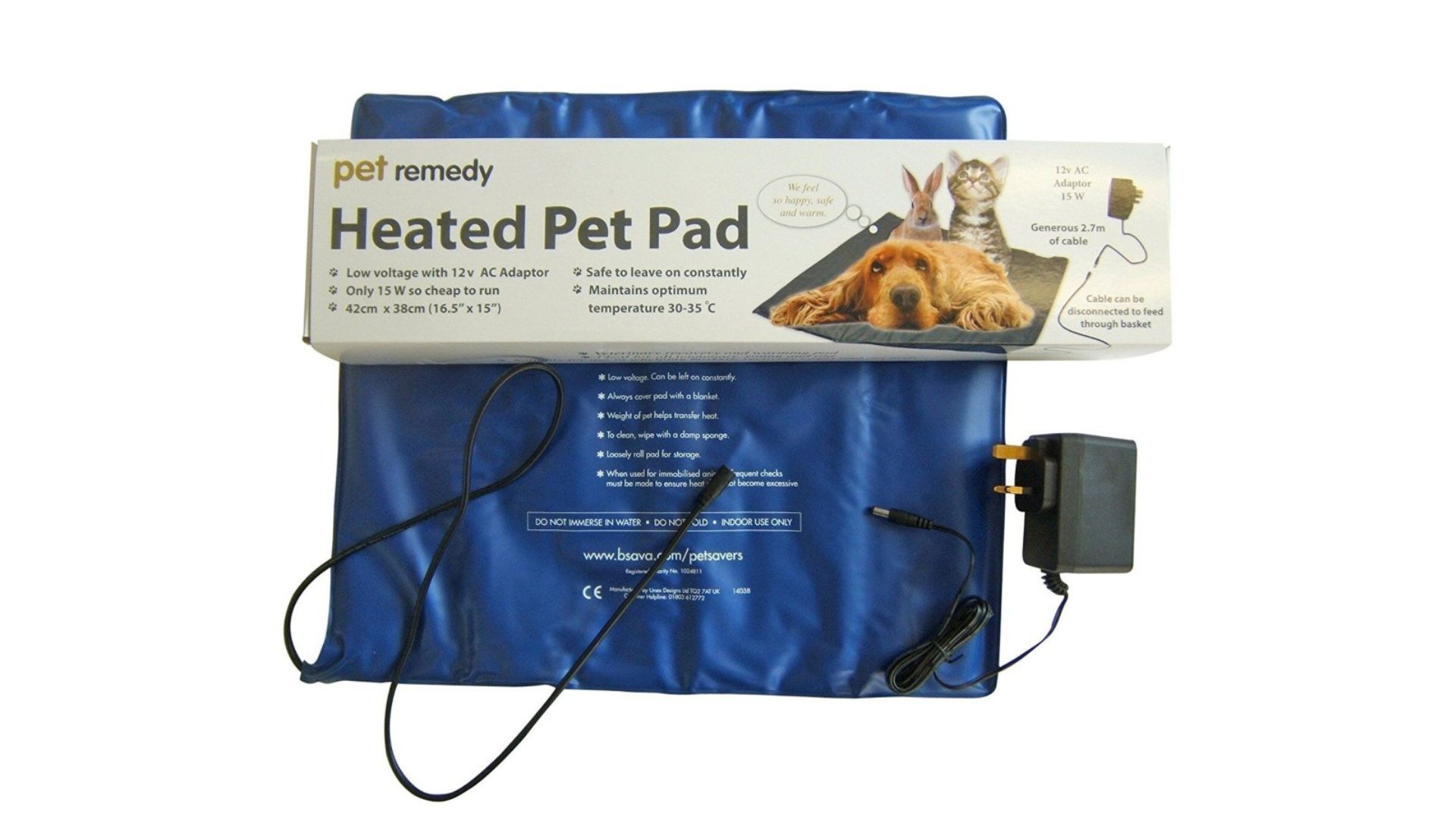
That is simple enough.
Warm is good.
Burned is bad.
Mistake 7: Letting the Operating Room Become a Storage Room or High-Traffic Area
The operating room should be clean, controlled, and protected.
It should not be a storage room.
It should not be a hallway.
It should not be where everyone pops in and out for random supplies.
Dr. Wardlaw said anything higher than a 4% infection rate in young, healthy patients undergoing routine elective procedures is too high, except for complications from licking or chewing incisions.
The goal is 0%.
That is the goal we all want.
What Should a Clean Operating Room Look Like?
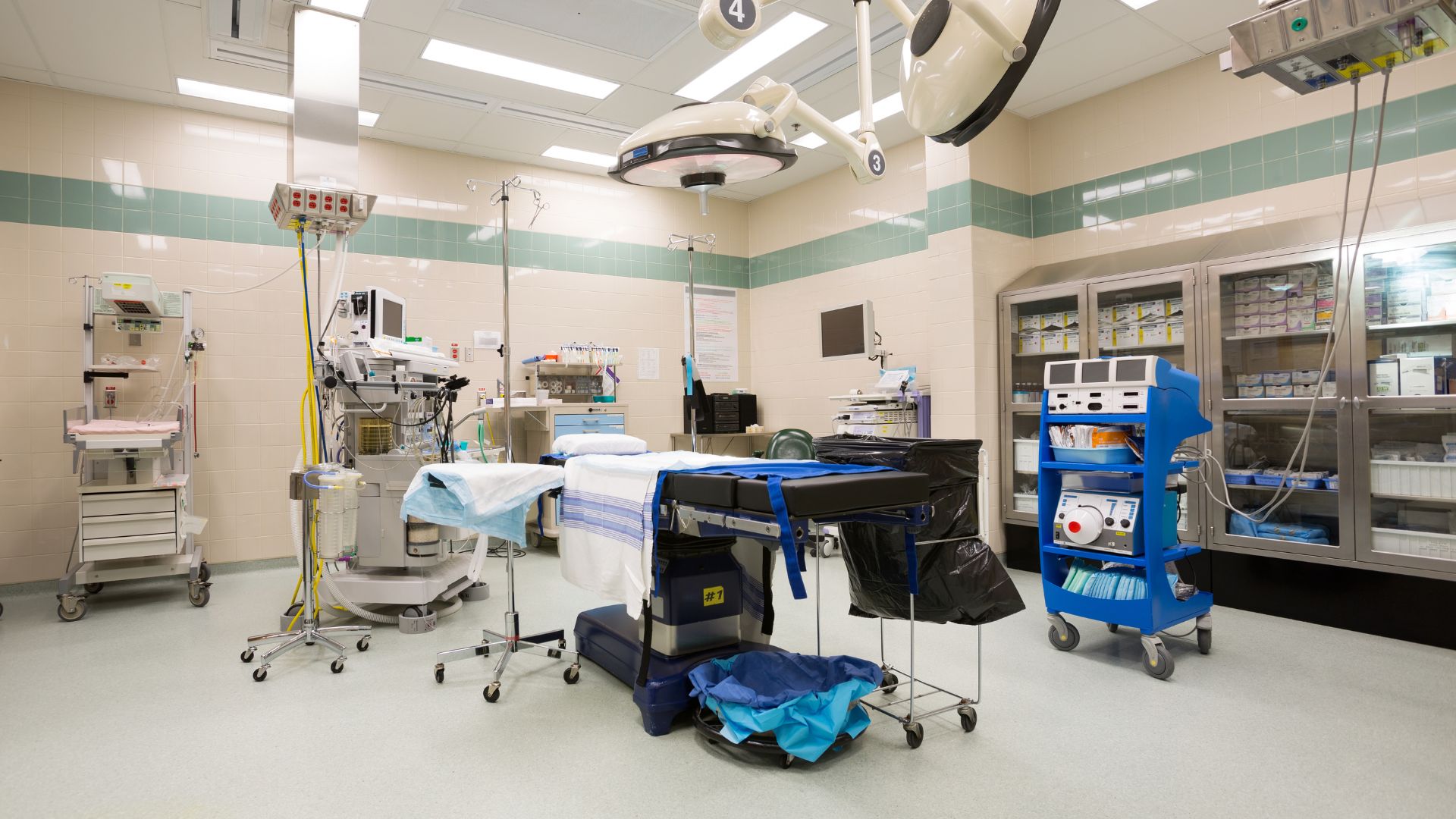
The source encourages asking:
- How clean is the OR?
- How clean is the airflow?
- Is the OR door kept closed?
- Is the OR also used for storage?
- Are people coming in and out often?
The OR should be limited to gowned and gloved technicians and surgeons.
Ways to Reduce Contamination
- Close the OR door
- Reduce trips in and out
- Avoid storing items in the OR
- If storage is unavoidable, keep items in cabinets with closed doors
- Keep counters clean
- Remove dust-collecting objects
- Do not keep cold trays in the OR
- Keep a lint roller outside the OR
- Lint roll scrub tops and pants before entering
- Have anesthesia-monitoring technicians wear a cap and mask
- Cover beards
What About Booties?
Dr. Wardlaw says booties do not reduce infection.
If the practice is AAHA-accredited, booties may be required.
But mopping the OR after every procedure, or at least every day, plus deep cleaning at the end of the week, may do more to reduce infection than booties.
Low-Cost Tips to Reduce Surgical Infection
The pasted source includes several practical low-cost tips.
Fleas in the Surgical Field
If fleas are crawling into the surgical field, nitenpyram can be given rectally.
Yes, that is quite the sentence.
But practical medicine is not always glamorous.
Dedicated Surgical Clippers
Use a clipper dedicated for surgical prep.
You do not want to shave for a TPLO with the same clipper that was just used to clip an anal gland abscess.
That image should be enough to convince everyone.
Separate Prep Areas
If space allows, dedicate two separate prep areas:
- One for sterile surgeries
- One for all other procedures
This helps reduce cross-contamination.
Clip and Clean Properly
The source recommends:
- Clip against the grain of the hair
- Shop-Vac the patient instead of using a lint roller
- Put a bouffant cap over the HEPA filter of the vacuum to prevent clogging with hair
Two-Step Surgical Prep
Dr. Wardlaw recommends a two-step prep process:
- Rough prep before entering the OR
- Sterile prep once in the OR
She uses chlorhexidine unless a mucous membrane is involved.
If a mucous membrane is involved, she uses povidone-iodine.
For final prep, she paints a 99% alcohol 3:1 chlorhexidine solution onto the patient’s skin.
Important Cautery Warning
This mixture can ignite if cautery is used too soon.
Let it dry completely first.
That one is not optional.
Mistake 8: Scrubbing
This one may surprise some people.
The pasted source says human doctors do not scrub anymore.
Dr. Wardlaw says scrubbing with black brushes can create micro-abrasions on the hands. Those micro-abrasions can grow bacteria and increase the rate of surgical infection.
What Is Recommended Instead?
The World Health Organization recommendation is to stop presurgical scrubbing and instead use an alcohol-based surgical hand disinfectant before surgery.
Examples mentioned include:
- Sterilium
- Avagard
Use the appropriate contact time.
If there is gross contamination, such as fecal material or hair, use a gentle soap first before preparing for surgery.
Old habits die hard.
But better habits protect patients.
How Pet Parents Can Ask Without Sounding Difficult
You do not need to walk into the clinic acting like you are inspecting a restaurant kitchen.
Try simple, respectful questions.
Questions to Ask Before Your Pet Has Anesthesia
| Topic | Question to Ask |
| Preoperative exam | What testing do you recommend before anesthesia? |
| Monitoring | Who monitors my pet during anesthesia and recovery? |
| Records | Do you keep an anesthesia monitoring record? |
| Checklist | Do you use an anesthesia checklist before surgery? |
| Equipment | How often is the anesthesia machine checked? |
| Vaporizers | Are vaporizers calibrated every 3 to 5 years? |
| CO2 absorbents | How do you know when absorbents need changing? |
| Temperature | How will you prevent hypothermia? |
| Recovery | How long will my pet be monitored after surgery? |
| OR cleanliness | How do you reduce contamination in the operating room? |
These are reasonable questions.
A good clinic should not be offended.
They may even appreciate that you care.
What Is the Most Important Question to Ask?
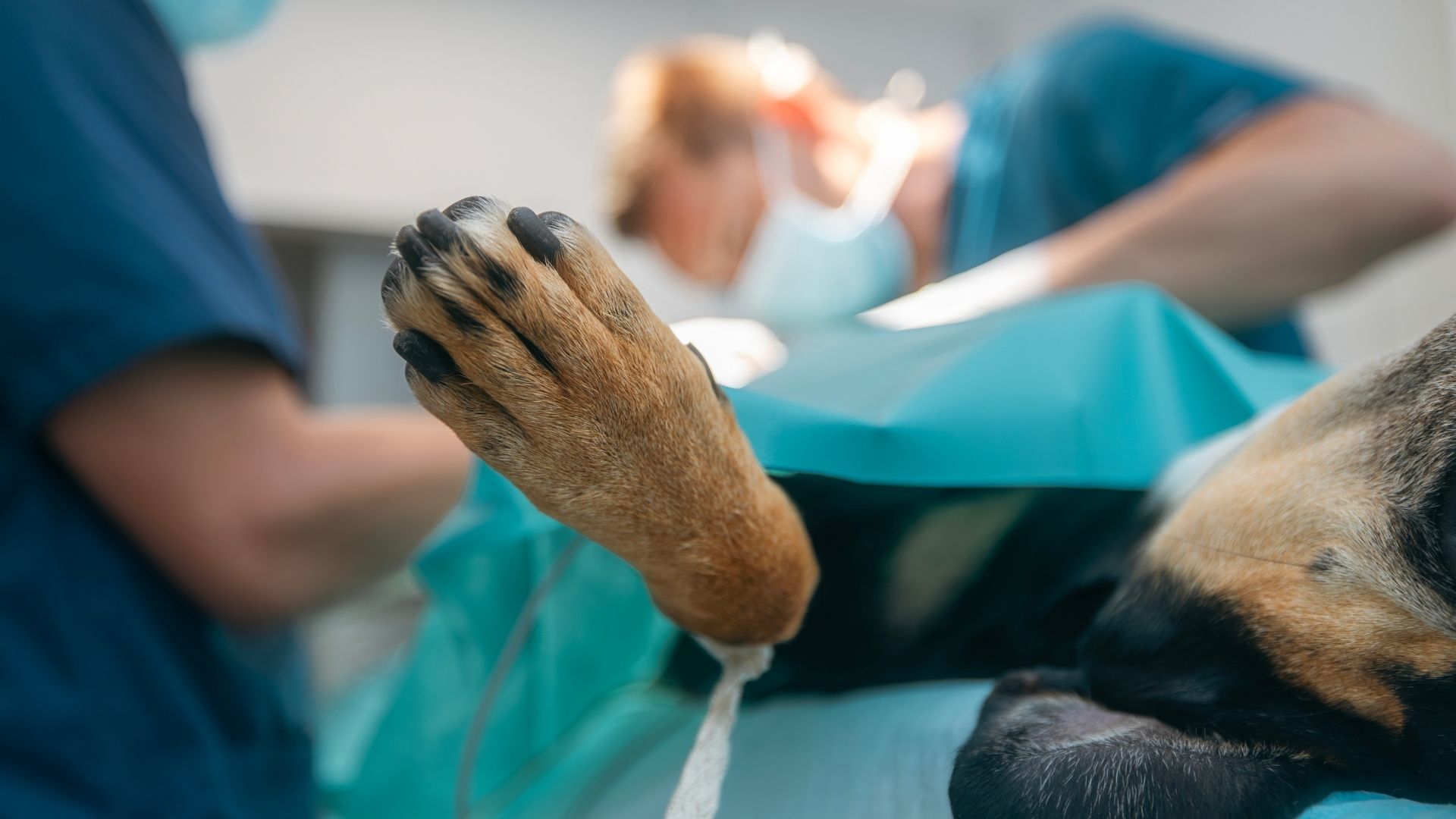
Ask about hypothermia prevention.
If I had to narrow it down, I would ask:
“How do you keep pets warm before, during, and after anesthesia?”
Hypothermia is common.
It starts early.
It can prolong recovery.
It can reduce patient welfare.
It can decrease immune response.
And it is preventable with good planning.
That is why I would put this question near the top of the list.
Can Supplements Help Pets Handle Anesthesia Better?
The pasted content also mentions another key point:
Your dog or cat may do better with anesthesia when all their organs are functioning well.
Nutrients that may help support overall organ function include:
- Vitamins
- Minerals
- Antioxidants
- Amino acids
- Essential fatty acids
- Probiotics
- Colostrum
These ingredients, and more, are included in:
Dr. Jones’ Ultimate Canine Advanced Plus Health Formula
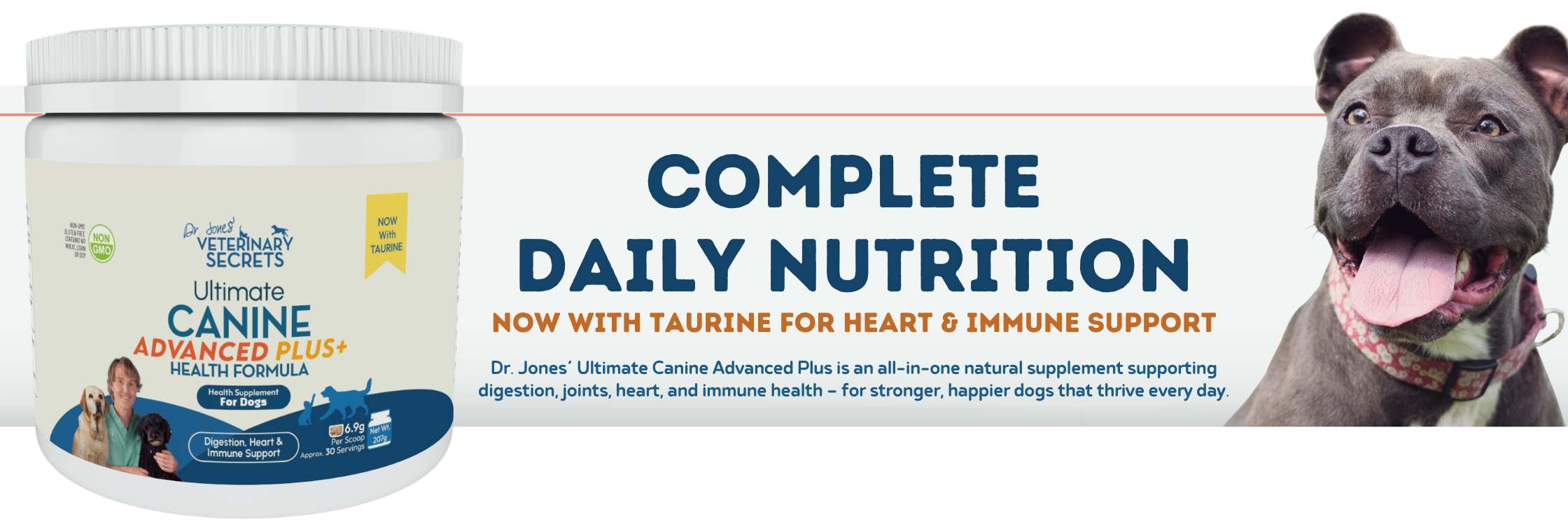
This is not a replacement for safe anesthesia protocols.
It is general support for organ function and recovery.
Think of it this way:
You want the clinic team doing their part.
And you want your pet’s body as supported as possible before and after the procedure.
Step-by-Step: What to Do Before Your Pet Has Surgery
Step 1: Ask About Pre-Anesthetic Testing
Ask what testing is recommended based on your pet’s age, health, and procedure.
Step 2: Ask Who Monitors Anesthesia
Find out whether a trained person is monitoring your pet throughout anesthesia and recovery.
Step 3: Ask About Records
Ask whether an anesthesia monitoring sheet will be used.
Step 4: Ask About Equipment Checks
Ask whether the anesthesia machine is checked daily and whether vaporizers are calibrated.
Step 5: Ask About Checklists
Ask whether the team uses a surgical or anesthesia checklist.
Step 6: Ask About Temperature Support
Ask how they prevent hypothermia before, during, and after anesthesia.
This is the big one.
Step 7: Ask About Recovery Monitoring
Ask how long your pet will be monitored after surgery and when they are considered safe to go home.
Step 8: Support Your Pet’s Body
Before and after surgery, support your pet’s overall health with good nutrition and appropriate nutrients.
The pasted content mentions vitamins, minerals, antioxidants, amino acids, essential fatty acids, probiotics, and colostrum.
Final Thoughts
Veterinary anesthesia is much safer when the team is prepared, the equipment is checked, the records are kept, the patient is monitored, the checklist is used, the operating room is clean, and hypothermia is prevented.
Yes, even veterinarians make mistakes.
Yes, I made some of these myself.
But the point is not blame.
The point is better care.
If your dog or cat is going in for anesthesia, ask questions.
Ask about the preoperative exam.
Ask about monitoring.
Ask about records.
Ask about equipment.
Ask about checklists.
And most of all, ask how they prevent hypothermia.
You are not being difficult.
You are being your pet’s advocate.
Click To Get A Free Copy of My E-Book!

P.S. I know it can feel intimidating, but ask your veterinarian about their surgical anesthesia protocols, especially how they prevent hypothermia.
Feel free to share these suggestions.
A good conversation before surgery can help your dog or cat have a safer experience.
P.P.S. An easy way to help your pet better handle anesthesia and recover quicker is to support the liver and other organs with studied nutrients at levels that are actually helpful for dogs.
That includes vitamins, minerals, antioxidants, amino acids, essential fatty acids, probiotics, and colostrum.
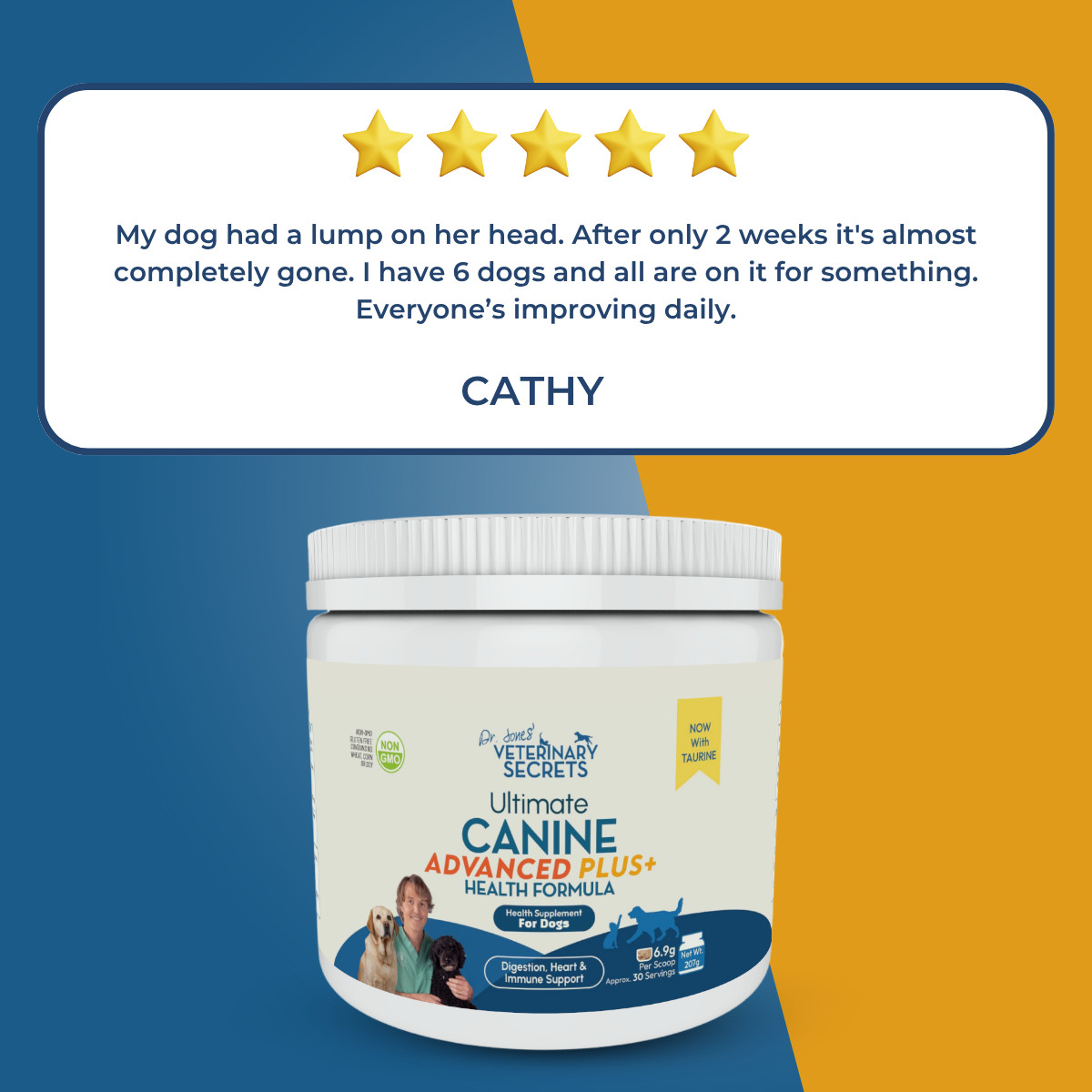
These are included in Dr. Jones’ Ultimate Canine Advanced Plus Health Formula.



Anesthetic Safety Protocol List- Suggested Amendments
Might consider adding. Does the anesthetic machine have a – pop-off occlusion valve – to prevent pulmonary barotrauma? This is a cheap system modification that avoids relying on memory for safety during a busy surgery environment. This eliminates a single point failure.
Another possible addition. Does the anesthetic machine have a – reverse PEEP positive pressure relief valve? This provides positive pressure relief if the pop-off valve stays closed to prevent barotrauma.
There are a lot of older & second hand anesthetic machines still in service from when manufactures did not supply these basic safety features.
Another addition. Does the clinic have a – dedicated crash cart? Things can go wrong fast in surgery and fumbling for drugs and equipment can have terrible outcomes. I find that most front line vet clinics don’t do this basic safety protocol.
REF:
https://vasg.org/pop-off_occlusion_valves.htm
https://www.vasg.org/reverse_peep_safety_valve.htm
We agree that these safety checks deserve a place on the list, especially with older anesthesia machines still in use. A dedicated crash cart is another simple but very important layer of preparedness. When things go sideways, you want the equipment ready, not playing hide and seek! Thanks for adding these.