Food Trial for Dog and Cat Food Allergies: How to Do It Right


Can You Rule Out a Dog or Cat Food Allergy at Home?
Yes, but only if you do a proper food trial.
Most pet parents with an itchy dog or cat have not actually done a true food trial. They may have changed food brands, switched proteins, tried “sensitive skin” kibble, or removed one ingredient for a few days. That is not the same thing.
A real food trial means feeding one special diet, with no other foods, treats, flavored supplements, or extras, for long enough to see if the allergy symptoms improve.
If food is the trigger, changing the diet can be far better for your dog or cat than having to use an array of treatments for environmental allergies.
That said, you still need to manage the underlying inflammation. Omega-3 fatty acids can be very helpful for this, especially for itchy, inflamed skin.
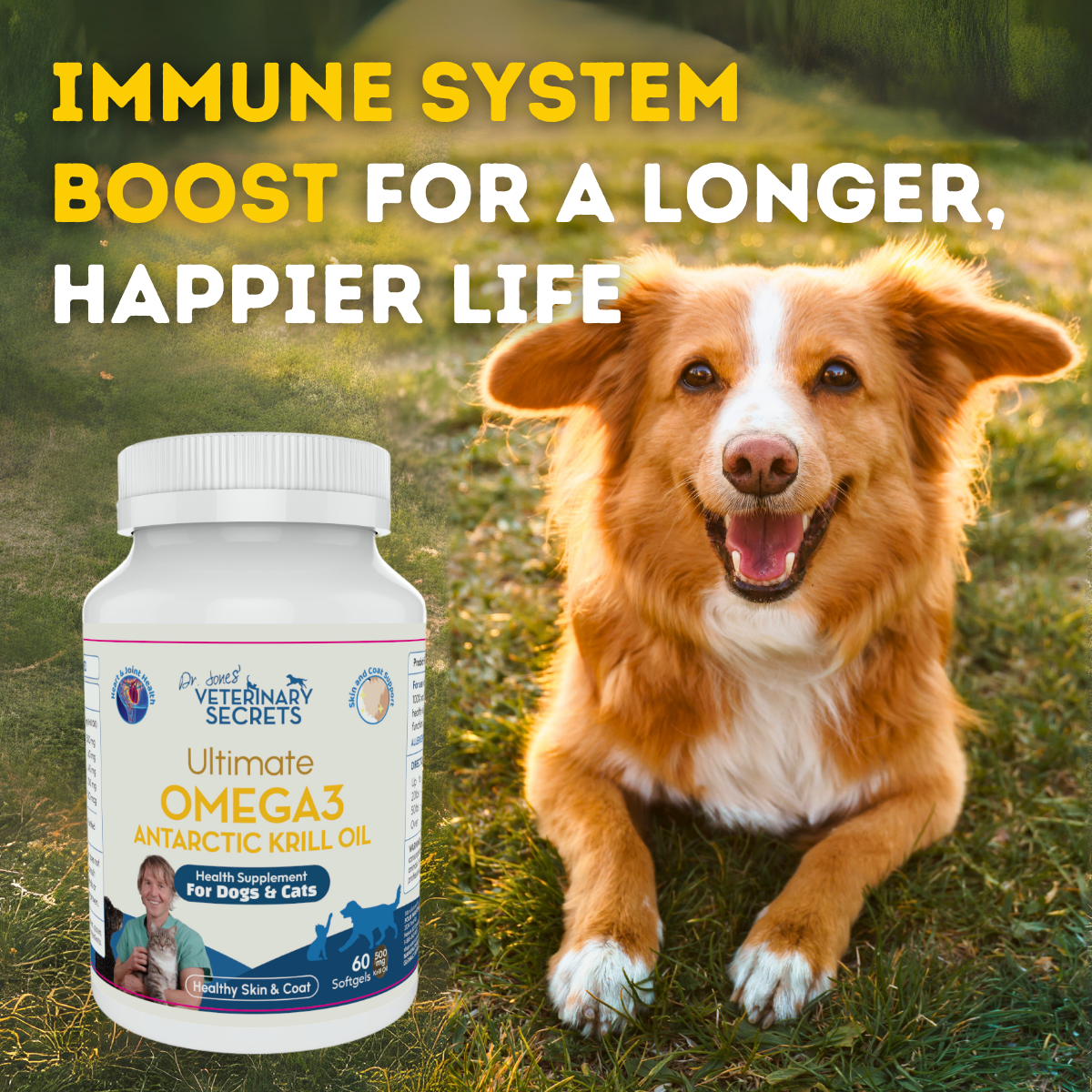
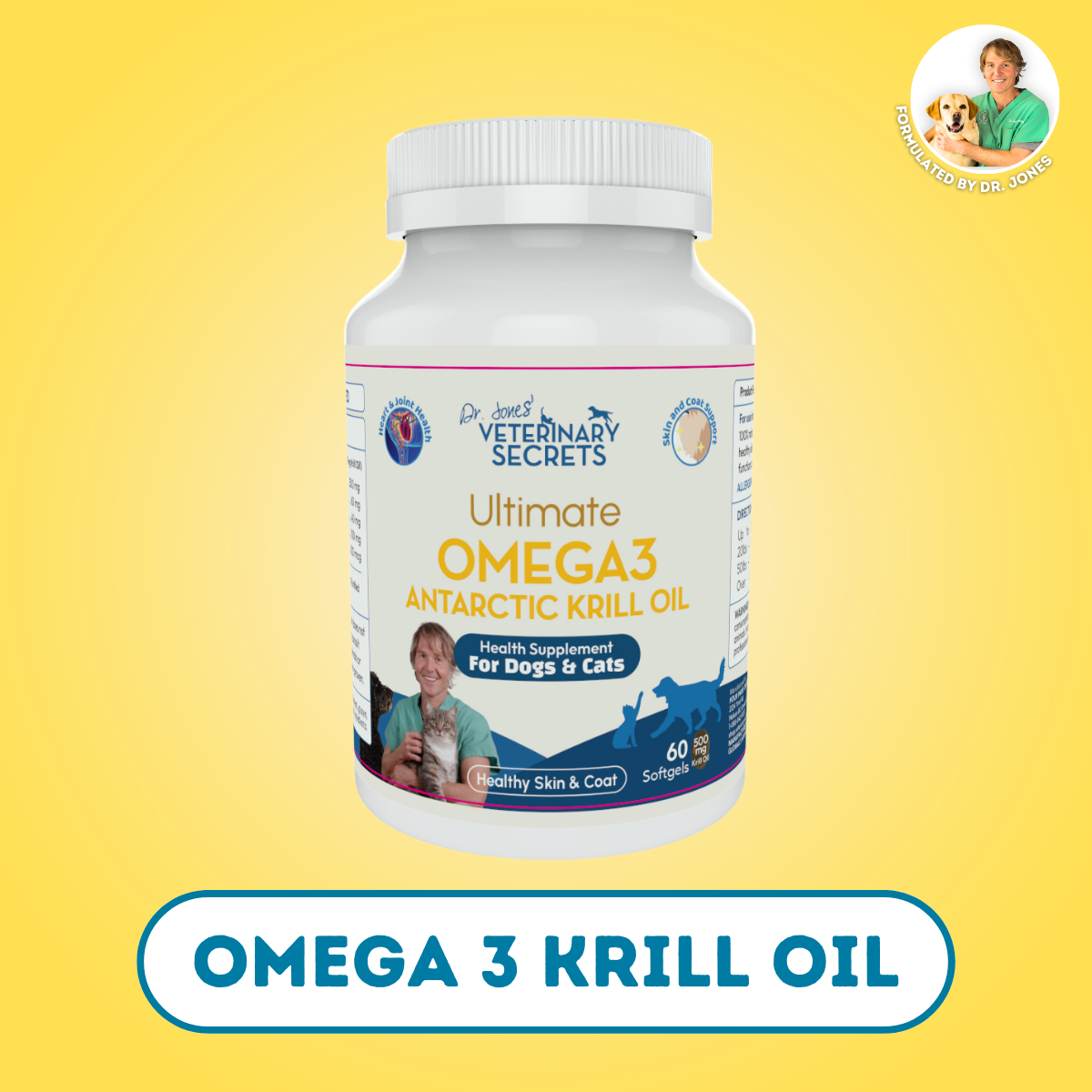
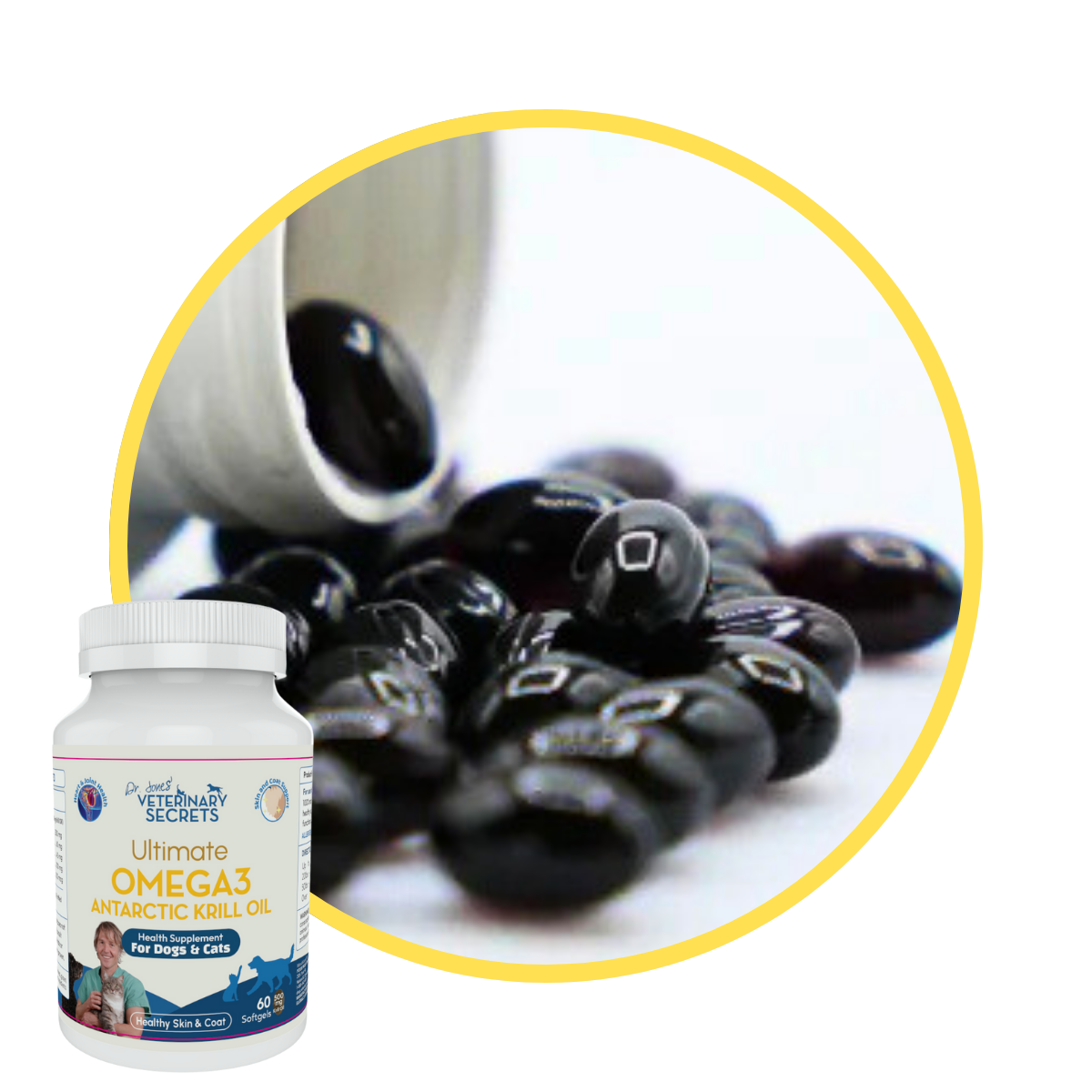
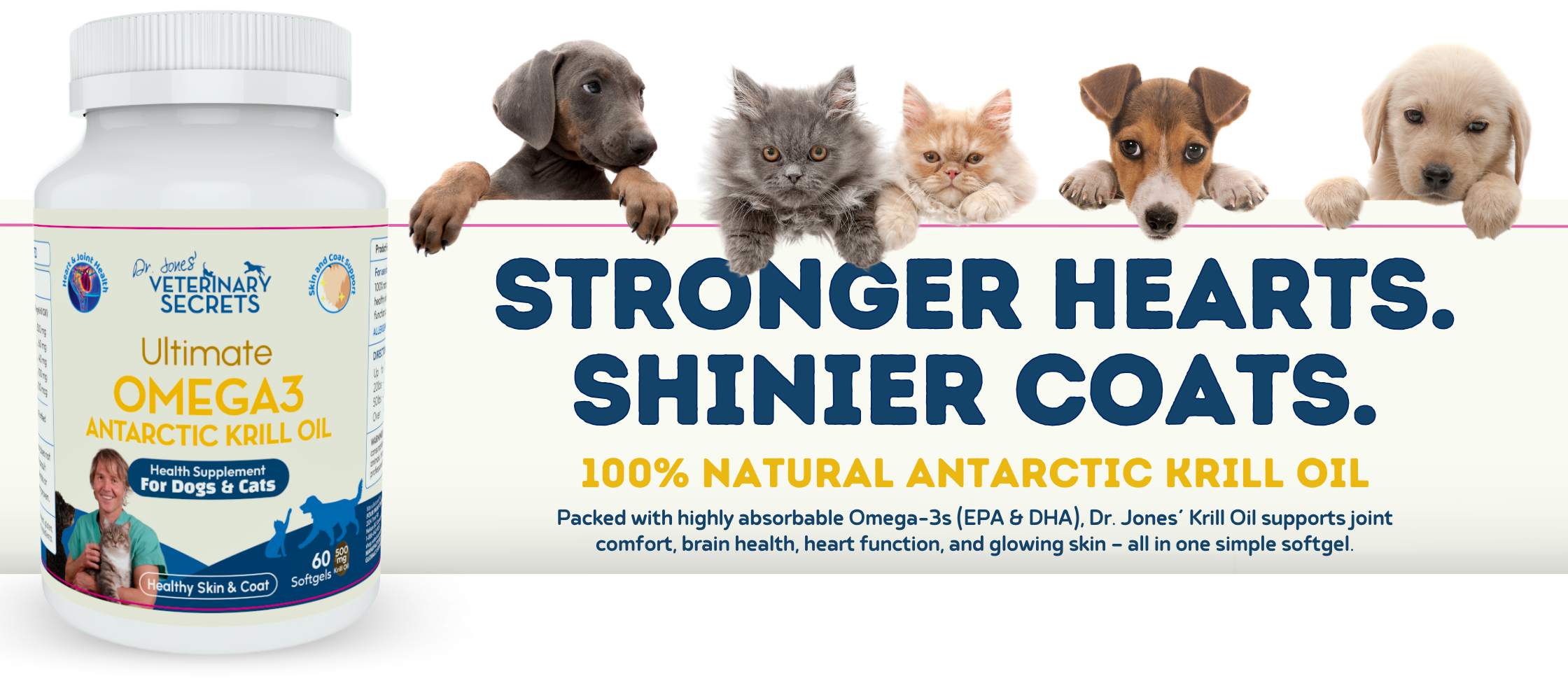
Dr. Jones’ Ultimate Omega 3 Formula for Dogs and Cats

What Is a Food Allergy in Dogs and Cats?
A food allergy happens when your dog or cat’s immune system reacts to something in the diet.
The most common food allergens in dogs and cats are proteins.
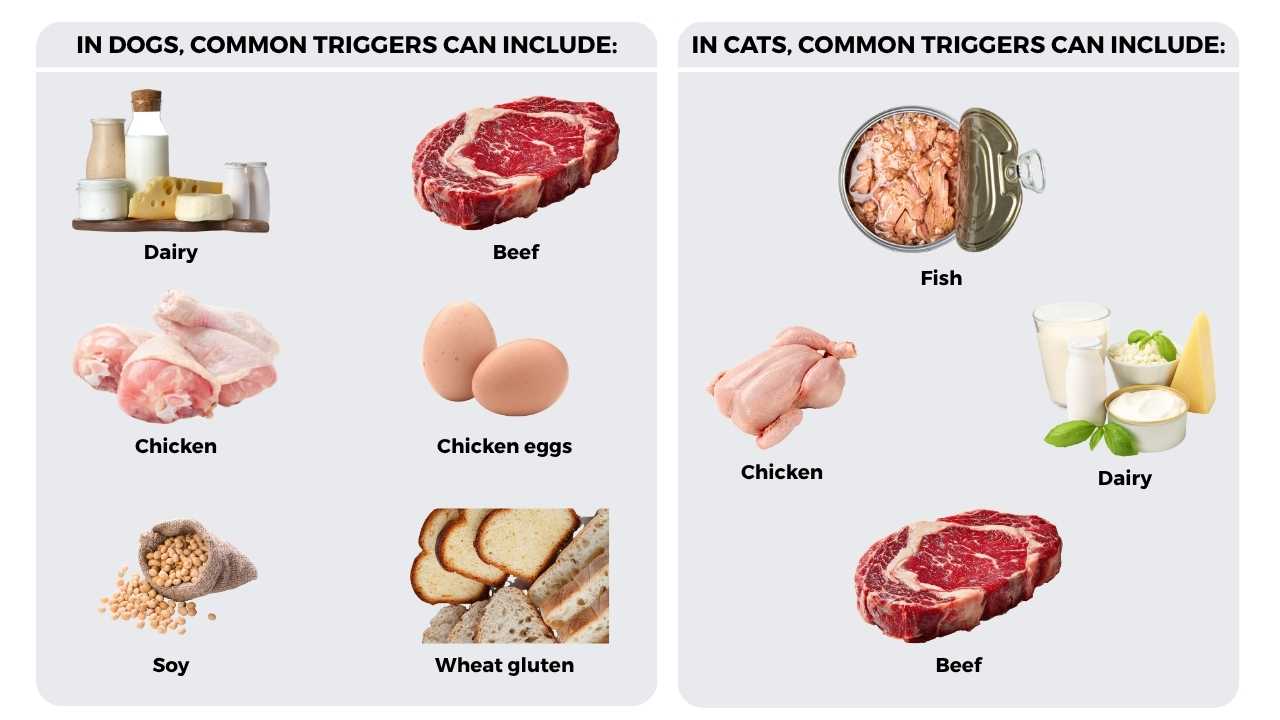
In dogs, common triggers can include:
- Dairy
- Beef
- Chicken
- Chicken eggs
- Soy
- Wheat gluten
In cats, common triggers can include:
- Beef
- Fish
- Chicken
- Dairy
Less common triggers may include:
- Soy
- Wheat
- Gluten
- Coloring
- Preservatives
- Other food additives
Virtually any food ingredient can cause a reaction. Proteins are the most common culprits, but other ingredients and additives can also be involved.
How Common Are Food Allergies in Dogs and Cats?
Up to 15% of dogs and cats can have a food allergy.
That means food may not be the cause for every itchy pet, but it is common enough that it should be ruled out properly.
This is especially true if your pet has ongoing itching, inflamed skin, recurrent ear issues, or digestive upset that keeps coming back.
Why Is a Food Trial Better Than Guessing?
There really is not an easy test for food allergies.
Many blood, saliva, and hair tests are available through clinics or online, but there is no proof that most of them work.
The exception mentioned in the source content is Dr. Jean Dodds’ test, which is for food sensitivity, not food allergy.
The best method we currently have for diagnosing food allergies is a dietary elimination trial.
That is the gold standard.
Not glamorous. Not flashy. But it works when done properly.
What Is a Proper Elimination Diet Trial?
A proper food trial means feeding a diet that does not contain any ingredients your dog or cat has eaten before.
That special diet must be fed as the only food.

During the trial, your pet should not receive:
- Other pet foods
- Treats
- Table scraps
- Chews
- Flavored vitamins
- Flavored supplements
- Certain flavored parasite preventives
- Any extra food ingredients
Yes, that includes the “just one tiny treat” situation.
One tiny treat can undo the trial.
I know. Your dog will act like you have betrayed them. Stay strong.
How Is a Food Allergy Diagnosed?
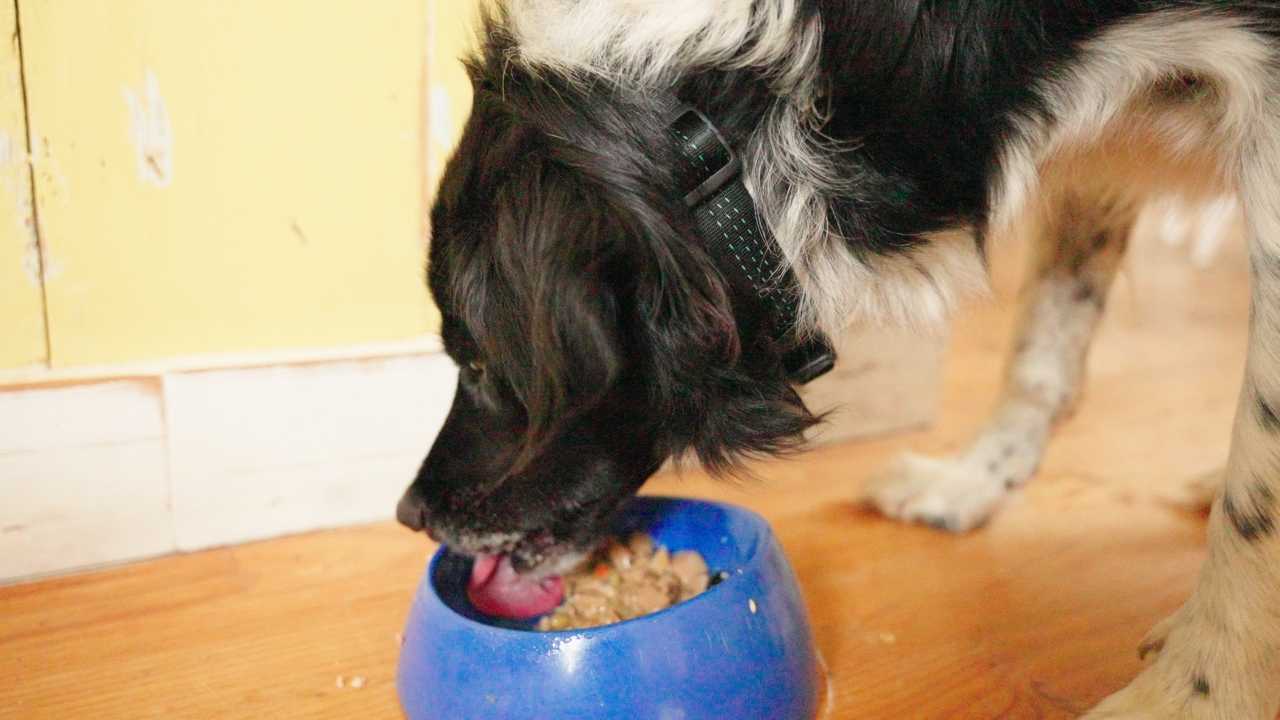
A food allergy is diagnosed in two steps.
Step 1: Feed the Elimination Diet
Feed the special trial diet only.
If your pet’s allergy symptoms improve while on the food trial, that tells us food may be involved.
Step 2: Do a Food Challenge
After improvement, reintroduce your pet’s old food.
If the symptoms return within one week of the food challenge, your dog or cat has been definitively diagnosed with a food allergy.
That is the key part many people skip.
If symptoms improve on the food trial and return when the old food comes back, you have your answer.
Are Commercial Hypoallergenic Diets Really Hypoallergenic?
There are no diets that are completely hypoallergenic, meaning guaranteed not to cause allergies.
Dogs and cats can be allergic to almost any protein or carbohydrate ingredient found in pet food.
The closest option we have is a veterinary hydrolyzed protein diet.
Hydrolyzed diets break protein molecules into pieces so small that your pet’s immune system is less likely to recognize them.
Examples include:
- Hill’s Prescription Diet z/d®
- Royal Canin Hypoallergenic Hydrolyzed Protein®
- Royal Canin Anallergenic™
- Purina ProPlan Veterinary Diets HA Hydrolyzed®
These are usually purchased through veterinarians.
Can You Do a Homemade Food Trial?
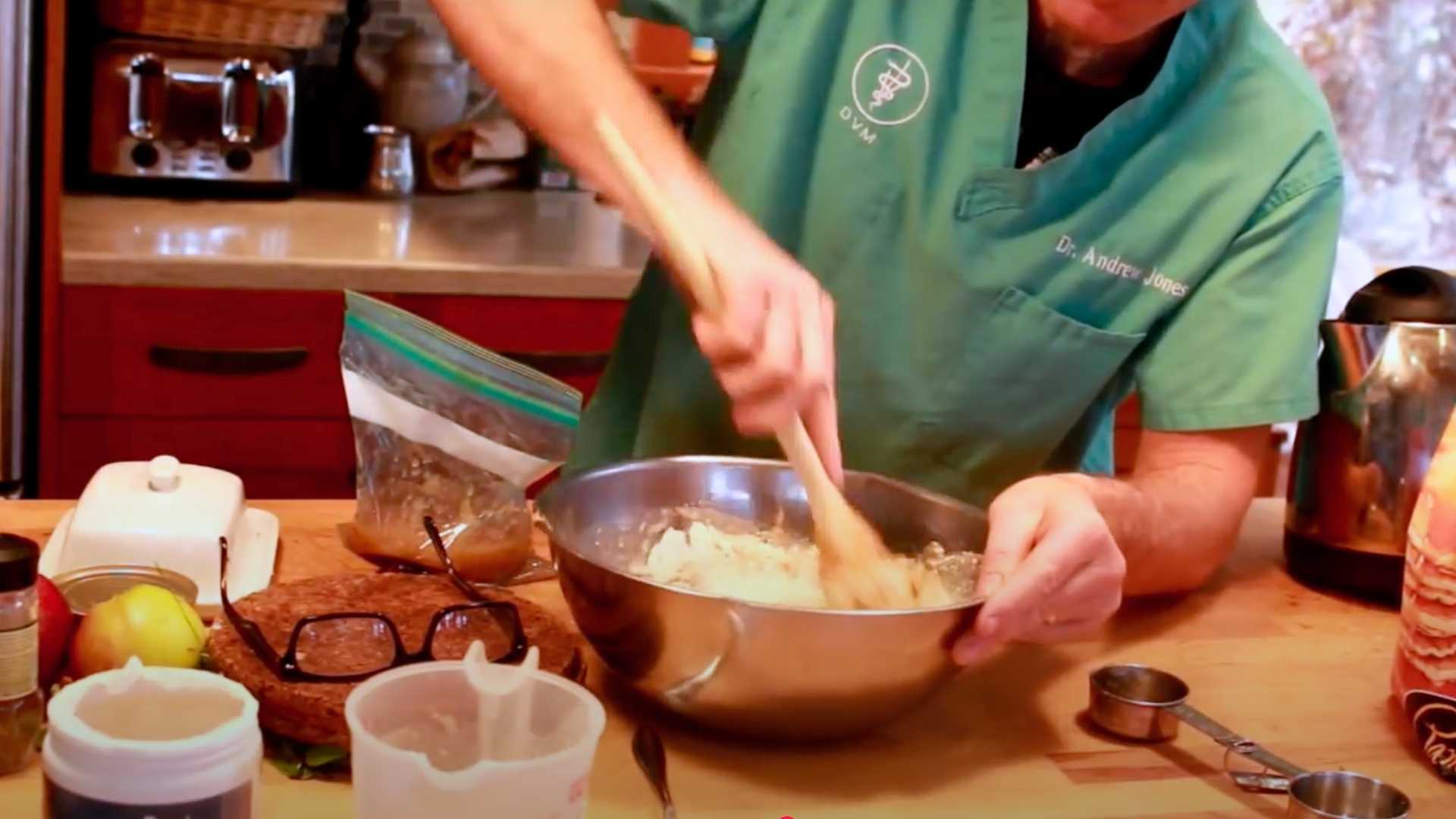
Yes, and for many pet parents, a simple homemade food trial can be an easier way to start.
The goal is not to create the world’s most perfect long-term diet right away. The goal is to rule out food allergy.
If the food trial continues long term, then nutrients like calcium become more important.
Simple Homemade Dog Food Trial Recipe
This recipe uses turkey, brown rice, vegetables, sunflower oil, krill oil, and optional calcium.
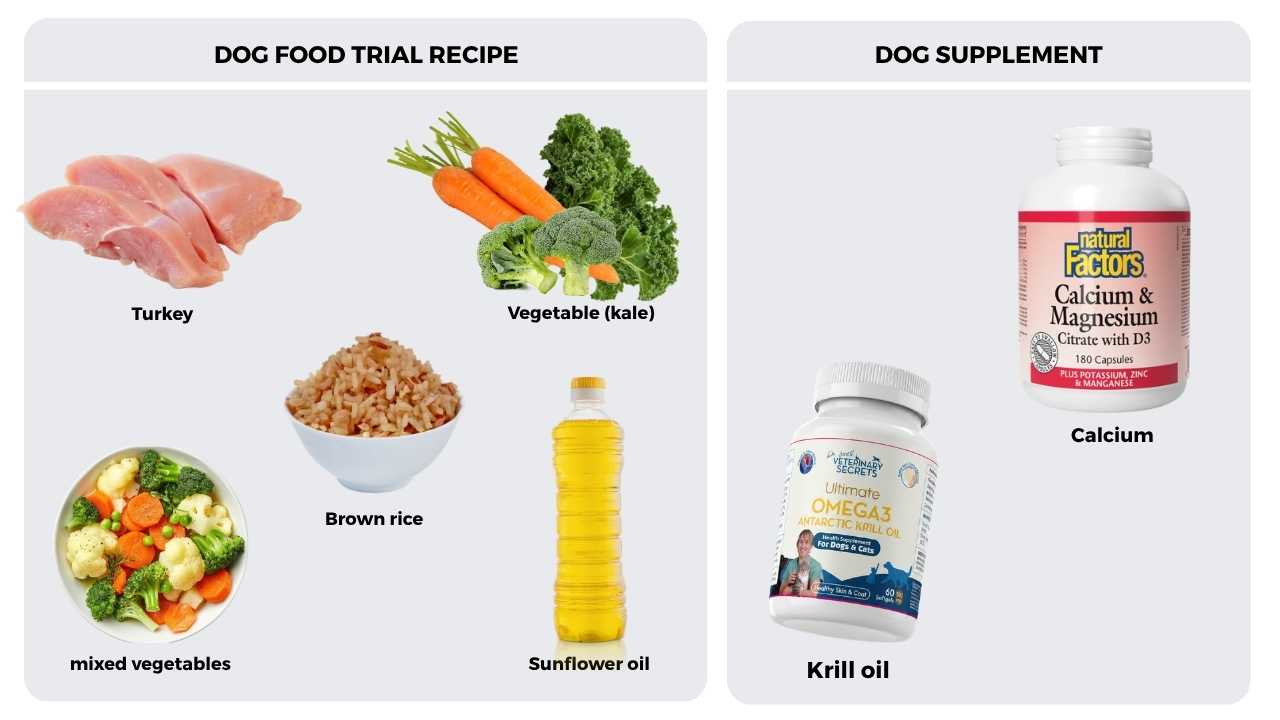
Dog Food Trial Recipe
| Ingredient | Amount |
|---|---|
| Turkey, chopped and cooked | 1 lb |
| Brown rice, cooked | 2 cups |
| Vegetable, such as kale | 2 cups |
| Or frozen mixed vegetables | 1 cup |
| Sunflower oil | 2 tablespoons |
| Krill oil | 1000 mg |
| Calcium | 1 teaspoon, 1000 mg |
For the vegetables, you can cook kale with the turkey, or use frozen mixed vegetables.
Calcium is less critical for a short food trial. It is more important if this diet is being fed long term.
If you are adding calcium, consider calcium powder. Many dogs can have allergies to eggs, so I would avoid eggshells during a food trial.
How Much to Feed a 50 lb Dog
For a 50 lb dog:
- Feed 1/2 of the recipe twice daily
- This equals about 2 cups, twice daily
Simple Homemade Cat Food Trial Recipe
This cat food trial recipe uses turkey, sunflower oil, krill oil, taurine, and optional calcium.
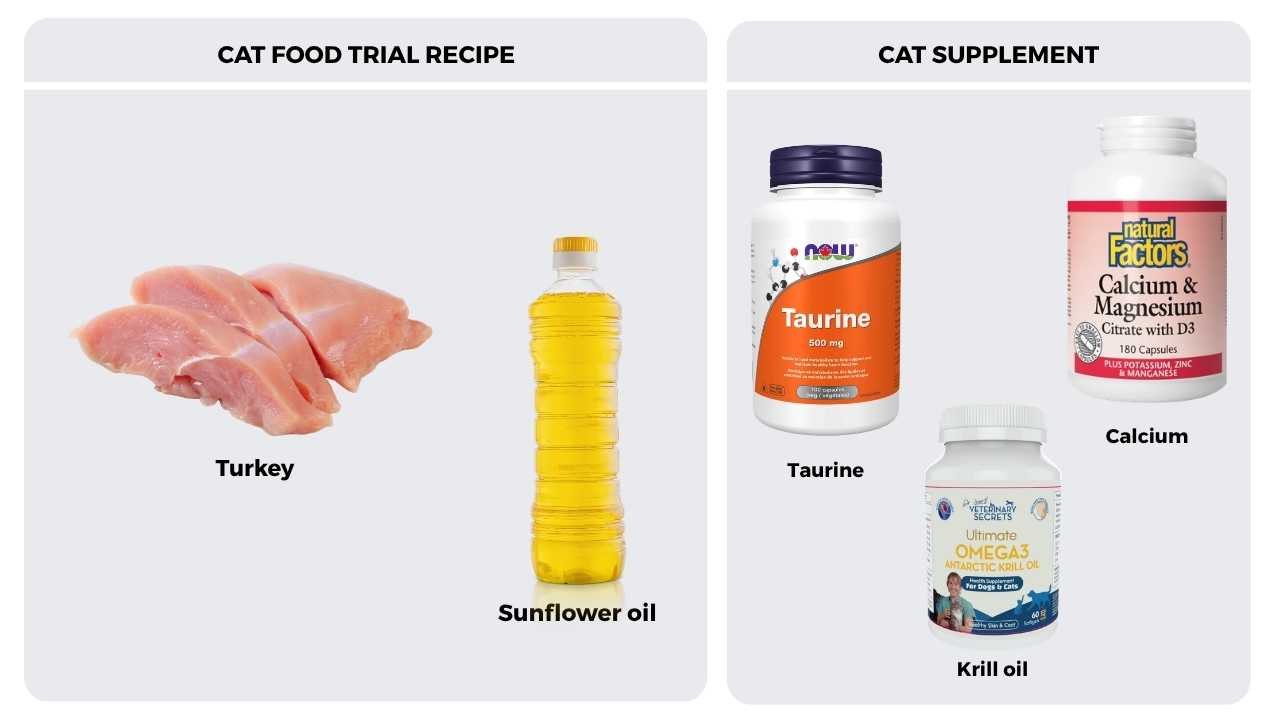
Cat Food Trial Recipe
| Ingredient | Amount |
| Turkey, chopped and cooked | 1 lb |
| Sunflower oil | 1 tablespoon |
| Krill oil | 1000 mg |
| Taurine | 500 mg |
| Calcium | 1 teaspoon, 1000 mg |
Calcium is less critical for a short food trial. It is mainly needed if this diet is being fed long term.
How Much to Feed a 10 lb Cat
For a 10 lb cat:
- Feed 1/2 cup twice daily
- This equals about 1/4 lb, or 115 grams, twice daily
How Long Should a Dog Food Trial Last?

For dogs, feed the trial diet as the only food for:
- Minimum of 6 weeks
- Ideally 12 weeks
About 80% of dogs respond by 6 weeks.
If you stop too early, you may miss the answer.
How Long Should a Cat Food Trial Last?
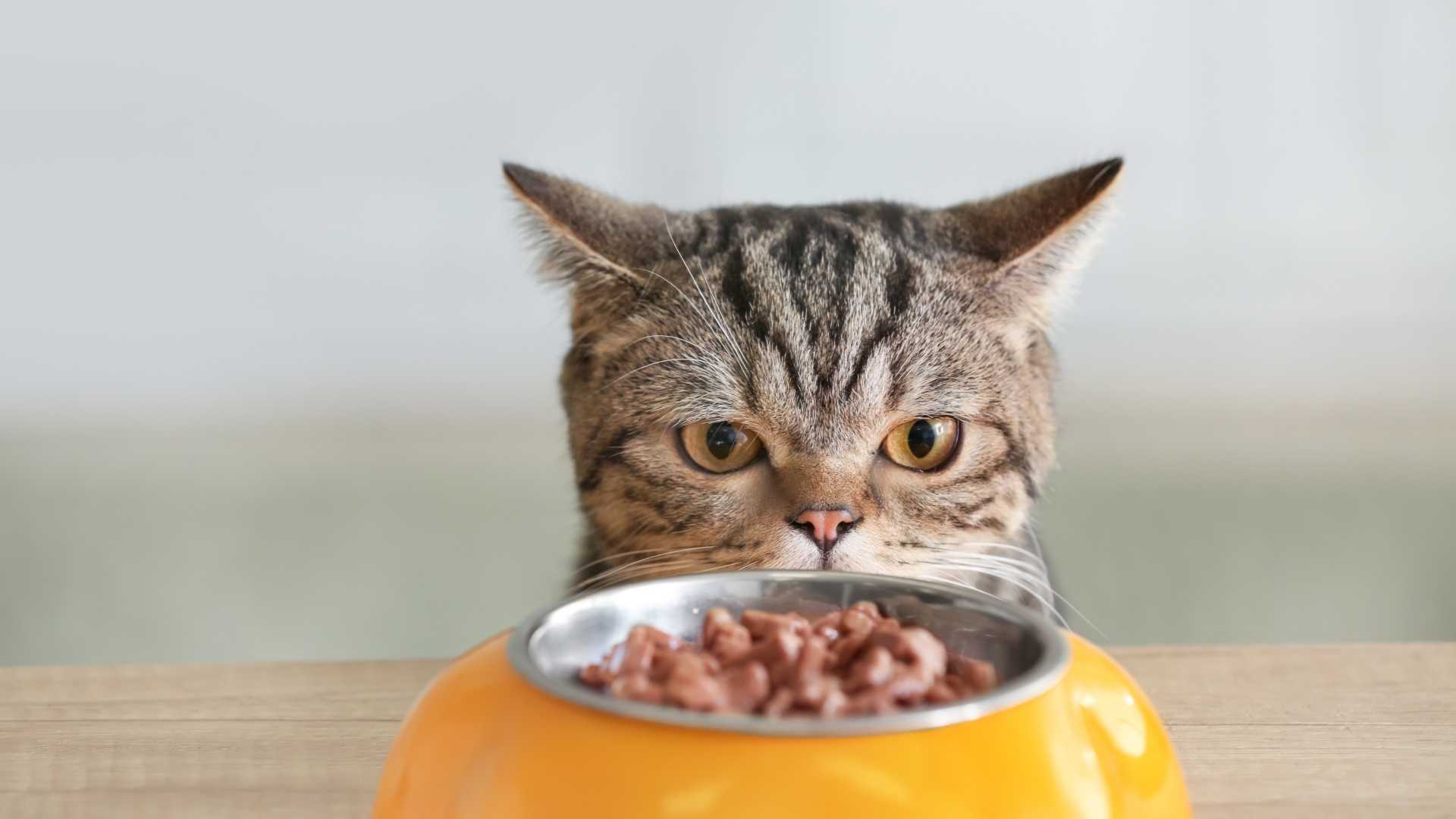
For cats, feed the trial diet as the only food for:
- Minimum of 8 weeks
- Ideally 12 weeks
Cats can take longer to show improvement, so patience matters.
And yes, convincing a cat to eat a new diet may require some diplomacy. Cats are not known for attending committee meetings.
Food Trial Timeline
| Pet | Minimum Trial Length | Ideal Trial Length |
| Dogs | 6 weeks | 12 weeks |
| Cats | 8 weeks | 12 weeks |
What If My Pet Improves During the Food Trial?
If your dog or cat improves, the next step is the food challenge.
Reintroduce the old food.
If the symptoms return within one week, that confirms the food allergy.
After that, you can build a long-term diet plan around the ingredients your pet tolerates.
What If My Pet Does Not Improve?
If your pet does not improve after a proper food trial, then food allergy may not be the main issue.
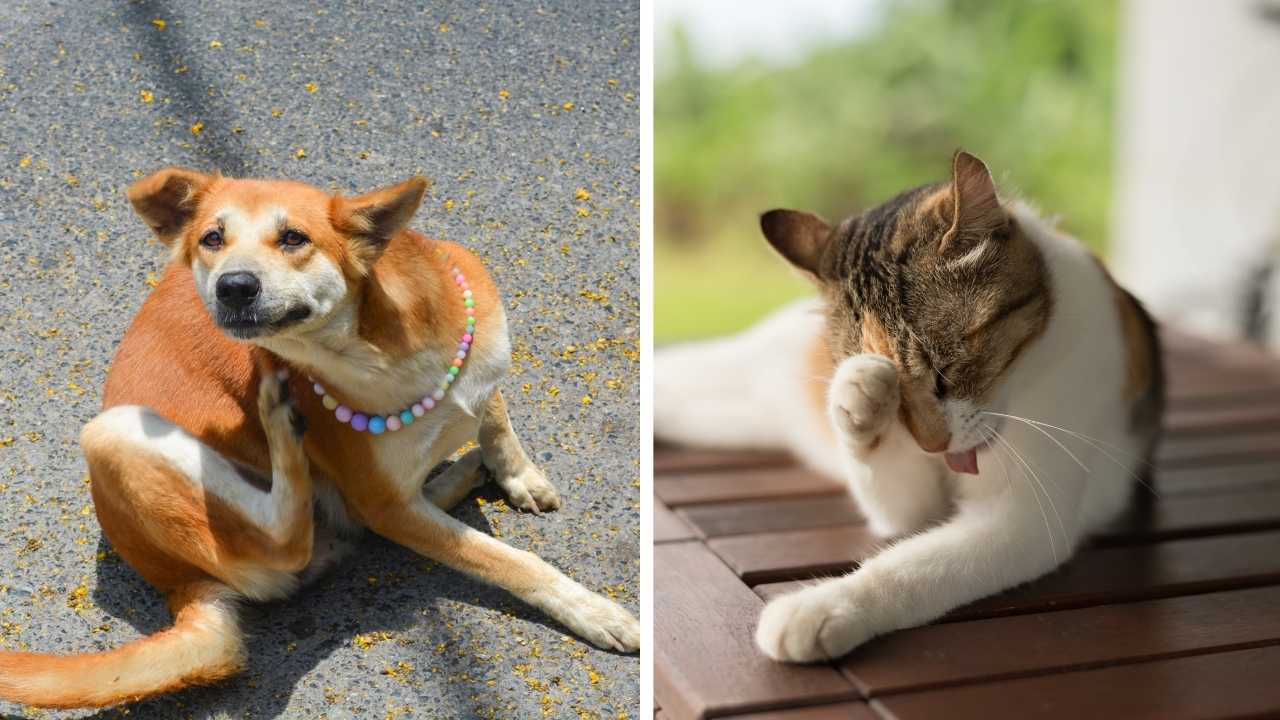
The itching may be more related to:
- Environmental allergy
- Fleas
- Atopy
- Contact allergy
- Secondary skin infection
- Yeast
- Other inflammatory skin disease
At that point, you still want to manage inflammation and support the skin barrier.
This is where supplements such as omega-3 fatty acids may be helpful.
Supplements That May Help Pet Food Allergies
These supplements may help itching, inflammation, and allergy symptoms while you are working through the food trial.
Supplement Guide for Food Allergies
| Supplement | Why It May Help | Suggested Amount |
| Nettle | Herbal antihistamine, rich in B vitamins, iron, and quercetin | 1 tsp tea per 10 lbs daily, or 100 mg dried supplement per 10 lbs daily |
| Licorice root | Acts like a natural steroid for short-term itching | 1/2 ml per 20 lbs twice daily |
| CBD | Anti-inflammatory support | 3 mg per 10 lbs twice daily |
| Quercetin | Anti-itch flavonoid, helpful for allergies | 50 mg per 15 lbs daily |
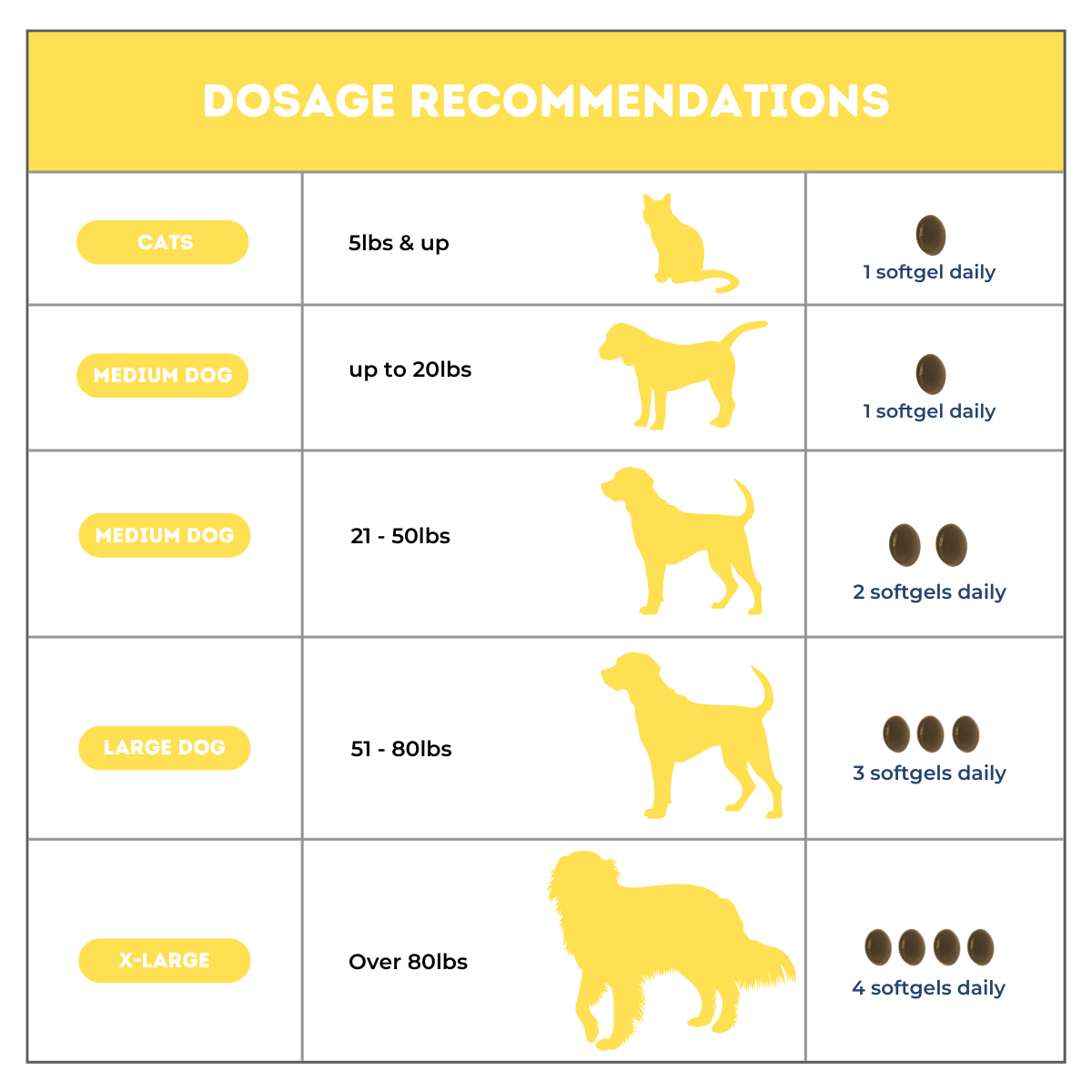
| Omega-3 fatty acids | Anti-inflammatory and skin barrier support | Krill oil 500 mg per 20 lbs daily, or fish oil 1000 mg per 20 lbs daily |
Nettle for Pet Allergies
Nettle can act like an herbal antihistamine.
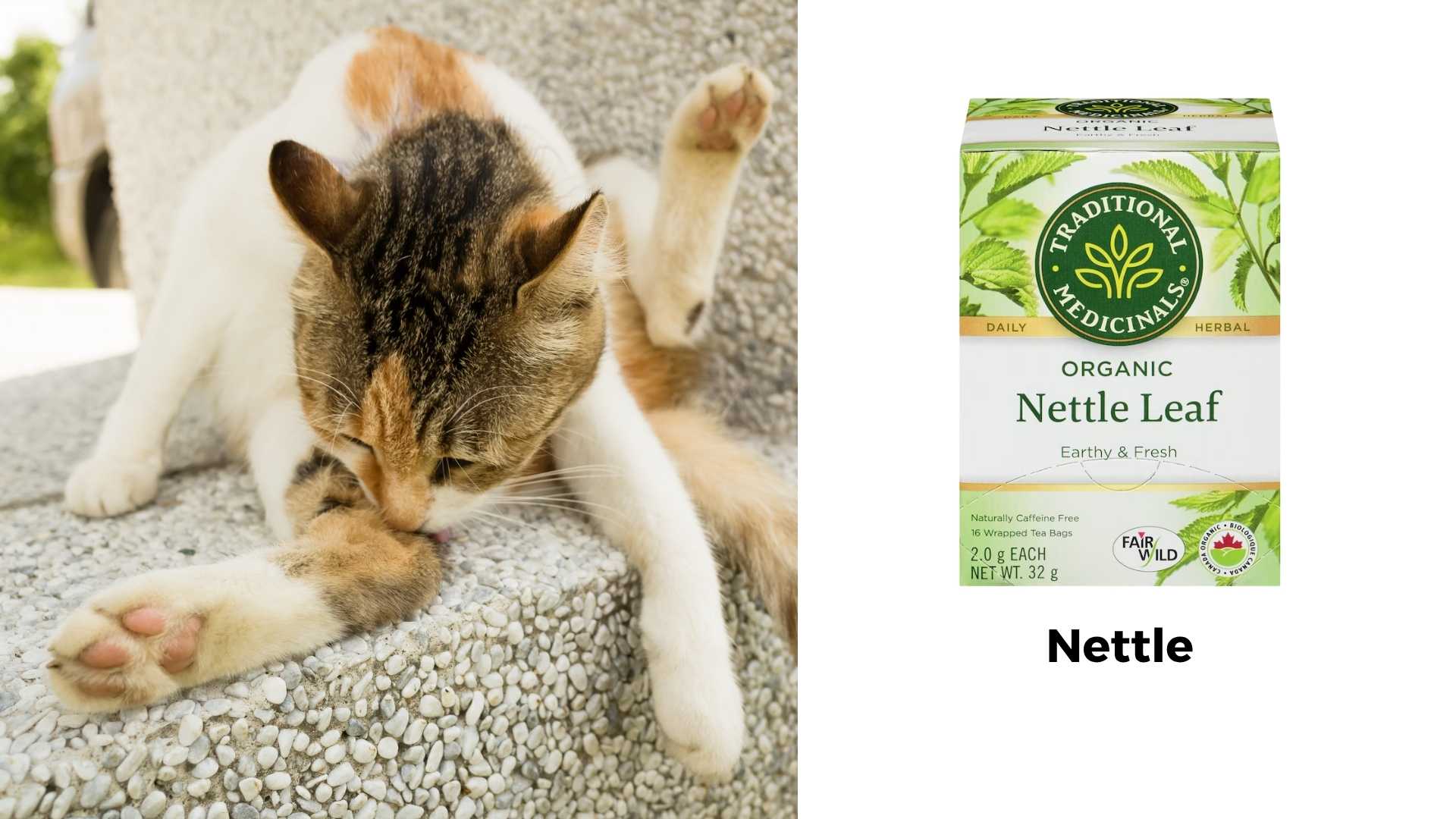
It is rich in:
- B vitamins
- Iron
- Quercetin
It is very safe, and you can give your pet nettle tea daily.
Suggested Amount
Use:
- Nettle tea: 1 teaspoon per 10 lbs daily
- Dried nettle supplement: 100 mg per 10 lbs daily
Licorice Root for Short-Term Itching
Licorice root is considered a natural steroid.
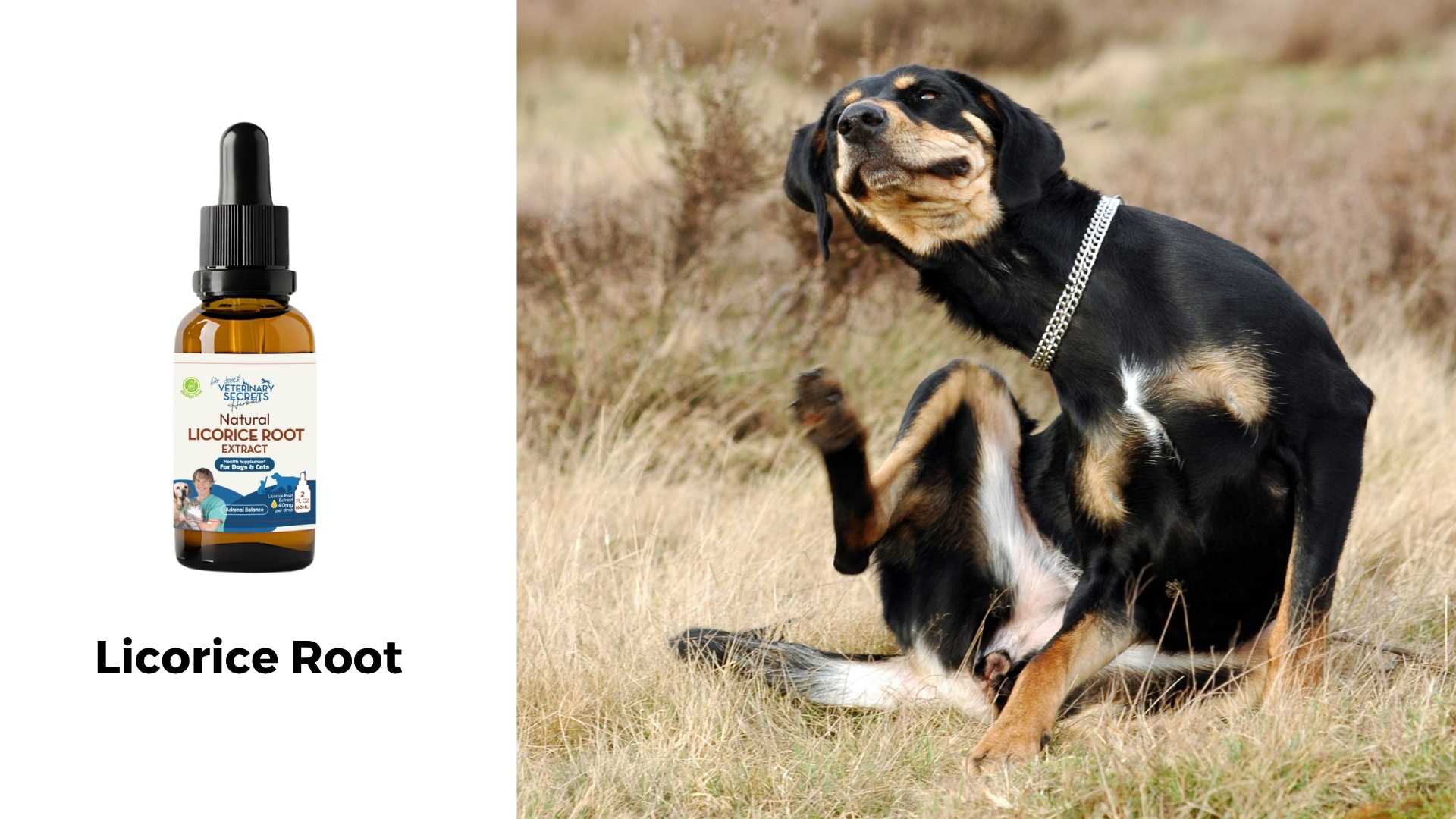
It can be useful short term when you need to quickly calm itching.
Suggested Amount
Use:
- 1/2 ml per 20 lbs
- Twice daily
- Tincture form
Important Caution
Use licorice root for a maximum of 14 days in a row.
CBD for Food Allergies
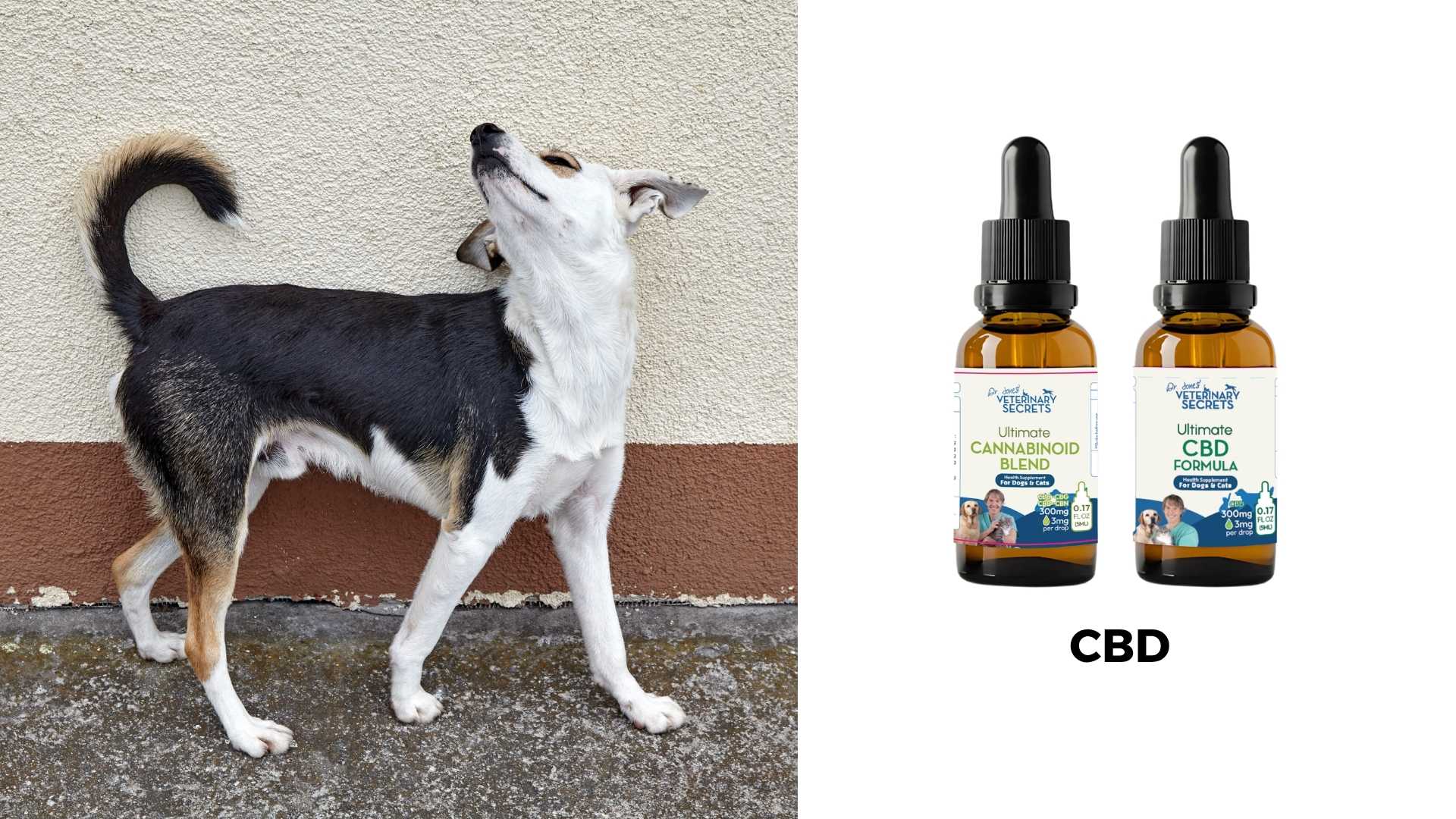
Cannabinoids have potent anti-inflammatory activity and have helped many animals with food allergies.
Suggested Amount
Use:
- 3 mg per 10 lbs
- Twice daily
Quercetin for Itchy Pets
Quercetin is a potent anti-itch flavonoid.
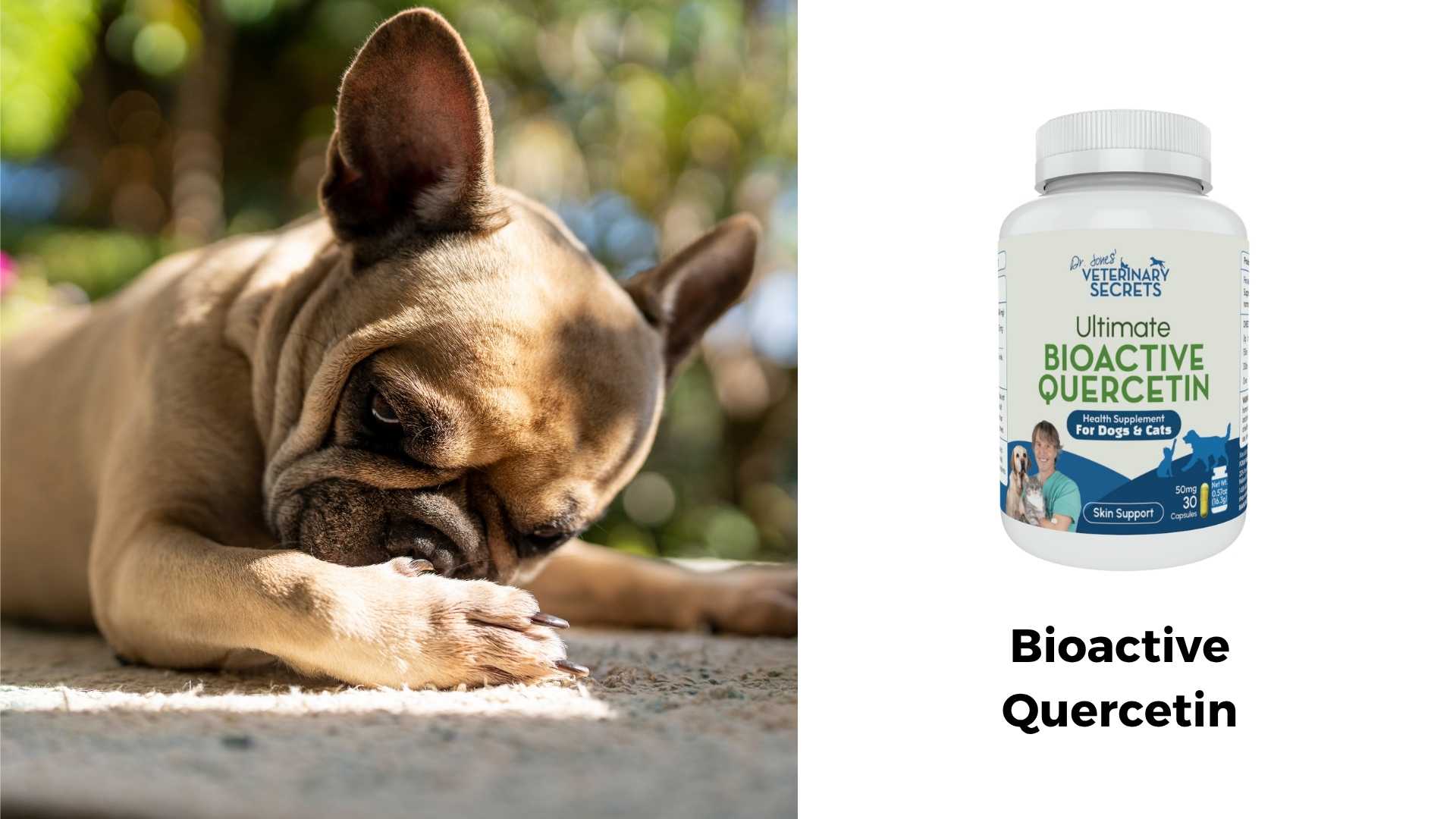
It can be especially helpful for animals with allergies. It is also one I use for my cat Cassian, who has a food allergy.
Quercetin is safe to give long term.
Suggested Amount
Use:
- 50 mg per 15 lbs
- Once daily
Omega-3 Fatty Acids for Skin Inflammation
Omega-3 fatty acids in krill oil are anti-inflammatory.
They have been well documented to help with atopy, meaning they may help reduce inflammation and support the skin barrier.
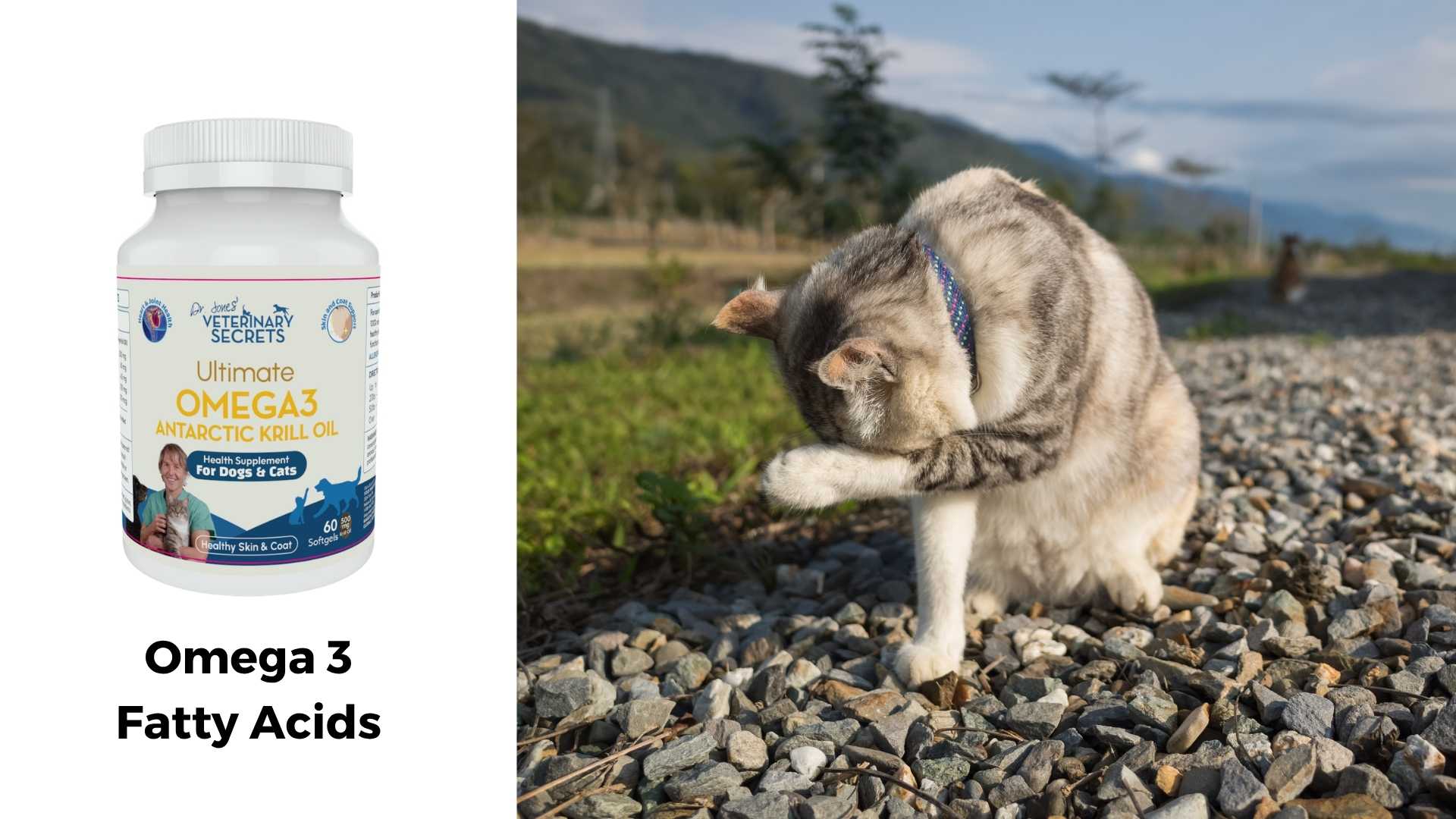
This is one of the supplements I want you thinking about for itchy dogs and cats, especially when chronic inflammation is part of the problem.
Suggested Amount
| Omega-3 Source | Suggested Amount |
| Krill oil | 500 mg per 20 lbs daily |
| Fish oil | 1000 mg per 20 lbs daily |
Unfortunately, many omega-3 supplements from fish oil can be contaminated with toxins. Salmon are higher up the food chain, and toxins can concentrate in fat.
That is why I like krill oil. It is a cleaner option and a great way to support dogs and cats dealing with inflammatory skin disease.
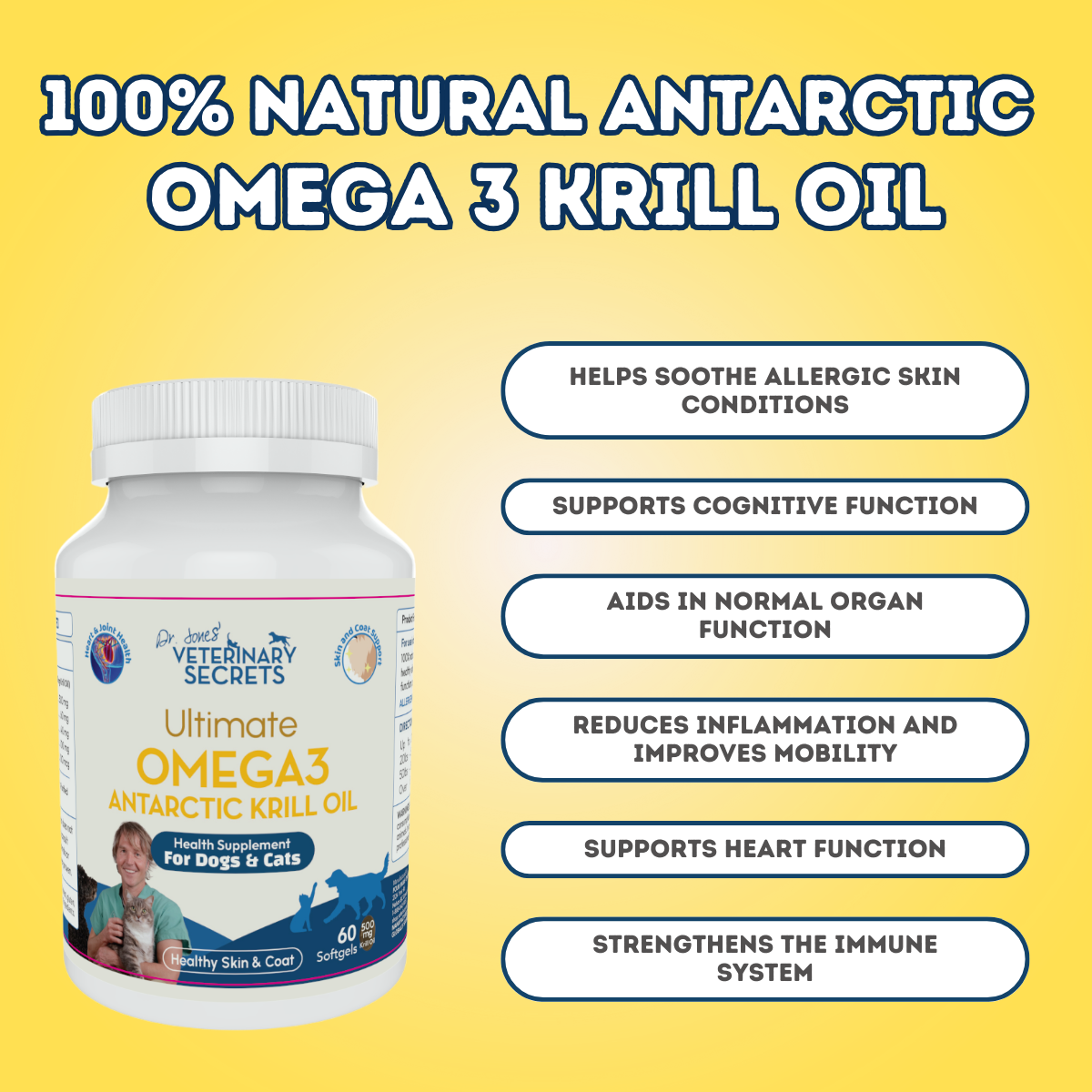
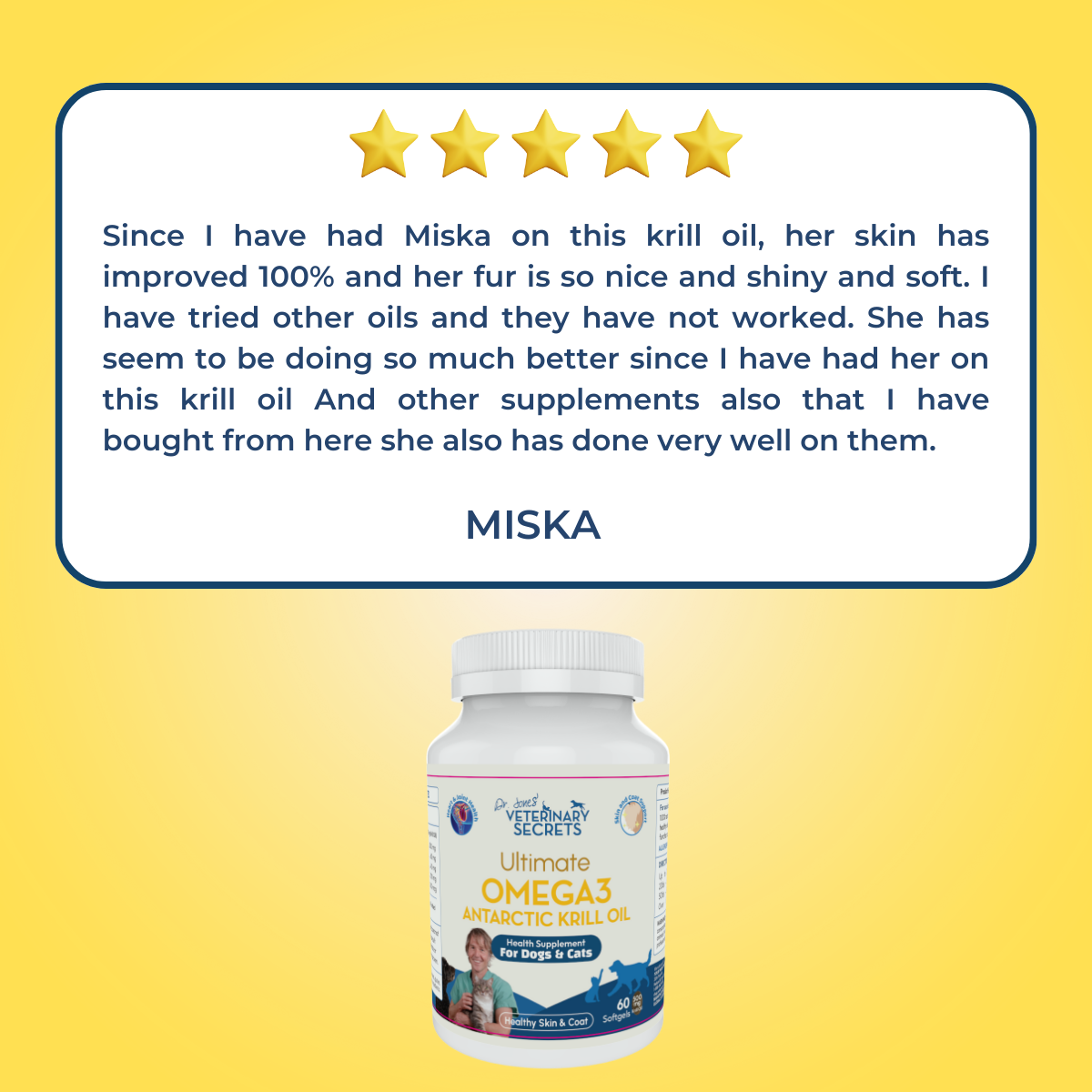
Dr. Jones’ Ultimate Omega 3 Formula for Dogs and Cats
Dr. Jones’ Ultimate Omega 3 Formula uses toxin-free krill oil.
It is designed to help support dogs and cats with inflammatory skin disease, including itchy allergic pets.
If your pet is scratching, chewing, licking, or dealing with chronic skin inflammation, this is one supplement I would consider.
Food trial is Best For
Best For:
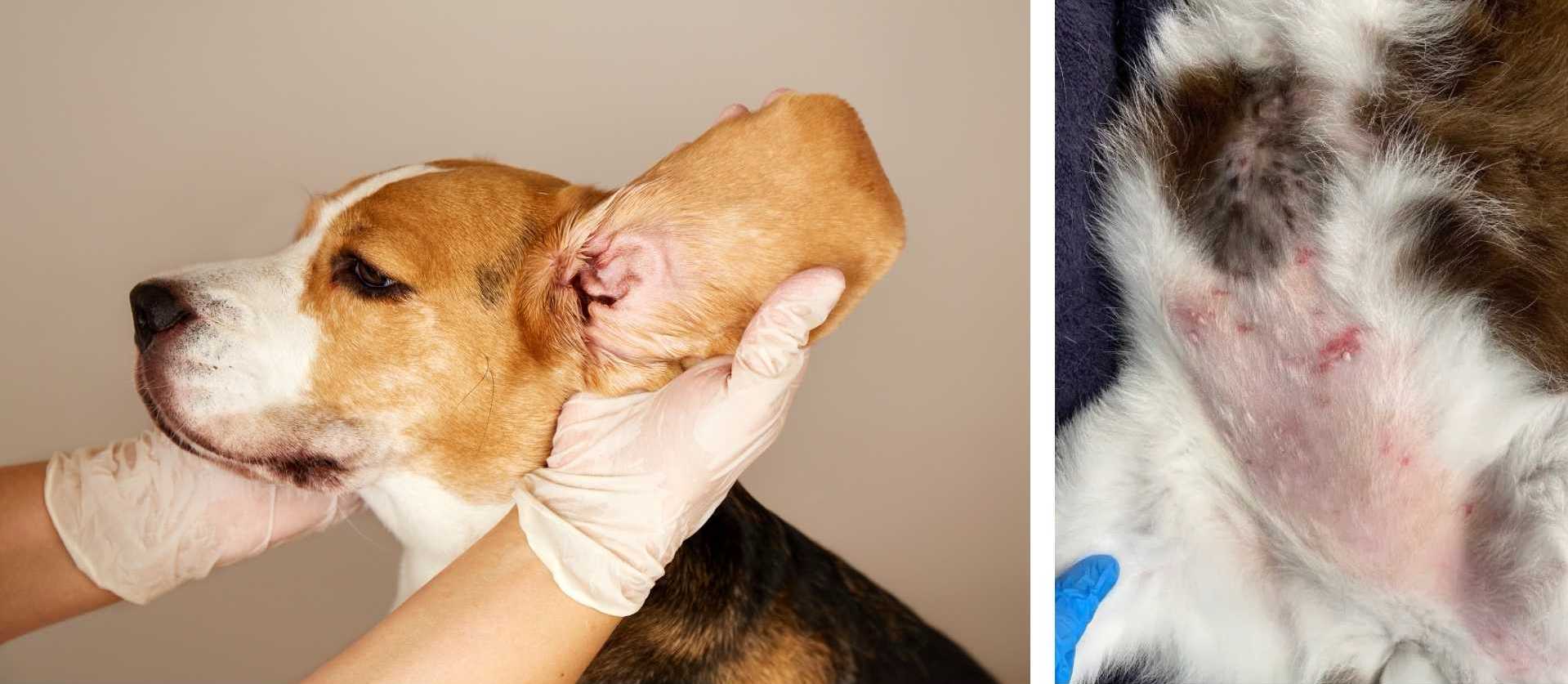
A food trial may be helpful for:
- Itchy dogs
- Itchy cats
- Pets with suspected food allergy
- Pets with chronic skin inflammation
- Pets with recurrent ear issues
- Pets with allergy symptoms that do not fully respond to other treatments
- Pets whose symptoms may be linked to diet
Pros and Cons of a Food Trial
Pros
- Best way to diagnose food allergy
- Can reduce the need for multiple allergy treatments
- Helps identify food triggers
- Can be done with a veterinary diet or simple homemade diet
- Gives you a clearer long-term plan
Cons
- Requires strict feeding
- Takes 6 to 12 weeks
- No treats or extras allowed
- Cats may resist diet changes
- Homemade diets may need balancing if fed long term
- One mistake can confuse the results
Step-by-Step Food Trial Plan

Step 1: Choose the Trial Diet
Pick either a veterinary hydrolyzed diet or a simple homemade diet using ingredients your pet has not eaten before.
Step 2: Remove Everything Else
No treats, scraps, flavored supplements, flavored vitamins, or extra chews.
Only the trial diet.
Step 3: Feed Long Enough
Feed the trial diet for:
- Dogs: minimum 6 weeks, ideally 12 weeks
- Cats: minimum 8 weeks, ideally 12 weeks
Step 4: Track Symptoms
Watch for changes in:
- Itching
- Licking
- Chewing
- Ear inflammation
- Skin redness
- Hair loss
- Stool quality
- Digestive symptoms
Step 5: Do the Food Challenge
If symptoms improve, reintroduce the old food.
If symptoms return within one week, food allergy is confirmed.
Step 6: Build a Long-Term Plan
Once you know food is the issue, choose a long-term diet that avoids the trigger ingredients.
If using homemade food long term, make sure it is balanced.
Final Thoughts
If your dog or cat is itchy, food allergy needs to be ruled out properly.
Switching from one chicken kibble to another chicken kibble is not a food trial. Giving a “hypoallergenic” treat during the trial is not a food trial. Sneaking in a flavored chew because your dog gave you sad eyes is also not a food trial.
A true food trial means one diet, no extras, and enough time.
For dogs, think 6 to 12 weeks. For cats, think 8 to 12 weeks.
If symptoms improve, then return after the old food is reintroduced, you have your answer.
Simple. Strict. Very useful.
And while you are working through the diet, support the inflammation. Omega-3 fatty acids from krill oil are one of my favorite options for itchy, inflamed skin.
Click To Get A Free Copy of My E-Book!

P.S. If your dog or cat is scratching like mad, do not skip the food trial.
You may be dealing with environmental allergy, yes. But if food is the trigger, changing the diet is a far better plan than piling on treatment after treatment and still wondering why your pet is itchy.
Start simple.
One food trial diet. No treats. No flavored extras. Give it enough time.
And while you are doing that, support the skin with omega-3 fatty acids. Dr. Jones’ Ultimate Omega 3 Formula uses toxin-free krill oil, and it is one I would consider for dogs and cats with inflammatory skin disease.
Less guessing. Better food. Calmer skin.
That is the goal.