Natural Tick Prevention Pets: Tick-Borne Diseases in Dogs and Cats + DIY Sprays

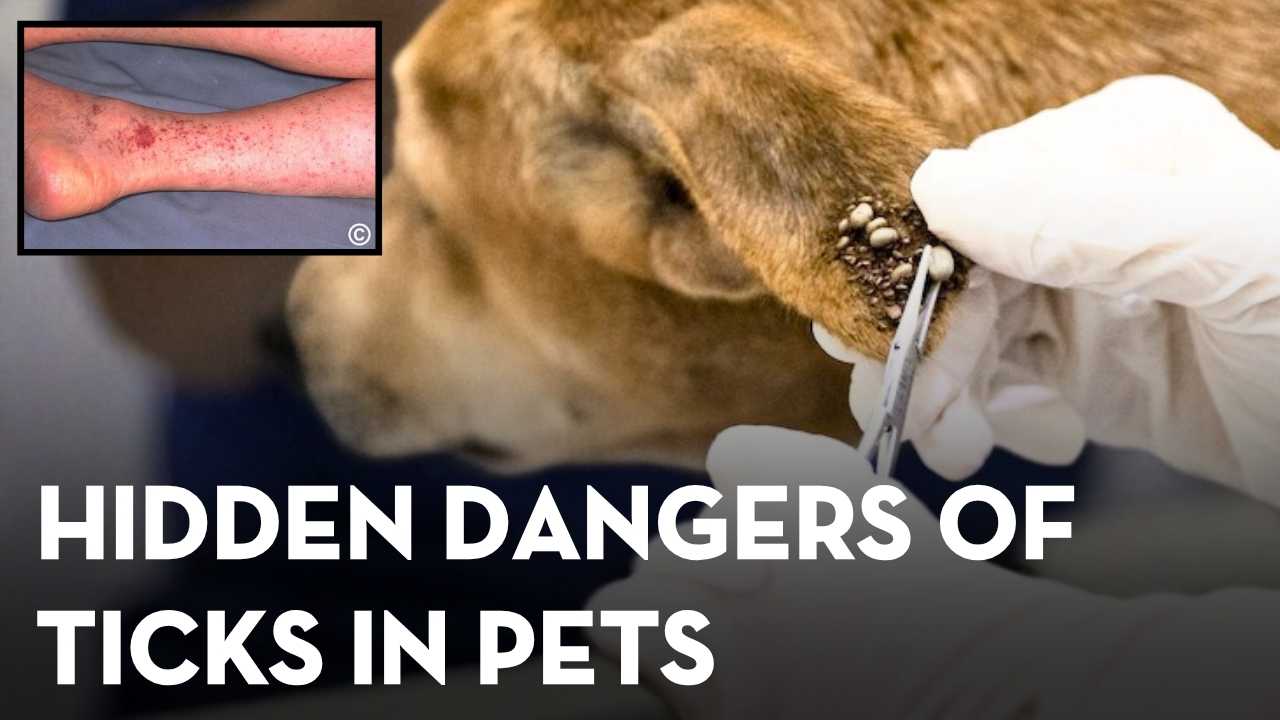
No one likes ticks.
Unfortunately, as tick populations continue to increase, we are seeing far more tick-borne illnesses in both dogs and cats. And one of the hardest things about these diseases is that the signs often do not show up until days or even weeks later.
By then, your dog may suddenly be limping.
Your cat may stop eating.
And many pet parents are left wondering what happened.
The good news is this:
If you know what to watch for and focus on prevention early, you can dramatically reduce your pet’s risk.
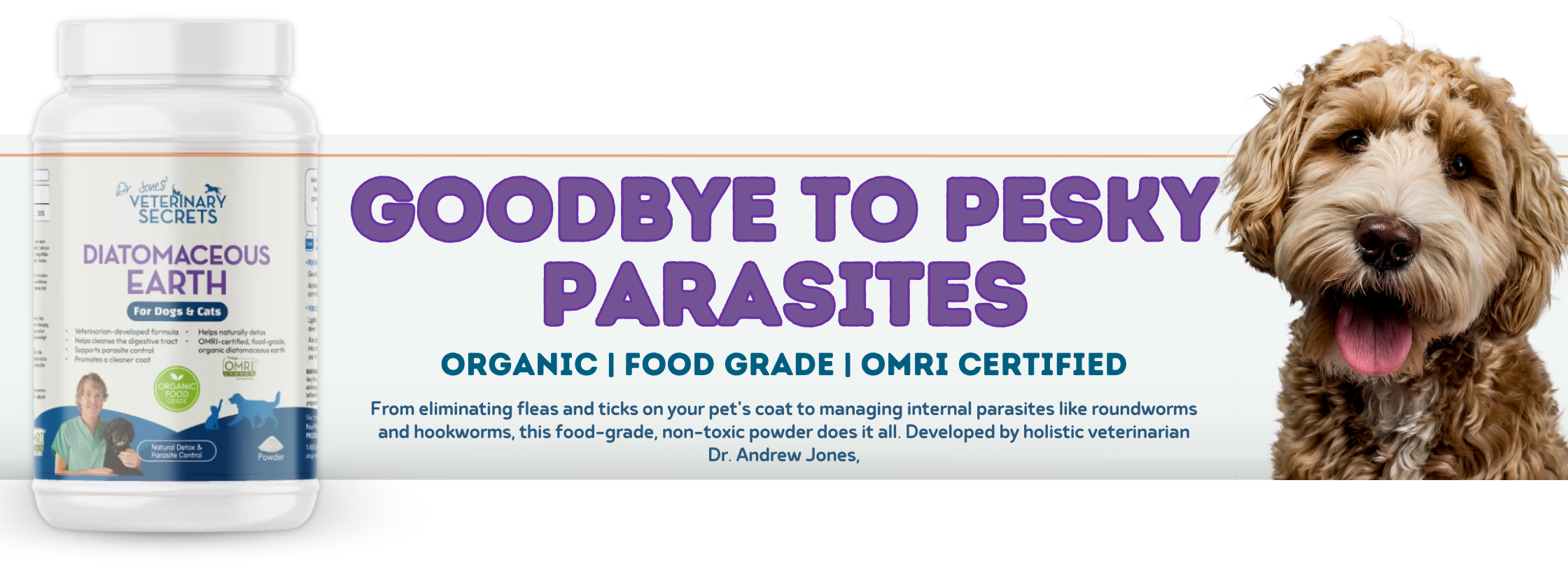
One inexpensive natural option I really like is Diatomaceous Earth.
Our all-natural DE is here:
Dr Jones’ Diatomaceous Earth Powder for Pets


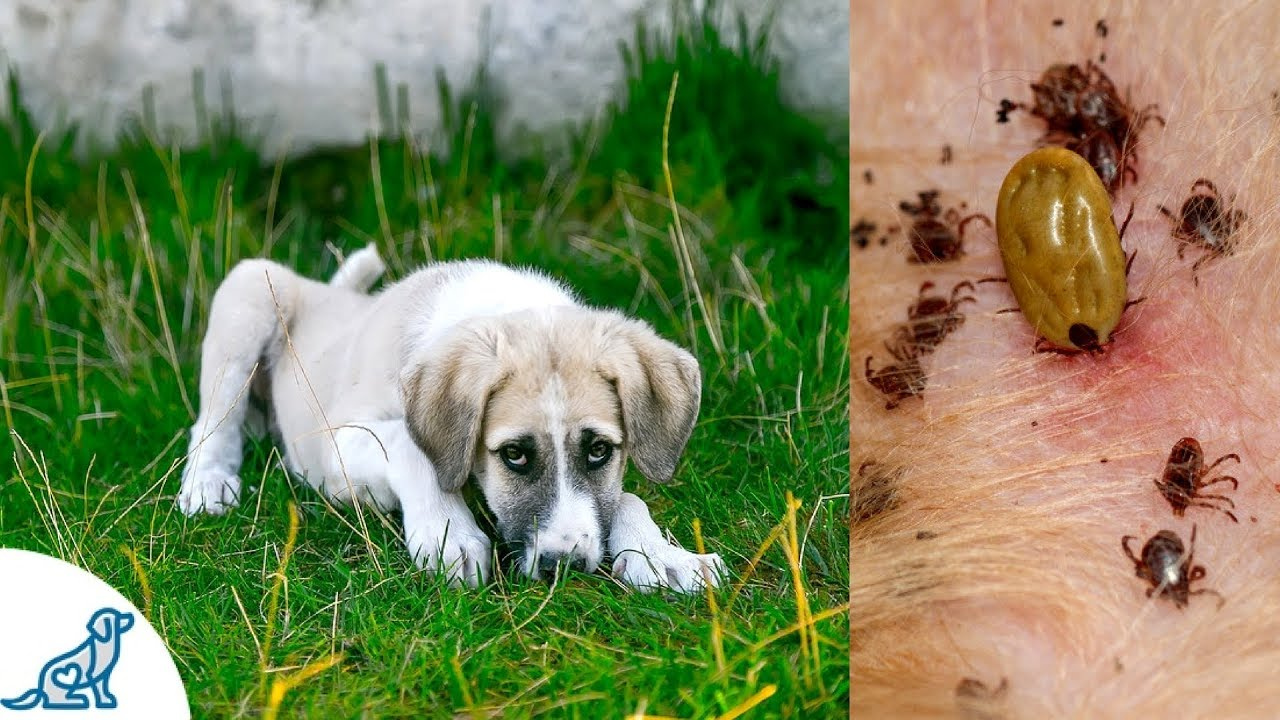
The Hidden Danger of Ticks
You are petting your dog and suddenly feel a small bump.
Or maybe your cat comes inside and you notice something attached near the neck or ears.
Then your stomach drops.
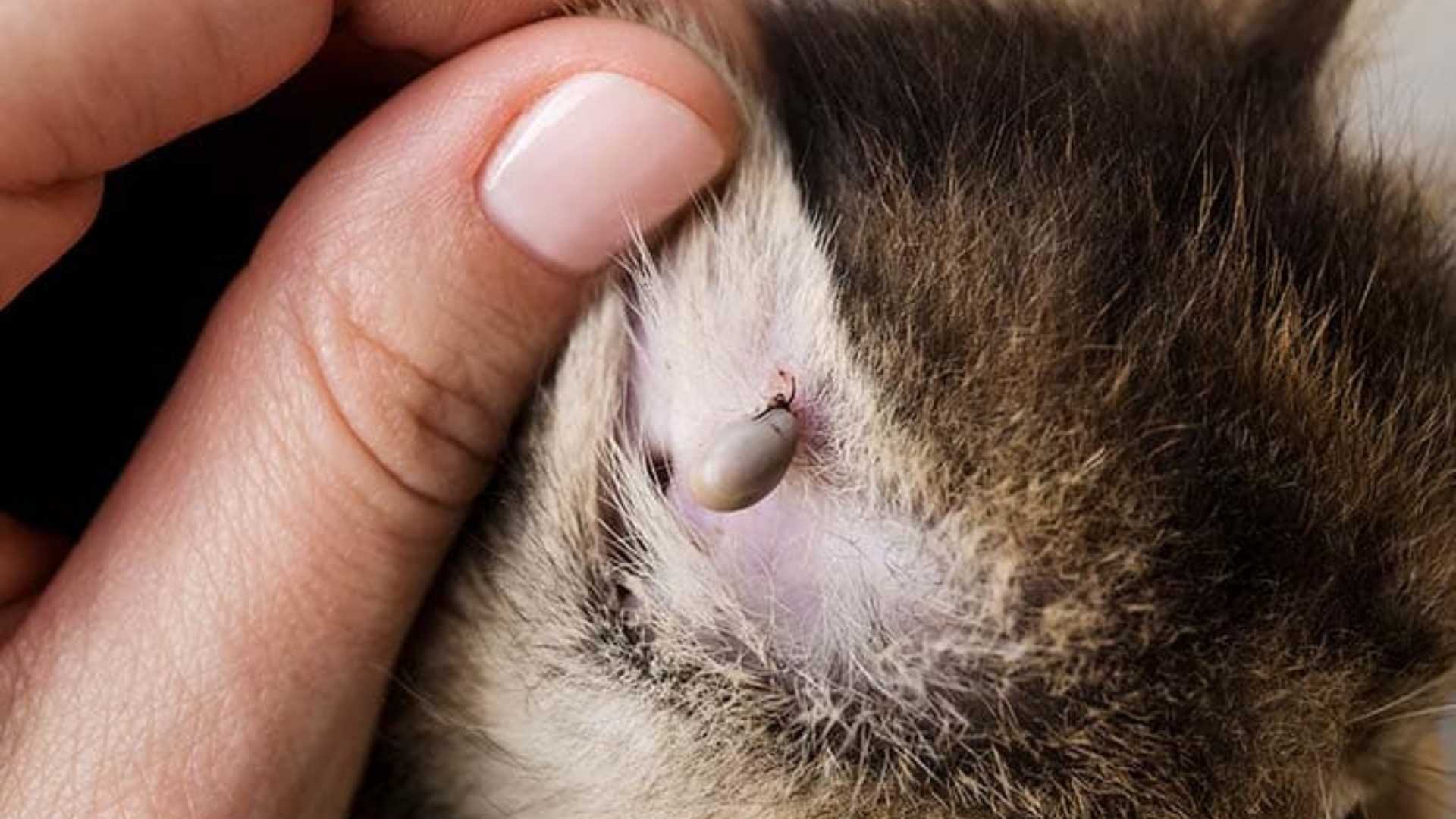
It is a tick.
Ticks are not just annoying parasites. They can carry bacteria and protozoa that enter directly into your pet’s bloodstream after a bite.
The difficult part is that symptoms are often delayed.
Your pet may seem completely normal today… and sick two weeks later.
Even pets on conventional preventatives are not always fully protected.
That is why early awareness matters so much.
The Most Common Tick-Borne Diseases in Pets
Lyme Disease
One of the most common tick-borne illnesses in dogs.
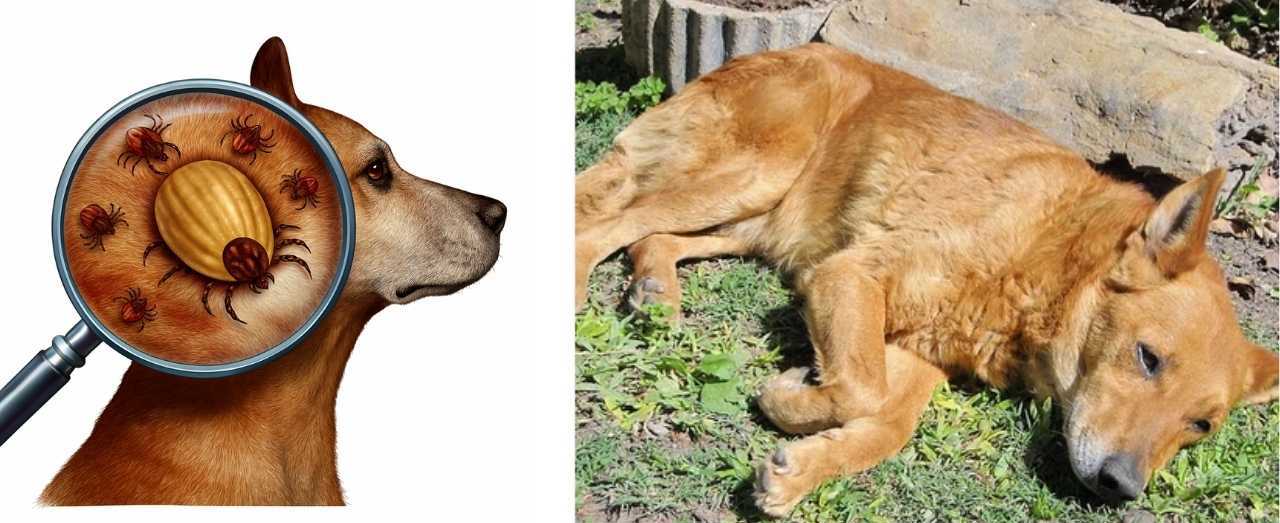
Possible signs include:
- Limping or shifting leg lameness
- Swollen joints
- Fatigue
- Fever
- Kidney problems
Ehrlichiosis
A bacterial disease spread by ticks that can affect the blood and immune system.

Signs may include:
- Weight loss
- Fever
- Bleeding problems
- Low energy
Anaplasmosis
Another increasingly common disease in dogs.

Symptoms often include:
- Joint pain
- Bruising
- Lethargy
- Loss of appetite
Rocky Mountain Spotted Fever
This can become serious quickly and may affect the nervous system.
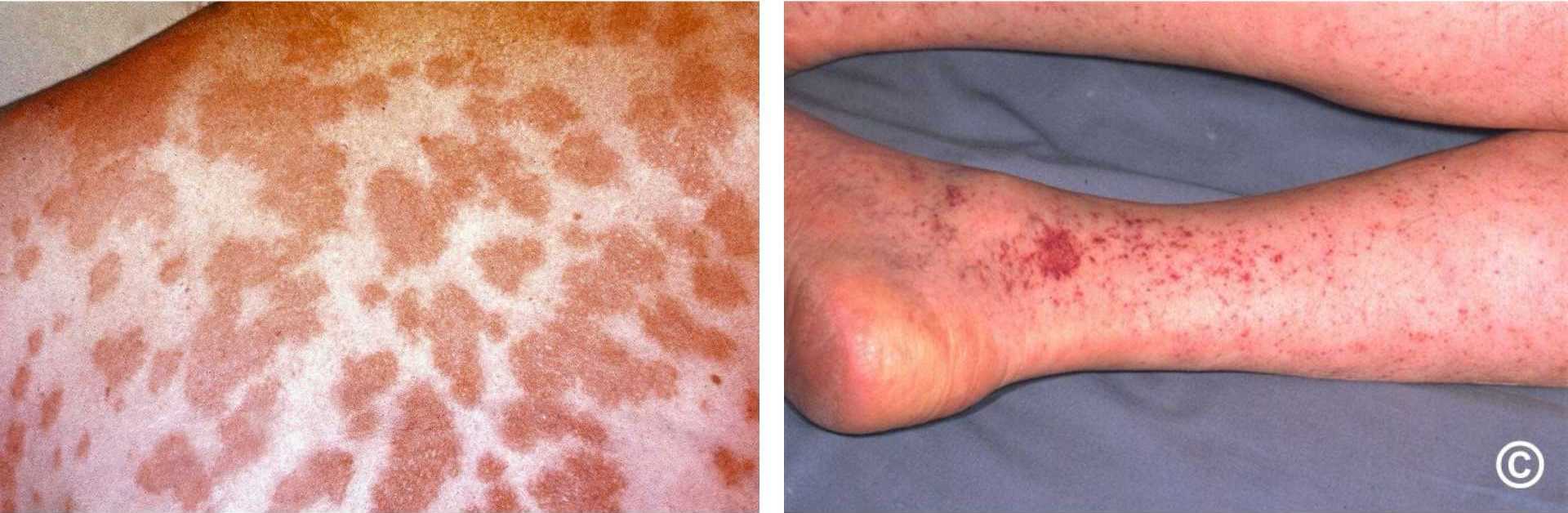
Watch for:
- Fever
- Swelling
- Neurological signs
- Weakness
Tick-Borne Diseases in Cats
Cats are somewhat more resistant to tick-borne disease than dogs, but they are definitely not immune.
Cytauxzoonosis (Bobcat Fever)
A severe and often fatal disease in cats.
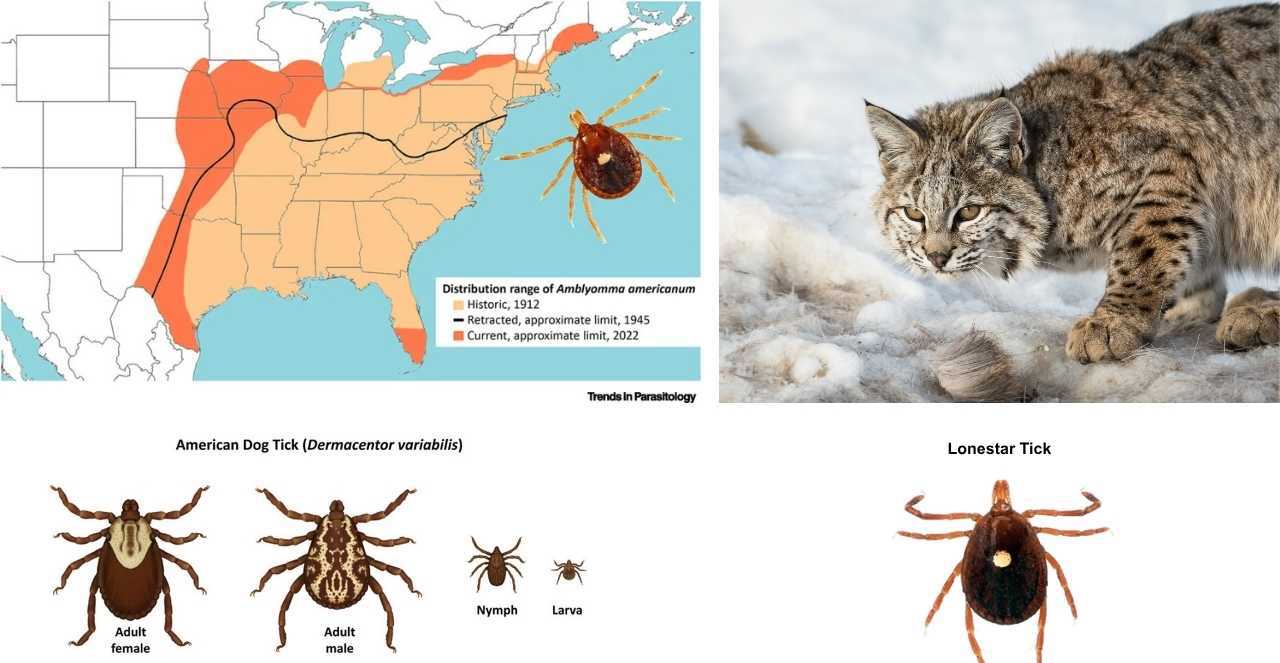
Signs can include:
- High fever
- Difficulty breathing
- Lethargy
- Loss of appetite
- Jaundice
Ehrlichiosis & Anaplasmosis
These are less common in cats, but they do occur.
Warning Signs You Should Never Ignore
Symptoms may appear days to weeks after a tick bite.
In Dogs
- Limping
- Swollen joints
- Fever
- Vomiting
- Fatigue
- Pale gums
- Loss of appetite
In Cats
- Hiding more than usual
- Fever
- Yellowing of the eyes or skin
- Poor appetite
- Unsteady walking
- Breathing difficulty
If your pet develops multiple symptoms after a tick exposure, act early.
When Should You Call Your Veterinarian?
Trust your instincts.
Call if:
- Your pet recently had a tick and now seems “off”
- Your dog suddenly develops lameness
- Your cat stops eating
- Symptoms are progressing quickly
Early treatment can often mean the difference between a minor illness and a life-threatening one.
Natural Ways to Help Prevent Ticks
1. Check Your Pet Daily

After walks or outdoor time:
- Check ears
- Look between toes
- Feel under the collar
- Examine the groin and tail area
Removing ticks early greatly lowers disease risk.
2. Keep Your Yard Maintained
Ticks thrive in tall grass and damp shaded areas.

Helpful prevention steps include:
- Keeping grass short
- Removing leaf litter
- Using beneficial nematodes in the yard
Some pet parents also use garlic-based yard sprays as a natural deterrent.
3. Garlic and Brewer’s Yeast
Many pet parents use garlic and brewer’s yeast as natural internal support.
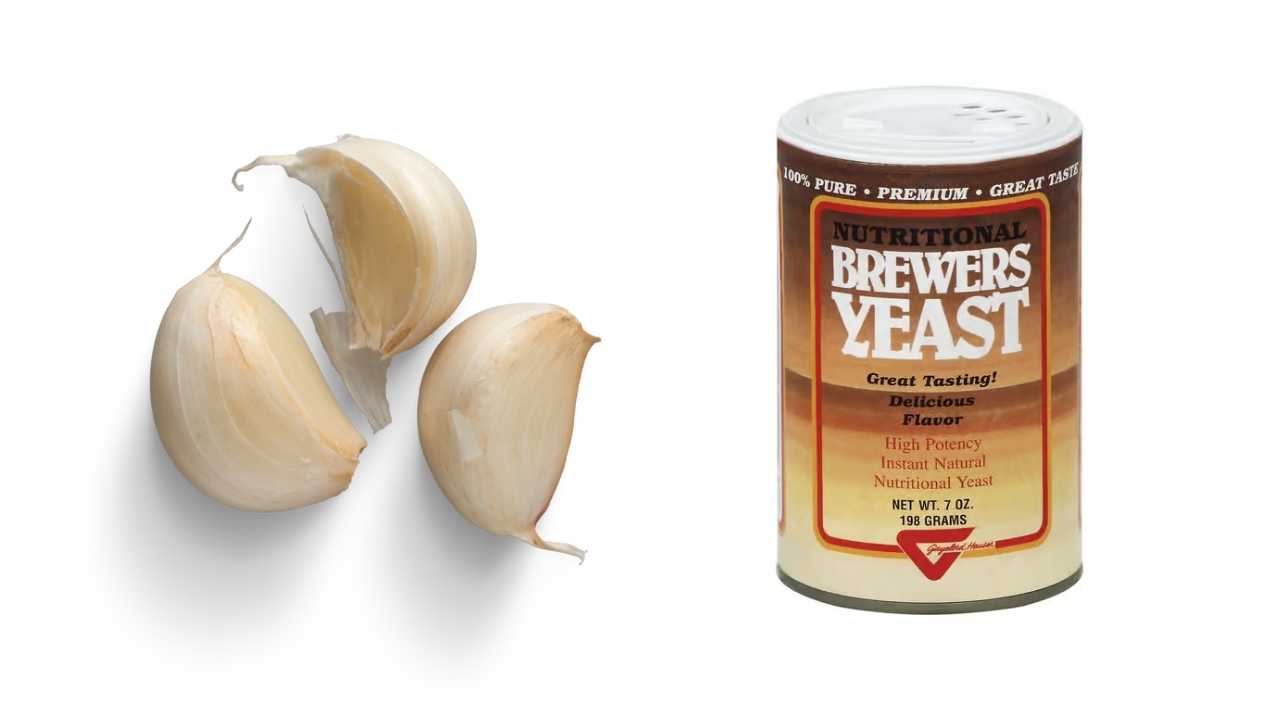
For a small 10 lb dog:
- ¼ teaspoon garlic
- ¼ tablespoon brewer’s yeast daily
In my experience, this can help make some pets less attractive to fleas and ticks.
4. Natural Essential Oil Sprays
Several essential oils have shown natural tick-repelling properties.

Helpful Oils Include:
- Cedarwood oil
- Lemongrass oil
- Rose geranium oil
- Turmeric essential oil
Important:
Cats and small dogs are much more sensitive to essential oils, so always dilute properly and apply lightly.
My Simple Natural Tick Repellent Spray
A recent study found turmeric essential oil to be one of the more effective natural tick repellents.
DIY Turmeric Tick Spray Recipe
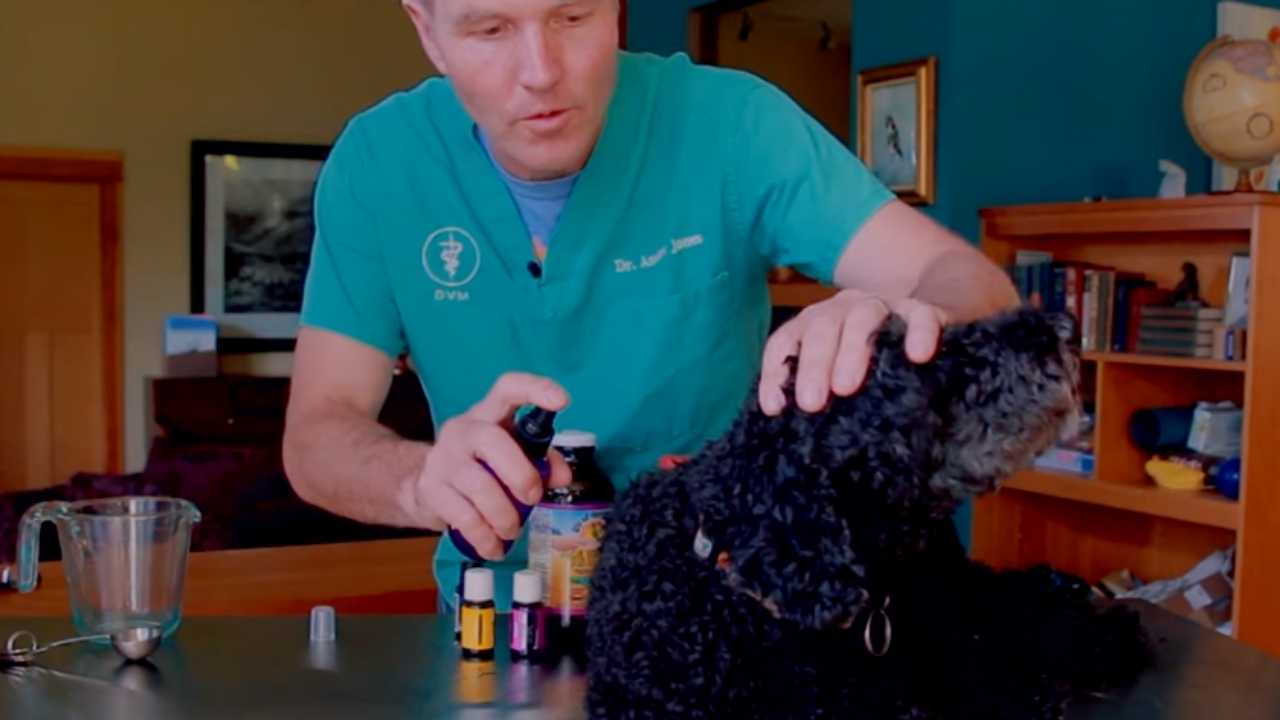
Ingredients
- 100 ml Witch Hazel with Aloe
- 30 ml Liquid Coconut Oil
- 50 drops Turmeric Essential Oil
This creates roughly a 2% dilution.
Directions
- Shake well before each use
- Lightly mist your pet
- Comb through the fur
Suggested Use
- Dogs: 2 to 3 times weekly
- Cats: Once weekly with very light application
DIY Geranium Tick Spray

Another simple option:
Ingredients
- 10 to 20 drops Rose Geranium Oil
- 100 ml carrier liquid (witch hazel, water, or carrier oil)
Optional additions:
- Cedarwood oil
- Lemongrass oil
Apply every few days during heavy tick season.
Diatomaceous Earth: A Simple Natural Option
One of the easiest natural products to start with is food-grade Diatomaceous Earth.
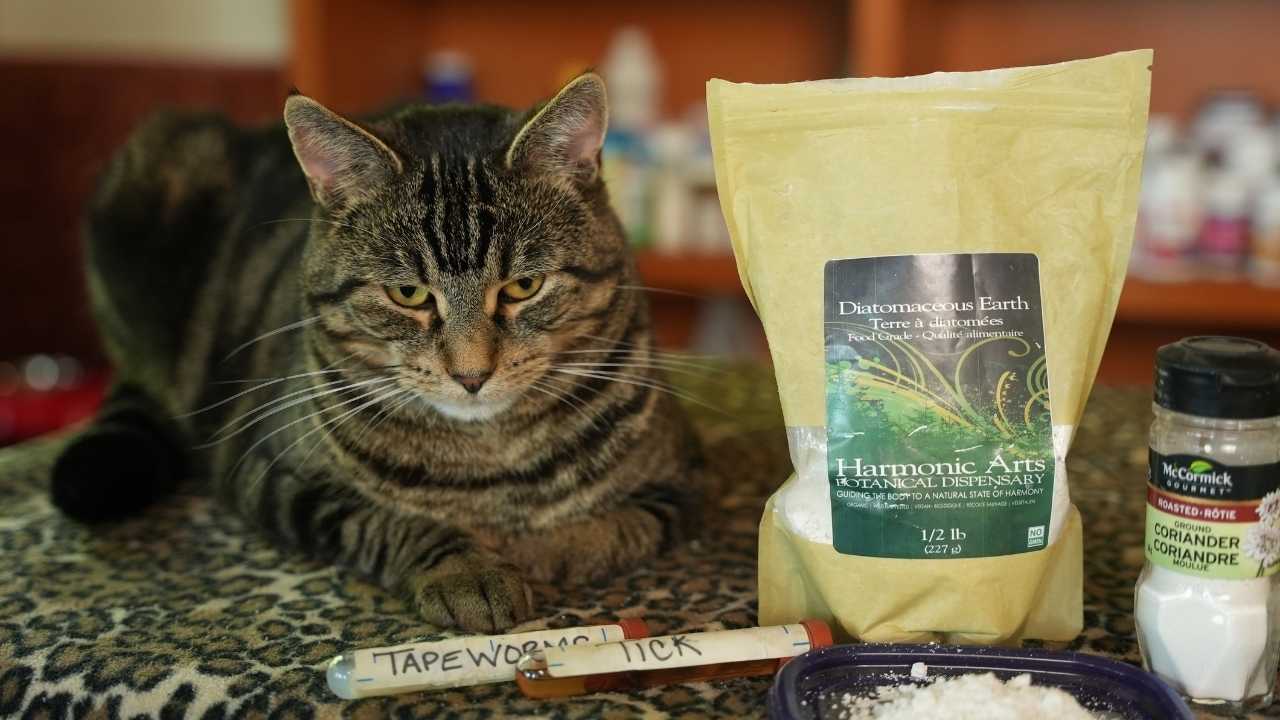
I have used it:
- For fleas
- For environmental parasite control
- As part of a natural deworming plan
It is inexpensive, simple, and generally very safe when properly used.
Does it work as aggressively as conventional pesticides?
No.
But for many pet parents wanting a more natural approach, it can be a very reasonable option.
Our all-natural Diatomaceous Earth Powder for Pets is here:
Dr Jones’ Diatomaceous Earth Powder for Pets
Final Thoughts on Tick Prevention
Ticks may be tiny.
The diseases they carry are not.
The biggest keys are:
- Stay alert
- Check your pets often
- Act quickly if symptoms appear
- Focus on prevention before problems start
If your dog suddenly starts limping after a tick bite…
Or your cat becomes lethargic and stops eating…
Do not ignore it.
Catching tick-borne disease early can make a huge difference.
Click To Get A Free Copy of My E-Book!

P.S. Even if you prefer natural prevention, regular tick checks are still one of the most important things you can do. They are simple, free, and incredibly effective.
P.P.S. Our food-grade Diatomaceous Earth is an easy natural option for parasite prevention support. It can help with fleas, makes life harder for ticks, and can also be used as part of a natural deworming program.