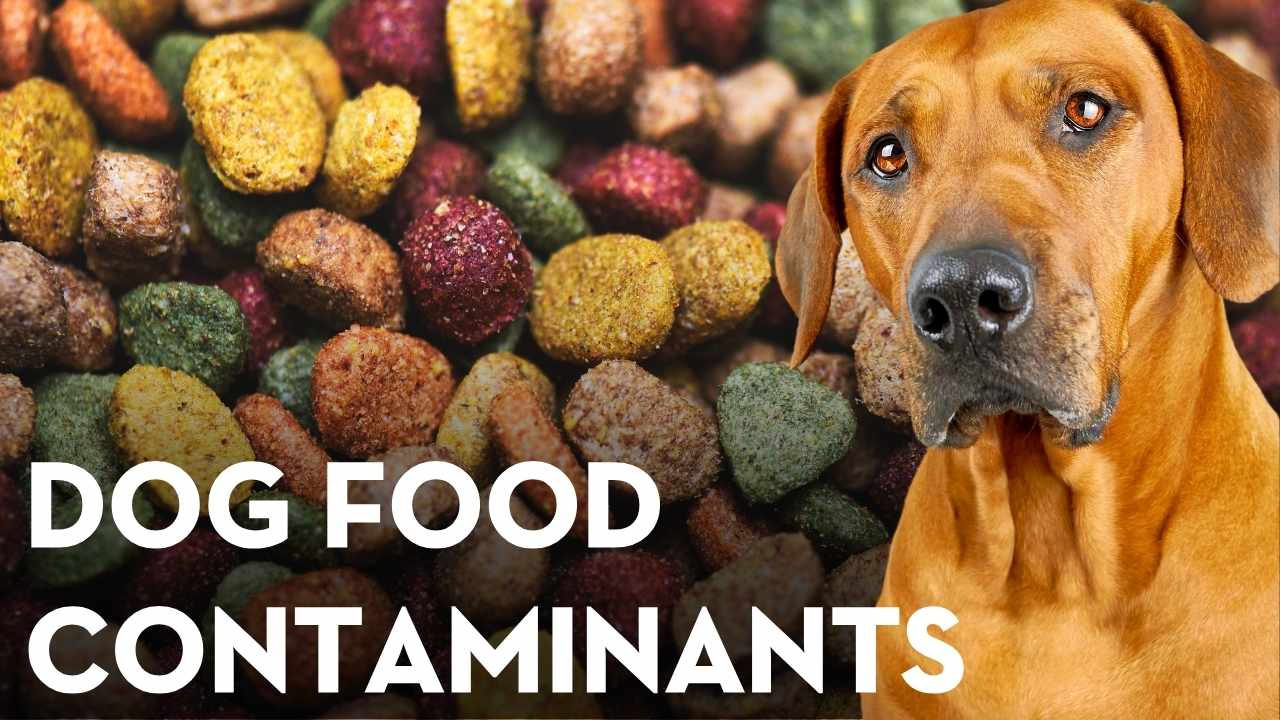
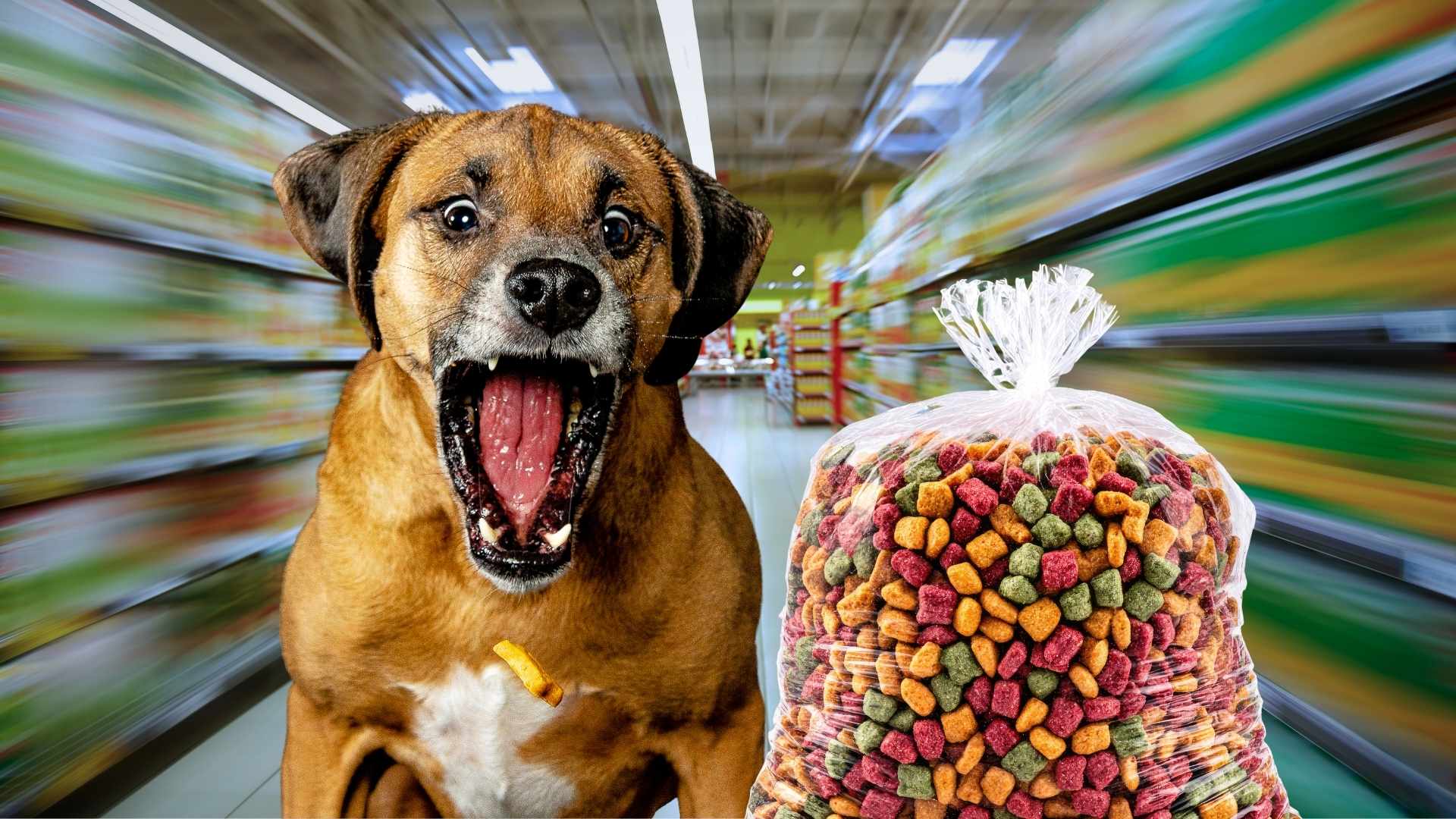
A recent independent investigation by the Clean Label Project tested 79 popular dog foods. This included kibble, air dried, freeze dried, fresh, and frozen diets.
What did they find?
- Dry kibble had the highest levels of heavy metals.
- Fresh and frozen foods had the lowest levels.
- Some dry foods had up to 21 times more lead and mercury.
- One kibble tested extremely high in acrylamide, a compound linked to cancer.
Dog foods were found to contain three to thirteen times more heavy metals than human foods tested over the past decade.
Previous research from Cornell University also showed that dogs may consume three to seven times more heavy metals per calorie than people.
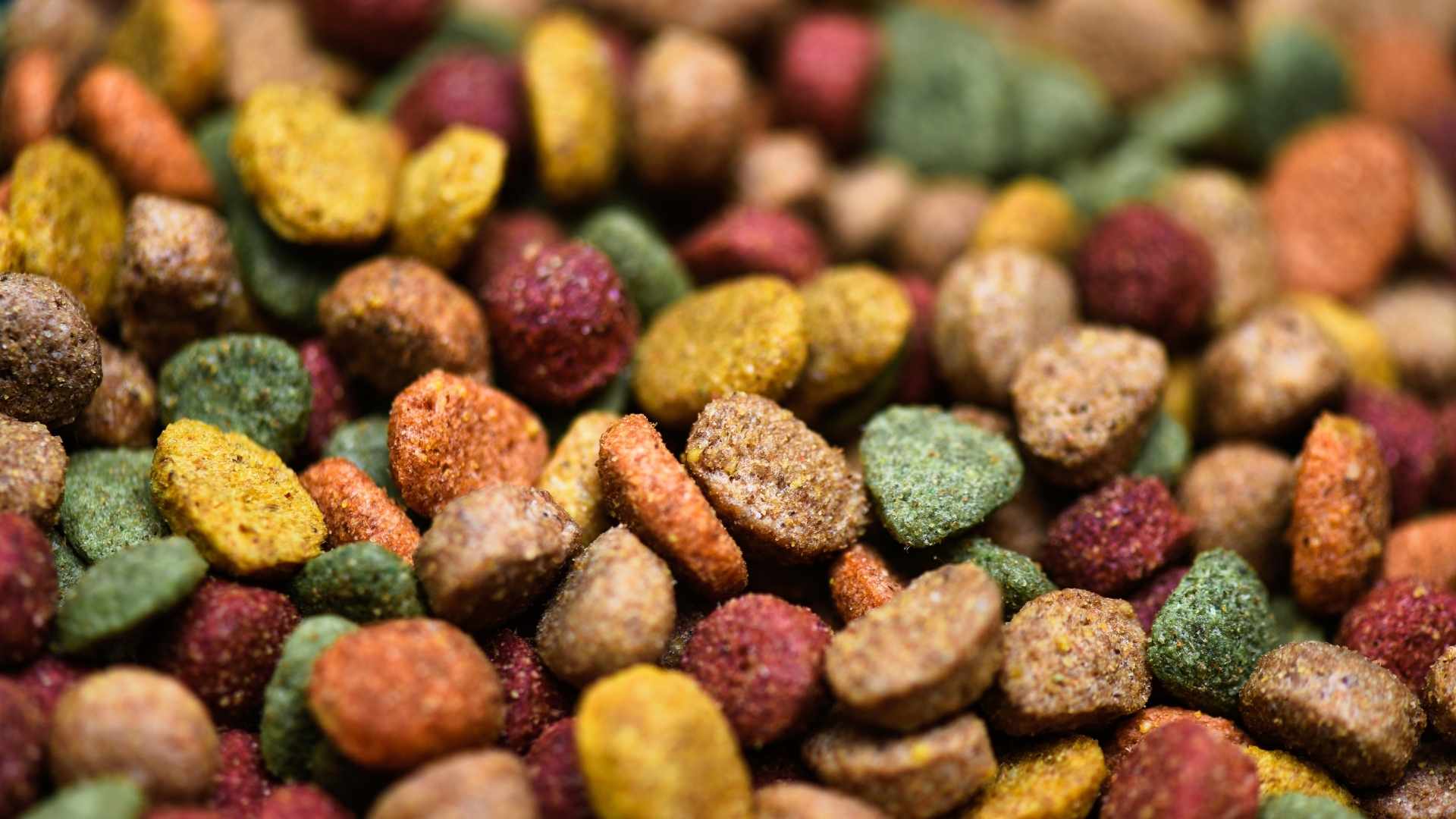
We are talking about contaminants such as:
- Lead
- Mercury
- Arsenic
- Cadmium
- Acrylamide
- Plastic chemicals like BPA and phthalates
That is concerning.
Why Heavy Metals and Acrylamide Matter
Heavy metals do not just pass through the body.
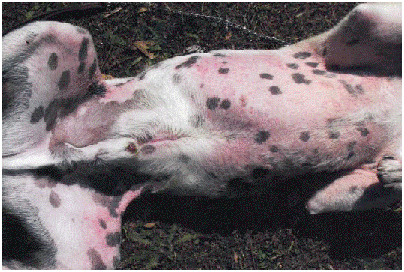
They accumulate in the liver, kidneys, and other tissues over time. Chronic exposure has been linked to:
- Cancer
- Organ damage
- Hormonal disruption
About one in four dogs will develop cancer in their lifetime. That number should stop us in our tracks.
Acrylamide is another issue. It forms when carbohydrate rich foods are cooked at high temperatures. Think french fries, toast, coffee, and heavily processed kibble.
In animal studies, acrylamide has been linked to cancer, nerve damage, and reproductive harm.
Most dogs eat the same food every day, often for years. That means ongoing exposure.
What You Can Do Right Now
First, do not panic.
But do take this seriously.

1. Rotate Foods
If you feed kibble, rotate between high quality brands every few months. This helps reduce long term exposure to any one contaminant source and supports a healthier gut.
2. Add Fresh Food
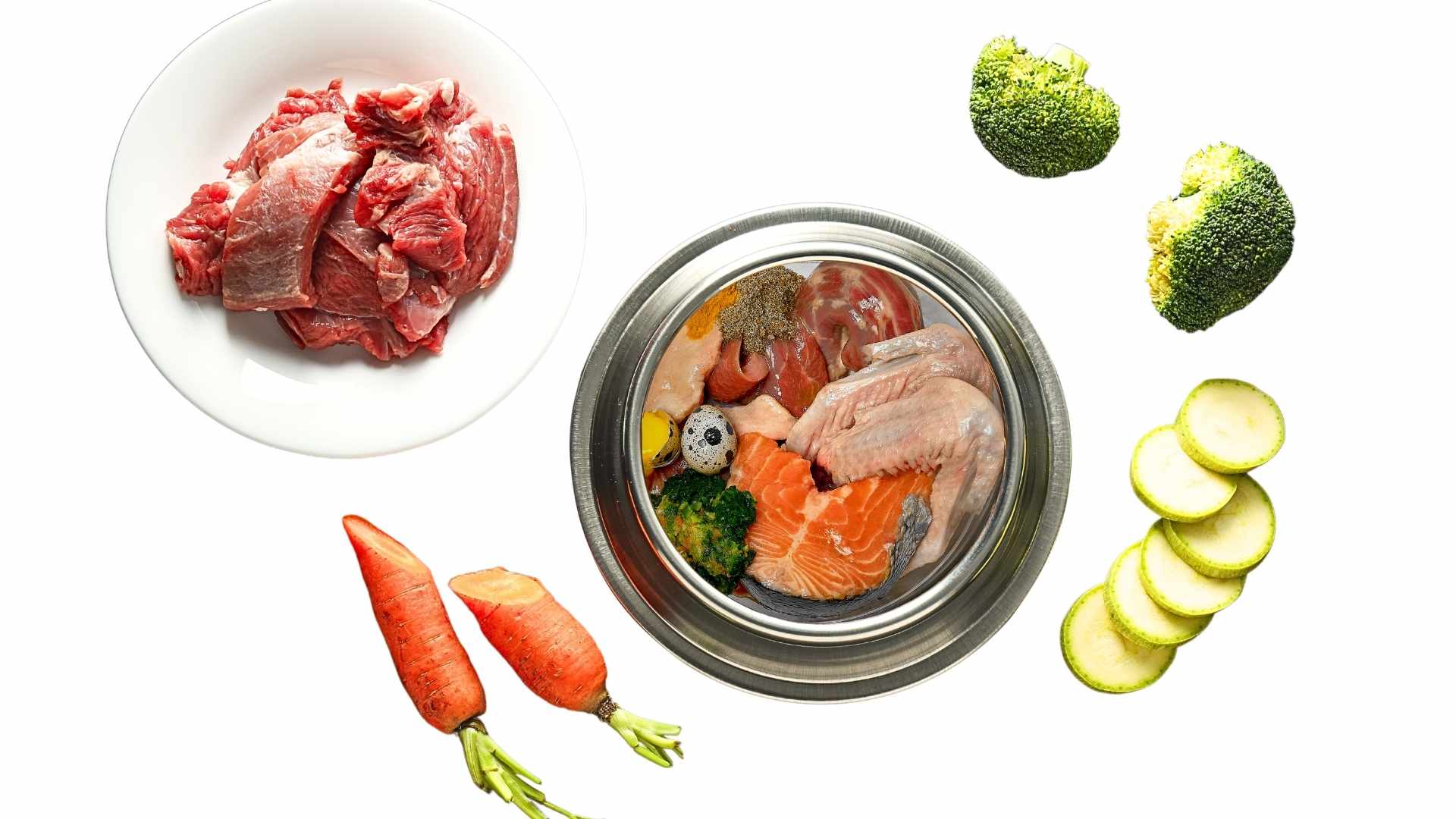
Eliminating kibble is ideal, but even adding twenty to thirty percent fresh whole food makes a difference.
Cooked lean meats, sardines, eggs, and vegetables can improve nutrient balance and reduce reliance on ultra processed ingredients.
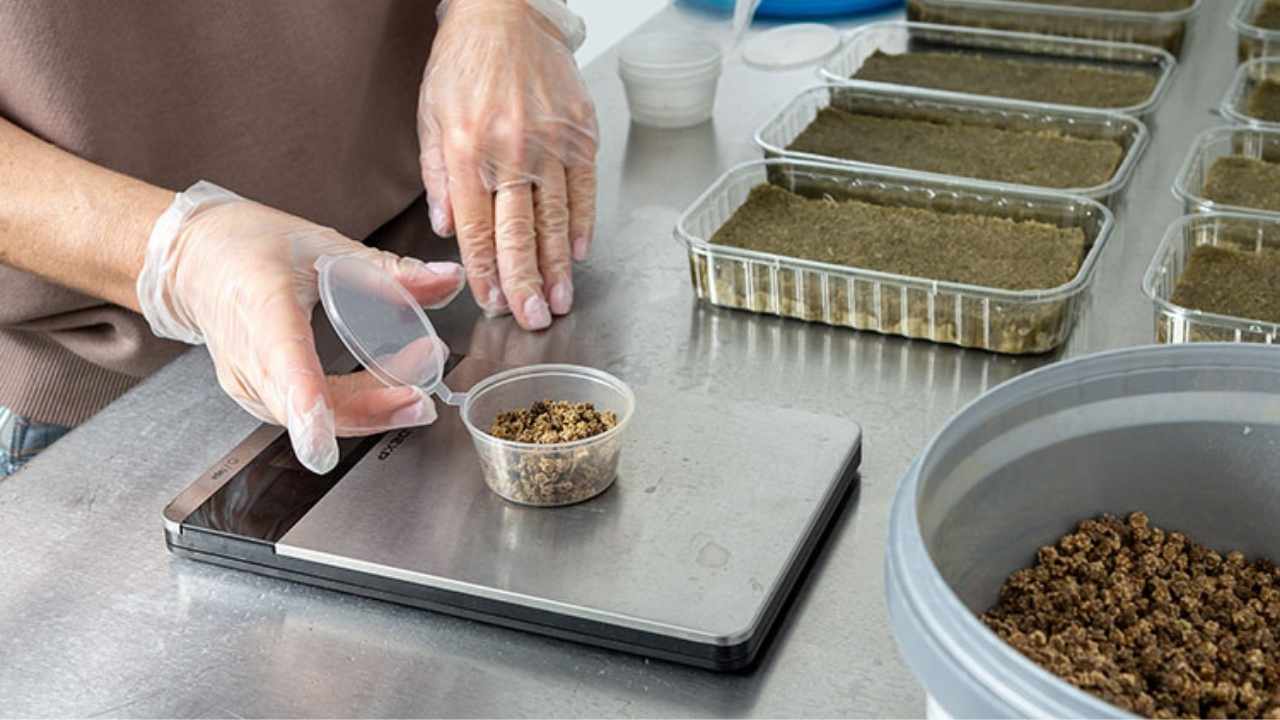
3. Choose Transparent Brands
Look for companies that test for heavy metals and minimize high heat processing. Transparency matters.
4. Demand Independent Testing
Pet food companies should be independently testing for heavy metals, acrylamide, and other toxins. Consumers need to push for this.
5. Support the Liver
The liver is the primary organ responsible for detoxification.
You can support it with:
- Milk thistle
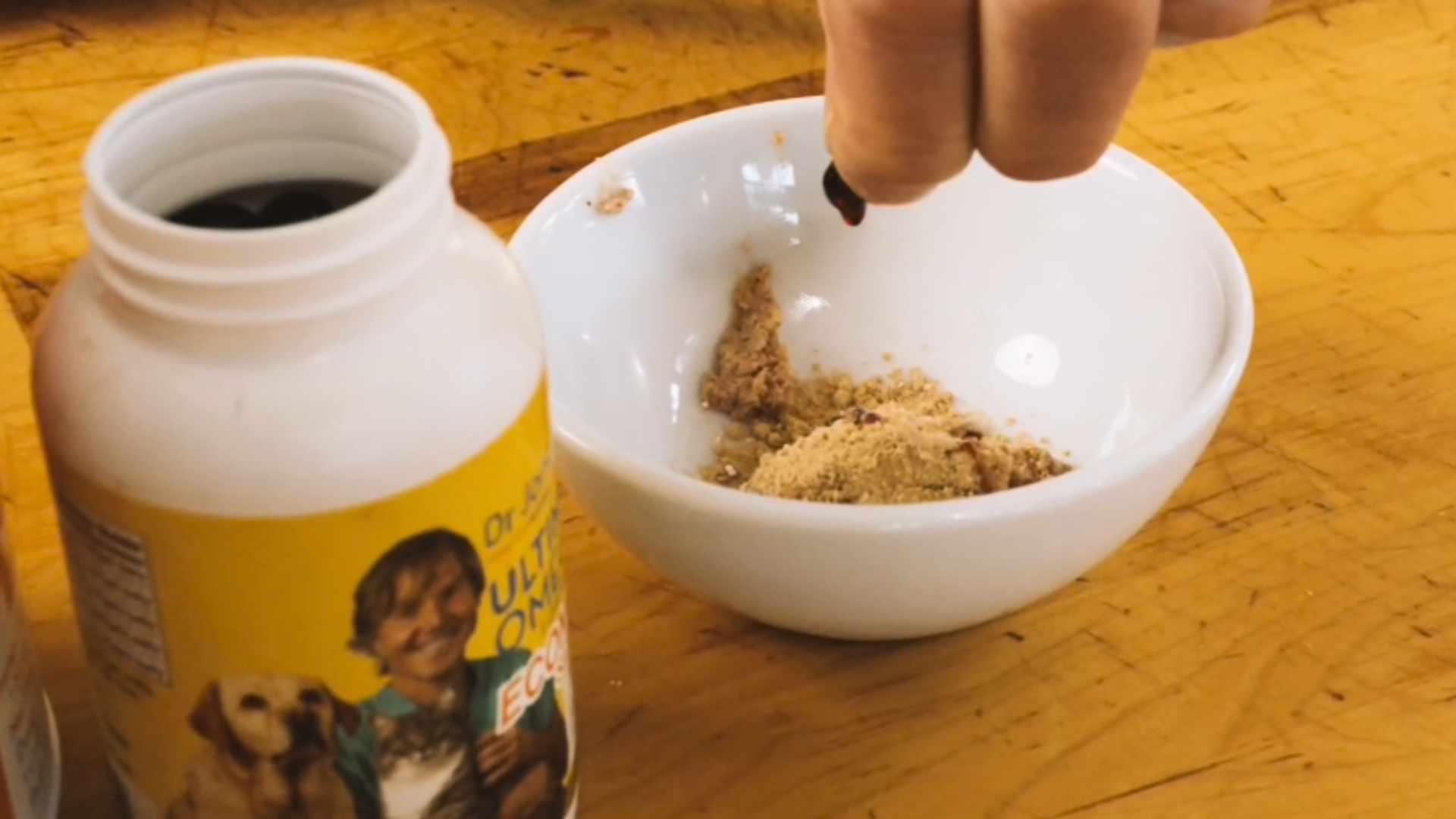
- Omega three fatty acids
- Curcumin
- Dandelion root
- SAMe
- Broccoli sprouts for sulforaphane
- Whole food antioxidants
Healthy liver function is critical.
Why I Believe Liver Support Matters
Most of us are still feeding some form of kibble. Supporting your dog’s liver simply makes sense.
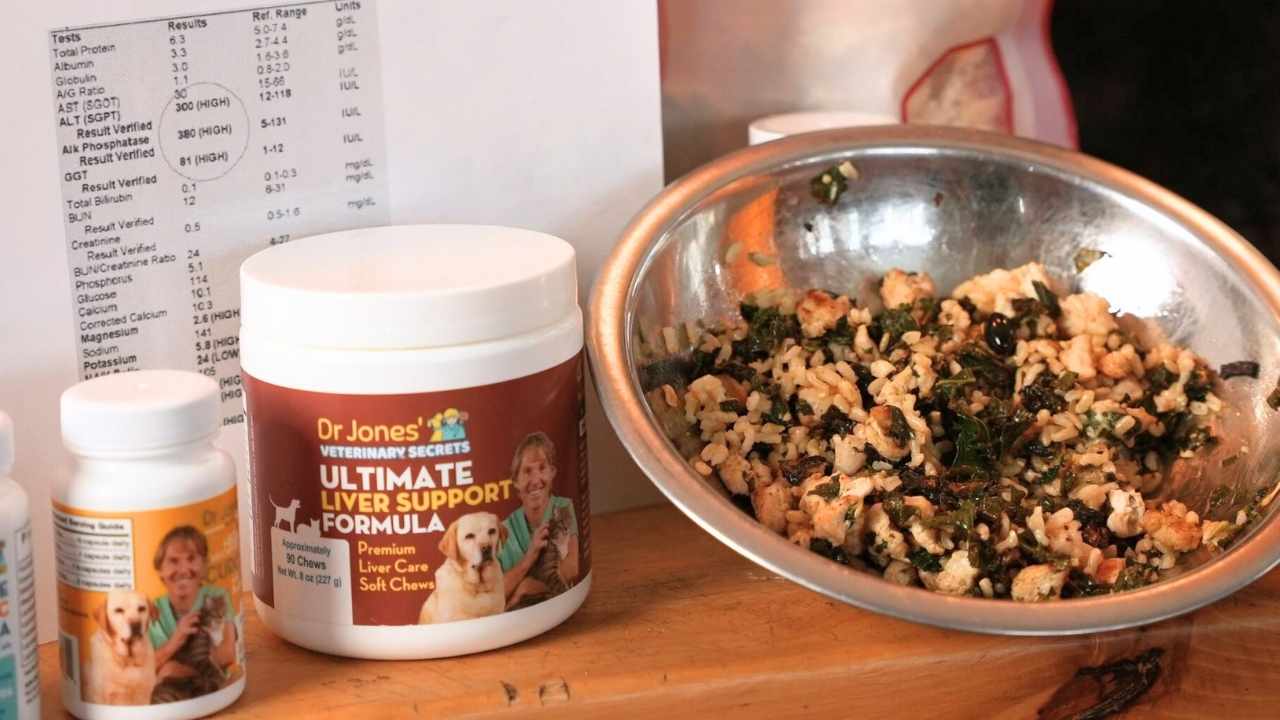
When Tula was diagnosed with markedly elevated liver enzymes, a targeted liver supplement made the difference in bringing her enzyme levels back to normal.
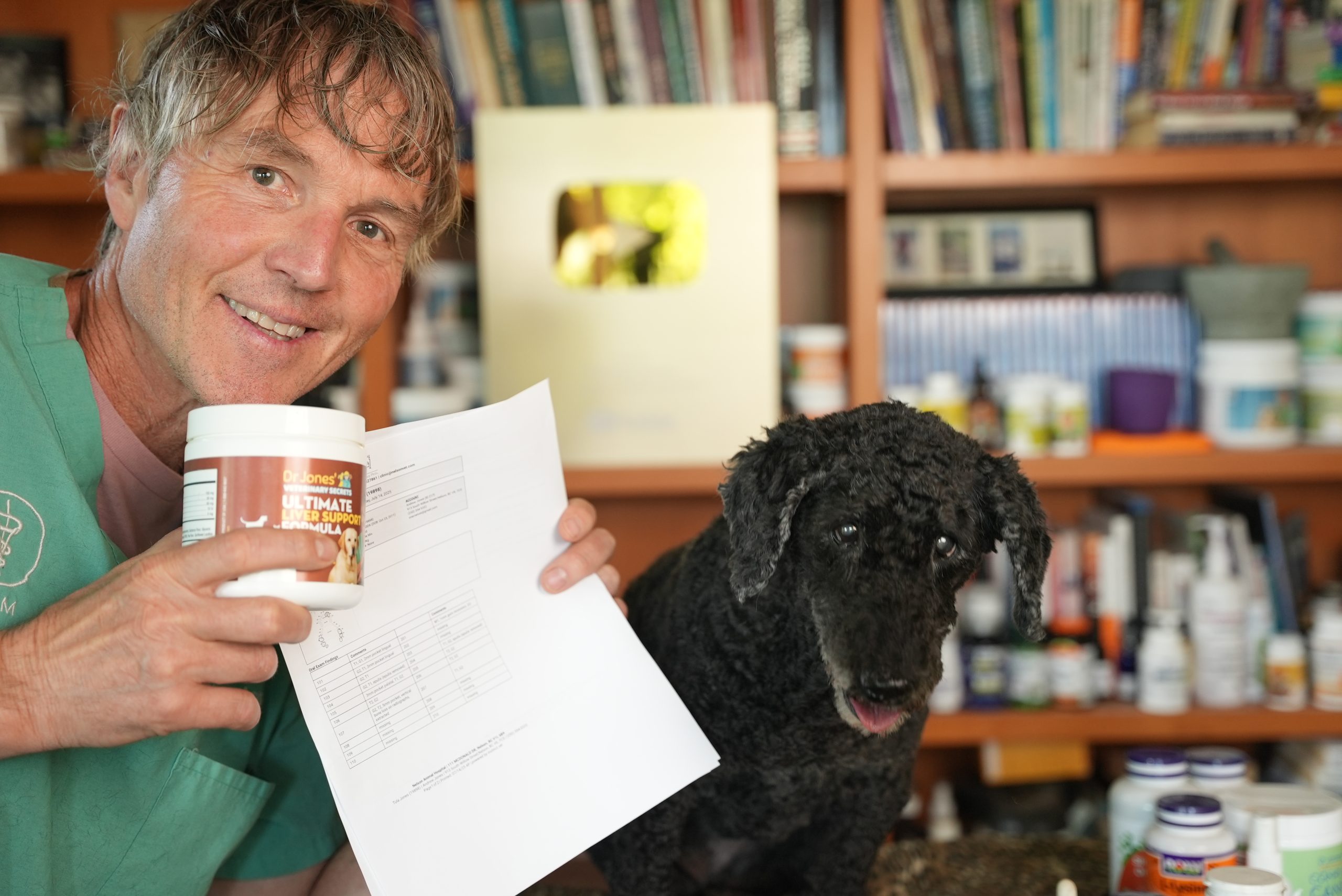
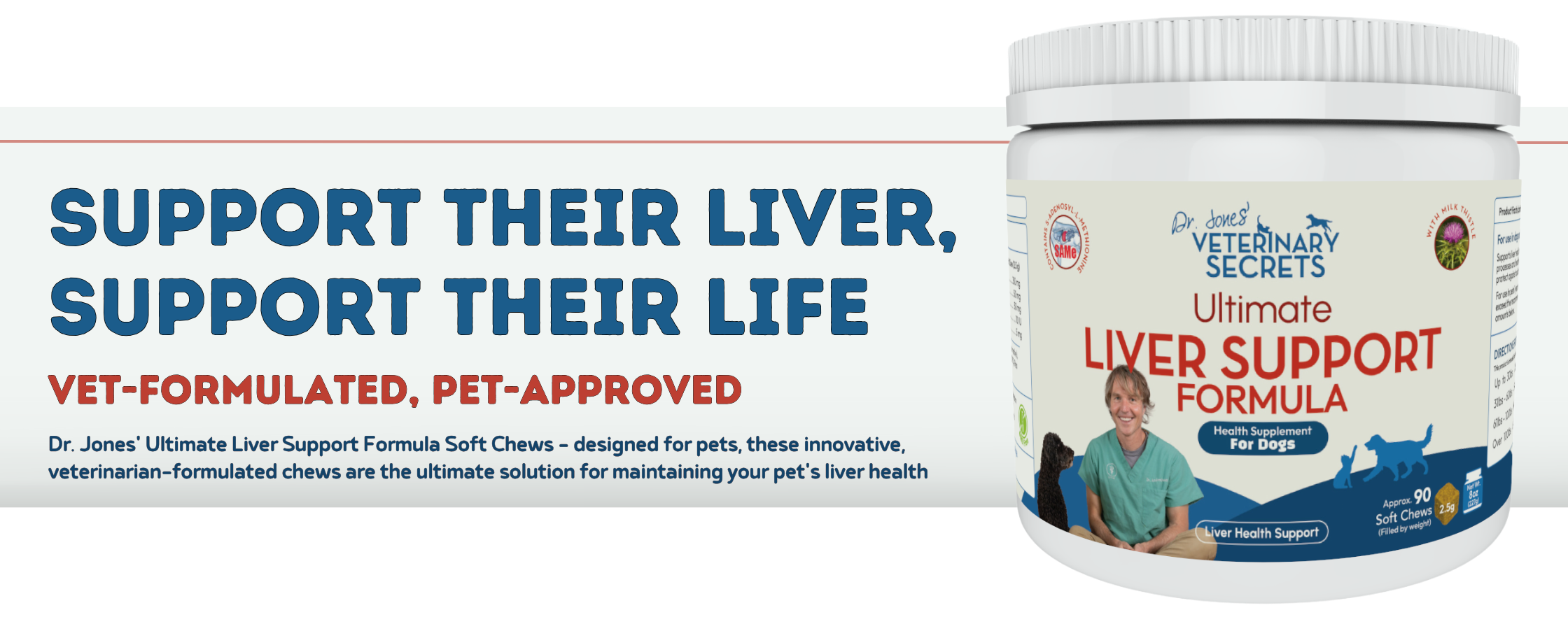
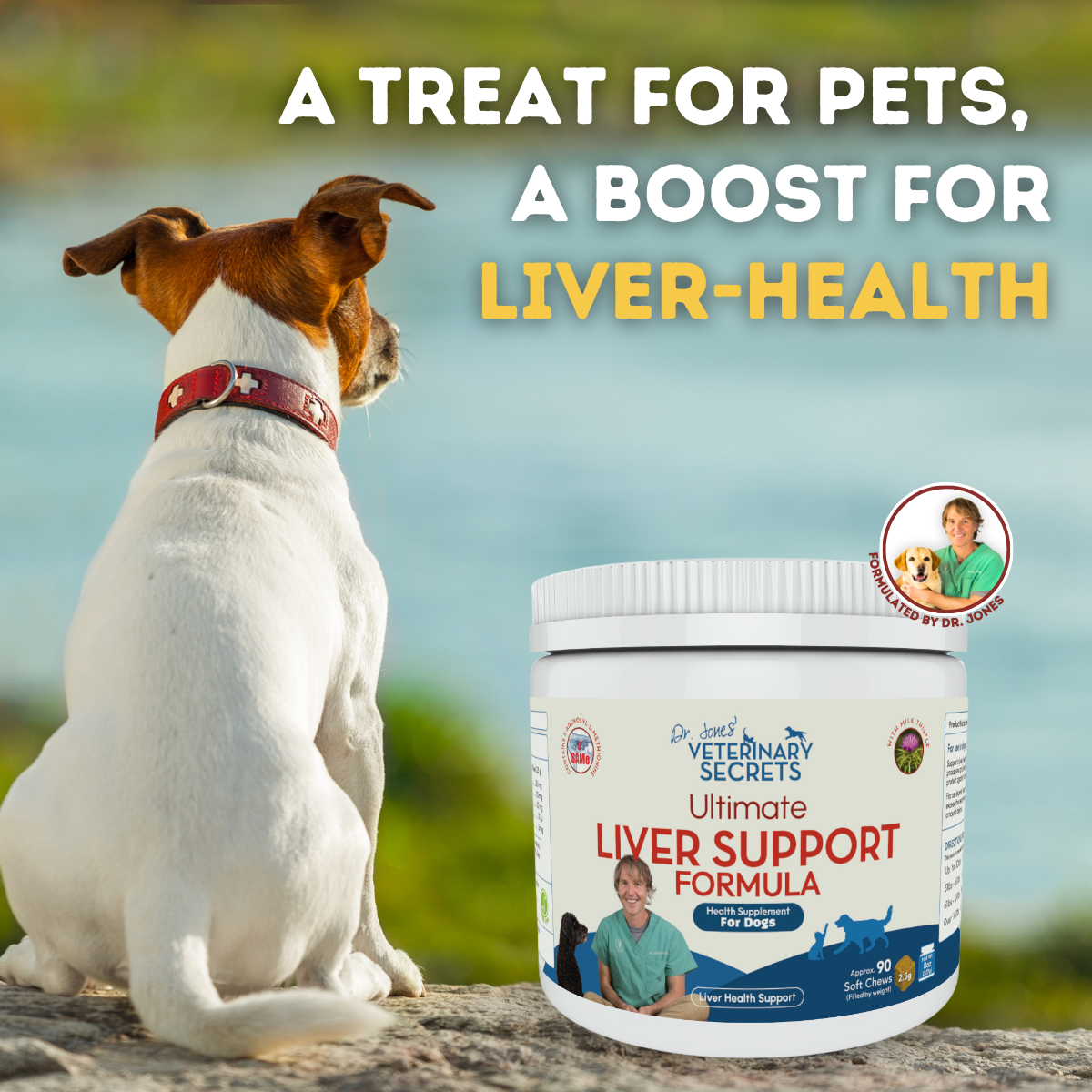
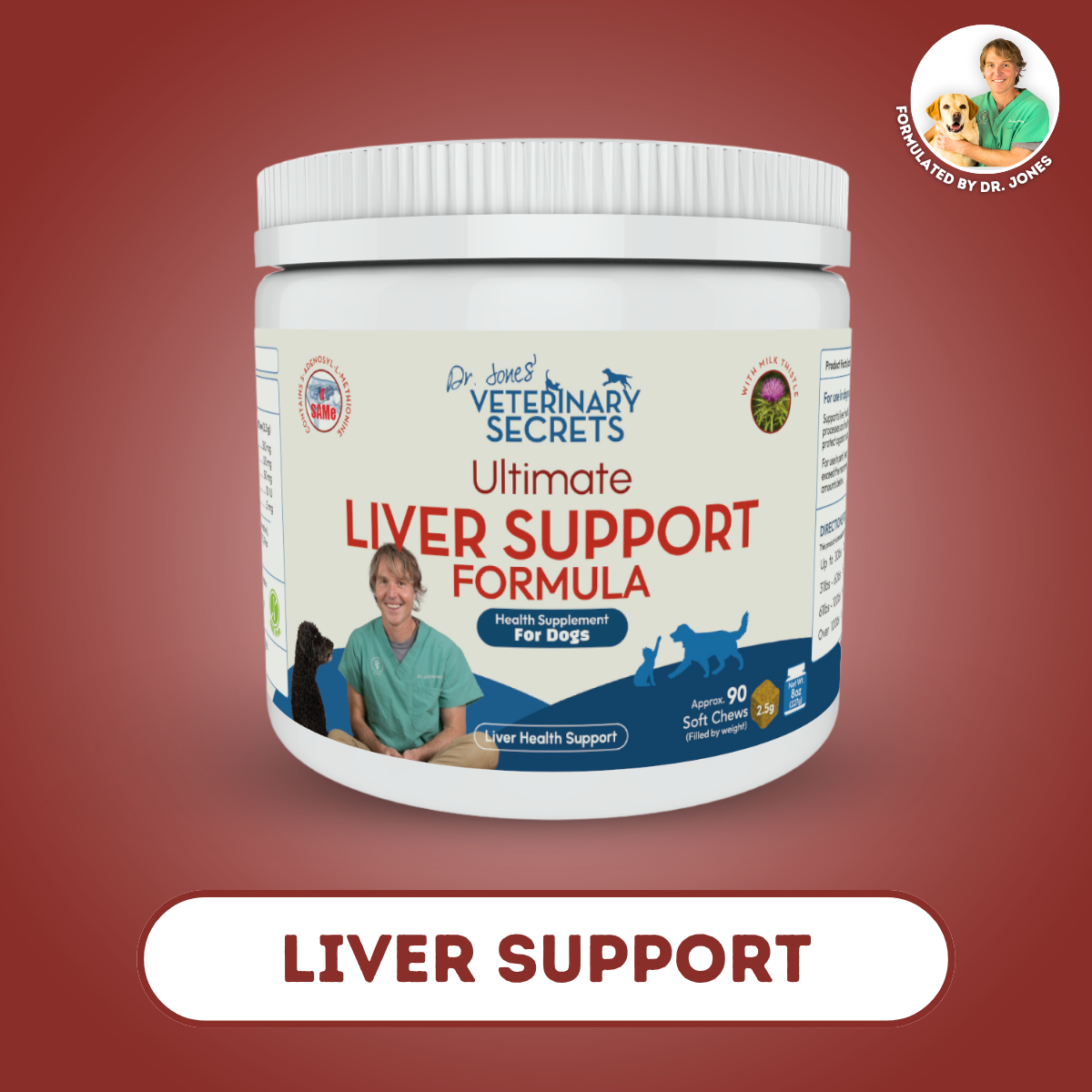
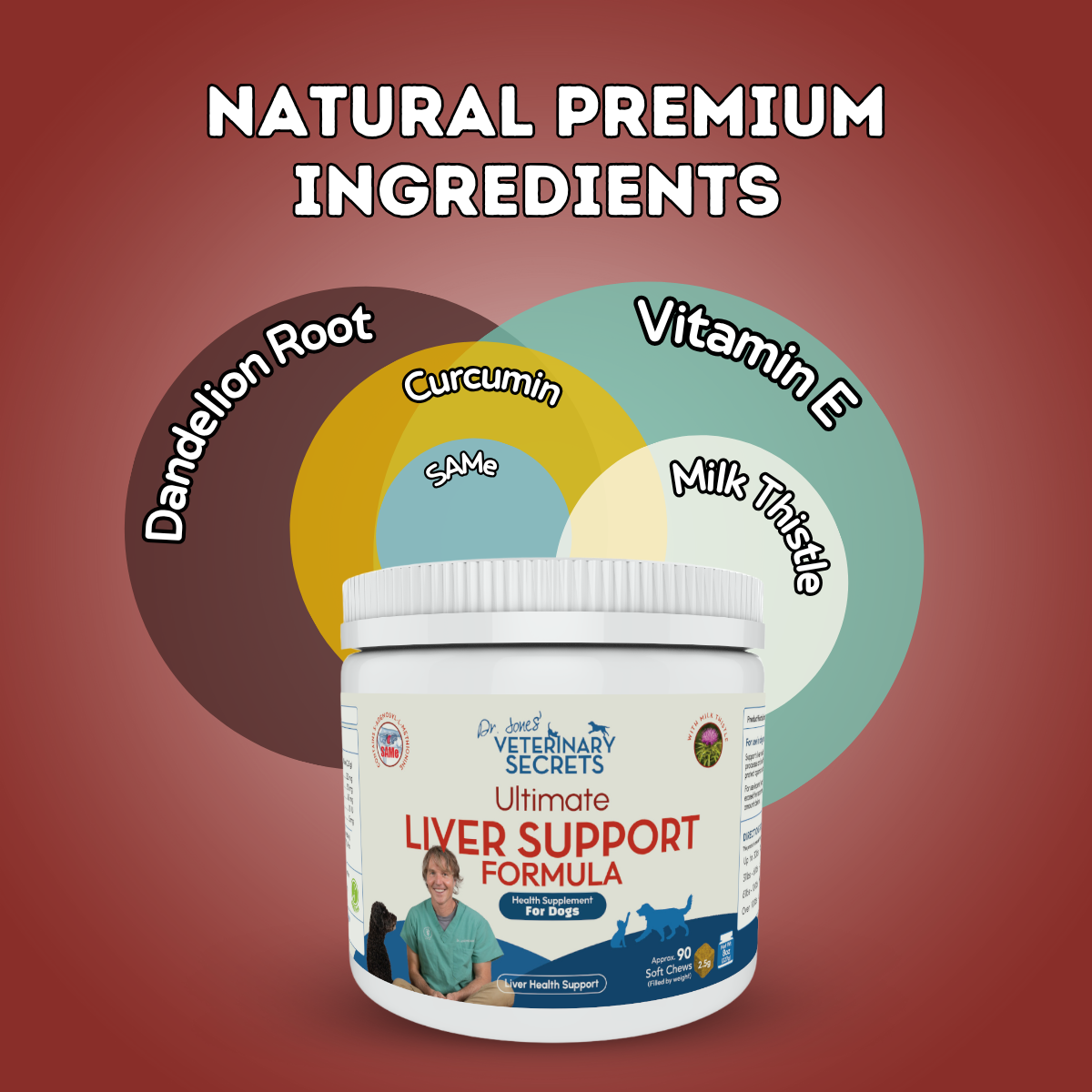
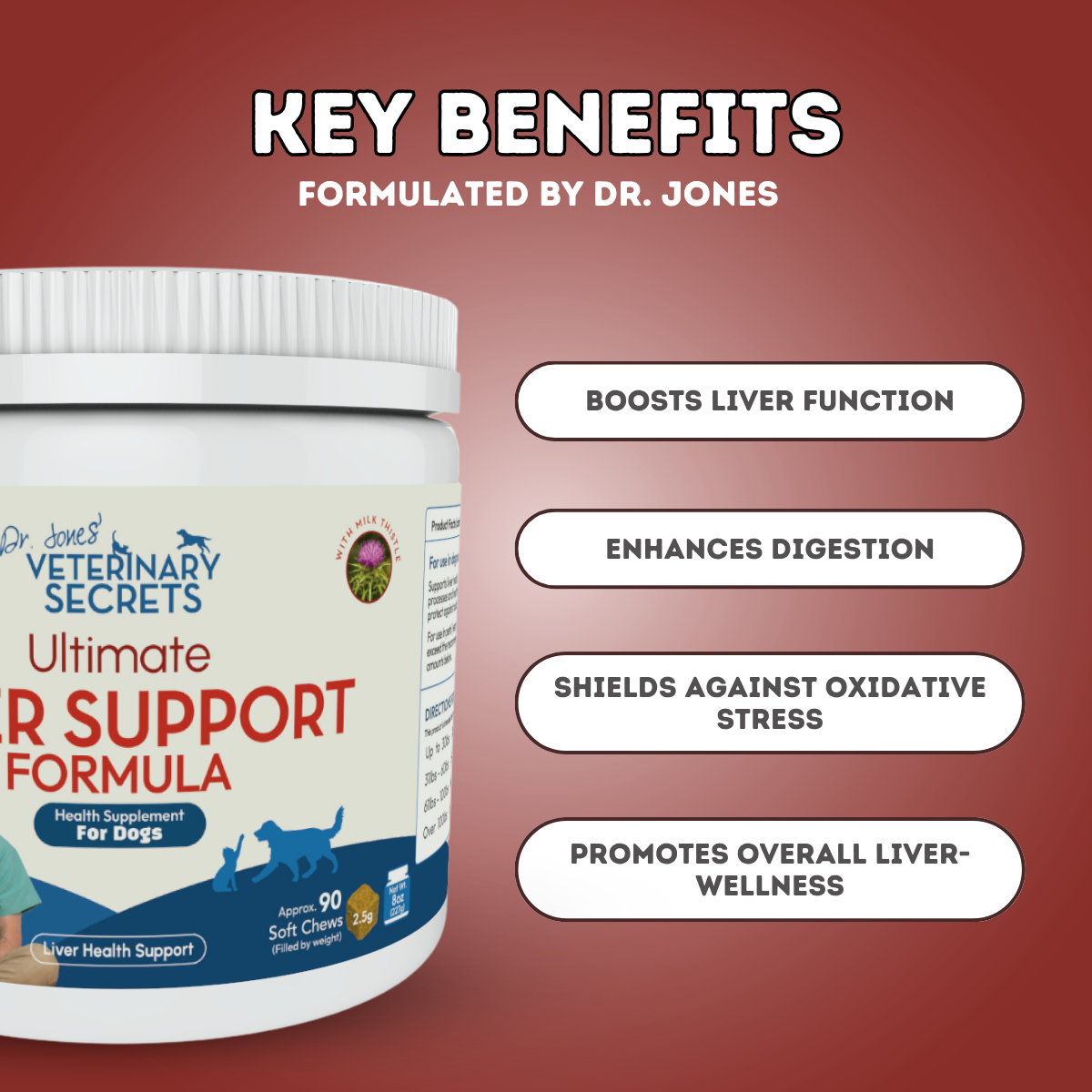
That is why I created a specific formula that includes milk thistle, SAMe, dandelion root, curcumin, and vitamin E. These nutrients work together to support liver health and natural detox pathways.
If there is no safe level of lead for people, why are dogs consuming foods that exceed tolerated levels?
That is something we need to question.
Final Thoughts
Toxins in pet food are not just internet chatter. The data is real.
You may not be able to control everything, but you can:
- Rotate foods
- Add fresh nutrition
- Choose better brands
- Support your dog’s liver
Small changes add up.
Your dog eats what you put in the bowl every single day. That makes you their first line of defense.