Dog Suddenly Off Balance? It Might Be Vestibular Disease


Did Your Dog Have a Stroke? Understanding Vestibular Disease and How to Help at Home
This can be terrifying.
You wake up and your dog cannot walk properly. His head is tilted to one side. His eyes are flickering back and forth. He looks dizzy, confused, and unstable.
Your first thought is usually a serious emergency or a stroke.
The good news is that for most dogs, it is not a stroke. Most recover well. What you are often seeing is vestibular disease, which is similar to vertigo in people.
I want to walk you through what this is, what causes it, and how you can support your dog’s recovery naturally.
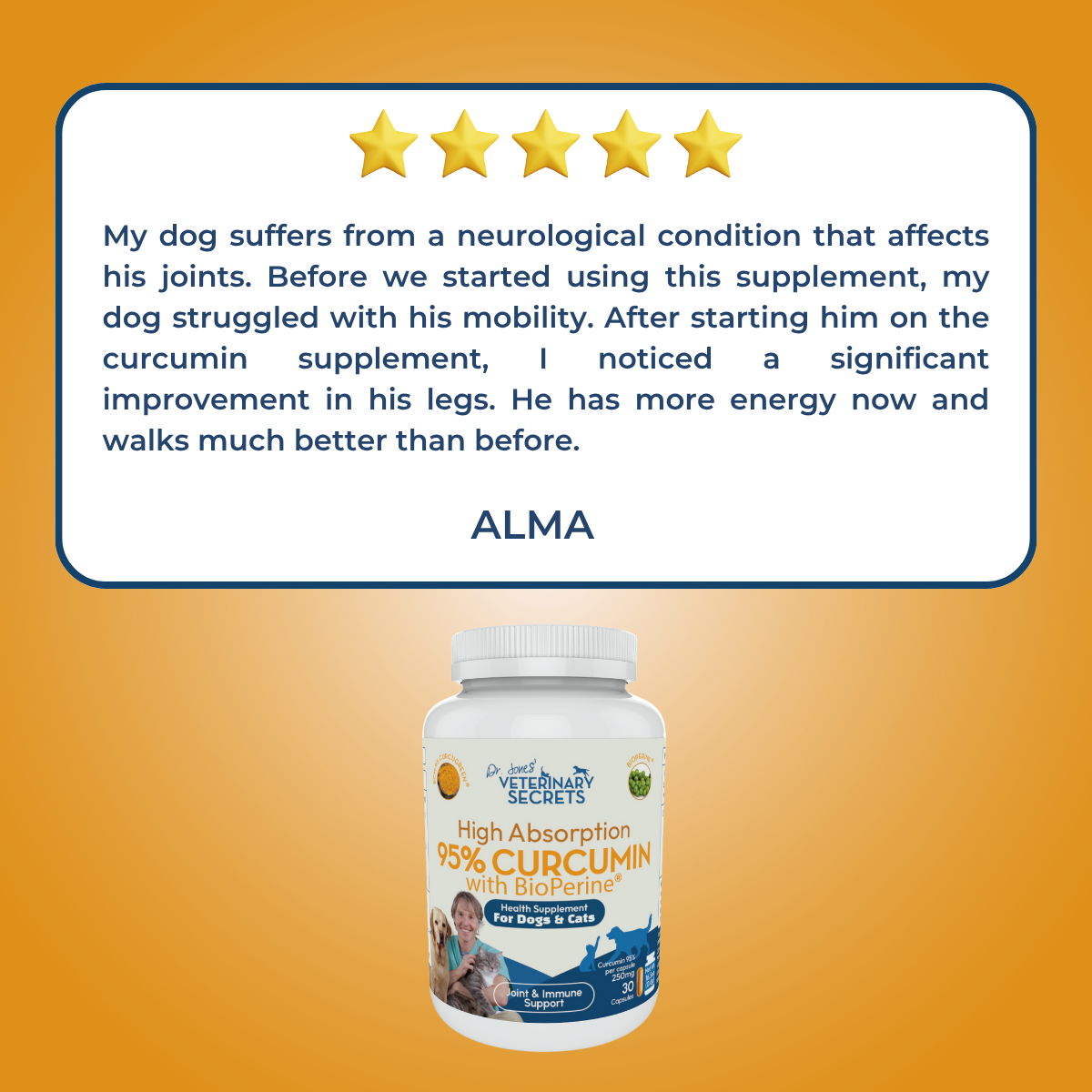
Dr. Jones’ Ultimate High Absorption 95% Curcumin




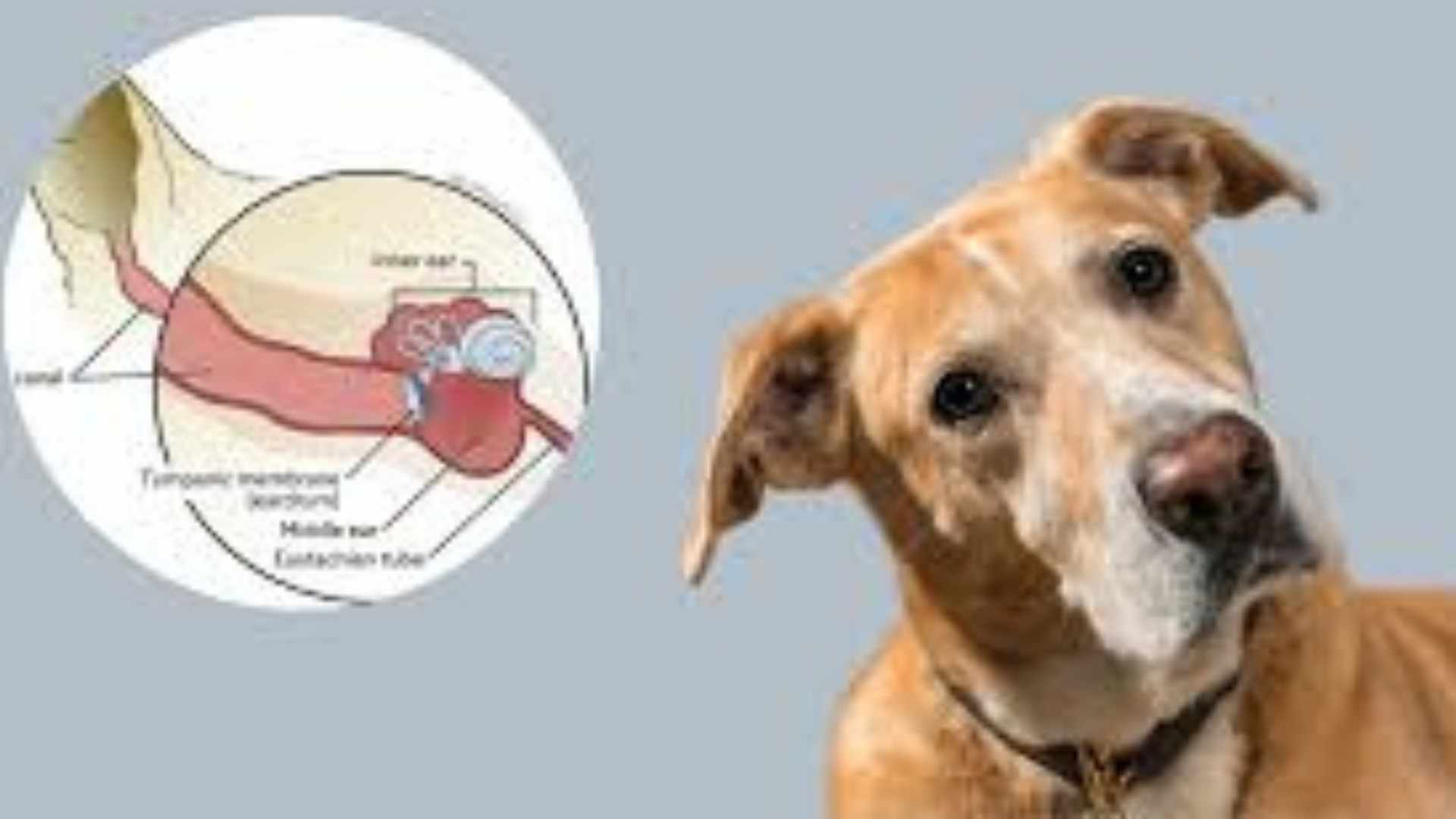
What Is Vestibular Disease in Dogs?
The vestibular system controls balance and coordination. It is located in the inner ear and the brain.
When this system becomes inflamed or disrupted, dogs can suddenly lose their sense of balance. They may appear disoriented and frightened, even though the condition itself is usually not life threatening.
In people, this feels like intense vertigo. The room spins. Nausea sets in. Standing becomes difficult. Dogs experience something very similar.
Common Signs You May Notice
Dogs with vestibular disease often stumble or stagger and may circle or fall to one side. A head tilt is very common. You may see rapid eye movement, known as nystagmus. Some dogs have droopy eyelids. Many feel nauseous and may vomit. Most look confused and anxious.
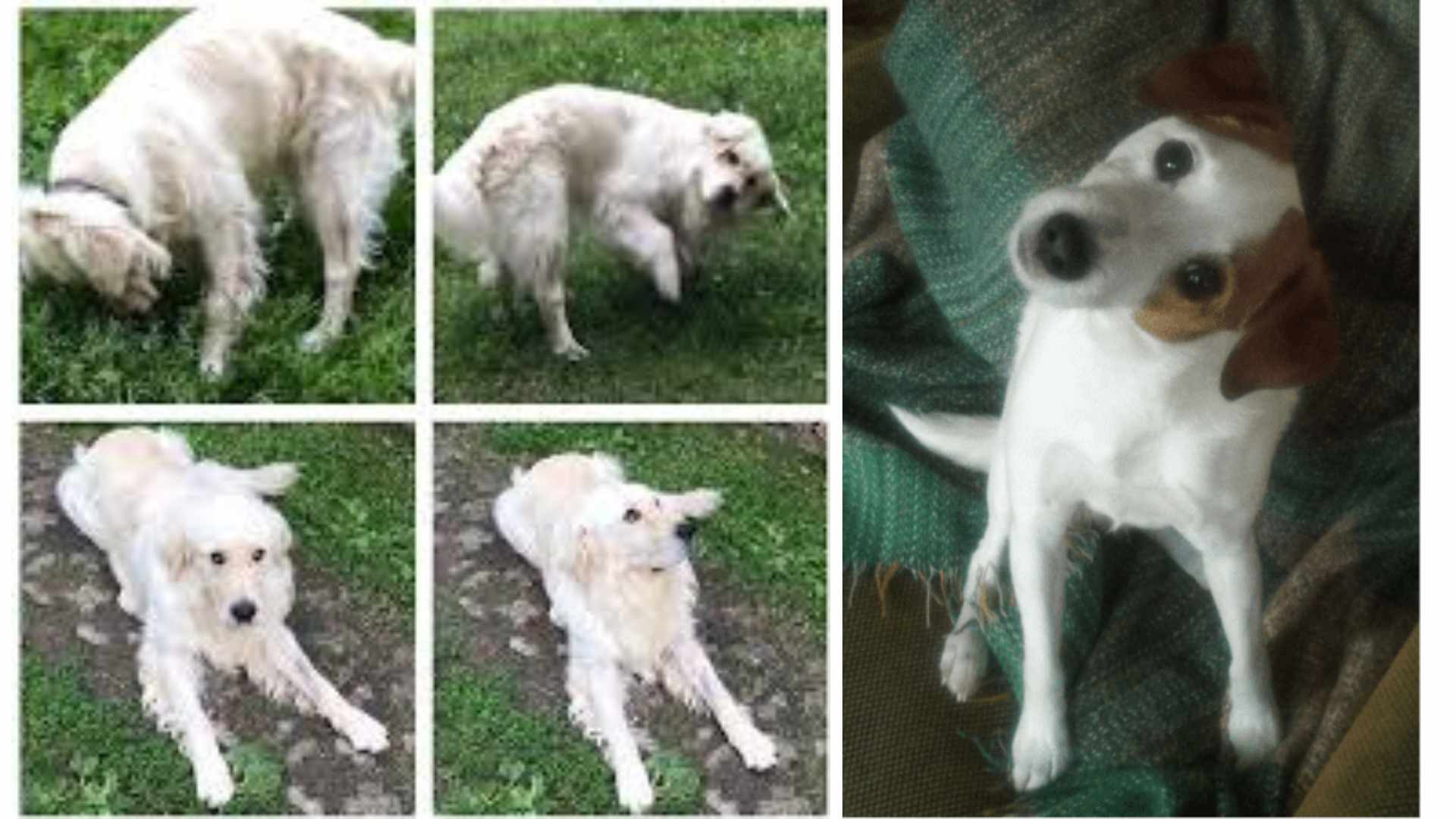
It looks dramatic, and I know how upsetting it is to see.
Why Vestibular Disease Happens
In older dogs, the most common cause is idiopathic vestibular disease, sometimes called geriatric vestibular disease. That simply means inflammation without a clear underlying cause.
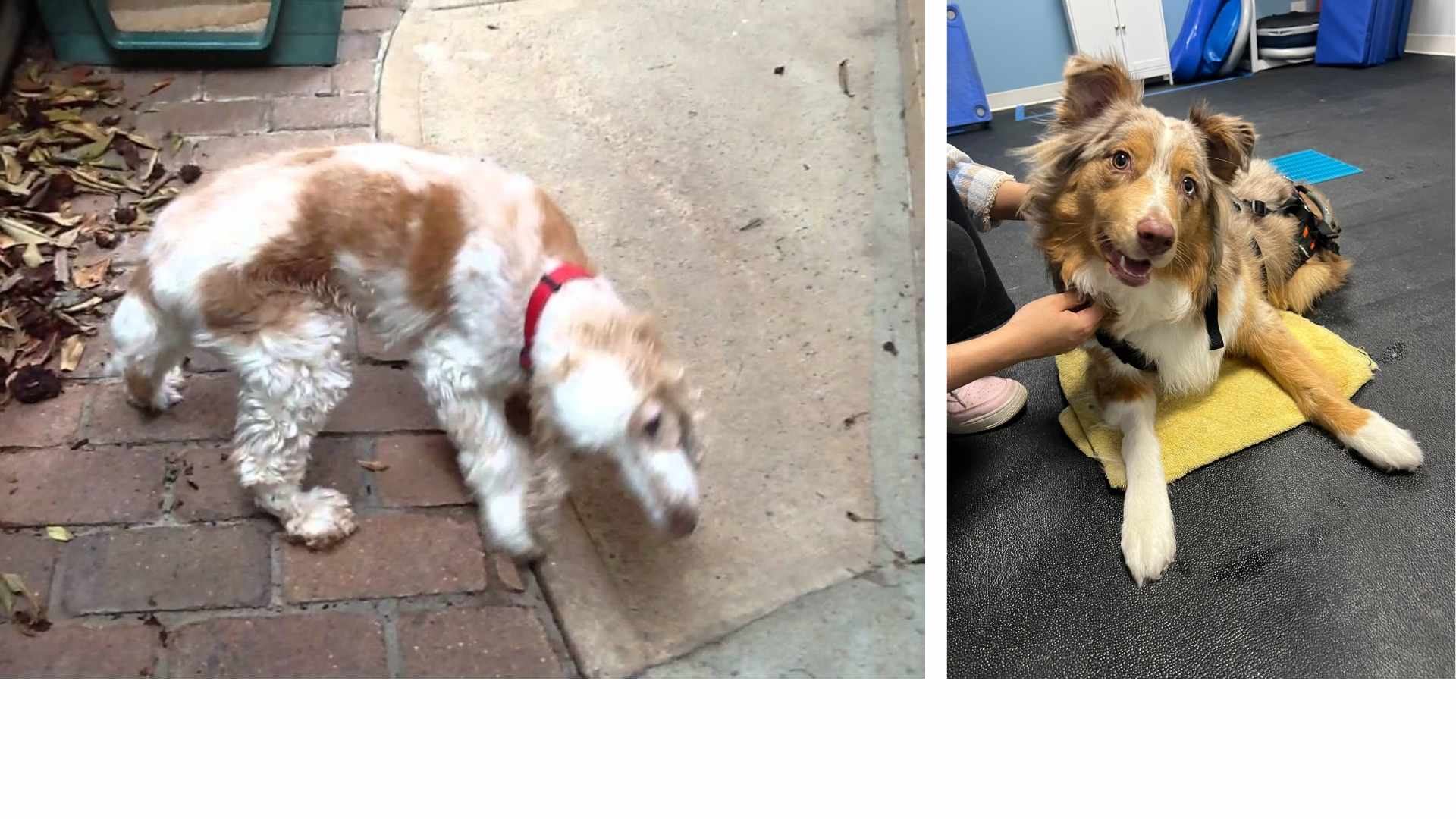
Other possible causes include inner ear infections, tumors affecting the ear or brain, or reduced blood flow from a stroke or embolus. This is why a veterinary exam is important, especially the first time this happens, to rule out more serious issues.
What Recovery Usually Looks Like
When vestibular disease appears suddenly in an older dog, idiopathic vestibular disease is often the cause.
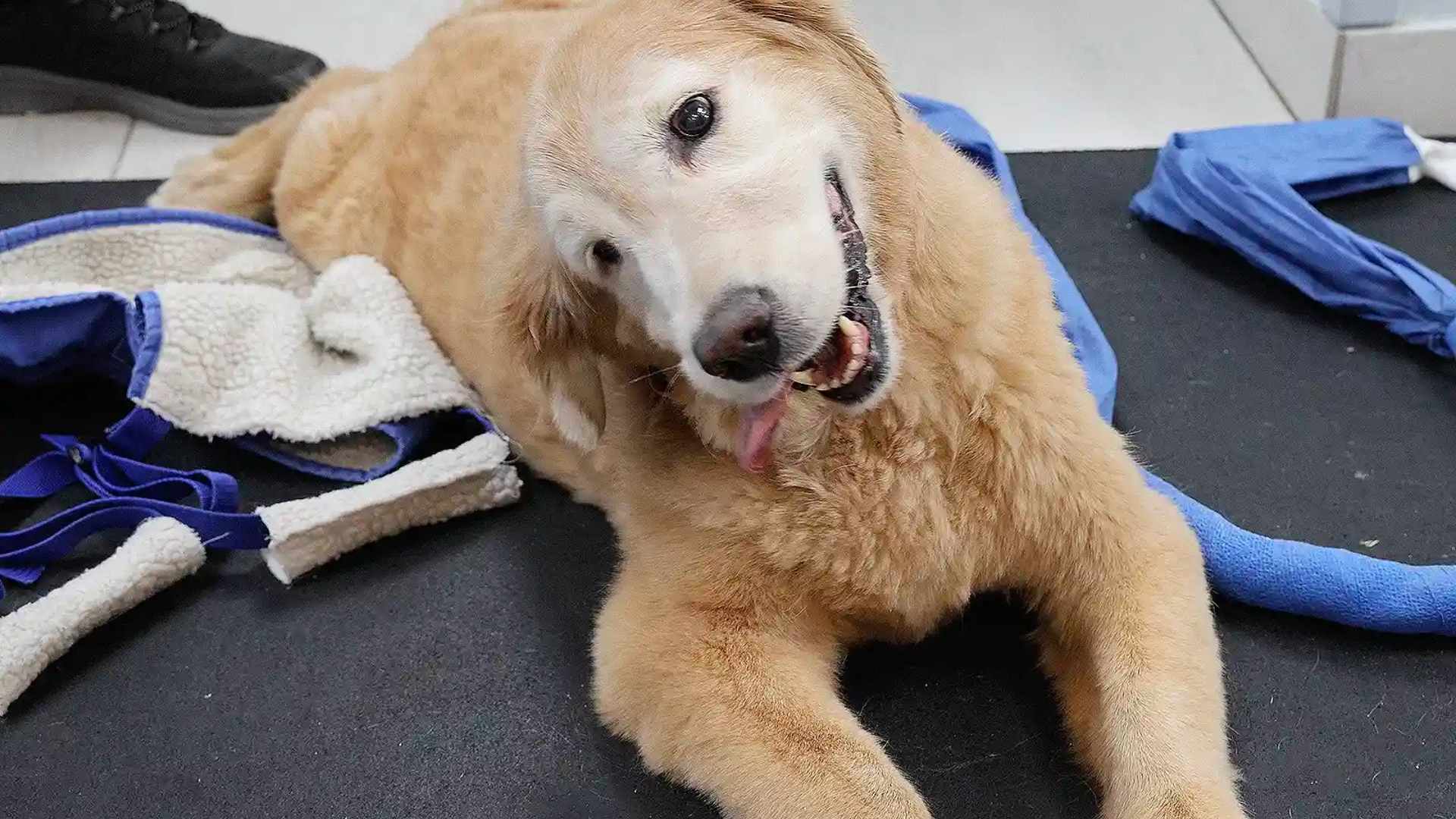
Most dogs begin to improve within three days. Many recover fully within seven to fourteen days. During that time, your role is supportive care and patience.
Supporting Your Dog at Home
Many dogs with vestibular disease do not want to eat or drink at first. Keeping them hydrated is essential. You can gently offer water using a syringe without a needle or a turkey baster. Low sodium bone broth can help encourage drinking.
If appetite is poor, warming food slightly or offering soft, high calorie meals can help. Some dogs do better with home cooked meals during recovery.

Make your home safe. Use rugs or towels to prevent slipping. Block stairs. Help them outside with a towel sling if needed.
Natural Remedies That Can Help
Inflammation in the inner ear plays a big role in this condition. Reducing that inflammation can support recovery.

95% curcumin is a powerful natural anti inflammatory. I have seen it help dogs recover more comfortably from vestibular disease. A common dose is 250 mg per 50 pounds daily using a highly absorbable form.
CBD oil can help reduce inflammation, dizziness, and nausea. A typical starting dose is about 3 mg per 10 pounds daily.
Ginkgo biloba may support blood flow to the brain and balance centers.

Homeopathic remedies such as Rhus Tox or Vertigoheel have also helped some dogs.
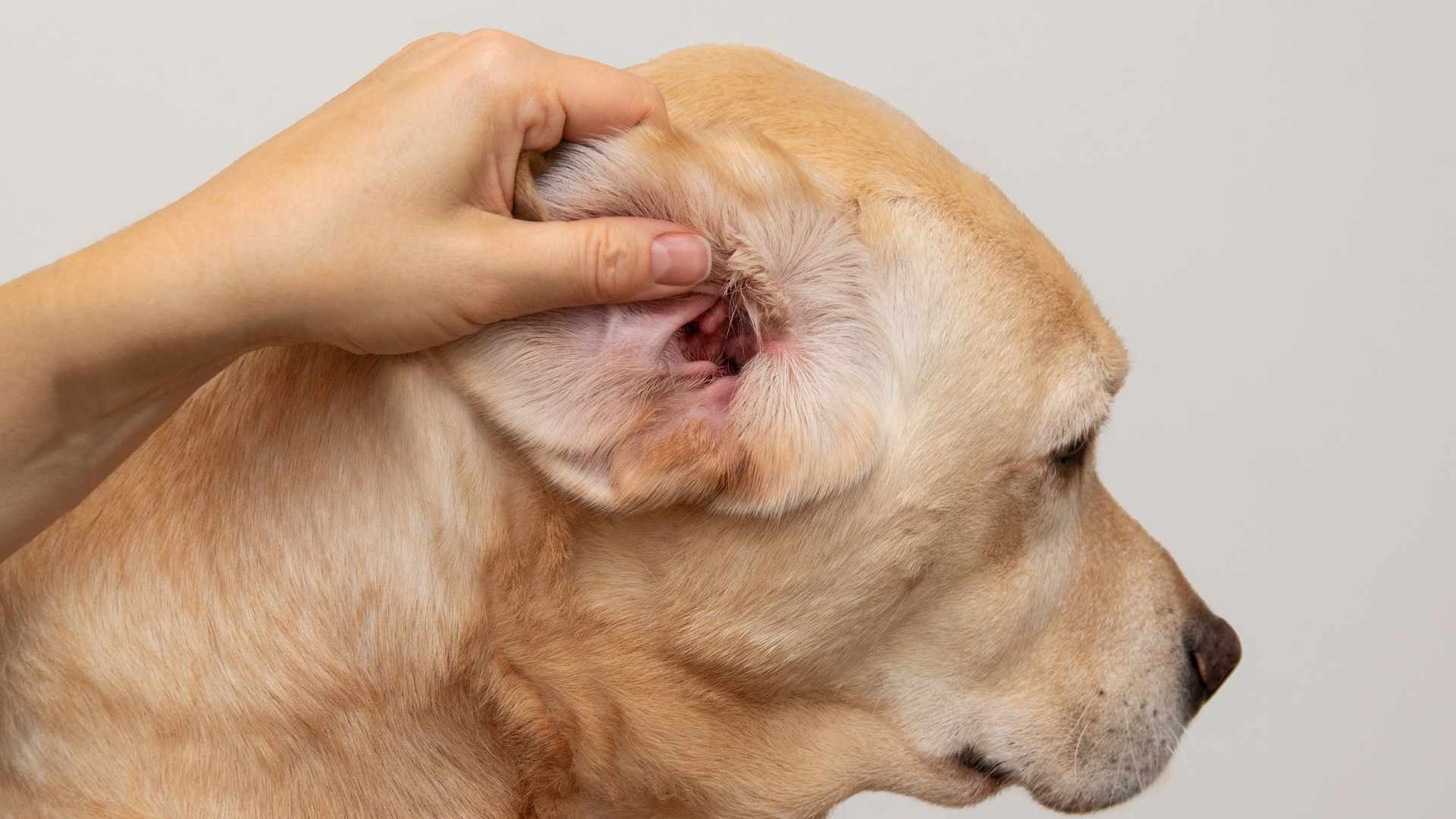
Gentle massage and acupressure behind the ears and at the base of the skull can support circulation and comfort.
Final Thoughts
Vestibular disease looks frightening, but most of the time it is not life threatening and it resolves on its own.
Focus on hydration, comfort, safety, and reducing inflammation. Watch your dog closely. If symptoms worsen or fail to improve, seek further care.
With patience and support, most dogs regain their balance and return to their normal, happy selves.
Click To Get A Free Copy of My E-Book!

P.S. I saw this often in practice. Most dogs recovered fully within seven to fourteen days. In the majority of cases, it was vestibular disease and not a stroke.




Grateful for your content
Thank you
Much love from Hungary