New Advances in Cancer Treatments for Dogs and Cats

Cancer in Dogs and Cats: What You Need to Know
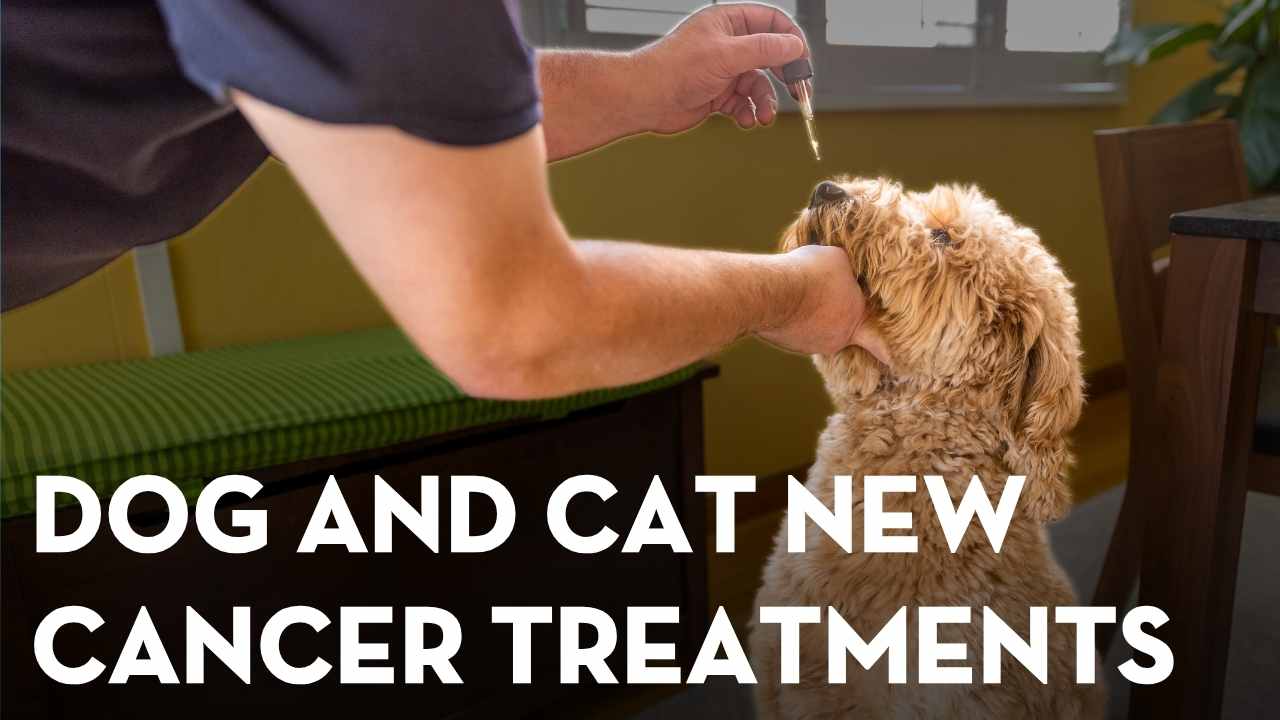
Cancer is the leading disease-related cause of death in dogs and cats, and unfortunately, its incidence is rising in many breeds. Thankfully, we’re seeing exciting developments—not just in conventional treatments, but also in alternative options that can support pets during their fight.
One of the most promising alternative approaches involves cannabinoids, the medicinal compounds in the cannabis plant. These compounds can help inhibit cancer spread, support the immune system in recognizing tumors, and in some cases, even trigger apoptosis (cancer cell death). I strongly suggest considering them if you’re helping a dog or cat with cancer—they also offer pain-relieving properties.
We now have a cannabinoid blend that’s getting great reviews:
Dr. Jones’ ULTIMATE Cannabinoid Blend for Dogs and Cats





New Conventional Treatments for Cancer in Dogs and Cats
Medical advancements are offering hope for pet parents facing cancer. Cutting-edge therapies like targeted chemotherapy, immunotherapy, and precision radiation are improving survival rates while minimizing side effects. Molecular diagnostics also allow early detection and personalized treatment plans.
It’s important to weigh the benefits, risks, and costs with your veterinarian to make the best decisions for your pet’s health and quality of life.
Liquid Biopsy: Early Detection
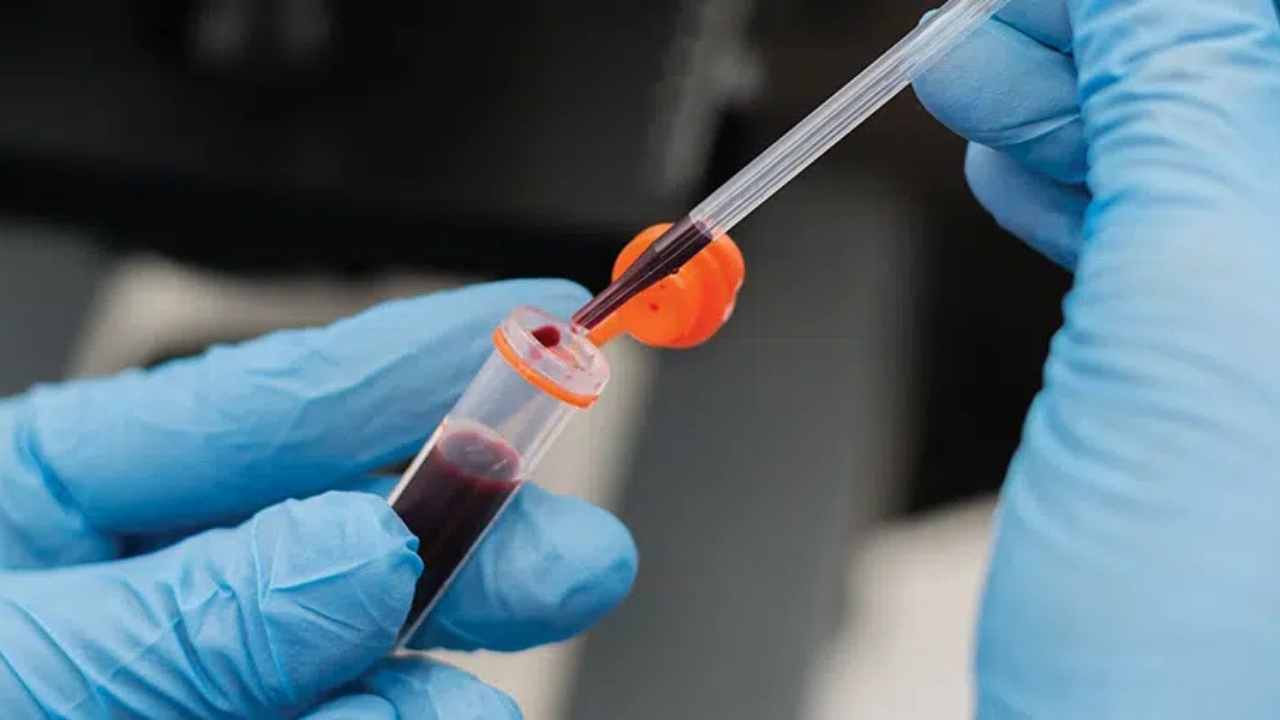
Liquid biopsy is a non-invasive screening test that can detect cancer before any clinical signs appear. It requires only a simple blood draw, and labs analyze the cell-free DNA for mutations that indicate whether cells are healthy or cancerous.
Targeted Therapy: Smarter Chemotherapy
Unlike traditional chemotherapy, which attacks all rapidly dividing cells, targeted therapies focus on specific molecular targets in cancer cells, making them less toxic to healthy cells.
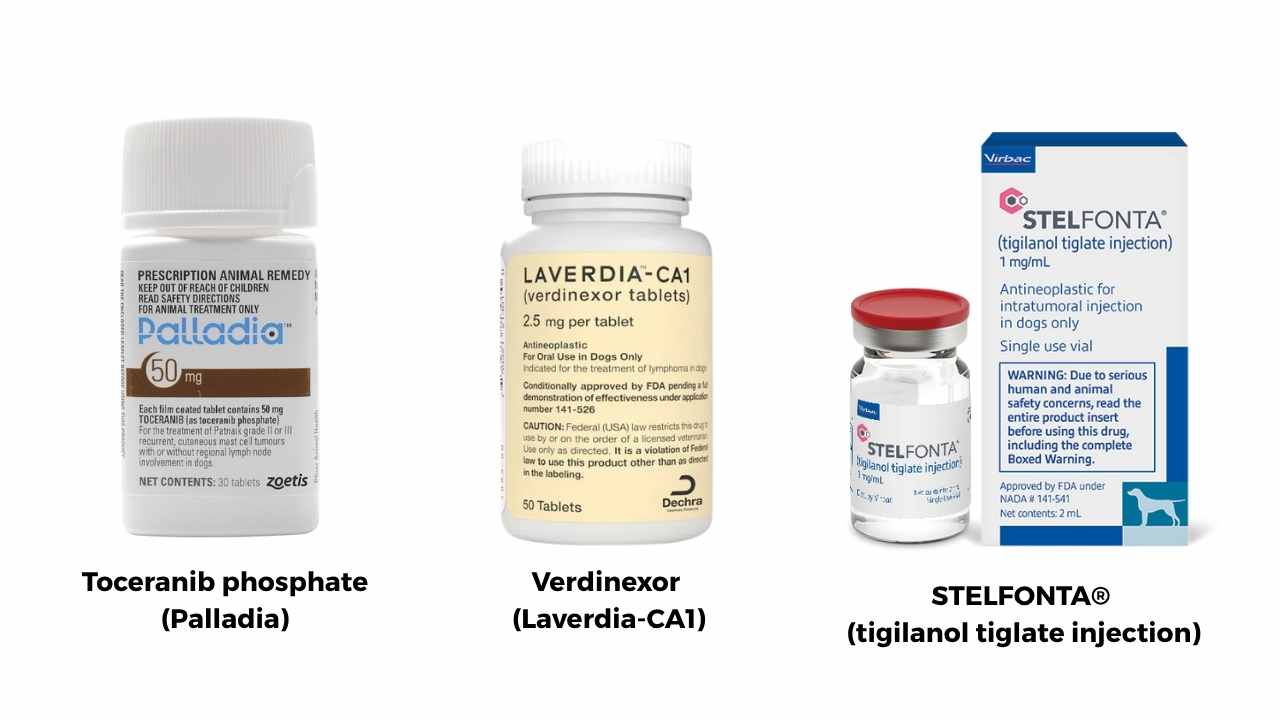
Some currently available options include:
-
Toceranib phosphate (Palladia) – Used for dogs with mast-cell tumors (skin cancer), especially tumors that are severe, recurrent, or inoperable.
-
Verdinexor (Laverdia-CA1) – Evaluated for dogs with lymphoma, particularly at stages II–IV. Diagnosis must be confirmed by cytology or biopsy.
-
STELFONTA® (tigilanol tiglate injection) – An intratumoral injection for non-metastatic mast cell tumors under 10 cm³, suitable for certain subcutaneous or cutaneous tumors.
Precision Radiation Therapy
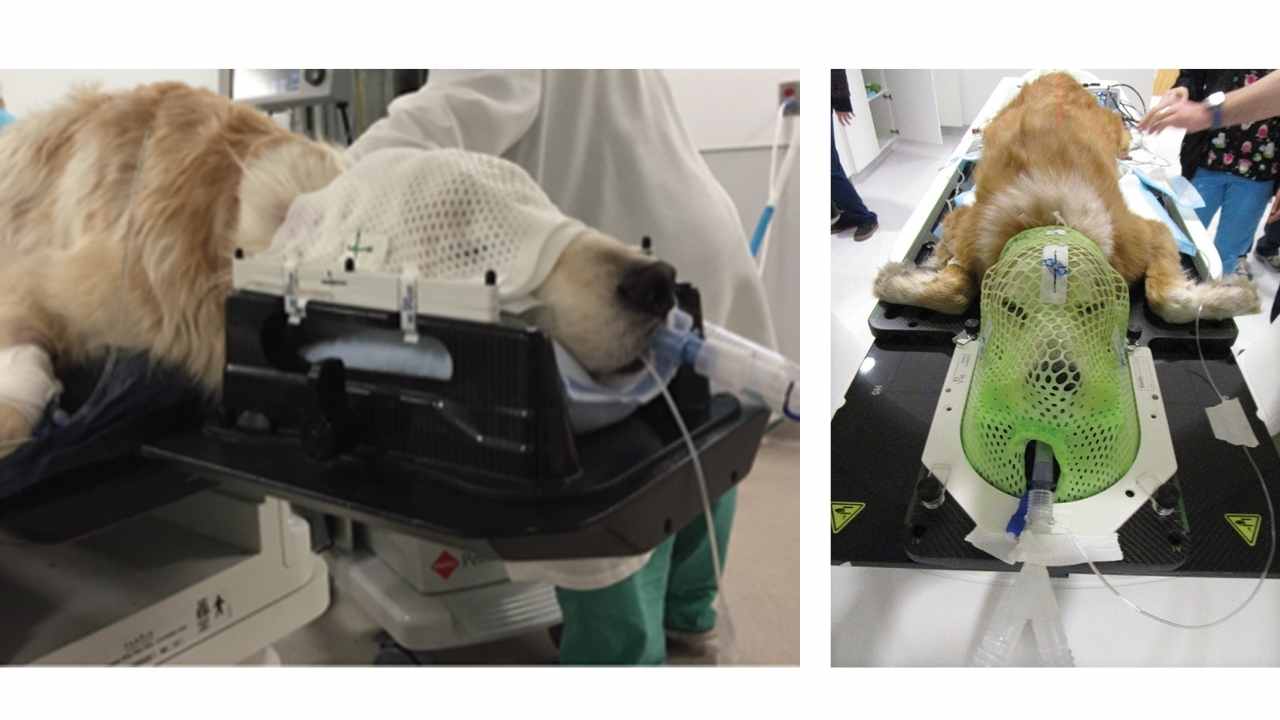
Precision radiation targets tumors while sparing surrounding healthy tissue. Techniques like stereotactic radiation therapy (SRT) and intensity-modulated radiation therapy (IMRT) allow for highly accurate treatment, especially for tumors in delicate areas like the brain or spine.
Immunotherapy: Teaching the Immune System to Fight Cancer
Cancer cells can sometimes evade detection or multiply faster than the immune system can respond. Immunotherapy trains a pet’s immune system to recognize and attack cancer cells.
-
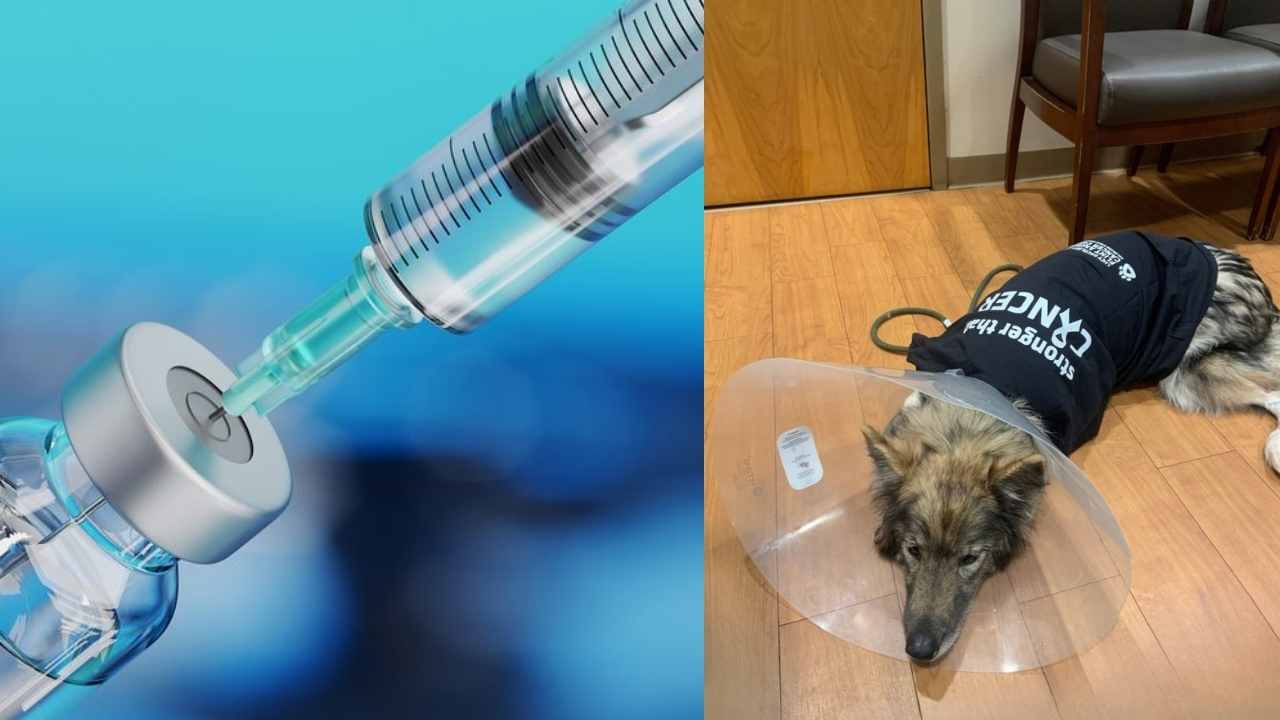
Novel cancer vaccines are increasing 12-month survival rates in dogs with certain cancers from around 35% to 60%, often shrinking tumors as well.
-
CAR T-cell therapy is an emerging field, using modified white blood cells to fight solid tumors. Colorado State University recently launched a CAR T-cell trial for dogs with metastatic osteosarcoma.
Combining Conventional and Alternative Approaches
While prevention is always better than cure, if your dog or cat is diagnosed with cancer, I recommend considering both conventional and alternative options. Surgery remains the most curative approach when possible. Novel immunotherapy treatments, like vaccines, show real promise.
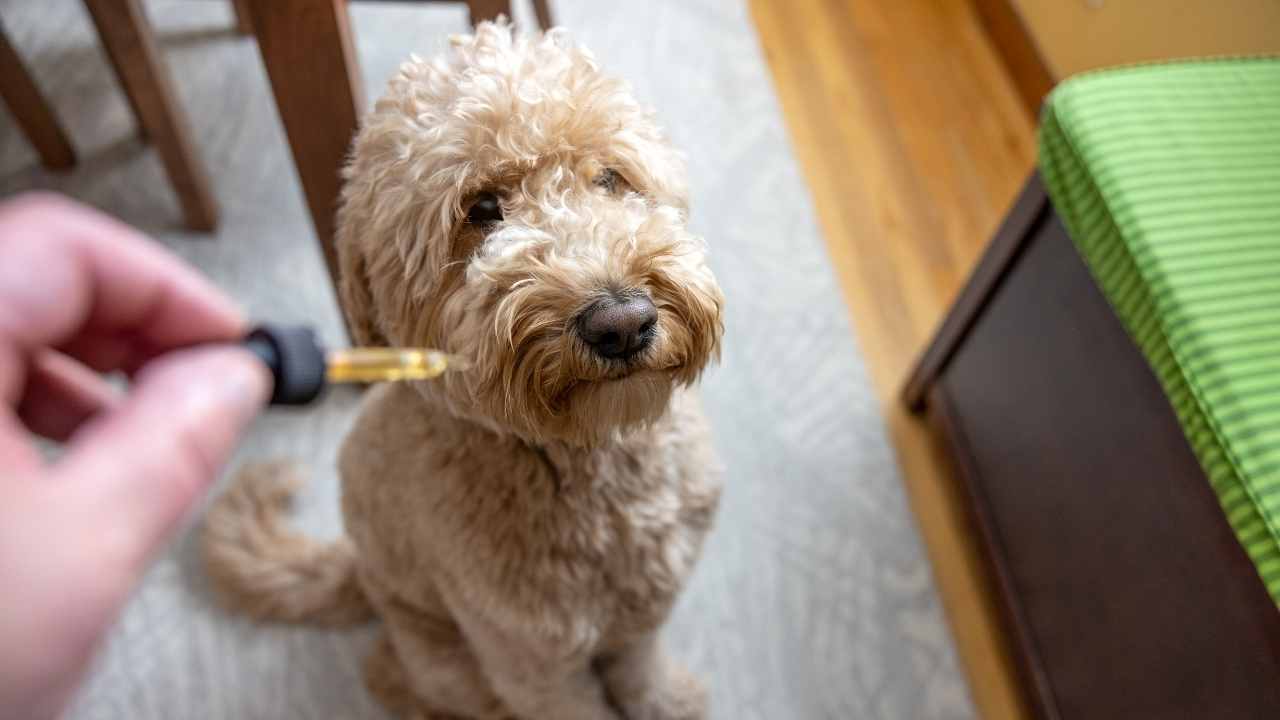
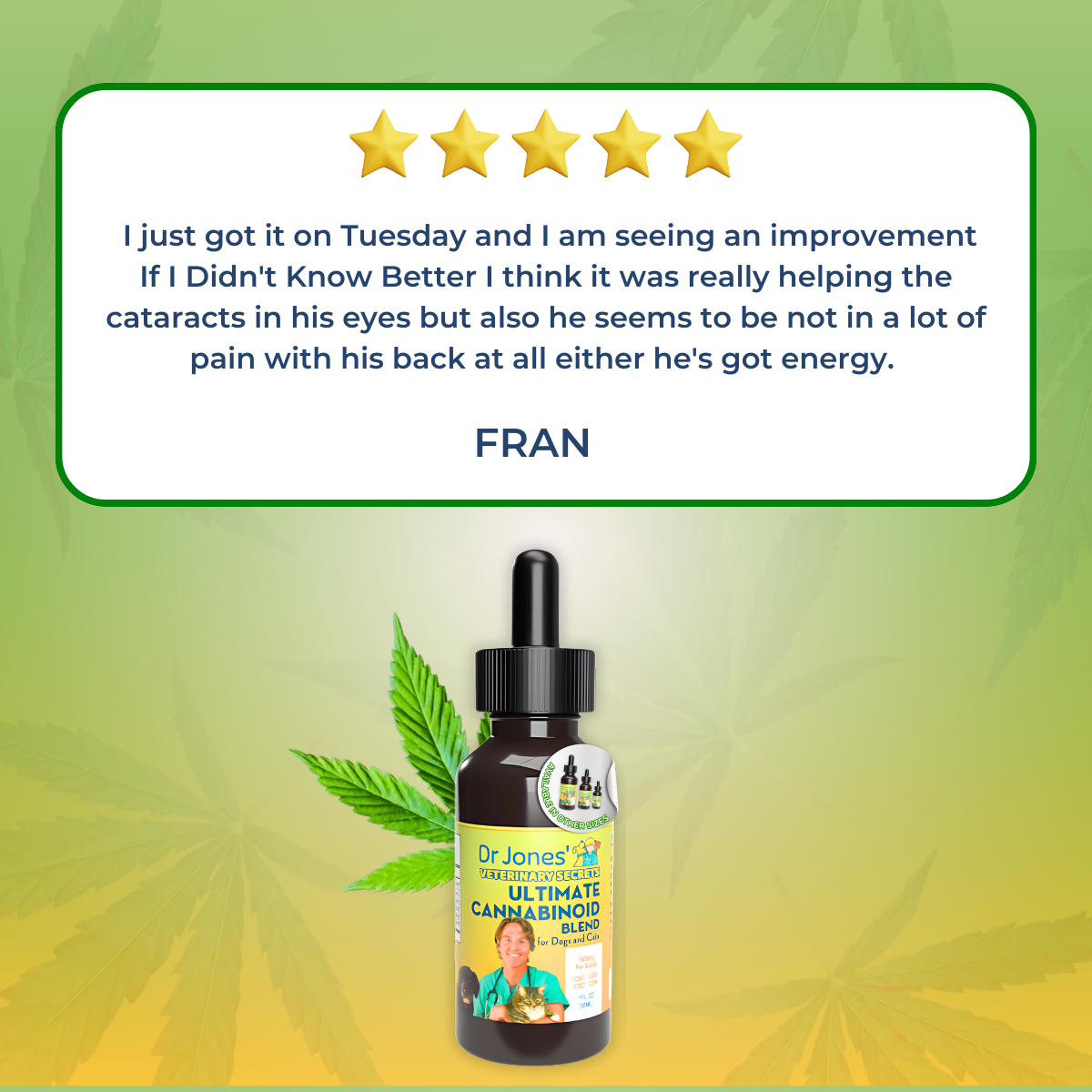
At the same time, cannabinoids offer documented anti-cancer properties without many of the side effects seen with conventional therapies. Our new blend combines CBD, CBC, CBN, and CBG and has been getting excellent reviews from pet parents.
Try Dr. Jones’ ULTIMATE Cannabinoid Blend for Dogs and Cats
P.S. I hope your dog or cat never faces cancer, but if they do, explore all options—conventional treatments, immunotherapy, and supportive alternatives like cannabinoids.
P.P.S. Our new cannabinoid blend may be a gentle, effective addition to your pet’s care plan, helping them feel better without harsh side effects.






I’d love to know the protocol for humans with cancer, as per your you tube video on Joe Pippins protocol please.
You mentioned Febendazole, cbd oil and curcamin.
I live in Fiji and would need to order all three drugs online, as they’re unavailable in Fiji.
Look forward to hearing the protocol for treating humans .
Thanks and regards,
Ilana Burness
Suva, Fiji.
Here are the articles that can help you with your concern:
https://veterinarysecrets.com/?s=cancer%20protocol
Dr. Jones, Do you have any recommendations for my dog that was just diagnosed with oral cancer? She has a mass on her lower gum. Her vet is saying it’s the worst type of cancer and to just keep her comfortable. She is a beagle coonhound mix, 52 pounds and will be 14 in June. Please help if you can. She is my soul dog??. I am willing to try anything. Thank you so much. Sue
Even with tough diagnoses, there are new treatments like targeted therapy and immunotherapy that might help, but your vet or a veterinary oncologist is the best guide. At the same time, focus on comfort, good food, gentle supplements, and lots of love, those moments matter most. You’re doing right by her.
Dr. Jones, Do you have any recommendations for my dog that was just diagnosed with oral cancer? She has a mass on her lower gum. Her vet is saying it’s the worst type of cancer and to just keep her comfortable. She is a beagle coonhound mix, 52 pounds and will be 14 in June. Please help if you can. She is my soul dog??. I am willing to try anything. Thank you so much. Sue
Even with tough diagnoses, there are new treatments like targeted therapy and immunotherapy that might help, but your vet or a veterinary oncologist is the best guide. At the same time, focus on comfort, good food, gentle supplements, and lots of love, those moments matter most. You’re doing right by her.
I have a pet nutria with a large cancer mass. I started iver & Fen Ben & turkey tail on him but would love some expert advice! They want to start radiation next week. He weighs 15 lbs, can you offer dosage info?
I’m really sorry you’re dealing with this, that’s a tough situation, and it’s clear you’re doing everything you can.
Because this is a cancer case in a less common species (nutria), I can’t safely give specific dosing instructions—especially alongside treatments like radiation. What I can do is share some general guidance Dr. Jones has discussed so you have a framework to review with your vet:
Fenbendazole (Panacur)
Dr. Jones’ general protocol (based on dog use) is:
50 mg/kg (?23 mg/lb)
Once daily for 3 days, then 4 days off
Reassess after about a month
Ivermectin
There’s emerging interest for cancer support, but no established dosing for cancer. Typical parasite dosing in dogs is sometimes referenced as:
~0.1 mg per 10 lbs daily (again—this is NOT cancer-specific or species-specific)
My best advice:
Share exactly what you’re giving with your vet
Ask about combining these with radiation safely
Start low and avoid stacking too many new things at once
You’re clearly going all-in for him, and that matters a lot. If you want, I can help you think through a simple, safer “support plan” to discuss with your vet.