When You Can’t Afford the Vet: A Vet’s Honest Advice

And What You Can Do About It
If I told you that over 50% of pet owners are now delaying or skipping veterinary visits, would that surprise you?
I hear it all the time.
“My dog is sick, but I can’t afford to go.”
“I know I should see the vet, but I just can’t right now.”
New studies published in 2025, from both the United States and Canada, confirm this is exactly what’s happening. More than half of pet parents are putting off vet visits, including preventive care, diagnostics, and recommended treatments.
The big question is why.
And just as important, what can you realistically do about it?





This Is Not Neglect
Let me be very clear about one thing first.
This is not about pet parents not caring.
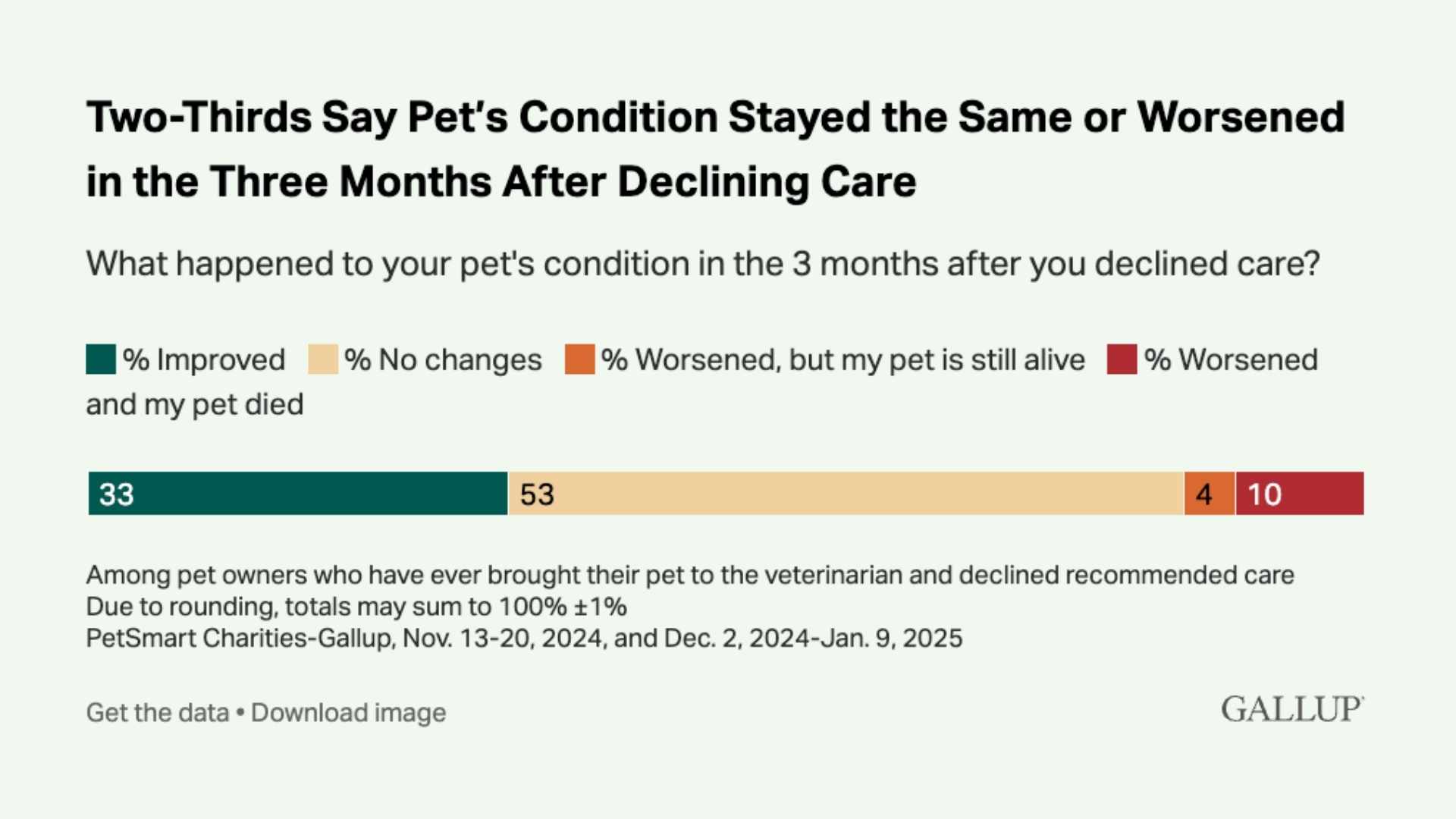
Most people want to take their dog or cat to the vet. They know it’s important. The problem is cost. Household budgets are tighter. Inflation has affected everything. Veterinary care has become far more expensive, often faster than wages have increased.
That creates guilt. Stress. Emotional pressure.
You know your pet needs care. You just don’t have the thousands of dollars it may take. And then you’re stuck choosing between rent, groceries, and a vet bill.
That does not make you a bad pet parent.
Why Veterinary Costs Have Risen So Much

Veterinary fees have increased for several reasons:
• Higher staffing and labor costs
• More expensive diagnostic equipment
• Rising overhead and operational expenses
• Increased corporate ownership of clinics
Thirty years ago, corporate veterinary clinics were rare. Today, an estimated 25 to 40% of general practices are corporate-owned. Corporate models are built around profit targets and investor returns. That pressure drives fees up across the board.
Procedures that once cost a few hundred dollars can now cost thousands.
Even suggested fee guides published by veterinary colleges have climbed dramatically.
All of this adds up to one reality. Care is out of reach for many families.
Prevention Still Matters, But What If You Can’t Afford the Visit?
Ideally, catching problems early saves money and prevents suffering.
A cat drinking more water.
A dog gaining weight.
Early dental disease.
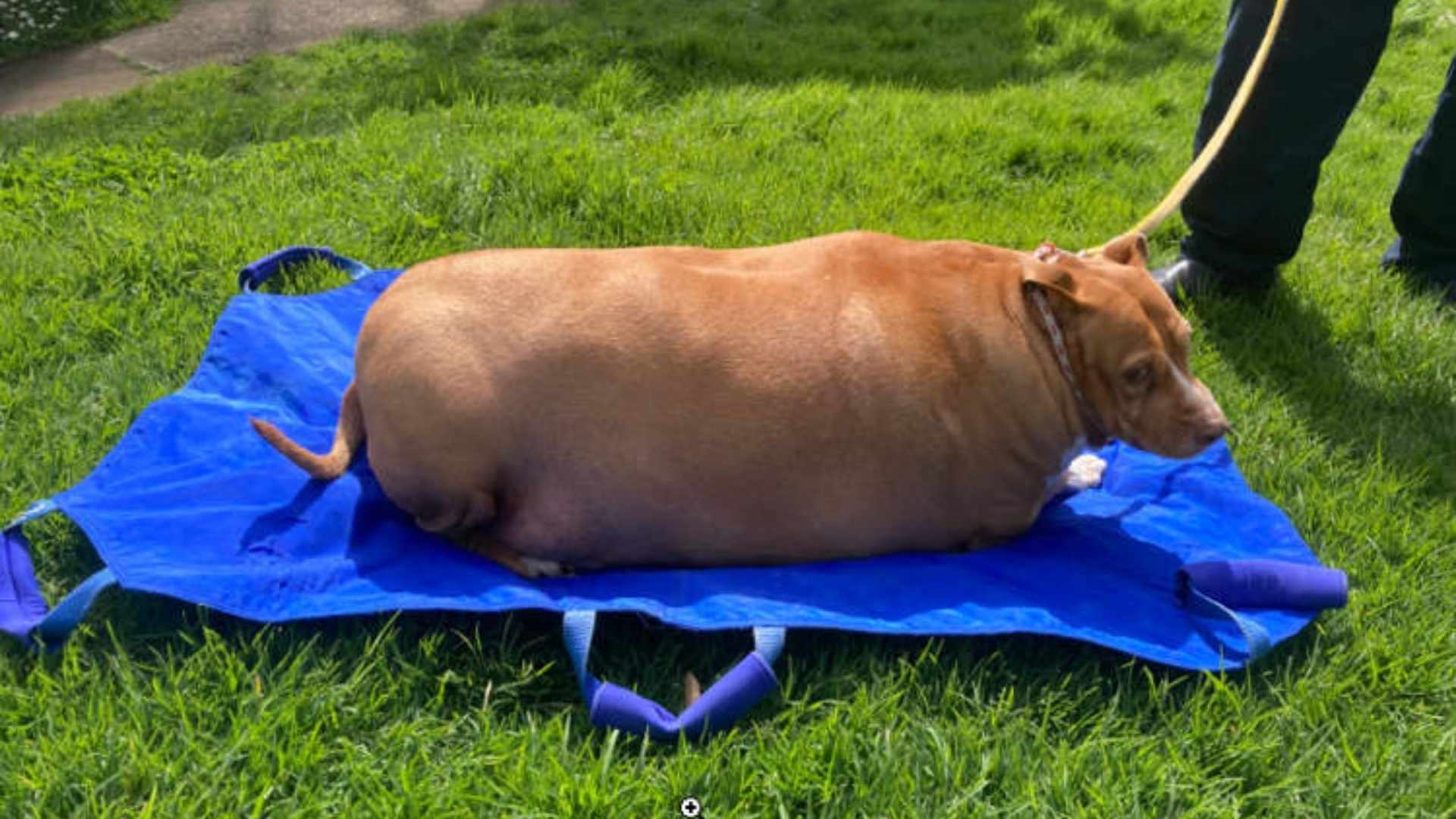
Those are things best addressed sooner rather than later.
But if you cannot afford even an exam fee, what can you do?
This is where practical, realistic home care becomes important.
Start With Food
You do not need the most expensive food on the shelf. You do need better than the cheapest option.
For cats, avoid kibble whenever possible.
For dogs, choose a mid-range kibble with animal protein listed first.

Then improve the food with simple, affordable additions:
• Cooked chicken as a topper
• One egg daily for dogs
• Greek yogurt for probiotics, about 1 teaspoon per 10 to 20 pounds
• Olive oil, ½ teaspoon per 10 to 20 pounds daily
• Squash for antioxidants, 1 tablespoon per 20 pounds
These small changes improve protein quality, reduce inflammation, and support long-term health.
Exercise Is One of the Most Powerful Tools You Have
If there is one thing that makes the biggest difference, it is exercise.
Exercise supports weight control, heart health, brain function, immune balance, and joint health. It helps prevent diabetes, arthritis, and many inflammatory diseases.

Studies show lean dogs can live up to two years longer.
Minimum goal:
• Walks at least three times daily
• 10 to 15 minutes per walk
More is better if your dog can tolerate it.
Be More Involved in Your Pet’s Health
You do not need advanced training to notice early changes.
Pay attention to what is normal for your pet:
• Appetite
• Energy level
• Drinking and urination
• Body weight
• Behavior
Weigh your dog or cat at least monthly. Small changes matter.
Learn how to do a basic home exam.
Look at the eyes, ears, gums, teeth, and movement.
Feel for heat, swelling, or pain.
Early awareness often prevents bigger problems later.
Learn Simple Home Remedies
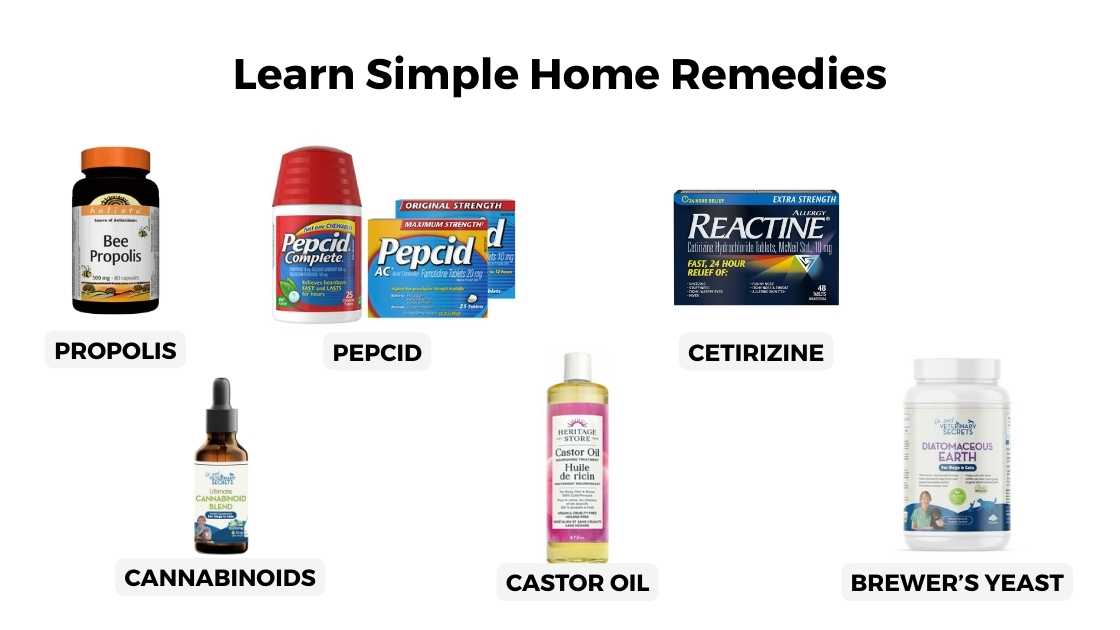
Many common issues can be safely managed at home:
• Hypochlorous acid for skin irritation and ears
• Pepcid for mild stomach upset
• Cetirizine for hives and allergic itching
• Castor oil topically for pain and inflammation
• Propolis for bacterial skin issues
• Brewer’s yeast for flea support and chromium
These options are inexpensive, widely available, and often very effective.
Other Options to Consider

Pet insurance
Best started when pets are young, though it can be costly.
Telemedicine
Useful for guidance, triage, and follow-up care when clinic visits are not possible.
These are not perfect substitutes for in-clinic care, but they can help bridge gaps.
You Are Not Powerless
Veterinary care is more expensive than ever, and that is unlikely to change soon. Financial pressure is real. The stress you feel is real.
But you still have options.

By focusing on diet, exercise, observation, basic skills, and simple home remedies, you can protect your pet’s health in meaningful ways.
You cannot treat everything at home.
But you can do far more than you may realize.
Click To Get A Free Copy of My E-Book!

P.S. I grew up far from veterinary clinics. We learned to care for animals with what we had. That experience shaped everything I teach today.




I am interested in purchasing some artemisinin for my cat with squamous cell carcinoma. I found your YouTube video on it but can not find the product for sale on this site. Please help thank you
Hi there, thanks for your kind words and I’m sorry you’re dealing with this. Artemisinin isn’t something we sell directly, but you can usually find a good quality version through trusted online retailers like Amazon or some local compounding or holistic pet pharmacies. Just be sure it’s pure artemisinin with no added fillers.
We also recommend checking dosing carefully and using it short term, as Dr. Jones discusses in the video. Wishing you and your kitty all the very best.
My dog has been on pretnezone since the beginning of October I’ve been taking my doggy to the vet and he had been on meds. Since he is not getting better at all. Now he is skinny and I’m afraid I’m going to lose him. The Vet said that he had arthritis on his hips and some symptoms of valley-fever and cysts.
Today I’m broke and borrowing money to have what they have to take out of my account.
I’ve bought him better dog food.
First they said he had namonia in one lung (he had a dry cough). He also had a lump on his leg. On the following appt he had a cough with flem and they said he was worse. So they gave him more pretnezone and other meds. As of last week he has not been on any meds. He is my first pet that I have ever owned. I will do the exam that you have on YouTube. Thank you for helping.
I am really sorry you and your pup are going through this. I can hear how much you care and how stressful this has been. Prednisone can help in the short term but long term it can cause weight loss and weakness so it is good that you are asking questions now. If he is off the meds and still not improving I would definitely look at supportive care like good nutrition gentle supplements for inflammation and immune support and keeping stress low. Valley fever can be tricky and sometimes takes time and the right plan to turn around. You are doing the right thing by learning and advocating for him. Take things one step at a time and do not lose hope. You are not alone in this and your dog is lucky to have you.
My cockapoo Jake is 14 yrs old. He is very similar looking to your Tula. He was diagnosed with pancreatitis several years ago and we try to keep his fat content low. He has cataracts, many lipomas, warts (some crusty ones he picks at) and a lot of tear stains. He has a stinky odor too and drinks a lot of water with his food. We can’t afford veterinary care for him as well as for our 6 yr old golden doodle, and two 3 yr old cats, one of which we can’t afford spaying. I watched several of your videos and want to incorporate a healthy lifestyle for all of them without paying extreme vet bills. We are feeding our dogs Spot and Tango thinking we are giving a freeze dried healthy option for food. I add some fresh beef bone broth we buy from local health food pet store which we buy frozen and thaw out. After watching your videos, I would need to bandage Jake all over for his many lipomas and warts. His eyesight is also getting worse and he walks into walls and hesitates on stairs. What can I give him to help improve his health issues besides applying the many remedies you suggest to the skin problems? Also, any suggestions as a whole for my entire fur family with rising vet costs?
It breaks my heart that I can’t do all I need to do for their health when we can barely afford to take care of our own. Thanks for all your help.
Thank you so much for sharing Jake’s story. My heart really goes out to you.
For a senior dog like Jake with pancreatitis history, skin issues and slowing vision, Dr. Jones always likes to think simple and supportive. Keeping fat low like you are doing is key. Gentle whole foods, good hydration and adding in things that support the liver and digestion can make a big difference over time. A small amount of milk thistle or a good quality omega three can help with inflammation and skin health. For the tear stains and odor, that often points to yeast or gut imbalance, so probiotics and cutting back on starches can really help.
With lipomas and warts, he usually suggest starting internally rather than trying to treat every spot on the outside. Supporting the immune system and liver often helps slow new growths and calm the skin. And for his vision, antioxidants like lutein and omega threes can be very helpful.
You are right to think in terms of lifestyle rather than constant vet visits. Clean food, simple supplements, less stress and watching for changes goes a very long way. You do not need to do everything at once. Small steps add up.
Thank you, Dr. Jones!
I was a sceptic at first. Our dog was licking her paw. It was inflamed hot and red.
I looked up a video with teas, essential oils and i have been applying it 3x a day. We are on our 3rd day. It looks so much better. I can’t believe it. Its amazing! You are amazing!
Thank you!
That’s wonderful to hear and it makes my day to read this. Paw licking and red inflamed skin are so often yeast or allergy related, and those simple natural soaks can really calm things down quickly when you catch it early. Keep it up for a few more days even once it looks better, and try to keep the paw clean and dry between treatments. You did a great job trusting the process. Thanks so much for sharing your success!