What Causes UTIs in Dogs? Signs, Natural Remedies, and Bladder Support Options

What Causes UTIs in Dogs?
Dog urinary tract infections are usually caused by bacteria entering the urinary tract. The most common culprit is E. coli, which often comes from fecal matter. Other bacteria, including strep and staph, can also be involved.
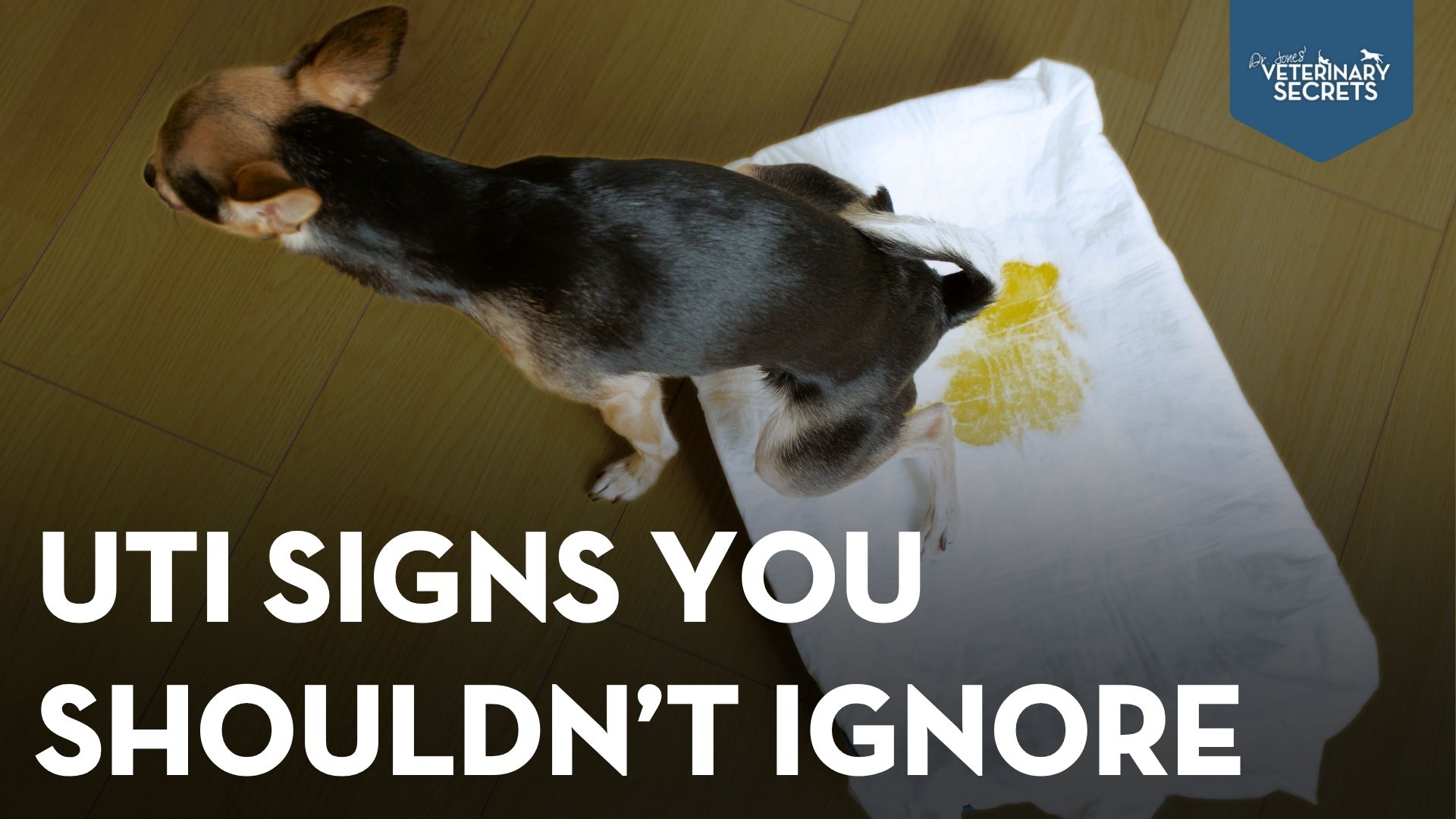
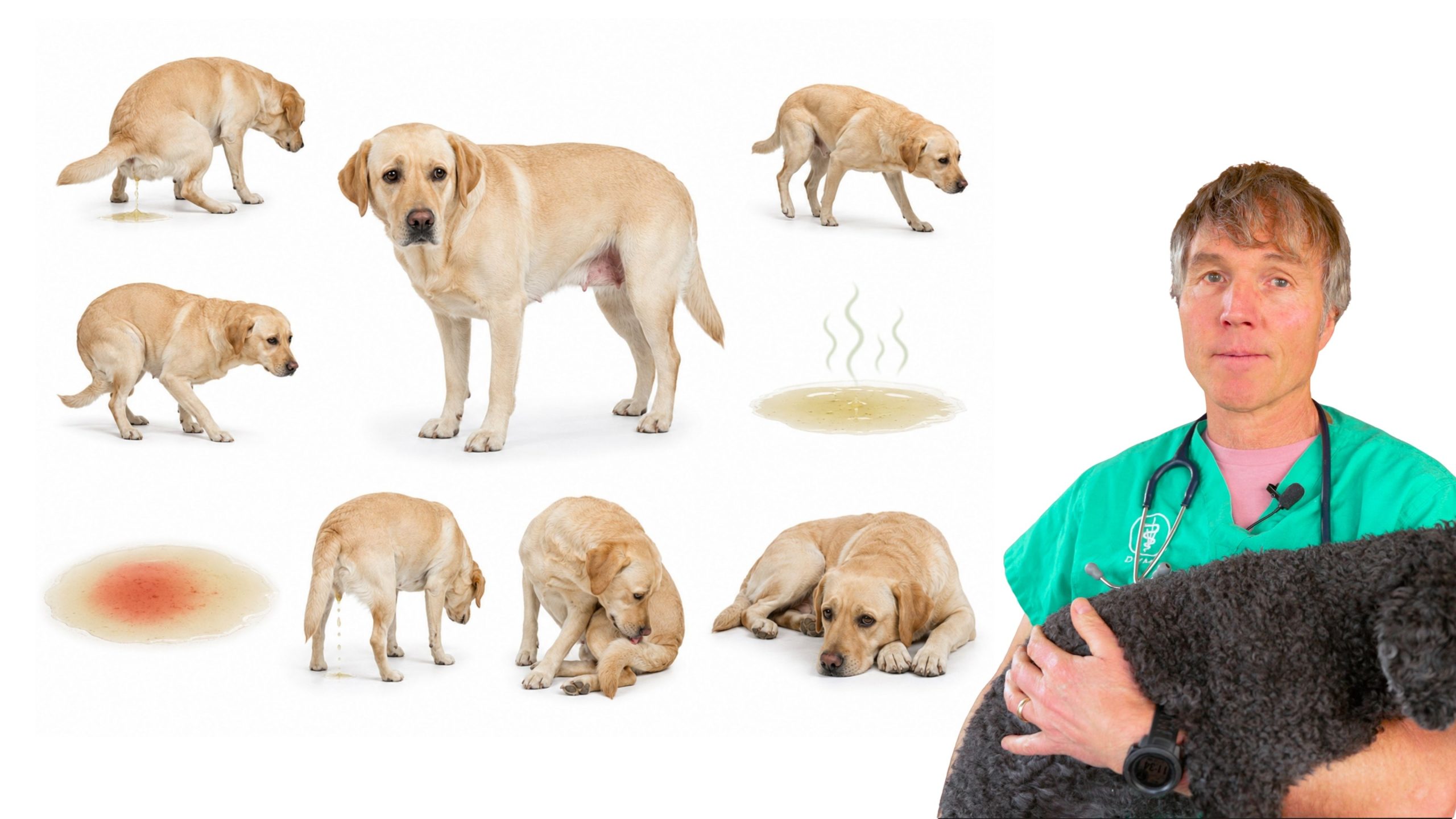
If your dog is licking her rear, straining to urinate, making frequent trips outside, leaking urine, or you see blood in the urine, a UTI may be the reason.
The good news?
UTIs in dogs are often treatable, and there are natural remedies that may help ease discomfort and support bladder health. But first, you want to confirm what is going on.
If you suspect a UTI, get your dog checked by your veterinarian so you can confirm the diagnosis and rule out more serious problems, such as bladder stones.
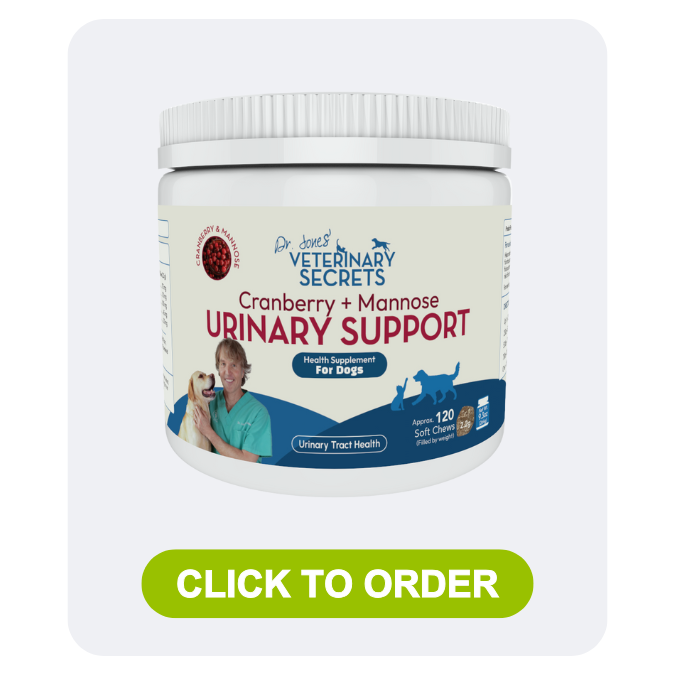
Dr Jones’ Urinary Support Chews for Dogs

What Is a UTI in Dogs?
A UTI, or urinary tract infection, happens when bacteria get into the urinary tract and start irritating the bladder or urinary system.
This can make your dog feel uncomfortable, restless, and urgent.
You may see your dog asking to go outside again and again, only to pass a small amount of urine.
Or you may notice blood, strong-smelling urine, leaking, or licking around the genitals.
Not glamorous.
But very common.
What Are the Signs of a UTI in Dogs?
The most common signs of a dog UTI include:
- Frequent urination, even in the house
- Straining to urinate
- Discomfort while urinating
- A small amount of blood in the urine
- Leaking or dripping urine
- Licking at the genitals
- Strong-smelling urine
- Excessive licking around the rear
If your dog has any of these signs, do not ignore them.
A mild UTI can become much more uncomfortable if it is not addressed.
Why Do Dogs Get UTIs?
UTIs are typically caused by bacteria entering the urinary tract.
The bacteria may come from:
- Fecal matter
- Skin folds around the genitals
- Bacteria from the mouth, especially if there is dental disease
- Strep bacteria
- Staph bacteria
- E. coli bacteria
Female dogs can be more prone to UTIs because of their anatomy.
Spayed female dogs may also be more susceptible due to a weakened bladder.
Can Dental Disease Contribute to UTIs?
Yes, bacteria from your dog’s mouth may play a role.
If your dog has dental disease, bacteria from the mouth can contribute to problems elsewhere in the body, including the urinary tract.
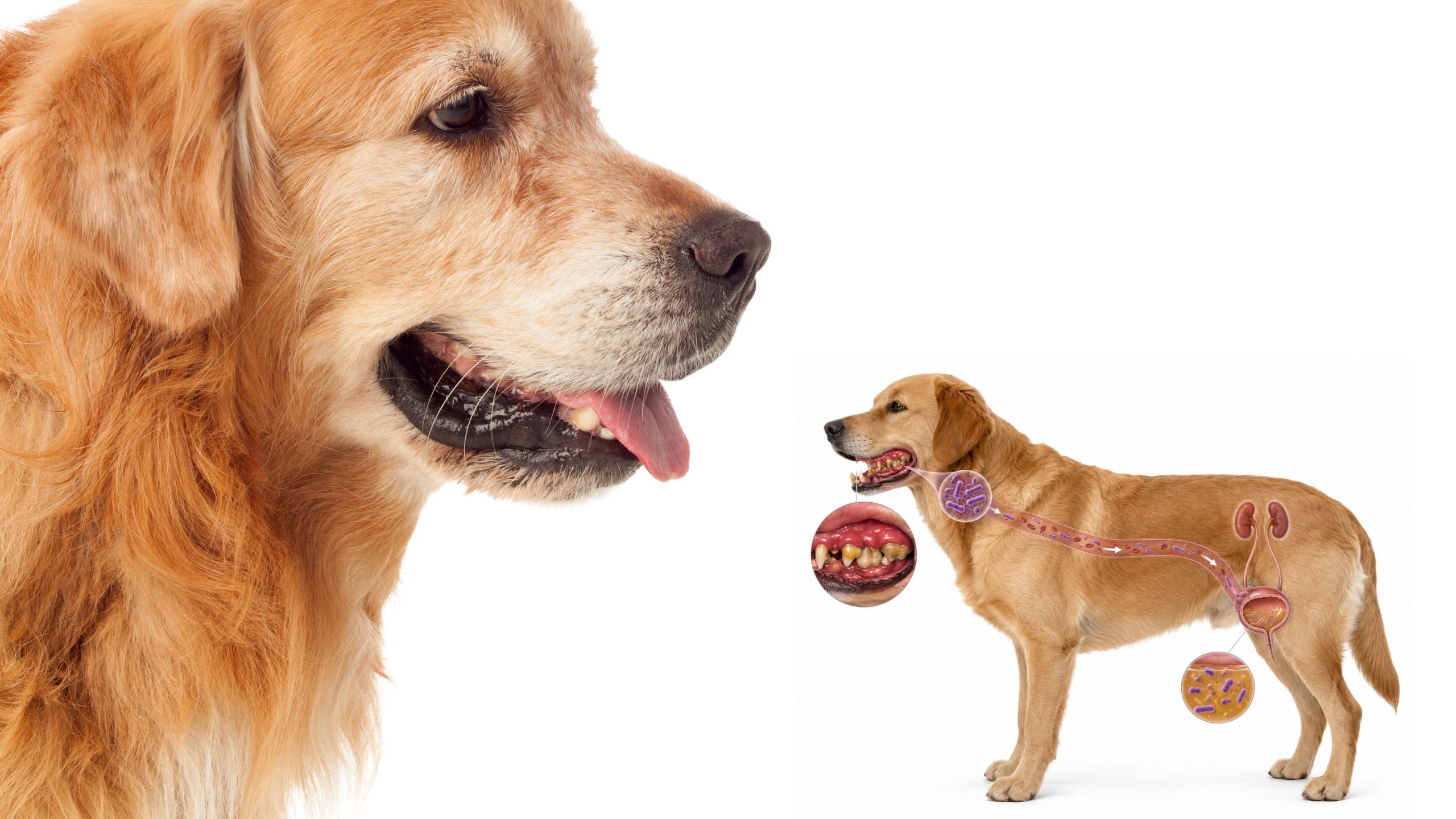
This is one of those “the body is connected” moments.
Your dog’s teeth are not just about breath.
Though yes, that breath can be a warning sign too.
When Should You See Your Veterinarian?
If you suspect your dog has a UTI, it is best to have your veterinarian check her.
This helps confirm the diagnosis and rule out other problems such as:
- Bladder stones
- More serious urinary issues
- Persistent infection
- Other causes of blood in the urine
- Bladder weakness or leaking
Natural remedies can help support your dog, but you still need to know what you are treating.
Guessing is not a diagnosis.
And your dog’s bladder deserves better than “I think it’s probably fine.”
Natural Remedies for Dog UTIs
The natural options discussed include:
- Honey
- Green tea
- Cranberry extract
- D-Mannose
- Probiotics
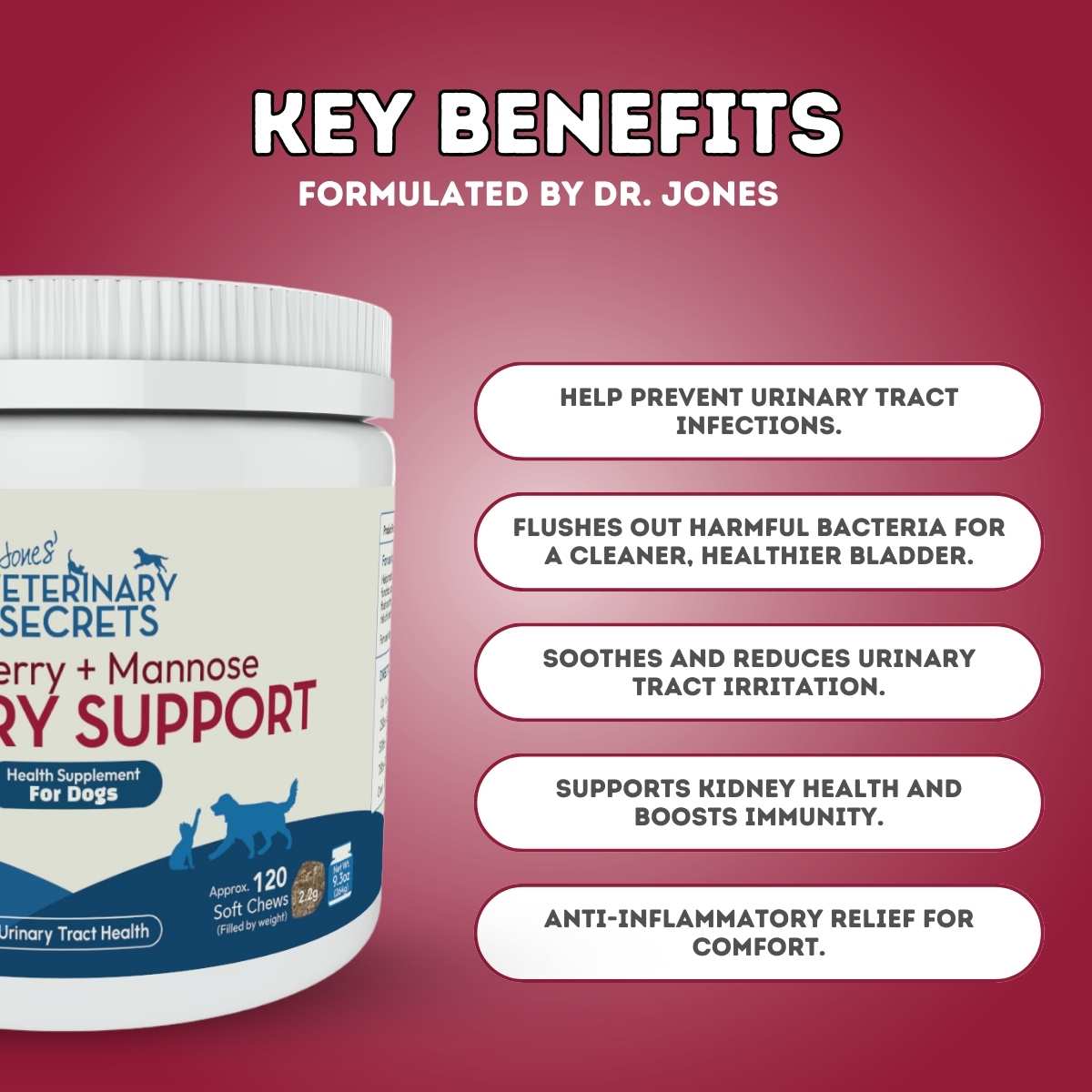
- Urinary support chews with cranberry, D-Mannose, and marshmallow root
These remedies may help ease discomfort, support bladder health, and help prevent bacteria from sticking to the bladder wall.
Five Dog and Cat UTI Natural Remedies
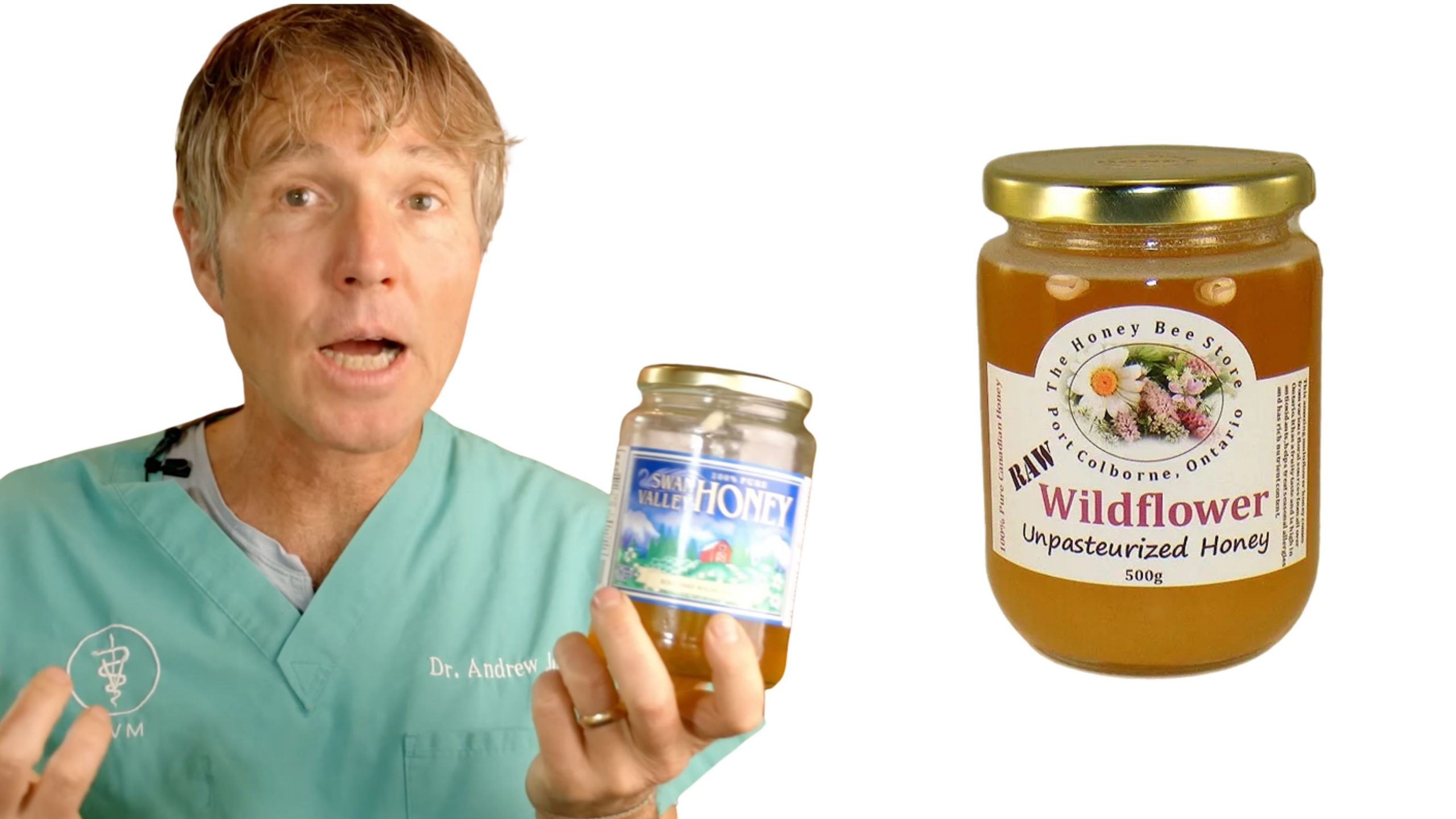
1. Honey for Dog UTIs
Honey is a natural antibacterial remedy.
It contains hydrogen peroxide and other compounds that can help inhibit bacterial growth.
Honey is also anti-inflammatory, which may help reduce swelling and discomfort that can come with a UTI.
How to Give Honey
Use unpasteurized honey if possible, though regular honey can still be beneficial.
Dose:
Give 1 teaspoon per 20 lb of body weight, once or twice daily.
Duration:
Give for 10 to 14 days.
Most dogs like the taste.
Because apparently if medicine tastes like honey, suddenly everyone is cooperative.
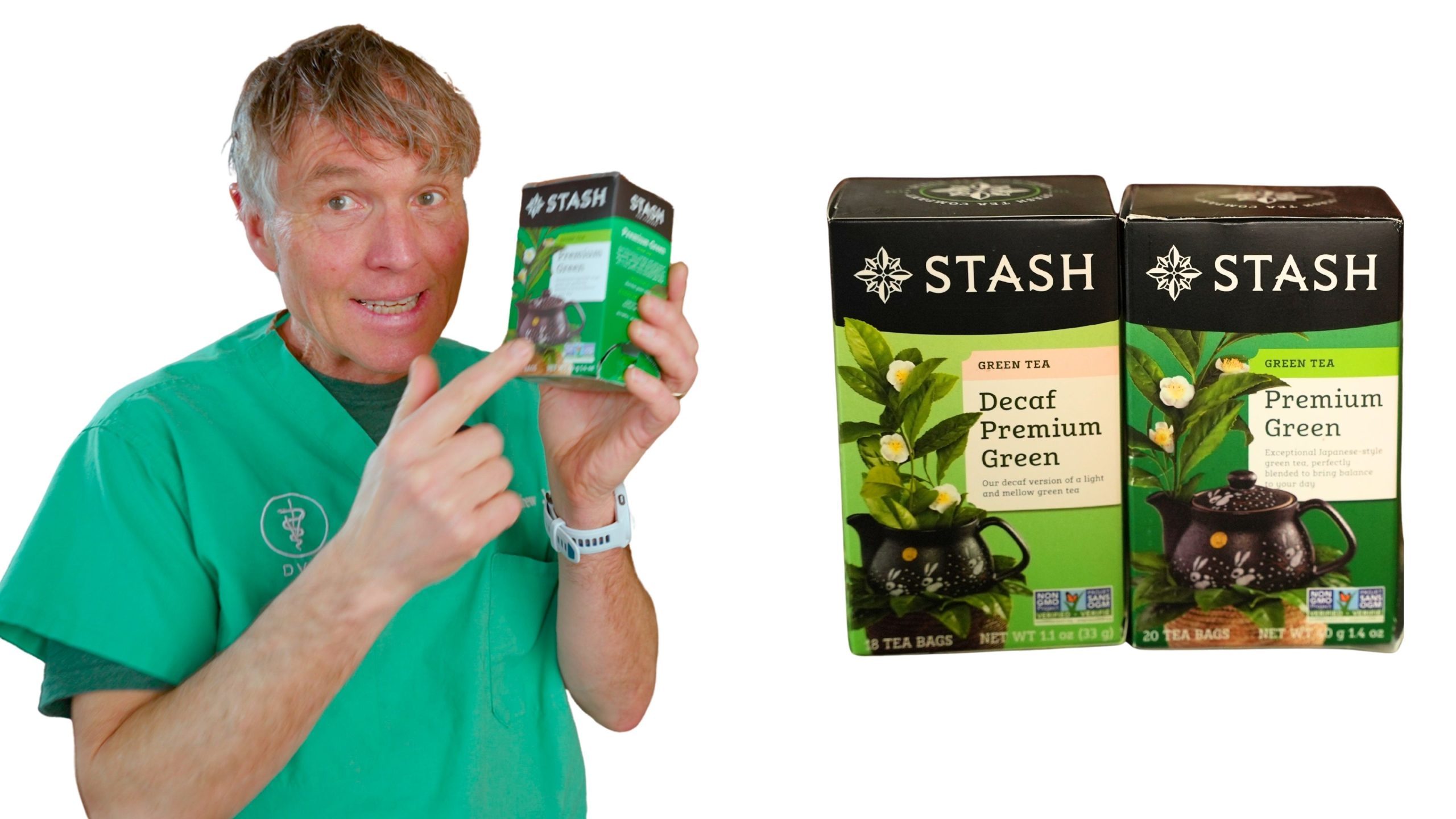
2. Green Tea for Dog UTIs
Green tea contains a powerful compound called EGCg, which has been shown to be effective against bacteria such as E. coli and staph.
It also contains catechins, which act as natural anti-inflammatories.
That may help soothe bladder inflammation.
What About Caffeine?
The amount of caffeine in green tea is minimal and was described as safe for dogs in the pasted content.
Green Tea UTI Recipe
- Steep 1 cup of green tea.
- Let it cool.
- Mix in 1 tablespoon of honey.
- Give the appropriate amount based on your dog’s weight.
Dose for a 20-lb Dog
Give about 1/4 cup twice daily.
This gives you both green tea and honey together.
Simple, soothing, and easy to make.
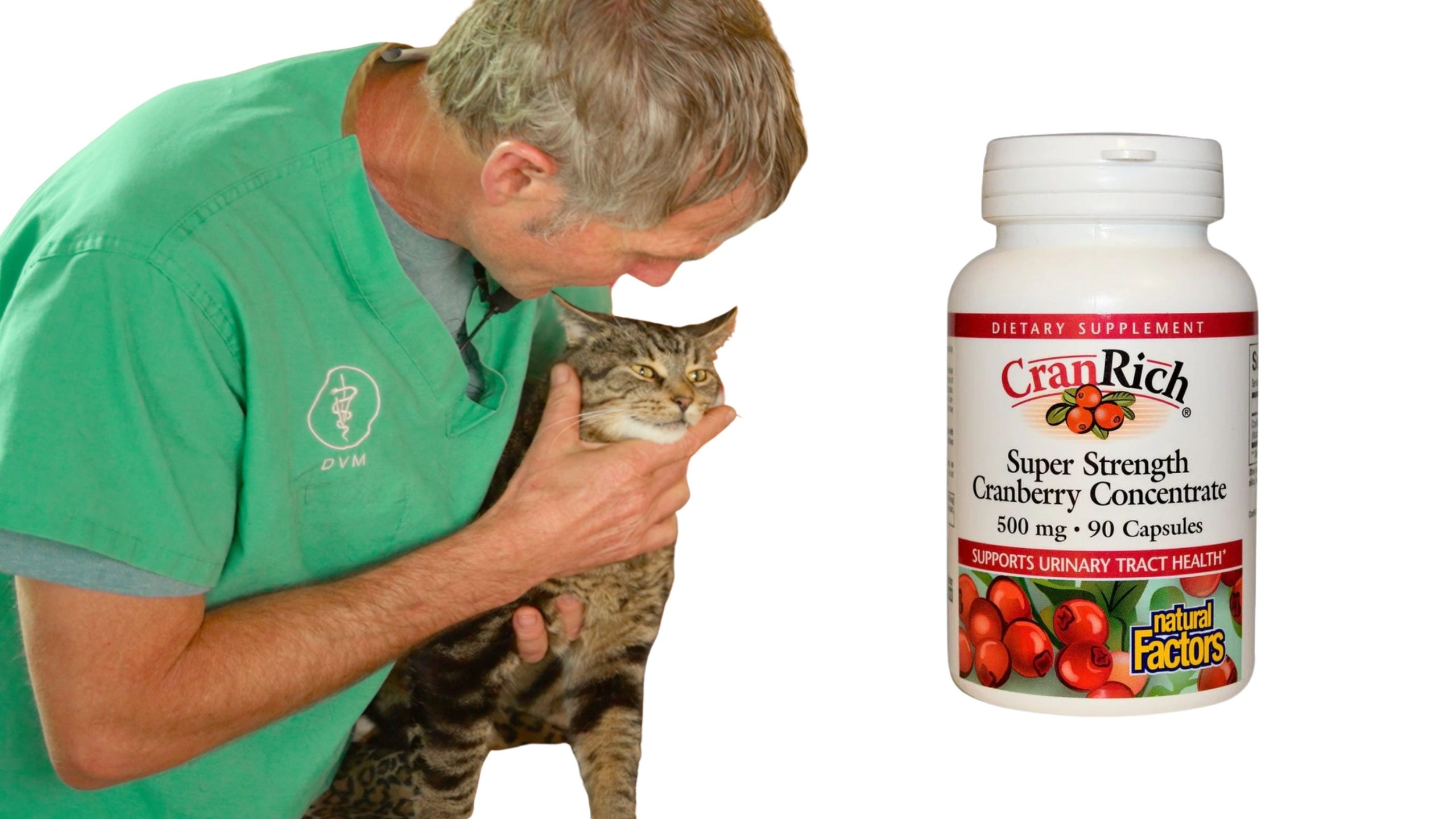
3. Cranberry Extract for Dog UTIs
Cranberries have long been used for UTI prevention.
They contain compounds called PACs, or proanthocyanidins.
PACs help prevent bacteria from sticking to the walls of the bladder.
That matters because bacteria like E. coli need to attach to the bladder wall to cause problems.
Cranberry juice has been used by many people, but I prefer concentrated cranberry extract because it is stronger and more effective for UTIs.
Cranberry Extract Dose
Give 100 mg per 10 lb of body weight daily.
For a 20-lb dog, that would be about half a capsule, depending on capsule strength.
You can sprinkle it on your dog’s food.
Cranberry extract is also safe for long-term use and may be a helpful option for dogs with recurrent UTIs.
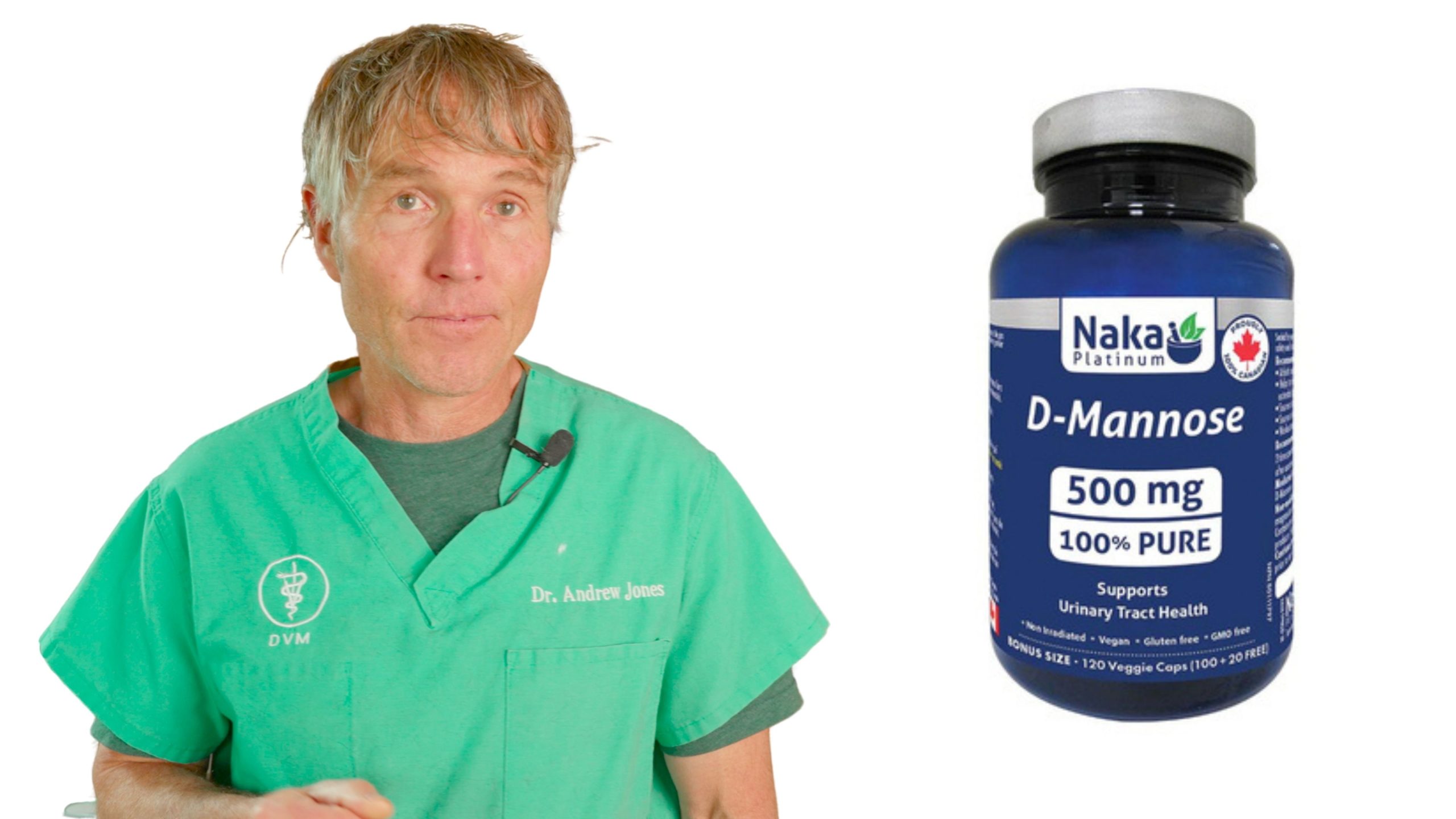
4. D-Mannose for Dog UTIs
D-Mannose is a naturally occurring sugar found in fruits such as apples.
It works in a similar way to cranberry extract.
D-Mannose helps prevent bacteria from adhering to the bladder wall.
This is especially useful for helping prevent recurring UTIs.
D-Mannose Dose for Dogs
Give 100 to 200 mg per 10 lb of body weight daily.
For a 20-lb dog:
- Start with 200 mg twice daily for the first few days
- Then reduce to 200 mg once daily
D-Mannose is gentle and was described as free of side effects, making it a good long-term option for dogs with recurring UTIs.
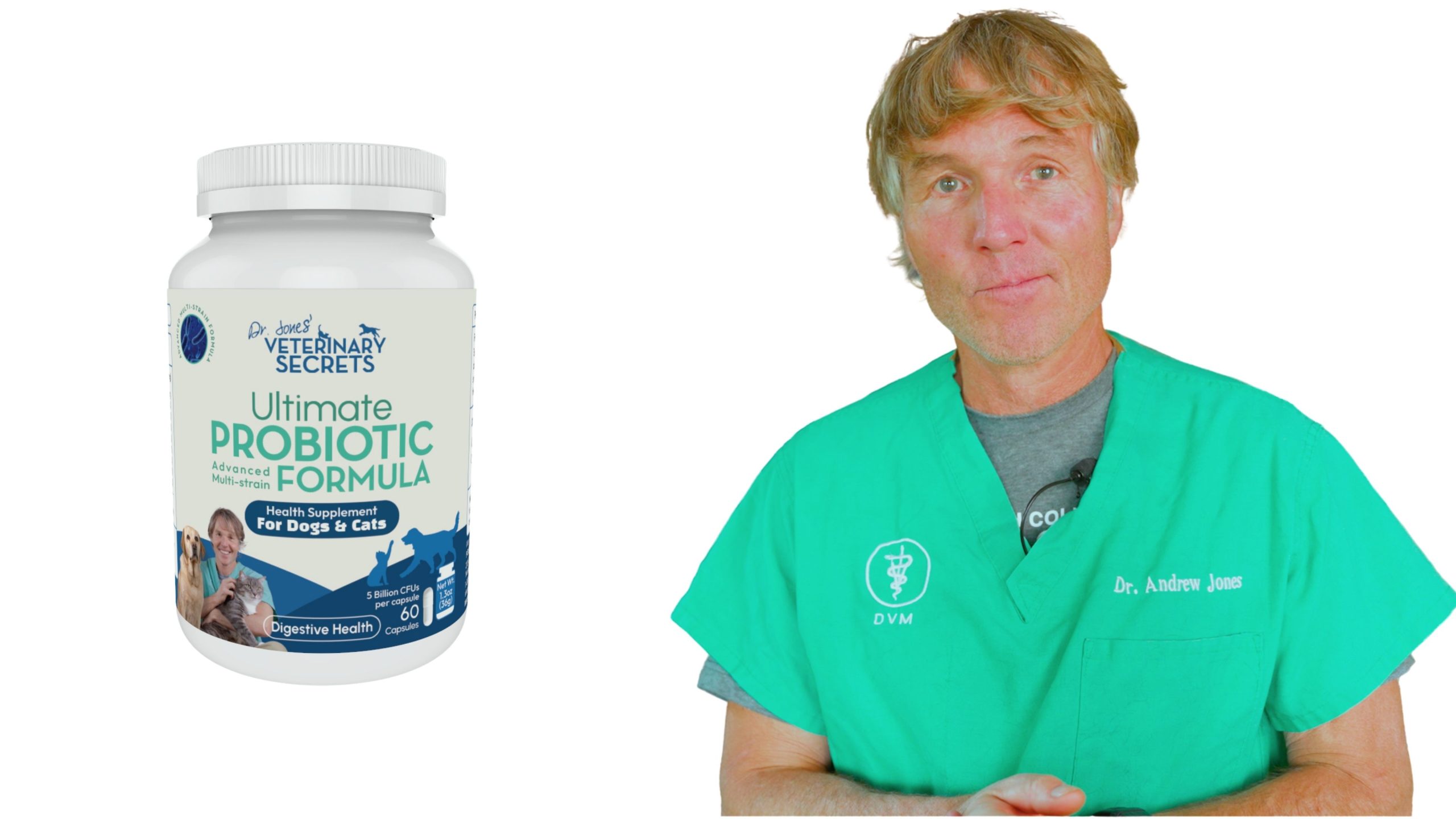
5. Probiotics for Dog UTIs
Probiotics are not just for digestion.
They can also play an important role in preventing UTIs.
Good bacteria help keep harmful bacteria such as E. coli and staph in check.
This may be especially helpful for dogs with skin folds, where bacteria can build up more easily.
A high-quality multi-strain probiotic may make a big difference, especially if your dog has recurrent UTIs.
Probiotics can be given daily and are safe for long-term use.
One easy option mentioned is:
Dr. Jones’ Ultimate Probiotic Formula for Dogs and Cats

What About Dr. Jones’ Urinary Support Chews for Dogs?
The product mentioned is:
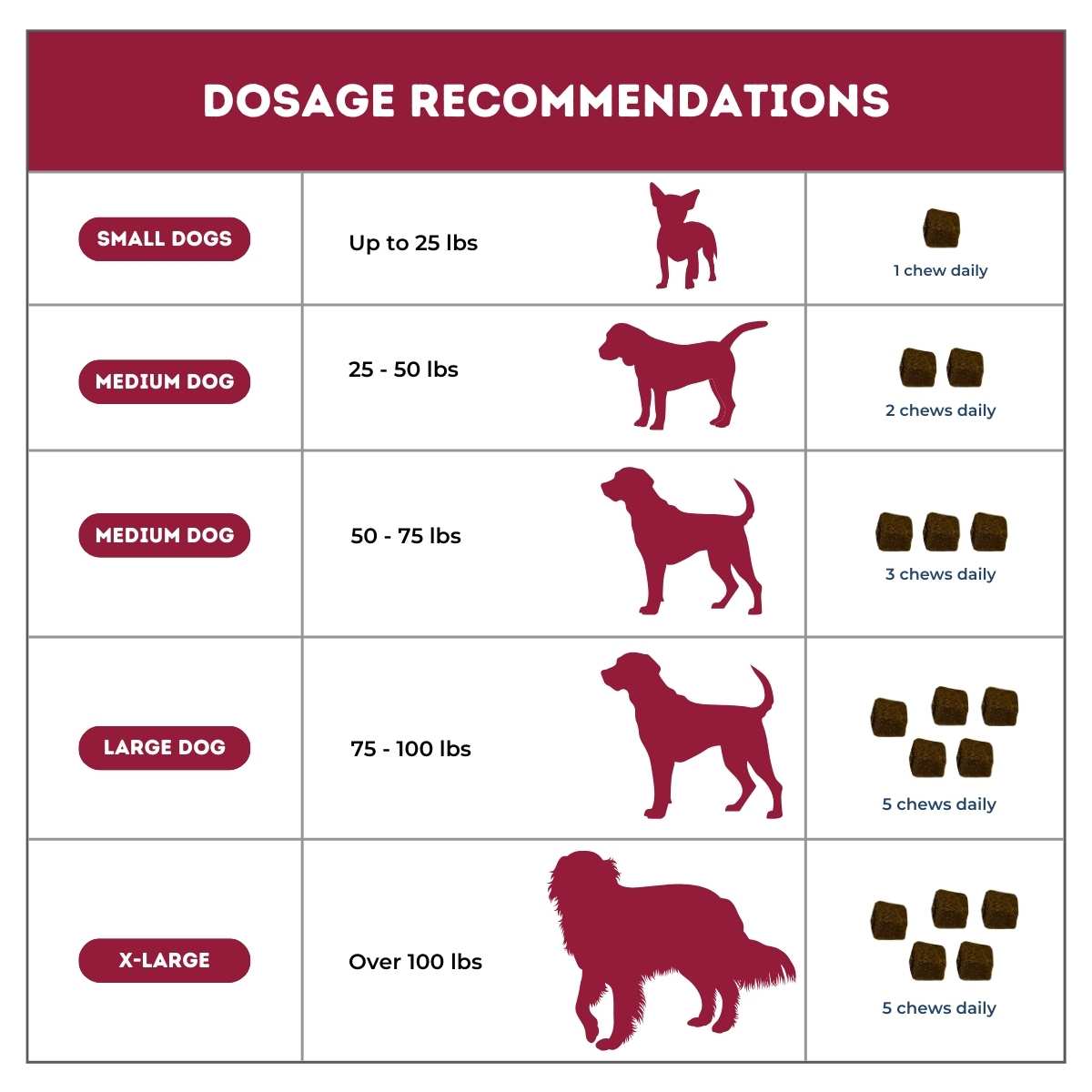
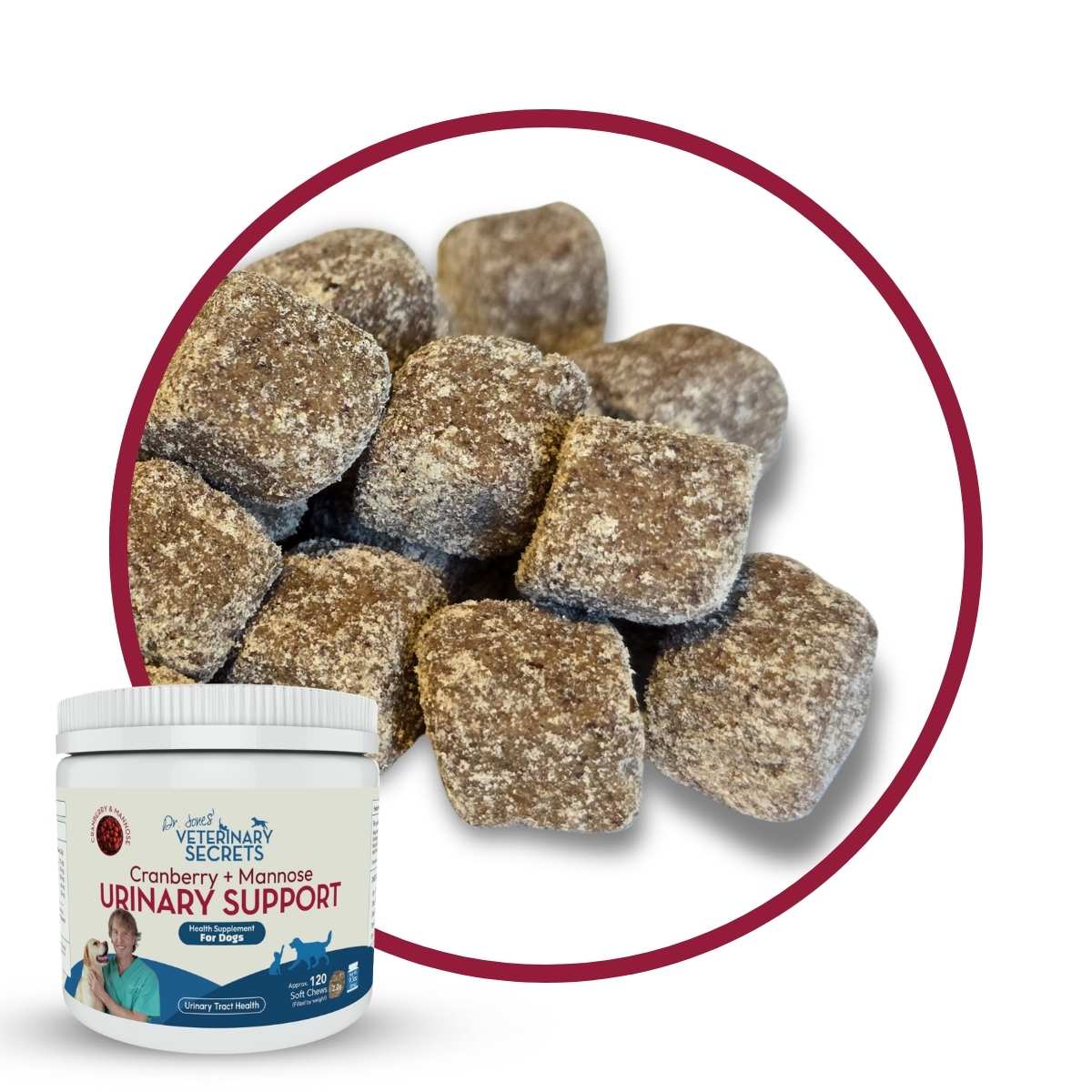
Dr. Jones’ Urinary Support Chews for Dogs
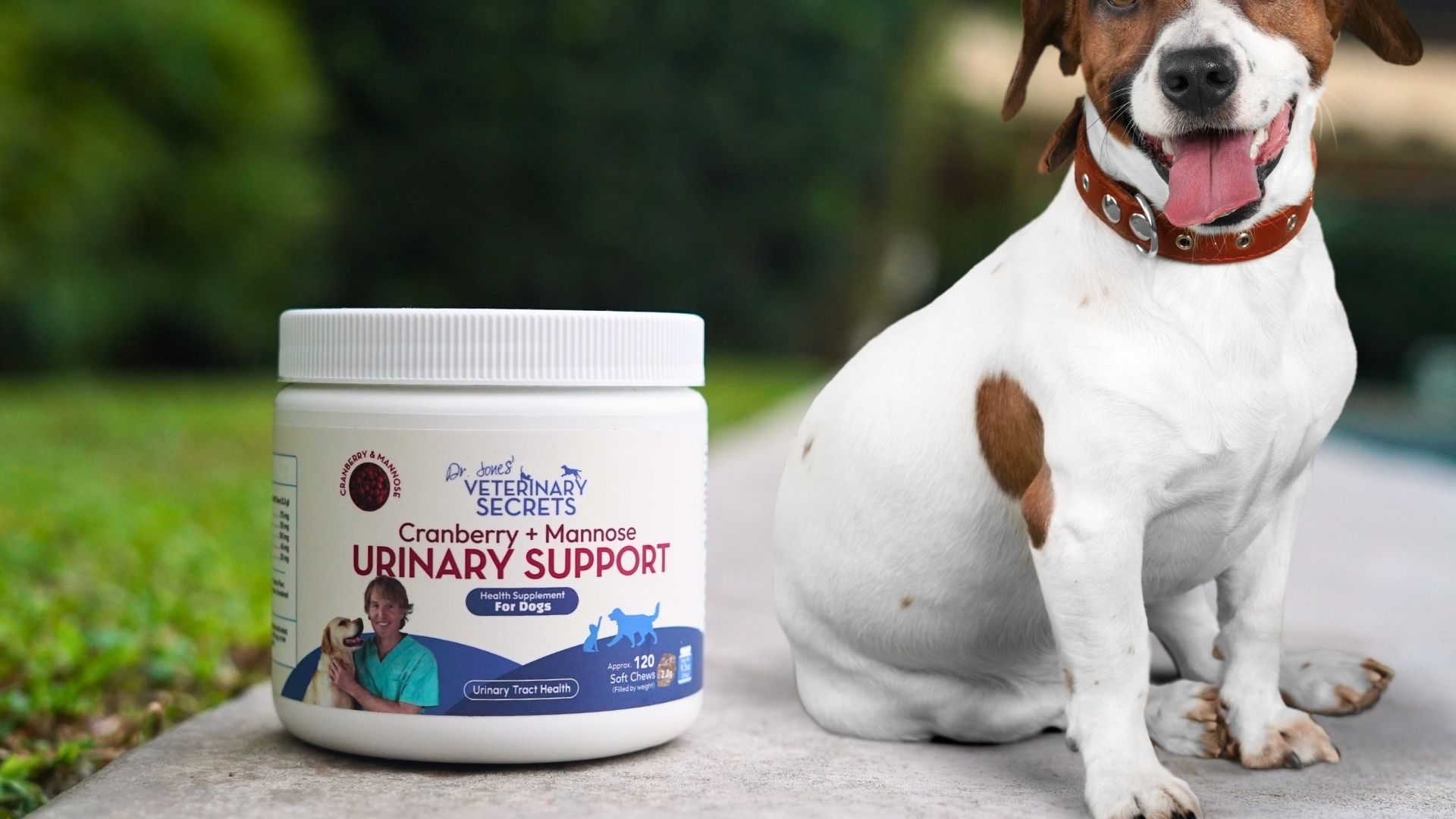
These chews include ingredients such as:
- Cranberry
- D-Mannose
- Organic marshmallow root
- Additional bladder and kidney support ingredients
They are designed to support urinary tract health, bladder comfort, and kidney health.
If your dog has recurring urinary issues, a chew that combines cranberry, D-Mannose, and marshmallow root may be an easy way to give consistent support.
And if it tastes good, your dog may think you finally invented bladder support disguised as a treat.
Best Natural Options for Dog UTIs
Best for Active UTI Support
Consider:
- Honey
- Green tea with honey
- Cranberry extract
- D-Mannose
These may help fight bacteria, reduce inflammation, and prevent bacteria from sticking to the bladder wall.
Best for Recurrent UTI Support
Consider:
- Cranberry extract
- D-Mannose
- Probiotics
- Dr. Jones’ Urinary Support Chews for Dogs
These are especially helpful when the goal is ongoing bladder health and prevention support.
Best for Gut and Immune Support
Consider:
Good bacteria matter.
A healthier gut can help keep harmful bacteria in check.
Best For / Not For
Best For
These natural UTI remedies may be helpful for dogs with:
- Mild UTI signs
- Recurrent urinary tract infections
- Bladder irritation
- Frequent urination
- Licking around the genitals
- Strong-smelling urine
- Dogs needing bladder health support
- Dogs who need long-term urinary support
Not For
Do not rely only on home remedies if your dog has:
- Severe pain
- Inability to urinate
- Large amounts of blood in the urine
- Severe lethargy
- Fever
- Vomiting
- Signs of bladder stones
- A UTI that keeps coming back despite support
- Symptoms that are worsening
- Symptoms that do not improve
Those dogs need veterinary care.
Pros of Natural UTI Support
Pros
- Gentle support options
- Can be used alongside proper diagnosis
- May help reduce bladder inflammation
- May help prevent bacteria from sticking to the bladder wall
- Cranberry and D-Mannose can support recurrent UTI prevention
- Probiotics support beneficial bacteria
- Honey and green tea are simple home options
- Some options are safe for long-term use
Dog UTI Natural Remedy Dosage Table
| Remedy | Dose Mentioned | How Often | Best Use |
|---|---|---|---|
| Unpasteurized honey | 1 tsp per 20 lb body weight | Once or twice daily for 10 to 14 days | Natural antibacterial and anti-inflammatory support |
| Green tea with honey | 1/4 cup per 20 lb dog | Twice daily | Bladder inflammation and antibacterial support |
| Cranberry extract | 100 mg per 10 lb body weight | Daily | Helps prevent bacteria from sticking to bladder walls |
| D-Mannose | 100 to 200 mg per 10 lb body weight | Daily | Helps prevent bacteria from adhering to the bladder wall |
| D-Mannose for a 20-lb dog | 200 mg | Twice daily for first few days, then once daily | Recurrent UTI support |
| Probiotics | Follow product label | Daily | Supports good bacteria and helps keep harmful bacteria in check |
Step-by-Step: What to Do if You Suspect a Dog UTI
Step 1: Watch for the Signs
Look for:
- Frequent urination
- Straining
- Blood in the urine
- Leaking
- Licking at the genitals
- Strong-smelling urine
- Discomfort
Step 2: Call Your Veterinarian
A UTI should be confirmed.
You also want to rule out bladder stones or more serious urinary problems.
Step 3: Start Bladder Support
Depending on your dog’s signs and your veterinarian’s advice, consider:
- Honey
- Green tea with honey
- Cranberry extract
- D-Mannose
- Probiotics
Step 4: Use the Correct Dose
Follow the dosage table.
Do not guess.
Small dogs are not large dogs with shorter legs.
They need the right amount.
Step 5: Support Long-Term Prevention
For recurrent UTIs, consider long-term support such as:
- Cranberry extract
- D-Mannose
- Probiotics
- Urinary Support Chews
Step 6: Monitor Closely
Watch for improvement.
If your dog worsens, seems painful, has more blood, or the signs persist, get veterinary care.
Final Thoughts
Dog UTIs are commonly caused by bacteria entering the urinary tract, especially E. coli from fecal matter.
Other bacteria such as strep and staph can also be involved.
Female dogs, spayed dogs, dogs with skin folds, and dogs with dental disease may be more prone to urinary tract infections.
The signs can include frequent urination, straining, blood in the urine, leaking, licking at the genitals, and strong-smelling urine.
Natural remedies such as honey, green tea, cranberry extract, D-Mannose, and probiotics may help support your dog’s bladder health and comfort.
But please get your dog checked.
You want to confirm the diagnosis and rule out bladder stones or more serious problems.
A UTI is uncomfortable.
Your dog does not need to tough it out.
And you do not need to guess.
Click To Get A Free Copy of My E-Book!

P.S If your dog is licking her rear, straining to urinate, making frequent trips outside, or you see blood in the urine, think UTI.
Start by getting the diagnosis confirmed.
Then consider natural support such as honey, green tea, cranberry extract, D-Mannose, and probiotics.
For ongoing bladder support, Dr. Jones’ Urinary Support Chews for Dogs include cranberry, D-Mannose, organic marshmallow root, and more.
A simple chew.
A happier bladder.
And hopefully fewer emergency trips outside at 3 a.m.