Top 9 Natural Tick Prevention for Dogs: Safe Ways to Protect Your Pet

Are Ticks Getting Worse for Dogs?
Yes, ticks are getting worse, and tick-borne diseases are increasing too.
I am hearing this from more pet parents, and I am seeing more concern around Lyme disease, Ehrlichia, Anaplasma, Rocky Mountain Spotted Fever, and other tick-borne problems.
The difficult part is this:
You cannot always find every tick.
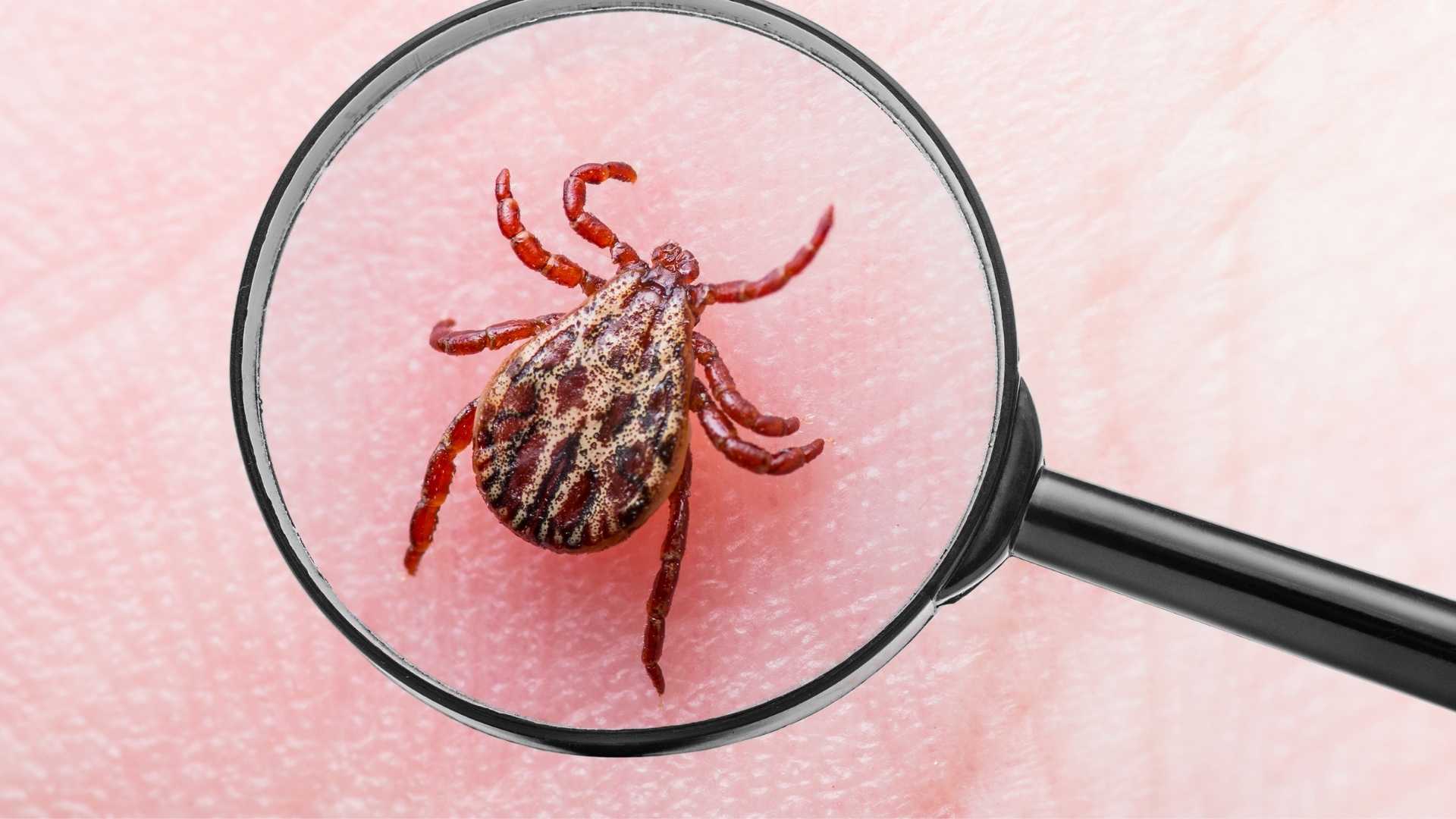
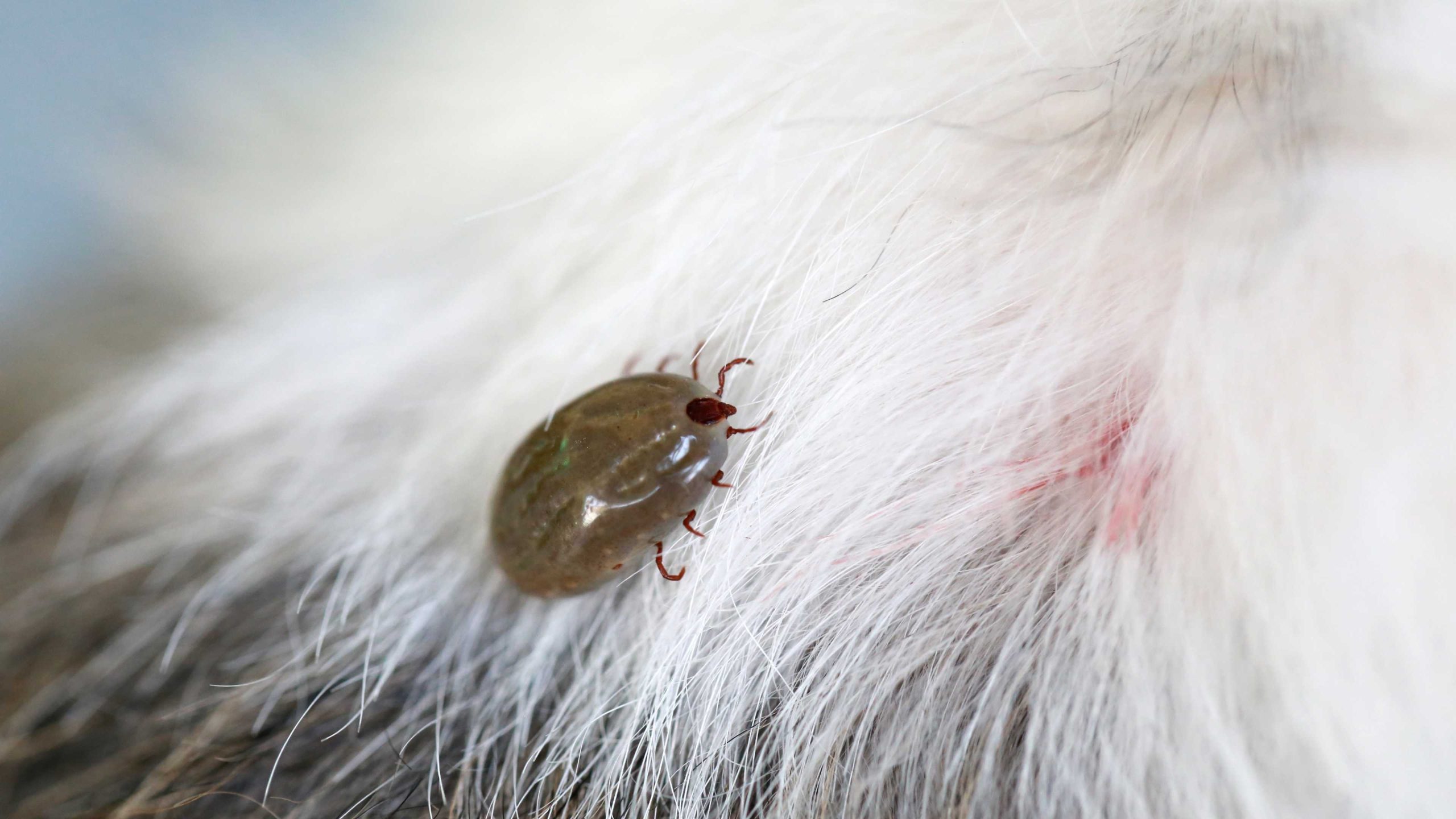
Ticks are tiny, hardy, and very good at hiding. They can survive colder weather by hiding under leaf cover and snow. Some can live for years without a blood meal.
So this year, protecting your dog means doing more than just hoping you do not see one.
You want to:
- Check your dog daily during tick season
- Consider yearly tick-borne disease screening if your dog is exposed
- Manage tick habitat around your yard
- Use safer repellent options when possible
- Know when conventional treatment is needed
- Remove ticks properly if you find them
Ticks are not going away.
So we manage them.
That is the realistic plan.
Dr. Jones’ Diatomaceous Earth Powder for Pets




Why Are Tick-Borne Diseases a Bigger Concern Now?
Tick populations are increasing in many areas.
In parts of Canada and the United States, ticks are showing up in places where people used to think they were not a major problem.
I used to take some comfort in cold winters.
“Well, surely the ticks can’t survive that.”
Turns out, they can do a pretty good job.
They hide under leaf cover. They have a blanket of snow. Unless it gets extremely cold, many survive.
Some ticks can live up to 7 years without a blood meal.
Seven years.
That is not a bug.
That is a tiny vampire with a retirement plan.
With more ticks comes more tick-borne disease exposure.
What Tick-Borne Diseases Should Dog Parents Know About?
The main tick-borne diseases mentioned include:
- Lyme disease
- Ehrlichia
- Anaplasma
- Rocky Mountain Spotted Fever
If your dog is regularly exposed to ticks, especially in an endemic area, screening becomes worth discussing with your veterinarian.
Should Your Dog Be Tested for Tick-Borne Diseases?
If your dog is outside regularly in a tick area, I would consider getting a screening test done once a year.
This is especially true if:
- You live where ticks are common
- Your dog hikes, camps, or spends time in grass or wooded areas
- You have found ticks on your dog before
- Tick-borne diseases are common in your region
- You cannot reliably find every tick
Two screening tests mentioned are:
- AccuPlex
- 4DX
These are screening tests. They help show whether your dog has been exposed.
They do not always mean there is an active infection right now.
What Is the AccuPlex Test?

The AccuPlex test checks for exposure to three tick-borne organisms:
- Ehrlichia
- Anaplasma
- Lyme disease
It also tests for a worm disease.
The test looks for antibodies, meaning your dog’s immune system may have been exposed to those diseases.
What Is the 4DX Test?
The 4DX test is another screening test for tick-borne disease exposure.
The diseases mentioned include:
- Ehrlichia
- Anaplasma
- Rocky Mountain Spotted Fever
Like AccuPlex, this is a screening test.
It helps identify exposure.
If it is positive, you then need more specific testing to see whether there is an active infection.
What Happens if a Tick Test Is Positive?
If your dog has a positive screening test, the next step is usually more specific testing.
Your veterinarian may look at specific antibody levels.
For Lyme disease, this often means looking more closely at Borrelia, the organism that causes Lyme disease.
If there is a serious, ongoing active infection, then treatment matters.
In my opinion, I would treat a serious active tick-borne infection conventionally with doxycycline.
The last thing you want is your dog developing lifelong complications from Lyme disease when a reasonably safe antibiotic may treat the infection.
Natural prevention is wonderful.
But if your dog has an active serious infection, this is not where we play herbal guessing games.
How Common Is Lyme Disease in Dogs?
A 2022 survey looking at veterinary clinics and screening tests found over 400,000 dogs tested positive for Lyme disease.
In some areas of the United States, such as parts of New England, over 10% of dogs tested positive.
That was several years ago, and tick populations have continued to increase.
So in some areas, the risk may be even higher now.
This is why annual screening can make sense for dogs who are regularly exposed.
Best First Step: Daily Tick Checks
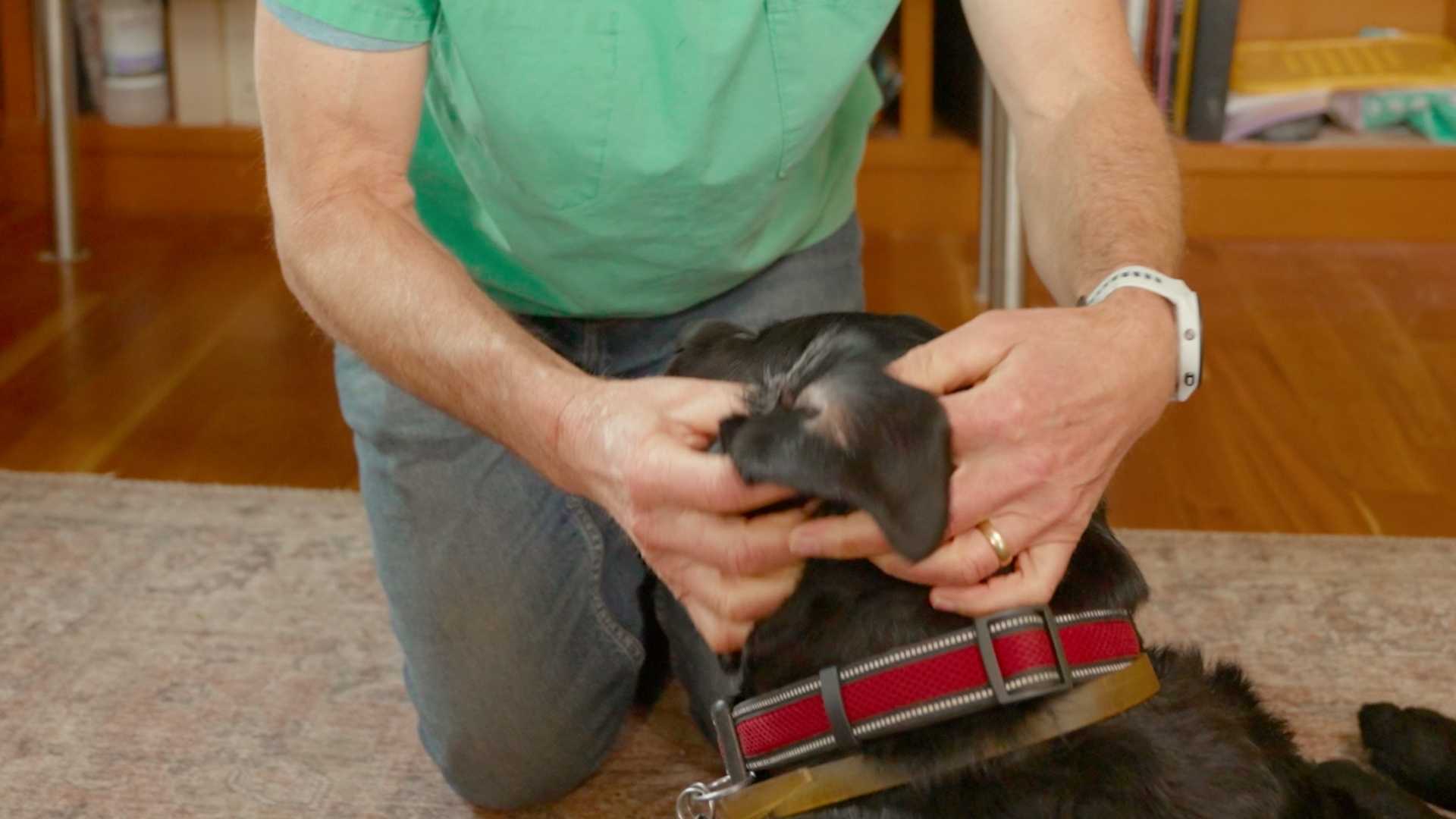
The most basic and most effective habit is a daily tick check.
During spring, summer, and fall, check your dog every day.
If you find ticks, remove them carefully.
Do not expose yourself to tick-borne disease by handling ticks with your bare fingers.
Ticks usually need time to feed before disease spreads, so finding and removing them early can make a big difference.
Where Should You Check for Ticks?
Ticks love protected areas.
Check:
- Behind the ears
- Around the head and neck
- Under the collar
- Armpits
- Groin
- Belly
- Between the toes
- Tail base
Do not just look.
Use your hands and feel for tiny bumps.
Ticks are sneaky little things.
They do not come with flashing lights.
How Can You Reduce Ticks in Your Yard?
Start with the areas where ticks like to hide.
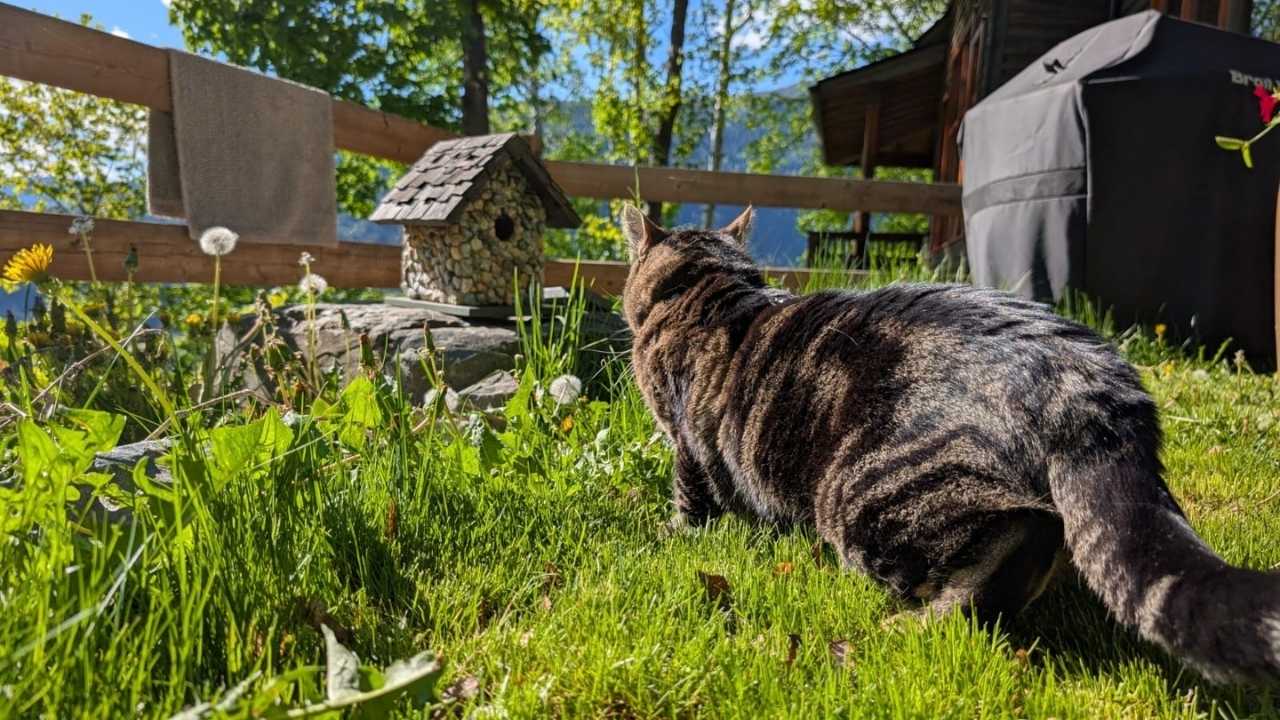
Ticks often hang out in mid-size grass, yard edges, leaf litter, and brushy areas.
Yard Prevention Tips
- Keep grass trimmed
- Clear brush and leaf cover near yard edges
- Limit mid-size grass where ticks hide
- Create a barrier around the yard edge
- Consider garlic-based yard repellents
Garlic-based yard sprays, such as Garlic Guard or garlic barrier-type products, were mentioned as a way to help deter ticks around the yard.
The idea is to spray concentrated garlic extract around the edge of the yard, creating a tick barrier.
It is not a harsh insecticide.
It is a plant-based option that ticks do not seem to like.
Conventional Tick Products: What Should You Know?
There are many conventional flea and tick products, including:
- Bravecto
- Revolution
- Advantix
- Other monthly parasite products
These products can be effective, and in some cases they may be needed.
But I do have concerns with repeated long-term use, especially month after month.
Many of these products are potent insecticides. They target neurologic pathways in ticks and insects, and in some animals, we can see unwanted effects.

My bigger concern is long-term exposure.
If your dog is getting these products every month, especially year-round, then your dog’s liver and body are dealing with those compounds repeatedly.
This is why, whenever possible, I prefer reducing exposure to unnecessary toxins and using safer prevention strategies.
That does not mean never using conventional products.
It means using them thoughtfully.
Top Natural Tick Prevention Options for Dogs
Some of the holistic options discussed include:
- Diatomaceous earth
- Garlic-based yard spray
- Cedarwood oil
- Neem oil
- Lemongrass oil
- Geranium oil
- Slow-release essential oil collars
- DIY flea and tick spray
- Safe oral garlic dosing for dogs
These are meant to repel or deter ticks.
They may not kill ticks the way conventional products do.
So you still need daily tick checks.
Diatomaceous Earth for Ticks
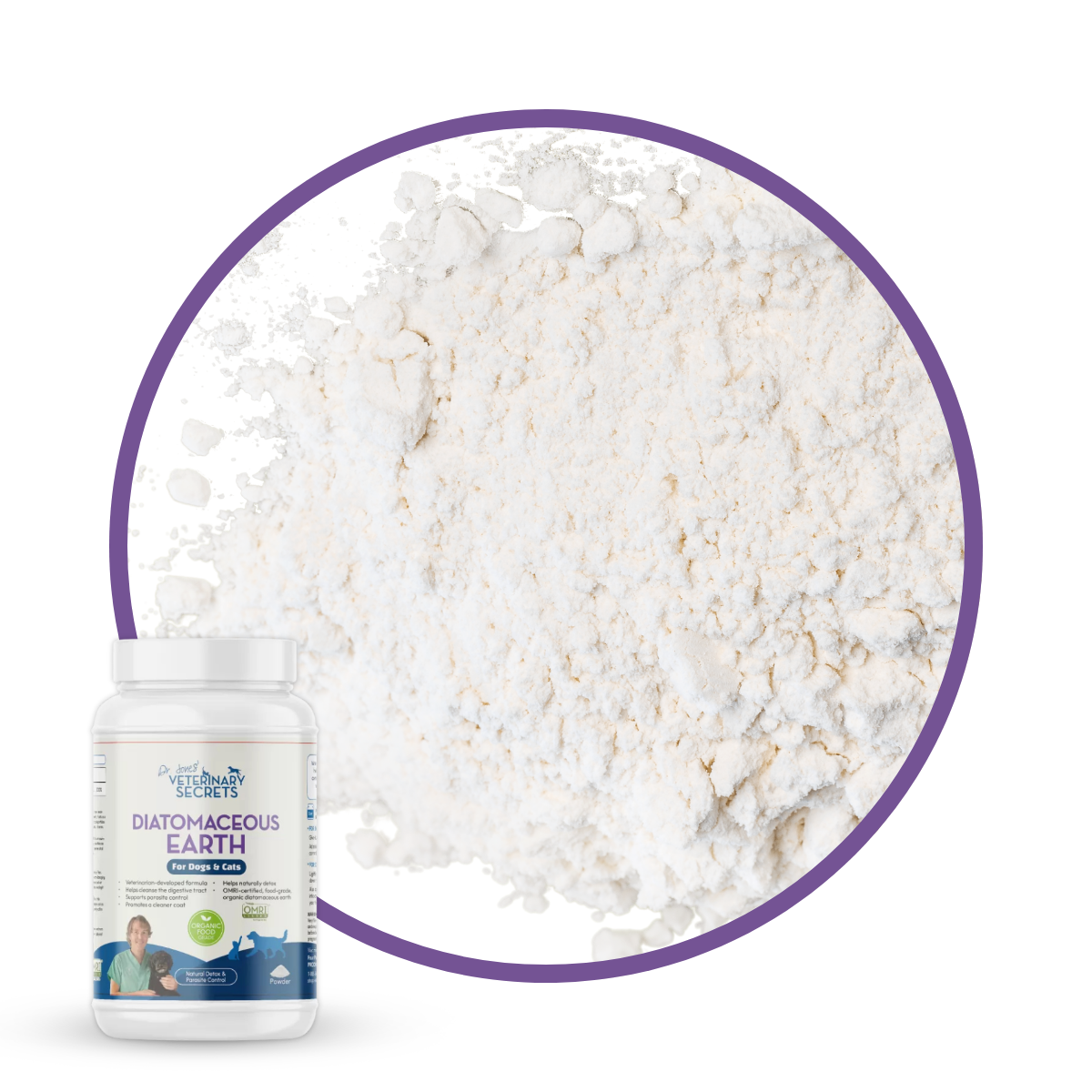
Diatomaceous earth, often called DE, is a fine white powder that looks a bit like flour.

It comes from the microscopic skeletons of tiny ocean organisms from millions of years ago.
It helps dry out the exoskeletons of fleas and ticks.
When that happens, the little critters die.
How to Use Diatomaceous Earth
Use food-grade diatomaceous earth.

You can put it in a spice bottle to lightly dust your dog or cat.
Then use a flea comb to spread it through the coat.
Suggested Use Mentioned
| Pet | How Often |
|---|---|
| Dog | Once weekly, or up to twice weekly if safely tolerated |
| Cat | Can be used carefully, with safe application |
| Home | Cracks and crevices for fleas |
| Yard | As a possible tick barrier |
DE can dry out the skin, so do not overdo it.
It should be lightly applied, not dumped on your pet like you are breading chicken.
Essential Oils for Tick Repellent
Some essential oils may help repel ticks when used properly and diluted safely.

The four key oils mentioned are:
- Cedarwood oil
- Neem oil
- Lemongrass oil
- Geranium oil
Safety matters.
Essential oils are concentrated.
More is not better.
More can be a problem.
Cedarwood Oil
Cedarwood oil has been widely used with animals and is considered an effective tick repellent when diluted properly.
The concentration mentioned was generally 2% or less in a spray.
Cedarwood is one of the more practical natural tick-repellent oils.
Neem Oil
Neem oil comes from the neem tree in Asia.
It is widely known for insect-repellent properties.
Neem can help repel fleas and ticks, but it has a strong smell.
That is the downside.
It works, but your dog may smell like they joined an herbal insect repellent convention.
Still, neem is considered safe and useful as part of a repellent spray.
Lemongrass Oil
Lemongrass oil was mentioned because of research from Acadia University in Canada showing good repellent effects against the black-legged tick, the tick associated with Lyme disease.
When used in appropriate dilution, it may be safe for animals and useful as a repellent.
Geranium Oil
Geranium oil also has impressive tick-repellent properties.
Yes, the same geranium plant many people grow outside.
Cute flower.
Apparently not cute to ticks.
Slow-Release Tick Repellent Collars
One simpler option mentioned is a slow-release collar using essential oils.
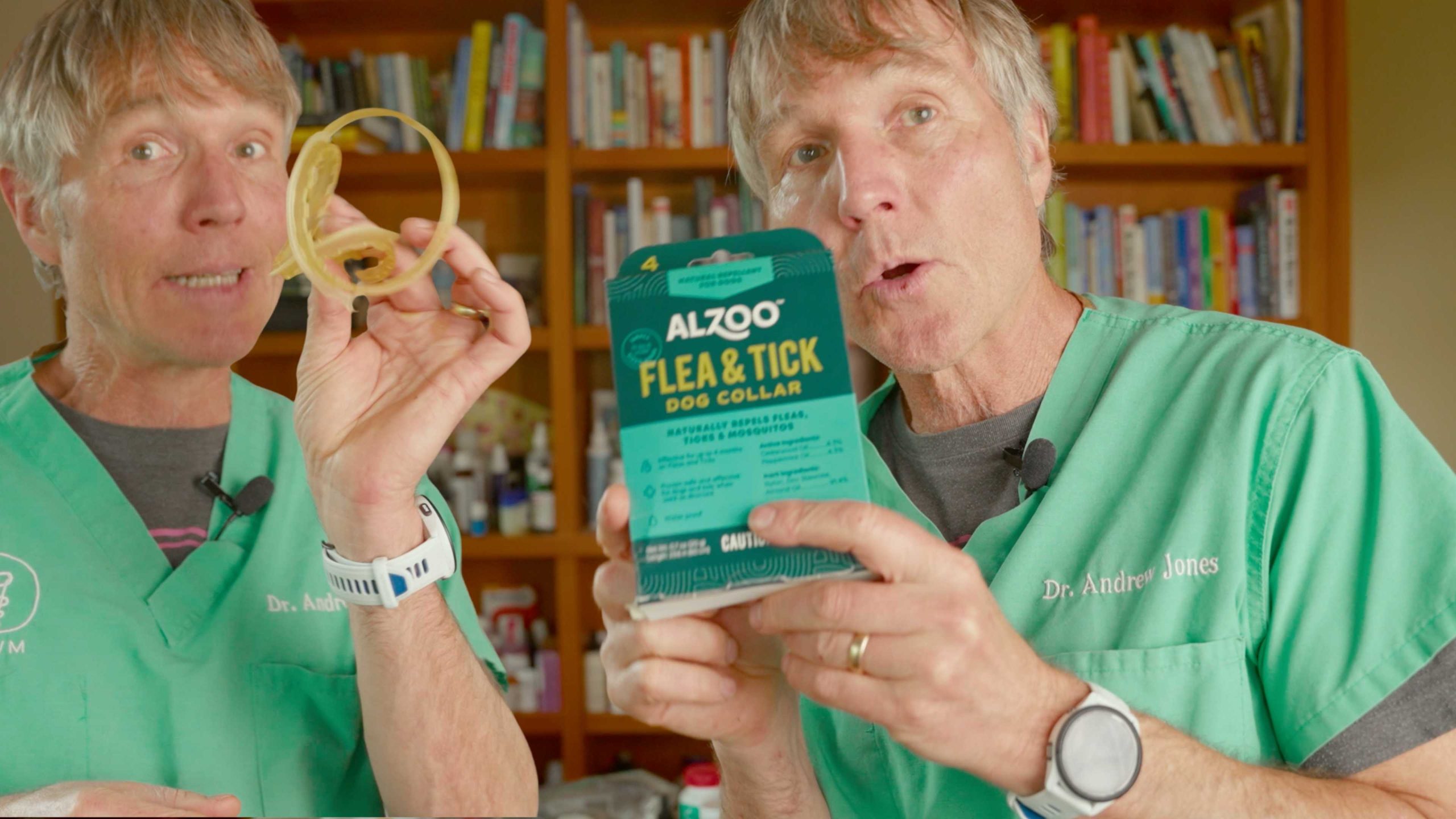
The collar described contains:
- 4% cedarwood oil
- 4% peppermint oil
It is designed to repel fleas and ticks for up to 4 months.
It does not kill ticks.
It acts as a repellent.
The oils slowly release around the neck and spread along the skin and fur, helping repel ticks from attaching.
DIY Flea and Tick Spray Recipe for Dogs and Cats
This recipe uses witch hazel with aloe as the base, apple cider vinegar, neem oil, and lemongrass oil.
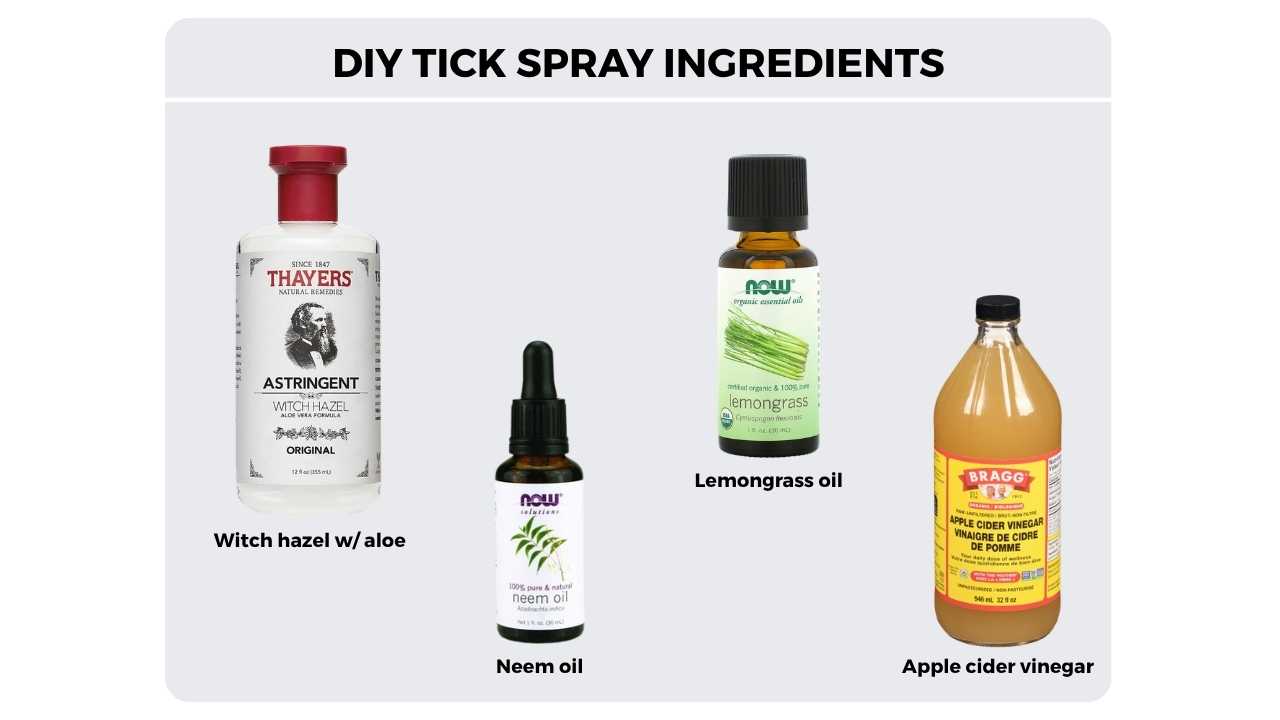
It is designed as a topical repellent spray.
DIY Tick Spray Ingredients
| Ingredient | Amount | Why It Is Used |
| Witch hazel with aloe | 3/4 cup | Gentle base, astringent, helps disperse oils, supports irritated skin |
| Apple cider vinegar | 1/4 cup or 60 ml | Topical support for bacteria and yeast, helps repel critters |
| Neem oil | 2 ml or 2 dropperfuls | Tick and flea repellent |
| Lemongrass oil | 20 drops or 1 ml | Tick repellent support |
This makes about 250 ml of spray.
The neem oil is less than a 2% dilution.
The lemongrass oil is less than 0.5%, which was described as safe in this diluted spray form.
How to Apply the DIY Tick Spray
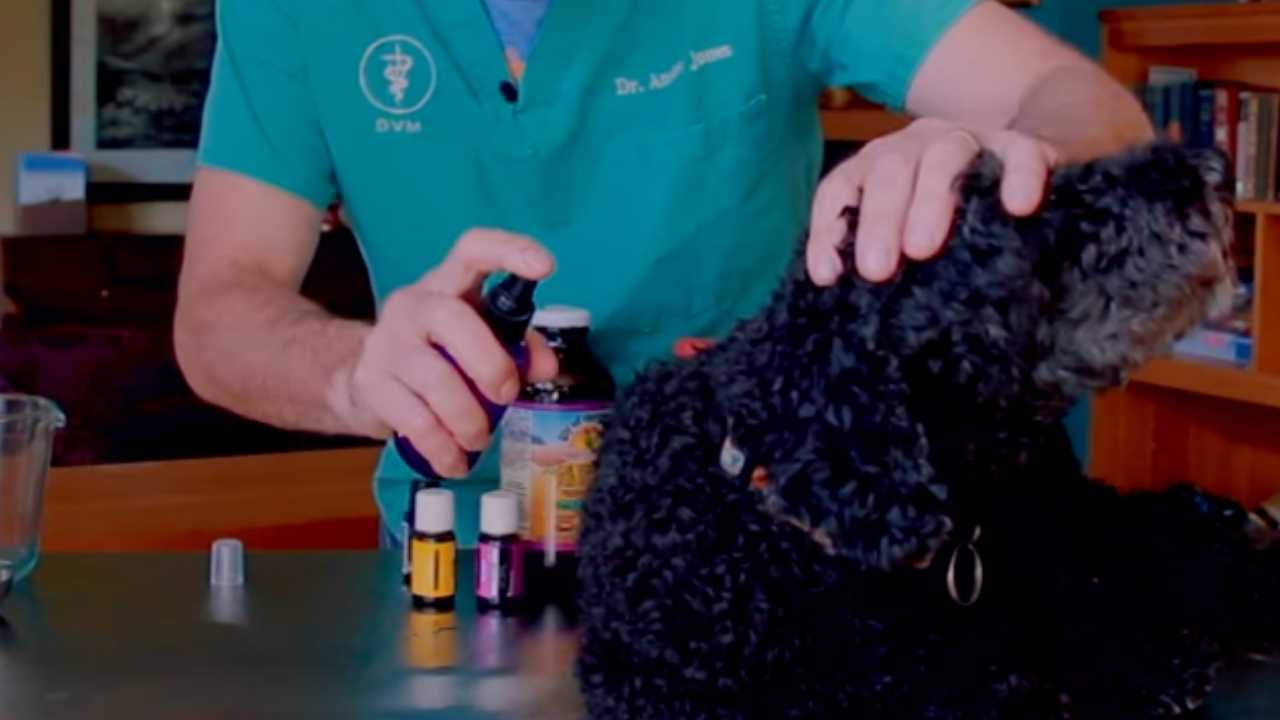
Spray lightly.
Do not soak your dog.
For Dogs
- Mist lightly over the body
- Avoid eyes and mouth
- Avoid spraying directly into the face
- You can lightly spray the top of the head, cheeks, and body
- Use a flea comb to spread it through the coat
- Apply up to twice weekly
For Cats
- Use much more cautiously
- Apply no more than once weekly
- Avoid the face, eyes, and mouth
- Lightly mist and comb through
This spray has a hint of neem and apple cider vinegar, but it can still smell fairly pleasant because of the essential oils.
Do not let your pet drink it.
That should be obvious, but pets are experts at making obvious things necessary.
Garlic for Tick Repellent in Dogs
Garlic was another natural tick prevention option discussed.
Many clients swore that garlic helped prevent ticks from showing up on their dogs.
Garlic is also used in yard sprays to deter ticks, so it makes sense that ticks may not like it.

The key is dose.
Garlic must be given in an appropriate amount.
Is Garlic Safe for Dogs?
The low-end toxic dose mentioned was about 2 grams per pound of body weight.
An average garlic clove is around 3 to 5 grams.
A 25-lb dog would need about 50 grams of garlic, or roughly 10 cloves, to reach that low-end toxic dose.
Nobody should be giving a 25-lb dog 10 cloves of garlic.
That would be garlic bread logic, not dog health logic.
At appropriate low doses, garlic was described as very safe and potentially helpful as a tick repellent.
Garlic Dose for Dogs
| Dog’s Weight | Garlic Amount Mentioned |
| 20 to 25 lbs | 1/4 clove daily |
The suggested low dose is about:
1/4 clove per 20 to 25 lbs of body weight daily
Crush the garlic first.
Crushing helps produce allicin.
Then mix it into your dog’s food.
Garlic may also have antibacterial and antifungal benefits.
What Is the Best Natural Tick Prevention Plan?
The best approach is layered.
Do not rely on one thing.
Simple Tick Prevention Plan
- Check your dog daily during tick season.
- Keep the yard trimmed and reduce tick habitat.
- Consider garlic-based yard sprays around the yard edge.
- Use DE lightly if appropriate.
- Consider a safe natural repellent collar.
- Use a diluted natural tick spray when needed.
- Consider safe garlic dosing for dogs.
- Screen yearly if your dog is regularly exposed.
- Treat active serious infections properly.
This is not about one magic spray.
It is about stacking safer habits.
Pros and Cons of Natural Tick Prevention
Pros
- Can reduce reliance on conventional insecticides
- Can be used around the home and yard
- DE has a wide safety margin when food-grade
- Garlic-based yard sprays are plant-based
- Essential oil collars can provide longer-lasting repellent effects
- DIY spray is inexpensive
- Garlic may offer added antibacterial and antifungal support
Cons
- Repellents may not kill ticks
- Daily checks are still needed
- Essential oils must be diluted correctly
- Neem oil can smell strong
- DE can dry the skin
- Cats need extra caution
- Heavy tick exposure may require additional protection
- Positive tick tests may still need conventional treatment
Final Thoughts
Ticks are getting worse.
We are seeing more ticks, more exposure, and more tick-borne disease risk.
The best thing you can do is not panic.

Be prepared.
Check your dog daily during tick season.
Consider yearly screening if your dog is exposed.
Manage the yard.
Use safer repellents when possible.
Know how to remove ticks properly.
And if your dog has a serious active infection, treat it properly.
Natural prevention has a place.
So does common sense.
And sometimes, yes, so does doxycycline.
Click To Get A Free Copy of My E-Book

P.S. Ticks are hardy little freeloaders.
They hide under leaves, survive winter better than you would think, and can go years without a blood meal.
So your plan needs to be consistent.
Daily tick checks.
Yard control.
Safe repellents.
And if you are using garlic, keep it low and sensible: about 1/4 clove per 20 to 25 lbs daily, crushed and mixed into food.
Please do not give your 25-lb dog 10 cloves.
Your dog does not need to smell like an Italian restaurant to repel ticks.