Best Food Sources of Taurine for Dogs (And When Supplements Help)

The Small Amino Acid That May Help Protect Your Dog’s Heart, Eyes, and Teeth
Heart disease is unfortunately far too common in dogs.
But there is one inexpensive amino acid that may help support heart health and much more.
Many dog parents have never heard of taurine, yet this small nutrient plays a very important role in your dog’s body.
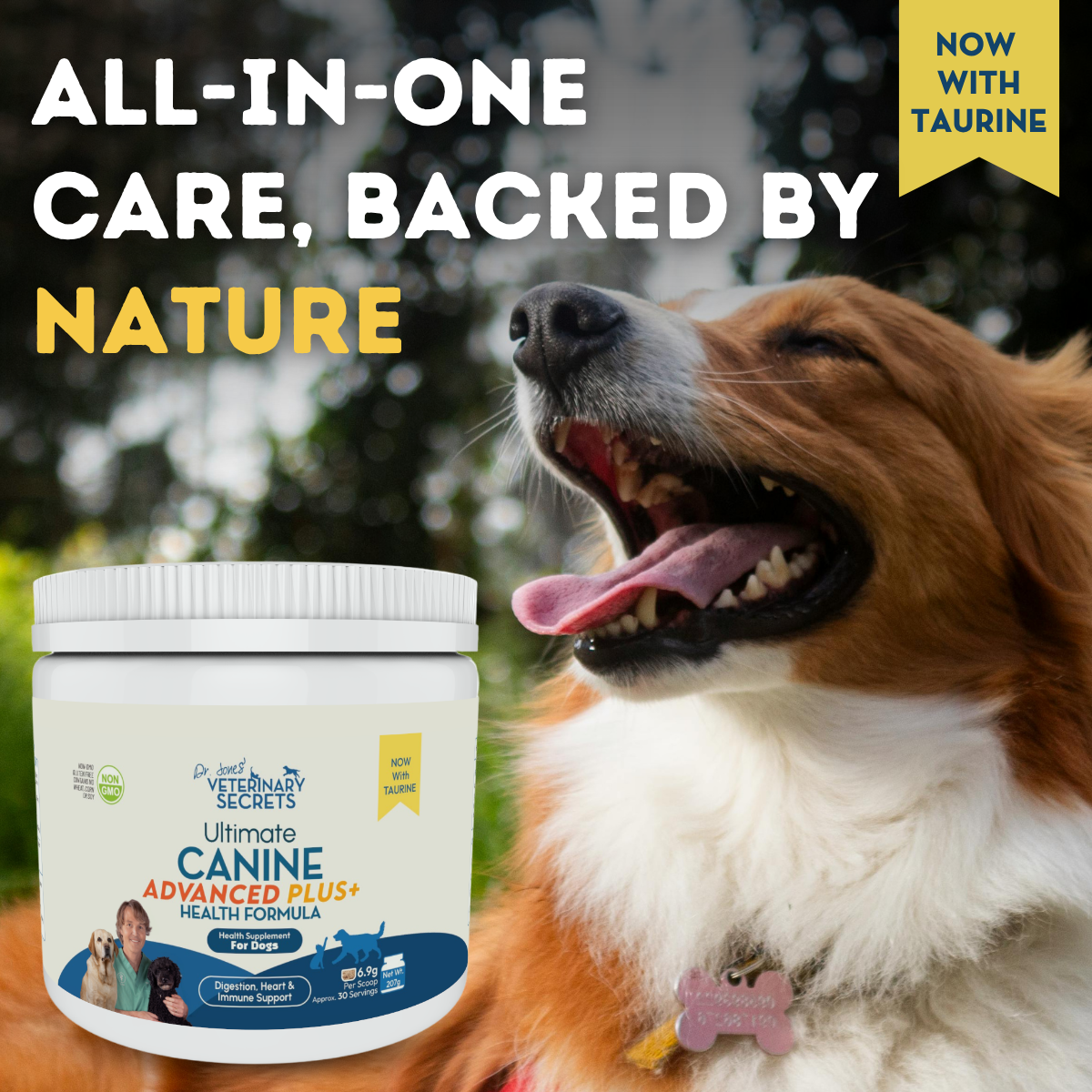
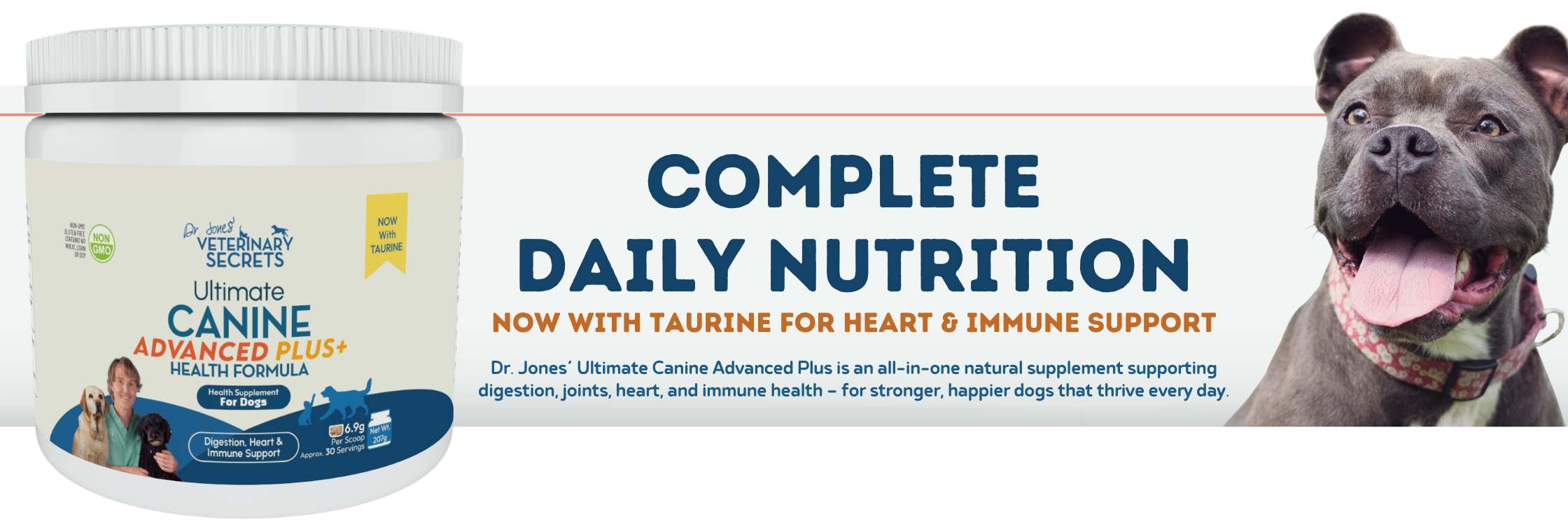
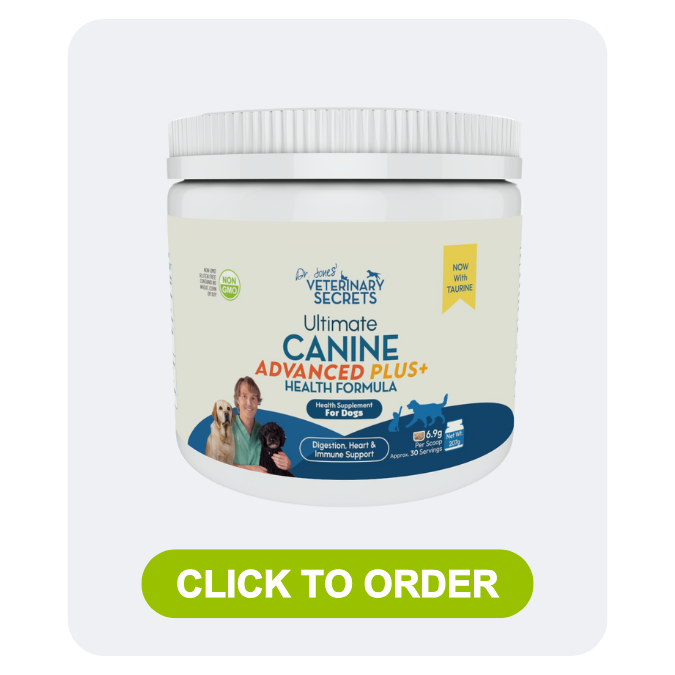
Taurine supports the heart, eyes, nervous system, immune system, and even dental health. It is one of the key amino acids included in Dr. Jones’ Ultimate Canine Advanced Plus Health Formula, which is now back in stock.
Let’s take a closer look at what taurine is and why it matters for your dog.
Dr. Jones’ Ultimate Canine Advanced Plus

What Is Taurine?
Taurine is an amino acid. Amino acids are the building blocks of protein.
There are 22 amino acids required for proper body function, and taurine performs several important roles in the body.
It is found in high concentrations in the:
-
Brain
-
Retina of the eye
-
Heart muscle
-
Blood platelets
Taurine helps stabilize cell membranes and assists with the movement of essential minerals such as:
-
Potassium
-
Sodium
-
Calcium
-
Magnesium
It also helps regulate nerve impulses, supports fluid balance in cells, and plays an important role in vision, brain health, and nervous system function.
Taurine works alongside neurotransmitters such as glycine and GABA, helping maintain normal nerve signaling throughout the body.
Which Pets Are Most at Risk for Taurine Deficiency?
For cats, taurine is considered an essential amino acid. Their bodies cannot produce enough of it on their own, so it must come from the diet.
Dogs can usually produce taurine from other amino acids, but that does not always mean they make enough.
Research shows that some breeds have a higher risk of taurine deficiency because of metabolic differences or increased taurine needs.

Breeds that appear to be at greater risk include:
-
American Cocker Spaniels
-
Golden Retrievers
-
Labrador Retrievers
-
English Setters
-
Newfoundlands
-
Saint Bernards
-
Portuguese Water Dogs
-
Great Danes
-
Boxers
-
Irish Wolfhounds
-
Doberman Pinschers
These breeds are also among those more commonly associated with dilated cardiomyopathy (DCM), a serious heart disease linked to taurine deficiency in some dogs.
What Foods Contain Taurine?
Taurine is naturally present in animal based foods.
Good dietary sources include:
-
Fish
-
Meat
-
Dairy products
Organ meats contain some of the highest concentrations of taurine, especially heart muscle.
Dark poultry meat typically contains more taurine than white meat.
Foods such as lamb, beef, venison, rabbit, and chicken breast contain taurine but generally in smaller amounts.
Plant foods and cereal grains contain little to no taurine.
Top Benefits of Taurine for Dogs
Heart Health and Dilated Cardiomyopathy Support
Taurine plays a key role in maintaining healthy heart muscle contraction.

Low taurine levels have been associated with dilated cardiomyopathy (DCM), a condition in which the heart becomes enlarged and weak.
Certain breeds such as Golden Retrievers, Cocker Spaniels, and Newfoundlands appear particularly sensitive to taurine deficiency.
Supporting healthy taurine levels may help protect heart function in these dogs.
Vision and Retinal Health
Taurine is essential for maintaining healthy retinal cells.

Low taurine levels can contribute to retinal degeneration, a condition that can lead to progressive vision loss and blindness.
Adequate taurine intake supports normal eye function throughout a dog’s life.
Immune Support and Antioxidant Protection
Taurine also acts as a powerful antioxidant.
It helps reduce inflammation and protects cells from oxidative stress.

Research published through PubMed Central has shown taurine plays an important role in immune function and may help support cognitive health as dogs age.
Blood Sugar Regulation
Taurine may help support metabolic health by improving insulin sensitivity and reducing inflammation.

Some studies suggest taurine may have glucose lowering effects, which could be helpful for dogs dealing with diabetes or blood sugar imbalance.
Dental and Gum Health
Emerging research suggests taurine may also help protect the gums.
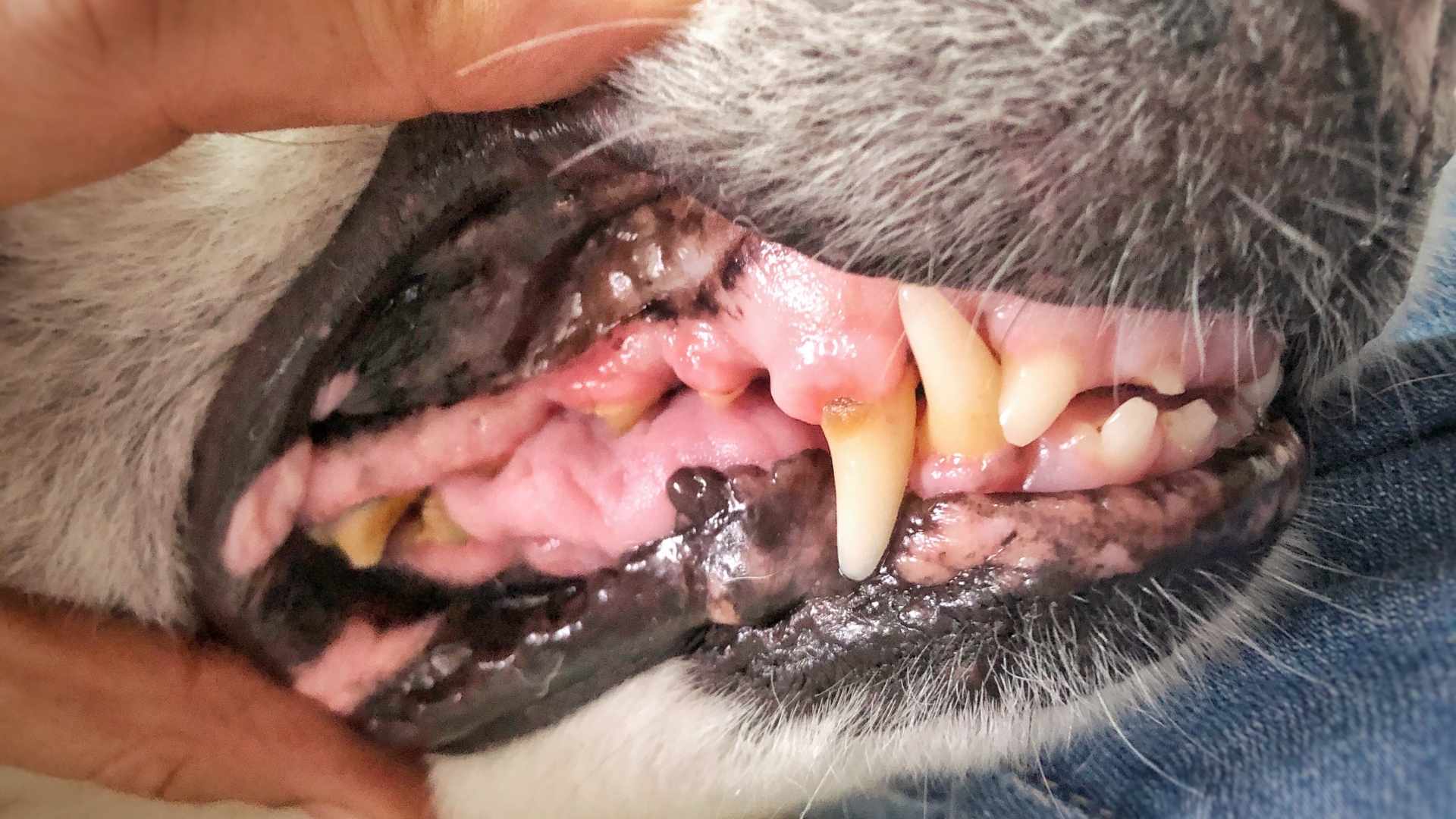
Studies have shown taurine can reduce oxidative stress in gum tissue and may improve markers of chronic periodontal disease.
This is especially important for senior dogs that struggle with ongoing dental problems.
Do Dogs Need Taurine Supplements?
In theory, most dogs should be able to produce taurine from other amino acids in their diet.
But that does not always happen.

Some dogs may benefit from additional taurine support, especially if they:
-
Belong to breeds prone to DCM
-
Have recurring dental disease
-
Have chronic health conditions affecting metabolism
In those situations, supplemental taurine can be helpful.
Click To Get A Free Copy of My E-Book!

A Complete Supplement With Taurine: Ultimate Advanced Plus Health Formula
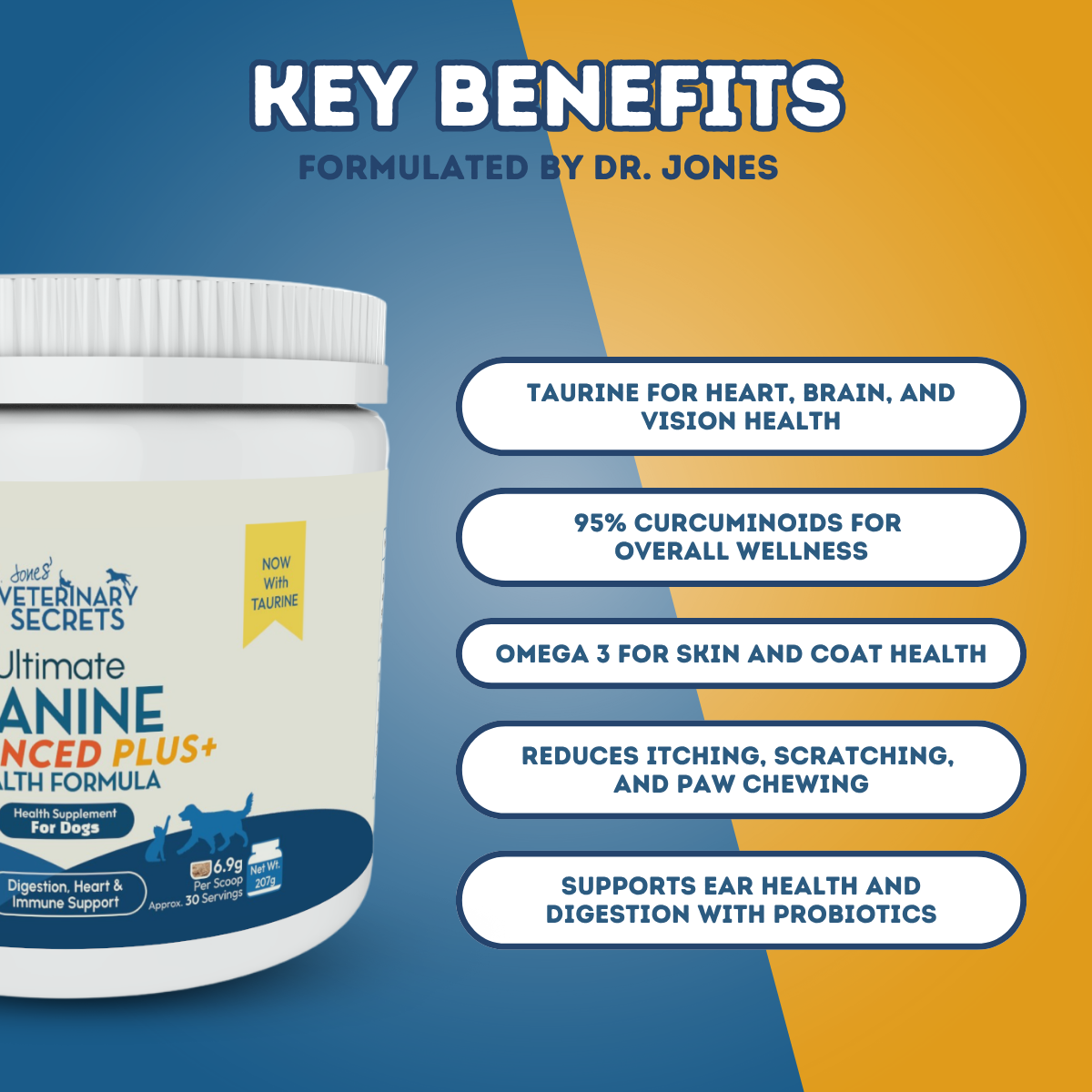
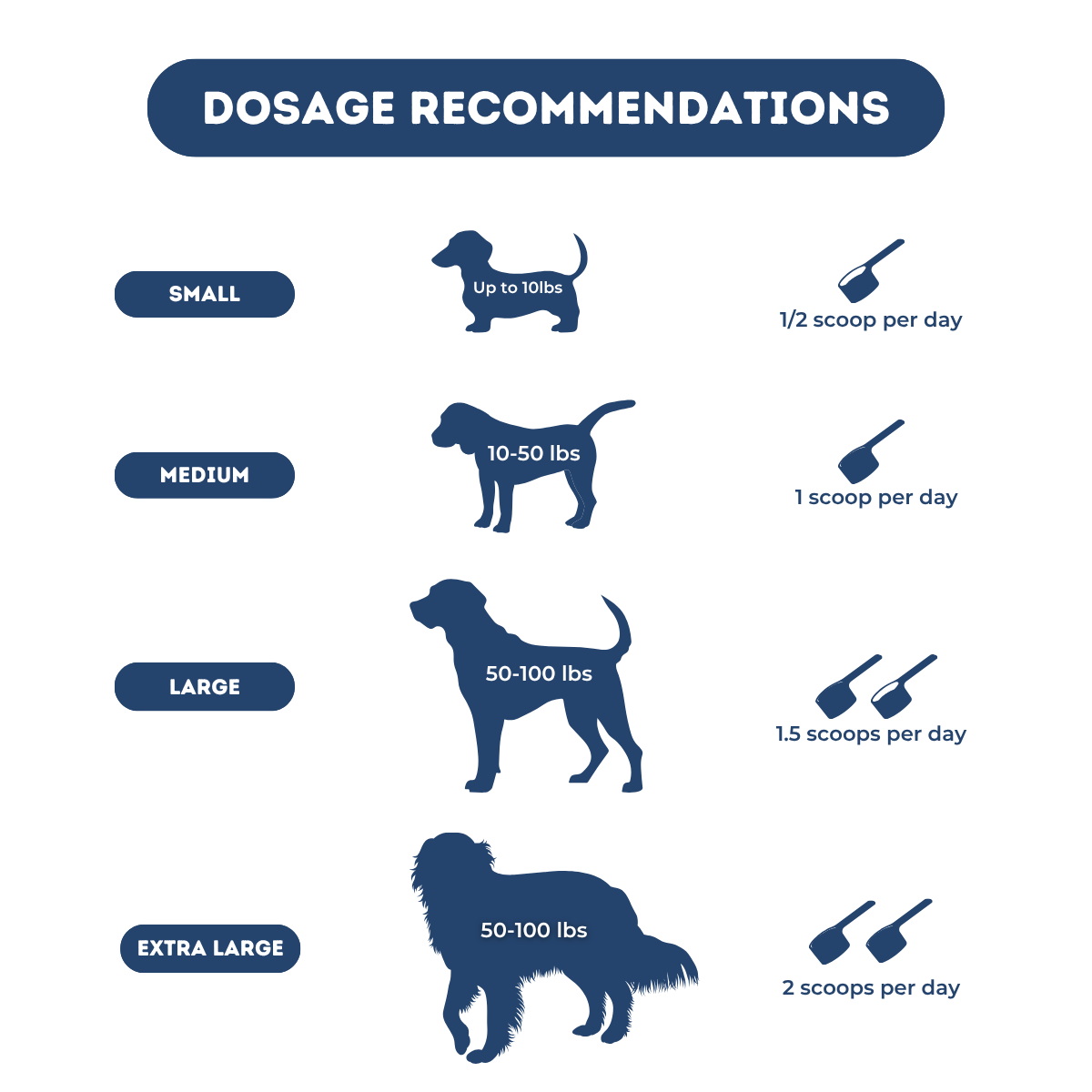
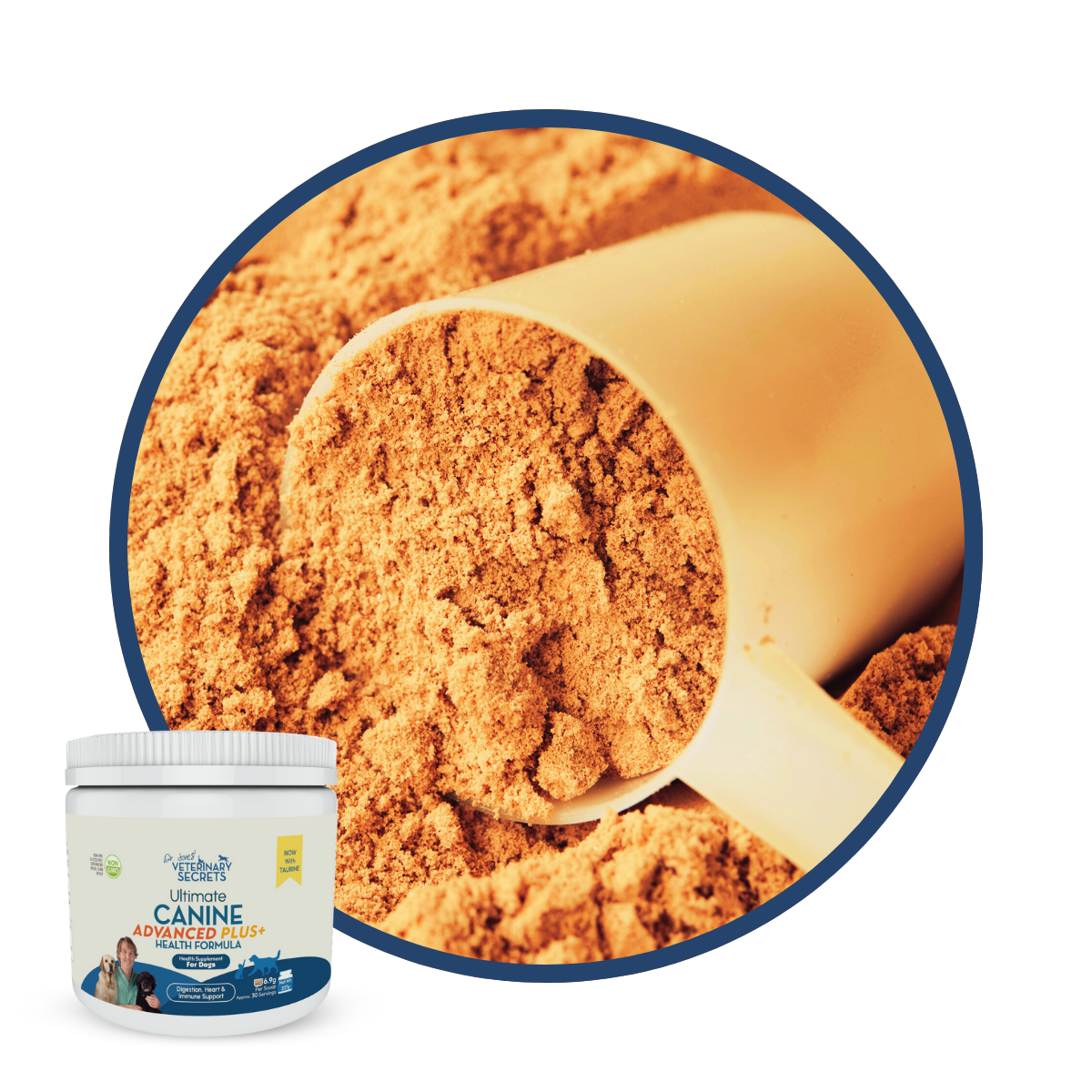
One option is Dr. Jones’ Ultimate Canine Advanced Plus Health Formula, which includes taurine as part of a broader whole body support formula.
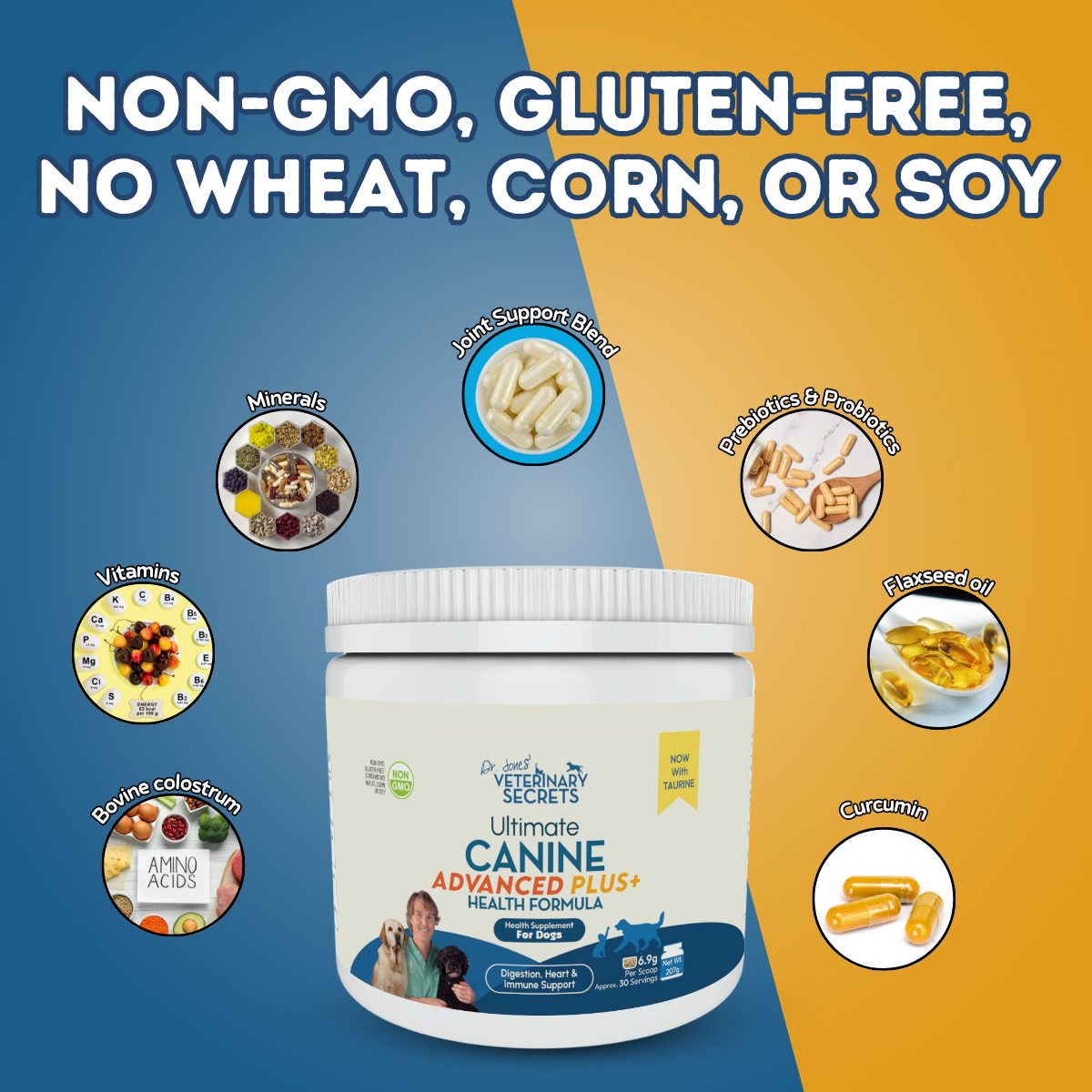
This supplement contains:
- Complete vitamin and mineral blend
- Joint support with glucosamine, chondroitin, and MSM
- Prebiotics and probiotics with 15 billion CFU per scoop
- Omega 3 fatty acids at 1500 mg
- Key amino acid blend including 500 mg taurine per scoop
- Immune support with aloe, maitake, and colostrum
- 95% curcumin for anti inflammatory support
This formula was designed to support multiple areas of health including the heart, joints, digestion, immune system, and inflammation.