Why Does My Dog’s Breath Smell So Bad? 5 Natural Remedies for Smelly Dog Breath

Why Does My Dog’s Breath Smell So Bad?
If your dog’s breath suddenly smells like something crawled into their mouth and gave up, the most common cause is bacteria.
That bacteria often builds up from leftover food particles, plaque, tartar, and inflamed gums. The smell is not just “dog breath.” It is usually a sign that something is happening in the mouth.
In many dogs, the biggest culprits are:
- Plaque buildup
- Tartar on the teeth
- Red or inflamed gums
- Food particles stuck around the teeth
- Bacteria producing foul-smelling byproducts
- Dry mouth or not drinking enough water
My dog Tula has had her share of bad breath. Looking in her mouth, I could see moderate tartar and some redness along the gumline. Not exactly minty fresh. More like “please face the other way in the car.”
The good news is there are simple things you can try at home to help reduce odor-causing bacteria and support better oral health.
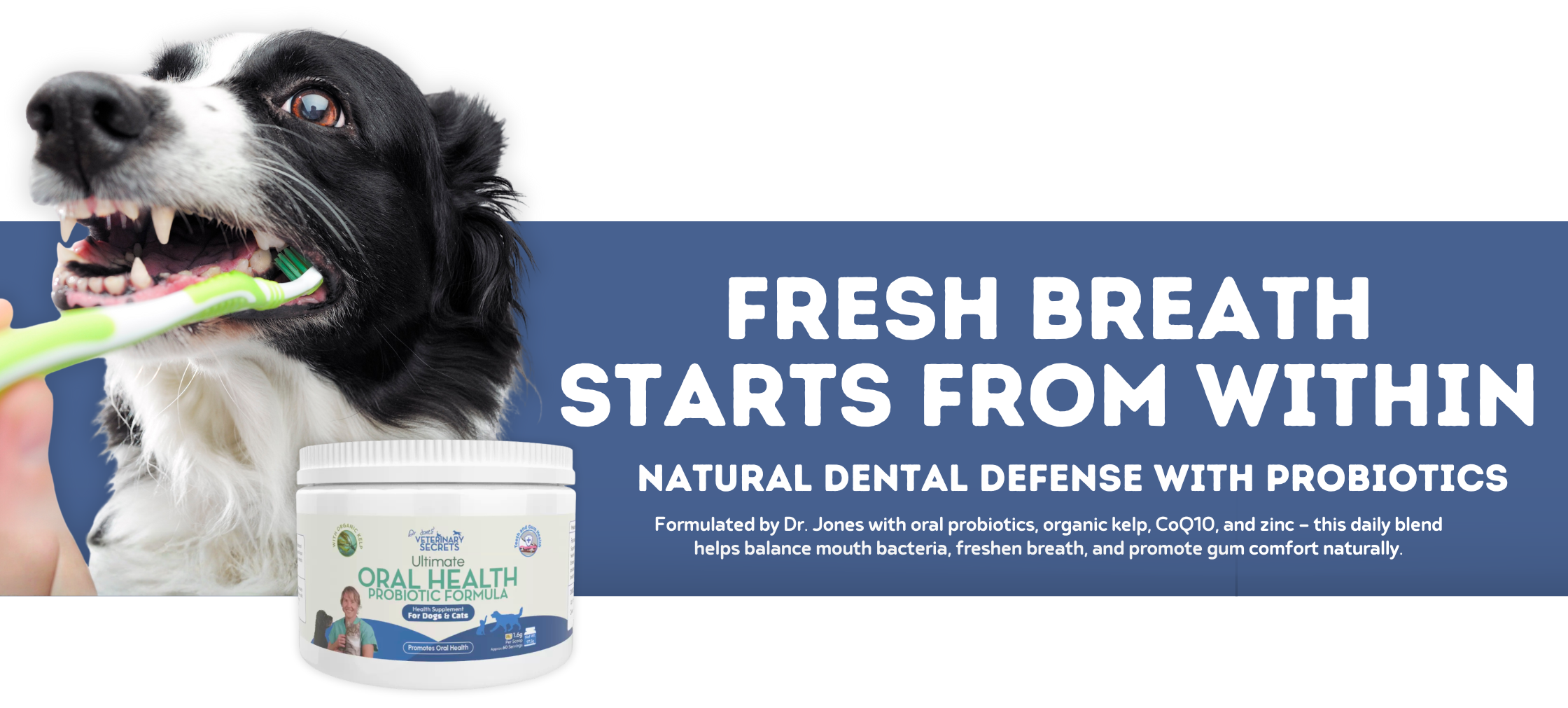
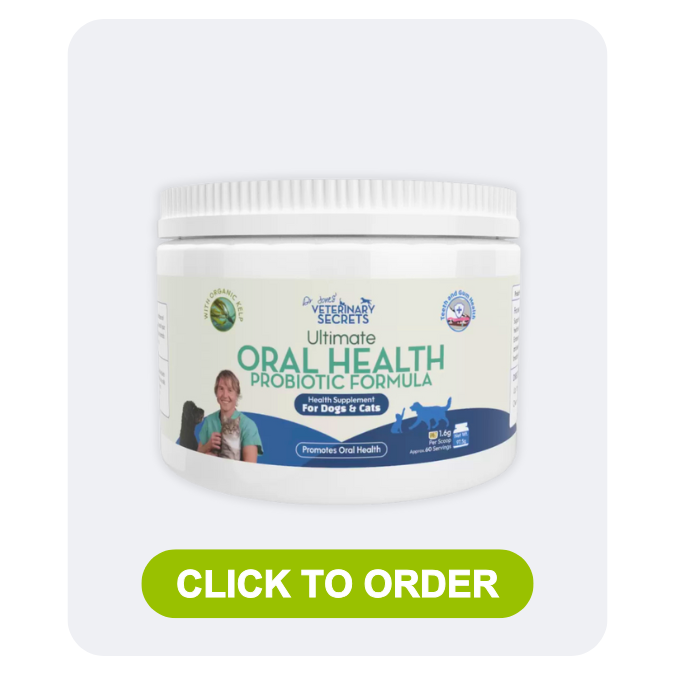
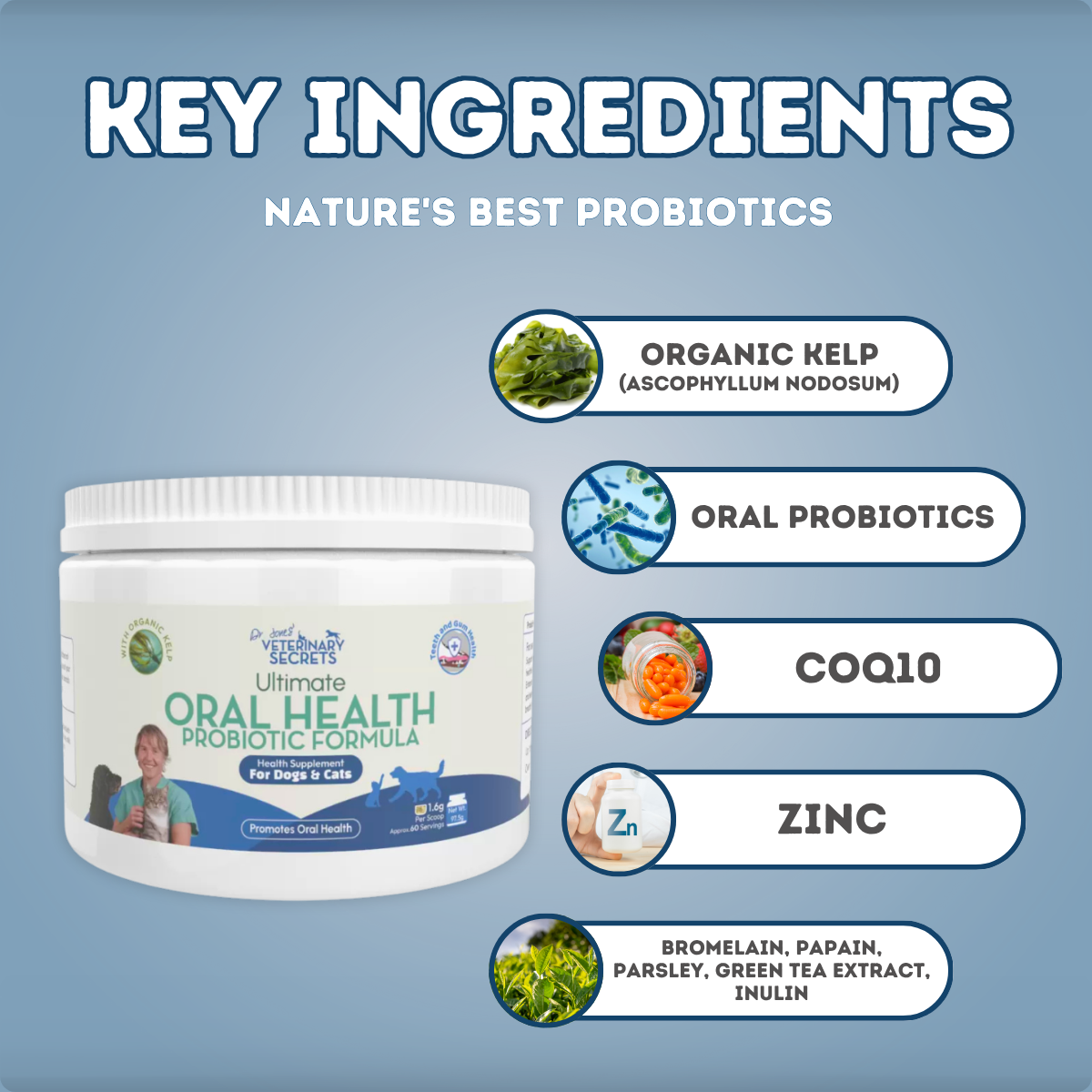
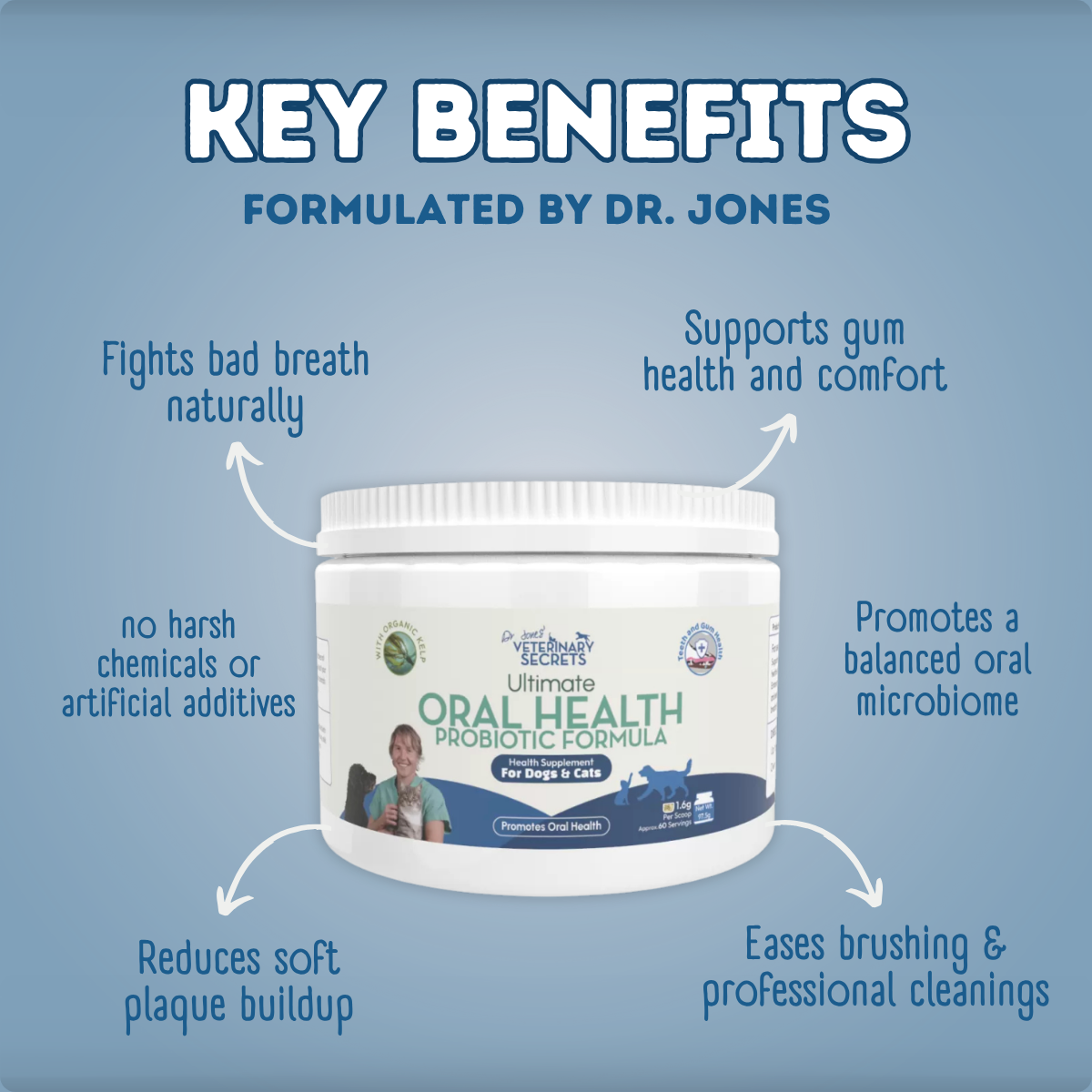
Dr. Jones’ Ultimate Oral Health Probiotic Formula for Dogs and Cats
What Is Smelly Dog Breath?
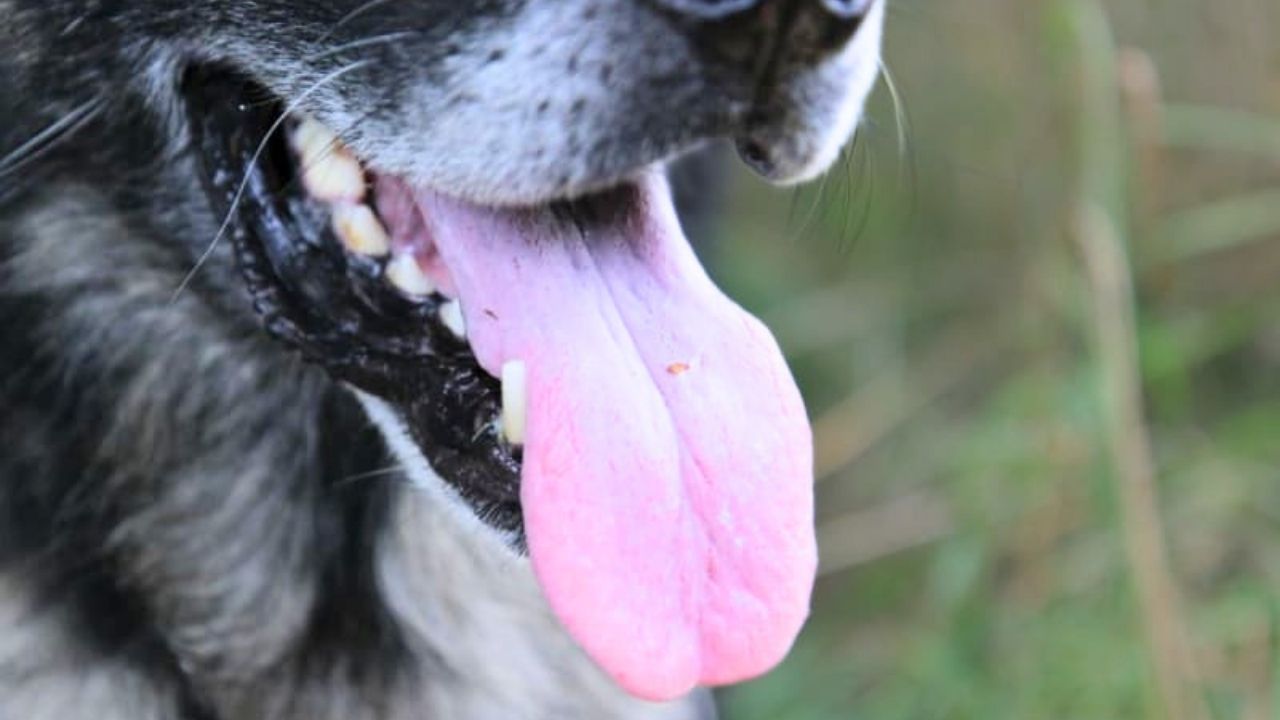
Smelly dog breath, also called halitosis, is a bad odor coming from your dog’s mouth.
It is often linked to bacteria living around the teeth and gums. When your dog eats, tiny food particles can stay behind. Bacteria feed on those particles, then plaque forms. Over time, plaque hardens into tartar, and the gums can become red and inflamed.
That combination can make your dog’s breath smell very bad.
Why Does Plaque and Tartar Cause Bad Breath?
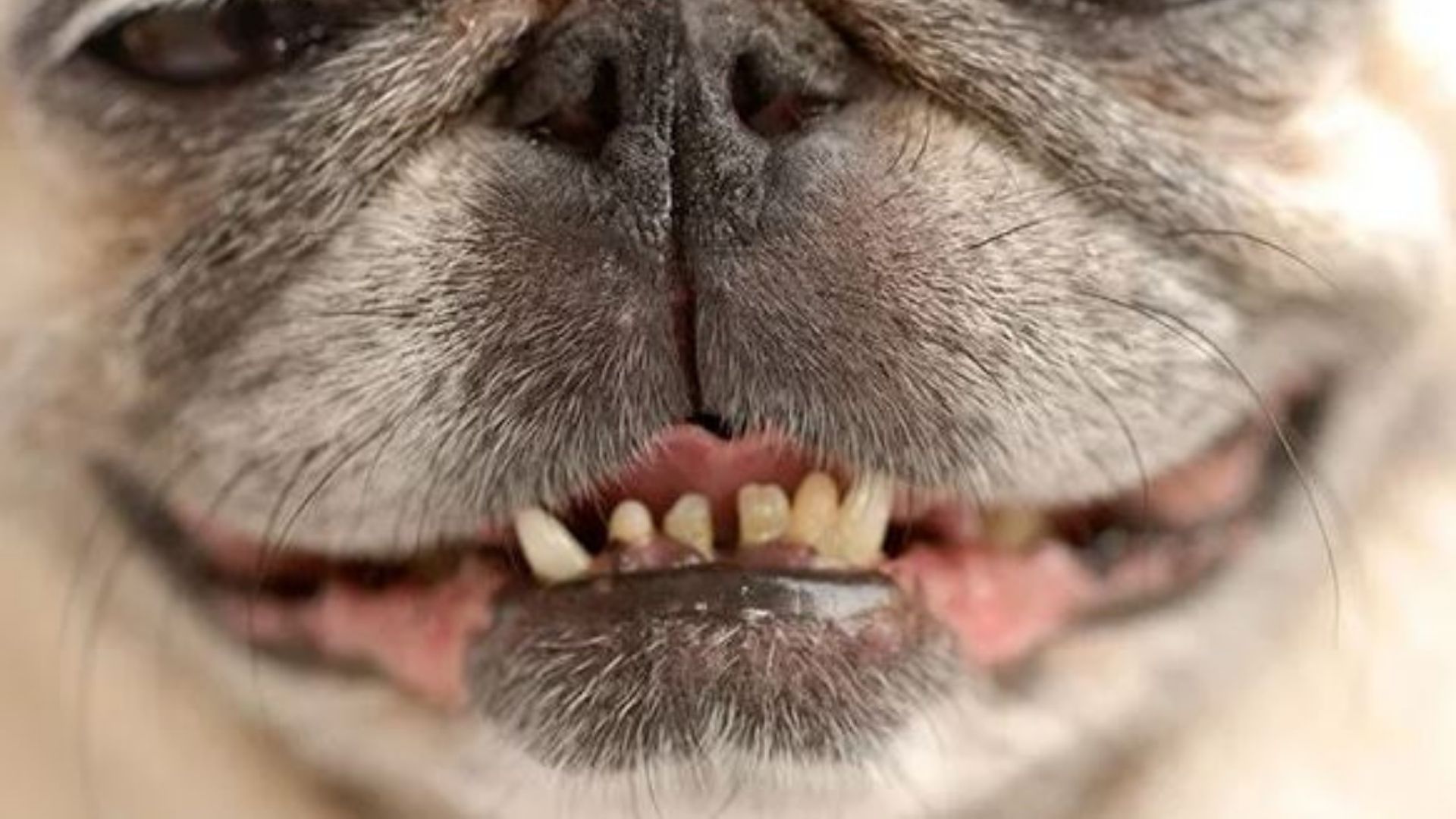
Plaque is a soft layer of bacteria that sticks to the teeth. If it is not removed, it hardens into tartar.
Tartar often builds up near the gumline and around the back molars. That is where food gets trapped and where brushing is harder.
Once the gums become inflamed, the smell can get worse. This is called gingivitis.
A little tartar can still cause big breath problems in some dogs. Other dogs may have more gum disease but not smell as bad. Dogs are funny that way. Not always helpful, but funny.
Signs Your Dog’s Bad Breath May Be From Dental Disease
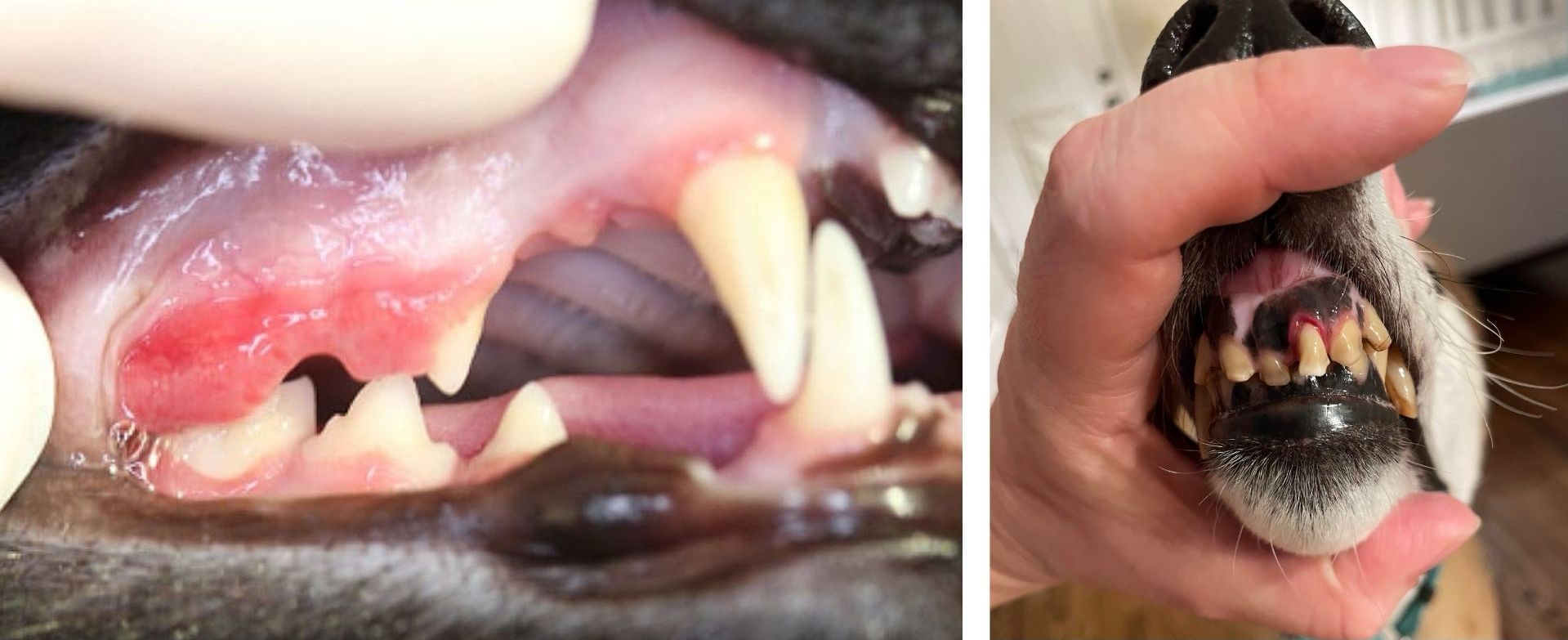
Look for:
- Yellow or brown tartar on the teeth
- Red gums
- Bleeding gums
- Drooling
- Pawing at the mouth
- Trouble chewing
- Dropping food
- Swelling around the mouth or face
- Bad breath that suddenly gets worse
- Loose teeth
- Not wanting hard food or treats
If your dog has severe tartar, painful gums, loose teeth, swelling, or trouble eating, home remedies are not enough. Your dog needs a veterinary dental exam.
First Step: Check Your Dog’s Mouth
Before trying remedies, lift your dog’s lip and look at the teeth and gums.
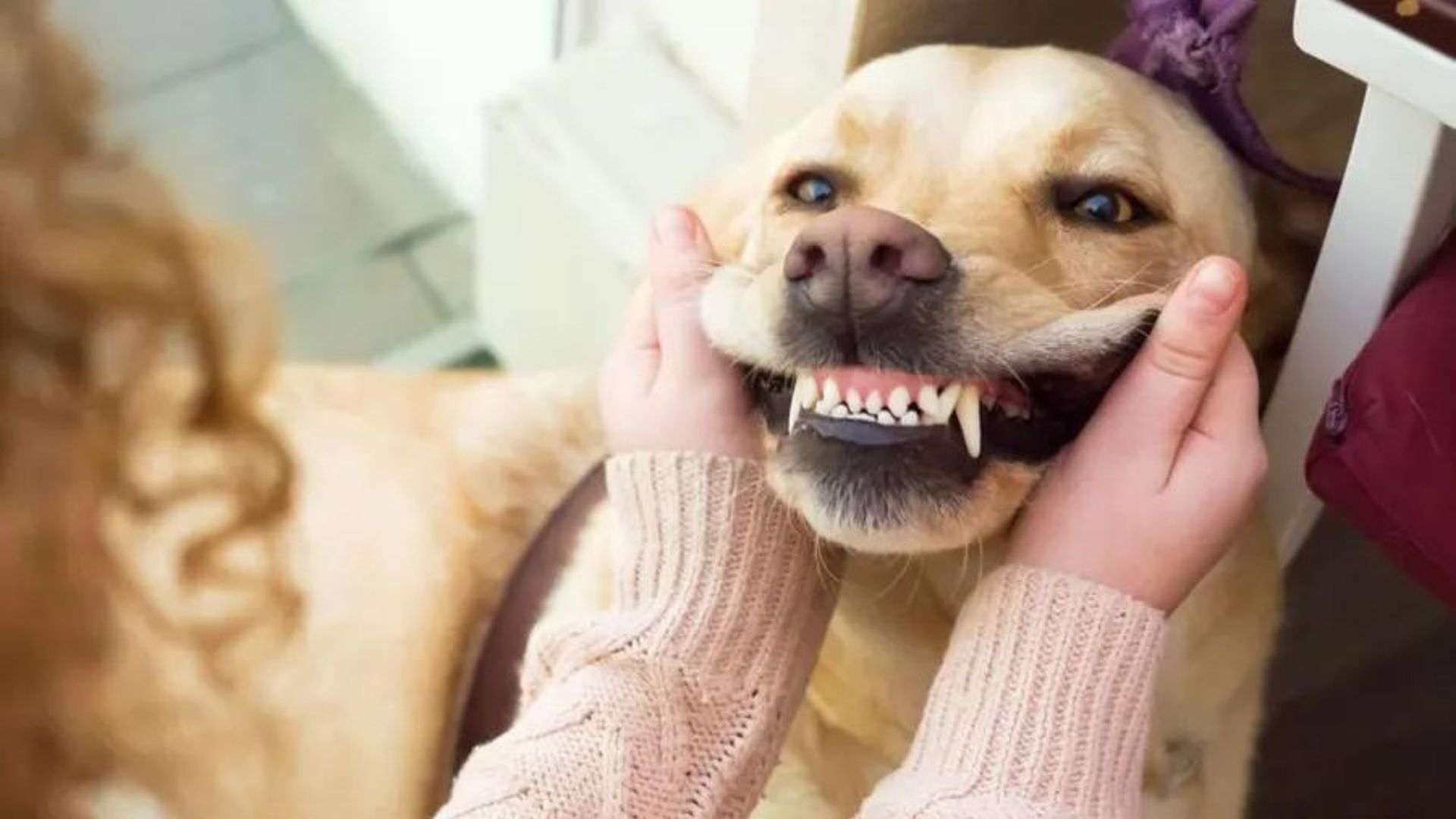
Check for:
- Tartar on the large upper cheek teeth
- Redness along the gumline
- Broken teeth
- Swelling
- Bleeding
- Bad odor from one side of the mouth
If your dog seems painful, snaps, pulls away, or has severe inflammation, stop and call your veterinarian.
Can Home Remedies Help Smelly Dog Breath?
Yes, home remedies may help mild to moderate dog bad breath, especially when the smell is linked to food particles, bacteria, and early plaque buildup.
They work best when paired with basic dental care, especially brushing.
But if your dog already has advanced dental disease, thick tartar, loose teeth, or infection, they may need a professional dental cleaning and treatment.
5 Natural Remedies for Smelly Dog Breath
Here are the 5 remedies I would consider for mild to moderate bad breath.
Quick Remedy Guide
| Remedy | How It May Help | How to Use |
|---|---|---|
| More water with a little stock | Helps rinse food particles and reduce dry mouth | Add a small amount of dog-safe stock to water |
| Baking soda brushing | Helps clean the gumline and may reduce odor | Mix baking soda with water to make a paste |
| Green tea mouth flush | Helps rinse the mouth and may reduce bacteria | Use cooled green tea in a syringe to flush the gumline |
| Diluted apple cider vinegar flush | May help reduce bacteria and gum odor | Mix a small amount with green tea and use as a rinse |
| Crunchy carrots or apples | Helps remove food bits and increase saliva | Offer small pieces after meals |
Remedy 1: Increase Water Intake With a Little Stock
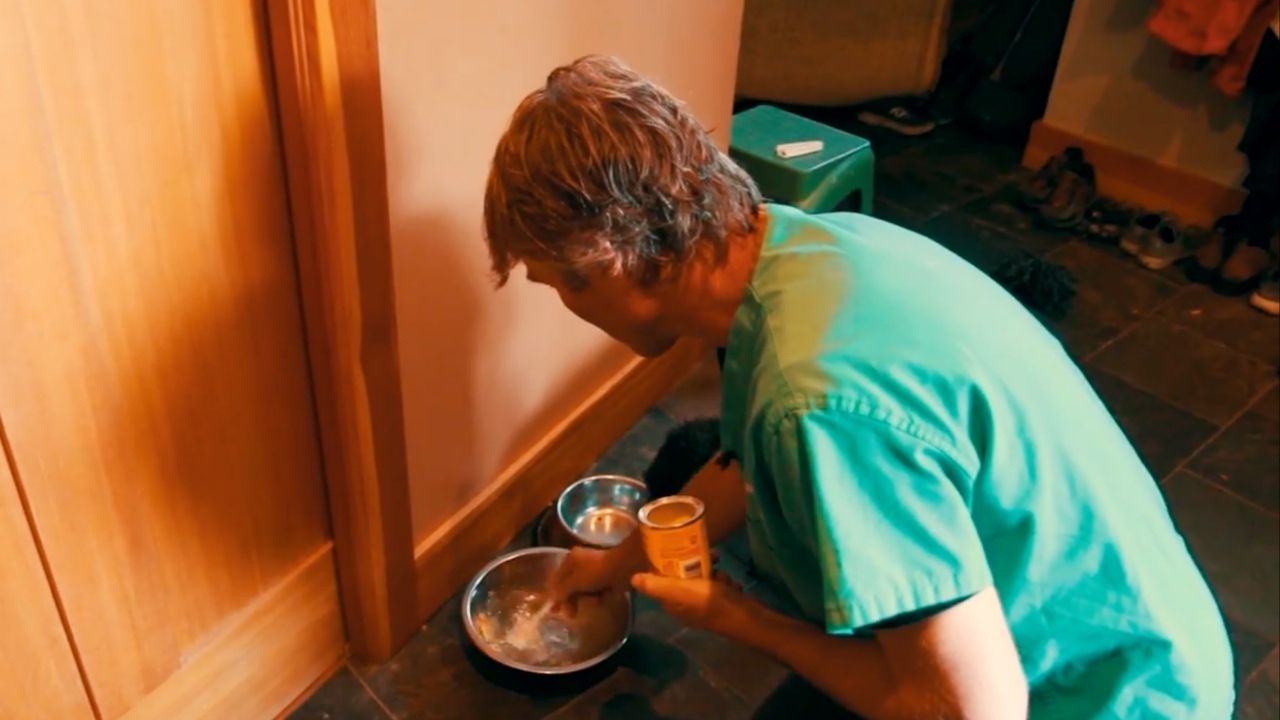
One of the simplest things you can do is help your dog drink more water.
Bad breath bacteria love leftover food particles, especially protein stuck around the teeth. More fluid helps rinse the mouth and wash away some of that food before it turns into plaque and tartar.
This can be especially helpful for dogs that do not drink much, pant a lot, or get dehydrated on car trips.
How to Do It
Add a small amount of dog-safe stock to your dog’s water bowl.
You can try:
- Unsalted chicken stock
- Unsalted vegetable stock
- Homemade broth with no onions, or heavy seasoning
Start with about 1/2 teaspoon mixed into the water bowl.
The goal is not to make soup. The goal is to make the water more interesting so your dog actually drinks it.
Best For
- Dogs that do not drink enough water
- Dogs with worse breath after eating
- Dogs that pant a lot
- Dogs that get stressed or dry-mouthed during travel
Not For
Avoid this if the stock contains:
- Onion
- High sodium
- Heavy seasoning
- Artificial sweeteners
Remedy 2: Brush With a Baking Soda Paste
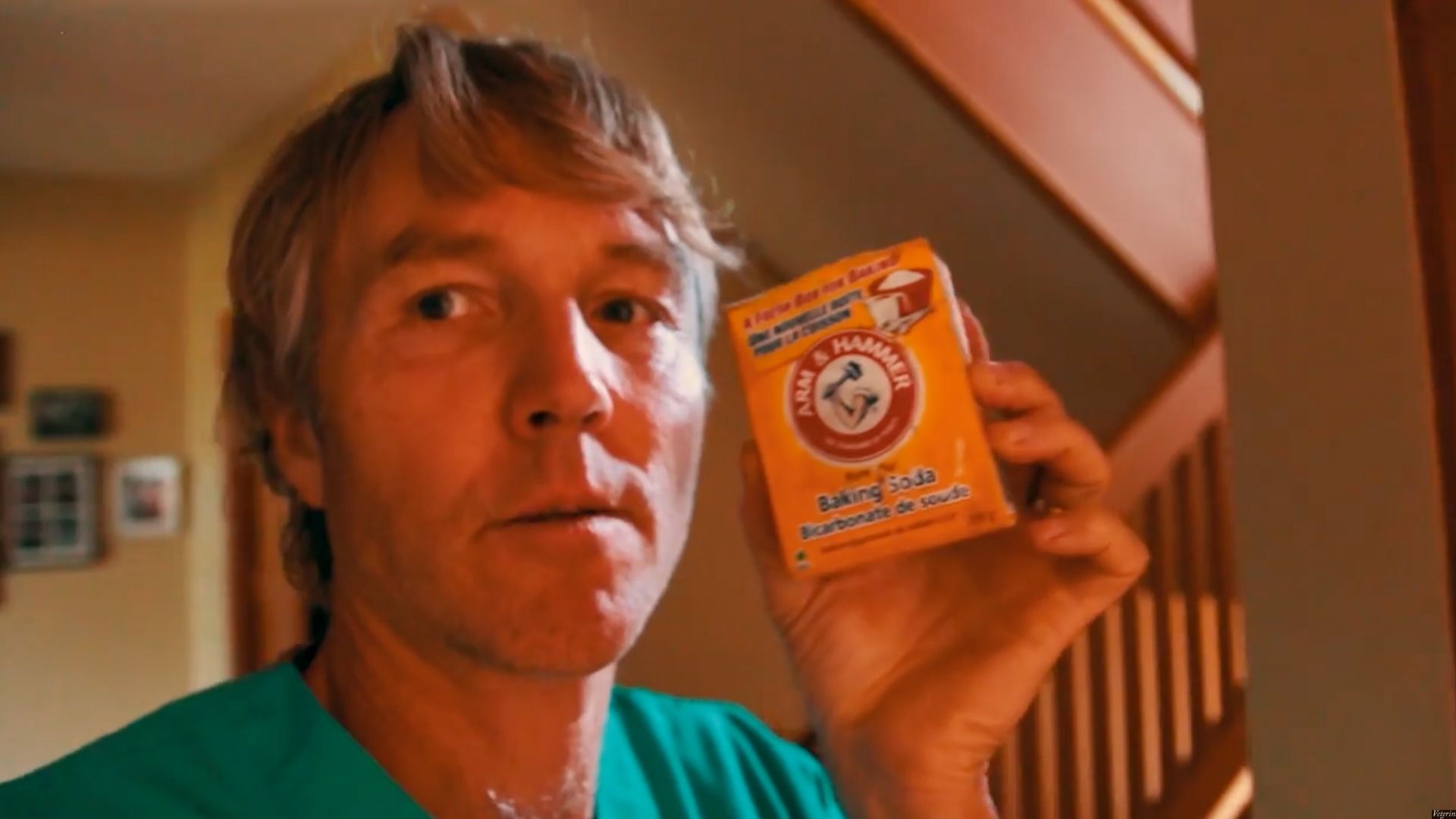
Brushing is still one of the best ways to reduce plaque and improve bad breath.
For this remedy, I use baking soda mixed with a little water to make a paste.
Baking soda may help neutralize odor and change the mouth environment that some odor-causing bacteria prefer.
How to Make It
Mix:
- 1 teaspoon baking soda
- A small amount of water
Stir until it forms a toothpaste-like paste.
How to Use It
Use a soft toothbrush or finger brush.
Focus on:
- The gumline
- The upper cheek teeth
- The back molars
- Areas with visible tartar
You do not need to scrub like you are sanding a deck. Gentle is better.
Important Caution
Do not let your dog swallow large amounts of baking soda. Use only a small amount and rinse or wipe the mouth if needed.
Do not use baking soda brushing on dogs with mouth ulcers, open wounds, severe gum pain, or bleeding gums.
Remedy 3: Use a Green Tea Mouth Flush
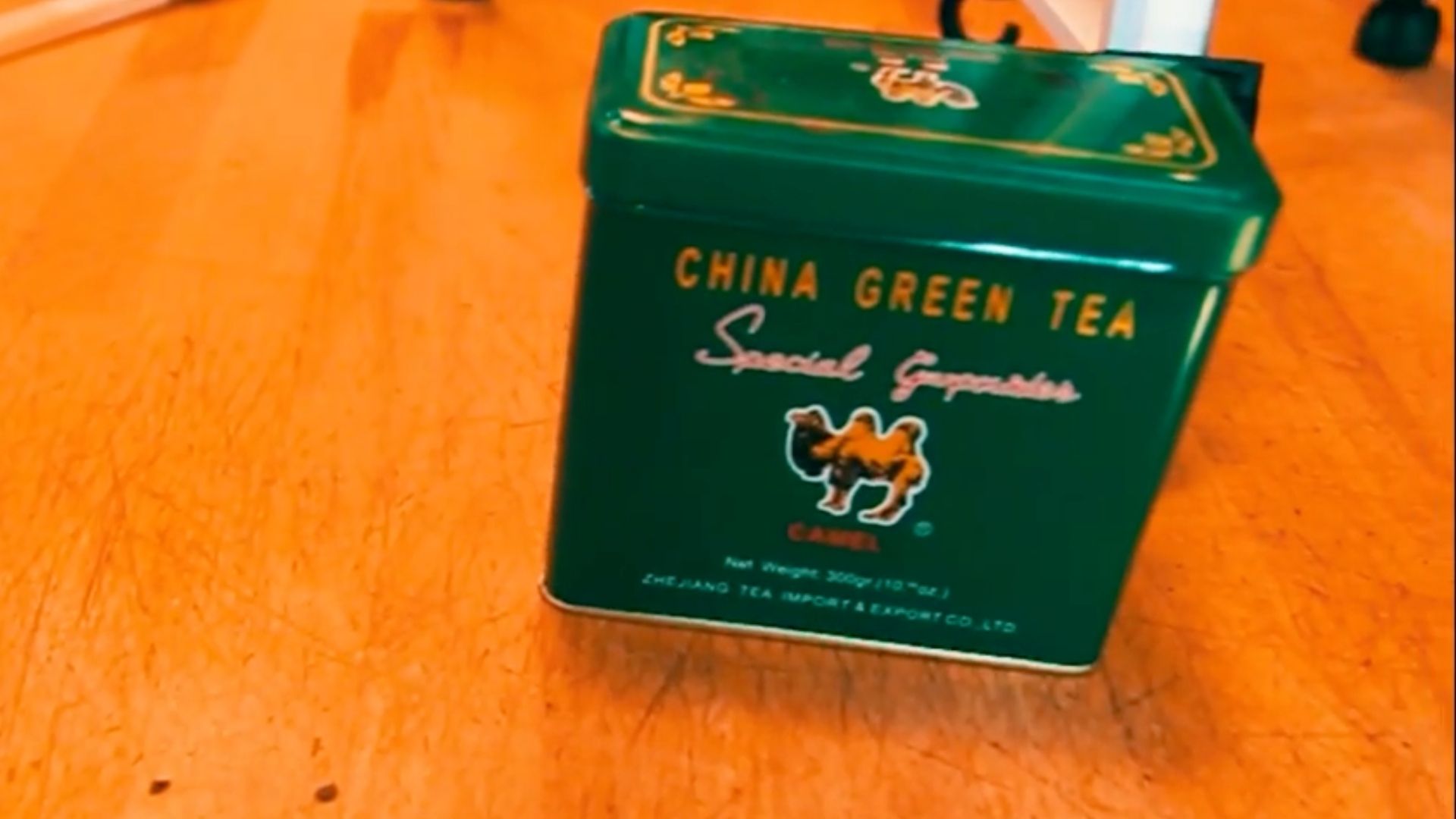
Green tea is one of my favorite simple options for smelly dog breath.
It works in two ways.
First, it helps flush away leftover food particles after your dog eats.
Second, green tea has natural antibacterial properties that may help reduce the bacteria causing the odor.
How to Make It
- Brew plain green tea.
- Let it cool completely before using it.
- Do not use hot tea. Your dog did not sign up for mouth lava.
How to Use It
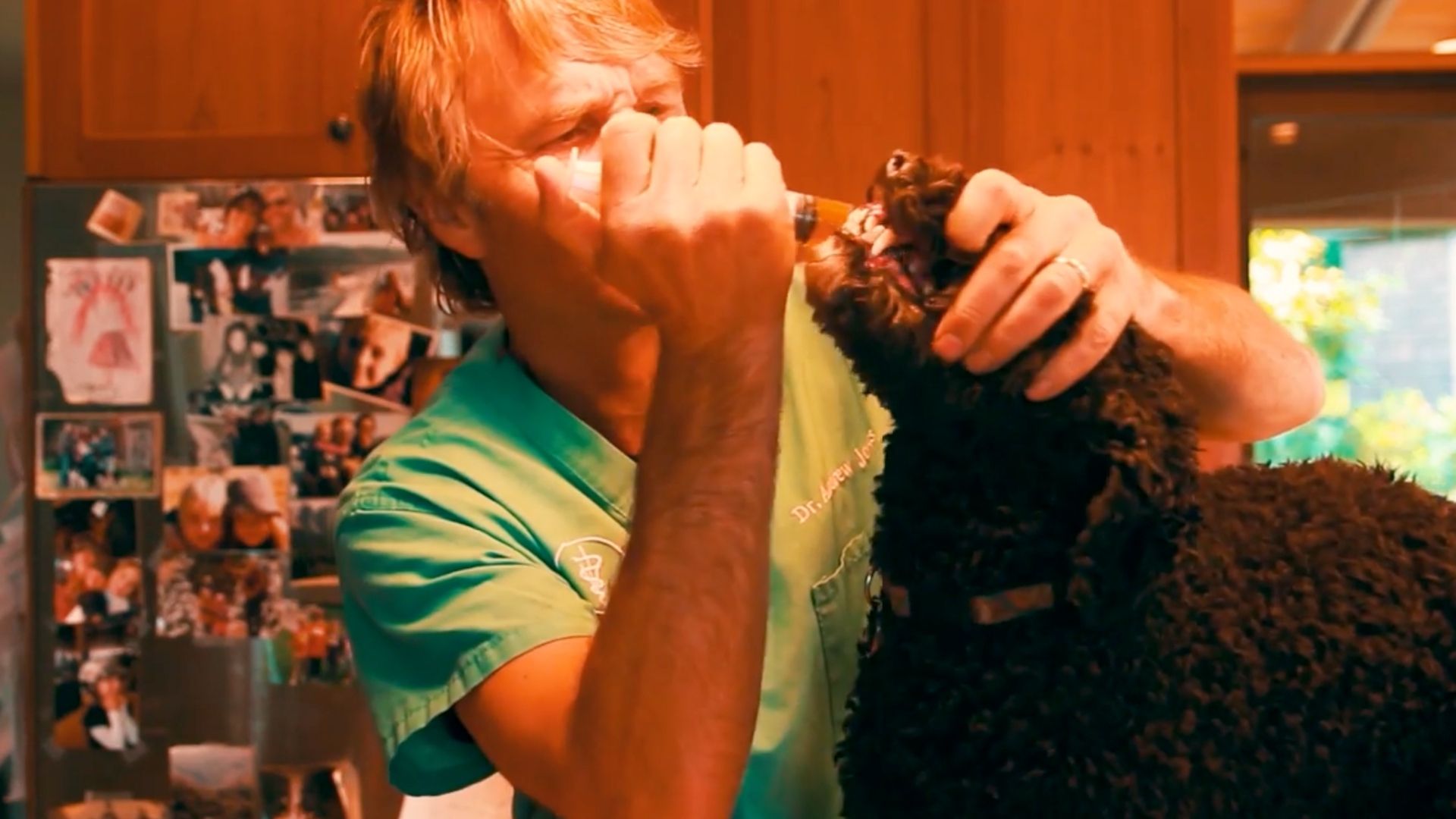
Use a small syringe and gently flush the cooled green tea along the gumline.
Focus on:
- The upper teeth
- The back molars
- The gumline
- Areas where food tends to stick
Use about 1 tablespoon of cooled green tea.
This can be done after meals, ideally twice daily if your dog allows it.
Best For
- Mild to moderate bad breath
- Dogs with food buildup around the teeth
- Dogs that do not tolerate brushing well
- Dogs needing a gentle mouth rinse
Not For
Avoid forcing this if your dog is stressed, snapping, or struggling. A mouth flush should be calm and gentle, not a wrestling match in the kitchen.
Remedy 4: Try a Diluted Apple Cider Vinegar and Green Tea Flush
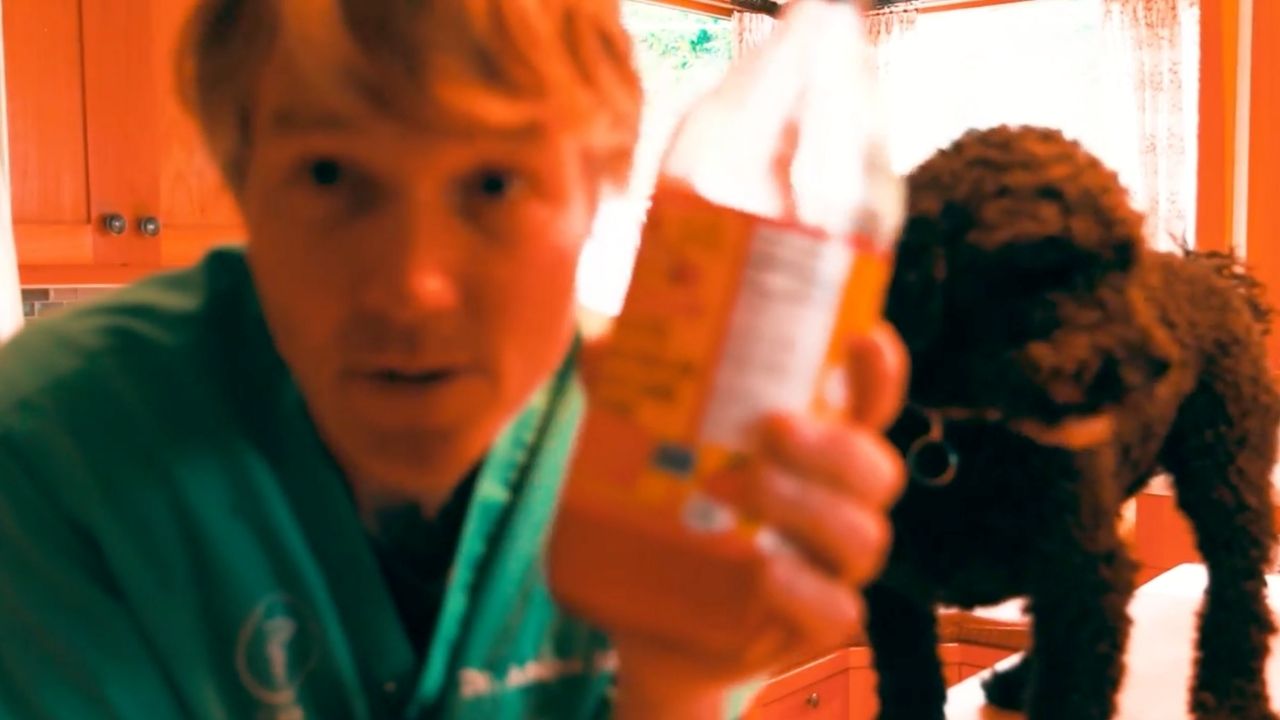
Apple cider vinegar may help reduce odor-causing bacteria and support healthier gums.
The problem is the taste. Most dogs are not lining up for vinegar mouthwash.
To make it more tolerable, I like diluting it in cooled green tea.
How to Make It
Mix:
- About 1 teaspoon apple cider vinegar
- About 1/2 cup cooled green tea
This is used as a mouth flush, not something your dog needs to drink.
How to Use It
Using a syringe, gently flush a small amount along the gumline and around the teeth.
Focus on the back teeth where tartar and food particles often build up.
Important Caution
Do not use apple cider vinegar if your dog has:
- Open sores in the mouth
- Bleeding gums
- Mouth ulcers
- Severe dental pain
- A strong reaction to the taste
If your dog hates it, skip it. There are plenty of other options, and your fingers will thank you.
Remedy 5: Give Crunchy Carrots or Apples After Meals
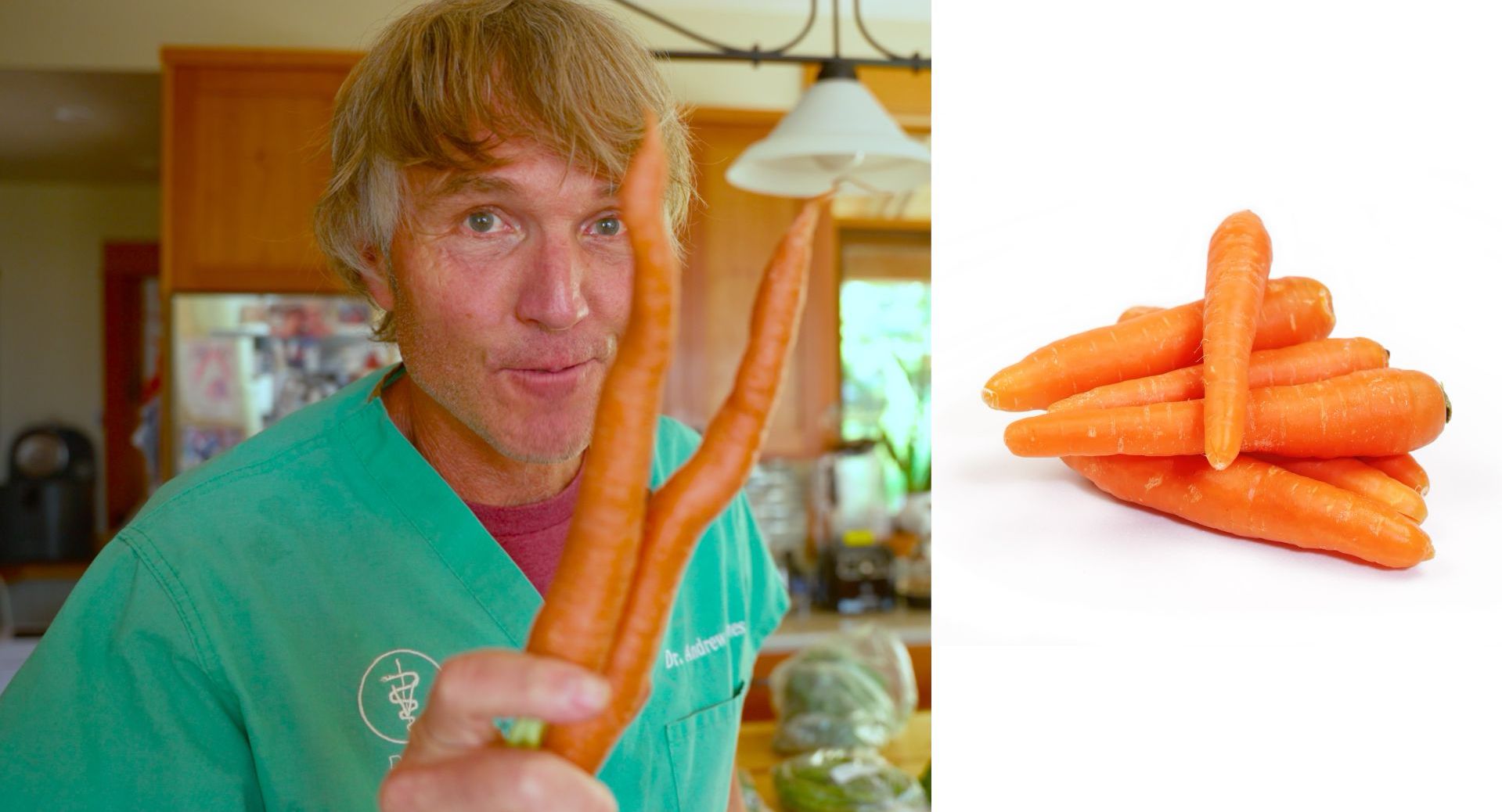
Crunchy fruits and vegetables can help in two ways.
They may help rub away small bits of food stuck between the teeth, and they encourage more saliva production.
More saliva means more natural rinsing in the mouth. That can help reduce odor-causing bacteria.
Good Options
Try small pieces of:
- Carrot
- Apple with seeds removed
- Other dog-safe crunchy vegetables
Use them as a snack after meals.
Why Low-Protein Snacks May Help
Bad breath bacteria often thrive on protein-rich food particles stuck in the mouth.
Crunchy, lower-protein snacks like carrots may help clean the mouth without feeding those odor-causing bacteria as much as meat or cheese treats.
Important Caution
Cut treats into safe sizes to prevent choking.
Avoid apple seeds, cores, grapes, raisins, onions, garlic, and anything seasoned.
What Is the Best Remedy for Smelly Dog Breath?
The best option is usually a combination.
For mild bad breath, I would start with:
- More water with a little dog-safe stock
- Brushing the gumline
- Green tea flush after meals
- Crunchy carrots or apple pieces as a snack
If the gums are red, tartar is moderate, or breath is getting worse, add a veterinary dental check to the plan.
Home care helps, but it cannot remove heavy tartar under the gumline.
Pros and Cons of Home Remedies for Dog Bad Breath
Pros
- Simple and inexpensive
- Can be done at home
- May reduce odor-causing bacteria
- Helps rinse away food particles
- Supports better dental habits
- Useful between veterinary dental cleanings
Cons
- Will not fix advanced dental disease
- Will not remove heavy tartar
- Some dogs dislike brushing or mouth rinses
- Bad breath can sometimes signal a bigger health issue
Best For / Not For
Best For
These remedies are best for dogs with:
- Mild to moderate bad breath
- Food buildup around the teeth
- Breath that worsens after meals
- No major mouth pain
Not For
These remedies are not enough for dogs with:
- Loose teeth
- Severe tartar
- Bleeding gums
- Mouth swelling
- Facial swelling
- Pus around the teeth
- Severe pain
- Not eating
Those signs need a veterinary exam.
When Should You Call Your Veterinarian?
Call your veterinarian if your dog has:
- Refusing food
- Trouble chewing
- Bleeding gums
- Loose teeth
- Swelling around the face or jaw
- A broken tooth
- Sudden Weight loss
- Persistent Vomiting
- Very sweet or fruity breath
- Urine-like breath
Bad breath is often dental, but not always. Kidney disease, diabetes, digestive issues, oral tumors, and infections can also change your dog’s breath.
Simple Daily Dog Breath Routine
Here is a simple routine you can try.
After Meals
- Offer water with a small amount of dog-safe stock
- Use cooled green tea as a gentle mouth flush
- Offer a small crunchy carrot or apple piece
A Few Times a Week
- Brush the gumline with a soft toothbrush
- Use baking soda paste occasionally if tolerated
- Check the teeth and gums for redness, tartar, or pain
Every Few Months
- Take a photo of your dog’s teeth
- Compare tartar and gum redness over time
- Book a dental check if things are getting worse
Final Thoughts
Smelly dog breath is common, but it is not something I would ignore.
Most of the time, it comes down to bacteria, plaque, tartar, and irritated gums. The more you can rinse away food particles, support saliva, and reduce bacterial buildup, the better your dog’s breath is likely to be.
Start simple.
More water. Gentle brushing. Green tea flush. A little crunchy carrot after meals.
Your dog may still try to breathe directly in your face, but at least now you have a fighting chance.
Click To Get A Free Copy of My E-Book!

P.S. Tula’s breath was not exactly fresh mountain air when I checked her mouth. She had tartar, a little gingivitis, and that lovely “please don’t breathe on me in the car” smell.
The first thing I would do is simple: get more fluid into the mouth and start reducing the food particles that bacteria love.
A little dog-safe stock in the water, a gentle green tea flush after meals, and some regular brushing can make a real difference.
And yes, the carrot trick can help too. Low drama, low cost, and most dogs think they just got a snack. That is my kind of remedy.
Good ideas which are helpful. Chauncy has bad breath and I make a toothpaste of equal parts baking soda and 100% cold pressed virgin coconut oil (put in small container with lid). He also is like Tula in which he doesn’t drink much so I have been making my own bone broth (recipe on line which includes Bragg’s ACV with mother in it) for years adding 1 part broth to 4-5 parts filtered water…works as he always drinks it all. These are all suggestion of our holistic vet….I haven’t tried the green tea squirt so thanks for that suggestion.
added note I also rub certified Manuka honey on his gums for bacteria…..
I give my dogs Kefir with their food and that has helped improve their doggy breath substantially!
Does the green tea need to be decaffeinated?
My American Bulldog has gross sulfur smelling burps. He daily gets Four Leaf Rover Gut Guard followed the next month with Protect. I rotate these and am beginning to think the probiotics in these are inactive since they claim to not need refrigeration. I’m going to try a better probiotic for him
I’m sorry to hear about your American Bulldog’s discomfort. Sulfur-smelling burps can indicate digestive issues, such as an imbalance in gut bacteria, which may not be fully addressed by the probiotics in Four Leaf Rover’s Gut Guard and Protect.
These products are shelf-stable and don’t require refrigeration, but this doesn’t necessarily mean the probiotics remain active over time. Some probiotic strains lose potency without proper storage conditions, potentially leading to ineffective supplementation.
To support your dog’s digestive health, consider introducing a high-quality, species-specific probiotic supplement. Look for products that contain multiple strains of beneficial bacteria, such as Lactobacillus acidophilus, Bifidobacterium bifidum, and Enterococcus faecium, which are known to support canine gut health
Additionally, incorporating digestive enzymes can aid in breaking down food more effectively, reducing the likelihood of gas and discomfort