7 Senior Cat Care Tips: How to Keep Your Older Cat Healthy, Happy, and Thriving

How Can You Keep Your Senior Cat Healthy and Happy?
The best ways to support a senior cat are to improve their diet, protect kidney health, avoid unnecessary medications, reduce stress, manage dental disease and arthritis, and stay actively involved in their veterinary care. Small changes in nutrition and daily routines can make a real difference as your cat gets older.
It’s Senior Pet Month, but I’m calling today Senior Cat Day!
This one’s for all you cat people out there.
And yes, that includes me. 🙂
We now have a very happy cat named Cassian.
He spends plenty of time stretched out on his favorite chair, usually on a nice comfortable blanket.
And like most cats, he seems to have figured out how to live a pretty good life.
My daughter Aliza is one of his favorite people, although she’s currently having a rather difficult time surfing in Bali.
Poor Aliza!
But seriously, having a happy cat makes me think about something important.
How do we help our cats stay healthy as they get older?
Can we actually make a difference?
I believe we can.



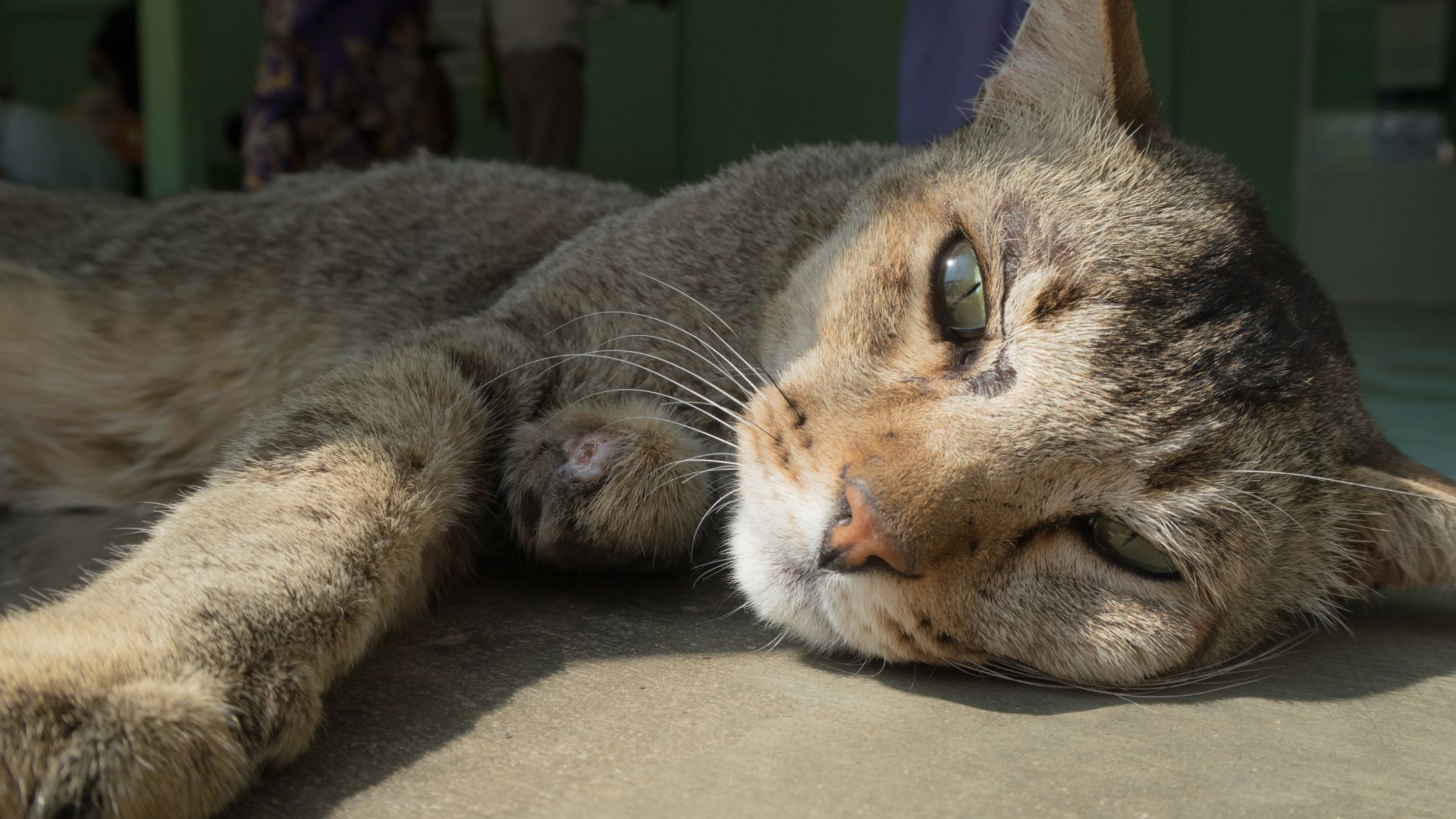
I’ve seen many older cats affected by kidney disease, dental problems, arthritis, chronic stress, and other conditions that can change their quality of life.
And while we can’t stop aging, there are things we can do to support our cats.
Nutrition is a big one.
For example, with chronic kidney disease, I pay particular attention to dietary moisture, phosphorus, and antioxidant support.
Then there are medications, vaccines, dental health, joint support, and the environment we provide.
All of these deserve consideration.
So here are my seven practical tips for helping your senior cat stay healthy, comfortable, and happy for as long as possible.
1. What Is the Best Diet for a Senior Cat?
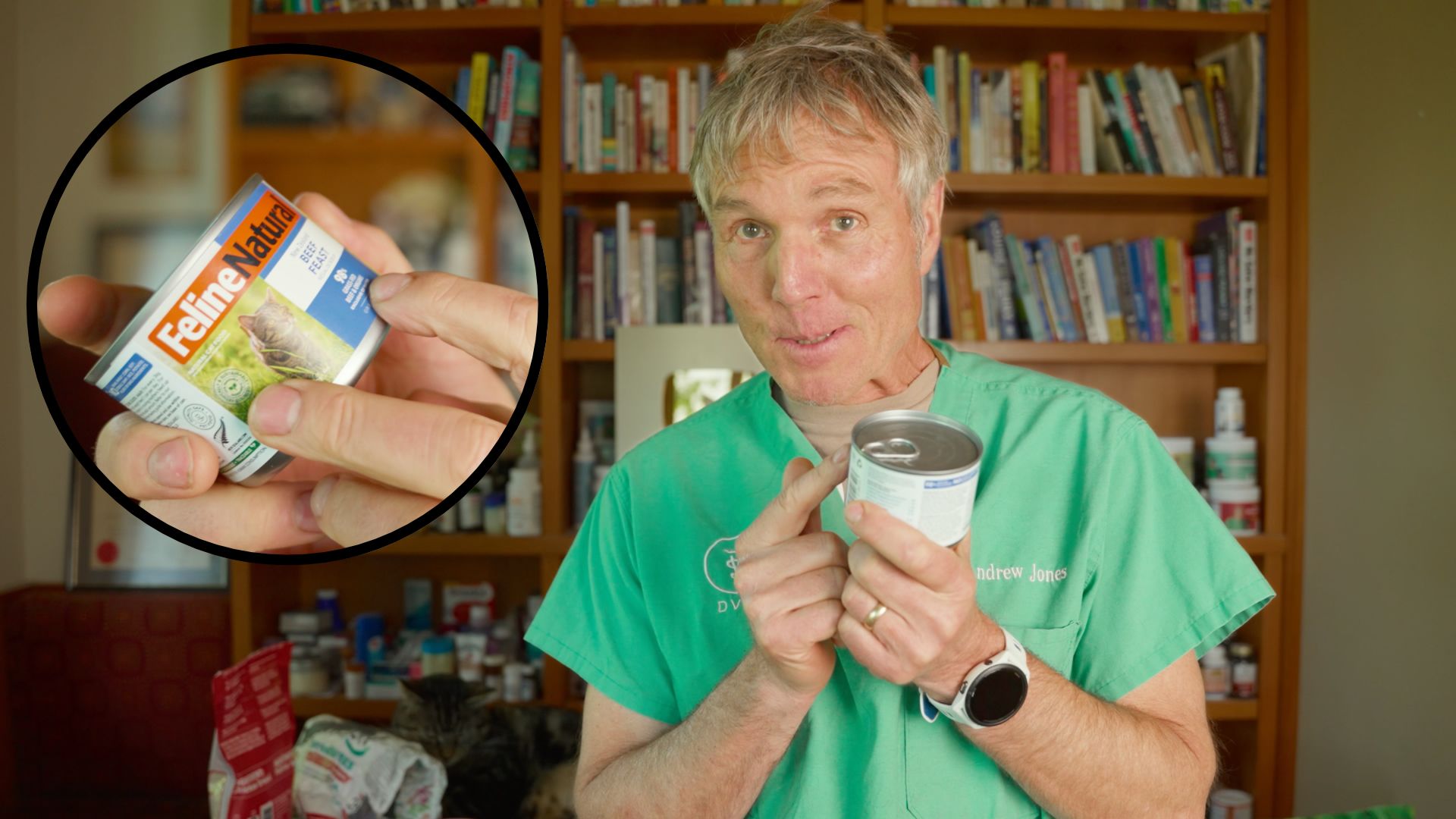
I prefer a moisture-rich, animal-protein-based diet for senior cats rather than relying primarily on dry, carbohydrate-heavy kibble. Adequate moisture, appropriate protein, and carefully managed phosphorus are particularly important when considering an older cat’s kidney and urinary health.
If there’s one thing I would change for many cats, it’s their diet.
Cats have specific nutritional needs.
And yet many are fed primarily dry food that contains substantial amounts of carbohydrates.
I think that’s worth questioning, especially as our cats get older.
Why Am I Concerned About Dry Cat Food?
Many dry cat foods are relatively low in moisture.
Some also contain considerable amounts of carbohydrate.
I’ve discussed these dietary factors in relation to several common feline health problems, including:
-
Chronic kidney disease
-
Urinary tract disease
-
Diabetes
-
Certain thyroid-related concerns
I am particularly concerned about diets that provide little moisture.
Cats don’t always compensate for a dry diet simply by drinking more water.
And when we’re dealing with an older cat, I want to make sure hydration is getting the attention it deserves.
Why Does Moisture Matter for Older Cats?
Moisture is especially important when we’re considering urinary tract and kidney health.
I’ve seen cats with recurring urinary problems, and diet is one of the first areas I want to investigate.
A moisture-rich diet can help increase a cat’s water intake.
That’s one reason I prefer feeding wet food rather than relying entirely on kibble.
What About Carbohydrates and Diabetes?
Cats are adapted to eating animal-based foods.
And I question feeding them large amounts of carbohydrate-heavy kibble.
I’ve discussed the relationship between inappropriate diets and diabetes in cats.
This doesn’t mean every cat eating dry food will develop diabetes.
But I believe the overall composition of the diet deserves attention.
Could Soy Protein Be a Concern?
I’ve also raised concerns about certain protein sources, including soy, in discussions of feline thyroid health.
My preference is to focus on identifiable animal proteins rather than relying heavily on plant-based protein ingredients.
What Should You Feed Your Senior Cat Instead?
Here are the practical changes I would consider:
-
Transition toward a high-quality, moisture-rich canned food.
-
Choose foods with appropriate animal-based protein.
-
Avoid relying primarily on carbohydrate-heavy kibble.
-
Provide fresh drinking water every day.
-
Consider a cat water fountain to encourage drinking.
-
If preparing food at home, ensure it provides complete and balanced feline nutrition.
I also believe a properly formulated homemade diet can be an option.
However, older cats with existing kidney disease may have different dietary requirements from healthy senior cats.
That’s why I would adjust the diet to the individual cat.
My main advice: Start with food. It’s something your cat receives every single day, so getting it right is worth the effort.
2. Does Your Senior Cat Really Need Annual Vaccinations?
I believe vaccination decisions for older cats should be based on their individual needs rather than automatically giving the same vaccines every year. Age, previous vaccination history, health, lifestyle, and exposure risk should all be considered.
This is an area I’ve been encouraging pet parents to question for years.
Not because I don’t believe vaccines have a role.
But because I don’t believe every older cat automatically needs the same vaccines at every veterinary visit.
Why Am I Concerned About Unnecessary Vaccines?
I’ve discussed concerns about excessive vaccination and possible adverse effects, including questions involving kidney disease and cancer.
These concerns are part of why I favor reviewing the need for each vaccine rather than simply repeating it without discussion.
A senior cat may already have an extensive vaccination history.
And an older indoor cat may have a different level of exposure than a cat that regularly goes outdoors.
Those differences matter.
Do Cats Over 3 Years Old Need More Vaccines?
I’ve previously suggested that many cats over three years old may not require additional routine vaccinations as frequently as some pet parents assume.
But that doesn’t mean every cat should stop receiving vaccines after age three.
The need for boosters depends on the vaccine, your cat’s history, risk of exposure, and applicable requirements.
I would review those factors with your veterinarian before deciding which vaccinations to continue.
What Would I Ask My Veterinarian?
I would want to know:
-
Which vaccine is being recommended?
-
Why does my cat need it?
-
How often is it actually required?
-
Does my cat’s lifestyle increase exposure risk?
-
Are there any particular concerns because of my cat’s age or health?
For me, the goal is to avoid unnecessary treatment while maintaining appropriate protection.
3. Are There Natural Alternatives to Some Conventional Medications for Senior Cats?
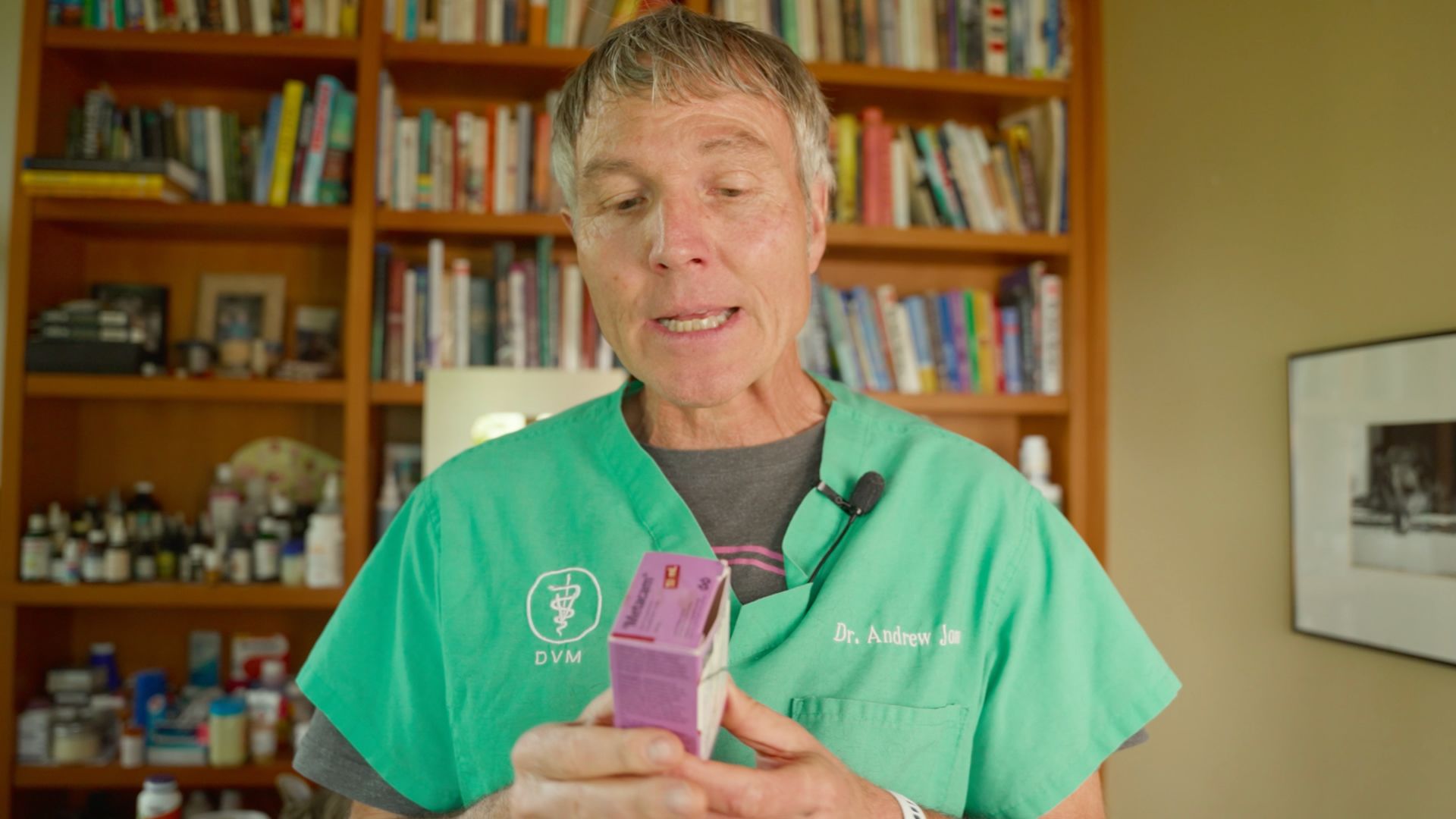 Some natural supplements may be worth considering for older cats, particularly when managing discomfort or parasite exposure. However, senior cats can be sensitive to medications and supplements, so the safest choice depends on the cat and the condition being treated.
As cats get older, they may develop problems that require medication.
And sometimes those medications can have side effects.
Two categories I’ve been particularly concerned about are:
-
Nonsteroidal anti-inflammatory drugs, or NSAIDs
-
Certain flea and tick insecticides
Why Am I Cautious About NSAIDs in Older Cats?
One medication I’ve discussed is meloxicam, also known by the brand name Metacam.
It’s a nonsteroidal anti-inflammatory drug used for pain and inflammation.
In veterinary practice, medications like this may be considered when a cat is experiencing significant discomfort.
But cats can be sensitive to NSAIDs.
I’ve seen the importance of carefully considering potential effects on kidney and liver health.
One cat might tolerate a prescribed course without obvious problems.
Another cat may have a much more difficult response.
And because kidney disease is already such a concern in older cats, I think medication safety deserves particular attention.
Can CBD Help Senior Cats With Pain?
CBD is one of the natural compounds I’ve discussed as a possible option for managing discomfort.
I’m interested in its potential pain-relieving properties.
For an older cat with chronic discomfort, that’s something I would consider discussing with a veterinarian.
However, I wouldn’t automatically replace a prescribed pain medication with CBD.
We need to know what’s causing the pain, whether CBD is appropriate, and whether the cat is receiving other medications.
The goal is relief, not simply avoiding conventional treatment.
Dr. Jones’ Ultimate Cannabinoid Blend for Dogs and Cats

What About Natural Flea and Tick Control?
I’ve also discussed diatomaceous earth as a natural pest-control option.
It has a physical action against certain insects and can be used in some environmental pest-management applications.
But the fine powder should not be inhaled by cats or people.
I would be cautious about applying loose powder directly to a cat’s coat.
Natural flea-control methods can be useful to investigate, but they still need to provide effective protection.
4. How Can You Make Your Home More Comfortable for an Older Cat?
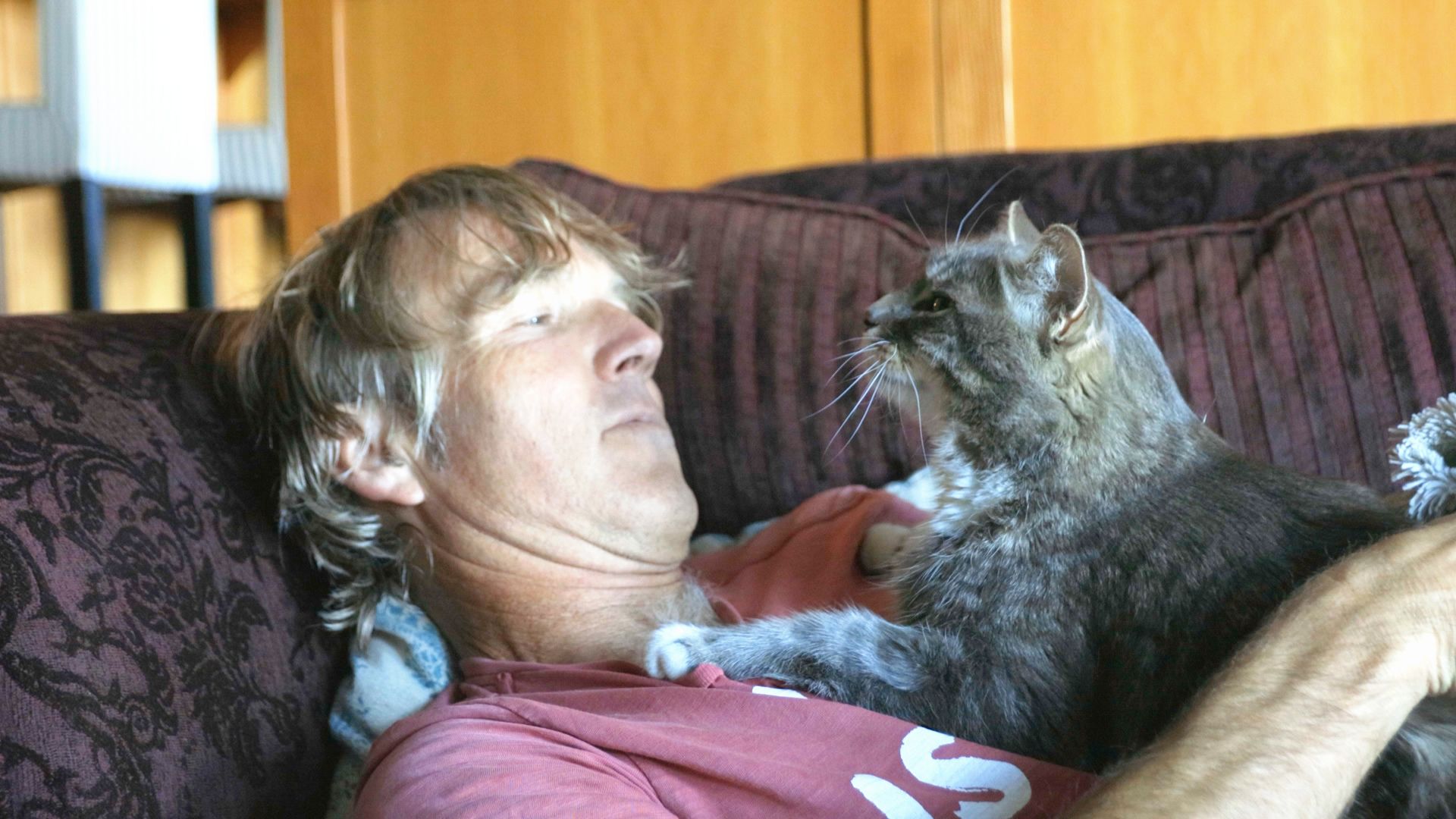
Senior cats benefit from a calm, comfortable environment with easy access to their favorite resting spots, appropriate scratching surfaces, toys, grooming, and regular attention from their people.
This is one of my favorite tips because it doesn’t necessarily require buying expensive products.
Sometimes the simplest changes make a difference.
Think about what your cat enjoys doing.
Sleeping.
Stretching.
Scratching.
Being groomed.
Spending time with you.
And, of course, occasionally pretending you don’t exist.
They’re cats, after all!
Why Is Stress a Concern for Senior Cats?
I’ve frequently discussed the relationship between stress and urinary tract problems in cats.
Stress can also affect their overall well-being.
And as our cats age, I think a predictable, comfortable environment becomes even more important.
What Are Simple Ways to Enrich a Senior Cat’s Environment?
Here are some things I recommend:
-
Provide comfortable places to rest.
-
Spend time playing with your cat.
-
Groom your cat regularly.
-
Keep favorite toys available.
-
Make scratching posts and pads easy to access.
-
Reduce unnecessary stress in the home.
-
Spend quality time with your cat every day.
Why Are Low Scratching Pads Helpful?
Older cats may not be as flexible or mobile as they once were.
A tall scratching post that was perfect for a younger cat may be less convenient later in life.
That’s why I like low scratching pads for senior cats.
They give your cat an easier way to stretch and scratch without requiring as much climbing or reaching.
It’s a small change.
But sometimes that’s all it takes to make an older cat’s day a little easier.
And looking at Cassian stretched out on his favorite chair and blanket, I think he’s already figured out the importance of comfort.
5. How Can You Help Protect Your Senior Cat From Kidney Disease?
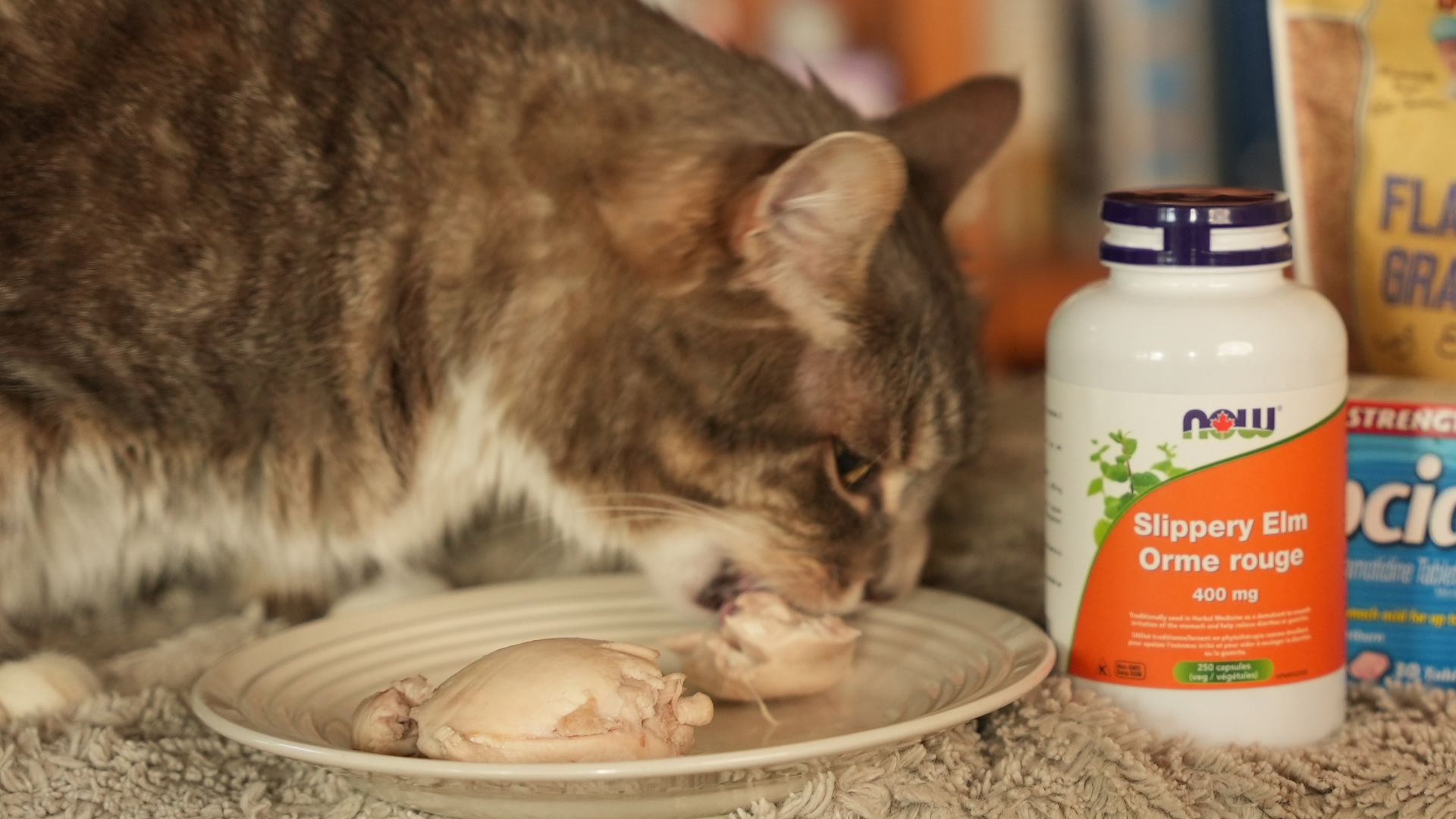
Kidney health is one of my biggest concerns for older cats. I pay particular attention to dietary moisture, phosphorus intake, and antioxidant support, especially in cats that already have chronic kidney disease.
Chronic kidney disease, or CKD, becomes increasingly common as cats get older.
I’ve discussed estimates suggesting that approximately 30% of cats over 15 years old are affected.
That’s a substantial number of cats.
And it’s one reason I believe kidney health should be a major focus of senior cat care.
What Is Chronic Kidney Disease in Cats?
Chronic kidney disease develops when the kidneys gradually lose some of their normal function.
This can affect the body’s ability to manage waste products, fluids, and minerals.
Because kidney problems are so common in older cats, I want pet parents to think about kidney health before severe problems develop.
Why Is Phosphorus Important for Kidney Health?
Phosphorus is a mineral found in many foods.
But excessive phosphorus intake can be a concern, particularly when a cat’s kidneys are no longer functioning normally.
I’ve discussed the view among feline-focused veterinarians that dietary phosphorus can be an important factor in kidney disease progression.
That’s why I pay close attention to the phosphorus content of cat food.
Should Senior Cats Avoid Fish-Based Foods?
I’ve often recommended reducing or avoiding fish-based foods when trying to control dietary phosphorus.
Some fish-based foods can contain relatively high amounts of phosphorus.
For that reason, I generally prefer looking at poultry-based options.
For example:
-
Chicken
-
Turkey
-
Other appropriate poultry proteins
However, the actual phosphorus content depends on the complete food formulation, not simply whether the main ingredient is fish or poultry.
If your cat already has CKD, I would review the diet’s phosphorus content rather than relying on the protein source alone.
Can Calcium Carbonate Help Reduce Phosphorus Absorption?
Calcium carbonate can bind dietary phosphorus within the digestive tract, reducing the amount available for absorption.
This is one of the strategies I’ve discussed for cats when dietary phosphorus is a concern.
Calcium carbonate is also present in ground eggshell.
When calcium binds with phosphorus in the digestive tract, it may reduce phosphorus absorption.
What Calcium Carbonate Dose Have I Discussed for Cats?
My previously discussed amount is:
¼ teaspoon of ground eggshell per 10 lbs of body weight daily.
| Ingredient | Amount Discussed | Frequency |
|---|---|---|
| Ground eggshell, as a calcium carbonate source | ¼ teaspoon per 10 lbs | Daily |
This is an amount I’ve discussed in my natural pet health advice.
But the appropriate use of a phosphorus binder depends on the cat’s diet, kidney function, and mineral levels.
Calcium carbonate is not suitable as an automatic addition to every senior cat’s food. Too much calcium can create other problems.
For cats with CKD, I would want a veterinarian to evaluate whether phosphorus binding is needed.
Why Do I Recommend Antioxidants for Kidney Support?
Antioxidants are another part of my approach.
I’ve discussed their potential role in supporting the body against oxidative damage.
And when we’re dealing with kidney health, that’s an area that interests me.
My goal is to support kidney function through appropriate nutrition and carefully selected supplements.
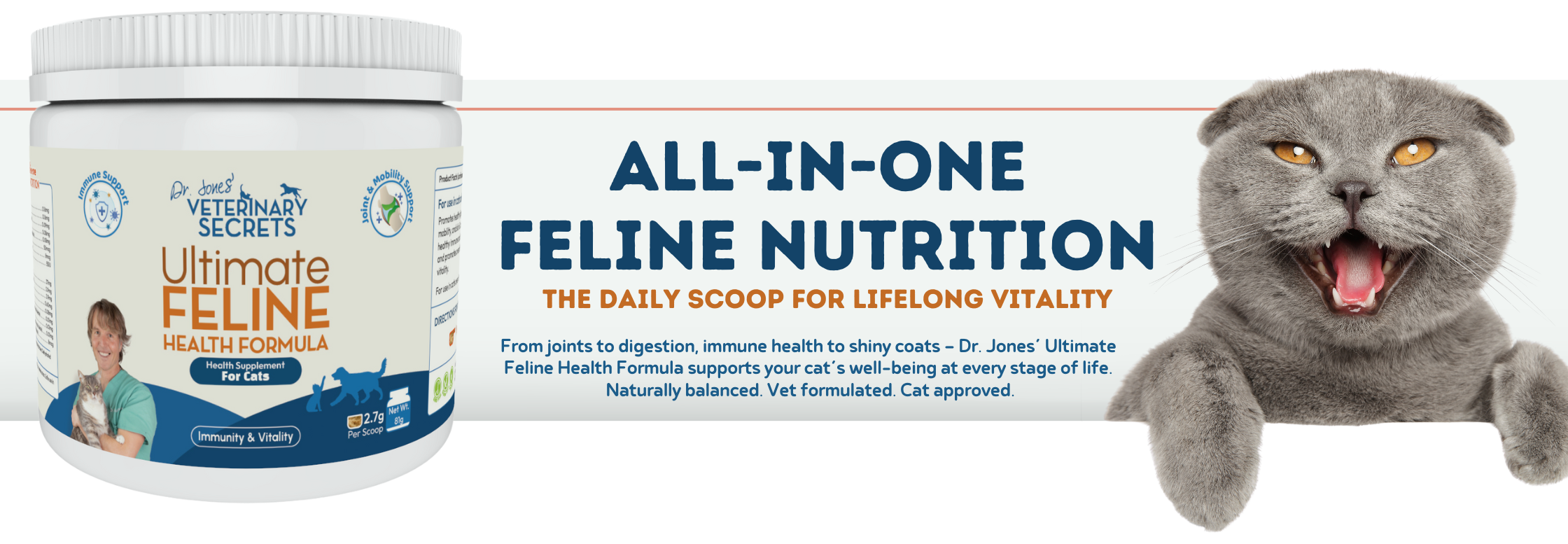
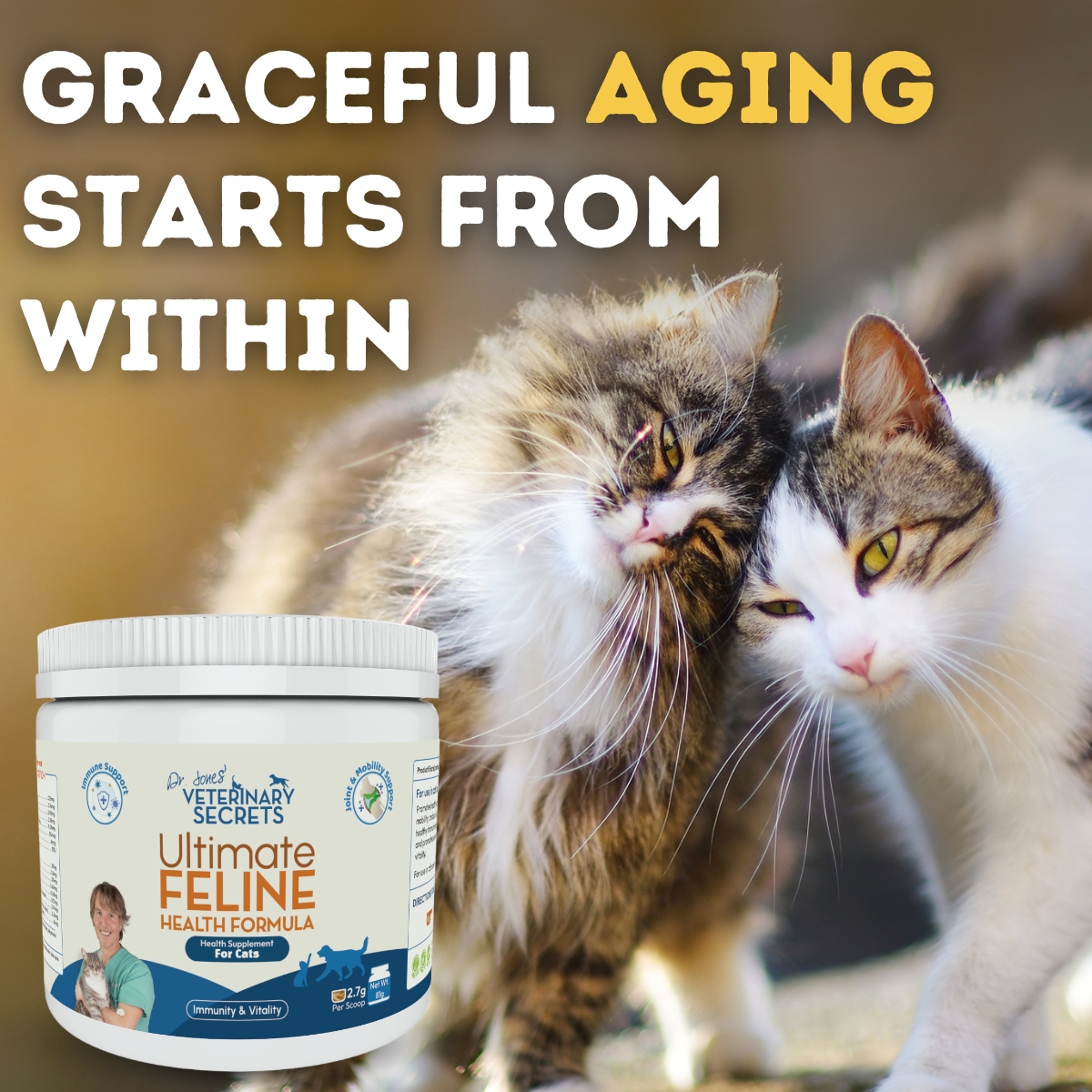
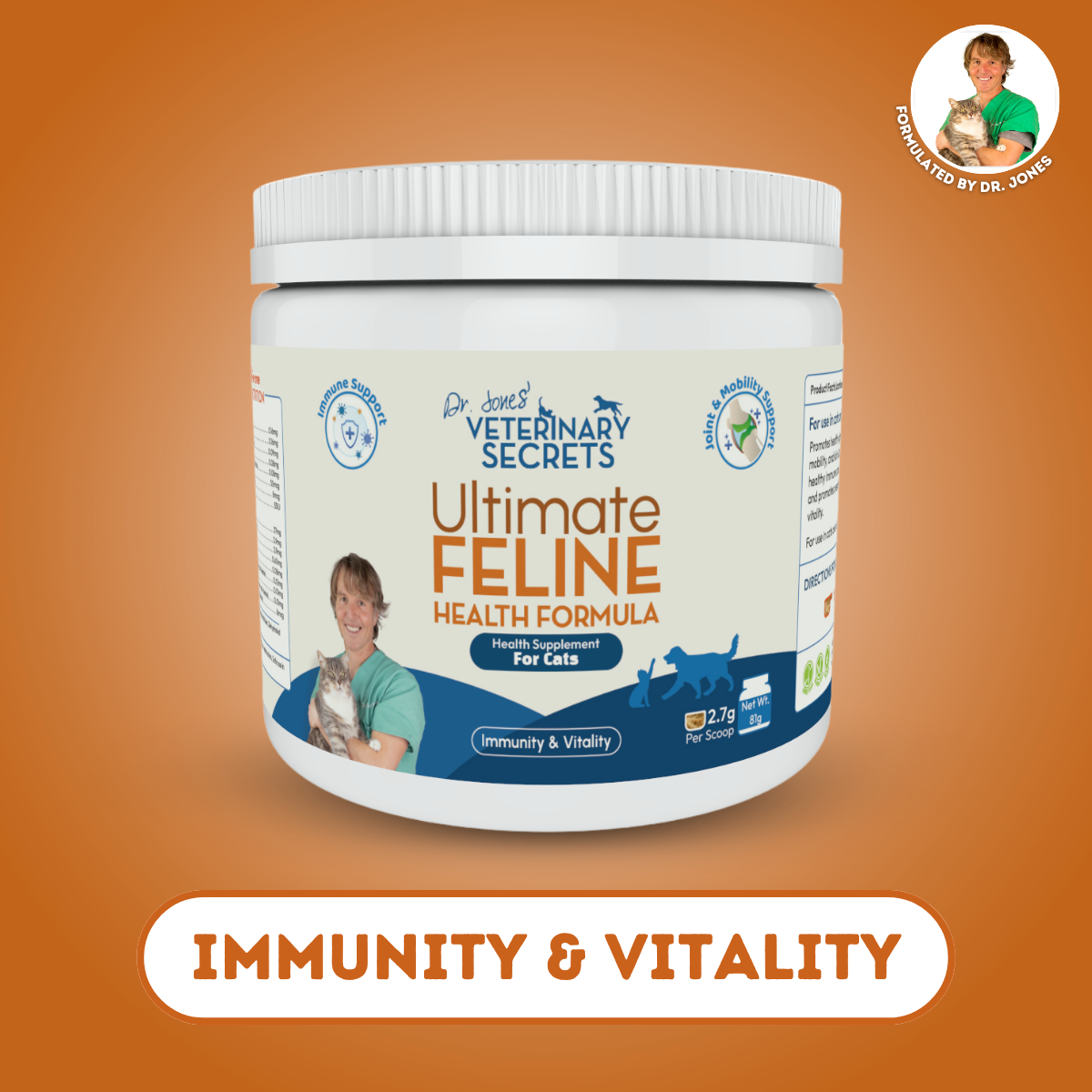
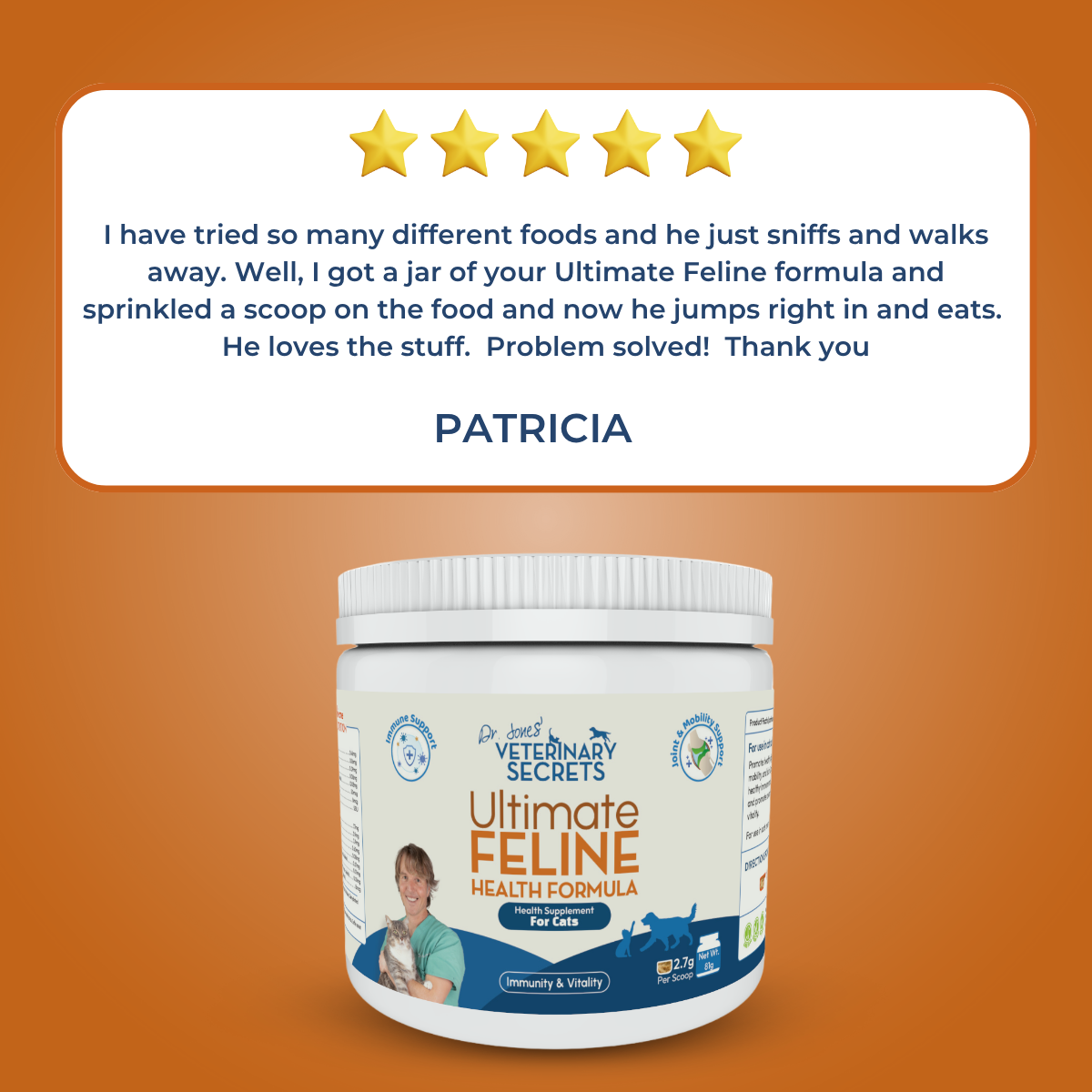
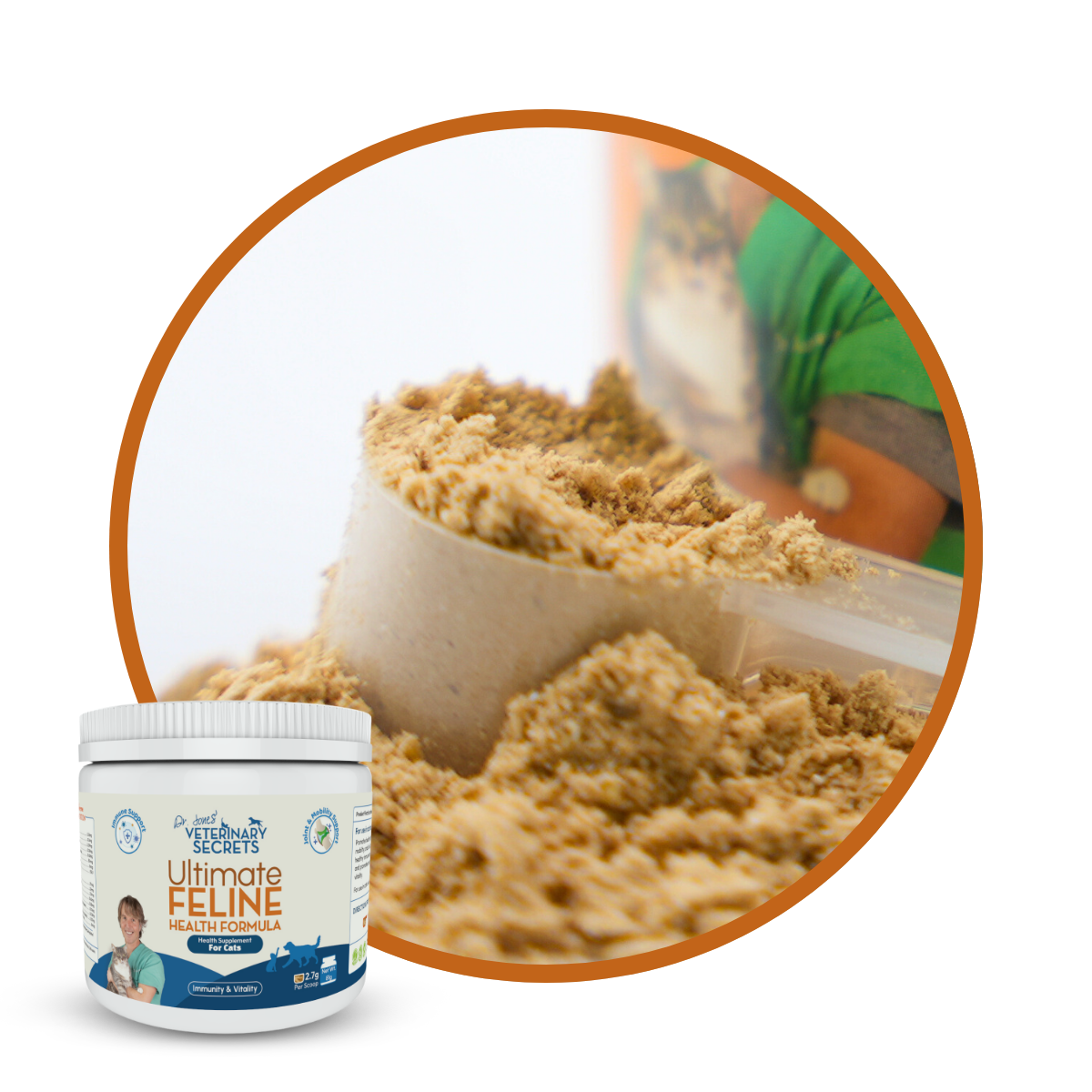
What Is Dr. Jones’ Ultimate Feline Health Formula?
I’ve developed a supplement called:
Dr. Jones’ Ultimate Feline Health Formula
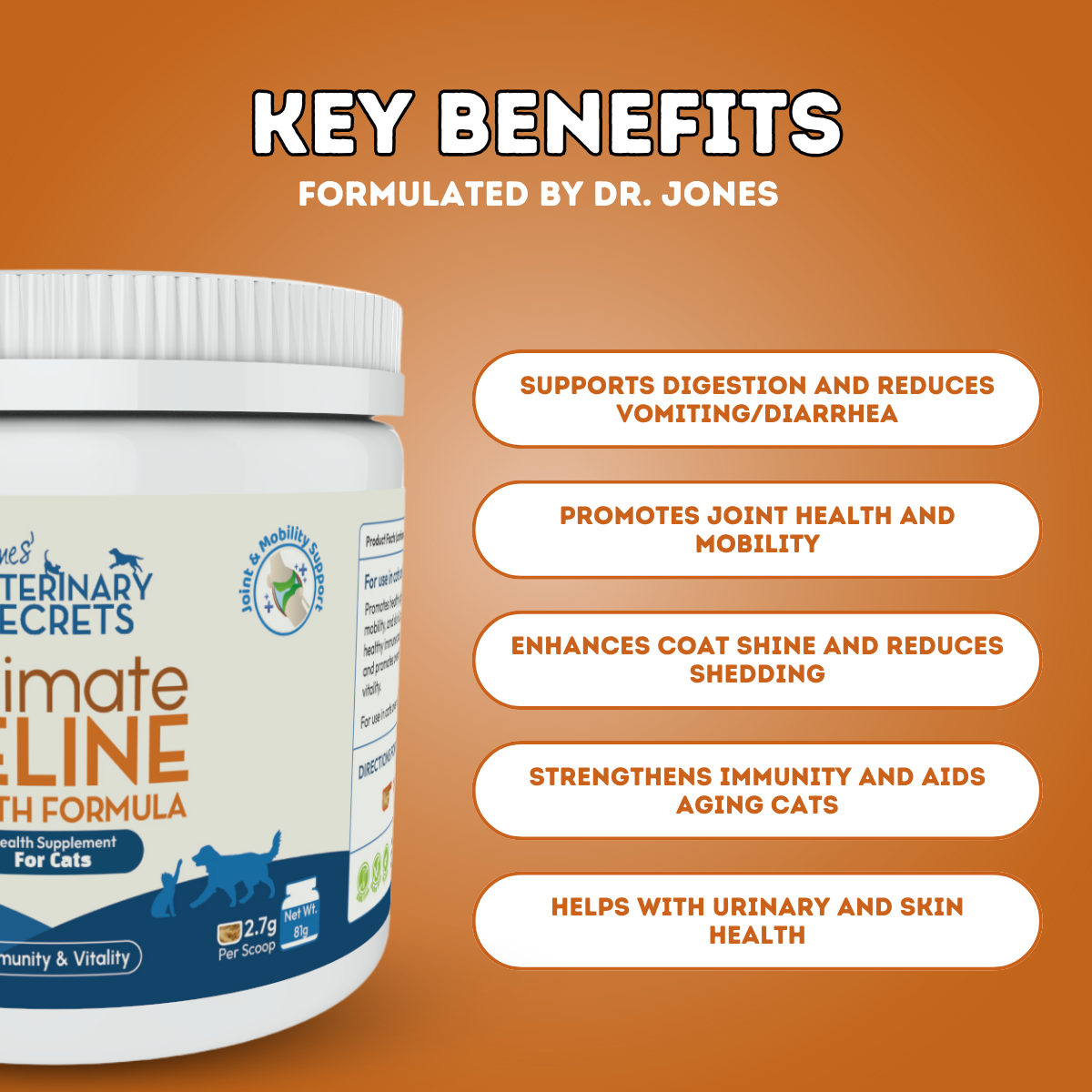
One of the reasons I like this formula for senior cats is its combination of ingredients intended to support several areas of feline health.
In particular, the formula includes:
-
Additional antioxidants
-
Added calcium
-
No added phosphorus
-
Glucosamine
-
Chondroitin
-
MSM
I designed it with the idea of giving cats nutritional support as they age.
The added calcium may also influence dietary phosphorus binding.
However, this doesn’t mean the supplement is a substitute for a prescribed kidney diet or that every older cat needs additional calcium.
What Sizes Are Available?
The original product offering included:
| Product | Price in Original Offer |
|---|---|
| Dr. Jones’ Ultimate Feline Health Formula | $34.99 |
| Dr. Jones’ Ultimate Feline Health Formula, 180-Day Supply | $119.99 |
These are the prices stated in the original promotion, not verified current prices.
You can learn more here:
Dr. Jones’ Ultimate Feline Health Formula
My main point is that kidney health deserves special attention as cats age. Diet, moisture, phosphorus, and appropriate nutritional support are all worth reviewing.
6. How Can You Help a Senior Cat With Dental Disease and Arthritis?
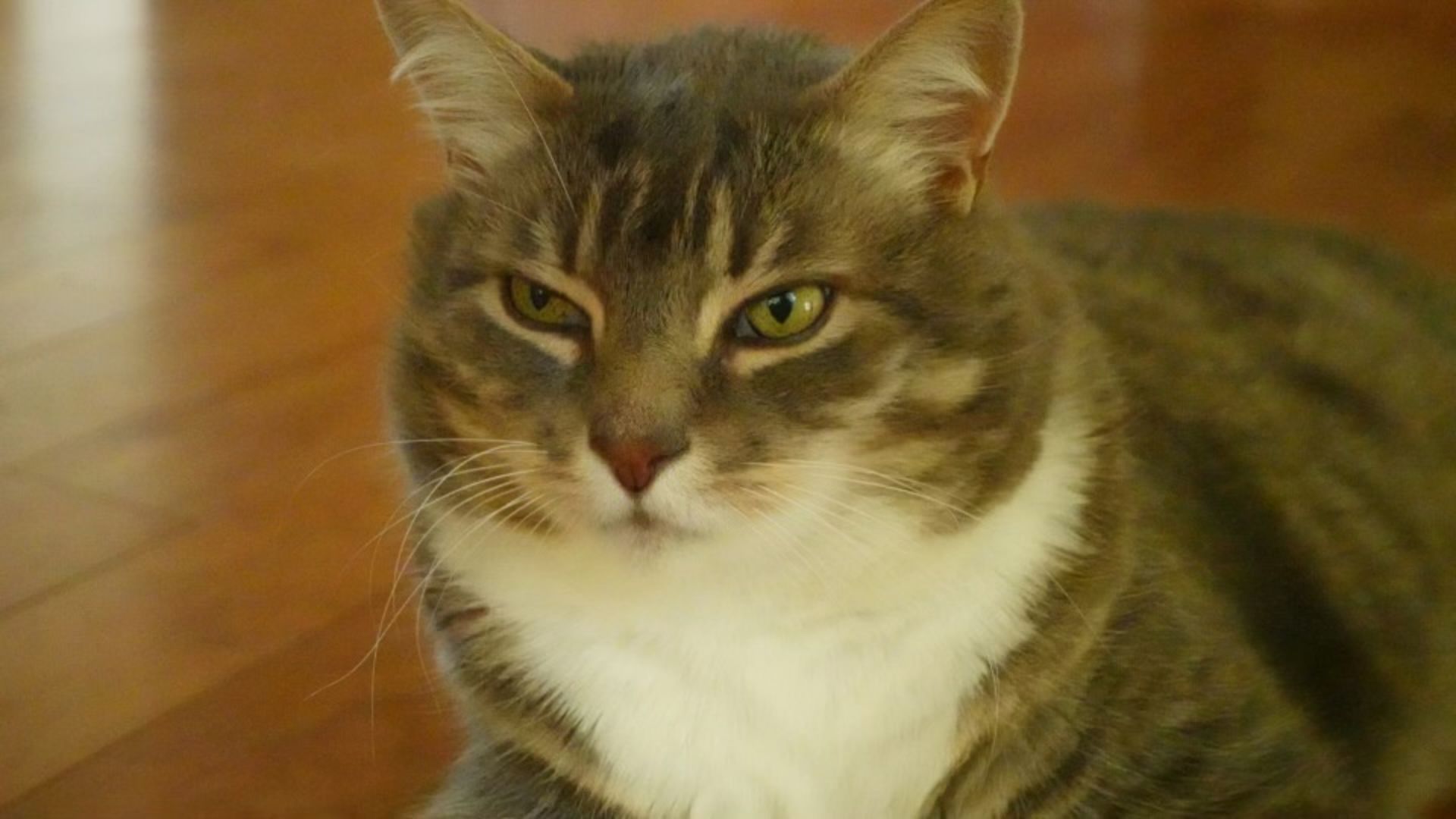
Dental disease and arthritis are two common problems in older cats. Regularly checking your cat’s teeth and gums, watching for joint discomfort, and considering appropriate support can help keep them more comfortable.
These are two conditions I want every senior cat parent to pay attention to.
Because cats can be very good at hiding discomfort.
And sometimes the signs are easy to miss.
How Can You Check Your Cat’s Teeth and Gums at Home?
One of the simplest things you can do is gently lift your cat’s lips.
Have a look at the teeth and gums.
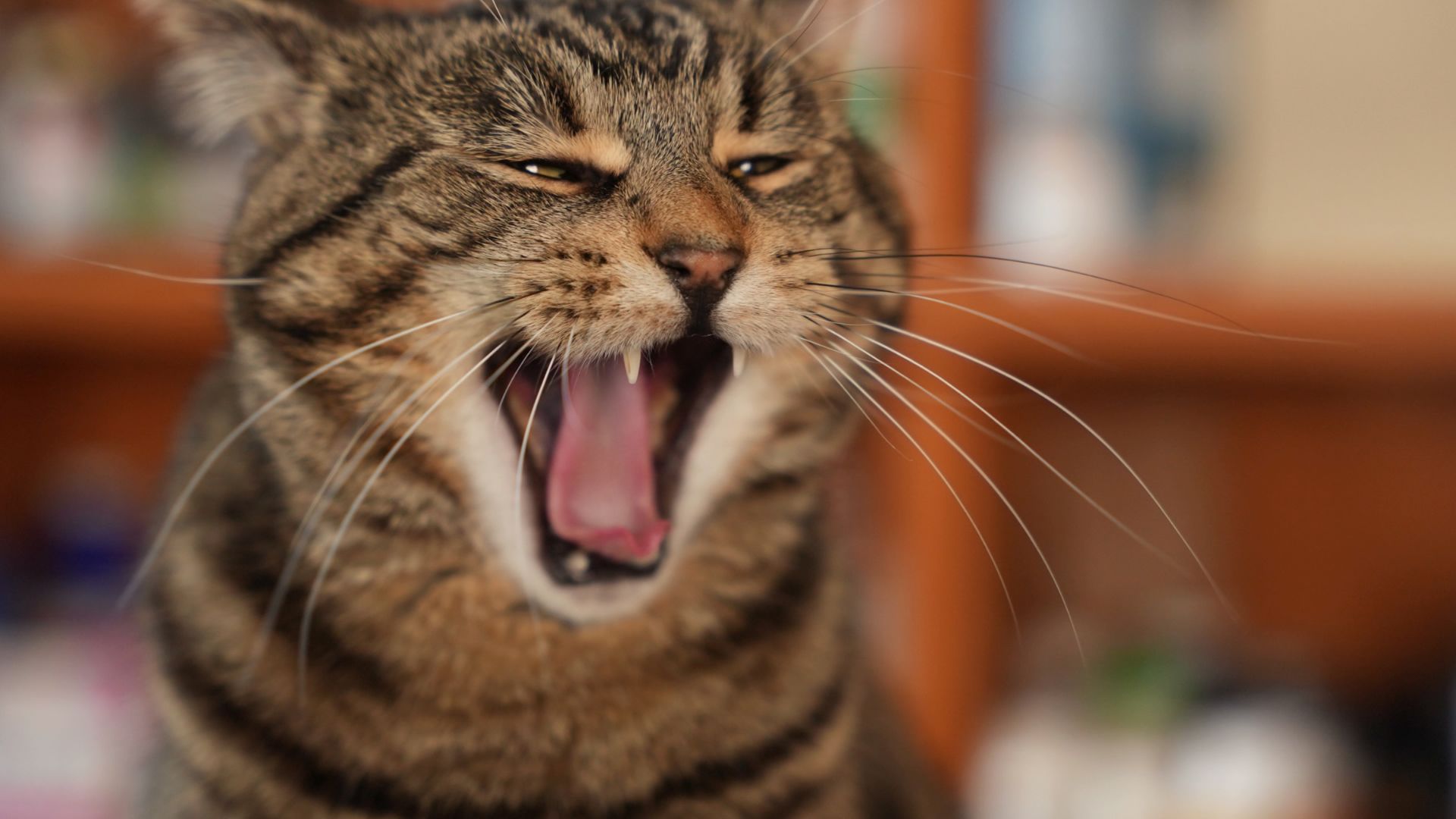
I want you to pay particular attention to the gumline.
Here’s what to look for.
| What You See | What It May Mean |
|---|---|
| Soft pink gums | Generally a healthier-looking gumline |
| Redness along the gums | Possible gingivitis or inflammation |
| Yellow buildup on the teeth | Plaque accumulation |
| Hard, rock-like deposits | Tartar or dental calculus |
What Is Gingivitis in Cats?
Gingivitis means inflammation of the gums.
One of the signs is redness near the base of the teeth.
And if plaque continues accumulating, it can eventually harden into tartar.
This is why I encourage pet parents to look inside their cat’s mouth rather than assuming everything is fine.
If there’s marked redness, obvious tartar, or signs of discomfort, arrange a veterinary dental examination.
Can Propolis Help With Gum Inflammation?
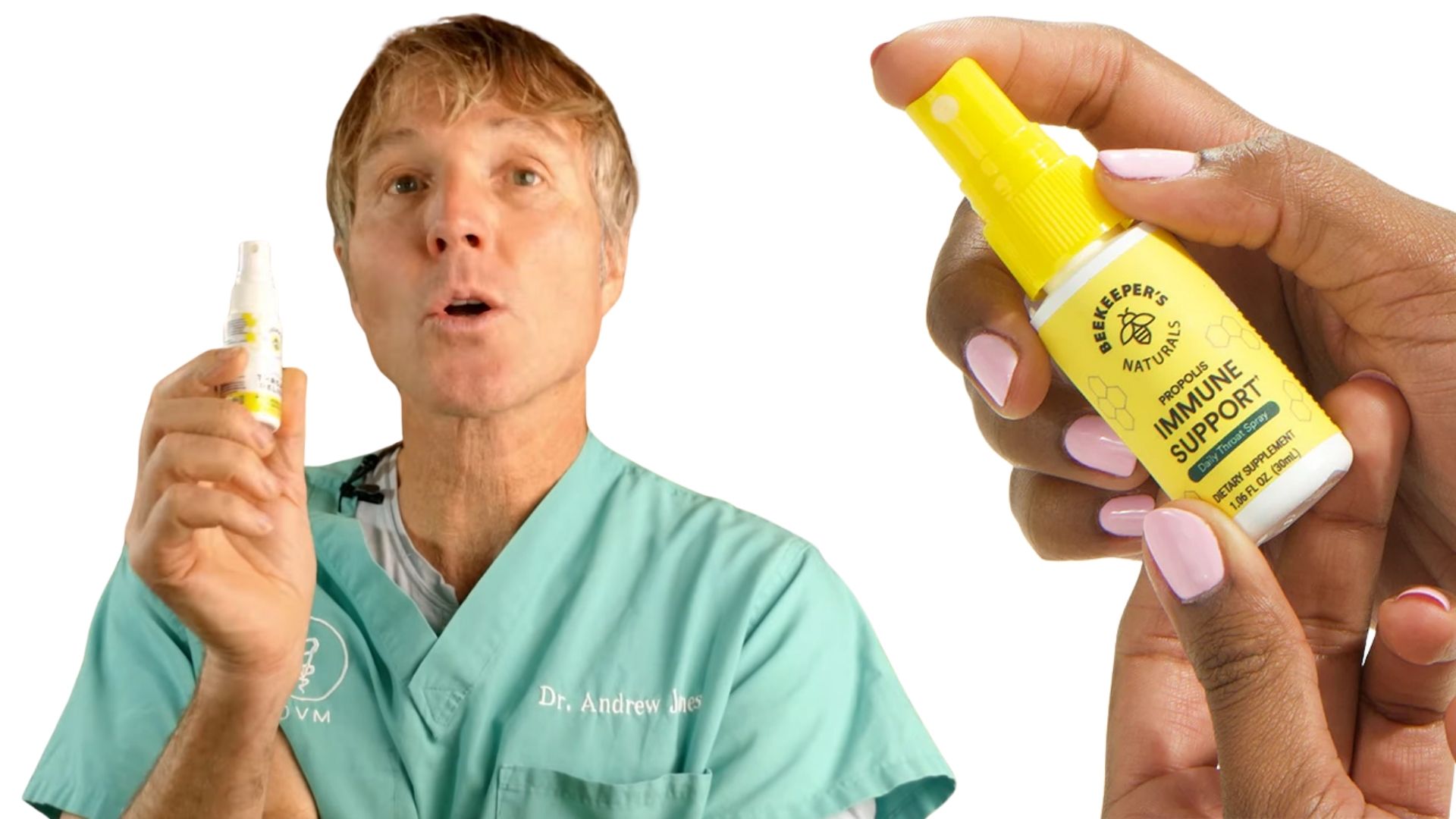
Propolis, sometimes called bee glue, is a natural substance produced by bees that I’ve discussed for its potential anti-inflammatory properties.
I’ve considered it as a possible option for localized oral support.
One method I’ve previously discussed uses a propolis spray.
How Have I Applied Propolis Spray to a Cat’s Gums?
The method I’ve described involves:
-
Gently lifting the cat’s lips.
-
Applying a small squirt of an appropriate propolis spray on each side.
-
Gently rubbing it along the area where the teeth and gums meet.
-
Repeating once daily, if suitable for the cat.
This is a topical method I’ve discussed, not a replacement for dental treatment.
The exact formulation matters because not every human propolis spray is appropriate for cats.
I’d want to make sure the product is suitable for feline oral use.
And if your cat has significant dental disease, inflamed gums, or painful teeth, professional dental care may still be needed.
What Is Arthritis in Senior Cats?
Arthritis is another condition that becomes more common as cats age.
It involves changes in the joints, including deterioration of the smooth articular cartilage that helps bones move comfortably against each other.
As that cartilage becomes damaged, inflammation and joint discomfort can develop.
What Can Help Support an Older Cat’s Joints?
I’ve frequently discussed three core joint-support ingredients:
-
Glucosamine
-
Chondroitin
-
MSM, or methylsulfonylmethane
These compounds are commonly used in supplements intended to support joint health.
They’re also included in:
Dr. Jones’ Ultimate Feline Health Formula
I consider them part of a nutritional approach to supporting older cats with joint-related concerns.
They don’t reverse established arthritis, but they may be worth discussing as part of a broader comfort plan.
What Else Can Make Life Easier for a Cat With Arthritis?
Remember the environmental changes we discussed earlier?
This is where they become particularly useful.
An older cat with uncomfortable joints may benefit from:
-
Easily accessible resting areas
-
Low scratching pads
-
Comfortable bedding
-
Gentle grooming
-
Regular attention to changes in comfort
If your cat appears uncomfortable or has difficulty moving normally, I’d want a veterinary assessment rather than relying only on supplements.
7. How Can You Be a More Proactive Senior Cat Parent?
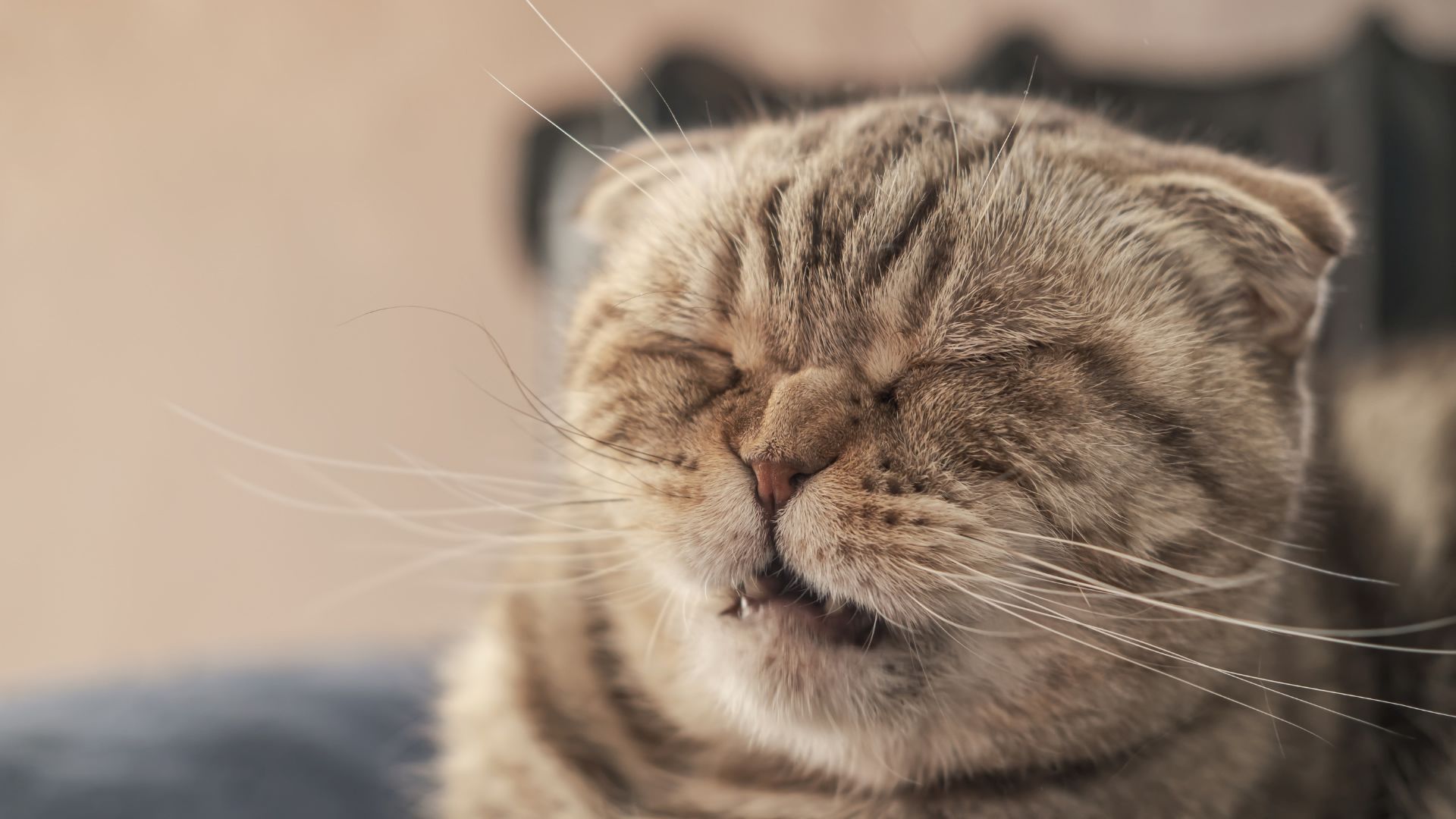
One of the best things you can do for your older cat is stay involved in their care. Ask questions, understand the treatments being recommended, and pay attention to changes in their health and behavior.
I want you to feel comfortable asking your veterinarian questions.
And I mean real questions.
Not simply accepting every recommendation without understanding why it’s being made.
What Should You Ask at Your Senior Cat’s Veterinary Visits?
Here are some questions I would encourage:
-
Does my cat really need this medication?
-
What are the potential side effects?
-
Is this vaccine necessary based on my cat’s risk?
-
Should we review kidney function?
-
Are there dietary changes that could help?
-
Could my cat have dental disease or arthritis?
-
Would any nutritional supplements be appropriate?
The goal isn’t to argue with your veterinarian.
It’s to be an informed partner in your cat’s care.
Why Am I Interested in Colostrum for Senior Cats?
I’ve also discussed colostrum as a supplement that may support immune health.
Colostrum contains several naturally occurring compounds involved in early immune support.
That’s one reason it interests me as an additional nutritional option.
However, colostrum shouldn’t be treated as a replacement for vaccinations that are necessary for an individual cat.
I’d consider it separately, as part of a discussion about appropriate nutritional support.
Why Does Being Involved Matter?
Because you know your cat.
You know how they normally behave.
Where they like to sleep.
How they move.
What they eat.
And what makes them happy.
When something changes, you’re often the first person to notice.
I think that’s incredibly valuable.
You don’t need to change everything overnight.
But you can start by looking at the areas most relevant to your cat.
And often, those small changes can make a meaningful difference.
Final Thoughts: Helping Your Senior Cat Enjoy Their Golden Years
I love cats.
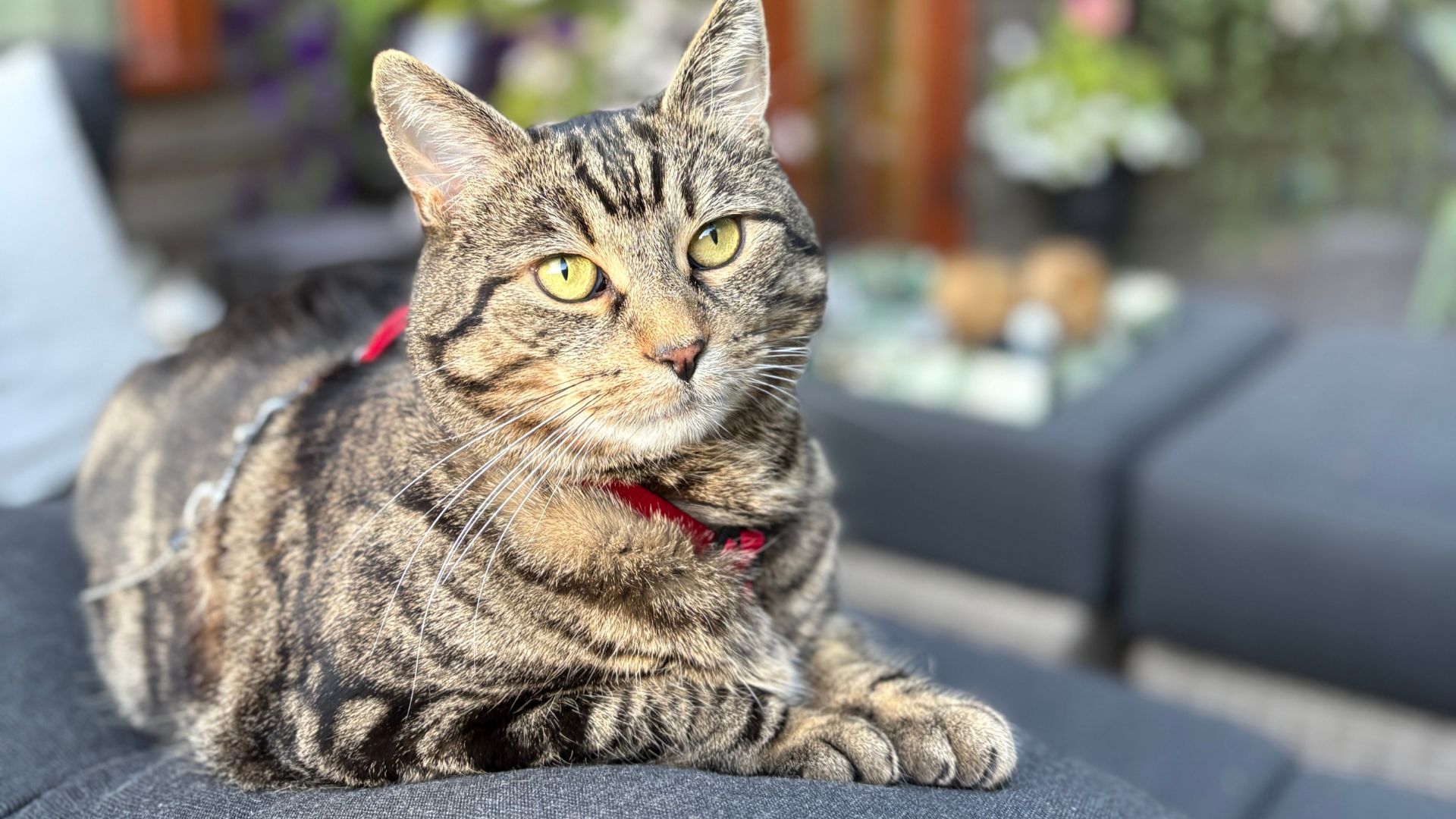
And having Cassian around has reminded me just how much joy they bring into our lives.
Whether he’s stretched out on his favorite blanket or spending time with Aliza, he’s clearly a happy cat.
And I want him to stay that way as he gets older.
The good news is that there are things we can do.
Start with nutrition.
I believe a moisture-rich, animal-protein-based diet is one of the most valuable changes many cat parents can make.
Then think about kidney health.
As our cats age, phosphorus management becomes particularly important, especially if they develop chronic kidney disease.
I also want you to look at the medications your cat receives.
Ask questions about side effects.
Review whether vaccinations are necessary.
And consider whether appropriate nutritional support could help.
Don’t forget dental disease.
Have a look at your cat’s gums and teeth.
And pay attention to their joints.
Arthritis can make everyday activities uncomfortable, even when a cat isn’t showing obvious signs of pain.
Then there’s their environment.
A comfortable bed.
An easy-to-reach scratching pad.
A little grooming.
Some playtime.
And plenty of attention.
These things may seem small, but they can make life much more enjoyable for an older cat.
Finally, be involved in your cat’s care.
Ask your veterinarian questions.
Learn about the treatments being recommended.
And pay attention when your cat’s behavior changes.
For me, the goal isn’t simply to help our cats live longer.
I want them to stay comfortable, healthy, and happy for as many of those years as possible.
That’s what senior cat care should be about.
And I hope these seven tips give you some practical ideas you can start using with your own cat.
Click To Get A Free Copy of My E-Book!

P.S. Happy Senior Pet Month and Senior Cat Day! Give your older cat a little extra attention today. Whether it’s grooming, a favorite treat, or simply letting them enjoy that special spot on the couch, sometimes the little things mean the most.
P.P.S. One of my biggest concerns for older cats is kidney disease. That’s why I pay particular attention to moisture, antioxidants, and dietary phosphorus. Our Dr. Jones’ Ultimate Feline Health Formula contains additional antioxidants, added calcium, and no added phosphorus. It also contains glucosamine, chondroitin, and MSM for joint support. If you’re considering it for a cat with kidney disease, make sure the added calcium is appropriate for their diet and medical needs.
P.P.P.S. One last reminder. You know your cat better than anyone. If they’re suddenly less interested in playing, having trouble getting comfortable, or showing changes in eating, drinking, or grooming, don’t simply assume it’s old age. Those changes deserve attention. Our senior cats have given us years of companionship. Let’s do our best to make their golden years good ones.
What Supplements Have I Discussed for Senior Cats?
I’ve mentioned several nutritional and natural products throughout this article.
Here’s how I think about them.
| Supplement or Ingredient | Intended Area of Support |
|---|---|
| Antioxidants | General cellular and kidney-related support |
| Calcium carbonate | Phosphorus binding when medically appropriate |
| Glucosamine | Joint health |
| Chondroitin | Joint and cartilage support |
| MSM | Joint-related nutritional support |
| Propolis | Potential topical support for gum inflammation |
| CBD | Potential support for discomfort |
| Colostrum | Nutritional immune support |
Senior Cat Care Checklist: The 7 Most Important Areas
Here’s a quick summary of the areas I would focus on.
| Senior Cat Care Tip | What I Recommend |
|---|---|
| 1. Improve the diet | Consider moisture-rich food with appropriate animal protein and adequate hydration |
| 2. Review vaccinations | Avoid unnecessary repeat vaccinations while maintaining appropriate protection |
| 3. Review medications | Understand potential side effects and discuss suitable alternatives |
| 4. Enrich the environment | Provide comfortable bedding, grooming, toys, and accessible scratching pads |
| 5. Support kidney health | Pay attention to moisture, dietary phosphorus, and appropriate antioxidant support |
| 6. Manage dental and joint health | Check teeth and gums, monitor comfort, and consider suitable joint support |
| 7. Stay involved | Ask your veterinarian questions and monitor your cat’s health over time |