Giving Wrong Advice? Questions to Ask Your Veterinarian: How to Advocate for Your Pet

Is It a Bad Idea to Question Your Veterinarian?
No, it is not a bad idea to question your veterinarian.
In fact, I still believe you should advocate for your dog or cat.
But there is a right way to do it.
You know your pet better than anyone. You live with them. You see the subtle changes. You know when Fluffy is “not quite Fluffy.”
At the same time, your veterinarian is trying to sort through symptoms, possible diseases, diagnostic tests, treatments, time pressure, and often a very full schedule.
So yes, ask questions.
But ask them with respect, curiosity, and a bit of gratitude.
That usually works far better than walking in with the energy of, “Do you even know what you are doing?”
That rarely ends well. For anyone. Especially Fluffy.
Dr. Jones’ Ultimate Canine Advanced Health Formula



Why I Started Thinking About This
This topic came up because of a story shared with me by a pet parent.
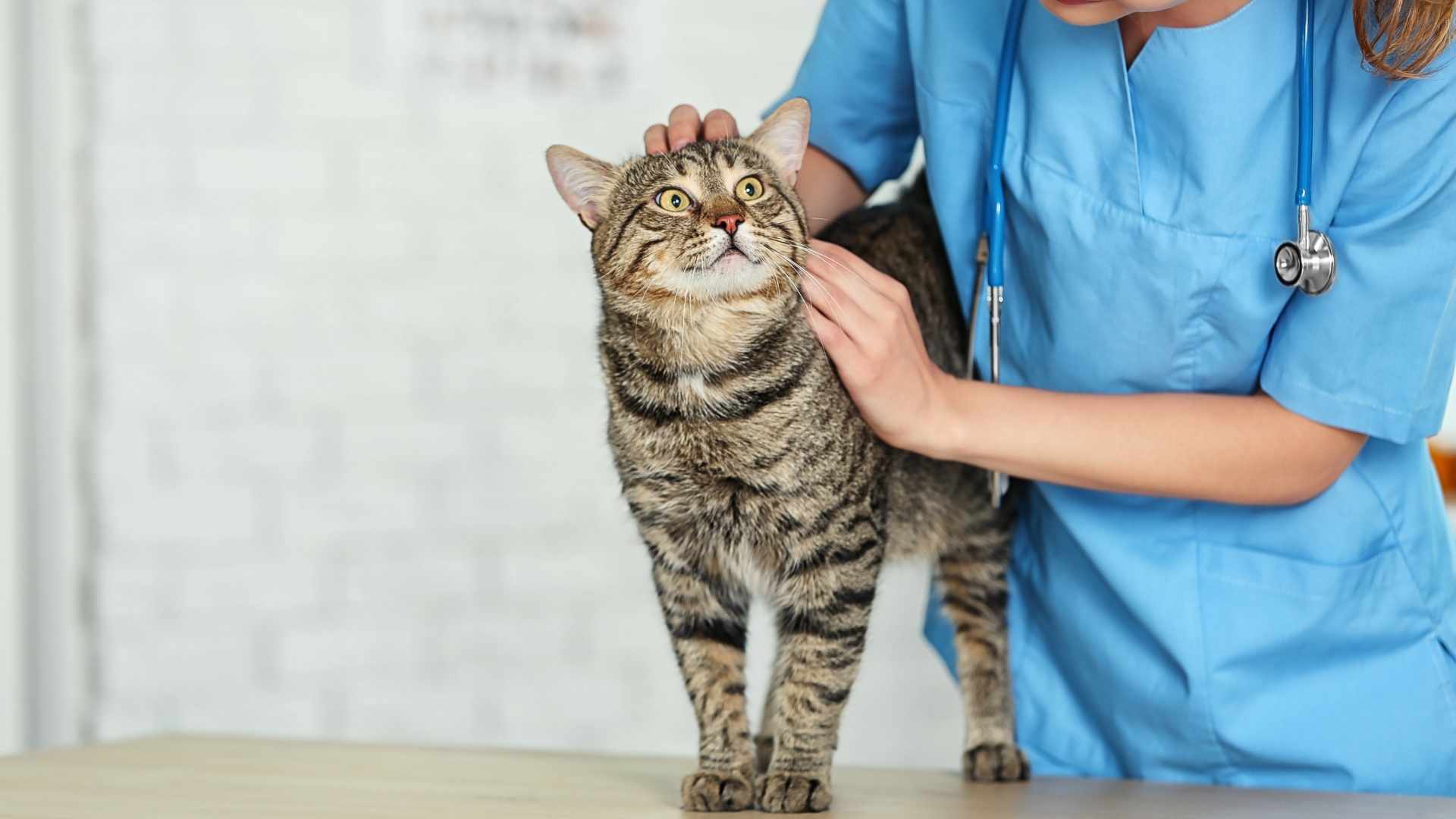
Their dog was sick, and they were concerned. They brought their dog into the veterinary clinic.
The veterinarian discussed possible reasons why the dog was sick, then listed a range of diagnostic tests they wanted to do.
You may have had this same experience.
You bring your dog or cat in, something is clearly wrong, and suddenly you are handed a list of tests.
Bloodwork. X-rays. Ultrasound. More bloodwork. Maybe more diagnostics after that.
It can be overwhelming.
This pet parent was very involved and well-read. They had done some research. They had an idea of what might be going on.
So they started asking questions.
And that is where things got difficult.
Why Some Veterinarians Do Not Like Being Questioned
Many pet parents are far more informed now than they were years ago.
You may be able to look at basic bloodwork and understand at least part of it.
For example, you may see that a liver enzyme, such as ALP, is elevated.
But you may also know that ALP is not only liver-specific. It can also come from bone. It can be produced from the skin.
So you might reasonably think:
“Does an elevated ALP automatically mean my dog has liver disease?”
Not necessarily.
And you might ask why the next step is a full search for liver disease.
That is a fair question.
But some professionals are not especially keen on being questioned, especially by a pet parent.
That is one of the challenges.
Why This Is More Complicated Now

Veterinary medicine is under a lot of pressure.
There are more people with pets.
There are not enough veterinarians to meet the demand.
Pet parents also have higher expectations of veterinary care.
That means veterinarians are busy, stretched, and often dealing with burnout.
So when a pet parent starts asking questions, even good questions, it may not always be received well.
In the story I heard, there were heated discussions. It was even suggested that the pet parent might want to find another veterinarian.
Holy cow.
That made me stop and think.
Have I been giving the wrong advice by telling pet parents to advocate for their pets?
Should you question your vet or not?
After thinking about it, my answer is still yes.
But how you ask matters.
Why You Should Still Advocate for Your Pet
You should advocate for your dog or cat because you know them best.

You know:
- Their normal appetite
- Their energy level
- Their behavior
- Their pain signals
- Their bathroom habits
- Their history
- What treatments they have reacted to before
- What they tolerate
- What they absolutely do not tolerate
That information matters.
A veterinarian gets a short appointment window. You get the other 23 hours and 45 minutes of the day.
So your observations are important.
And many pet parents are well-read. You can learn about diseases, treatment options, possible side effects, and alternative approaches.
That can make you a better advocate.
What I Learned From Pet Parents in Practice
When I was in practice, many smart, informed pet parents came in with good questions.

They would say things like:
“Have you thought about this?”
Or:
“I read about this option. Could it apply here?”
Sometimes my answer was:
“That is a good possibility.”
Other times, especially with treatments, a pet parent would bring up an alternative or holistic option that I had not considered.
Did I take offense to that?
No.
Sometimes I learned from it.
Now, were there pet parents who went over the top?
Yes, of course.
That happens too.
But in many cases, thoughtful questions helped the pet.
And that is the point.
The Best Way to Question Your Veterinarian
The way you frame your questions makes a big difference.
A respectful question is much more likely to be heard than an accusation.
Try This Approach
Instead of saying:
“Are you sure you know what you are doing?”
Say:
“I understand why you are thinking this. Could this other possibility also fit?”
Instead of saying:
“You are just trying to run unnecessary tests.”
Say:
“Can you help me understand what each test is looking for and which one is most important to start with?”
Instead of saying:
“I read online that this treatment is bad.”
Say:
“I read that this treatment may have certain side effects. How common are those, and how would we manage them?”
That is a very different conversation.
Same concern.
Much better delivery.
Questions You Can Ask About Diagnostic Tests
When your veterinarian recommends multiple tests, you can ask:
- What are you most concerned about?
- What does this test help rule in or rule out?
- Which test is the highest priority?
- Can we do this step by step?
- What would change based on the test result?
- Are there less expensive options to start with?
- Is this urgent, or can we monitor first?
- What signs would mean we need to act faster?
These questions are not disrespectful.
They are practical.
And they help you understand the plan.
Questions You Can Ask About Treatments
When your veterinarian recommends a treatment, you can ask:
- What is the goal of this treatment?
- What side effects should I watch for?
- What happens if my pet reacts badly?
- Are there safer or gentler options?
- Are there supportive natural options?
- How soon should I expect improvement?
- What should I do if there is no improvement?
- How long should my pet stay on this medication?
- Are there alternatives if this does not work?
Again, this is not being difficult.
This is being involved.
What If You Want Holistic or Alternative Options?
If natural or holistic care is important to you, try to find a veterinarian who is at least open to discussing those options.
Not every veterinarian will be.
Some may be very conventional.
Some may not be comfortable with alternative remedies.
Some may be open, but cautious.
That is why fit matters.
Do not choose a veterinarian only by price.
Try to choose someone who communicates well, respects your questions, and is a good match for how you want to care for your pet.
If you are interested in alternative options, look for someone who will at least have that conversation with you.
What If Your Veterinarian Gets Defensive?
Sometimes, even if you ask respectfully, the response may not be great.
Some veterinarians do not like being questioned.
They may feel challenged.
They may feel rushed.
They may think, “I went to veterinary school. I know what is best.”
And yes, they have professional training.
But that does not mean they are always right.
No one is.
If your veterinarian consistently shuts you down, dismisses your concerns, or refuses to explain anything, that may not be the right fit.
You do not need a fight.
You need a partnership.
What Pet Parents Should Not Do
Advocating does not mean attacking.
Try to avoid:
- Accusing your vet of being wrong immediately
- Demanding only one treatment
- Refusing all diagnostics without discussion
- Assuming everything online is correct
- Treating your vet like the enemy
- Shopping only by price
- Ignoring urgent symptoms
- Replacing medical care with random guesses
That approach does not help your pet.
The goal is not to win an argument.
The goal is to help your dog or cat.
What Veterinarians Should Remember Too
Pet parents are not just being difficult when they ask questions.
Most of the time, they are scared.
They are worried about their pet.
They are worried about cost.
They are trying to understand.
They may have read something. They may have had a bad experience before. They may simply want to make sure they are making the right decision.
A good veterinarian should be able to explain the reasoning behind a test or treatment.
And a good pet parent should be willing to listen.
That is how trust is built.
Best For / Not For
Best For
This approach is best for pet parents who:
- Want to understand their pet’s diagnosis
- Want to ask about diagnostic tests
- Want to understand treatment risks
- Want to explore alternative options
- Want a better relationship with their veterinarian
- Want to advocate without creating conflict
- Want to make informed decisions
Not For
This approach is not about:
- Ignoring veterinary advice
- Assuming the vet is wrong
- Refusing all testing
- Believing everything online
- Demanding only natural treatment
- Skipping urgent care
- Starting a fight in the exam room
Advocacy should be respectful and practical.
Pros and Cons of Questioning Your Veterinarian
Pros
- You better understand your pet’s condition
- You can make more informed decisions
- You may avoid unnecessary testing
- You can discuss side effects before treatment
- You may learn about alternative options
- Your veterinarian may learn from your observations
- Your pet gets a more complete picture of care
Cons
- Some veterinarians may react poorly
- The conversation can become tense if framed badly
- Too much online information can be confusing
- Not every alternative option is appropriate
- Appointments are often short
- Veterinary teams are under pressure
The answer is not to stop asking questions.
The answer is to ask better ones.
Step-by-Step: How to Advocate Without Conflict
Step 1: Start With Gratitude
You can say:
“Thank you for looking at him. I really appreciate your help.”
That sets the tone.
Step 2: Explain What You Are Seeing at Home
Be specific.
Mention changes in appetite, energy, behavior, drinking, urination, vomiting, stool, coughing, pain, or mobility.
Step 3: Ask About the Most Likely Causes
Say:
“What are the top possibilities you are considering?”
This helps you understand the thinking.
Step 4: Ask About the Test Plan
Say:
“Which test would give us the most useful information first?”
This can help prioritize.
Step 5: Ask About Side Effects
Before starting a medication, ask what to watch for and what to do if your pet reacts.
Step 6: Bring Up Alternatives Respectfully
Say:
“I read about this option. Do you think it could apply here?”
That is far better than saying:
“You should be doing this.”
Step 7: Decide if This Vet Is the Right Fit
If your veterinarian listens, explains, and respects your role, that is a good sign.
If every question becomes a problem, you may need a different fit.
Final Thoughts
So, should you question your veterinarian?
Yes.
You should advocate for your dog or cat.
But do it respectfully.

Your veterinarian has training, experience, and diagnostic tools. You have daily knowledge of your pet, your observations, your concerns, and your ability to make decisions.
The best care happens when those two things work together.
Ask questions. Be curious. Be respectful. Be grateful. Learn what you can.
And if your veterinarian is never open to your questions, then maybe they are not the right veterinarian for you and your pet.
Your dog or cat needs you to speak up.
Just do it in a way that keeps the conversation open.
Click To Get A Free Copy of My E-Book!

P.S. I still want you to advocate for your dog or cat.
But here is the trick: do not walk in ready for a fight.
Walk in ready for a conversation.
Say thank you. Ask why. Ask what the test will change. Ask about side effects. Ask if there are other options.
You know your pet best.
A good veterinarian should respect that.
And if they do not, well, Fluffy may need a better fit.





Thanks! I am kinda going through this now and I am constantly letting them know I appreciate them. But it’s frustrating to spend &$&&& on four dogs and never get answers. Something else that’s hard: When you have four geriatrics and your vet begins to tire seeing you so often. I feel like I am a dog hypochondriac!