Prednisone Side Effects Pets: Why I Avoid Long-Term Steroids for Itching

What I Learned, What I Regret, and Safer Alternatives to Consider
When I first started out, I was shown something very simple.
Clients were happiest when you gave them a quick fix.
Dog itching from allergies? Give a steroid injection.
Cat coughing? Start prednisone.
It works fast.
But what often does not get discussed are the side effects that come with it.
Looking back, there were many cases where it would have been far better to slow down, look for the root cause, and consider safer, natural options first.
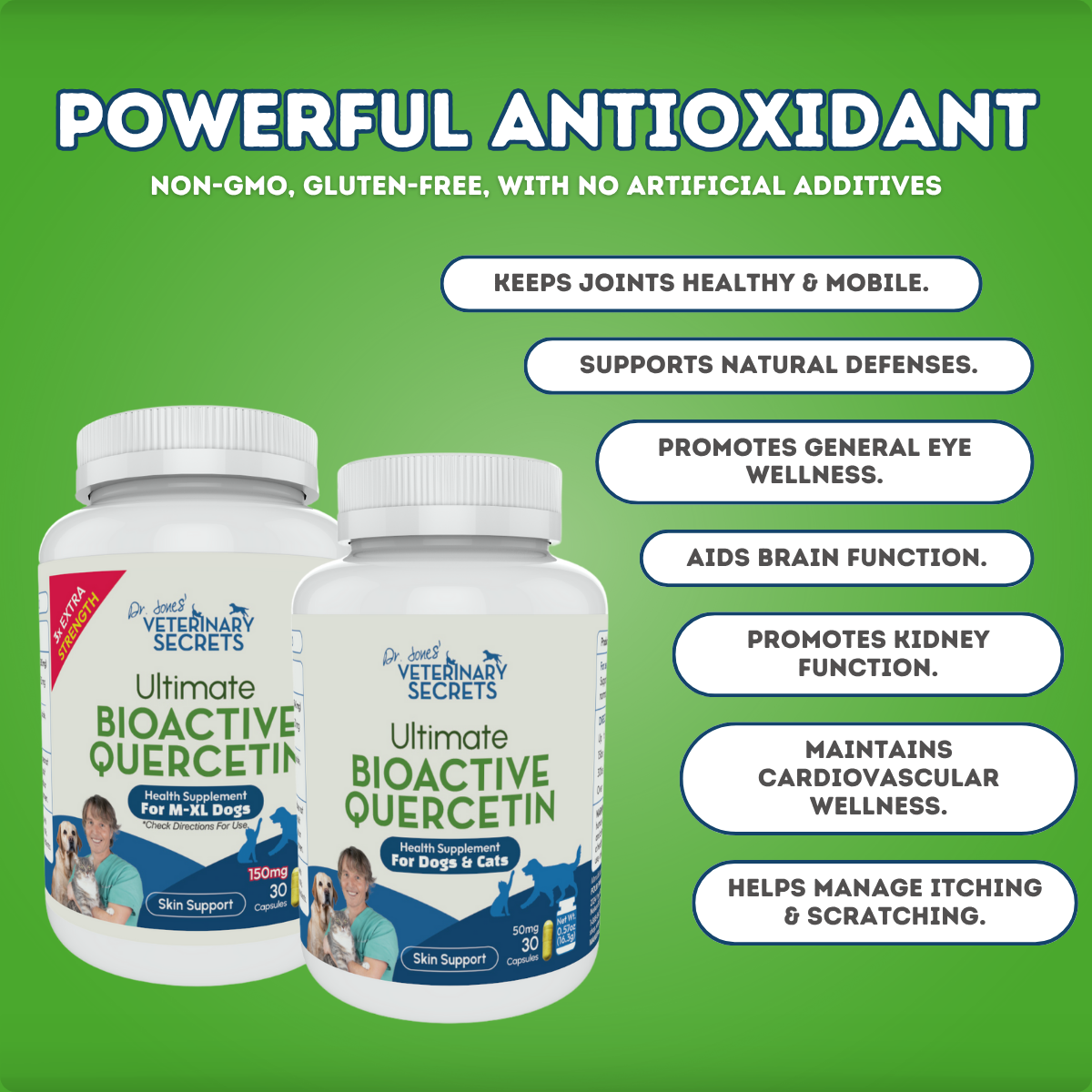
Dr. Jones’ Ultimate BioActive Quercetin for Dogs and Cats




When Prednisone Is Commonly Prescribed
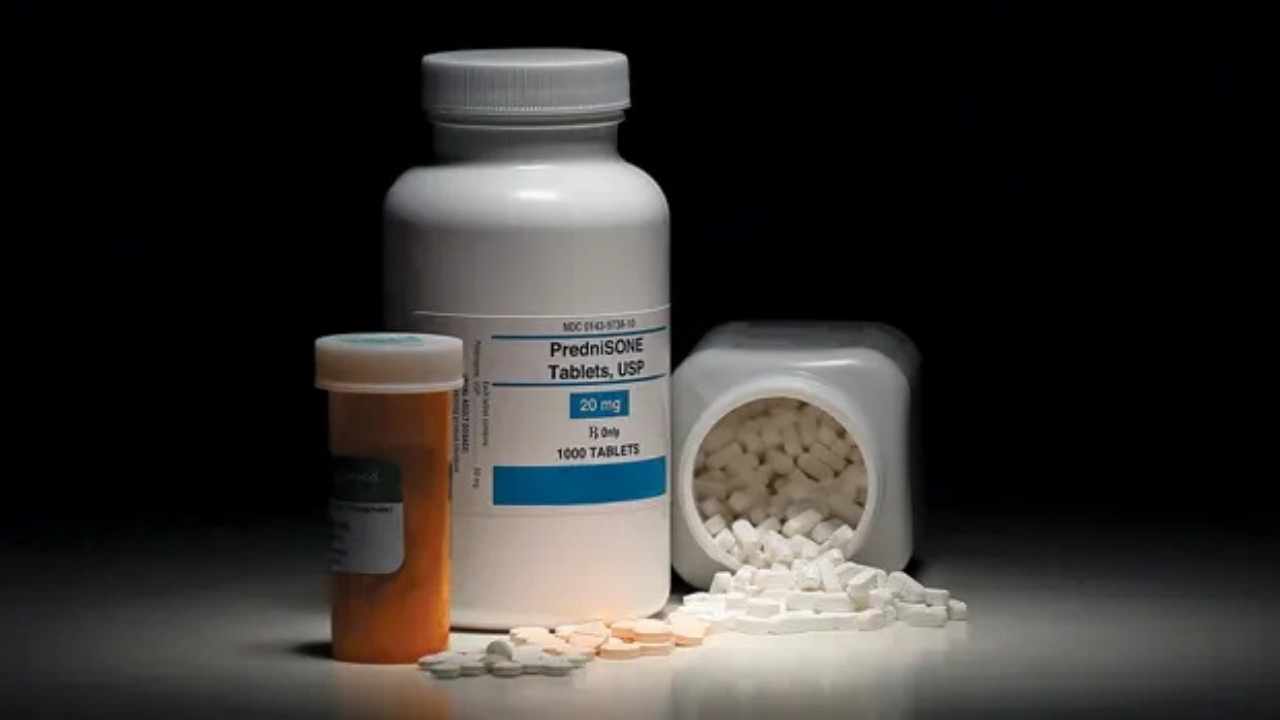
Prednisone is one of the most commonly used drugs for dogs and cats.
It is often given for:
- Allergies and itching
- Recurring ear infections
- Immune-mediated diseases
- Joint pain and inflammation
- Feline asthma
- Digestive issues like vomiting or diarrhea
It works quickly by suppressing inflammation and the immune response.
That is exactly why it can be helpful.
But that is also where the problems begin.
The Hidden Side Effects of Prednisone
Prednisone is a powerful corticosteroid.
Short-term use can help. Long-term use is where I see the real issues.
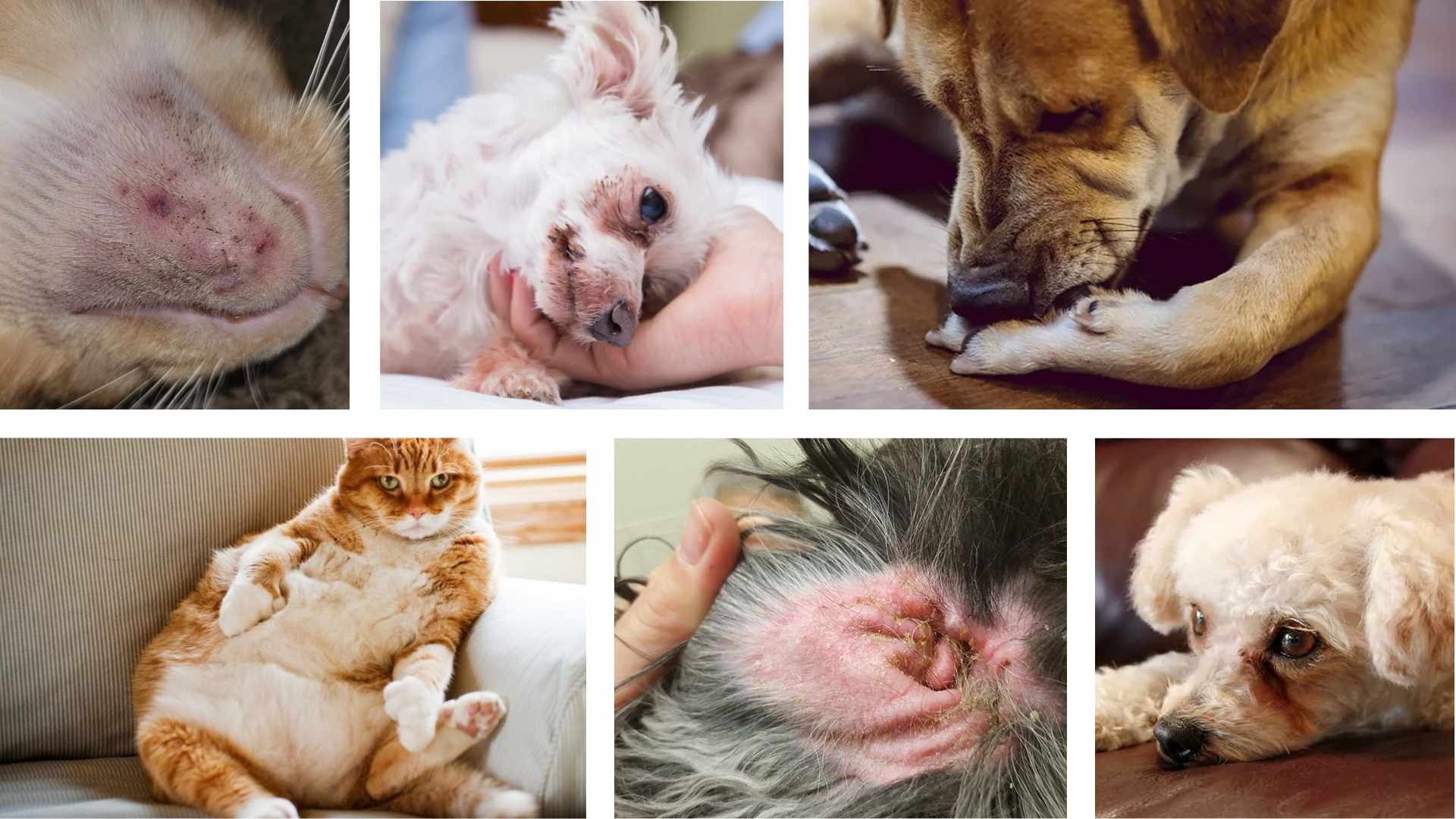
Here are the most common side effects I have seen:
Increased thirst and urination
Pets drink more and urinate more. Sometimes excessively.
Increased appetite and weight gain
Many pets gain weight quickly.
Suppressed immune system
This makes infections more likely.
Muscle loss and weakness
Especially concerning in dogs prone to injury.
Delayed wound healing
Cuts and injuries take longer to heal.
Hair loss and skin changes
Some pets develop thinning coats or bald patches.
Behavioral changes
Restlessness, anxiety, or even aggression.
Gastrointestinal problems
Vomiting, diarrhea, and even ulcers.
Diabetes
Especially in cats. This can lead to lifelong insulin injections.
Cushing’s disease
A serious hormonal disorder caused by excess cortisol.
These are not rare.
These are things I have personally seen.
A Case I Still Think About
I once treated a cat with asthma.
Prednisone helped at first. The breathing improved.
But over time, that same cat developed diabetes.
Now instead of managing asthma, we were managing diabetes for life.
That stuck with me.
Because the treatment created a bigger problem.
Why I Now Look for Alternatives First
There are times when prednisone is needed.
But for many chronic conditions, especially allergies, there are safer options worth trying first.
Instead of shutting down the immune system, I prefer to support it.
Safer Natural Alternatives to Prednisone
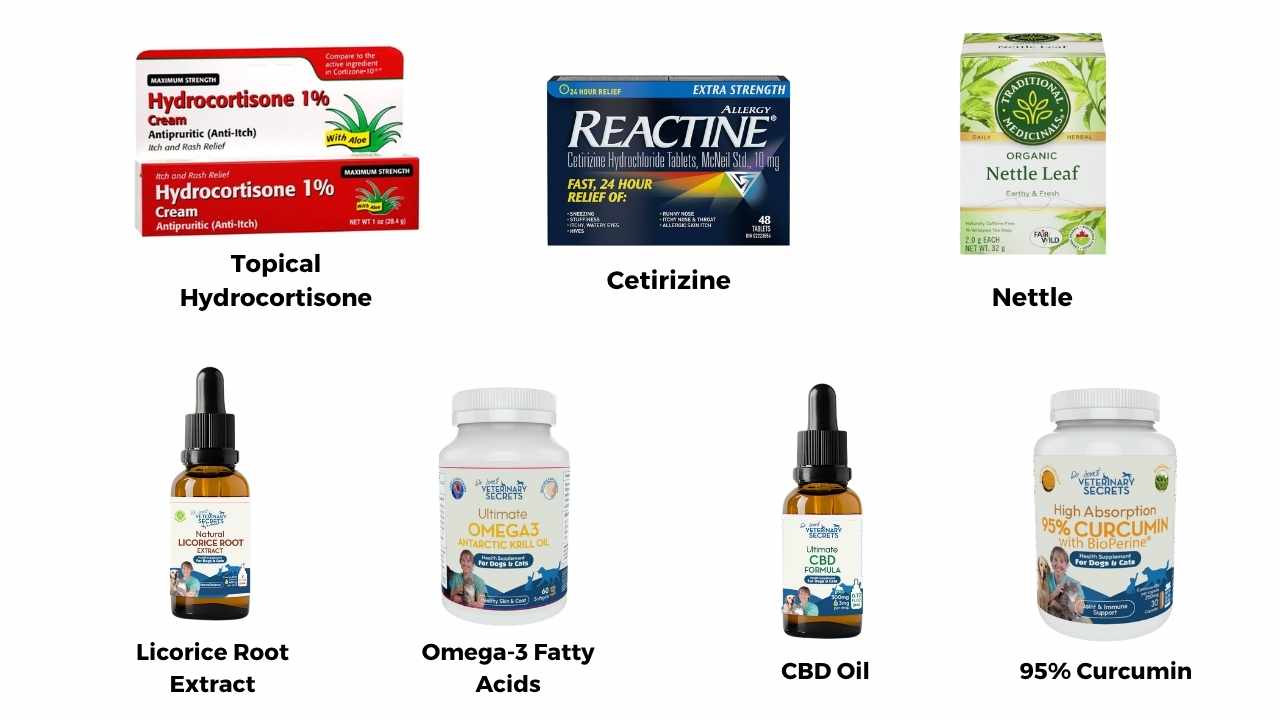
Here are the options I now recommend most often.
1. Topical Hydrocortisone
For localized itching and inflammation.
- Apply 1% cream to affected areas
- Targets the problem without whole-body effects
2. Antihistamines
Simple and effective for many pets.
- Example: Cetirizine
- Dose: 0.5 mg per lb once daily
3. Licorice Root Extract
Often called a natural steroid.
- Helps reduce inflammation
- Dose: 1/4 ml per 20 lbs, once or twice daily
- Use for up to 14 days
4. Omega-3 Fatty Acids
One of the most important anti-inflammatory supplements.
- Helps with allergies, skin, and joints
- Dose: 500 mg per 15 to 20 lbs daily
5. CBD Oil
Supports inflammation and immune balance.
- Dose: 3 mg per 10 lbs, twice daily
6. Nettle
A natural antihistamine.
- Helps reduce itching and swelling
- Dose: 100 to 200 mg per 10 lbs
7. 95% Curcumin
A strong natural anti-inflammatory.
- Supports healthy immune response
- Dose: 250 mg per 50 lbs, twice daily
8. Colostrum
Supports gut health and immune balance.
- Especially helpful for IBD
- Dose: 100 mg per 10 lbs, twice daily
9. Quercetin
The Most Overlooked Natural Alternative
This is one I recommend often.
Quercetin is a flavonoid found in apple peel.
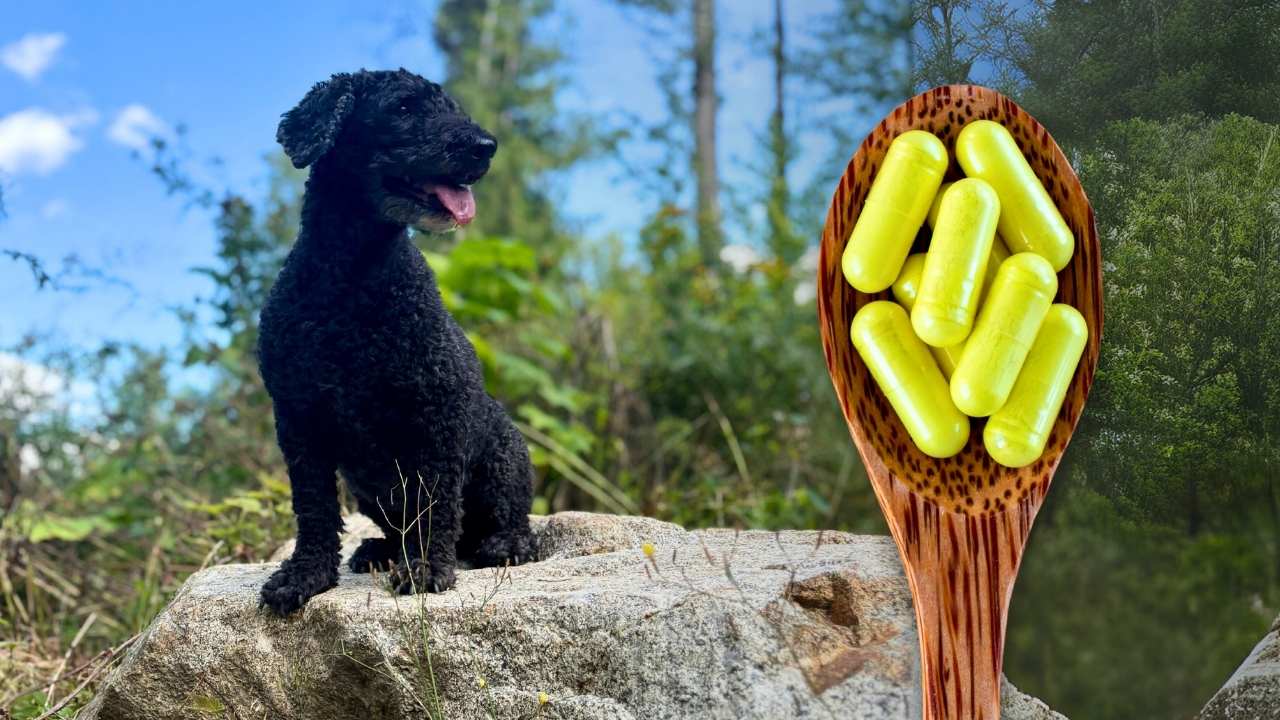
It works by:
- Blocking histamine release
- Reducing itching and inflammation
- Helping with allergies and skin disease
It can help with:
- Itching and scratching
- Paw licking
- Ear infections
- Hair loss
The key is using a bioavailable form so it is properly absorbed.
My Takeaway
Prednisone works.
But it comes at a cost, especially when used long term.
If your pet is dealing with allergies or chronic inflammation, you have options.
In many cases, combining natural therapies can:
- Reduce symptoms
- Support the immune system
- Avoid long-term complications
Final Thoughts
If your dog or cat needs prednisone, use it wisely.
- Short-term when necessary
- Not as a long-term default
- Always consider alternatives first
There is almost always a better way to manage chronic conditions.
Click To Get A Free Copy of My E-Book!

P.S. I prescribed prednisone far too often early on. It worked fast, but I saw the long-term effects. That is why I now push harder for safer options first.
P.P.S. If your pet has allergies, consider starting with a high-quality, bioavailable quercetin. It is one of the simplest and most effective natural options I have seen.






At some stage my cat also suffered from itching so severe, she would scratch holes in her neck. Diet was changed by one vet to no grain. It hing persisted and would come and go as seasons changed. Since then two other vets prescribed prednisone also. With the third one, I noticed my cat would develop uncontrollable sneezing after a few days of use. It took that 3rd vet to probe and ask if my cat had ever had snuffles, which she did when she was found as a kitten in someone’s garden.
I was told to immediately stop the prednisone, as it triggers snuffles which remains dormant in their body once they’ve had it.
I’ve never used it again if she has a bout of allergies, but rather try and support by using tissue salts when she has a flare up.
Thank you so much for sharing your experience, what you’ve described is actually something we do see from time to time, and you did a great job connecting the dots for your cat.
In cats who’ve previously had “snuffles” (often linked to feline herpesvirus), the virus can remain dormant in the body and flare up during times of stress or when the immune system is suppressed. Medications like prednisone can sometimes lower immune defenses, which may allow those respiratory symptoms, like sneezing—to reappear. That likely explains what you observed.
It’s really helpful that your vet picked up on that history, and it makes sense why you chose to avoid prednisone afterward and look for more supportive approaches during flare-ups.
You may check this article from Dr. Jones blog, titled: How to Treat Itchy Skin in Cats Naturally
https://veterinarysecrets.com/itching-cat-help/
You’re clearly very in tune with your cat’s needs, and your cautious approach, especially after noticing that reaction is really thoughtful. Thanks again for sharing this, it can be incredibly helpful for other pet parents going through something similar.
Hello, my cat (8.5age) has small intestinal lymphoma. It’s been a week since her first chemotherapy session.He’s been using Prednisone to control the cancer, but I’m worried about the side effects. Are there any alternatives to Prednisone for managing lymphoma? Thank you very much
Small intestinal lymphoma in cats is often managed with prednisone because it can reduce inflammation, improve appetite, and help slow cancer cell growth—so it’s commonly part of treatment for a reason.
That said, yes, there can be alternatives or adjustments depending on the type of lymphoma, stage, and how your cat is tolerating treatment. Sometimes vets may use chlorambucil with lower-dose prednisolone, change the chemo protocol, or focus on supportive care like appetite support, anti-nausea meds, probiotics, and omega-3s.
Don’t stop prednisone suddenly without speaking to your vet, as it needs to be tapered safely.
Good news? Many cats with small cell intestinal lymphoma can do quite well for months to years with the right plan.
Please work closely with your veterinarian or oncologist—they can tailor treatment to keep your kitty comfortable and thriving.