Prednisone Side Effects in Dogs and Cats: What to Know

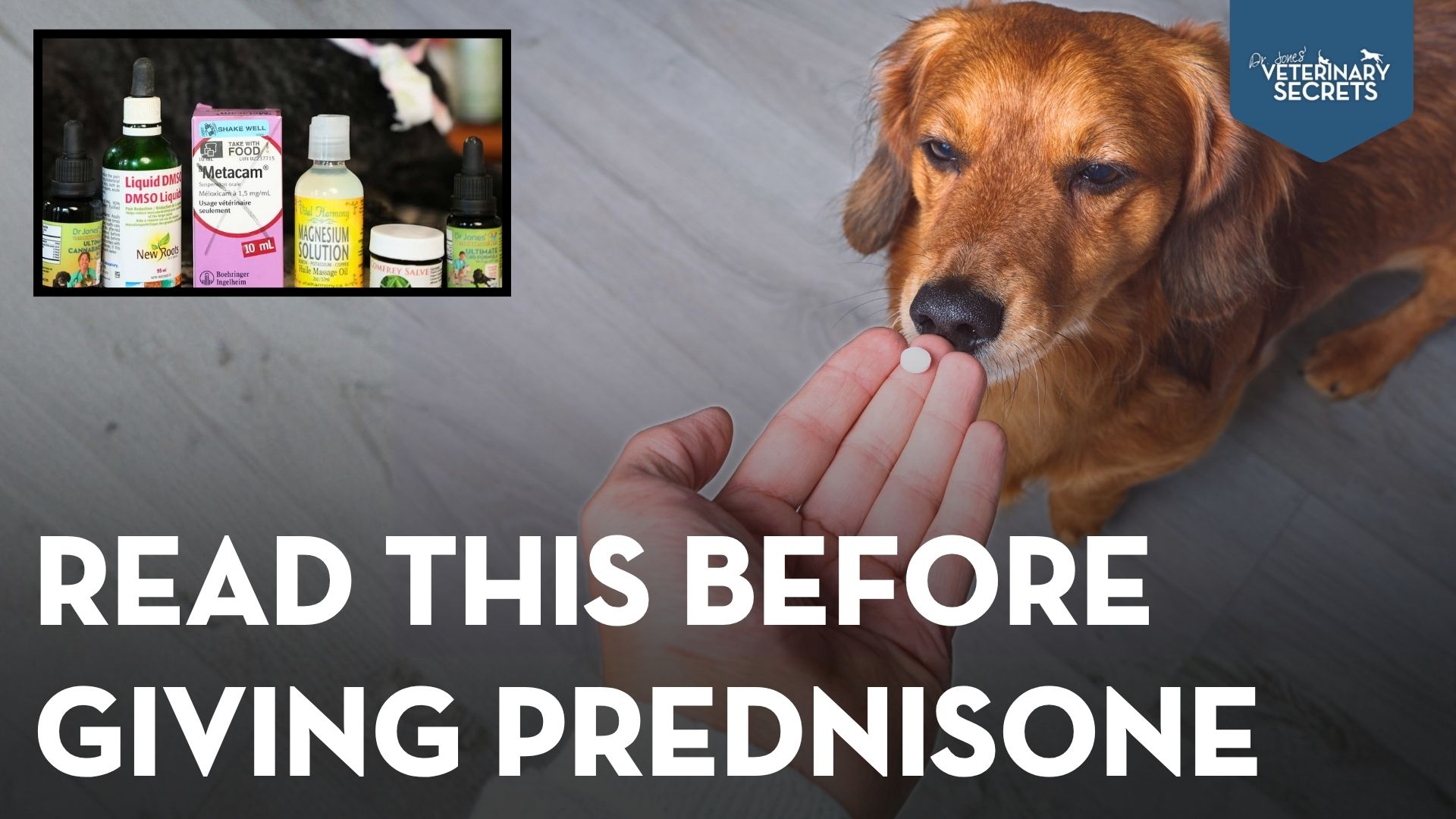
Is Prednisone Safe for Dogs and Cats?
Prednisone can be helpful for dogs and cats because it works fast.
That is why it is prescribed so often.
It can quickly stop itching, reduce inflammation, calm allergic reactions, and suppress an overactive immune response. But the problem is that Prednisone is a potent corticosteroid, and it can come with serious side effects, especially when used long term.
When I started in veterinary practice, I was shown by a mentor that clients were happiest when you gave them a quick fix.
Itching dog from allergies?
Pull out the steroid injection.
And yes, it works fast.
But fast does not always mean best.
In many cases, it would have been far better to look for the underlying cause and discuss safer, more natural options that may help support your pet with fewer risks.
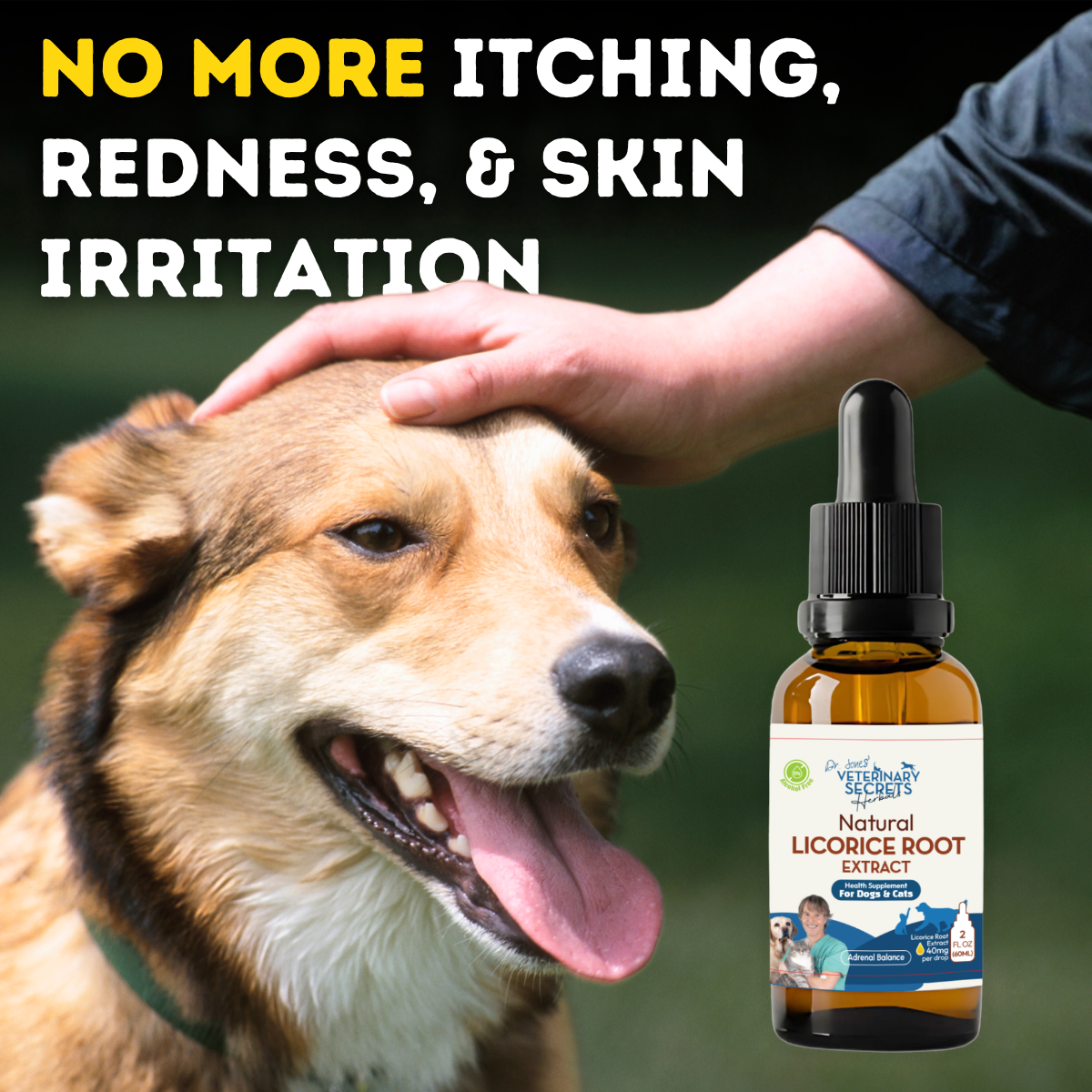
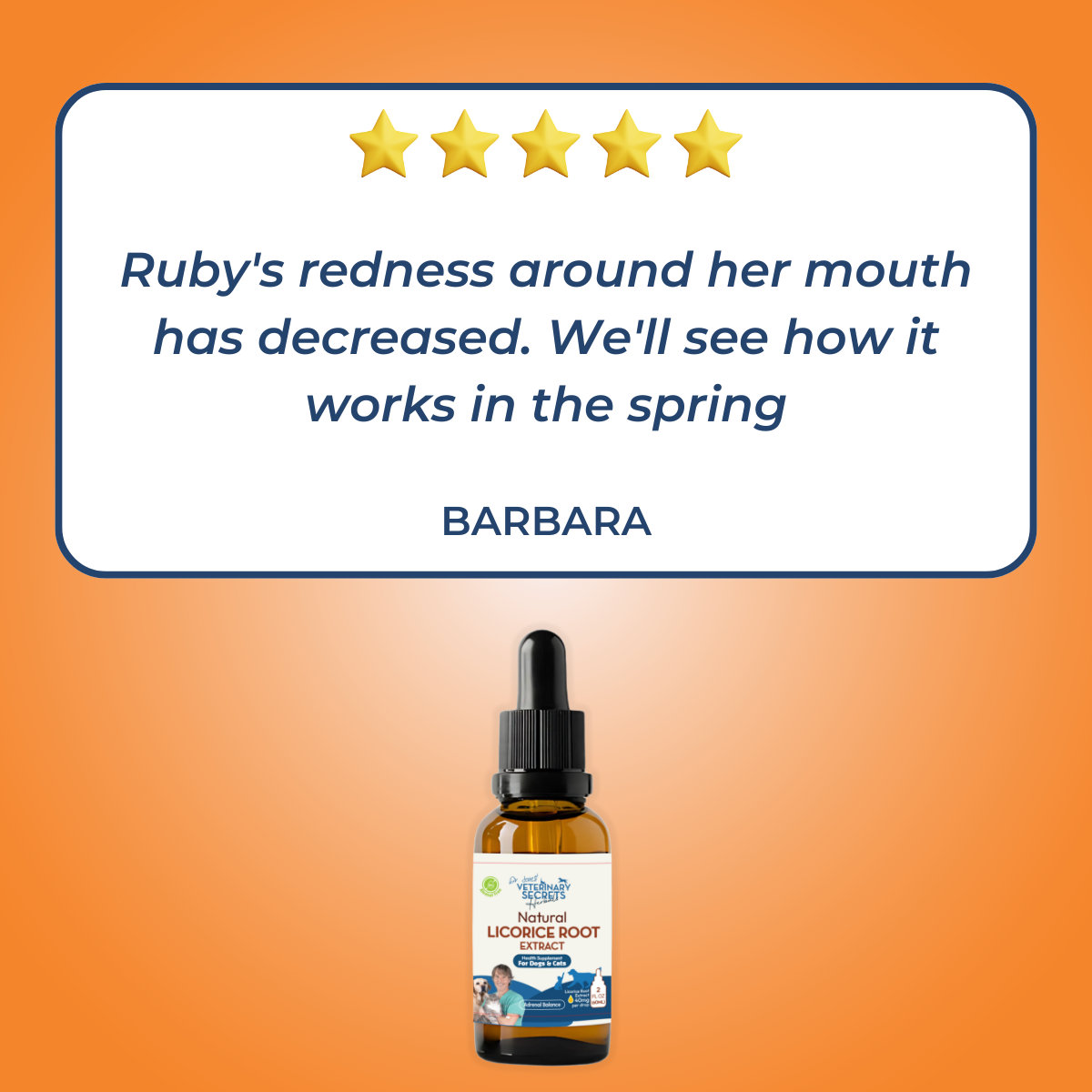
One of the most overlooked options is licorice root extract, often considered a “natural corticosteroid.”
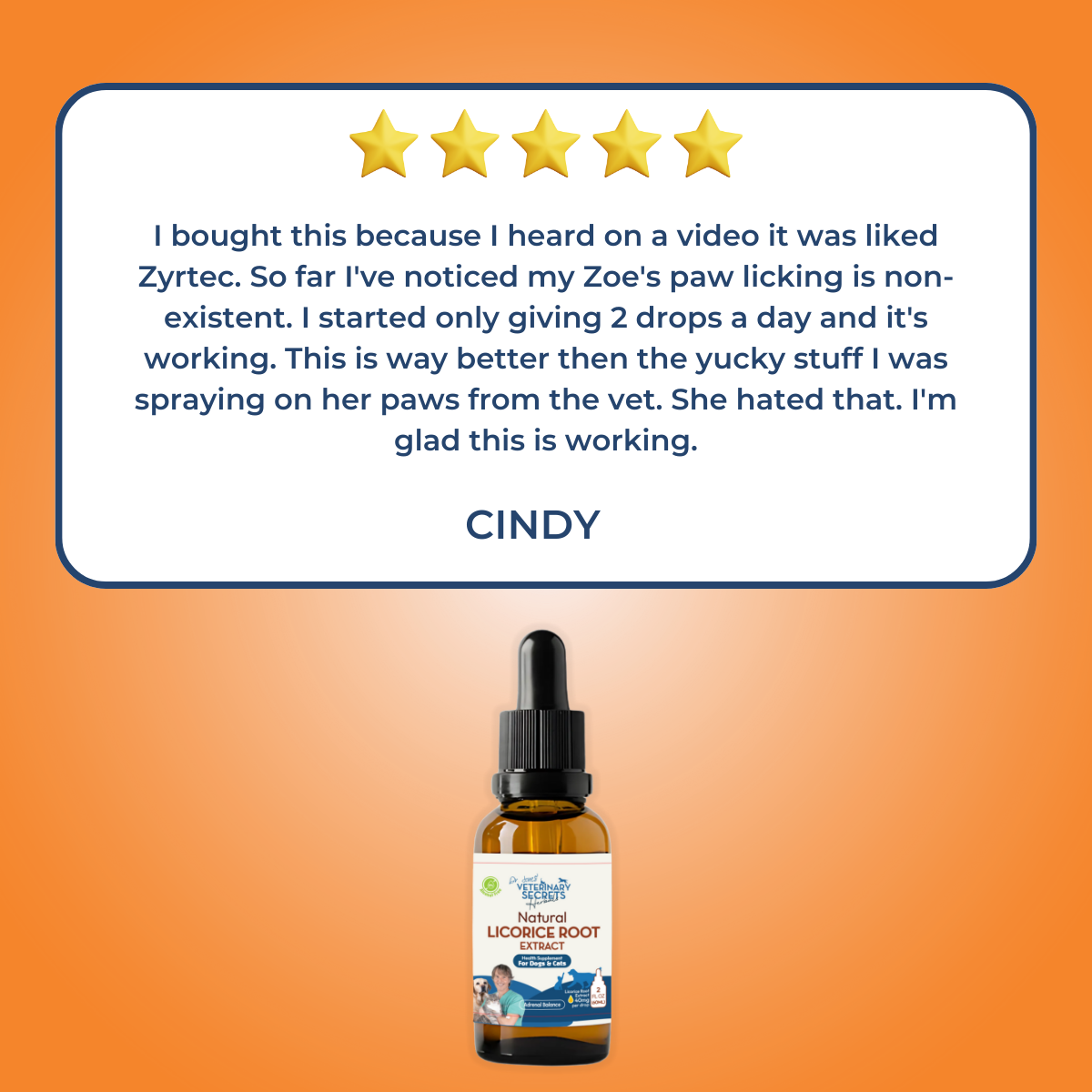
I used it often for one of our last dogs with allergies, and he responded really well. It helped stop him from licking.
What Is Prednisone?
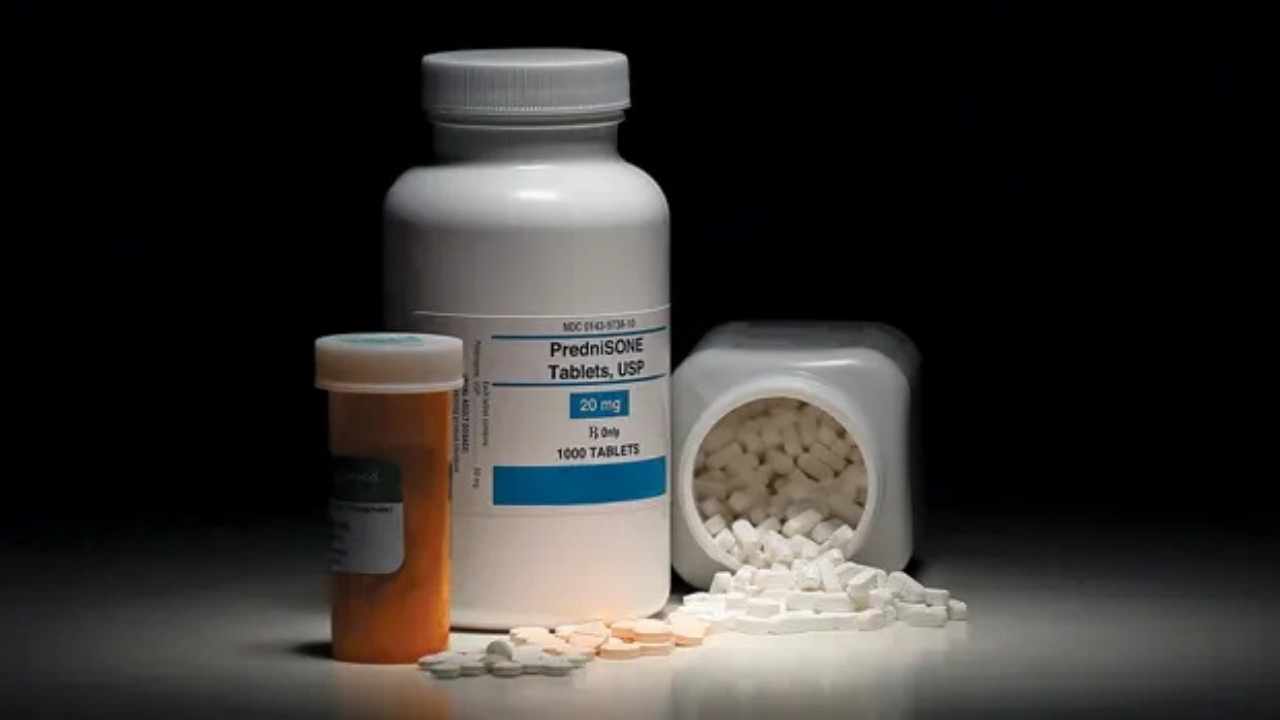
Prednisone is a corticosteroid medication.
It is commonly used in dogs and cats to reduce inflammation and suppress immune system activity.
That can be useful in certain situations.
But when steroids are used repeatedly or long term, the side effects can become a real problem.
Prednisone is not a small medication.
It affects the whole body.
That is why I want pet parents to understand both sides: why it is used, and what it may do over time.
When Is Prednisone Prescribed for Dogs and Cats?
Prednisone is often prescribed for a wide range of conditions.
Common Reasons Prednisone Is Used
| Condition | Why Prednisone May Be Given |
|---|---|
| Allergies | To quickly stop itching and inflammation |
| Recurring ear infections | Often linked with allergies and inflammation |
| Immune-mediated skin disease | To suppress an overactive immune response |
| Joint swelling and limping | Especially if an autoimmune cause is suspected |
| Feline asthma | To calm coughing and heavy breathing |
| Gastrointestinal disease | To suppress immune-related vomiting, diarrhea, or weight loss |
Prednisone for Allergies and Itching
This is one of the most common reasons dogs are given Prednisone.
Your dog is scratching, licking, chewing, losing hair, or getting recurring ear infections.
Prednisone can stop the itching quickly.

And when your dog has been scratching all night, I understand why fast relief sounds wonderful.
But the question is not only, “Does it work?”
The better question is:
What is the cost of using it again and again?
Prednisone for Immune-Mediated Disease
If your dog has an immune-mediated skin disease, corticosteroids like Prednisone may be used to suppress the immune system.
That can help control symptoms.
But immune suppression also means your pet may become more susceptible to infections.
So this is not something I would treat casually.
Prednisone for Joint Problems
Prednisone is sometimes given for swelling and limping in dogs, especially when an autoimmune cause is suspected.
It may reduce inflammation.
But long-term steroid use can also contribute to muscle weakness and loss of muscle mass.
That is especially concerning in dogs because weakness may increase the likelihood of injuries such as ACL tears.
That is not the trade-off most pet parents are hoping for.
Prednisone for Feline Asthma
Cats with asthma may be given Prednisone when they are coughing or breathing heavily.
It can help calm inflammation.
But cats can be especially vulnerable to one serious side effect:
Diabetes
I once treated a cat with feline asthma who was prescribed long-term Prednisone.
Over time, that cat developed diabetes.
Then instead of only managing asthma, we were also managing diabetes, which required insulin shots for life.
That is a perfect example of how a medication meant to treat one problem can create another serious one.
Prednisone for Gastrointestinal Disease
Dogs and cats with gastrointestinal issues such as vomiting, diarrhea, or weight loss may be given Prednisone to suppress an overactive immune response.
That may help some pets.
But Prednisone can also cause gastrointestinal problems, including vomiting, diarrhea, ulcers, and ongoing GI discomfort.
So again, we need to look at the whole picture.
What Are the Side Effects of Prednisone in Dogs and Cats?
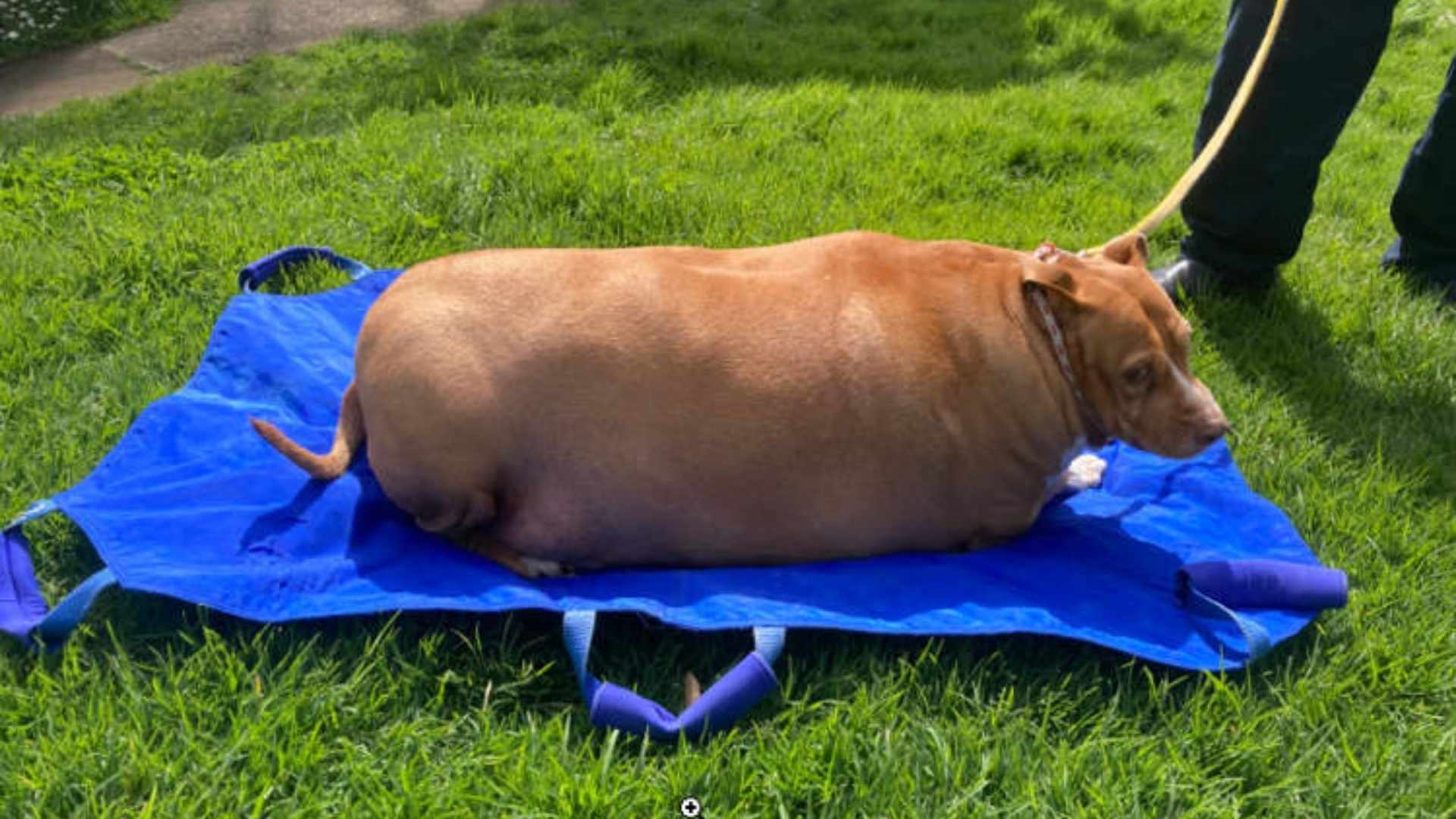
Prednisone can cause many side effects.
Some are common.
Some are serious.
Some become much more concerning with long-term use.
Common and Serious Prednisone Side Effects
| Side Effect | What You May See |
|---|---|
| Increased thirst | Your pet drinks much more than normal |
| Increased urination | More frequent urination, sometimes accidents or incontinence |
| Increased appetite | Your pet acts hungry all the time |
| Weight gain | Often linked to increased appetite |
| Weakened immune system | Greater risk of infections |
| Muscle weakness | Reduced strength and loss of muscle mass |
| Delayed wound healing | Cuts or wounds may heal more slowly |
| Hair loss | Generalized alopecia may develop with prolonged use |
| Behavioral changes | Anxiety, restlessness, or aggression |
| GI issues | Ulcers, vomiting, diarrhea, stomach upset |
| Diabetes | Especially concerning in cats treated for asthma |
| Cushing’s disease | Can occur with long-term corticosteroid use |
Increased Thirst and Urination
One of the most common things pet parents notice on Prednisone is drinking and peeing.
A lot.
Pets on Prednisone may drink more water and urinate more often.
Sometimes this becomes excessive.
In some cases, it can even cause incontinence.
So yes, the itching may stop.
But now your dog may be waking you up to go outside at 2:00 AM.
Prednisone likes to share its side effects with the whole household.
Increased Appetite and Weight Gain
Prednisone can stimulate your pet’s appetite.
Some pets become very hungry.
They may act like they have never seen food before in their life.
That can lead to weight gain, which then adds more stress to the joints, worsens mobility, and can make inflammation-related issues harder to manage.
Weakened Immune System
Long-term Prednisone use suppresses the immune system.
That is part of why it works for immune-mediated disease.
But it also means your pet may be more susceptible to infections.
That is a serious trade-off.
Muscle Weakness and Loss of Muscle Mass
This is one I saw often and did not like.
Prednisone can cause muscle weakness and loss of muscle mass.
In dogs, this is especially concerning because weaker muscles may increase the likelihood of injuries such as ACL tears.
A dog may be less itchy, but now weaker, heavier, and more prone to injury.
Not ideal.
Delayed Wound Healing
Prednisone can slow wound healing.
If your pet has a cut, wound, surgical site, or skin injury, recovery may take longer.
This matters because many pets on steroids are already dealing with skin issues.
If the skin is inflamed, infected, or damaged, delayed healing is the last thing we want.
Hair Loss
Some pets develop generalized hair loss, also called alopecia, with prolonged Prednisone use.
This is another sign that long-term steroid exposure can affect the whole body.
Behavioral Changes
Prednisone can affect behavior.
Some dogs may become:
- Anxious
- Restless
- Irritable
- More aggressive
That can be distressing for both the pet and the pet parent.
Especially when you were only trying to stop the itching.
Gastrointestinal Problems
Prednisone can cause stomach and intestinal issues, including:
- Ulcers
- Vomiting
- Diarrhea
- Ongoing GI discomfort
Prednisone can also complicate cases involving chronic pancreatitis, liver damage, and digestive discomfort.
This is one reason I do not like using it as a long-term quick fix when there may be safer options to explore.
Diabetes in Cats
This is a major concern, especially in cats treated long term for asthma.
Prednisone can trigger diabetes.
That may mean long-term insulin injections.
So a cat may start with asthma, then end up with diabetes as a steroid-related complication.
That is exactly the kind of side effect pet parents need to know about before starting long-term use.
Cushing’s Disease
Long-term Prednisone use can contribute to Cushing’s disease.
Cushing’s disease is linked to too much cortisol activity in the body.
Signs may include:
- Increased thirst
- Increased urination
- Weight gain
- Hair loss
These can overlap with the effects pet parents already see while their animal is taking steroids.
Why I Prefer Looking for Safer Options First
Prednisone can be useful.
But I do not believe it should be the automatic answer for every itchy dog, coughing cat, inflamed joint, or digestive flare-up.
In many situations, I would rather ask:
- What is causing the inflammation?
- Is allergy involved?
- Is diet involved?
- Is there infection?
- Is there an immune component?
- Is there a safer option to try first?
- Can we use a topical option instead of a systemic steroid?
- Can we support inflammation naturally?
This is where natural alternatives can be very helpful.
They may not work as fast as Prednisone.
But they often come with fewer side effects.
And for long-term management, that matters.
Natural Alternatives to Prednisone for Dogs and Cats
Here are the main options I would consider.
| Natural Option | Best Used For | Dose Mentioned |
|---|---|---|
| Topical hydrocortisone | Local itching and skin inflammation | 1% hydrocortisone cream applied topically |
| Cetirizine | Itching and allergies | 0.5 mg per pound once daily |
| Licorice root extract | Allergies, inflammation, autoimmune disease support | About 7 drops once or twice daily for up to 14 days |
| Omega-3 fatty acids | Allergies, asthma, inflammatory conditions | 500 mg per 15 to 20 lbs once or twice daily |
| CBD oil | Inflammation and immune modulation | 3 mg per 10 lbs twice daily |
| Nettle | Allergy symptoms, itching, swelling | 100 to 200 mg dried nettle leaf per 10 lbs once or twice daily |
| Turmeric | Allergic skin disease and inflammation | 250 mg per 50 lbs twice daily |
| Colostrum | Gut healing, inflammation, IBD support | 100 mg per 10 lbs twice daily |
1. Topical Hydrocortisone for Itching
For itching and skin inflammation, a 1% hydrocortisone cream can be a good alternative.
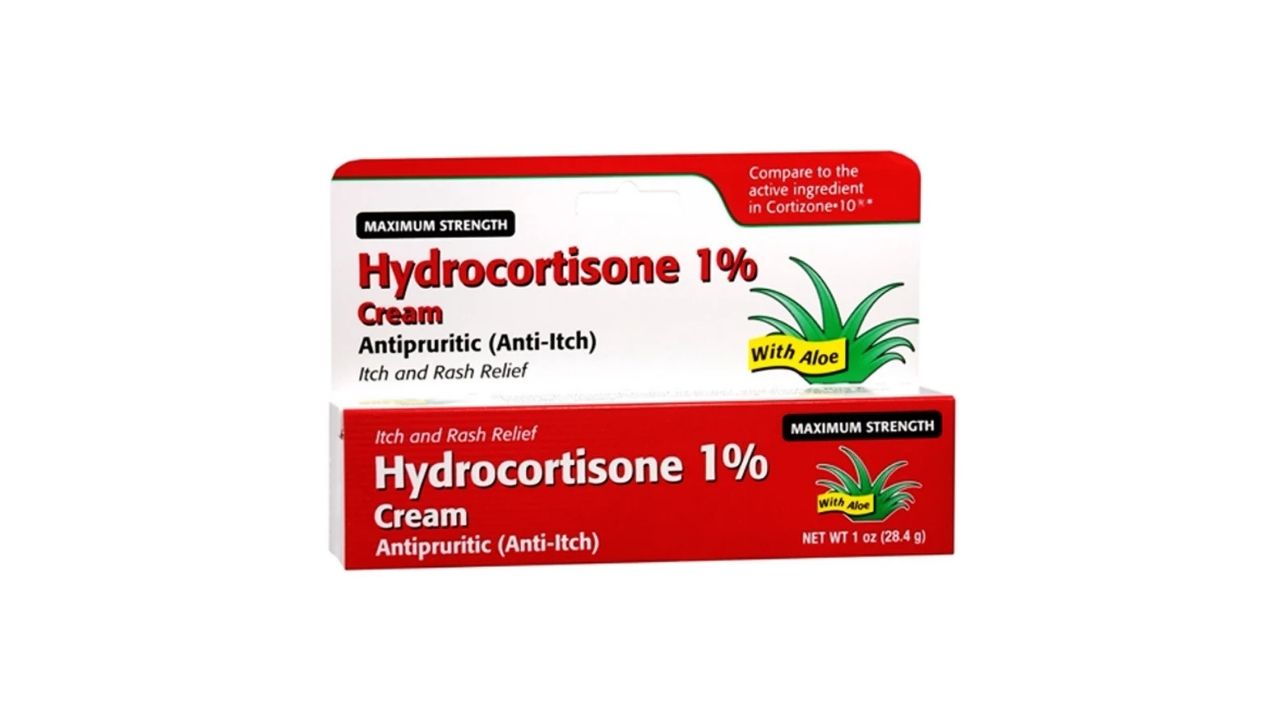
This is different from giving your pet an oral steroid or injection.
Applied topically, it targets the affected area.
That can reduce the risk of whole-body side effects.
Best For
Topical hydrocortisone may be helpful for:
- Local itching
- Small inflamed skin areas
- Mild allergic skin flare-ups
The key word is local.
If the whole dog is itchy from nose to tail, a tiny dab of cream is not going to solve the universe.
But for small areas, it can be useful.
2. Cetirizine for Dog and Cat Allergies
Cetirizine is an over-the-counter antihistamine.
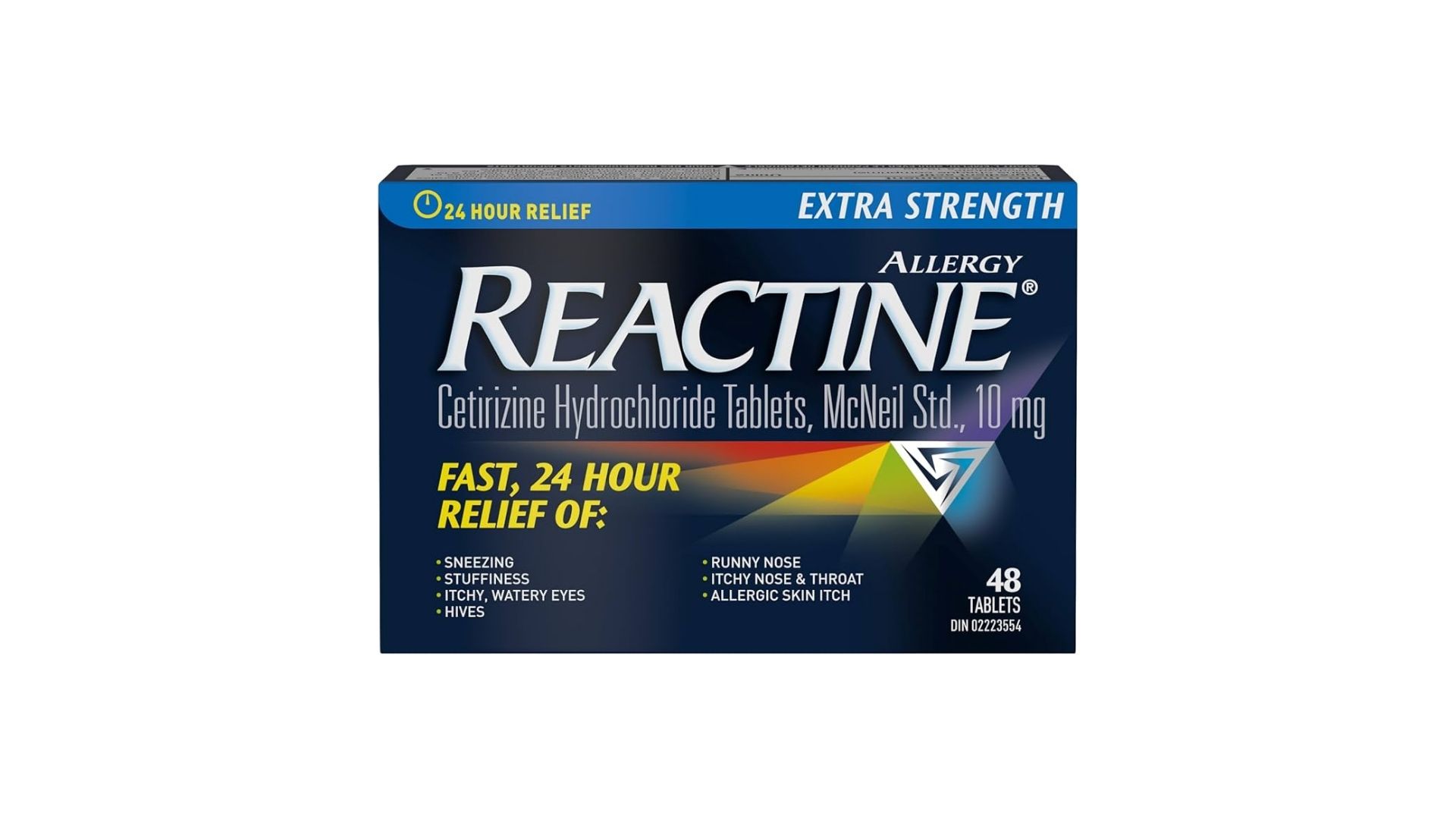
Brand names include:
- Zyrtec in the United States
- Reactine in Canada
Cetirizine can be very effective for managing itching in dogs and cats.
Cetirizine Dose
Give:
0.5 mg per pound of body weight once daily
This can be a helpful option for allergy-related itching.
3. Licorice Root Extract: The Natural Corticosteroid
Licorice root extract is one of the most overlooked natural alternatives.
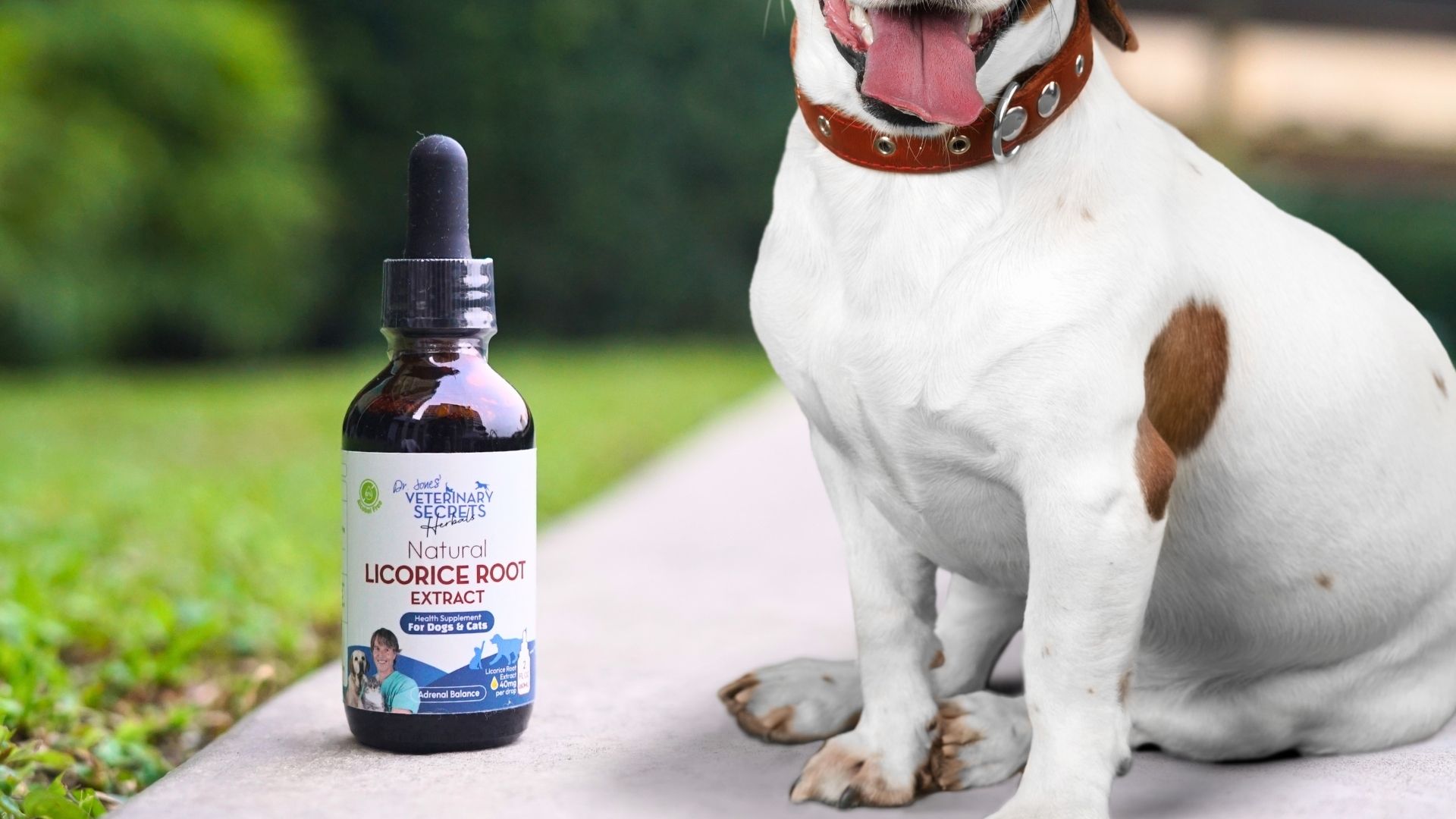
It is commonly used in Chinese medicine to modulate the immune system.
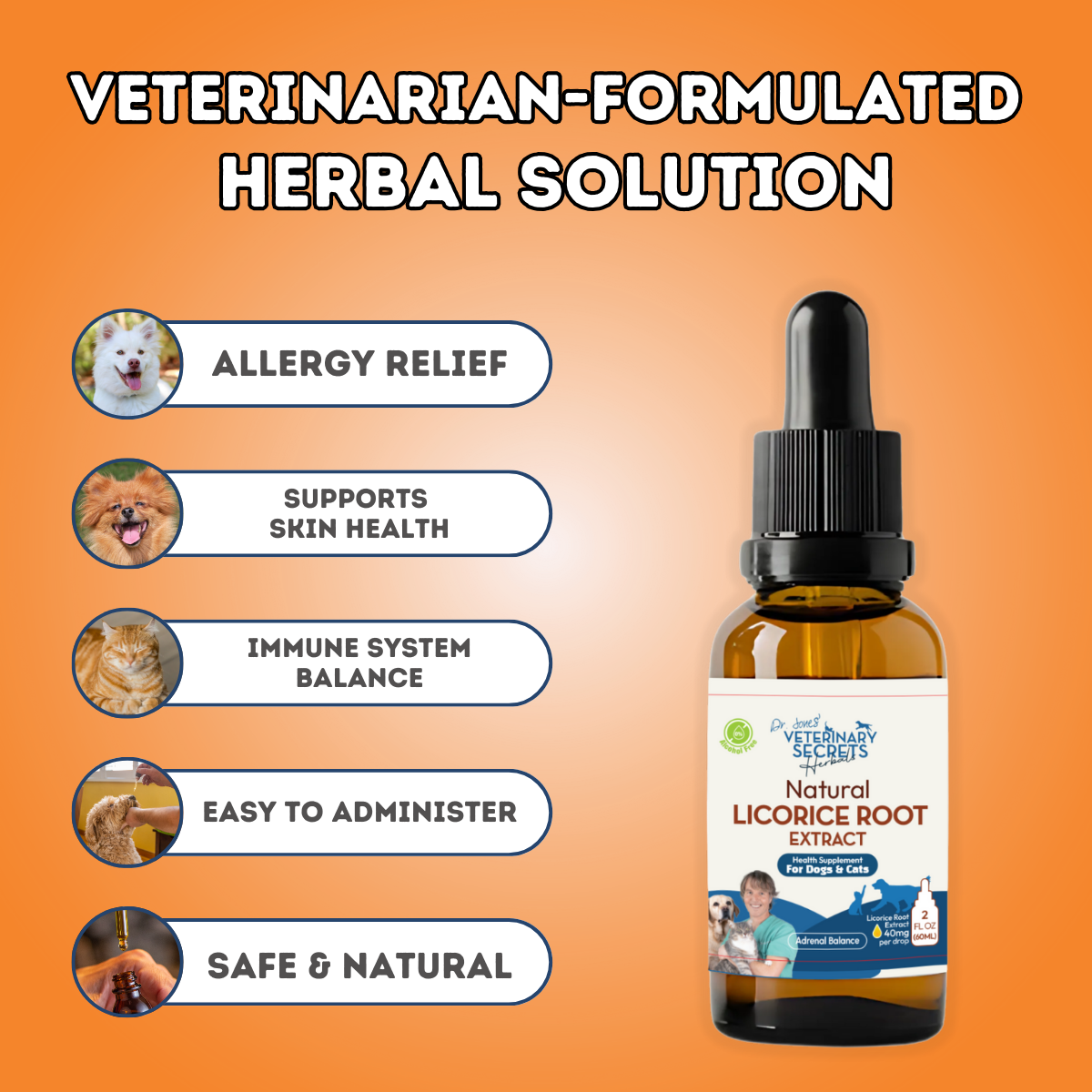
It is often considered a natural corticosteroid.
Licorice root may help reduce inflammation in dogs and cats with:
- Allergies
- Autoimmune diseases
- Itching
- Licking
- Inflammatory conditions
I used this often for one of our last dogs with allergies.
He responded really well, and it helped stop him from licking.
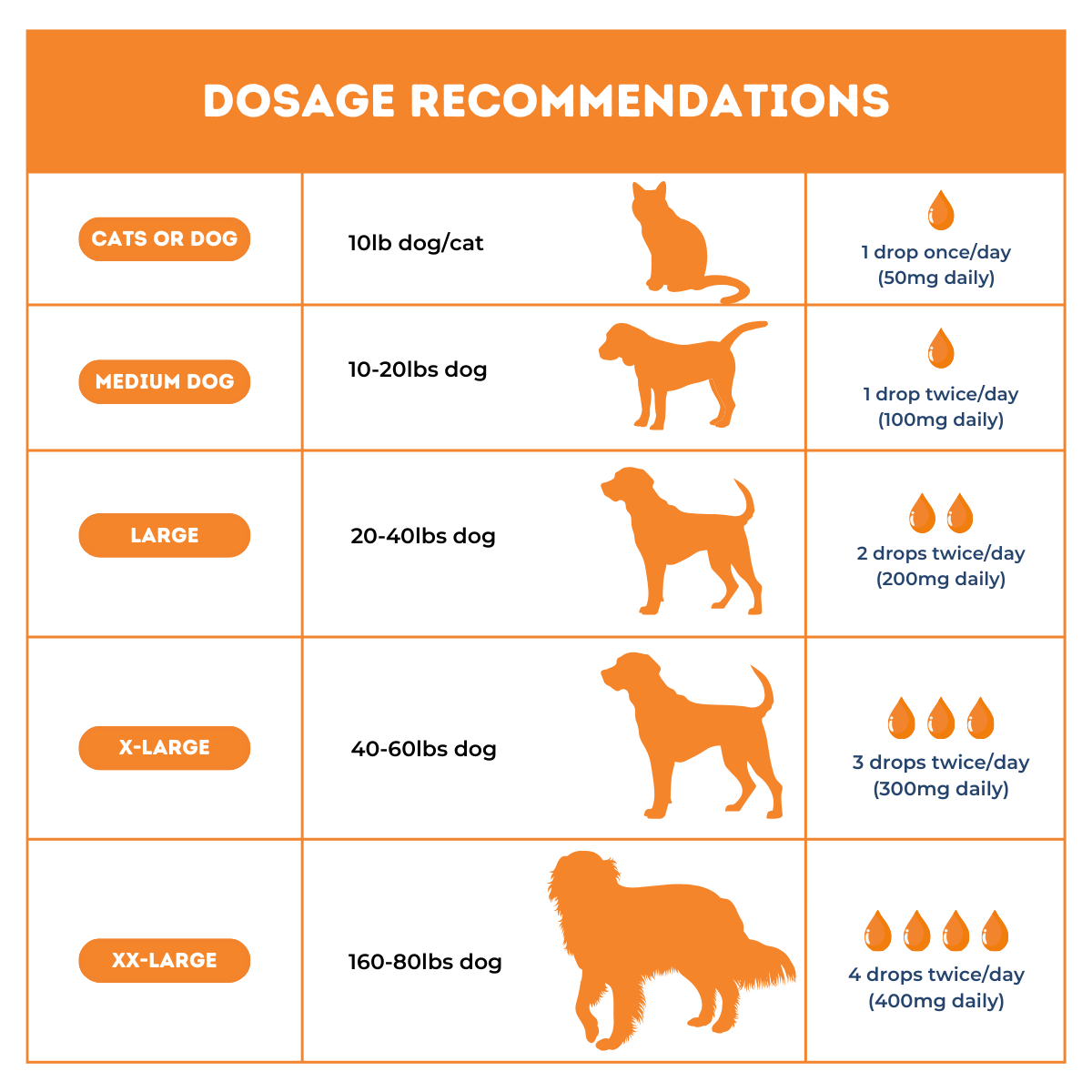
Licorice Root Extract Dose
The standard dose mentioned is:
About 7 drops of tincture once or twice daily
Use for up to:
14 days
Licorice root is not as fast-acting as Prednisone.
But it may be useful for longer-term support.
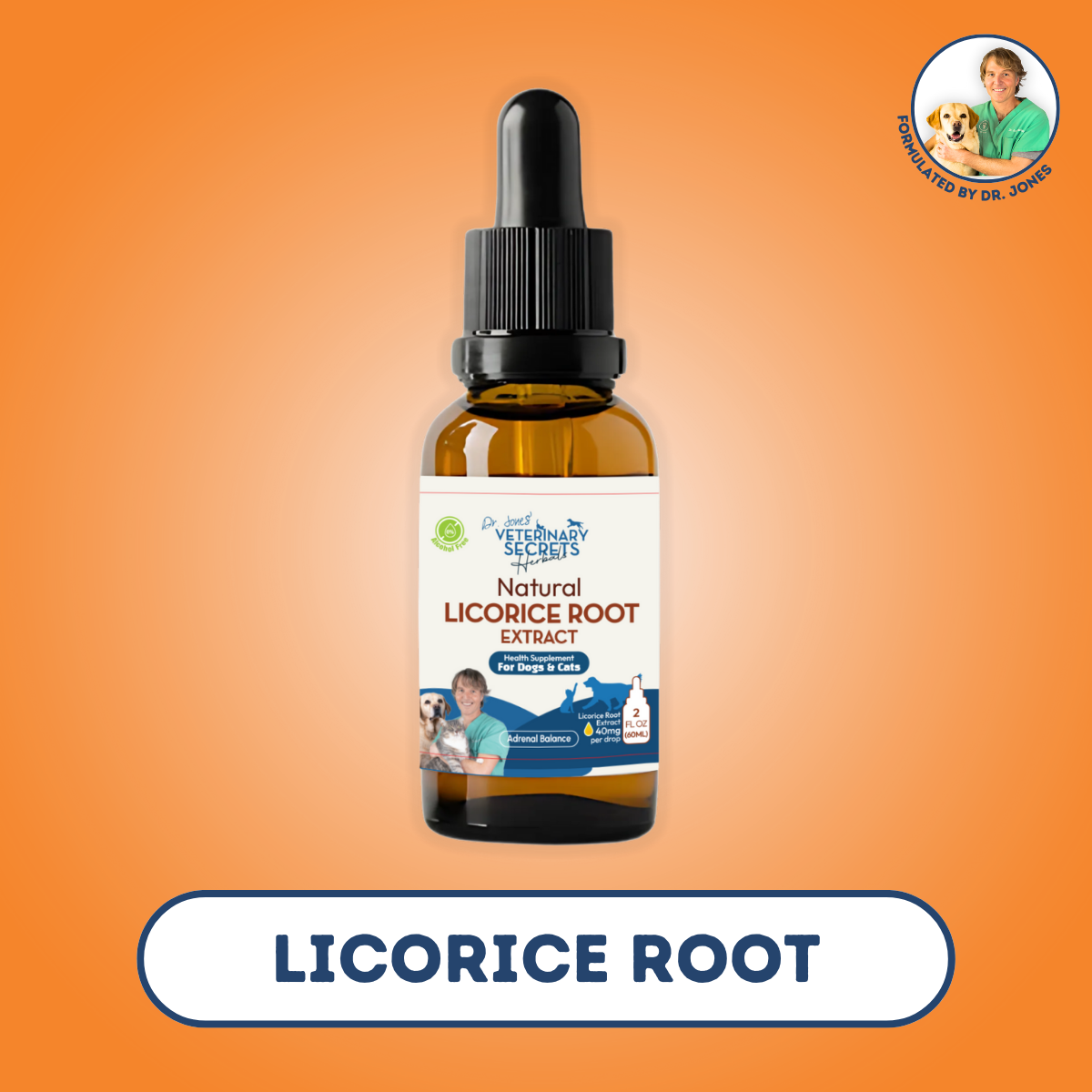
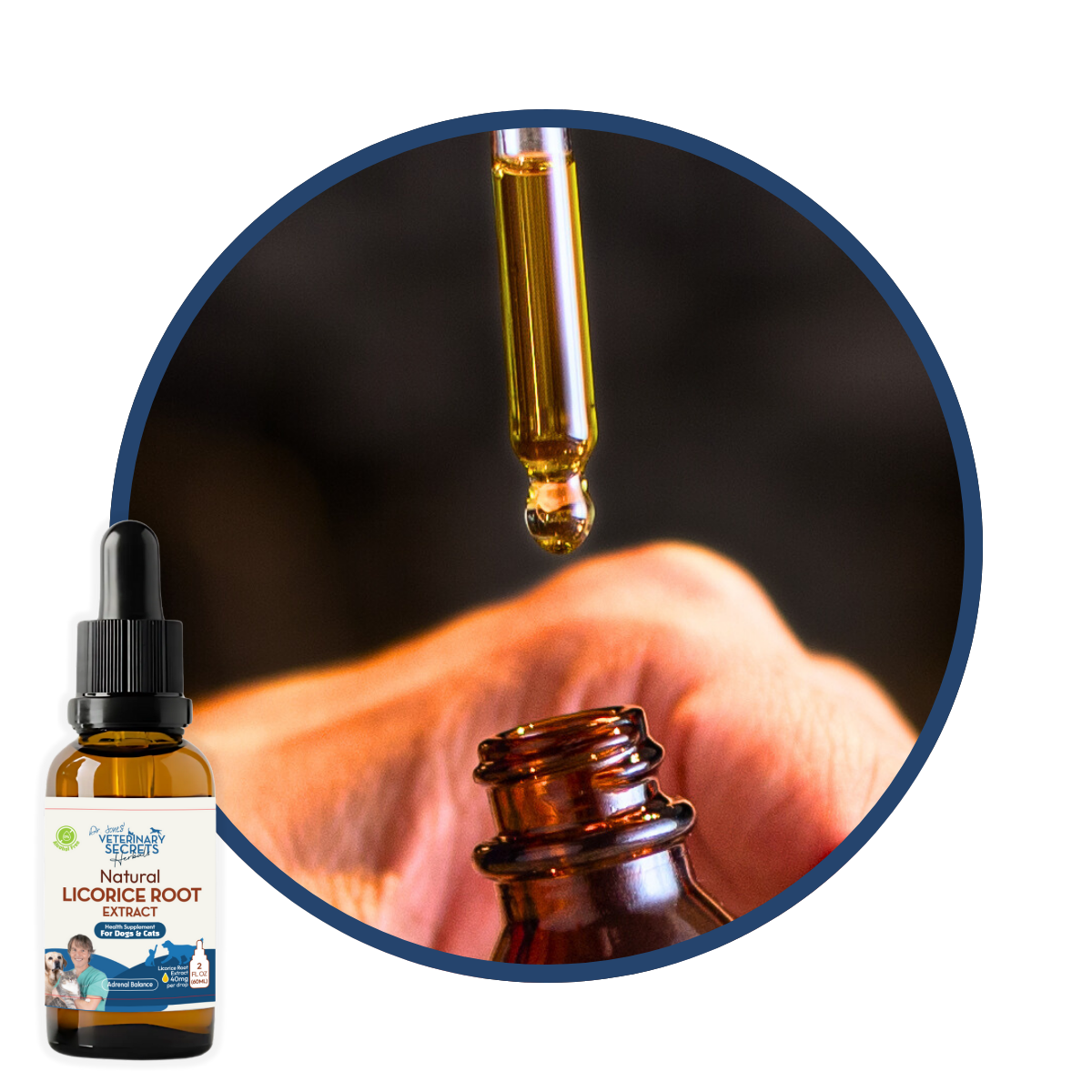
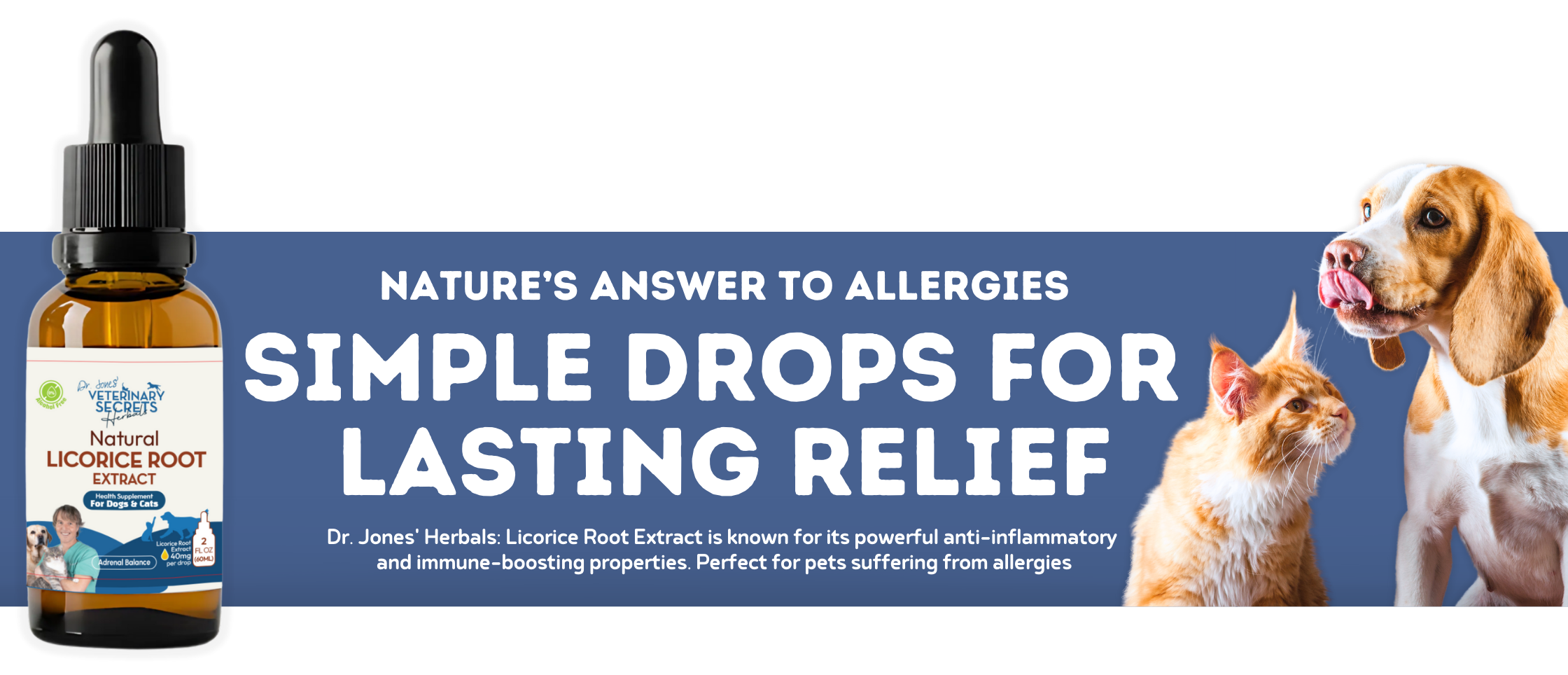
Dr. Jones’ Licorice Root Extract
For pets with allergies or autoimmune inflammation, this is one of the natural options I would strongly consider.
4. Omega-3 Fatty Acids
Fish oils, especially omega-3 fatty acids, are powerful natural anti-inflammatory agents.
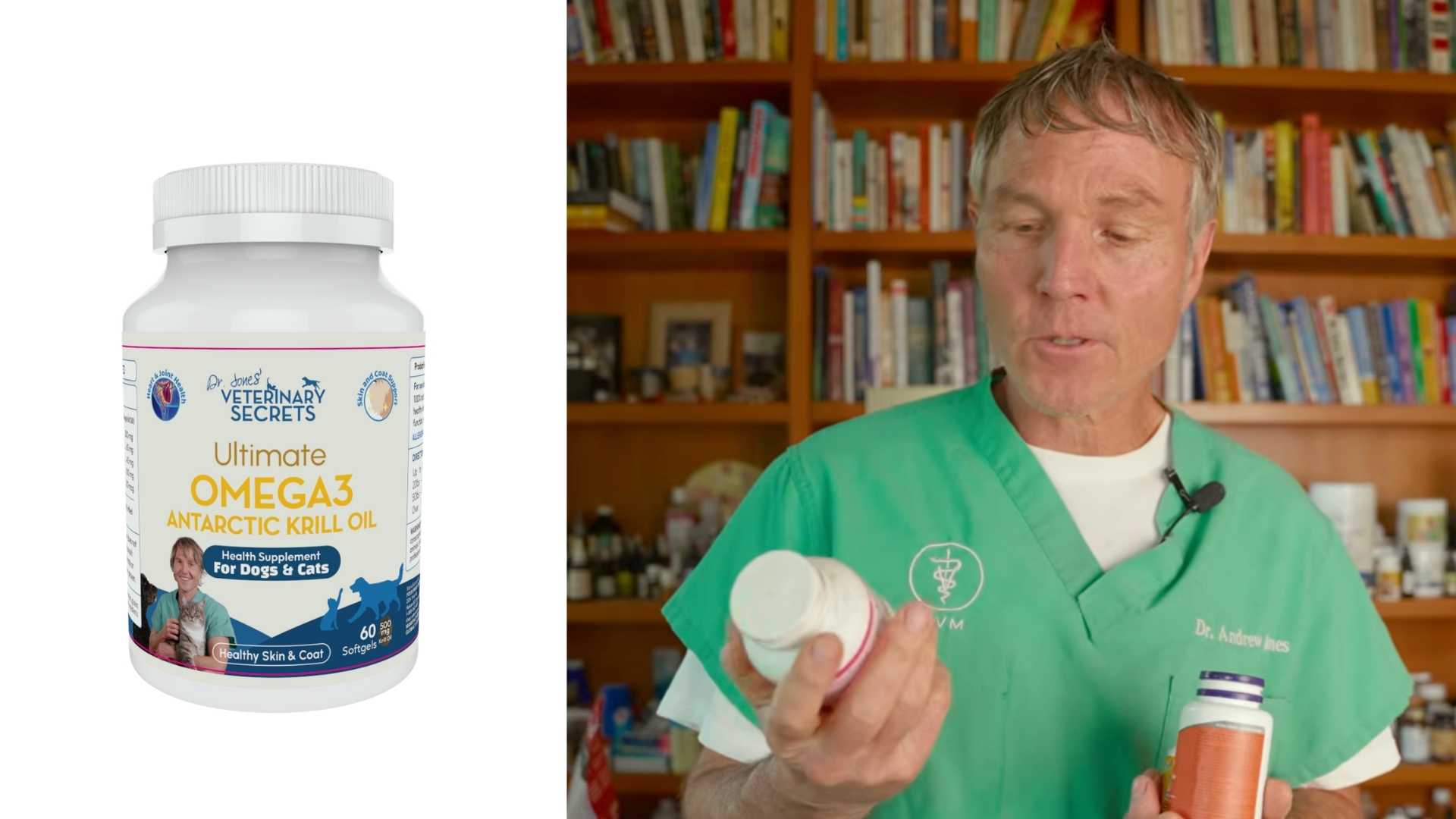
They may help support pets with:
- Allergies
- Asthma
- Other inflammatory conditions
Omega-3s are one of the simplest long-term anti-inflammatory options.
They are not flashy.
They do not sound exciting.
But they can be very useful.
Omega-3 Dose
Give:
500 mg of omega-3s per 15 to 20 lbs of body weight
Use:
Once or twice daily

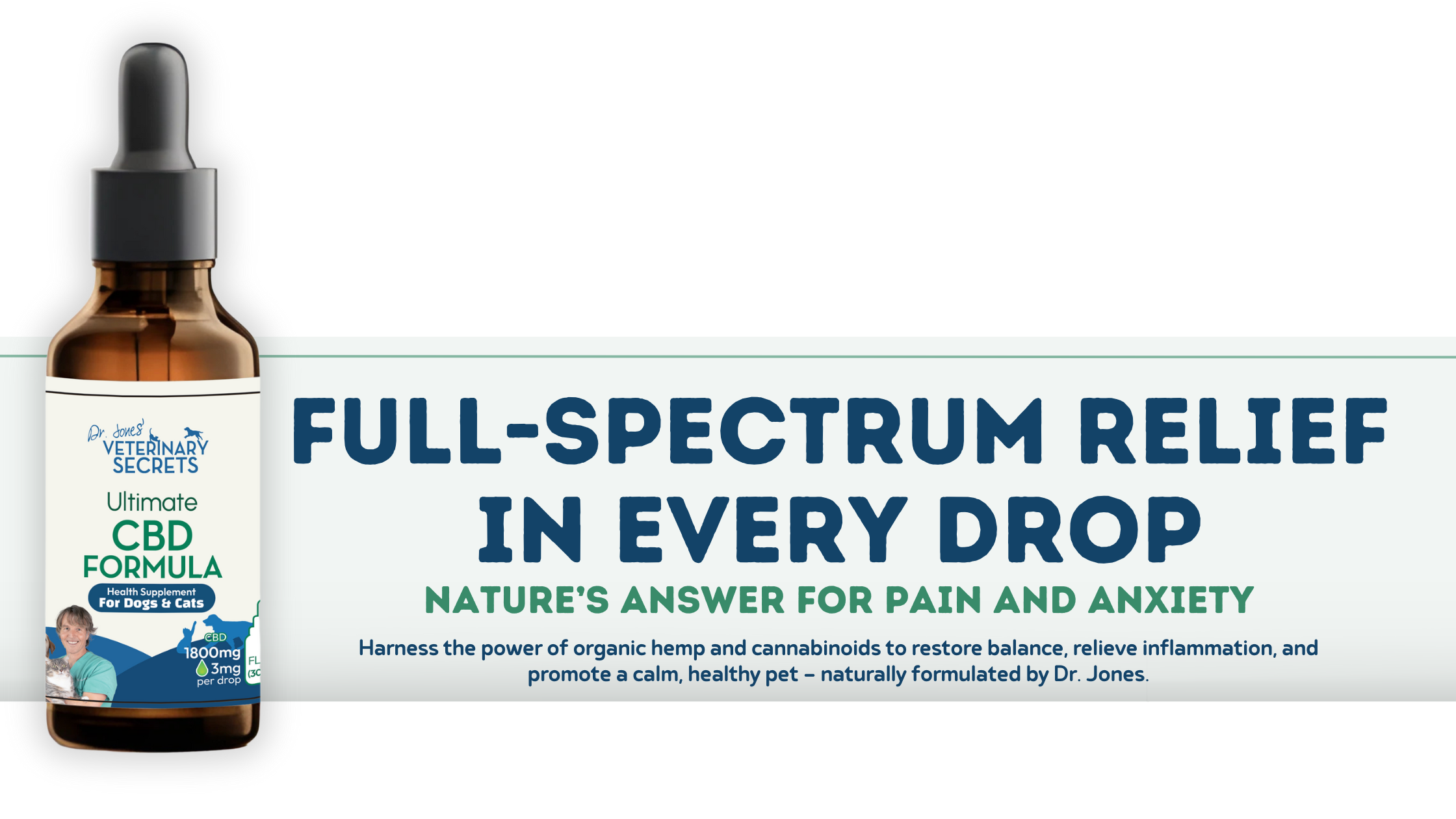
5. CBD Oil
CBD, or cannabidiol, is a non-psychoactive compound.
It has shown promising results in reducing inflammation and modulating the immune system.
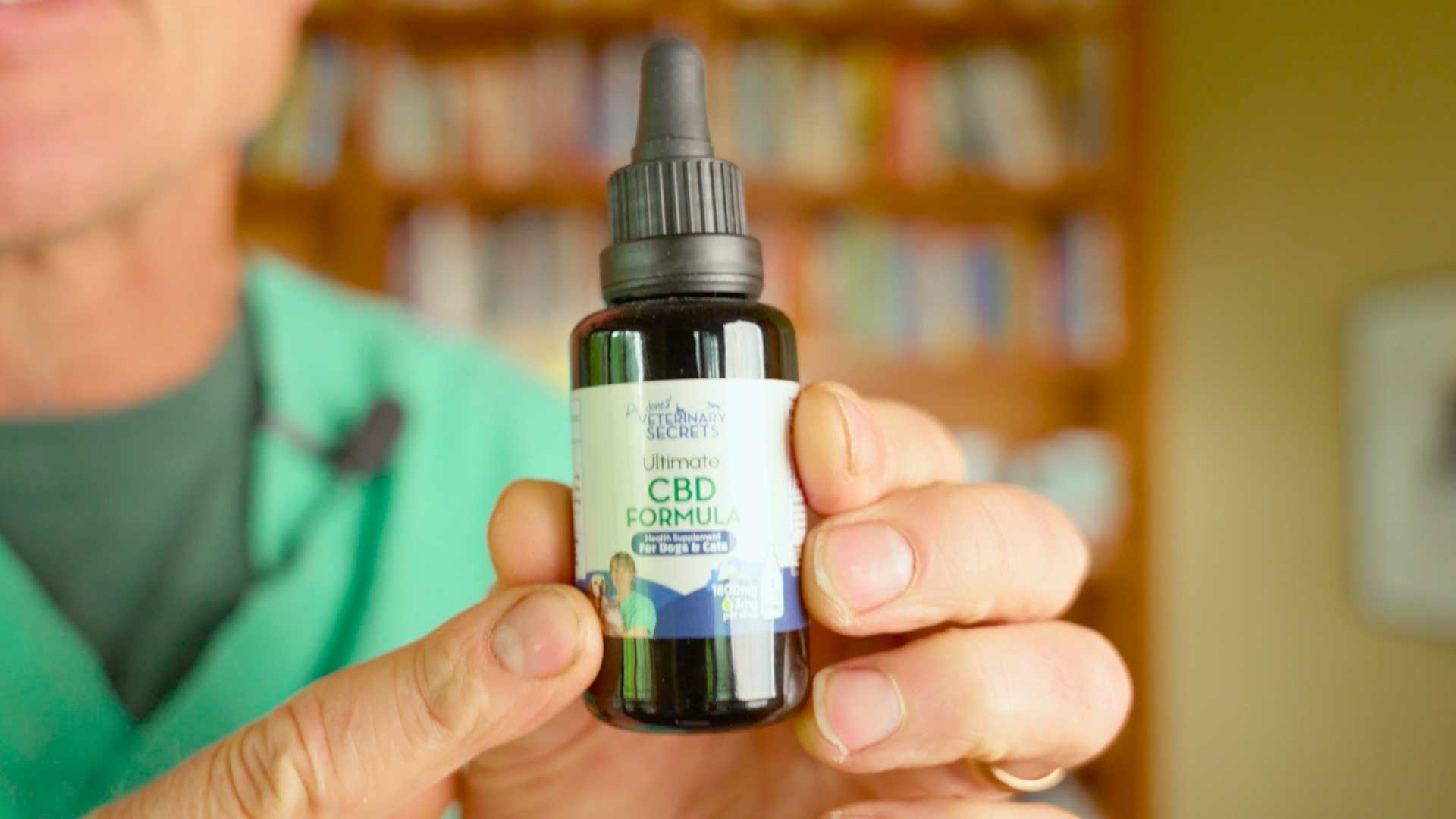
CBD may be worth considering for pets dealing with inflammation-related conditions.
CBD Dose
Give:
3 mg per 10 lbs of body weight twice daily
CBD is not a steroid.
It is not Prednisone.
But it may help support inflammation and immune balance.
6. Nettle for Allergies
Nettle can work as a natural antihistamine.

It may help reduce allergy symptoms such as:
- Itching
- Swelling
This can be especially useful for pets with allergic skin disease.
Nettle Dose
Give:
100 to 200 mg of dried nettle leaf per 10 lbs of body weight
Use:
Once or twice daily
7. Turmeric for Inflammation
Turmeric is a powerful anti-inflammatory spice.
The active compound in turmeric is curcumin.

Turmeric may help manage conditions such as allergic skin disease.
Curcumin also supports the body’s natural cortisol production, which may help reduce inflammation without the negative side effects of synthetic steroids.
Turmeric Dose
Give:
250 mg per 50 lbs of body weight twice daily
This can be one of the more useful kitchen-based anti-inflammatory options.
Yes, it is yellow.
Very yellow.
Your countertops have been warned.
8. Colostrum for Gut and Immune Support
Colostrum is often called “mother’s first milk.”
It is rich in immune-supporting properties.
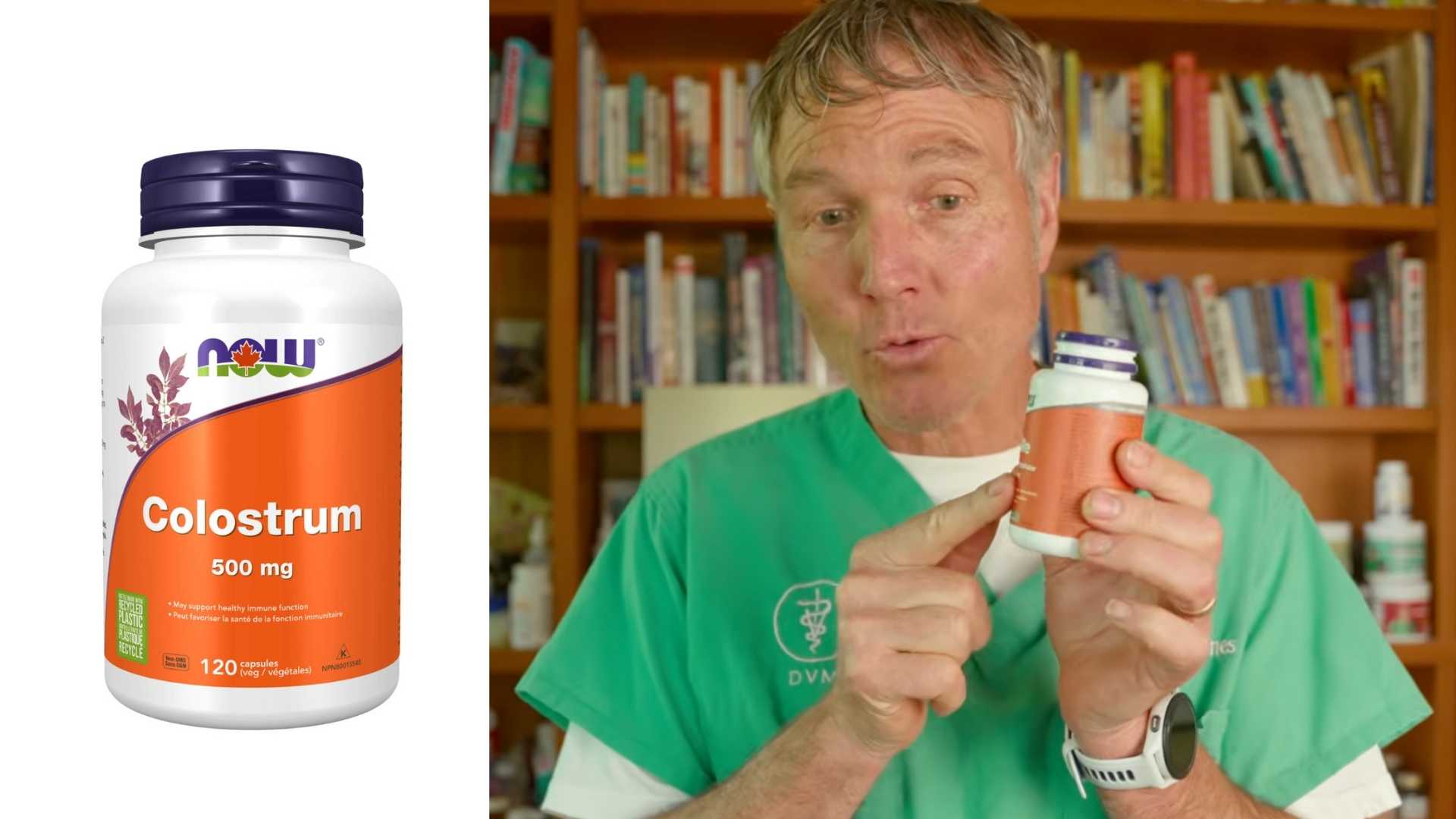
It may help:
- Heal the gut
- Reduce inflammation
- Improve overall health
- Support pets with inflammatory bowel disease, or IBD
For pets with gut-related inflammation, colostrum is one I would consider.
Colostrum Dose
Give:
100 mg per 10 lbs of body weight twice daily
Which Natural Prednisone Alternative Should You Choose?
The best option depends on your pet’s main problem.
| If Your Pet Has | Consider |
|---|---|
| Local itching | 1% topical hydrocortisone |
| General allergy itching | Cetirizine, nettle, omega-3s |
| Allergies with licking | Licorice root extract |
| Autoimmune inflammation support | Licorice root extract |
| Asthma-related inflammation | Omega-3s, CBD |
| Allergic skin disease | Turmeric, nettle, omega-3s |
| Gut inflammation or IBD | Colostrum |
| Long-term inflammation support | Omega-3s, CBD, turmeric, licorice root |
Prednisone vs Natural Alternatives
| Option | Pros | Cons |
|---|---|---|
| Prednisone | Works fast, reduces inflammation quickly | Can cause serious side effects, especially long term |
| Topical hydrocortisone | Targets local skin inflammation | Not enough for whole-body inflammation |
| Cetirizine | Useful for itching and allergies | May not be enough for severe flare-ups |
| Licorice root extract | Natural corticosteroid support | Not as fast-acting as Prednisone |
| Omega-3 fatty acids | Good long-term anti-inflammatory support | Works gradually |
| CBD oil | Supports inflammation and immune modulation | Dose consistency matters |
| Nettle | Natural antihistamine support | May not be enough alone for severe allergies |
| Turmeric | Anti-inflammatory support | Can stain and may need consistent use |
| Colostrum | Helpful for gut and immune support | Best matched to gut-related inflammation |
Why Licorice Root Is Often Overlooked
Licorice root is one of the most important herbs in Chinese medicine.
It is commonly used to help modulate the immune system.
For dogs and cats with allergies or autoimmune disease, it can be a very helpful option.
Again, it is not as fast as Prednisone.
But when you are trying to reduce inflammation without jumping straight to systemic steroids, licorice root deserves a place in the discussion.
Step-by-Step: What I Would Consider Before Using Prednisone
Step 1: Ask Why Prednisone Is Being Used
Is it for:
- Itching?
- Allergies?
- Ear infections?
- Asthma?
- Joint inflammation?
- Immune-mediated disease?
- GI inflammation?
The reason matters.
Step 2: Look for the Underlying Cause
For example, an itchy dog may have:
- Allergies
- Ear inflammation
- Skin infection
- Food-related triggers
- Environmental triggers
If we only stop the itch but never ask why it is happening, the problem may keep coming back.
Step 3: Consider a Safer Option First
Depending on the condition, I would consider:
- Topical hydrocortisone for local itching
- Cetirizine for allergy itching
- Licorice root for allergy or autoimmune inflammation support
- Omega-3s for inflammation
- CBD for immune modulation and inflammation
- Nettle as a natural antihistamine
- Turmeric for allergic skin disease
- Colostrum for gut inflammation or IBD
Step 4: Use the Right Dose
Natural does not mean “give whatever amount feels right.”
Use proper dosing.
That is where many pet parents get into trouble.
Step 5: Watch Your Pet Closely
Monitor:
- Itching
- Licking
- Breathing
- Appetite
- Weight
- Thirst
- Urination
- Stool
- Energy
- Skin changes
- Behavior
If your pet is not improving, reassess.
Dosage Table: Natural Alternatives to Prednisone
| Remedy | Dose Mentioned | Frequency |
|---|---|---|
| Cetirizine | 0.5 mg per pound | Once daily |
| Licorice root tincture | About 7 drops | Once or twice daily, up to 14 days |
| Omega-3 fatty acids | 500 mg per 15 to 20 lbs | Once or twice daily |
| CBD oil | 3 mg per 10 lbs | Twice daily |
| Dried nettle leaf | 100 to 200 mg per 10 lbs | Once or twice daily |
| Turmeric | 250 mg per 50 lbs | Twice daily |
| Colostrum | 100 mg per 10 lbs | Twice daily |
| Topical hydrocortisone | 1% cream | Apply to affected areas |
Final Thoughts
Prednisone can work quickly.
That is why it is used so often.
But the side effects are real, especially with long-term use.
Increased thirst.
Increased urination.
Weight gain.
Immune suppression.
Muscle weakness.
Delayed wound healing.
Hair loss.
Behavior changes.
GI problems.
Diabetes.
Cushing’s disease.
These are not small concerns.
For many pets, it makes sense to look at safer alternatives whenever possible.
Topical hydrocortisone, cetirizine, licorice root extract, omega-3 fatty acids, CBD oil, nettle, turmeric, and colostrum may all have a place depending on what your pet is dealing with.
My favorite overlooked option here is licorice root extract.
It is considered a natural corticosteroid, and I have seen it help dogs with allergies and licking.
Prednisone may still be needed in some cases.
But before using it as the automatic quick fix, ask what else may help.
Your pet deserves more than fast.
They deserve thoughtful.
Click To Get A Free Copy of My E-Book!

P.S. Licorice root is considered one of the most important herbs in Chinese medicine.
It is great for reducing inflammation in dogs and cats with allergies or autoimmune diseases.
It is not as fast-acting as Prednisone, but it can be very helpful for longer-term support.
P.P.S. I used licorice root often for one of our last dogs with allergies, and he responded really well.
It helped stop him from licking.