How I Treat Pet Lymphoma with Natural Home Remedies

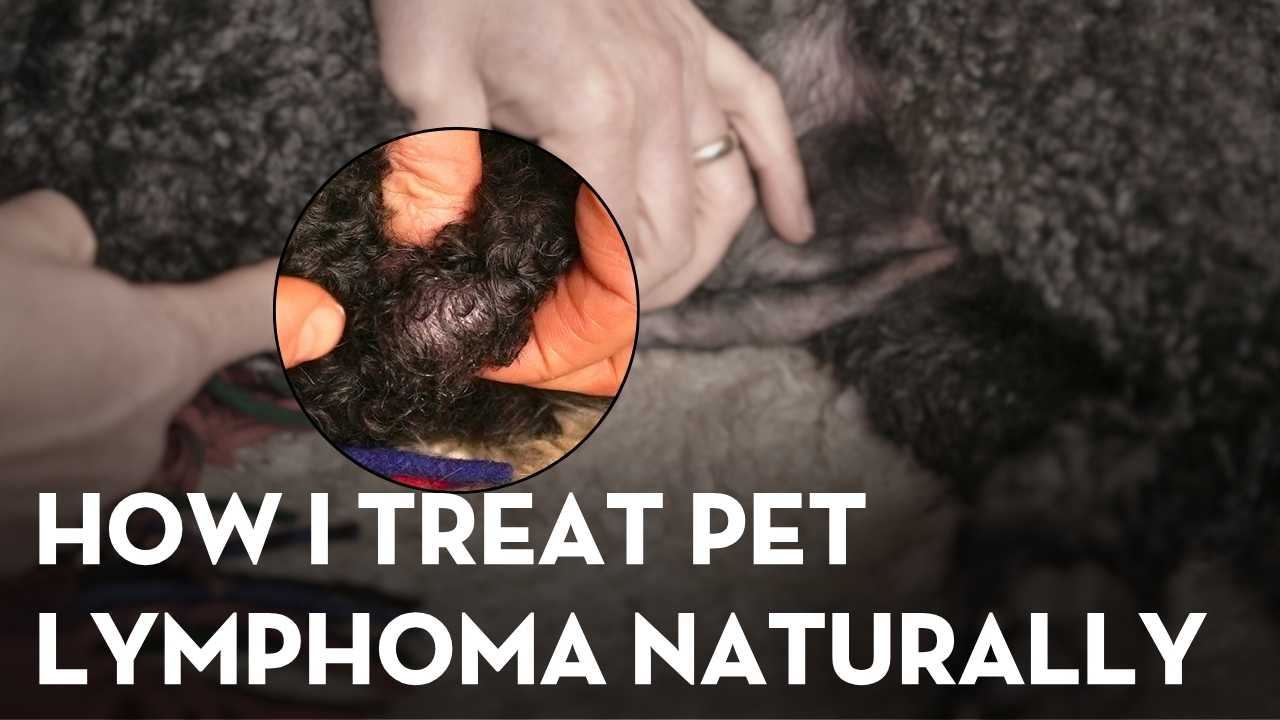
Lymphoma in Dogs and Cats: My Top Natural Remedies That Can Truly Help
Cancer is now the leading disease-related cause of death in our dogs and cats. I am seeing the numbers rise, especially in certain breeds. While there are many new conventional cancer treatments becoming available, there are also some promising natural options that more pet parents need to know about.
One group of remedies that continues to impress me are the cannabinoids from the cannabis plant. These compounds can slow cancer spread, help the immune system recognize cancer cells, and in some cases trigger apoptosis, which means cancer cell death. They also provide pain relief, which matters for any animal living with cancer.
If you ever have to support a dog or cat with cancer, I strongly encourage you to consider cannabinoids. We now have a cannabinoid blend that has been getting some great reviews from pet parents.
You can try it here: Dr. Jones’ ULTIMATE Cannabinoid Blend for Dogs and Cats
Dr. Jones’ ULTIMATE Cannabinoid Blend for Dogs and Cats




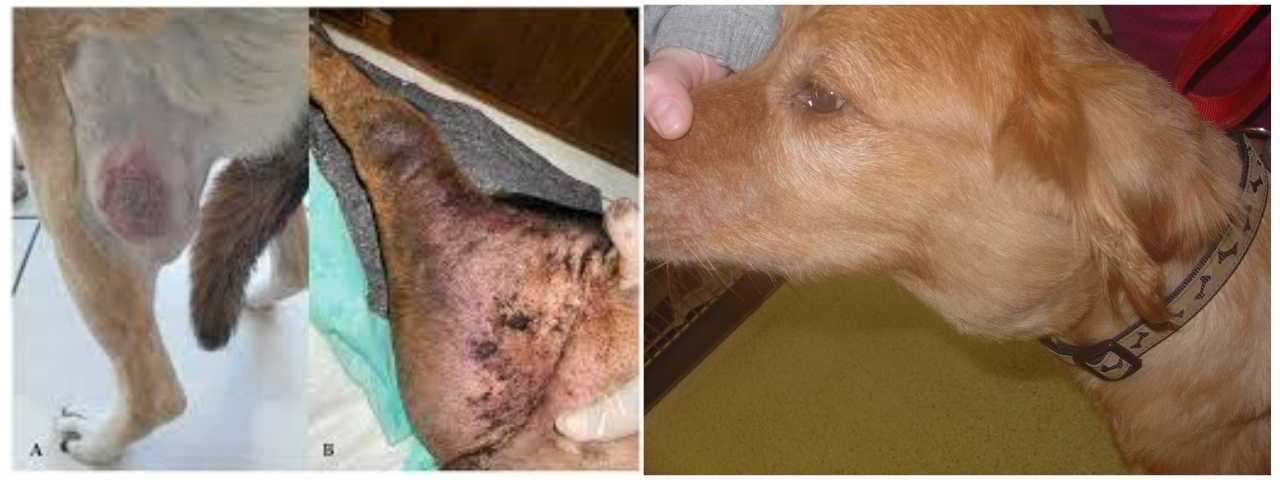
Understanding Lymphoma
Lymphoma, also called lymphosarcoma, is an aggressive cancer of the lymphatic system. It is one of the most common cancers in both people and pets.
What the Lymphatic System Does
The lymphatic system is a network of vessels and lymph nodes that helps the body manage foreign proteins, infectious organisms, and unwanted materials. It works much like a second circulatory system, carrying lymph instead of blood.

Lymphocytes are the main immune cells within this system. They help control infection, regulate inflammation, and destroy abnormal cells. When lymphocytes become cancerous, lymphoma develops.
How Lymphoma Spreads
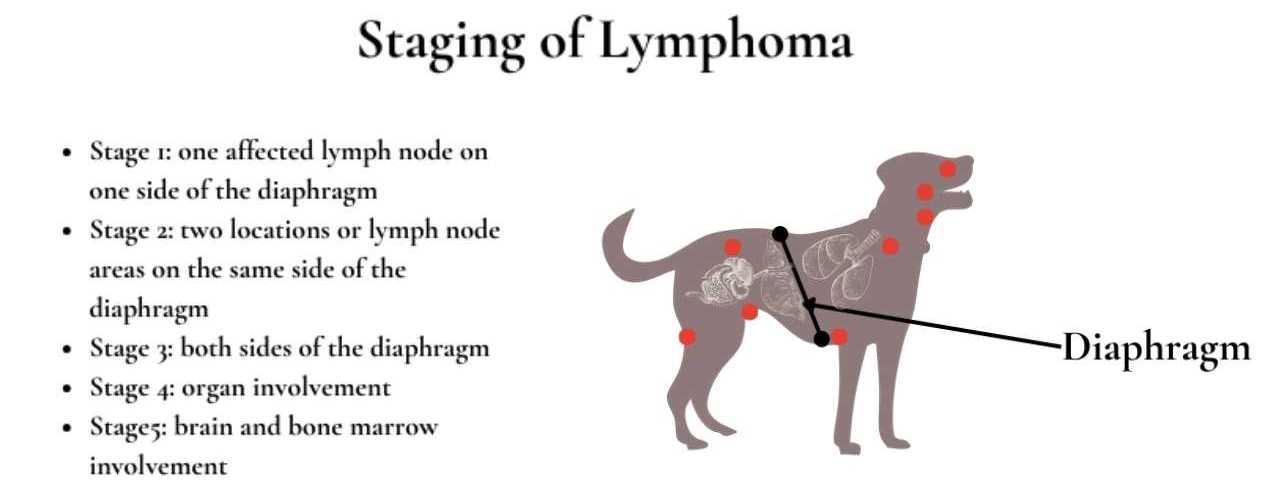
Cancerous lymphocytes travel easily through lymphatic vessels. A single affected lymph node can quickly lead to more nodes enlarging, and later the liver, spleen, gastrointestinal tract, and even bone marrow may become involved. Once the bone marrow is affected, the immune system can no longer function normally.
Types of Lymphoma in Pets
1. Multicentric Lymphoma (Most Common)
Around 80 to 85 percent of lymphoma cases in dogs. Multiple lymph nodes throughout the body enlarge.
2. Alimentary Lymphoma
Affects the digestive tract. Causes vomiting, diarrhea, weight loss, and poor appetite.
3. Mediastinal Lymphoma
Affects lymphoid organs in the chest. Leads to coughing and breathing difficulty.
4. Extranodal Lymphoma
A rare form that appears in organs outside the lymphatic system, such as the skin, kidneys, lungs, eyes, or brain. When in the skin, it is called cutaneous lymphoma.
Signs of Lymphoma in Dogs and Cats
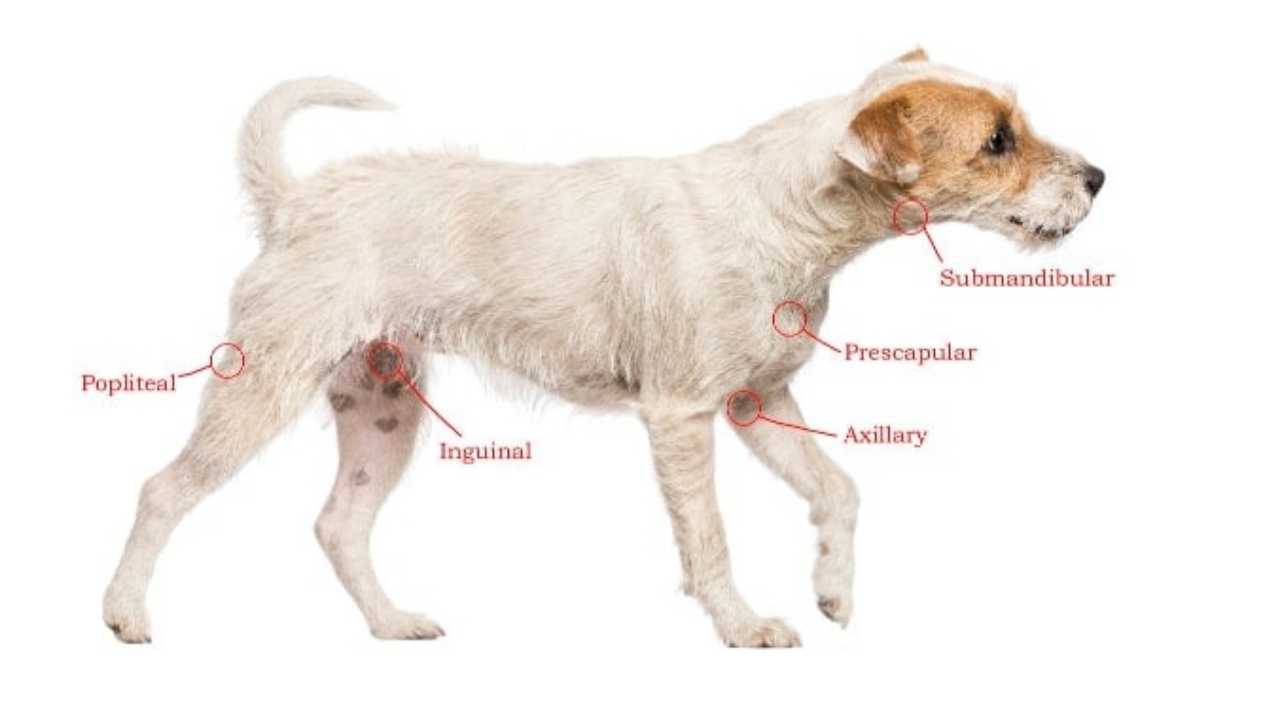
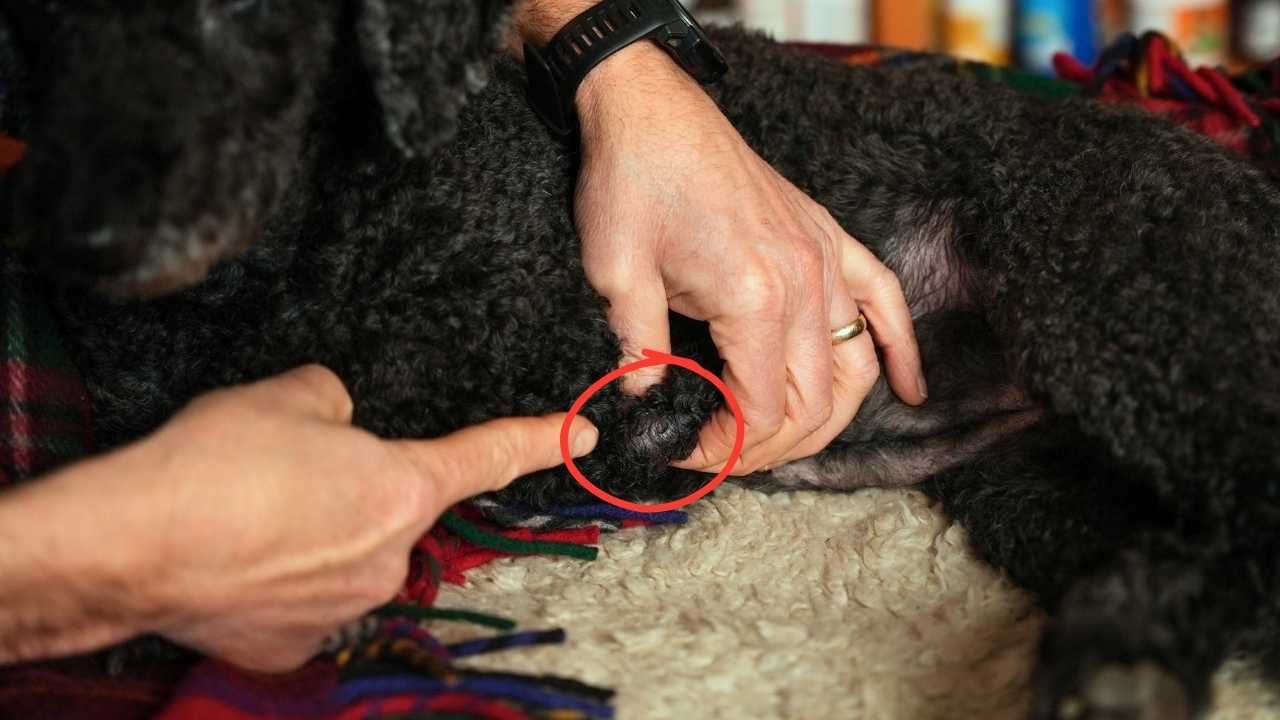
In multicentric lymphoma, the most common sign is swollen lymph nodes. You might notice firm swellings under the jaw, in the armpits, behind the knees, or in the groin. Many dogs still feel normal early on, but weight loss, lethargy, and reduced appetite develop as the disease progresses.
Signs of less common types depend on the organs involved.
Conventional Treatment
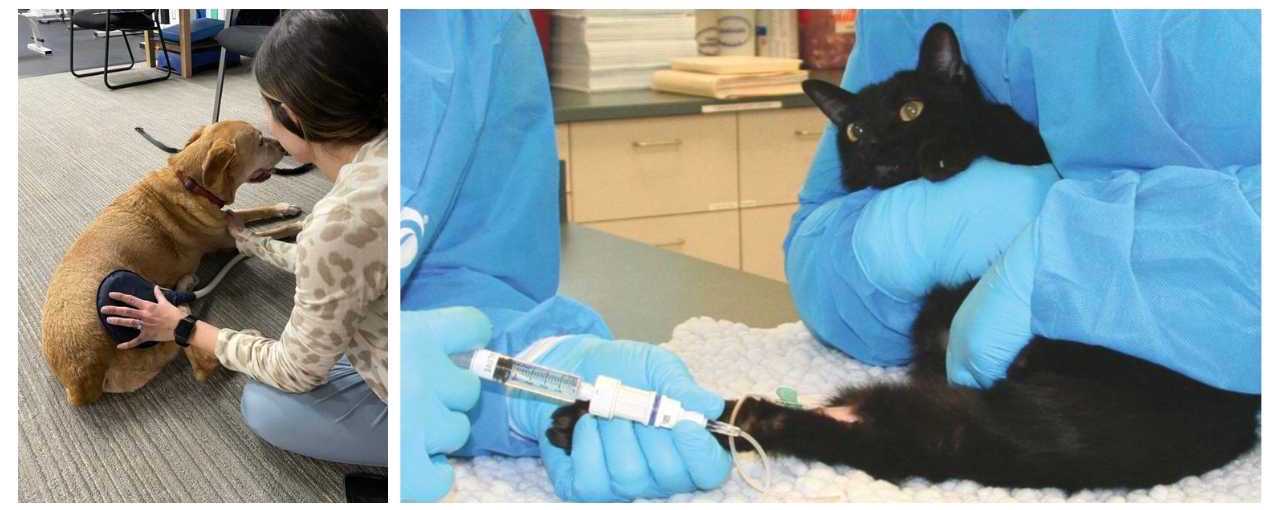
Chemotherapy can put lymphoma into remission. Remission means the cancer signs disappear, but the cancer is not truly cured. The average remission period is eight to nine months, with an average survival time of about one year.
New Conventional Treatment: Verdinexor
A newer treatment being studied is Verdinexor, used for dogs with newly diagnosed or first-relapse lymphoma. Early findings are promising, and it may provide another option for pet parents who want to combine conventional care with natural support.
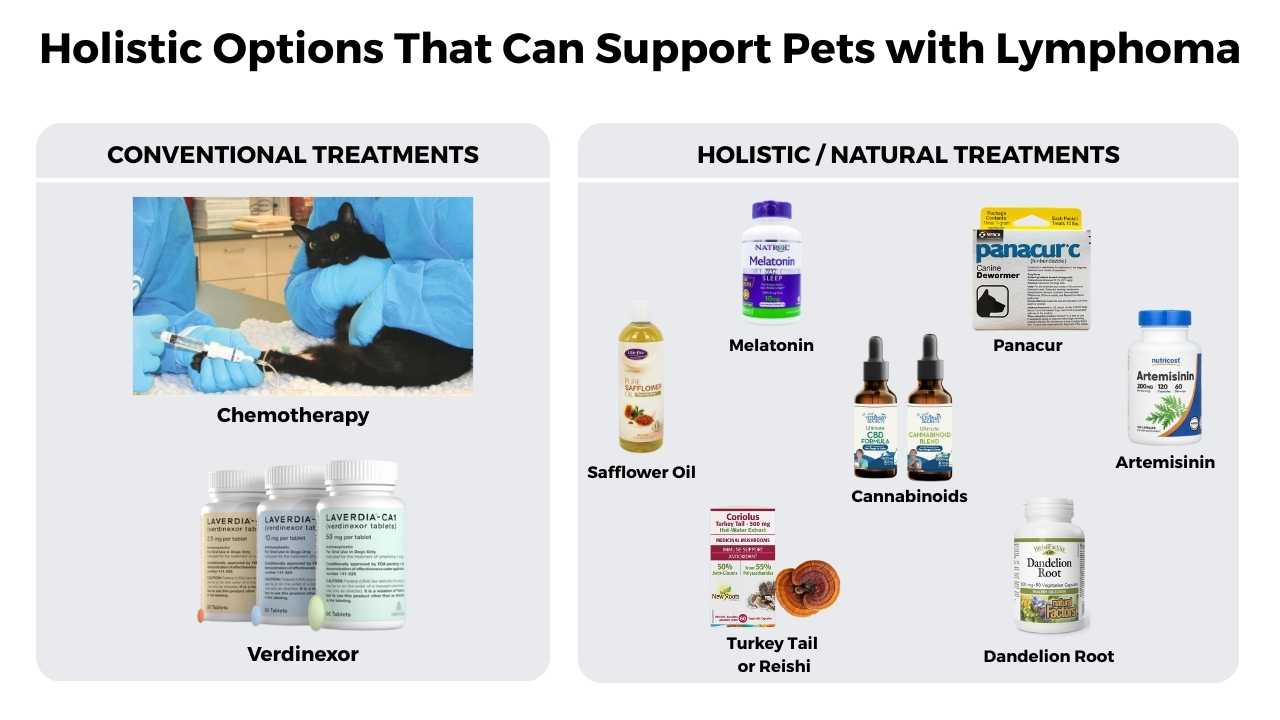
Holistic Options That Can Support Pets with Lymphoma
These are the remedies I would personally use if one of my own dogs ever developed cancer.
1. Diet Therapy
One of the strongest natural tools you have is nutrition.
• Avoid high-carbohydrate kibble
• Choose a diet rich in protein and healthy fats
• Frozen raw or gently cooked diets are ideal
There is new research showing keto-style diets can help pets with cancer.
Safflower Oil for Cutaneous Lymphoma: A study showed six out of eight dogs went into remission using safflower oil alone. Dose: 1 teaspoon per 10 pounds of body weight, twice daily.
2. Cannabinoids (CBD and Others)
Cannabinoids have documented anti-cancer effects, including:
• Slowing cancer spread
• Triggering apoptosis
• Decreasing inflammation
• Reducing pain
Veterinary oncologists are now using high doses, up to 15 mg per kg.
My recommended dose:
3 mg per 10 lbs twice daily. You can safely increase up to ten times that amount.
Topical application over tumors can also help.
3. Medicinal Mushrooms
- Turkey Tail (Coriolus versicolor): A powerful immune booster. Used in Japan as part of cancer care. Dose: 100 mg per 10 lbs daily.
- Reishi: Excellent for supporting pets with lymphoma. Dose: 100 mg per 10 lbs once or twice daily.
4. Melatonin
Melatonin has strong antioxidant, immune-boosting, and anti-cancer properties. It works well alongside chemotherapy.
Dose: 1 mg per 10 lbs of body weight (maximum 6 mg), given one hour before bed.
5. Panacur (Fenbendazole)
Fenbendazole destabilizes cancer cell walls, causing cancer cell death.
Dose:
50 mg per kg for three days on, four days off.
Try for one month and monitor your pet closely.
6. Dandelion Root
Dandelion root has gained attention for its potential to help dogs with cancer.
You can simmer the dried root in water for 20 to 30 minutes and offer it daily. Many pet parents report seeing improvement in about two weeks.
7. Artemisinin (Artemisia annua)
Highly effective against cancers with high iron content, such as HSA, and may help lymphoma as well.
Dose: 5 mg per 10 lbs daily.
8. Safflower Oil for Cutaneous Lymphoma (Mycosis Fungoides)
A fascinating small study reported remission in six of eight dogs using safflower oil alone.
Dose:
3 ml per kg, twice weekly, given with food.
Final Thoughts
I hope your dog or cat never faces cancer. Prevention is always better. But if cancer does develop, I encourage you to explore both conventional and natural options.
Click To Get A Free Copy of My E-Book!

Stay Connected with Dr. Andrew Jones DVM:
- Visit our website: https://veterinarysecrets.com/
- Subscribe for more pet care tips: https://www.youtube.com/@VeterinarySecrets
- Facebook: http://facebook.com/veterinarysecrets
- Instagram: http://instagram.com/veterinarysecrets
- Twitter: http://twitter.com/dogandcatdoc
- Pinterest: http://pinterest.com/veterinarysecrets
- Podcast: http://vetsecrets.podbean.com/
Cannabinoids now have extensive research showing they are safe and effective, with clear anti-cancer potential and far fewer side effects than many standard treatments.
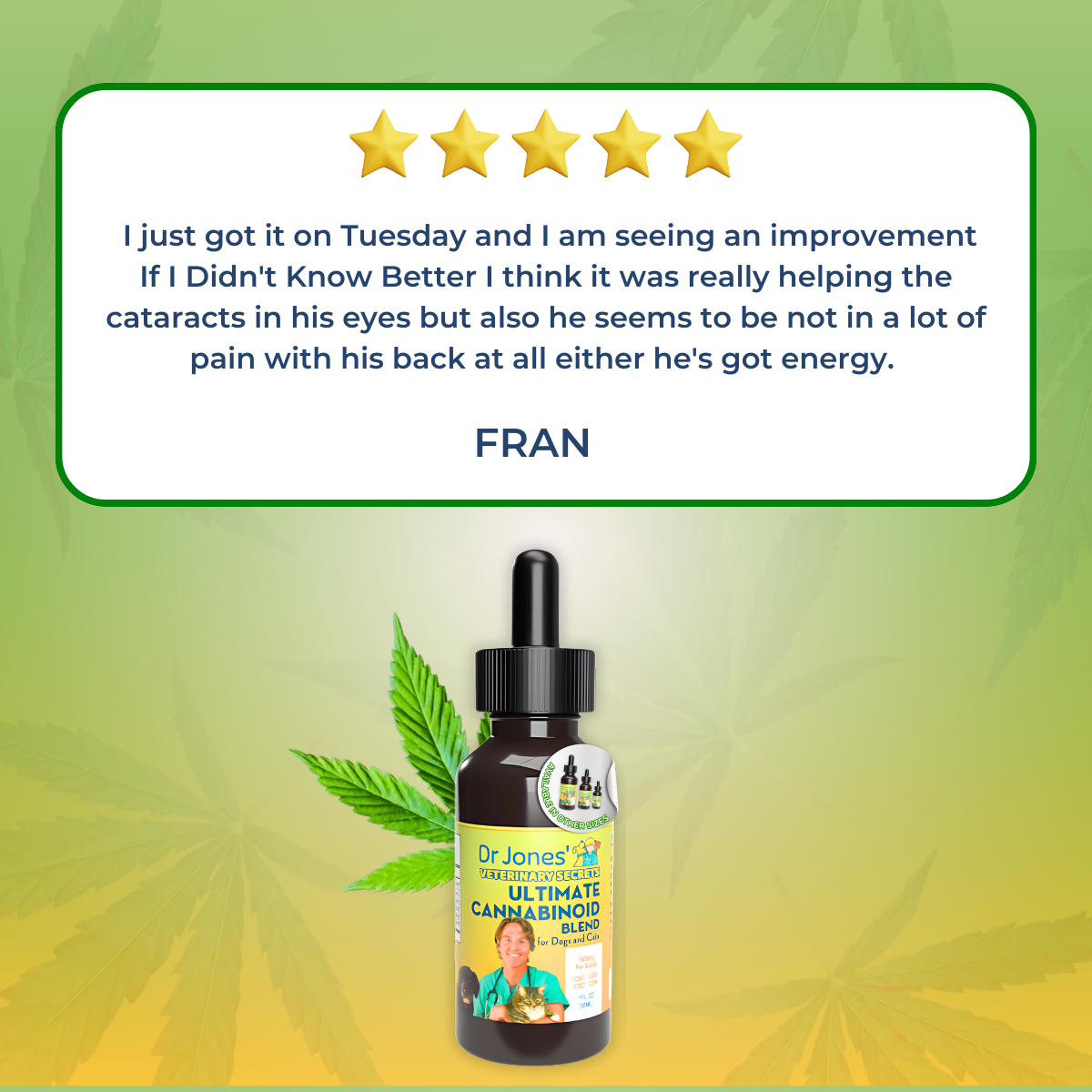
We now have a new blend with four different cannabinoids:






Hi, I have a question. I just found out my dog has linphoma cancer and I was looking at your recommendations but I’m a little confused, I see that the recommended dose for Artemisinin 5mg per every 10lbs per day, the pill that I find are 100mg per capsule. How do I divided? So it could be the amount I need my dog is only 14lbs right now. Please help me.Thank you
I’m really sorry you’re dealing with that. It’s a lot to take in.
You’re reading it correctly. The reason it looks confusing is because most artemisinin capsules are made for much larger dogs. For a small dog like yours, the usual approach is to open the capsule and divide the powder so only a small portion is used. A fourteen pound dog would need just a fraction of a one hundred milligram capsule.
My dog takes 5mg prednisone a day. If she is not taking it she will have no appetite and sleeps all day. I want to take her off it slowly. Can prednisone be taken with all the suggested natural remedies above
Great question and I am glad you asked. Prednisone can be very helpful for appetite and comfort but you are right to want to taper slowly and carefully. In most cases the natural supports I talk about can be used alongside prednisone, especially things like omega three oils, medicinal mushrooms and gentle immune support. The key is to go slow and never stop the prednisone suddenly. Always taper with your vets guidance. If your dog is on chemo then some supplements should be timed carefully, but if not, many of the natural options can work well together. You are doing a great job advocating for her and thinking this through.
I have read that CBD can interact with prednisone and not recommended to take together. Thought?
CBD and prednisone can potentially be used together, but there is some caution advised. Both substances are processed through the liver, and CBD may affect how certain medications (including steroids like prednisone) are metabolized. This could potentially increase or alter the effects of prednisone in some cases.
That said, many pet owners do use them together under veterinary guidance, especially when trying to support inflammation, pain, or immune-related conditions. The key is:
Start with a low dose of CBD
Monitor closely for any side effects (lethargy, GI upset, changes in appetite or behavior)
Keep your veterinarian informed so they can adjust dosing if needed
If your pet is on long-term or high-dose prednisone, it’s especially important to be cautious and get veterinary input before adding CBD.
Hope that helps clarify things a bit!